Bodega Carrau
Las Piedras
Winery in Las Piedras, Uruguay
The Read
Canelones Terroir Authority
Why go
Bodega Carrau is a plan-ahead Las Piedras winery choice for serious Uruguay wine buyers and special-occasion visitors. Prioritize it if cellar access, allocation potential, a quieter tasting format matter more than an easy casual drop-in; compare other Canelones options if the goal is a simpler group outing.
About Bodega Carrau
Bodega Carrau is a Las Piedras venue with a casual dress code and Pearl 2 Star Prestige recognition for 2025. With only a limited verified public profile available here, the safest way to frame a visit is simple: confirm current visit details directly with the venue before making plans.
The strongest verified hook is the 2025 Pearl 2 Star Prestige signal. Beyond that, specific claims about tastings, food, reservations, shipping, club terms, prices, hours, or group capacity are not confirmed in the available record, so they should not be assumed. For a date, anniversary, business outing, or other planned stop, build the plan around what the venue confirms rather than around secondhand expectations.
Worth prioritizing if the goal is a verified Las Piedras stop
Bodega Carrau is most useful to readers who want a clearly identified Las Piedras venue with a confirmed prestige marker. If the goal is a casual outing, a special-occasion visit, or a more structured plan, the next step is the same: contact the venue for the current format, timing, availability, any other practical details before committing the day.
For a broader Las Piedras plan, use Our full Las Piedras venue guide first, then add nearby category context from Our full Las Piedras restaurants guide, Our full Las Piedras hotels guide, Our full Las Piedras bars guide, Our full Las Piedras experiences guide. Other names to consider for comparison include Antigua Bodega Stagnari, Bodega Bouza, Bodega Traversa, Grappamiel del Uruguay, H. Stagnari.
Build the trip around Las Piedras, then expand only if the goal is bigger
For most visitors, one focused Las Piedras stop plus dining elsewhere in the city can make a clean itinerary. If you are comparing venues more broadly, keep the comparison practical and verify each venue's current visitor setup before traveling. Bodega Carrau should be judged on confirmed access, fit, timing rather than on unverified assumptions about service style or purchase programs.
The practical verdict: consider Bodega Carrau when you want a Las Piedras venue with Pearl 2 Star Prestige recognition in 2025 and a casual dress code. Before you go, confirm the visit format, timing, food availability, purchase options, group suitability through official channels.
Planning details
- Location
- Ruta Nal. César Mayo Gutiérrez 2556, 12400 Montevideo, Departamento de Montevideo
- Website
- bodegascarrau.com
- Phone
- +598 2320 0238
The take
The Take
The Vibe
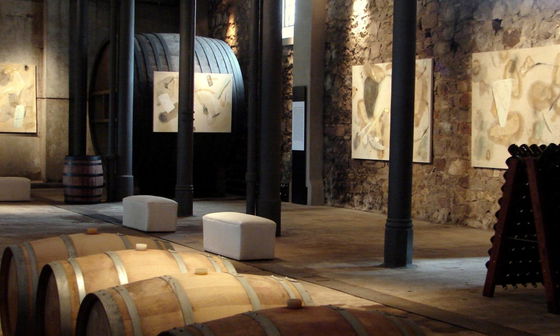
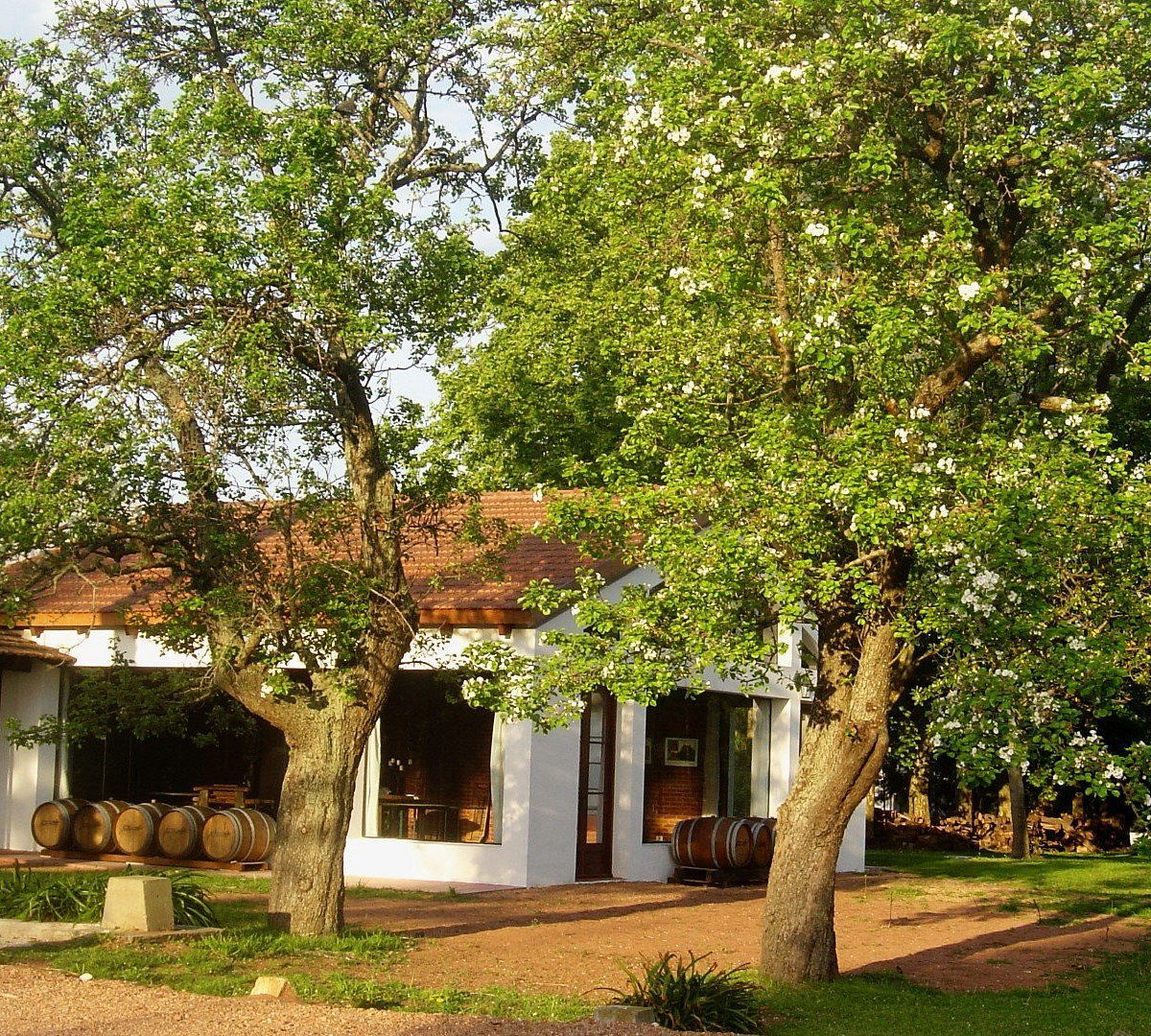
Bodega Carrau reads as a terroir-first winery rooted in a distinctly Uruguayan landscape. The prose foregrounds Las Piedras’ low hills, clay-heavy soils and maritime influence, so the sense here is of measured seriousness rather than flash. The copy frames Tannat at a 'prestige' level and connects the variety to a nineteenth-century arrival from the Basque country, which gives the place a quietly historic and refined air. Visitors should expect a focus on site expression and structural finesse—an atmosphere built around vineyard specificity and thoughtful, technically minded winemaking.
Best For
This is best for travelers and wine professionals who want to understand how site shapes national identity. The description emphasizes Las Piedras’ climate, clay soils and diurnal swings, so the property suits people interested in terroir-driven Tannat and the mechanics of phenolic ripeness. It is a solid pick for educational visits, focused group outings or anyone studying Uruguay’s signature grape—those looking for tasting notes anchored to soil, microclimate and stylistic restraint will get the most out of a stop here.
Tasting Tips
When exploring Bodega Carrau’s wines, prioritize expressions that call out Las Piedras or Canelones on the label and anything presented at the 'prestige' tier—the text stresses that site and late phenolic maturity matter here. Expect wines that manage tannic structure through site selection and timing; ask about vintage variation and how clay-heavy soils influenced berry size and ripeness in a given year. Framing questions around soil type, diurnal range and tannin management will yield the most informative and revealing bottles.
Planning details
Location
Ruta Nal. César Mayo Gutiérrez 2556, 12400 Montevideo, Departamento de Montevideo · Directions
Also consider
Also Consider
- Grappamiel del Uruguay, Notable alternative
- Bodega Bouza, Notable alternative
- Antigua Bodega Stagnari, Notable alternative
- H. Stagnari, Notable alternative
- Bodega Traversa, Notable alternative
Winery context
How It Compares
Bodega Carrau is the more serious pick if the reader is weighing wine-club value or longer-term cellar access, while Grappamiel del Uruguay is the better cross-shop for a more casual, lower-commitment stop. Choose Carrau for a special occasion or collector-minded visit; choose Grappamiel when the day needs to stay easy and less formal.
Bodega Bouza is the safer alternative for visitors who want a more established hospitality feel and a smoother guest experience, especially if the group includes people who care more about the outing than allocation details. Antigua Bodega Stagnari and H. Stagnari make more sense for readers comparing Canelones producers rather than chasing one hard booking.
Bodega Traversa is the practical backup if access matters more than prestige. If Carrau proves difficult to arrange, Traversa is the easier name to keep in the plan; if the occasion is a milestone or business-hosted tasting, keep Carrau first and build the rest of the day around that slot.
Explore Las Piedras
Around this place
Discover more on Pearl
Unlock the full Bodega Carrau guide in Pearl, including awards, comparisons, FAQs, planning details, and nearby places.
Compare Bodega Carrau
| Venue | Location | Awards |
|---|---|---|
| Bodega Carrau | Las Piedras | No published awards |
| Grappamiel del Uruguay | Canelones | No published awards |
| Bodega Bouza | Montevideo | 2025 World's 50 Best Vineyards · #552024 World's 50 Best Vineyards · #382023 World's 50 Best Vineyards · #302020 World's 50 Best Vineyards · #262019 World's 50 Best Vineyards · #44 |
| Antigua Bodega Stagnari | Canelones | No published awards |
| H. Stagnari | Canelones | No published awards |
| Bodega Traversa | Montevideo | No published awards |

How Bodega Carrau Las Piedras compares with similar nearby venues.
FAQ
Frequently Asked Questions
Is Bodega Carrau worth prioritizing in Las Piedras?
It can be worth prioritizing if you want a Las Piedras venue with Pearl 2 Star Prestige recognition for 2025. The verified record does not confirm club terms, pricing, or visit formats, so compare current details directly with the venue and with options such as Bodega Bouza and Antigua Bodega Stagnari before deciding.