
Alma Historica Boutique Hotel
Ciudad Vieja, Montevideo
Hotel in Montevideo, Uruguay
 Book with Pearl
Why go
A strong choice for first-time Montevideo visitors who want a boutique stay in the historic core rather than a larger, amenity-led hotel. Choose Alma Historica Boutique Hotel for old-city atmosphere and design character; compare against bigger Montevideo options if spa facilities, brand consistency, or beach access matter more.
About Alma Historica Boutique Hotel
Alma Historica Boutique Hotel is a Montevideo hotel with two clear signals for travelers comparing a stay: MICHELIN Guide, Hotels Selected (2025) and the Mr & Mrs Smith Seal of Approval (2026). Beyond those recognitions, the best way to evaluate it is to confirm current room, service, and facility details directly with the hotel before booking.
To make the decision, look closely at specifics such as a dining program, spa setup, room count, or neighborhood-based itinerary. Compare Alma Historica Boutique Hotel as a Montevideo stay against other hotels according to your dates, budget, and trip priorities.
Choose it for recognition, then confirm the details
The grounded reason to keep Alma Historica Boutique Hotel on a Montevideo shortlist is its recognition: MICHELIN Guide, Hotels Selected (2025) and Mr & Mrs Smith Seal of Approval (2026). Those signals can help narrow the field, but they do not replace checking the current booking terms and on-property details.
Before committing, verify the specifics that matter most to your trip, including room type, arrival timing, facilities, dining availability, and any special requests. The dress guidance is smart casual, so guests should use that as the baseline where a dress code is relevant and confirm directly if an occasion requires more precision.
Who should stay here first
Alma Historica Boutique Hotel is best considered by travelers who want a Montevideo hotel with recognition and who are comfortable checking current practical details before booking. For food planning, pair the hotel decision with Our full Montevideo restaurants guide; for a wider view of where to sleep, use Our full Montevideo hotels guide.
If the evening plan matters, build the itinerary around confirmed reservations and current logistics rather than assumptions about any one hotel. For category planning beyond hotels, Pearl's Montevideo bars guide, Montevideo experiences guide, and Montevideo wineries guide can help separate the stay decision from dining, nightlife, and activity planning.
The verdict: consider Alma Historica Boutique Hotel if recognition in Montevideo is important to your shortlist. If you need a different style of stay, compare it with options such as FAUNA Montevideo, Hotel L'Auberge, Hotel Montevideo, Hyatt Centric Montevideo, and Sofitel Montevideo Casino Carrasco & Spa before booking.
Planning details
- Location
- Solís 1433, 11000 Montevideo, Departamento de Montevideo, Uruguay
- Website
- almahistoricahotel.com
- Phone
- +598 2914 7450
The take
The Take
The Vibe
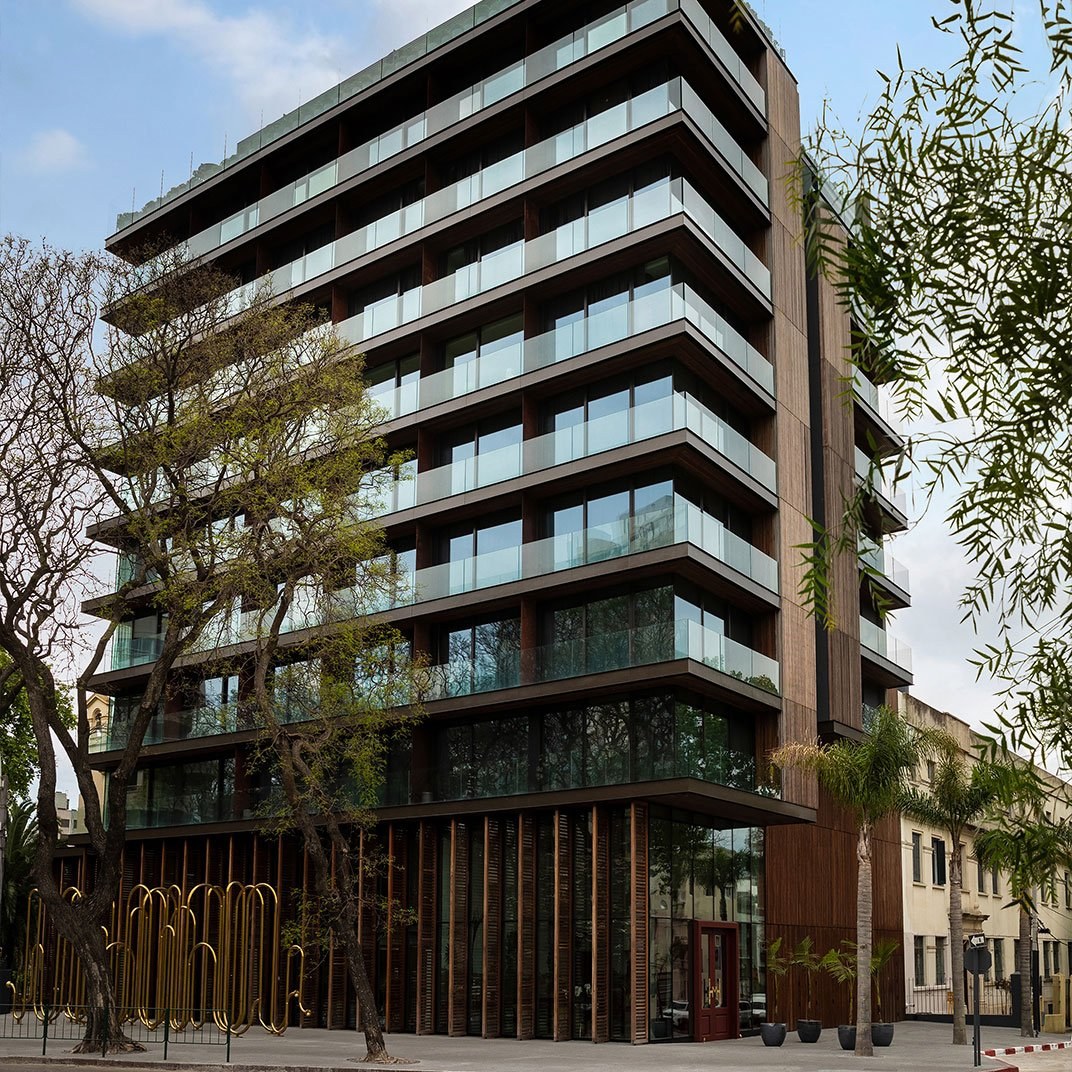
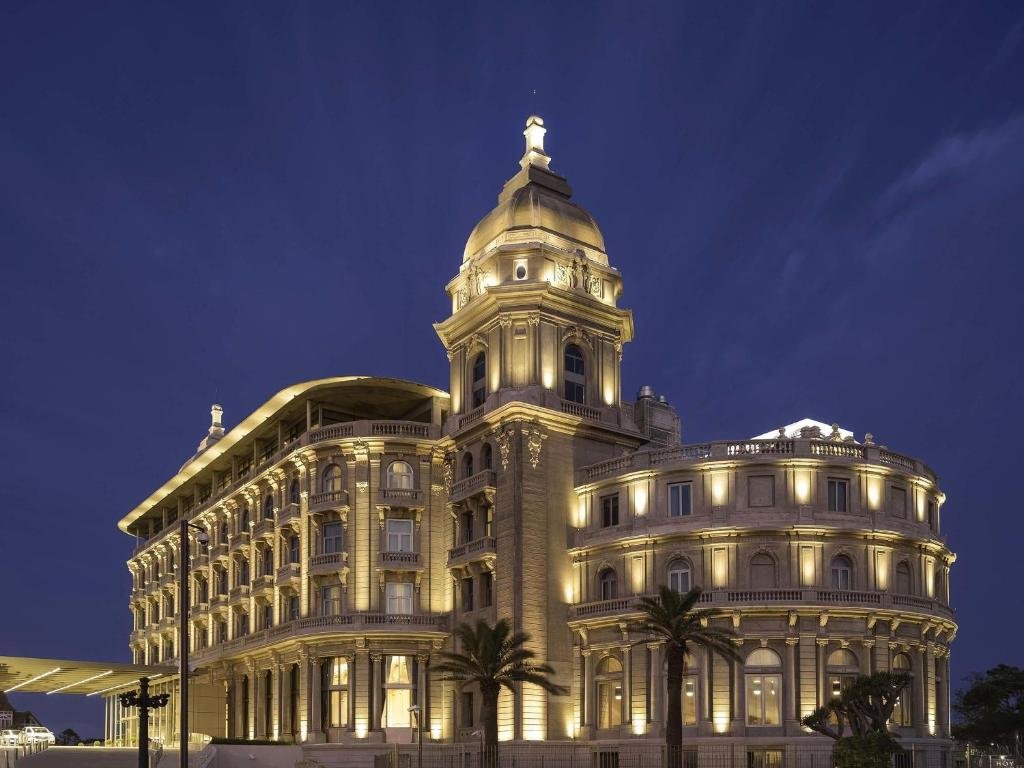
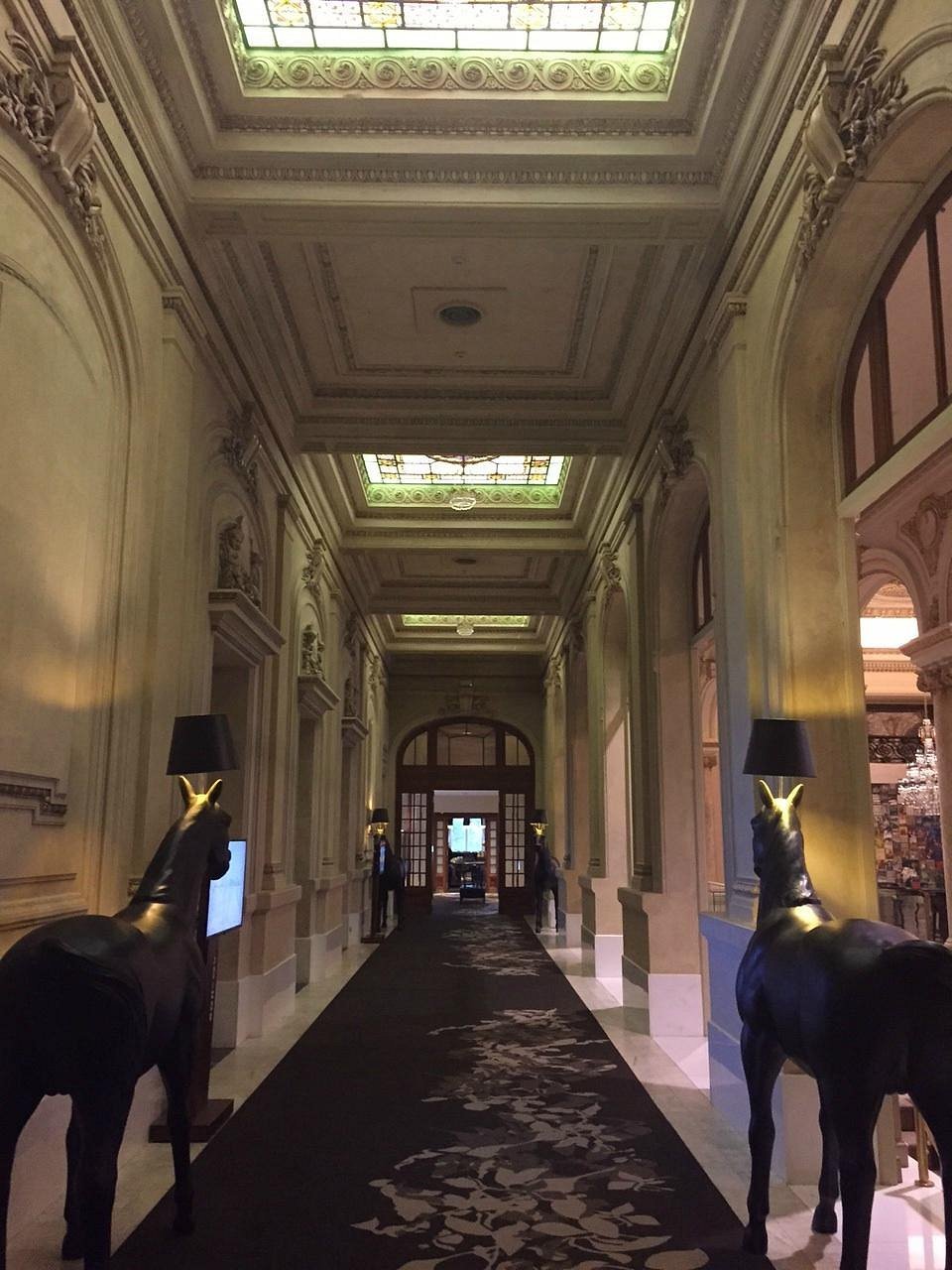
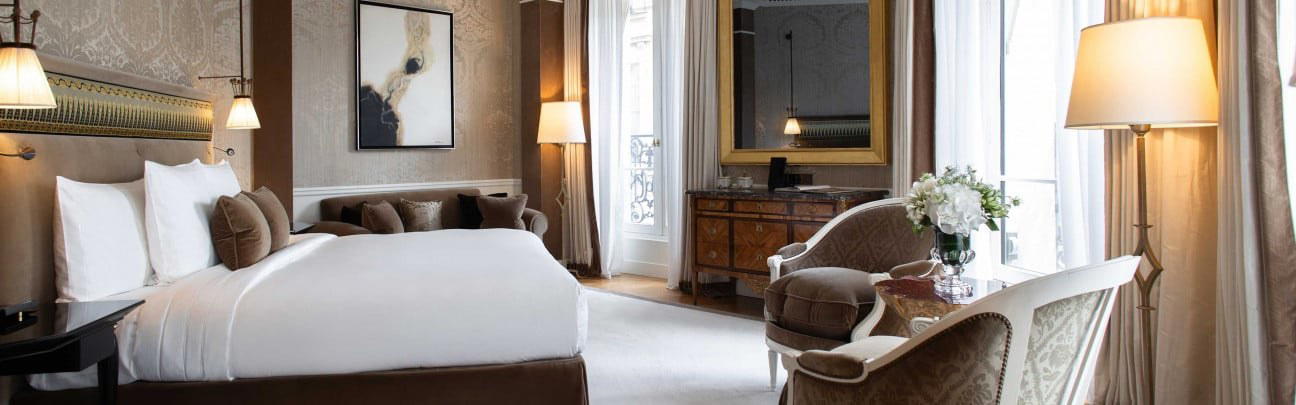
Alma Historica presents a quietly refined, historically rooted personality. The hotel occupies converted nineteenth-century mercantile fabric in Ciudad Vieja, so its character is defined by high ceilings, ornamental ironwork and interior courtyards rather than modern glass-and-steel gestures. The property reads as intimate and human in scale — a small boutique that foregrounds preservation and architectural detail — and the Michelin Selected mention underscores a measured standard of quality. Overall the tone feels classic and charming: less about spectacle and more about the lived textures of Montevideo’s oldest quarter and a thoughtful, small-scale hospitality approach.
Best For
This hotel suits travelers who prize architecture, history and a compact, walkable urban setting. Guests who want to stay inside Ciudad Vieja to experience Montevideo’s oldest quarter — its nineteenth-century streetscapes and close-grained urban fabric — find the location especially rewarding. Alma Historica is also a good match for visitors who prefer boutique scale over large resorts or tower hotels, and for those who value properties that engage with local heritage. The Michelin Selected recognition signals a reliable level of service and character, making it appealing to discerning leisure travelers and cultural explorers alike.
Stay Tips
Because Alma Historica is described as a small, boutique property embedded in a historic district, plan and book early: limited room inventory is likely compared with larger hotels. When reserving, request a room that faces or provides access to the interior courtyard to experience the building’s preserved architectural shell — the high ceilings and courtyard setting are prominent features in the description. Treat the hotel as a base for exploring Ciudad Vieja rather than a self-contained resort: leave time to walk the surrounding streets and absorb the neighbourhood’s nineteenth-century mercantile character.
Venue details
Ambiance
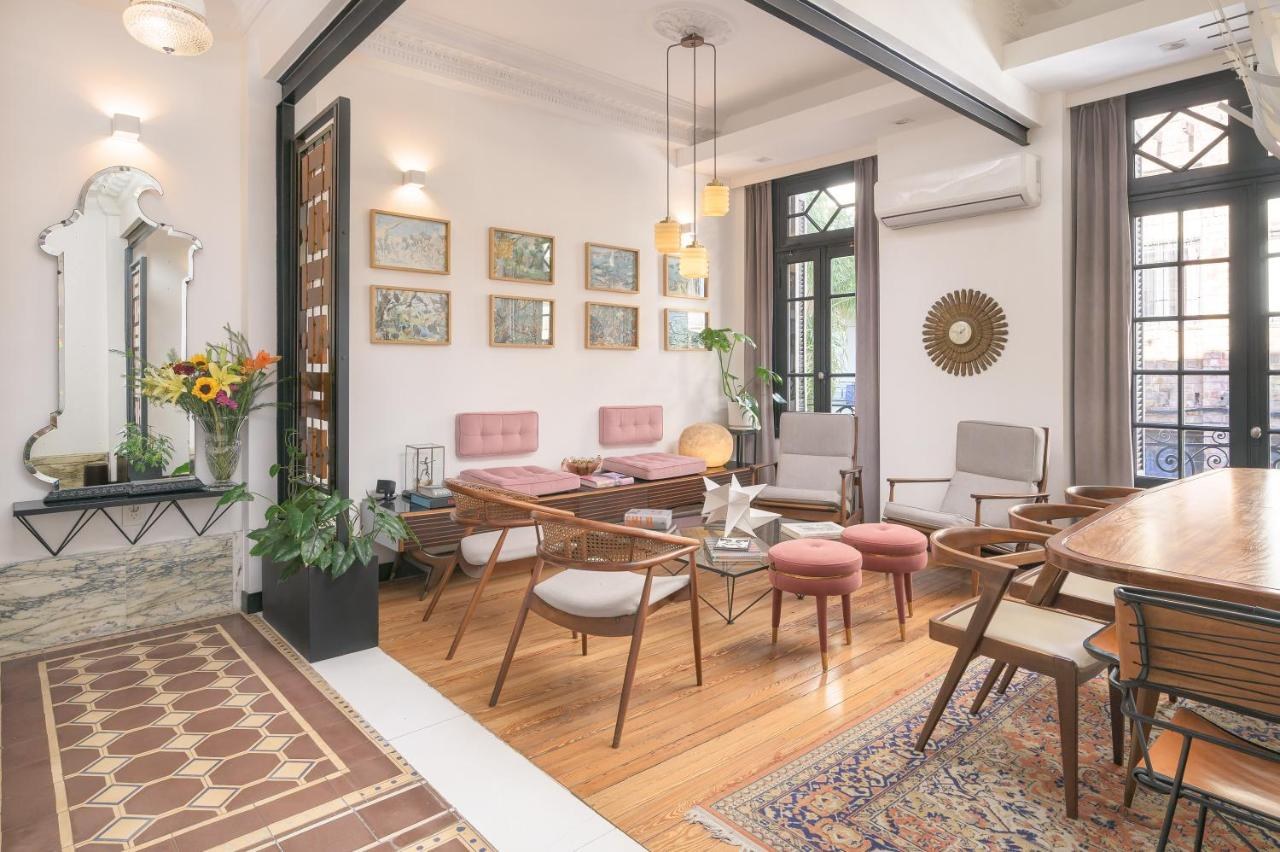
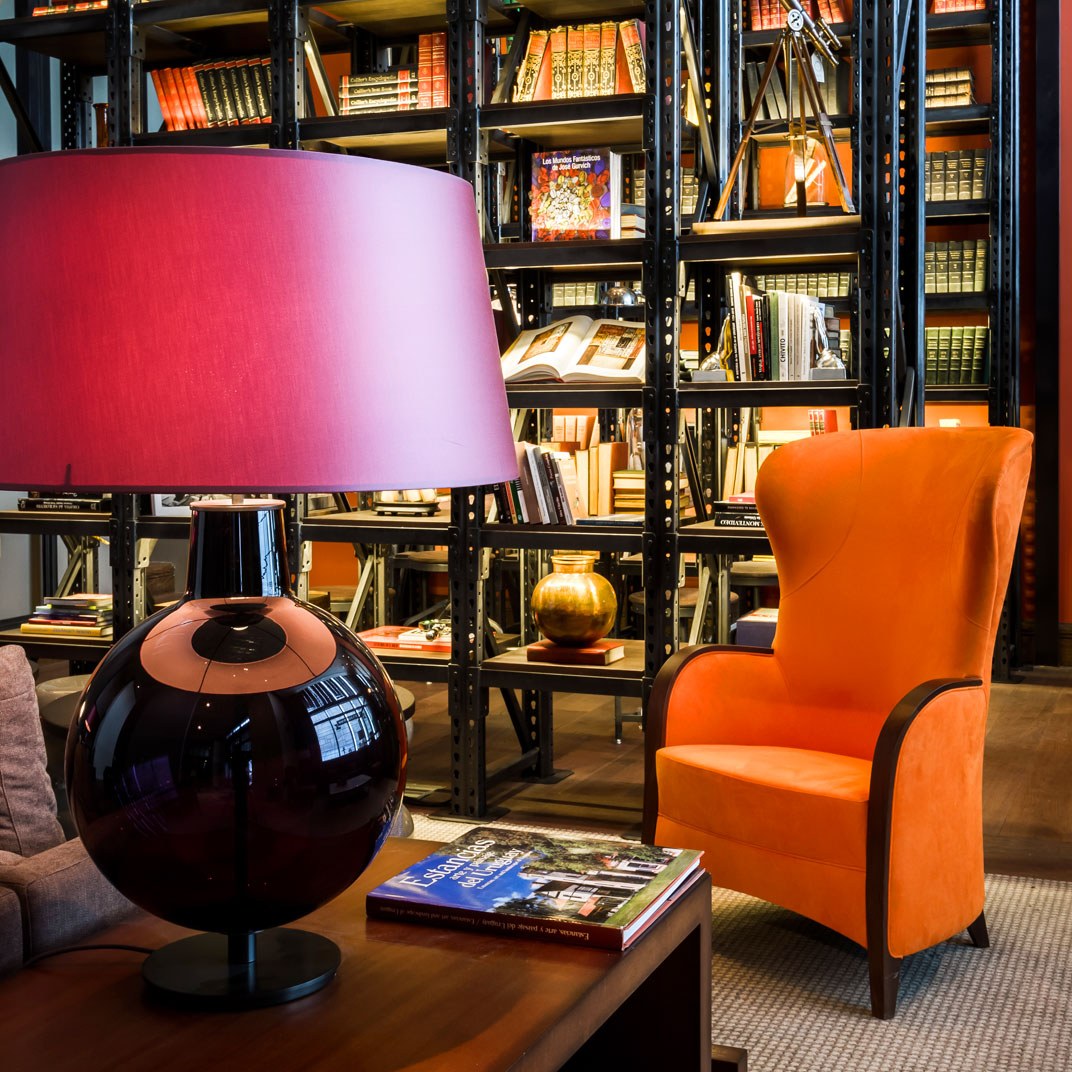
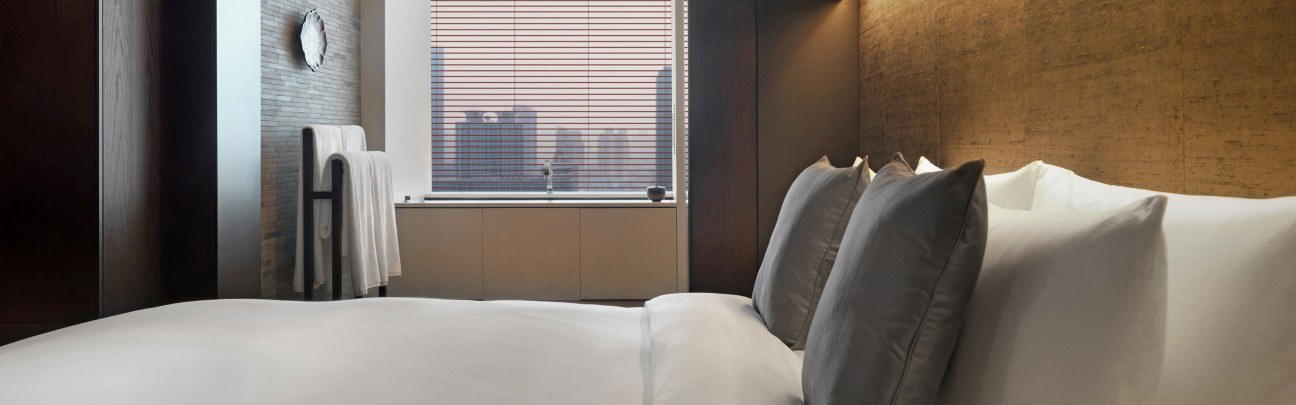
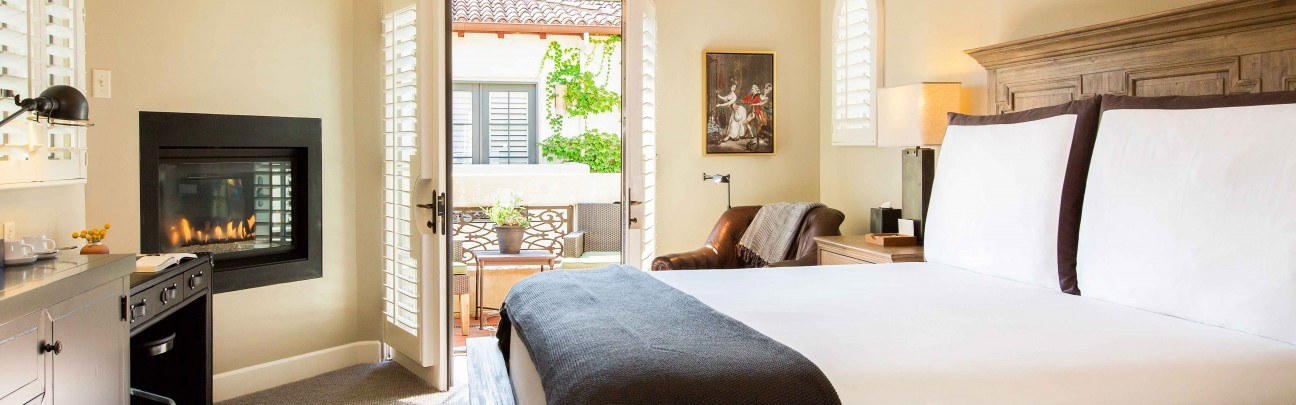
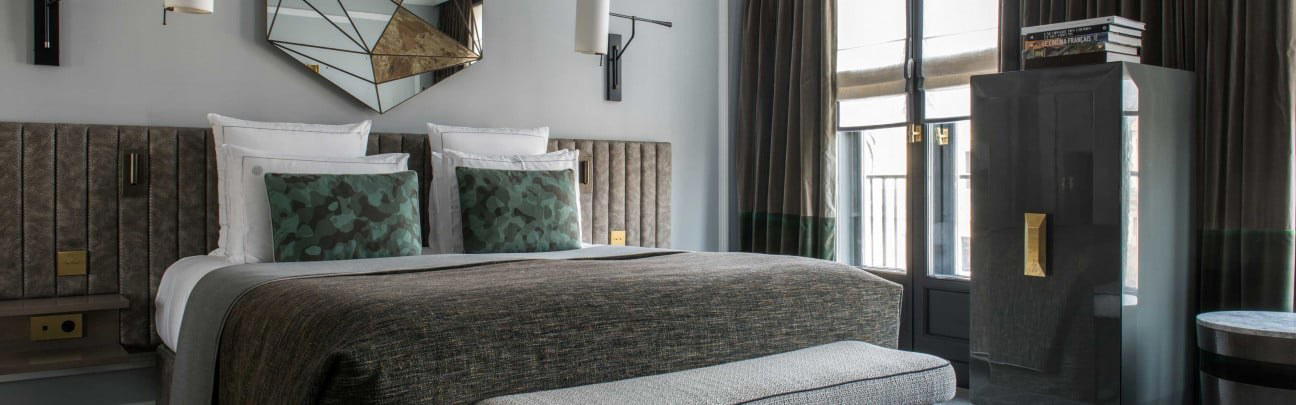
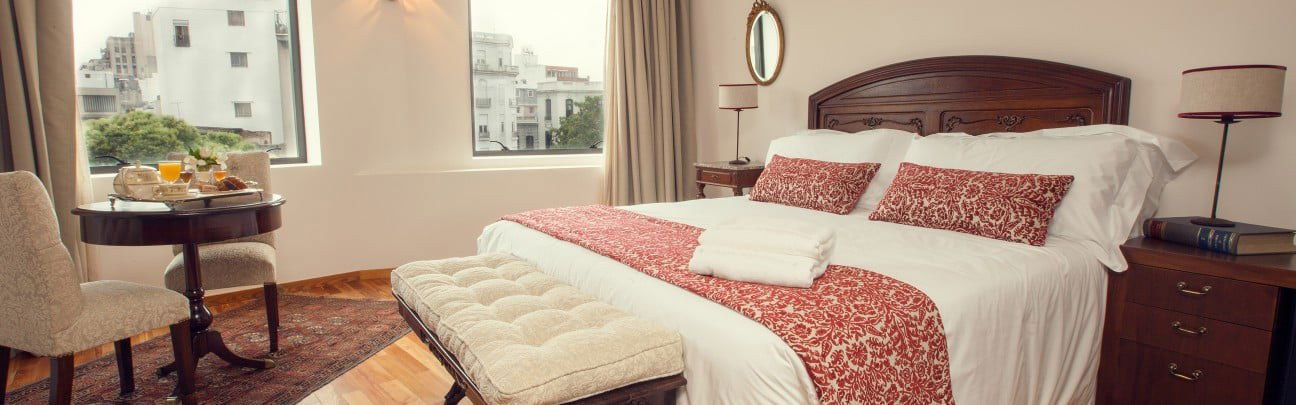
Old-world charm featuring romantic wrought-iron railings, opulent bed frames, and whimsical decor in a refined, laid-back atmosphere.
Tags
Vibe
Best For
Experience
Amenities
View
About the Stay
- Rooms
- 15
- Check-in
- 15:00
- Check-out
- 11:00
- Property Style
- Restored Art Nouveau Mansion in Montevideo's Historic Center
- Design Style
- Old World Elegance with Modern Twist, Individually Themed Rooms Inspired by Uruguayan Heritage
Know before you go
Know Before You Go
- Getting there
- Solís 1433, 11000 Montevideo, Departamento de Montevideo, Uruguay
Planning details
Location
Solís 1433, 11000 Montevideo, Departamento de Montevideo, Uruguay · Directions
Recognition and awards
Also consider
Also Consider
- FAUNA Montevideo, Notable alternative
- Hotel Montevideo, Notable alternative
- Hyatt Centric Montevideo, Notable alternative
- Sofitel Montevideo Casino Carrasco & Spa, Notable alternative
- Hotel L'Auberge, Notable alternative
Hotel context
How it compares in Montevideo
Against FAUNA Montevideo and Hotel Montevideo, Alma Historica Boutique Hotel is the more old-city, character-first pick. Choose it when ambiance and a historic setting matter more than a broader hotel footprint. FAUNA Montevideo is the closest cross-shop for boutique-minded travelers, while Hotel Montevideo is a better fit for guests who want a more contemporary city-hotel feel.
Hyatt Centric Montevideo is the safer option for travelers who prefer brand familiarity and a larger-hotel rhythm. Sofitel Montevideo Casino Carrasco & Spa is the better comparison if the trip calls for grand-hotel energy, spa time, and a more resort-leaning stay. Alma Historica is easier to justify when the plan is centered on Ciudad Vieja rather than the coast.
Hotel L'Auberge sits outside the core Montevideo hotel decision and makes more sense for travelers prioritizing a quieter, out-of-metro mood. For value, the right choice depends less on published price and more on how much time will be spent in the neighborhood: if most days start in the historic center, Alma Historica saves friction; if the itinerary points east, Hyatt Centric or Sofitel will be more practical.
Around this place
Discover more on Pearl
Unlock the full Alma Historica Boutique Hotel guide in Pearl, including awards, comparisons, FAQs, planning details, and nearby places.
Compare Alma Historica Boutique Hotel
| Venue | Location | Awards |
|---|---|---|
| Alma Historica Boutique Hotel | Montevideo | 2026 Mr & Mrs Smith Luxury Hotels2025 Michelin Selected Hotels |
| FAUNA Montevideo | Montevideo | No published awards |
| Hotel Montevideo | Montevideo | Leading Hotels of the World 20262025 Michelin 1 Key |
| Hyatt Centric Montevideo | Montevideo | No published awards |
| Sofitel Montevideo Casino Carrasco & Spa | Montevideo | No published awards |
| Hotel L'Auberge | Punta del Este | No published awards |


How Alma Historica Boutique Hotel Montevideo compares with similar nearby venues.
FAQ
Frequently Asked Questions
How is the dining at Alma Historica Boutique Hotel?
Book Alma Historica Boutique Hotel for the stay itself, and confirm any on-property dining information directly with the hotel. For travelers comparing where to stay in Montevideo, Hotel Montevideo is another venue to review.
How does Alma Historica Boutique Hotel compare to other hotels?
Alma Historica Boutique Hotel has recognition from MICHELIN Guide, Hotels Selected (2025) and the Mr & Mrs Smith Seal of Approval (2026). To understand the right fit, compare current rates, rooms, facilities, and policies with FAUNA Montevideo, Hotel L'Auberge, Hotel Montevideo, Hyatt Centric Montevideo, and Sofitel Montevideo Casino Carrasco & Spa.
When is the best time to book Alma Historica Boutique Hotel?
If your Montevideo dates are fixed, check availability and cancellation terms directly with Alma Historica Boutique Hotel and compare with other options such as Hyatt Centric Montevideo before committing.
How is the pool and spa at Alma Historica Boutique Hotel?
The dress guidance is smart casual where relevant, and the confirmed information for Alma Historica Boutique Hotel is its Montevideo location, MICHELIN Guide, Hotels Selected (2025), and Mr & Mrs Smith Seal of Approval (2026). If facilities are important, confirm directly with the hotel and compare with Sofitel Montevideo Casino Carrasco & Spa.