

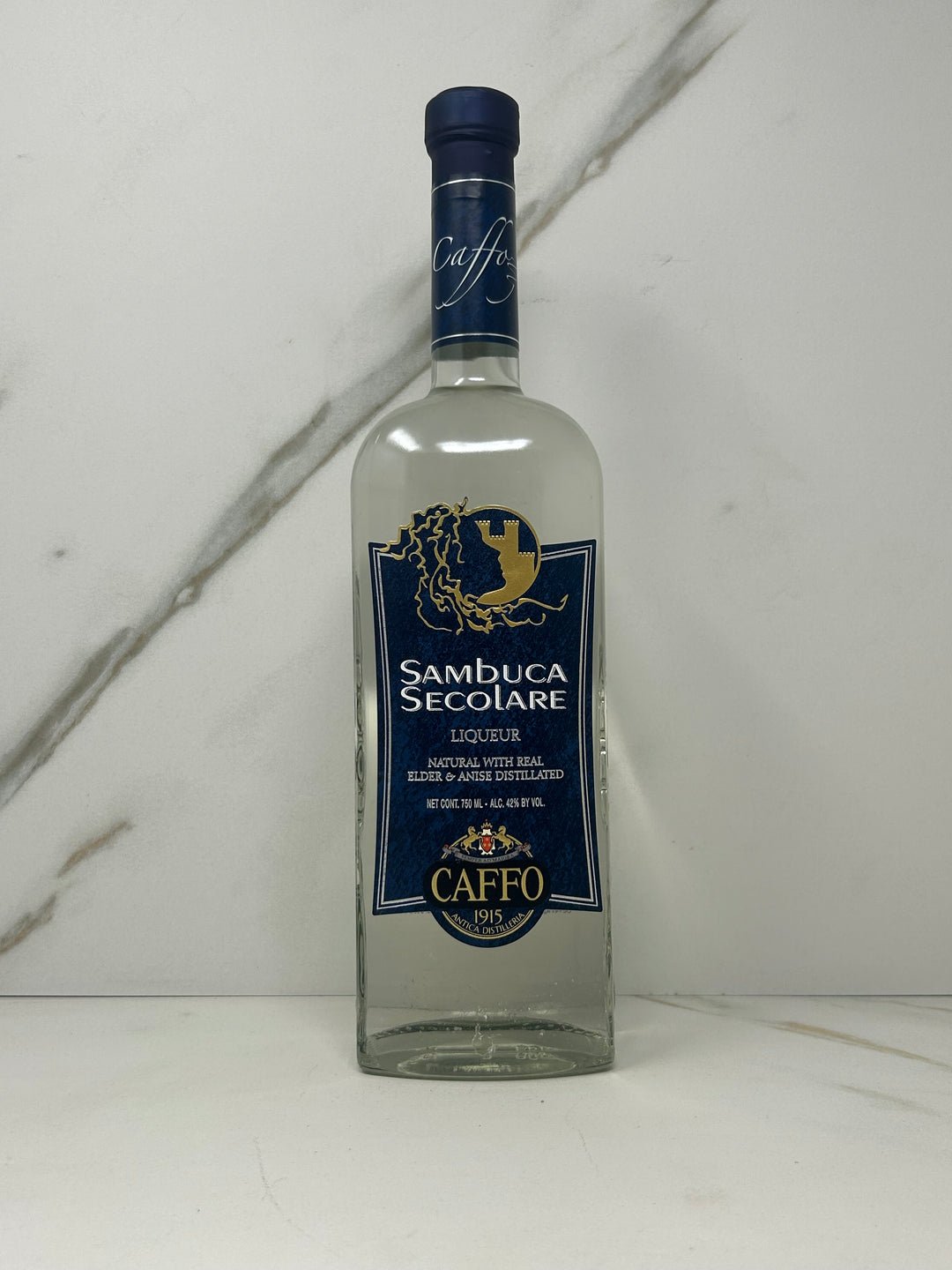
Distilleria Caffo
Limbadi
Winery in Limbadi, Italy
 Book with Pearl
The Read
Southern Calabrian Distilling
Why go
Distilleria Caffo is worth targeting if your Calabria itinerary is about Italian spirits and regional context rather than a conventional winery visit. It is a stronger fit for drinks enthusiasts building an amaro or distillery route than for travelers who need clear tasting details, visible pricing, or easy visitor logistics before committing time in Limbadi.
About Distilleria Caffo
Distilleria Caffo in Limbadi has one clear recognition signal for travelers comparing premium stops: Pearl 2 Star Prestige (2025). The practical profile is limited, so the best approach is to treat it as a focused Limbadi stop rather than building plans around assumptions about visitor services, retail options, shipping, menus, pricing, or hours.
The practical verdict is narrow but useful. Consider Distilleria Caffo if your itinerary already includes Limbadi or if you are comparing notable venues with recognition. For other comparison points, look at Graci, Tornatore, Distilleria Giovi, Distilleria F.lli Russo, and Amaro dell'Etna as separate reference venues, while confirming each venue's current details directly.
A Limbadi stop for context seekers, not checklist tasters
The draw is context rather than a long list of published visitor details. With Pearl 2 Star Prestige (2025) confirmed, Distilleria Caffo is worth noting for travelers who want a more complete view of Limbadi and a wider set of premium reference points.
Because visitor details are thin, avoid planning the day around assumptions about public access, tastings, tours, retail, shipping, or a specific service format. The smarter move is to pair any interest in Distilleria Caffo with a broader Limbadi plan and keep alternatives ready. The dress code is casual, but other practical details should be checked directly before you go.
Where it sits in a wider Italian route
For comparison, Distilleria Caffo can be considered alongside other named Italian venues such as Amaro dell'Etna, Distilleria Giovi, and Distilleria F.lli Russo when you are building a wider route and need reference points beyond Limbadi.
Decision rule: prioritize this if Limbadi itself is part of the trip and you are comfortable confirming practical details directly before you go. Skip it if you need guaranteed visitor structure, visible pricing, or a clearly published format before committing travel time.
Planning details
- Location
- Via Nicholas Green, 47, 89844 Limbadi VV
- Website
- caffo.com
- Phone
- +39 0963 85025
The take
The Take
The Vibe
Distilleria Caffo reads like a serious, terroir-driven craft producer set in the agricultural interior of Calabria. The writing emphasizes a dense, botanical landscape—bergamot, cedro and liquorice root—that feeds directly into the distillery’s output, and the recent Pearl 2 Star Prestige award underlines a level of national recognition and craft ambition. The site feels quietly esteemed rather than flashy: its strengths are regional ingredients, artisanal know-how and a sense of emergence from the margins of Italy’s distilling conversation. Expect a focused, craft-minded atmosphere that privileges provenance and botanical intensity.
Best For
Caffo suits visitors who are interested in production context and ingredient-driven spirits: groups seeking an educational look at southern Italian distilling, industry or corporate visits benchmarking regional craft, and small groups curious about Calabria’s unique botanicals. The profile and award make it a strong stop for tastings centered on terroir and raw material rather than a conventional leisure winery day. The setting in Limbadi works well for organized outings with a clear interest in learning how local agriculture shapes spirit-making.
Tasting Tips
When tasting at Caffo, prioritize expressions that highlight Calabria’s signature botanicals—bergamot, cedro and liquorice—so you can directly compare how local raw materials shape flavor. Ask about the distillery’s production philosophy and how 'terroir' is interpreted for spirits; references to botanical sourcing and regional agriculture are central to the house identity. Note the Pearl 2 Star Prestige award and inquire which releases or bottlings reflect that level of recognition. If you’re visiting with a group, request an educational focus or producer talk to get the most from the visit.
Venue details
Ambiance
Historic production facility with modern innovations, featuring traditional craft distillation equipment and contemporary research laboratory.
Tags
Vibe
Best For
Experience
Sourcing
At the Vineyard
- Appellation
- Calabria
- Visits
- By appointment only
- Farming
- Sustainable
- Shipping
- Available
- Wine Club
- Not available
Know before you go
Know Before You Go
- Getting there
- Via Nicholas Green, 47, 89844 Limbadi VV
Planning details
Location
Also consider
Where to look if this is hard to arrange
For a similar spirits angle, try Amaro dell'Etna first, especially if Sicily is already in the itinerary. For a more classic wine visit, Graci is the cleaner alternative because the decision is less dependent on distillery-specific access.
Winery context
How it compares in the Calabria and Sicily spirits set
Choose Distilleria Caffo if Limbadi and Calabria are central to the trip. Compared with Graci and Tornatore, it is less suited to a classic wine-country day and better for travelers who want spirits context. Graci and Tornatore make more sense for vineyard-led itineraries around Etna; this is the more relevant pick for amaro and distillation interest.
Amaro dell'Etna is the closer cross-shop if the brief is bitter liqueur culture rather than wine. Distilleria Giovi and Distilleria F.lli Russo sit in the same practical bucket: useful for category depth, weaker if the traveler needs published visitor structure before choosing. On booking difficulty, assume this is harder to plan than a typical open-door tasting room, so build the day with a backup.
For value, the decision is not about low spend or luxury polish because pricing signals are not visible. The value is educational: if one stop helps connect Calabria to Italy's broader distillery culture, this is the more focused choice. If ambiance, vineyard scenery, and an easier guest path matter more, cross-shop Etna first.
Explore Limbadi
Around this place
Discover more on Pearl
Unlock the full Distilleria Caffo guide in Pearl, including awards, comparisons, FAQs, planning details, and nearby places.
Compare Distilleria Caffo
| Venue | Location | Awards |
|---|---|---|
| Distilleria Caffo | Limbadi | No published awards |
| Distilleria Giovi | Valdina | No published awards |
| Tornatore | Castiglione di Sicilia | 2026 Falstaff Winery Guide |
| Graci | Passopisciaro | 2026 Falstaff Winery Guide |
| Distilleria F.lli Russo | Santa Venerina | No published awards |
| Amaro dell'Etna | Catania | No published awards |

How Distilleria Caffo Limbadi compares with similar nearby venues.
FAQ
Frequently Asked Questions
When is the best time to visit Distilleria Caffo?
Visit when Limbadi already fits your route, and confirm current visitor details directly before making firm plans. Public hours or a specific visitor format are not established.
What should I compare Distilleria Caffo with?
For broader planning, Graci or Tornatore may be useful reference points, and Distilleria Giovi, Distilleria F.lli Russo, or Amaro dell'Etna can also help frame a wider itinerary. Confirm current details for each venue directly before planning around them.