Amaro dell'Etna
Riposto, Catania
Winery in Catania, Italy
 Book with Pearl
The Read
Volcanic Slope Viticulture
Why go
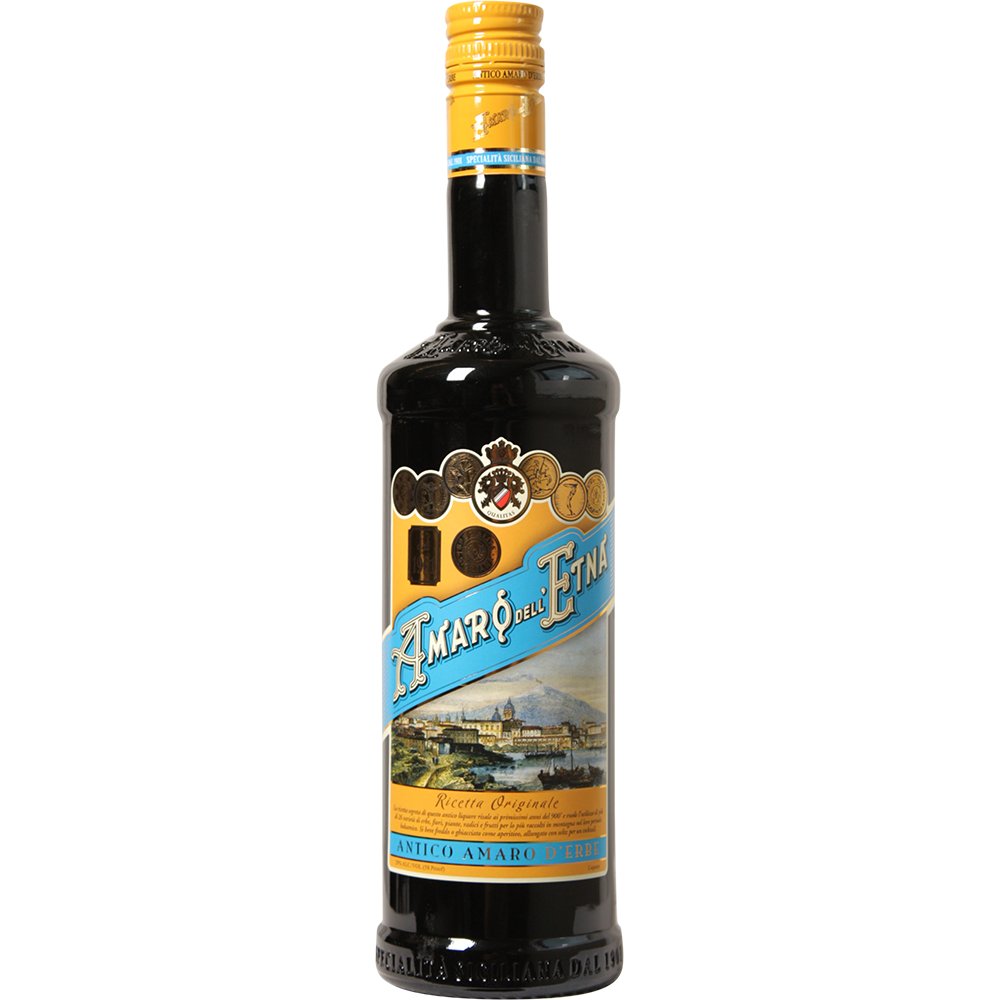
Amaro dell'Etna is worth considering as a spirits-focused stop near Catania, especially if an Etna itinerary already includes wine producers and needs one bitter, herbal counterpoint. It is not the right anchor for a full dining plan, but it makes sense for travelers who want local drinking context beyond vineyard tastings.
About Amaro dell'Etna
Amaro dell'Etna is a Catania venue with public hours and a Pearl 2 Star Prestige recognition for 2025. The page focuses on the essentials: it identifies the venue, places it in Catania, and records the practical information that can be stated with confidence.
The confirmed schedule is Monday to Friday from 8:30 AM–1 PM and 2–7 PM, Saturday from 8:30 AM–1 PM and 4–7 PM, and closed Sunday. Dress code is casual. The split schedule matters when shaping a day, because the midday pause creates a clear gap between morning and afternoon visits. Saturday also requires more attention than a weekday, since the afternoon window is shorter and Sunday is not available.
Choose it for a Catania stop with limited details
The safest planning approach is to confirm the current visit details directly before going, especially if you need a particular service or timed experience. Amaro dell'Etna is a Catania stop with regular weekday hours, a split daily schedule, and a shorter Saturday afternoon window. It does not, however, confirm whether the stop should be treated as a quick call-in, a structured appointment, or a more general hospitality experience. For that reason, it is best suited to travelers who are comfortable checking ahead and adjusting the plan around the reply.
For planning around Catania, use the city guides as the framework: Our full Catania restaurants guide for the meal around it, and other Catania guides for additional time in the city. If timing matters, check the venue directly before building a day around it. That is especially important when another reservation, a transfer, or another planned stop depends on a precise arrival time. The confirmed hours help you sketch the outline, but direct confirmation is what turns the outline into a dependable plan.
How it fits against comparison venues
Amaro dell'Etna can be considered alongside Benanti, Graci, and Tornatore when comparing options for a broader itinerary. The profile here does not establish a specific visit style, format, or service offering, so the better choice depends on what each venue confirms for the date you plan to go. In practice, that means comparing not only location and timing, but also the certainty of what is being offered. If one stop confirms a defined experience and another only confirms opening hours, the decision should reflect how much structure you want in the day.
Distilleria F.lli Russo and Distilleria Giovi are also useful comparison names when weighing a wider itinerary. Because the confirmed details for Amaro dell'Etna are limited to hours, casual dress code, and Pearl 2 Star Prestige recognition, contact the venue directly before assuming availability, format, or services. This keeps expectations aligned with what is actually confirmed, and it prevents the recognition from being mistaken for a guarantee of a particular visitor experience. Treat the listing as a planning marker: notable enough to consider, but still requiring a final check before it anchors the schedule.
Planning details
- Location
- Via Duccio Galimberti, 68, 95010 Santa Venerina CT, Italy
- Website
- russo.it
- Phone
- +39095953321
The take
The Take
The Vibe
Amaro dell'Etna presents as a terroir-first producer rooted in its dramatic setting on Mount Etna's eastern flank. The writing emphasizes place — basalt and ash soils, sharp diurnal swings, and a saline mineral charge — so the sense is classic and scenic rather than flashily modern. Readers encounter a producer whose work reads as part of a long continuity: pre-phylloxera massal selections, careful attention to elevation and exposure, and an award that signals measured quality. The overall impression is an intimate, grounded operation where landscape and tradition visibly shape the wines and spirits.
Best For
This is a destination for people who want to learn how Etna itself becomes an ingredient. The text frames Amaro dell'Etna as an educational stop: understanding altitude bands, soil types, and local varieties is presented as essential to appreciating the bottlings and distillates. It suits wine-education visits, small group explorations of vineyard practices, and anyone interested in the specifics of Nerello Mascalese, Carricante, and regional amari. The narrative positions the estate as a serious, terroir-driven producer rather than a casual tasting-room pit stop.
Tasting Tips
When tasting here, prioritize comparative samples that illustrate the estate's terroir claims: seek out red samples from Nerello Mascalese and local whites like Carricante to experience the described texture and saline mineral streak. Ask about the massal-selection vineyards and how elevation and eastern exposure influence ripening; staff or the producer can contextualize differences between mid-altitude eastern expressions and higher, cooler contrade. Also include any amaro or distillate offerings to sample the broader spirits tradition the text highlights — they complete the picture of Etna’s botanical and production culture.
Venue details
Ambiance
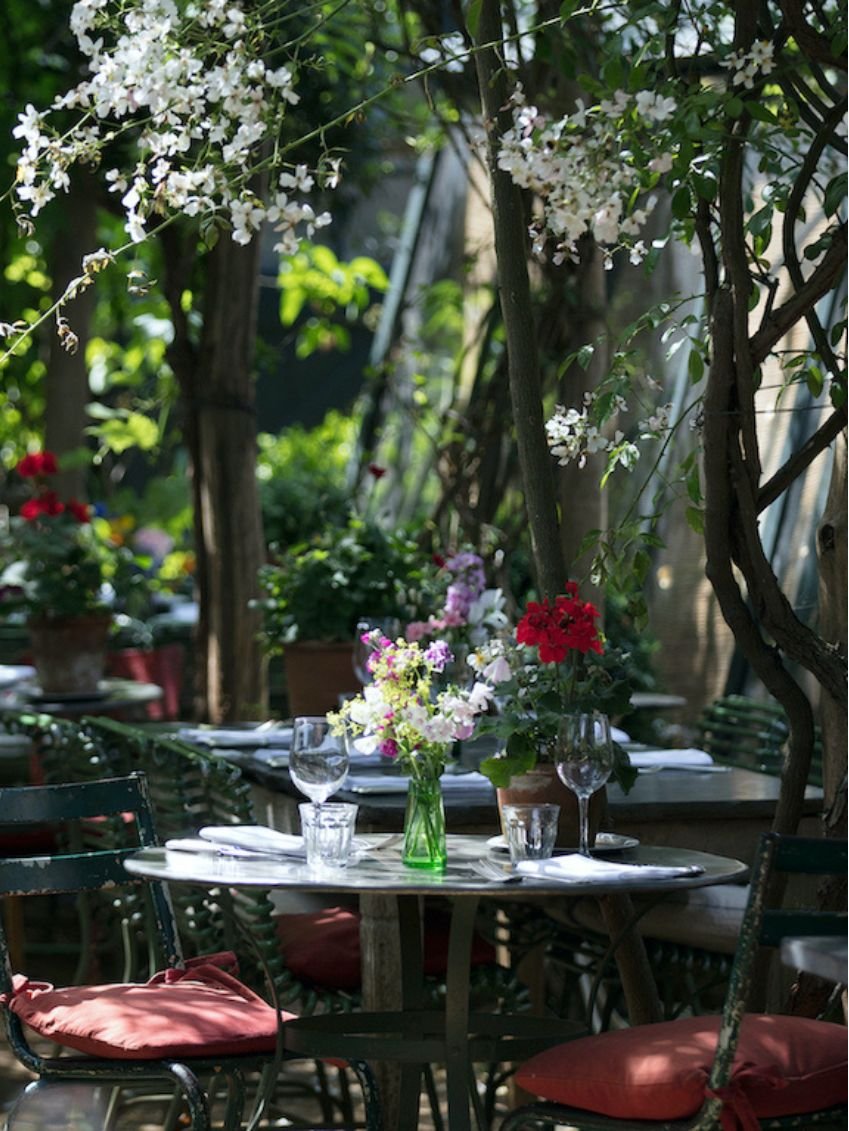
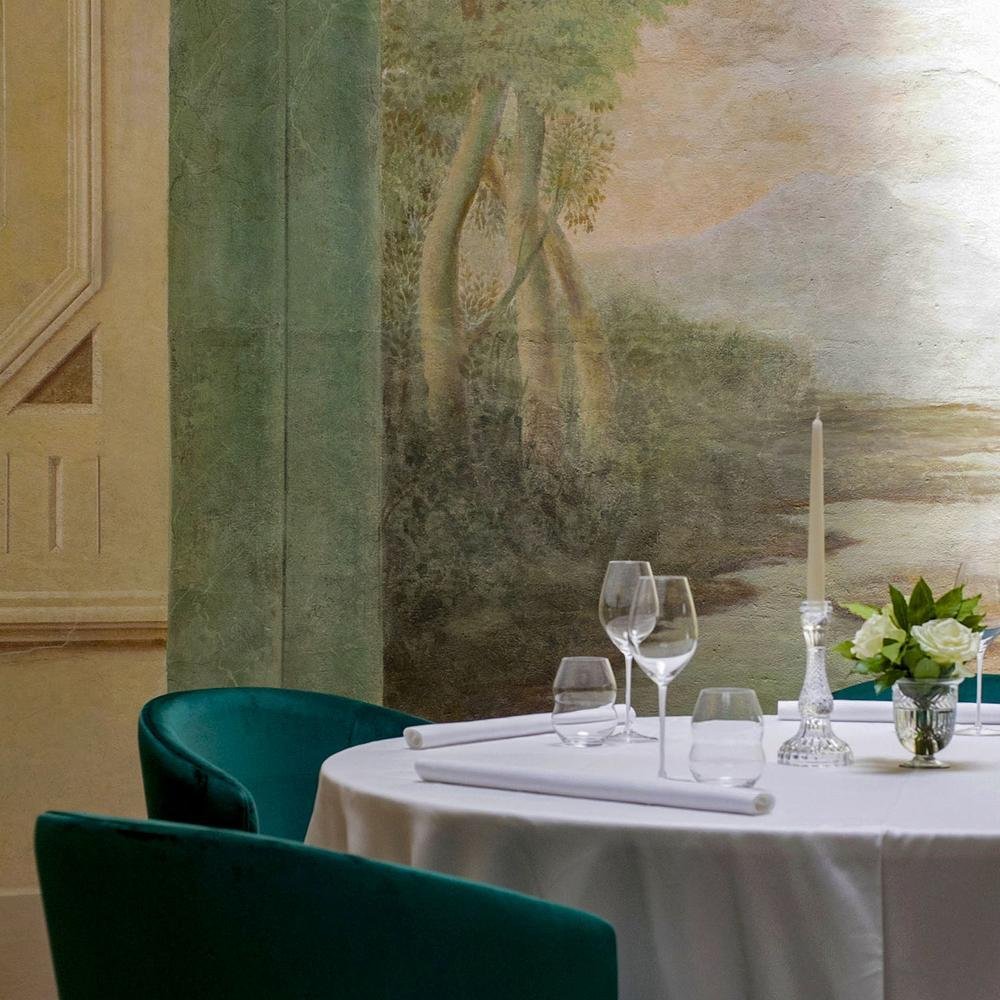
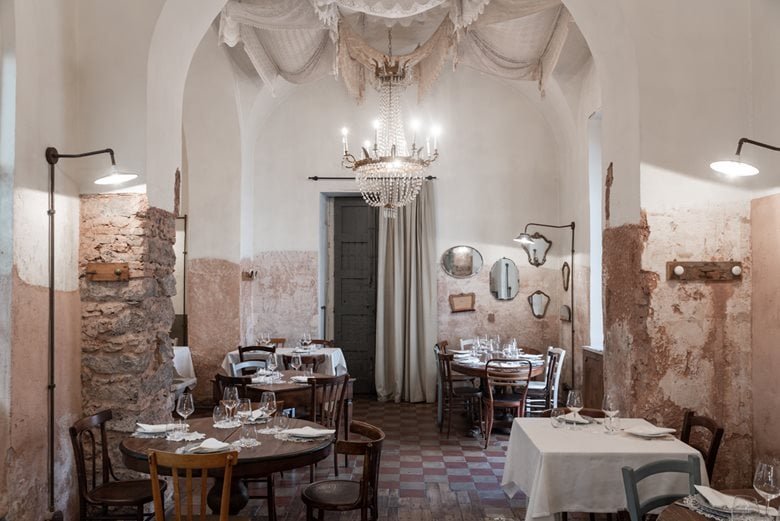
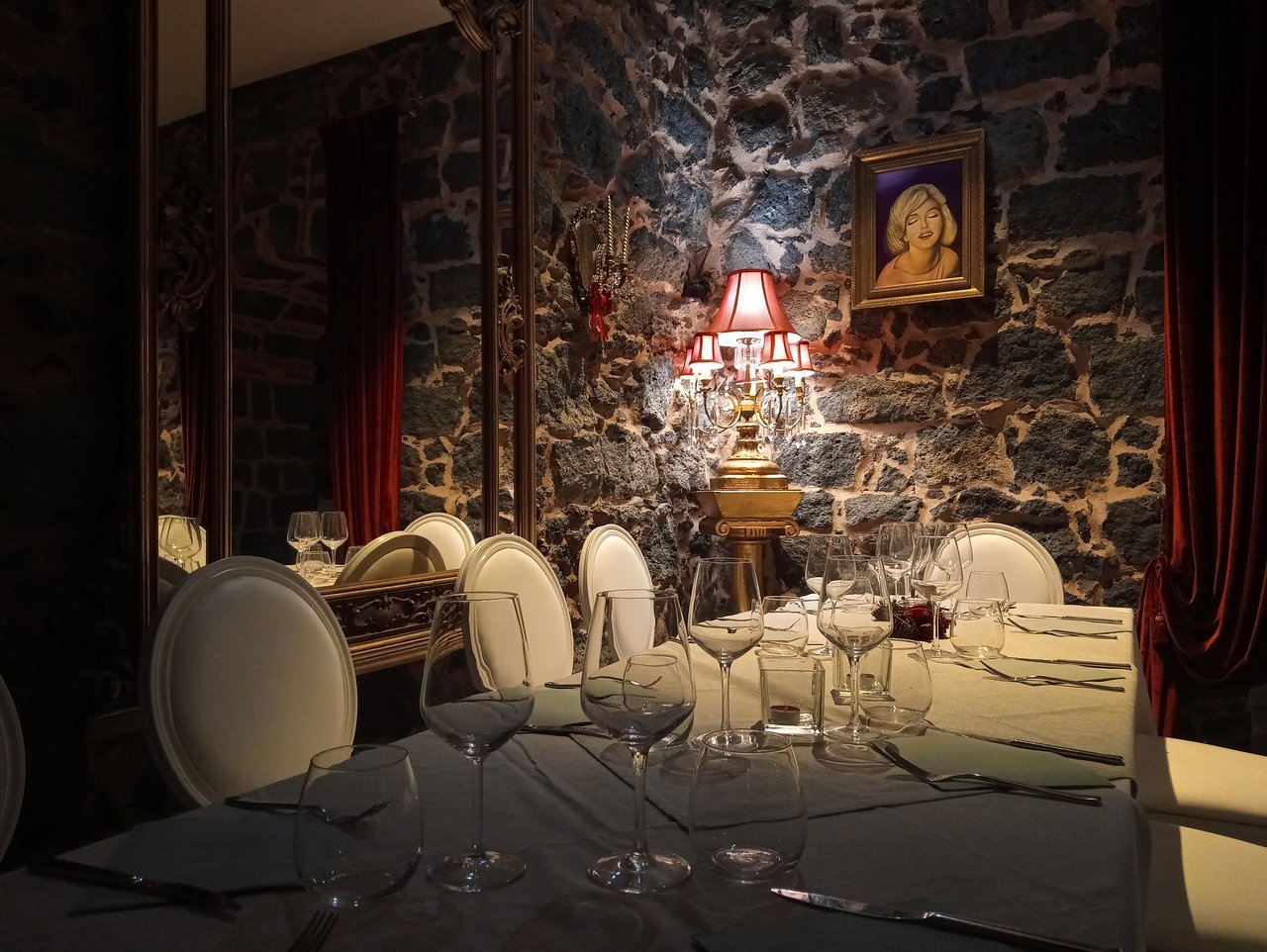
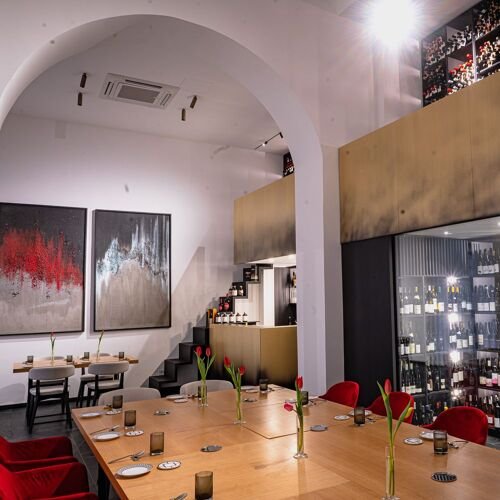
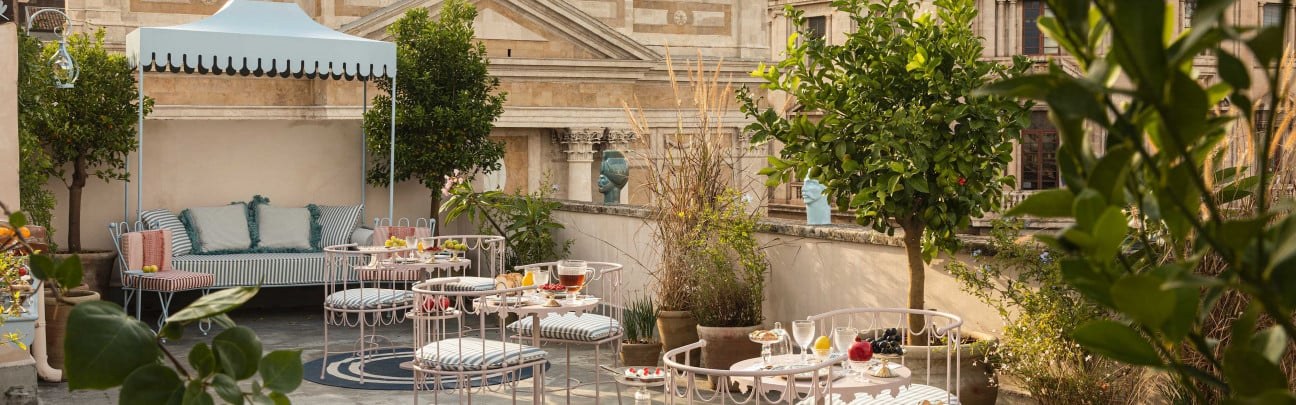
Cozy and traditional atmosphere evoking Sicily's distilling heritage amid volcanic landscapes and orange groves.
Tags
Vibe
Best For
Experience
View
At the Vineyard
- Appellation
- Etna
- Tour Duration
- 60-90 minutes
- Visits
- By appointment only
- Wine Club
- Not available
Know before you go
Know Before You Go
- Getting there
- Via Duccio Galimberti, 68, 95010 Santa Venerina CT, Italy
Planning details
Location
Also consider
Also Consider
- Distilleria F.lli Russo, Notable alternative
- Benanti, Notable alternative
- Graci, Notable alternative
- Tornatore, Notable alternative
- Distilleria Giovi, Notable alternative
Winery context
For wine-first travelers, Benanti, Graci, and Tornatore are more logical anchors because they sit closer to the classic Etna producer brief. Amaro dell'Etna is the better fit when the trip needs a spirits stop rather than another cellar appointment. Value here is about category contrast, not a longer tasting format.
Compared with Distilleria F.lli Russo and Distilleria Giovi, choose based on routing and access. With booking difficulty high, the easiest plan is to keep one distillery-style stop in the day and build the rest around a confirmed winery appointment. That reduces transit friction and gives the visit more focus.
If the priority is ambiance, wine peers are likely to feel more aligned with the classic Etna tasting day. If the priority is depth in Italian bitters and local spirits, Amaro dell'Etna is the sharper cross-shop. Travelers who cannot secure access should look first at Distilleria F.lli Russo or Distilleria Giovi for a similar spirits-led alternative.
Explore Catania
Around this place
Discover more on Pearl
Unlock the full Amaro dell'Etna guide in Pearl, including awards, comparisons, FAQs, planning details, and nearby places.
Compare Amaro dell'Etna
| Venue | Location | Awards |
|---|---|---|
| Amaro dell'Etna | Catania | No published awards |
| Distilleria F.lli Russo | Santa Venerina | No published awards |
| Benanti | Viagrande | 2026 Falstaff Winery Guide |
| Graci | Passopisciaro | 2026 Falstaff Winery Guide |
| Tornatore | Castiglione di Sicilia | 2026 Falstaff Winery Guide |
| Distilleria Giovi | Valdina | No published awards |

How Amaro dell'Etna Catania compares with similar nearby venues.
FAQ
Frequently Asked Questions
What is about Amaro dell'Etna?
Amaro dell'Etna is in Catania, has a casual dress code, keeps published hours from Monday through Saturday, closes Sunday, and holds Pearl 2 Star Prestige recognition for 2025.
How long should I plan for a visit to Amaro dell'Etna?
A specific visit length is not stated. The confirmed hours are Monday to Friday from 8:30 AM–1 PM and 2–7 PM, Saturday from 8:30 AM–1 PM and 4–7 PM, and Sunday closed. Confirm timing directly with the venue before planning around a fixed appointment.
Is there enough information to plan a full visit around Amaro dell'Etna?
The profile is limited, so there is not enough information to describe a full visit experience. Use the published hours and casual dress code as a starting point, then confirm any important details directly with Amaro dell'Etna.
When is the best time to visit Amaro dell'Etna?
Use the opening hours as the guide: Monday to Friday from 8:30 AM–1 PM and 2–7 PM, Saturday from 8:30 AM–1 PM and 4–7 PM, and Sunday closed. For the most accurate timing, confirm directly with the venue before going.
What other venues can I compare with Amaro dell'Etna?
For comparison planning, consider Benanti, Graci, Tornatore, Distilleria F.lli Russo, and Distilleria Giovi alongside Amaro dell'Etna. Specific distance, visit format, and availability should be confirmed directly with each venue before finalizing an itinerary.