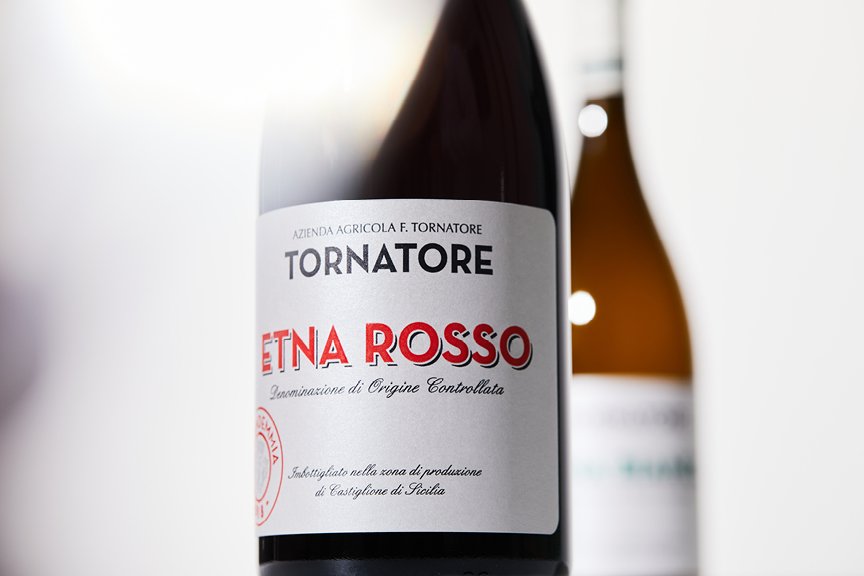

Tornatore
Castiglione di Sicilia
Winery in Castiglione di Sicilia, Italy
 Book with Pearl
The Read
High-Altitude Volcanic Viticulture
Price
$30–50tasting
Why go
Tornatore is worth prioritizing if the estate setting is part of the reason for visiting Etna, not just an add-on to a tasting. Public practical detail is limited, so treat it as a planned winery appointment and keep the rest of the day flexible around transport and timing.
About Tornatore
Tornatore is a Castiglione di Sicilia venue with Pearl 2 Star Prestige recognition for 2025. The confirmed dress code is casual, so it makes sense to keep plans flexible and confirm specifics directly before building a day around the visit.
The practical verdict: consider Tornatore if you are looking for a recognized Castiglione di Sicilia stop, but avoid assuming details such as menus, tastings, transport arrangements, opening hours, pricing, or delivery options. The confirmed dress code is casual.
Choose it for a confirmed Castiglione di Sicilia stop
The grounded appeal is simple: Tornatore is in Castiglione di Sicilia and carries Pearl 2 Star Prestige recognition in 2025. Keep plans flexible until the venue confirms details such as restaurant format, drinks program, tasting structure, food service, or retail setup.
For broader trip planning, use Castiglione di Sicilia resources first, then layer in nearby food, stays, and downtime only after checking current details directly with the relevant venues.
How to place it in an Italy itinerary
If the trip is wider than Sicily, treat Tornatore as a Castiglione di Sicilia stop with confirmed recognition rather than as a venue with specifics about cuisine, tasting format, price, or service style. That keeps expectations accurate and prevents the visit from being planned around details that may vary.
For related comparisons, consider Tornatore alongside Graci, Benanti, Amaro dell'Etna, Distilleria F.lli Russo, and Distilleria Giovi, while checking each venue directly for current services and visit requirements. Other dining in Castiglione di Sicilia can be considered separately if you need a meal before or after the stop.
Planning details
- Location
- SP7ii, 2, 95012 Castiglione di Sicilia CT
- Website
- tornatorewine.com
- Phone
- +39 095 713 1576
The take
The Take
The Vibe
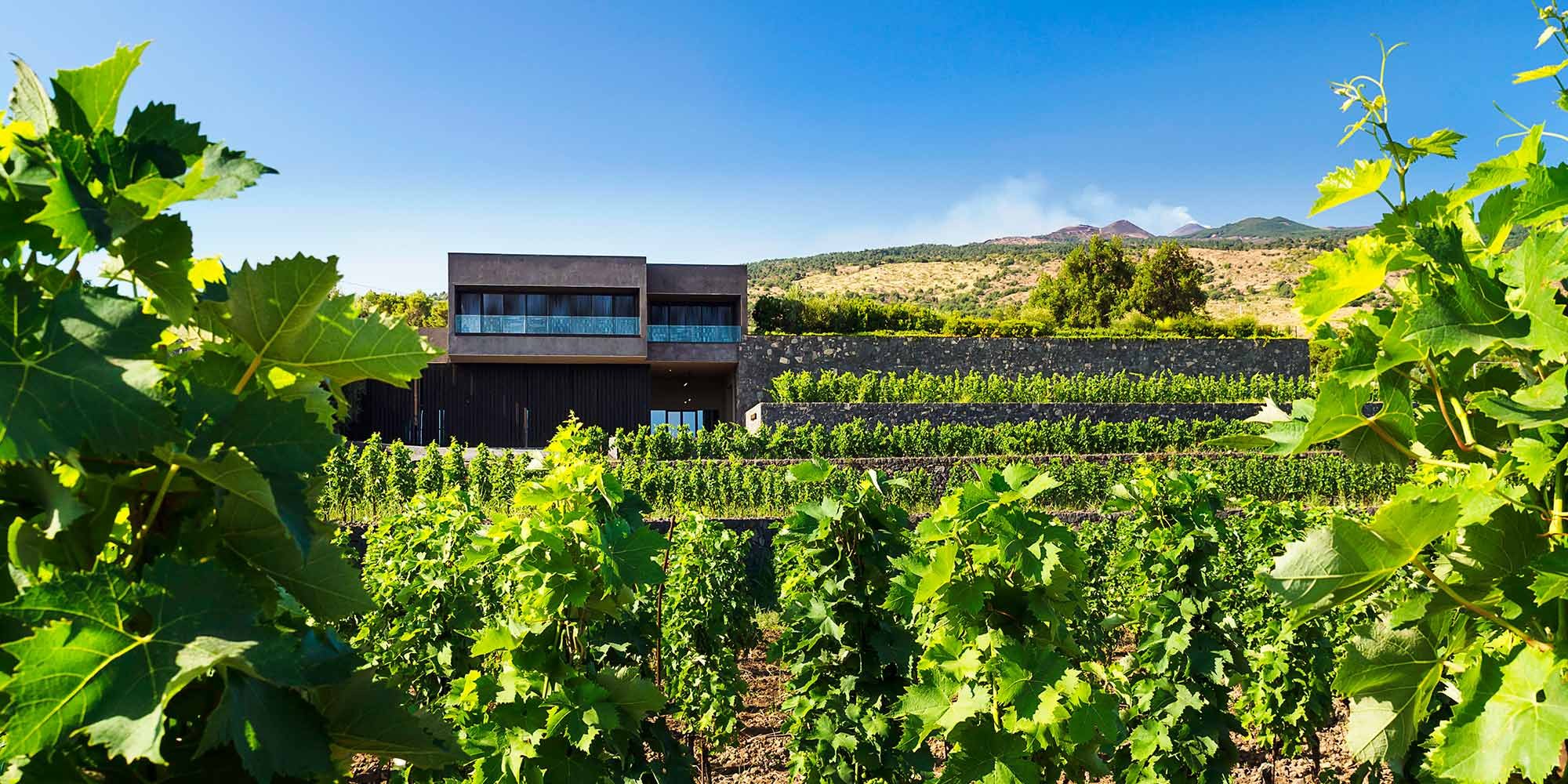
Tornatore presents a refined, terroir-forward persona rooted in Mount Etna’s volcanic landscape. The approach is thoughtful rather than showy: terraced lava fields, centuries-old alberello vines and stone-grey villages set a quietly sophisticated stage. Wines emphasize mineral structure and cool-climate precision, and the estate’s placement on the mountain’s northern slopes feels less like a tourist stop and more like a focused study in place. Visitors encounter an environment that reads as classic and historic—ancient soils and traditional vine training meet contemporary attention from Italian and international wine circles.
Best For
This estate is ideal for curious wine lovers and visitors who want to trace the link between geology and glass. The writing emphasizes terroir education and vineyard holdings at altitude, so tastings and walks appeal to people seeking depth and context in their wine experience. It also suits small groups or couples who appreciate contemplative settings and structured comparisons—especially those interested in Etna’s indigenous varieties, where altitude and volcanic soils shape unusually energetic, cool-climate wines.
Tasting Tips
Focus on the region’s signature grapes when planning a visit: Nerello Mascalese for reds and Carricante for whites are highlighted as Etna’s principal varieties. Prioritize tastings or experiences that discuss altitude, volcanic soils and alberello-trained vines to understand how those factors influence acidity and minerality. Allow time to view the terraced vineyards on the northern slopes—the landscape is the primary lesson here, and seeing the vineyards in situ helps decode the wines you taste.
Venue details
Ambiance
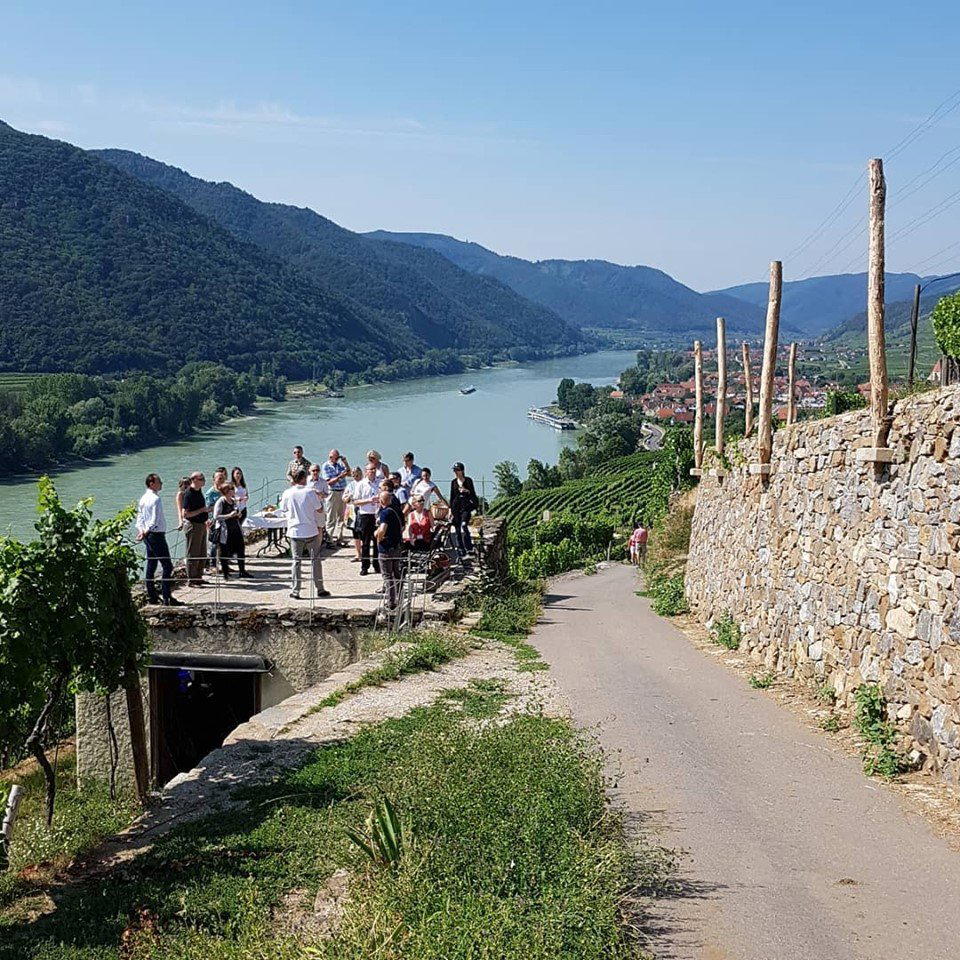
Beautiful, relaxed, and welcoming atmosphere in a quiet hillside location with natural light and views of Europe's highest active volcano.
Tags
Vibe
Best For
Experience
Sourcing
View
At the Vineyard
- Appellation
- Etna DOC
- Varietals
- Nerello Mascalese, Nerello Cappuccio, Carricante, Catarratto
- Tour Duration
- 90-120 minutes
- Tour Languages
- Italian, English
- Visits
- By reservation
- Farming
- Sustainable
- Wine Styles
- Still Red, Still White, Still Rose, Sparkling
- Food Pairing
- Offered
- Wine Club
- Not available
Know before you go
Know Before You Go
- Getting there
- SP7ii, 2, 95012 Castiglione di Sicilia CT
Planning details
Location
Recognition and awards

Also consider
Also Consider
- Graci, Notable alternative
- Distilleria F.lli Russo, Notable alternative
- Amaro dell'Etna, Notable alternative
- Benanti, Notable alternative
- Distilleria Giovi, Notable alternative
Winery context
How it compares with nearby wine and spirits stops
Graci is the more natural cross-shop if the priority is another serious winery visit around Castiglione di Sicilia. Tornatore is the stronger choice when the estate setting is central to the day; Graci makes sense as the backup when availability or route planning is the constraint.
Amaro dell'Etna, Distilleria F.lli Russo, and Distilleria Giovi serve a different purpose: they are better for travelers who want a spirits or amaro angle rather than a vineyard-led Etna stop. Choose those if the group is less wine-focused or if a shorter category visit fits the schedule better.
Benanti is the peer to consider when the goal is a broader Etna benchmark rather than a single estate visit near Castiglione di Sicilia. If the decision is atmosphere versus breadth, Tornatore is the estate-led pick; Benanti is the safer comparison point for travelers mapping Etna as a wine region.
Explore Castiglione di Sicilia
Around this place
Discover more on Pearl
Unlock the full Tornatore guide in Pearl, including awards, comparisons, FAQs, planning details, and nearby places.
Compare Tornatore
| Venue | Location | Awards |
|---|---|---|
| Tornatore | Castiglione di Sicilia | 2026 Falstaff Winery Guide |
| Graci | Passopisciaro | 2026 Falstaff Winery Guide |
| Distilleria F.lli Russo | Santa Venerina | No published awards |
| Amaro dell'Etna | Catania | No published awards |
| Benanti | Viagrande | 2026 Falstaff Winery Guide |
| Distilleria Giovi | Valdina | No published awards |
How Tornatore Castiglione di Sicilia Guide compares with similar nearby venues.
FAQ
Frequently Asked Questions
What other venues can I compare with Tornatore?
For comparison planning, look at Graci, Benanti, Amaro dell'Etna, Distilleria F.lli Russo, and Distilleria Giovi, and confirm current visit details directly with each venue. Other dining in Castiglione di Sicilia can be considered generically if you need to add a meal to the day.