

Distilleria Giovi
Valdina
Winery in Valdina, Italy
 Book with Pearl
The Read
Peloritani Terroir Distillation
Why go
Distilleria Giovi is worth considering for a focused spirits-led stop in Valdina, especially for a smaller group that cares more about production than a long food-pairing experience. Its Pearl 2 Star Prestige recognition gives it credibility, but unclear public logistics make it a harder choice for large groups or celebration plans that need predictable timing.
About Distilleria Giovi
Distilleria Giovi is a Valdina venue with a casual dress code and Pearl 2 Star Prestige recognition for 2025. Those are the firm points to build around: the setting is identified, the style of dress is not formal, and the venue carries a recognized distinction for the year stated. Beyond these points, however, detailed information is limited, so plan with care rather than assuming a specific format, menu, tasting structure, schedule, capacity, or booking process. Treat the listing as a useful starting point, not as a complete brief for the visit.
For a date, client outing, or milestone stop, the safest approach is to confirm the current details directly with the venue before making it the anchor of an itinerary. Details about a food-led experience, a published pairing format, or a particular visit length are not available, so expectations should stay flexible until confirmed. That flexibility matters most when the occasion has a firm pace or a larger group involved, because even a well-recognized venue can vary in how it handles visits, timing, and guest arrangements. If the stop is meant to carry the day, make sure the essentials are checked first.
Choose it for a Valdina stop with recognition
The clearest reason to keep Distilleria Giovi on a shortlist is its Pearl 2 Star Prestige recognition in 2025. That makes it a notable Valdina option and gives the venue a concrete point of distinction within the local planning conversation, but it does not by itself provide all the details of the experience. Recognition can help justify further research, especially when deciding where to spend limited time in Valdina, yet it should not be read as a substitute for current information from the venue. For broader comparison, Tornatore and Graci can be considered as other named options to research separately, while Distilleria F.lli Russo, Amaro dell'Etna, and Distilleria Caffo are also relevant names for separate research.
For a special occasion, confirm the basics before committing: availability, visit format, timing, group fit, and any food or beverage details should come from the venue's current official channels. Those questions are not just administrative; they shape whether the stop feels relaxed, efficient, celebratory, or too uncertain for the occasion. Use the Valdina guide as the main planning lane, then round out the day with other Valdina dining, bars, hotels, or experiences if the trip needs a fuller schedule. In practice, that means treating Distilleria Giovi as one piece of the plan while leaving room to add confirmed meals, drinks, lodging, or nearby experiences around it once the visit details are known.
Compared with other named venues, confirm the details first
The practical tradeoff is that Distilleria Giovi has a clear Valdina identity and recognition, while many other planning details are not available. That combination makes it worth attention, but it also calls for a careful approach, confirming details directly. If the visit depends on a specific schedule, format, food component, or group size, compare options and confirm directly before committing. The same caution applies when weighing it against the other named venues: the names are useful for orientation, but each one should be researched on its own terms rather than assumed to offer the same kind of visit. Distilleria Giovi can be a strong candidate for travelers who value a recognized Valdina stop and are comfortable confirming the practical pieces in advance.
Planning details
- Location
- Via Valdina, 30, 98040 Fondachello ME
- Website
- distilleriagiovi.it
- Phone
- +39 090 994 2256
The take
The Take
The Vibe
Distilleria Giovi reads like a place where geology and craft intersect. The prose foregrounds the Peloritani mountains and the Tyrrhenian coastline — volcanic, mineral-rich soils that shape the raw materials the distillery works with. The writing keeps the focus on production and provenance rather than spectacle; the result is a quietly scenic producer whose identity is anchored in place. Recognition such as the Pearl 2 Star Prestige in 2025 signals serious critical attention, so the overall mood is one of considered, terroir-driven craft rather than loud tourism or showmanship.
Best For
This is a destination for people who care about how place informs spirit — collectors, students of distillation, and anyone interested in terroir-led production. The description positions Giovi as a thoughtful, production-focused house, so visits are best suited to those seeking educational context and serious tasting notes rather than casual drinking. The distillery’s critical recognition also makes it relevant to critics and collectors who track noteworthy releases and regional distinctiveness within Italian artisan distillation.
Tasting Tips
When considering bottles from Distilleria Giovi, prioritize expressions that call out their raw materials and place-based attributes: grape pomace, local citrus, and native botanicals are specifically mentioned in the profile. Look for releases or notes that reference the Peloritani volcanic soils or the 2025 Pearl 2 Star Prestige recognition; those cues point to distillates where terroir is central to the producer’s intent. For purchases, favor bottles that provide provenance detail on label or producer notes so you can compare how different base materials reflect the local volcanic profile.
Venue details
Ambiance
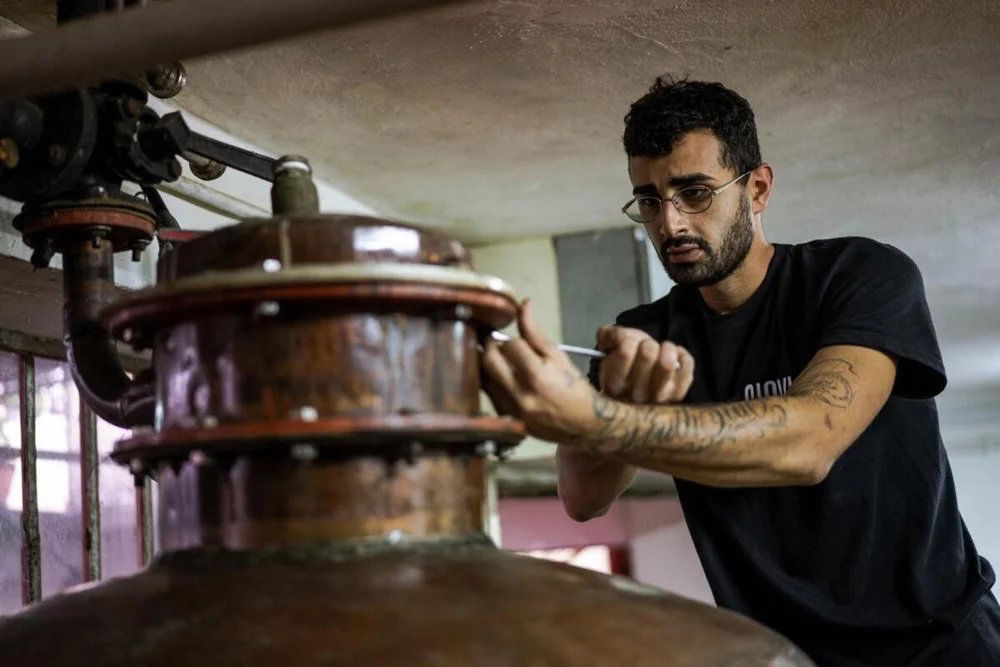
Traditional family-run distillery with a focus on artisanal craftsmanship and natural production methods.
Tags
Vibe
Best For
Experience
Sourcing
View
At the Vineyard
- Appellation
- Etna
- Varietals
- Nerello Mascalese, Carricante, Catarratto, Nero d’Avola
- Tour Languages
- English, Italian
- Visits
- By appointment only
- Farming
- Sustainable
- Production
- Small producer
- Wine Styles
- Still Red
- Wine Club
- Not available
Know before you go
Know Before You Go
- Getting there
- Via Valdina, 30, 98040 Fondachello ME
Planning details
Location
Also consider
Where to look if this is hard to arrange
If the group wants a wine-led itinerary, start with Tornatore or Graci. If the brief is Sicilian spirits or amaro, compare availability with Distilleria F.lli Russo and Amaro dell'Etna before locking the day.
Winery context
How it compares in Valdina and nearby Sicily
Choose Distilleria Giovi over Tornatore or Graci if the goal is a distillery-focused stop rather than a wine-led Etna itinerary. Tornatore and Graci are the cleaner fit for travelers building a classic wine day; Distilleria Giovi is the narrower choice for guests who want spirits and producer specificity.
Against Distilleria F.lli Russo, Amaro dell'Etna, and Distilleria Caffo, the decision is about logistics and occasion fit. Distilleria Giovi reads as a more intimate, harder-plan stop; the better pick for a small spirits-minded group, not the safest default for a large celebration.
For value, do not judge this only against wine estates. If the group wants food, vineyard scenery, and a longer hosted arc, Tornatore or Graci are easier to justify. If the group is specifically interested in Sicilian distillation, compare it first with Distilleria F.lli Russo, Amaro dell'Etna, and Distilleria Caffo.
Explore Valdina
Around this place
Discover more on Pearl
Unlock the full Distilleria Giovi guide in Pearl, including awards, comparisons, FAQs, planning details, and nearby places.
Compare Distilleria Giovi
| Venue | Location | Awards |
|---|---|---|
| Distilleria Giovi | Valdina | No published awards |
| Tornatore | Castiglione di Sicilia | 2026 Falstaff Winery Guide |
| Graci | Passopisciaro | 2026 Falstaff Winery Guide |
| Distilleria F.lli Russo | Santa Venerina | No published awards |
| Amaro dell'Etna | Catania | No published awards |
| Distilleria Caffo | Limbadi | No published awards |

How Distilleria Giovi Valdina: Worth a Stop? compares with similar nearby venues.
FAQ
Frequently Asked Questions
Can Distilleria Giovi handle large groups?
Large-group capacity information is not available. Distilleria Giovi is in Valdina and has Pearl 2 Star Prestige (2025) recognition, but group size and event logistics should be confirmed directly with the venue before planning around it.
When is the best time to visit Distilleria Giovi?
Hours of operation are not provided. Plan around current information from the venue rather than assuming a walk-in schedule or a particular time of day.
Does Distilleria Giovi have a membership program?
Details about a membership program are not available. Distilleria Giovi has Pearl 2 Star Prestige (2025) recognition, but membership details, if any, should be checked through the venue's official channels.
Does Distilleria Giovi offer shipping?
Shipping information is not available. If shipping matters, confirm directly with Distilleria Giovi and research other named options such as Tornatore, Graci, or Distilleria Caffo before making plans.
How long should I plan for a visit to Distilleria Giovi?
A specific visit length is not provided. Treat Distilleria Giovi as a Valdina venue worth confirming in advance, especially if your itinerary depends on timing.
What is Distilleria Giovi known for?
Distilleria Giovi is a Valdina venue with a casual dress code and Pearl 2 Star Prestige (2025) recognition. Specific products, menus, formats, or specialties are not detailed, so use current official information before planning around a particular experience.