Distilleria F.lli Russo
Santa Venerina
Winery in Santa Venerina, Italy
 Book with Pearl
The Read
Etna-Slope Distillation
Why go
A Santa Venerina spirits stop for travelers seeking Etna-area distillation context rather than a conventional winery visit. Include it in a mixed drinks-and-wine itinerary, and cross-shop Benanti, Tornatore, or Graci when the day calls for a fuller vineyard-led tasting structure.
About Distilleria F.lli Russo
Is Distilleria F.lli Russo worth considering? Yes, if you are looking for a Santa Venerina venue with Pearl 2 Star Prestige (2025) recognition and a casual dress code. It suits travelers who want to add a named stop to their route and confirm current arrangements directly before going.
Distilleria F.lli Russo is a practical option to compare with other wineries and distilleries around Santa Venerina and the wider region. The setting is best approached casually, with visit arrangements checked before they shape your itinerary.
A Santa Venerina stop for a flexible itinerary
Distilleria F.lli Russo brings Pearl 2 Star Prestige (2025) recognition to a Santa Venerina itinerary. Compare it with Benanti, Tornatore, Graci, Amaro dell'Etna, and Distilleria Giovi when choosing stops across the region.
The casual dress code makes it an easy fit for an informal day of exploring. Confirm the practical arrangements directly before going, particularly when timing or group plans matter.
Who should prioritize it, and who should cross-shop
Prioritize Distilleria F.lli Russo if its Santa Venerina location and Pearl 2 Star Prestige (2025) recognition fit your route. Cross-shop if you need a more structured plan before committing, or if your itinerary depends on scheduled activities, meal service, or group logistics.
For a broader route, keep Amaro dell'Etna, Benanti, Distilleria Giovi, Graci, and Tornatore in consideration alongside Distilleria F.lli Russo. Its casual character makes it a straightforward stop to weigh against those alternatives.
Planning details
- Location
- Via Duccio Galimberti, 68, 95010 Santa Venerina CT
- Website
- russo.it
- Phone
- +39 095 953321
The take
The Take
The Vibe
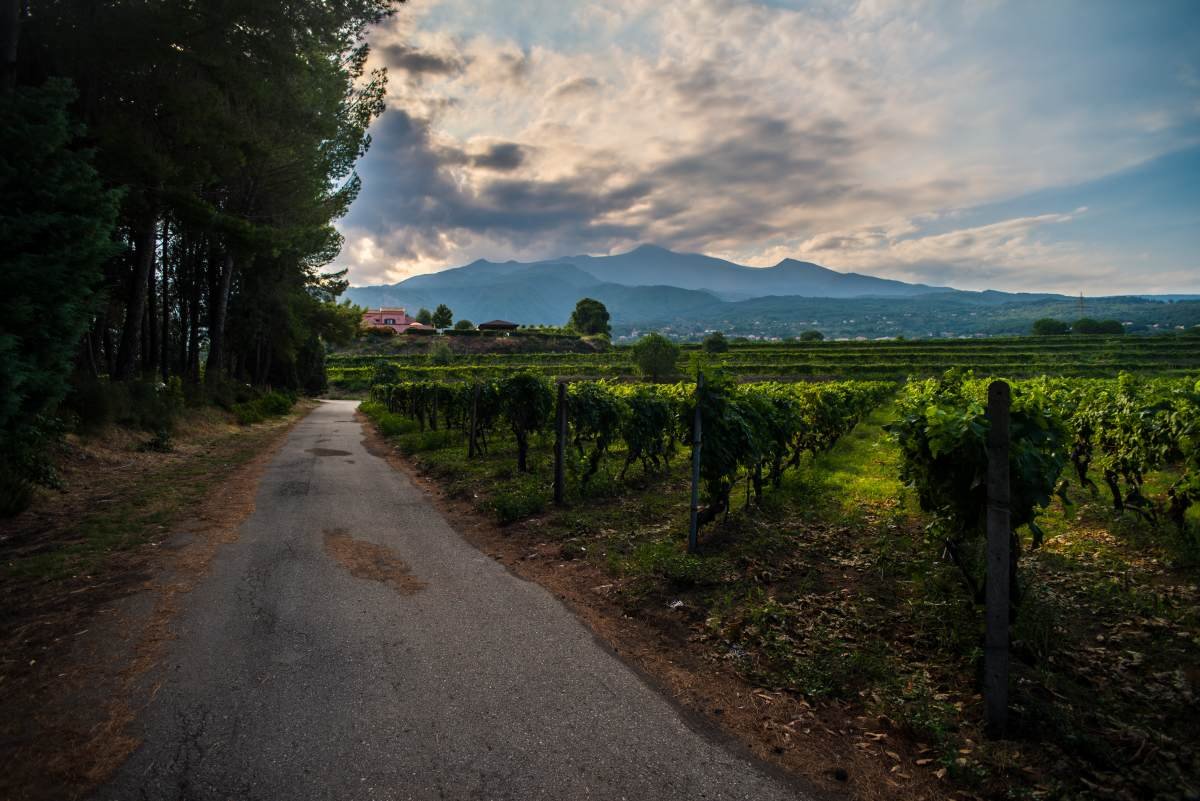
Distilleria F.lli Russo presents as a working producer rooted on Etna’s eastern flank rather than a polished tourist stop. The writing emphasizes volcanic terroir—black basalt and pumice soils and altitude shifts—while repeatedly noting that the operation is producer-first and functional in its setting. That dynamic gives the place a utilitarian, industrial edge and a hidden‑gem quality: it’s valued for what arrives in the bottle rather than for curated vineyard vistas or a designed tasting-room experience. The distillery reads as authentic, terroir-driven and quietly confident, especially given its recent Pearl 2 Star Prestige recognition.
Best For
This distillery is best for visitors focused on education and provenance rather than leisure sightseeing. The description positions Distilleria F.lli Russo as a destination for people interested in how Etna’s volcanic soils translate into distilled spirits and for those who prioritize production, awards and terroir narratives over scenic amenities. It suits wine‑and‑spirit students, trade visitors, and curious enthusiasts who want a grounded, production‑centric glimpse of Sicilian distilling. Travelers seeking polished tourism facilities or panoramic views should note the functional, working‑town context and temper their expectations accordingly.
Tasting Tips
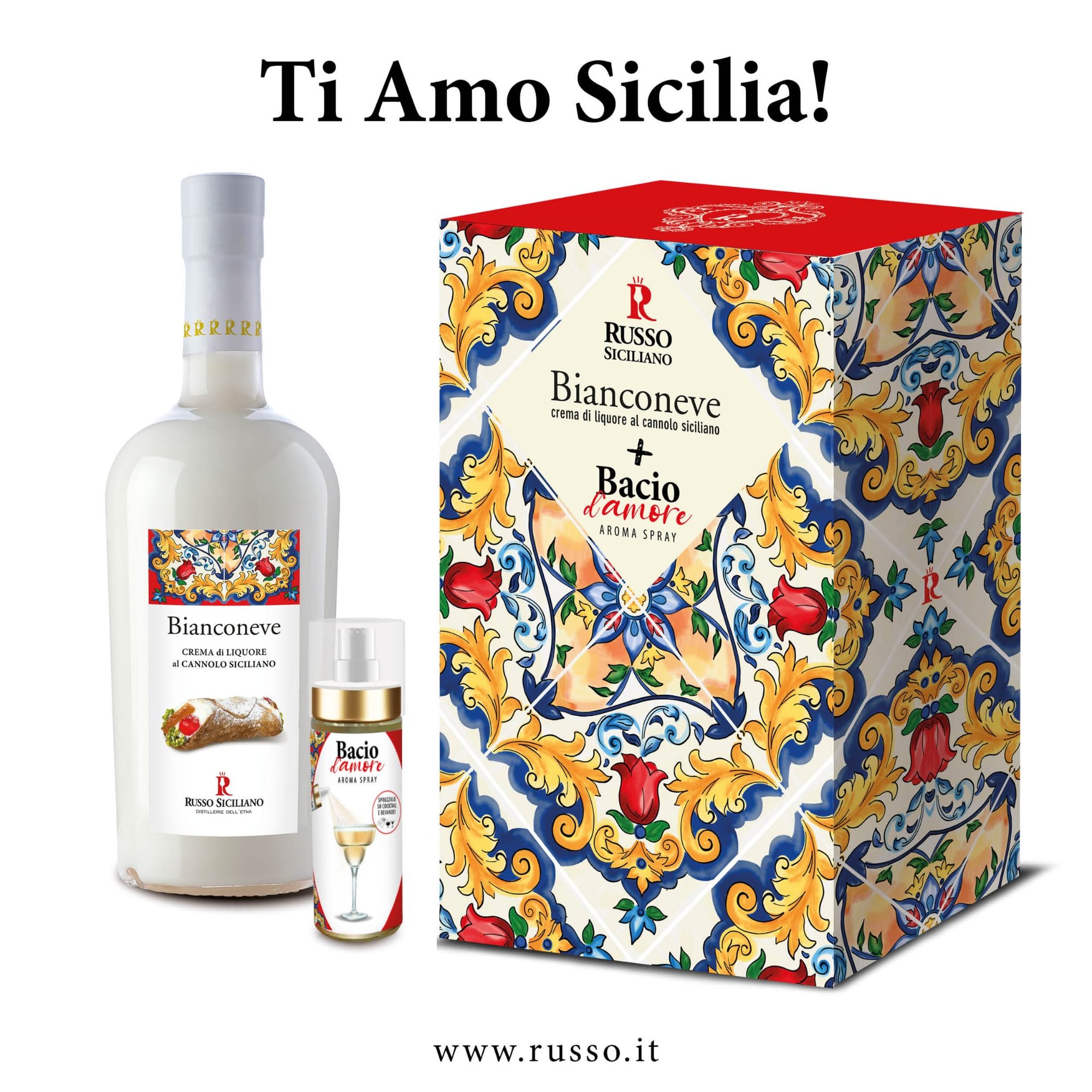
When engaging with Distilleria F.lli Russo, steer conversations toward provenance and the bottles themselves: ask about the expressions tied to Etna’s volcanic soils and inquire specifically about the spirit that earned the Pearl 2 Star Prestige designation. Because the operation is described as producer‑first, confirm visitor offerings in advance—tasting availability, whether guided technical discussion is offered, and any packaging or award‑listed bottlings on offer. Framing questions around production methods and terroir yields the most informative responses in this setting; treat the visit as an educational, producer‑focused encounter.
Venue details
Ambiance
Traditional and heritage-focused with an artisanal, rustic atmosphere preserving Sicilian distillation craft.
Tags
Vibe
Best For
Experience
View
At the Vineyard
- Appellation
- Etna
- Visits
- By appointment only
- Production
- Small producer
- Wine Club
- Not available
Know before you go
Know Before You Go
- Getting there
- Via Duccio Galimberti, 68, 95010 Santa Venerina CT
Planning details
Location
Also consider
Also Consider
- Amaro dell'Etna, Notable alternative
- Benanti, Notable alternative
- Tornatore, Notable alternative
- Graci, Notable alternative
- Distilleria Giovi, Notable alternative
Winery context
How It Compares
Choose Distilleria F.lli Russo for a Santa Venerina stop centered on distillation rather than an Etna wine appointment. Amaro dell'Etna is the closest peer for an amaro-led comparison, while Distilleria Giovi is the other sensible cross-shop for a spirits-focused route.
For a more classic Etna wine appointment, Benanti, Tornatore, and Graci are stronger fits. Benanti suits a wine-history angle, Tornatore a more visitor-friendly winery day, and Graci a focused Etna wine stop with less emphasis on spirits.
Value depends on the itinerary: this venue works best as a concise, high-interest add-on rather than the only drinks appointment. For a wine-led plan, prioritize Benanti or Tornatore; for a spirits-focused route, consider Amaro dell'Etna or Distilleria Giovi.
Explore Santa Venerina
Around this place
Discover more on Pearl
Unlock the full Distilleria F.lli Russo guide in Pearl, including awards, comparisons, FAQs, planning details, and nearby places.
Compare Distilleria F.lli Russo
| Venue | Location | Awards |
|---|---|---|
| Distilleria F.lli Russo | Santa Venerina | No published awards |
| Amaro dell'Etna | Catania | No published awards |
| Benanti | Viagrande | 2026 Falstaff Winery Guide |
| Tornatore | Castiglione di Sicilia | 2026 Falstaff Winery Guide |
| Graci | Passopisciaro | 2026 Falstaff Winery Guide |
| Distilleria Giovi | Valdina | No published awards |

How Distilleria F.lli Russo Santa Venerina compares with similar nearby venues.
FAQ
Frequently Asked Questions
What is Distilleria F.lli Russo known for?
The confirmed details here are the venue name, Santa Venerina location, casual dress code, and Pearl 2 Star Prestige (2025) recognition. No specific product, menu, tasting format, or service details are verified on Distilleria F.lli Russo.
When is the best time to visit Distilleria F.lli Russo?
Verified hours are not available here, so there is no confirmed best time to visit. Check directly with Distilleria F.lli Russo before building it into a Santa Venerina itinerary.