
Weingut Jurtschitsch
Langenlois
Winery in Langenlois, Austria
 Book with Pearl
The Read
Loess-Terroir Precision
Why go
Prioritize Weingut Jurtschitsch if the goal is a serious Langenlois winery visit with a strong 2025 prestige signal. It makes the most sense as part of a Kamptal-focused day alongside Bründlmayer, Fred Loimer, Hiedler, or Schloss Gobelsburg, not as a casual add-on between unrelated stops.
About Weingut Jurtschitsch
For a visit to Langenlois, Weingut Jurtschitsch is a venue to consider when the goal is a clearly identified stop rather than a general dining or hotel plan. It is a Langenlois venue with a casual dress code and Pearl 3 Star Prestige recognition for 2025. That makes it useful for travelers who are sorting options with a clear priority, but it also means operational details should be confirmed directly.
Travelers may compare Weingut Jurtschitsch with other winery names when planning a focused day. It sits in the same planning conversation as Weingut Bründlmayer, Weingut Fred Loimer, Weingut Hiedler, Weingut Hirsch, and Schloss Gobelsburg (Weingut). If the trip is about choosing among winery venues, that comparison set is a useful starting point. Rather than treating the name as an isolated stop, it is better understood as one candidate within an itinerary, where recognition, logistics, and personal priorities all matter.
Choose it for a focused Langenlois day, not a quick add-on
The strongest reason to prioritize Weingut Jurtschitsch is its Pearl 3 Star Prestige recognition for 2025. That places it in a higher-consideration set for travelers deciding where limited time should go, especially when a day in Langenlois can only accommodate a small number of focused visits. The signal is helpful because it gives the venue a clear reason to be on the shortlist. This recognition does not, by itself, indicate details such as tasting format, pricing, opening hours, food service, or group capacity, so those points should be checked directly before planning around them.
For planners, the practical appeal is the ability to compare venue options around a Langenlois visit. A visit here works best as part of a focused itinerary, with food, hotels, and evening plans handled separately through Our full Langenlois restaurants guide, Our full Langenlois hotels guide, and Our full Langenlois bars guide. Keeping those pieces separate helps prevent this venue decision from carrying too much of the itinerary. For a wider winery itinerary, start with Our full Langenlois wineries guide and use Our full Langenlois experiences guide to keep the day realistic, especially if the plan involves comparing several names rather than simply stopping wherever time allows.
How to think about the wider route
Keep this as a focused Langenlois booking. Weingut Jurtschitsch is a recognized venue, but a specific menu, beverage program, service format, or visit length is not indicated. That distinction matters when building a route: the venue can anchor a planning conversation, but it should not be assumed to solve lunch, evening drinks, transport timing, or hospitality details unless those elements are confirmed separately. If the itinerary expands beyond Langenlois, treat those stops as separate planning decisions rather than substitutes for choosing among options for this part of the trip.
The verdict: consider Weingut Jurtschitsch if the priority is a Langenlois venue with a Pearl 3 Star Prestige signal for 2025 and a casual dress code. It is best approached with a focused agenda and a willingness to confirm operational details directly. Compare it naturally with Weingut Bründlmayer, Weingut Fred Loimer, Weingut Hiedler, Weingut Hirsch, and Schloss Gobelsburg (Weingut) when building a route, and confirm any operational details directly before you go.
Planning details
- Location
- Rudolfstraße 39, 3550 Langenlois
- Website
- jurtschitsch.com
- Phone
- +43 2734 2116
The take
The Take
The Vibe
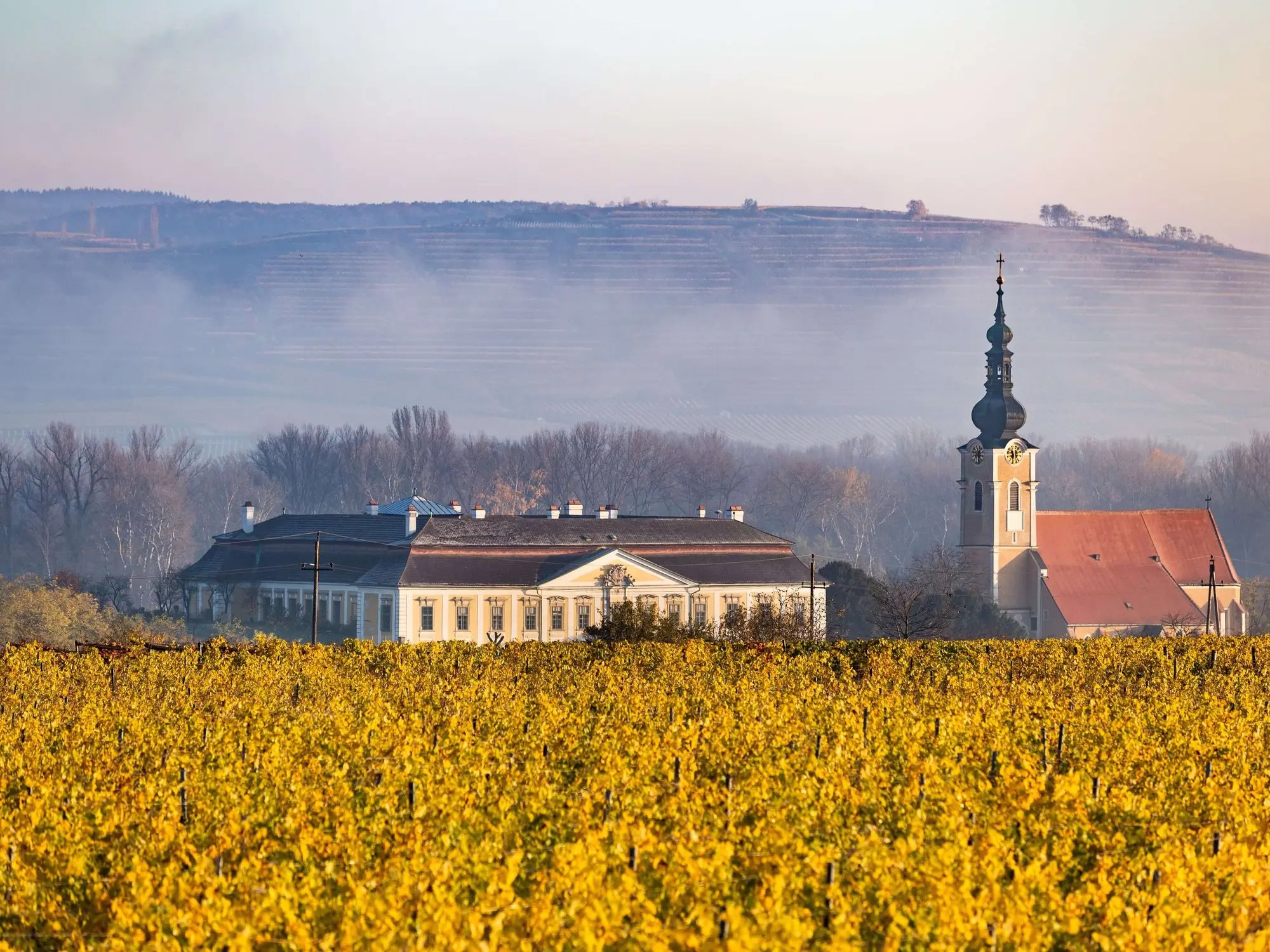
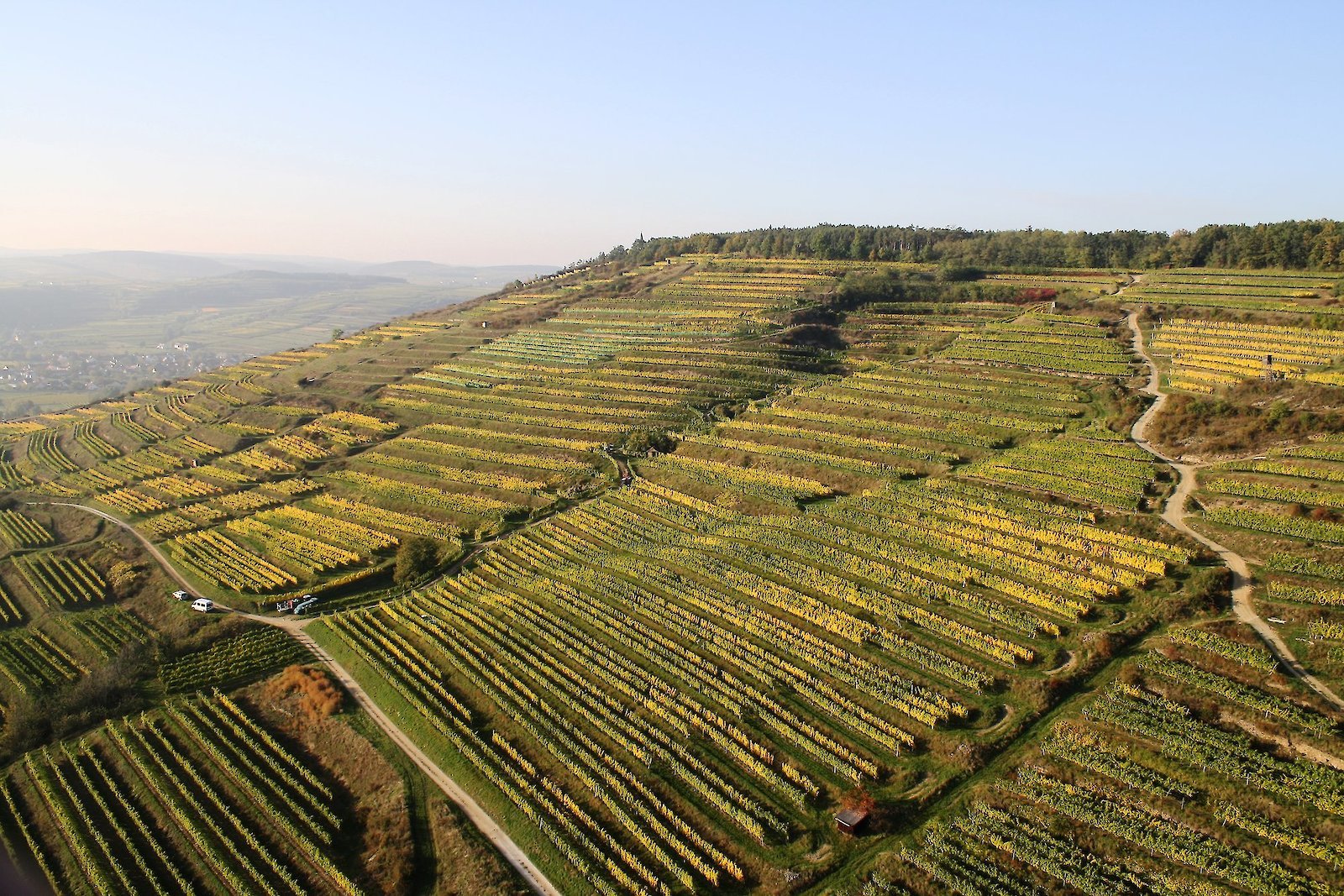
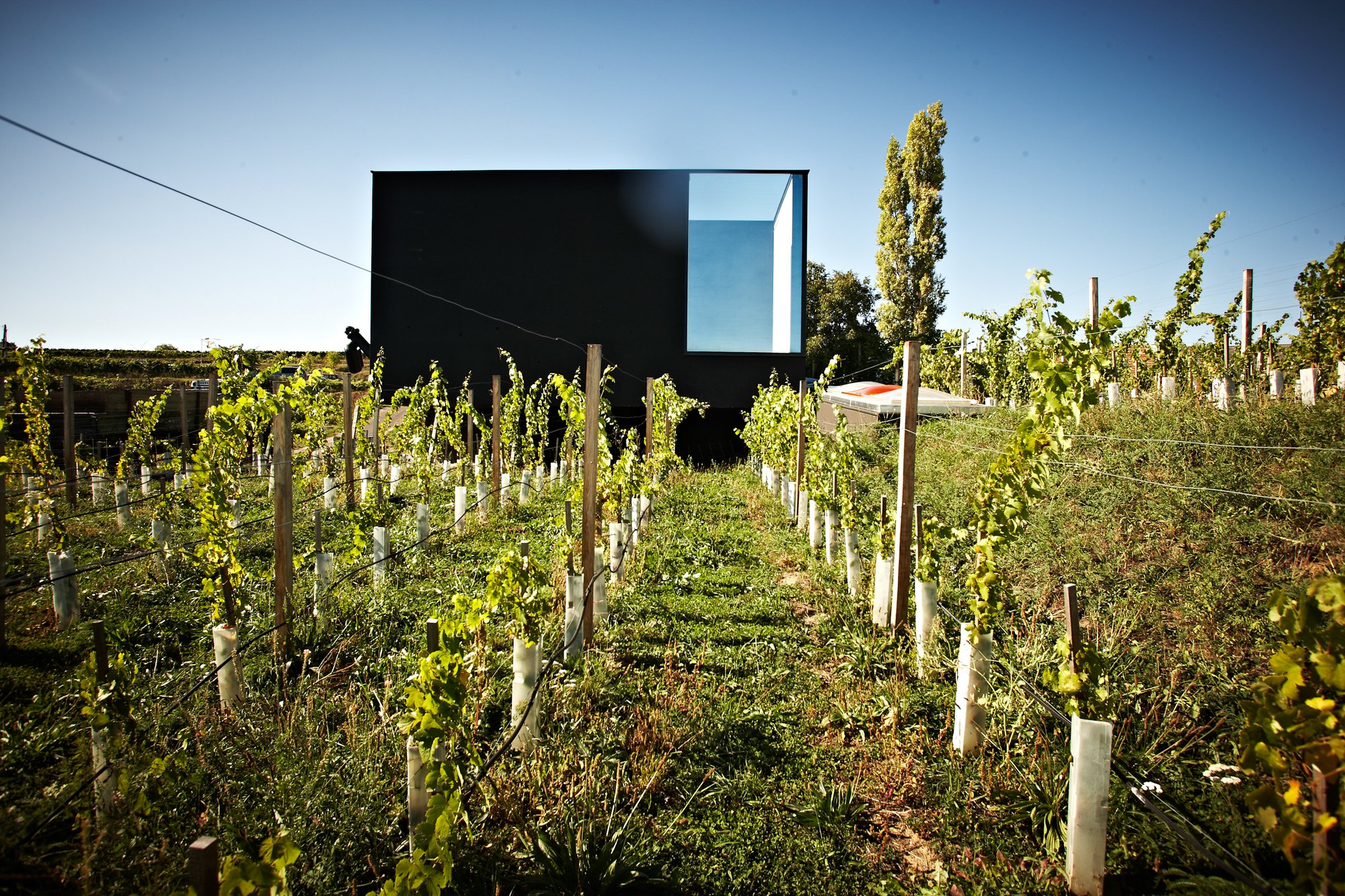
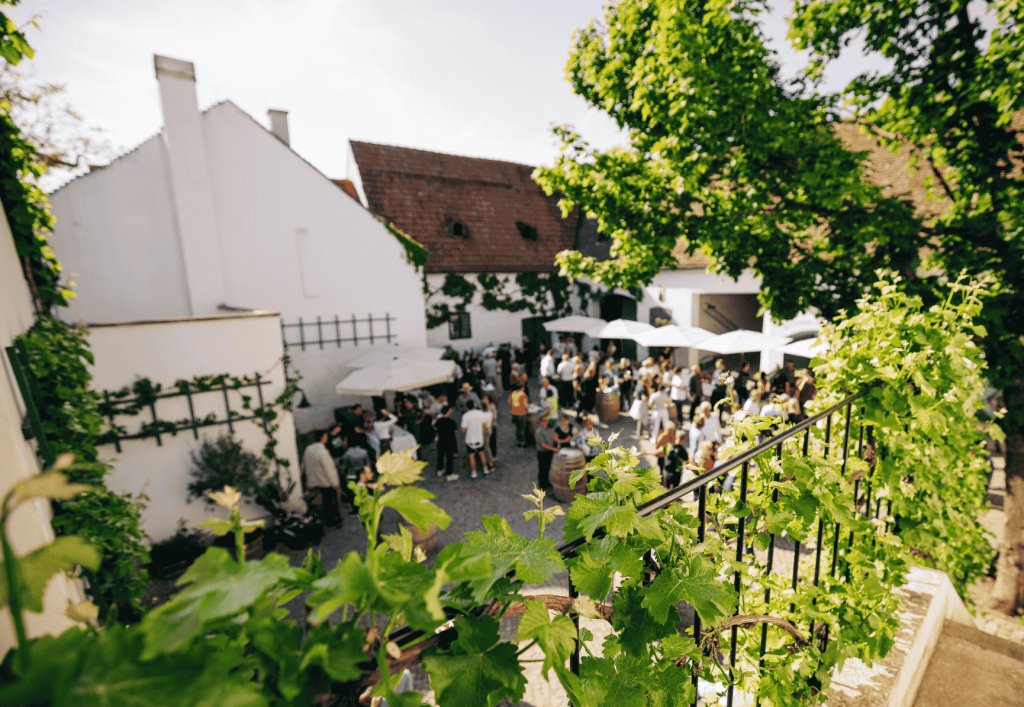
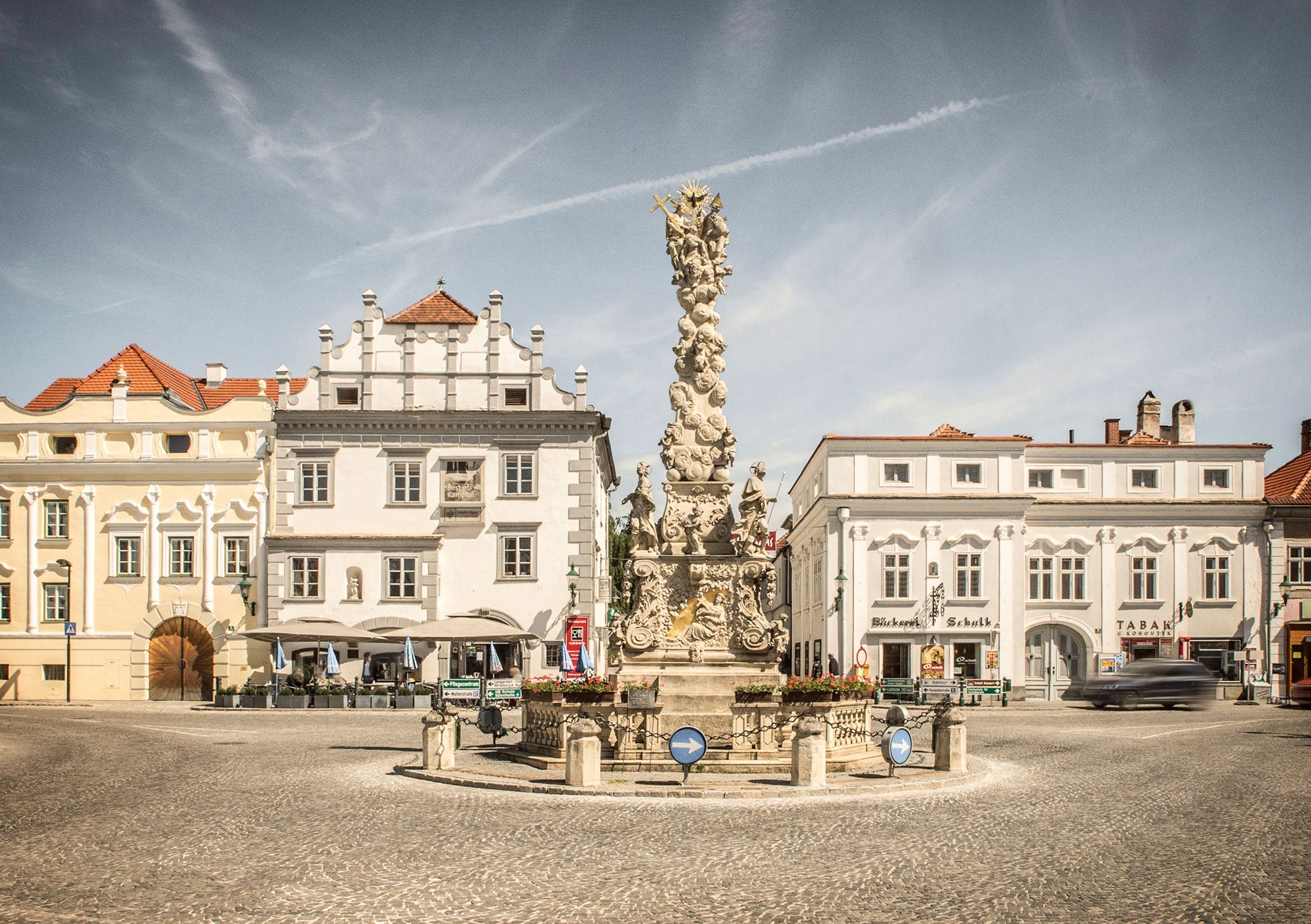
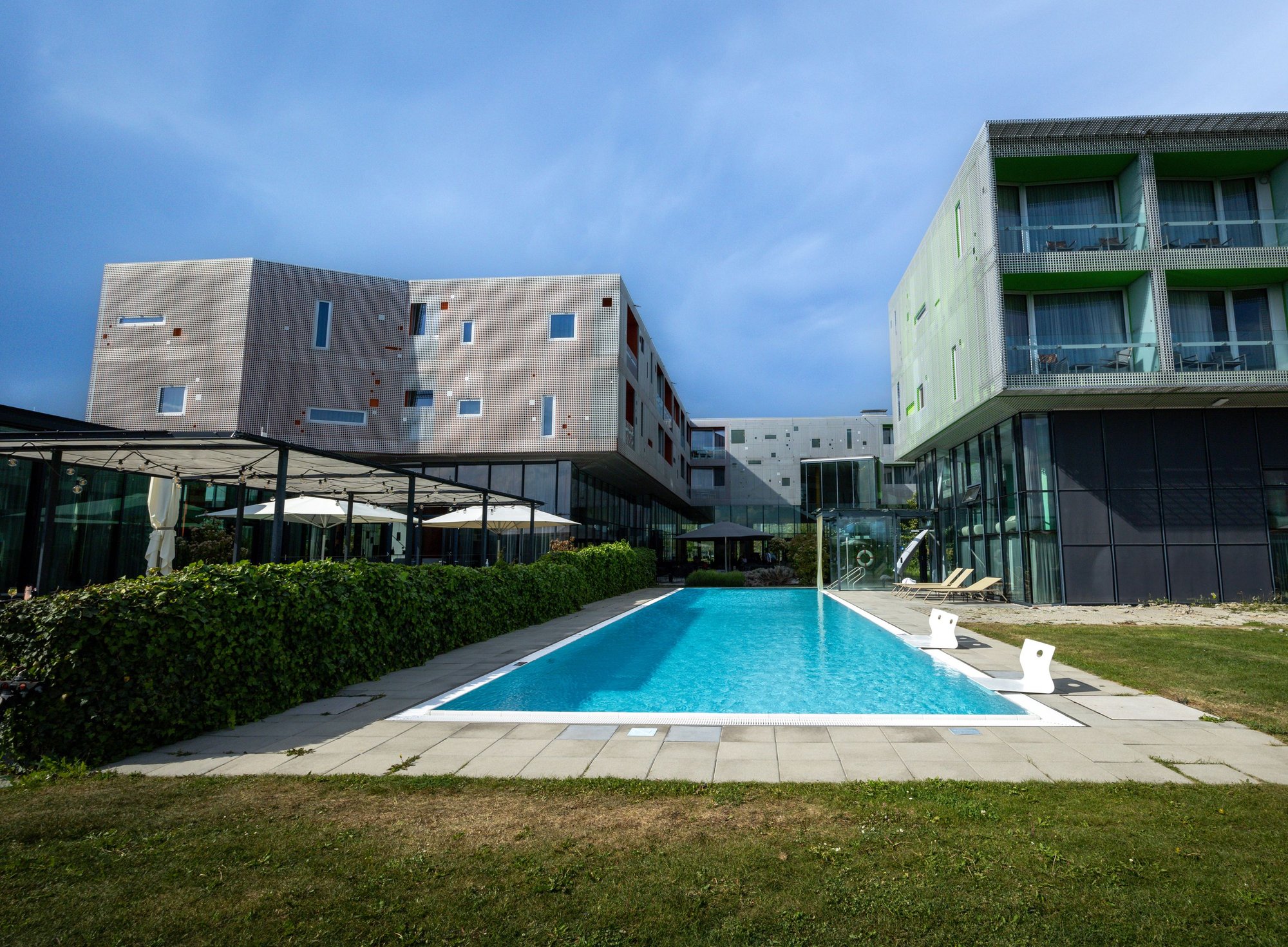
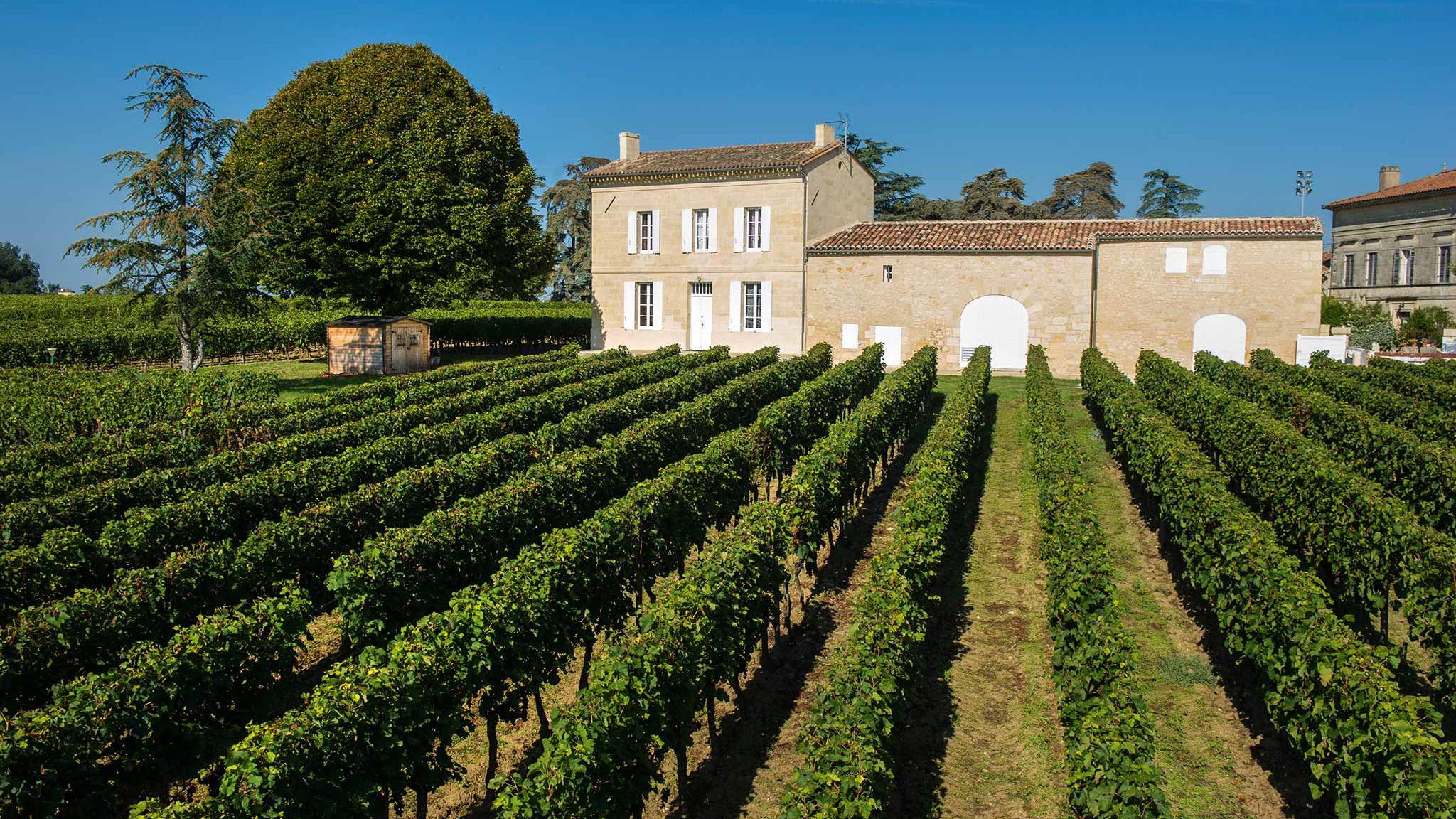
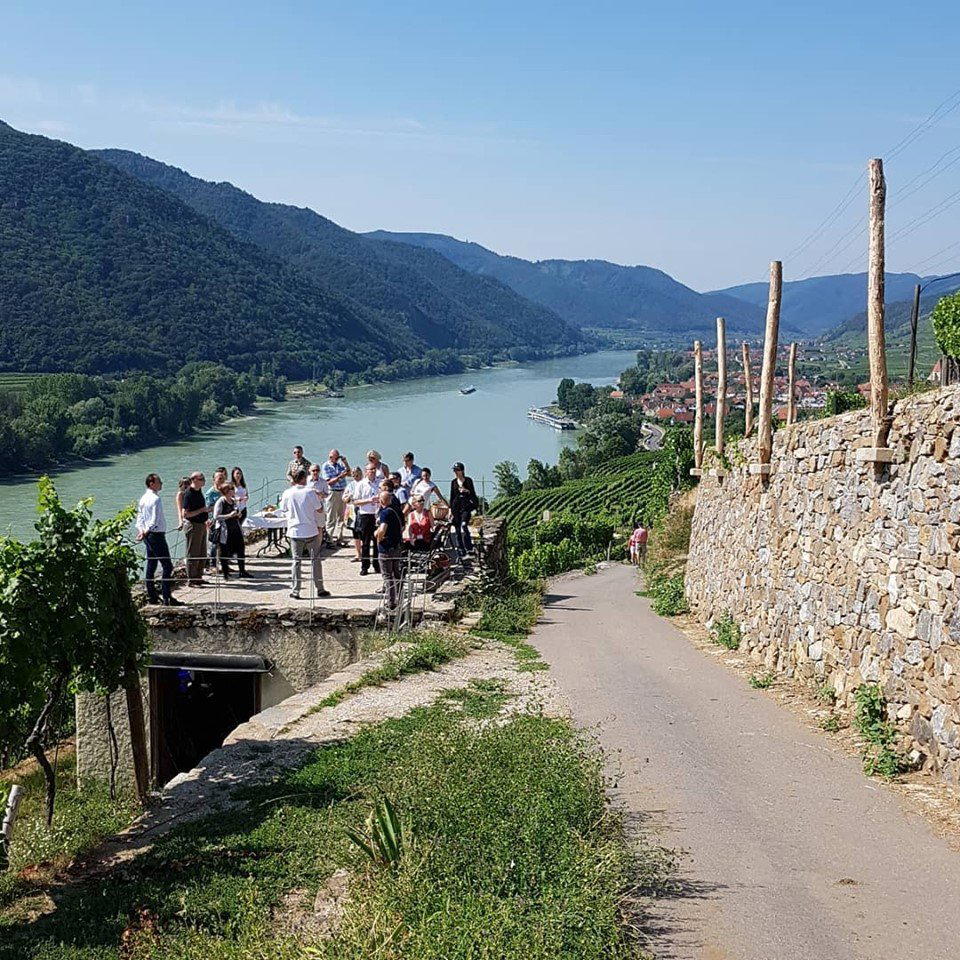
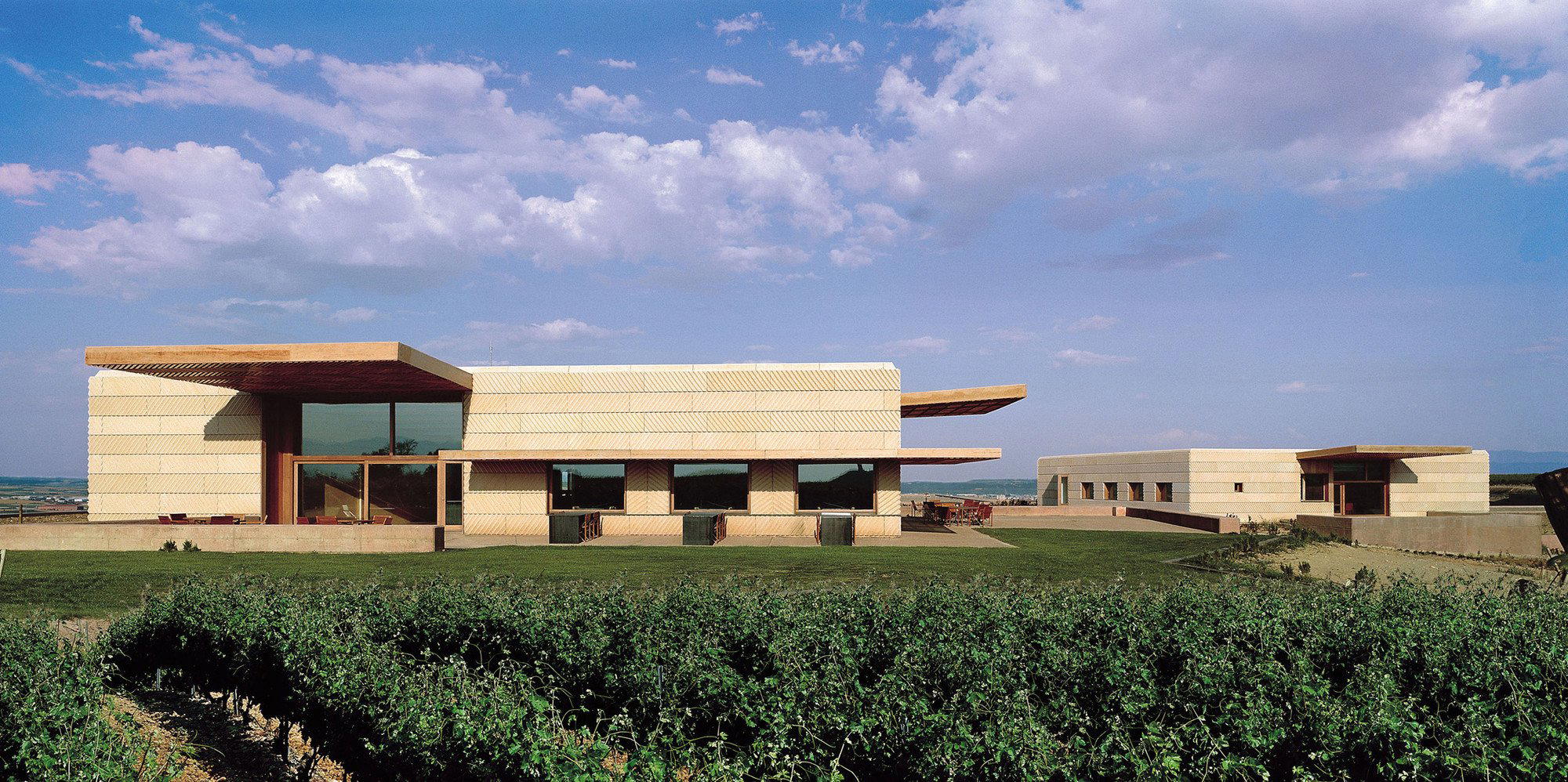
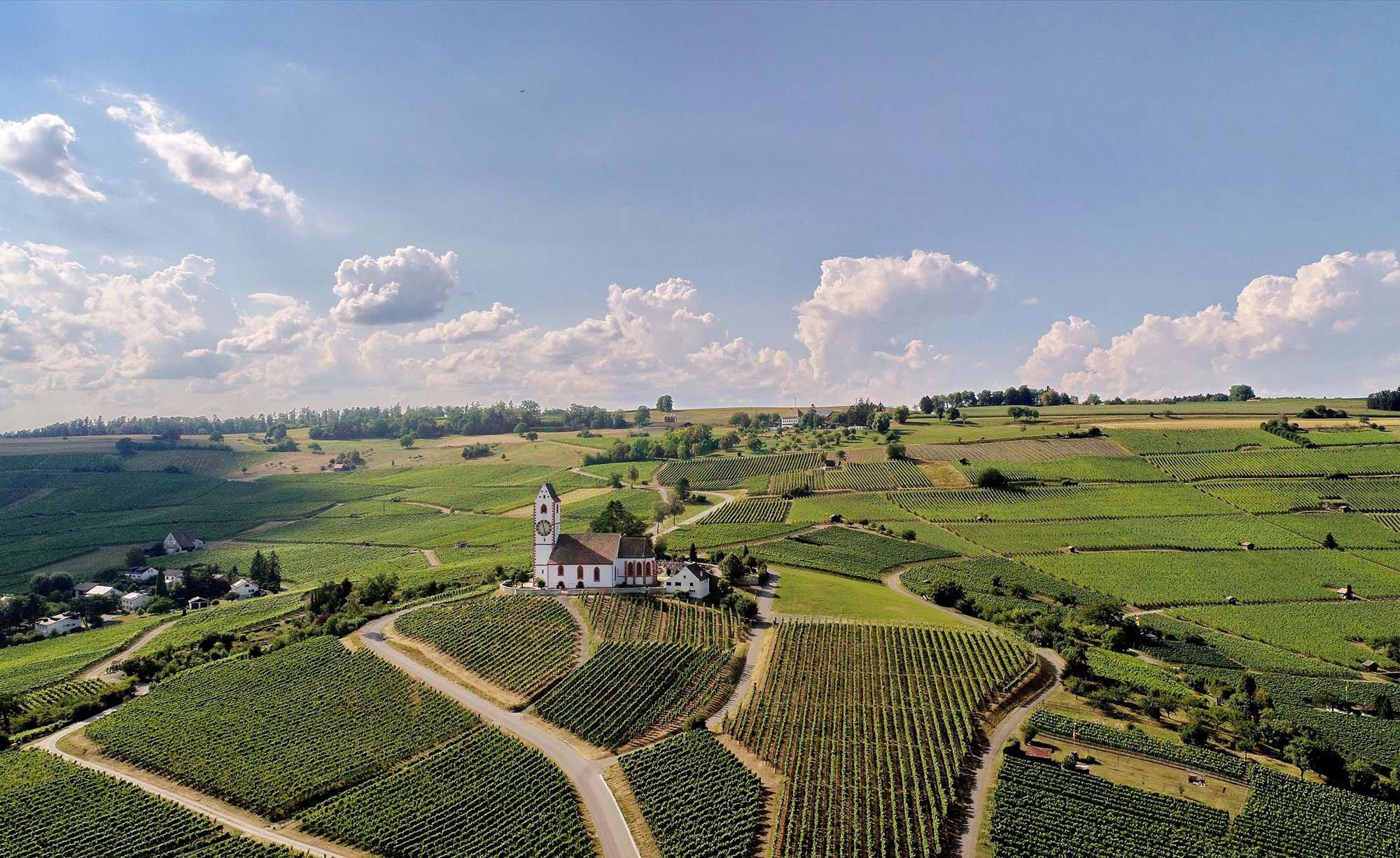
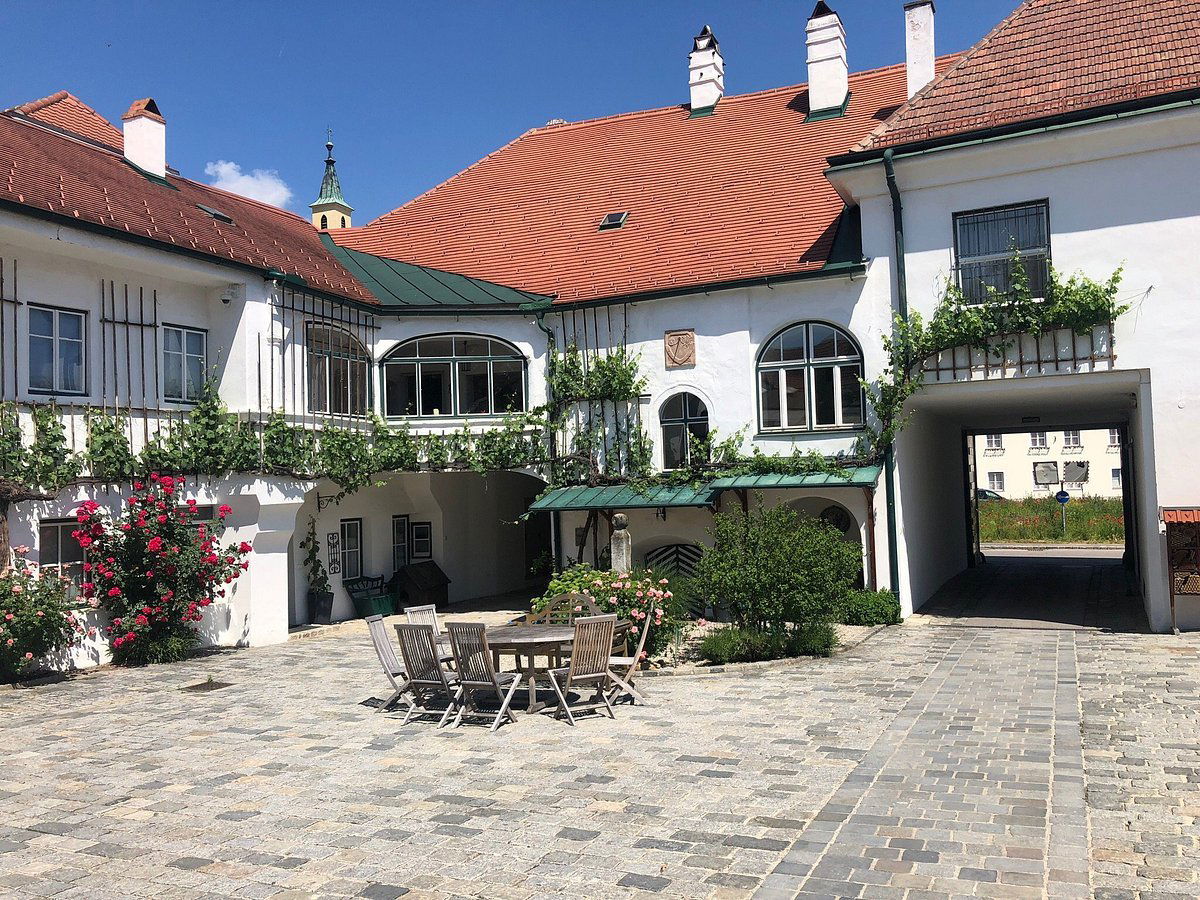
Weingut Jurtschitsch sits where town meets working vineyard, and the writing of the place shows in both landscape and wine. Approaches are defined by planted slopes rather than rooftops, and afternoon light settles over Grüner Veltliner and Riesling blocks on loess and crystalline rock. The copy is attentive to terroir — river-cooled air, continental seasonality and geological variety — and the estate’s work reads as restrained and architecturally precise rather than overtly opulent. Visitors encounter a composed, studious mood here: serious, measured, and quietly elegant, where the landscape and the wine hold the center of attention.
Best For
Jurtschitsch is best for people who come to understand place through wine. The estate’s focus on Grüner Veltliner and Riesling and its location in the Kamptal DAC make it a logical stop for anyone prioritizing terroir-driven white wines and regional context. It suits solo visitors and small groups who want to read vineyard expression in bottle, and it fits itineraries that visit multiple nearby producers — the estate sits within a dense corridor of highly regarded houses, making it a strong link in a study-focused tour of Langenlois.
Tasting Tips
When you encounter Jurtschitsch, lean into the region’s specialties: Grüner Veltliner and Riesling. The write-up emphasizes the Kamptal DAC and the contrast of loess with crystalline primary rock, so look for DAC-designated bottlings or cuvées that name specific sites or soil types. Expect wines that prize mineral tension and structural precision rather than overt richness; ask about vineyard origin and how river-cooled air influences vintage character. Those cues will help you choose bottles that best express the estate’s sense of place.
Venue details
Ambiance
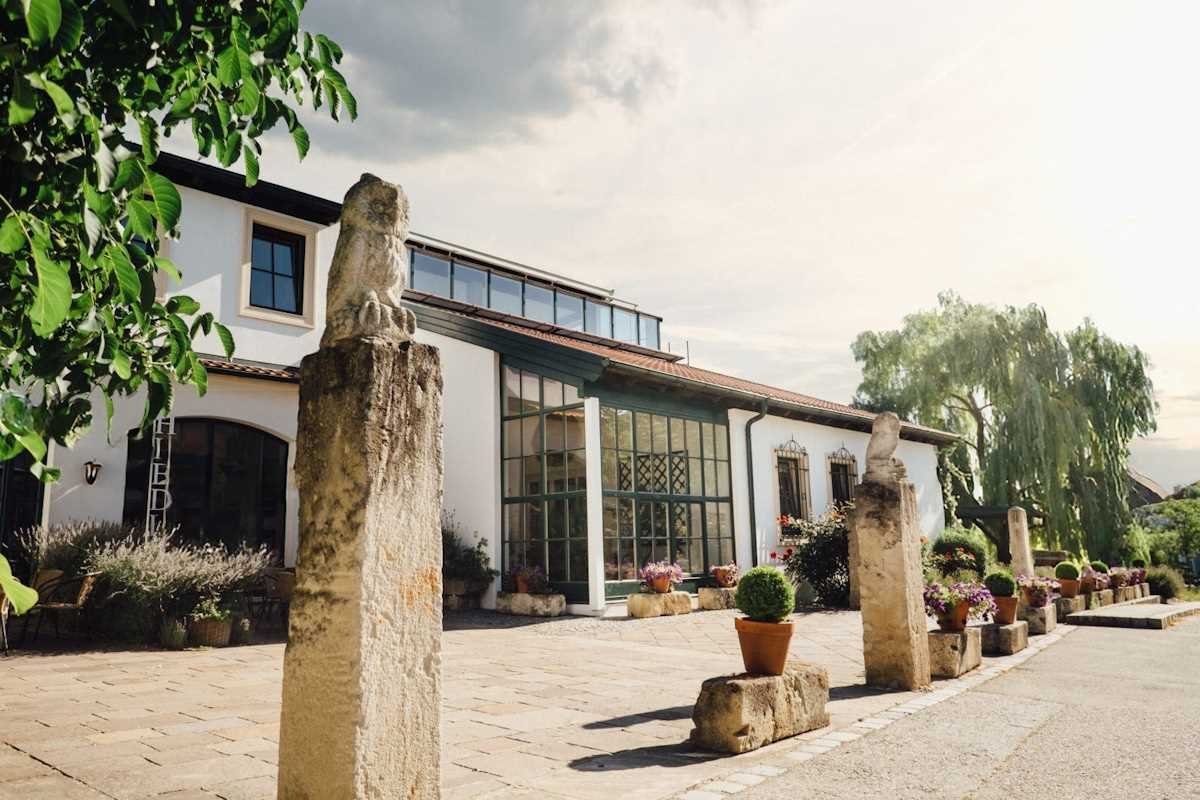
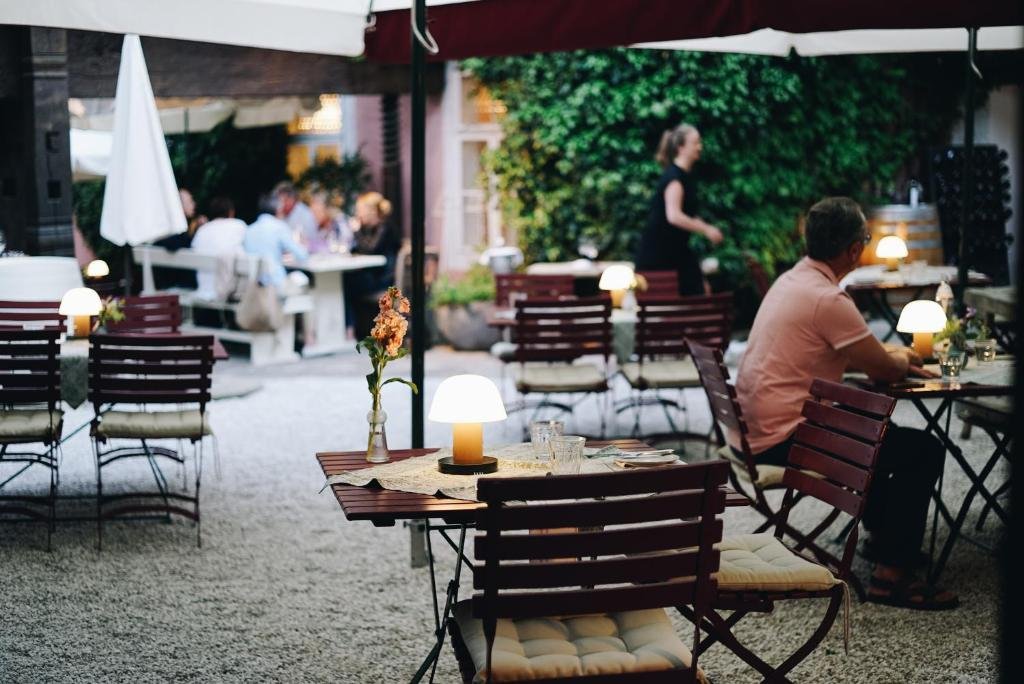
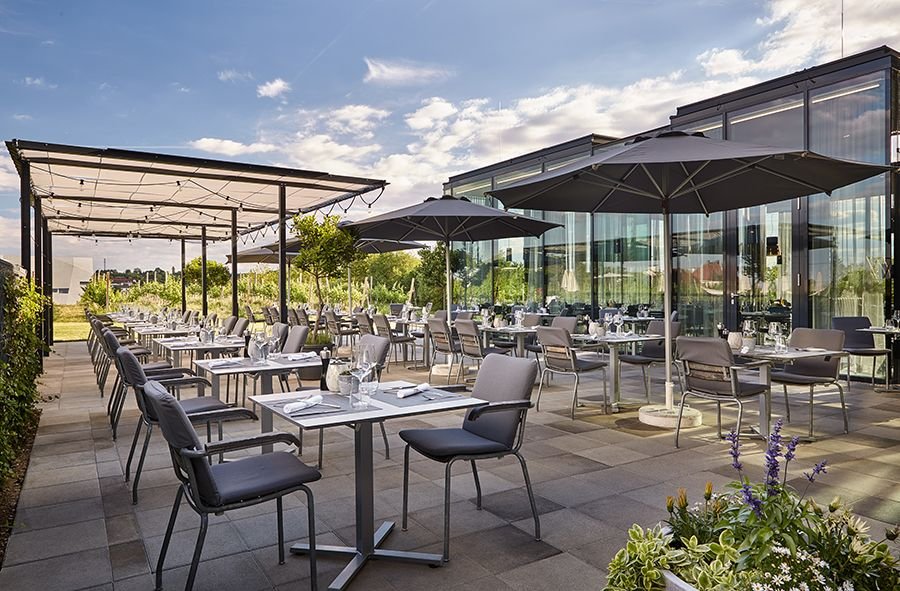
Elegant and understated atmosphere emphasizing terroir precision with cool-climate finesse and minerality.
Tags
Vibe
Best For
Experience
Sourcing
View
At the Vineyard
- Appellation
- Kamptal
- Varietals
- Grüner Veltliner, Riesling, Pinot Blanc, Sauvignon Blanc, Zweigelt
- Visits
- By reservation
- Farming
- Organic
- Wine Styles
- Still White, Still Red, Sparkling, Skin Contact
- Wine Club
- Not available
Know before you go
Know Before You Go
- Getting there
- Rudolfstraße 39, 3550 Langenlois
Planning details
Location
Recognition and awards

Also consider
Also Consider
- Weingut Hiedler, Notable alternative
- Weingut Bründlmayer, Notable alternative
- Weingut Fred Loimer, Notable alternative
- Schloss Gobelsburg (Weingut), Notable alternative
- Weingut Hirsch, Notable alternative
Winery context
How It Compares
Against Weingut Hiedler, Weingut Bründlmayer, and Weingut Fred Loimer, Weingut Jurtschitsch is the choice for visitors who want a prestige-led Langenlois booking and are willing to plan around it. With no reliable public price signal here, the smarter comparison is not value by cost, but value by itinerary weight: this is worth prioritizing when wine is the main reason for the day.
Schloss Gobelsburg (Weingut) is the stronger cross-shop if ambiance and historic estate feel drive the decision. Weingut Bründlmayer and Weingut Fred Loimer are better paired with this stop for a concentrated Langenlois tasting day, while Weingut Hiedler suits readers who want another local producer without leaving town.
Weingut Hirsch belongs in the wider regional conversation rather than the same easy Langenlois cluster. If booking difficulty is the concern, keep alternatives ready: start with Weingut Bründlmayer or Weingut Fred Loimer for same-town depth, then use Schloss Gobelsburg (Weingut) when the setting matters as much as the wine.
Around this place
Discover more on Pearl
Unlock the full Weingut Jurtschitsch guide in Pearl, including awards, comparisons, FAQs, planning details, and nearby places.
Compare Weingut Jurtschitsch
| Venue | Location | Awards |
|---|---|---|
| Weingut Jurtschitsch | Langenlois | 2026 Falstaff Winery Guide |
| Weingut Hiedler | Langenlois | 2026 Falstaff Winery Guide |
| Weingut Bründlmayer | Langenlois | 2026 Falstaff Winery Guide |
| Weingut Fred Loimer | Langenlois | 2026 Falstaff Winery Guide |
| Schloss Gobelsburg (Weingut) | Langenlois | 2026 Falstaff Winery Guide2022 World's 50 Best Vineyards · #502019 World's 50 Best Vineyards · #30 |
| Weingut Hirsch | Kammern | 2026 Falstaff Winery Guide |

How Weingut Jurtschitsch Langenlois compares with similar nearby venues.
FAQ
Frequently Asked Questions
What is the flagship wine at Weingut Jurtschitsch?
A flagship wine is not named. The clearest reason to consider a visit is its Pearl 3 Star Prestige recognition for 2025.
Does Weingut Jurtschitsch serve food?
Food service is not specified. Plan the visit as a venue stop, and arrange any meal separately in Langenlois unless the venue confirms otherwise directly.
What other wineries can I compare with Weingut Jurtschitsch?
For planning, useful comparison names include Weingut Hiedler, Weingut Bründlmayer, Weingut Fred Loimer, Schloss Gobelsburg (Weingut), and Weingut Hirsch.
Is the wine club at Weingut Jurtschitsch worth joining?
A wine club or membership benefits are not specified. Treat any club decision as separate from the Pearl 3 Star Prestige recognition for 2025, and check current terms directly with the winery.
When is the best time to visit Weingut Jurtschitsch?
How long should I plan for a visit to Weingut Jurtschitsch?
A visit length or tasting format is not stated. Plan conservatively and confirm timing directly if you are pairing it with another stop the same day.