Fuchs und Hase
Langenlois
Winery in Langenlois, Austria
 Book with Pearl
Why go
Book this if Austrian pét-nat is the draw and the group wants a small, experimental Kamptal producer rather than a conventional estate visit. The appeal is certified organic fruit, native yeast, unfiltered bottling, and a clear “Volume” system for skin contact. It is a better fit for natural-wine drinkers than for guests seeking a broad still-wine tasting.
About Fuchs und Hase
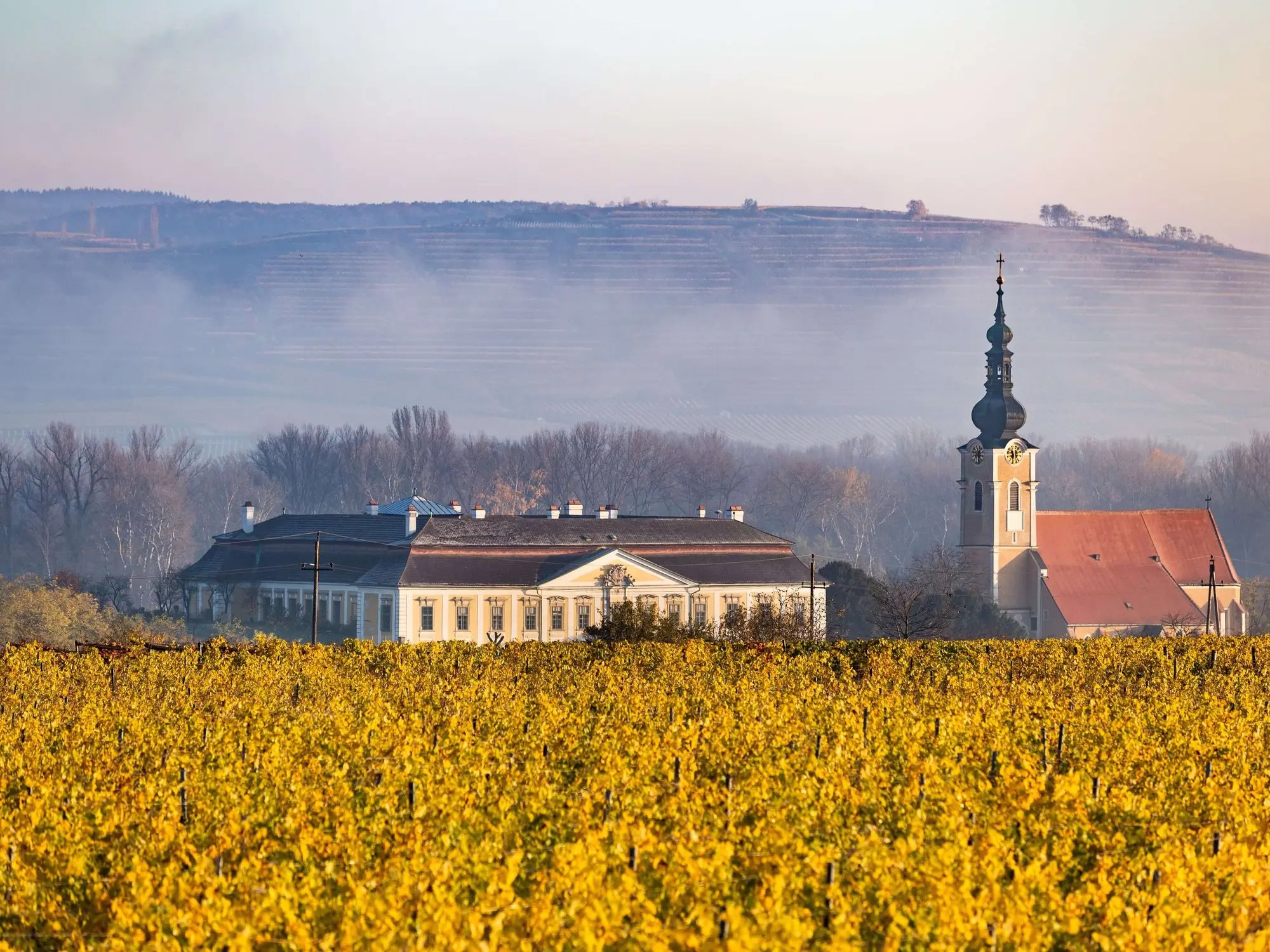
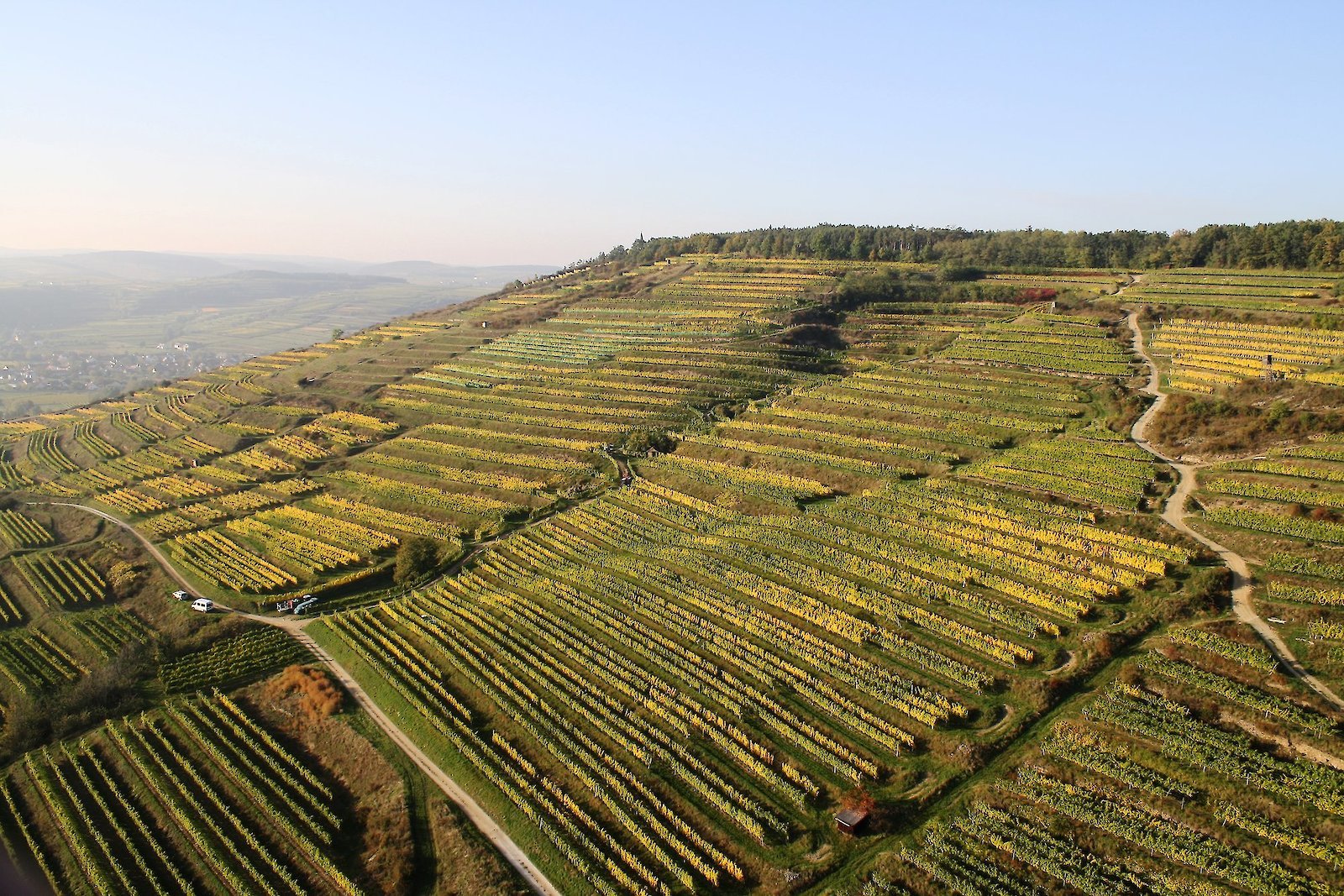
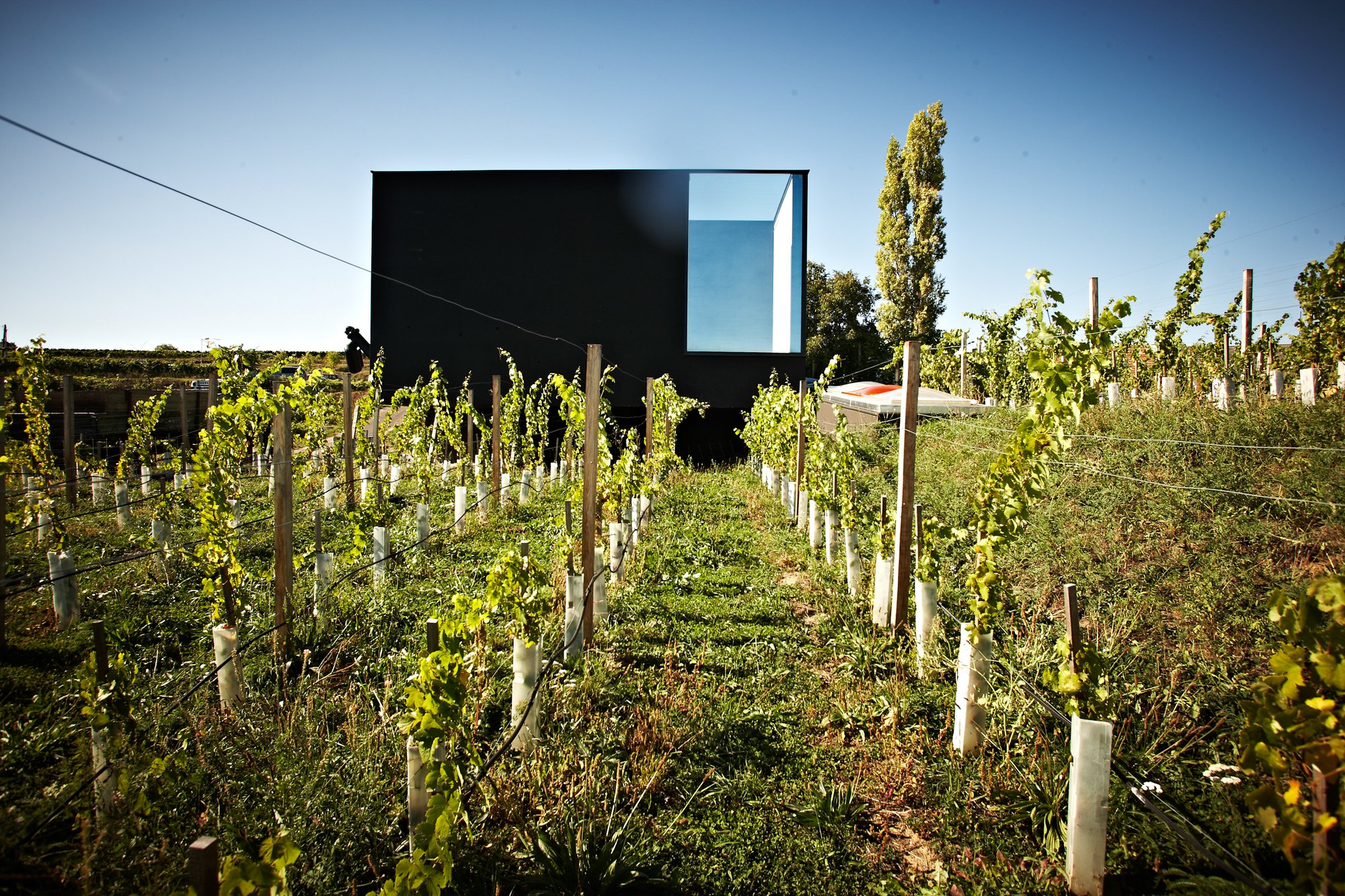
Is Fuchs und Hase worth your attention? Yes, if the point is a small, independent Kamptal pét-nat project rather than a polished grand-estate story. In Langenlois, this is best understood as an artisanal, experimental and nature-driven producer, with a focus on naturally made pét-nats from high-altitude, forest-adjacent vineyards. That framing matters, because it sets expectations before you include it in wider wine research: the appeal is not a grand estate narrative, but a sharply defined point of view.
The mood is rustic, offbeat and hidden-gem in spirit rather than formal. It is a better fit for drinkers who are specifically interested in pét-nat and a bohemian Kamptal feel than for those seeking a conventional grand-estate profile. Think of it as a focused name for people who already like the idea of naturally made pét-nat, or who want to understand a less polished, more experimental side of Langenlois. For a broader local plan, pair the research with our full Langenlois wineries guide, then use our full Langenlois restaurants guide and our full Langenlois hotels guide to build the rest of the day.
A focused pét-nat project, not a standard Kamptal estate profile
The reason to prioritize this producer is its clear identity. Fuchs und Hase is a small Kamptal project centered on naturally made pét-nats, with an artisanal and experimental character. That makes it a stronger fit for natural-wine drinkers than for people who want a more conventional grand-estate cue. The distinction is important: some Langenlois wine research is about familiar regional structure, while this one is better read as a narrower, more personal expression.
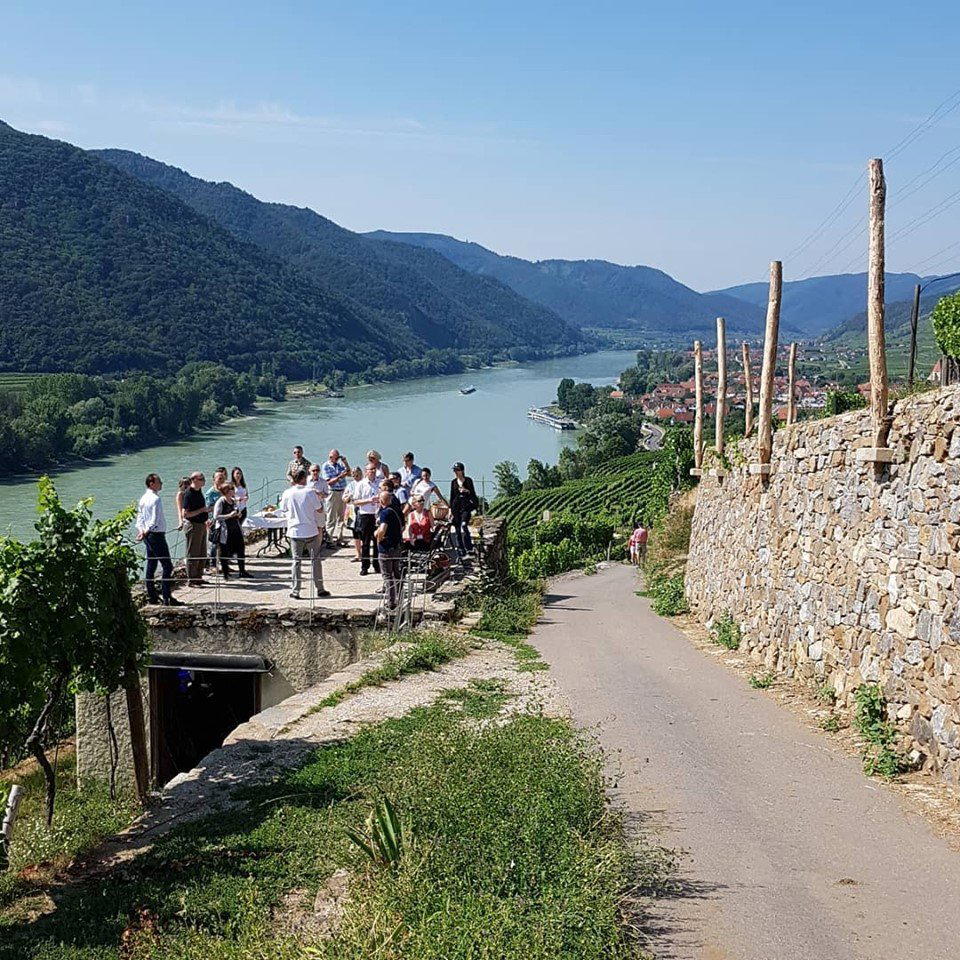
Appeal is the nature-driven setting and point of view: high-altitude, forest-adjacent vineyards and a rustic, independent feel. That is useful decision-making information. The draw is not a claim of luxury scale, but the chance to focus on pét-nat in Langenlois. For the right drinker, that narrowness is the strength. It means the project is easy to understand, even if it is not trying to be all things to all wine travelers.
This also helps clarify who should place it high on a shortlist. If your interest is in the texture and unpredictability often associated with pét-nat, the producer’s identity gives you a clean reason to pay attention. If your Langenlois plan is built around a more standard wine-country arc, this may sit better as a specific counterpoint rather than the central reference for the region.
The pét-nat focus is the main reason to care
The key question is whether naturally made pét-nat is the right anchor for your interest. If yes, Fuchs und Hase is a compelling Langenlois name because its identity is built around pét-nat and an experimental Kamptal sensibility. That gives it a particular kind of value: less about ceremony and more about character, curiosity and a sense of discovery. If you want a more traditional winery context, build a wider Langenlois plan and treat this as the more niche, wine-curious focus.
Falstaff Listed recognition in 2026 adds a useful credibility signal, but the better reason to care is the clarity of the project: small, independent, rustic and focused on pét-nat from forest-adjacent Kamptal vineyards. In practical terms, that means the decision is simple. Look to it for a defined pét-nat idea, an offbeat local mood and a producer profile that feels deliberately outside the standard grand-estate template. For non-winery backup planning, use other Langenlois dining and local activity research as needed.
Planning details
- Location
- Langenlois, Kamptal, Lower Austria, Österreich
Venue details
Ambiance
A small, independent Kamptal project focused on naturally made pet-nats from high-altitude, forest-adjacent vineyards, giving an artisanal, experimental and nature-driven feel rather than a grand estate experience.
Tags
Vibe
Best For
Sourcing
View
At the Vineyard
- Appellation
- Kamptal
- Varietals
- Müller Thurgau, Grüner Veltliner, Sauvignon Blanc, Gelber Muskateller, Welschriesling
- Wine Club
- Not available
Know before you go
Know Before You Go
- Getting there
- Langenlois, Kamptal, Lower Austria, Österreich
Planning details
Location
Langenlois, Kamptal, Lower Austria, Österreich · Directions
Recognition and awards

Around this place
Discover more on Pearl
Unlock the full Fuchs und Hase guide in Pearl, including awards, comparisons, FAQs, planning details, and nearby places.
FAQ
Frequently Asked Questions
What other wineries are near Fuchs und Hase?
Langenlois is the right base if you want to pair this producer with other Kamptal wine research. Fuchs und Hase stands out because the project is small, independent and centered on naturally made pét-nats, with Falstaff Listed (2026) recognition as an added credibility signal.
How long should I plan for Fuchs und Hase?
What is the flagship wine at Fuchs und Hase?
The standout idea is the pét-nat focus rather than a single named flagship bottle. The main reason to pay attention is the project’s naturally made pét-nats and its artisanal Kamptal character.
Is Fuchs und Hase worth following?
If you are interested, judge it by the core appeal of the producer: a small, independent Langenlois project focused on naturally made pét-nats.
Do I need a reservation at Fuchs und Hase?
Does Fuchs und Hase serve food?
When is the best time to consider Fuchs und Hase?
The best fit is when you are specifically in the mood for a small, rustic and experimental Kamptal pét-nat project. Build it into a Langenlois plan that gives the wine focus enough attention.