
Wakanui Grill Dining Bar Tokyo
Minato, Tokyo
Restaurant in Tokyo, Japan
 Book with Pearl
The Read
Price
JPY 15,000 - JPY 19,999 JPY 3,000 - JPY 3,999
Dress
Smart Casual
Why go
Grass-fed New Zealand beef and spring lamb specialist on the tenth floor near Tokyo Tower, selected for Tabelog's 100 Best Steak & Teppanyaki (East) in 2025, 2024, and 2021. Dinner averages ¥15,000–¥19,999; lunch runs ¥3,000–¥3,999. Easier to book than counter-driven steakhouses, best for business lunches, lamb enthusiasts, and groups seeking reliable grill execution with views.
About Wakanui Grill Dining Bar Tokyo
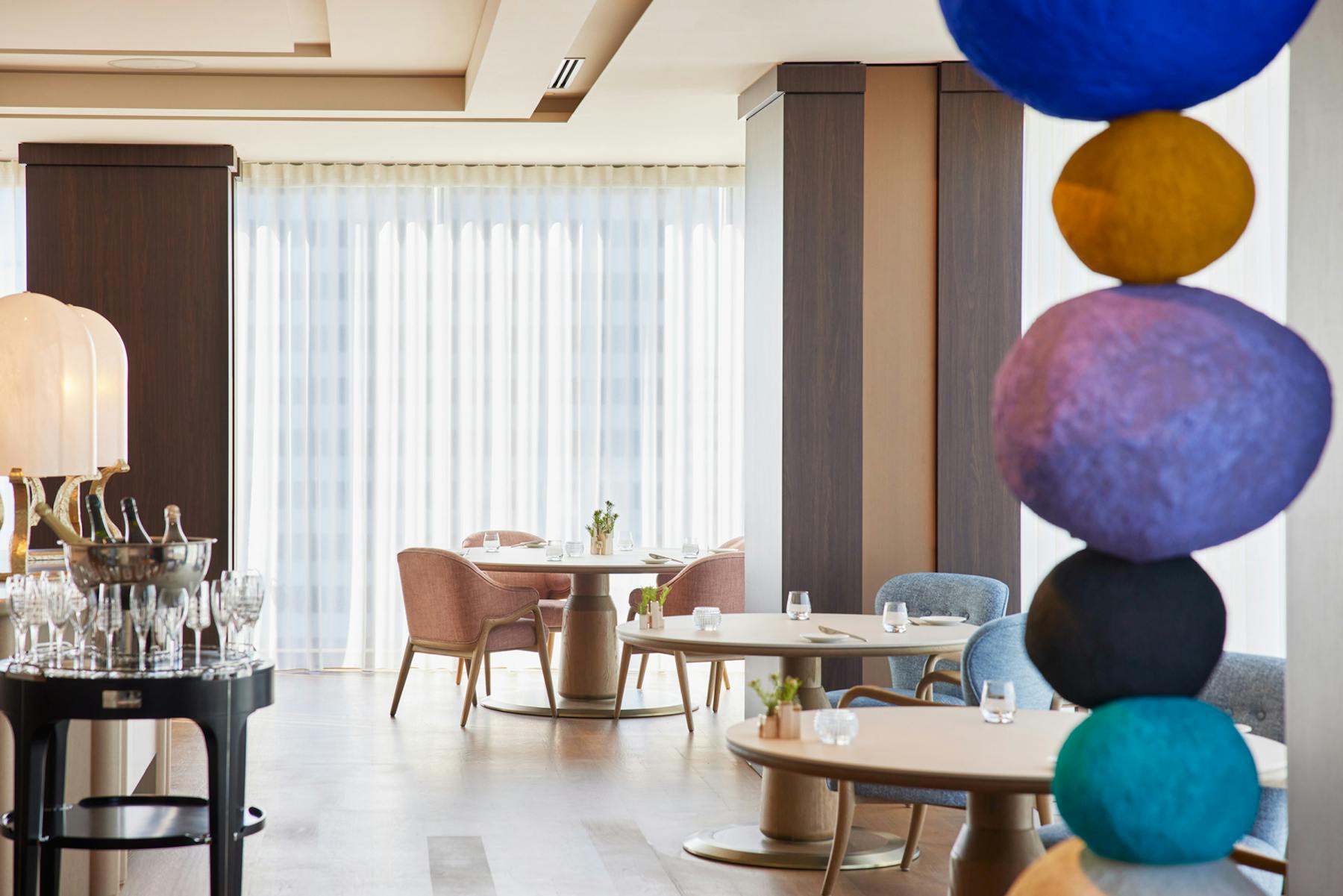
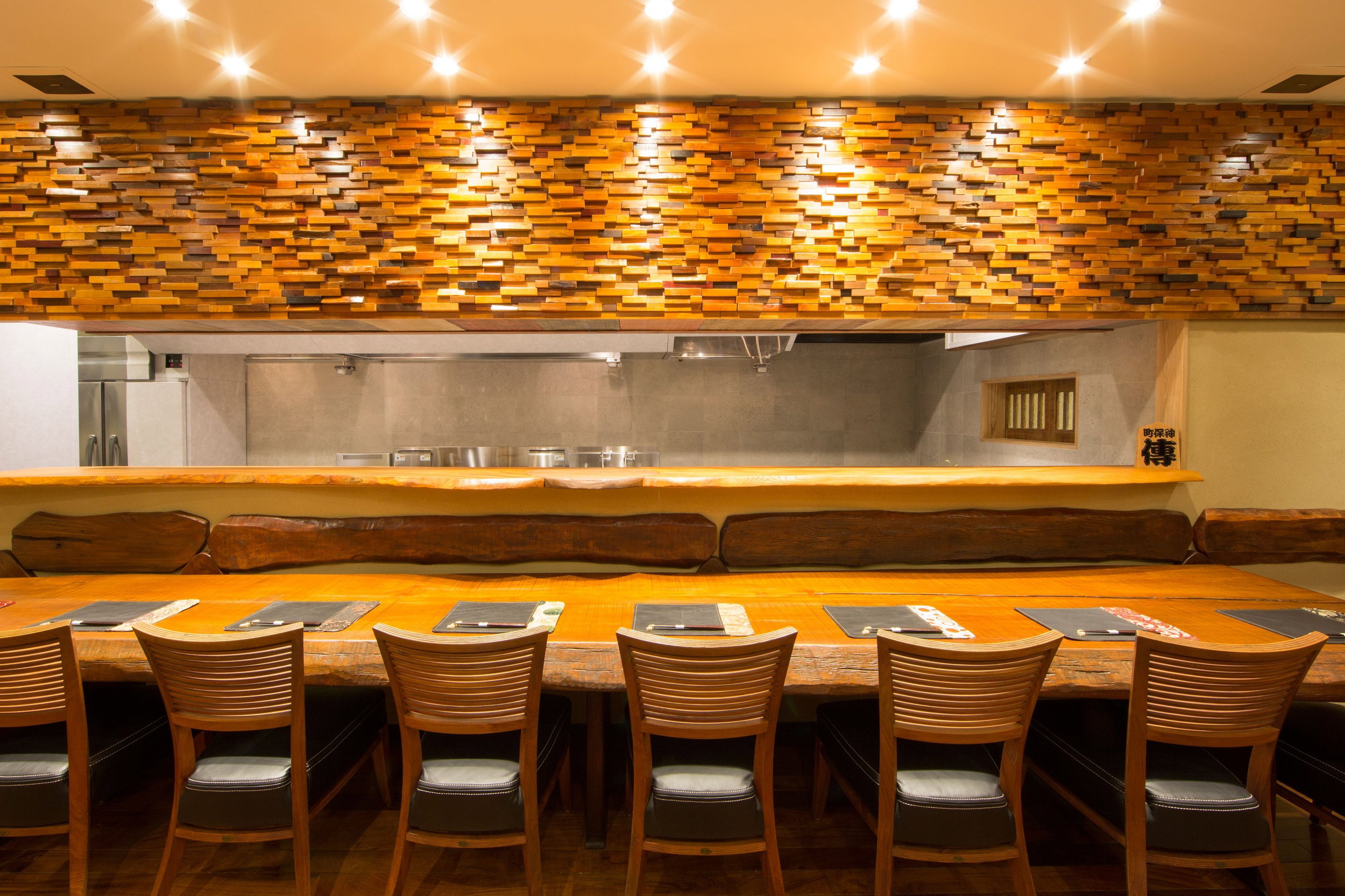
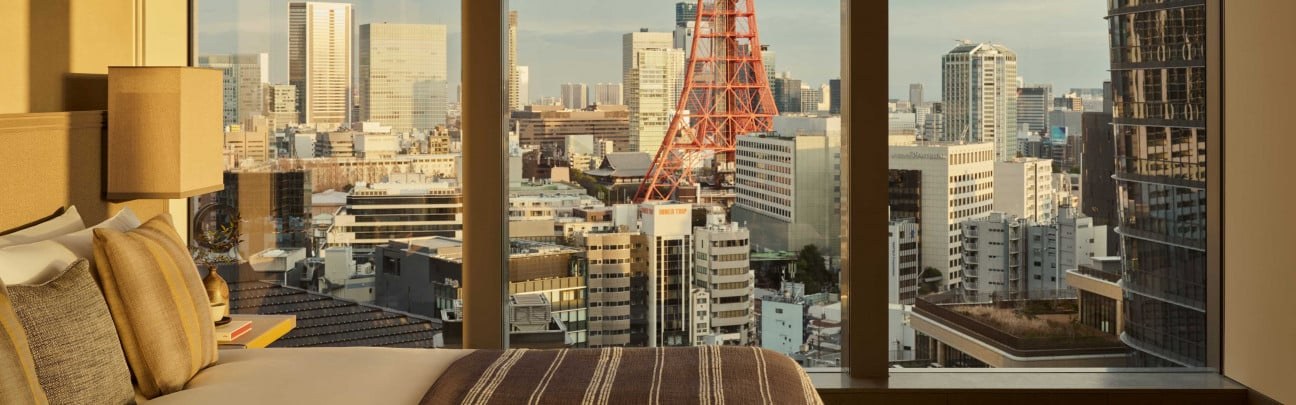
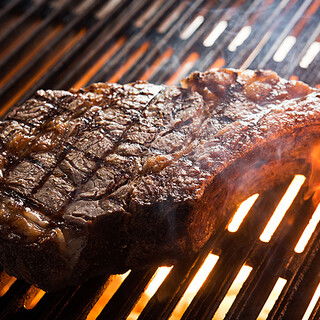
For business lunches with Tokyo Tower views or lamb enthusiasts willing to venture outside the usual Wagyu orbit, Wakanui Grill Dining Bar Tokyo offers a focused alternative in the Shibakoen high-rise quarter. Selected for Tabelog's 100 Best Steak & Teppanyaki (East) in 2025, 2024, and 2021, this tenth-floor dining room stakes its reputation on grass-fed New Zealand beef and spring lamb sourced through ANZCO FOODS, a government-established exporter with vertical control from farm to plate. The format is direct grill-and-bar service, no tasting menu, no omakase theater, making it an easier book than counter-driven concepts in Roppongi or Ginza.
The New Zealand Advantage and the Price-to-Format Question
Dinner averages ¥15,000–¥19,999; lunch runs ¥3,000–¥3,999. That price spread reflects a venue built for flexibility: weekday power lunches near Kamiyacho Station and evening celebrations where the Tokyo Tower backdrop justifies the spend. The kitchen's edge lies in provenance discipline rather than culinary invention. ANZCO's vertically integrated supply chain means aging, butchery, and import logistics are managed in-house, translating to consistent marbling and flavor profiles that distinguish grass-fed beef from commodity cuts. Spring lamb, a category underserved in Tokyo's beef-heavy steakhouse landscape, arrives with minimal gaminess, appealing to diners who find domestic lamb too assertive.
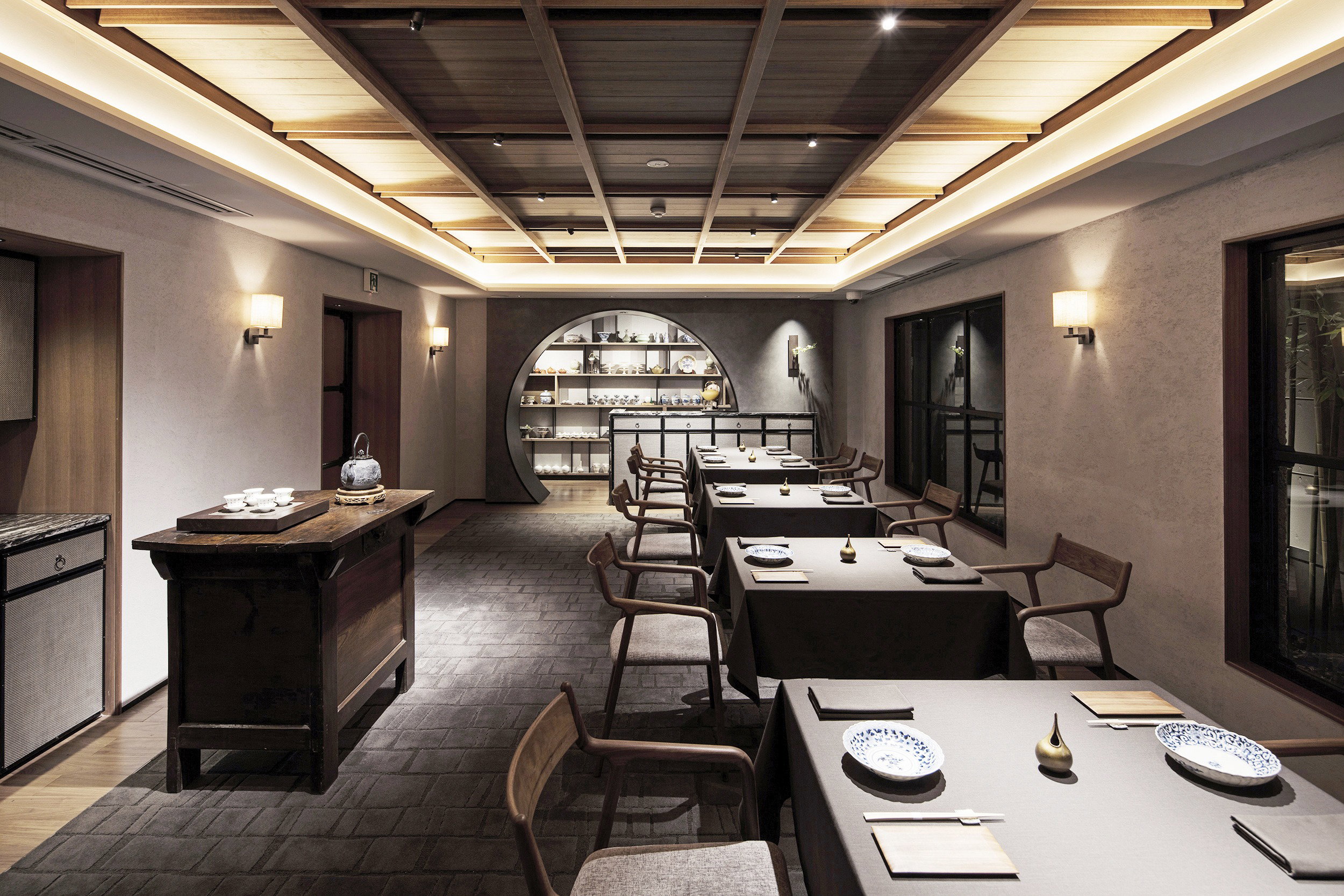
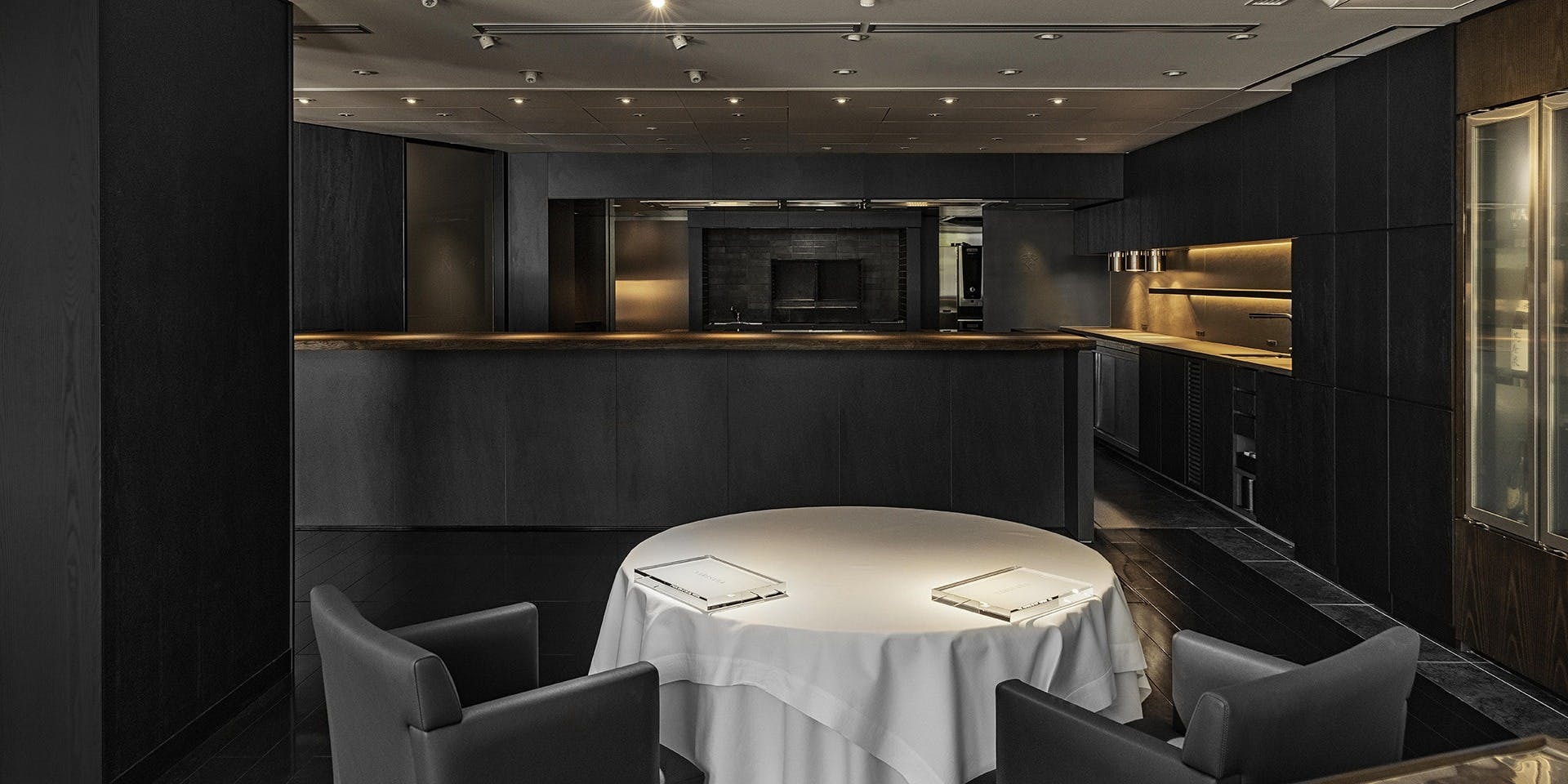
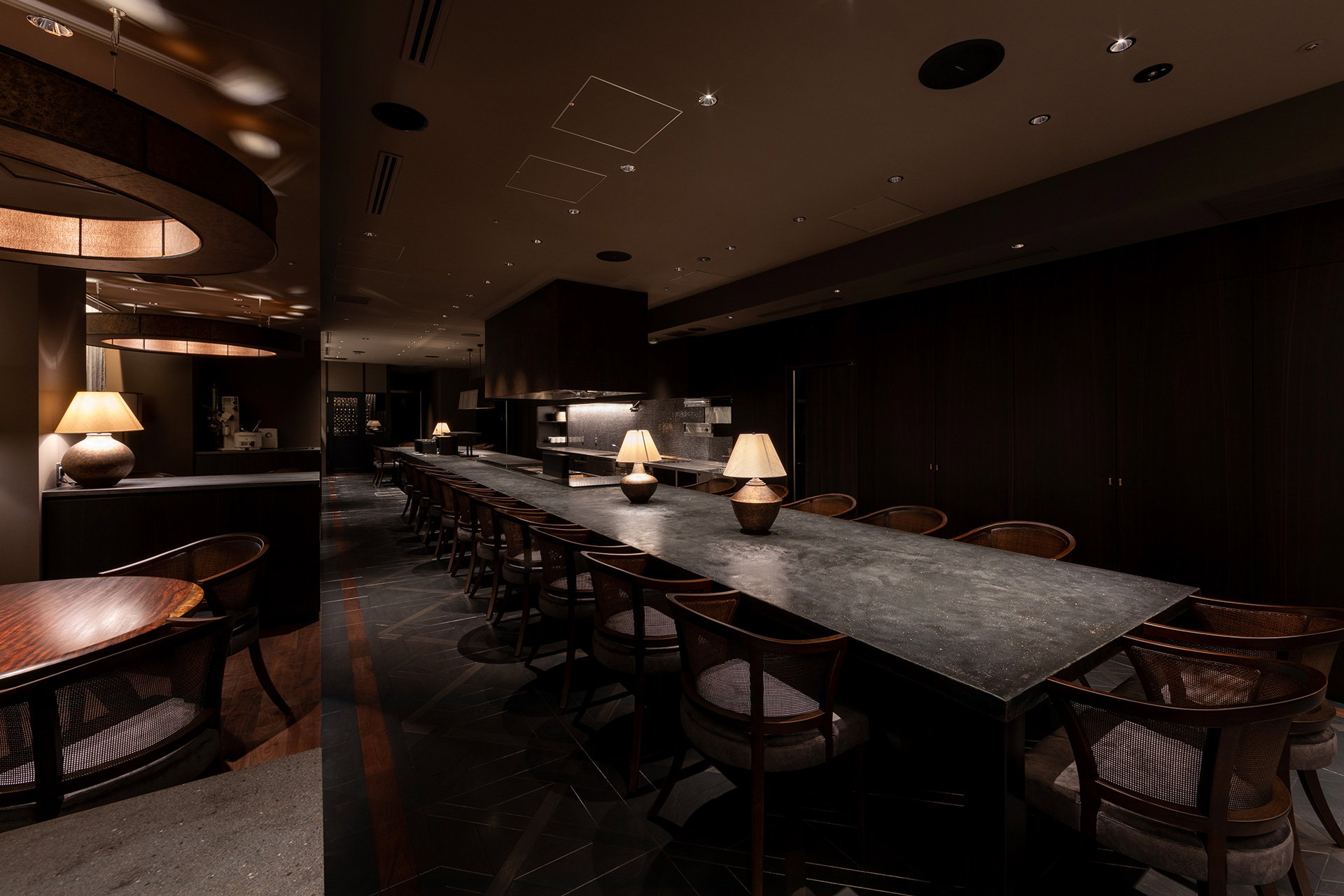
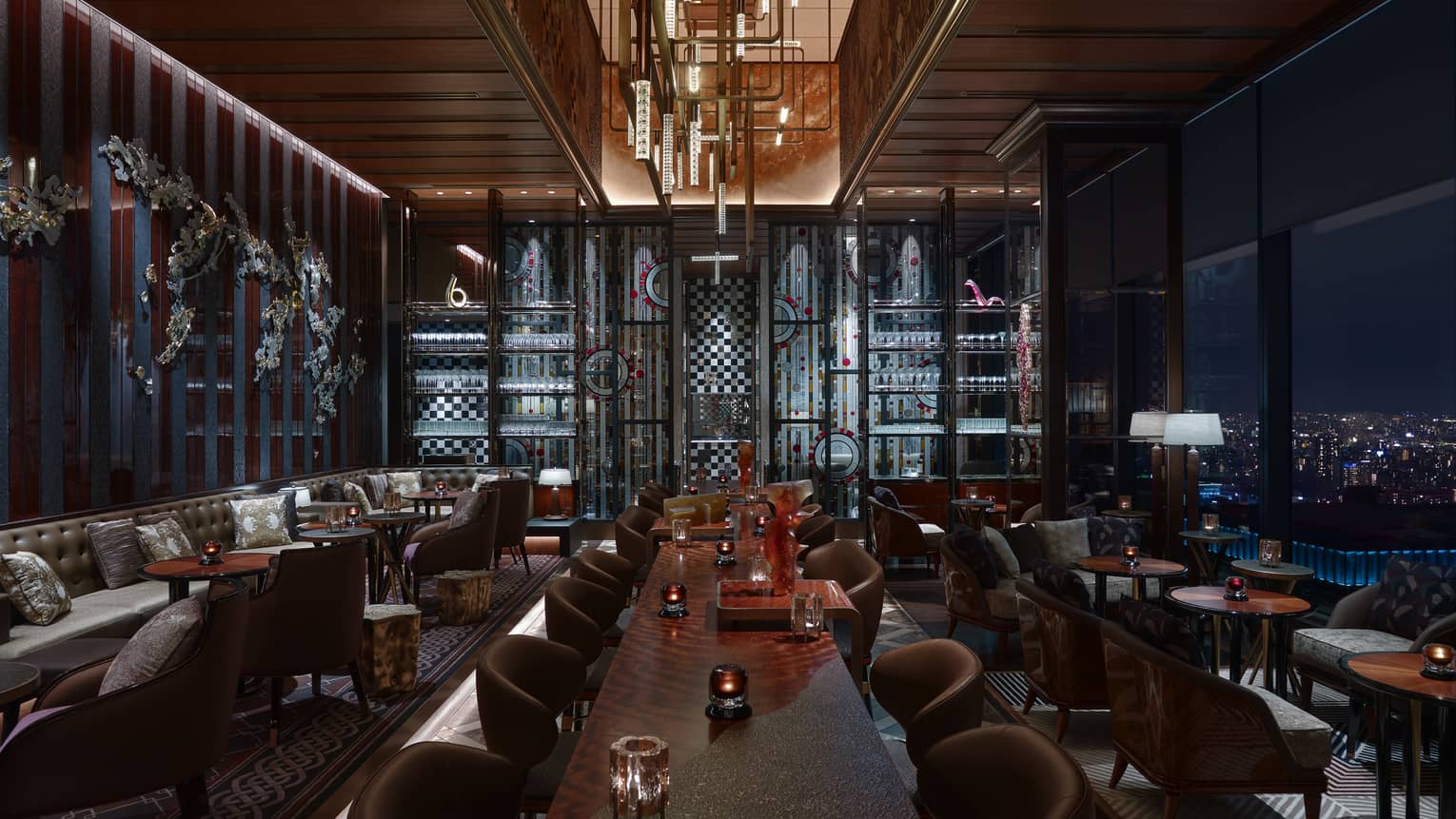
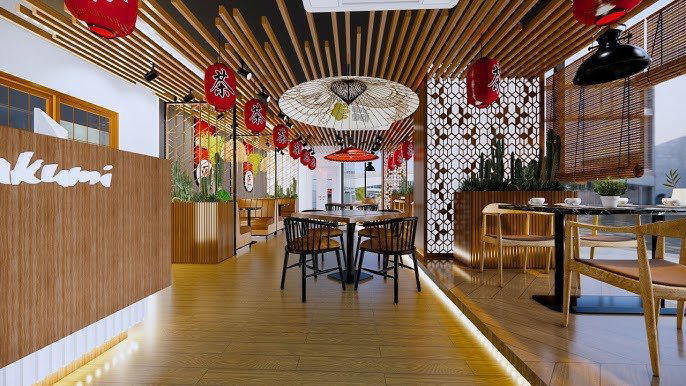
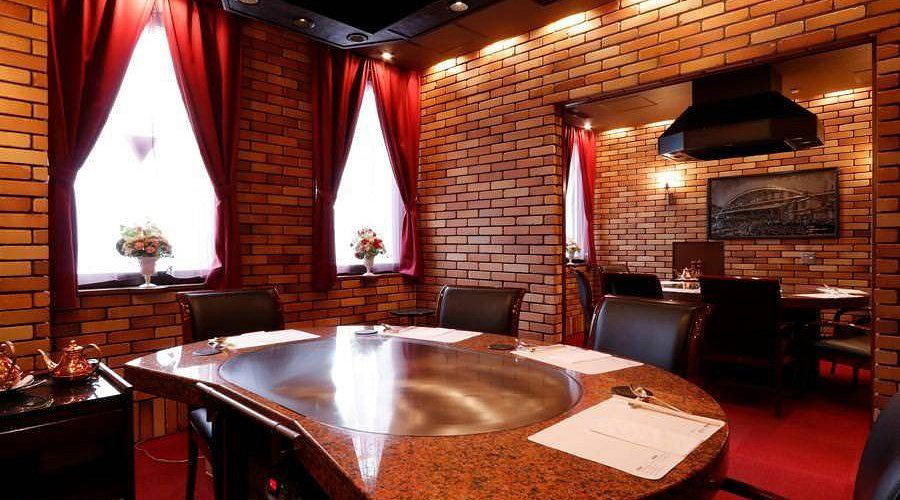
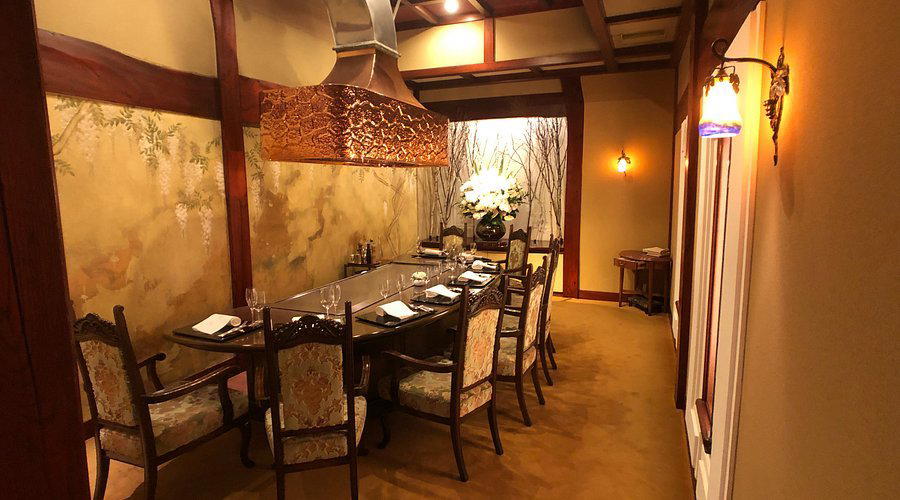
Service philosophy skews practical over ceremonial. The 82-seat layout includes counter seating, private rooms for eight, and an open terrace (cigar-free, smoking permitted). Dress code enforcement is light at lunch (no beach sandals), stricter at dinner (smart casual, no sleeveless shirts for men). A sommelier is available, and the wine list tilts toward food-friendly mid-weight reds that pair cleanly with charred protein. BYO corkage is accepted, a cost-saver for groups who bring their own bottles. The cancellation policy is steep, 100% within 24 hours, 50% within 48 hours, so commitment is expected.
Booking and Timing Strategy
Reservations are easy by Tokyo standards. Walk-ins are accommodated at lunch if you arrive before 12:30 PM on weekdays; Saturday lunch (11:30 AM–3:00 PM) fills faster but rarely requires multi-week planning. Dinner books roughly one week ahead for weeknights, two weeks for Friday or Saturday. The system does not accept bar-only or light-meal reservations; you commit to a full dining experience. Specific seating requests are not guaranteed, so terrace access or window views are a gamble unless you book a private room. Elementary-school-age children are welcome at dinner; no age restrictions apply at lunch, making it more forgiving for families.
What to Order and Who Should Book
First-timers should center the meal on grass-fed ribeye or sirloin, paired with the spring lamb chops when available. The hamburger steak, listed among core categories, offers a less expensive entry point (closer to ¥4,000–¥4,999 at lunch based on reviews) but lacks the texture and char that justify the dinner price tier. Sides and salads are functional rather than memorable; allocate budget toward protein quality. Wine service adds depth if you engage the sommelier; otherwise, the house selections are reliable but unremarkable.
This venue suits three profiles: business diners needing a reliable, non-sushi option near Kamiyacho; lamb enthusiasts seeking cleaner, less gamy preparations than domestic suppliers offer; and occasion diners who value views and space over culinary artistry. Solo diners face a cost-efficiency problem, minimum spends push toward ¥15,000 even at the low end, which is harder to justify without sharing multiple cuts. Groups of four or more gain use by booking a private room and splitting a larger selection of proteins, spreading the cost and maximizing variety.
Wakanui delivers dependable grill execution in a polished setting, but it does not compete on innovation or technique with Tokyo's elite steakhouses. The Tabelog recognition reflects consistency and niche positioning (New Zealand beef, dedicated lamb program) rather than culinary ambition. If your priority is grass-fed transparency and predictable quality over Wagyu mystique or tasting-menu theater, the price holds. If you expect the refinement or wow factor that ¥15,000+ dinners command elsewhere in Tokyo, look to our full Tokyo restaurants guide for comparisons.
Planning details
- Location
- 東京都港区芝公園3-4-30 32芝公園ビル 10F
- Website
- wakanui.jp
- Phone
- +81354015677
Venue details
Ambiance
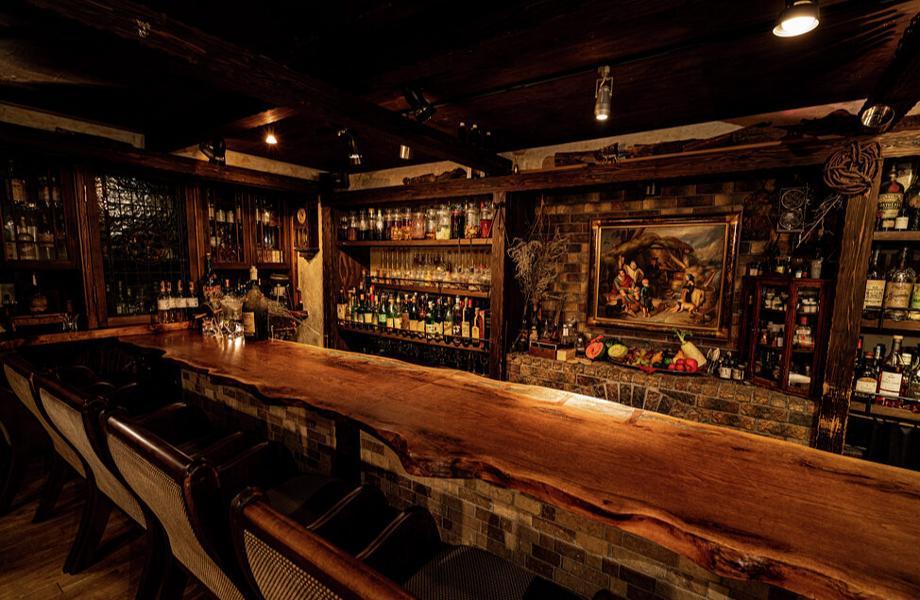
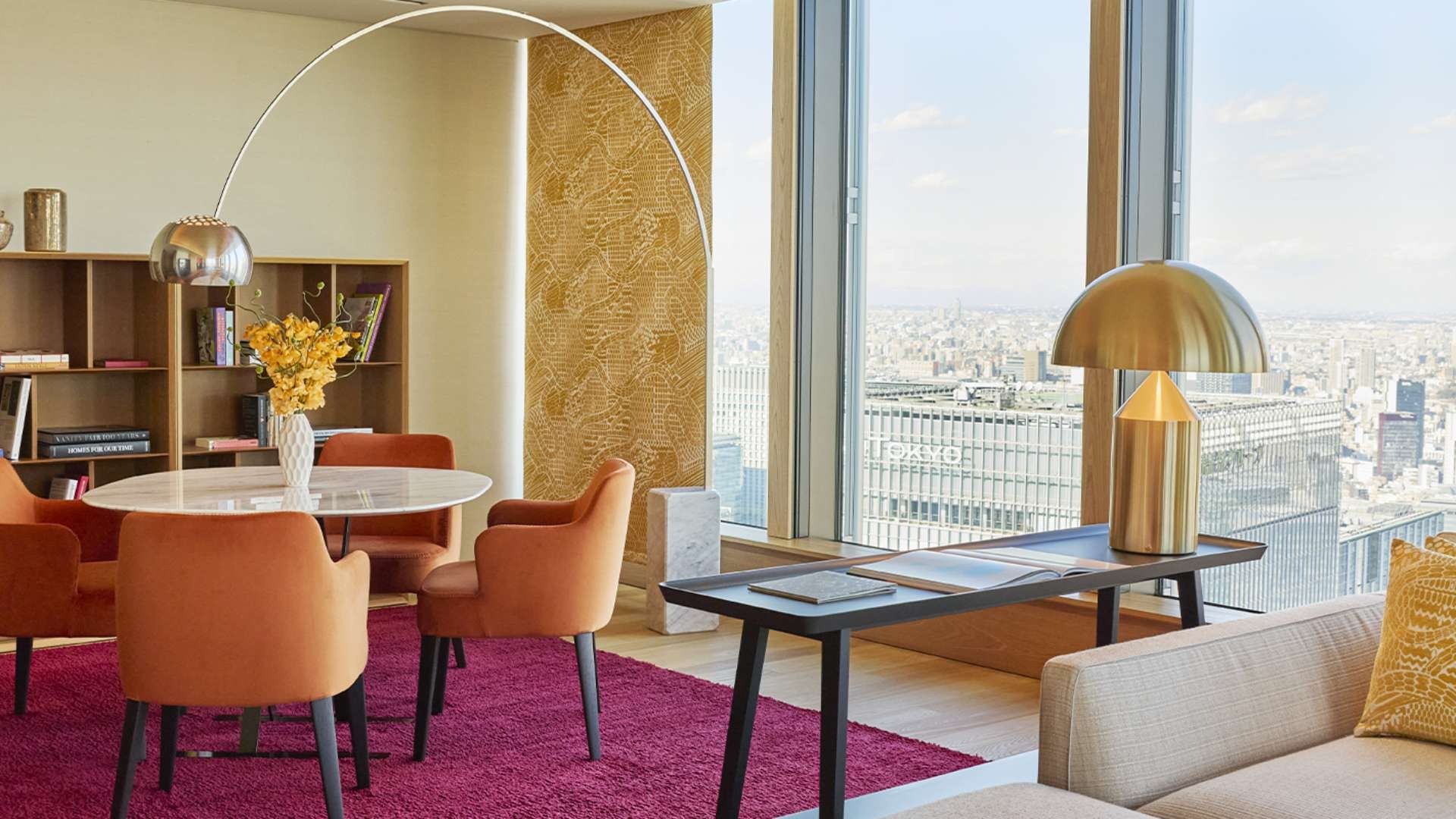
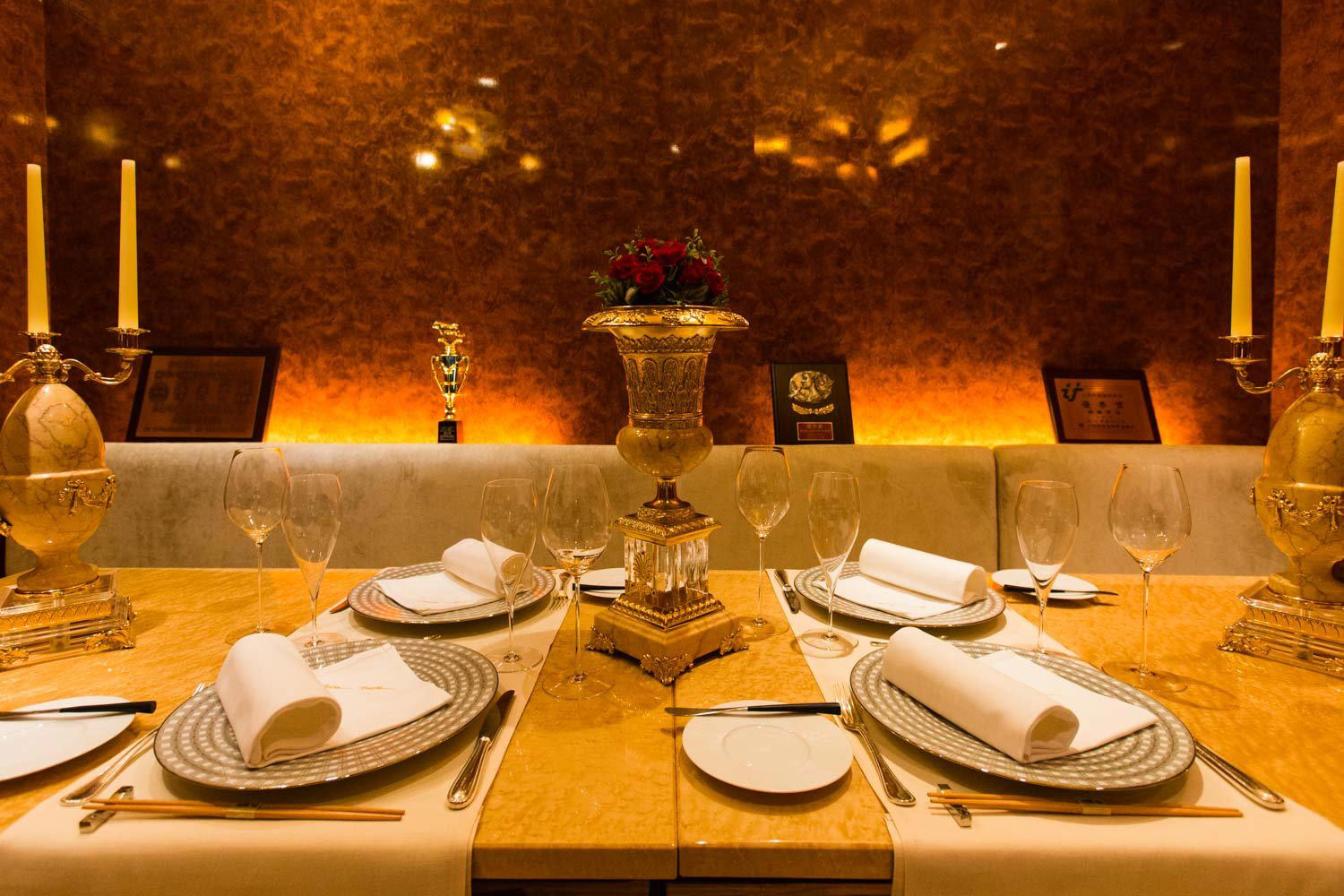
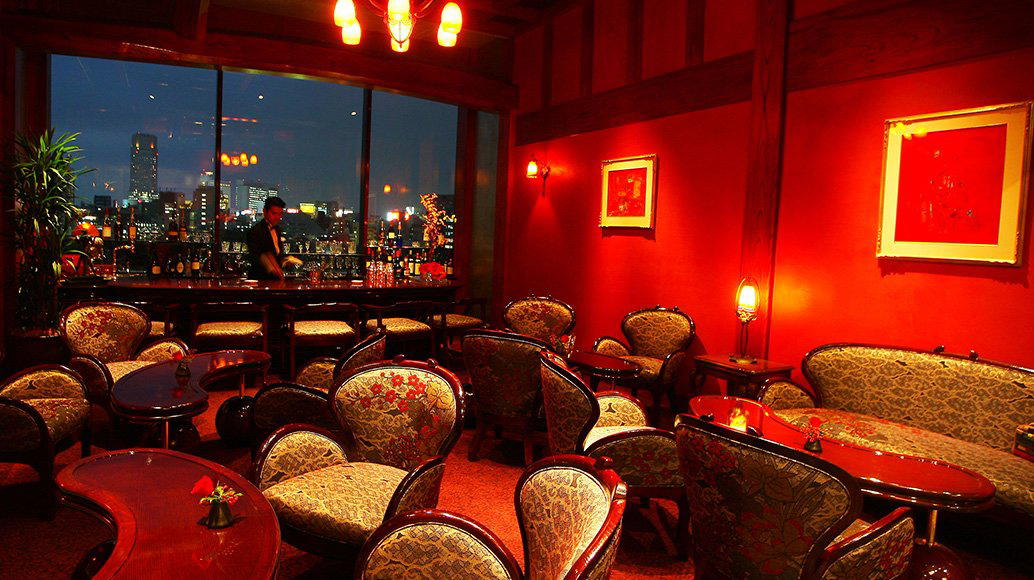
Chic and date-friendly with a tower-view setting, terrace seating, and a polished steakhouse feel.
Tags
Vibe
Best For
Experience
Sourcing
View
Accessibility
At the Table
- Dress Code
- Smart Casual
- Noise Level
- Conversational
- Service Style
- Upscale Casual
- Meal Pacing
- Standard
- Capacity
- Medium
Signature Dishes
- dry-aged New Zealand beef
- grass-fed beef
- spring lamb
- lamb chops
- bone-in rib eye
Know before you go
Know Before You Go
- Getting there
- 東京都港区芝公園3-4-30 32芝公園ビル 10F
Planning details
Location
Recognition and awards
Also consider
Also Consider
- Tokyo Shiba Toufuya Ukai, Notable alternative
- Brise Verte, Notable alternative
- Nodaiwa Azabu Iikura Honten, Unagi / Freshwater Eel, ¥¥
- PST Higashi Azabu, Notable alternative
- joujouka, French, ¥¥¥
Restaurant context
Among Shibakoen and Azabu-area options, Wakanui Grill Dining Bar Tokyo sits in the accessible middle: easier to book than PST Higashi Azabu (which commands tighter windows and higher prices) but less refined than Tokyo Shiba Toufuya Ukai, where tofu kaiseki and garden dining push the experience into formal-occasion territory. If you need steak without the Wagyu premium or omakase pacing, Wakanui delivers cleaner logistics and lower stress. Nodaiwa Azabu Iikura Honten offers a completely different angle, unagi specialists at a similar ¥¥ tier, but fills a narrower niche for eel purists rather than general business dining.
Value-seekers should weigh lunch carefully: ¥3,000–¥3,999 at Wakanui buys grass-fed beef or lamb with Tokyo Tower views, a stronger proposition than generic midtown grill chains at the same price. Dinner is harder to justify unless you prioritize lamb (rare in Tokyo steakhouses) or need private-room flexibility. joujouka, a French option in the ¥¥¥ range, offers more culinary ambition at similar cost, making it a better splurge if grill-and-protein simplicity feels too linear. Brise Verte competes on neighborhood atmosphere and wine focus but lacks the scale and view advantage Wakanui's tenth-floor perch provides.
Book Wakanui when you need a dependable, easy-to-secure table for groups, business meals, or lamb-focused dinners. Skip it if you expect the precision of high-end Wagyu specialists or the narrative depth of tasting-menu formats, this is reliable grill work, not culinary theater.
Explore Tokyo
Around this place
Discover more on Pearl
Unlock the full Wakanui Grill Dining Bar Tokyo guide in Pearl, including awards, comparisons, FAQs, planning details, and nearby places.
FAQ
Frequently Asked Questions
Does Wakanui Grill Dining Bar Tokyo handle dietary restrictions?
The kitchen can accommodate most dietary requests with advance notice, though the menu centers on beef and lamb. Wine pairings and BYO are both available (corkage applies). For vegetarian-focused meals, Brise Verte nearby offers more flexibility.
Is the tasting menu worth it at Wakanui Grill Dining Bar Tokyo?
Dinner courses (¥15,000–¥19,999) showcase the full range of cuts and preparations, including spring lamb when in season. For a single-protein focus, à la carte gives better control over portion size and price. Lunch courses (¥3,000–¥3,999) deliver comparable quality at a fraction of the cost.
What should I order at Wakanui Grill Dining Bar Tokyo?
Start with grass-fed ribeye or sirloin, the venue's core strength. Add spring lamb chops if available. The hamburger steak is a lunch-menu value play that punches above its price point. Skip the appetizers unless you're ordering light.
What should a first-timer know about Wakanui Grill Dining Bar Tokyo?
Dinner requires smart casual attire; lunch is more relaxed. Reservations are easier than most Tabelog 100 venues. Request a window table for Tokyo Tower views. The 10th-floor location means elevator access only, factor that into group arrivals.
Is Wakanui Grill Dining Bar Tokyo good for a special occasion?
Private rooms seat up to 8, and the sommelier can coordinate wine pairings or BYO for milestone meals. The Tokyo Tower view adds occasion lift without the formality of traditional teppanyaki. For higher ceremony, Tokyo Shiba Toufuya Ukai offers more theatrical presentation.
What are alternatives to Wakanui Grill Dining Bar Tokyo in Tokyo?
PST Higashi Azabu delivers comparable beef quality with a more intimate counter format. For traditional kaiseki with seasonal anchors, Nodaiwa Azabu Iikura Honten shifts the focus to unagi. Brise Verte offers French-inflected vegetable work if your group splits on protein.
Is Wakanui Grill Dining Bar Tokyo worth the price?
Lunch (¥3,000–¥3,999) is the value window, Tabelog 100 quality without dinner pricing. Dinner (¥15,000–¥19,999) competes with mid-tier wagyu venues but lacks the dry-aged complexity or theatrical presentation that justify similar spend elsewhere. Book for the view and the grass-fed format, not for category dominance.