


Fairmont Tokyo
Minato, Tokyo
Hotel in Tokyo, Japan
 Book with Pearl
The Read
Bay-View Tower Luxury
Why go
Fairmont Tokyo is worth considering for a polished Minato stay, especially if booking benefits and upgrade strategy matter. The Michelin 1 Key and Virtuoso Luxury Hotel Partner status make it a stronger fit for advisor-led luxury bookings than casual rate shopping, but first-time Tokyo visitors should compare location carefully against more central peers.
About Fairmont Tokyo
Michelin 1 Key is the useful signal here: in Tokyo's hotel field, Fairmont Tokyo is a recognized option for travelers considering a stay in the city. The hotel is also listed as a Virtuoso Luxury Hotel Partner for 2026.
The decision is less about specifics and more about fit. If the priority is a Tokyo hotel with confirmed recognition and a smart casual dress code, this belongs on the shortlist. If the trip calls for a broader comparison set, look at Conrad Tokyo, InterContinental Tokyo Bay, Park Hotel Tokyo, The Prince Park Tower Tokyo, and mesm Tokyo, Autograph Collection before committing.
A Tokyo hotel for travelers comparing recognized options
Fairmont Tokyo should be considered within the wider Tokyo hotel landscape rather than treated as the default answer for every trip. For a broader scan of the city's options, use Our full Tokyo hotels guide.
For travelers who already know what they need from a Tokyo stay, the practical question is whether Fairmont Tokyo's confirmed recognition is more important than the specific strengths of other hotels. Details such as exact facilities, dining formats, room categories, and service inclusions should be checked directly before booking.
Where the value lives: recognition and booking strategy
The strongest value case is recognition-backed hotel status rather than an claim about pricing. Fairmont Tokyo has Michelin 1 Key recognition and is listed as a Virtuoso Luxury Hotel Partner for 2026.
Before booking, compare the confirmed terms available through your booking channel. If brand preference is part of the decision, compare Fairmont Tokyo with other Tokyo options such as mesm Tokyo, Autograph Collection or InterContinental Tokyo Bay.
Who should choose it, and who should cross-shop
Choose Fairmont Tokyo if you want a Tokyo hotel with Michelin 1 Key recognition, Virtuoso Luxury Hotel Partner status, and a smart casual dress code. Cross-shop The Prince Park Tower Tokyo, Park Hotel Tokyo, Conrad Tokyo, InterContinental Tokyo Bay, and mesm Tokyo, Autograph Collection if location preference, brand fit, or booking terms will drive the final decision.
Dining, pool, spa, and other facility decisions should be treated as details to verify directly rather than assumptions, since specific restaurant formats and facility details are not listed here. If food is the main purpose of the trip, pair the hotel choice with Our full Tokyo restaurants guide. For drinks-led planning, use Our full Tokyo bars guide; for itinerary add-ons, check Our full Tokyo experiences guide.
Part of
Fairmont102 locations on PearlPlanning details
- Location
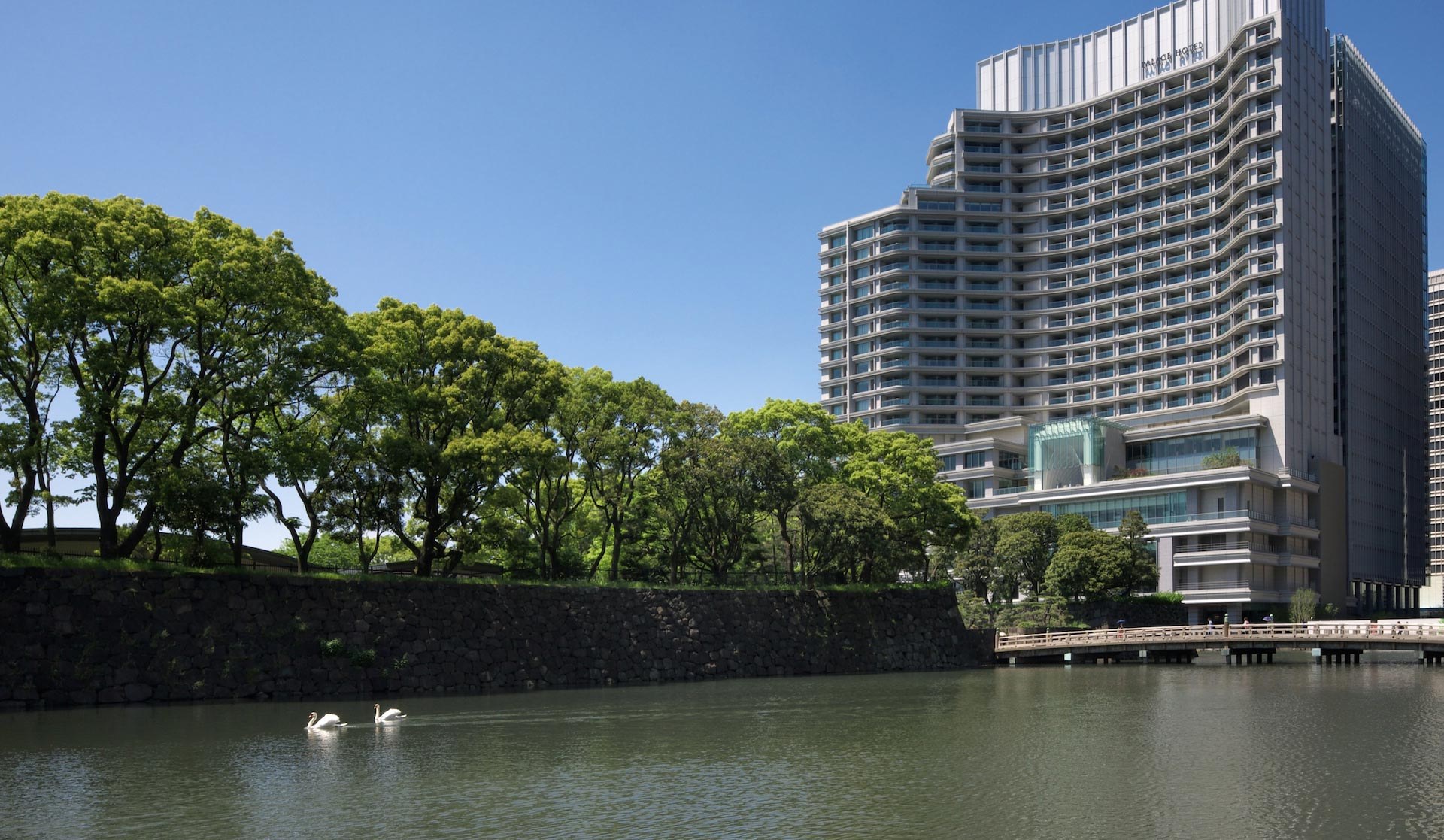
- BLUE FRONT SHIBAURA TOWER S, 1-chōme-1-1 Shibaura, Minato City, Tokyo 105-0023
- Website
- fairmont.com/tokyo/?goto=fiche_hotel&code_hotel=B6R8&merchantid=seo-maps-Japan-B6R8&sourceid=aw-cen
- Phone
- +81 3-4321-1111
The take
The Take
The Vibe
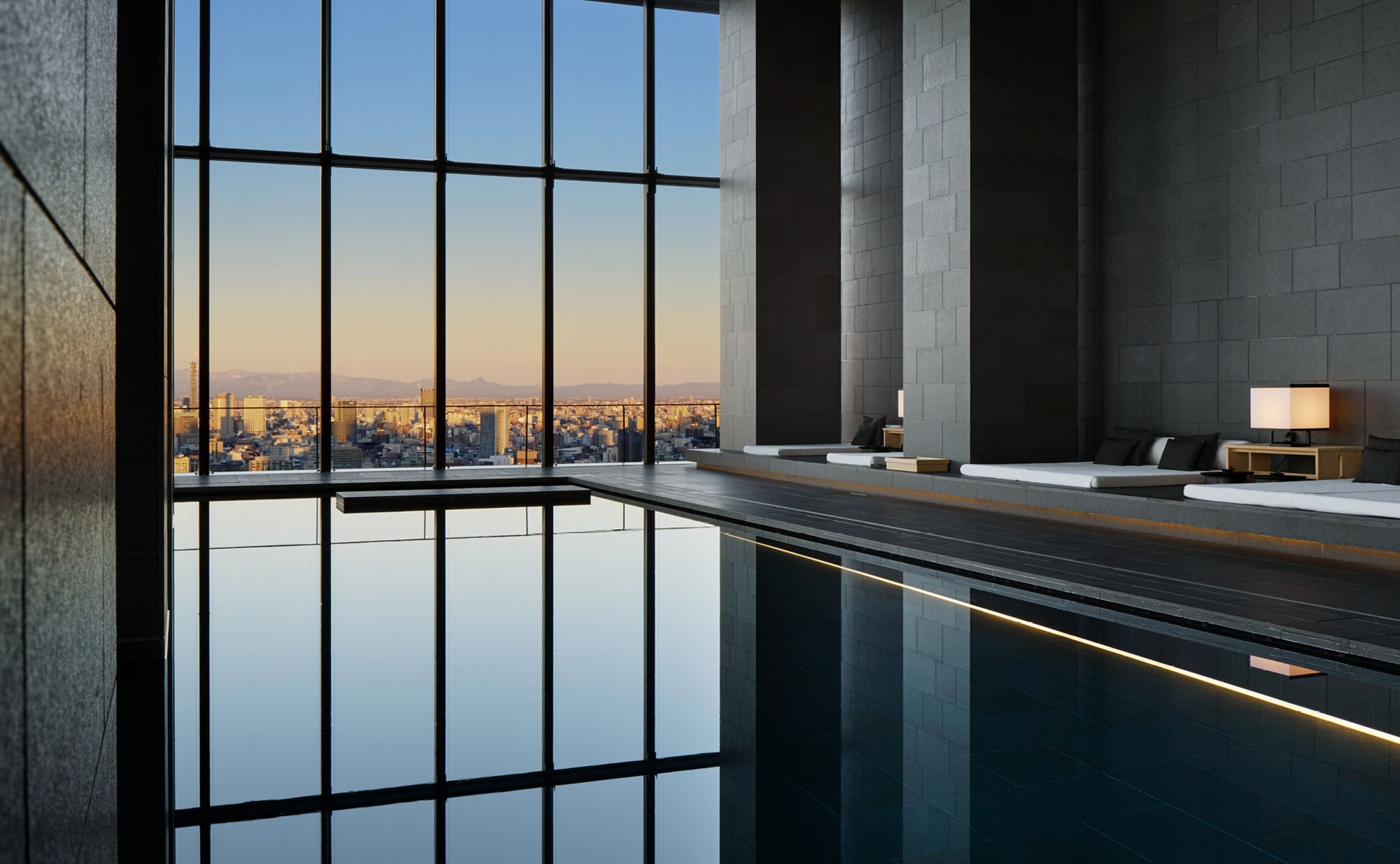
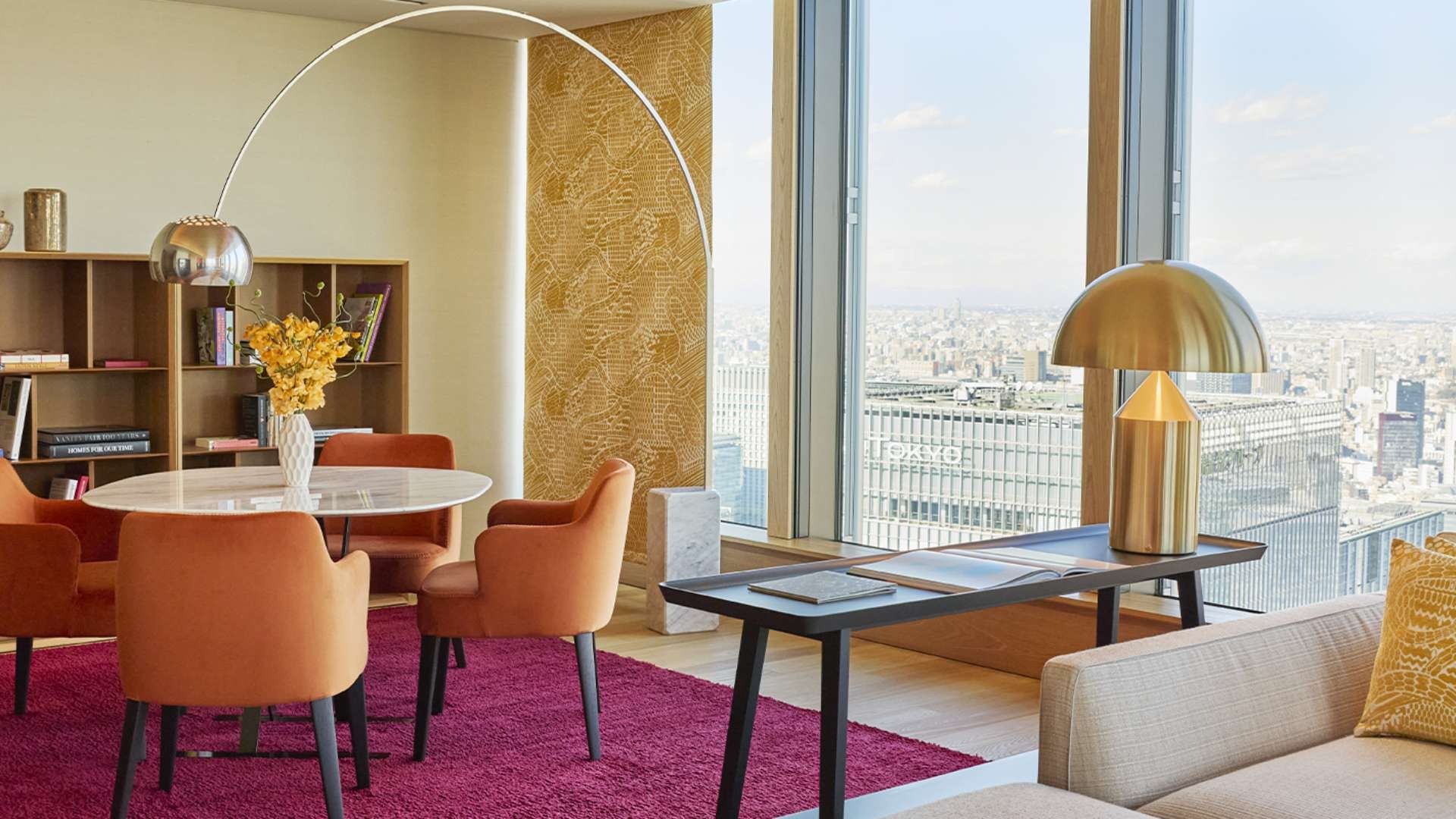
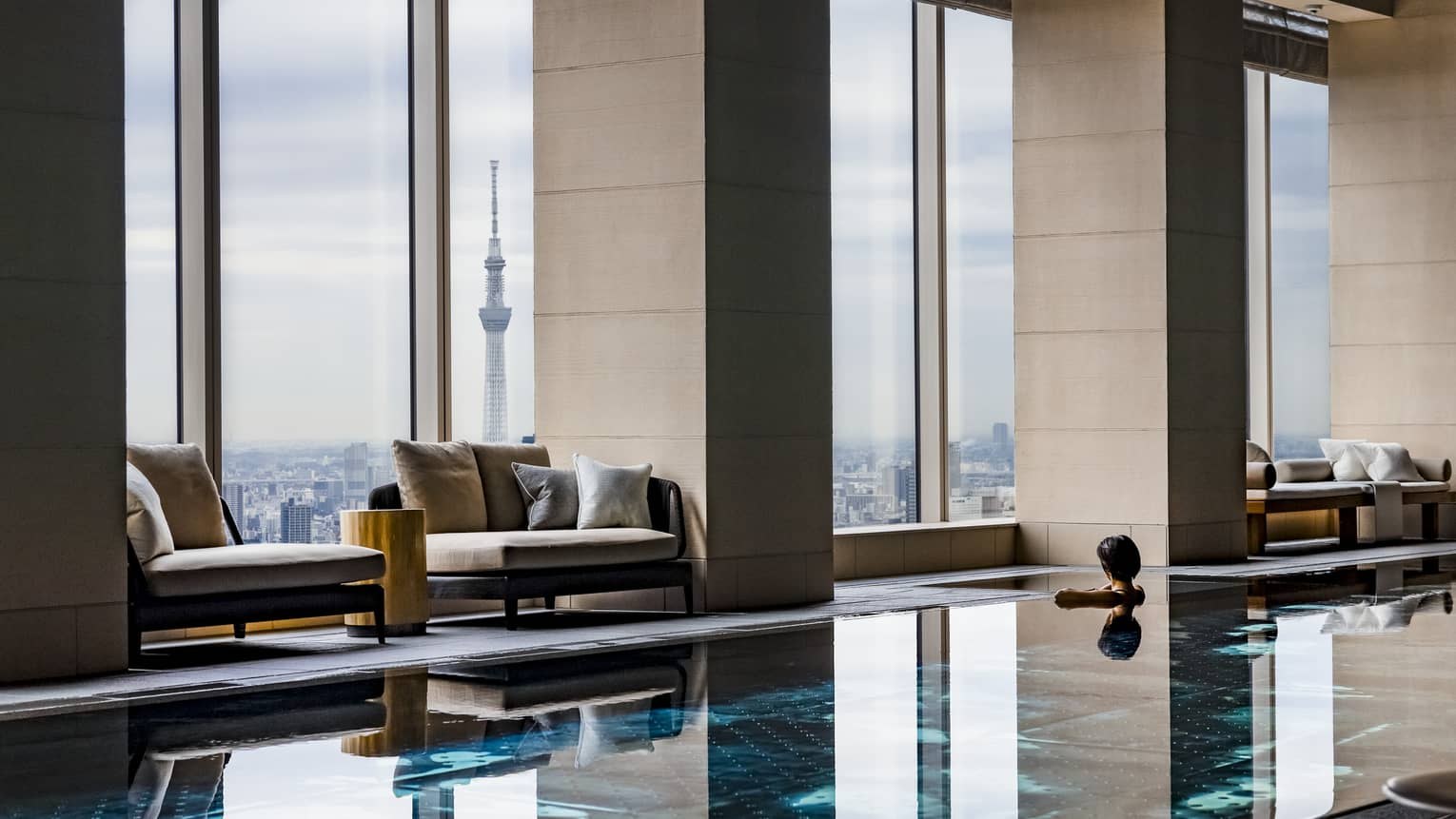
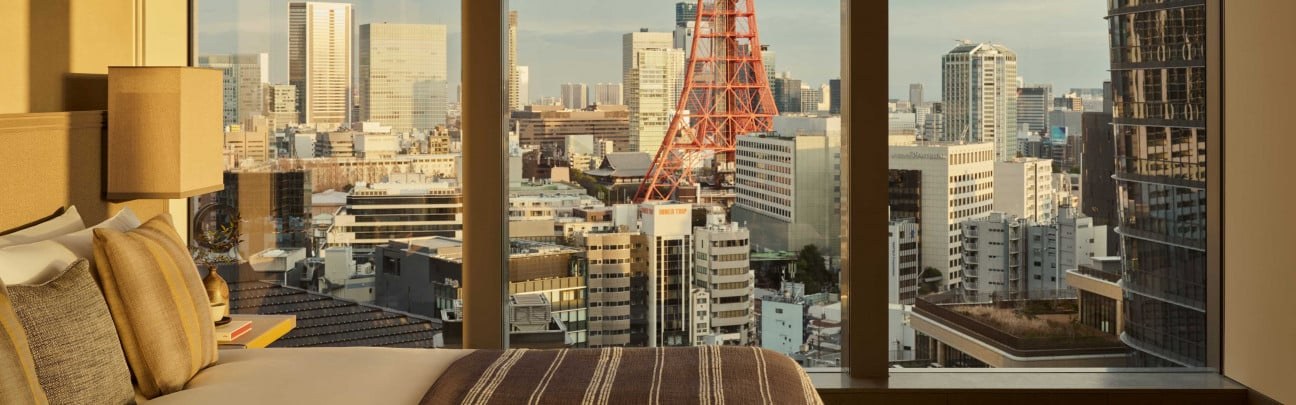
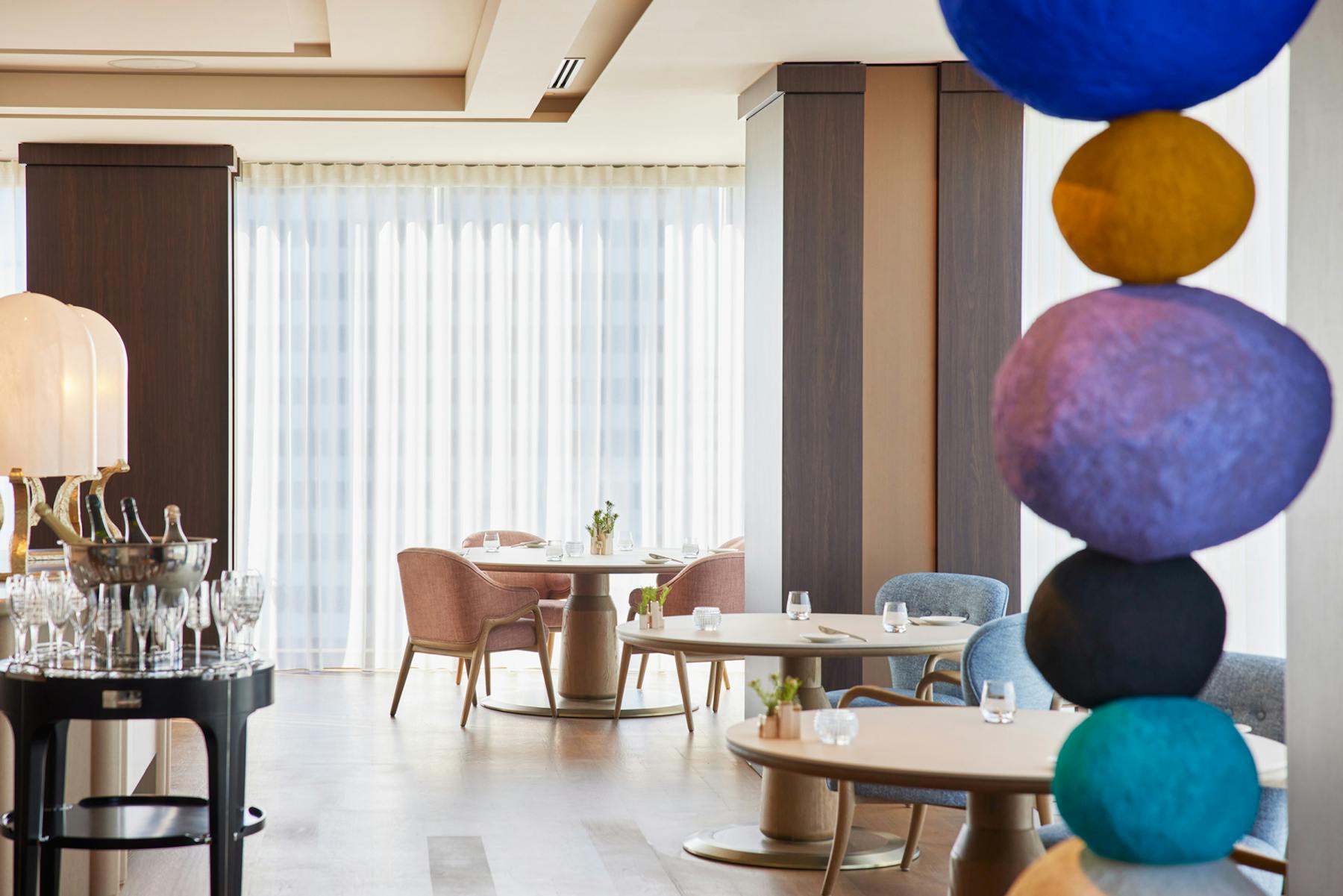
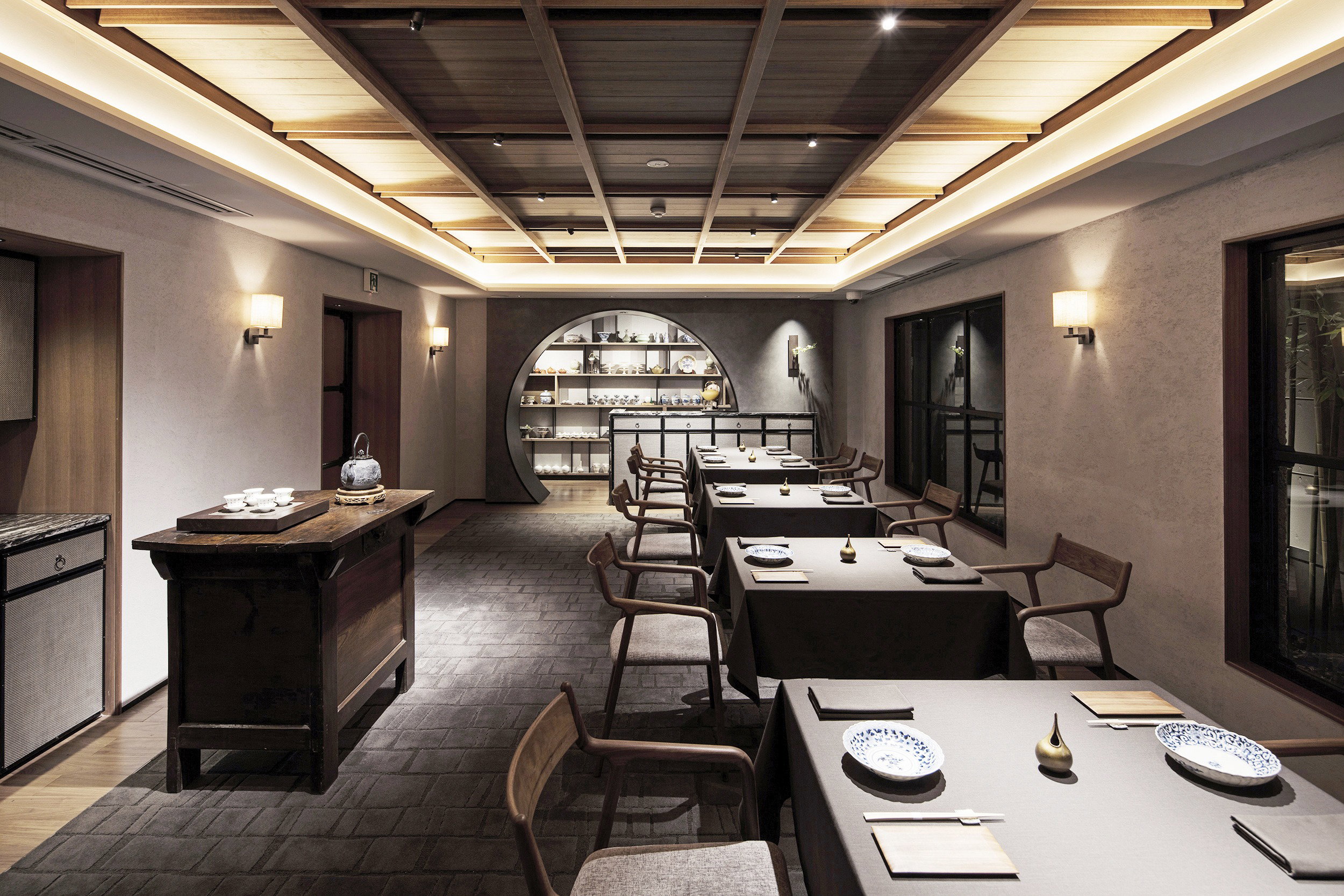
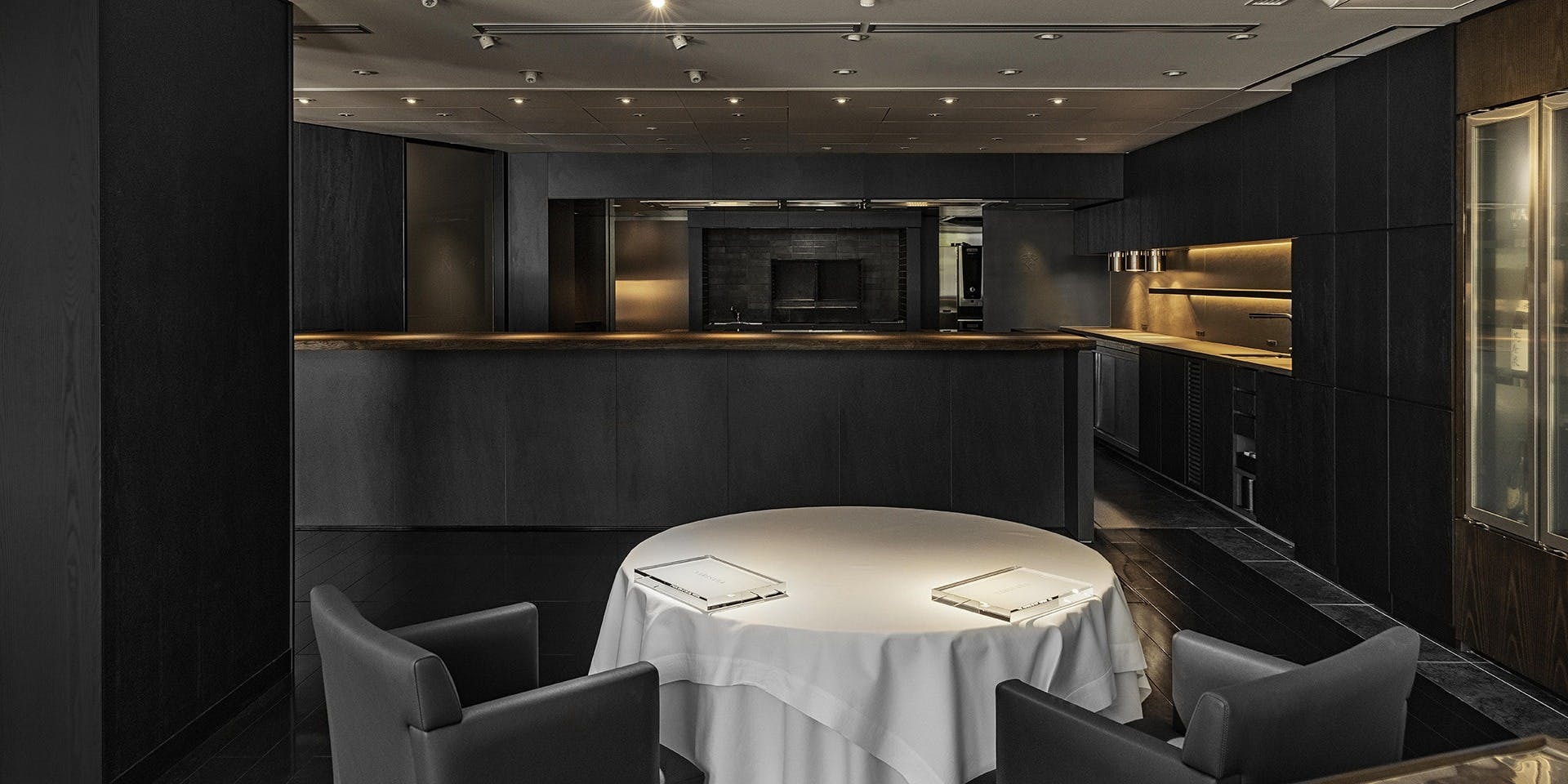
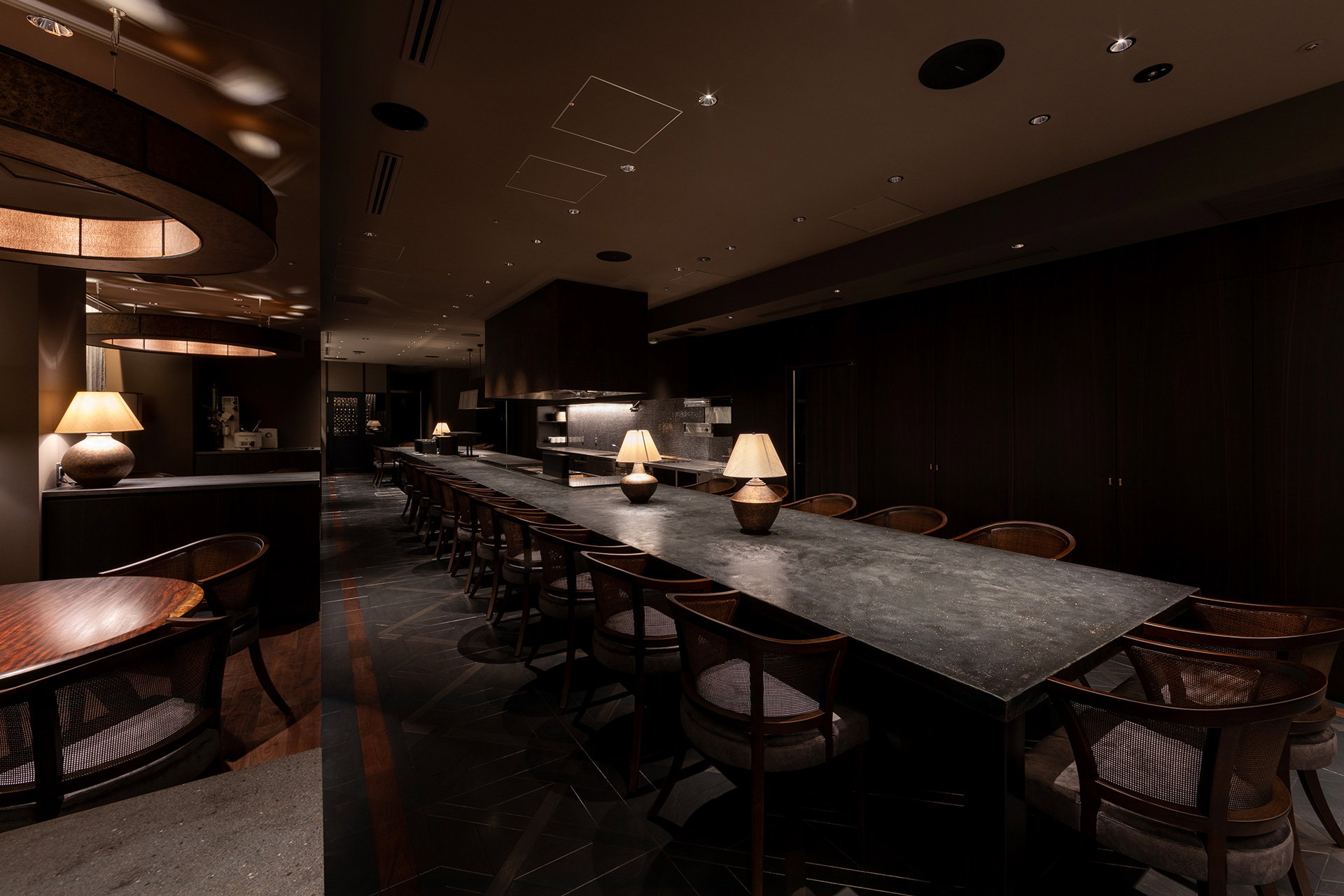
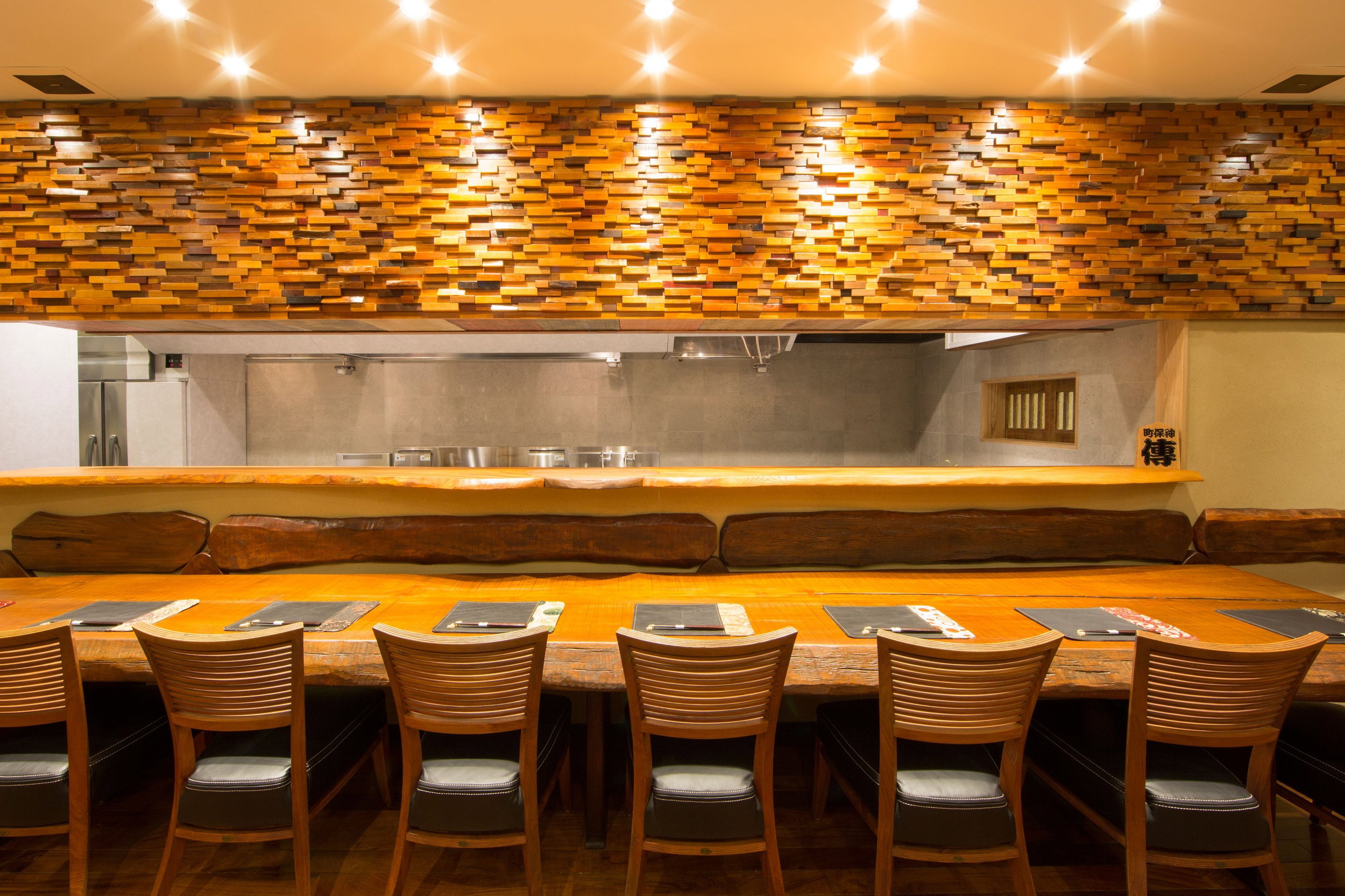
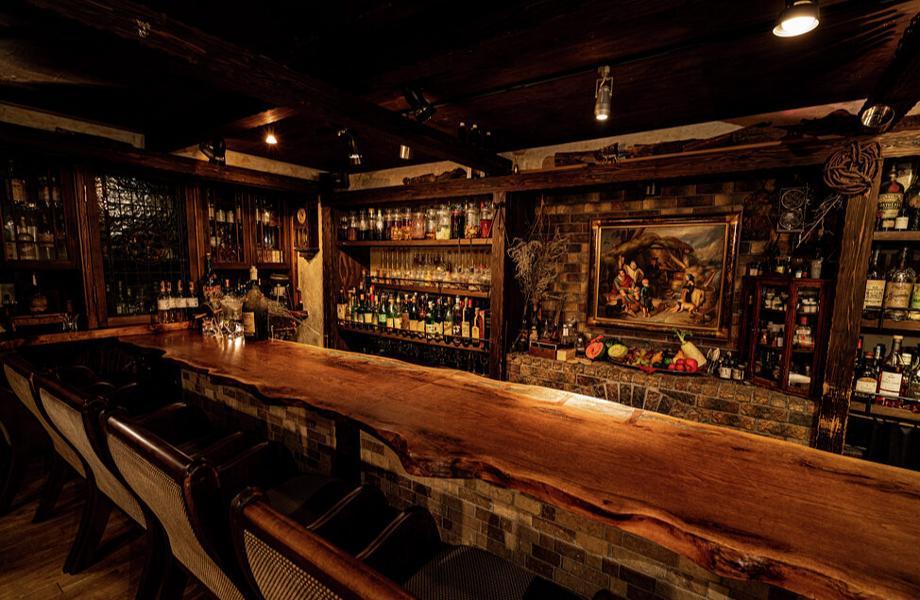
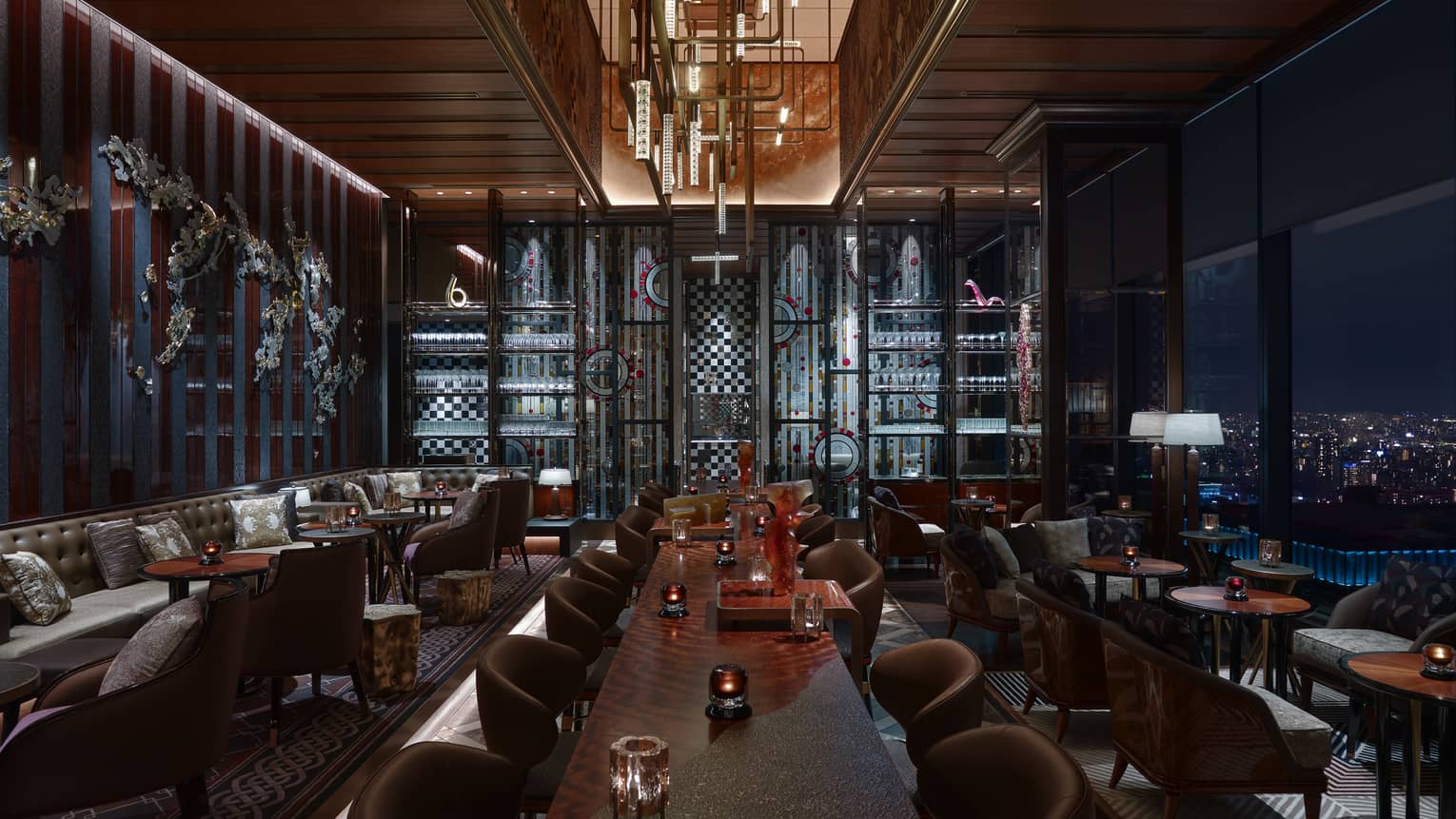
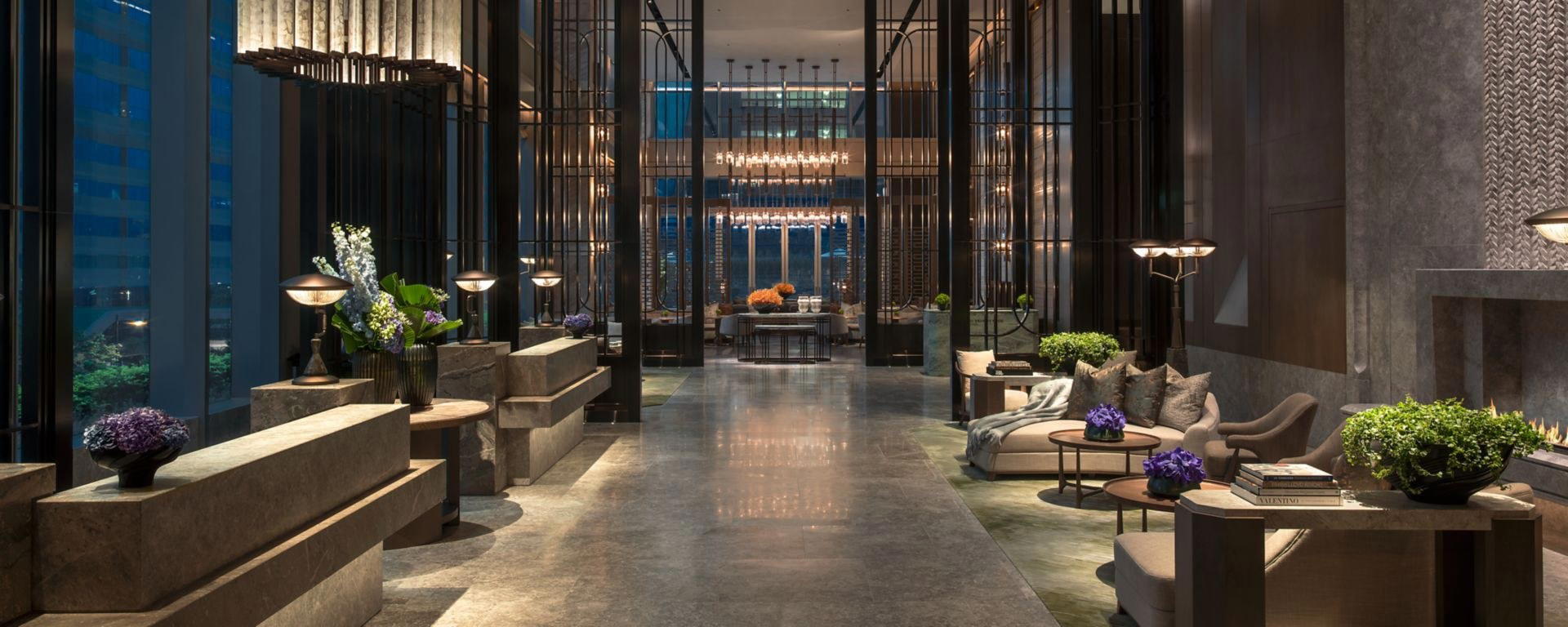
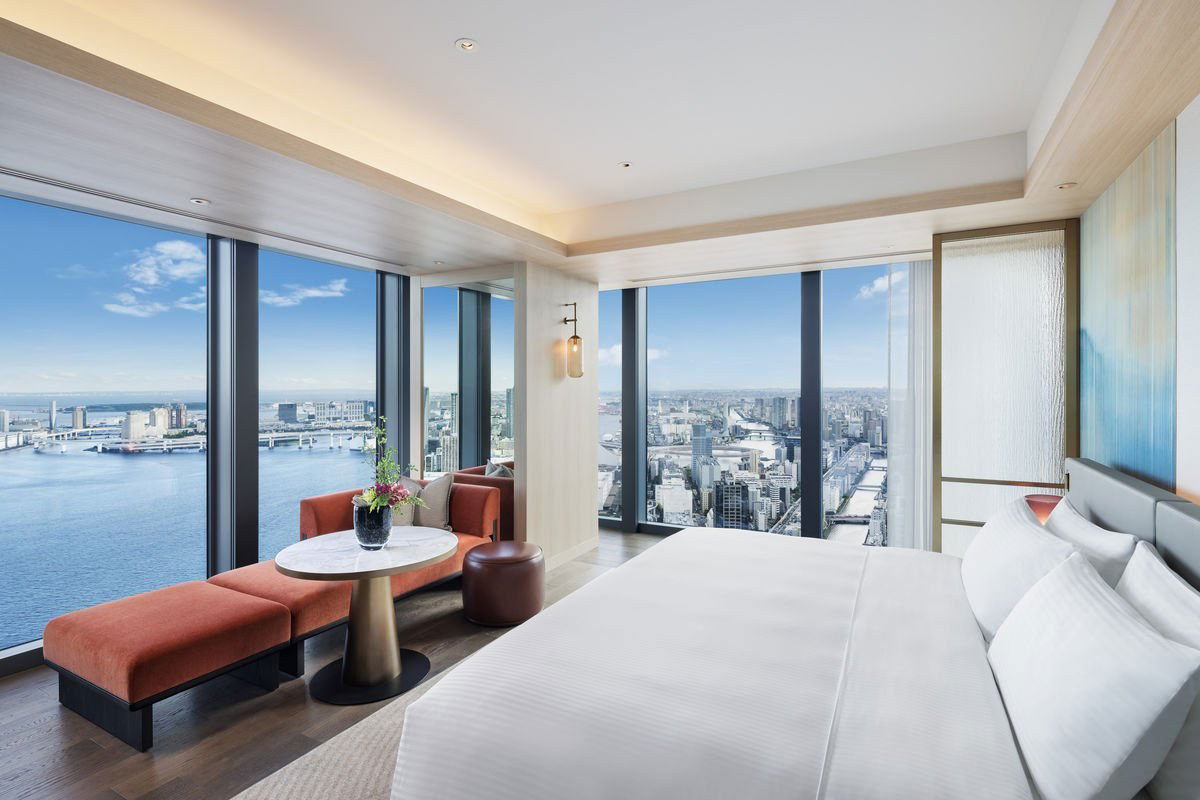
Perched in the upper reaches of Blue Front Shibaura Tower South, Fairmont Tokyo reads as a high-floor, urbane refuge where the city and the bay overlap. The hotel leans into a controlled palette and layered surfaces that avoid minimalism in favour of warmth and detail. That restrained richness makes the property feel soothing rather than showy: public spaces and rooms prioritize calm, refined textures and measured colour so the vistas outside — Tokyo Bay on one side, the city grid and Tokyo Tower on the other — take centre stage. The result is contemporary luxury that privileges composure over ostentation.
Best For
Fairmont Tokyo suits travellers who prize elevated views and composed, contemporary comfort. Its tower location and high-floor perspective naturally appeal to business travellers and guests seeking a quieter, design-forward alternative to more theatrical city hotels. The layered, considered interiors and emphasis on a calm atmosphere also make it a good choice for anyone wanting a measured luxury stay where the panorama — water or city — is a primary draw. The property reads as accessible upscale lodging rather than an assertive design statement.
Stay Tips
Ask explicitly for the view you want when booking: bay-facing rooms deliver open-water panoramas while city-facing rooms position Tokyo Tower in the middle distance. Because the hotel's identity is tied to its altitude, request a higher-floor room to maximize the simultaneous city-and-bay perspective the description highlights. If you prefer a calmer, less minimal aesthetic, mention a preference for rooms described as ‘layered in colour and surface texture’ or similar to ensure you get the property's characteristic, soothing interiors.
Venue details
Ambiance
Luxurious and serene with natural light, spacious quiet rooms, and spectacular city views from lounges and public areas.
Tags
Vibe
Best For
Experience
Amenities
View
Accessibility
About the Stay
- Rooms
- 217
- Check-in
- 15:00
- Property Type
- Design hotel
- Property Style
- Contemporary Luxury Skyscraper Hotel Blending Japanese Design with International Flair
- Design Style
- Modern Minimalist with Bespoke Japanese Decor, Marble Bathrooms, and Premium Tech Amenities
- Pool
- Yes
- Spa
- Yes
- Pets
- Allowed
- Families
- Welcome
- Cancellation
- Moderate
Know before you go
Know Before You Go
- Getting there
- BLUE FRONT SHIBAURA TOWER S, 1-chōme-1-1 Shibaura, Minato City, Tokyo 105-0023
Planning details
Location
BLUE FRONT SHIBAURA TOWER S, 1-chōme-1-1 Shibaura, Minato City, Tokyo 105-0023 · Directions
fairmont.com/tokyo/?goto=fiche_hotel&code_hotel=B6R8&merchantid=seo-maps-Japan-B6R8&sourceid=aw-cen
Recognition and awards


Also consider
Also Consider
- InterContinental Tokyo Bay, Notable alternative
- mesm Tokyo, Autograph Collection, Notable alternative
- The Prince Park Tower Tokyo, Notable alternative
- Park Hotel Tokyo, Notable alternative
- Conrad Tokyo, Notable alternative
Hotel context
How It Compares
Fairmont Tokyo is the better fit for travelers who want a newer-feeling Minato luxury base with recognized hotel credentials and a quieter waterfront-side address. Conrad Tokyo is the stronger cross-shop if Shiodome, Ginza access, and established international-luxury rhythm matter more than the Shibaura setting.
InterContinental Tokyo Bay and mesm Tokyo, Autograph Collection are the closest practical comparisons for travelers looking around the bay-side Minato area. InterContinental Tokyo Bay is the safer comparison for a more conventional large-hotel stay, while mesm Tokyo is better for guests who want a lifestyle-hotel feel and Marriott-linked booking logic.
The Prince Park Tower Tokyo makes more sense if Tokyo Tower proximity is the location priority. Park Hotel Tokyo is the better alternative for travelers who care more about a distinctive art-led atmosphere than luxury-hotel recognition. If booking here is difficult, those two are the clearest cross-shops by mood and location use case.
Explore Tokyo
Around this place
Discover more on Pearl
Unlock the full Fairmont Tokyo guide in Pearl, including awards, comparisons, FAQs, planning details, and nearby places.
Compare Fairmont Tokyo
| Venue | Location | Awards |
|---|---|---|
| Fairmont Tokyo | Tokyo | 2026 Virtuoso Luxury Hotel Collection2026 Robb Report Best Luxury Hotels in Tokyo2026 Michelin 1 KeyMichelin 1 Key 20252025 Michelin 1 Key |
| InterContinental Tokyo Bay | Tokyo | No published awards |
| mesm Tokyo, Autograph Collection | Tokyo | No published awards |
| The Prince Park Tower Tokyo | Tokyo | 2026 Forbes 4-Star2025 Forbes 4-StarPreferred Hotels L.V.X. Collection 2025 |
| Park Hotel Tokyo | Tokyo | No published awards |
| Conrad Tokyo | Tokyo | 2026 Forbes 4-Star2026 Virtuoso Luxury Hotel Collection2026 La Liste Top Hotels2025 Michelin Selected Hotels2025 Forbes 4-Star |





How Fairmont Tokyo compares with similar nearby venues.
FAQ
Frequently Asked Questions
How does Fairmont Tokyo compare to other Tokyo hotels?
Pick Fairmont Tokyo if you want a Tokyo hotel with Michelin 1 Key recognition, Virtuoso Luxury Hotel Partner status, and a smart casual dress code. Park Hotel Tokyo, mesm Tokyo, Autograph Collection, The Prince Park Tower Tokyo, Conrad Tokyo, and InterContinental Tokyo Bay are sensible comparisons if you are deciding by brand fit, location preference, or booking terms.
How is the pool and spa at Fairmont Tokyo?
Specific pool and spa details are not listed here. If wellness facilities are important to the stay, verify the current facilities, access rules, and any booking requirements directly with the hotel before committing.
When is the best time to book Fairmont Tokyo?
Book once your Tokyo dates are firm and compare the confirmed rate and booking terms against The Prince Park Tower Tokyo, Conrad Tokyo, InterContinental Tokyo Bay, Park Hotel Tokyo, and mesm Tokyo, Autograph Collection before locking in.
Do loyalty programs work at Fairmont Tokyo?
Specific loyalty-program details are not listed here. Fairmont Tokyo is listed as a Virtuoso Luxury Hotel Partner for 2026. Compare the confirmed booking path and terms with alternatives such as InterContinental Tokyo Bay before deciding.
Is Fairmont Tokyo good for business travel?
Fairmont Tokyo can be considered for a Tokyo stay if a recognized hotel is the priority. The hooks are Michelin 1 Key recognition, Virtuoso Luxury Hotel Partner status, and a smart casual dress code; specific business facilities or services should be confirmed directly before booking.