.png?width=1200&quality=80)
Waki Shun
Japanese · Chūō, Tokyo
Restaurant in Tokyo, Japan
 Book with Pearl
The Read
Nihonbashi Precision Dining
Price
¥¥¥
Dress
Smart Casual
Why go
Waki Shun holds back-to-back Michelin Plate recognition (2024 and 2025) in Nihonbashi, Chuo, making it one of Tokyo's more accessible Michelin-verified Japanese tables at the ¥¥¥ tier. Booking is rated easy, and the neighbourhood setting skews local over tourist. A sound choice for serious Japanese cooking without the full ¥¥¥¥ commitment.
About Waki Shun
Verdict: A Michelin-Recognised Japanese Table in Chuo at a Price Point That Makes It Worth Investigating
At the ¥¥¥ price tier, Waki Shun sits one band below the heavy-spend tier that dominates Tokyo's serious dining conversation. That positioning matters. If you are weighing a Japanese meal in Nihonbashi against a ¥¥¥¥ kaiseki or sushi counter, Waki Shun earns its consideration not on volume of spend, but on the quality signal that back-to-back Michelin Plate recognition in 2024 and 2025 provides. The Plate is not a star, but consecutive listings confirm that Michelin's inspectors found consistent, credible cooking here. For food-focused travellers who want a serious Japanese meal without committing to the full ¥¥¥¥ escalation, this is a table worth booking.
Portrait
Waki Shun is located in Nihonbashihoncho, the commercial core of Chuo City, a district that has historically been Tokyo's merchant and financial heart rather than its dining showcase. That address tells you something useful: this is not a restaurant built for tourist foot traffic or the Ginza-adjacent expense-account crowd. It occupies a second-floor space in a building on a working street, which in Tokyo often signals that a venue is sustained by locals and regulars rather than passing trade. For the food-focused visitor, that is a positive indicator.
Two consecutive Michelin Plate awards represent a meaningful quality floor. The Plate designation means Michelin's inspectors judged the kitchen to be producing good food, a threshold that eliminates the large majority of restaurants in any given city. In Tokyo, where competition for inspector attention is among the most intense anywhere in Japan, holding consecutive Plates is a legitimate credential. It does not promise the theatrical precision of a starred counter, but it does mean the cooking is disciplined and consistent. If you are a traveller who uses Michelin as a reliability filter rather than a ceiling, Waki Shun qualifies clearly.
The cuisine type is listed as Japanese, which in Nihonbashi context most likely means a kitchen working within the broad tradition of Japanese washoku or kappo-style service, where seasonal ingredients are prepared with classical technique and presented without excessive theatre. The neighbourhood has deep roots in Tokyo's culinary history, and a venue earning recognition here is typically working within established formal conventions rather than against them. For the explorer diner who wants depth and historical context in a meal, Nihonbashi provides that setting more organically than trendier districts like Shibuya or Harajuku.
Service philosophy at ¥¥¥ Japanese venues in Tokyo occupies a specific register. The expectation is attentive, respectful, and efficient without the white-glove formality of top-tier kaiseki rooms. At this price point, the question to ask is whether the service reinforces the value of the meal or creates friction against it. At restaurants of this standing in Chuo, service is typically precise and low-key, calibrated to support the food rather than perform around it. That suits guests who find over-staged hospitality distracting and prefer the cooking to carry the experience. It is worth noting that without on-record details about booking method or English-language support, international visitors should confirm reservation logistics in advance, ideally through a hotel concierge if language is a consideration.
That figure alone is not a quality signal in either direction for a venue of this type: many serious Tokyo restaurants attract a local and returning clientele that does not leave online reviews.
For Tokyo comparison context, Waki Shun sits alongside venues like Myojaku, Ginza Fukuju, and Jingumae Higuchi as part of Tokyo's credentialed mid-tier Japanese dining tier, one that delivers genuine culinary seriousness without requiring the full financial commitment of venues like Azabu Kadowaki or Kagurazaka Ishikawa. If your Tokyo itinerary includes one serious Japanese meal and budget is a real variable, Waki Shun belongs on the shortlist for Michelin-cooking at a more accessible spend level.
For travellers building a broader Japan dining itinerary, the quality tier Waki Shun represents also appears in venues like Gion Sasaki in Kyoto, HAJIME in Osaka, and akordu in Nara. Within Tokyo's broader food offer, see also Goh in Fukuoka, 1000 in Yokohama, 6 in Okinawa, and Isshisoden Nakamura in Kyoto and Kashiwaya Osaka Senriyama in Osaka for Japanese cooking across price tiers. Pearl's full guides to Tokyo restaurants, Tokyo hotels, Tokyo bars, Tokyo wineries, and Tokyo experiences cover the broader picture.
Practical Details
| Detail | Waki Shun | Harutaka | Florilège |
|---|---|---|---|
| Price tier | ¥¥¥ | ¥¥¥¥ | ¥¥¥ |
| Cuisine | Japanese | Sushi | French |
| Michelin recognition | Plate ×2 (2024–2025) | Starred | Starred |
| Booking difficulty | Easy | Hard | Moderate |
| District | Nihonbashi, Chuo | Ginza | Minami-Aoyama |
Booking
Booking difficulty is rated Easy. For a Michelin Plate venue in a non-tourist district of Chuo, this is plausible: the clientele skews local, and the venue does not carry the wait-list pressure of starred counters. That said, specific booking method and availability windows are not confirmed in Pearl's data. Arrange reservations through your hotel concierge if you do not read Japanese, as many venues at this level in Tokyo do not maintain English-language reservation systems. Walk-in availability is unconfirmed and not something to rely on for a planned meal.
Planning details
- Location
- Japan, 〒103-0023 Tokyo, Chuo City, Nihonbashihoncho, 1 Chome−4−15 日本橋大勝軒ビル201
- Website
- waki-shun.myconciergejapan.net
- Phone
- +81 3-6281-9929
The take
The Take
The Vibe
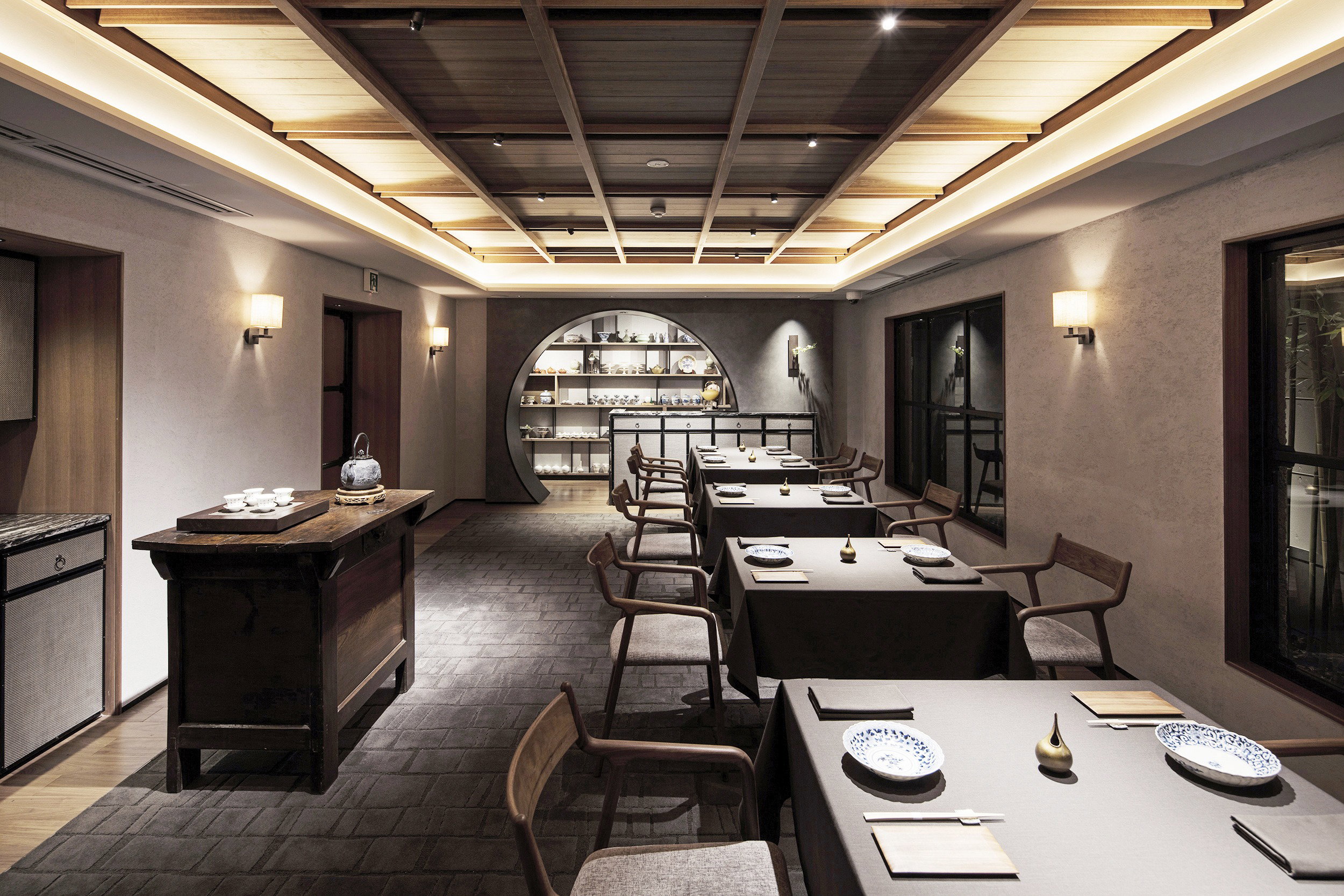
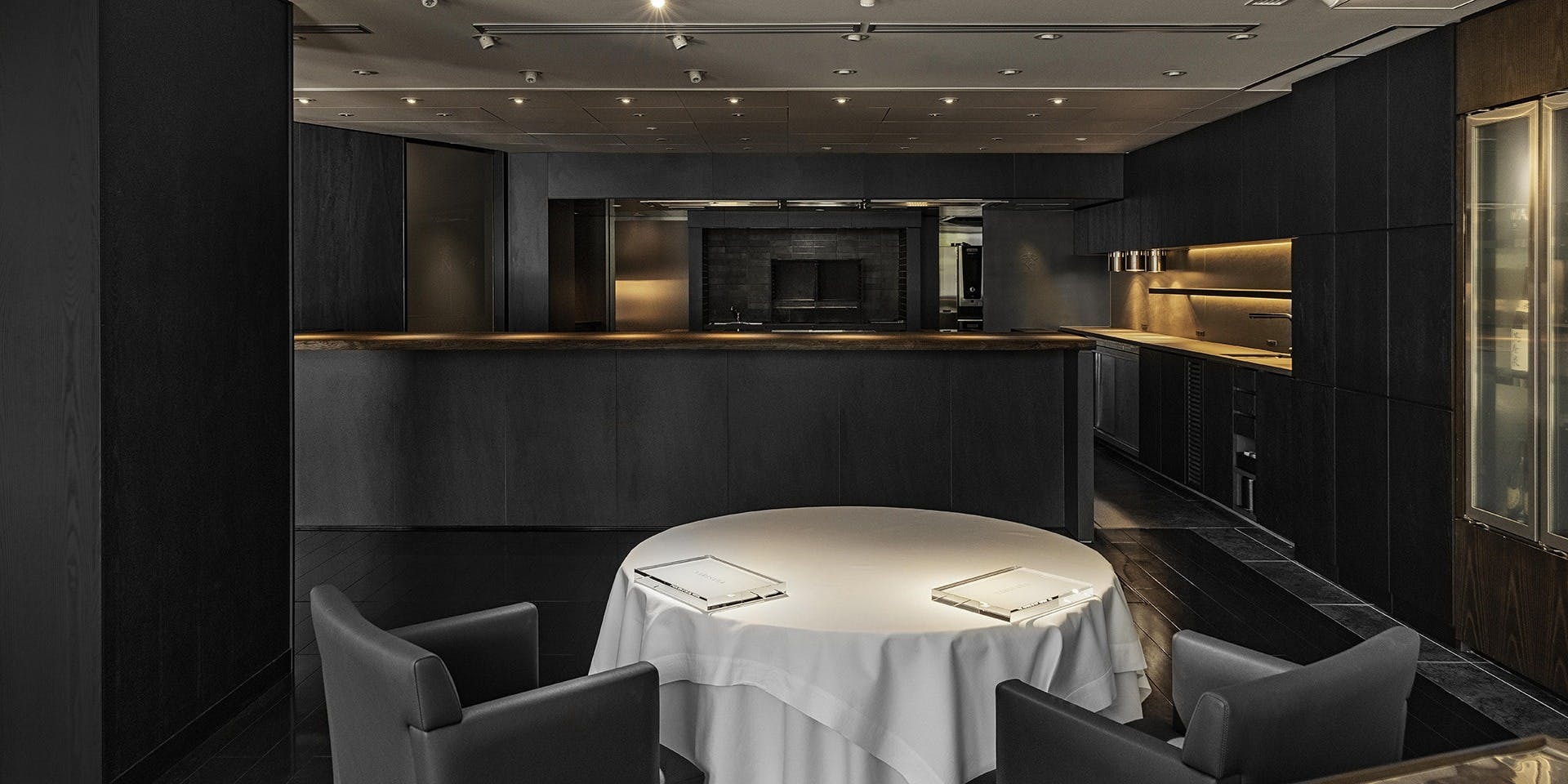
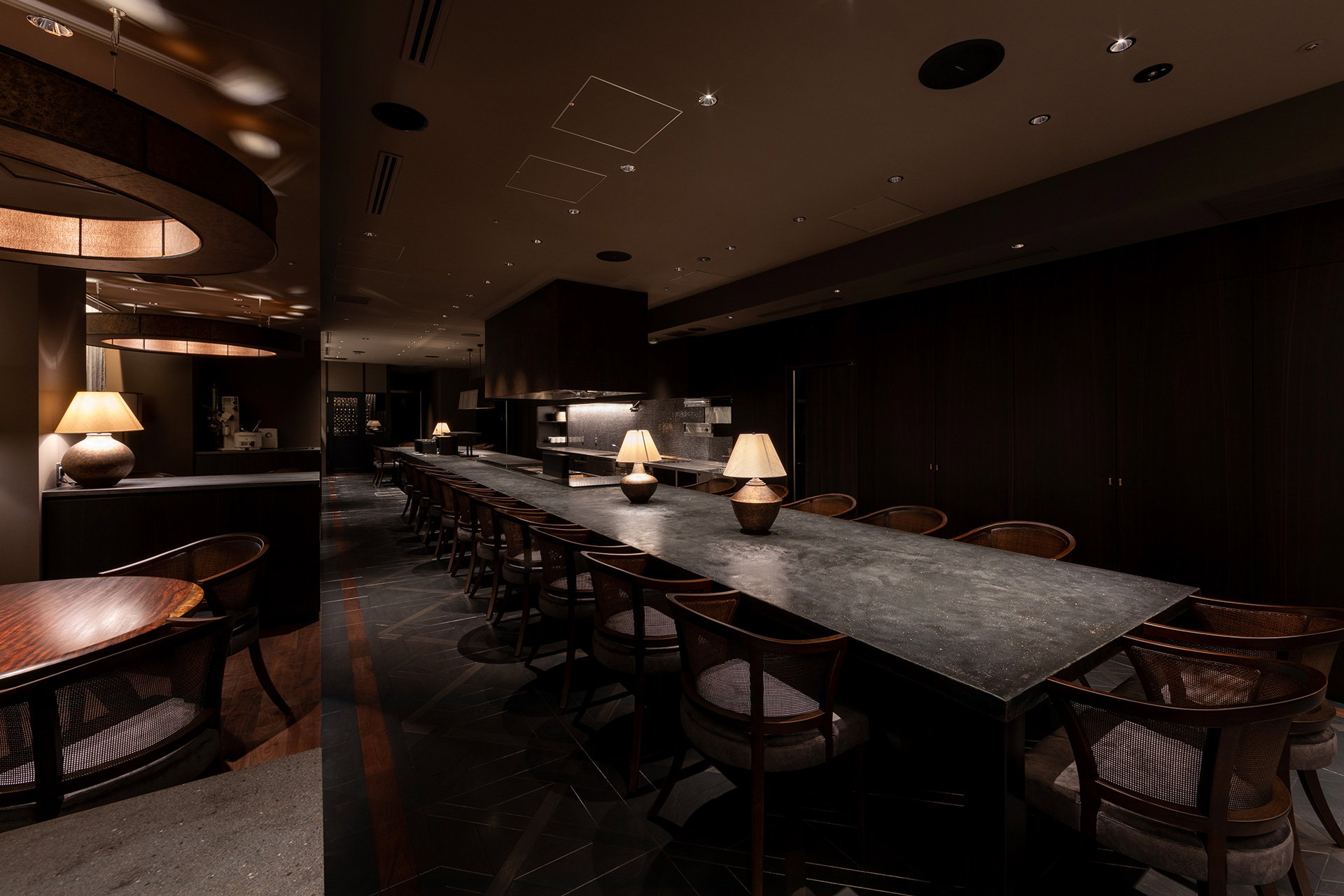
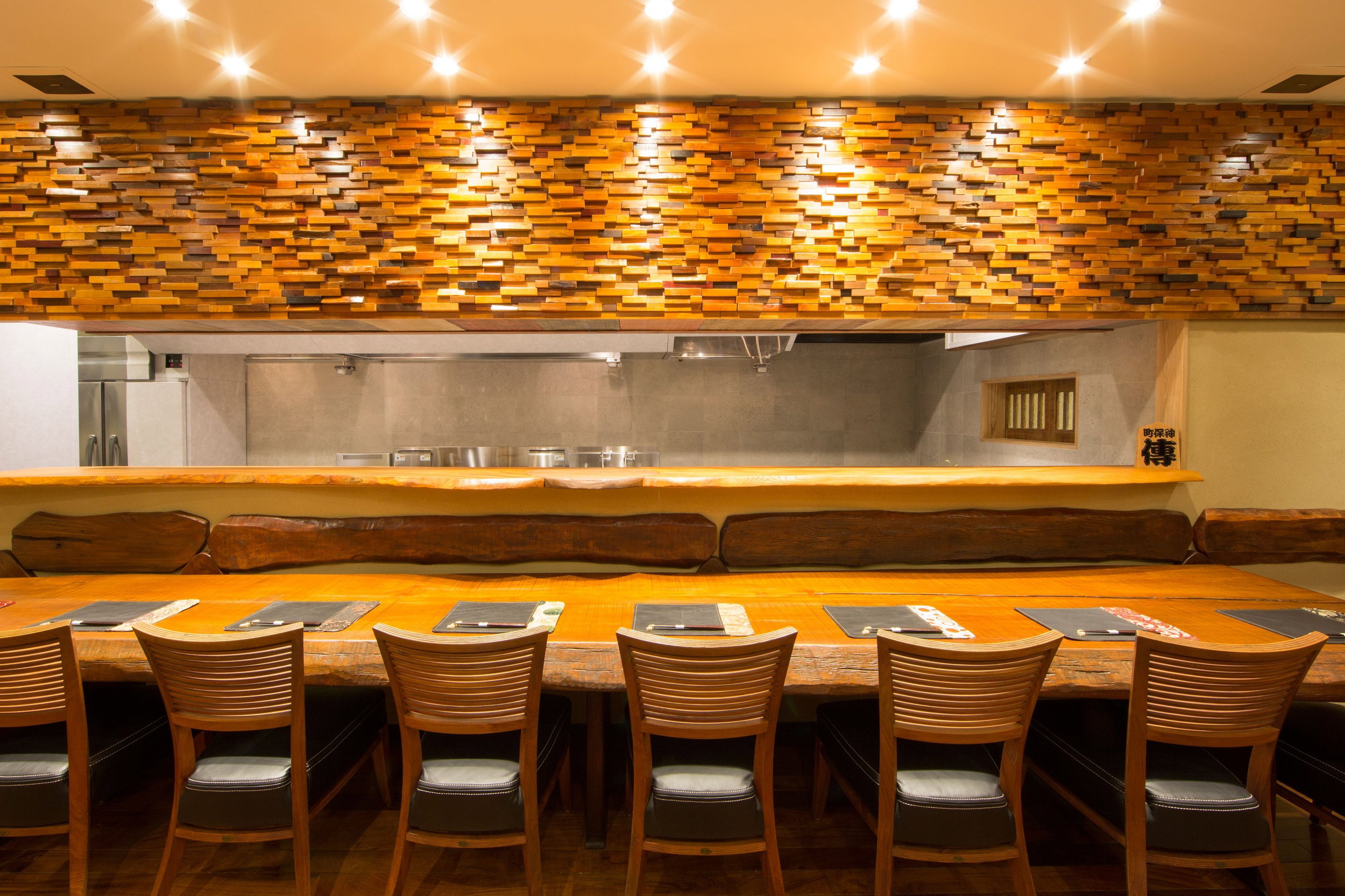
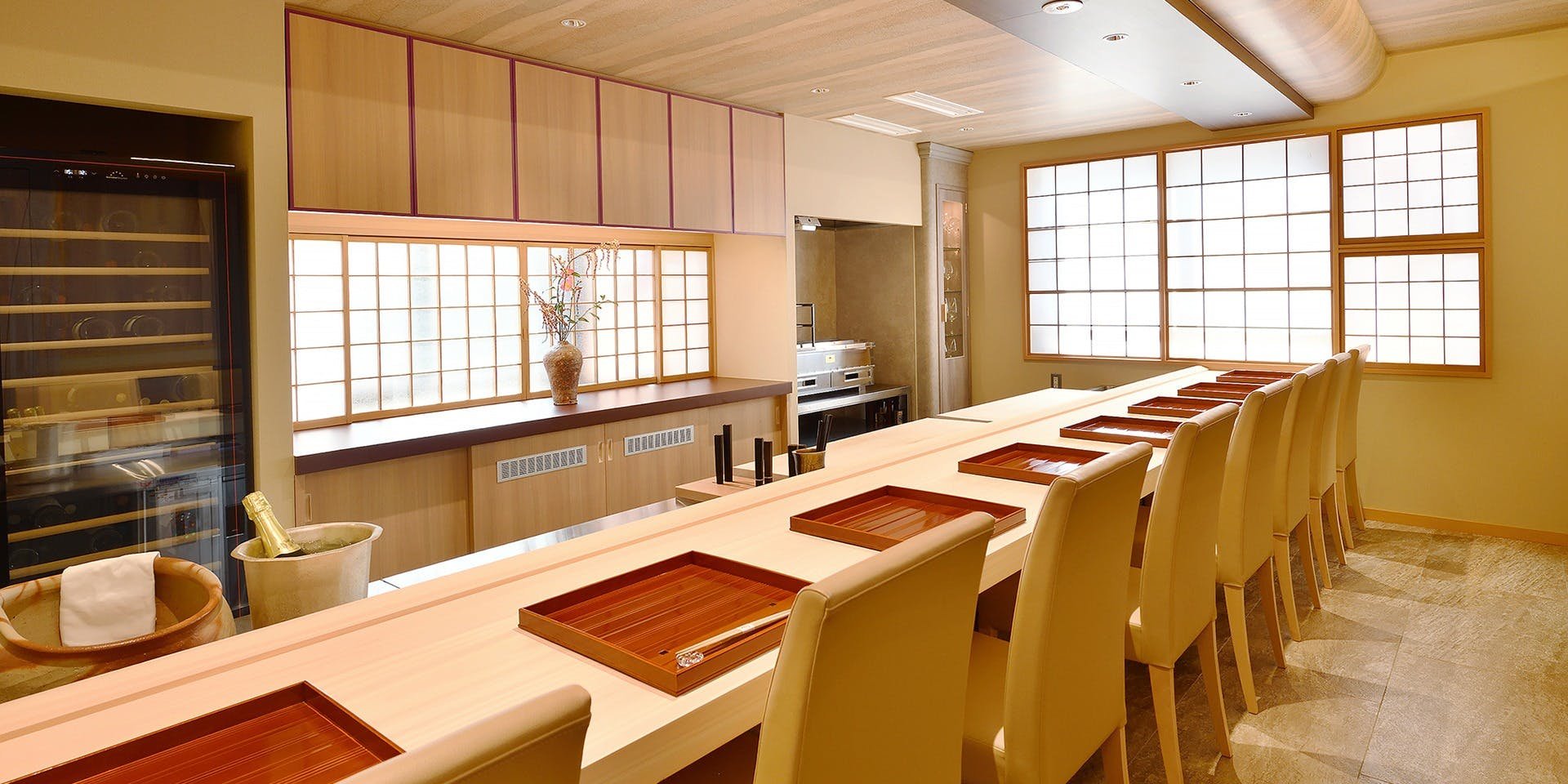
Waki Shun occupies a quiet, second-floor room in Nihonbashi that signals its intentions through understatement rather than an ornate frontage. The neighbourhood is part of old Edo’s commercial fabric, with streets that date back to the Meiji era, and the restaurant fits that context: restrained, focused and aimed at a local professional clientele. The dining experience privileges craft and composition over theatrical presentation, and consecutive Michelin Plate recognitions underline a kitchen working at a serious, practiced level. Expect an atmosphere that leans historic and composed, where the room’s discretion and measured service keep conversation and attention on the food.
Best For
This is a place for purposeful meals — business dinners and quiet celebrations where quality and discretion matter. Because the room caters primarily to the professional class and emphasizes a meal-led experience, it suits date nights and special-occasion dinners that favor substance over show. Solo diners who appreciate focused cooking and attentive service also find it appropriate. The restaurant’s mid-premium positioning means guests come for crafted plates rather than loud conviviality, so it’s best for occasions that call for calm, considered conversation alongside careful cooking.
Ordering Tips
The write-up frames Waki Shun as a craft-driven, mid-premium restaurant where the meal itself sets the tone; approach your visit expecting focused cooking rather than performative theatrics. Given the kitchen’s recognition in Michelin’s Plate category and the venue’s restrained format, let the staff guide you through what they consider highlights—the menu is the signal here. Prices sit in a ¥¥¥ bracket, so anticipate thoughtful, composed dishes that prioritize technique and ingredient quality. Because the room emphasizes the food as the principal statement, follow the kitchen’s lead when choosing courses or recommendations.
Venue details
Ambiance
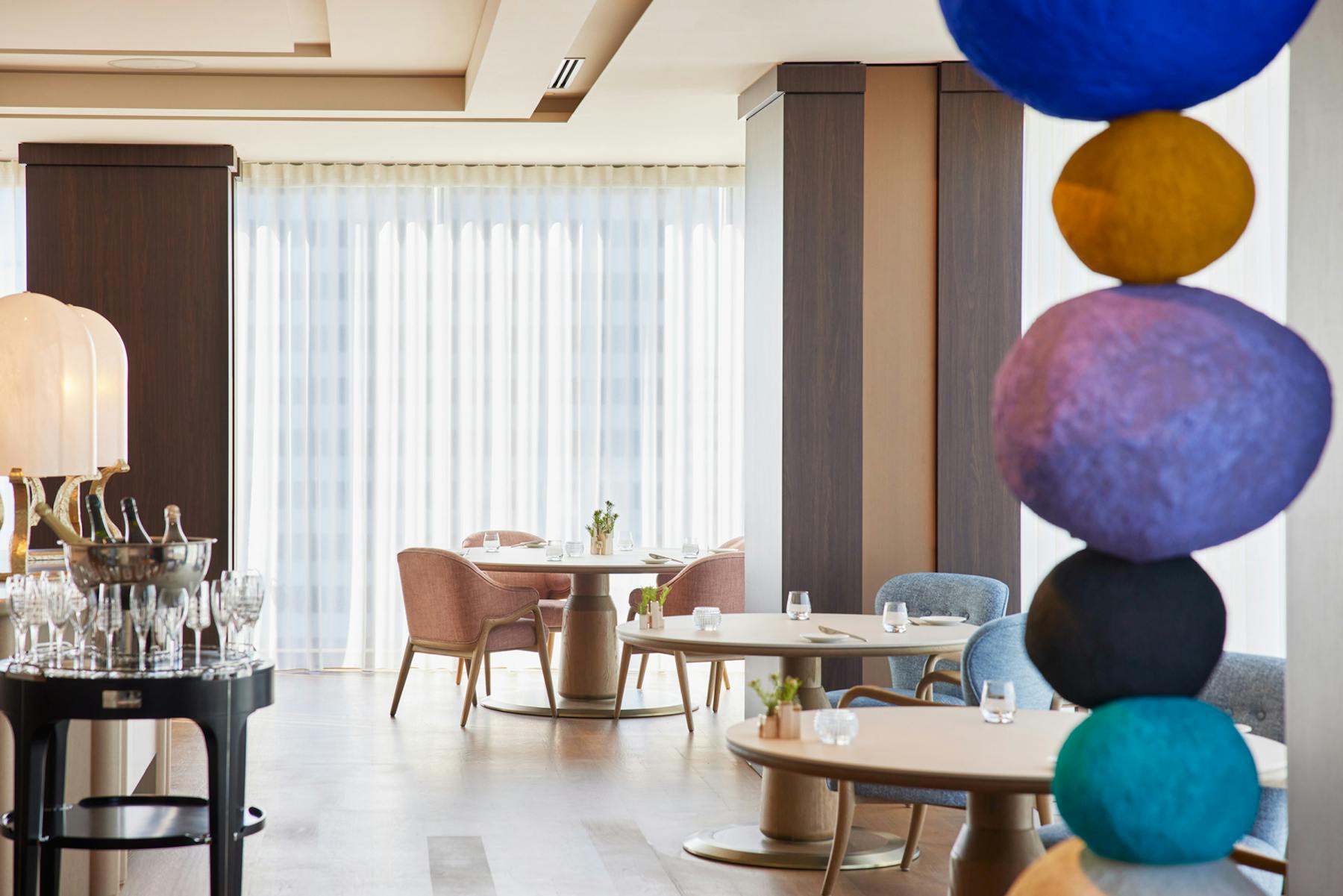
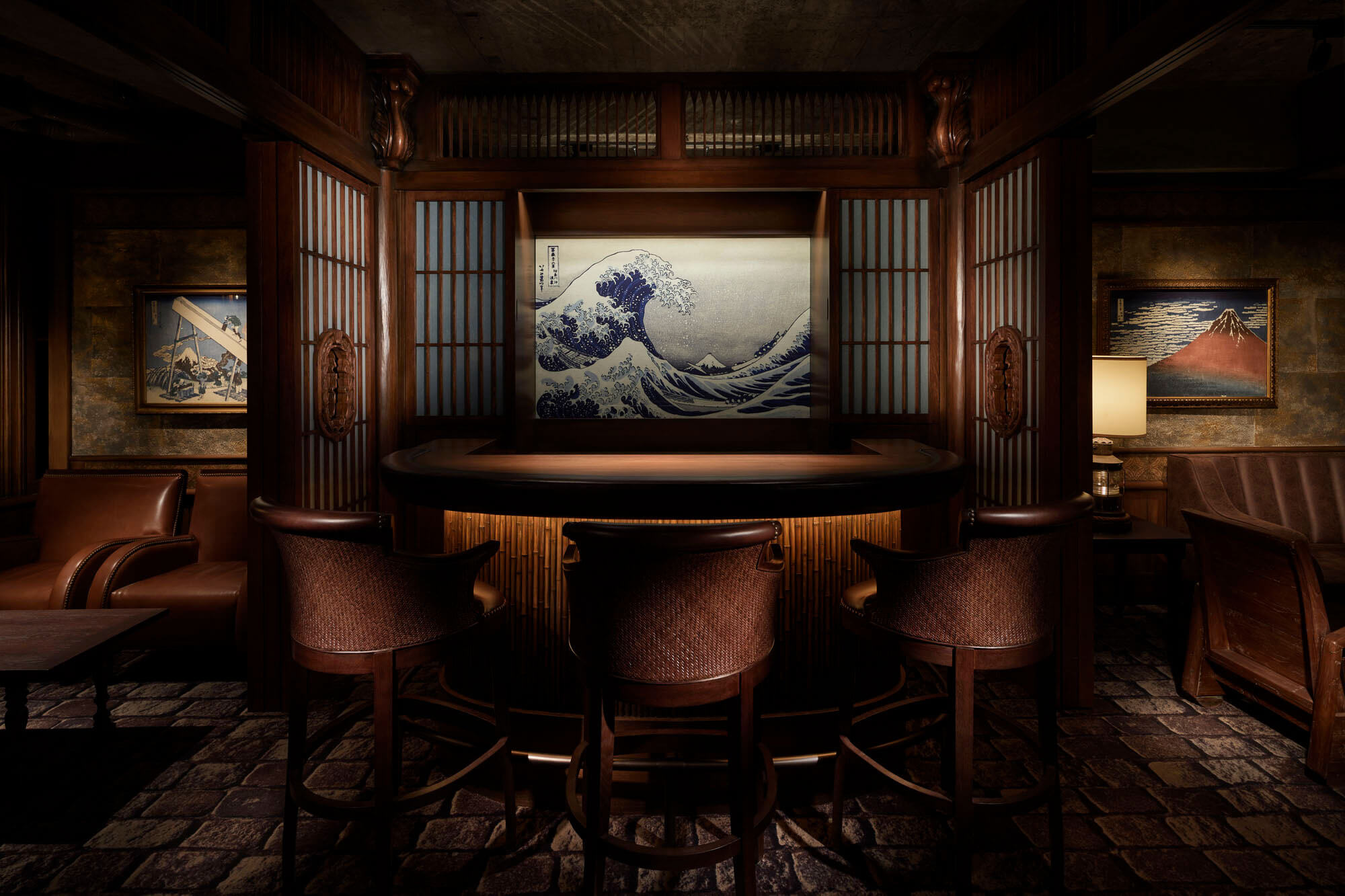
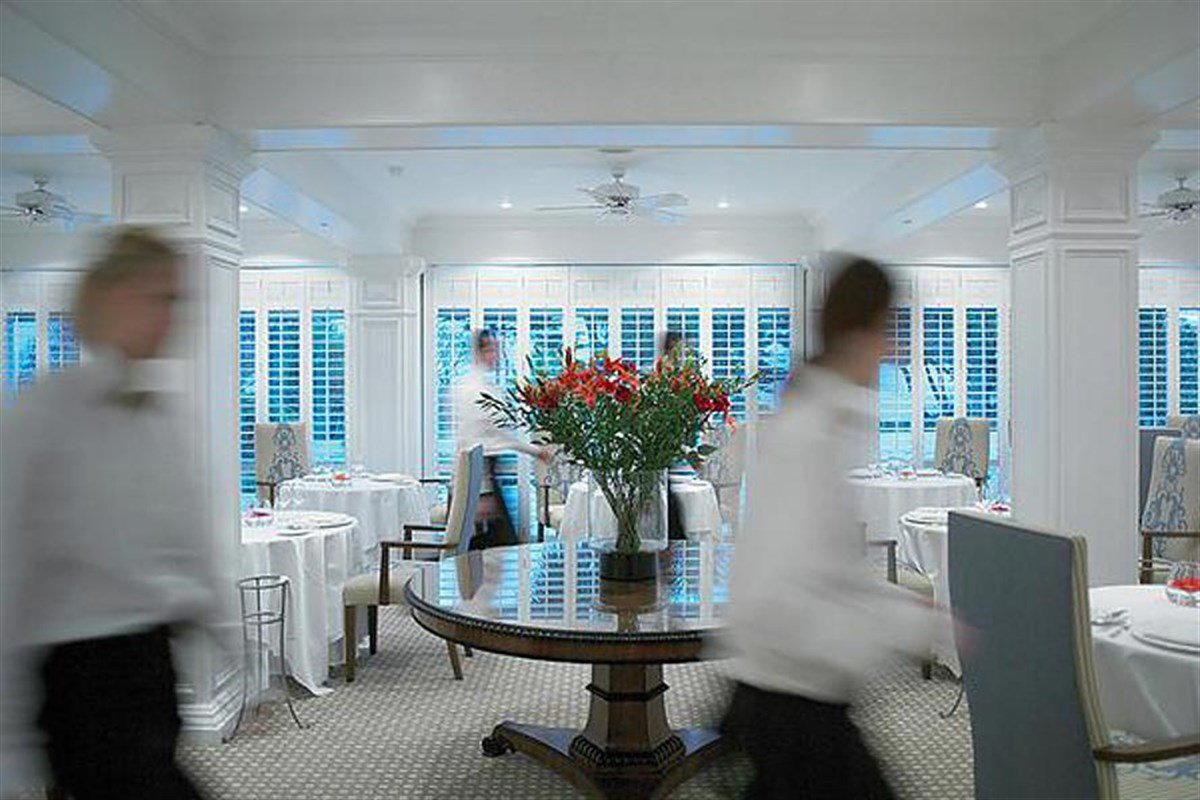
Refined and tranquil space with blue and wisteria hues evoking serenity and Nihonbashi's historic charm.
Tags
Vibe
Best For
Experience
Accessibility
At the Table
- Dress Code
- Smart Casual
- Noise Level
- Quiet
- Service Style
- Upscale Casual
- Meal Pacing
- Leisurely
- Capacity
- Intimate
Know before you go
Know Before You Go
- Getting there
- Japan, 〒103-0023 Tokyo, Chuo City, Nihonbashihoncho, 1 Chome−4−15 日本橋大勝軒ビル201
Planning details
Location
Japan, 〒103-0023 Tokyo, Chuo City, Nihonbashihoncho, 1 Chome−4−15 日本橋大勝軒ビル201 · Directions
Recognition and awards
Also consider
Also Consider
- Harutaka, Sushi, ¥¥¥¥
- RyuGin, Kaiseki, Japanese, ¥¥¥¥
- L'Effervescence, French, ¥¥¥¥
- HOMMAGE, Innovtive French, French, ¥¥¥¥
- Florilège, French, ¥¥¥
Restaurant context
Waki Shun's clearest advantage over its peers is the combination of Michelin recognition and a ¥¥¥ price tier. If you are comparing it directly against Harutaka or RyuGin, both of which sit at ¥¥¥¥ with star-level credentials, the trade-off is straightforward: those venues deliver more confirmed prestige, significantly harder-to-secure reservations, and higher spend. Waki Shun delivers Michelin-inspected cooking at a more contained cost with easy booking. If your Tokyo dining budget has limits or your itinerary already includes one ¥¥¥¥ meal, Waki Shun fills the Japanese slot efficiently.
Against Florilège, also at ¥¥¥, the comparison is cuisine-led. Florilège is a starred French table with a strong environmental focus; if you are choosing between the two for a single serious Tokyo dinner, the decision comes down to whether you want a Japanese or French frame. Florilège carries more international recognition and a starred designation, which gives it the edge on prestige. Waki Shun is the better call if staying within Japanese culinary tradition is the priority for that meal. Against L'Effervescence and HOMMAGE, both French at ¥¥¥¥, Waki Shun wins clearly on value and booking access if Japanese cuisine is your preference.
For the explorer diner building a multi-meal Tokyo itinerary, the practical recommendation is this: if one slot is reserved for a ¥¥¥¥ Japanese counter like Harutaka or RyuGin, Waki Shun works well as a second Japanese meal at a lower price point rather than a direct replacement. If budget allows only one serious Japanese meal, weigh the step up to a starred venue against the easier logistics and lower spend Waki Shun offers. For most itineraries, Waki Shun earns its place as the accessible, credentialed option in the Japanese category.
Explore Tokyo
Around this place
Discover more on Pearl
Unlock the full Waki Shun guide in Pearl, including awards, comparisons, FAQs, planning details, and nearby places.
Compare Waki Shun
| Venue | Cuisine | Awards | Booking Difficulty |
|---|---|---|---|
| Waki Shun | Japanese | 2025 Michelin Plate2024 Michelin Plate | Easy |
| Harutaka | Sushi | 2026 Tabelog Silver · #312026 OAD Top Restaurants in Japan Ranked · #1282026 Michelin 3 Stars2026 La Liste Top RestaurantsTabelog 100 - Sushi - TOKYO - 2025 · #372025 Asia's 50 Best Restaurants · #762025 OAD Top Restaurants in Japan Ranked · #1172025 La Liste Top Restaurants2025 Tabelog Bronze | Unknown |
| RyuGin | Kaiseki, Japanese | 2026 OAD Top Restaurants in Japan Ranked · #802026 Tabelog Bronze · #3772026 Michelin 3 Stars2026 La Liste Top RestaurantsTabelog 100 - Japanese cuisine - TOKYO - 2025 · #212025 OAD Top Restaurants in Japan Ranked · #542025 Michelin 3 Stars2025 La Liste Top Restaurants2025 The Best Chef Three Knives | Unknown |
| L'Effervescence | French | 2026 Tabelog Silver · #682026 OAD Top Restaurants in Japan Ranked · #103Star Wine Lists 20262026 Black Pearl 2 Diamond2026 Relais Chateaux Restaurants2026 La Liste Top Restaurants2026 Michelin 3 Stars2025 Asia's 50 Best Restaurants · #692025 OAD Top Restaurants in Japan Ranked · #92 | Unknown |
| HOMMAGE | Innovtive French, French | 2026 Tabelog Bronze · #1232026 OAD Top Restaurants in Japan Highly Recommended2026 Michelin 2 StarsTabelog 100 - French - TOKYO - 2025 · #762025 Asia's 50 Best Restaurants · #782025 OAD Top Restaurants in Japan Ranked · #1752025 Michelin 2 Stars2025 The Best Chef One Knife2025 La Liste Top Restaurants | Unknown |
| Florilège | French | 2026 Asia's 50 Best Restaurants · #312026 Tabelog Bronze · #712026 OAD Top Restaurants in Japan Ranked · #1242026 Black Pearl 1 Diamond2026 Michelin 2 Stars2026 La Liste Top Restaurants2025 Asia's 50 Best Restaurants · #172025 World's 50 Best Restaurants · #36Tabelog 100 - French - TOKYO - 2025 · #68 | Unknown |













A quick look at how Waki Shun measures up.
FAQ
Frequently Asked Questions
Is the tasting menu worth it at Waki Shun?
At the ¥¥¥ tier, Waki Shun sits below Tokyo's top-spend omakase tier — which is precisely what makes it interesting. Two consecutive Michelin Plate awards (2024, 2025) suggest consistent kitchen discipline rather than a one-season result. If you want Michelin-recognised Japanese cooking without committing to the ¥¥¥¥ outlay of venues like Harutaka or RyuGin, this is a reasonable case for booking.
Is Waki Shun good for solo dining?
The Nihonbashihoncho location draws a local, professional crowd rather than tourist groups, which generally makes for a quieter, more considered dining environment — suitable for solo diners. Booking is rated easy, so last-minute solo reservations are more viable here than at harder-to-access Michelin venues. Specific counter or single-seat arrangements are not confirmed in available data, so confirm your preference at booking.
What should a first-timer know about Waki Shun?
Waki Shun is in Nihonbashihoncho, Chuo City — a commercial and financial district, not a dining destination neighbourhood, so don't expect foot-traffic discovery. The venue holds a Michelin Plate for both 2024 and 2025, which signals quality recognition without the full-star pressure on format or price. Booking is accessible, which is unusual for this recognition tier in Tokyo.
Is Waki Shun worth the price?
At ¥¥¥, Waki Shun is priced in the mid-to-upper band for Tokyo Japanese dining, but below the ¥¥¥¥ tier where Michelin-starred venues like RyuGin or L'Effervescence operate. Two Michelin Plate awards across consecutive years give the price point credibility. For the spend, it competes well if you want serious Japanese cooking without the full omakase-format investment.
What should I order at Waki Shun?
Specific menu items are not published in available data, so ordering advice would be speculation. Waki Shun serves Japanese cuisine and holds a Michelin Plate, which typically signals a focused, seasonal menu rather than an extensive à la carte. Ask the restaurant directly about current format options when you confirm your reservation.
What should I wear to Waki Shun?
No dress code is documented for Waki Shun. The Nihonbashihoncho location, in Tokyo's commercial core, draws a business and local professional clientele, so neat, well-presented dress is a reasonable baseline. Formal attire is unlikely to be required at this price tier, but arriving underdressed relative to a Michelin Plate setting would be a misjudgement.
How far ahead should I book Waki Shun?
Booking difficulty is rated easy, which is atypical for a two-year Michelin Plate holder in Tokyo. A week's notice is likely sufficient in most cases, though weekends or peak travel periods may tighten availability. This accessibility is one of the practical arguments for choosing Waki Shun over harder-to-book alternatives at a similar or higher price point.