
.png?width=1200&quality=80)

Sosakumenkobo NAKIRYU
Ramen · Toshima, Tokyo
Restaurant in Tokyo, Japan
 Book with Pearl
The Read
Dual-Tradition Noodle Counter
Price
$10–20per person
Dress
Casual
Why go
NAKIRYU is one of Tokyo's most consistently ranked casual ramen shops, holding top-100 positions on Opinionated About Dining's Japan list for three consecutive years. The kitchen runs both Japanese and Chinese noodle traditions side by side, with the dandan noodles the standout bowl. Lunch-only, no reservations, arrive early for a morning ticket. At ¥ pricing, the depth-to-cost ratio is hard to argue.
About Sosakumenkobo NAKIRYU
Is Sosakumenkobo NAKIRYU worth visiting in Tokyo?
Yes, and the answer gets stronger the more seriously you take ramen. NAKIRYU in Toshima's Minamiotsuka neighbourhood is one of the most decorated casual ramen shops in Japan, ranked #46, #64, and #82 across three consecutive years of Opinionated About Dining's Casual Japan list. For a single-dish lunch format priced at ¥, that is a competitive position few shops in Tokyo can match. If you are an explorer who wants to understand what serious ramen looks like at its technical ceiling, this is one of the clearest arguments in the city.
What makes NAKIRYU different
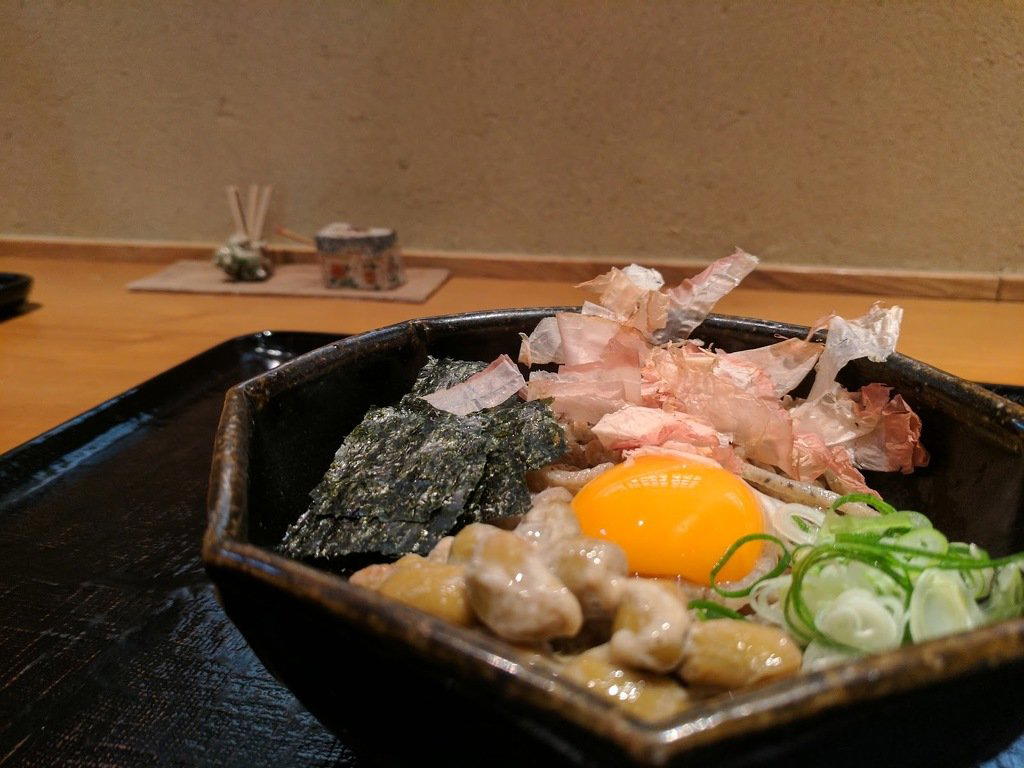
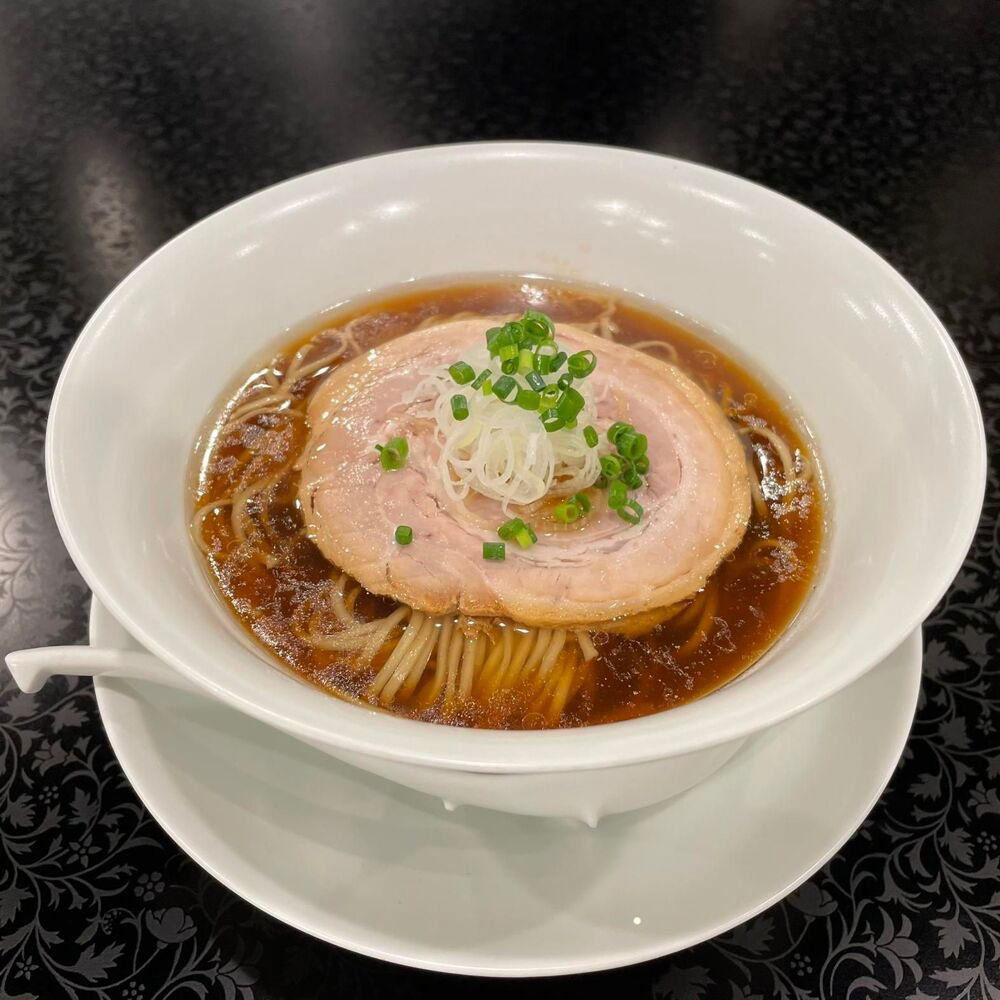
The kitchen's point of difference is a genuine fusion of Japanese ramen and Chinese noodle traditions under one roof. Most ramen shops commit to a lane: shio, shoyu, tonkotsu. NAKIRYU runs both tracks at once. The Japanese-style side includes soy-sauce ramen and salt ramen, where the broth is built from whole chicken and oysters, giving the soup a clean but layered depth that is harder to achieve than it sounds. The Chinese-style side includes dandan noodles and hot-and-sour noodles, with the dandan version building its character from meat miso, Chinese sesame paste, and chilli oil. The interaction of those three elements produces an umami hit that takes the dish well beyond the standard dandan template most diners know from Chinese restaurant menus.
Chef Kazumasa Saito's background in Chinese cuisine is the direct reason this works. The dandan noodles are the bowl most regulars point to first, and for good reason: the sesame and chilli oil balance is precise rather than aggressive. If you have space, the boiled gyoza dumplings and steamed chicken with spicy sauce are the right supporting orders. These are not afterthought sides; they read as evidence of Saito's Chinese kitchen training applied to a ramen format.
The name itself signals how seriously the owners take this project. 'Nakiryu' means 'roaring dragon', drawing on the dragon of Yakushido Hall at the Nikko Toshogu Shrine. Both owners were born in the Year of the Dragon, and the two-person synchrony behind the counter reflects that. For a food-focused traveller, that kind of intentional framing tends to mean the kitchen is not cutting corners.
Ideal time to visit
NAKIRYU is a lunch-only operation. Doors open at 11 am from Wednesday through Monday (closed Tuesday), and service runs until 3 pm. In practice, the relevant window is tighter than that. Numbered tickets are distributed early in the morning, and the queue builds before opening. Wednesday through Friday mornings are the most practical targets if you have schedule flexibility. Weekends draw longer waits. If you are arriving from central Tokyo, factor in travel time to Minamiotsuka and build in queue time before 11 am. Going early on a weekday gives you the leading chance of a reasonable wait and the full menu at its freshest.
Given the lunch-only format, NAKIRYU does not operate as a dinner or special-occasion dinner venue. The window is fixed and short, which makes planning essential rather than optional.
Groups and private dining at NAKIRYU
This is where NAKIRYU's format creates a real constraint. No seat count is confirmed in available data, but the shop operates as a small counter-style space typical of Toshima-area ramen shops at this price point. There is no private dining room and no group booking infrastructure. The experience is designed for solo diners or pairs moving through quickly. A group of four or more will need to queue as individuals or in pairs, coordinate arrival carefully, and accept that the atmosphere is communal and compact rather than private.
If your primary goal is a group occasion with table space and a sense of event, NAKIRYU is the wrong venue. For a serious food explorer who wants to understand Tokyo ramen at a high level and does not need the trappings of a formal booking, it is the right choice. Compare that to Chukasoba Ginza Hachigou or Chukasoba KOTETSU, which operate in a similar format and carry similar constraints for group arrivals. The ramen shop format is simply not built for private group dining across the category.
How NAKIRYU fits Tokyo's wider dining scene
Tokyo has a dense ramen field. Afuri operates across multiple Tokyo locations and is easier to access but covers different stylistic ground (yuzu shio being its signature register). Fuunji is a widely cited tsukemen reference point in Shinjuku. What positions NAKIRYU above most of its peers is the dual-tradition menu and the consecutive OAD rankings, which provide an external benchmark for seriousness that many shops in the same price tier cannot match. For travellers building a Japan itinerary, pairing NAKIRYU with other serious regional stops is worth planning: HAJIME in Osaka, Gion Sasaki in Kyoto, and Goh in Fukuoka offer the same obsessive approach to craft at different price points and formats. See our full Tokyo restaurants guide for broader context, or explore Tokyo hotels, Tokyo bars, and Tokyo experiences if you are building a full trip. If ramen is your focus internationally, Akahoshi Ramen in Chicago and Afuri Ramen in Portland offer useful comparison points for what serious Japanese ramen technique translates to outside Japan.
Know Before You Go
- Address: 2 Chome-34-4 SKY Minamiotsuka 1F, Toshima City, Tokyo
- Hours: Wednesday to Monday, 11 am–3 pm. Closed Tuesday.
- Price: ¥ (budget — expect to pay a few hundred yen above the standard ramen shop floor)
- Booking: No advance reservation system. Numbered tickets distributed in the morning before opening. Arrive early to secure a ticket.
- Booking difficulty: Easy to access once you hold a ticket; the queue management system means you know your position before doors open.
- Leading day to visit: Weekday mornings (Wednesday–Friday) for shorter queues
- Groups: Solo diners and pairs are the format. Not suited to groups of four or more.
- Dress code: None. Casual.
- Awards: Opinionated About Dining Casual Japan #46 (2023), #64 (2024), #82 (2025)
FAQ
How far ahead should I book Sosakumenkobo NAKIRYU?
- NAKIRYU does not take advance reservations. The system runs on numbered tickets distributed on the morning of service. Arrive before opening — ideally 30 to 45 minutes early on a weekday, to receive a ticket and know your queue position. No phone number or online booking channel is available.
What should I order at Sosakumenkobo NAKIRYU?
- The dandan noodles with sesame paste and chilli oil are the signature bowl and the right starting point. If you want to compare both traditions in a single visit, order one Japanese-style ramen (the soy-sauce version, built from chicken and oyster broth, is the cleanest expression) alongside a Chinese-style bowl. Add boiled gyoza and steamed chicken with spicy sauce if appetite allows.
Can Sosakumenkobo NAKIRYU accommodate groups?
- Not in any practical sense. The counter format is built for solo diners and pairs. There is no private dining space and no group reservation option. A party of four should plan to arrive together but expect to manage seating in pairs. For a group occasion that requires a proper table and booking flexibility, look at a different format entirely.
Is Sosakumenkobo NAKIRYU worth the price?
- At ¥ pricing, the value case is strong. You are paying ramen prices for a kitchen that draws on formal Chinese culinary training. That gap between price point and technical depth is exactly where NAKIRYU sits.
Is lunch or dinner better at Sosakumenkobo NAKIRYU?
- There is no dinner service. NAKIRYU operates exclusively from 11 am to 3 pm, Wednesday through Monday. Lunch is the only option, and the practical window is shorter still once queue time is factored in. Plan to be on-site by 10:15 to 10:30 am on a weekday to secure a ticket and a reasonable wait.
Is Sosakumenkobo NAKIRYU good for a special occasion?
- It depends on what you mean by special. If the occasion is a serious food memory, eating one of Tokyo's most-ranked ramen bowls in a no-frills neighbourhood counter, then yes. If the occasion requires atmosphere, wine, a private room, or a formal booking, the format is wrong. For a celebration dinner with all of that, RyuGin or L'Effervescence are the appropriate references.
Planning details
- Hours
- Monday: 11 am–3 pm · Tuesday: Closed
- Location
- Japan, 〒170-0005 Tokyo, Toshima City, Minamiotsuka, 2 Chome−34−4 SKY南大塚 1F
- Website
- gf8f400.gorp.jp
- Phone
- +81 3-6304-1811
The take
The Take
The Vibe
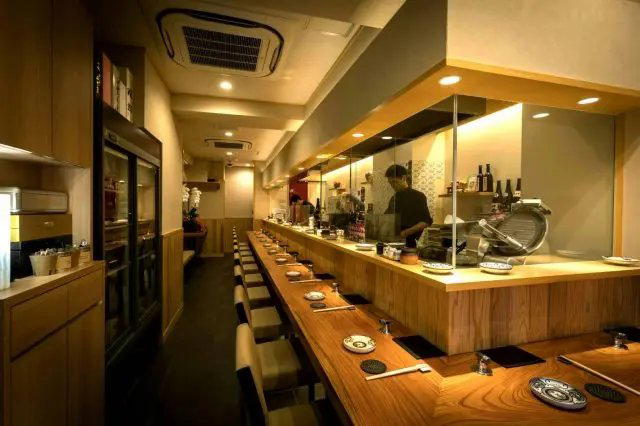
Nakiryu presents a focused, counter-forward ramen experience where Japanese and Chinese noodle traditions converge. The space reads intimate and cozy: a ground-floor ramen counter staffed by two cooks working in tight coordination, service concentrated into a single lunch shift. That concentrated rhythm—short hours, steady queues and meticulous technique—creates an energetic, small-venue atmosphere rather than a sprawling dining room. The kitchen’s hybrid approach to broths and noodle formats gives the place a specialist’s precision, and its sustained rankings on a respected casual-dining list underline that this is a quietly serious, neighborhood destination rather than a flashy tourist spot.
Best For
This is fundamentally a lunch-focused spot. Nakiryu runs a single lunch service that closes at 3 p.m., and the format—counter seating with the cooks immediately behind it—makes it ideal for solo diners or quick, focused meals. The counter setting encourages interaction with the cooks and a brisk, efficient service flow; it’s not designed for long, multi-course dining. Guests coming for a concentrated, high-quality ramen experience during daytime hours will find the restaurant most fitting, especially those who appreciate chef-led, technique-driven bowls.
Ordering Tips
The dandan-style tantanmen is the signature and a good place to start: the kitchen layers meat miso, Chinese sesame paste and chili oil to build a pronounced umami profile. If you prefer the Japanese side, the shoyu ramen—described as taking an opposite, clarity-focused approach—offers a contrasting experience. There’s also a chashu rice if you want something simpler or to round out the meal. Arrive early: the shop draws a queue before opening and closes at 3 p.m., so plan for a lunchtime visit to avoid missing the single service.
Venue details
Ambiance
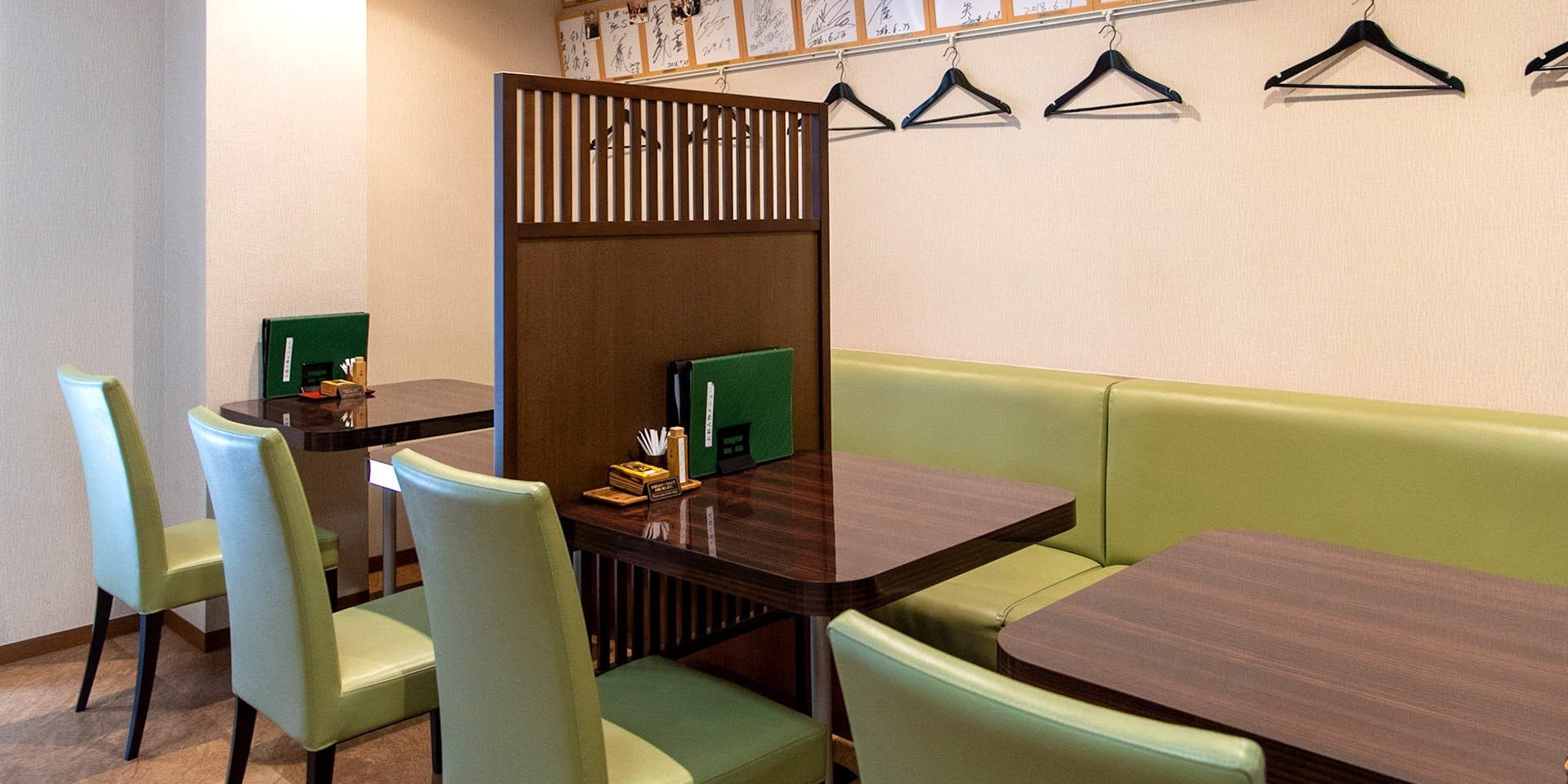
Compact, unpretentious counter seating with modern touches like touch-screen ordering in a quiet, focused environment.
Tags
Vibe
Best For
Experience
At the Table
- Dress Code
- Casual
- Noise Level
- Conversational
- Service Style
- Counter Service
- Meal Pacing
- Quick Bite
- Capacity
- Intimate
- Kitchen
- Modern
- Menu Format
- A la carte, Counter dining
Signature Dishes
- tantanmen
- shoyu ramen
- chashu rice
Know before you go
Know Before You Go
- Getting there
- Japan, 〒170-0005 Tokyo, Toshima City, Minamiotsuka, 2 Chome−34−4 SKY南大塚 1F
Planning details
Hours
- Monday
- 11 am–3 pm
- Tuesday
- Closed
- Wednesday
- 11 am–3 pm
- Thursday
- 11 am–3 pm
- Friday
- 11 am–3 pm
- Saturday
- 11 am–3 pm
- Sunday
- 11 am–3 pm
Location
Japan, 〒170-0005 Tokyo, Toshima City, Minamiotsuka, 2 Chome−34−4 SKY南大塚 1F · Directions

Also consider
Also Consider
- Harutaka, Sushi, ¥¥¥¥
- L'Effervescence, French, ¥¥¥¥
- RyuGin, Kaiseki, Japanese, ¥¥¥¥
- HOMMAGE, Innovtive French, French, ¥¥¥¥
- Crony, Innovative, French, ¥¥¥¥
Restaurant context
Comparing NAKIRYU against Tokyo's ¥¥¥¥ tier is not a like-for-like exercise, but it is the most useful framing for a food traveller allocating days and budgets. RyuGin and L'Effervescence operate at the opposite end of the price and format spectrum: multi-course tasting menus, advance reservations weeks out, and a full-evening commitment. NAKIRYU is a two- to three-bowl lunch for a few hundred yen with no booking system. The question is not which is better; it is whether your Tokyo itinerary has room for both formats, and it should.
Within the ramen and Chinese noodle category specifically, NAKIRYU's position is clearer. Chukasoba Ginza Hachigou and Chukasoba KOTETSU are the closest format peers in terms of seriousness and queue culture. Afuri is the more accessible choice if you want a casual Tokyo ramen experience without the early-morning queue logistics. NAKIRYU asks more of you logistically but returns a more technically singular bowl. If you are choosing between them for a single ramen visit, NAKIRYU is the right call for depth; Afuri is the right call for convenience.
Against HOMMAGE and Crony, both French-influenced tasting-menu venues at ¥¥¥¥, NAKIRYU occupies a completely different decision space. Those venues are for evenings where the meal is the occasion. NAKIRYU is for mornings when you want to understand a specific and serious craft at ground level. Harutaka in the sushi category presents a similar calculus: high technique, counter seating, but a dramatically different price point and booking difficulty. NAKIRYU is the easiest to access of any venue at its quality level in Tokyo, which is an argument in itself.
Explore Tokyo
Around this place
Discover more on Pearl
Unlock the full Sosakumenkobo NAKIRYU guide in Pearl, including awards, comparisons, FAQs, planning details, and nearby places.
Compare Sosakumenkobo NAKIRYU
| Venue | Awards | Price |
|---|---|---|
| Sosakumenkobo NAKIRYU | 2026 OAD Casual in Japan Ranked · #1462026 Bib Gourmand2025 OAD Casual in Japan Ranked · #82Tabelog 100 - Ramen - TOKYO - 2025 · #922024 OAD Casual in Japan Ranked · #642024 Michelin Bib Gourmand2023 OAD Casual in Japan Ranked · #46 | ¥ |
| Harutaka | 2026 Tabelog Silver · #312026 OAD Top Restaurants in Japan Ranked · #1282026 Michelin 3 Stars2026 La Liste Top RestaurantsTabelog 100 - Sushi - TOKYO - 2025 · #372025 Asia's 50 Best Restaurants · #762025 OAD Top Restaurants in Japan Ranked · #1172025 La Liste Top Restaurants2025 Tabelog Bronze | ¥¥¥¥ |
| L'Effervescence | 2026 Tabelog Silver · #682026 OAD Top Restaurants in Japan Ranked · #103Star Wine Lists 20262026 Black Pearl 2 Diamond2026 Relais Chateaux Restaurants2026 La Liste Top Restaurants2026 Michelin 3 Stars2025 Asia's 50 Best Restaurants · #692025 OAD Top Restaurants in Japan Ranked · #92 | ¥¥¥¥ |
| RyuGin | 2026 OAD Top Restaurants in Japan Ranked · #802026 Tabelog Bronze · #3772026 Michelin 3 Stars2026 La Liste Top RestaurantsTabelog 100 - Japanese cuisine - TOKYO - 2025 · #212025 OAD Top Restaurants in Japan Ranked · #542025 Michelin 3 Stars2025 La Liste Top Restaurants2025 The Best Chef Three Knives | ¥¥¥¥ |
| HOMMAGE | 2026 Tabelog Bronze · #1232026 OAD Top Restaurants in Japan Highly Recommended2026 Michelin 2 StarsTabelog 100 - French - TOKYO - 2025 · #762025 Asia's 50 Best Restaurants · #782025 OAD Top Restaurants in Japan Ranked · #1752025 Michelin 2 Stars2025 The Best Chef One Knife2025 La Liste Top Restaurants | ¥¥¥¥ |
| Crony | 2026 Asia's 50 Best Restaurants · #34Star Wine Lists 20262026 OAD Top Restaurants in Japan Recommended2026 Michelin 2 Stars2025 Asia's 50 Best Restaurants · #30Tabelog 100 - French - TOKYO - 2025 · #782025 OAD Top Restaurants in Japan Ranked · #227We're Smart World Top Restaurants 20252025 Michelin 2 Stars | ¥¥¥¥ |













Comparing your options in Tokyo for this tier.
FAQ
Frequently Asked Questions
How far ahead should I book Sosakumenkobo NAKIRYU?
You cannot book in the conventional sense. NAKIRYU distributes numbered tickets in the early morning on the day of service, and once they are gone, you will not get a bowl that day. Arrive before opening at 11 am to secure a ticket. Ranked #82 on OAD Casual Japan 2025, the shop draws a consistent crowd, so treat early arrival as non-negotiable rather than optional.
What should I order at Sosakumenkobo NAKIRYU?
The dandan noodles are the anchor order: sesame paste, chilli oil, and meat miso layered for a deep umami hit that has made the dish a fixture here. Soy-sauce ramen, built on a chicken and oyster broth, is the cleaner counterpart and worth ordering if you want to see the Japanese side of the kitchen. If capacity allows, add the boiled gyoza or steamed chicken with spicy sauce — both reflect Chef Kazumasa Saito's Chinese cuisine background.
Can Sosakumenkobo NAKIRYU accommodate groups?
Not comfortably. The shop runs as a small counter-style operation, and no confirmed seat count is available in published data, but the format is built for solo diners and pairs. Groups of three or more should expect to queue separately and may not sit together. If your priority is a shared group meal, a different Tokyo venue will serve you better.
Is Sosakumenkobo NAKIRYU worth the price?
At the ¥ price point, yes — this is one of the stronger value cases in Tokyo dining. You are paying ramen prices for a kitchen that has held a position in the OAD Casual Japan top 100 for three consecutive years (ranked #46 in 2023, #64 in 2024, #82 in 2025). The queue cost is real, but the financial outlay is low.
Is lunch or dinner better at Sosakumenkobo NAKIRYU?
Lunch is the only option. NAKIRYU operates 11 am to 3 pm, Wednesday through Monday, and does not serve dinner. There is no strategic timing advantage between early and late lunch beyond the ticket system — get there early in the morning to secure a numbered ticket, then return at your allotted time.
Is Sosakumenkobo NAKIRYU good for a special occasion?
Only if the occasion is specifically about ramen. The format is a casual counter, dress expectations are informal, and the experience is built around the bowl rather than atmosphere or service theatre. For a milestone dinner with flexibility on seating and pacing, look elsewhere in Tokyo. For a ramen enthusiast who considers OAD-ranked bowls a meaningful event, this qualifies.