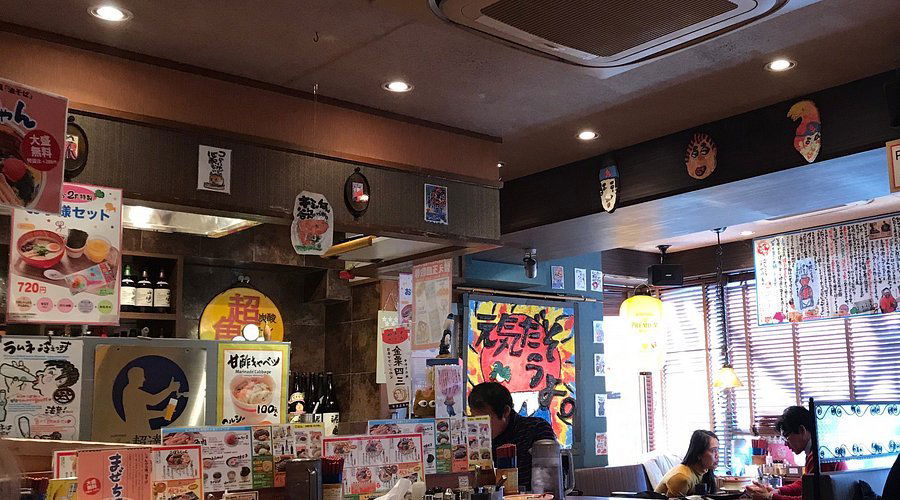

Kyushu Jangara Ramen
Ramen · Shibuya, Tokyo
Restaurant in Tokyo, Japan
 Book with Pearl
The Read
Hakata Tonkotsu Precision
Price
$10–20per person
Chef
Various
Dress
Casual
Why go
Open daily from 10am to 10pm, it's the most practical high-confidence ramen option in the Shibuya-Harajuku corridor — no reservation needed, no planning required.
About Kyushu Jangara Ramen
A bowl of tonkotsu in Harajuku that earns its OAD ranking — and costs far less than you'd expect
Kyushu Jangara Ramen in Jingumae is one of the more direct decisions in Tokyo's ramen scene: you'll spend well under ¥2,000 for a bowl, walk out satisfied, and understand immediately why it has held a ranked position on the Opinionated About Dining Casual Japan list in both 2024 (#83) and 2025 (#101). The slide from #83 to #101 is worth noting — it doesn't disqualify a visit, but it does suggest the field around it is getting sharper. If you're weighing where to spend a ramen lunch in the Shibuya-Harajuku corridor, this is still a defensible first choice.
What to Expect
The room is loud, compact, and purposeful. Kyushu Jangara has been feeding the Harajuku crowd for decades, and the atmosphere reflects that: this is a working ramen shop, not a concept space. The energy at peak hours is high, seating turns over quickly, and the ambient noise level means it's not a spot for a long conversation. Come for the bowl, not the setting.
The kitchen focuses on Kyushu-style tonkotsu, the rich, pork-bone broth style that originates in Fukuoka and Kumamoto. This is a regional tradition with a defined structure: milky, collagen-heavy broth, thin straight noodles, and toppings that vary in richness depending on the bowl you order. At Jangara, you move through that progression by choosing your richness level, a low-friction format that lets the broth do the talking. It's the ramen equivalent of a structured tasting arc: a light bowl for those who want clarity, a heavier build for those who want full depth. The decision is yours before you sit down, which means you should think about it before you arrive.
For food explorers who've already worked through Tokyo's lighter shio and shoyu styles, at places like Afuri or Chukasoba Ginza Hachigou, Jangara offers a logical counterpoint: same technical seriousness, very different flavour profile. If you've been working through Tokyo's ramen range systematically, this fills a necessary category.
The location in Jingumae (1 Chome-13-21, 1F) puts it within easy reach of Harajuku station, which makes it convenient before or after time in the neighbourhood. Hours run 10am to 10pm every day of the week, which is more practical than many Tokyo ramen shops that close mid-afternoon or operate on limited schedules. That consistency is a minor but real advantage.
For broader context on where this fits in Tokyo's noodle scene, Chukasoba KOTETSU, Fuunji, and Chuogo Hanten Mita each represent different corners of the category. Outside Tokyo, Chinese Noodles ROKU in Kyoto and Chukasoba Mugen in Osaka are worth knowing if you're travelling through the Kansai region. If you're planning a wider Japan trip, Goh in Fukuoka, the city where tonkotsu originates, is a natural extension of this kind of eating.
Know Before You Go
- Address: 1 Chome-13-21 Jingumae, Shibuya, Tokyo (1F)
- Hours: Monday to Sunday, 10am–10pm
- Price range: Budget-friendly; expect under ¥2,000 per bowl
- Booking: Walk-in only; no reservation required
- Awards: OAD Casual Japan #101 (2025), #83 (2024)
- Nearest station: Harajuku (JR) or Meiji-Jingumae (Tokyo Metro)
- Leading timing: Arrive before noon or after 2pm to avoid the peak lunch queue
How It Compares
Comparing Kyushu Jangara Ramen to Harutaka, RyuGin, L'Effervescence, HOMMAGE, or Florilège is a category mismatch, those venues operate at ¥¥¥¥ and are reservation-dependent fine dining experiences. Jangara is a walk-in ramen shop. The correct comparison is within its own tier.
Within Tokyo's ramen category, Jangara's OAD ranking gives it documented credibility that most neighbourhood shops lack. If your priority is experiencing Kyushu-style tonkotsu in a convenient Harajuku location without planning ahead, this is the right call. If you're after a different style, lighter broth, more refined setting, Afuri is the cleaner alternative.
For fine dining elsewhere in Japan on the same trip, the comparison venues above, particularly RyuGin for kaiseki or Florilège for French, operate in an entirely different register and should be planned months out. Jangara requires no such planning. It's the lowest-friction, highest-confidence bowl in this part of the city.
For more on eating and drinking in Tokyo, see our full Tokyo restaurants guide, our Tokyo hotels guide, our Tokyo bars guide, our Tokyo wineries guide, and our Tokyo experiences guide. If you're travelling beyond Tokyo, HAJIME in Osaka, Gion Sasaki in Kyoto, akordu in Nara, 1000 in Yokohama, and 6 in Okinawa are worth adding to your planning.
Planning details
- Hours
- Monday: 10 am–10 pm · Tuesday: 10 am–10 pm
- Location
- Japan, 〒150-0001 Tokyo, Shibuya, Jingumae, 1 Chome−13−21 1F
- Website
- kyushujangara.co.jp/shops/harajuku
- Phone
- +81 3-3404-5405
The take
The Take
The Vibe
Kyushu Jangara Ramen reads as a classic neighborhood anchor rather than a flash-in-the-pan trend. The write-up positions it as a fixed coordinate on Jingumae, a place that prizes the hard-won technique of Hakata tonkotsu over novelty. The focus is on concentrated, richly textured broth and repeat visits, which gives the shop an unpretentious, time-tested air. It feels steady and reliable rather than curated for social media, so the overall impression is of a straightforward, no-frills ramen destination where the craft of the bowl takes center stage.
Best For
This is a spot that suits quick solo meals, after-work detours and casual meetups with friends who appreciate serious ramen. The emphasis on Hakata-style tonkotsu and a concentrated bowl rewards repeat visits, making it a dependable choice for regulars and visitors who want a direct, flavorful experience. Its ground-floor presence on Jingumae places it in the heart of a busy retail and cultural corridor, so it fits naturally into an itinerary that involves shopping, gallery hopping, or evening wanderings in Harajuku.
Ordering Tips
Start with the house Jangara Ramen to experience the signature Hakata tonkotsu profile: a deeply boiled pork broth that is opaque, rich and textural. If you prefer bolder aromatics, the black garlic variant highlights roasted garlic notes against the dense broth; the vegan ramen provides a non-pork alternative that the menu calls out. Expect a bowl that emphasizes depth and mouthfeel rather than subtlety—opt for the classic preparations first to understand the kitchen’s take on the regional style before experimenting with variations.
Venue details
Ambiance
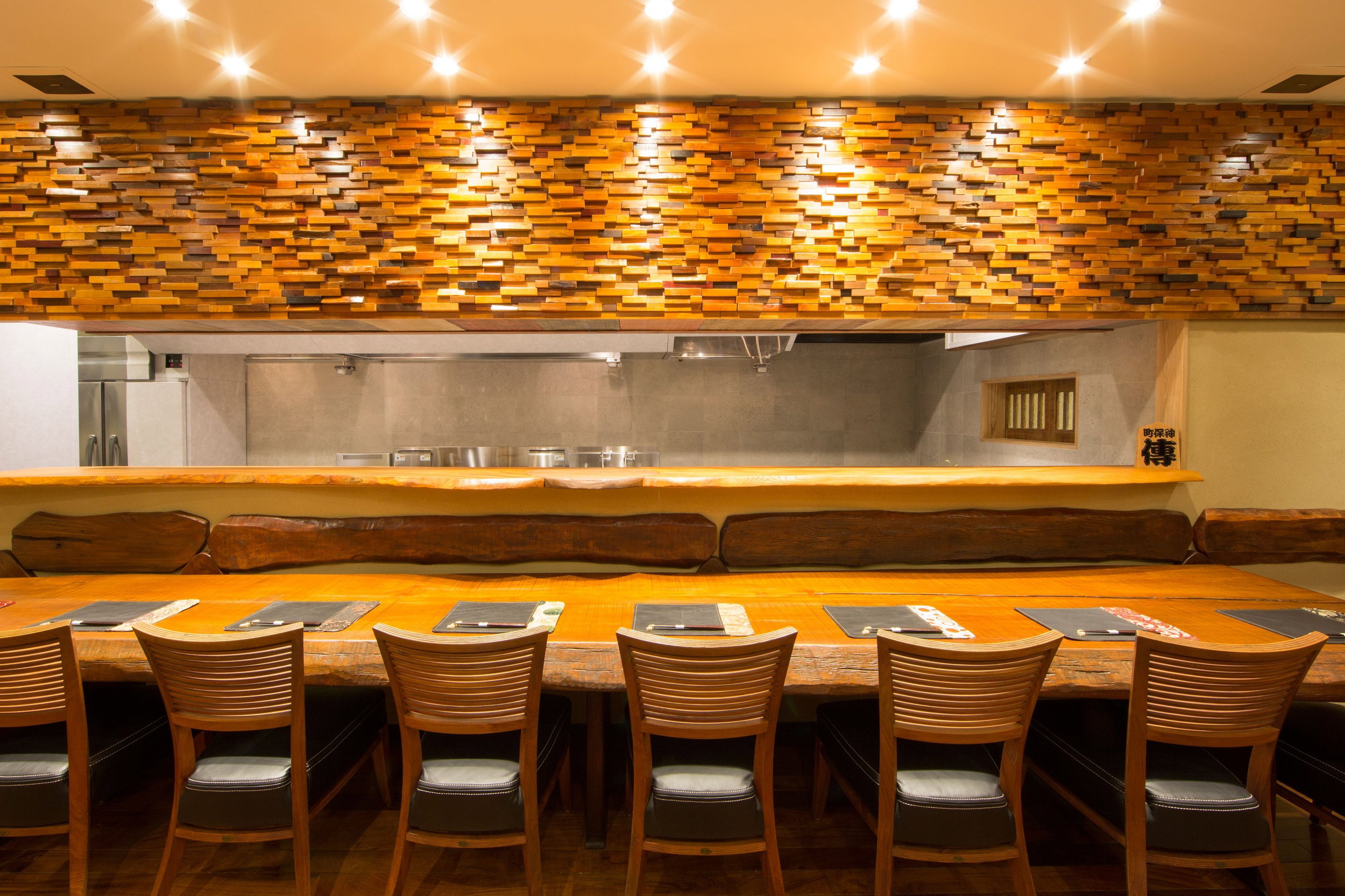
Cramped, atmospheric counter seating with warm, busy ramen shop feel and open kitchen.
Tags
Vibe
Best For
Experience
At the Table
- Dress Code
- Casual
- Noise Level
- Lively
- Service Style
- Counter Service
- Meal Pacing
- Quick Bite
- Capacity
- Intimate
- Kitchen
- Traditional
- Menu Format
- A la carte, Counter dining
- Dietary
- Vegetarian friendly, Vegan options
Signature Dishes
- Jangara Ramen
- vegan ramen
- black garlic ramen
Know before you go
Know Before You Go
- Getting there
- Japan, 〒150-0001 Tokyo, Shibuya, Jingumae, 1 Chome−13−21 1F
Planning details
Hours
- Monday
- 10 am–10 pm
- Tuesday
- 10 am–10 pm
- Wednesday
- 10 am–10 pm
- Thursday
- 10 am–10 pm
- Friday
- 10 am–10 pm
- Saturday
- 10 am–10 pm
- Sunday
- 10 am–10 pm
Location
Japan, 〒150-0001 Tokyo, Shibuya, Jingumae, 1 Chome−13−21 1F · Directions
Recognition and awards

Also consider
Also Consider
- Harutaka, Sushi, ¥¥¥¥
- RyuGin, Kaiseki, Japanese, ¥¥¥¥
- L'Effervescence, French, ¥¥¥¥
- HOMMAGE, Innovtive French, French, ¥¥¥¥
- Florilège, French, ¥¥¥
Restaurant context
Comparing Kyushu Jangara Ramen against Harutaka, RyuGin, L'Effervescence, HOMMAGE, or Florilège is a category mismatch by design, those venues operate at ¥¥¥¥, require advance reservations, and are built around long-form tasting or omakase formats. Jangara is a walk-in ramen shop where you order a single bowl and turn the table in under 45 minutes. The comparison is useful only to clarify that these venues are solving different problems for different moments in your trip.
Within its actual peer set, Tokyo's OAD-ranked casual ramen shops, Jangara holds its position on documented consistency rather than hype. If you're deciding between Jangara and another walk-in ramen option in the Harajuku area, the OAD signal tips the balance. If you want a lighter-broth alternative, Afuri is the cleaner comparison and is equally easy to access without a reservation.
For a trip that includes both a quick, affordable ramen lunch and a serious dinner, Jangara and a ¥¥¥¥ reservation at RyuGin or Florilège are not competing, they belong on the same itinerary. Book the fine dining months in advance, slot Jangara in as a no-friction daytime meal, and the two experiences complement each other without overlap.
Explore Tokyo
Around this place
Discover more on Pearl
Unlock the full Kyushu Jangara Ramen guide in Pearl, including awards, comparisons, FAQs, planning details, and nearby places.
Compare Kyushu Jangara Ramen
| Venue | Location | Cuisine | Awards | Price |
|---|---|---|---|---|
| Kyushu Jangara Ramen | Tokyo | Ramen | 2026 OAD Casual in Japan Ranked · #682025 OAD Casual in Japan Ranked · #1012024 OAD Casual in Japan Ranked · #83 | , |
| Harutaka | Tokyo | Sushi | 2026 Tabelog Silver · #312026 OAD Top Restaurants in Japan Ranked · #1282026 Michelin 3 Stars2026 La Liste Top RestaurantsTabelog 100 - Sushi - TOKYO - 2025 · #372025 Asia's 50 Best Restaurants · #762025 OAD Top Restaurants in Japan Ranked · #1172025 La Liste Top Restaurants2025 Tabelog Bronze | ¥¥¥¥ |
| RyuGin | Tokyo | Kaiseki, Japanese | 2026 OAD Top Restaurants in Japan Ranked · #802026 Tabelog Bronze · #3772026 Michelin 3 Stars2026 La Liste Top RestaurantsTabelog 100 - Japanese cuisine - TOKYO - 2025 · #212025 OAD Top Restaurants in Japan Ranked · #542025 Michelin 3 Stars2025 La Liste Top Restaurants2025 The Best Chef Three Knives | ¥¥¥¥ |
| L'Effervescence | Tokyo | French | 2026 Tabelog Silver · #682026 OAD Top Restaurants in Japan Ranked · #103Star Wine Lists 20262026 Black Pearl 2 Diamond2026 Relais Chateaux Restaurants2026 La Liste Top Restaurants2026 Michelin 3 Stars2025 Asia's 50 Best Restaurants · #692025 OAD Top Restaurants in Japan Ranked · #92 | ¥¥¥¥ |
| HOMMAGE | Tokyo | Innovtive French, French | 2026 Tabelog Bronze · #1232026 OAD Top Restaurants in Japan Highly Recommended2026 Michelin 2 StarsTabelog 100 - French - TOKYO - 2025 · #762025 Asia's 50 Best Restaurants · #782025 OAD Top Restaurants in Japan Ranked · #1752025 Michelin 2 Stars2025 The Best Chef One Knife2025 La Liste Top Restaurants | ¥¥¥¥ |
| Florilège | Tokyo | French | 2026 Asia's 50 Best Restaurants · #312026 Tabelog Bronze · #712026 OAD Top Restaurants in Japan Ranked · #1242026 Black Pearl 1 Diamond2026 Michelin 2 Stars2026 La Liste Top Restaurants2025 Asia's 50 Best Restaurants · #172025 World's 50 Best Restaurants · #36Tabelog 100 - French - TOKYO - 2025 · #68 | ¥¥¥ |












How Kyushu Jangara Ramen Tokyo compares with similar nearby venues.
FAQ
Frequently Asked Questions
Does Kyushu Jangara Ramen handle dietary restrictions?
Tonkotsu ramen is a pork-heavy format at its core, so Kyushu Jangara is a poor fit for vegetarians, vegans, or those avoiding pork. The kitchen has no documented allergen menu. If dietary flexibility matters to your group, Tokyo has dedicated vegetarian ramen options that will serve you better.
Can I eat at the bar at Kyushu Jangara Ramen?
Counter and bar-style seating is standard format at Kyushu Jangara — the room is compact and built for solo diners and pairs. Solo visits work especially well here. Groups of three or more may find the tight layout less comfortable.
What should I wear to Kyushu Jangara Ramen?
Wear whatever you'd wear to walk around Harajuku. This is a casual ramen shop ranked in OAD's Casual Japan list, not a dining room with a dress code. Trainers, jeans, streetwear — all appropriate.
Is lunch or dinner better at Kyushu Jangara Ramen?
The shop runs 10am to 10pm daily with no documented service gaps, so timing is more about crowd management than experience. A mid-afternoon visit (2–4pm) is your best bet to avoid the Harajuku lunch and post-work rushes. The bowl is the same regardless of hour.
How far ahead should I book Kyushu Jangara Ramen?
No reservation is needed or typically possible at a casual ramen counter like this. Walk in, expect a short queue at peak times, and turn over quickly — ramen meals average 20–30 minutes. OAD Casual Japan ranking means it draws knowledgeable visitors, so avoid the midday weekend rush if you want a shorter wait.
What should I order at Kyushu Jangara Ramen?
The kitchen specialises in Kyushu-style tonkotsu ramen, which is the reason to come. Specific current menu items aren't documented here, but tonkotsu is the house format — that's what the OAD recognition (ranked #83 in 2024, #101 in 2025 in Casual Japan) reflects. Ordering anything outside that lane at a specialist shop is generally a misstep.