
Hapjeongok
Gomtang · Seongsan-dong, Seoul
Restaurant in Seoul, South Korea
 Book with Pearl
The Read
Morning Broth Ritual
Price
$10–20per person
Dress
Casual
Why go
Hapjeongok is a Michelin Bib Gourmand-recognised gomtang specialist in Hapjeong-dong, earning back-to-back awards in 2024 and 2025. At ₩ pricing with easy booking, it delivers technically precise beef bone broth at a fraction of what Seoul's fine-dining tier charges. The right choice for a genuine, culturally grounded meal without the formality — or the bill.
About Hapjeongok
Is Hapjeongok worth it for a special occasion in Seoul?
Yes — with one qualification. Hapjeongok is not a destination for a formal anniversary dinner or a business meal requiring a wine list and tableside ceremony. It is, however, the right answer if you want to mark an occasion with something that feels genuinely considered and deeply Korean: a bowl of gomtang so precisely made that it earned back-to-back Michelin Bib Gourmand recognition in 2024 and 2025. The price point (₩) means you can bring the whole table without the bill becoming the story.
What Hapjeongok is
Hapjeongok is a gomtang specialist in Hapjeong-dong, Mapo-gu — a neighbourhood that carries a lived-in, local quality that sets it apart from the more performative dining districts of Gangnam or Insadong. Gomtang is one of Korea's foundational broths: slow-simmered beef bones and brisket cooked until the liquid turns a milky, almost ivory white, carrying the scent of rendered collagen and clean bone marrow. That aroma, rising from the bowl as it arrives, is the first signal that the kitchen understands what this dish is supposed to be. It should smell of long work, not shortcuts.
That combination is not accidental. The Bib Gourmand designation specifically flags venues where quality exceeds price, Michelin's own value signal, and Hapjeongok has held it across two annual cycles.
How to approach Hapjeongok across multiple visits
Gomtang is a format that rewards patience and repetition more than most. On a first visit, the move is direct: order the house gomtang, eat it the way the kitchen intends, and pay attention to the broth before you add anything. This is where the cooking either earns your trust or doesn't. The clarity of the liquid, the texture of the brisket, and the balance of the seasoning are the whole argument.
A second visit is where you can adjust and explore. Gomtang regulars in Seoul typically use a second trip to test the rice: some places serve it in the broth, others on the side. How you eat it changes the dish significantly. At this stage you are also calibrating portion instincts, whether a single bowl is the meal or whether the banchan and side orders are worth adding. If the kitchen offers a version with extra meat or a variation on the cut, this is the visit to try it.
By a third visit, you are essentially a regular. At a ₩-tier specialist like this, that status carries real practical value in Seoul: staff at neighbourhood gomtang spots tend to recognise returning faces, and the experience becomes less transactional and more like eating somewhere that knows what you want. This is not the kind of venue where the third visit unlocks a secret menu, but it is the kind where the third visit confirms whether this is your gomtang reference point in Seoul, or whether you should be testing Hadongkwan or Kyewol Gomtang instead.
For a fuller picture of the gomtang category in Seoul, including how the dish is evolving, Gomtang Lab is worth visiting for contrast. It takes a more experimental approach, which makes it a useful counterpoint to Hapjeongok's traditional register.
The special occasion case
Hapjeongok works for occasions in a specific way. If your group wants a meal that feels meaningful and culturally grounded, at a price where no one feels uncomfortable ordering what they want, this delivers. The Michelin credential gives it a conversation point. The neighbourhood gives it a sense of place. The broth gives it a reason to return.
What it does not offer is the formal occasion infrastructure, private rooms, sommelier service, tasting menus, or the kind of theatrical presentation that Seoul's ₩₩₩₩ tier provides. If that is the brief, you are looking at venues like Mingles or Kwon Sook Soo in Gangnam. But if the occasion calls for something genuinely good rather than visibly expensive, Hapjeongok is a more honest choice than most.
Practical details
| Detail | Hapjeongok | Hadongkwan | Kyewol Gomtang |
|---|---|---|---|
| Price tier | ₩ | ₩ | ₩ |
| Cuisine | Gomtang specialist | Gomtang specialist | Gomtang specialist |
| Michelin recognition | Bib Gourmand 2024, 2025 | Check Pearl listing | Check Pearl listing |
| Location | Hapjeong-dong, Mapo-gu | Jung-gu (central Seoul) | Check Pearl listing |
| Booking difficulty | Easy | Variable | Variable |
Hapjeongok's address is 392-3 Hapjeong-dong, Mapo-gu. Hours and phone are not confirmed in our current data, check ahead before visiting, particularly if planning an early or late meal. Booking is rated easy, which is consistent with neighbourhood gomtang spots that turn tables quickly and run at a pace suited to solo diners and small groups alike.
Seoul context
If your trip extends beyond Seoul, Hanwolgwan in Busan is worth noting as a gomtang reference point outside the capital. For a different register entirely, Mori in Busan and Baegyangsa Temple in Jangseong-gun offer very different takes on what serious Korean eating can look like. For the full picture of where to eat, stay, and drink in Seoul, see our Seoul restaurants guide, Seoul hotels guide, Seoul bars guide, Seoul wineries guide, and Seoul experiences guide.
For diners interested in how Korean cooking translates at the highest international level, Le Bernardin in New York City is a useful frame of reference for how a single-minded focus on a core technique, however different the cuisine, produces the kind of consistency that earns sustained recognition. Hapjeongok's two consecutive Bib Gourmands suggest the same discipline operating at a very different price point. Also worth exploring for their different approaches to Korean dining: Neungdong Minari, Double T Dining in Gangneung, and Market Café in Incheon.
Planning details
- Location
- 392-3 Hapdžong-dong, Mapo-gu, Seoul, South Korea
- Phone
- +82 2-322-4822
The take
The Take
The Vibe
Hapjeongok presents a quiet, cozy classic gomtang house that foregrounds ritual over décor. Mornings here feel deliberate and meditative: bowls arrive as the neighborhood is still waking, and the room’s focus is the slow rhythm of the kitchen rather than stylish trappings. The writing emphasizes clarity and restraint in the broth—an understated elegance that rewards patience and close attention. The overall effect is soothing and serene; it’s the sort of place where the act of eating becomes a small, restorative ceremony rather than a stage for showy presentation.
Best For
This is a straightforward spot for morning and early-day visits, ideal for anyone chasing an authentic Seoul soup ritual. The Bib Gourmand recognition underlines its value-oriented appeal, so it works well for casual hangouts, small group dining and solo mornings when you want a purposeful, calming meal. Given the focus on gomtang as a morning ritual, Hapjeongok is best experienced at breakfast or early in the day when the house’s particular tempo—slow, attentive, and unhurried—is most apparent.
Ordering Tips
Start with the house gomtang to appreciate the pale, long-simmered beef-bone broth that defines the place; the menu’s clarity of stock is the point of distinction. For variety, the classic accompaniments listed among signatures—suyuk (sliced boiled beef) and yukhoe (seasoned raw beef)—are natural complements to a broth-centric meal. Arrive early to join the morning ritual described in the profile; the shop’s strengths are its consistent, patient cooking and Michelin Bib Gourmand endorsement, so order simply and let the broth be the focus.
Venue details
Ambiance
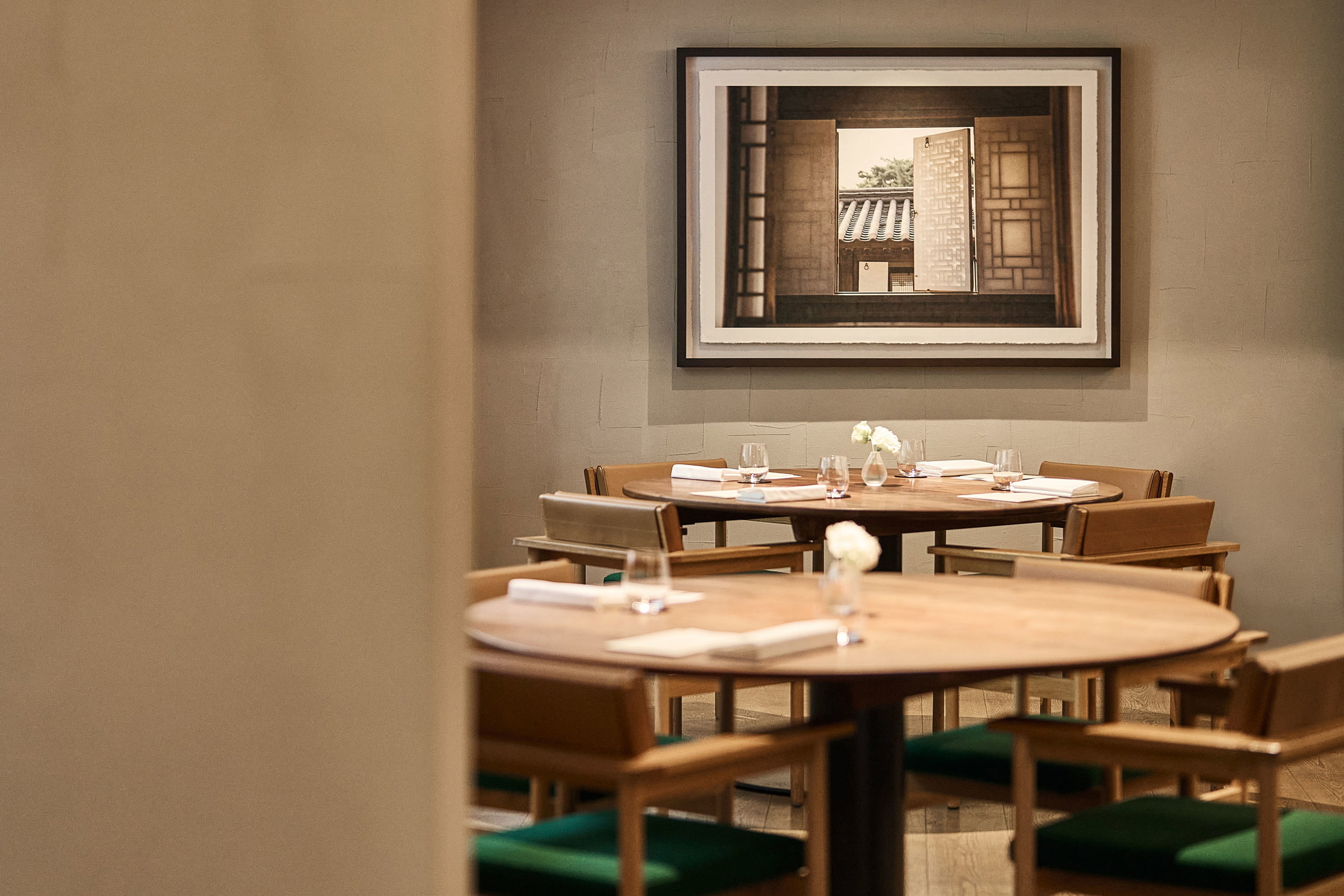
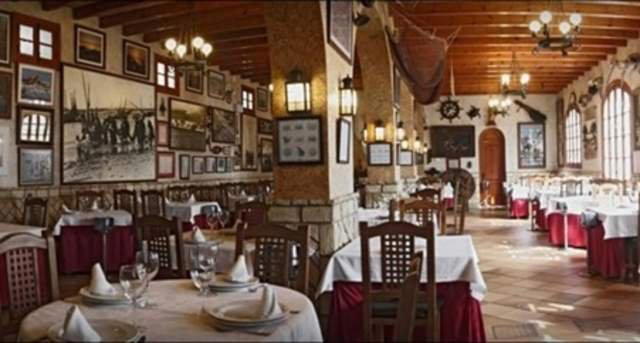
Cozy interior with traditional Korean decor and inviting aroma of simmering broth.
Tags
Vibe
Best For
Sourcing
At the Table
- Dress Code
- Casual
- Noise Level
- Conversational
- Service Style
- Casual
- Meal Pacing
- Standard
- Capacity
- Medium
- Kitchen
- Traditional
- Menu Format
- A la carte
Signature Dishes
- gomtang
- yukhoe
- suyuk
Know before you go
Know Before You Go
- Getting there
- 392-3 Hapdžong-dong, Mapo-gu, Seoul, South Korea
Planning details
Location
392-3 Hapdžong-dong, Mapo-gu, Seoul, South Korea · Directions
Recognition and awards
Also consider
Also Consider
- Solbam, Contemporary, ₩₩₩₩
- Onjium, Korean, ₩₩₩₩
- 7th Door, Korean, Contemporary, ₩₩₩₩
- L'Amitié, French, ₩₩₩
- Zero Complex, Korean-French, Innovative, ₩₩₩₩
Restaurant context
Hapjeongok operates in a completely different tier from most of Seoul's recognised dining names, and that is the point. Solbam, Onjium, 7th Door, and Zero Complex all sit at ₩₩₩₩, four to five times the price of a meal here. If the brief is a formal occasion with a wine list, tasting menu structure, and a room designed to signal occasion, those venues are the right category. Hapjeongok is not competing with them. It is doing something narrower and, within its lane, more consistent: Michelin-recognised gomtang at a price where value is the entire argument.
L'Amitié at ₩₩₩ sits closer in price, but its French format means the comparison is really about what kind of meal you want, not which is better. For a group that wants to spend seriously on Korean cooking in a fine-dining setting, Onjium and 7th Door are the stronger picks. For a solo lunch or a casual group meal where the food is the point and the bill is not, Hapjeongok is the more practical and arguably more honest choice in Seoul's current Michelin-recognised set.
Within the gomtang category specifically, the comparison worth making is against Hadongkwan and Kyewol Gomtang. All three are ₩-tier specialists. Hapjeongok's advantage is its Hapjeong-dong location, less tourist-facing than Hadongkwan's Jung-gu address, and two confirmed consecutive Bib Gourmands as an external quality signal. If you only have time for one gomtang in Seoul, Hapjeongok's current Michelin track record makes it the lower-risk choice.
Explore Seoul
Around this place
Discover more on Pearl
Unlock the full Hapjeongok guide in Pearl, including awards, comparisons, FAQs, planning details, and nearby places.
Compare Hapjeongok
| Venue | Cuisine | Price | Booking Difficulty | Awards |
|---|---|---|---|---|
| Hapjeongok | Gomtang | ₩ | Easy | 2025 Michelin Bib Gourmand2024 Michelin Bib Gourmand |
| Solbam | Contemporary | ₩₩₩₩ | Unknown | 2026 Asia's 50 Best Restaurants · #552026 Wine Spectator Best of Award of Excellence2026 OAD Top Restaurants in Asia RecommendedMichelin Guide Seoul & Busan 20262026 La Liste Top Restaurants2025 Asia's 50 Best Restaurants · #552025 OAD Top Restaurants in Asia Ranked · #277Tatler Best Restaurants Asia-Pacific 20252025 Wine Spectator Best of Award of Excellence |
| Onjium | Korean | ₩₩₩₩ | Unknown | 2026 Asia's 50 Best Restaurants · #142026 OAD Top Restaurants in Asia Ranked · #852026 La Liste Top RestaurantsMichelin Guide Seoul & Busan 20262026 Wine Spectator Best of Award of Excellence2025 Asia's 50 Best Restaurants · #102025 World's 50 Best Restaurants · #572025 OAD Top Restaurants in Asia Ranked · #1342025 La Liste Top Restaurants |
| 7th Door | Korean, Contemporary | ₩₩₩₩ | Unknown | 2026 Asia's 50 Best Restaurants · #492026 OAD Top Restaurants in Asia Ranked · #842026 Black Pearl 1 DiamondMichelin Guide Seoul & Busan 20262026 La Liste Top Restaurants2025 Asia's 50 Best Restaurants · #232025 Michelin 1 Star2025 La Liste Top Restaurants2024 OAD Top Restaurants in Asia Ranked · #192 |
| L'Amitié | French | ₩₩₩ | Unknown | 2026 La Liste Top Restaurants2025 La Liste Top Restaurants2025 Michelin 1 Star2024 Michelin 1 Star |
| Zero Complex | Korean-French, Innovative | ₩₩₩₩ | Unknown | Star Wine Lists 20262026 OAD Top Restaurants in Asia Recommended2026 La Liste Top Restaurants2025 OAD Top Restaurants in Asia Ranked · #1992025 La Liste Top Restaurants2025 Michelin 1 Star2025 The Best Chef One Knife2024 OAD Top Restaurants in Asia Ranked · #2792024 Michelin 1 Star |










What to weigh when choosing between Hapjeongok and alternatives.
FAQ
Frequently Asked Questions
Can I eat at the bar at Hapjeongok?
Hapjeongok is a traditional gomtang house in Hapjeong-dong, not a bar-format venue. Counter or bar seating in the Western sense is not a documented feature of the space. If solo dining is the concern, gomtang restaurants in Seoul typically seat solo diners at communal or shared tables without issue — this format suits a quick, solo meal well.
Can Hapjeongok accommodate groups?
Hapjeongok is a neighbourhood gomtang specialist, not a private-dining destination, so large groups needing a reserved room should look elsewhere. For groups of two to four eating informally, the format works — the ₩ price point means the bill stays manageable regardless of size. For a group occasion requiring a structured setting, Onjium or 7th Door are better fits.
Does Hapjeongok handle dietary restrictions?
Gomtang is a beef bone broth format, making Hapjeongok a poor match for vegetarians, vegans, or anyone avoiding beef. The cuisine type is inherently narrow in this respect. If dietary flexibility is a priority, the meal is not recoverable by substitution — the entire menu is built around the broth.
Is the tasting menu worth it at Hapjeongok?
Hapjeongok does not operate a tasting menu format. It is a gomtang specialist with a focused, single-register offering at ₩ pricing. The value case is precisely that simplicity — two consecutive Michelin Bib Gourmand recognitions (2024 and 2025) confirm the kitchen delivers quality at a price that requires no justification. If a multi-course tasting format is what you want, this is not the venue.
Is Hapjeongok good for a special occasion?
Yes, with a clear caveat: this works for occasions where cultural grounding and shared informality matter more than ceremony. Hapjeongok's Michelin Bib Gourmand status (2024, 2025) and ₩ pricing make it a strong choice when the goal is a meal that feels genuinely local without a heavy bill. For a formal anniversary or a business dinner with wine expectations, choose Onjium or L'Amitié instead.