


The Shilla Seoul
광희동, Seoul
Hotel in Seoul, South Korea
 Book with Pearl
The Read
Korean Grand Hotel Heritage
Why go
The Shilla Seoul is a hotel on Dongho-ro in Seoul's Jung District.
About The Shilla Seoul
For a trip to Seoul, The Shilla Seoul is best framed as a premium hotel choice with confirmed luxury recognition rather than as a location hack or a budget-minded base. This is a smart-casual property in Seoul with Michelin 1 Key recognition for 2025, Leading Hotels of the World membership for 2025, a La Liste Top Hotels 2026 score of 97.5 points, and Forbes 5-Star recognition for 2026.
Judge The Shilla Seoul on its confirmed credentials and your own trip priorities. If you want a recognized luxury hotel in Seoul, The Shilla Seoul belongs on the shortlist. If your priority is a simpler or more price-driven stay, compare it with other Seoul options such as L7 Myeongdong or LOTTE City Hotel Myeongdong before committing.
A polished Seoul base with confirmed luxury recognition
The Shilla Seoul is in Seoul. Specific address, district, neighborhood, and landmark details should be checked directly before planning logistics around the stay.
Book this when the confirmed recognition matters to your decision: Michelin 1 Key in 2025, Leading Hotels of the World membership in 2025, La Liste Top Hotels 2026 at 97.5 points, and Forbes 5-Star recognition in 2026. For travelers comparing different styles of stay, Banyan Tree Club & Spa Seoul, Grand Hyatt Seoul, JW Marriott Dongdaemun Square, L7 Myeongdong, and LOTTE City Hotel Myeongdong are other Seoul hotels to consider depending on the kind of trip you are planning.
When to stay: match the hotel to the purpose of the trip
Details regarding seasonal guidance, rates, room categories, facilities, dining, or booking difficulty should be confirmed directly. The safest planning advice is to match The Shilla Seoul to trips where confirmed hotel recognition and a smart-casual setting are important, then verify current availability, inclusions, and policies directly before booking.
The fit is clearest for travelers who specifically want a recognized luxury hotel in Seoul. It is less clear for travelers choosing primarily by price, exact neighborhood, room size, facilities, or dining, as these details are best confirmed directly with the hotel or booking channel.
Inside The Shilla Seoul
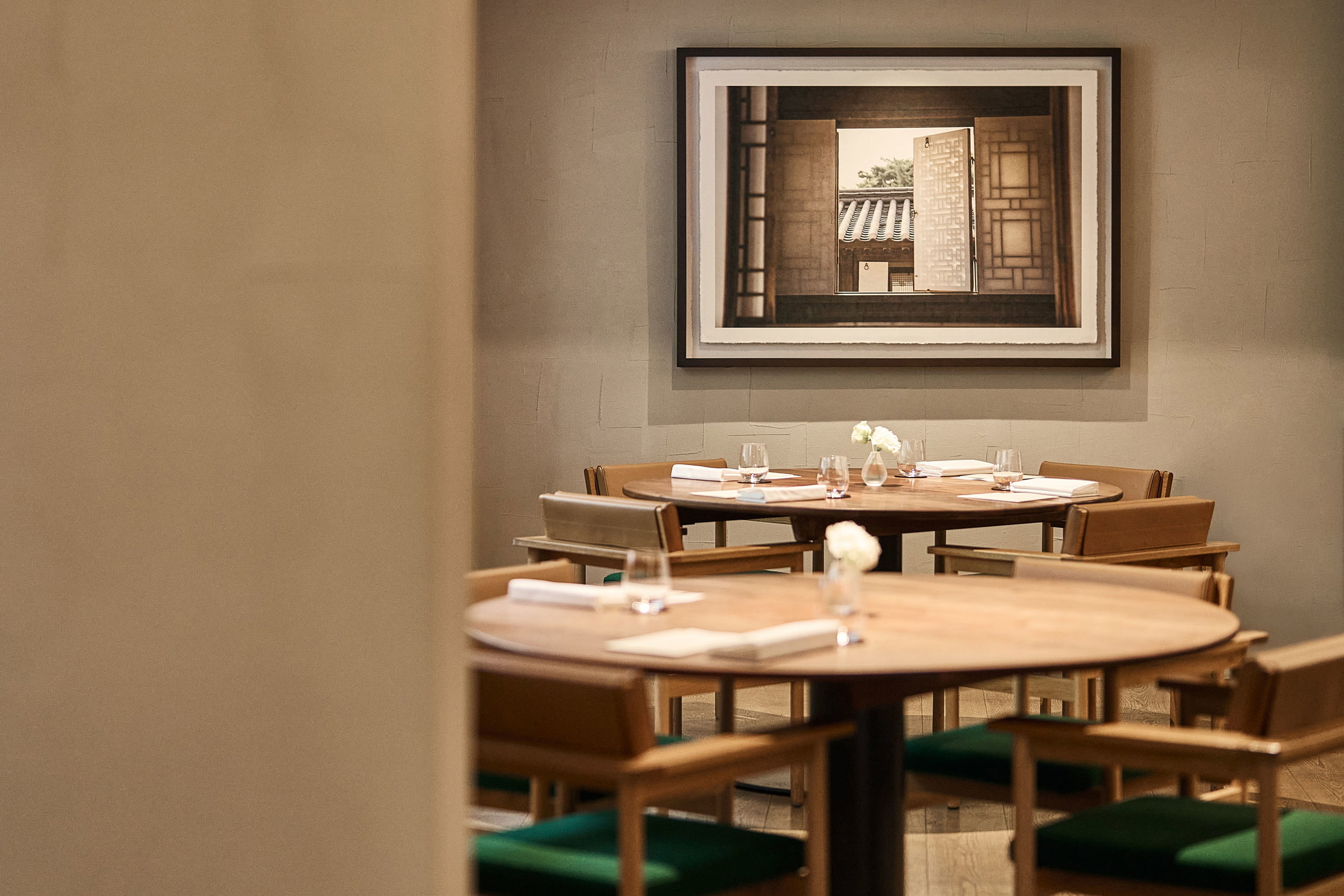
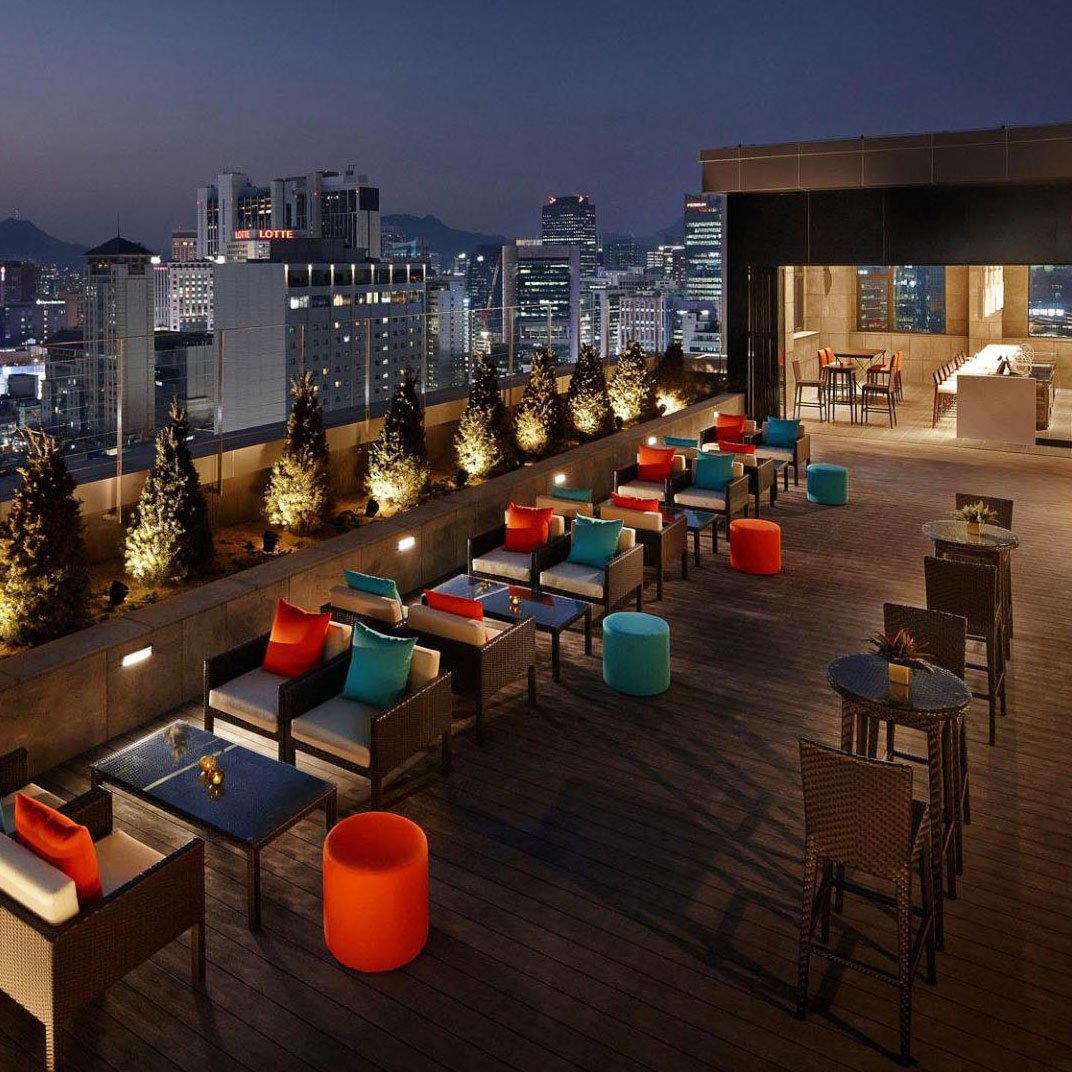 restaurantLa YeonLa Yeon occupies the 23rd floor of The Shilla Seoul, where two Michelin stars and consecutive appearances on La Liste and Opinionated About Dining's Asia rankings confirm its place at the upper end of Seoul's formal Korean dining tier. Under Chef Sung-Il Kim, the kitchen works within the refined court cuisine tradition while positioning itself against a comparable set of Seoul's most decorated Korean tables.
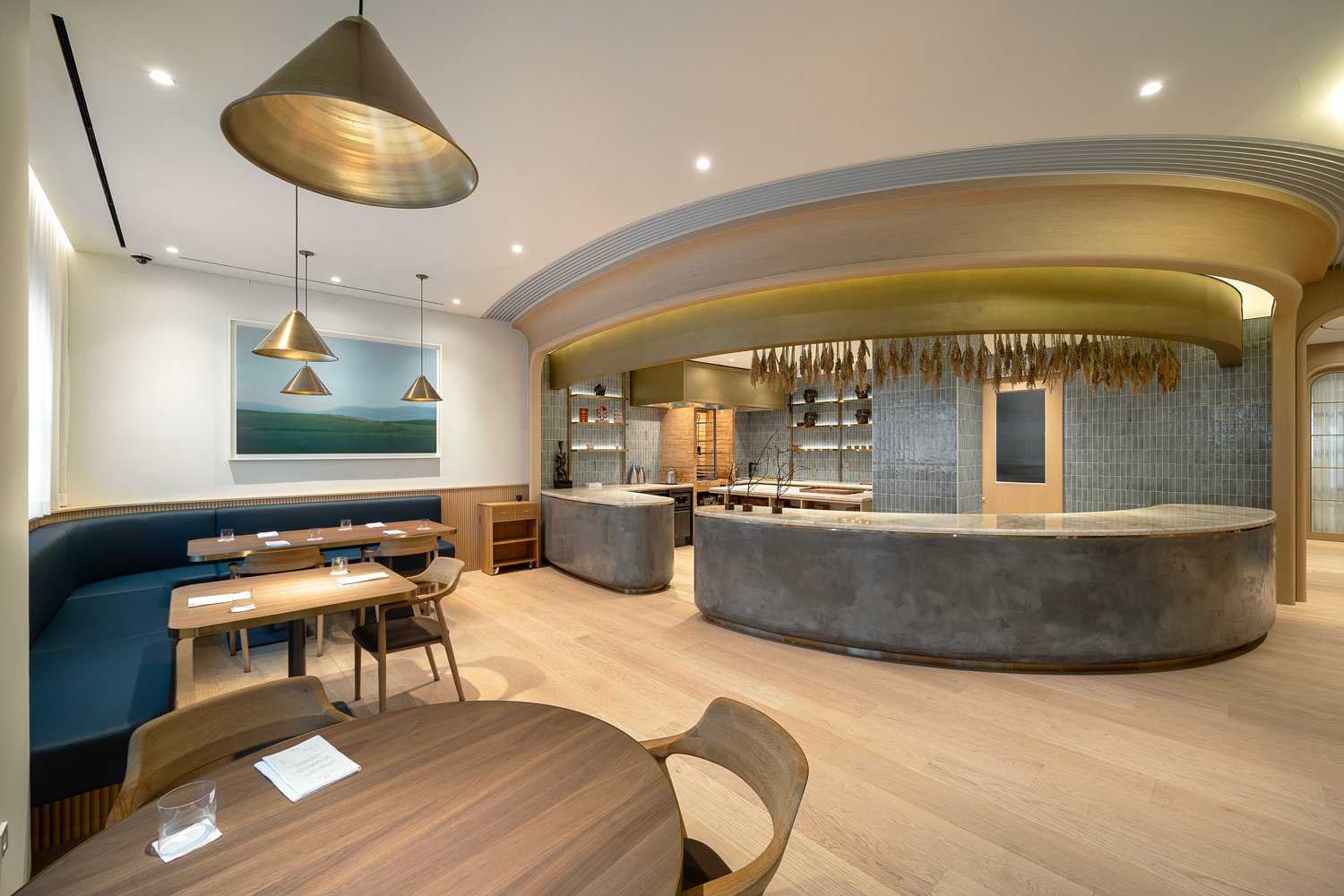
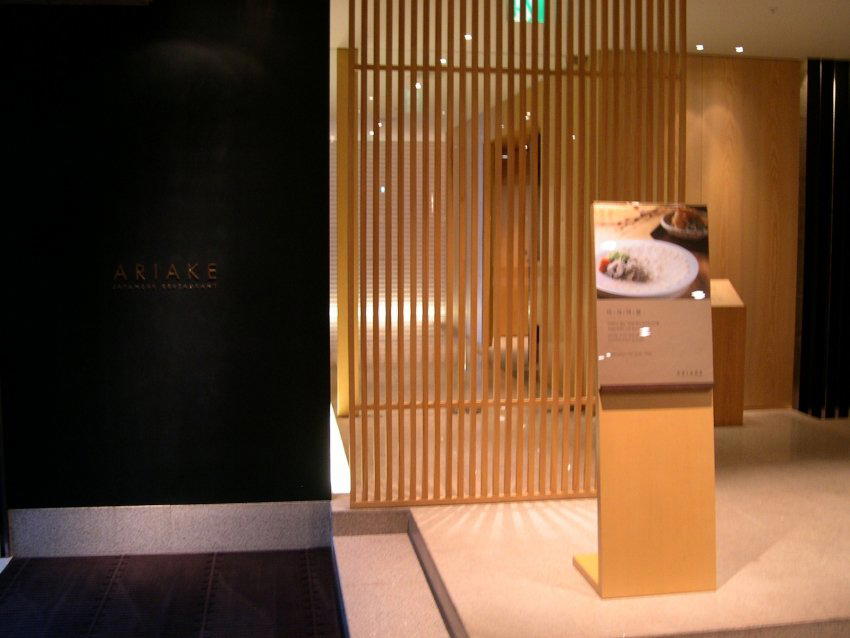 restaurantAriakeAriake sits inside The Shilla Seoul in Jung District, representing the intersection of refined Japanese dining sensibility and Seoul's increasingly international fine-dining tier. Recognised by La Liste's 2026 rankings with 83 points, the restaurant occupies a deliberate position within one of the city's most storied luxury hotel addresses, where front-of-house coordination and kitchen discipline define the experience as much as the food itself.
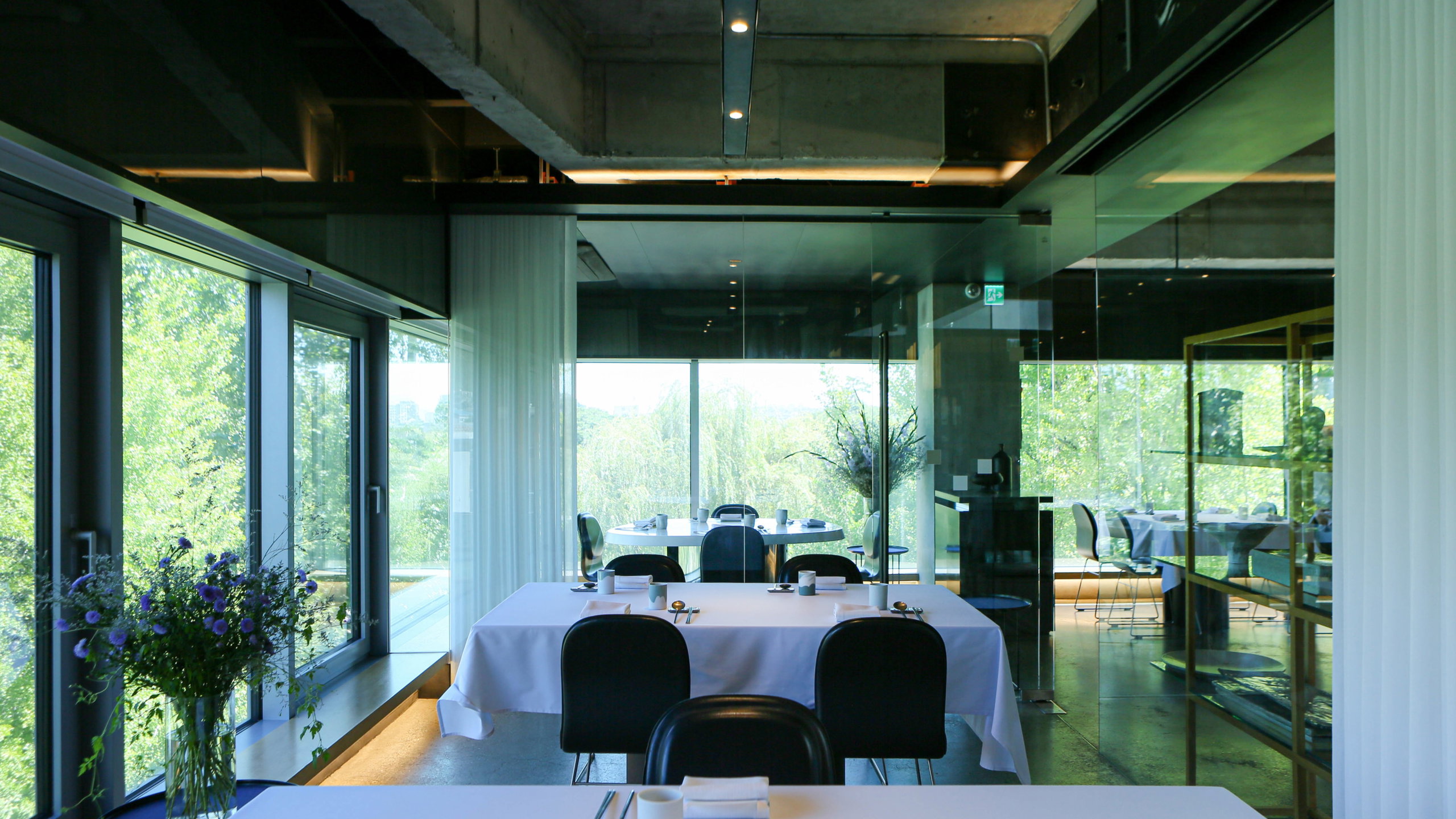
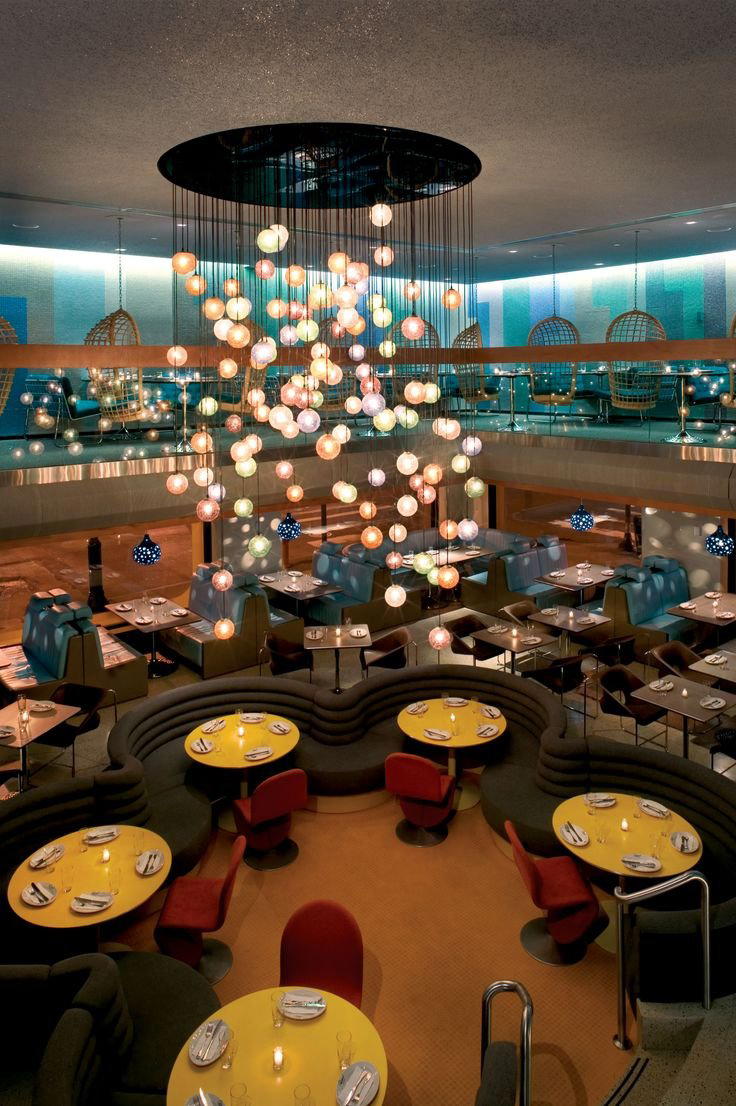 restaurantContinentalContinental sits on the 23rd floor of a Jung District tower, bringing classic French technique to Seoul's upper tier of fine dining. Chef Sean Brock holds consecutive La Liste recognition at 83 points (2025 and 2026) alongside Michelin Plate status, positioning it among a small cohort of Western fine-dining rooms that operate outside the dominant Korean-contemporary format. A considered choice for those tracking Seoul's French dining scene.
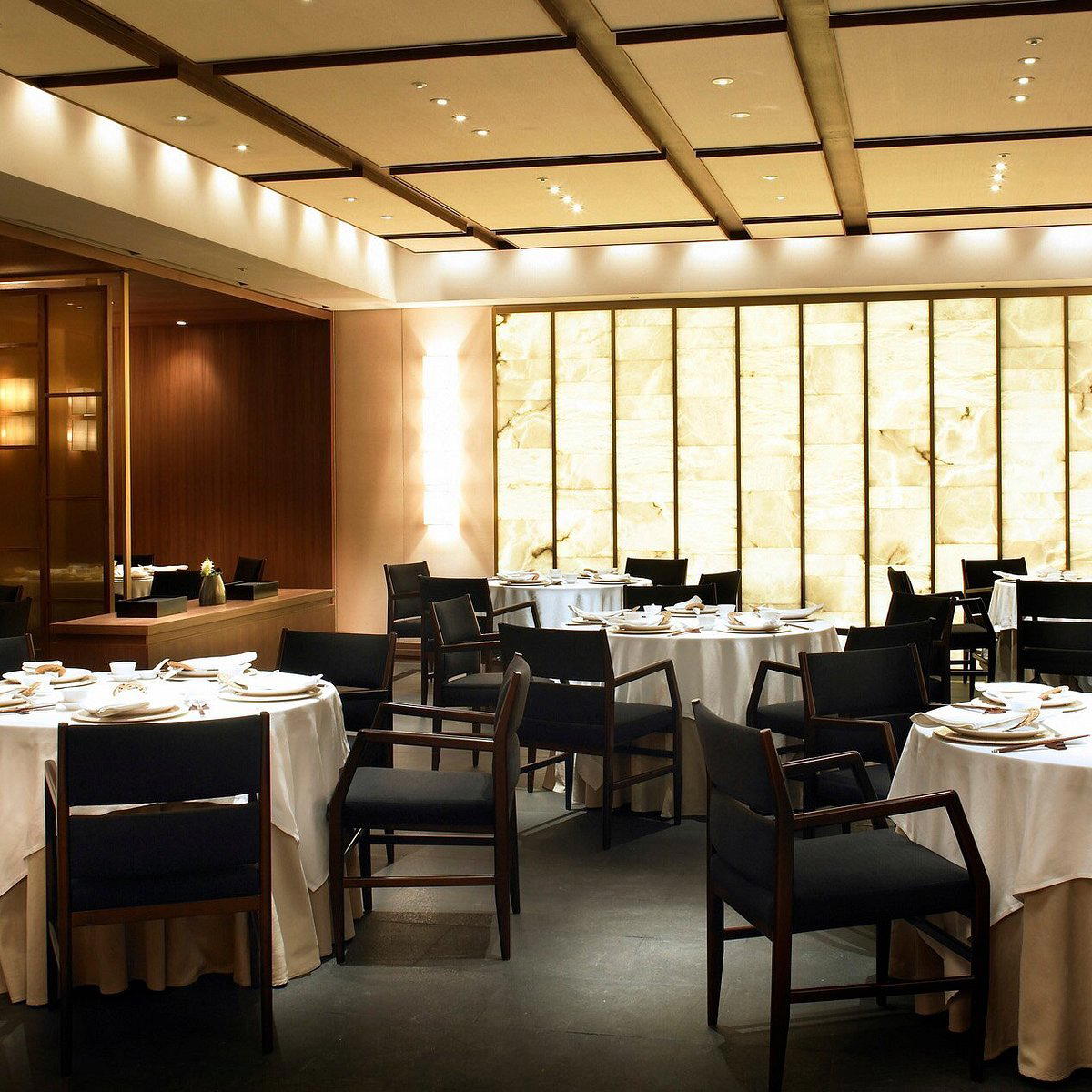 restaurantPalsunPalsun occupies the second floor of the Shilla Stay Hotel in Seoul's Jangchung-dong, positioning itself within a neighbourhood better known for its proximity to Namsan than for fine dining. The address places it in an interesting bracket: hotel-based but independent in feel, serving a Korean dining tradition that rewards patience and seasonal attention from guests willing to look past the more obvious Gangnam corridors.
Planning details
- Location
- 249 Dongho-ro, Jung District, Seoul
- Website
- shilla.net/seoul
- Phone
- +82 2-2233-3131
The take
The Take
The Vibe
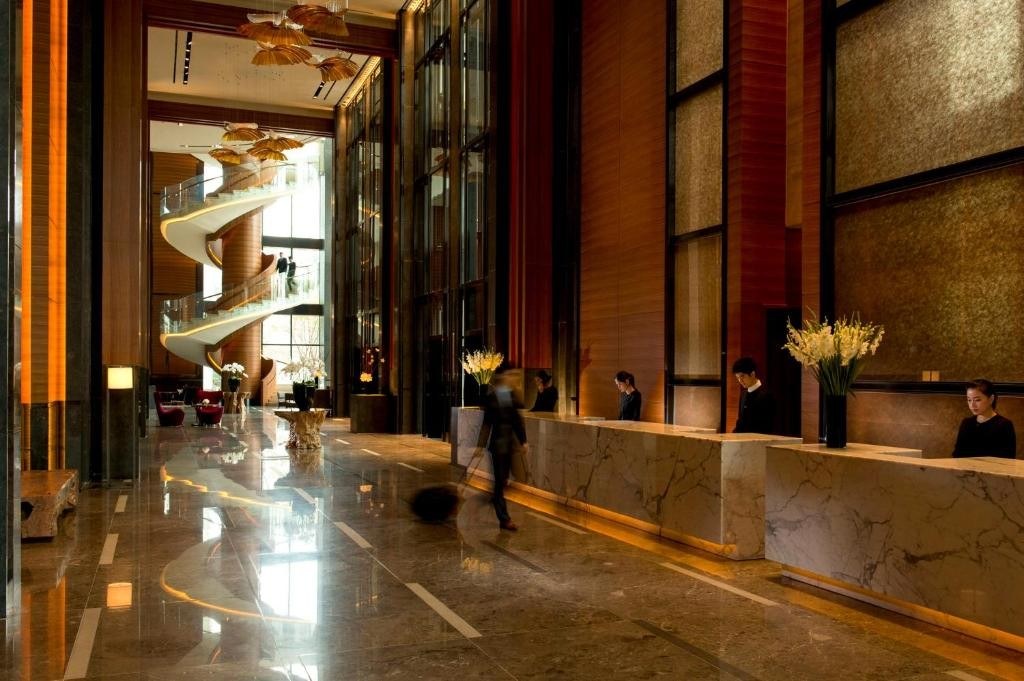
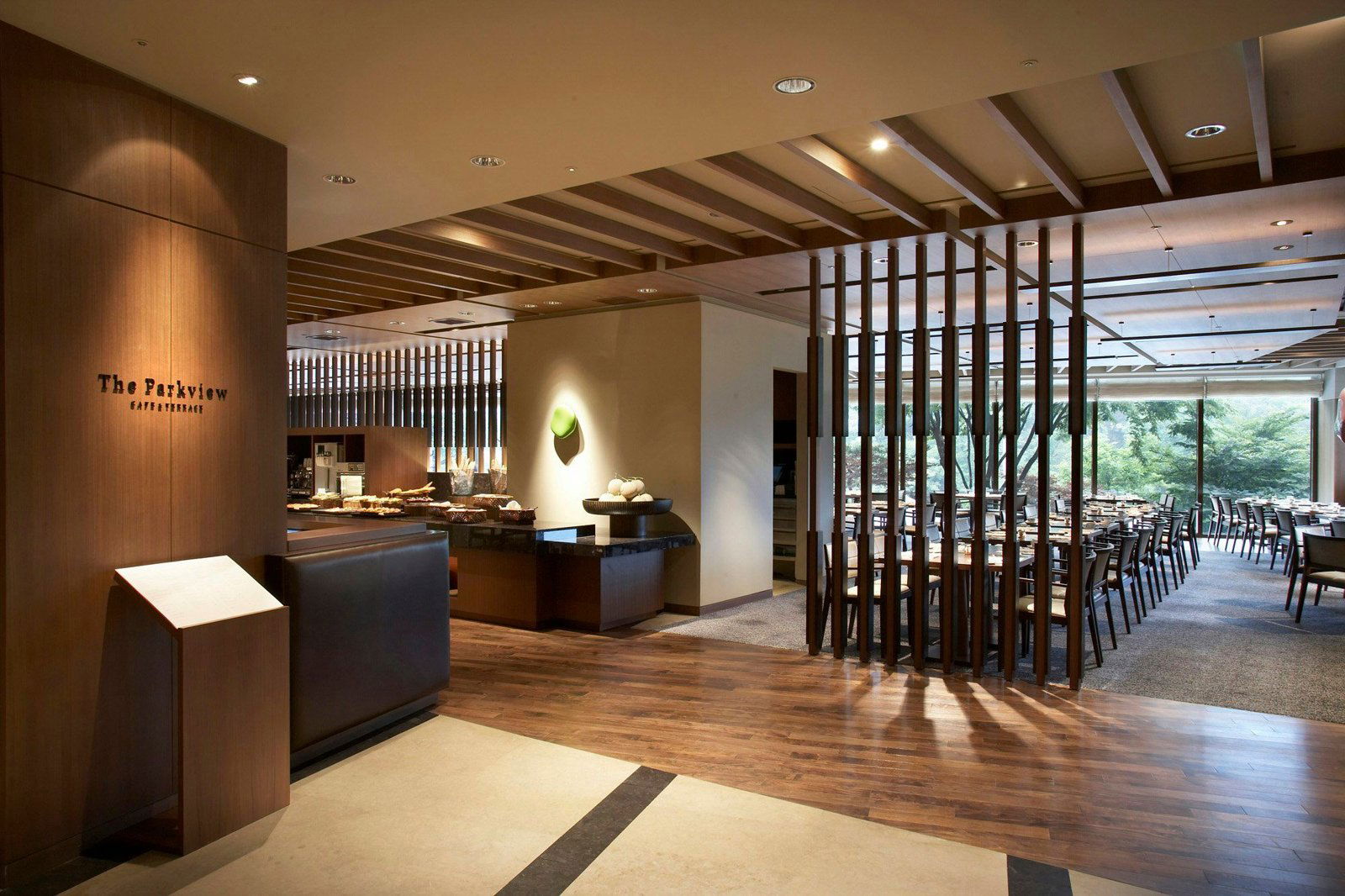
The Shilla Seoul reads as a national grand hotel—an institution rather than an international outpost. It balances tradition and scale: physically anchored behind segments of Seoul's medieval city walls and set against the immediate backdrop of Namsan Mountain, the property communicates a sense of place that recalibrates expectations for first-time visitors. With 464 rooms and public spaces that run from basement retail to rooftop terraces, The Shilla leans into large-scale, ceremonial hospitality rather than boutique minimalism. Membership in Leading Hotels of the World and a high La Liste score underscore its opulent, classic approach to luxury rooted in Korean identity.
Best For
The Shilla is best for travelers who want a fully serviced, high-end Seoul experience grounded in local context. It suits business travelers seeking institutional stature and facilities, couples looking for a polished romantic escape, and groups planning celebrations or destination weddings—its scale and reputation suggest capacity for sizable events. The hotel's proximity to Jangchung-dan Park and Namsan Mountain also makes it appealing to guests who value scenic urban respite and easy access to cultural landmarks, so it's a reliable base for those prioritizing classic luxury and a strong sense of place in the Jung District.
Stay Tips
When booking, ask for a room with views toward Namsan Mountain or Jangchung-dan Park to take advantage of the hotel's immediate natural backdrop. Because the property extends from basement retail up to rooftop terraces, request a higher-floor room or a room specifically designated for park/mountain views if available. If you're planning a celebration or destination wedding, inquire about event availability and capacities early—the hotel's 464-room scale suggests both significant capability and potential demand. Also mention its Leading Hotels affiliation when discussing packages or upgrades to ensure you’re offered appropriate options.
Venue details
Ambiance
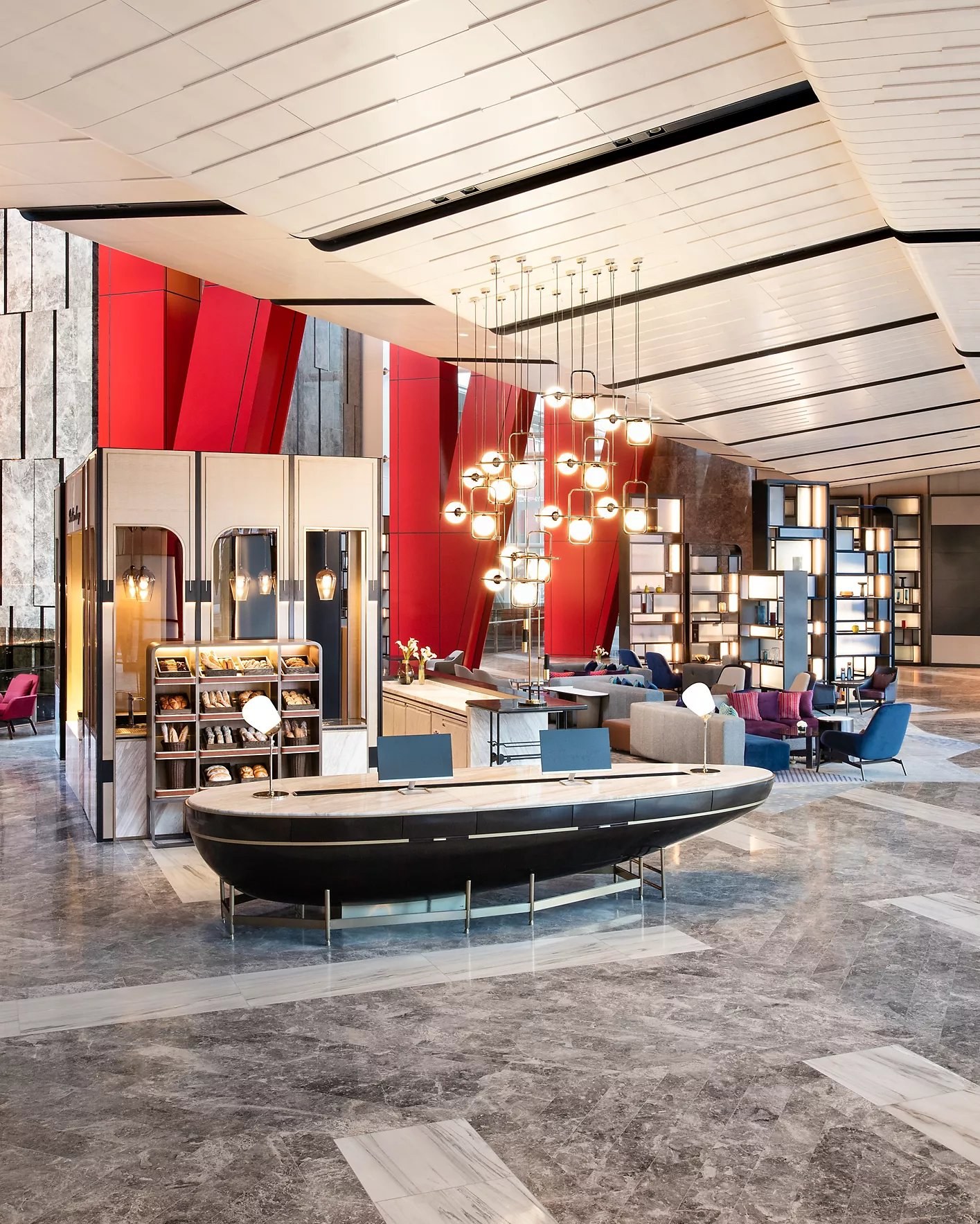
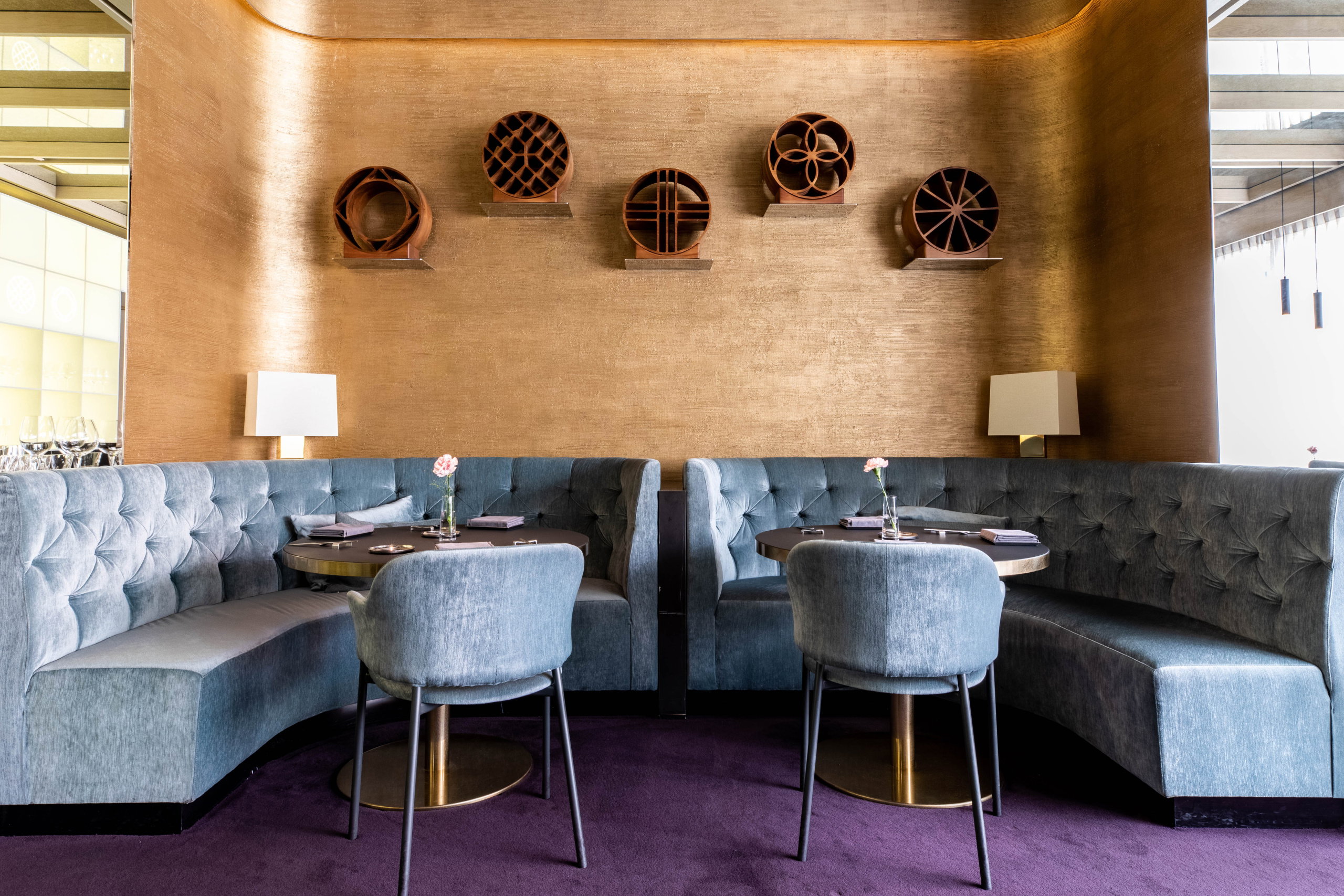
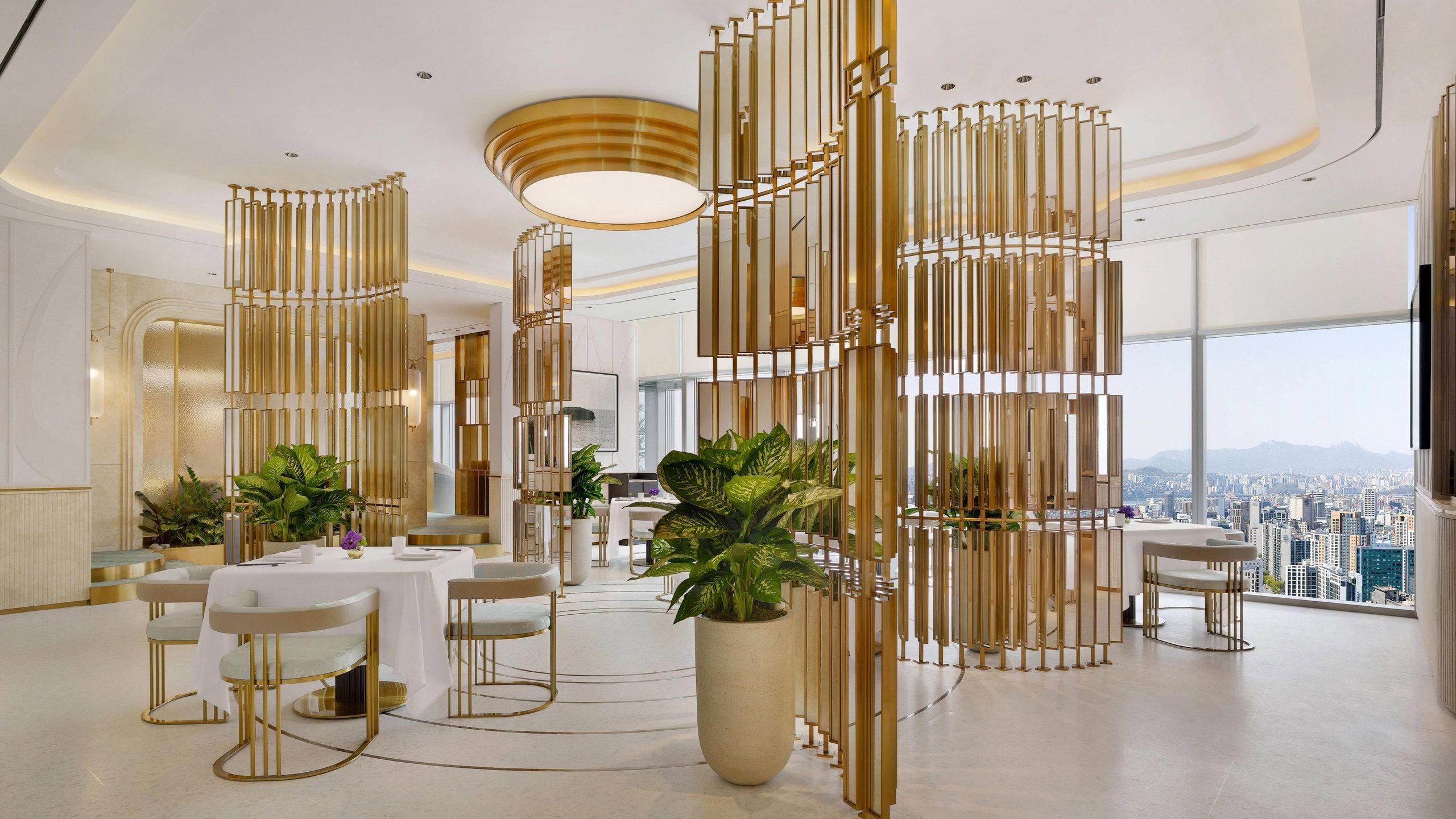
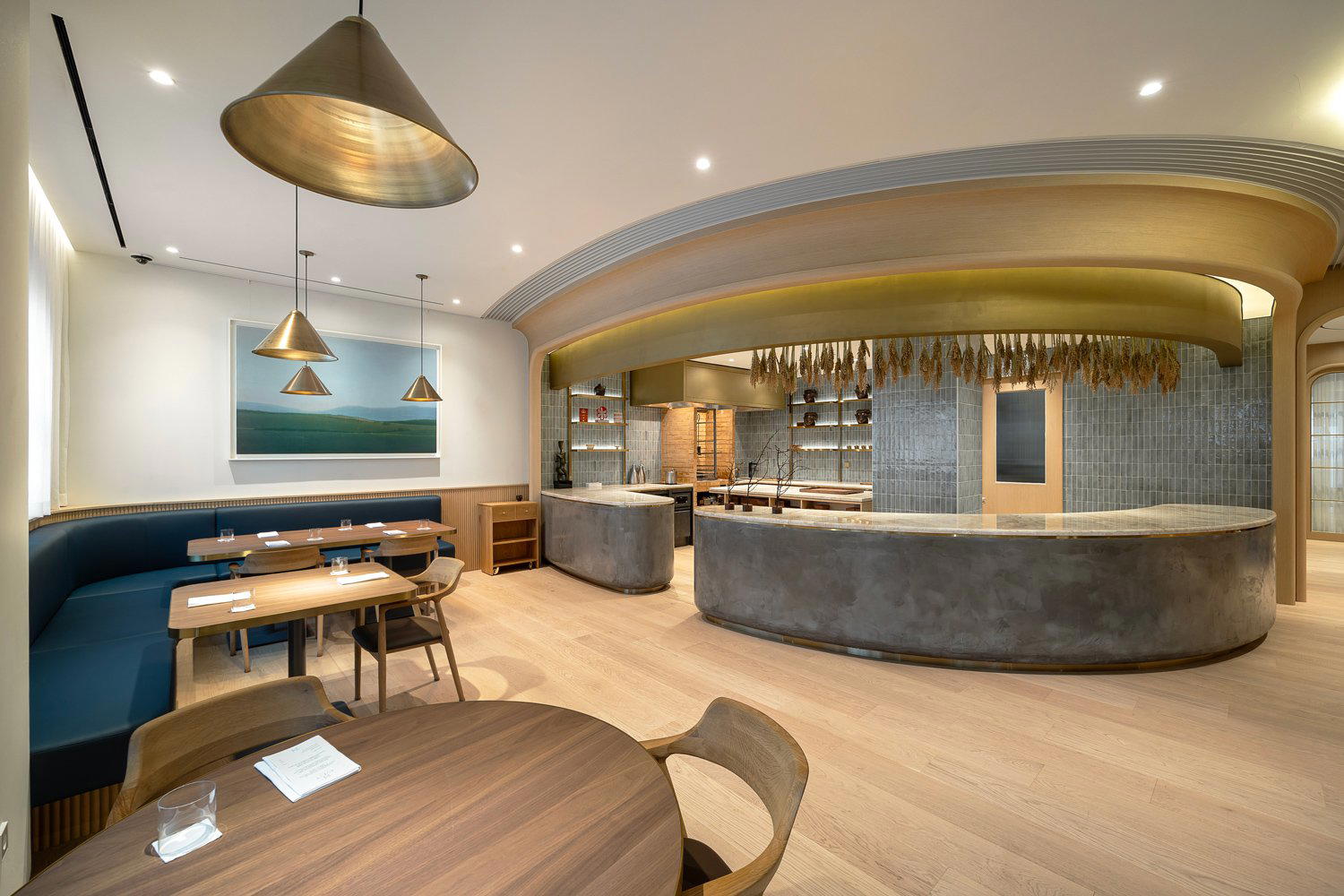
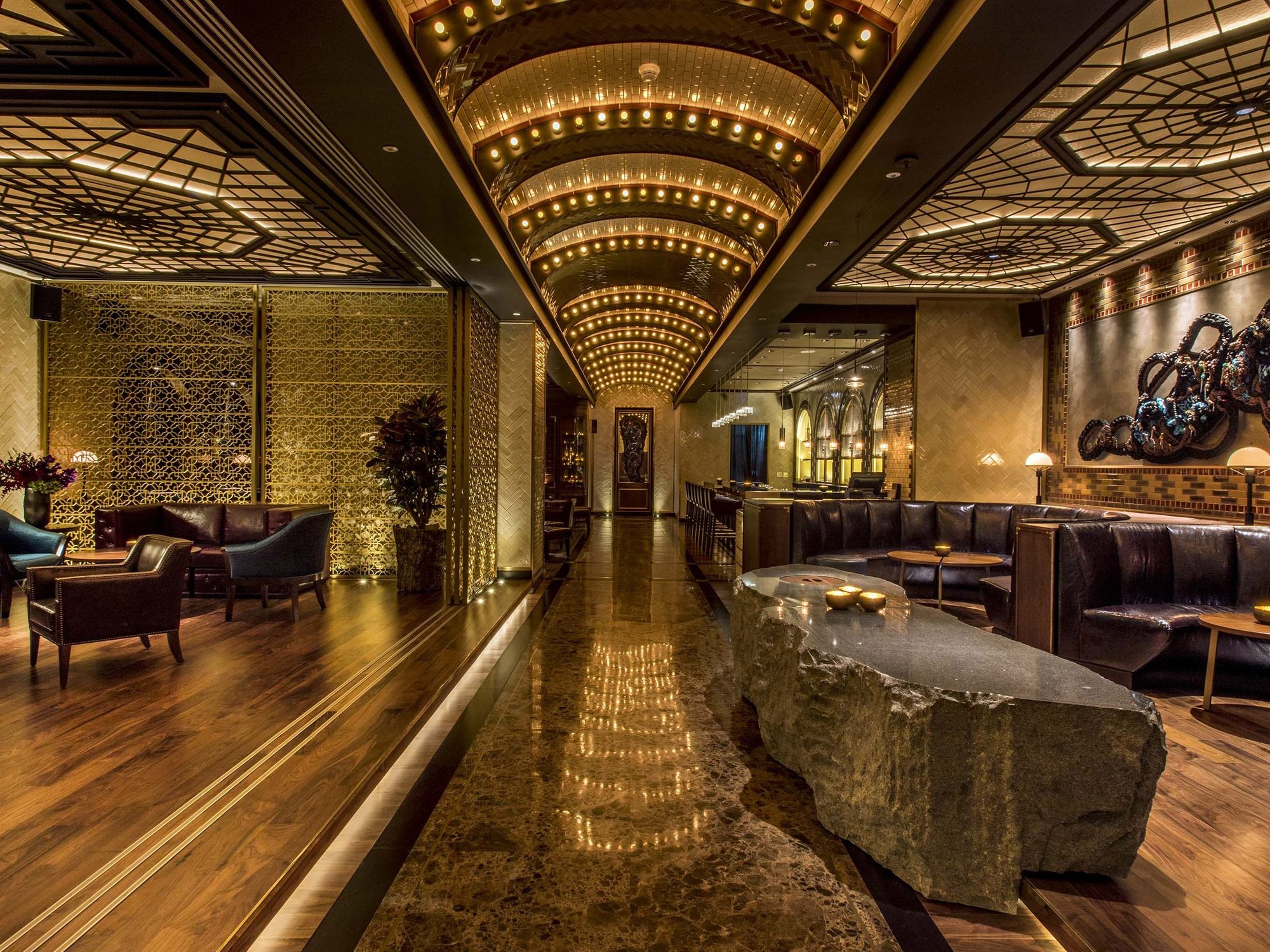
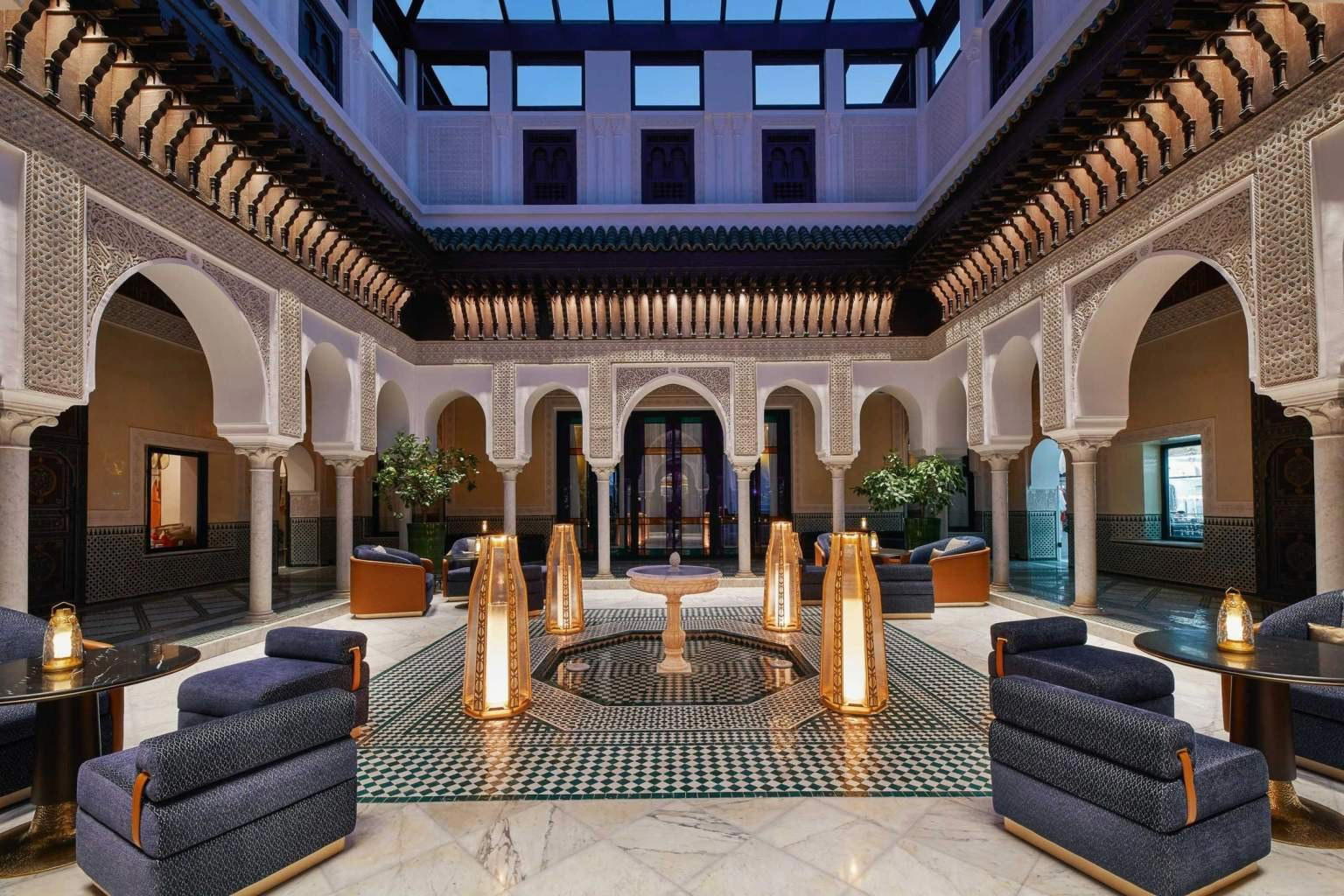
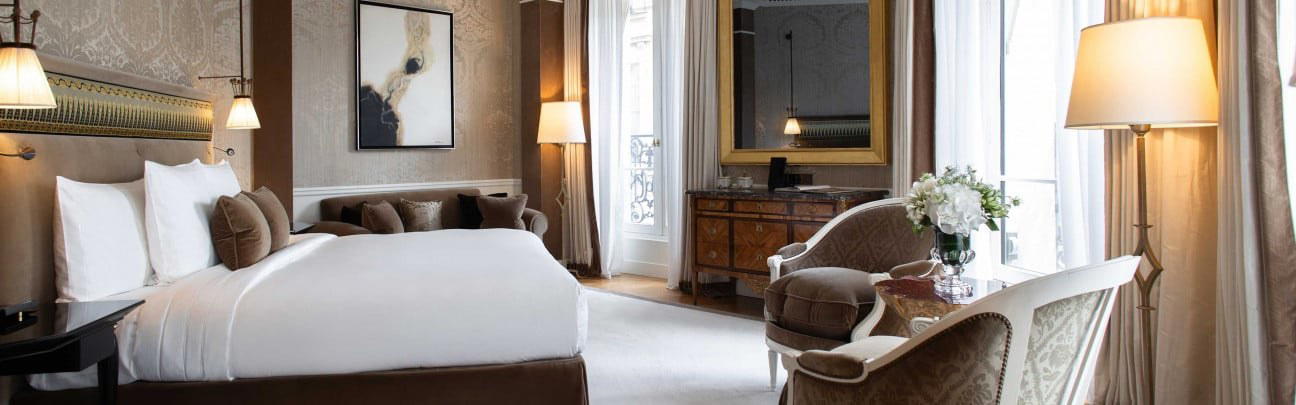
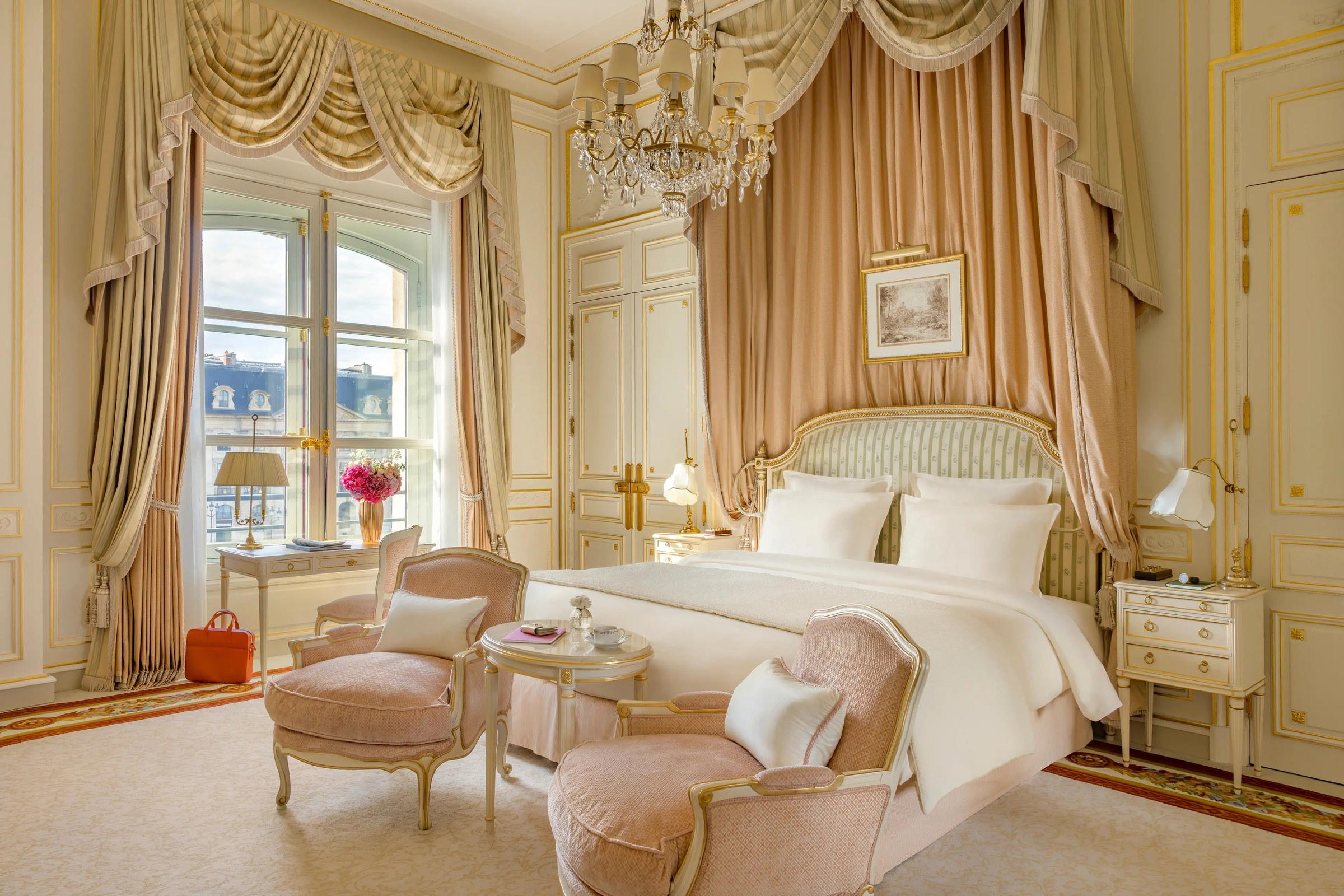
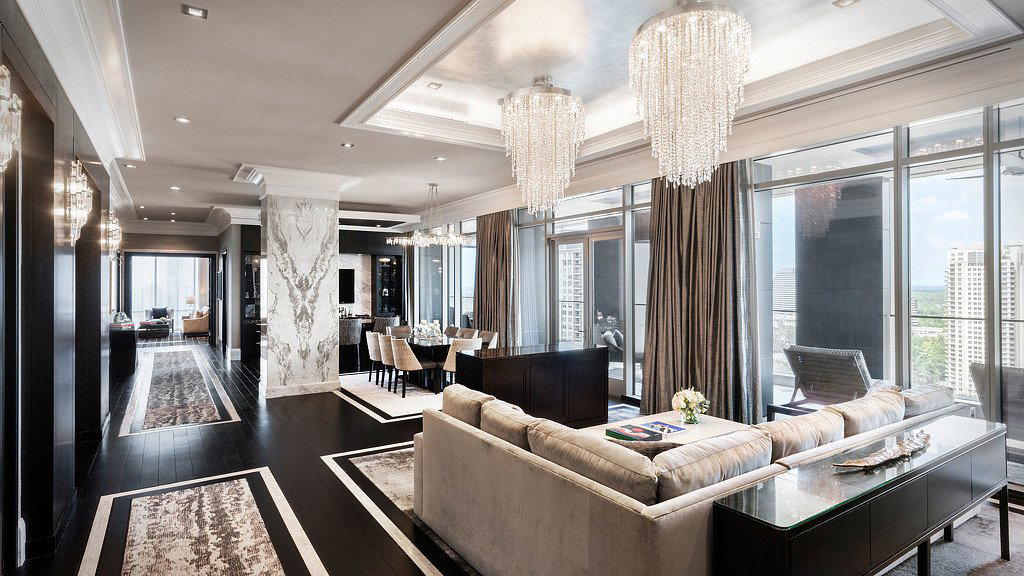
Timeless modern luxury with bright, well-lit spaces featuring premium furnishings, soft ambient lighting in lounges, and serene garden views throughout the property.
Tags
Vibe
Best For
Experience
Amenities
View
Accessibility
About the Stay
- Rooms
- 464
- Check-in
- 15:00
- Check-out
- 11:00
- Property Style
- Contemporary Luxury Hotel with Timeless Modern Design Aesthetic, Blending Korean Hospitality Traditions with International Five Star Standards.
- Design Style
- Minimalist Contemporary with Premium Materials, Featuring 65 Inch Smart Tvs, Rainfall Showers, Designer Furnishings, and Curated Art Throughout 23 Floors.
Know before you go
Know Before You Go
- Getting there
- 249 Dongho-ro, Jung District, Seoul
Planning details
Location
Recognition and awards


Also consider
Also Consider
- Banyan Tree Club & Spa Seoul, Notable alternative
- JW Marriott Dongdaemun Square, Notable alternative
- L7 Myeongdong, Notable alternative
- LOTTE City Hotel Myeongdong, Notable alternative
- Grand Hyatt Seoul, Notable alternative
Hotel context
How it compares in Seoul
Banyan Tree Club & Spa Seoul is the closer cross-shop for travelers prioritizing a resort-like feel and wellness-led pacing. The Shilla Seoul is the cleaner choice for a formal city stay: stronger for business rhythm, hosted meetings, and travelers who want a polished central base rather than a retreat-style setup.
JW Marriott Dongdaemun Square makes more sense if Dongdaemun access is the main priority and the stay is built around shopping, transit, or late movement. The Shilla Seoul is harder to book and more occasion-coded, but it gives a quieter, more composed atmosphere for guests who care about the full check-in-to-check-out experience.
For value-led travelers, L7 Myeongdong and LOTTE City Hotel Myeongdong are the practical alternatives: less ceremony, easier positioning for sightseeing, and a better fit when the hotel is mostly a sleep base. Grand Hyatt Seoul is the broader lifestyle comparison; choose it for a larger hotel feel, and choose The Shilla Seoul when the priority is controlled service and a calmer luxury stay.
Explore Seoul
Around this place
Discover more on Pearl
Unlock the full The Shilla Seoul guide in Pearl, including awards, comparisons, FAQs, planning details, and nearby places.
Compare The Shilla Seoul
| Venue | Location | Awards |
|---|---|---|
| The Shilla Seoul | Seoul | 2026 Forbes 5-StarLeading Hotels of the World 20262026 La Liste Top HotelsMichelin 1 Key 20252025 Michelin 1 Key2025 Forbes 5-Star |
| Banyan Tree Club & Spa Seoul | Seoul | 2026 Forbes Recommended2026 La Liste Top Hotels2025 Michelin Selected Hotels2025 Forbes Recommended |
| JW Marriott Dongdaemun Square | Seoul | No published awards |
| L7 Myeongdong | Seoul | No published awards |
| LOTTE City Hotel Myeongdong | Seoul | No published awards |
| Grand Hyatt Seoul | Seoul | 2026 La Liste Top HotelsWorld Luxury Hotel Awards 20252025 Michelin Selected Hotels |


How The Shilla Seoul compares with similar nearby venues.
FAQ
Frequently Asked Questions
Which room category is best at The Shilla Seoul?
Specific room categories are not identified. Choose based on your budget, party size, and the current room descriptions from the hotel or booking channel. The Shilla Seoul is in Seoul and has Michelin 1 Key recognition for 2025, Leading Hotels of the World membership for 2025, La Liste Top Hotels 2026 recognition at 97.5 points, and Forbes 5-Star recognition for 2026.
How is the pool and spa at The Shilla Seoul?
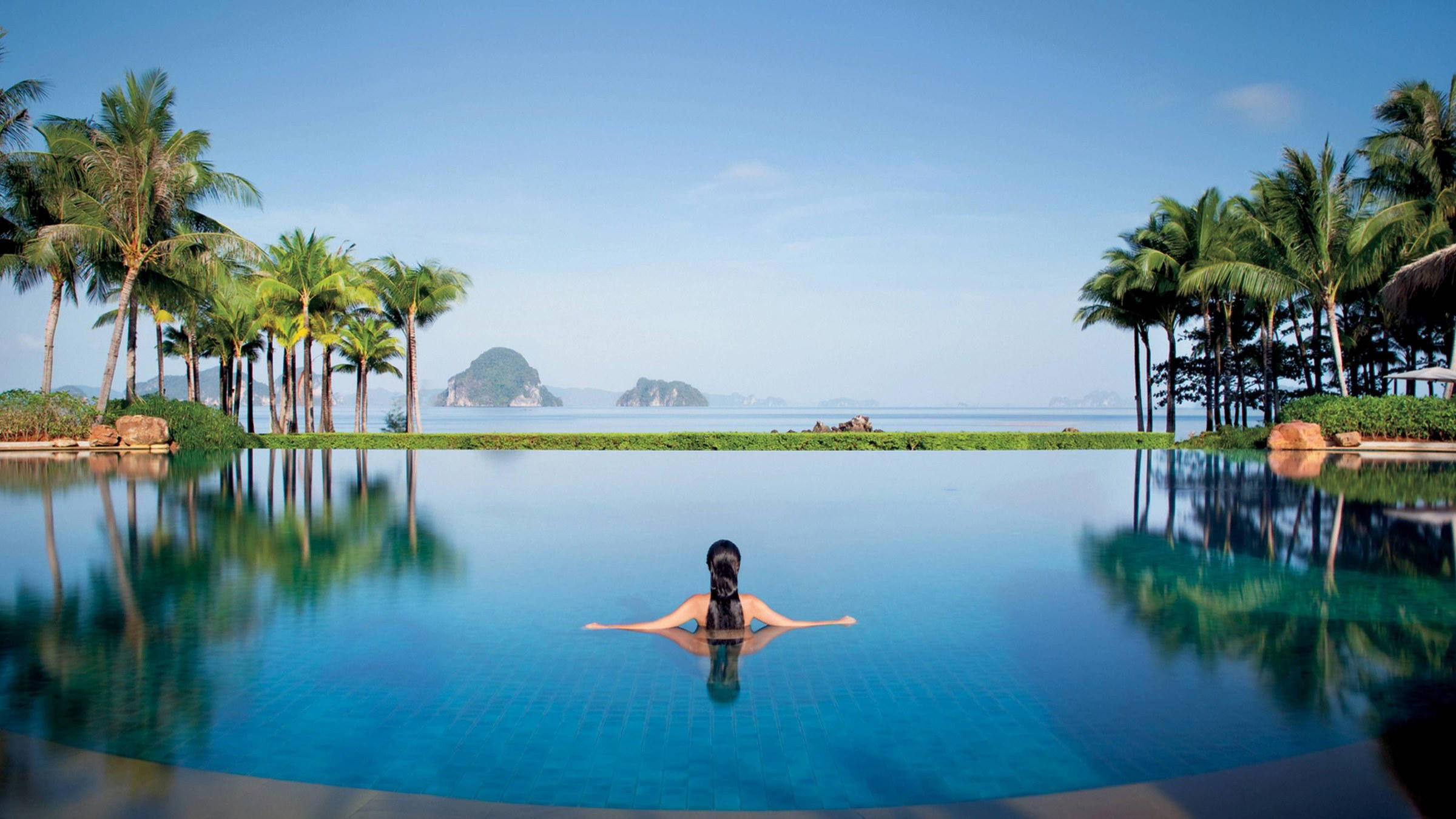
Pool and spa details are not provided. If those facilities are important to your stay, confirm current access, hours, and any booking requirements directly before reserving.
How does The Shilla Seoul compare to other Seoul hotels?
Pick The Shilla Seoul if confirmed luxury recognition is central to the decision. It has Michelin 1 Key recognition for 2025, Leading Hotels of the World membership for 2025, La Liste Top Hotels 2026 recognition at 97.5 points, and Forbes 5-Star recognition for 2026. Travelers comparing other Seoul stays can also look at Banyan Tree Club & Spa Seoul, Grand Hyatt Seoul, JW Marriott Dongdaemun Square, L7 Myeongdong, and LOTTE City Hotel Myeongdong.
Do loyalty programs work at The Shilla Seoul?
The Shilla Seoul is a Leading Hotels of the World member in 2025. Any specific benefits, eligibility rules, or booking-channel requirements should be confirmed directly before booking.
Is The Shilla Seoul good for business travel?
Business-travel facilities, meeting services, or exact location details beyond Seoul are not specified. It may still be a strong candidate for travelers who want a recognized luxury hotel, but business-specific needs should be checked directly before booking.