




Zero Complex
Korean-French, Innovative · 서빙고, Seoul
Restaurant in Seoul, South Korea
 Book with Pearl
The Read
Korean-French Precision Dining
Price
$100–150per person
Chef
Choonghu Lee
Dress
Smart Casual
Why go
Zero Complex holds one Michelin star and an OAD Asia Top 200 ranking for 2025, with Chef Choonghu Lee applying French bistro technique to Korean ingredients at ₩₩₩₩. Book four to six weeks out minimum: this is a Hard reservation. The Korean-French approach is precise and ingredient-led, making it the right call for food-focused diners who want technical depth over tradition.
About Zero Complex
Zero Complex, Seoul: Pearl Verdict
Book Zero Complex if you want one of Seoul's most technically precise Korean-French kitchens, backed by a Michelin star and a place in the Opinionated About Dining Asia Top 200 for 2025. This is not the easiest table to secure in Yongsan-gu, and the ₩₩₩₩ price point demands commitment, but for food-focused diners the kitchen's control over texture, smoke, and fermented flavour profiles puts it ahead of most peers in the same tier. If your priority is traditional Korean fine dining, Onjium is the stronger call. If you want innovation at a lower price, consider L'Amitié instead. But for the specific intersection of French technique and Korean ingredient logic, Zero Complex is where Seoul does it leading at this level.
The Kitchen and What It Does Well
Chef Choonghu Lee's approach sits at an interesting technical crossroads. The kitchen applies French bistro discipline to Korean produce, and the results are dishes that read as visually precise and ingredient-led rather than fusion-for-its-own-sake. One of the restaurant's most cited signatures involves Pacific geoduck served alongside chewy barley, sea spaghetti, and a sea mustard mousse: a construction that foregrounds the geoduck's texture and the smoky depth of sea mustard, two qualities that a lesser kitchen would smooth over. That kind of restraint, letting a single ingredient carry its own aromatics, is the signature of a kitchen that understands both its French training and its Korean pantry.
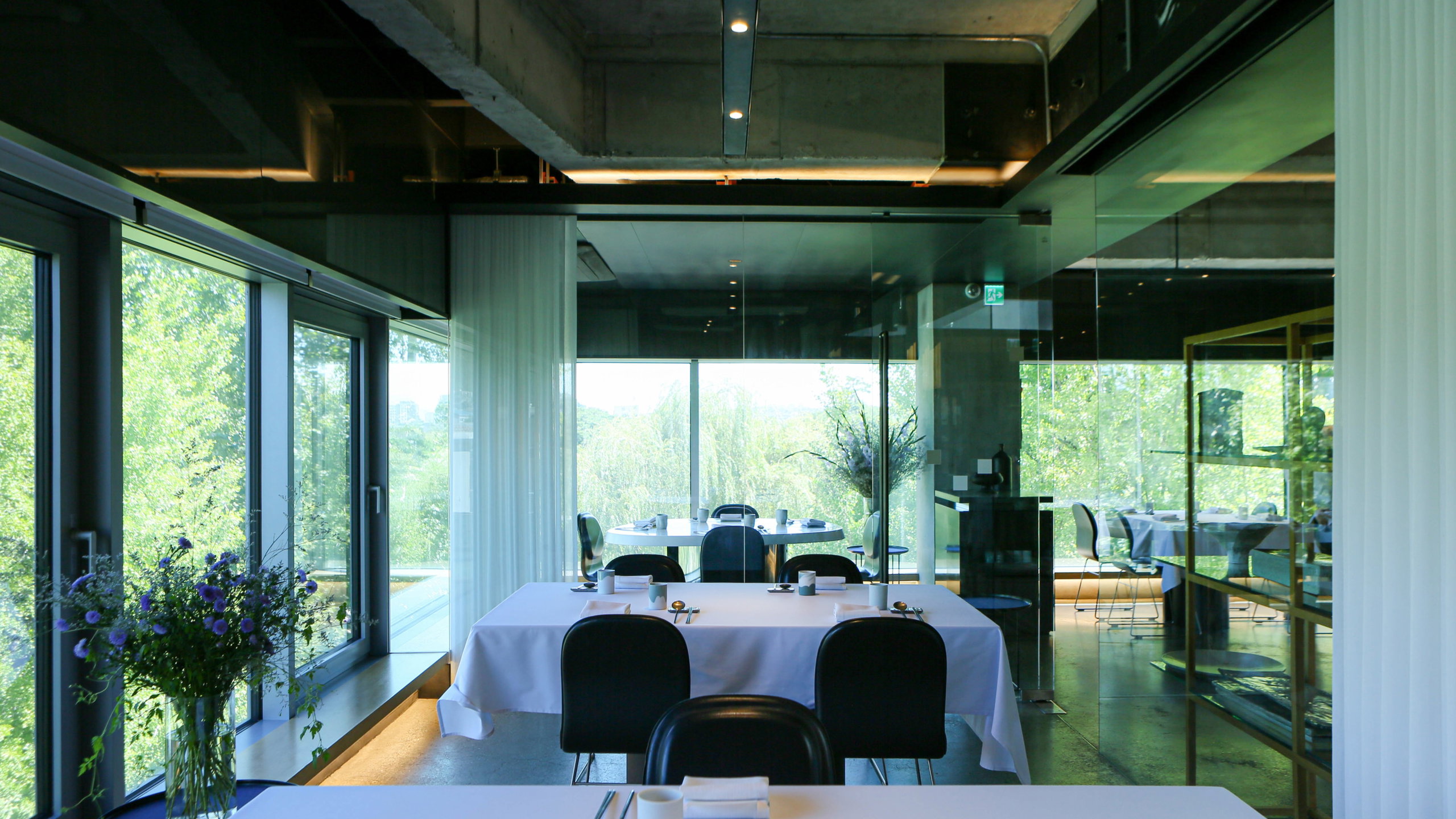
The restaurant relocated twice before landing at its current address in Seobinggo-dong, a quieter residential pocket of Yongsan-gu. Each move came with a deliberate reduction in covers to tighten quality control. That decision, fewer tables, more focus, is worth knowing before you book, because it explains both the difficulty of getting a reservation and the consistency of the experience once you do. The dining room overlooks a garden, and on the right visit the ambient quality of the space adds a layer of calm that the food rewards.
The scent register here tilts toward smoke and fermentation before sweetness, sea vegetables, cured ingredients, and the char of carefully handled protein are the kitchen's recurring aromatic signatures. If you are expecting a French-leaning room that leans on butter and cream, recalibrate. The Korean ingredient base is doing structural work, not decorative work.
Awards and Recognition
Zero Complex holds one Michelin star as of 2024. It ranked #199 in Opinionated About DiningAsia list for 2025, up from #279 in 2024 and a Recommended listing in 2023, a consistent upward trajectory that signals the kitchen is performing better, not coasting. La Liste scored the restaurant at 77 points in 2026 (78 in 2025). Taken together, these credentials place Zero Complex in a credible mid-tier of Seoul's serious tasting-menu circuit, below the two-star ceiling but well above the noise floor. For context, Mingles and Jungsik represent the higher end of the Seoul fine-dining credential stack; Zero Complex sits a step below in formal recognition but is gaining ground.
Getting There and Booking
The address, 11-8 Seobinggo-ro 59-gil, Yongsan-gu, is in the Seobinggo-dong area near Hoehyeon Station, set within the Piknic lifestyle complex. The neighbourhood is quiet and residential, and the restaurant is genuinely harder to locate than most GPS directions suggest. Allow extra time on your first visit. The restaurant is closed Mondays. Lunch runs 12 PM to 3:30 PM, dinner 6 PM to 10:30 PM, Tuesday through Sunday. Lunch seatings at ₩₩₩₩ tasting-menu restaurants in Seoul are often slightly easier to book than dinner, and worth considering if you want the same kitchen at a potentially lower booking threshold.
Booking difficulty is rated Hard. Given the Michelin star, the reduced cover count, and the OAD ranking momentum, reservations fill well in advance. Book as early as your planning horizon allows, four to six weeks minimum is a reasonable working assumption, and further out is better for weekend dinner. For solo diners, counter or bar seating sometimes opens closer to the date; it is worth checking for cancellations.
For more options across the city, see our full Seoul restaurants guide, and if you are planning around a longer trip, our Seoul hotels guide, bars guide, and experiences guide are worth a look. You might also consider Soigné or Kwonsooksoo as alternatives on the same trip.
Quick reference: Michelin 1 Star, OAD Asia #199 (2025), ₩₩₩₩, Tuesday–Sunday lunch and dinner, Monday closed, Seobinggo-dong, Yongsan-gu, booking difficulty: Hard.
How It Compares
Among Seoul's ₩₩₩₩ tasting-menu restaurants, Zero Complex occupies a specific niche: French-trained technical precision applied to Korean ingredients. Solbam operates in a contemporary register with strong local produce credentials but without the French technique overlay that defines Zero Complex's kitchen logic. If Korean seasonal produce is your primary interest, Solbam may resonate more. Onjium is the stronger choice for diners who want traditional Korean cuisine at its most rigorous, the depth of research into historical Korean food culture there is not something Zero Complex attempts to replicate.
7th Door shares the Korean-contemporary space and is worth comparing directly if you are deciding between two ₩₩₩₩ bookings on the same trip. Zero Complex edges ahead on French technique integration; 7th Door may be easier to book depending on the season. alla prima brings a different kind of innovation, more experimental, less rooted in a specific national tradition, and is worth considering if you want something less anchored to the Korean-French axis.
L'Amitié is the practical alternative for diners who want French-influenced fine dining in Seoul at ₩₩₩ rather than ₩₩₩₩. It will not deliver the same ingredient depth or OAD recognition, but the value gap is real. If you are weighing one high-commitment Seoul booking, Zero Complex justifies the price over L'Amitié for anyone who wants the full tasting-menu format with Michelin-level execution. For two bookings, the combination of Zero Complex plus L'Amitié as a lighter lunch covers different ground efficiently.
Planning details
- Hours
- Monday: closed · Tuesday: 12 PM-3:30 PM 6 PM-10:30 PM
- Location
- 11-8 Seobinggo-ro 59-gil, Yongsan-gu, Seoul, 04384, South Korea
- Website
- catchtable.net/shop/zerocomplex
- Phone
- +82 2-532-0876
The take
The Take
The Vibe
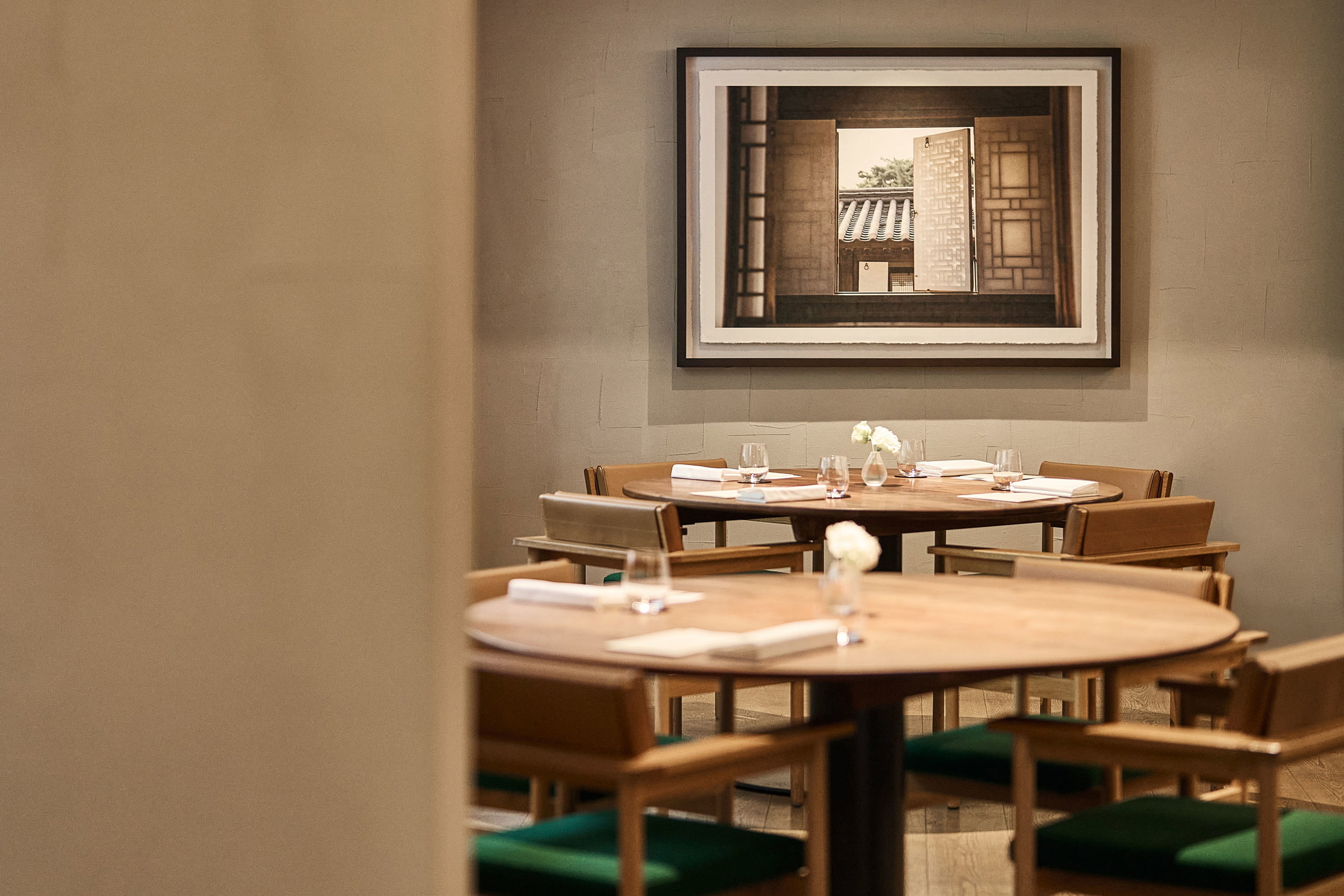
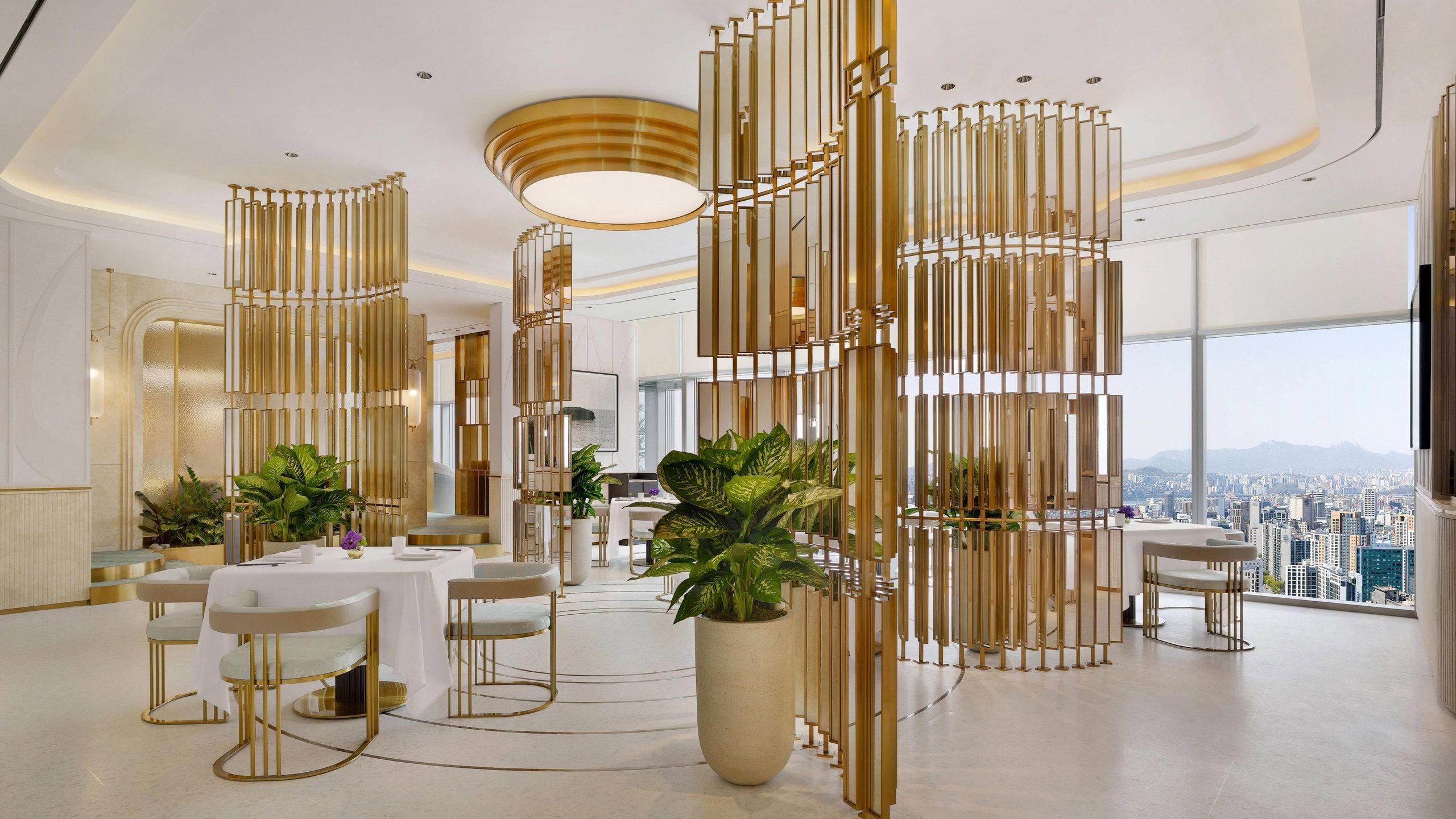
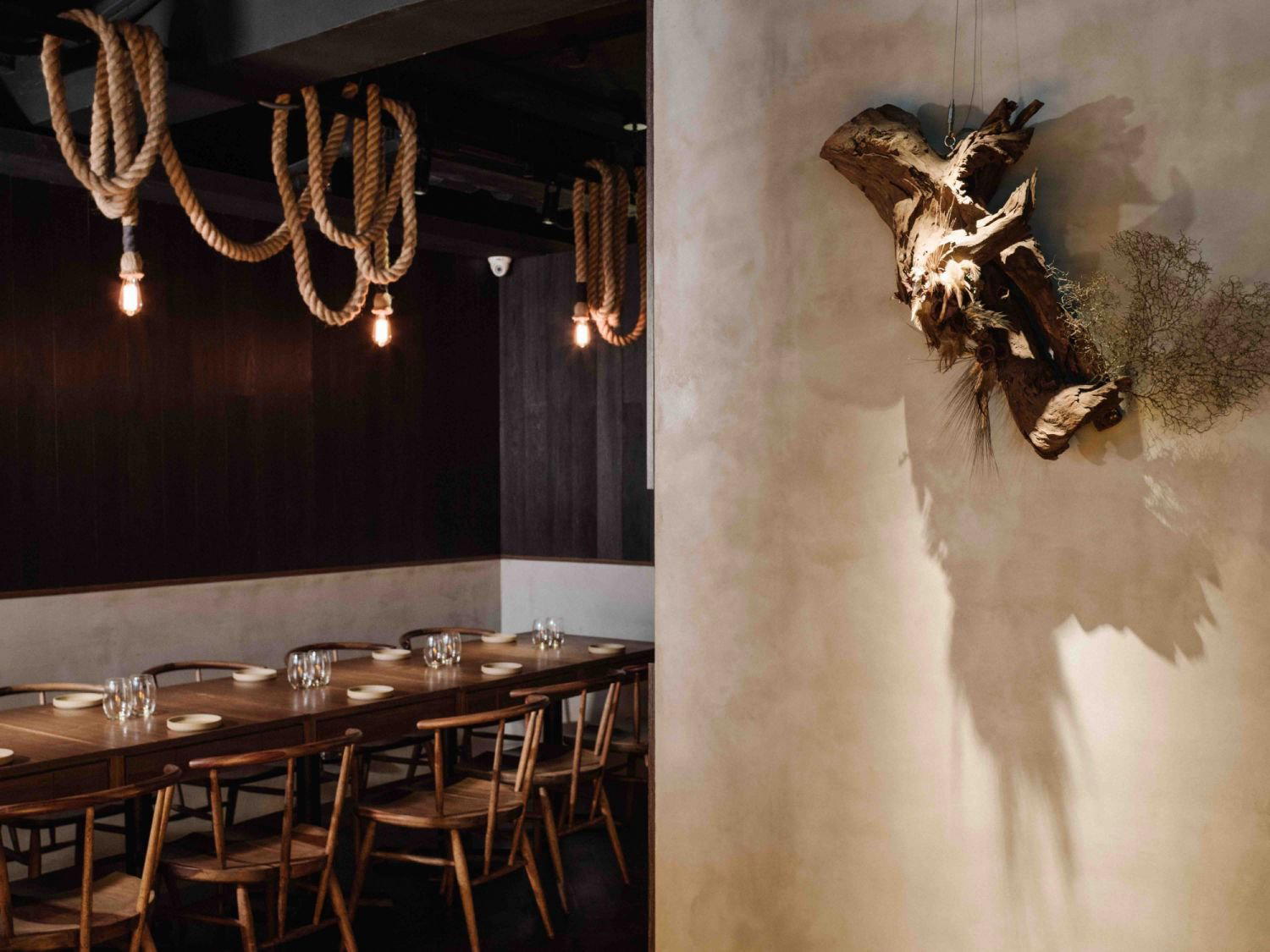
Zero Complex presents a quiet, garden-facing take on Seoul’s Korean-French scene. The dining room sits within a residential pocket of Seobinggo-dong and deliberately avoids the bustle and prestige-facing visibility of central neighborhoods. The result is a scenic, charming room that foregrounds the cooking: technical French discipline tempered by Korean ingredients, delivered in a neo-bistro format that favors seriousness over ceremony. The atmosphere reads intimate and restrained rather than theatrical, making the garden view and the plated work the main points of attention.
Best For
Zero Complex is best suited to diners seeking an elevated, course-driven experience in a quieter setting. It sits alongside Seoul’s fine-dining Korean-French tier but opts for a neo-bistro approach, so guests come for disciplined technique and ingredient-led plates rather than spectacle. The restaurant’s garden-facing room makes it a strong choice for thoughtful date nights and special-occasion dinners where the food, rather than the address or view of the skyline, is the focus.
Ordering Tips
Let the kitchen’s plate-first philosophy guide your choices: the restaurant earns its audience through the plates, and the menu prioritizes course-driven precision. Make a point of trying signature items highlighted by the kitchen, especially the Pacific geoduck with sea mustard mousse mentioned as a standout, so you can taste how French technique and Korean ingredients are being balanced in the neo-bistro format.
Venue details
Ambiance
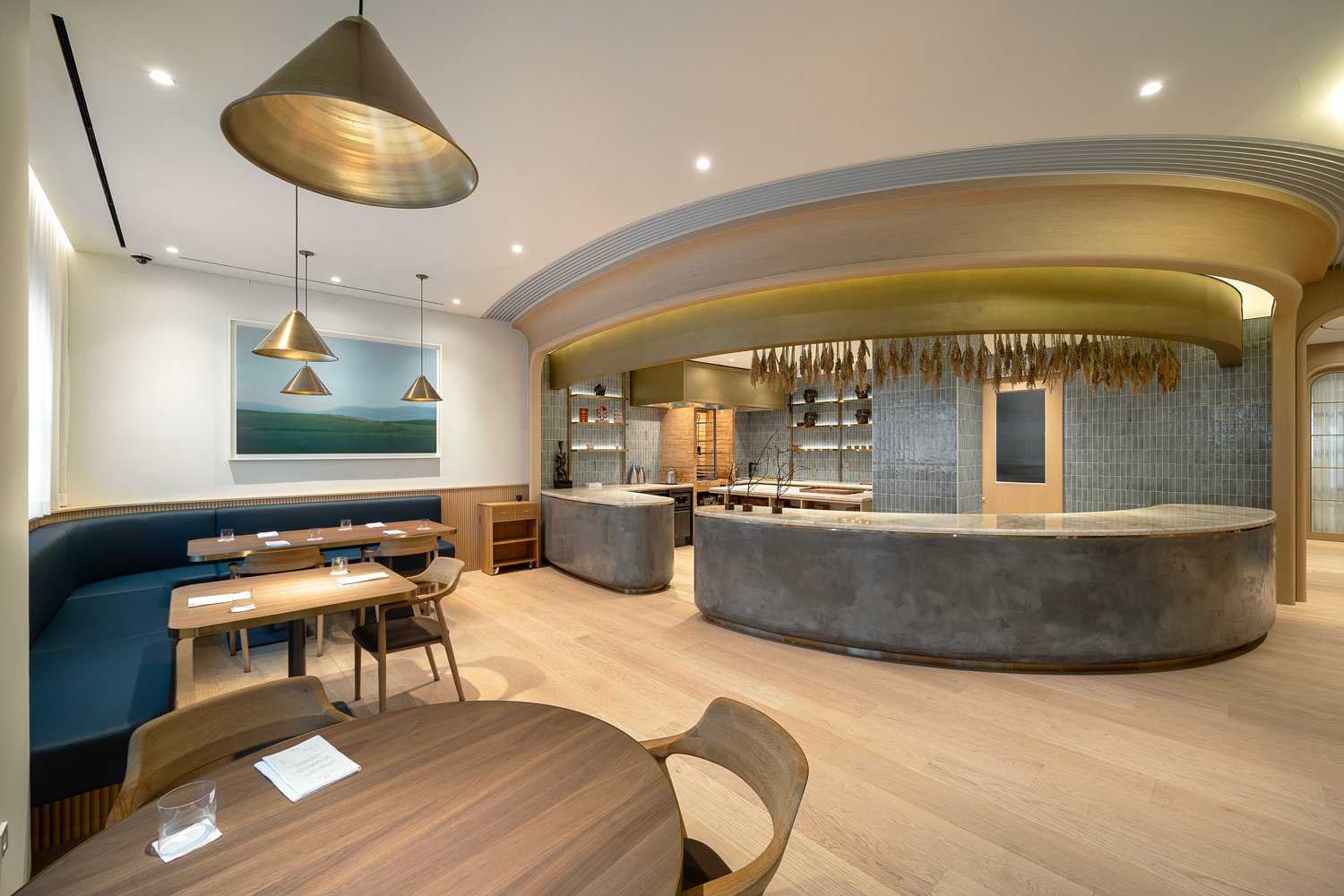
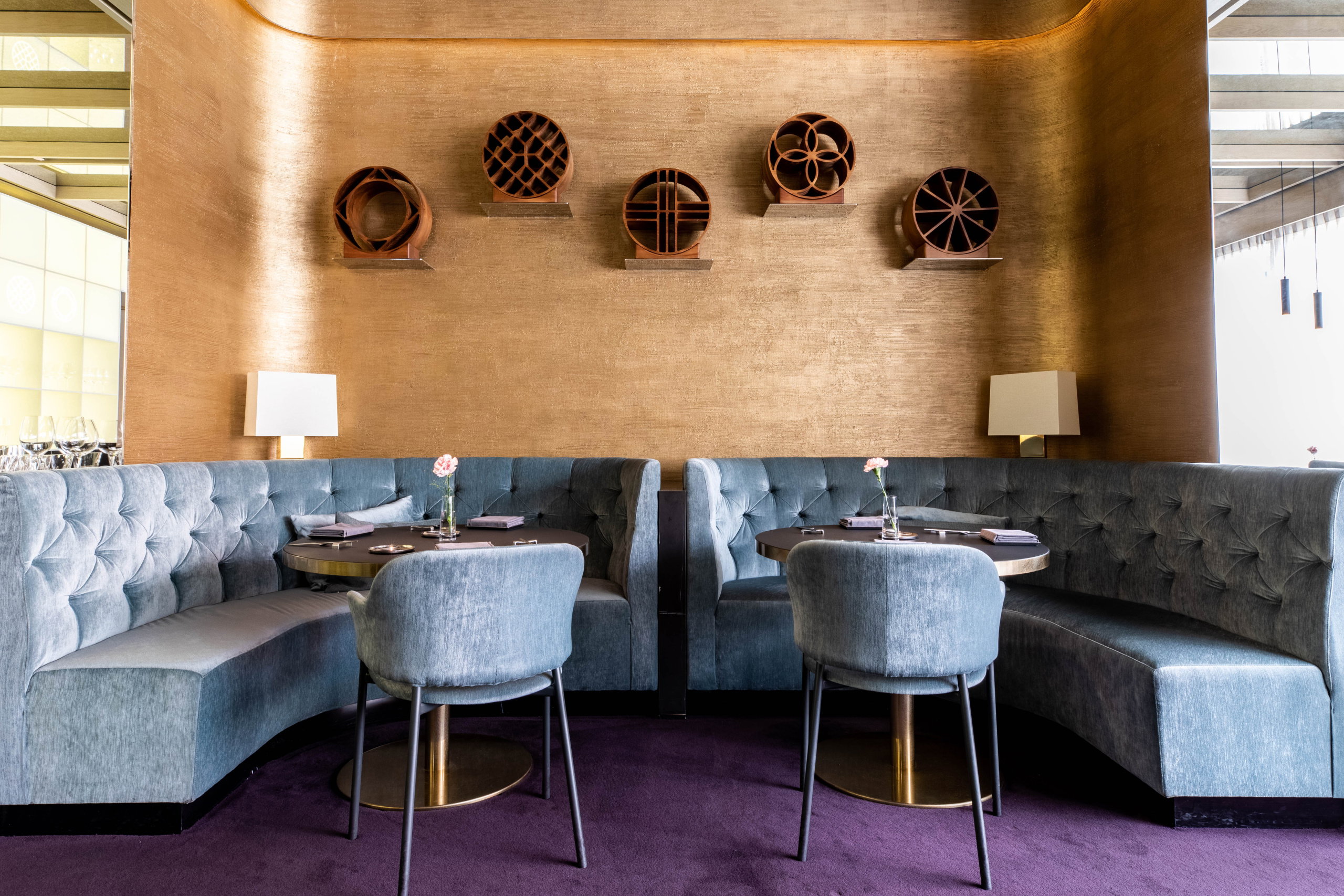
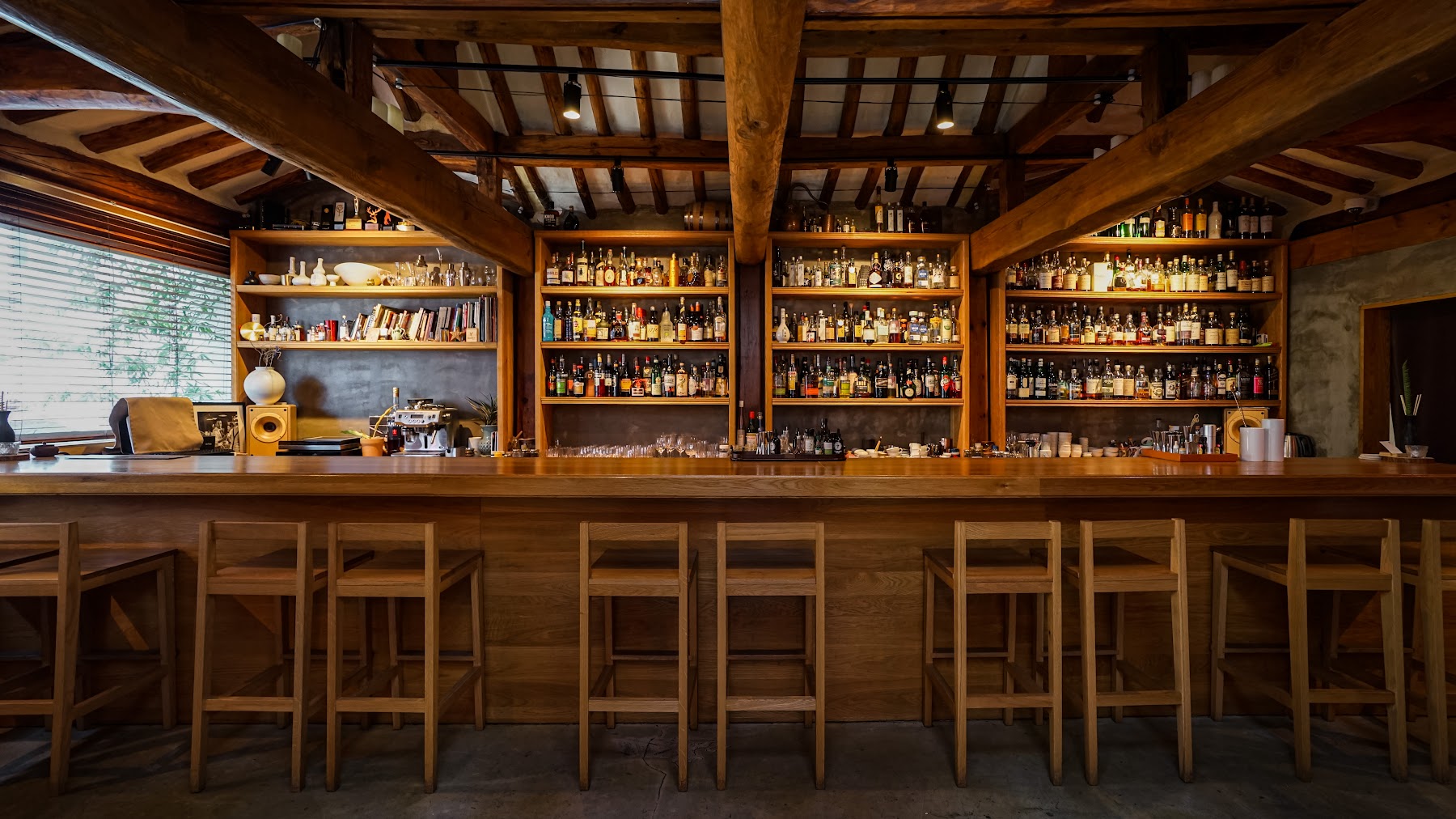
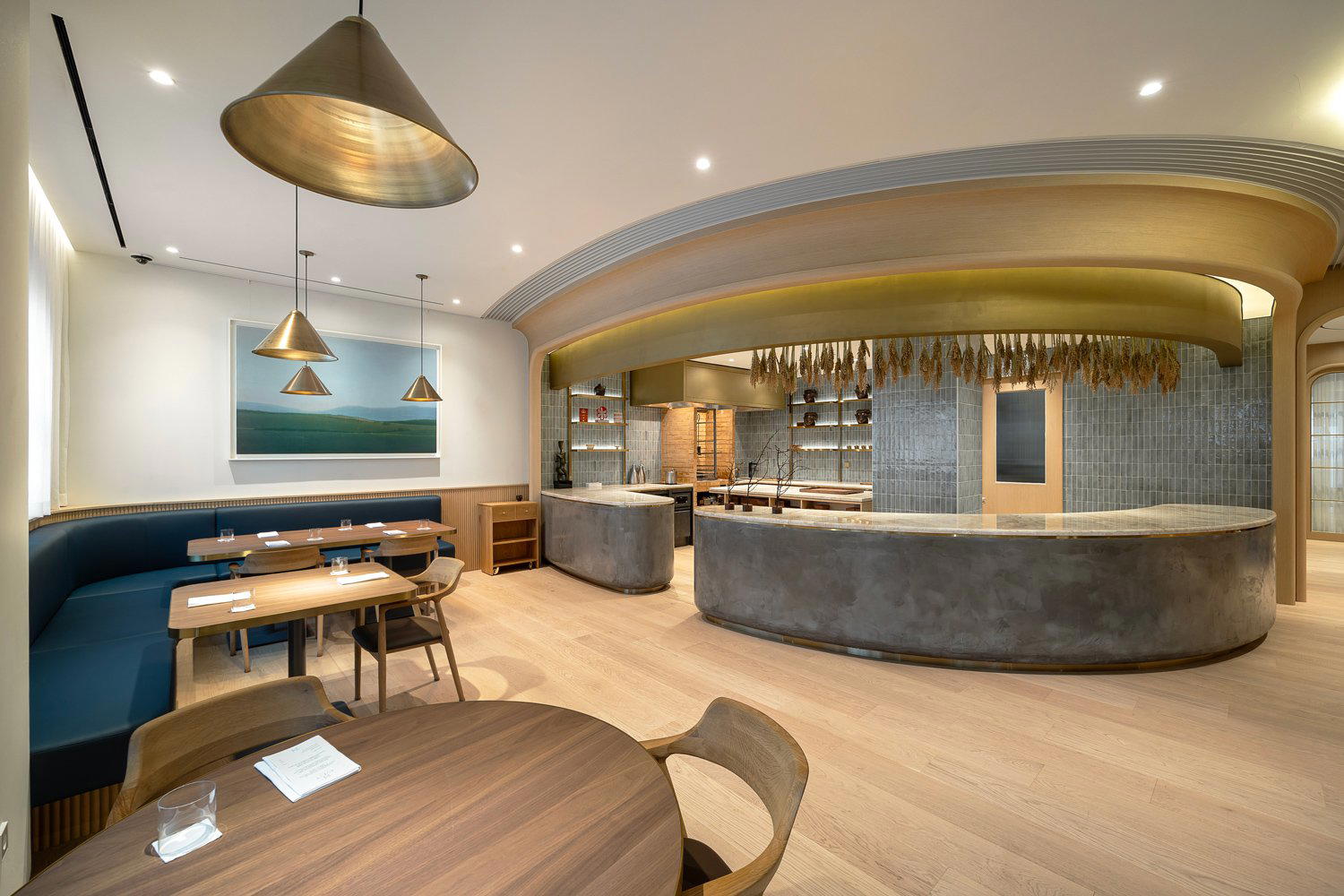
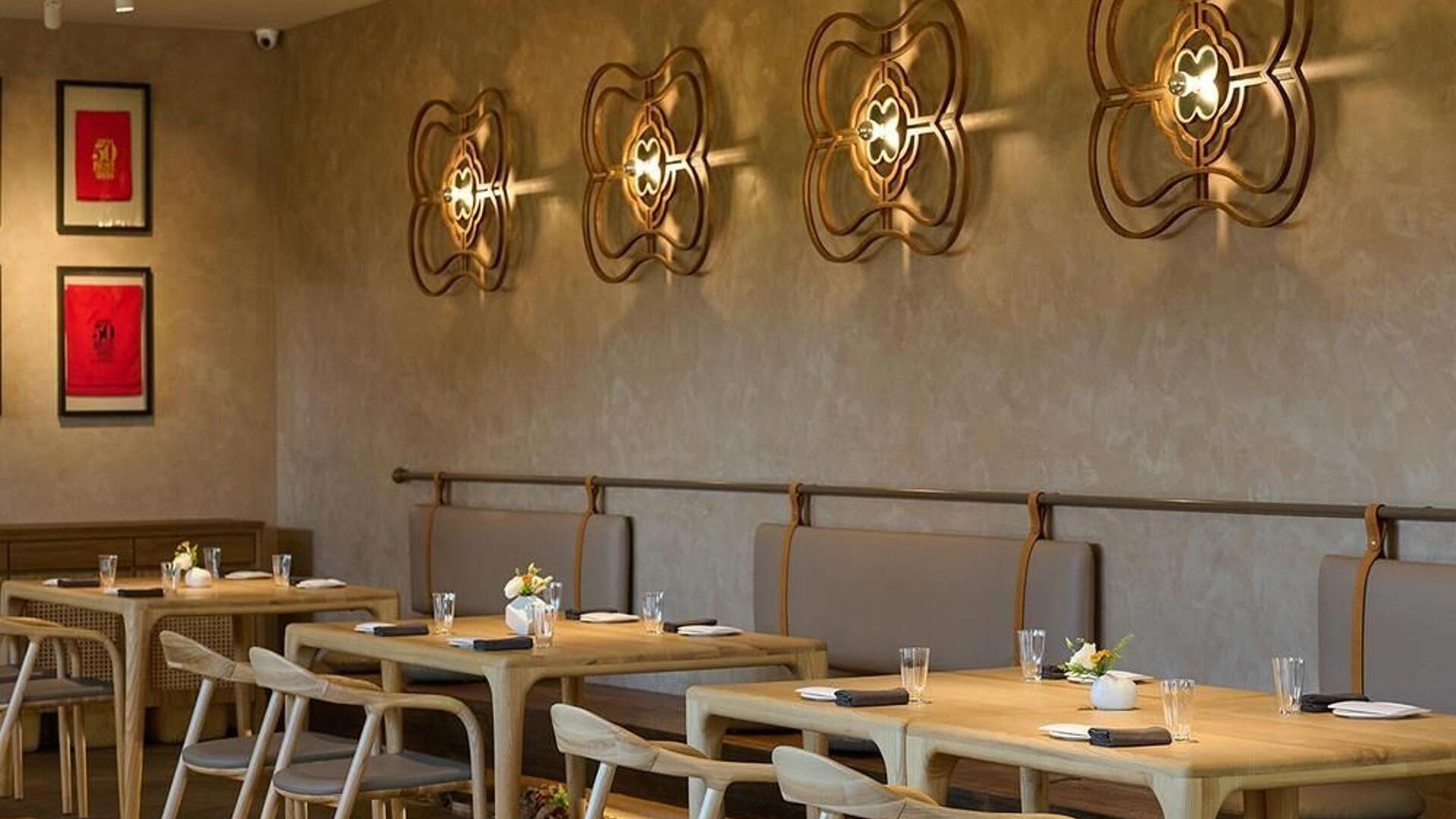
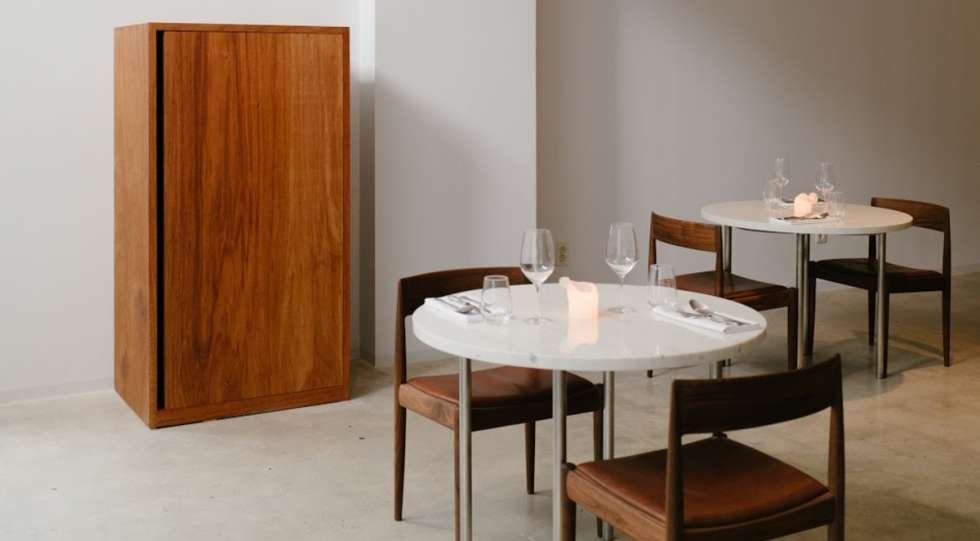
Stripped-back dining room with white tables, wooden chairs, ample space between tables, and a quiet garden view, creating a serene and minimalist atmosphere.
Tags
Vibe
Best For
Experience
Sourcing
View
At the Table
- Dress Code
- Smart Casual
- Noise Level
- Quiet
- Service Style
- Formal
- Meal Pacing
- Leisurely
- Capacity
- Intimate
- Kitchen
- Modern
- Menu Format
- Tasting menu
- Drinks Focus
- Natural wine
- Dietary
- Vegetarian friendly
Signature Dishes
Pacific geoduck with sea mustard mousse
Know before you go
Know Before You Go
- Getting there
- 11-8 Seobinggo-ro 59-gil, Yongsan-gu, Seoul, 04384, South Korea
Planning details
Hours
- Monday
- closed
- Tuesday
- 12 PM-3:30 PM 6 PM-10:30 PM
- Wednesday
- 12 PM-3:30 PM 6 PM-10:30 PM
- Thursday
- 12 PM-3:30 PM 6 PM-10:30 PM
- Friday
- 12 PM-3:30 PM 6 PM-10:30 PM
- Saturday
- 12 PM-3:30 PM 6 PM-10:30 PM
- Sunday
- 12 PM-3:30 PM 6 PM-10:30 PM
Location
11-8 Seobinggo-ro 59-gil, Yongsan-gu, Seoul, 04384, South Korea · Directions
Recognition and awards




Also consider
Also Consider
- Solbam: Contemporary, ₩₩₩₩
- Onjium: Korean, ₩₩₩₩
- 7th Door: Korean, Contemporary, ₩₩₩₩
- L'Amitié: French, ₩₩₩
- alla prima: Innovative, ₩₩₩₩
Restaurant context
Among Seoul's ₩₩₩₩ tasting-menu restaurants, Zero Complex occupies a specific niche: French-trained technical precision applied to Korean ingredients. Solbam operates in a contemporary register with strong local produce credentials but without the French technique overlay that defines Zero Complex's kitchen logic. If Korean seasonal produce is your primary interest, Solbam may resonate more. Onjium is the stronger choice for diners who want traditional Korean cuisine at its most rigorous: the depth of research into historical Korean food culture there is not something Zero Complex attempts to replicate.
7th Door shares the Korean-contemporary space and is worth comparing directly if you are deciding between two ₩₩₩₩ bookings on the same trip. Zero Complex edges ahead on French technique integration; 7th Door may be easier to book depending on the season. alla prima brings a different kind of innovation, more experimental, less rooted in a specific national tradition, and is worth considering if you want something less anchored to the Korean-French axis.
L'Amitié is the practical alternative for diners who want French-influenced fine dining in Seoul at ₩₩₩ rather than ₩₩₩₩. It will not deliver the same ingredient depth or OAD recognition, but the value gap is real. If you are weighing one high-commitment Seoul booking, Zero Complex justifies the price over L'Amitié for anyone who wants the full tasting-menu format with Michelin-level execution. For two bookings, Zero Complex at dinner plus L'Amitié as a lighter lunch covers different ground efficiently.
Explore Seoul
Around this place
Discover more on Pearl
Unlock the full Zero Complex guide in Pearl, including awards, comparisons, FAQs, planning details, and nearby places.
Compare Zero Complex
| Venue | Cuisine | Price | Awards | Booking Difficulty |
|---|---|---|---|---|
| Zero Complex | Korean-French, Innovative | ₩₩₩₩ | Star Wine Lists 20262026 OAD Top Restaurants in Asia Recommended2026 La Liste Top Restaurants2025 OAD Top Restaurants in Asia Ranked · #1992025 La Liste Top Restaurants2025 Michelin 1 Star2025 The Best Chef One Knife2024 OAD Top Restaurants in Asia Ranked · #2792024 Michelin 1 Star | Hard |
| Solbam | Contemporary | ₩₩₩₩ | 2026 Asia's 50 Best Restaurants · #552026 Wine Spectator Best of Award of Excellence2026 OAD Top Restaurants in Asia RecommendedMichelin Guide Seoul & Busan 20262026 La Liste Top Restaurants2025 Asia's 50 Best Restaurants · #552025 OAD Top Restaurants in Asia Ranked · #277Tatler Best Restaurants Asia-Pacific 20252025 Wine Spectator Best of Award of Excellence | Unknown |
| Onjium | Korean | ₩₩₩₩ | 2026 Asia's 50 Best Restaurants · #142026 OAD Top Restaurants in Asia Ranked · #852026 La Liste Top RestaurantsMichelin Guide Seoul & Busan 20262026 Wine Spectator Best of Award of Excellence2025 Asia's 50 Best Restaurants · #102025 World's 50 Best Restaurants · #572025 OAD Top Restaurants in Asia Ranked · #1342025 La Liste Top Restaurants | Unknown |
| 7th Door | Korean, Contemporary | ₩₩₩₩ | 2026 Asia's 50 Best Restaurants · #492026 OAD Top Restaurants in Asia Ranked · #842026 Black Pearl 1 DiamondMichelin Guide Seoul & Busan 20262026 La Liste Top Restaurants2025 Asia's 50 Best Restaurants · #232025 Michelin 1 Star2025 La Liste Top Restaurants2024 OAD Top Restaurants in Asia Ranked · #192 | Unknown |
| L'Amitié | French | ₩₩₩ | 2026 La Liste Top Restaurants2025 La Liste Top Restaurants2025 Michelin 1 Star2024 Michelin 1 Star | Unknown |
| alla prima | Innovative | ₩₩₩₩ | 2026 Asia's 50 Best Restaurants · #572026 Black Pearl 1 Diamond2026 OAD Top Restaurants in Asia RecommendedMichelin Guide Seoul & Busan 20262026 La Liste Top Restaurants2025 Asia's 50 Best Restaurants · #612025 OAD Top Restaurants in Asia Ranked · #2322025 Michelin 2 Stars2025 The Best Chef Two Knives | Unknown |






Key differences to consider before you reserve.
FAQ
Frequently Asked Questions
What should I wear to Zero Complex?
A one-Michelin-star Korean-French kitchen in a residential Seobinggo-dong setting calls for neat, polished casual: think clean trousers and a shirt rather than a suit. The Piknic complex surroundings are relaxed but the food is serious, so avoid overly casual sportswear. No formal dress code is listed, but the ₩₩₩₩ price point sets the tone for how guests tend to dress.
Can Zero Complex accommodate groups?
Zero Complex reduced its table count after relocating specifically to prioritise food quality over covers, so large group bookings are harder to accommodate than at a standard restaurant. Parties of four or more should contact the restaurant well in advance to confirm availability. For bigger groups in the Michelin Seoul bracket, venues with more flexible seating are worth considering as an alternative.
Is the tasting menu worth it at Zero Complex?
At ₩₩₩₩ and with one Michelin star, OAD Asia ranking #199 in 2025, and a kitchen that has maintained creative consistency across multiple relocations, Zero Complex delivers enough technique and distinctiveness to justify the price for serious diners. The Korean-French format means dishes read differently from both a straight omakase and a French tasting menu, which is the point. If you want either of those formats in purer form, adjust your shortlist accordingly.
How far ahead should I book Zero Complex?
Book at least three to four weeks out, and further ahead for Friday and Saturday dinner, which fill fastest at this price tier. The reduced table count following the restaurant's relocation makes last-minute seats genuinely difficult to find. Lunch service Tuesday through Sunday gives you a slightly better shot at shorter lead times than dinner.
Is Zero Complex worth the price?
For ₩₩₩₩ in Seoul, Zero Complex earns its place: one Michelin star since 2024, a climb from OAD Asia #279 to #199 in a single year, and a La Liste score of 77 points in 2026 confirm the kitchen is not coasting. The French-discipline-meets-Korean-produce approach is genuinely specific rather than generic fusion. If you are price-sensitive, the lunch set across the same kitchen is the better-value entry point.
What should I order at Zero Complex?
Pacific geoduck served with barley, sea spaghetti, and sea mustard mousse is documented as a signature dish and represents the kitchen's Korean-French logic at its clearest. Beyond that, Chef Choonghu Lee's menu rotates to reflect seasonal ingredients, so the tasting format is the most reliable way to see what the kitchen is currently doing. Ordering à la carte, if offered, is a reasonable approach for a focused two-person lunch.