
Mori
Japanese · U 1(il)-dong, Busan
Restaurant in Busan, South Korea
 Book with Pearl
The Read
Korean-Japanese Kaiseki Counter
Price
$200–300per person
Dress
Smart Casual
Why go
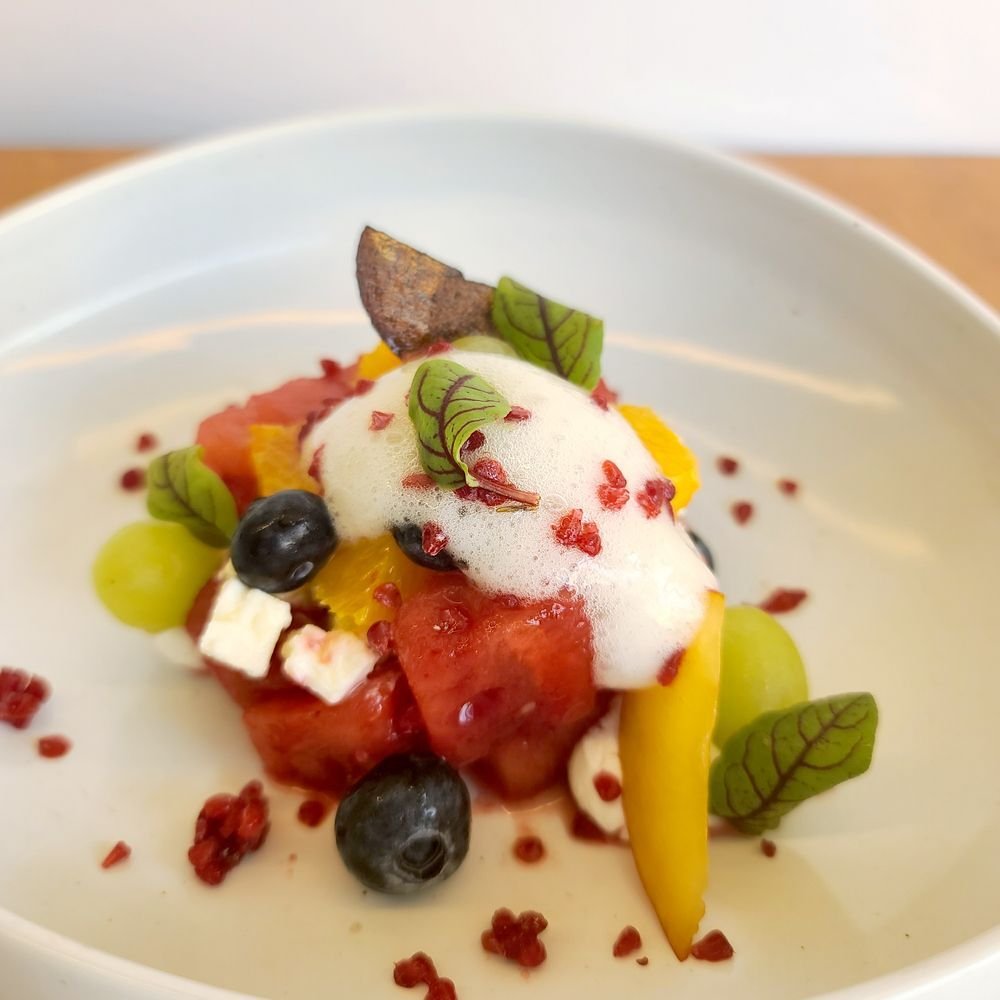
Mori is Busan's Michelin one-star kaiseki counter, run by a Korean chef trained in Japan and his Japanese wife in Haeundae. At ₩₩₩, it delivers intimate, seasonally driven Japanese course dining with personal service that earns the price. Book weeks ahead: this is a hard reservation with no walk-in option and dinner-only hours Tuesday through Sunday.
About Mori
Who Should Book Mori, and When
Mori is the right call for a couple celebrating something that deserves more than a restaurant, less than a production. It is a kaiseki counter in Haeundae where the format is intimate, the pacing is deliberate, and the experience is built around two people being taken care of properly. If you are coming to Busan for a milestone dinner, or you want to understand what Busan's seafood looks like when it is treated with Japanese technique rather than Korean barbecue heat, this is where to go. Book for a weeknight if you want the room at its quietest: Tuesday through Thursday at 7 PM gives you the full four-hour window without weekend energy creeping in.
The Venue
Mori holds a Michelin one-star rating (2024), which in Busan's dining context means something specific: it is one of a very small number of restaurants in the city where the kitchen is operating at a documented international standard. The concept is Korean-Japanese kaiseki, Chef Kim Wan-gyu trained in Japan and co-runs the restaurant with his Japanese wife, whose role on the floor is as much a part of the experience as anything coming from the kitchen. The address is a third-floor unit in Haeundae, not street-level and not signposted for walk-in traffic. You are here because you looked for it.
The cuisine is seasonal kaiseki built around Busan's coastal produce. Kaiseki as a format means a multi-course progression where balance and rhythm matter as much as individual dishes, the Michelin assessors specifically noted the chef's sense of culinary balance and the controlled rhythm of the course structure. That framing is useful: do not come expecting a single showstopper. Come expecting a meal where each course earns its place in the sequence, and where the cumulative effect is the point.
Service: Where Mori Earns Its Price
At a ₩₩₩ price point, Mori is asking you to spend meaningfully for Busan. The question is whether the service justifies that spend, and the answer is yes, but for a specific reason. The format here is husband-and-wife, which means the service is not a team of trained floor staff executing a sequence. It is one person running the room, and that person is the chef's wife. The Michelin record describes her service as smooth and attentive. That matters because in a small kaiseki setting, the service style either makes the meal feel personal or makes it feel managed. By all documented accounts, Mori's service lands in the former category.
Compare this to a larger Busan restaurant with a full floor team: the service there is more technically consistent but less likely to feel like someone is genuinely paying attention to your table specifically. Mori's model is the opposite. The small seat count (not publicly disclosed, but typical for kaiseki counters of this format) means that when you are there, you are not one of forty covers. That is part of what you are paying for, and it is a legitimate premium.
If you want to see how this model compares against Japanese kaiseki at a Tokyo reference point, Myojaku in Tokyo and Azabu Kadowaki in Tokyo operate in the same tradition at higher price tiers. Mori's positioning is that you get a credentialed version of this experience in South Korea at a lower absolute spend than Tokyo kaiseki commands.
Booking and Logistics
Mori opens Tuesday through Sunday, dinner only, from 7 PM to 11 PM. It is closed on Mondays. Book well in advance, this is a hard booking. A Michelin-starred kaiseki counter run by two people has no capacity buffer. There is no walk-in option that makes sense here; the format requires advance reservation, and the seat count is small enough that last-minute availability is rare. You are booking through a reservation platform or a hotel concierge if you are staying in Haeundae. If you are a guest at a Haeundae hotel, ask the concierge to assist, they will have a contact method that is not publicly indexed. Allow four hours for the experience. This is not a two-hour dinner.
The restaurant is at 21 Gunam-ro, Haeundae-gu, on the third floor of the commercial building. Haeundae is Busan's premium residential and hotel district, so if you are staying in the area, you are close. For broader Busan dining context before or after your trip, see our full Busan restaurants guide. For where to stay nearby, our full Busan hotels guide covers the Haeundae options. If you want to explore Busan's bar scene after dinner, our full Busan bars guide is a useful companion.
Other Michelin-recognised options in Busan worth knowing: Eutteum Iroribata, Haemok, Iwa, and Zero Base each represent different positions in Busan's fine dining range. For a contemporary Korean angle at a lower price point, Palate is worth comparing. If Mori is fully booked and you want a Michelin-starred Korean experience elsewhere in the country, Mingles in Seoul is the obvious escalation. For other starred Korean dining beyond the capital, Double T Dining in Gangneung and Doosoogobang in Suwon are documented alternatives. Further afield, Injegol in Inje County and Pool House in Incheon round out the national picture. You can also explore Busan wineries and Busan experiences to build out your visit.
Planning details
- Hours
- Monday: closed · Tuesday: 7 PM-11 PM
- Location
- 311호, 상가 3층, 21 Gunam-ro, Haeundae-gu, Busan, South Korea
- Website
- instagram.com/haeundae_mori_
- Phone
- +82 51-731-9889
The take
The Take
The Vibe
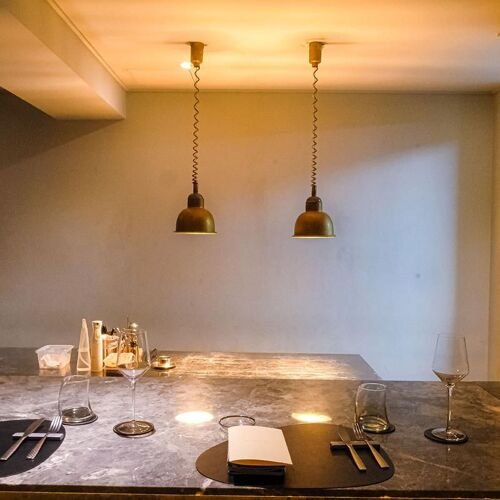
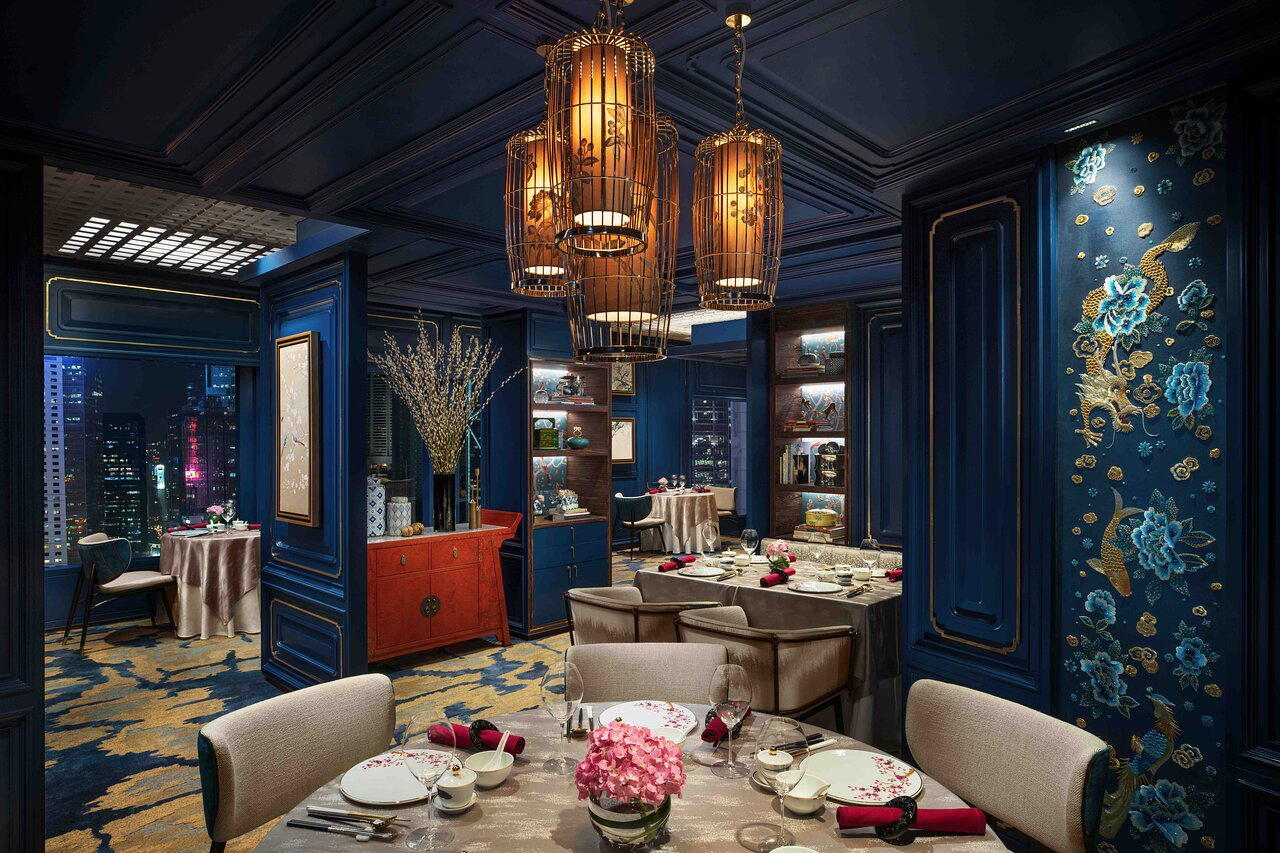
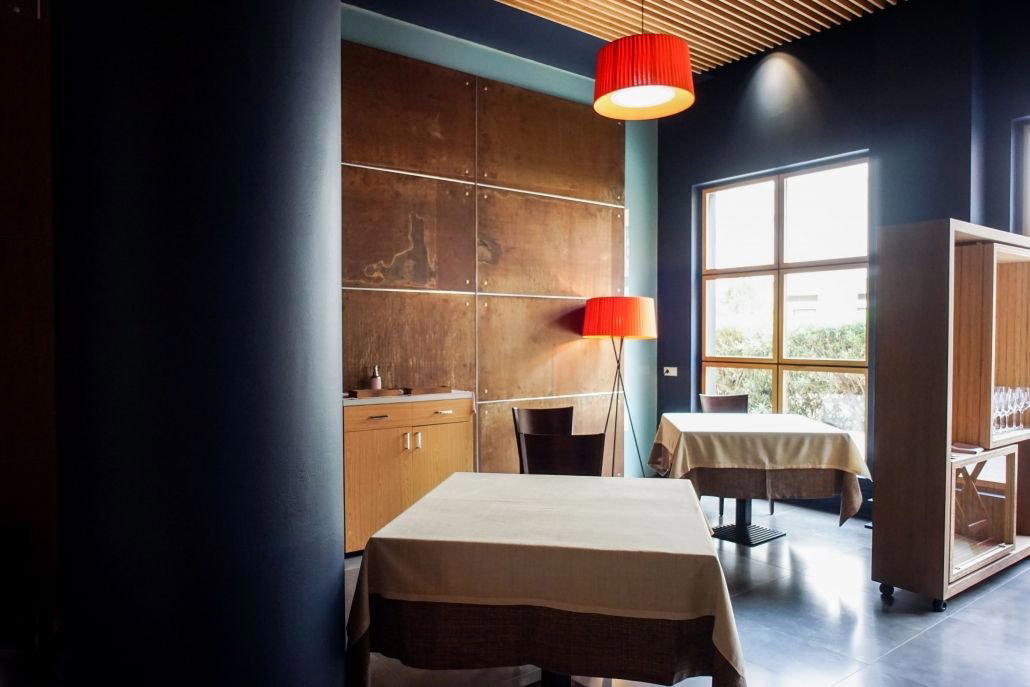
Mori presents a hushed, disciplined atmosphere that emphasizes concentration over spectacle. The small third-floor room and the Michelin-starred kaiseki counter invite focused attention on a slow, seasonal progression of courses. The writing foregrounds tradition, the tea-ceremony roots of kaiseki, so the experience feels classic and intentionally restrained rather than flashy. Because the address is unassuming, the meal reads like a discreet discovery: quietly exacting, serene, and composed. Service and pacing are oriented around the ritual of tasting, making the restaurant feel like a private study of seafood and seasonality in Busan.
Best For
Mori is best experienced as an evening destination for diners who want a multi-course meal. Operating from 7 PM Tuesday through Sunday, the counter format and small room suit intimate dinners and special-occasion meals where the focus is on craftsmanship and seasonal seafood. The setting also works for solo diners who appreciate attentive, chef-led tasting sequences. This is not a casual drop-in; the kaiseki discipline rewards guests who are prepared to follow the kitchen’s sequence and savor each precisely calibrated course.
Ordering Tips
Expect a chef-led kaiseki progression rather than an à la carte menu: 'You are not choosing from a menu; you are following a course set by the kitchen.' The meal emphasizes seasonality and local seafood, so let the kitchen present its sequence and make space for each course to arrive in order. Note the signature Suimono among the house specialties and plan your visit for the evening service beginning at 7 PM, Tuesday through Sunday.
Venue details
Ambiance
Cozy space with smooth and attentive service complementing the chef's delicately crafted cuisine.
Tags
Vibe
Best For
Sourcing
At the Table
- Dress Code
- Smart Casual
- Noise Level
- Quiet
- Service Style
- Formal
- Meal Pacing
- Leisurely
- Capacity
- Intimate
- Kitchen
- Seasonal
- Menu Format
- Tasting menu
Signature Dishes
Suimono
Know before you go
Know Before You Go
- Getting there
- 311호, 상가 3층, 21 Gunam-ro, Haeundae-gu, Busan, South Korea
Planning details
Hours
- Monday
- closed
- Tuesday
- 7 PM-11 PM
- Wednesday
- 7 PM-11 PM
- Thursday
- 7 PM-11 PM
- Friday
- 7 PM-11 PM
- Saturday
- 7 PM-11 PM
- Sunday
- 7 PM-11 PM
Location
311호, 상가 3층, 21 Gunam-ro, Haeundae-gu, Busan, South Korea · Directions
Recognition and awards
Also consider
Also Consider
- Palate: Contemporary, ₩₩
- Born and Bred: Steakhouse, ₩₩₩₩
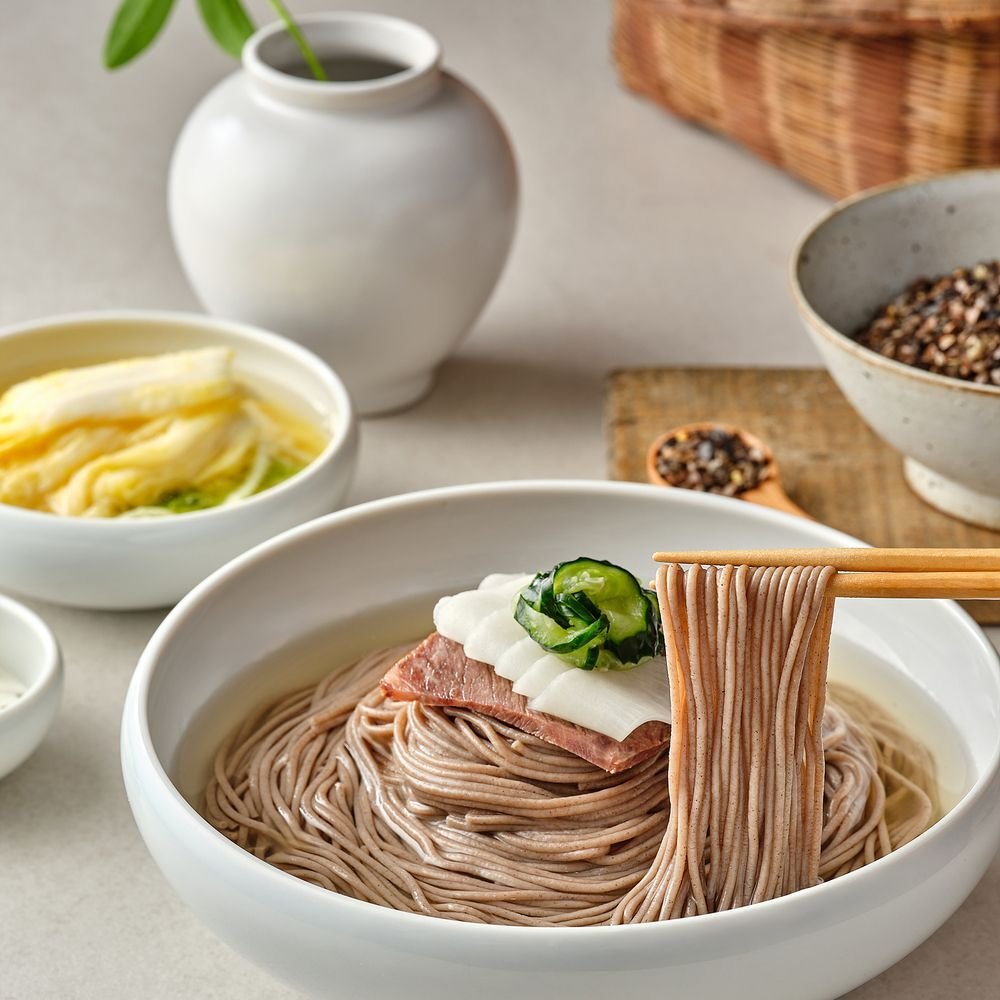
- 100.1.Pyeongnaeng: Naengmyeon, ₩
- Anmok: Dwaeji-gukbap, ₩
- Bao Haus: Taiwanese, ₩
Restaurant context
Mori sits at ₩₩₩ with a Michelin one-star, which places it in a different category from most of Busan's dining options. The closest price-tier comparison is Born and Bred at ₩₩₩₩: if your group wants a splurge and prefers beef over kaiseki, Born and Bred is the call. But if you want a meal structured around Busan's coastal produce with Japanese technique and genuine service attention, Mori does something Born and Bred does not attempt.
Palate at ₩₩ is the most practical alternative for diners who want contemporary, considered cooking without the kaiseki commitment or the ₩₩₩ spend. It is easier to book, more flexible on timing, and a strong choice for a first Busan fine-dining experience. Mori is worth choosing over Palate specifically when the occasion justifies a longer, more structured meal and when Japanese kaiseki is the format you want rather than contemporary Korean.
At the casual end, 100.1.Pyeongnaeng, Anmok, and Bao Haus are all ₩ venues that serve entirely different purposes: lunch, street-level eating, or casual neighbourhood meals. They are not direct comparisons to Mori. The honest framing is this: Mori is the right booking when you want Busan's best-documented Japanese fine dining experience and you are prepared to plan ahead for it. For everything else, the ₩ and ₩₩ options in Busan are plentiful and good on their own terms.
Explore Busan
Around this place
Discover more on Pearl
Unlock the full Mori guide in Pearl, including awards, comparisons, FAQs, planning details, and nearby places.
Compare Mori
| Venue | Cuisine | Price | Booking Difficulty | Awards |
|---|---|---|---|---|
| Mori | Japanese | ₩₩₩ | Hard | Michelin Guide Seoul & Busan 20262025 Michelin 1 Star2024 Michelin 1 Star |
| Palate | Contemporary | ₩₩ | Unknown | Michelin Guide Seoul & Busan 20262026 Wine Spectator Best of Award of Excellence2026 La Liste Top Restaurants2025 La Liste Top Restaurants2025 Michelin 1 Star2024 Michelin 1 Star |
| Born and Bred | Steakhouse | ₩₩₩₩ | Unknown | 2026 La Liste Top Restaurants2025 OAD Top Restaurants in Asia Ranked · #122025 World's Best Steaks 101 Best Steak Restaurants · #152025 Asia's 50 Best Restaurants · #512025 Michelin Plate2024 OAD Top Restaurants in Asia Ranked · #92024 Michelin Plate2023 OAD Top Restaurants in Asia Ranked · #16 |
| 100.1.Pyeongnaeng | Naengmyeon | ₩ | Unknown | Michelin Guide Seoul & Busan 20262025 Michelin Bib Gourmand2024 Michelin Bib Gourmand |
| Anmok | Dwaeji-gukbap | ₩ | Unknown | Michelin Guide Seoul & Busan 20262025 Michelin Bib Gourmand2024 Michelin Bib Gourmand |
| Bao Haus | Taiwanese | ₩ | Unknown | Michelin Guide Seoul & Busan 20262025 Michelin Bib Gourmand2024 Michelin Bib Gourmand |






.png?width=1200&quality=80)

How Mori stacks up against the competition.
FAQ
Frequently Asked Questions
Is Mori good for a special occasion?
Yes: this is one of Busan's clearest answers to the special-occasion question. Mori holds a Michelin one-star (2024), operates dinner-only, and runs as a kaiseki counter where chef Kim Wan-gyu and his wife handle food and service personally. That combination of format and intimacy suits a milestone dinner for two better than a larger, noisier Haeundae restaurant. It is not the choice for a group birthday; it is the choice when the occasion warrants a quiet, well-paced meal with real attention.
Does Mori handle dietary restrictions?
Contact Mori directly before booking: the kaiseki format means the course menu is set around seasonal and seafood-forward ingredients, and substitutions in a tightly sequenced tasting menu are not always possible. If you have serious dietary restrictions, raise them at reservation time rather than on the night. Guests with mild preferences may have more flexibility, but the kitchen's focus on balance and rhythm across the full course makes significant changes structurally difficult.
Can I eat at the bar at Mori?
Mori operates as a counter-format venue, so counter seating is the experience rather than an alternative to it. There is no separate bar or walk-in section: the entire service is a set kaiseki course. Plan to book a full dinner slot rather than dropping in for a shorter or more casual option.
Is Mori worth the price?
At ₩₩₩ with a Michelin one-star, Mori is priced on the high end for Busan dining, but it delivers something the price bracket in this city rarely offers: a formal kaiseki course built around local Busan seafood and seasonal produce, run by a chef with Japanese training and his wife handling service. If kaiseki is your format and you are eating in Busan rather than Seoul or Tokyo, the value case is strong: you are paying Seoul prices for a more personal experience. If you want a la carte or a more flexible dinner, look elsewhere.
Is Mori good for solo dining?
Yes: counter-format kaiseki is one of the more comfortable formats for solo diners. At Mori, the attentive service from the chef's wife and the pacing of a set course mean you are looked after without needing a dining partner to carry the evening. A solo visit at ₩₩₩ is a meaningful spend, but if you are travelling alone and want one serious dinner in Busan, this is a practical choice.