
Gomtang Lab
Gomtang · Samseong-dong, Seoul
Restaurant in Seoul, South Korea
 Book with Pearl
The Read
Contemporary Gomtang Precision
Price
$10–20per person
Dress
Casual
Why go
Gomtang Lab is a Michelin Bib Gourmand-recognised gomtang concept inside Hyundai Department Store in Gangnam, led by chef Chele Gonzalez. At the ₩ price tier with back-to-back Michelin recognition in 2024 and 2025, it delivers serious value for a focused, accessible Korean comfort food experience in one of Seoul's most convenient locations.
About Gomtang Lab
Should You Book Gomtang Lab?
If you're weighing up gomtang options in Seoul, the default move for most visitors is to head to a traditional hole-in-the-wall like Hadongkwan or Hapjeongok. Gomtang Lab is a different proposition: a Michelin Bib Gourmand-recognised concept inside Hyundai Department Store in Gangnam, led by chef Chele Gonzalez, with a price point that sits firmly at the affordable end of Seoul dining. If you want the familiar slow-boiled beef broth experience delivered in a polished, accessible setting rather than a 6am queue at a decades-old institution, this is where to go.
What Gomtang Lab Is
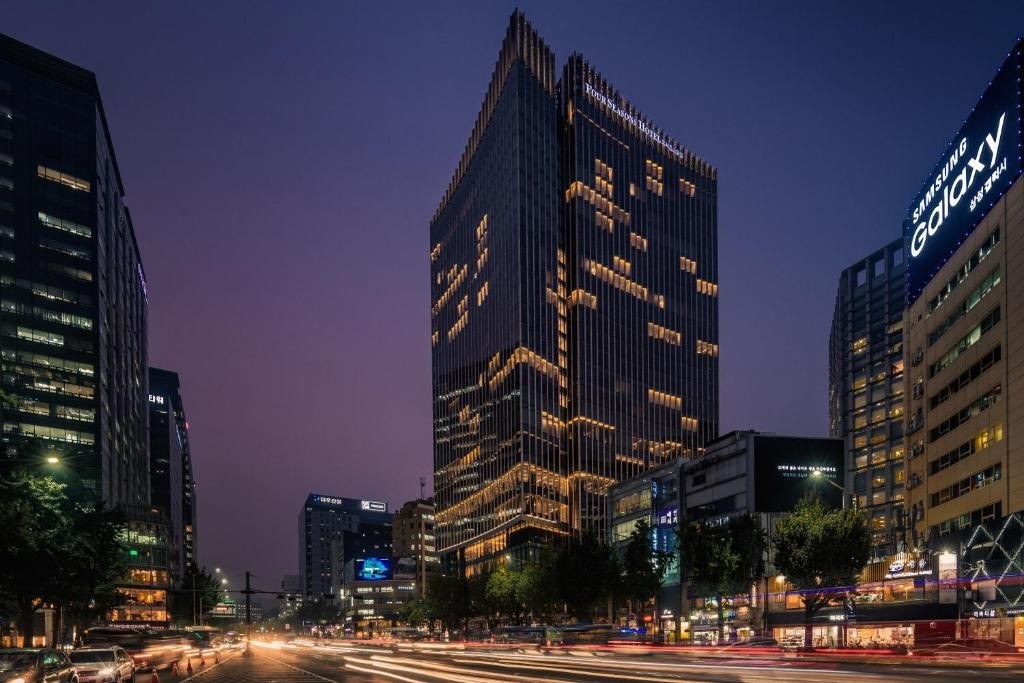
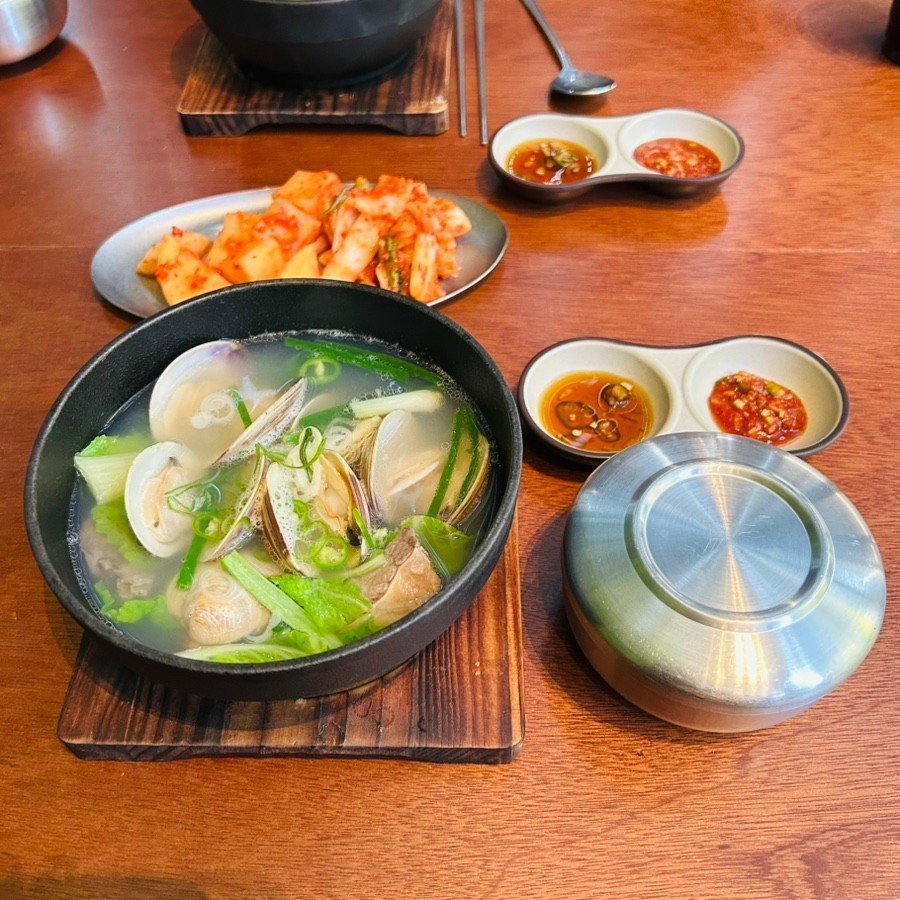
Gomtang is one of Korea's most enduring comfort dishes: a clear, long-simmered beef bone broth served with rice, usually garnished simply with sliced beef and spring onion. It is the kind of food Seoul residents eat for breakfast, after a late night, or when they want something restorative. Most gomtang specialists in the city are legacy operations with little ambience and singular menus. Gomtang Lab positions itself differently, operating out of the 10th floor of Hyundai Department Store on Teheran-ro in Gangnam, one of the city's main commercial corridors.
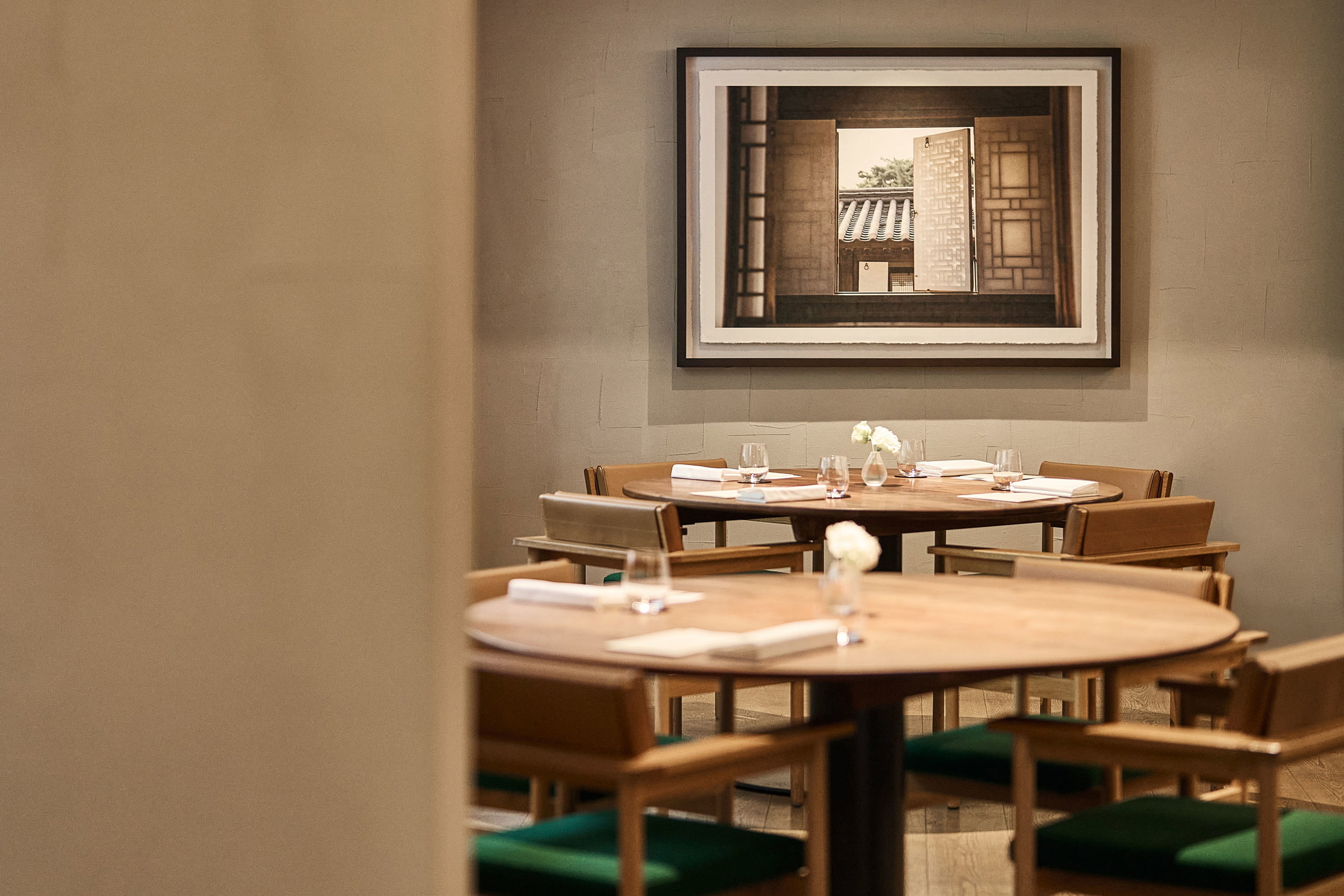
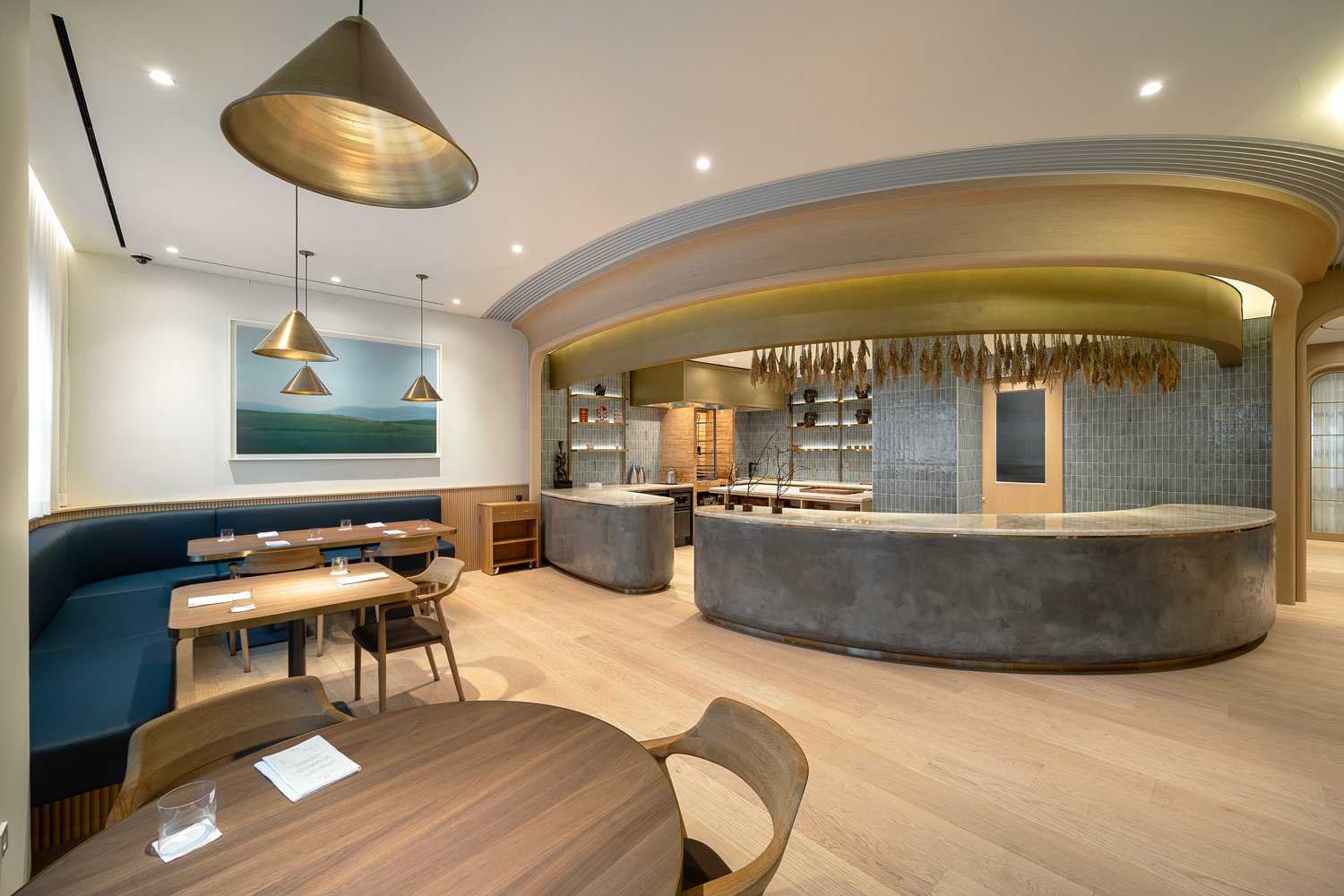
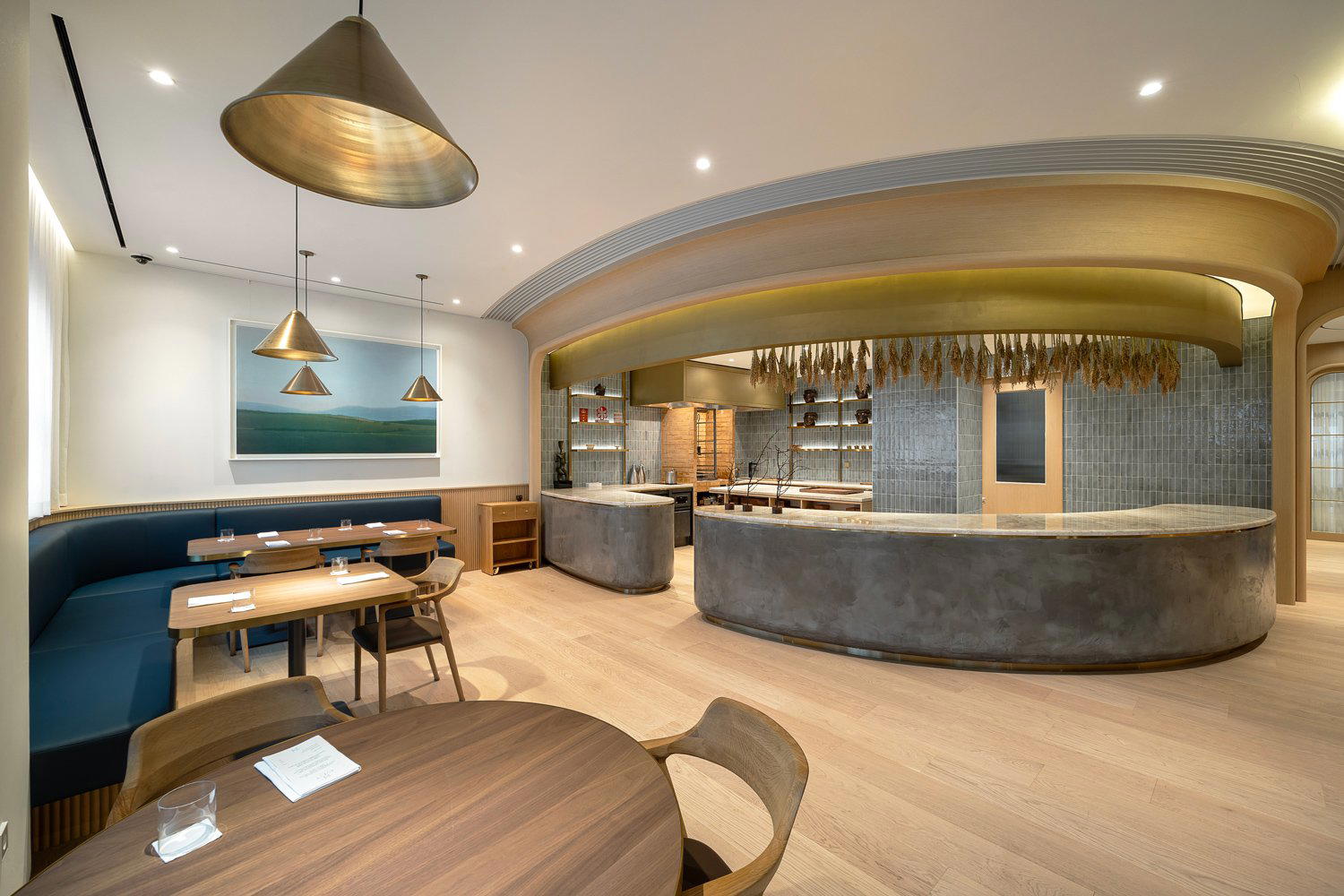
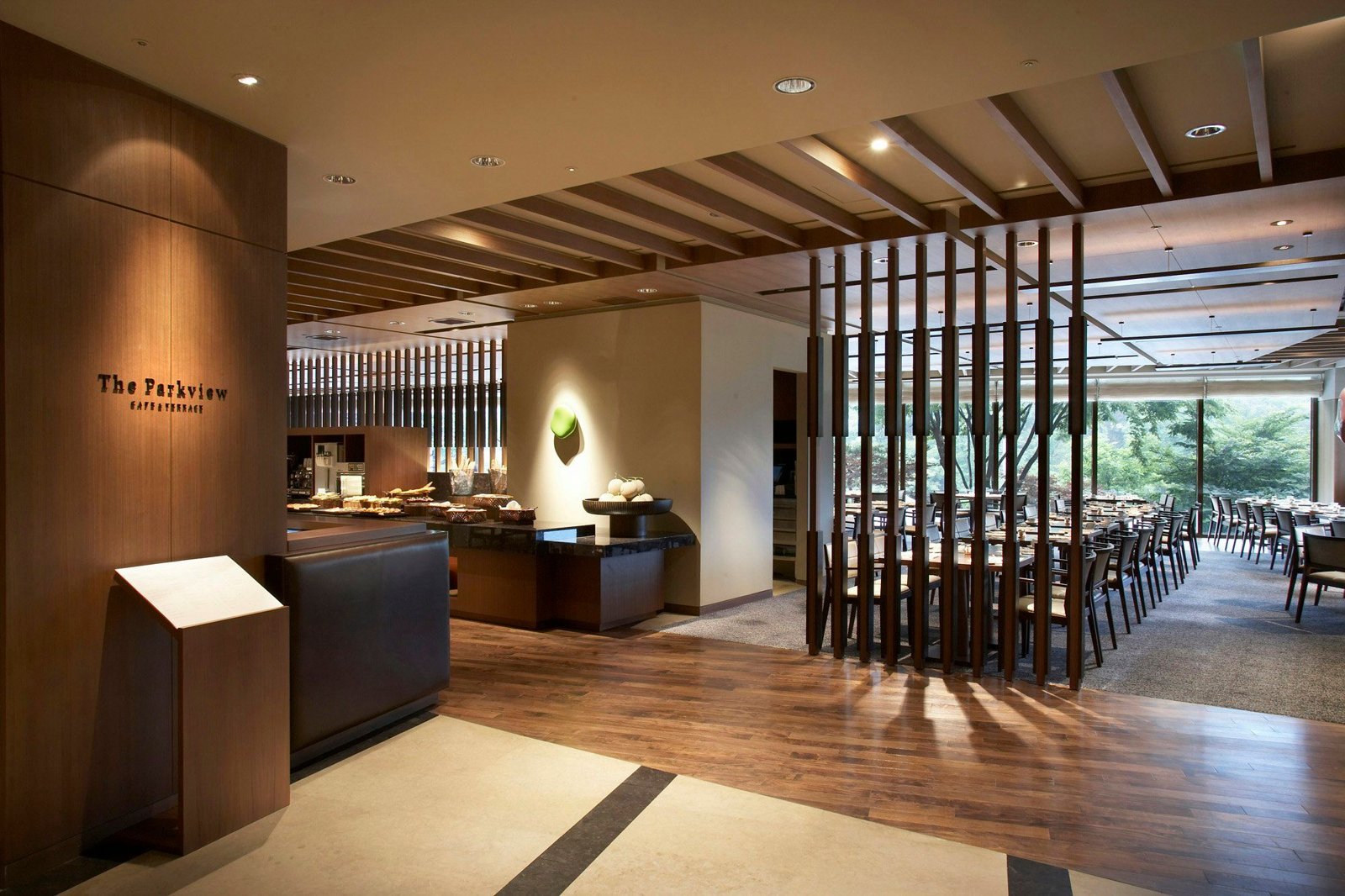
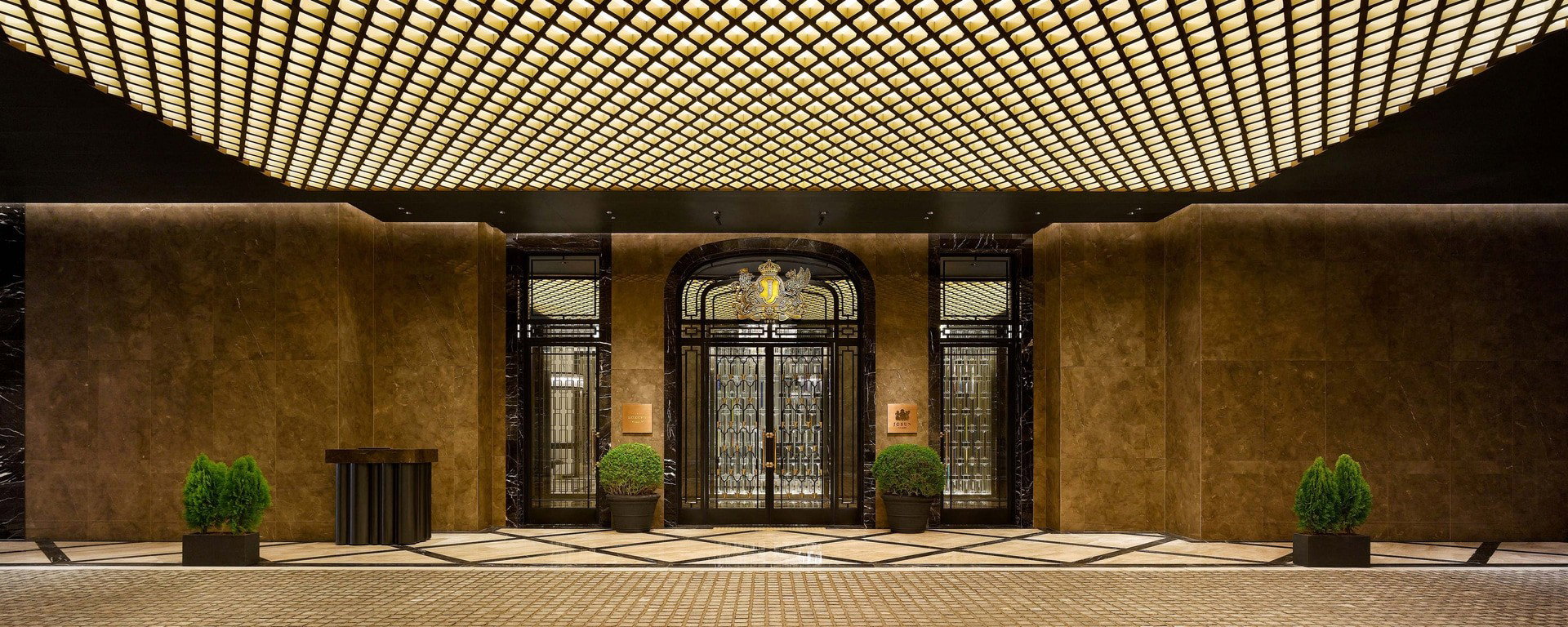
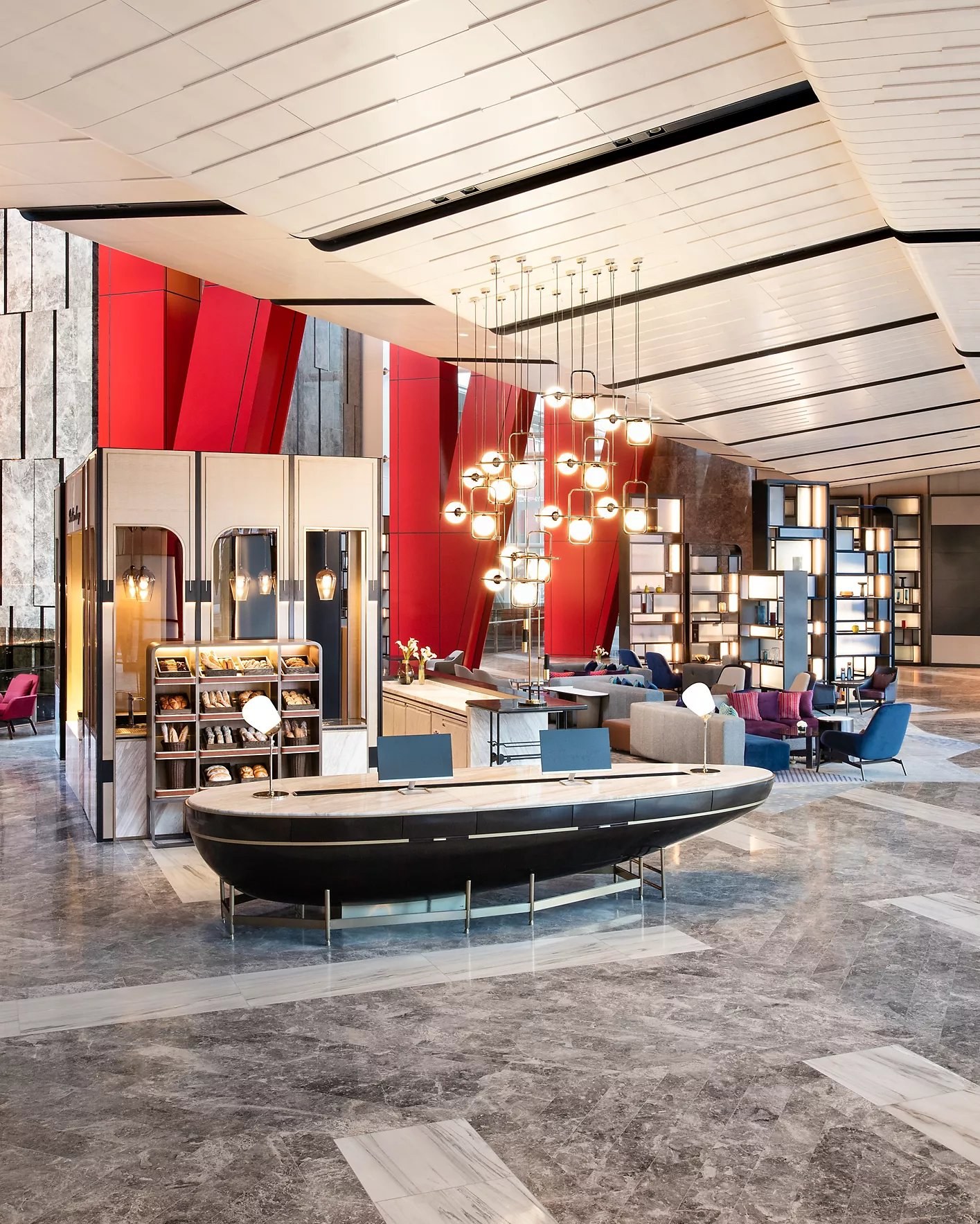
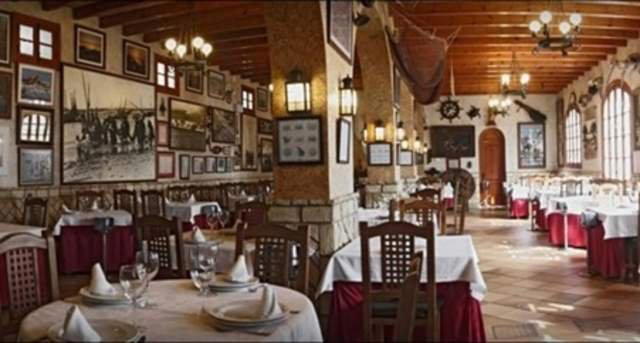
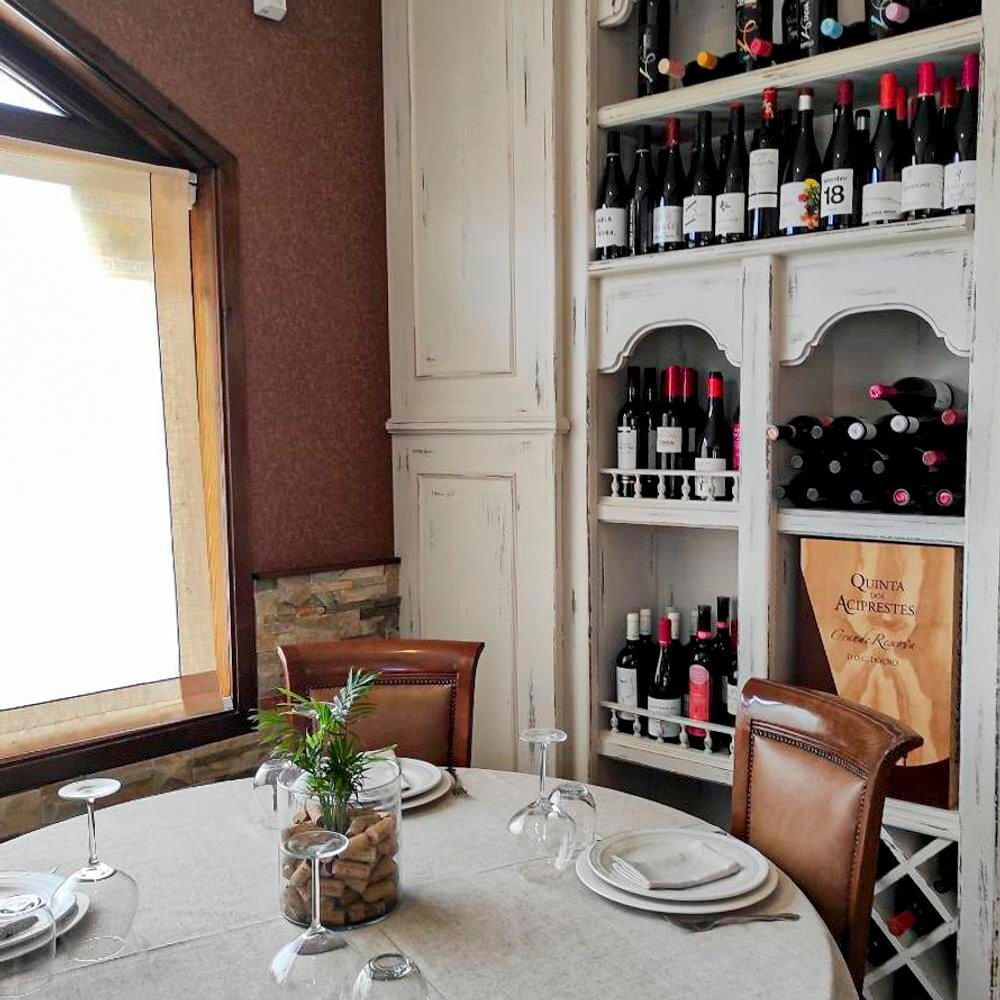
The department store setting gives first-timers a visual context that is easier to orient around than the narrow side-street storefronts of older gomtang spots. The 10th floor of this Hyundai branch is a dining floor with a broad mix of restaurants, so arriving and finding Gomtang Lab is direct. The room itself is set up as a dedicated concept space rather than a food court stall, which matters if you want to eat comfortably rather than standing or on a tray. The visual experience here is cleaner and more considered than most gomtang venues, which typically prioritise throughput over setting.
Chef Chele Gonzalez's involvement is the detail that distinguishes this from a standard department store food option. Gonzalez is known outside Korea primarily for his work in Manila, where he built a reputation in fine dining. His presence behind a gomtang concept signals that this is a deliberate culinary exercise, not a branded casual spinoff. The lab framing in the name suggests that approach: gomtang treated as subject matter worth interrogating, rather than simply replicated. That context is useful for a first-timer deciding whether this is a tourist-facing gimmick or something worth seeking out. The back-to-back Bib Gourmand recognition in 2024 and 2025 suggests Michelin's inspectors consider the execution to be substantive at the price point.
At the ₩ price tier, Gomtang Lab is accessible to almost any dining budget. In a Gangnam context, where restaurants at ₩₩₩₩ pricing are common and the department store building it sits in houses considerably more expensive options, the value read is direct: you are paying gomtang prices and getting Bib Gourmand-level quality. That combination is the core reason to book. For comparison, Kyewol Gomtang represents another well-regarded option in the city if you want a more traditional neighbourhood context, and Neungdong Minari offers a different register of Korean comfort food if your group's preferences are broader than broth.
The Gangnam location on Teheran-ro is a practical plus for visitors staying in the area or combining a meal with shopping. The building is large and well-known, and the Gangnam District is well-served by Seoul's metro network. This is not a venue you need to plan a significant detour for if you are already in the south of the city. If you are coming specifically from outside Gangnam, factor in travel time; Seoul is a large city and cross-district journeys can take 30 to 45 minutes depending on origin. For a broader sense of what the city's dining scene looks like beyond gomtang, our full Seoul restaurants guide covers the range, and you can find complementary planning resources in our Seoul hotels guide, bars guide, and experiences guide.
Gomtang Lab earns its Gangnam anchor status partly because of what surrounds it. This part of Seoul is not traditionally associated with comfort food done at this price point. The department store floor it occupies draws a mix of local shoppers, office workers from the Teheran-ro corridor, and visitors. That means the clientele is diverse and the atmosphere is not precious or intimidating for a first-timer. You do not need to know much about gomtang to eat well here. The dish speaks clearly enough, and the format is accessible.
For context on how gomtang fits into the broader Korean culinary picture, classics like Hadongkwan have been serving the dish for decades and represent the institutional version of the experience. Mingles shows what happens when Korean cuisine moves into a formal fine dining register. Gomtang Lab sits between those poles: rooted in tradition, but operating in a contemporary frame with quality credentials. If you are visiting Seoul in winter, gomtang is particularly well-suited to the season; the broth's warming properties make it a natural cold-weather order, and Seoul winters are cold enough that comfort food premises start to feel like a priority from November onward.
Outside Seoul, the gomtang category has regional expressions worth noting if your Korea itinerary goes beyond the capital. Hanwolgwan in Busan is a reference point for the dish in the south of the country, and Mori in Busan represents a different facet of Busan's restaurant scene if you are planning that leg of the trip. For the Korea dining picture more broadly, Kwon Sook Soo in Gangnam-gu offers a high-end Korean dining option in the same district if you want to extend your Gangnam restaurant itinerary to a more formal evening experience.
Know Before You Go
- Price tier: ₩ — affordable, accessible for any dining budget
- Location: 10th floor, Hyundai Department Store, 517 Teheran-ro, Gangnam District, Seoul
- Awards: Michelin Bib Gourmand 2024 and 2025
- Chef: Chele Gonzalez
- Booking difficulty: Easy — department store setting makes walk-in realistic
- Leading for: Solo diners, casual lunches, first-time gomtang visitors, Gangnam-area itineraries
- Cuisine: Gomtang (Korean beef bone broth)
- Practical note: Hours and phone not confirmed, check directly at the Hyundai Department Store directory on arrival or via their website
How It Compares
Gomtang Lab is the only Michelin-recognised gomtang specialist on this list, and that specificity matters. If you want a focused, affordable meal that earns its Bib Gourmand for a reason, this is the clearest recommendation at the ₩ tier. The comparison set below is higher-priced across the board, so the trade-off is direct: Gomtang Lab delivers Michelin-level quality at a fraction of the cost of the ₩₩₩₩ venues, but the format is a single-dish comfort food experience rather than a multi-course progression.
Solbam and 7th Door are both Korean and contemporary at ₩₩₩₩, suited to diners who want a more formal, multi-element meal with a higher design and service quotient. Onjium at ₩₩₩₩ goes deep into traditional Korean cuisine at a refined level, making it the right call if you want to understand Korean culinary heritage in a structured dining format. L'Amitié at ₩₩₩ is the French option for diners who want a European frame in Seoul at a mid-high price point. Zero Complex offers the most inventive approach at ₩₩₩₩, blending Korean and French techniques in a way that appeals to diners who prioritise creativity over tradition.
The decision is mostly driven by budget and occasion. For a casual lunch, a post-shopping meal, or a solo diner who wants something satisfying and low-commitment, Gomtang Lab is the correct choice in this set. For a dinner with guests where the experience needs to carry more weight, any of the ₩₩₩₩ options will serve better. Baegyangsa Temple restaurant in Jangseong-gun is worth considering if temple food is of interest during a broader Korean itinerary, and Double T Dining in Gangneung and Market Café in Incheon are useful reference points if your Korea trip extends beyond Seoul. For fine dining in a completely different register, Le Bernardin in New York City illustrates the global benchmark at the top of the price spectrum, useful context if you are comparing across trip itineraries. Explore Seoul wineries if pairing beverages with your meal matters to your broader visit planning.
Planning details
- Location
- 10층, 현대백화점, 517 Teheran-ro, Gangnam District, Seoul, South Korea
- Website
- instagram.com/gomtanglab
- Phone
- +82 2-517-4656
The take
The Take
The Vibe
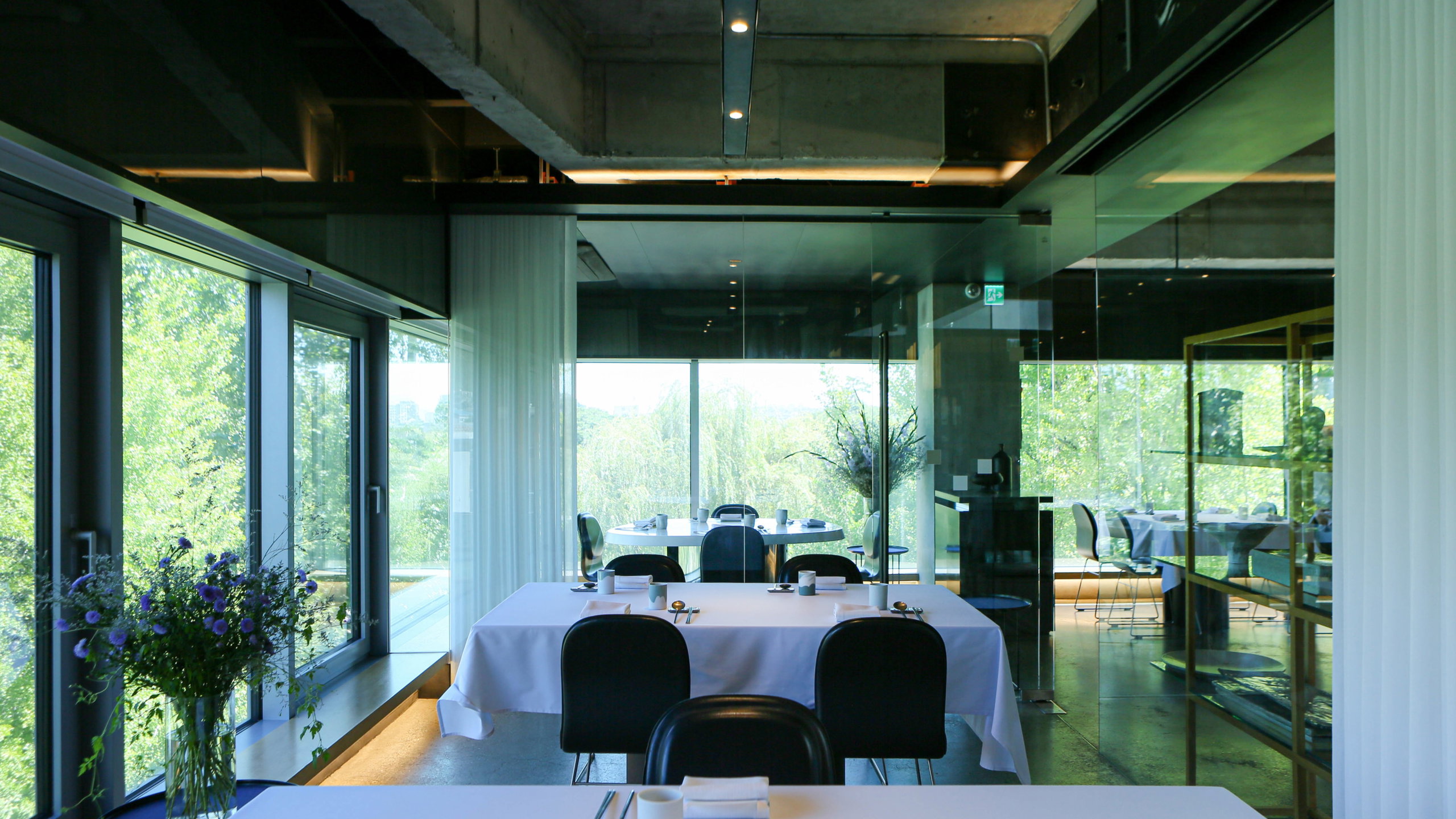
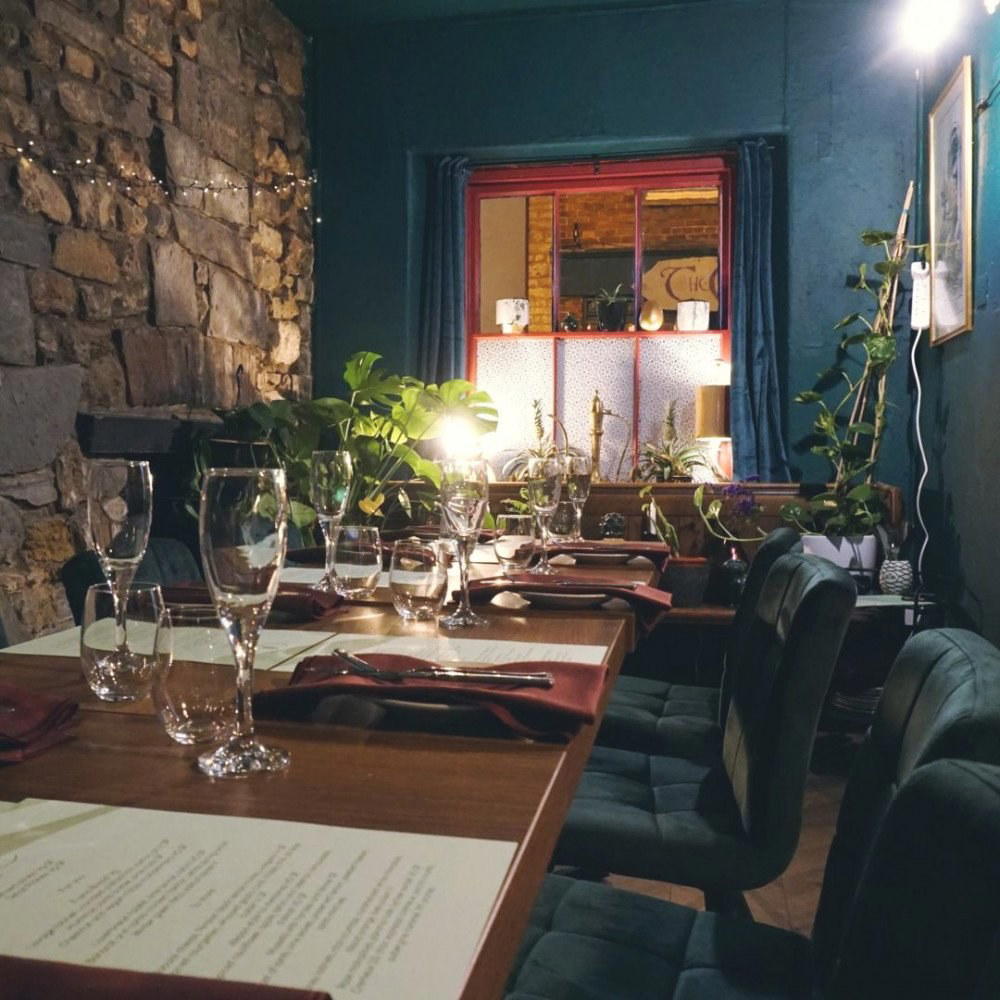
Gomtang Lab occupies a tenth-floor perch inside Hyundai's Gangnam flagship, and that elevation shapes everything about the room. The space leans on a restrained, design-led presentation: generous glass reveals the Gangnam streetgrid below while the distance from street level produces an unusually quiet, contemplative atmosphere for department-store dining. The kitchen treats a humble, centuries-old broth with focused attention, placing a traditional comfort dish into a refined, measured setting. The result feels deliberate and sophisticated rather than noisy or tourist-facing—a calm, considered place to experience gomtang with new seriousness.
Best For
This is a place for diners who want a quieter, elevated take on a Korean classic. It suits intimate date nights and business dinners where a polished but understated atmosphere is welcome; the tenth-floor setting and design focus make it appropriate for conversations that benefit from low ambient noise. It also works for solo diners seeking a composed, restorative meal. It is less obviously designed for loud, large-group celebrations—its strength is the focused treatment of a single, signature comfort dish rather than high-volume banqueting.
Ordering Tips
Order the signature Collagen Beef Bone Soup—the menu’s central proposition—and approach the meal as a focused tasting of a single tradition rather than a broad multi-course parade. If you can, request a window seat to appreciate the view of the Gangnam grid; the venue’s elevation and glass frontage are part of the experience. Expect measured pacing and attentive plating that reframe a familiar soup in a fine-dining context. Keep preparations simple: the broth is the point, and the kitchen’s restrained approach aims to spotlight its depth and texture.
Venue details
Ambiance
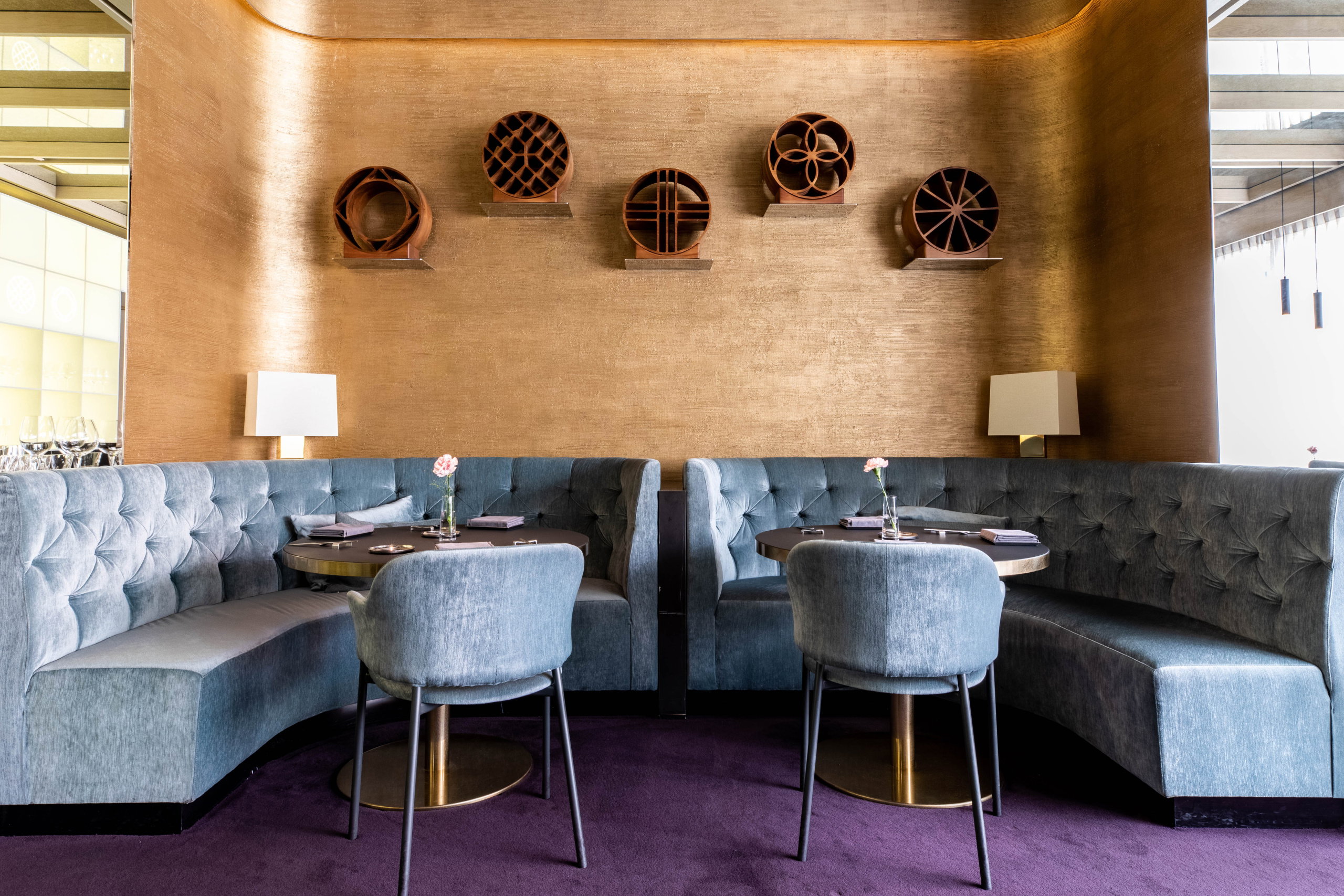
Warm unobtrusive lighting with practical welcoming design, counter seating, small tables, and aroma of simmering broth creating calm reliable atmosphere.
Tags
Vibe
Best For
Experience
Sourcing
At the Table
- Dress Code
- Casual
- Noise Level
- Quiet
- Service Style
- Casual
- Meal Pacing
- Standard
- Capacity
- Small
- Kitchen
- Traditional
- Menu Format
- A la carte
Signature Dishes
Collagen Beef Bone Soup
Know before you go
Know Before You Go
- Getting there
- 10층, 현대백화점, 517 Teheran-ro, Gangnam District, Seoul, South Korea
Planning details
Location
10층, 현대백화점, 517 Teheran-ro, Gangnam District, Seoul, South Korea · Directions
Recognition and awards
Also consider
Also Consider
- Solbam, Contemporary, ₩₩₩₩
- Onjium, Korean, ₩₩₩₩
- 7th Door, Korean, Contemporary, ₩₩₩₩
- L'Amitié, French, ₩₩₩
- Zero Complex, Korean-French, Innovative, ₩₩₩₩
Restaurant context
Gomtang Lab sits at the ₩ tier against a comparison set that is uniformly priced at ₩₩₩₩ or ₩₩₩. That gap is the most important variable in this decision. If budget is a factor or you want a casual meal rather than a structured dining event, Gomtang Lab is the clear recommendation. Its back-to-back Michelin Bib Gourmand recognition in 2024 and 2025 provides a quality floor that makes the value argument straightforward.
Solbam and 7th Door both operate at ₩₩₩₩ with a contemporary Korean framing, and are better suited to dinner occasions where you want a fuller, multi-course experience. Onjium at ₩₩₩₩ is the strongest choice if you want traditional Korean cuisine treated with serious depth and formality. Zero Complex at ₩₩₩₩ is the option for creative, technique-forward cooking that blends Korean and French approaches. L'Amitié at ₩₩₩ is the mid-high European alternative for diners who want a French dining experience in Seoul.
Book Gomtang Lab for a solo lunch, a casual Gangnam meal, or a first encounter with gomtang done at a Michelin-recognised level without a significant spend. Book Onjium or Solbam when the occasion calls for a more considered, multi-element dinner. Book Zero Complex when inventiveness and technique are the priority over tradition or value.
Explore Seoul
Around this place
Discover more on Pearl
Unlock the full Gomtang Lab guide in Pearl, including awards, comparisons, FAQs, planning details, and nearby places.
Compare Gomtang Lab
| Venue | Cuisine | Awards | Booking Difficulty |
|---|---|---|---|
| Gomtang Lab | Gomtang | Michelin Guide Seoul & Busan 20262025 Michelin Bib Gourmand2024 Michelin Bib Gourmand | Easy |
| Solbam | Contemporary | 2026 Asia's 50 Best Restaurants · #552026 Wine Spectator Best of Award of Excellence2026 OAD Top Restaurants in Asia RecommendedMichelin Guide Seoul & Busan 20262026 La Liste Top Restaurants2025 Asia's 50 Best Restaurants · #552025 OAD Top Restaurants in Asia Ranked · #277Tatler Best Restaurants Asia-Pacific 20252025 Wine Spectator Best of Award of Excellence | Unknown |
| Onjium | Korean | 2026 Asia's 50 Best Restaurants · #142026 OAD Top Restaurants in Asia Ranked · #852026 La Liste Top RestaurantsMichelin Guide Seoul & Busan 20262026 Wine Spectator Best of Award of Excellence2025 Asia's 50 Best Restaurants · #102025 World's 50 Best Restaurants · #572025 OAD Top Restaurants in Asia Ranked · #1342025 La Liste Top Restaurants | Unknown |
| 7th Door | Korean, Contemporary | 2026 Asia's 50 Best Restaurants · #492026 OAD Top Restaurants in Asia Ranked · #842026 Black Pearl 1 DiamondMichelin Guide Seoul & Busan 20262026 La Liste Top Restaurants2025 Asia's 50 Best Restaurants · #232025 Michelin 1 Star2025 La Liste Top Restaurants2024 OAD Top Restaurants in Asia Ranked · #192 | Unknown |
| L'Amitié | French | 2026 La Liste Top Restaurants2025 La Liste Top Restaurants2025 Michelin 1 Star2024 Michelin 1 Star | Unknown |
| Zero Complex | Korean-French, Innovative | Star Wine Lists 20262026 OAD Top Restaurants in Asia Recommended2026 La Liste Top Restaurants2025 OAD Top Restaurants in Asia Ranked · #1992025 La Liste Top Restaurants2025 Michelin 1 Star2025 The Best Chef One Knife2024 OAD Top Restaurants in Asia Ranked · #2792024 Michelin 1 Star | Unknown |









What to weigh when choosing between Gomtang Lab and alternatives.
FAQ
Frequently Asked Questions
Is Gomtang Lab good for solo dining?
Yes — gomtang is a solo-friendly format by nature, a single bowl with rice and simple garnishes, and the Bib Gourmand price range (₩) means you won't feel obligated to order more than you want. The Hyundai Department Store setting in Gangnam adds convenience for a quick solo lunch. If you want a more neighbourhood, cash-only solo experience, Hadongkwan in Jung-gu is the traditional benchmark.
Is Gomtang Lab good for a special occasion?
Not really. Gomtang Lab's case is its Michelin Bib Gourmand recognition at an accessible price point, not a celebratory atmosphere or multi-course format. For a special occasion in Seoul, the Bib Gourmand designation signals value, not occasion dining. If you're looking for a meaningful meal that still feels considered, it works as a low-key celebration of Korean food culture, but don't expect the setting or pacing of a tasting-menu restaurant.
Is Gomtang Lab worth the price?
At ₩ price range with consecutive Michelin Bib Gourmand awards in 2024 and 2025, Gomtang Lab is one of the stronger value propositions in Seoul's Gangnam district. The Bib Gourmand designation specifically recognises good food at moderate prices, so you're paying for quality execution of a Korean classic, not a premium dining experience. If price is your only driver, traditional gomtang spots outside Gangnam will be cheaper — but the Michelin recognition here is a meaningful differentiator.
What are alternatives to Gomtang Lab in Seoul?
For traditional gomtang without the Michelin framing, Hadongkwan (Jung-gu) is the long-standing reference point. Within the broader Seoul dining scene, Onjium offers a more formal approach to Korean culinary heritage at a significantly higher price point, and Zero Complex takes a modern Korean format if you want something further from the classic bowl. Gomtang Lab sits in the gap: Michelin-recognised, affordable, and focused on a single dish.
What should a first-timer know about Gomtang Lab?
Gomtang Lab is a specialist venue — the menu is built around gomtang, a slow-simmered beef bone broth, so don't arrive expecting a wide-ranging Korean menu. It's located on the 10th floor of Hyundai Department Store on Teheran-ro in Gangnam, which makes it easy to find but means it operates on department store access and hours. The 2025 Michelin Bib Gourmand award is the clearest external signal of quality, and the ₩ pricing means first-timers can try it without significant financial commitment.