
Ryoriya Otaya
Japanese · Shimogyō, Kyoto
Restaurant in Kyoto, Japan
 Book with Pearl
The Read
Toyama-Sourced Kappo
Price
¥¥
Why go
Michelin Bib Gourmand kappo on the Takase River, priced at ¥¥ with easy booking by Kyoto standards. The kitchen draws directly on Toyama Bay seafood — firefly squid in spring, buri in winter — and a regional sake list to match. One of the clearest value decisions in Kyoto for a food-focused traveller who wants seasonal depth without ¥¥¥¥ formality.
About Ryoriya Otaya
Verdict
Ryoriya Otaya earns its Michelin Bib Gourmand (2025) by doing something relatively rare in Kyoto: delivering inventive, ingredient-led kappo cooking at a ¥¥ price point without the formality or booking friction of the city's kaiseki heavyweights. Getting a table is direct by Kyoto fine-dining standards, which makes this one of the more accessible decisions in the city. If you are a food-focused traveller who wants to understand what seasonal Japanese cooking actually tastes like without spending ¥¥¥¥, book Ryoriya Otaya before you book anywhere else.
Portrait
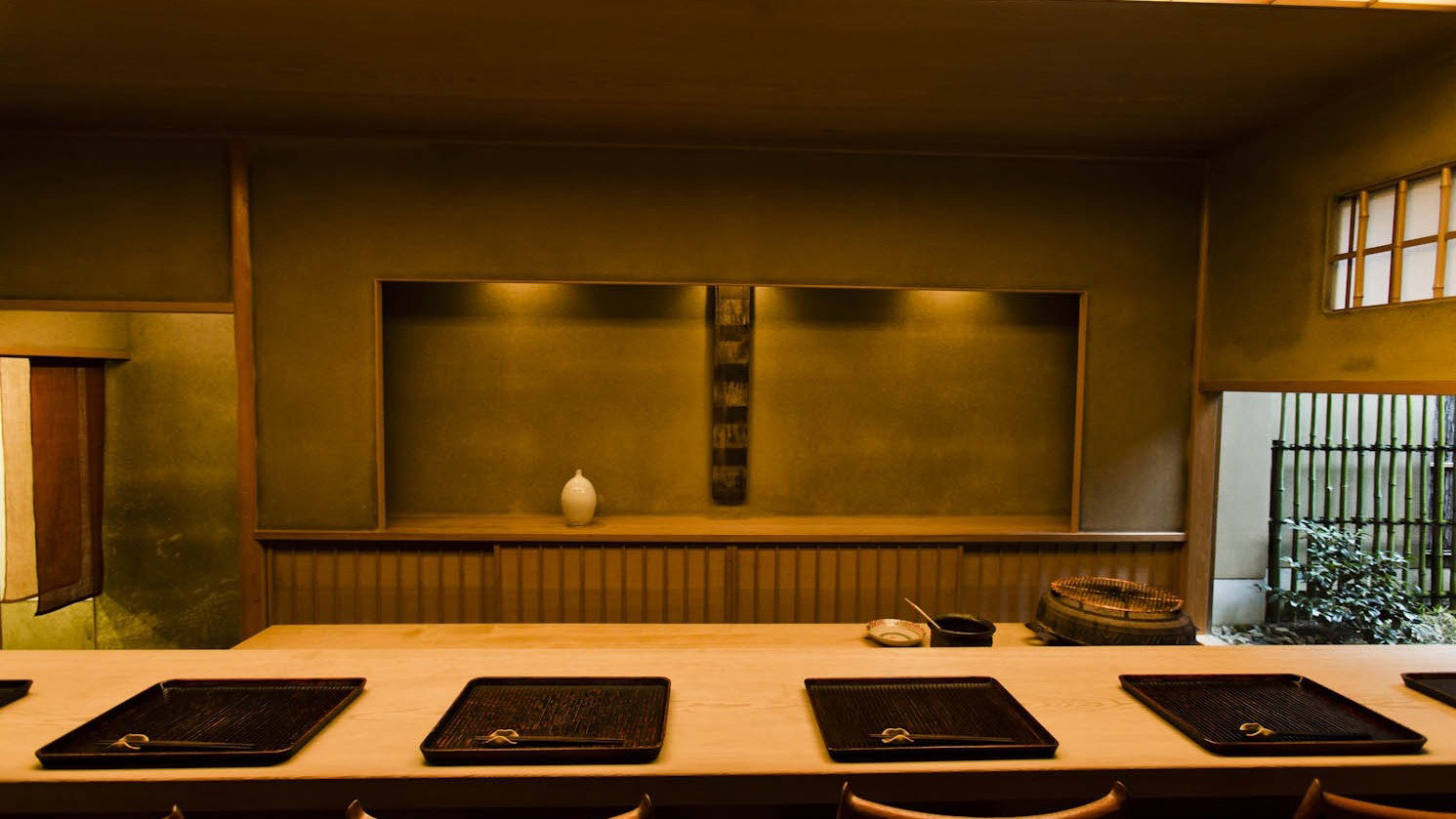
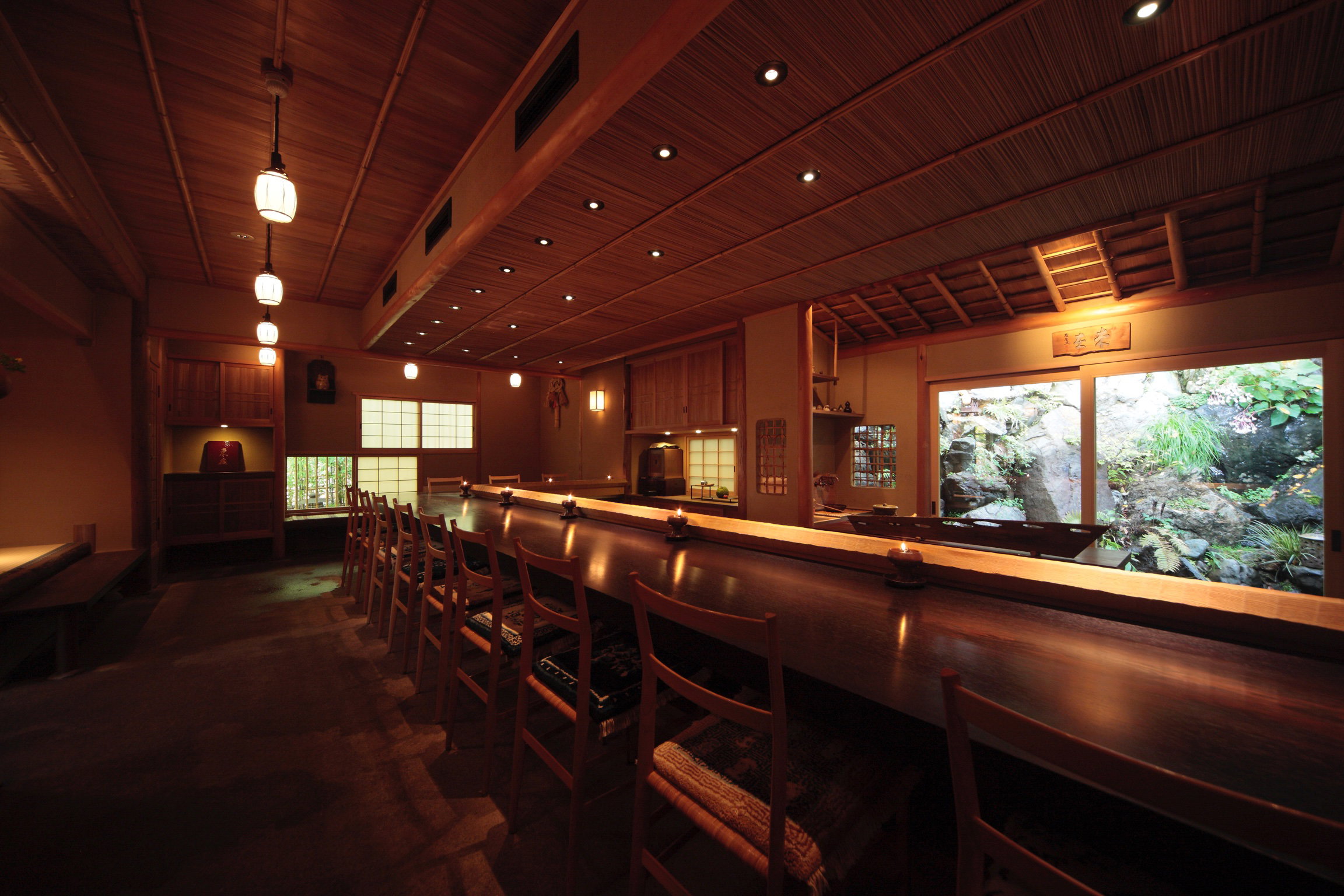
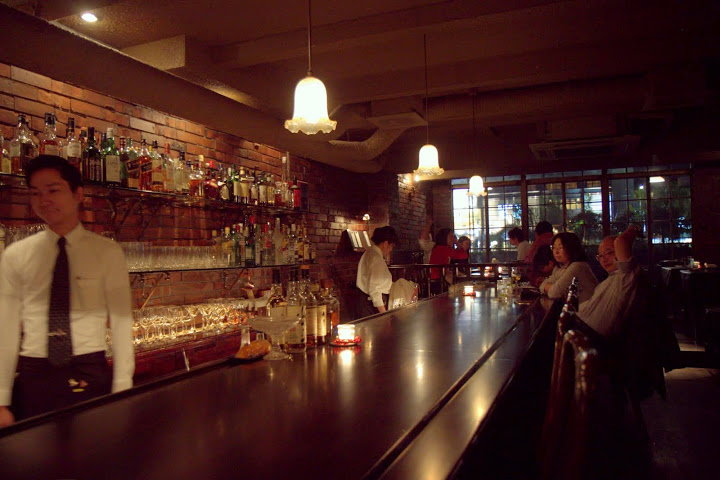
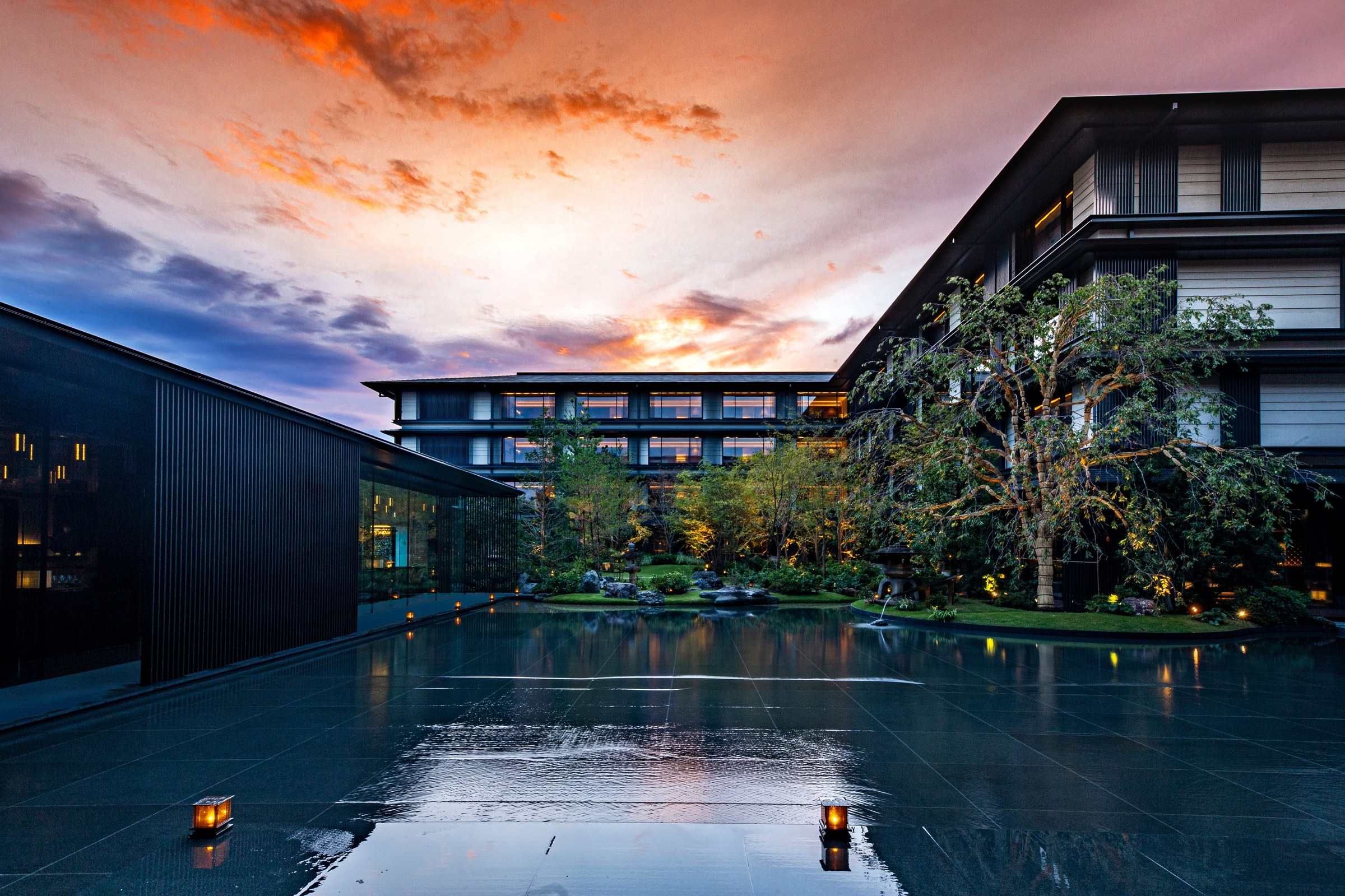
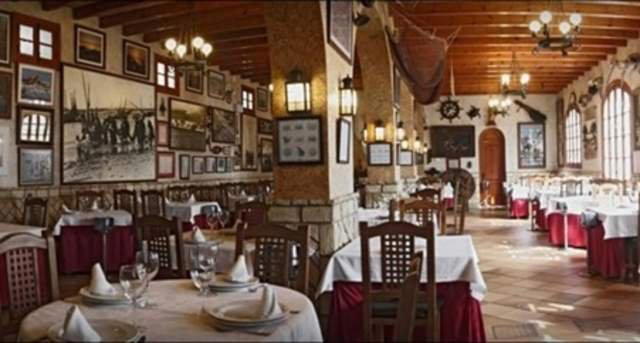
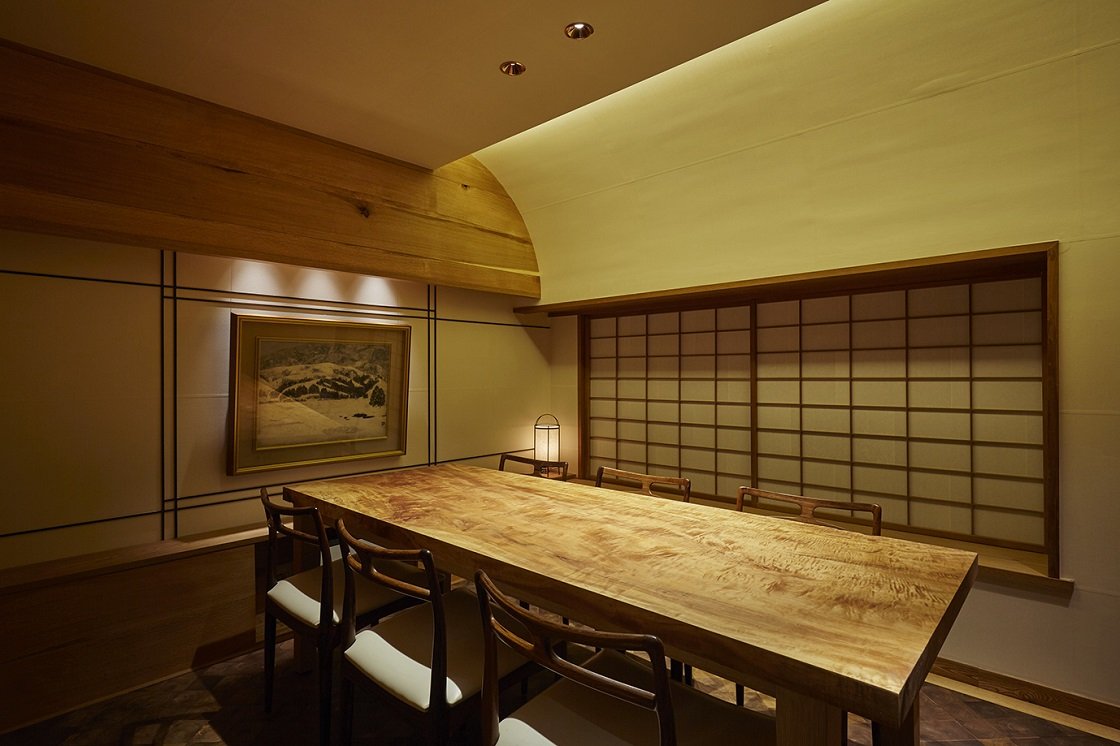
Ryoriya Otaya sits in Shimogyo Ward at 456-2 Tenmacho, on the banks of the Takase River. The setting gives the room a quieter, more contemplative feel than the narrower streets of Gion — the riverside position keeps foot traffic and noise at a low register, and the atmosphere leans intimate rather than theatrical. This is the kind of room where conversation stays close and the food stays at the centre of attention. Do not arrive expecting the charged energy of a counter omakase in Tokyo; the mood is measured and the pacing unhurried.
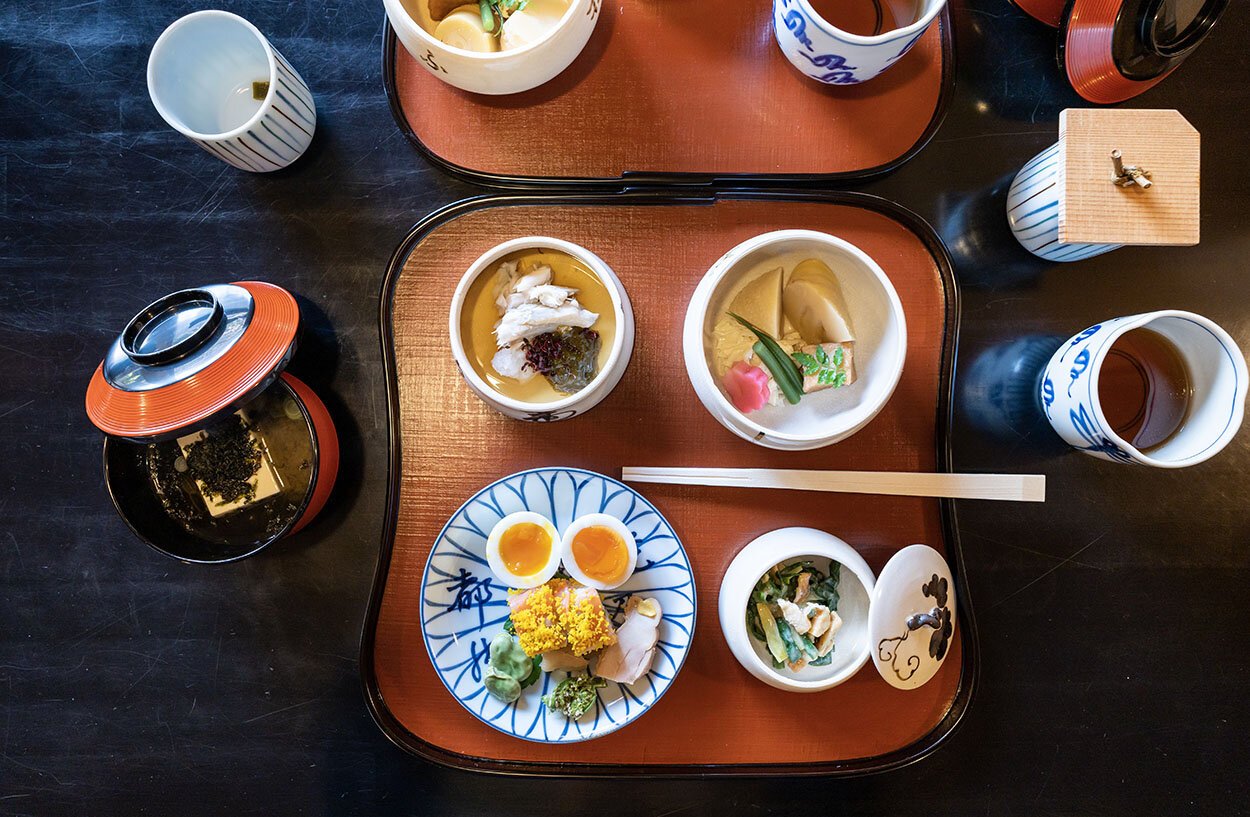
The chef's stated philosophy is disarmingly clear: he wants to cook food he himself would want to eat. That framing matters for the food-focused traveller, because it shapes the menu's priorities. The focus falls on inventiveness and patience rather than ceremony, and it shows in combinations that reach slightly outside the expected kappo repertoire. The heshiko salad, dressed with mackerel pickled in rice-bran paste, is a useful illustration: heshiko is a Hokuriku preservation tradition that rarely makes it onto Kyoto menus, and its use here signals a kitchen that draws on regional depth rather than playing to tourist expectations.
When to Visit: The Seasonal Case
The seasonal argument for Ryoriya Otaya is stronger than at most comparable venues because the kitchen draws directly on Toyama Bay produce, and Toyama Bay has a distinct seasonal clock. The chef is a native of Toyama Prefecture, and the restaurant's identity is built around that connection to the Sea of Japan coast.
Spring is the most compelling window. Firefly squid (hotaruika) from Toyama Bay arrive in March and run through May, and this is about as close to source as you will get in Kyoto. The squid are small, intensely flavoured, and their season is short enough that timing your visit around them is worth doing. Glass shrimp (shiraebi), another Toyama speciality, also arrive in season and are practically impossible to find at this quality level outside the region. Buri (yellowtail) peaks in winter, making the December-to-February window a second strong entry point for the seafood-focused diner.
The seasonal sake selection follows the same regional logic. Toyama and neighbouring prefectures along the Sea of Japan coast produce sake with a mineral, clean profile suited to seafood, and the list here is built around that pairing rather than assembled for prestige. For travellers who have been working through Kyoto's more formal sake programmes at venues like Kikunoi Roan or Isshisoden Nakamura, the emphasis on lesser-known regional labels here offers genuine contrast. Outside peak season, the kitchen adapts rather than coasts — the heshiko application and the general approach to preserved and fermented ingredients mean the menu stays interesting year-round, but spring visits carry the clearest seasonal dividend.
How It Compares
Against the broader Kyoto dining field, Ryoriya Otaya's clearest peer set is the group of Bib Gourmand and mid-tier kappo restaurants rather than the top-tier kaiseki houses. Venues like Gion Matayoshi and Kodaiji Jugyuan operate in adjacent territory, but Otaya's Toyama Bay supply line and the specificity of its regional seafood give it a more distinctive identity than most counterparts at this price tier. If you are plotting a multi-day Kyoto eating itinerary, Otaya fits well as an evening that provides depth and regionality without the financial or logistical commitment of a full kaiseki sequence.
For travellers exploring beyond Kyoto, the Kansai and wider Japan context is useful. HAJIME in Osaka, akordu in Nara, and Goh in Fukuoka each represent different price tiers and formats. Otaya sits comfortably at the accessible end of the quality spectrum, not a fallback, but a deliberate choice for a diner who values ingredient provenance over production value. If you have already eaten at Myojaku or Azabu Kadowaki in Tokyo and want a Kyoto counterpart that rewards curiosity rather than ceremony, Otaya is the right call. See our full Kyoto restaurants guide for the complete picture, and our Kyoto hotels guide, bars guide, and experiences guide for planning the broader trip.
Practical Details
Ryoriya Otaya is priced at ¥¥, which places it well below the ¥¥¥¥ tier that dominates Kyoto's most-discussed restaurants. Booking is rated easy, and this is one of the few credentialled restaurants in the city where leaving a short planning window is unlikely to cost you a table. The address is 456-2 Tenmacho, Shimogyo Ward, the Takase River location puts it within range of central Kyoto on foot or by taxi from most hotel clusters. Phone and website details are not currently listed in our database; the most reliable booking approach for international visitors is through a hotel concierge or a third-party reservation service that handles Japanese restaurant bookings. Dress expectations at a ¥¥ kappo lean casual-smart rather than formal. For broader neighbourhood context, our Kyoto wineries guide covers what to drink in the city, and 1000 in Yokohama and 6 in Okinawa offer useful reference points for how regional Japanese cooking plays at different ends of the country.
Pearl's Take
The Bib Gourmand does the credentialling work here, and the seasonal seafood supply from Toyama Bay does the differentiation work. At ¥¥, the price-to-quality ratio is among the more favourable in Kyoto for a diner who wants a genuinely regional Japanese meal rather than a tourist-facing approximation. Visit in spring for the firefly squid, in winter for the buri, and with enough curiosity about regional sake to engage the list properly. For the food-focused traveller who has already mapped the kaiseki tier at venues like Kyokaiseki Kichisen, Ryoriya Otaya offers a different and complementary experience: lower formality, sharper regional identity, and considerably less financial commitment. Book it.
Planning details
- Location
- 456-2 Tenmacho, Shimogyo Ward, Kyoto, 600-8024, Japan
- Website
- otaya-kyoto.com
- Phone
- +81 75-343-1513
The take
The Take
The Vibe
Ryoriya Otaya sits on a quieter stretch of the Takase River, offering a low-key, ingredient-forward alternative to Kyoto’s more ceremonial corridors. The kappo format foregrounds the work of the chef: dishes shift with morning arrivals and the counter interaction becomes part of the evening’s rhythm. The overall tone is personal rather than ceremonial, making the place feel like a local discovery tucked beside the canal. Recognition with a 2025 Michelin Bib Gourmand underlines that thoughtful, direct cooking is the restaurant’s priority rather than elaborate formality.
Best For
This kappo counter suits diners who want an intimate, ingredient-led experience without the full formality or price of Kyoto kaiseki. It’s a good pick for date nights where watching the chef and sharing evolving plates creates conversation, for solo diners who appreciate front-row access to the kitchen, and for anyone seeking a Michelin-recognised meal at a more accessible price point. The setting beside the canal and the personal scale of the counter make it a destination worth a short detour in Shimogyo Ward.
Ordering Tips
Book or aim for a counter seat to get the full kappo experience: the chef prepares in front of guests and the menu shifts according to what arrives each morning. Expect an improvisational sequence rather than a fixed, ceremonial kaiseki progression; let the chef’s choices guide the meal and treat the evening as a dialogue with the kitchen. Take advantage of the Bib Gourmand value — this is where direct, seasonally driven cooking is the point of the visit rather than elaborate presentation or high-ticket formality.
Venue details
Ambiance
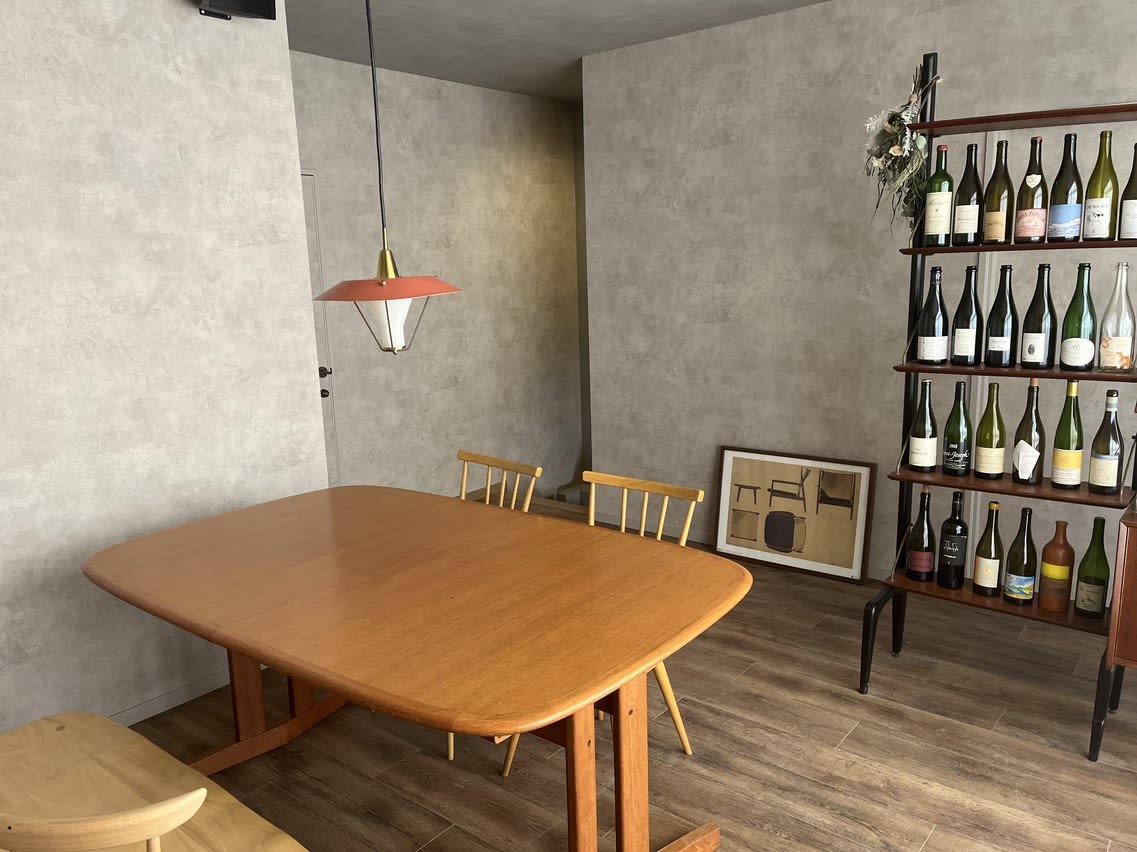
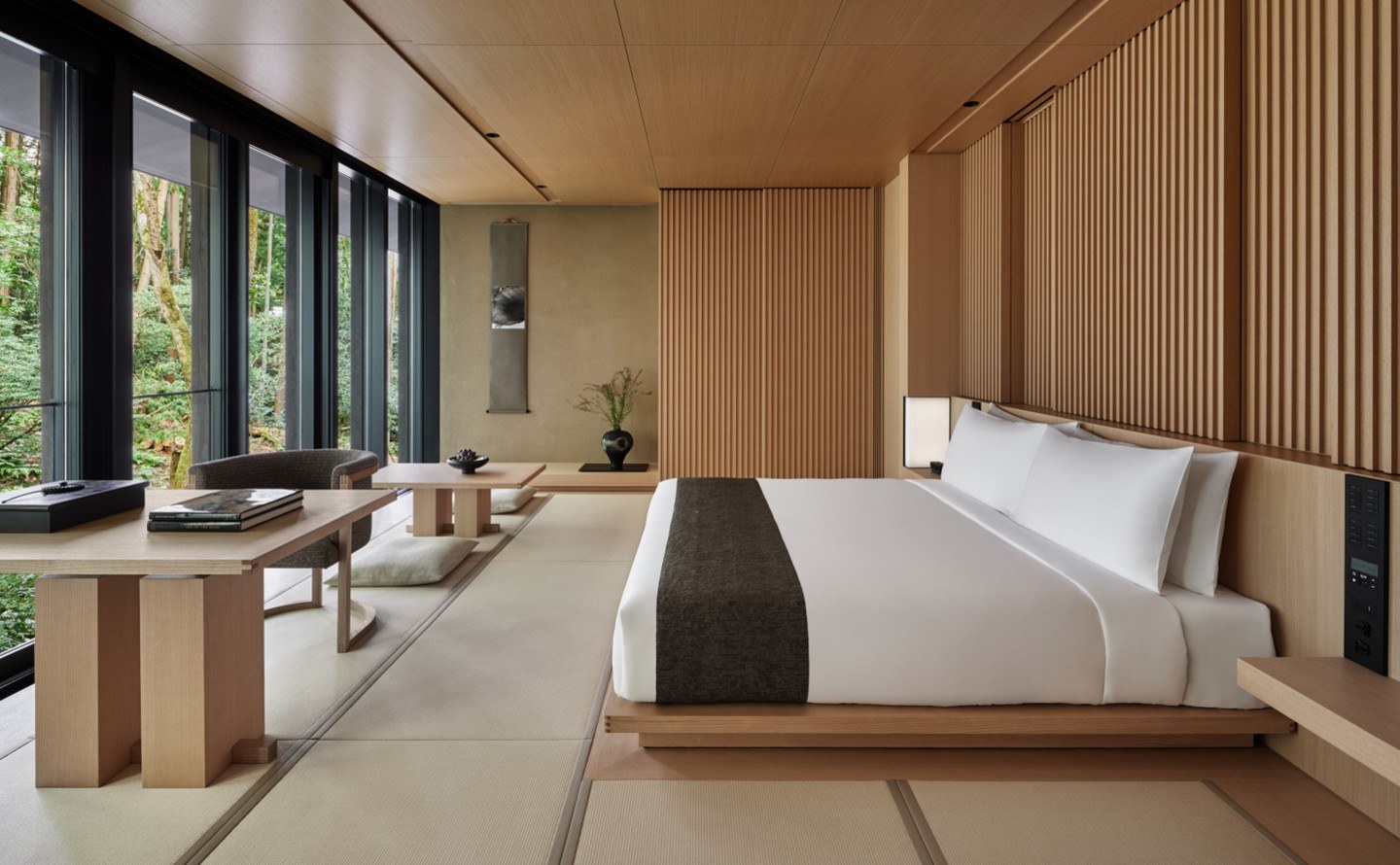
Cozy traditional Japanese interior with serene tranquility, soft lighting, and floor-to-ceiling windows offering river views of seasonal changes.
Tags
Vibe
Best For
Experience
Sourcing
View
At the Table
- Noise Level
- Quiet
- Service Style
- Formal
- Meal Pacing
- Leisurely
- Capacity
- Intimate
Know before you go
Know Before You Go
- Getting there
- 456-2 Tenmacho, Shimogyo Ward, Kyoto, 600-8024, Japan
Planning details
Location
Recognition and awards
Also consider
Also Consider
- Gion Sasaki, Kaiseki, Japanese, ¥¥¥¥
- cenci, Italian, ¥¥¥
- Ifuki, Kaiseki, ¥¥¥¥
- Kyokaiseki Kichisen, Japanese, ¥¥¥¥
- SEN, French, Japanese, ¥¥¥¥
Restaurant context
Ryoriya Otaya operates at ¥¥, which puts it in a different tier from most of Kyoto's most-discussed restaurants. Gion Sasaki, Ifuki, Kyokaiseki Kichisen, and SEN all sit at ¥¥¥¥, two full price tiers above Otaya. If your priority is the full formal kaiseki experience with tatami rooms, lacquerware, and multi-course seasonal ceremony, those venues deliver it at a premium. If your priority is genuinely regional Japanese cooking with strong seasonal ingredients and a direct kitchen connection, Otaya delivers it at a fraction of the cost. The Michelin Bib Gourmand is specifically designed to identify this kind of value gap, and it applies here.
cenci at ¥¥¥ sits between Otaya and the top tier, offering an Italian-inflected perspective on Kyoto seasonality rather than a Japanese one, a valid alternative if you want a change of register, but not a direct substitute for what Otaya does. For a food-focused traveller planning a multi-night Kyoto eating itinerary, the practical recommendation is to use Otaya as the accessible, high-reward evening and allocate your ¥¥¥¥ spend to one kaiseki house rather than spreading it across several. Gion Sasaki is the strongest argument for that top-tier spend if budget allows one splurge; Otaya covers the rest of the week efficiently.
On booking difficulty, Otaya is the easiest call in this comparison set. Gion Sasaki and Kyokaiseki Kichisen require significantly more lead time and, for international visitors, often require concierge assistance or third-party booking services to secure a table at all. Otaya's easy booking rating means you can plan it with a shorter window and still get in, a meaningful advantage for travellers who do not finalise itineraries months in advance.
Explore Kyoto
Around this place
Discover more on Pearl
Unlock the full Ryoriya Otaya guide in Pearl, including awards, comparisons, FAQs, planning details, and nearby places.
Compare Ryoriya Otaya
| Venue | Cuisine | Price | Booking Difficulty | Awards |
|---|---|---|---|---|
| Ryoriya Otaya | Japanese | ¥¥ | Easy | Michelin Guide Kyoto Osaka 20262026 Bib Gourmand2025 Michelin Bib Gourmand2024 Michelin Plate |
| Gion Sasaki | Kaiseki, Japanese | ¥¥¥¥ | Unknown | 2026 Tabelog Bronze · #3862026 OAD Top Restaurants in Japan RecommendedMichelin Guide Kyoto Osaka 20262026 La Liste Top RestaurantsTabelog 100 - Japanese cuisine - WEST - 2025 · #132025 OAD Top Restaurants in Japan Ranked · #2462025 Tabelog Silver2025 Michelin 3 Stars2025 La Liste Top Restaurants |
| cenci | Italian | ¥¥¥ | Unknown | 2026 Tabelog Bronze · #442026 Asia's 50 Best Restaurants · #762026 OAD Top Restaurants in Japan Highly RecommendedMichelin Guide Kyoto Osaka 2026Tabelog 100 - Italian - WEST - 2025 · #632025 Asia's 50 Best Restaurants · #632025 OAD Top Restaurants in Japan Ranked · #1682025 Tabelog Bronze2024 OAD Top Restaurants in Japan Ranked · #135 |
| Ifuki | Kaiseki | ¥¥¥¥ | Unknown | 2026 OAD Top Restaurants in Japan Ranked · #1222026 Tabelog Bronze · #128Michelin Guide Kyoto Osaka 20262026 La Liste Top RestaurantsTabelog 100 - Japanese cuisine - WEST - 2025 · #622025 OAD Top Restaurants in Japan Ranked · #1002025 La Liste Top Restaurants2025 Tabelog Bronze2025 Michelin 2 Stars |
| Kyokaiseki Kichisen | Japanese | ¥¥¥¥ | Unknown | 2026 Tabelog Bronze · #1752026 OAD Top Restaurants in Japan Highly RecommendedMichelin Guide Kyoto Osaka 20262025 OAD Top Restaurants in Japan Ranked · #1862025 Michelin 2 Stars2025 La Liste Top Restaurants2024 OAD Top Restaurants in Japan Ranked · #1422024 Michelin 2 Stars2023 OAD Top Restaurants in Japan Ranked · #136 |
| SEN | French, Japanese | ¥¥¥¥ | Unknown | 2026 Tabelog Bronze · #3952026 OAD Top Restaurants in Japan RecommendedMichelin Guide Kyoto Osaka 20262026 Michelin PlateTabelog 100 - Japanese cuisine - WEST - 2025 · #652025 Michelin Plate2025 Tabelog Bronze2024 OAD Top Restaurants in Japan Ranked · #3622024 Michelin Plate |
.png?width=1200&quality=80)

.png?width=1200&quality=80)






Comparing your options in Kyoto for this tier.
FAQ
Frequently Asked Questions
Can I eat at the bar at Ryoriya Otaya?
Ryoriya Otaya operates as a kappo restaurant, a format built around counter dining where the chef works in front of guests. Counter seating is the core experience here, so eating at the bar is not just possible — it is the intended format. For solo diners or pairs, this is ideal.
Does Ryoriya Otaya handle dietary restrictions?
The kitchen is built around Toyama Bay seafood — firefly squid, glass shrimp, buri, and fermented fish preparations like heshiko — so pescatarians are well-served. Strict vegetarians or guests with shellfish allergies will find the menu limiting given how central seasonal seafood is to what the chef does. Communicating restrictions in advance is advisable at any kappo restaurant in Kyoto.
Is Ryoriya Otaya good for solo dining?
Yes, and arguably this is one of the better uses of the booking. Kappo counter dining rewards solo guests: you get direct interaction with the kitchen and full attention to the seasonal progression of the meal. At ¥¥, it is also a lower-risk solo splurge than the ¥¥¥¥ kaiseki venues dominating Kyoto's higher tiers.
Is the tasting menu worth it at Ryoriya Otaya?
At ¥¥ pricing with a Michelin Bib Gourmand (2025) credential, the price-to-quality case is solid. The kitchen's differentiation comes from Toyama Bay produce and inventive preparation — dishes like heshiko-dressed salad reflect genuine technical intent rather than safe crowd-pleasing. If seasonal Japanese seafood is your format, this is worth ordering through.
Can Ryoriya Otaya accommodate groups?
Kappo restaurants in Kyoto are typically compact, counter-led spaces, and Ryoriya Otaya fits that profile. Groups larger than four may find it difficult to book together, and the counter format is not naturally suited to large-party dining. For groups of two to three, this works well; for six or more, a restaurant with private rooms would be a more practical choice.
How far ahead should I book Ryoriya Otaya?
Book at least two to three weeks out, particularly if you are targeting a specific seasonal window — firefly squid and glass shrimp from Toyama Bay arrive in season and drive the best iterations of the menu. The Bib Gourmand listing in 2025 will have increased demand, so earlier is safer during peak Kyoto travel periods in spring and autumn.