
Masumasu Masuda
Japanese · Kamigyō, Kyoto
Restaurant in Kyoto, Japan
 Book with Pearl
The Read
Tochigi Provenance Cooking
Price
$50–100per person
Dress
Smart Casual
Why go
A monthly-changing, Tochigi-focused Japanese restaurant in Kyoto's Kamigyo Ward with Michelin Plate recognition in 2024 and 2025. At the ¥¥¥ tier, it delivers personal, regionally grounded cooking — Nikko trout oshizushi, hearth-cooked rice, Tochigi wagyu — at a price point well below Kyoto's kaiseki tier. Counter seating is the way to book.
About Masumasu Masuda
A ¥¥¥ Kyoto restaurant that earns repeat visits through regional conviction
At the ¥¥¥ price tier, Masumasu Masuda is one of the more compelling arguments for booking a personal, chef-driven restaurant in Kyoto's Kamigyo Ward rather than defaulting to a kaiseki institution. The menu is built around Tochigi Prefecture — the chef's home region — and changes monthly, meaning a second visit delivers a meaningfully different meal from the first. If you have been once and enjoyed it, the case for returning is strong. If you are deciding whether to book at all, the Michelin Plate recognition in both 2024 and 2025 signals consistent kitchen quality at a price point well below the ¥¥¥¥ houses that dominate Kyoto's fine dining conversation.
What the counter adds here
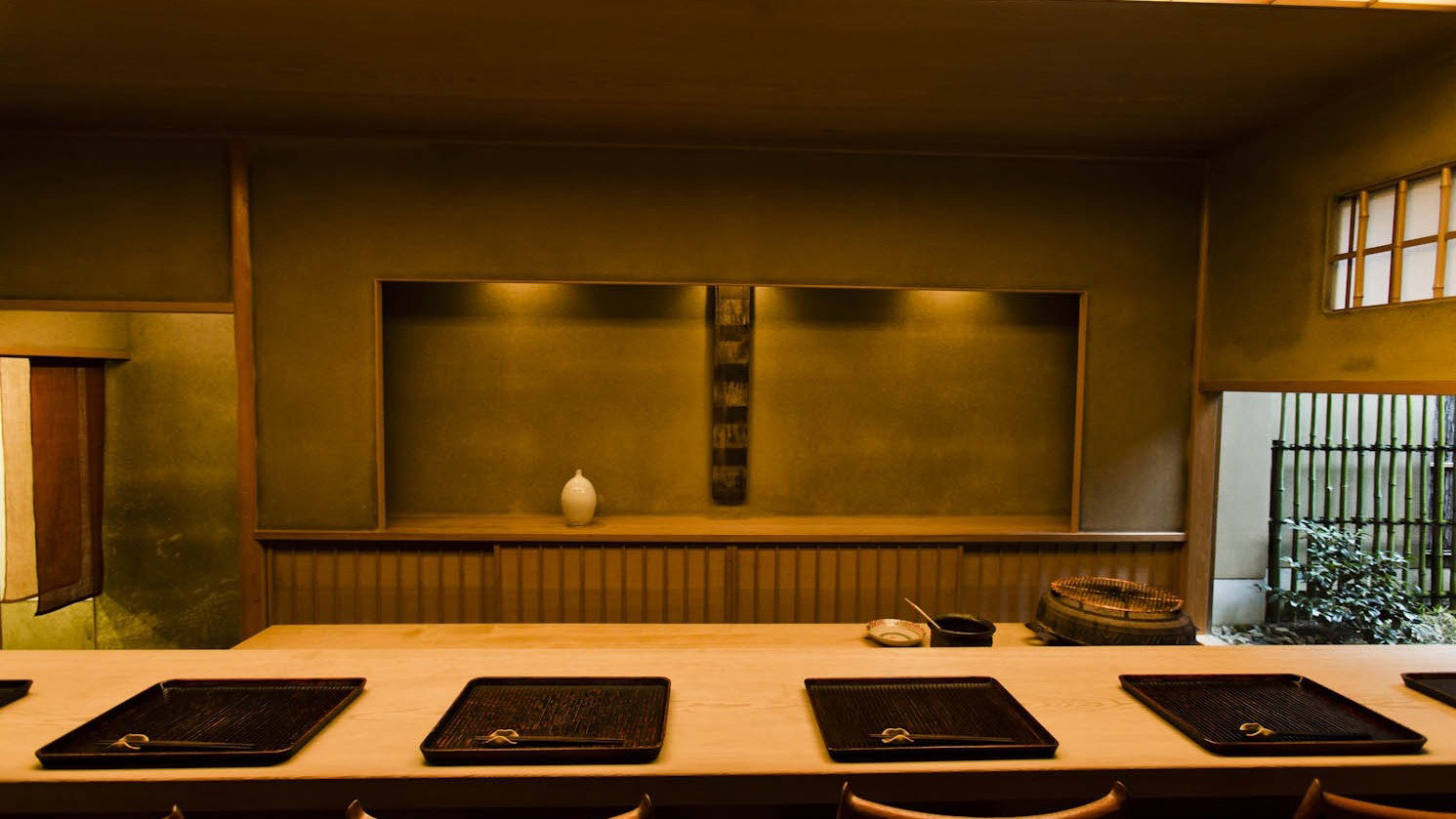
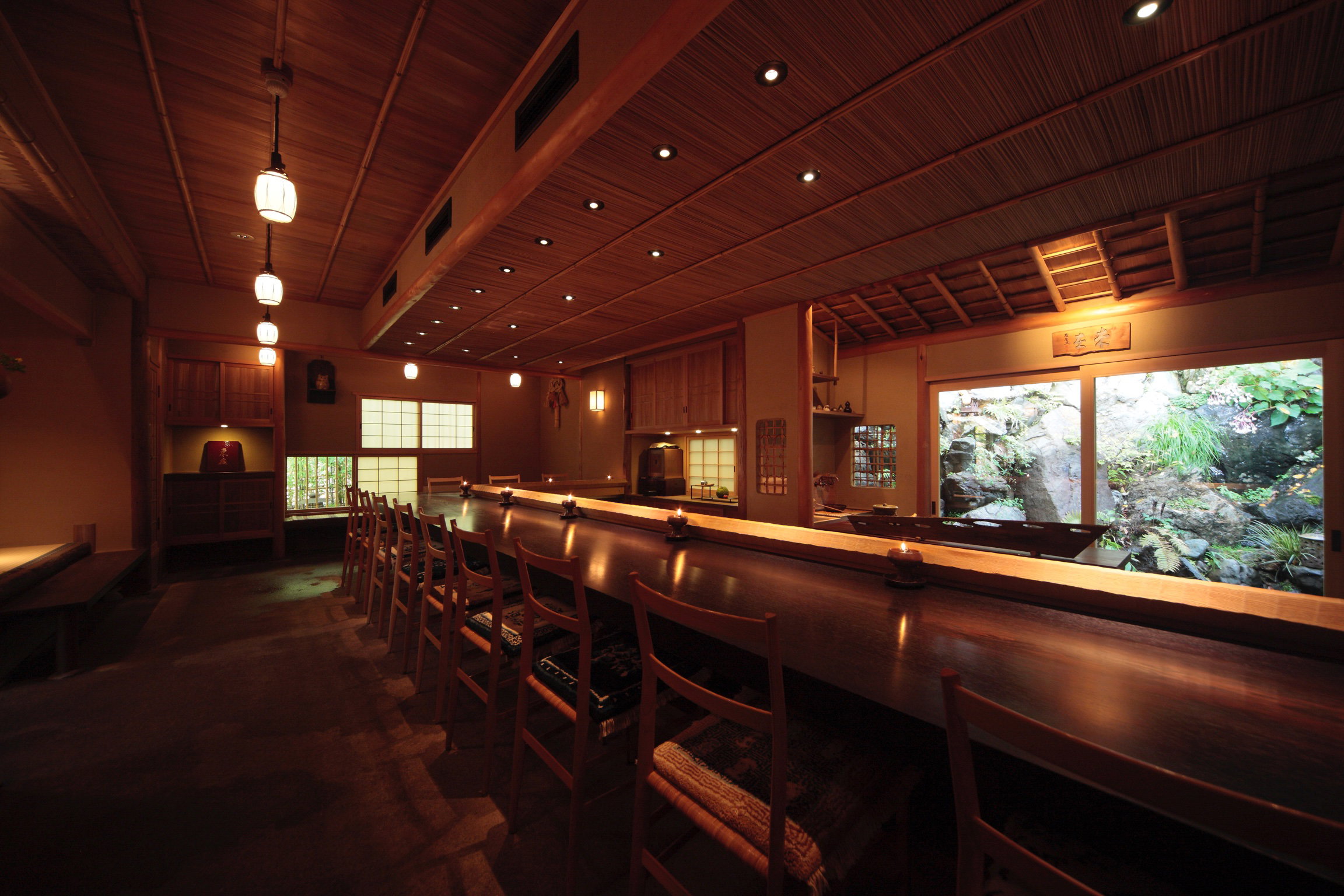
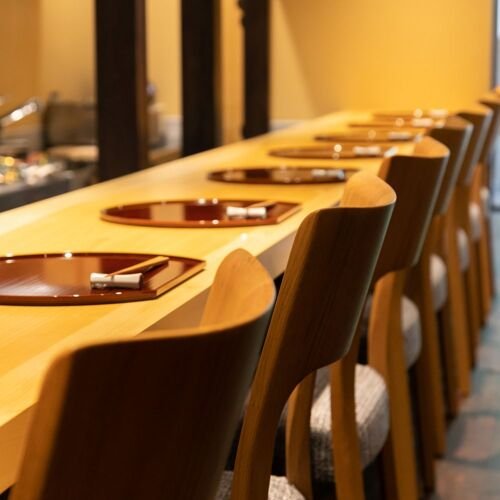
The editorial angle that matters most at Masumasu Masuda is proximity. Counter seating at a restaurant this size, where the kitchen sources trout from a friend's farm in Nikko and cooks rice on a hearth, means you are watching ingredient-level decisions play out in real time. The oshizushi preparation of Nikko trout, pressed and portioned in front of you, is the kind of detail that reads differently when you are a metre from the work than when it arrives plated at a table across the room. The hearth-cooked Tochigi rice carries a faint smoke on the grain that you notice before the bowl lands. For a returning visitor, requesting counter placement is the single most practical upgrade available at this restaurant.
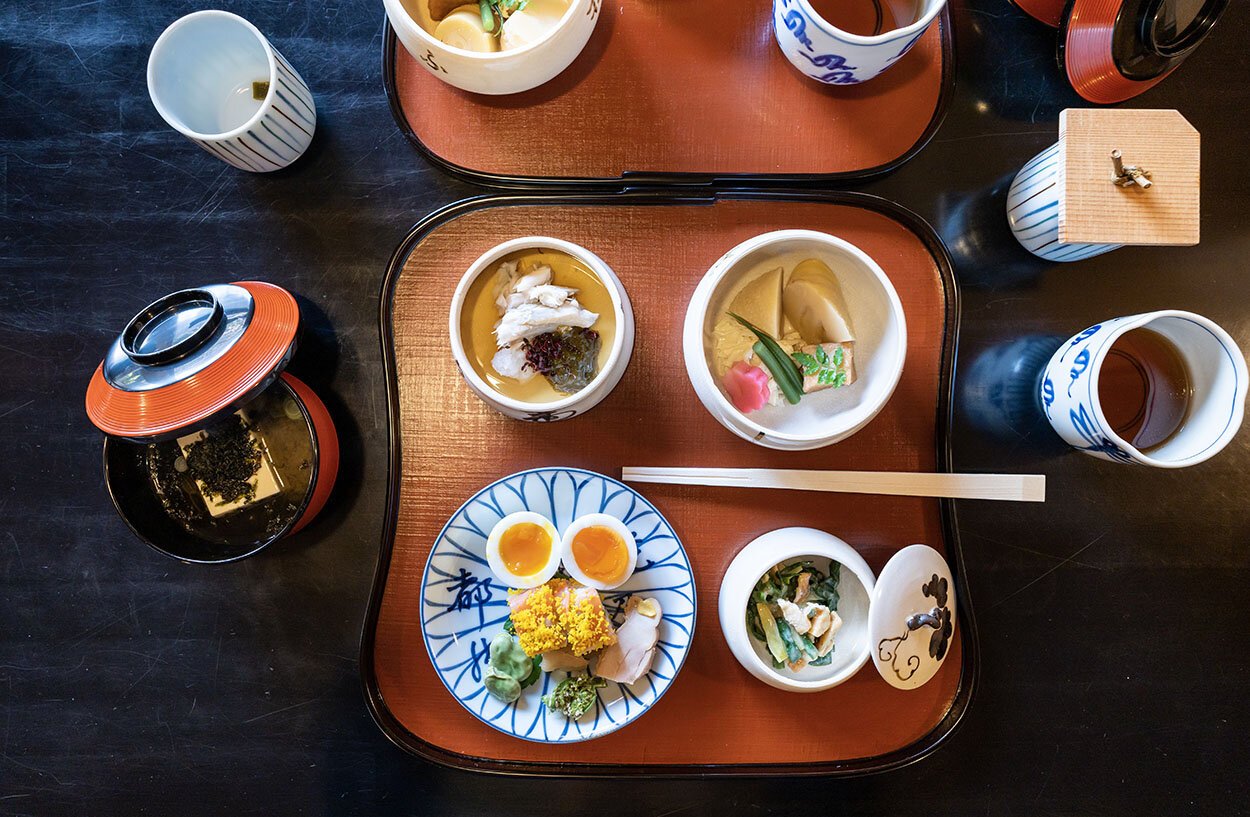
The name itself is a signal worth understanding before you sit down. Masumasu Masuda combines the chef's family name with a Japanese expression meaning "more and more", a prayer for the restaurant to grow through family support. That framing is not decoration; it shapes what kind of place this is. The menu reflects a personal geography, not a culinary thesis. Tochigi wagyu beef, Tochigi-sourced rice, seasonal vegetables from the same region, and trout from a named friend's operation in Nikko: the sourcing is specific enough to feel deliberate rather than marketing.
Ideal time to visit
Because the menu rotates monthly, timing your visit around Kyoto's two most dramatic seasons, cherry blossom (late March to early April) and autumn foliage (mid-November), pays off differently here than at a fixed-menu restaurant. The seasonal produce from Tochigi will reflect what is in the ground at the time, and a November visit is likely to bring root vegetables and late-season mushrooms to a menu that, in April, may skew toward spring shoots and lighter preparations. Booking during Kyoto's shoulder months (May, June, September, early October) is also worth considering: the city is quieter, restaurant reservations are easier to secure, and the Tochigi growing calendar still provides strong seasonal material.
How it fits into a Kyoto dining itinerary
Masumasu Masuda sits in Kamigyo Ward, the northern section of central Kyoto, which is less visited than Gion or Higashiyama. For anyone building a multi-day Kyoto itinerary that already includes a kaiseki dinner at somewhere like Kikunoi Roan or a formal meal at Isshisoden Nakamura, Masumasu Masuda provides a useful counterpoint: it is personal, regionally focused, and operating at a scale where the chef's sourcing relationships are audible in the meal. It is not trying to do what Kyokaiseki Kichisen does, and should not be evaluated against that standard. Compare it instead against other chef-driven, monthly-changing restaurants in the ¥¥¥ range.
For context on the broader Kansai and Japan dining circuit, venues with comparable personal sourcing conviction include akordu in Nara and Goh in Fukuoka, both of which build menus around specific regional relationships. In Tokyo, Myojaku and Azabu Kadowaki represent the kind of personal Japanese cooking that Masumasu Masuda belongs alongside. For a larger-scale ambition in the region, HAJIME in Osaka and Harutaka in Tokyo show where this style of sourcing commitment can go at higher price tiers.
If you are looking for more options across the city, our full Kyoto restaurants guide covers the range from counter sushi to kaiseki. Pair a dinner here with entries from our Kyoto bars guide and plan around our Kyoto hotels guide if you are staying in the city. For broader Kyoto planning, our experiences guide and wineries guide round out the picture.
Know Before You Go
- Price tier
- ¥¥¥, mid-to-upper range for Kyoto; below the ¥¥¥¥ kaiseki tier
- Awards
- Michelin Plate 2024 and 2025
- Menu format
- Monthly-changing; built around Tochigi Prefecture produce, Nikko trout (oshizushi), Tochigi wagyu beef, and hearth-cooked Tochigi rice
- Booking difficulty
- Easy, but availability during Kyoto peak seasons (late March, November) may be tighter than off-peak
- Location
- Kamigyo Ward, Kyoto, northern central Kyoto, quieter than Gion
- Leading for
- Returning visitors wanting a personal, regionally grounded alternative to kaiseki; counter seating recommended
- Address
- 187-1 Hisashicho, Kamigyo Ward, Kyoto 〒602-8236
Pearl Picks, also worth your time in Kyoto
- Gion Matayoshi, for a more formal Gion experience at a comparable tier
- Kodaiji Jugyuan, for a temple-adjacent dining setting in Higashiyama
- Kikunoi Roan, if you want classic kaiseki structure alongside a personal meal like this one
- 1000 in Yokohama and 6 in Okinawa, if you are building a Japan itinerary around chef-driven, single-subject restaurants
Planning details
- Location
- Japan, 〒602-8236 Kyoto, Kamigyo Ward, Hisashicho, 187-1
- Reservations
- Book on TableCheck
- Website
- masumasumasuda.com
- Phone
- +81 75-366-8273
The take
The Take
The Vibe
Masumasu Masuda sits quietly in Kamigyo Ward, projecting an understated, food-forward presence rather than theatrical dining-room flourishes. The tone is restrained and classic: the kitchen foregrounds provenance and careful technique, and the neighbourhood setting pulls the focus back to the dishes. The restaurant’s Michelin Plate recognition reinforces that measured sensibility—cooking aimed at a personal standard rather than performative showmanship. Diners find a calm, attentive atmosphere where the sourcing story and hearth-led cookery quietly define the experience.
Best For
This is a place for diners who prize thoughtful sourcing and composed service at dinner. Its mid-to-upper price positioning and Michelin Plate status make it well suited to date nights and special occasions when you want a concentrated, high-quality meal rather than a loud night out. The clientele skews toward neighbourhood regulars and deliberate visitors who come specifically for the kitchen’s Tochigi-driven ingredients, so it works best for focused evening meals and intimate celebrations where the food is the central draw.
Ordering Tips
Prioritize the provenance-led signatures: the hearth-cooked rice that anchors each meal, the Tochigi wagyu, and the Nikko trout oshizushi—the menu repeatedly underscores those regional links. The description emphasizes the chef’s personal connections to producers in Tochigi and Nikko, so ordering dishes that highlight that sourcing gives the clearest sense of the restaurant’s point of view. Note the Michelin Plate designation as an indicator of careful, restrained cooking rather than high-volume or novelty dishes.
Venue details
Ambiance
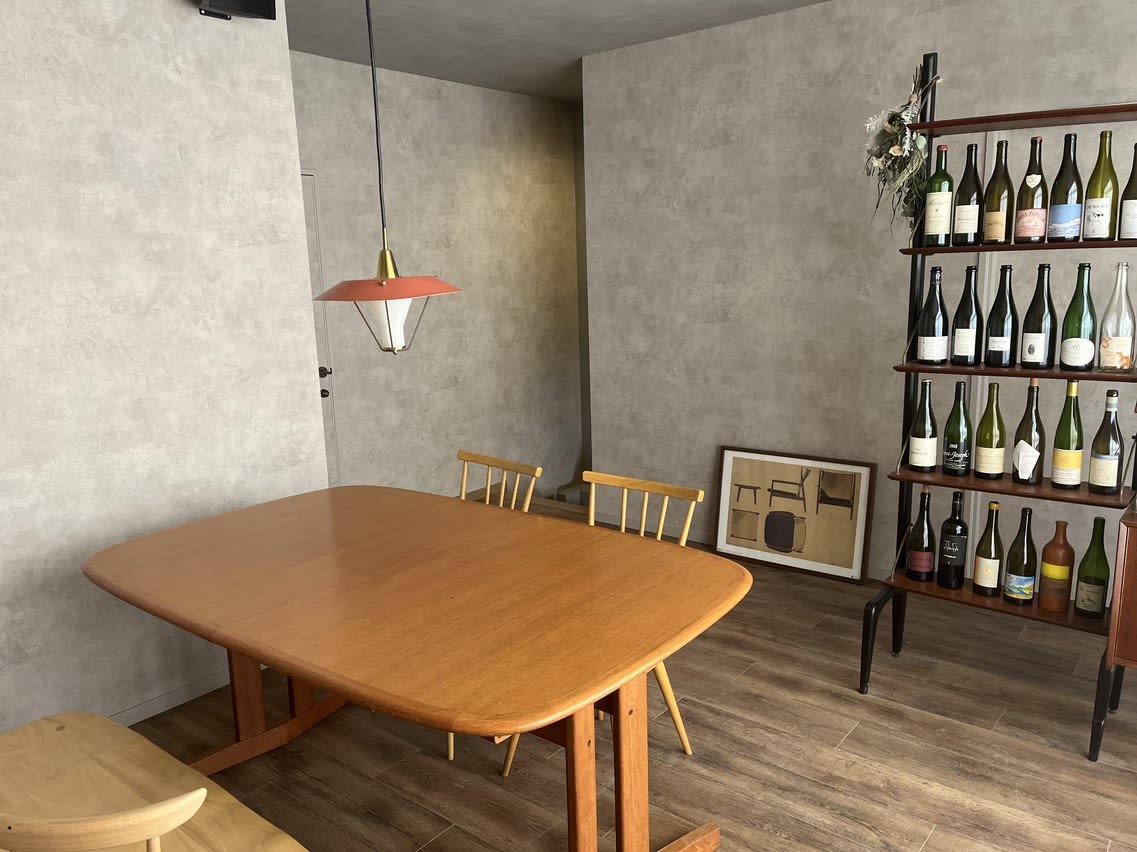
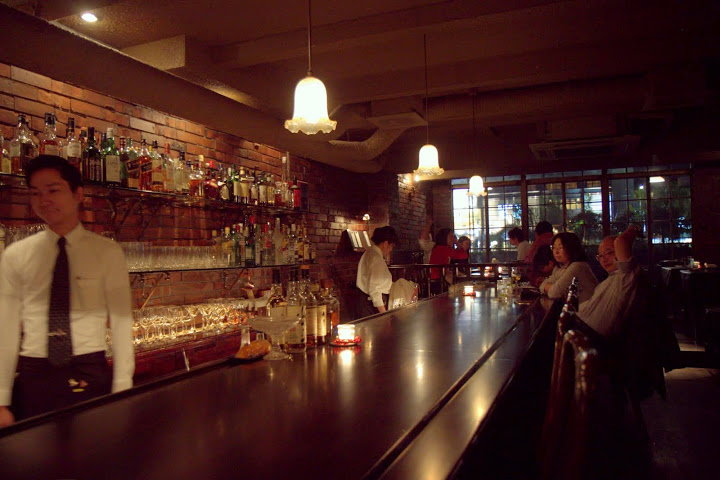
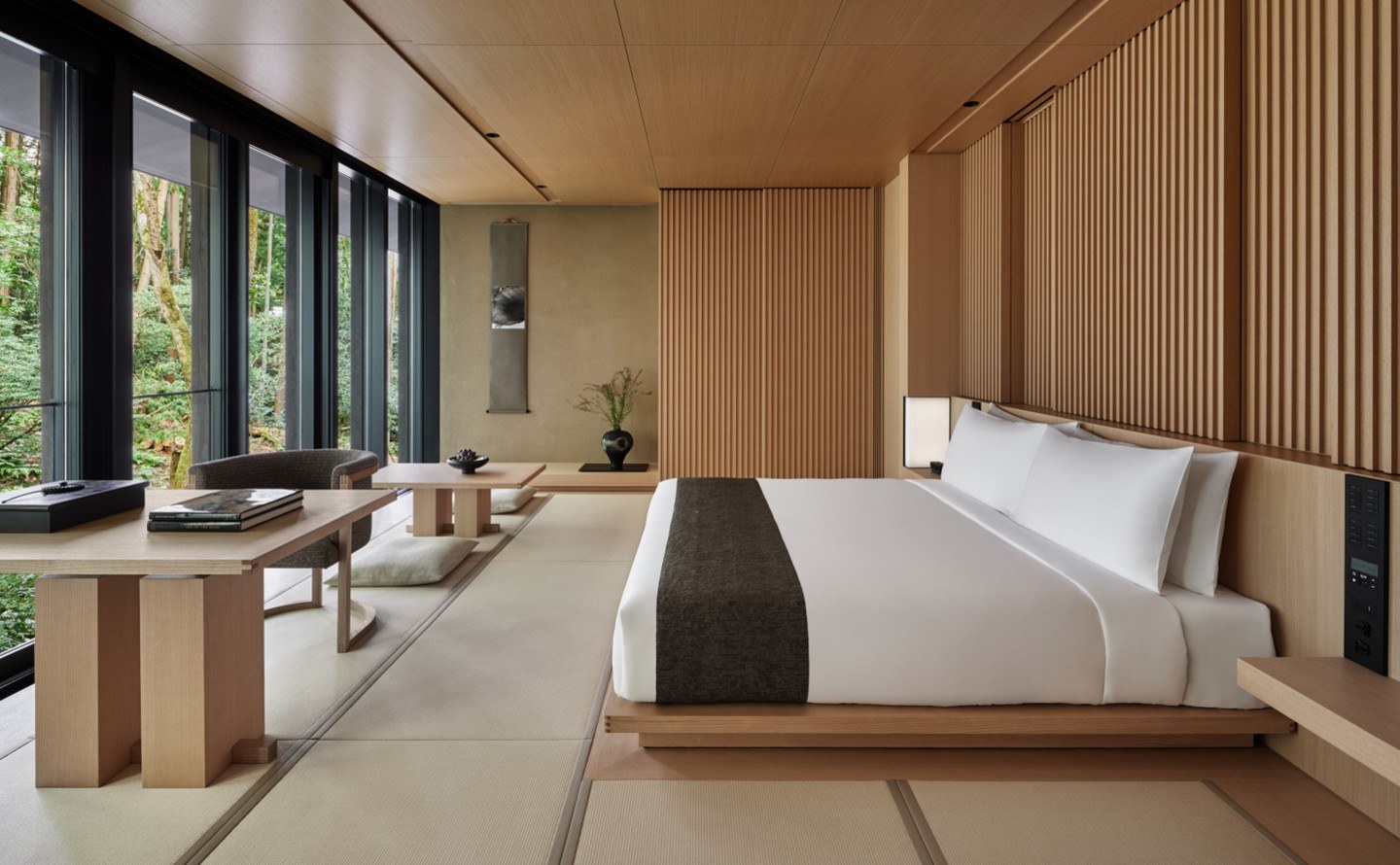
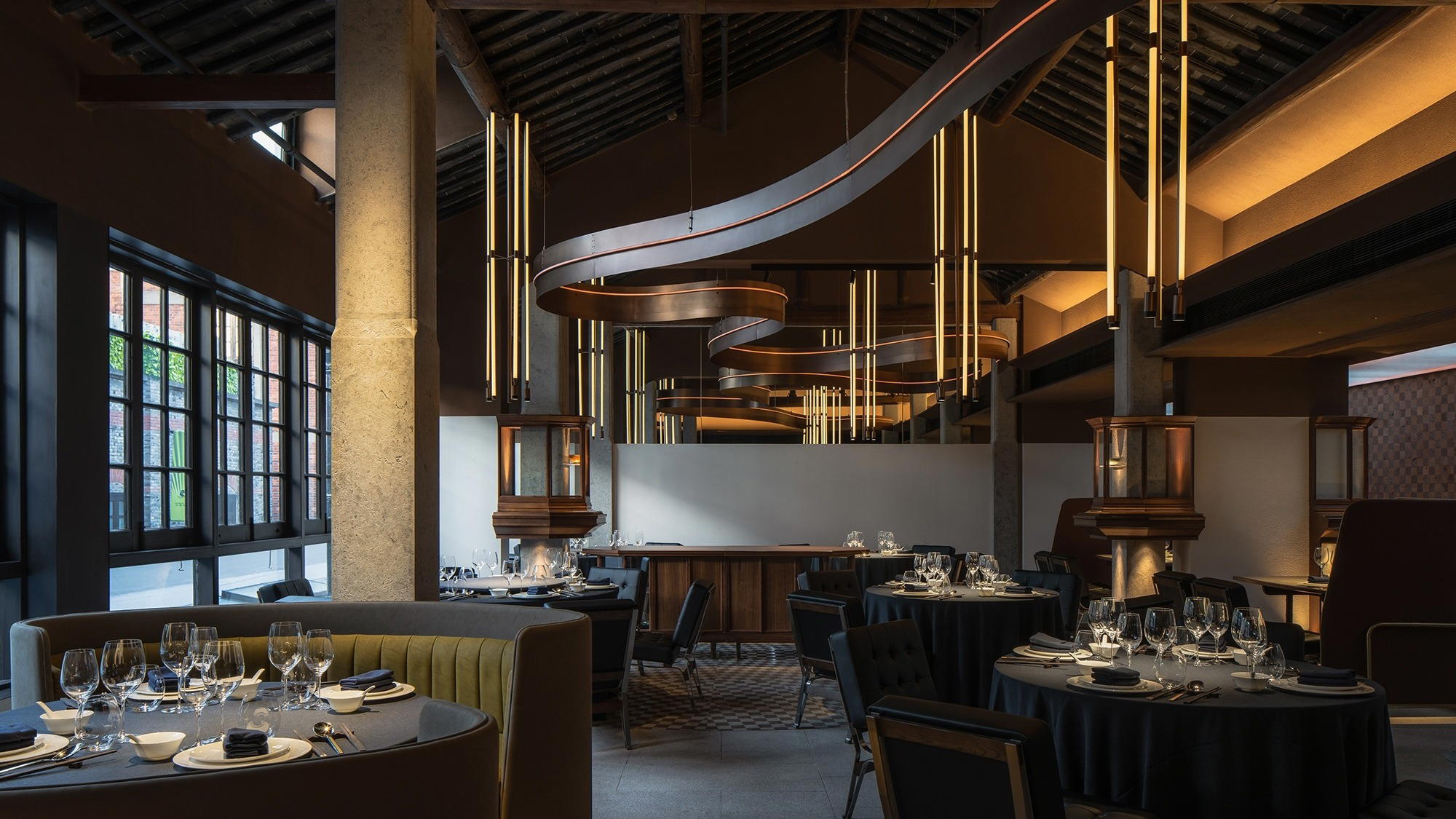
Warm wooden interior with lantern light, serene moss garden view, and quiet traditional townhouse atmosphere fostering personal connection with the chef.
Tags
Vibe
Best For
Experience
Sourcing
View
At the Table
- Dress Code
- Smart Casual
- Noise Level
- Quiet
- Service Style
- Formal
- Meal Pacing
- Leisurely
- Capacity
- Intimate
- Kitchen
- Seasonal
- Menu Format
- Omakase, Counter dining
- Wine Program
- Curated
- Drinks Focus
- Sake program
- Dietary
- Vegetarian friendly
Signature Dishes
- Nikko trout oshizushi
- Tochigi wagyu
- hearth rice
Know before you go
Know Before You Go
- Getting there
- Japan, 〒602-8236 Kyoto, Kamigyo Ward, Hisashicho, 187-1
Planning details
Location
Japan, 〒602-8236 Kyoto, Kamigyo Ward, Hisashicho, 187-1 · Directions
Recognition and awards
Also consider
Also Consider
- Gion Sasaki, Kaiseki, Japanese, ¥¥¥¥
- cenci, Italian, ¥¥¥
- Ifuki, Kaiseki, ¥¥¥¥
- Kyokaiseki Kichisen, Japanese, ¥¥¥¥
- SEN, French, Japanese, ¥¥¥¥
Restaurant context
Within Kyoto's ¥¥¥¥ tier, Gion Sasaki, Ifuki, Kyokaiseki Kichisen, and SEN all operate at a higher price point and a more formal register than Masumasu Masuda. If kaiseki structure and ceremonial service are what you are after, Kyokaiseki Kichisen is the benchmark in this set. Gion Sasaki and Ifuki are strong alternatives for kaiseki with slightly different seasonal emphases. None of them are trying to do what Masumasu Masuda does, a personal, regionally specific menu that changes monthly and is built around the chef's Tochigi sourcing relationships. They are not direct competitors; they are different decisions.
The closest peer in price tier is cenci, also ¥¥¥, which takes an Italian approach to Kyoto ingredients. For a returning Kyoto visitor who has already done one or two kaiseki dinners, the choice between cenci and Masumasu Masuda comes down to format preference: cenci for a European lens on local produce, Masumasu Masuda for a Japanese-regional lens on Tochigi produce. Both are meaningfully cheaper than the ¥¥¥¥ houses and both hold Michelin recognition.
On booking difficulty, Masumasu Masuda is rated easy, which gives it a practical edge over the ¥¥¥¥ venues in this comparison set, where lead times can run to months. If you are planning a Kyoto trip on a shorter timeline or want flexibility to book closer to your dates, Masumasu Masuda is the most accessible option in this peer group without sacrificing kitchen quality. For diners who want the highest possible formal dining experience and are willing to plan far ahead, Kyokaiseki Kichisen is the splurge pick. For value at a serious level, Masumasu Masuda wins the comparison.
Explore Kyoto
Around this place
Discover more on Pearl
Unlock the full Masumasu Masuda guide in Pearl, including awards, comparisons, FAQs, planning details, and nearby places.
Compare Masumasu Masuda
| Venue | Cuisine | Awards | Booking Difficulty |
|---|---|---|---|
| Masumasu Masuda | Japanese | Michelin Guide Kyoto Osaka 20262026 Michelin Plate2025 Michelin Plate2024 Michelin Plate | Easy |
| Gion Sasaki | Kaiseki, Japanese | 2026 Tabelog Bronze · #3862026 OAD Top Restaurants in Japan RecommendedMichelin Guide Kyoto Osaka 20262026 La Liste Top RestaurantsTabelog 100 - Japanese cuisine - WEST - 2025 · #132025 OAD Top Restaurants in Japan Ranked · #2462025 Tabelog Silver2025 Michelin 3 Stars2025 La Liste Top Restaurants | Unknown |
| cenci | Italian | 2026 Tabelog Bronze · #442026 Asia's 50 Best Restaurants · #762026 OAD Top Restaurants in Japan Highly RecommendedMichelin Guide Kyoto Osaka 2026Tabelog 100 - Italian - WEST - 2025 · #632025 Asia's 50 Best Restaurants · #632025 OAD Top Restaurants in Japan Ranked · #1682025 Tabelog Bronze2024 OAD Top Restaurants in Japan Ranked · #135 | Unknown |
| Ifuki | Kaiseki | 2026 OAD Top Restaurants in Japan Ranked · #1222026 Tabelog Bronze · #128Michelin Guide Kyoto Osaka 20262026 La Liste Top RestaurantsTabelog 100 - Japanese cuisine - WEST - 2025 · #622025 OAD Top Restaurants in Japan Ranked · #1002025 La Liste Top Restaurants2025 Tabelog Bronze2025 Michelin 2 Stars | Unknown |
| Kyokaiseki Kichisen | Japanese | 2026 Tabelog Bronze · #1752026 OAD Top Restaurants in Japan Highly RecommendedMichelin Guide Kyoto Osaka 20262025 OAD Top Restaurants in Japan Ranked · #1862025 Michelin 2 Stars2025 La Liste Top Restaurants2024 OAD Top Restaurants in Japan Ranked · #1422024 Michelin 2 Stars2023 OAD Top Restaurants in Japan Ranked · #136 | Unknown |
| SEN | French, Japanese | 2026 Tabelog Bronze · #3952026 OAD Top Restaurants in Japan RecommendedMichelin Guide Kyoto Osaka 20262026 Michelin PlateTabelog 100 - Japanese cuisine - WEST - 2025 · #652025 Michelin Plate2025 Tabelog Bronze2024 OAD Top Restaurants in Japan Ranked · #3622024 Michelin Plate | Unknown |
.png?width=1200&quality=80)






Key differences to consider before you reserve.
FAQ
Frequently Asked Questions
Can I eat at the bar at Masumasu Masuda?
Counter seating is the format at Masumasu Masuda, not a secondary option. The counter is where the experience happens: you watch the kitchen source and prepare dishes including Tochigi trout oshizushi and wagyu, with rice cooked on a hearth. Requesting counter seating is the right call, not a fallback.
What should a first-timer know about Masumasu Masuda?
The menu changes monthly and skews strongly toward Tochigi Prefecture ingredients — this is not a generic Kyoto kaiseki. Expect seasonal vegetables, trout from Nikko, and Tochigi wagyu, with rice cooked on a hearth. The restaurant holds a Michelin Plate (2024 and 2025), which signals quality without the pressure-cooker formality of a starred room. Come with curiosity about regional Japanese cooking, not just prestige-hunting.
How far ahead should I book Masumasu Masuda?
Book at least 3 to 4 weeks in advance, especially if your Kyoto dates are fixed. A small counter restaurant with a monthly-rotating menu and no published booking link fills through word of mouth and repeat visitors. If you're visiting during cherry blossom season (late March to early April) or autumn foliage (November), push that to 6 to 8 weeks minimum.
What should I wear to Masumasu Masuda?
At the ¥¥¥ price tier with Michelin recognition, neat and considered dress is appropriate — think the kind of outfit you'd wear to a serious dinner with someone you want to impress. The venue's address in a quieter residential stretch of Kamigyo Ward suggests an unpretentious atmosphere, so there is no case for formal wear, but overly casual clothing would be out of place.
What should I order at Masumasu Masuda?
The menu is set and changes monthly, so there is no à la carte ordering decision to make. The kitchen's identity is built around Tochigi Prefecture produce — notably trout from Nikko served as oshizushi, Tochigi wagyu beef, and hearth-cooked Tochigi rice. Show up without agenda and let the monthly menu lead; that is the format the restaurant is designed around.