.png?width=1200&quality=80)
Chinese Noodles ROKU
Ramen · Shimogyō, Kyoto
Restaurant in Kyoto, Japan
 Book with Pearl
The Read
Multi-Protein Herbal Stock
Price
¥
Chef
Yuji Iwasaki
Dress
Casual
Why go
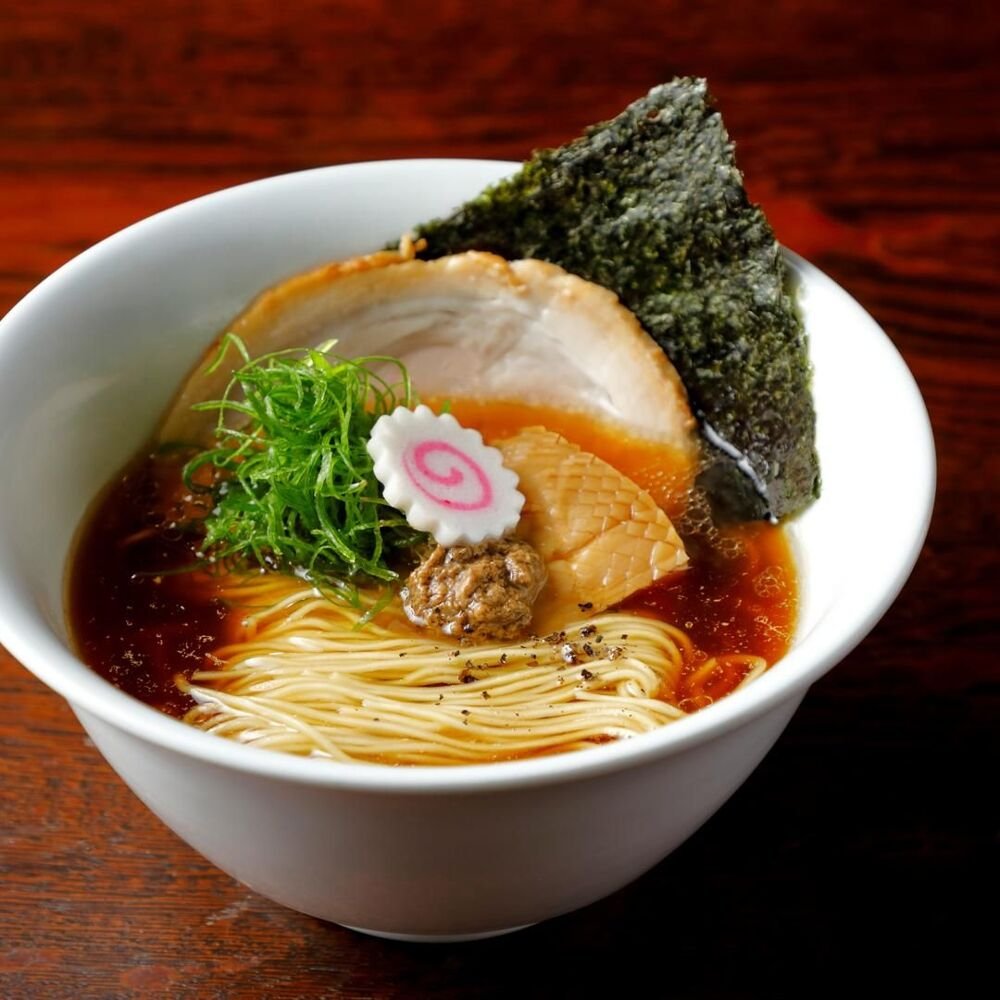
Chinese Noodles ROKU holds back-to-back Michelin Bib Gourmand recognition (2024, 2025) for chef Yuji Iwasaki's clear bone-stock ramen, built from duck, chicken, venison, and pork with dried longan fruit as a defining Chinese medicinal accent. At ¥ pricing, it delivers serious broth technique without the commitment of a kaiseki evening. Easy to book and located inside GOOD NATURE STATION in Shimogyo Ward.
About Chinese Noodles ROKU
Who Should Book Chinese Noodles ROKU
If you want a Michelin-recognised bowl of ramen in Kyoto without committing to a four-figure kaiseki evening, ROKU is the right call. It suits couples marking a low-key anniversary, solo travellers who want to eat well without ceremony, and food-focused visitors who are serious about broth construction. The price point (¥) means you can eat here twice on what you would spend once at Gion Sasaki. That is not a knock on kaiseki — it is a reminder that ROKU is playing a different and more accessible game, and winning Michelin's Bib Gourmand in both 2024 and 2025 confirms it is winning that game well.
The Broth Architecture
Chef Yuji Iwasaki, working under the Velrosier banner, takes a bone-stock foundation — duck, chicken, venison, pork, and layers it with dried ingredients in a way that reads less like a single ramen recipe and more like a sequence of flavour decisions stacked on top of one another. The clear soup format (chintan-style) is the most instructive lens here: achieving depth in a transparent broth requires precision at every stage, because there is no opacity to hide behind. Where many ramen shops stop at kombu and katsuobushi for their umami base, ROKU incorporates dried longan fruit, a Chinese medicinal ingredient, alongside other dried components. That one addition signals the kitchen's orientation: this is a cook who has studied Chinese cuisine seriously enough to reach for ingredients that most ramen chefs would not recognise on a shelf.
The aromatic signature of the kitchen follows from those dried ingredients. Dried longan has a faint caramel-floral quality that mingles with bone-rendered fat and the clean mineral note of a well-skimmed stock. You encounter the smell before the bowl arrives. For a special occasion framing, that moment of anticipation is part of the experience rather than incidental to it.
ROKU's 'add-on' seasoning approach, where the base broth is deepened through sequential additions rather than a single seasoning stage, is structurally similar to the progression logic of a tasting menu, even if the format is a single bowl. Each layer was decided independently before being resolved into a unified result. That is the kind of cooking intelligence Michelin's Bib Gourmand programme is designed to surface: serious technique at an accessible price.
Booking and Logistics
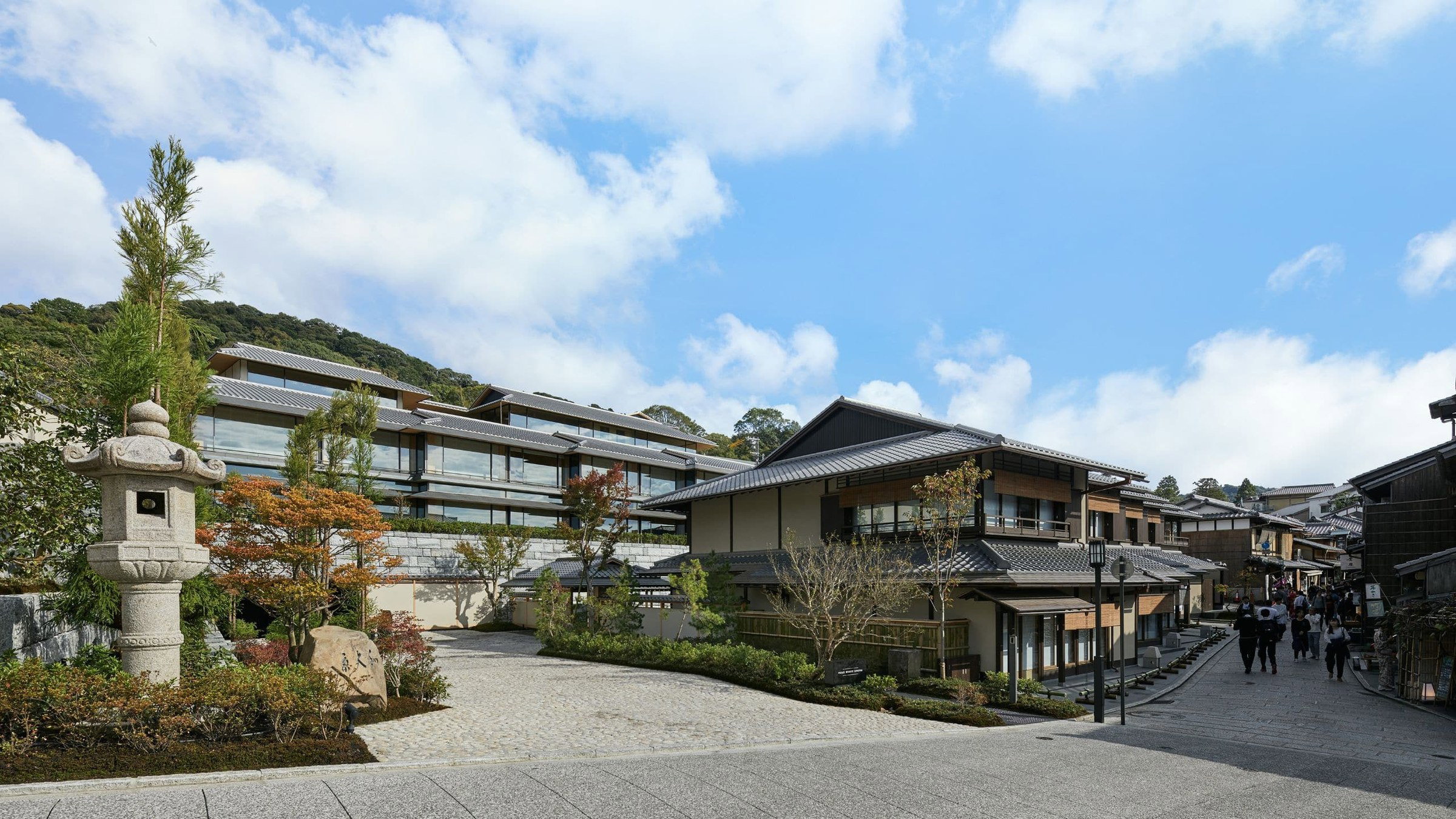
ROKU is located inside GOOD NATURE STATION in Shimogyo Ward, a mixed-use complex in central Kyoto, which makes it easier to find than many standalone ramen shops occupying narrower residential streets. Booking difficulty is rated Easy by Pearl, which puts it in a different category from the multi-week waits at some of Kyoto's starred restaurants. That said, Bib Gourmand recognition for two consecutive years will have increased footfall, and timing your visit outside peak lunch and dinner windows is worth factoring in. No advance booking data is confirmed in our records, so verify current reservation options directly at the venue or via a hotel concierge.
Know Before You Go
- Cuisine: Ramen (Chinese-influenced, clear bone-stock broth)
- Price range: ¥ (budget-friendly; accessible for repeat visits)
- Awards: Michelin Bib Gourmand 2024, Michelin Bib Gourmand 2025
- Chef: Yuji Iwasaki (Velrosier)
- Location: GOOD NATURE STATION, Shimogyo Ward, Kyoto
- Booking difficulty: Easy
- Dress code: Casual, no dress requirements for a ramen counter at this price point
- Hours: Not confirmed, verify before visiting
- Phone / website: Not confirmed in our records, check GOOD NATURE STATION listings or ask your hotel
How It Compares
ROKU in the Kyoto Ramen Field
For ramen specifically in Kyoto, the comparison set matters. KOBUSHI Ramen, Kombu to Men Kiichi, Mendokoro Janomeya, Menya Inoichi, and Muginoyoake all operate in the same city and price tier. What separates ROKU is the dual Bib Gourmand recognition and the Chinese medicinal ingredient framework that gives the broth a distinct identity. If you are building a Kyoto ramen itinerary across multiple days, ROKU earns its place as the Michelin-confirmed anchor of that list, not because the others are weak, but because the award provides an external quality checkpoint that simplifies a first-visit decision.
For context on how Kyoto's dining scene sits within Japan's broader restaurant geography, see our guides to HAJIME in Osaka, Harutaka in Tokyo, akordu in Nara, Goh in Fukuoka, and 1000 in Yokohama. If ramen is your focus beyond Kyoto, Afuri in Tokyo and Afuri Ramen in Portland both offer useful reference points for yuzu-forward clear broths that share some stylistic DNA with ROKU's chintan approach. Further afield, 6 in Okinawa demonstrates how Chinese culinary influence continues to shape southern Japanese cooking in ways that resonate with what Iwasaki is doing in Kyoto.
Explore More in Kyoto
Browse our full Kyoto restaurants guide, our full Kyoto hotels guide, our full Kyoto bars guide, our full Kyoto wineries guide, and our full Kyoto experiences guide.
Planning details
- Location
- Japan, 〒600-8031 Kyoto, Shimogyo Ward, Inaricho, 二丁目318-6 GOOD NATURE STATION ホーム 2
- Website
- instagram.com/roku_chinese_noodles
- Phone
- +81 75-708-5199
The take
The Take
The Vibe
Chinese Noodles ROKU sits behind a single counter inside Good Nature Station, offering an intimate dining experience that feels understated rather than flashy. The cooking leans technical and sophisticated: soups are built from layered umami rather than sheer pork-fat richness, and Chef Yuji Iwasaki’s use of multi-protein stocks and Chinese herbal framing gives the bowls a refined edge. Michelin Bib Gourmand nods in 2024 and 2025 underline that refinement at a modest price point, so the room reads as quietly accomplished—compact, focused, and quietly confident.
Best For
ROKU is particularly well suited to solo diners and value-minded ramen fans who prioritize technique over theatricality. The counter layout and single-¥ price signal a quick, focused meal—ideal for a solo lunch or an efficient dinner stop—while the Bib Gourmand recognition attracts repeat visitors and those curious about Kyoto’s restrained ramen tradition. It’s less about lingering meals and more about encountering carefully calibrated soups: patrons come for the bowls themselves, not for a long social evening. Expect a steady turnover and the possibility of a short queue at peak times.
Ordering Tips
Start with one of ROKU’s signature bowls—the white chicken broth ramen, the Sichuan pepper ramen, or the duck-broth Chinese soba—to gauge the kitchen’s approach to stock and seasoning. Pay attention to the soup’s layered umami: Chef Iwasaki combines duck, chicken, venison and pork bones and frames them with Chinese herbal notes like dried longan, which is central to the house style. The Bib Gourmand back-to-back awards in 2024 and 2025 are a reminder that these bowls deliver technical precision at a modest price, so treating the menu as a concise tasting of stocks is a good strategy.
Venue details
Ambiance
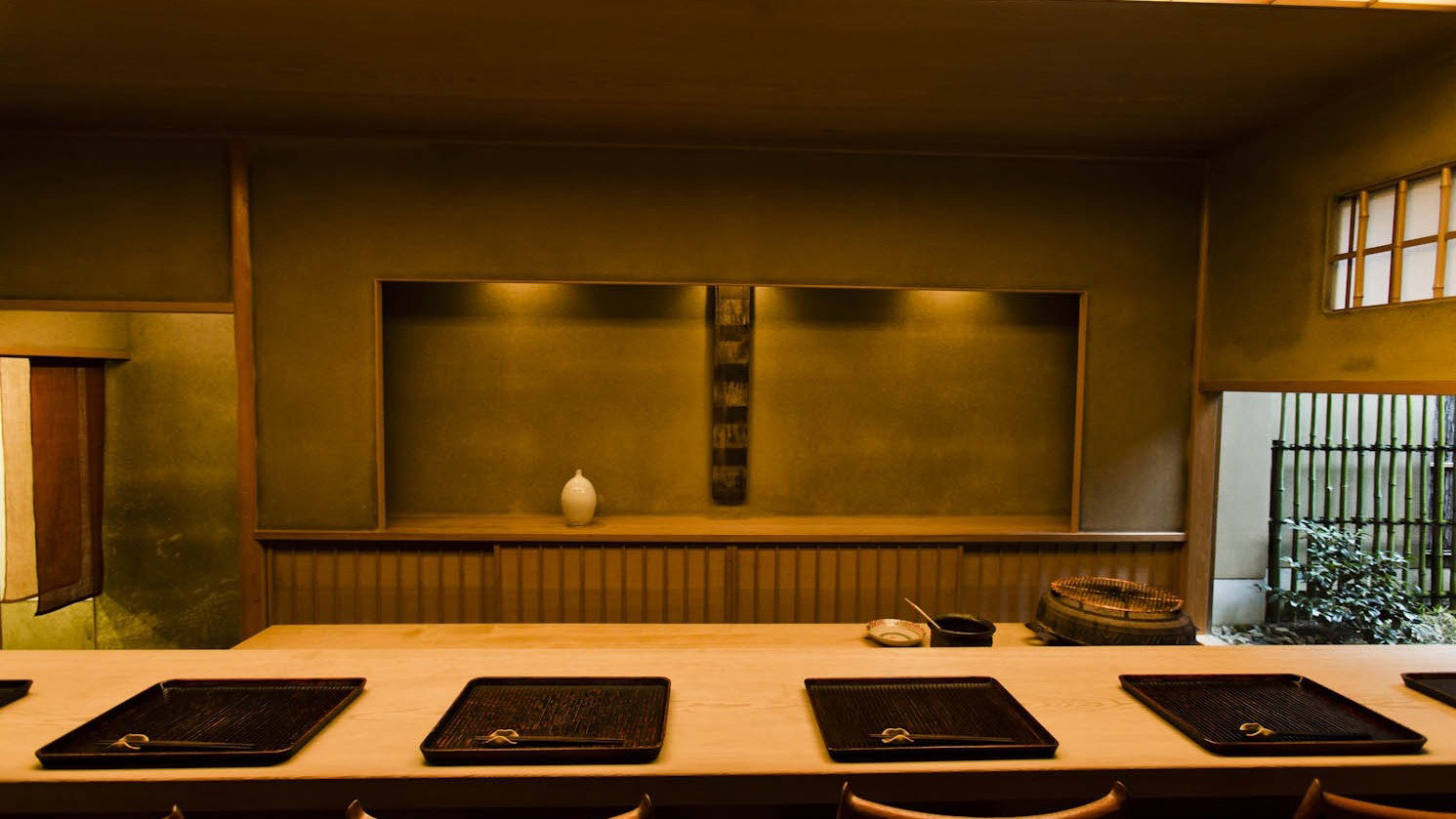
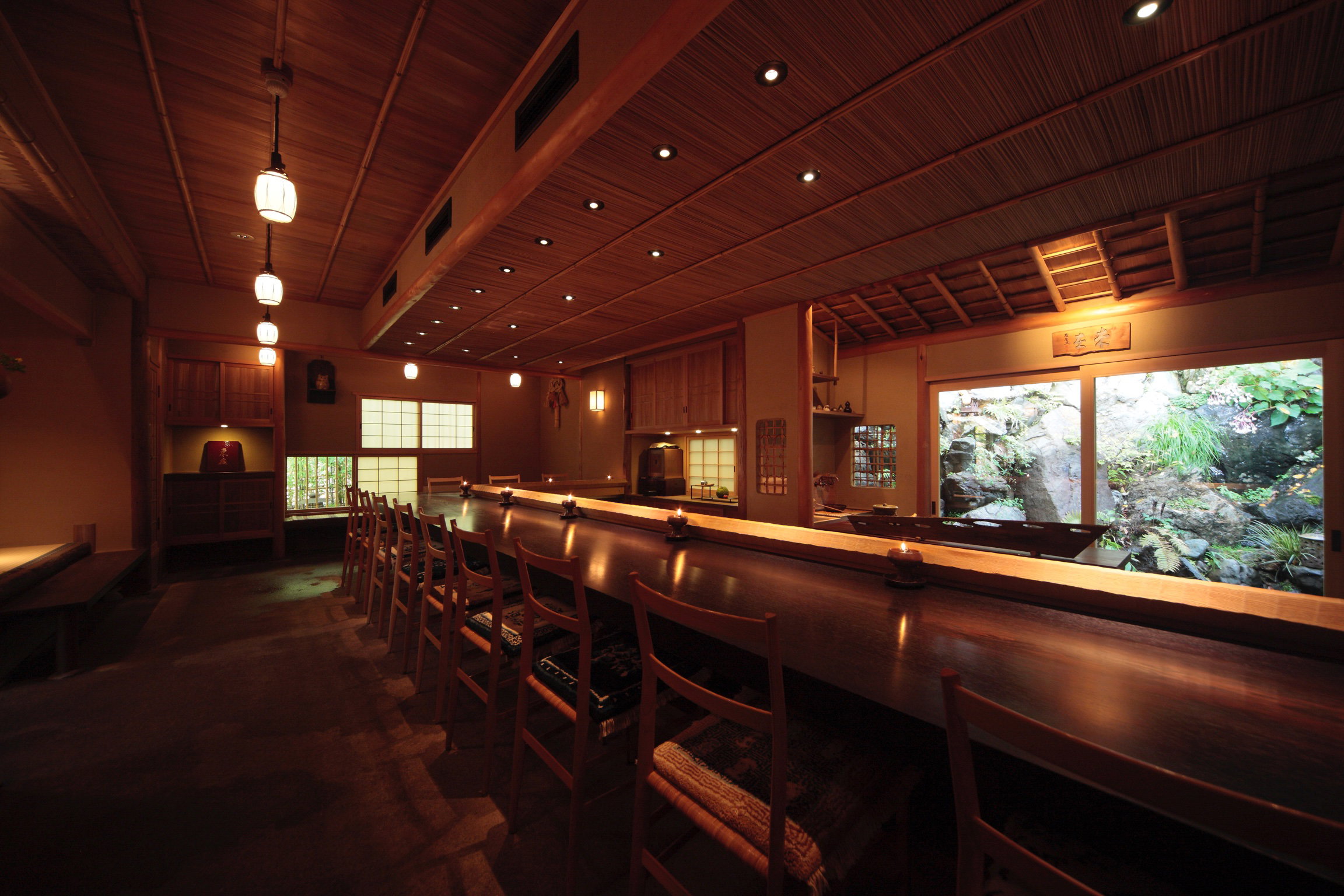
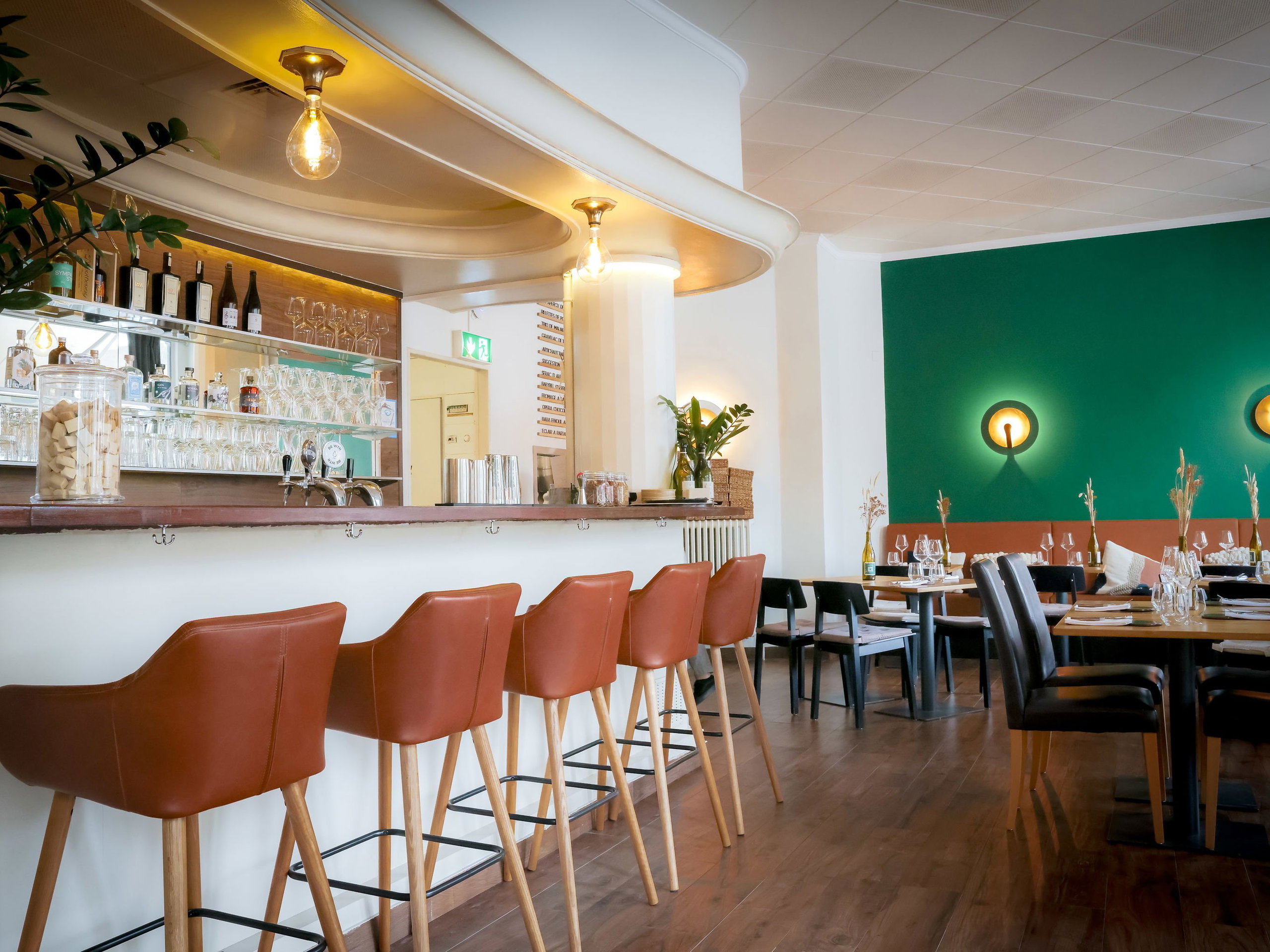
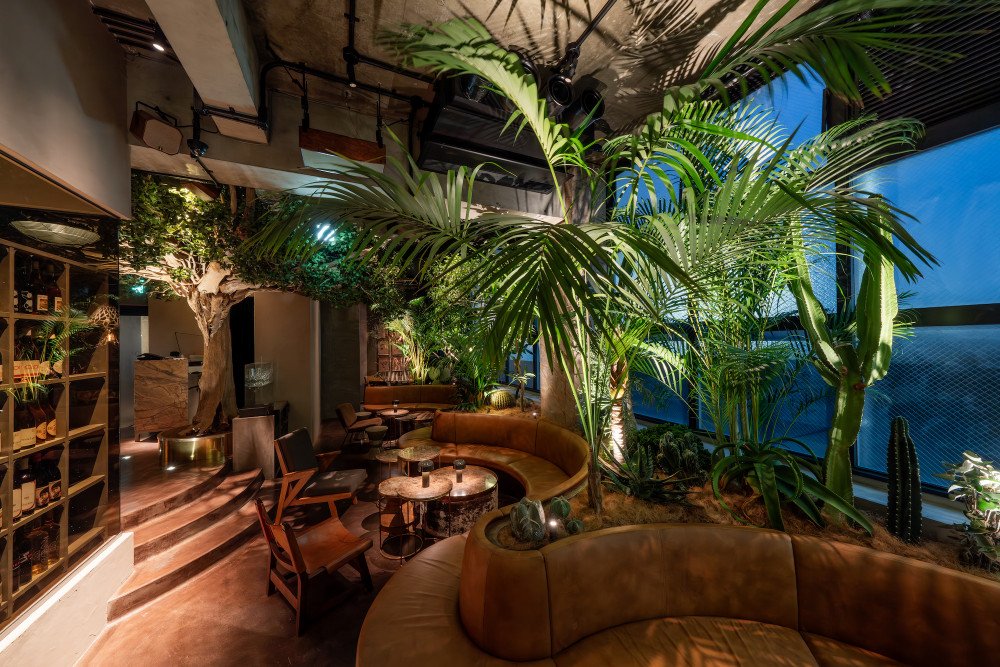
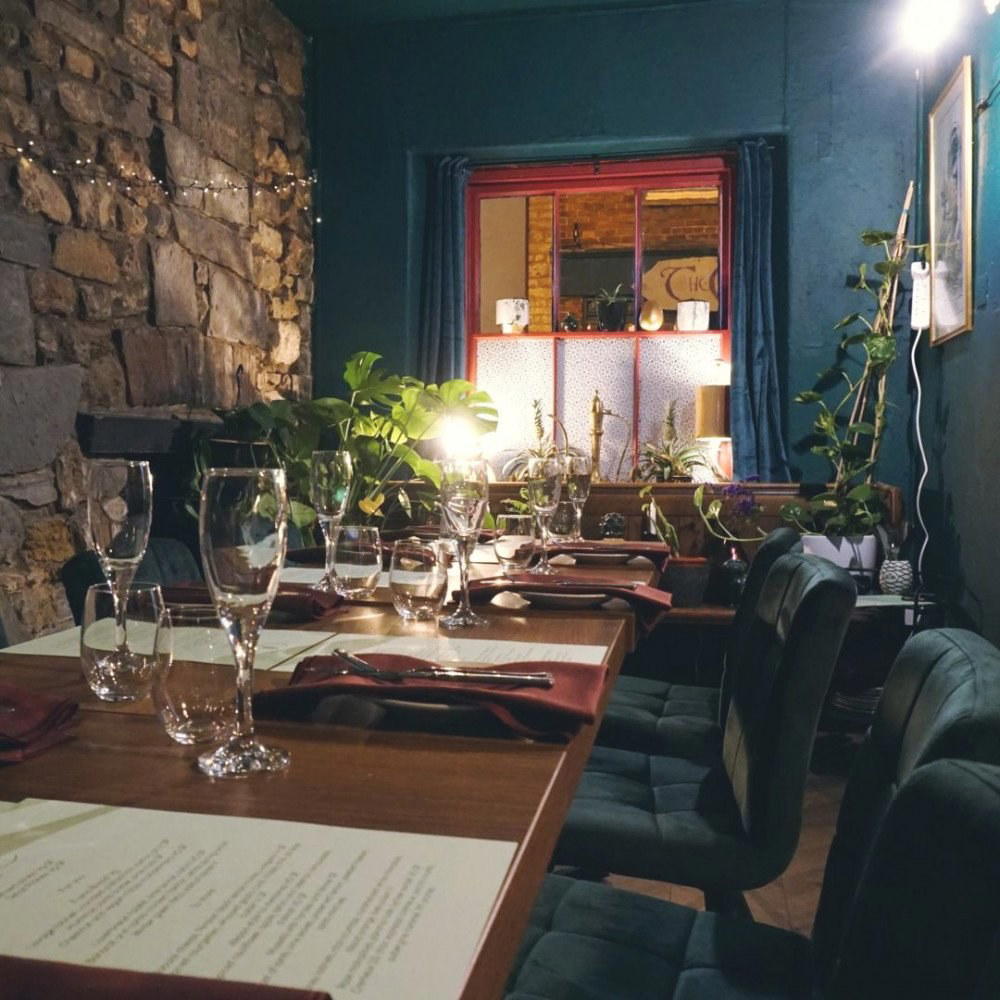
Compact bar-style seating with a serene tree inside, modern Japanese space, inviting aromas of simmering broths.
Tags
Vibe
Best For
Experience
At the Table
- Dress Code
- Casual
- Noise Level
- Conversational
- Service Style
- Counter Service
- Meal Pacing
- Quick Bite
- Capacity
- Intimate
Signature Dishes
- white chicken broth ramen
- Sichuan pepper ramen
- duck broth Chinese soba
Know before you go
Know Before You Go
- Getting there
- Japan, 〒600-8031 Kyoto, Shimogyo Ward, Inaricho, 二丁目318-6 GOOD NATURE STATION ホーム 2
Planning details
Location
Japan, 〒600-8031 Kyoto, Shimogyo Ward, Inaricho, 二丁目318-6 GOOD NATURE STATION ホーム 2 · Directions
Recognition and awards
Also consider
Also Consider
- Gion Sasaki, Kaiseki, Japanese, ¥¥¥¥
- cenci, Italian, ¥¥¥
- Ifuki, Kaiseki, ¥¥¥¥
- Kyokaiseki Kichisen, Japanese, ¥¥¥¥
- Kyo Seika, Chinese, ¥¥¥
Restaurant context
If you are allocating a single serious dinner in Kyoto and budget is a consideration, ROKU answers the question before the others do. At ¥, it costs a fraction of what Gion Sasaki (¥¥¥¥ kaiseki) or Ifuki (¥¥¥¥ kaiseki) will cost per head, and it carries the same Michelin stamp of credibility. Those venues offer a fundamentally different experience, multi-course kaiseki with the full ceremony of Japanese hospitality, but if the question is where Michelin's recognition stretches furthest per yen, ROKU is the answer.
Against Kyo Seika (¥¥¥, Chinese), ROKU is the more accessible entry point into Chinese-influenced cooking in Kyoto. Kyo Seika sits at a higher price tier and a different format. If you want to explore Chinese culinary tradition in Kyoto across a multi-course structure, Kyo Seika is the more appropriate comparison to the kaiseki venues. ROKU is the right choice when you want that Chinese ingredient intelligence applied to a single, very considered bowl. For Italian at the ¥¥¥ tier, cenci is a credible alternative for diners who are not committed to ramen and want a table-service dinner format instead.
On booking difficulty, ROKU is the easiest call in this peer group. The ¥¥¥¥ kaiseki venues require advance planning and often have multi-week lead times, particularly for international visitors. ROKU's Easy booking rating means you can include it in a Kyoto itinerary without locking dates weeks in advance. For a trip where flexibility matters, that is a practical advantage worth factoring into your decision.
Explore Kyoto
Around this place
Discover more on Pearl
Unlock the full Chinese Noodles ROKU guide in Pearl, including awards, comparisons, FAQs, planning details, and nearby places.
Compare Chinese Noodles ROKU
| Venue | Cuisine | Awards | Booking Difficulty |
|---|---|---|---|
| Chinese Noodles ROKU | Ramen | 2026 Bib Gourmand2025 Michelin Bib Gourmand2024 Michelin Bib Gourmand | Easy |
| Gion Sasaki | Kaiseki, Japanese | 2026 Tabelog Bronze · #3862026 OAD Top Restaurants in Japan RecommendedMichelin Guide Kyoto Osaka 20262026 La Liste Top RestaurantsTabelog 100 - Japanese cuisine - WEST - 2025 · #132025 OAD Top Restaurants in Japan Ranked · #2462025 Tabelog Silver2025 Michelin 3 Stars2025 La Liste Top Restaurants | Unknown |
| cenci | Italian | 2026 Tabelog Bronze · #442026 Asia's 50 Best Restaurants · #762026 OAD Top Restaurants in Japan Highly RecommendedMichelin Guide Kyoto Osaka 2026Tabelog 100 - Italian - WEST - 2025 · #632025 Asia's 50 Best Restaurants · #632025 OAD Top Restaurants in Japan Ranked · #1682025 Tabelog Bronze2024 OAD Top Restaurants in Japan Ranked · #135 | Unknown |
| Ifuki | Kaiseki | 2026 OAD Top Restaurants in Japan Ranked · #1222026 Tabelog Bronze · #128Michelin Guide Kyoto Osaka 20262026 La Liste Top RestaurantsTabelog 100 - Japanese cuisine - WEST - 2025 · #622025 OAD Top Restaurants in Japan Ranked · #1002025 La Liste Top Restaurants2025 Tabelog Bronze2025 Michelin 2 Stars | Unknown |
| Kyokaiseki Kichisen | Japanese | 2026 Tabelog Bronze · #1752026 OAD Top Restaurants in Japan Highly RecommendedMichelin Guide Kyoto Osaka 20262025 OAD Top Restaurants in Japan Ranked · #1862025 Michelin 2 Stars2025 La Liste Top Restaurants2024 OAD Top Restaurants in Japan Ranked · #1422024 Michelin 2 Stars2023 OAD Top Restaurants in Japan Ranked · #136 | Unknown |
| Kyo Seika | Chinese | Tabelog 100 - Chinese cuisine - WEST - 2026 · #762026 Tabelog Bronze · #2162026 OAD Top Restaurants in Japan Recommended2026 Michelin 1 Star2025 OAD Top Restaurants in Japan Ranked · #3262025 Tabelog Bronze2024 OAD Top Restaurants in Japan Ranked · #3042024 Michelin Plate2024 Michelin 1 Star | Unknown |









.png?width=1200&quality=80)
A quick look at how Chinese Noodles ROKU measures up.
FAQ
Frequently Asked Questions
Is the tasting menu worth it at Chinese Noodles ROKU?
ROKU does not operate a tasting menu format — this is a ramen shop, priced in the ¥ bracket and recognised by Michelin's Bib Gourmand for value rather than multi-course dining. The draw is the broth itself: a bone stock built from duck, chicken, venison, and pork, deepened with dried longan fruit and other dried ingredients. Order the ramen and let the broth do the work.
Can Chinese Noodles ROKU accommodate groups?
Ramen shops in this format typically run tight on space, and ROKU's location inside GOOD NATURE STATION does not suggest a large private-dining setup. Groups of more than four may face a wait or need to split. For a group Michelin meal in Kyoto with dedicated space, a kaiseki venue is a better structural fit — ROKU works best for pairs or solo diners.
What should I wear to Chinese Noodles ROKU?
This is a Bib Gourmand ramen counter priced at ¥ — come as you are. There is no dress expectation beyond what you'd wear walking around Kyoto's Shimogyo Ward. Leave the formal wear for the kaiseki reservation later in the trip.
Is Chinese Noodles ROKU worth the price?
Yes, without qualification. A Michelin Bib Gourmand two years running (2024 and 2025) at ¥ pricing is about as strong a value signal as Kyoto dining offers. Chef Yuji Iwasaki's layered duck-venison-pork-chicken broth with dried longan fruit seasoning is the kind of technical work you'd pay multiples of this price for in a formal setting. For cost-per-quality, ROKU outperforms most of the Kyoto ramen field.
Is Chinese Noodles ROKU good for a special occasion?
Not in the traditional sense. ROKU is a ramen shop inside a mixed-use complex — it does not provide the ceremony or pacing of a kaiseki dinner. That said, if the occasion is 'eating something genuinely well-crafted in Kyoto without a reservation six months out,' ROKU delivers. For a milestone dinner with full table service and atmosphere, look to Gion Sasaki or Kichisen instead.