
Chiso Aida
Japanese · Nakagyō, Kyoto
Restaurant in Kyoto, Japan
 Book with Pearl
The Read
Seasonal Kyoto Discipline
Dress
Smart Casual
Why go
A Michelin Plate Japanese restaurant in central Kyoto, Chiso Aida delivers disciplined seasonal cooking rooted in the city's culinary tradition, at a ¥¥¥ price point that sits a full bracket below most of Kyoto's formal kaiseki houses. The menu rotates by season around Kyoto signature dishes. Booking is relatively easy, with two to three weeks' notice typically sufficient outside peak travel periods.
About Chiso Aida
Verdict
If you are comparing Chiso Aida against Kyoto's more theatrical kaiseki houses, the choice comes down to philosophy: do you want creative interpretation or seasonal discipline? Chiso Aida answers that question clearly. This is a kitchen that treats restraint as a skill, not a limitation, and its Michelin Plate recognition in both 2024 and 2025 confirms it is executing at a level worth your time and money. At the ¥¥¥ price tier, it also sits a full bracket below the likes of Kyokaiseki Kichisen and Isshisoden Nakamura, making it one of the more accessible entry points into serious Kyoto cuisine without the booking anxiety that surrounds the city's starred establishments.
The Kitchen
Chiso Aida's approach to Japanese cooking is rooted in what Kyoto cuisine has always done leading: letting the ingredient and the season do the work. The chef trained in the city's geisha quarter, a provenance that carries real weight in this tradition, and the menu reflects that foundation without using it as a marketing device. Creative flourishes are kept to a minimum by design. What you get instead is a kitchen that has thought carefully about what each season demands and built its menu around that answer.
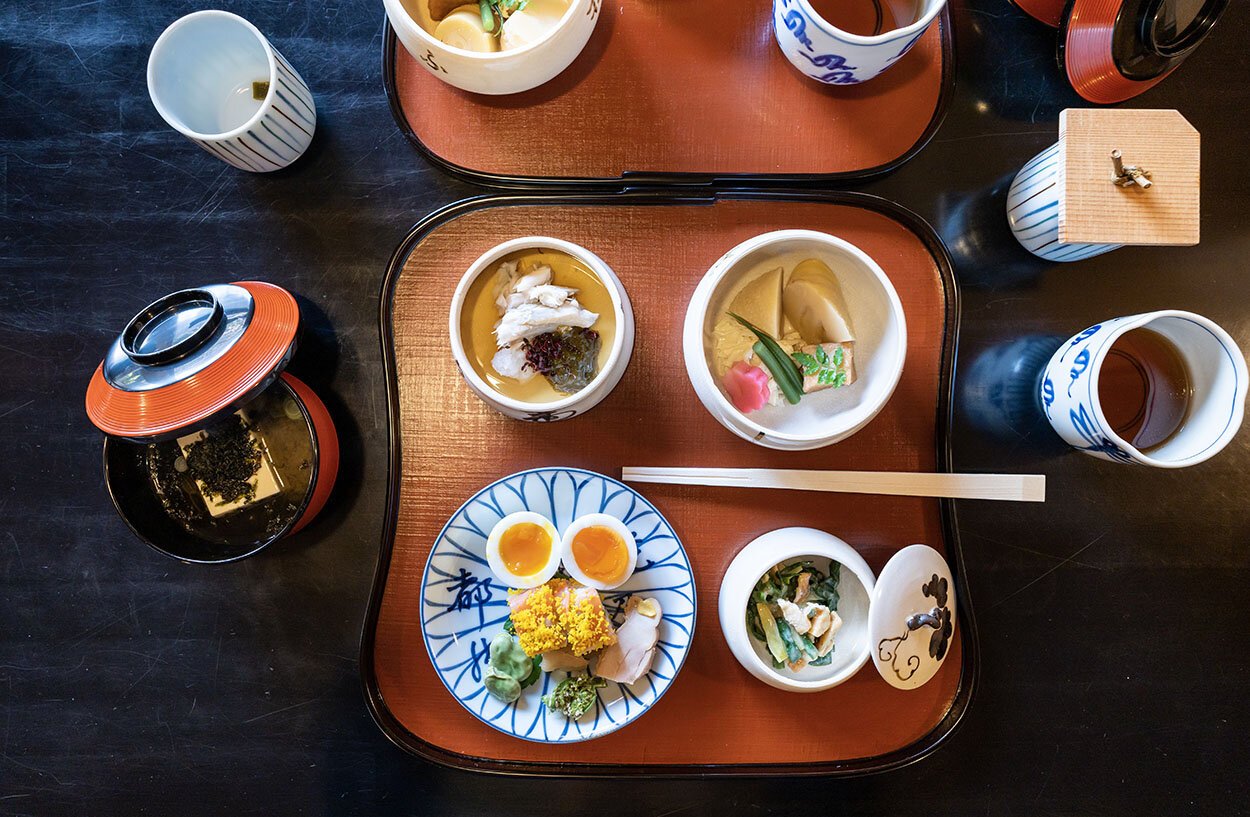
The seasonal rotation is the core reason to return. Spring brings simmered bamboo shoots; summer shifts to herring with eggplant; autumn means pike conger with matsutake mushrooms; and winter delivers steamed fish with grated turnip. These are not arbitrary choices. They are the signature dishes of Kyoto, the ones that have defined the city's cooking for generations, and Chiso Aida presents them with the kind of confidence that comes from single-minded focus. If you have already visited once, the reason to come back is to track the menu across seasons rather than expect something new within the same visit. That is the logic the kitchen is operating on, and it rewards the returning diner over the one looking for novelty.
One detail worth noting for regulars: diners can choose the ingredients for takikomi-gohan, the seasoned rice dish that typically closes the meal. That small degree of participation is unusual in a format this disciplined, and it gives the meal a personal quality without undermining the kitchen's authority over the rest of the menu.
Atmosphere and Setting
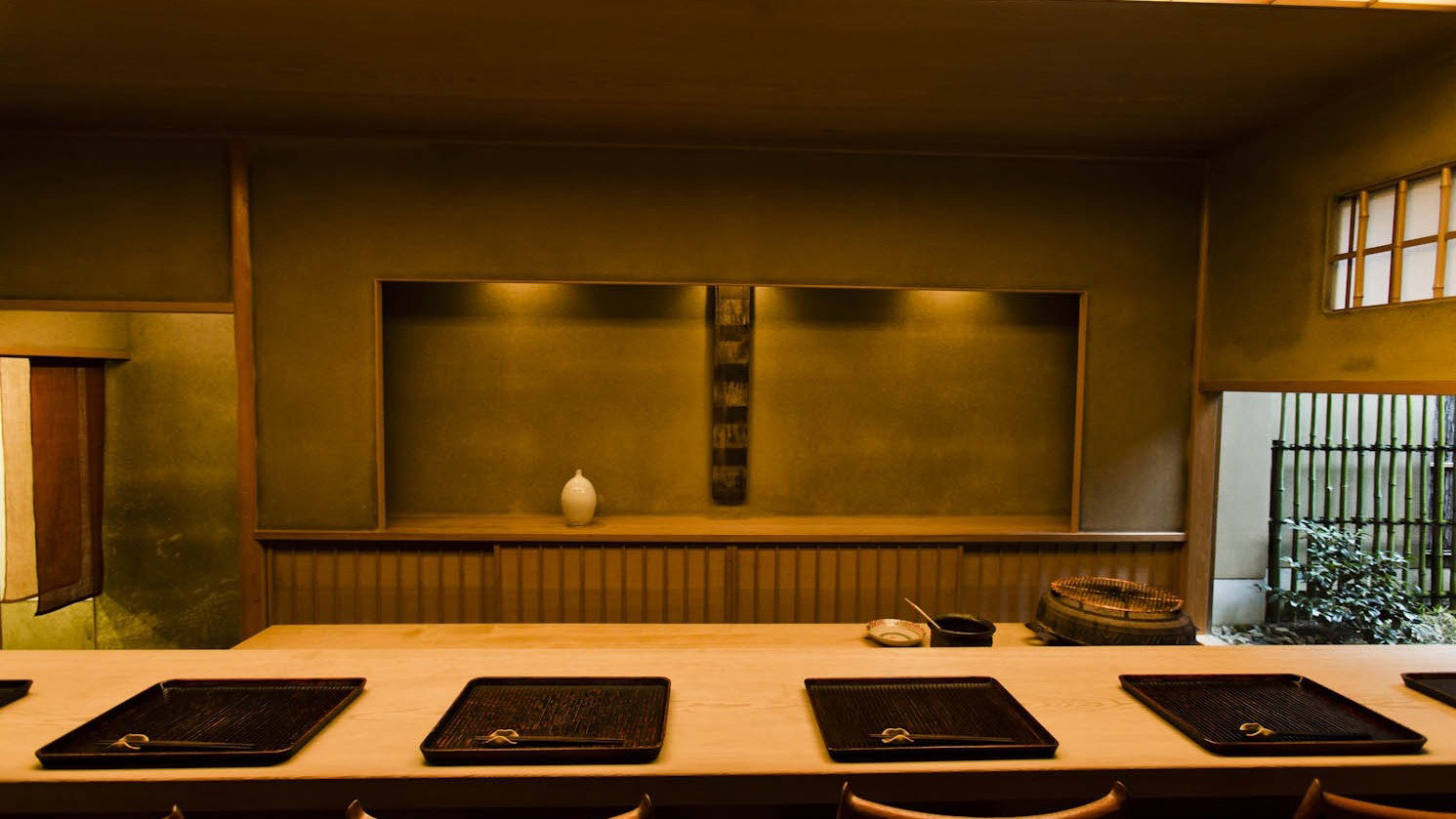
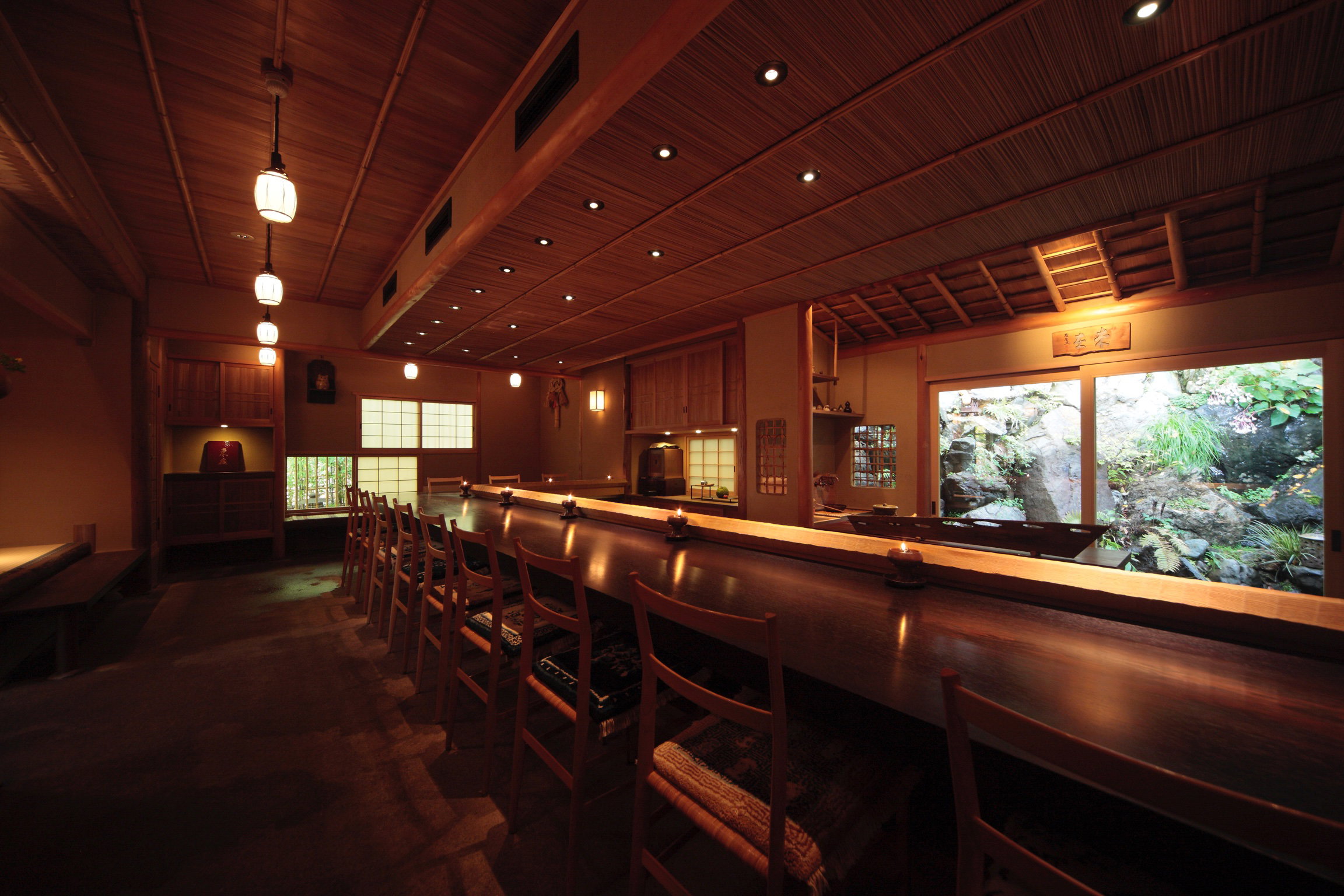
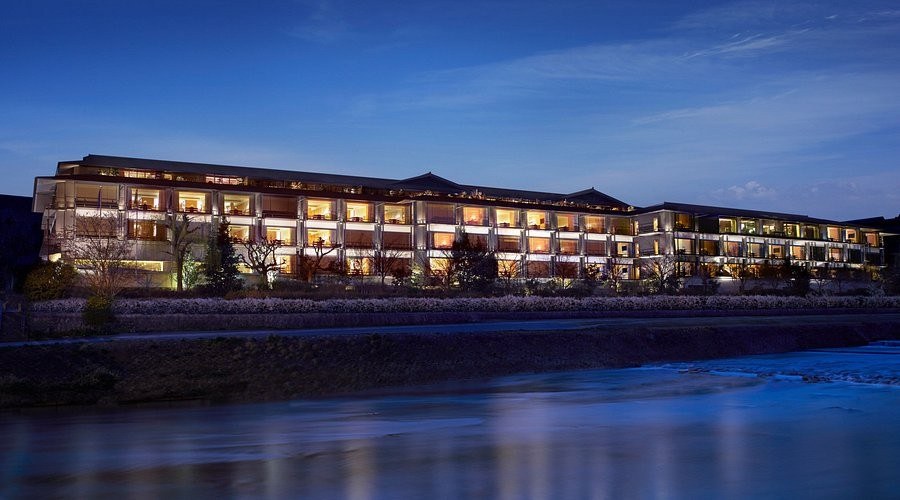
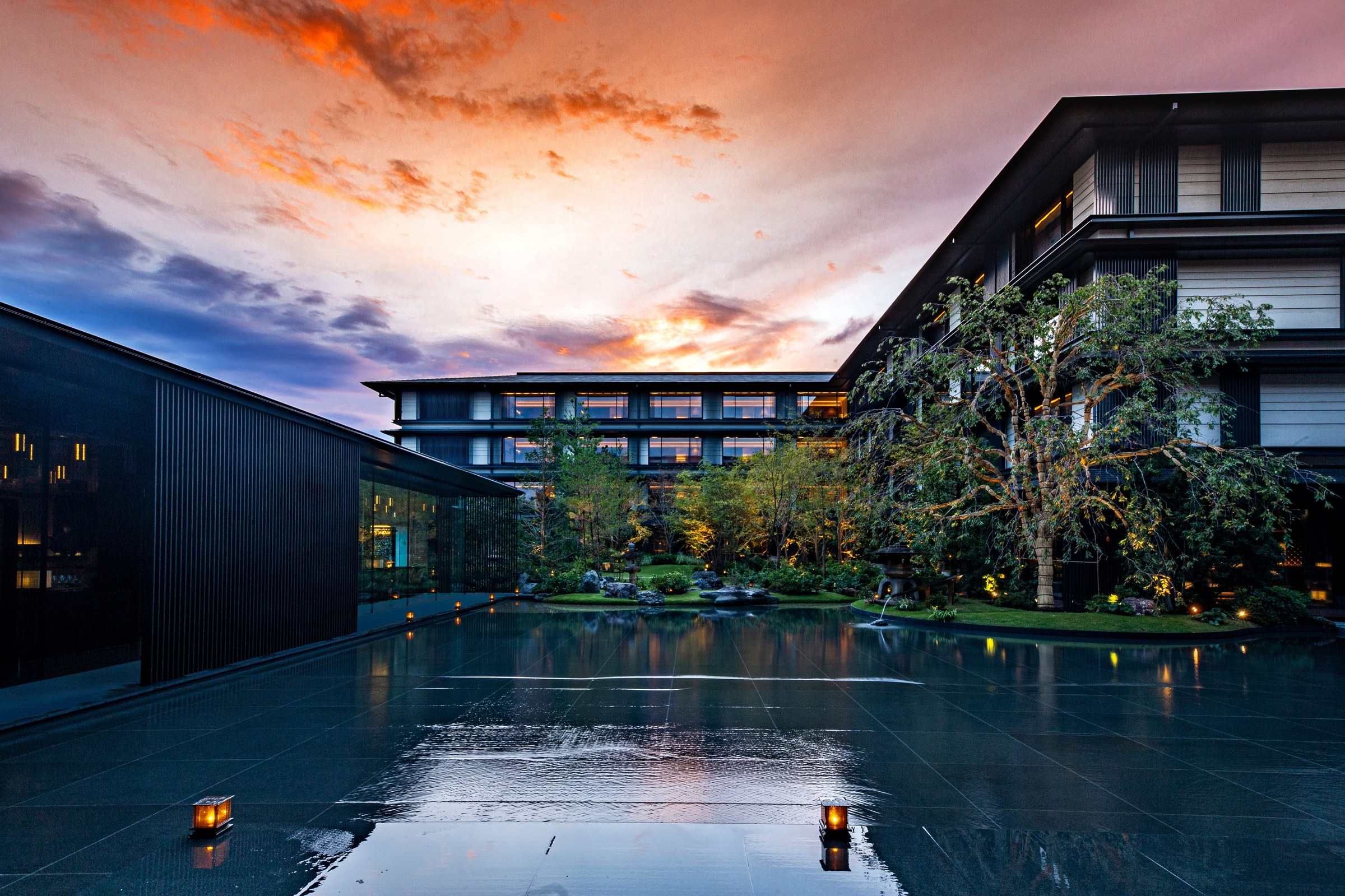
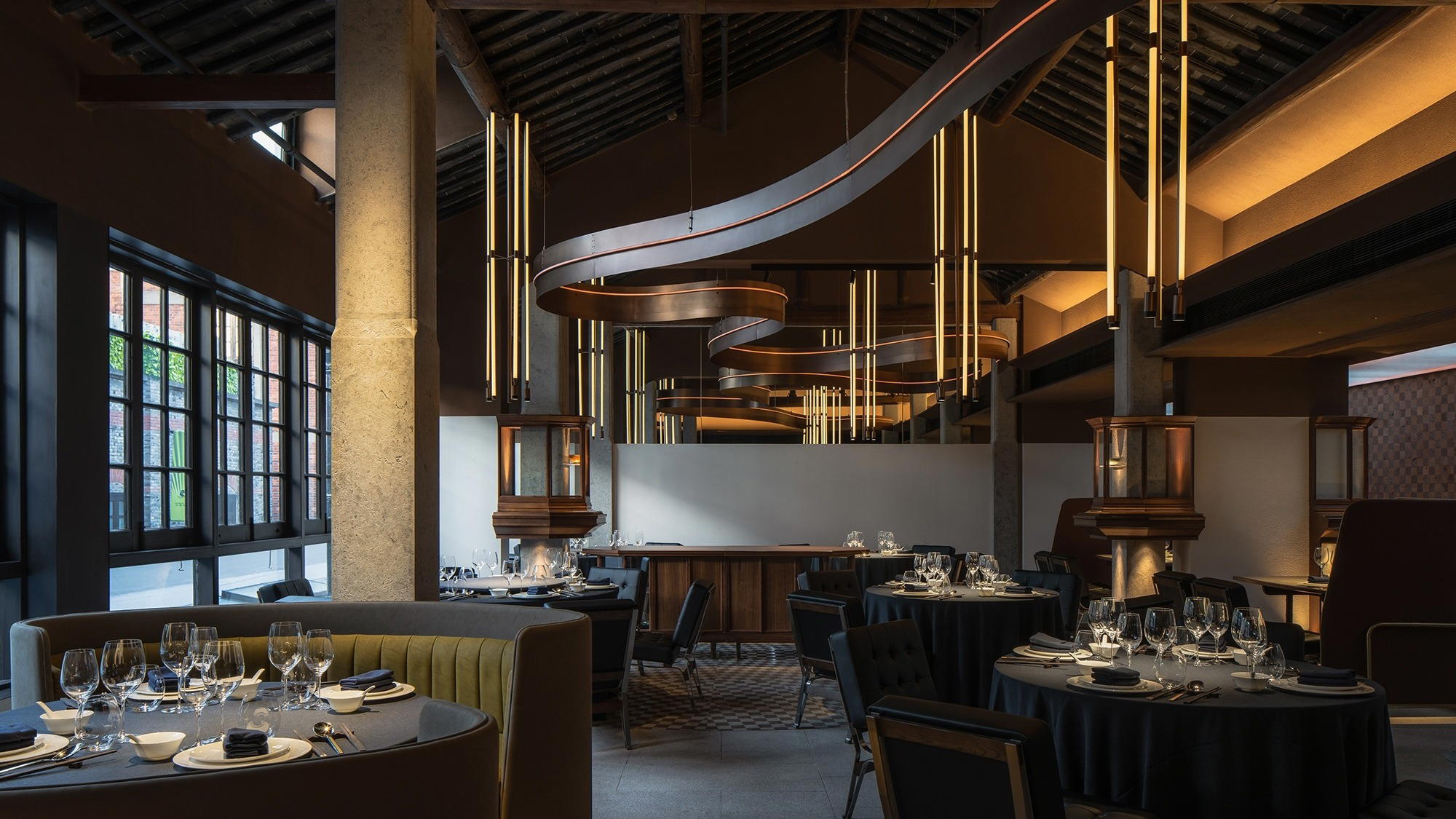
The address in Nakagyo Ward puts Chiso Aida in the quieter residential and culinary heart of central Kyoto, away from the tourist pressure of Gion's main drag. The mood here is composed rather than hushed, the kind of room where the ambient energy comes from the meal itself rather than from a designed dining environment. If you have been before and found it peaceful, that is not accidental. The kitchen's motto, "Continuity is Strength," extends to the room: nothing is being reinvented, and the atmosphere reflects that steadiness. It is a better choice for conversation than the louder end of Kyoto's dining scene, and a better choice for a considered meal than venues that trade on visual drama.
For context on where it sits relative to the wider Japanese dining scene, the approach here shares a discipline with kitchens like Myojaku in Tokyo and Azabu Kadowaki, both of which operate in a similar register of tradition-first Japanese cooking. If you are building a broader Japan itinerary, venues like HAJIME in Osaka and akordu in Nara offer useful points of comparison for how regional Japanese kitchens handle seasonal ingredients at different price tiers.
Booking and Logistics
Chiso Aida is easier to book than most of the ¥¥¥¥ kaiseki houses in Kyoto, and that accessibility is a genuine advantage. Booking difficulty is rated easy relative to the city's competitive reservation environment, which means two to three weeks' notice is typically sufficient rather than the months-out planning required for the top tier. That said, Kyoto dining during cherry blossom season (late March to mid-April) and autumn foliage season (mid-November) compresses availability across the board, so add buffer time if your visit falls in either window. The address at 294 Benzaitencho, Nakagyo Ward, is reachable on foot from central Kyoto or by taxi in under ten minutes from most major accommodation areas. For more context on where to stay, see our full Kyoto hotels guide.
Phone and website details are not listed in Pearl's current database, so the most reliable booking route is through your hotel concierge, particularly if you are staying at a property with Japanese-speaking staff. This is standard practice for mid-tier Kyoto restaurants and not a signal of exclusivity.
Who Should Book
Chiso Aida is the right call if you want serious Kyoto cooking at a price point that does not require a special-occasion budget. It is particularly well-suited to returning visitors who already understand the kaiseki format and want to experience how a disciplined kitchen interprets the season, rather than first-time visitors who might benefit more from the fuller explanatory experience some of the city's higher-end houses provide. For those building a broader Kyoto dining itinerary, pair it with a meal at Kikunoi Roan or Gion Matayoshi to cover different points on the tradition-to-creativity spectrum. For the full picture of what Kyoto's restaurant scene offers across all price tiers, see our full Kyoto restaurants guide.
If your trip extends beyond Kyoto, Goh in Fukuoka, Harutaka in Tokyo, and 1000 in Yokohama are worth adding to your shortlist for how other Japanese kitchens handle the same seasonal-ingredient discipline at varying levels of formality. For something further afield, 6 in Okinawa shows a different regional expression of Japanese cooking altogether. You can also explore Kyoto bars, Kyoto wineries, and Kyoto experiences to complete your trip planning.
Pearl's Take
Chiso Aida earns its Michelin Plate by doing one thing consistently well: presenting Kyoto's seasonal cooking with minimal interference. At ¥¥¥, the value case is clear. The question is not whether it is worth the price, but whether its particular kind of discipline matches what you are looking for on this trip. If it does, book it. If you want more invention, look elsewhere in the city's ¥¥¥¥ tier.
How It Compares
Against Kyoto's ¥¥¥¥ kaiseki houses, Chiso Aida's most direct advantage is price. Gion Sasaki and Ifuki both operate in the top tier and deliver the kind of multi-course kaiseki experience that commands a significant premium. If your priority is the full formal kaiseki structure with the depth of tableware, pacing, and service that comes with it, those are the right bookings. If you want disciplined seasonal Japanese cooking without the full kaiseki investment, Chiso Aida is the more practical choice.
Kyokaiseki Kichisen sits at the top of Kyoto's prestige hierarchy and is worth booking if access to one of the city's most formally regarded kitchens is the point of the trip. SEN takes a different approach entirely, blending French and Japanese influences at the ¥¥¥¥ level, which suits diners who want something less anchored to Kyoto tradition. cenci is the only peer at the ¥¥¥ tier and operates in Italian rather than Japanese cuisine, so it is not a direct comparison but is worth knowing about if you are balancing a multi-night dining itinerary in Kyoto.
The clearest booking logic: choose Chiso Aida when the season is right for a dish you want specifically (bamboo shoots in spring, pike conger and matsutake in autumn), and when you want that dish done with Kyoto discipline rather than personal interpretation. For a first visit to Kyoto's kaiseki tradition with no budget constraint, Kodaiji Jugyuan or Gion Sasaki may offer a more complete introduction to the format.
Planning details
- Location
- 294 Benzaitencho, Nakagyo Ward, Kyoto, 604-0093, Japan
- Website
- tabelog.com/kyoto/A2601/A260202/26041306
- Phone
- +81 75-600-9840
The take
The Take
The Vibe
Chiso Aida reads like a carefully kept secret tucked into Nakagyo Ward: the frontage often registers as a private residence before it reads as a restaurant. The experience is quietly formal and rooted in Kyoto’s long culinary traditions, where restraint and seasonal fidelity shape the rhythm of service. The kitchen favors canonical preparations of the ancient capital, presented without elaboration, and the overall tone is calm and contemplative rather than theatrical. Diners encounter an intimate, historically minded atmosphere that privileges steady, unshowy technique over flash.
Best For
This is a place for diners who want a disciplined, season-forward kaiseki experience without the three-star price point. Michelin Plate recognition frames Chiso Aida as a reliably high-caliber, mid‑tier entry in Kyoto's competitive dining scene — ideal for quiet special occasions or an intimate evening out. The restaurant’s commitment to the calendar means meals track the seasons closely, so it suits guests who appreciate tradition, subtlety and the familiar progression of a formal multi-course dinner.
Ordering Tips
Let the season lead. The kitchen follows Kyoto kaiseki’s calendar strictly, so menu choices reflect what the moment produces — simmered bamboo shoots in spring, herring with eggplant in summer, pike conger and matsutake in autumn, steamed fish with grated turnip in winter. There’s little evidence of a persistent signature dish or constant house variation; expect canonical preparations executed with consistency. Order with an openness to the seasonal progression rather than hunting for signature items, and judge the meal by its fidelity to the tradition rather than novelty.
Venue details
Ambiance
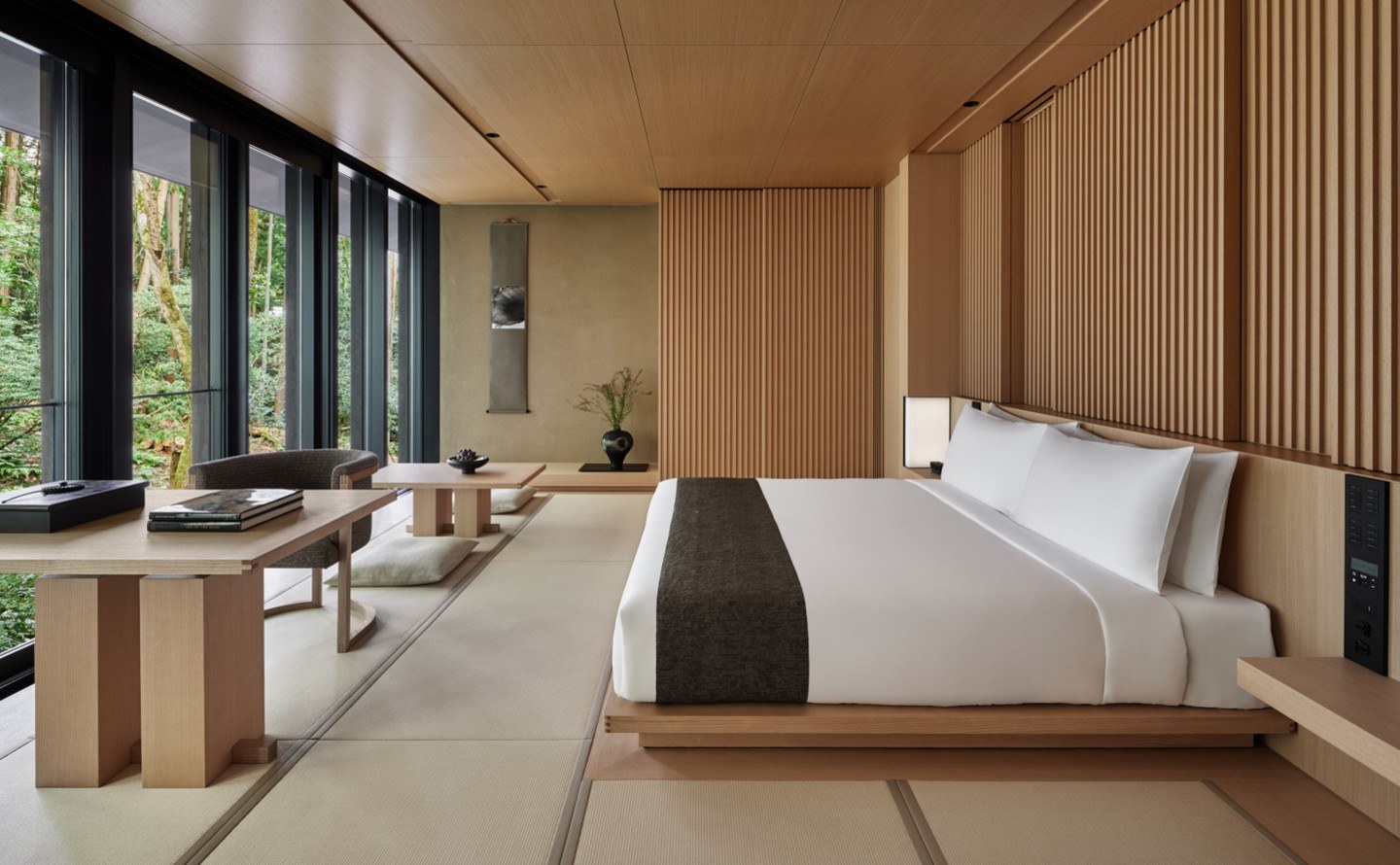
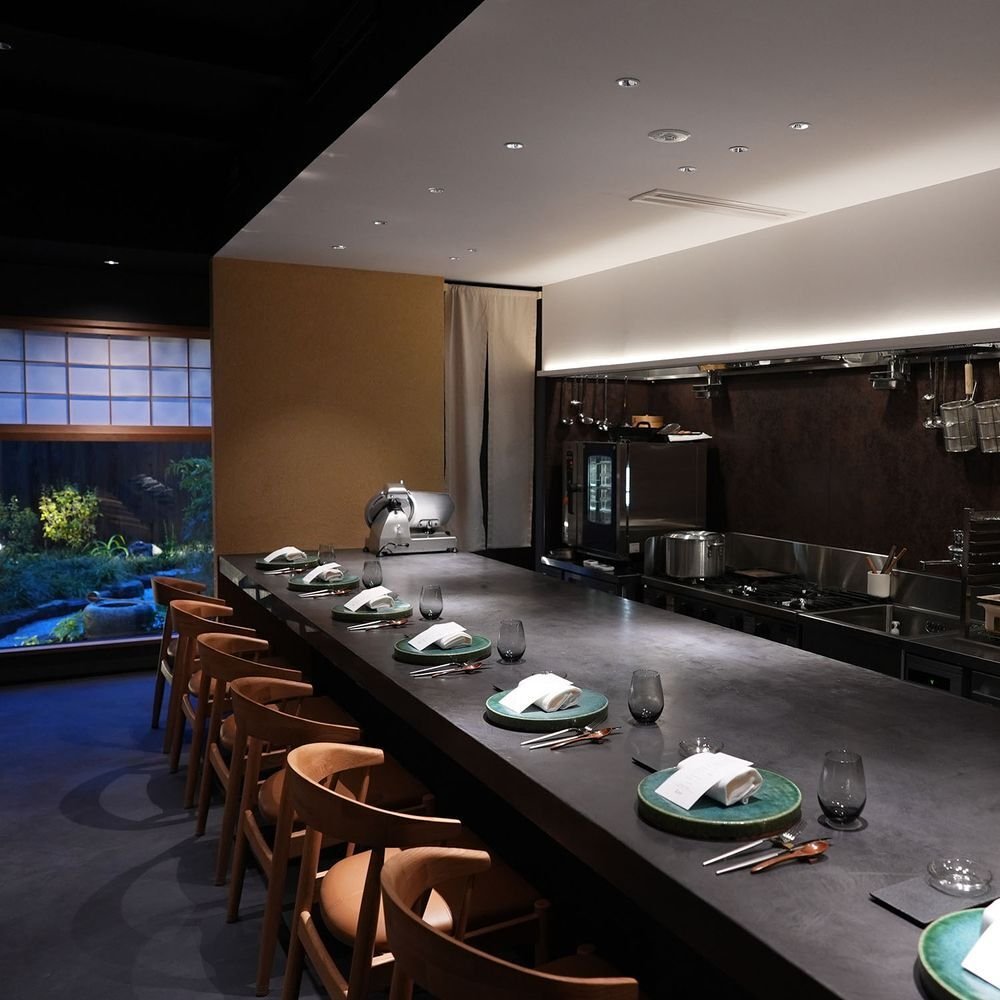
Composed and luminous with natural textures and a restrained palette favoring contemplation.
Tags
Vibe
Best For
Experience
At the Table
- Dress Code
- Smart Casual
- Noise Level
- Quiet
- Service Style
- Formal
- Meal Pacing
- Leisurely
- Capacity
- Intimate
- Kitchen
- Traditional
- Menu Format
- Tasting menu
- Wine Program
- Curated
- Drinks Focus
- Sake
Know before you go
Know Before You Go
- Getting there
- 294 Benzaitencho, Nakagyo Ward, Kyoto, 604-0093, Japan
Planning details
Location
294 Benzaitencho, Nakagyo Ward, Kyoto, 604-0093, Japan · Directions
Recognition and awards
Also consider
Also Consider
- Gion Sasaki, Kaiseki, Japanese, ¥¥¥¥
- cenci, Italian, ¥¥¥
- Ifuki, Kaiseki, ¥¥¥¥
- Kyokaiseki Kichisen, Japanese, ¥¥¥¥
- SEN, French, Japanese, ¥¥¥¥
Restaurant context
Against Kyoto's ¥¥¥¥ kaiseki houses, Chiso Aida's most direct advantage is price. Gion Sasaki and Ifuki both operate in the top tier and deliver the kind of multi-course kaiseki experience that commands a significant premium. If your priority is the full formal kaiseki structure with the depth of tableware, pacing, and service that comes with it, those are the right bookings. If you want disciplined seasonal Japanese cooking without the full kaiseki investment, Chiso Aida is the more practical choice.
Kyokaiseki Kichisen sits at the top of Kyoto's prestige hierarchy and is worth booking if access to one of the city's most formally regarded kitchens is the point of the trip. SEN takes a different approach entirely, blending French and Japanese influences at the ¥¥¥¥ level, which suits diners who want something less anchored to Kyoto tradition. cenci is the only peer at the ¥¥¥ tier and operates in Italian rather than Japanese cuisine, so it is not a direct comparison but is worth knowing about if you are balancing a multi-night dining itinerary in Kyoto.
The clearest booking logic: choose Chiso Aida when the season is right for a dish you want specifically (bamboo shoots in spring, pike conger and matsutake in autumn), and when you want that ingredient treated with Kyoto discipline rather than personal interpretation. For a first visit to Kyoto's kaiseki tradition with no budget constraint, Kyokaiseki Kichisen or Gion Sasaki may offer a more complete introduction to the format.
Explore Kyoto
Around this place
Discover more on Pearl
Unlock the full Chiso Aida guide in Pearl, including awards, comparisons, FAQs, planning details, and nearby places.
Compare Chiso Aida
| Venue | Cuisine | Price | Awards | Booking Difficulty |
|---|---|---|---|---|
| Chiso Aida | Japanese | ¥¥¥ | Michelin Guide Kyoto Osaka 20262026 Michelin Plate2025 Michelin Plate2024 Michelin Plate | Easy |
| Gion Sasaki | Kaiseki, Japanese | ¥¥¥¥ | 2026 Tabelog Bronze · #3862026 OAD Top Restaurants in Japan RecommendedMichelin Guide Kyoto Osaka 20262026 La Liste Top RestaurantsTabelog 100 - Japanese cuisine - WEST - 2025 · #132025 OAD Top Restaurants in Japan Ranked · #2462025 Tabelog Silver2025 Michelin 3 Stars2025 La Liste Top Restaurants | Unknown |
| cenci | Italian | ¥¥¥ | 2026 Tabelog Bronze · #442026 Asia's 50 Best Restaurants · #762026 OAD Top Restaurants in Japan Highly RecommendedMichelin Guide Kyoto Osaka 2026Tabelog 100 - Italian - WEST - 2025 · #632025 Asia's 50 Best Restaurants · #632025 OAD Top Restaurants in Japan Ranked · #1682025 Tabelog Bronze2024 OAD Top Restaurants in Japan Ranked · #135 | Unknown |
| Ifuki | Kaiseki | ¥¥¥¥ | 2026 OAD Top Restaurants in Japan Ranked · #1222026 Tabelog Bronze · #128Michelin Guide Kyoto Osaka 20262026 La Liste Top RestaurantsTabelog 100 - Japanese cuisine - WEST - 2025 · #622025 OAD Top Restaurants in Japan Ranked · #1002025 La Liste Top Restaurants2025 Tabelog Bronze2025 Michelin 2 Stars | Unknown |
| Kyokaiseki Kichisen | Japanese | ¥¥¥¥ | 2026 Tabelog Bronze · #1752026 OAD Top Restaurants in Japan Highly RecommendedMichelin Guide Kyoto Osaka 20262025 OAD Top Restaurants in Japan Ranked · #1862025 Michelin 2 Stars2025 La Liste Top Restaurants2024 OAD Top Restaurants in Japan Ranked · #1422024 Michelin 2 Stars2023 OAD Top Restaurants in Japan Ranked · #136 | Unknown |
| SEN | French, Japanese | ¥¥¥¥ | 2026 Tabelog Bronze · #3952026 OAD Top Restaurants in Japan RecommendedMichelin Guide Kyoto Osaka 20262026 Michelin PlateTabelog 100 - Japanese cuisine - WEST - 2025 · #652025 Michelin Plate2025 Tabelog Bronze2024 OAD Top Restaurants in Japan Ranked · #3622024 Michelin Plate | Unknown |
.png?width=1200&quality=80)






What to weigh when choosing between Chiso Aida and alternatives.
FAQ
Frequently Asked Questions
What should I wear to Chiso Aida?
Chiso Aida trained in Kyoto's geisha quarter and operates at the ¥¥¥ price tier, which signals a considered dining environment. Neat, understated clothing is the sensible call — think what you would wear to a formal dinner with a Japanese host, not a tourist restaurant. Loud casual wear will feel out of place.
Does Chiso Aida handle dietary restrictions?
No dietary policy is documented in available venue data. Kaiseki menus are typically structured around seasonal produce and traditional technique, which makes significant substitutions difficult. If you have serious dietary restrictions, raise them directly with the restaurant well before your visit — arriving and expecting adjustments on the night is unlikely to go smoothly.
Is Chiso Aida worth the price?
At ¥¥¥, Chiso Aida sits below the ¥¥¥¥ bracket occupied by Kyoto's most prestigious kaiseki houses, and it holds a Michelin Plate for 2024 and 2025. That combination makes it a strong value case for serious Kyoto cooking: you get the seasonal discipline and traditional repertoire without paying the top-tier premium. For a special-occasion budget, yes — it earns the spend.
Is the tasting menu worth it at Chiso Aida?
If you want to eat the way Kyoto's seasonal cooking is designed to be eaten — bamboo shoots in spring, pike conger with matsutake in autumn, steamed fish with grated turnip in winter — then the structured menu format is the point, not an obstacle. The kitchen also gives diners a say in the takikomi-gohan course, which is a practical and uncommon touch. If you prefer to order freely, this is not the format for you.
How far ahead should I book Chiso Aida?
Chiso Aida is rated easier to book than Kyoto's top ¥¥¥¥ kaiseki houses, but that is relative — it still holds a Michelin Plate and draws serious diners. Booking two to three weeks out for weekday sittings is a reasonable baseline; for weekends or peak travel seasons (spring cherry blossom, autumn foliage), push that to four to six weeks. Do not assume last-minute availability.