

Choshoku Kishin
Japanese · Higashiyama, Kyoto
Restaurant in Kyoto, Japan
 Book with Pearl
The Read
Progressive Steam-Rice Ritual
Price
¥
Dress
Smart Casual
Why go
A Michelin Bib Gourmand breakfast spot in Higashiyama serving rice cooked in graduated stages from first steam, shaped by the format of tea ceremony cuisine. One of Kyoto's clearest value propositions: considered, gracious, entirely unlike a hotel breakfast. Reservations required; single-¥ pricing. Rated 4.3 from over 400 reviews.
About Choshoku Kishin
Is Choshoku Kishin worth booking for breakfast in Kyoto?
Yes; and if you are staying in or near Higashiyama, it should be the first reservation you make. This is breakfast shaped by the rhythms of tea ceremony cuisine: unhurried, precise, entirely unlike anything you will find at a hotel buffet. Reservations are required.
What makes Choshoku Kishin different from other Kyoto breakfast spots
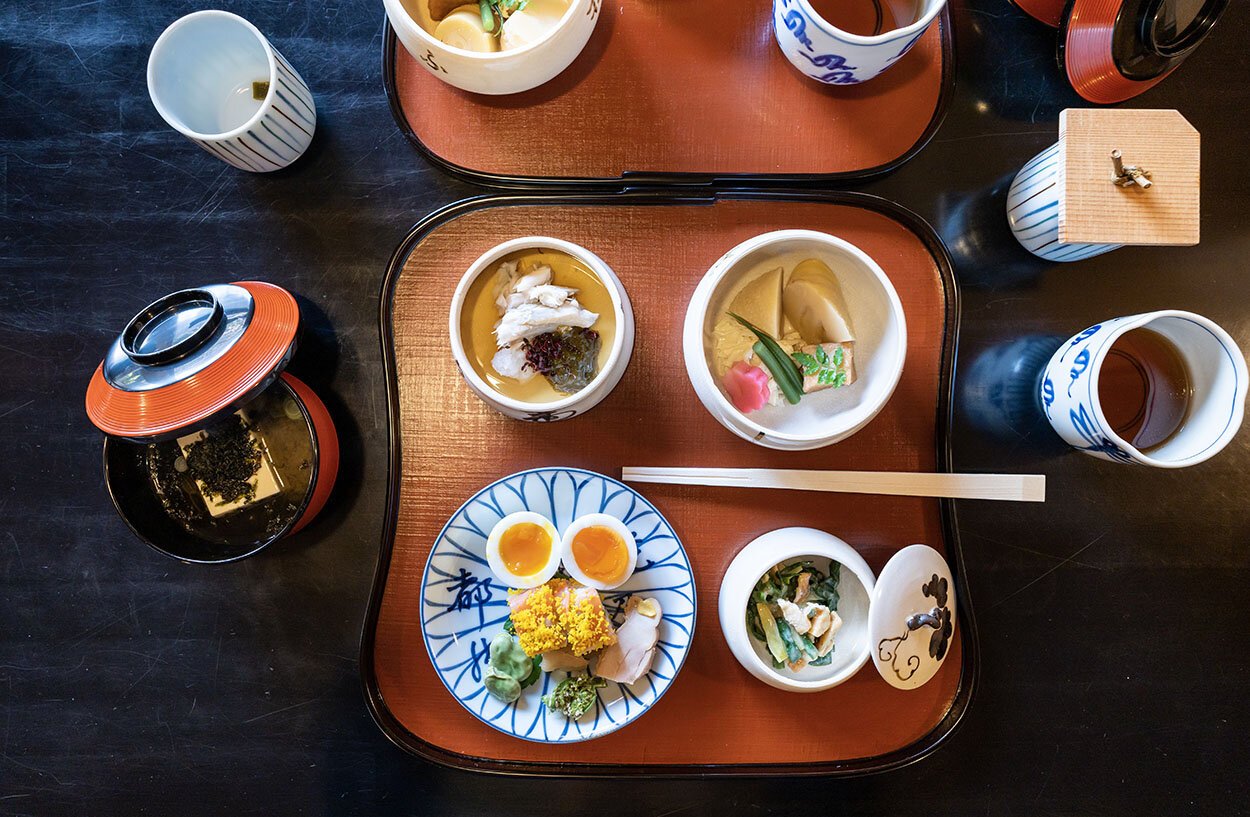
The format here is the point. Choshoku Kishin serves only one meal; breakfast, it does so through a rice-centred progression that borrows directly from the discipline of kaiseki and tea ceremony. Guests choose a rice bowl, then select from an assortment of soups. What follows is a careful, incremental service of rice that begins at the first plume of steam, before the grains are fully cooked, continues through the full arc of steaming. The flavour of the rice changes as the cooking progresses, from starchy and delicate at the start to fuller and more developed by the end. Accompaniments include whole dried round herring and pickled vegetables, both of which anchor the meal in classic Japanese morning eating traditions.
This is not a format you will find at most Kyoto breakfast spots, which tend toward either hotel-style Western spreads or simple teishoku sets. The deliberate pacing here, rice delivered little by little, soup chosen to match, is closer in spirit to the multi-course kaiseki experience than to any conventional morning meal. For visitors already planning dinners at places like Kikunoi Roan or Isshisoden Nakamura, Choshoku Kishin offers a chance to engage with Kyoto's culinary philosophy at a price point that is accessible to almost anyone.
Value and price positioning
Choshoku Kishin sits in the single-¥ price tier, making it one of the most affordable Michelin-recognised experiences in Kyoto. For context, a kaiseki dinner at Kyokaiseki Kichisen or Kodaiji Jugyuan will cost multiples of what you spend here. The Bib Gourmand designation specifically recognises restaurants that offer good cooking at a price that does not require a special-occasion budget, Choshoku Kishin fits that profile precisely. If you are building a Kyoto itinerary that includes higher-spend dinners, this breakfast slot gives you the quality-to-price ratio that makes the overall trip feel balanced.
How to approach Choshoku Kishin across multiple visits
If your Kyoto stay allows it, there is a genuine case for returning more than once. The soup selection gives you enough variation to make a second visit feel distinct from the first. On an initial visit, the natural instinct is to focus on the rice progression itself, learning when to taste, noticing the textural shift from underdone to fully steamed, pairing it with one of the more familiar soups. On a second visit, trying a different soup alongside the same rice format gives you a clearer read on how the accompaniments interact with each stage of the rice. The pickled vegetables and dried herring are fixed points that reward attention across visits: they function differently depending on where in the rice progression you eat them.
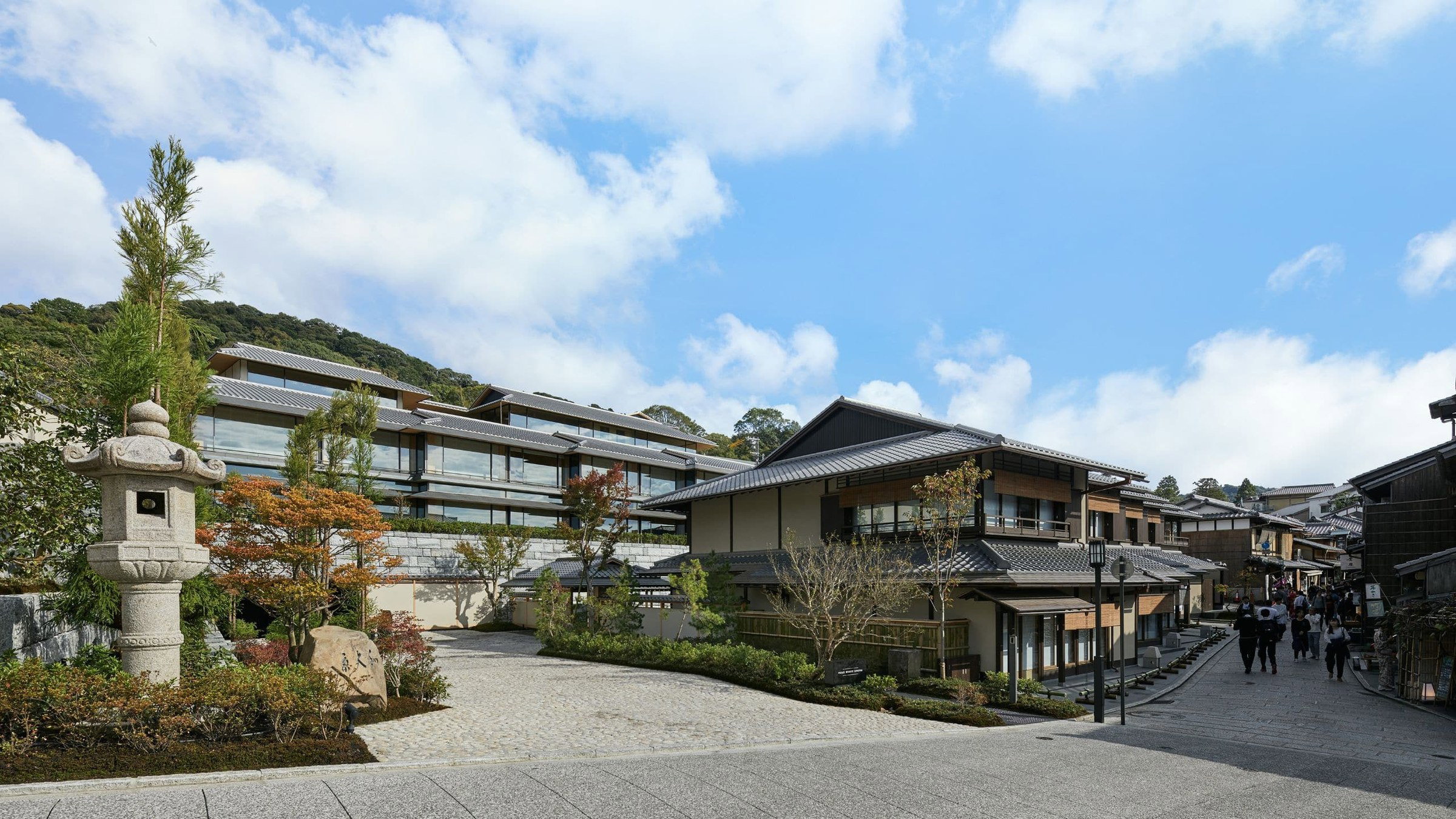
Choshoku Kishin is located on the ground floor of the Hanatoro Hotel Gion in Higashiyama Ward, a neighbourhood that also puts you walking distance from the Gion district and a number of other well-regarded restaurants. Planning breakfast here on consecutive mornings, or on the first and last days of a stay, is a low-effort way to structure the experience as a deliberate through-line rather than a one-off meal. Visitors who have done this report that the second visit feels more rewarding precisely because the format is already familiar, you are no longer orienting yourself, so you can pay closer attention.
Booking and timing
Reservations are required, walk-ins are not an option here. Given the Bib Gourmand recognition and the limited capacity implied by the intimate, tea-ceremony-adjacent format, booking as early as possible is sensible. If you are visiting during the spring cherry blossom season (late March to mid-April) or autumn foliage period (mid-November), Higashiyama sees significant visitor volume and securing your reservation weeks ahead is strongly advised. Outside peak seasons, lead times are shorter, but the venue's reputation means same-week bookings during any busy period carry real risk. No phone or online booking details are listed in our records, check current booking methods directly with the hotel or a local concierge before your trip.
Who this is right for
Choshoku Kishin works for any traveller who wants to start the day with something considered rather than convenient. It is a particularly good fit for a special occasion morning, an anniversary, a birthday, or the first breakfast of a significant trip, because the format has enough ceremony and intention to feel like an event without the cost or formality of an evening kaiseki. Solo travellers, couples, small groups who value thoughtful, ingredient-focused cooking will find the experience rewarding. Those looking for a heavy Western-style breakfast or a wide-ranging menu will not: this is a single-format, rice-and-soup-focused meal, the value is entirely in that specificity.
For broader dining context during your visit, see our full Kyoto restaurants guide. If you are planning accommodation in the area, our Kyoto hotels guide covers the full range of options. For evening drinks near Higashiyama, our Kyoto bars guide is a useful next step. Visitors extending their trip can also browse HAJIME in Osaka, akordu in Nara, or Goh in Fukuoka for dining across the Kansai region. If the ritual, rice-focused format here appeals to you, the tea ceremony-influenced precision at Gion Matayoshi works for an evening meal in Kyoto as well.
Quick reference: Bib Gourmand 2024–2025 | ¥ price tier | Reservations required | Breakfast only | Higashiyama Ward, Gion
How It Compares
Planning details
- Location
- Japan, 〒605-0811 Kyoto, Higashiyama Ward, Komatsucho, 555 花とうろホテル祇園 1F
- Website
- kishin.world
- Phone
- +81 75-525-8500
The take
The Take
The Vibe
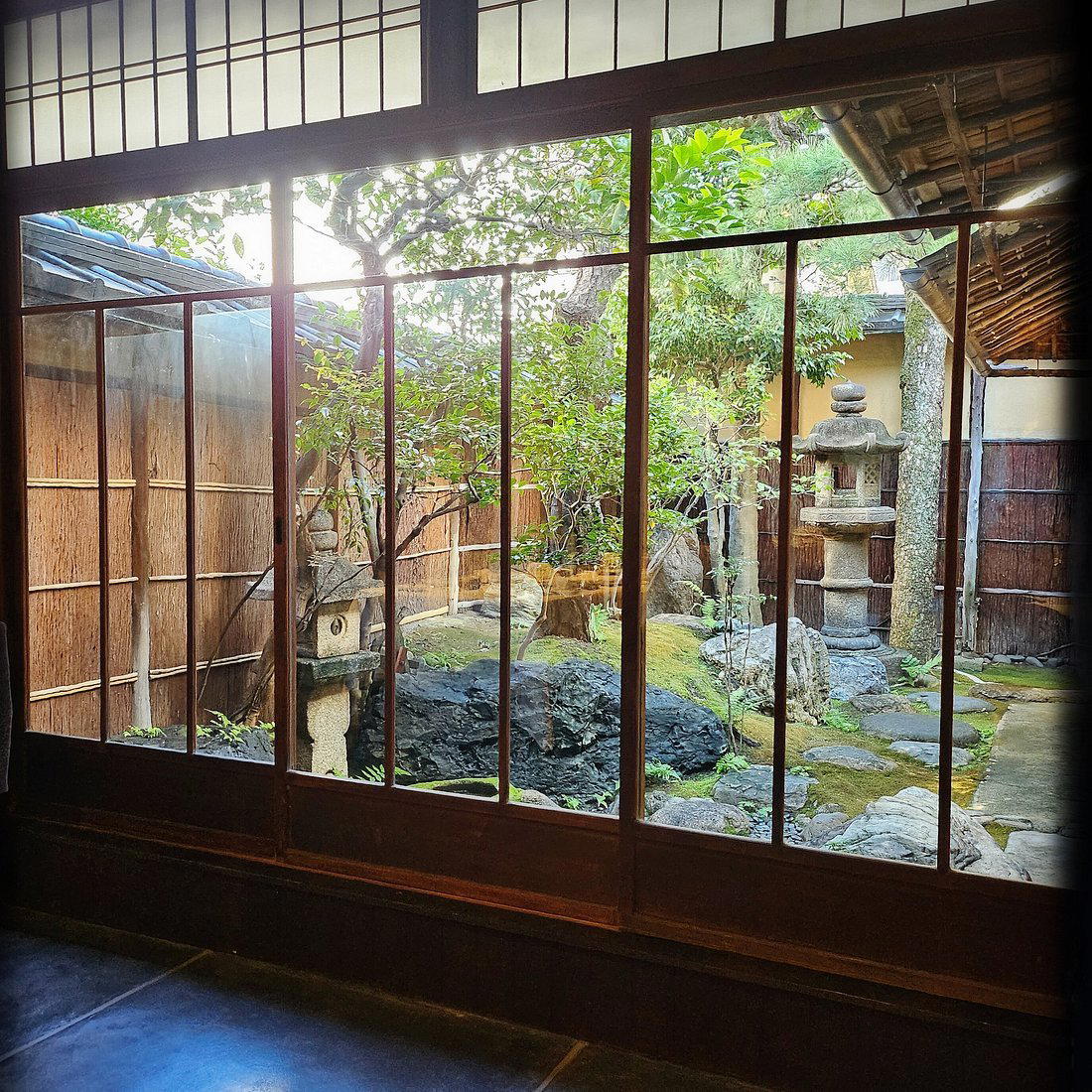
Choshoku Kishin presents breakfast as a deliberate, refined ritual rather than a casual morning afterthought. Operating from the ground floor of the Hana Toro Hotel in Higashiyama, it channels the seasonal restraint and formal pacing associated with Kyoto’s evening kaiseki by distilling those instincts into a single-format morning service. The result feels intimate and understated — a quiet, elegant start to the day that earned the venue consecutive Michelin Bib Gourmand nods in 2024 and 2025. Its location, steps from Kodaiji and preserved machiya lanes, reinforces a quietly sophisticated, historically rooted atmosphere.
Best For
This spot is primarily for breakfast seekers who want a concentrated taste of Kyoto’s refined culinary ethos at an accessible price. It suits solo diners and anyone treating a morning as a small special occasion: travelers aiming to time a post-meal walk through Higashiyama’s historic lanes, or local diners who appreciate seasonal precision without an evening price tag. The Bib Gourmand designation signals consistently good cooking, so it’s a smart pick for people who prioritize technique and restraint over a bustling daytime scene.
Ordering Tips
Reservations are advisable: the service is a single-format breakfast served once, and the write-up emphasizes that timing alignment is a meaningful part of the experience. Arrive early enough to finish and step outside into Higashiyama — the proximity to Kodaiji Temple and the machiya lanes makes a post-breakfast stroll straightforward. Expect a structured service informed by kaiseki principles; at this price point the Bib Gourmand signals value, so plan to enjoy the set sequence (not à la carte) and consider trying highlighted items like progressively steamed rice, grilled sardines, miso soup and mashed tofu.
Venue details
Ambiance
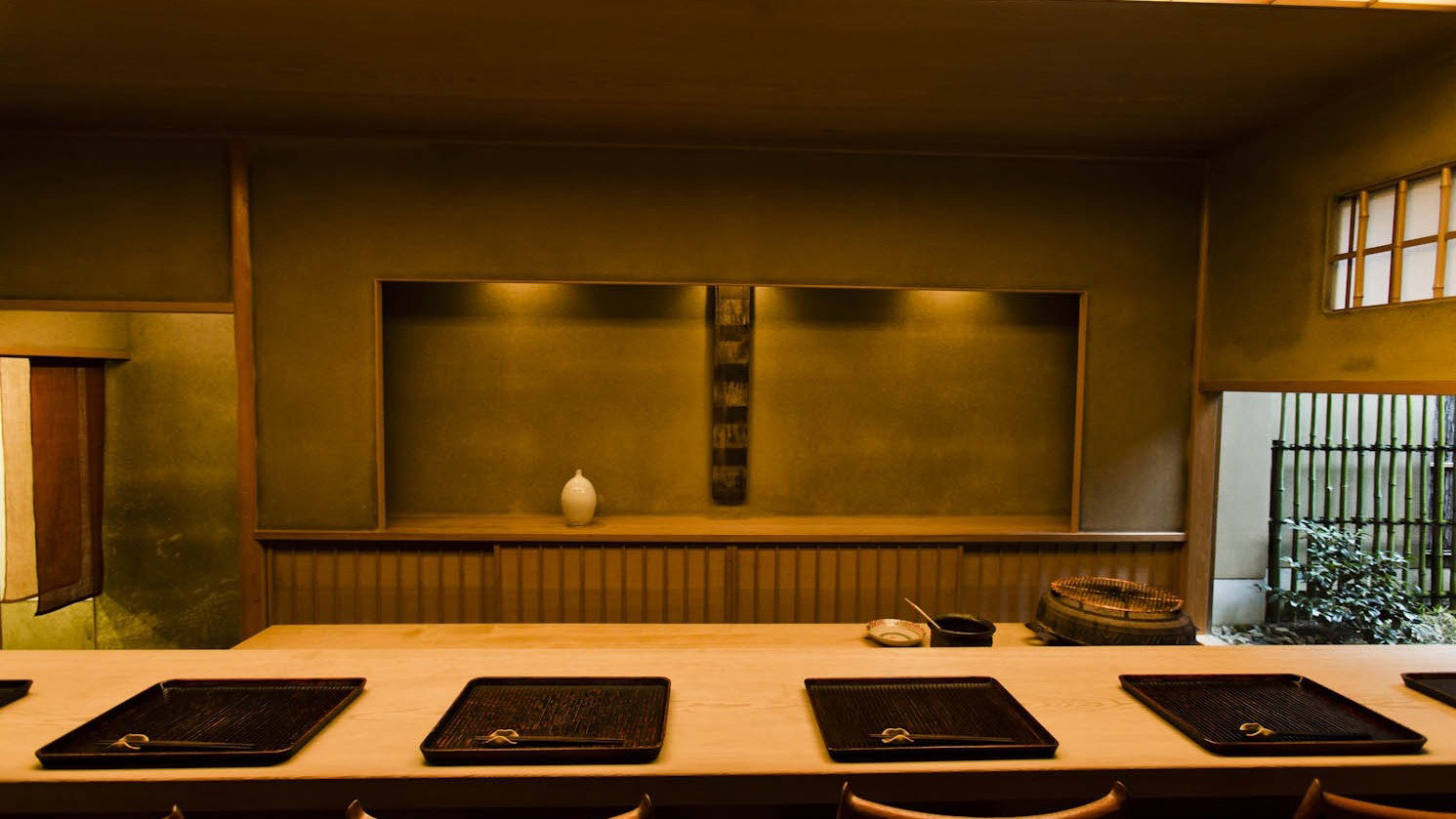
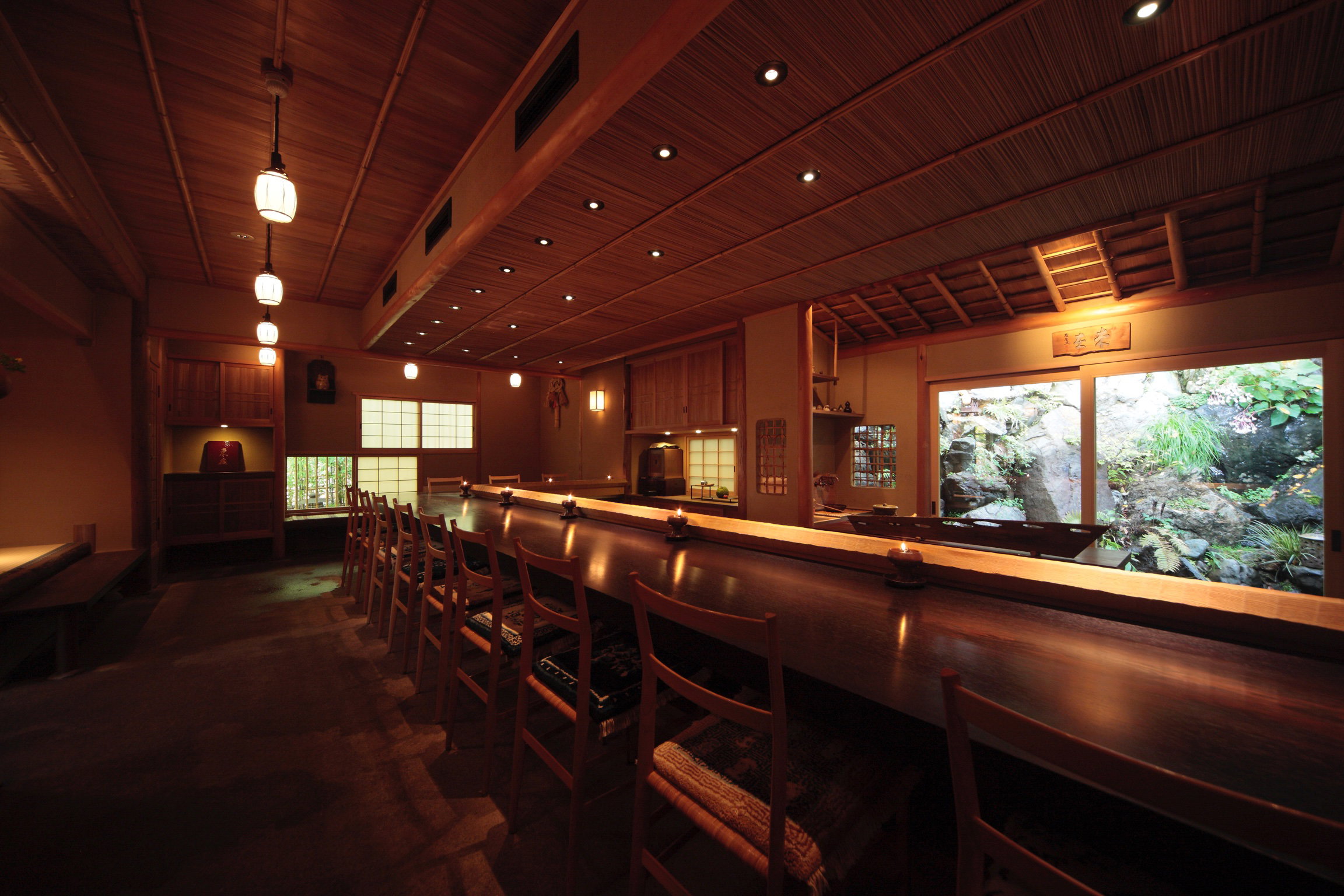
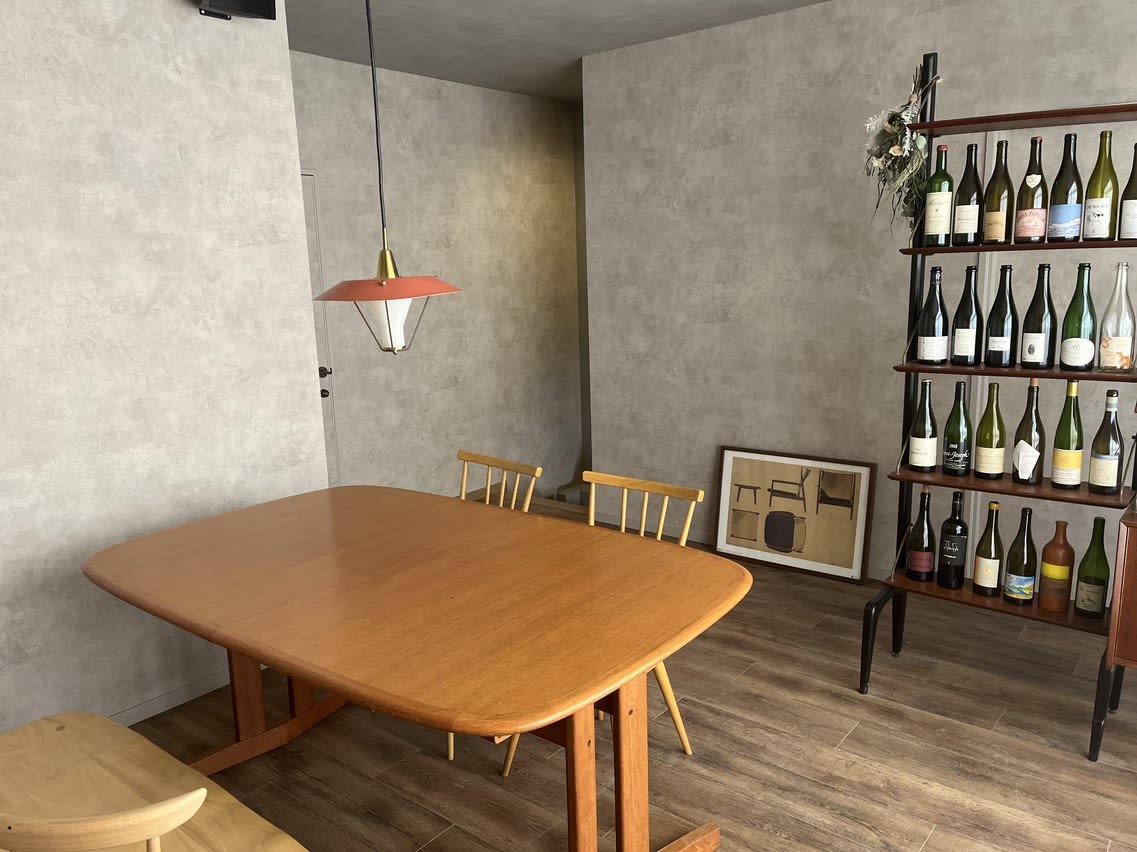
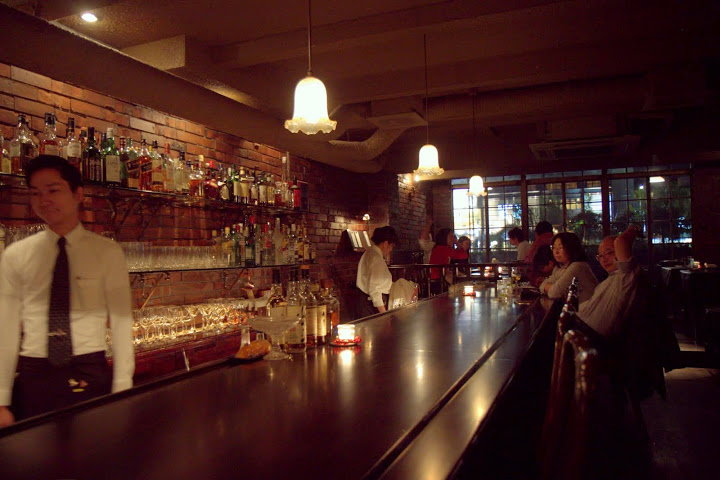
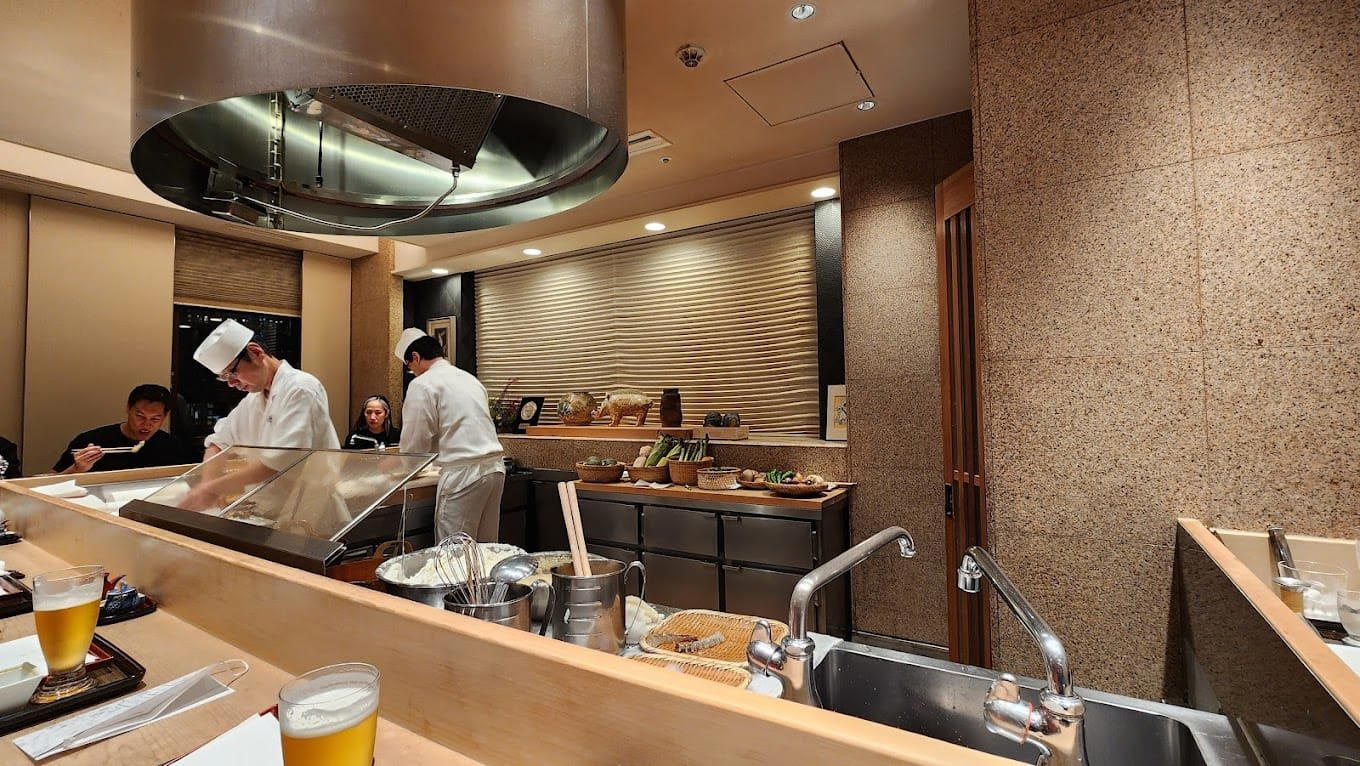
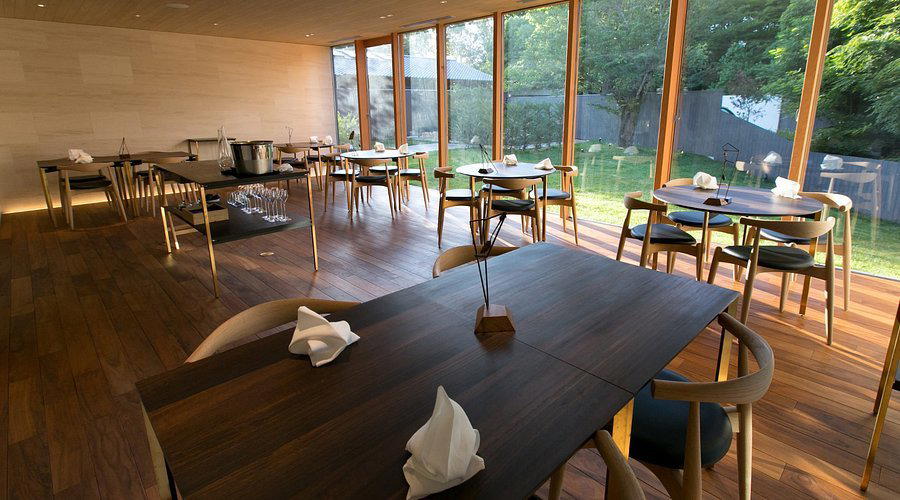
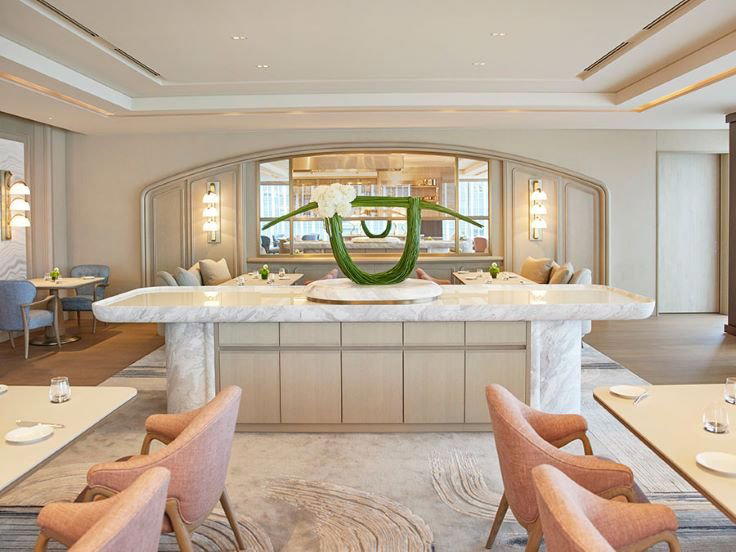
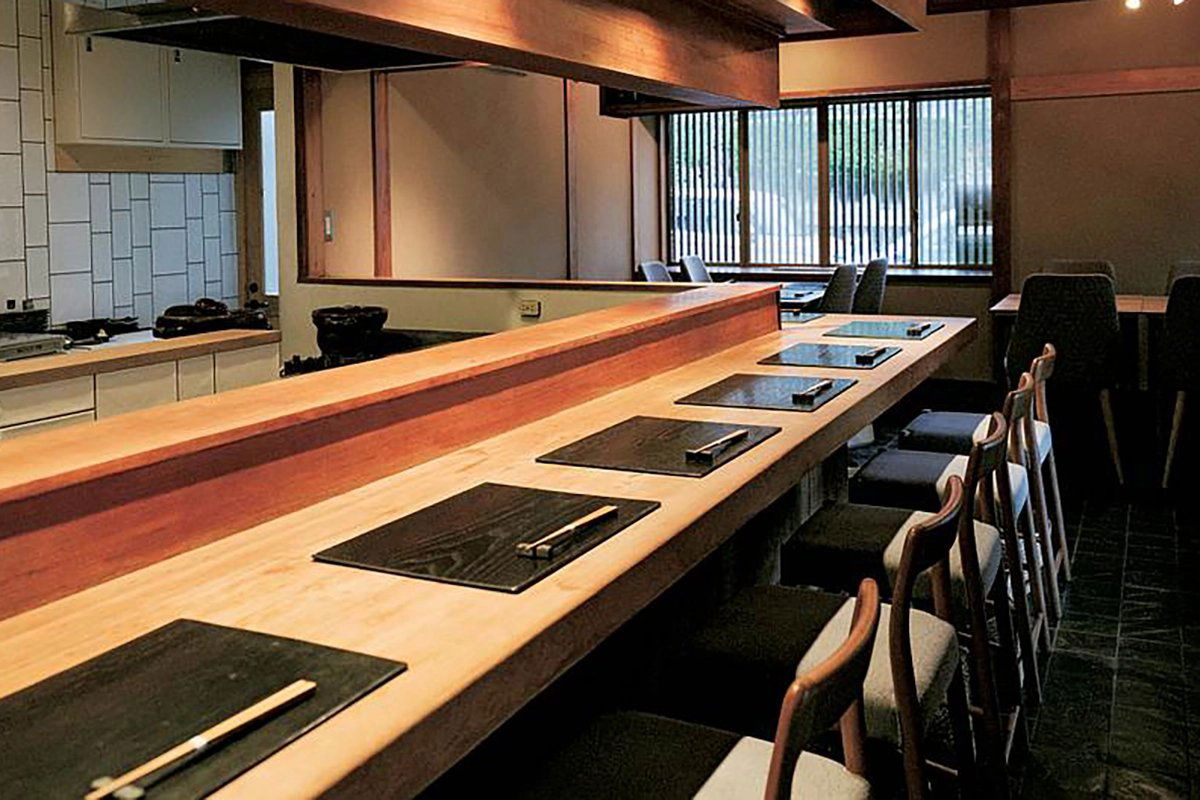
Serene and gracious atmosphere with open kitchen counter seating, warm lighting, and attentive service focused on intimate, educational dining experiences.
Tags
Vibe
Best For
Experience
Sourcing
At the Table
- Dress Code
- Smart Casual
- Noise Level
- Quiet
- Service Style
- Upscale Casual
- Meal Pacing
- Leisurely
- Capacity
- Intimate
Signature Dishes
- progressively steamed rice
- grilled sardines
- miso soup
- mashed tofu
Planning details
Location
Japan, 〒605-0811 Kyoto, Higashiyama Ward, Komatsucho, 555 花とうろホテル祇園 1F · Directions

Also consider
Also Consider
- Gion Sasaki; Kaiseki, Japanese, ¥¥¥¥
- cenci; Italian, ¥¥¥
- Ifuki; Kaiseki, ¥¥¥¥
- Kyokaiseki Kichisen; Japanese, ¥¥¥¥
- Kyo Seika; Chinese, ¥¥¥
Restaurant context
Choshoku Kishin occupies a price tier that no other Michelin-recognised venue in Kyoto touches at breakfast. Comparing it directly to Gion Sasaki, Ifuki, or Kyokaiseki Kichisen; all operating at the ¥¥¥¥ tier for kaiseki dinners; is almost beside the point: these are different meals at different times of day. What the comparison does clarify is that Choshoku Kishin gives you a formally recognised, considered Japanese dining experience for a fraction of the spend. If your Kyoto itinerary already includes a high-end kaiseki dinner, adding this breakfast creates a genuinely complementary range without doubling your dining budget.
For mid-range evening dining, cenci (Italian, ¥¥¥) and Kyo Seika (Chinese, ¥¥¥) are the better peer comparisons in terms of spend, but neither overlaps with Choshoku Kishin in format or time of day. If you are deciding how to allocate your Kyoto dining budget across a multi-day stay, the practical answer is: book Choshoku Kishin for at least one morning regardless of what else you are doing, because the price makes it a low-risk addition to any itinerary. Reserve your higher-spend slots for a kaiseki dinner at Gion Sasaki or Ifuki if that format interests you; these are not either/or decisions.
On booking difficulty, Choshoku Kishin is rated Easy relative to its Kyoto peers. Securing a table at Gion Sasaki or Kyokaiseki Kichisen requires significantly more lead time and, in some cases, a local contact or concierge. Choshoku Kishin's reservation requirement is real but not restrictive in the same way. That accessibility, combined with the Bib Gourmand recognition across two consecutive years, makes it the most straightforward high-quality breakfast booking in the Higashiyama area.
Explore Kyoto
Around this place
Discover more on Pearl
Unlock the full Choshoku Kishin guide in Pearl, including awards, comparisons, FAQs, planning details, and nearby places.
Compare Choshoku Kishin
| Venue | Awards | Price |
|---|---|---|
| Choshoku Kishin | 2026 OAD Top Restaurants in Japan RecommendedMichelin Guide Kyoto Osaka 20262026 Bib Gourmand2025 Michelin Bib Gourmand2024 Michelin Bib Gourmand | ¥ |
| Gion Sasaki | 2026 Tabelog Bronze · #3862026 OAD Top Restaurants in Japan RecommendedMichelin Guide Kyoto Osaka 20262026 La Liste Top RestaurantsTabelog 100 - Japanese cuisine - WEST - 2025 · #132025 OAD Top Restaurants in Japan Ranked · #2462025 Tabelog Silver2025 Michelin 3 Stars2025 La Liste Top Restaurants | ¥¥¥¥ |
| cenci | 2026 Tabelog Bronze · #442026 Asia's 50 Best Restaurants · #762026 OAD Top Restaurants in Japan Highly RecommendedMichelin Guide Kyoto Osaka 2026Tabelog 100 - Italian - WEST - 2025 · #632025 Asia's 50 Best Restaurants · #632025 OAD Top Restaurants in Japan Ranked · #1682025 Tabelog Bronze2024 OAD Top Restaurants in Japan Ranked · #135 | ¥¥¥ |
| Ifuki | 2026 OAD Top Restaurants in Japan Ranked · #1222026 Tabelog Bronze · #128Michelin Guide Kyoto Osaka 20262026 La Liste Top RestaurantsTabelog 100 - Japanese cuisine - WEST - 2025 · #622025 OAD Top Restaurants in Japan Ranked · #1002025 La Liste Top Restaurants2025 Tabelog Bronze2025 Michelin 2 Stars | ¥¥¥¥ |
| Kyokaiseki Kichisen | 2026 Tabelog Bronze · #1752026 OAD Top Restaurants in Japan Highly RecommendedMichelin Guide Kyoto Osaka 20262025 OAD Top Restaurants in Japan Ranked · #1862025 Michelin 2 Stars2025 La Liste Top Restaurants2024 OAD Top Restaurants in Japan Ranked · #1422024 Michelin 2 Stars2023 OAD Top Restaurants in Japan Ranked · #136 | ¥¥¥¥ |
| Kyo Seika | Tabelog 100 - Chinese cuisine - WEST - 2026 · #762026 Tabelog Bronze · #2162026 OAD Top Restaurants in Japan Recommended2026 Michelin 1 Star2025 OAD Top Restaurants in Japan Ranked · #3262025 Tabelog Bronze2024 OAD Top Restaurants in Japan Ranked · #3042024 Michelin Plate2024 Michelin 1 Star | ¥¥¥ |
.png?width=1200&quality=80)







.png?width=1200&quality=80)
What to weigh when choosing between Choshoku Kishin and alternatives.
FAQ
Frequently Asked Questions
What are alternatives to Choshoku Kishin in Kyoto?
For a completely different register, Kyokaiseki Kichisen is the high-end kaiseki benchmark in Kyoto, though it operates at a price point many multiples above Choshoku Kishin's single-¥ tier. Gion Sasaki and cenci both offer serious cooking but focus on dinner formats rather than breakfast. If your priority is a considered, affordable morning meal with Michelin recognition, Choshoku Kishin has no direct like-for-like rival in the city.
What should a first-timer know about Choshoku Kishin?
Reservations are required; walk-ins are not accepted. The format is breakfast only: you choose a rice bowl, select from available soups, rice is served in small portions from the first plume of steam, allowing you to taste how the flavour shifts as cooking progresses. Accompaniments include whole dried round herring and pickled vegetables. The structure draws from tea ceremony cuisine, so expect a deliberate, unhurried pace rather than a quick morning grab.
Does Choshoku Kishin handle dietary restrictions?
The menu is built around rice, soup, dried herring, pickled vegetables; a format with limited flexibility by design. The tea ceremony-influenced structure means substitutions are unlikely to be accommodated without advance notice. If you have significant dietary restrictions, contact the venue before booking; the phone number is not publicly listed, so reaching out via your hotel concierge in Kyoto is the most reliable approach.
Is Choshoku Kishin good for a special occasion?
It works well for a meaningful morning rather than a celebratory dinner format. The Michelin Bib Gourmand recognition and the tea ceremony-influenced progression give it a sense of occasion that goes well beyond a standard hotel breakfast. If you are looking for the typical markers of a special-occasion meal; wine, multi-course dinner, private dining; look elsewhere. But as a considered, intentional start to a day in Kyoto, it is a strong choice.
Can Choshoku Kishin accommodate groups?
The venue is located inside a hotel in Higashiyama Ward and operates with the intimate scale typical of tea ceremony-influenced formats. Large group bookings are unlikely to be straightforward given the limited capacity implied by the setting. Smaller groups of two to four are the practical fit here. If you are travelling with a larger party, book as early as possible and check directly whether the full group can be seated together.
Is Choshoku Kishin worth the price?
Yes. At a single-¥ price point, Choshoku Kishin is one of the most affordable Michelin-recognised dining experiences in Kyoto, the Bib Gourmand reflects genuine quality rather than just value. The rice-progression format, gracious service, tea ceremony structure deliver a level of intention that most breakfast options at any price do not match. For travellers spending time in Higashiyama, skipping it is a harder call to justify than booking it.