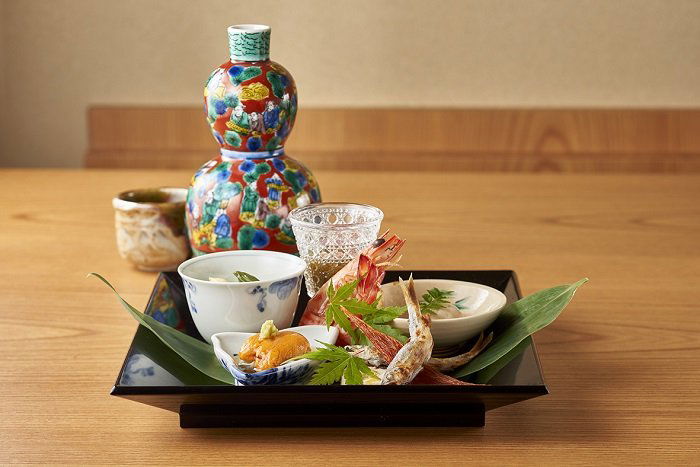
.png?width=1200&quality=80)

Aji Fukushima
Japanese · Higashiyama, Kyoto
Restaurant in Kyoto, Japan
 Book with Pearl
The Read
Gion Kappo Tradition
Price
¥¥¥
Dress
Smart Casual
Why go
A tatami-counter kappo in Kyoto's Gion geisha quarter with Michelin Plate recognition and four consecutive years on the Opinionated About Dining Japan list. At ¥¥¥ pricing, it delivers genuine Kyoto seasonal cooking; dashi from Rishiri kombu, evening menus tied to traditional calendar events; without the ¥¥¥¥ commitment of the city's top kaiseki houses. Best booked for a date night or special occasion dinner, especially during cherry blossom season or Gion Matsuri.
About Aji Fukushima
Verdict: A Gion Kappo Worth Booking for the Setting as Much as the Food
At ¥¥¥ pricing, it occupies the middle tier: more accessible than the city's ¥¥¥¥ kaiseki houses like Kyokaiseki Kichisen, but more considered than a casual neighbourhood meal. If you're visiting Kyoto for a special occasion dinner and want genuine kappo tradition inside the Gion geisha quarter without the full commitment of a top-tier kaiseki blowout, this is a well-supported choice.
The Experience: Tatami Counter Dining in Gion-Minami
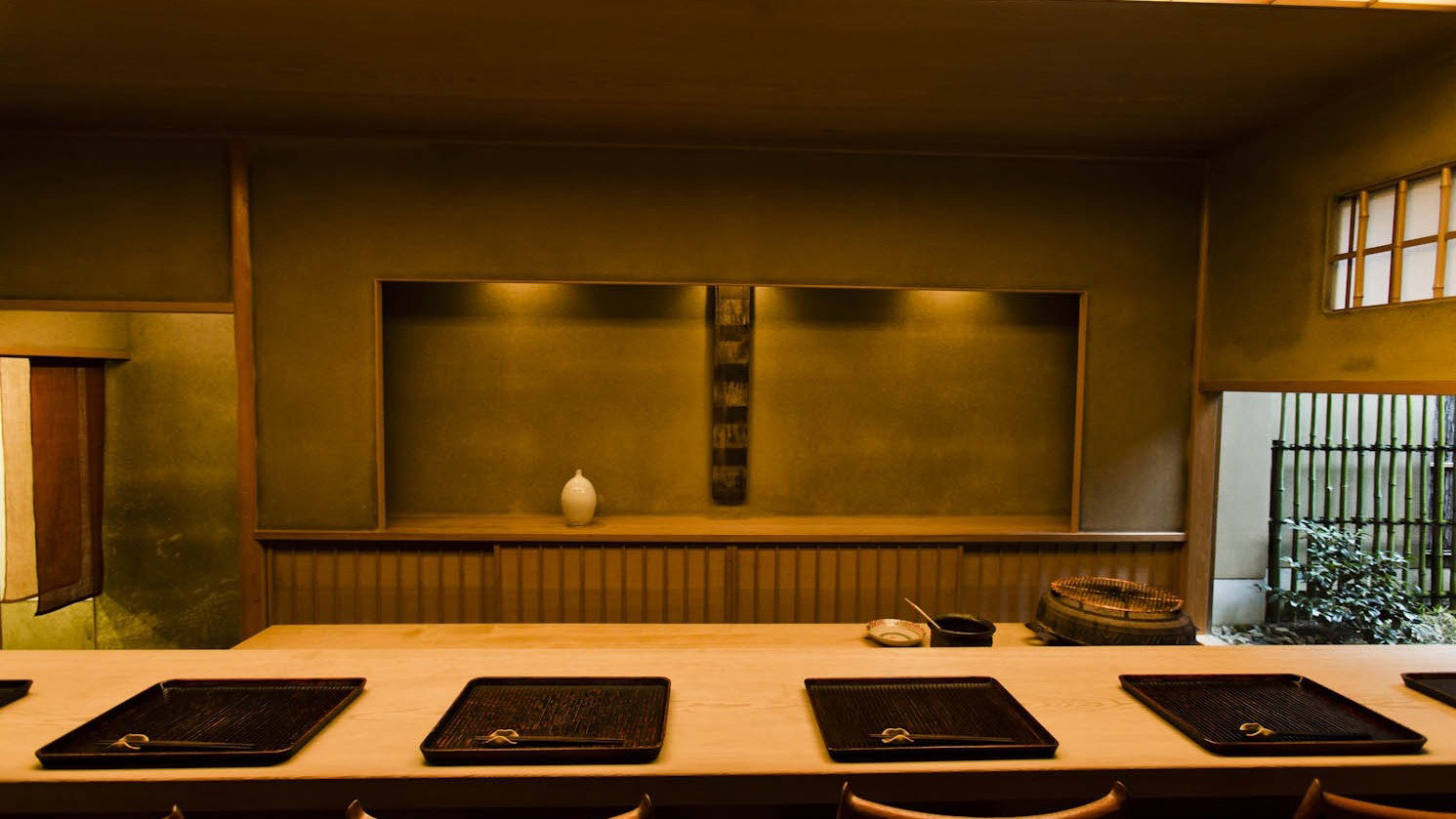
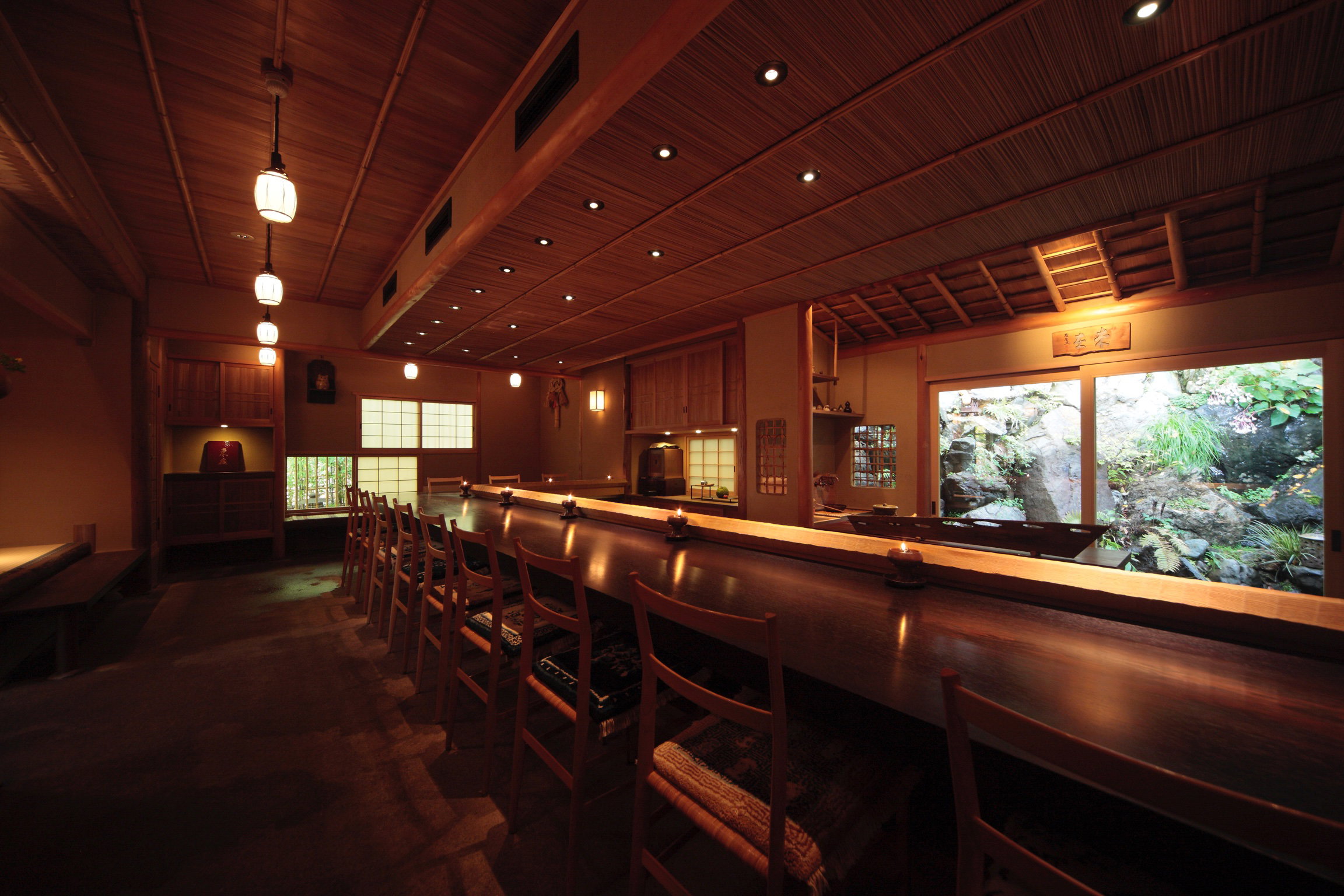
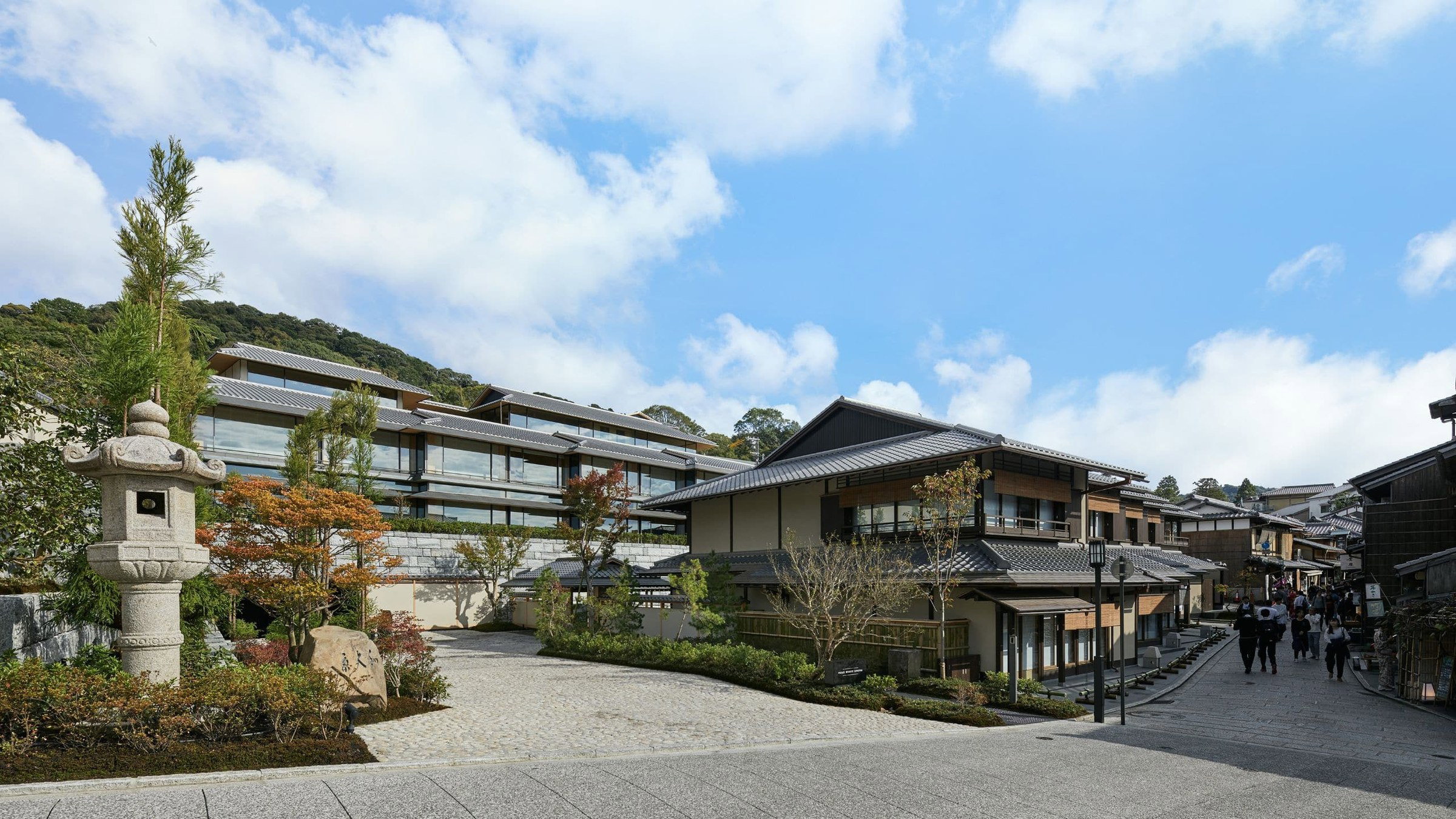
Aji Fukushima sits at 570 Gionmachi Minamigawa in Higashiyama Ward, the southern stretch of Gion that still carries the texture of the hanamachi; the district where geisha culture is not decorative scenery but an active, daily reality. The room features a tatami-mat counter format: intimate, deliberately paced, oriented around the ritual of being served rather than the business of ordering. A hostess pours tea; the chef works in clear view. For a date night or a birthday dinner where the atmosphere is doing as much work as the food, this format delivers.
The ambient feel is calm rather than hushed, formal without being cold. This is not a loud, convivial izakaya evening; it is an occasion meal with a considered tempo. If you are looking for energy and buzz, the format will disappoint. If you want a setting that feels genuinely rooted in Kyoto's cultural fabric; not a modern hotel interpretation of it, the Gion-Minami address and tatami counter do that work honestly.
Seasonal Cooking: When to Visit and What It Means for Your Meal
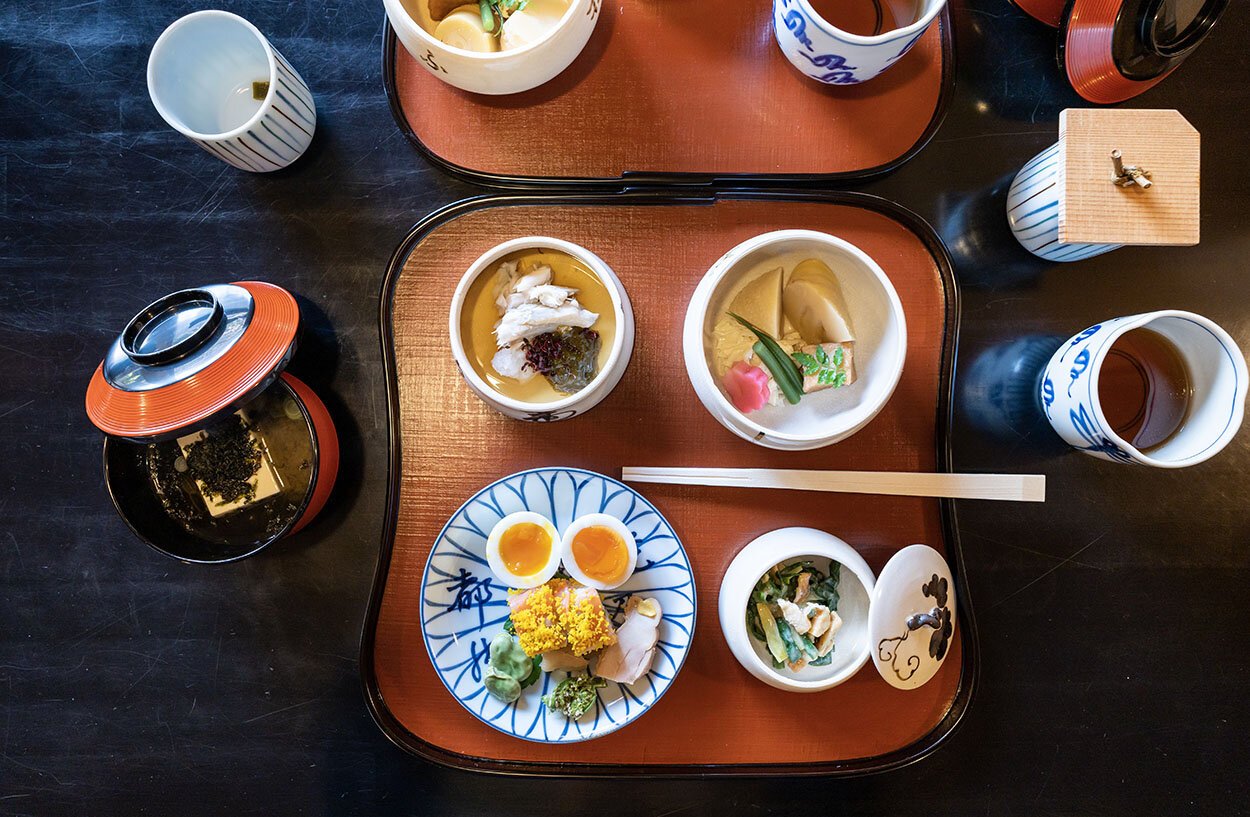
Kappo cuisine in Kyoto is structured around seasonal rotation more explicitly than almost any other Japanese format outside formal kaiseki. At Aji Fukushima, the Michelin Plate recognition specifically calls out two distinct modes depending on the time of day and season: at lunch, an assortment of seasonal ingredients accompanies rice, a lighter, more accessible expression of the kitchen's approach. In the evening, the focus shifts toward decorations and appetisers tied to traditional calendar events, seasonal ceremonies, festivals, the rhythm of the Kyoto year.
This matters for booking decisions. If you visit in late autumn during the momiji season, the evening menu is likely to reflect the aesthetic and ingredient palette of that moment in ways a spring or summer visit simply will not replicate. Cherry blossom season and the Gion Matsuri festival period (July) are the two peaks when the evening meal's connection to traditional Kyoto events will be most pronounced. Visiting during these windows costs nothing extra but adds a layer of contextual depth that makes the price tier feel well-spent.
The kitchen uses Rishiri kombu for its dashi, chosen for aroma rather than just depth of flavour, makombu for simmered dishes where flavour penetration matters more. These are not interchangeable choices; they reflect a kitchen that is paying attention to the specific sensory role of each ingredient. This level of ingredient specificity is what separates a credentialed kappo from a generic Japanese restaurant at similar price points.
For a comparison of how this seasonal approach sits within Kyoto's wider dining options, our full Kyoto restaurants guide maps the scene across all price tiers. Elsewhere in Japan, similar seasonal attentiveness is the foundation of the cooking at HAJIME in Osaka and Harutaka in Tokyo, though both operate at higher price points and in very different formats.
Booking and Logistics
Booking difficulty is rated Easy. No phone number or website is listed in the available data, so direct contact details should be confirmed through a hotel concierge or a third-party reservation platform such as Tableall or Omakase. For a Gion restaurant with this level of recognition, booking two to three weeks out for a weekend dinner is a reasonable baseline; weekday dinners may have more flexibility. Given the counter format and tatami setting, this is a small-capacity room, walk-ins are unlikely to be practical for evening service.
The address at 570 Gionmachi Minamigawa puts it walkable from Gion-Shijo Station on the Keihan Line. For accommodation context, our full Kyoto hotels guide covers options within walking distance of the Gion district.
For other dining decisions during a Kyoto trip, nearby options with their own Pearl coverage include Kikunoi Roan, Gion Matayoshi, Isshisoden Nakamura, and Kodaiji Jugyuan. Beyond Kyoto, Pearl also covers dining in Nara, Fukuoka, Yokohama, and Okinawa. For kappo and Japanese counter dining in Tokyo, Myojaku and Azabu Kadowaki are both worth comparing. Explore Kyoto bars, Kyoto wineries, and Kyoto experiences to round out your visit.
Trust Signals
- Michelin Plate recognition (2025)
- Opinionated About Dining Leading Restaurants in Japan: Recommended (2023), #451 (2024), #524 (2025)
- Cuisine uses Rishiri kombu for dashi and makombu for simmered dishes, documented in Michelin editorial
Who Should Book
Book Aji Fukushima if you want a credentialed Kyoto kappo experience in the authentic Gion geisha quarter at ¥¥¥ pricing, especially if your visit aligns with a major seasonal moment, cherry blossom, Gion Matsuri, or autumn foliage. It is a better fit for two than for a group, better suited to a slow, occasion-led evening than a quick or casual dinner. If budget is not the deciding factor and you want kaiseki at the highest technical level, Kyokaiseki Kichisen is the step up. If you want a Gion-district meal that sits in the same price tier but in a different format, compare before booking.
Planning details
- Location
- 570 Gionmachi Minamigawa, Higashiyama Ward, Kyoto, 605-0074, Japan
- Website
- kccc000.gorp.jp
- Phone
- +81 75-561-4848
The take
The Take
The Vibe
Aji Fukushima sits quietly within Gion’s preserved machiya quarter, where stone‑paved lanes and ochaya give the neighbourhood a timeless feel. The restaurant’s tatami‑mat counter foregrounds a hands‑on kappo practice: chefs work within easy reach, producing courses directly in front of guests. The mood is restrained and intentionally local — less about theatrical kaiseki ritual and more about focused technique and seasonality. That focus, combined with the compact counter setting, creates an intimate, old‑Kyoto atmosphere that reads as both charming and serene; the experience feels embedded in the neighbourhood rather than staged for visitors.
Best For
This is a place for diners who prize close chef interaction and an unvarnished Kyoto food experience. The kappo counter is geared toward regulars and serious eaters who want to watch dishes made in sequence, rather than those seeking a highly ceremonial kaiseki performance. At a more accessible price tier than Kyoto’s top kaiseki rooms, Aji Fukushima still places heavy emphasis on technique and ingredients, making it well suited to intimate dinners and special‑occasion meals where the food and the conversation with the chef are the main event.
Ordering Tips
Sit at the counter and let the kappo sequence unfold — the format is defined by the chef producing dishes in order rather than by à la carte selection. Highlighted signatures such as the kabura mushi and the seasonal sashimi platter are explicitly noted and represent the kitchen’s strengths; consider starting with those to understand the house style. Because the pacing is more fluid than kaiseki, allow time between courses and use the counter interaction to ask about seasonal ingredients or preparation techniques.
Venue details
Ambiance
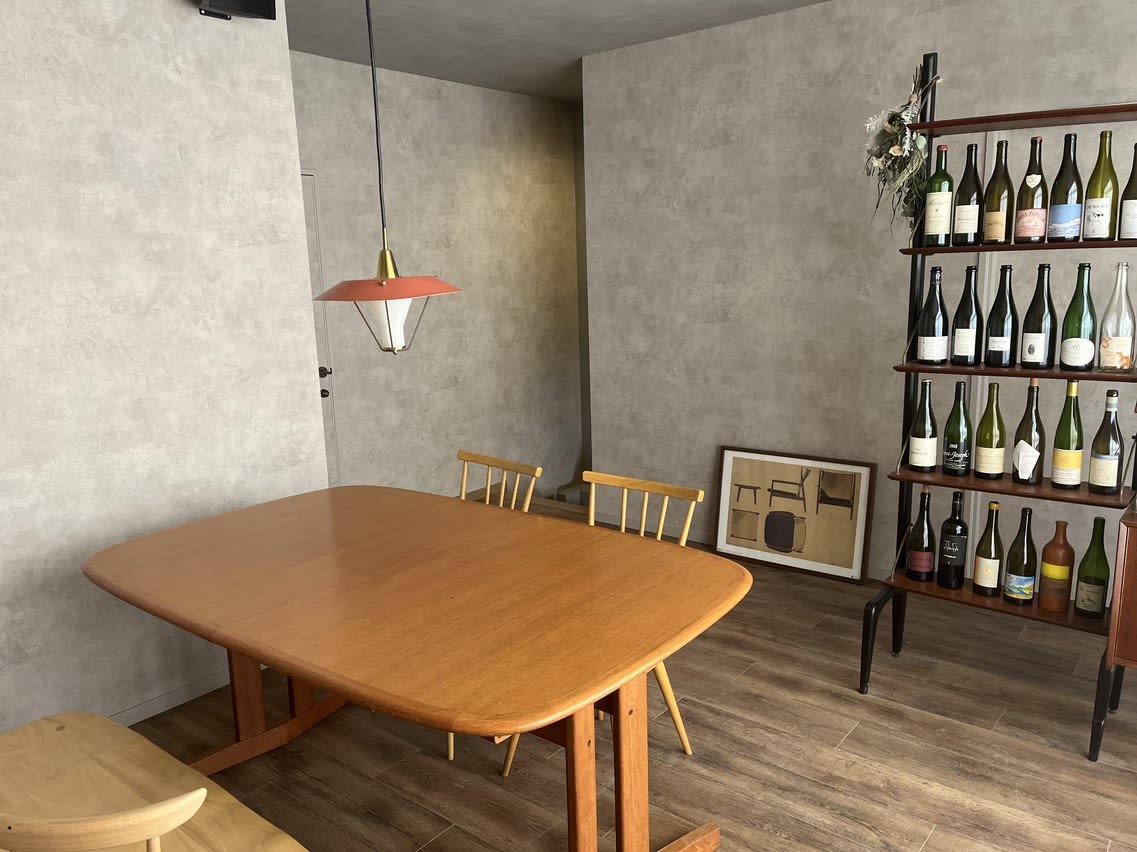
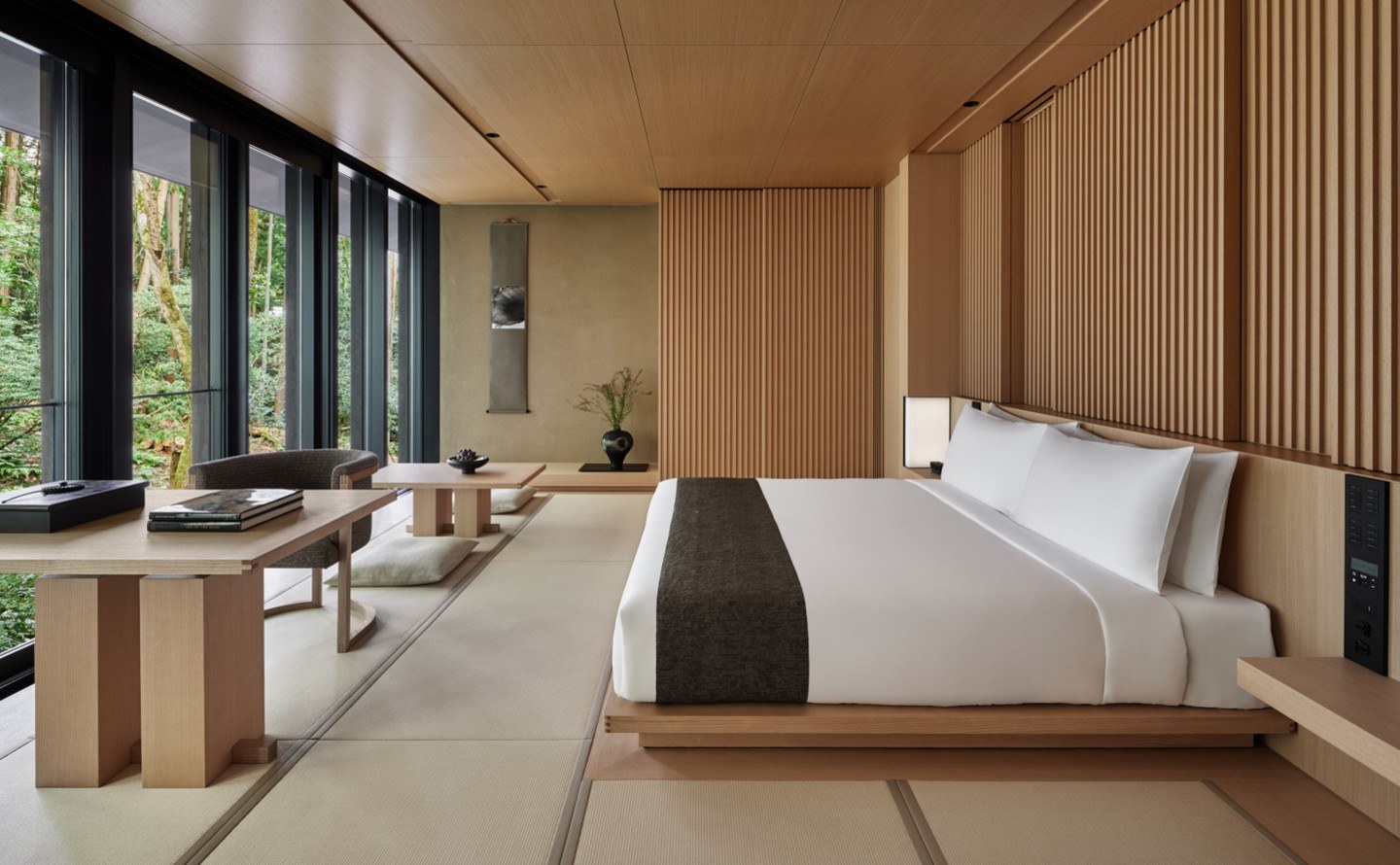
Serene and calm atmosphere with bright brown wood counters, pillars, and beams, complemented by tatami-mat rooms evoking geisha quarter culture.
Tags
Vibe
Best For
Sourcing
At the Table
- Dress Code
- Smart Casual
- Noise Level
- Quiet
- Service Style
- Formal
- Meal Pacing
- Leisurely
- Capacity
- Intimate
Signature Dishes
- kabura mushi
- seasonal sashimi platter
Planning details
Location
570 Gionmachi Minamigawa, Higashiyama Ward, Kyoto, 605-0074, Japan · Directions

Also consider
Also Consider
- Gion Sasaki; Kaiseki, Japanese, ¥¥¥¥
- cenci; Italian, ¥¥¥
- Ifuki; Kaiseki, ¥¥¥¥
- Kyokaiseki Kichisen; Japanese, ¥¥¥¥
- Kyo Seika; Chinese, ¥¥¥
Restaurant context
How Aji Fukushima Compares in Kyoto
The most direct decision is price tier. Aji Fukushima sits at ¥¥¥, which immediately separates it from the ¥¥¥¥ houses: Gion Sasaki, Ifuki, and Kyokaiseki Kichisen all operate at higher spend and require a different level of booking commitment. If your ceiling is ¥¥¥ and you want authenticated Kyoto tradition rather than a contemporary or international concept, Aji Fukushima is the stronger choice over cenci (Italian, ¥¥¥) and Kyo Seika (Chinese, ¥¥¥), both of which deliver quality but in formats that are not specific to Kyoto's culinary identity.
For anyone specifically wanting kaiseki rather than kappo, the step up to ¥¥¥¥ buys you more courses, deeper service formality, in the case of Gion Sasaki, some of the most technically precise seasonal cooking in the city. Ifuki and Kyokaiseki Kichisen similarly operate at a register where the full kaiseki progression; from sakizuke through shokuji; is the point. Aji Fukushima's kappo format is less rigid: the counter allows for a more direct relationship with the chef and a more adaptable pace, which some diners actively prefer for a special occasion that doesn't need to feel ceremonial.
The clearest recommendation by profile: if budget flexibility exists and this is a once-a-trip dinner, Gion Sasaki or Kyokaiseki Kichisen will deliver more technical range. If ¥¥¥ is the right tier and you want a Gion-quarter room with genuine cultural grounding rather than a modern concept, Aji Fukushima is the better call than cenci or Kyo Seika. For booking ease, all three ¥¥¥ options are more accessible than the ¥¥¥¥ kaiseki houses, where waitlists can extend weeks further.
Explore Kyoto
Around this place
Discover more on Pearl
Unlock the full Aji Fukushima guide in Pearl, including awards, comparisons, FAQs, planning details, and nearby places.
Compare Aji Fukushima
| Venue | Cuisine | Price | Awards | Booking Difficulty |
|---|---|---|---|---|
| Aji Fukushima | Japanese | ¥¥¥ | 2026 Michelin Plate2025 OAD Top Restaurants in Japan Ranked · #5242025 Michelin Plate2024 OAD Top Restaurants in Japan Ranked · #4512023 OAD Top Restaurants in Japan Recommended | Easy |
| Gion Sasaki | Kaiseki, Japanese | ¥¥¥¥ | 2026 Tabelog Bronze · #3862026 OAD Top Restaurants in Japan RecommendedMichelin Guide Kyoto Osaka 20262026 La Liste Top RestaurantsTabelog 100 - Japanese cuisine - WEST - 2025 · #132025 OAD Top Restaurants in Japan Ranked · #2462025 Tabelog Silver2025 Michelin 3 Stars2025 La Liste Top Restaurants | Unknown |
| cenci | Italian | ¥¥¥ | 2026 Tabelog Bronze · #442026 Asia's 50 Best Restaurants · #762026 OAD Top Restaurants in Japan Highly RecommendedMichelin Guide Kyoto Osaka 2026Tabelog 100 - Italian - WEST - 2025 · #632025 Asia's 50 Best Restaurants · #632025 OAD Top Restaurants in Japan Ranked · #1682025 Tabelog Bronze2024 OAD Top Restaurants in Japan Ranked · #135 | Unknown |
| Ifuki | Kaiseki | ¥¥¥¥ | 2026 OAD Top Restaurants in Japan Ranked · #1222026 Tabelog Bronze · #128Michelin Guide Kyoto Osaka 20262026 La Liste Top RestaurantsTabelog 100 - Japanese cuisine - WEST - 2025 · #622025 OAD Top Restaurants in Japan Ranked · #1002025 La Liste Top Restaurants2025 Tabelog Bronze2025 Michelin 2 Stars | Unknown |
| Kyokaiseki Kichisen | Japanese | ¥¥¥¥ | 2026 Tabelog Bronze · #1752026 OAD Top Restaurants in Japan Highly RecommendedMichelin Guide Kyoto Osaka 20262025 OAD Top Restaurants in Japan Ranked · #1862025 Michelin 2 Stars2025 La Liste Top Restaurants2024 OAD Top Restaurants in Japan Ranked · #1422024 Michelin 2 Stars2023 OAD Top Restaurants in Japan Ranked · #136 | Unknown |
| Kyo Seika | Chinese | ¥¥¥ | Tabelog 100 - Chinese cuisine - WEST - 2026 · #762026 Tabelog Bronze · #2162026 OAD Top Restaurants in Japan Recommended2026 Michelin 1 Star2025 OAD Top Restaurants in Japan Ranked · #3262025 Tabelog Bronze2024 OAD Top Restaurants in Japan Ranked · #3042024 Michelin Plate2024 Michelin 1 Star | Unknown |







How Aji Fukushima stacks up against the competition.
FAQ
Frequently Asked Questions
Can Aji Fukushima accommodate groups?
The tatami-mat room with counter format at Aji Fukushima suits small parties best; think 2 to 4 people. Larger groups should confirm availability directly before booking, as kappo counters in Gion-Minami typically have limited covers. Contact details should be through a reservation platform or third-party booking service, as no phone or website is listed in current data.
Is the tasting menu worth it at Aji Fukushima?
At ¥¥¥ pricing with a Michelin Plate and consecutive Opinionated About Dining recognition through 2025, the structured kappo format here earns its price for diners who want traditional Kyoto cuisine in a genuine hanamachi setting rather than a tourist-facing kaiseki room. If you want a more celebrated multi-course progression, Kyokaiseki Kichisen sits in a different league entirely, but at a significantly higher cost. Aji Fukushima's strength is atmosphere and culinary tradition, not spectacle.
Is Aji Fukushima worth the price?
Yes, for what it offers: a credentialed Gion-Minami kappo with Michelin Plate recognition, dashi drawn from Rishiri kombu, a room that genuinely reflects the geisha quarter it sits in. At ¥¥¥, it competes well against Kyoto's mid-range kappo options. If value-per-dish is your primary concern, cenci offers a more modern approach at a comparable tier. Aji Fukushima is the stronger choice if setting and culinary tradition matter more than contemporary technique.
What should I order at Aji Fukushima?
Specific menu items are not documented in available data, the kitchen rotates seasonally as is standard in Kyoto kappo. The known cooking approach centres on dashi from Rishiri kombu in soups and makombu in simmered dishes; both foundational to Kyoto cuisine. At lunch, an assortment of ingredients accompanies rice; evenings focus on appetisers aligned with seasonal and traditional events. Trust the kitchen's progression rather than ordering selectively.
Does Aji Fukushima handle dietary restrictions?
Dietary restriction policies are not documented in available data. Kappo kitchens in Kyoto typically work with guests on restrictions when notified in advance, but dashi-based stocks are central to the cooking here and removing them changes the dish fundamentally. Confirm your requirements directly when booking; ideally through a Japanese-speaking contact or reservation service.
Is Aji Fukushima good for a special occasion?
Yes, particularly for a culturally grounded one. The tatami-mat counter, the hostess-served tea, the Gion-Minami address create a setting that has real context; not a designed approximation of it. Michelin Plate recognition and Opinionated About Dining placement through 2025 give it the credentials to justify a special occasion booking. For a more formal multi-course occasion, Kyokaiseki Kichisen carries greater prestige; Aji Fukushima is the better fit if intimacy and neighbourhood character matter more than ceremony.
How far ahead should I book Aji Fukushima?
Book at least 2 to 4 weeks ahead for weeknight sittings; further out is safer for Friday or Saturday evenings during Kyoto's peak seasons (late March to early May, October to mid-November). No website or phone number is listed in current data, so use a third-party reservation platform or concierge service to confirm contact details and availability. Gion kappo restaurants at this tier fill quickly during foliage and cherry blossom periods.