
Li Château
European · Guangzhoushi, Guangzhou
Restaurant in Guangzhou, China
 Book with Pearl
The Read
Classical European Hotel Dining
Price
¥¥¥
Dress
Smart Casual
Why go
Li Château holds a Michelin Plate for 2024 and 2025, making it one of Guangzhou's most reliable European dining options at the ¥¥¥ tier. The private dining room inside the Tianhe Marriott is its strongest use case, particularly for business groups wanting a credentialled, internationally legible setting. Easy to book, and consistent enough to justify a return visit.
About Li Château
The Verdict
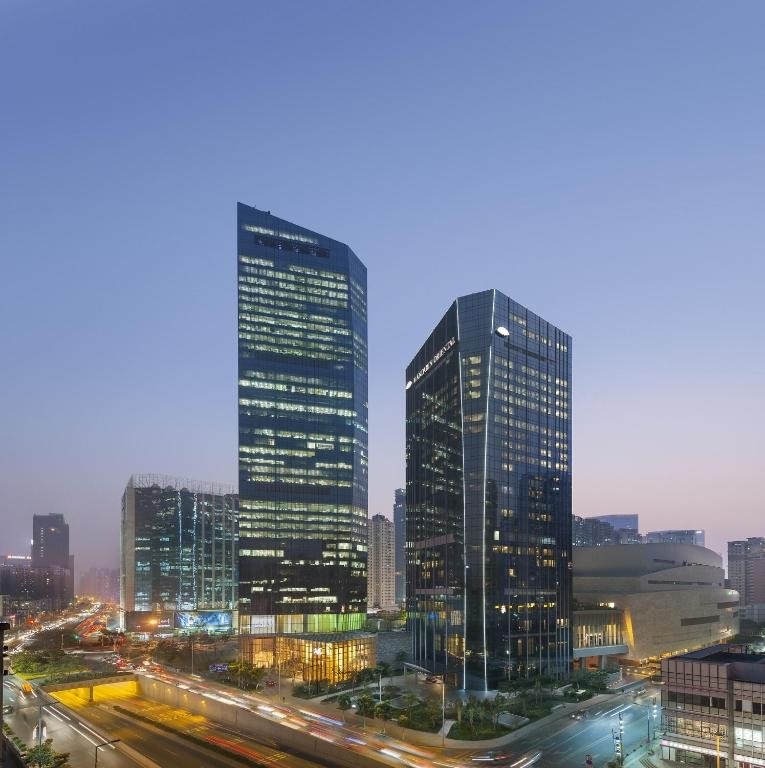
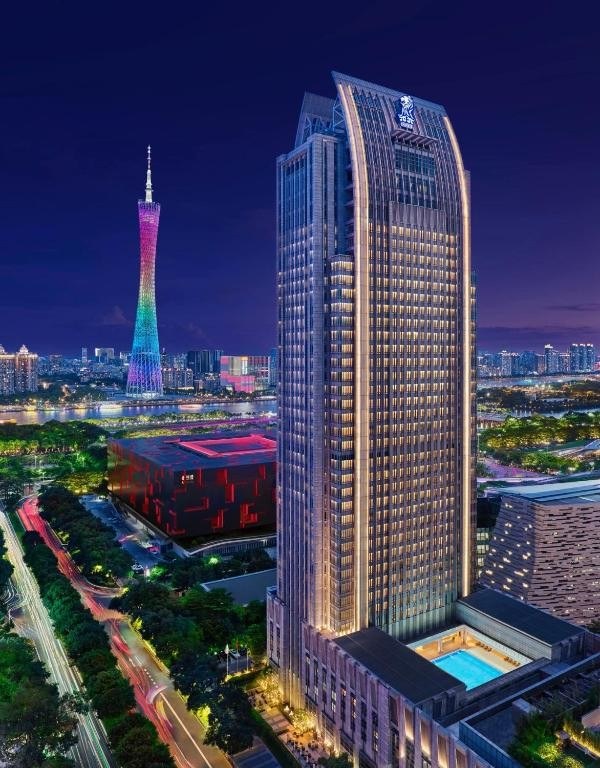
Li Château earns its Michelin Plate recognition for consecutive years (2024 and 2025) as one of the more considered European dining options inside a Guangzhou hotel. Situated within the Marriott at Zhengjiaguang Plaza in Tianhe, it occupies a specific niche: formal European cooking in a polished hotel setting, aimed at business diners and guests who want a change of register from Cantonese. If you are returning for a second visit expecting something new, the room and service framework are the constant here — the value of a return trip lies in exploring the private dining format, which delivers a materially different experience from the main dining room. First-timers should come for the Michelin-recognised credentials and the reliable mid-to-upper price tier (¥¥¥); repeat visitors should go straight to the private room.
Portrait
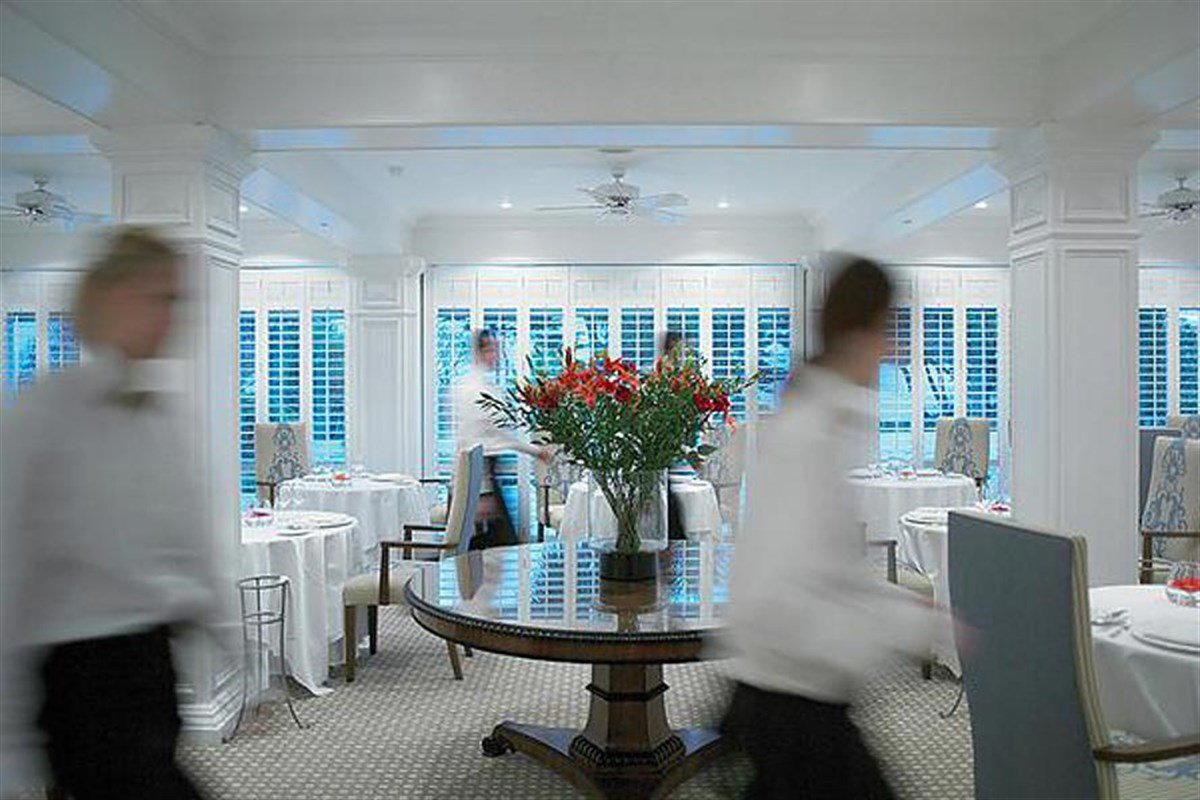
Coming back to Li Château a second time, you are not arriving for discovery — you are arriving for deliberate comfort. The setting inside the Guangzhou Marriott at Zhengjiaguang Plaza anchors the experience in the reliable grammar of international hotel dining: structured service, quiet carpeted rooms, and a kitchen producing European food to a standard that has held Michelin Plate status across two consecutive years. That consistency is the point. In a city where European-style restaurants can feel transient or thinly conceived, Li Château has made a case for itself through repetition of quality rather than novelty.
For the explorer visiting Guangzhou, the question is whether this hotel-dining European format justifies choosing it over the city's more distinctive options. The honest answer is: it does, but only when the context is right. A business dinner where the priorities are neutral territory, reliable cooking, and an environment that does not require local knowledge to navigate, Li Château delivers on all three. If you are eating for pure culinary discovery, Jiang by Chef Fei or Imperial Treasure Fine Chinese Cuisine in Guangzhou serve a more contextually specific meal. But Li Château is not trying to be those places.
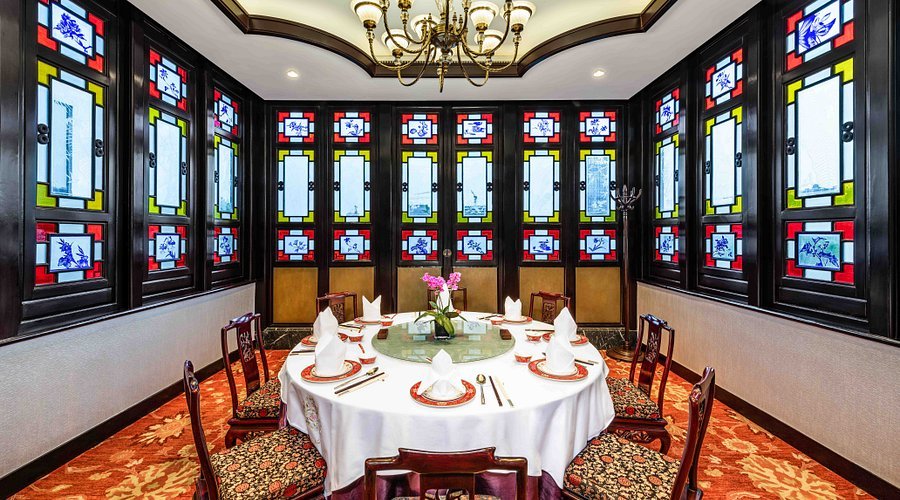
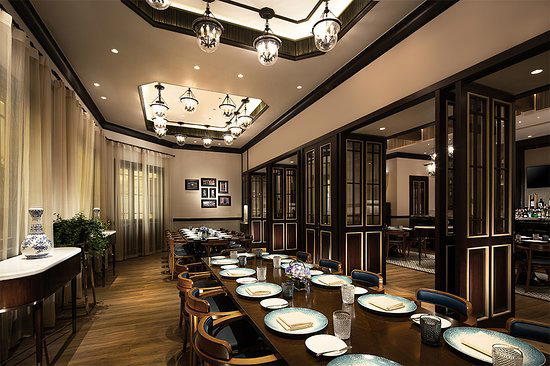
The private dining room is where Li Château shifts from good hotel restaurant to something more purposeful. In the main dining room, the experience is competent and pleasant, a Michelin Plate signals that the kitchen is doing the basics well and then some, but the room itself functions as most hotel restaurant main rooms do. The private dining format changes the equation for group bookings. A dedicated room at this address means you get the full service scaffold, formal European mise en place, attentive pacing, a wine service appropriate to a ¥¥¥ setting, without the ambient noise and public exposure of the main floor. For groups of six or more using the meal as a working dinner, a celebration, or a hosting occasion with Chinese business counterparts in an internationally legible setting, the private room is the reason to book here rather than elsewhere. It signals investment without ostentation, which is often exactly the register required.
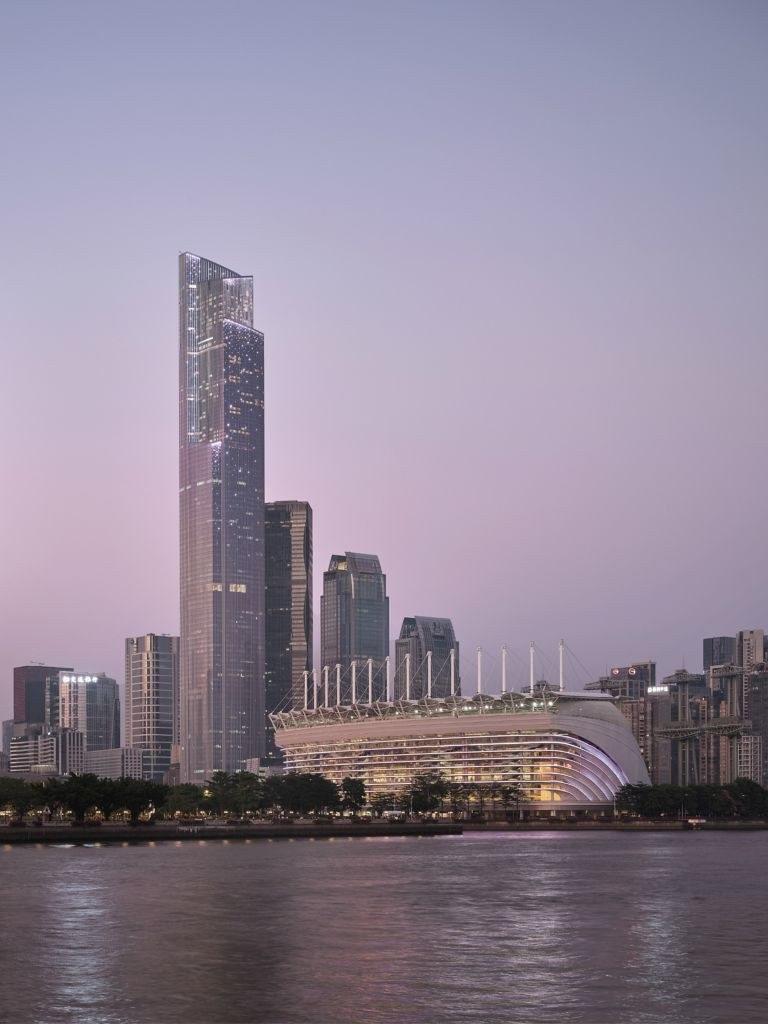
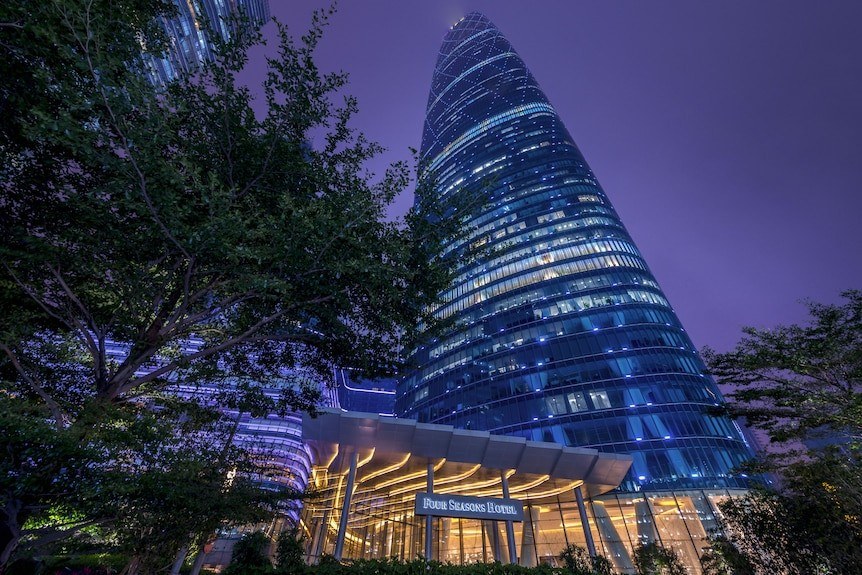
The Tianhe location matters practically. Zhengjiaguang Plaza is one of Guangzhou's central commercial anchors, and the Marriott address is well-understood by local business contacts and visiting professionals alike. Getting here by metro is direct from much of central Guangzhou. Logistics are not the obstacle with this venue, the obstacle is making sure you have matched the venue to the occasion. It is not the place for a casual Friday dinner with friends, and it is not where you take a guest who wants to eat specifically and memorably Chinese food in Guangzhou. But for the private group occasion that needs European cooking and a hotel's service reliability, it is the most direct call in the Tianhe area at this price point.
The Michelin Plate in both 2024 and 2025 is a more useful signal: it means inspectors have found the cooking consistently above average without awarding star-level ambition. That is accurate positioning. This is not destination dining in the way that Stiller or Aroma might attract a food-focused visit. It is reliable, credentialled European cooking in a private-room-capable hotel setting, and that is a genuinely useful category in a city where European options vary widely in execution.
For context on how European dining at this price tier performs elsewhere in China, 102 House in Shanghai and Xin Rong Ji in Beijing represent comparable positioning in their respective markets. Internationally, the hotel-European format finds its closest analogues in venues like Arlington in London and 1 York Place in Bristol, technically grounded, service-led European restaurants that prioritise reliability over innovation.
Booking is easy. For private dining, contact the hotel directly with reasonable lead time, a week to ten days is a practical minimum for group configuration. For the wider Guangzhou dining picture, our full Guangzhou restaurants guide covers the full range of options across cuisines and price points. If you are building a broader Guangzhou itinerary, our guides to hotels, bars, and experiences in the city are worth checking. For diners covering more of China's dining scene, Ru Yuan in Hangzhou, Chef Tam's Seasons in Macau, Dai Yuet Heen in Nanjing, and Xin Rong Ji in Chengdu offer relevant points of comparison. Also see Ebony for another Guangzhou option in the fine dining tier, and our Guangzhou wineries guide if wine is a priority for your trip.
Planning details
- Location
- China, Guangdong Province, Guangzhou, Tianhe District, 天河中心广州正佳广场万豪酒店 邮政编码: 510620
- Phone
- +86 156 2625 8471
The take
The Take
The Vibe
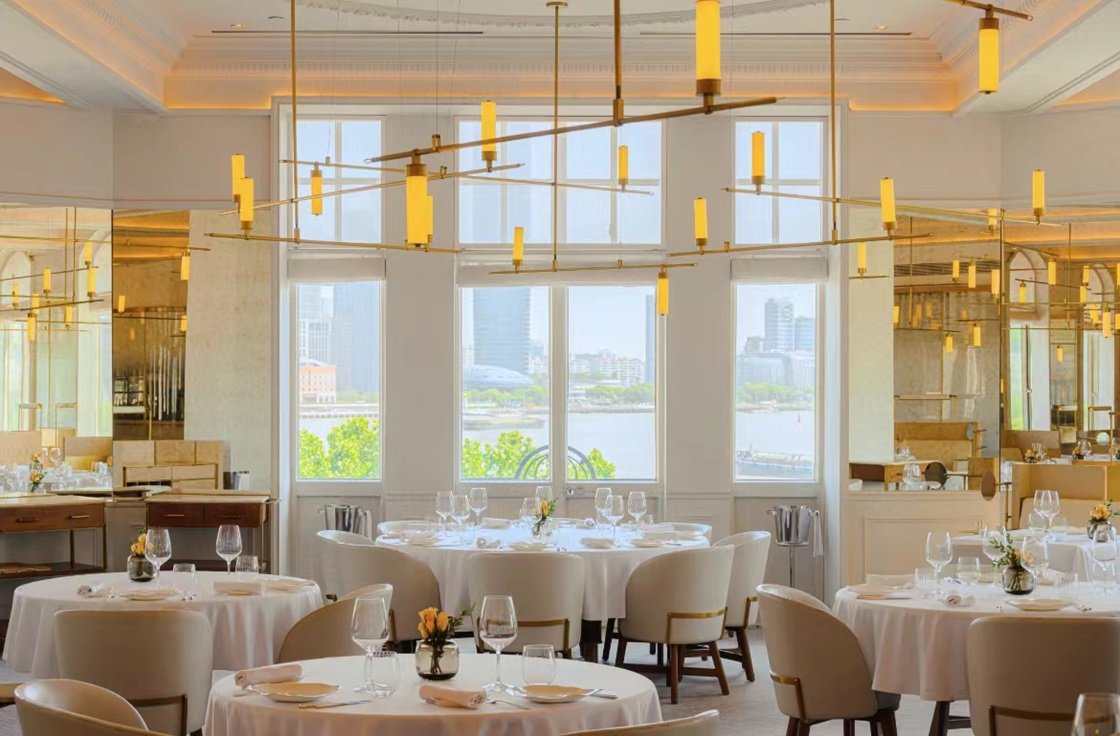
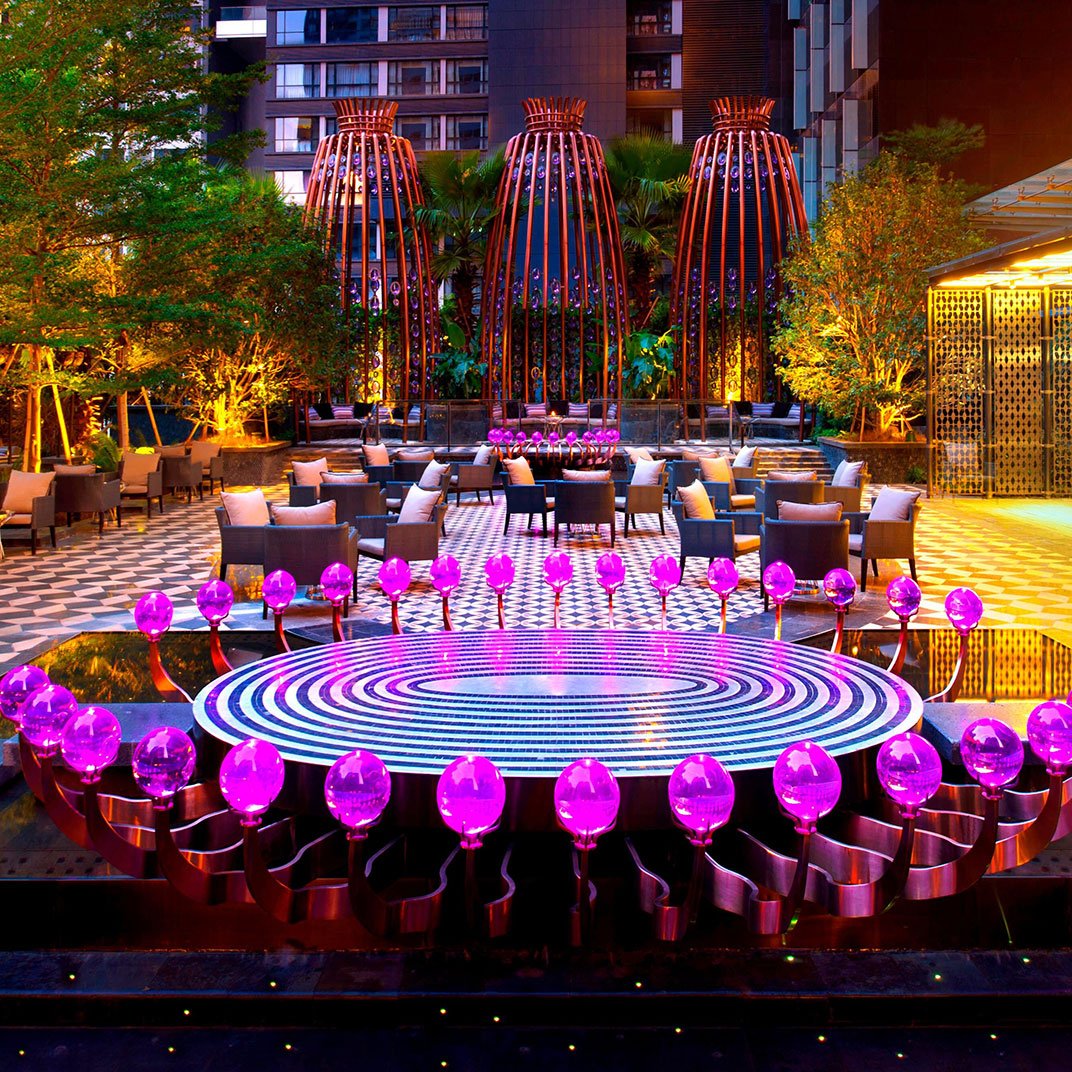
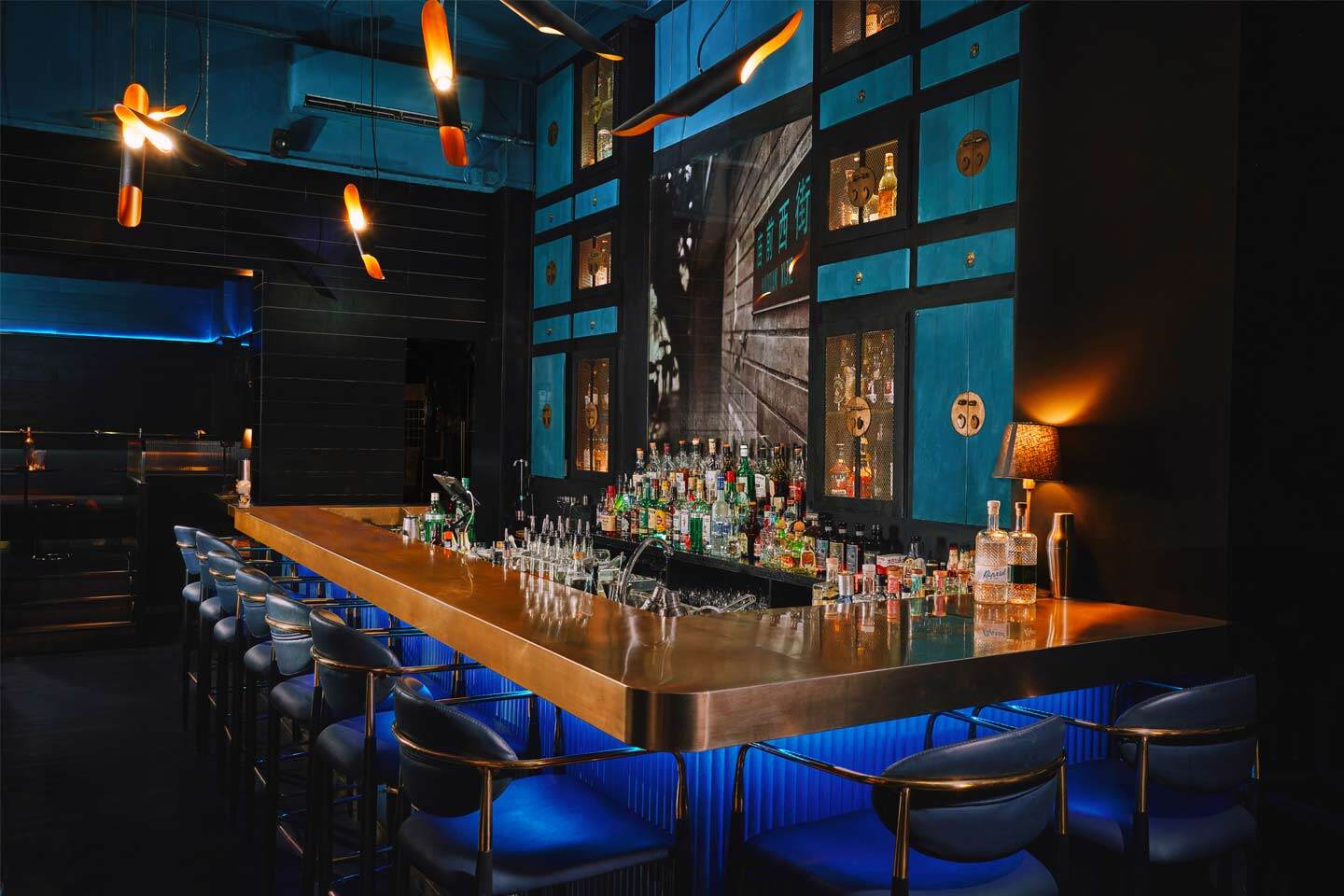
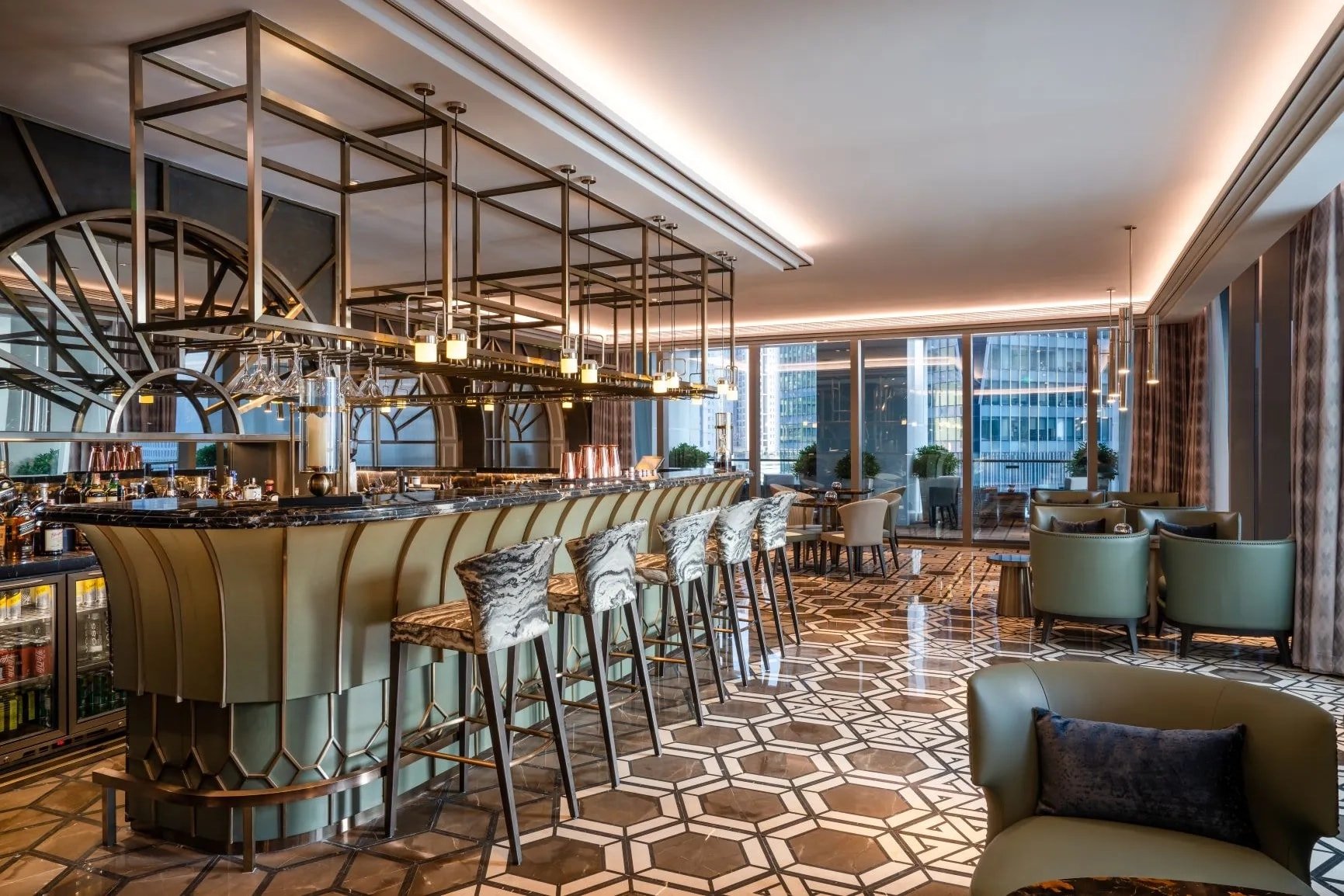
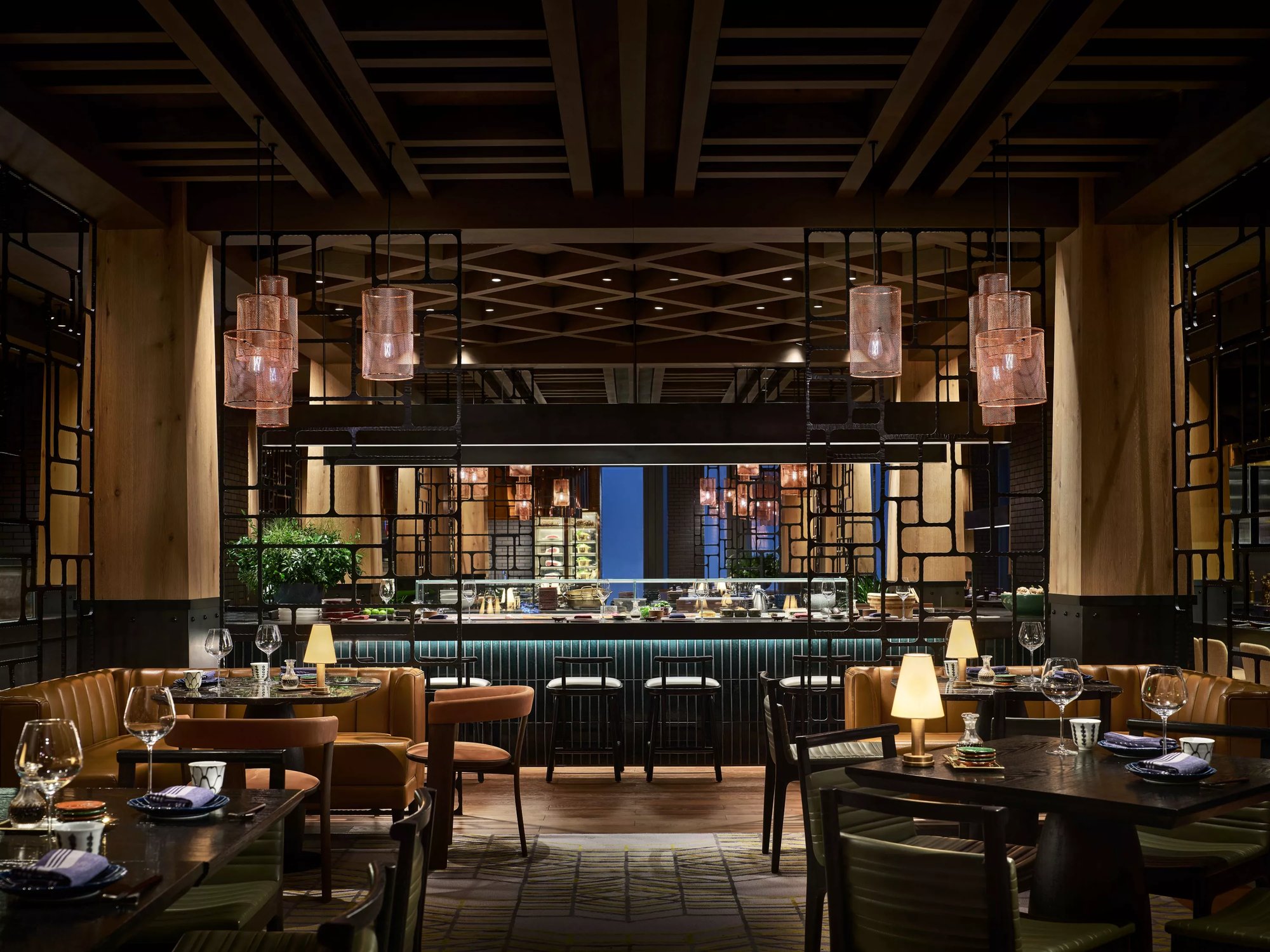
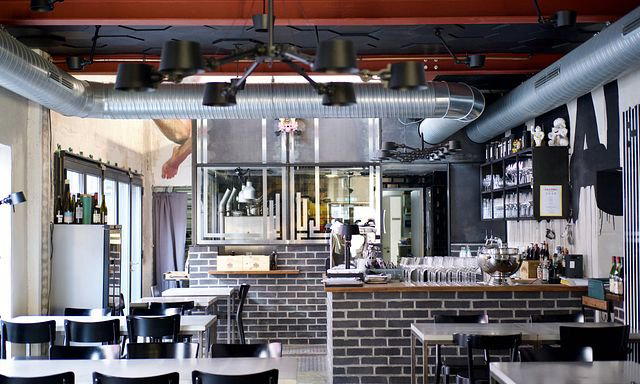
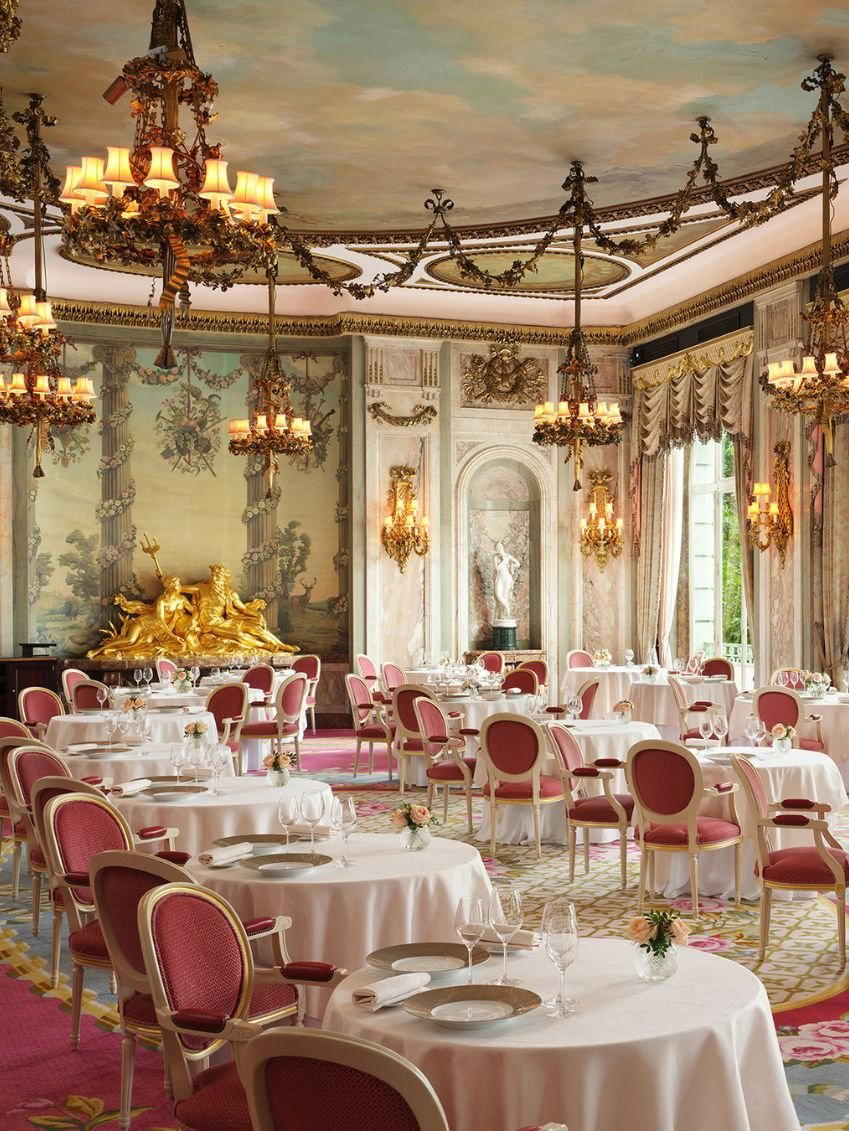
Li Château presents as a hotel-based European dining room that leans toward a classic fine-dining register while working to assert a clearer identity within the Marriott at Grandview Plaza. The restaurant occupies the international-hotel pole of Tianhe’s dining scene, a position that gives it strong visibility among office and retail traffic and the city’s corporate and expatriate diners. Consecutive Michelin Plate nods (2024 and 2025) underline a technically accomplished kitchen and a deliberate positioning in Guangzhou’s competitive European and contemporary bracket. The room reads like a polished hotel destination rather than a street-level Cantonese institution, balancing hotel formality with city-center accessibility.
Best For
Li Château is best suited to evening dining that leans toward date nights and special occasions while also serving business-focused meals for traveling or corporate guests. Its placement inside a major hotel and its appeal to the city’s corporate and expatriate community make it a natural pick for business dinners and guests staying on business trips. The restaurant’s Michelin Plate recognition and its comparison with other mid-to-high-range European peers signal a competitive dinner menu and a level of formality appropriate for celebratory or professional evenings rather than casual daytime quick turns.
Ordering Tips
When dining at Li Château, prioritize the house signatures that define its European focus: the beef tenderloin Wellington, the black truffle risotto with foie gras, and the foie gras trio. These dishes reflect the restaurant’s technical strengths that earned Michelin Plate recognition in consecutive years. Given its position in the competitive European bracket in Tianhe, ordering one of the signature mains and sharing a richer course—such as the truffle risotto or a foie gras preparation—lets you sample the kitchen’s specialties without overcommitting to a single style. Expect refined, technically minded preparations consistent with hotel fine dining.
Venue details
Ambiance
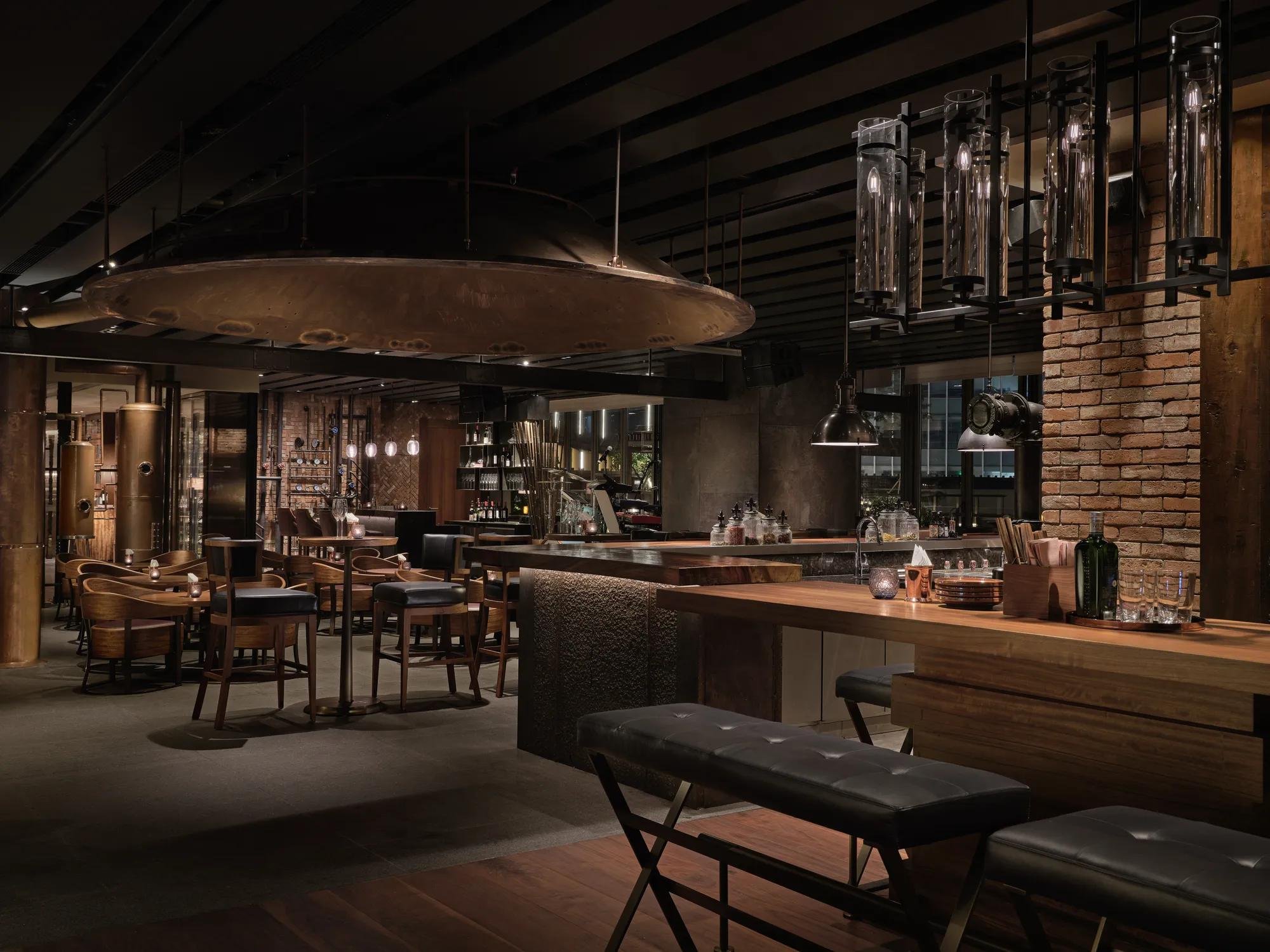
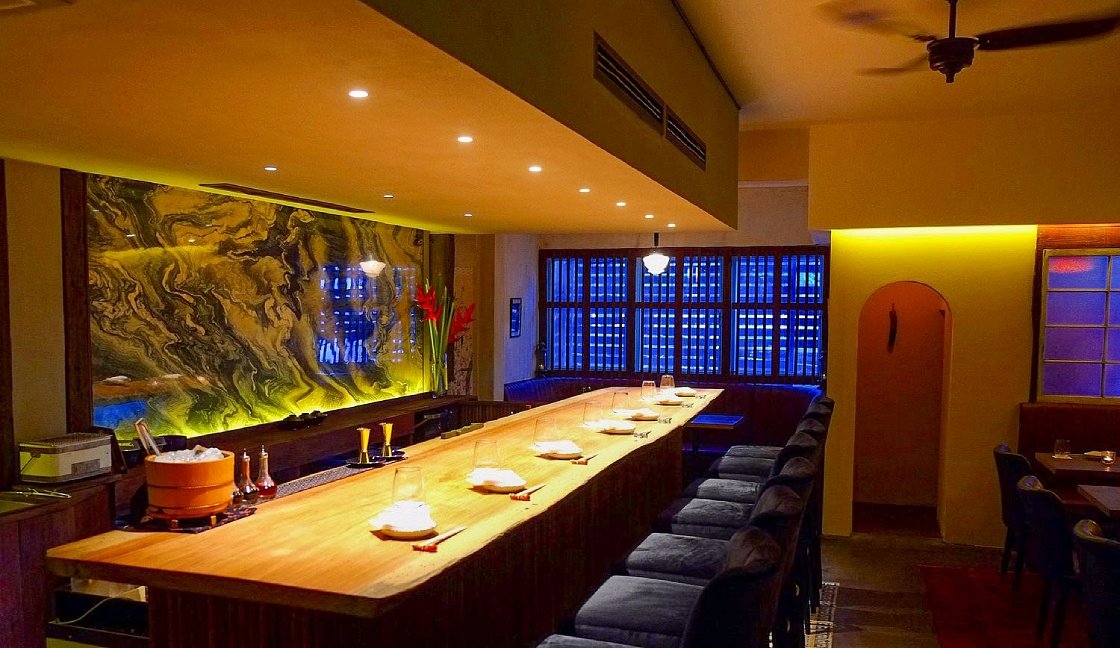
Romantic and dimly lit with a literary feel, European styling mixed with local eclectic motifs, quiet atmosphere where speaking loudly is impolite.
Tags
Vibe
Best For
Experience
Accessibility
At the Table
- Dress Code
- Smart Casual
- Noise Level
- Quiet
- Service Style
- Formal
- Meal Pacing
- Leisurely
- Capacity
- Intimate
Signature Dishes
- beef_tenderloin_wellington
- black_truffle_risotto_foie_gras
- foie_gras_trio
Know before you go
Know Before You Go
- Getting there
- China, Guangdong Province, Guangzhou, Tianhe District, 天河中心广州正佳广场万豪酒店 邮政编码: 510620
Planning details
Location
China, Guangdong Province, Guangzhou, Tianhe District, 天河中心广州正佳广场万豪酒店 邮政编码: 510620 · Directions
Recognition and awards
Also consider
Also Consider
- Imperial Treasure Fine Chinese Cuisine, Cantonese, ¥¥¥
- Taian Table, Modern European, European Contemporary, ¥¥¥¥
- Song, Sichuan, ¥¥
- Chōwa, Innovative, ¥¥¥
- Rêver, French Contemporary, ¥¥¥¥
Restaurant context
At the ¥¥¥ tier in Guangzhou, Li Château sits alongside Imperial Treasure Fine Chinese Cuisine and Chōwa as a credentialled mid-to-upper option. If your priority is European cooking in a private-room-capable hotel setting, Li Château is the cleaner choice. If you want a more contextually specific Guangzhou meal, something that makes a case for the city's own food culture, Imperial Treasure is the better call at the same price point. Chōwa (Innovative, ¥¥¥) splits the difference with contemporary creativity that neither confirms to classical European structure nor commits to Chinese tradition, which makes it more interesting for food-focused guests but less reliable for mixed-purpose business dinners.
For diners willing to go up a price tier, Rêver (French Contemporary, ¥¥¥¥) and Taian Table (Modern European, ¥¥¥¥) both demand more spend but deliver more ambition. Rêver is the call if the meal itself is the occasion; Taian Table carries stronger national recognition and suits a guest who is eating across multiple Chinese cities and wants a destination-level reference point in Guangzhou. Neither is a direct substitute for Li Château's private dining utility at the ¥¥¥ level.
At the lower end, Song (Sichuan, ¥¥) is not a European alternative but is worth flagging for groups where budget is the primary constraint and Sichuan cooking is acceptable to all parties. For a private dining occasion with a formal European requirement and a fixed ¥¥¥ ceiling, Li Château has no direct competitor at the same address type in Tianhe, the private room and the Michelin Plate combination at this price point is a specific offering in the local market.
Explore Guangzhou
Around this place
Discover more on Pearl
Unlock the full Li Château guide in Pearl, including awards, comparisons, FAQs, planning details, and nearby places.
Compare Li Château
| Venue | Price | Booking Difficulty | Awards |
|---|---|---|---|
| Li Château | ¥¥¥ | Easy | Michelin Guide Guangzhou & Shenzhen 20262025 Michelin Plate2024 Michelin Plate |
| Imperial Treasure Fine Chinese Cuisine | ¥¥¥ | Unknown | Michelin Guide Shanghai Jiangsu Zhejiang 20262025 OAD Top Restaurants in Asia Ranked · #2952025 Michelin 2 Stars2025 La Liste Top Restaurants2024 OAD Top Restaurants in Asia Ranked · #2752024 Michelin 2 Stars2023 OAD Top Restaurants in Asia Highly Recommended |
| Taian Table | ¥¥¥¥ | Unknown | 2026 OAD Top Restaurants in Asia Ranked · #62Star Wine Lists 20262026 La Liste Top Restaurants2026 Black Pearl 1 Diamond2026 Les Grandes Tables du Monde Members2025 OAD Top Restaurants in Asia Ranked · #852025 Michelin 2 Stars2025 Michelin 3 Stars2025 La Liste Top Restaurants |
| Song | ¥¥ | Unknown | No published awards |
| Chōwa | ¥¥¥ | Unknown | 2025 Michelin 1 Star2025 The Best Chef Two Knives2024 Michelin Plate |
| Rêver | ¥¥¥¥ | Unknown | 2025 Michelin 1 Star2025 The Best Chef One Knife2024 Michelin 1 Star |
.png?width=1200&quality=80)










Side-by-side comparison to help you decide where to book.
FAQ
Frequently Asked Questions
What should I wear to Li Château?
Li Château sits inside the Guangzhou Marriott at Zhengjiа Plaza and carries two consecutive Michelin Plate years, which suggests a step above casual. Business smart or polished smart casual fits the room — think collared shirts or a dress rather than trainers and jeans. Guangzhou's hotel dining rooms at ¥¥¥ generally hold a quieter, more formal atmosphere than street-level restaurants in the same price bracket.
What should I order at Li Château?
Specific dishes are not documented in available venue data, so ordering strategy matters more than a dish list here. At a ¥¥¥ European restaurant holding a Michelin Plate, the kitchen's tasting or set menu format typically shows the most coherent cooking — that is where Michelin assessors focus. Ask your server what the kitchen is leading with that week rather than ordering à la carte on a first visit.
How far ahead should I book Li Château?
Booking windows for Li Château are not published in the venue record, but Michelin Plate recognition two years running puts this in a category where weekend tables at ¥¥¥ move. Aim for at least a week's notice mid-week, two weeks for Friday or Saturday. Hotel restaurants in Guangzhou at this tier can occasionally accommodate same-day requests on weeknights — worth a call to the Marriott front desk if you are flexible.
What are alternatives to Li Château in Guangzhou?
Taian Table is the more ambitious option if you want a higher-intensity tasting format and are prepared for a harder booking and a significantly higher spend. Song and Rêver sit closer to Li Château's positioning — European-leaning, considered rather than theatrical. If you want Chinese fine dining instead of European, Imperial Treasure Fine Chinese Cuisine is the direct alternative at a comparable price tier and with stronger name recognition in the region.
Is the tasting menu worth it at Li Château?
At ¥¥¥ in Guangzhou, Li Château's two consecutive Michelin Plates (2024 and 2025) confirm the kitchen is consistent enough to justify a tasting format if European cuisine is what you are after in this city. It is not Taian Table in ambition or price, which makes it a more accessible entry point for a considered European meal without the pressure of a full-commitment dining event. If European food is not your priority in Guangzhou, the value case weakens — the city's Chinese dining options at comparable spend are more distinctive.