
Liang Jie Nanning Pumiao Shengzha Mifen (Yinghua Street)
Noodles · Guangzhoushi, Guangzhou
Restaurant in Guangzhou, China
 Book with Pearl
The Read
Fermented-Paste Rice Noodles
Price
¥
Dress
Smart Casual
Why go
Nanning-style rice noodles in Haizhu District, earning back-to-back Michelin Bib Gourmand awards (2024, 2025) at ¥ pricing. The counter offers the best vantage for watching fresh-pressed noodles assembled to order, but space is tight and turnover is fast. Worth the visit for solo diners or pairs willing to navigate Yinghua Street for a regional noodle format that's less common in Guangzhou's Cantonese-dominated scene.
About Liang Jie Nanning Pumiao Shengzha Mifen (Yinghua Street)
Liang Jie Nanning Pumiao Shengzha Mifen (Yinghua Street) is a Guangzhou noodle venue with Michelin Bib Gourmand recognition in 2024 and 2025. Its profile is concise: noodles, ¥ pricing, and a smart-casual dress code. Specific details such as exact dishes, hours, seating, service format, reservations, and neighborhood-level location are not available and should be confirmed directly before visiting.
Planning a Visit
Specific seating and service-format details for Liang Jie Nanning Pumiao Shengzha Mifen (Yinghua Street) are not available. The safest way to plan a visit is to approach it as a value-focused noodle stop in Guangzhou rather than as a venue with a counter-only setup, fixed dining-room layout, or documented ordering routine. If seating, wait times, or accessibility matter, confirm current conditions before you go.
What You're Paying For at ¥ Pricing
The price tier is ¥, placing Liang Jie Nanning Pumiao Shengzha Mifen (Yinghua Street) at the value end of the guide. Its Michelin Bib Gourmand recognition in 2024 and 2025 supports its standing as a recognised noodle option in Guangzhou, but information on specific claims about broth, toppings, portion size, individual dishes, or menu breadth is not available. If you're comparing it with Enning Liu Fu Ji (Donghua East Road) or Jian Ji (Liwan), keep the comparison broad: these are peer noodle venues, while Liang Jie Nanning Pumiao Shengzha Mifen (Yinghua Street) offers noodles, ¥ pricing, and Bib Gourmand recognition.
Timing and Crowd Management
Opening hours, lunch service, queue length, phone details, and booking policies are not available. Do not rely on assumptions about meal periods, peak waits, or closing patterns. Before travelling across Guangzhou, check current operating information through a current local source, and build in flexibility if this stop is important to your itinerary.
How It Fits Among Guangzhou's Noodle Specialists
Within Guangzhou, Liang Jie Nanning Pumiao Shengzha Mifen (Yinghua Street) can be understood as a recognised noodle venue with ¥ pricing and Michelin Bib Gourmand awards for 2024 and 2025. Other comparable venue references include Lao Xiguan Laifen (Wenming Road), Enning Liu Fu Ji (Donghua East Road), and Jian Ji (Liwan). For a broader look at unnamed local options, Guangzhou's noodle landscape offers plenty of room for comparison, but its profile focuses on: noodles, value pricing, smart casual dress, and Bib Gourmand recognition.
Planning details
- Location
- 240/242 Yinghua St, 240, Haizhu District, Guangzhou, Guangdong Province, China, 510289
- Phone
- +86 186 8842 3426
The take
The Take
The Vibe
Liang Jie plants a distinct Guangxi noodle tradition in Haizhu, trading formality for technique and regional character. The shop foregrounds shengzha mifen — a fermented-rice–based broth that yields a measured sourness and weight — and presents itself as part of the city's working food scene rather than a polished dining room. Michelin’s consecutive Bib Gourmand nods underline the kitchen’s consistency and value: this is a place where regional specificity and steady execution matter more than decor. Expect unpretentious surroundings and a focus on the bowl, with flavor profiles rooted in Nanning rather than Cantonese or Teochew conventions.
Best For
This is a pragmatic choice for people after solid, regionally specific noodle cooking at reasonable prices. The shop’s Bib Gourmand designation and positioning alongside other well-priced city noodle specialists make it a reliable pick for everyday meals — solo lunches, casual meetups and no-fuss dinners. It’s not a spot for formal celebrations; instead it rewards diners who come for technique and depth of flavor, particularly those curious about Guangxi’s fermented-shengzha approach rather than Guangzhou’s cleaner rice-noodle traditions.
Ordering Tips
Order a bowl highlighting the signature preparation — the beef brisket rice noodles are a recommended starting point — and pay attention to the broth’s fermented-shengzha notes. The broth’s sourness and weight develop as you taste, so take a moment with the first sips to parse the complexity. Given the shop’s Bib Gourmand status and moderate pricing, consider sampling the house specialty rather than seeking fancier add-ons: the point here is the regional method and consistent execution rather than elaborate embellishment.
Venue details
Ambiance
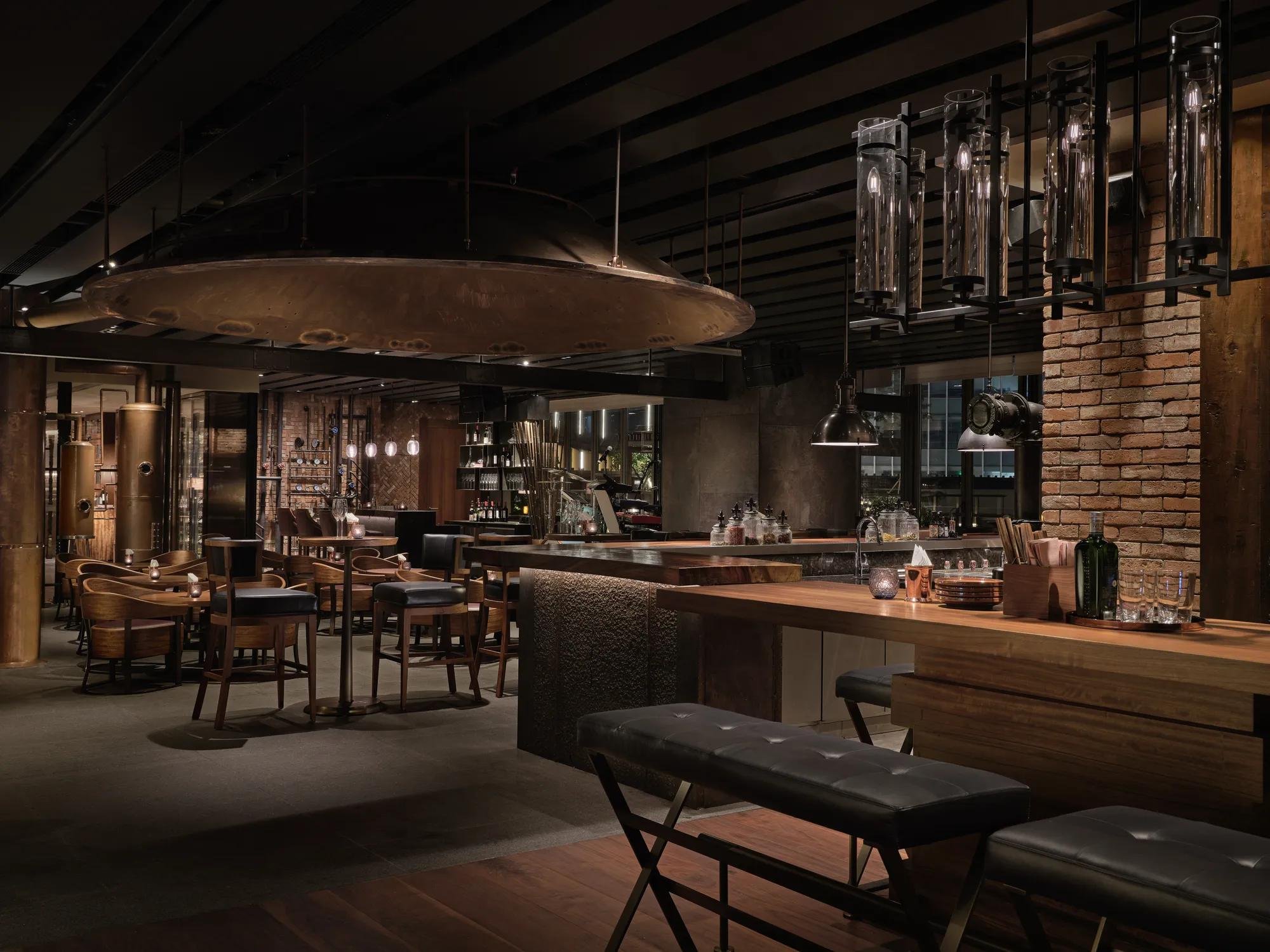
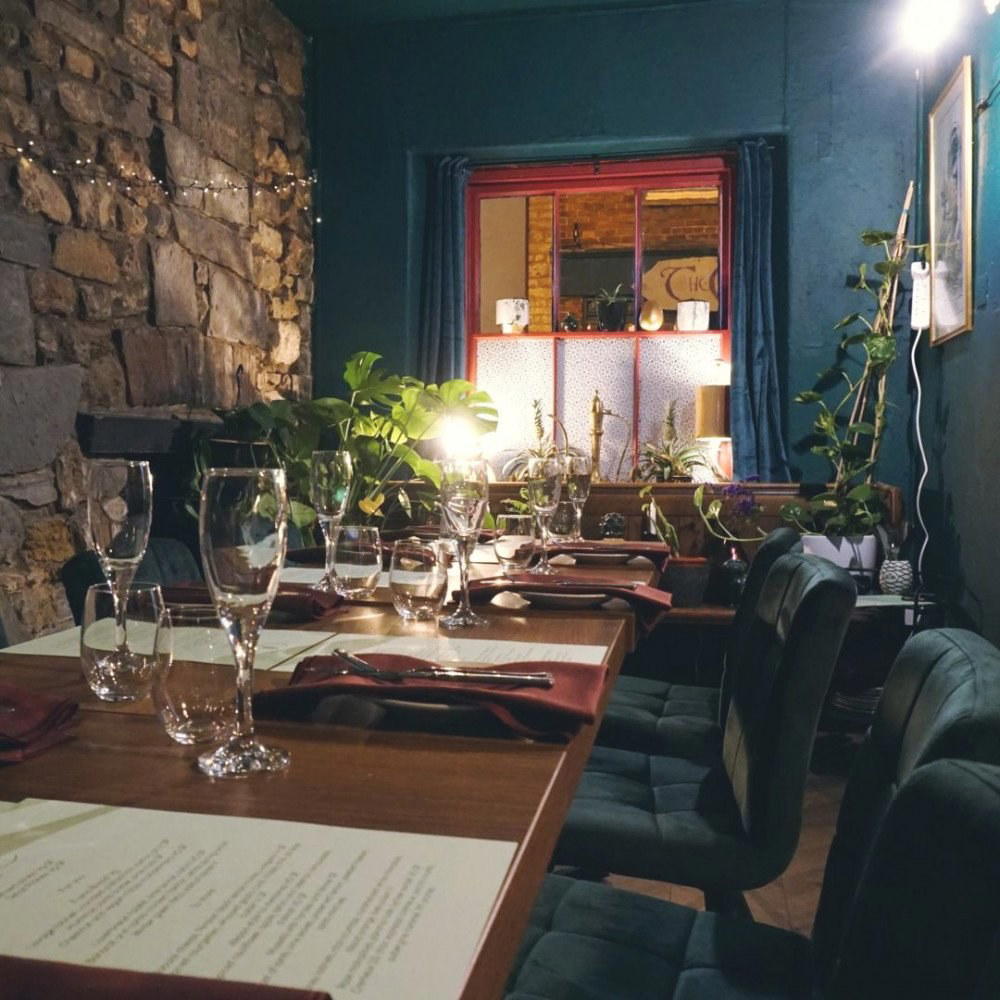
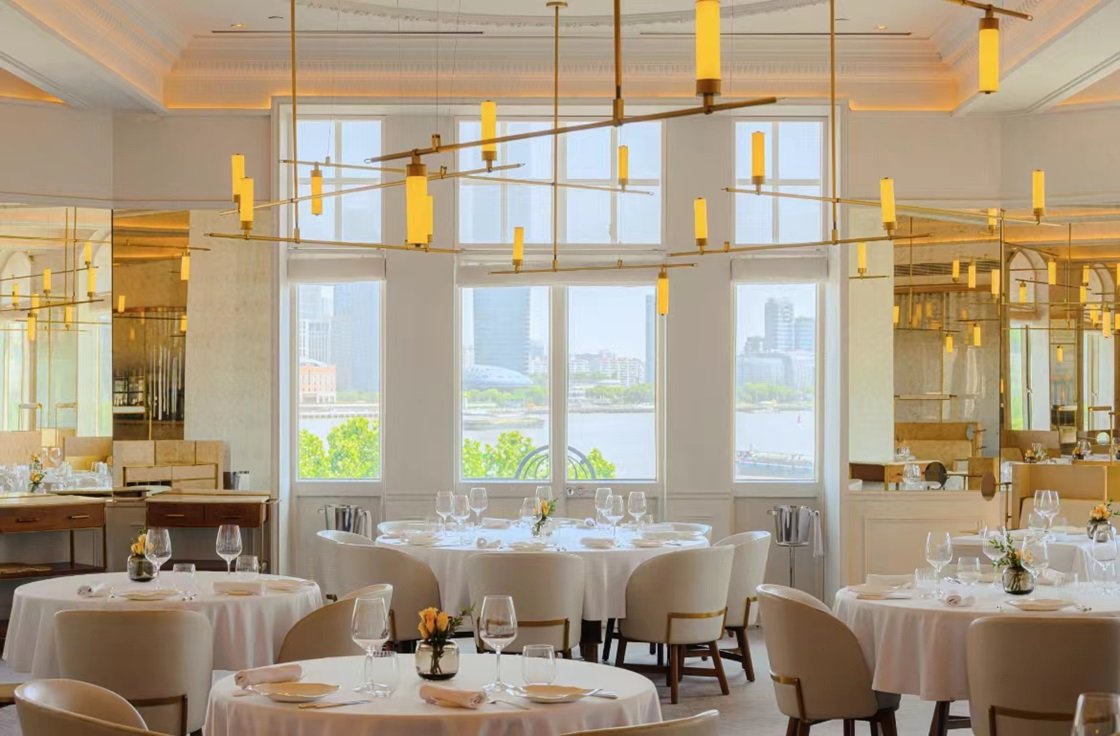
Clean lines, soft lighting, muted palette that invites focus on the cuisine with a sense of quiet luxury.
Tags
Vibe
Best For
Experience
At the Table
- Dress Code
- Smart Casual
- Noise Level
- Quiet
- Service Style
- Upscale Casual
- Meal Pacing
- Standard
- Capacity
- Small
Signature Dishes
beef brisket rice noodles
Know before you go
Know Before You Go
- Getting there
- 240/242 Yinghua St, 240, Haizhu District, Guangzhou, Guangdong Province, China, 510289
Planning details
Location
240/242 Yinghua St, 240, Haizhu District, Guangzhou, Guangdong Province, China, 510289 · Directions
Recognition and awards
Also consider
Also Consider
- Enning Liu Fu Ji (Donghua East Road), Noodles, ¥
- Cheong Kei, Noodles, $
- Hao Tang Hao Mian (Tai Wai), Noodles, $$
- Jian Ji (Liwan), Noodles, ¥
- Lao Xiguan Laifen (Wenming Road), Noodles, ¥
Restaurant context
Among Guangzhou's Bib Gourmand noodle specialists, Enning Liu Fu Ji (Donghua East Road) and Jian Ji (Liwan) both operate at ¥ and deliver Cantonese wonton or beef-brisket noodles with deeper local familiarity and easier ordering. Liang Jie's Nanning-style shengzha mifen offers a lighter, less soy-forward broth and fresh-pressed noodles, but the Yinghua Street location and limited English make it a better second or third noodle stop for diners already comfortable navigating Guangzhou's street-food vendors. Lao Xiguan Laifen (Wenming Road) serves Xiguan-style laifen at the same price tier with a slightly more tourist-friendly setup, so if you're prioritising ease over regional variety, start there.
For diners seeking a step up in ambiance or service, Cheong Kei (outside Guangzhou, $ pricing) and Hao Tang Hao Mian (Tai Wai) ($$ pricing, also out-of-metro) offer seated noodle experiences with English menus and longer operating hours, but neither carries Michelin recognition and both require transit time. If you're booking only one noodle meal in Guangzhou and want the most accessible, high-value option, Enning Liu Fu Ji or Jian Ji deliver better location and familiarity. If you're chasing regional noodle styles and Michelin-validated consistency at rock-bottom pricing, Liang Jie earns its place on a multi-stop itinerary.
Explore Guangzhou
Around this place
Discover more on Pearl
Unlock the full Liang Jie Nanning Pumiao Shengzha Mifen (Yinghua Street) guide in Pearl, including awards, comparisons, FAQs, planning details, and nearby places.
Compare Liang Jie Nanning Pumiao Shengzha Mifen (Yinghua Street)
| Venue | Cuisine | Price | Booking Difficulty | Awards |
|---|---|---|---|---|
| Liang Jie Nanning Pumiao Shengzha Mifen (Yinghua Street) | Noodles | ¥ | Easy | 2025 Michelin Bib Gourmand2024 Michelin Bib Gourmand |
| Enning Liu Fu Ji (Donghua East Road) | Noodles | ¥ | Unknown | No published awards |
| Cheong Kei | Noodles | $ | Unknown | Michelin Guide Hong Kong & Macau 20262025 Michelin Bib Gourmand2024 Michelin Bib Gourmand |
| Hao Tang Hao Mian (Tai Wai) | Noodles | $$ | Unknown | Michelin Guide Hong Kong & Macau 20262025 Michelin Bib Gourmand2024 Michelin Bib Gourmand |
| Jian Ji (Liwan) | Noodles | ¥ | Unknown | 2025 Michelin Bib Gourmand2024 Michelin Bib Gourmand |
| Lao Xiguan Laifen (Wenming Road) | Noodles | ¥ | Unknown | Michelin Guide Guangzhou & Shenzhen 20262025 Michelin Bib Gourmand2024 Michelin Bib Gourmand |

Comparable nearby venues by cuisine and price for this tier.
FAQ
Frequently Asked Questions
How far ahead should I book Liang Jie Nanning Pumiao Shengzha Mifen (Yinghua Street)?
Reservation and booking details are not available. Liang Jie Nanning Pumiao Shengzha Mifen (Yinghua Street) is a Guangzhou noodle venue with ¥ pricing and Michelin Bib Gourmand recognition in 2024 and 2025. Check current booking or walk-in information before visiting.
Can Liang Jie Nanning Pumiao Shengzha Mifen (Yinghua Street) accommodate groups?
Group capacity, seating layout, and service format are not available. If you are visiting with a group, confirm current arrangements directly or be prepared to adjust plans. Lao Xiguan Laifen (Wenming Road) is an comparable venue reference, but no specific seating comparison is available.
Is the tasting menu worth it at Liang Jie Nanning Pumiao Shengzha Mifen (Yinghua Street)?
A tasting menu is not available for Liang Jie Nanning Pumiao Shengzha Mifen (Yinghua Street). Its profile includes noodles at ¥ pricing in Guangzhou, with Michelin Bib Gourmand recognition in 2024 and 2025.
What should I wear to Liang Jie Nanning Pumiao Shengzha Mifen (Yinghua Street)?
The dress code is smart casual. No more specific setting or attire guidance is available, so choose comfortable smart-casual clothing appropriate for a noodle venue in Guangzhou. Cheong Kei is an comparable venue reference, but no service or setting comparison is available.
Is Liang Jie Nanning Pumiao Shengzha Mifen (Yinghua Street) good for a special occasion?
That depends on the occasion. Its strengths are clear: noodles, ¥ pricing, and Michelin Bib Gourmand recognition in 2024 and 2025. Details such as ambience, seating, service style, and menu range are not available, so confirm current conditions if you need a more formal celebration setting. Jian Ji (Liwan) is an comparable venue reference, but no specific occasion-based comparison is available.