

Tabelog 100: Best Japanese Cuisine in East Japan 2025
Tabelog 100 (Hyakumeiten) Japanese cuisine - EAST selection for 2025. Tabelog publishes these as source-ordered lists of 100 restaurants.

Venues on this list
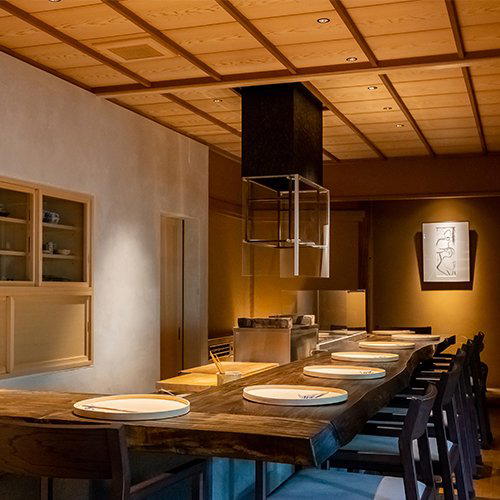
Chakaiseki Onjaku 茶懐石 温石
Yaizu, Japan
Onjaku holds a Tabelog Gold Award for four consecutive years (2023–2026) and a score of 4.58; placing it among Japan's most decorated kaiseki restaurants outside the major cities. The tea kaiseki format under chef Daigo Sugiyama runs JPY 20,000–29,999 per head, reservation-only, with private rooms for groups. Booking is easier than the credential stack suggests.
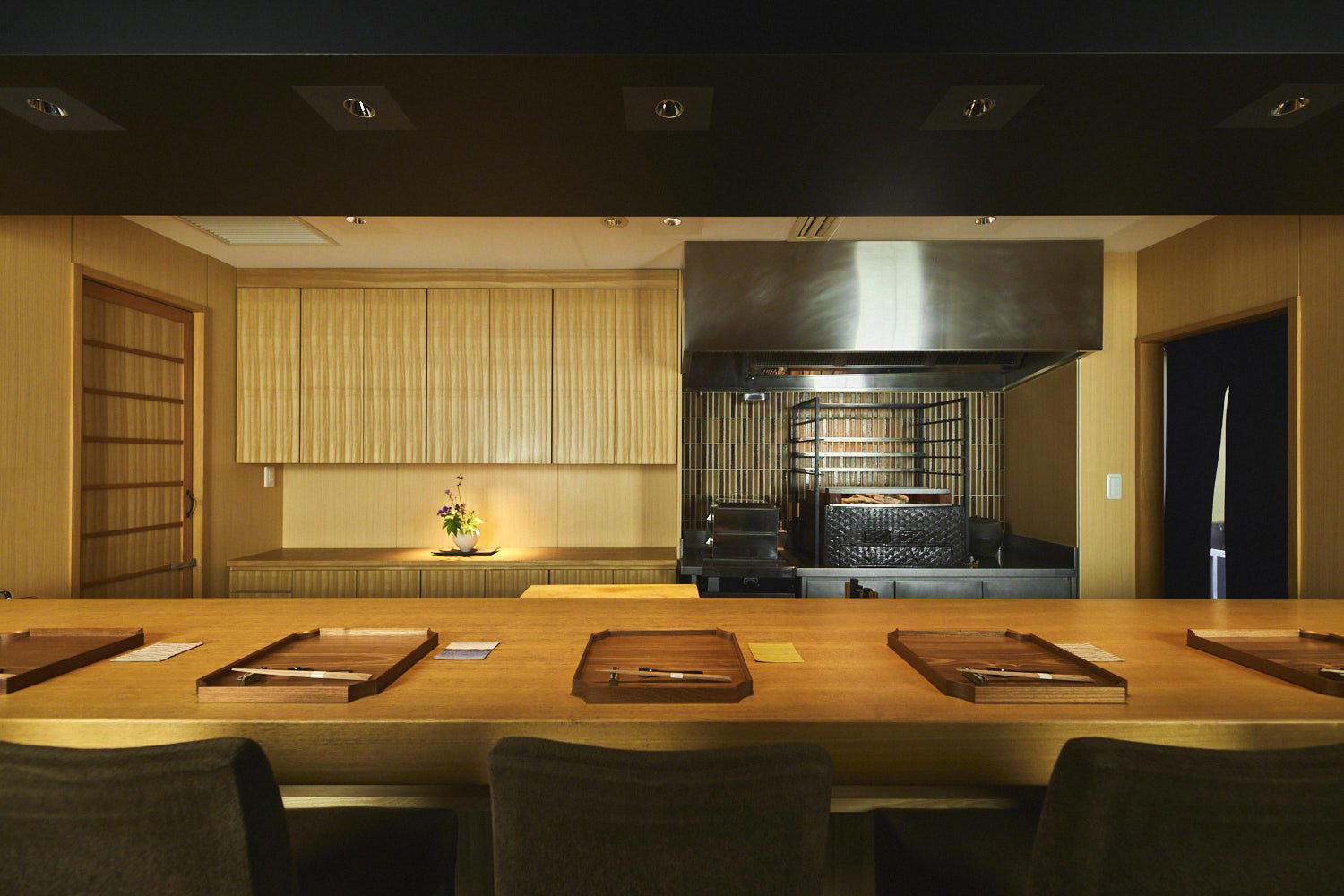
FUJI
Shizuoka, Japan
A seven-seat counter in Shizuoka's Aoi Ward with a 4.54 Tabelog score and Silver Award recognition in 2024, 2025, and 2026. FUJI focuses on Shizuoka fish with sake-led pairings, runs JPY 30,000–39,999 in practice, and is reservation-only. One of the most accessible top-tier Japanese cuisine counters in eastern Japan; book it before you arrive, not the day before.
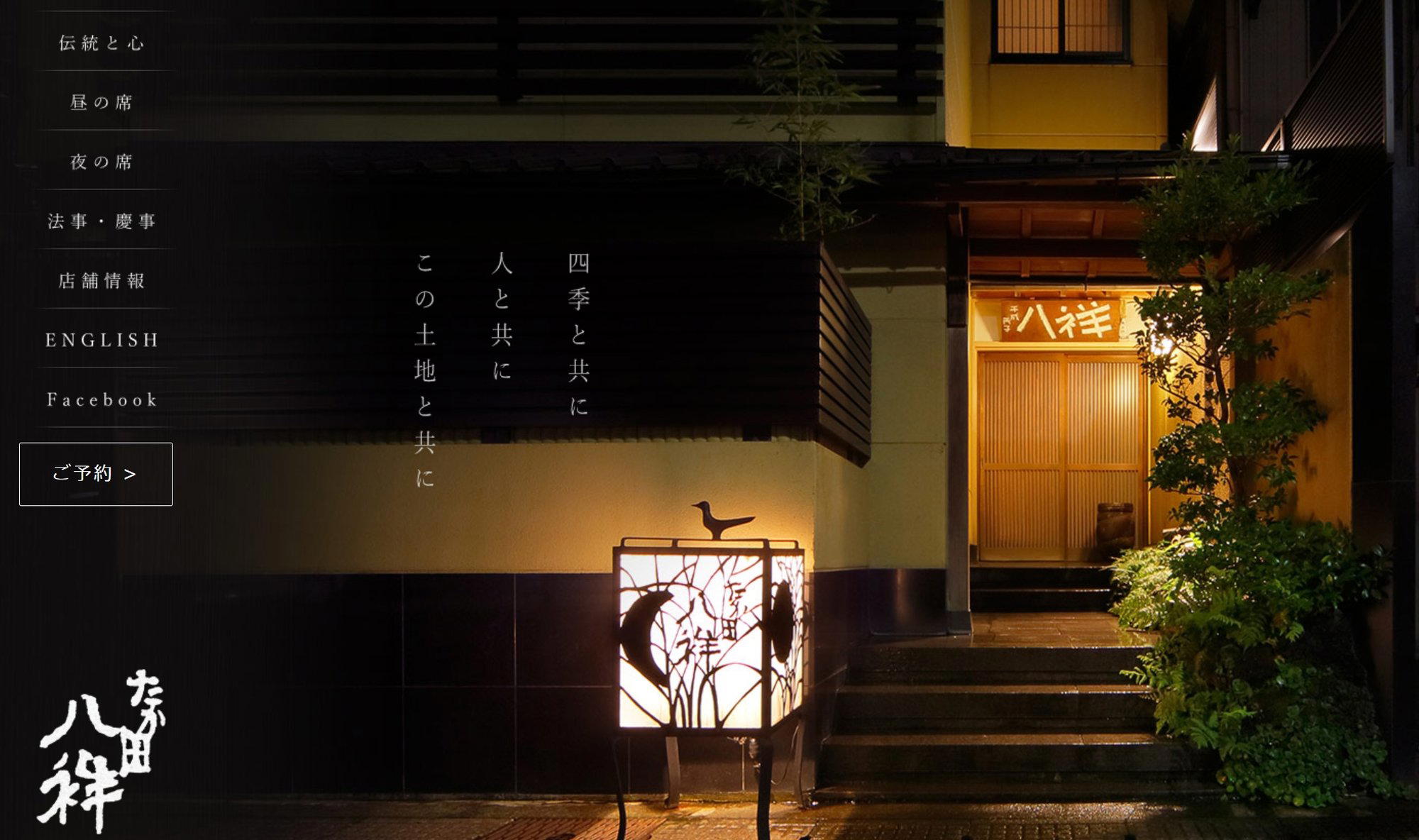
たか田 八祥
Gifu, Japan
A serious Gifu choice for a planned Japanese meal, especially when the occasion needs a composed room and external validation. The useful signal is Tabelog 100 #3 (2025) with 3.7 points; choose it over lower-spend local options when the meal itself matters more than price certainty.
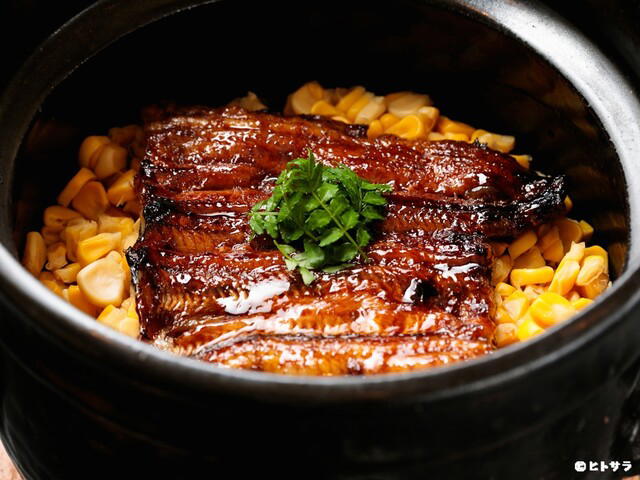
Sumibi Kappou An
Yokohama, Japan
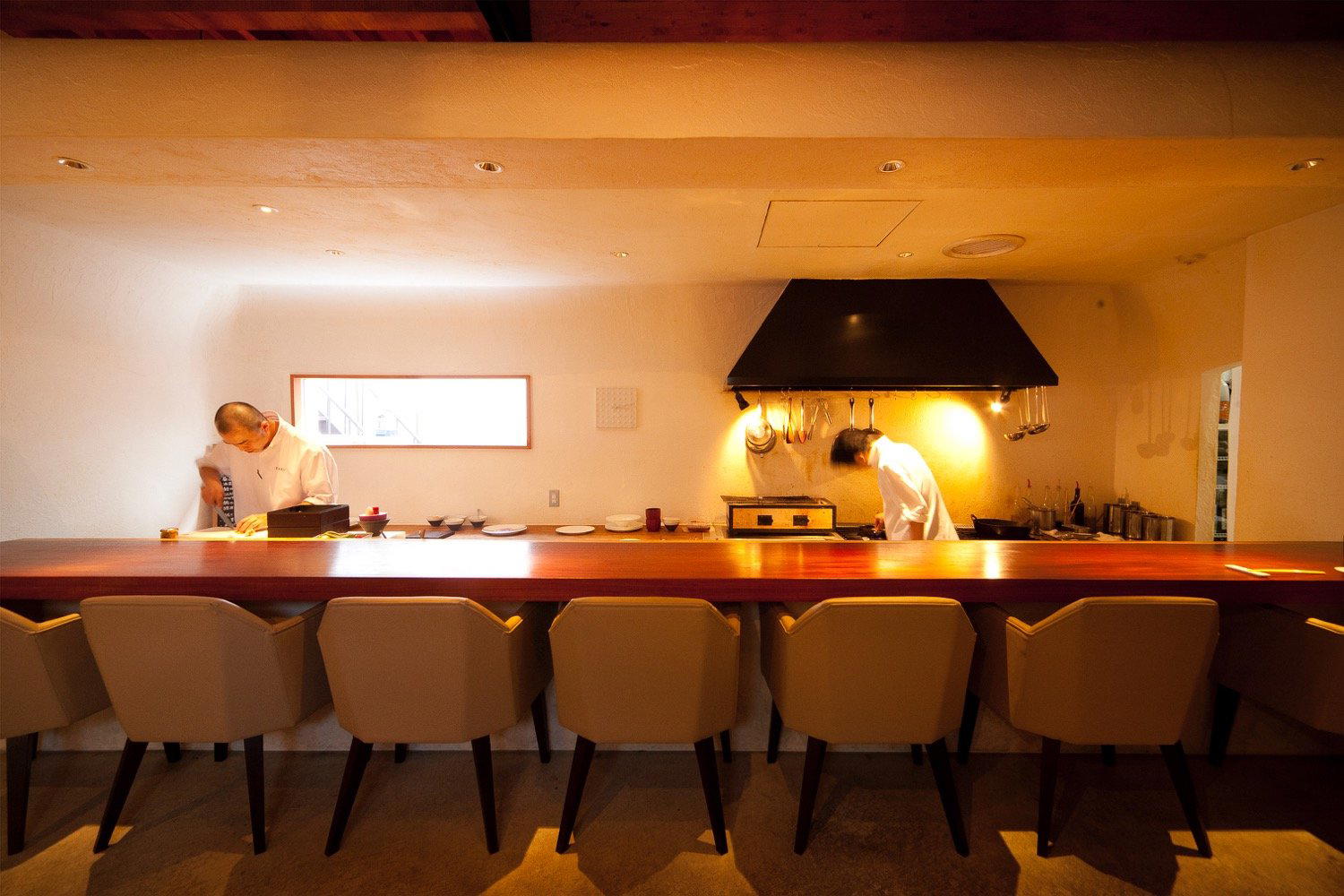
A 13-seat charcoal-grilled kaiseki counter in Bashamichi specializing in seasonal fish and unagi, recognized on the Tabelog 100 – Japanese cuisine EAST 2025 list. Dinner runs JPY 8,000–9,999, delivering Tabelog-caliber execution in a relaxed, counter-focused format without the formality or pricing of higher-tier kaiseki venues. Reservations recommended; closed Sundays.
Hanakoji Sawada
Sapporo, Japan
Hanakoji Sawada is Sapporo's most consistently recognised kaiseki address, ranked in Opinionated About Dining's top 200 restaurants in Japan for two consecutive years. Chef Tomoya Kago runs dinner only, Tuesday to Saturday, with a set-course format built around Hokkaido's distinct seasonal produce. Easy to book and worth prioritising if kaiseki is your format.
Seirin
Shizuoka, Japan
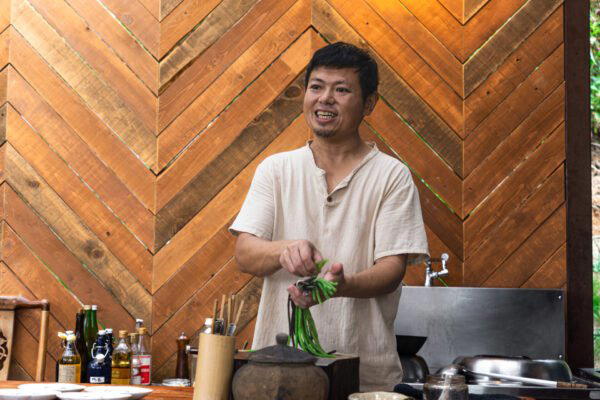
Chef Atsushi Hasegawa's 8-seat counter delivers Tabelog Silver kaiseki (4.49 score, La Liste 84pts) built around Shizuoka produce, running two dinner sittings nightly at JPY 30,000–50,000. Book through OMAKASE 2–3 weeks ahead; the regional-sourcing focus and compact format suit couples and solo diners more than groups or first-time kaiseki guests.
Yasui
Nagoya, Japan
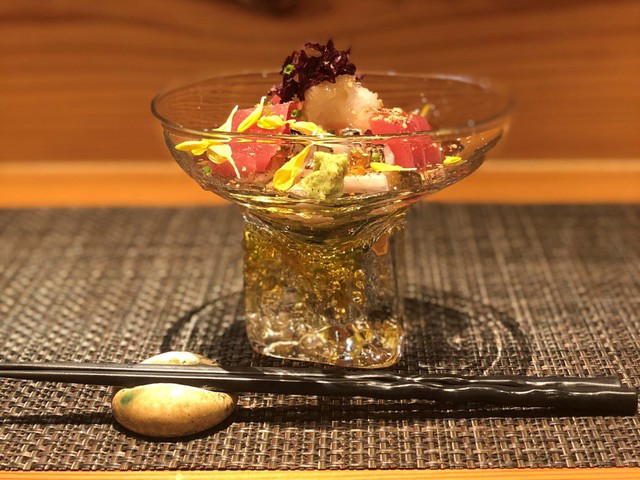
A residential kaiseki specialist near Iwatsuka Station offering fish-forward seasonal courses and clay-pot rice. Lunch at JPY 4,400 delivers most of what makes the Tabelog 100-recognized kitchen worth visiting, while dinner courses (JPY 7,700–JPY 16,500) layer in more intricate preparations for those wanting the full range.
Ryotei Susaki
Takayama, Japan
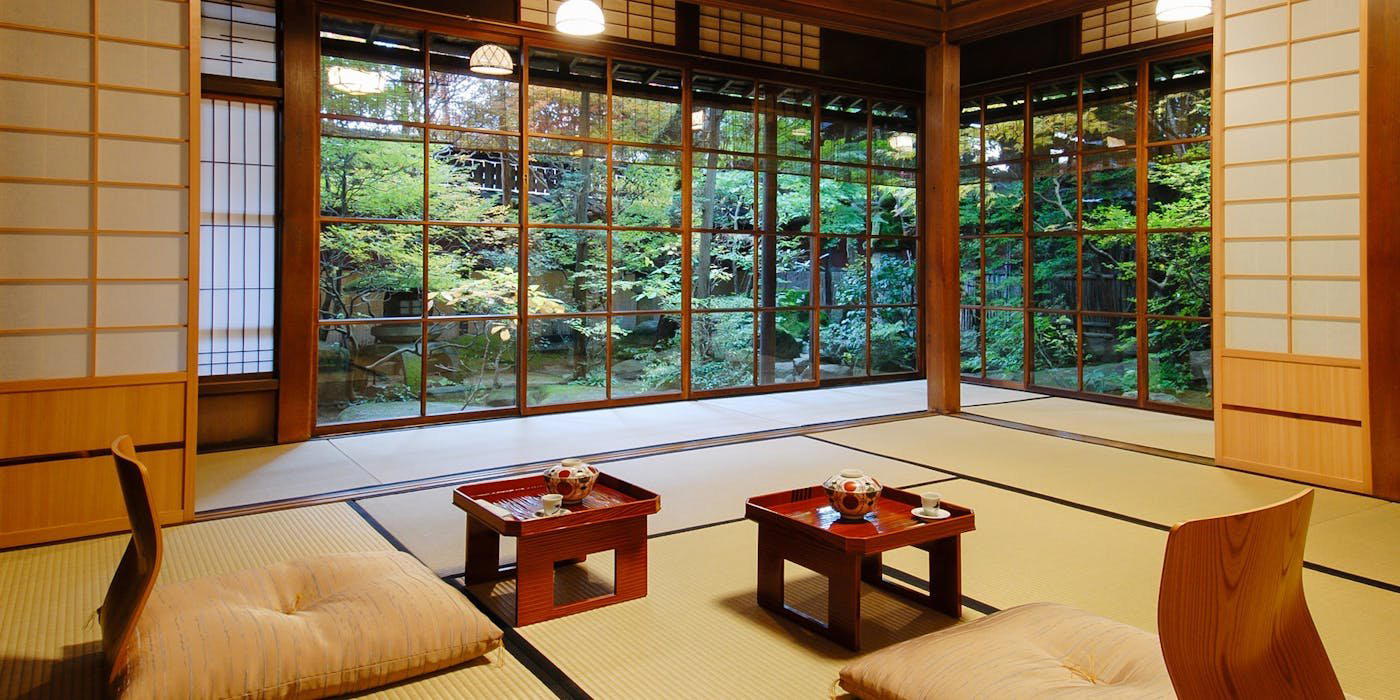
洲さき is a stronger fit for a planned Takayama celebration than for a quick meal between sightseeing stops. Its Tabelog 100 #10 recognition in 2025 gives it a clear trust signal, but diners who need visible pricing or a casual format should compare Steak House Kitchen Hida, Restaurant LE MiDi, or CENTER4 HAMBURGERS before committing.
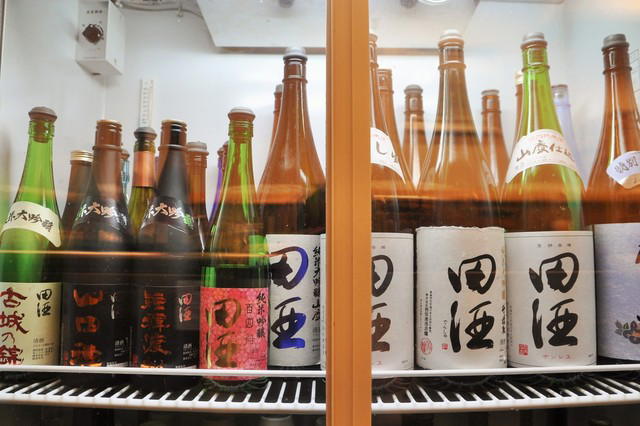
Nano Hana
Aomori, Japan
Fish-focused kaiseki counter in Aomori with Tabelog 100 recognition and seasonal Tohoku sourcing. JPY 15,000–19,999 per head buys a quiet, ingredient-driven experience at a 10-seat counter plus private room. Best for solo diners and small groups who prioritize seafood quality over theatrical service. Reservations straightforward; spring and winter offer the strongest seasonal menus.
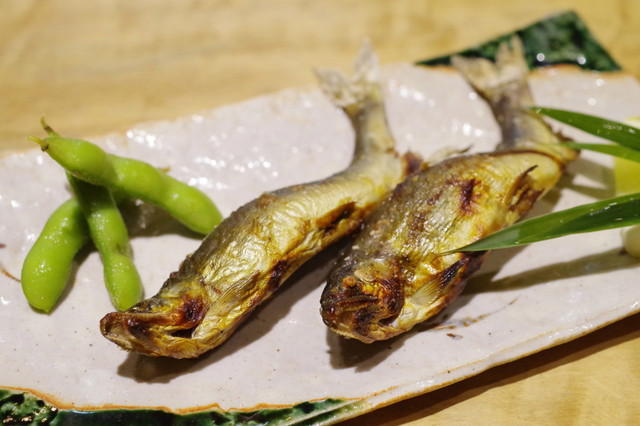
Kawaramachi Izumiya
Gifu, Japan
Tabelog 100 – Japanese cuisine – EAST 2025 selection on Gifu's riverfront, serving seasonal fish at JPY 4,000–JPY 4,999 dinner (JPY 2,000–JPY 2,999 lunch). Counter seating delivers direct kitchen sightlines; second-floor tatami accommodates groups up to 20. Reservations required for dinner; walk-ins work at lunch. Closed February; parking available.
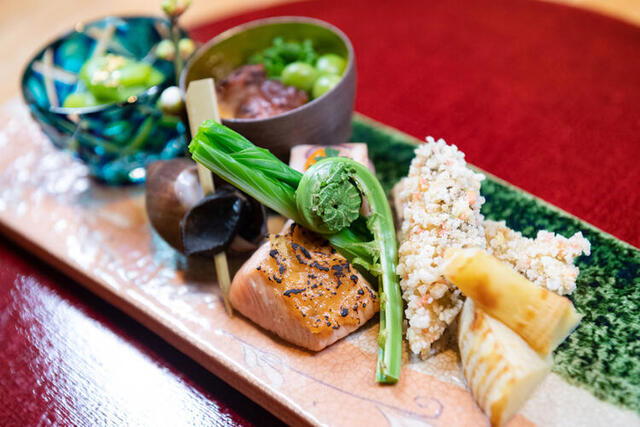
Link
Nagoya, Japan
A 23-seat Japanese-cuisine venue in Nagoya's Osu district, recognized three times on Tabelog 100 (2021, 2023, 2025). Dinner runs JPY 10,000–14,999 with late service to 10:30 PM and a curated saké program; lunch at JPY 3,000–3,999 offers better value. Reservations via LINE only; counter seats suit solo and pairs, private rooms accommodate groups up to eight.
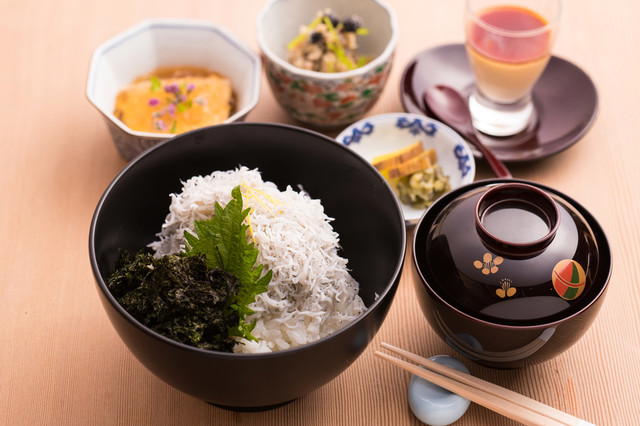
Oryori Tomiyama
Kamakura, Japan
A 15-seat Japanese restaurant three minutes from Kamakura Station, serving lunch donburi (JPY 1,480–2,480) and izakaya-style dinners (JPY 6,000–7,999) until 10 PM. The chef trained at Kamakurayama Club before opening this second-floor room in 2017; expect kappo technique applied to neighborhood pricing. Tabelog 100 honoree (2021, 2023, 2025). Counter seating and kotatsu tables; lunch is cash-only, dinner accepts cards.
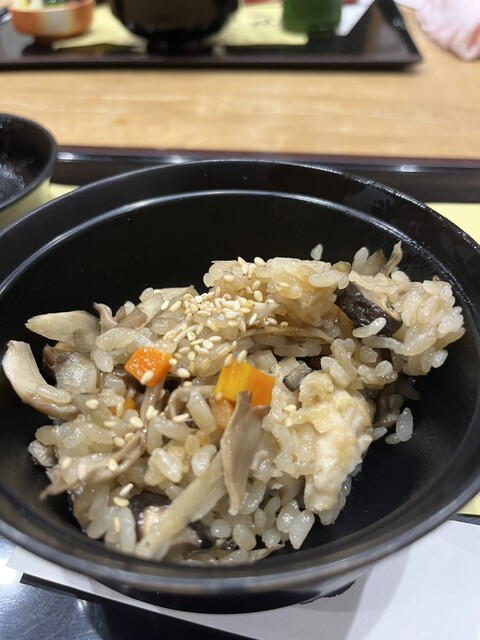
Shin Japanese cuisine Kanya
Toki, Japan
Reservation-only Japanese restaurant outside Tokishi Station, selected for Tabelog 100 – Japanese cuisine EAST 2025. Private tatami rooms (two to eight guests) and an eight-seat counter anchor a family-friendly, cash-only format at JPY 8,000 to JPY 9,999 dinner. The house-restaurant setting and flexible room configurations favor celebratory group bookings over solo visits. Lunch runs JPY 5,000 to JPY 5,999; closed Wednesdays.
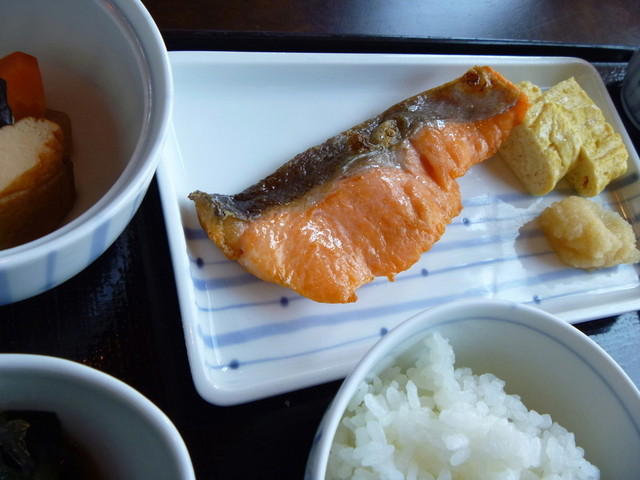
Japanese cuisine Kasuke
Kitasaku-gun, Japan
A Tabelog 100 Japanese restaurant inside Hoshinoya Karuizawa, open only to hotel guests. Dinner runs JPY 20,000–29,999 for kaiseki-style set menus at sunken counter seating; lunch is JPY 4,000–4,999. The counter layout suits solo diners who want spatial intimacy without bar-stool exposure. Book through the resort when you reserve your room; outside visitors are not admitted.
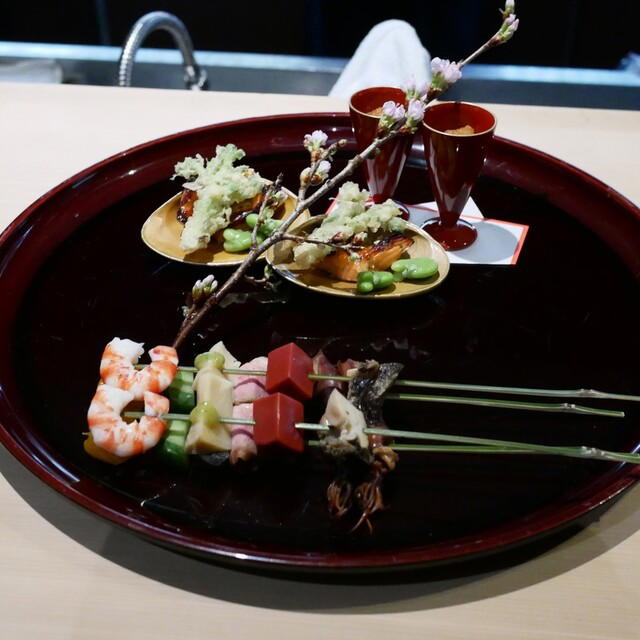
Kajikawa
Nagoya, Japan
A quiet nine-seat counter in Chikusa Ward serving omakase-style Japanese cuisine at JPY 10,000–14,999 for dinner. Tabelog 100 recognition (2021, 2023, 2025) confirms technical precision; booking is manageable one to two weeks out. Best for diners prioritizing execution over innovation, with lunch at JPY 6,000–7,999 offering a lower-commitment introduction.
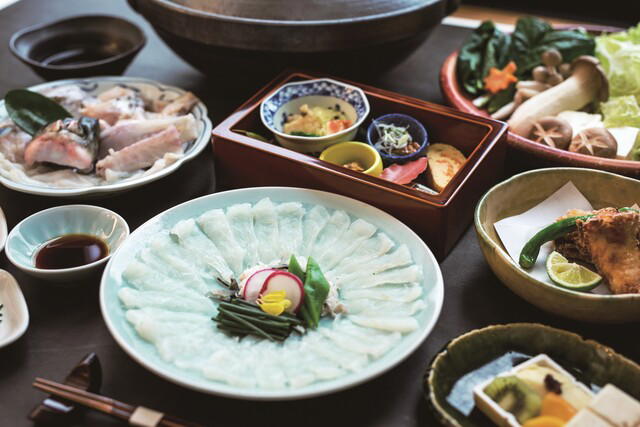
Ittou
Hekinan, Japan
Tabelog 100–recognized kaiseki in a residential Hekinan setting, emphasizing Aichi-prefecture ingredients and sake pairings from partner breweries. Dinner runs JPY 8,000–9,999, with counter and private-room seating for celebrations or quiet meals. Book ahead; the 23-seat room fills quickly, especially weekends.
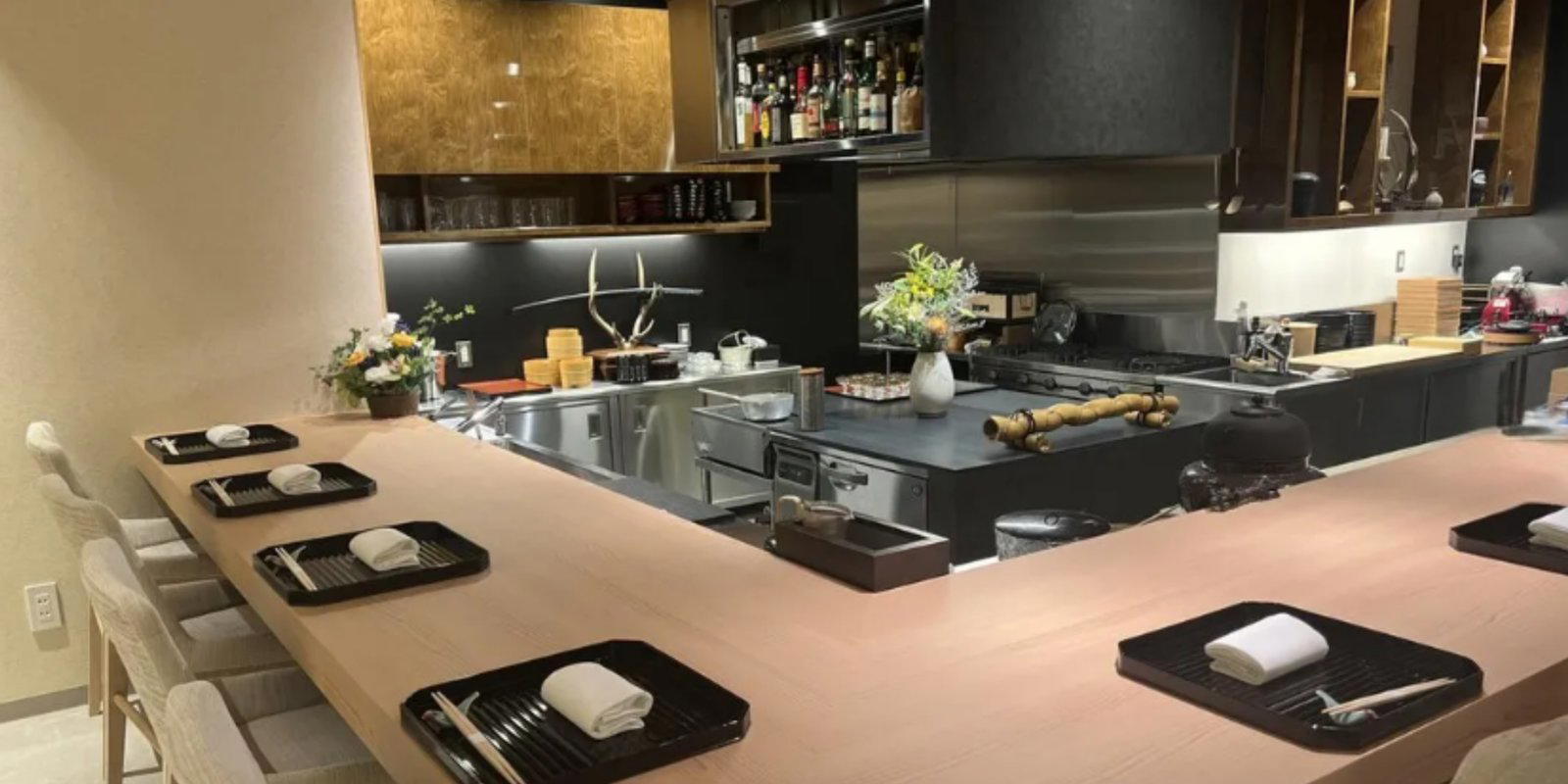
Housa Saryo
Nagoya, Japan
Housa Saryo is a 14-seat Japanese kaiseki counter in Chikusa-ku, recognized in Tabelog's Japanese cuisine EAST 100 for 2025. The menu emphasizes seasonal seafood; including an annual Uni Feast; with dinner priced at JPY 20,000–29,999 and lunch at JPY 10,000–14,999. Reservations are mandatory, and the hideaway location near Ikeshita Station offers a quieter alternative to downtown Nagoya's kaiseki scene.
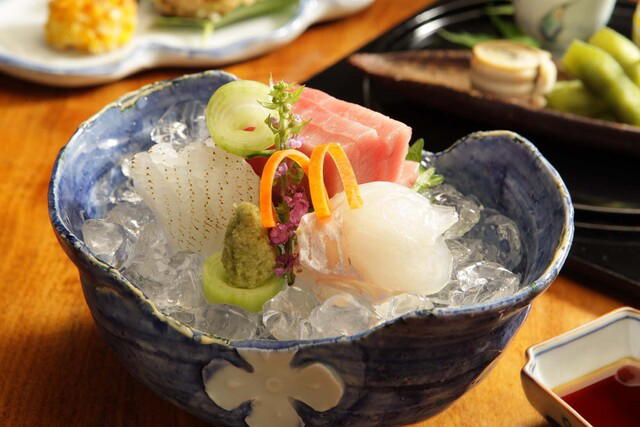
Otoubashi Sumiy
Nagoya, Japan
Otoubashi Sumiy is a 15-seat Japanese seafood restaurant in Nagoya recognized in the 2025 Tabelog 100, running lunch at JPY 6,000–7,999 and dinner at JPY 20,000–29,999. The course-only format and sake-pairing depth justify the price if you prioritize seasonal fish sourcing over à la carte flexibility. Start with lunch to test fit before committing to the dinner tier.
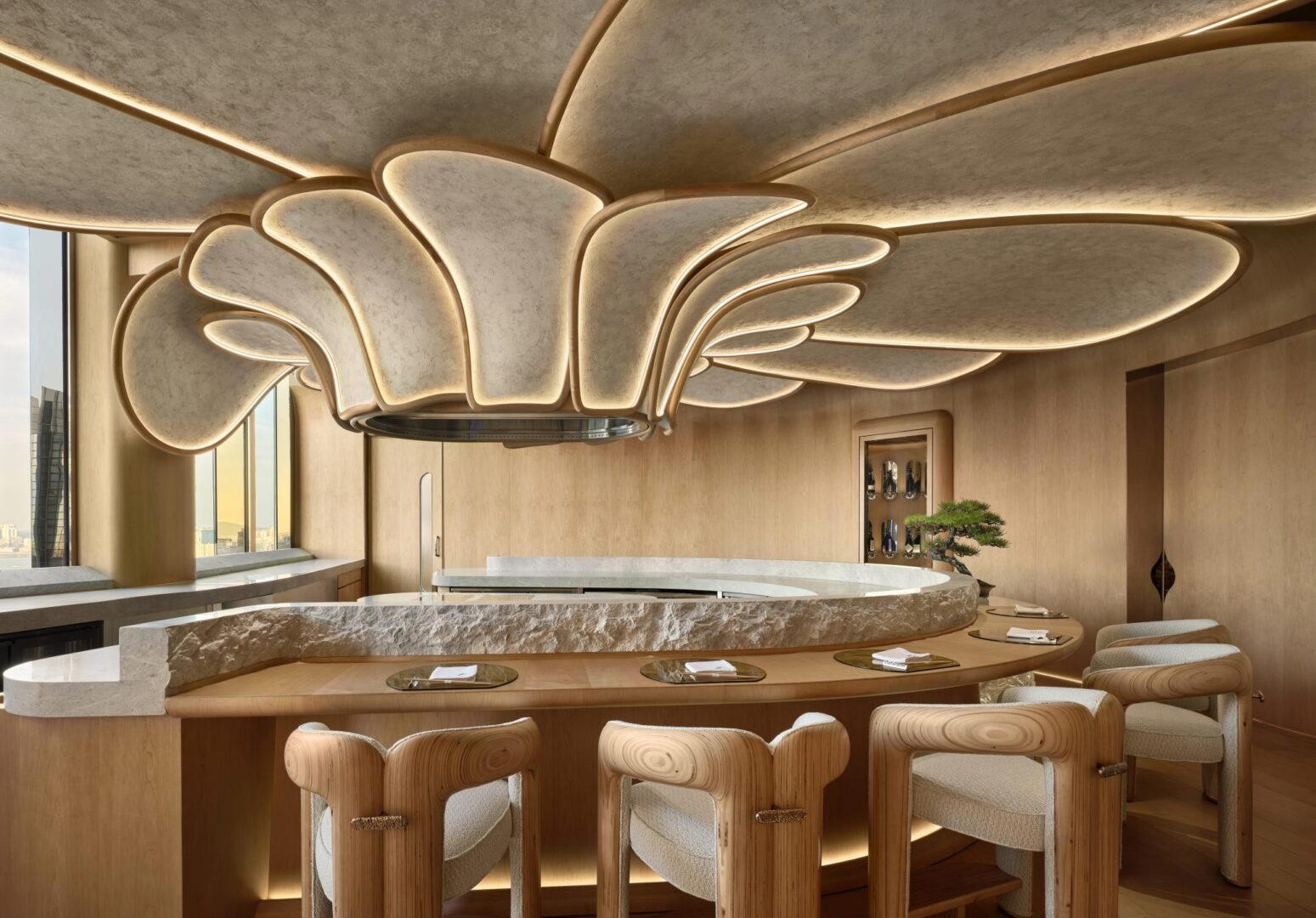
Kappou Tenkai
Ichinomiya, Japan
This 18-seat house-restaurant earned a 2025 Tabelog 100 nod for seasonal Japanese cooking at JPY 6,000–JPY 7,999; roughly 30% below Nagoya's kaiseki tier. Counter seating suits solo diners, tatami works for groups, and the cash-only, reservation-by-phone format stays neighborhood-focused despite the national recognition.
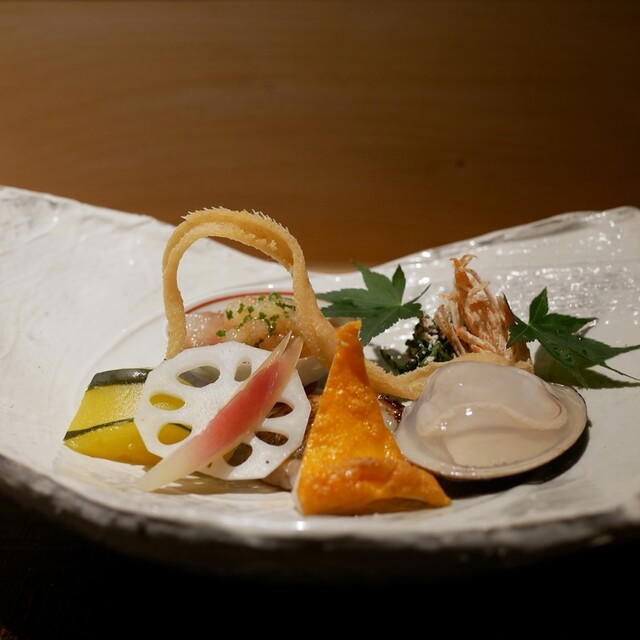
Japanese cuisine Takamitsu
Nagoya, Japan
A strong choice in Nagoya when seafood-led Japanese cuisine is the point of the meal and the budget can handle a serious spend. The recent Tabelog recognition supports the splurge, but lower-priced peers like Kamisono, Shuanxi Linman, and Onkui Sekio make more sense for casual repeats or value-driven dinners.
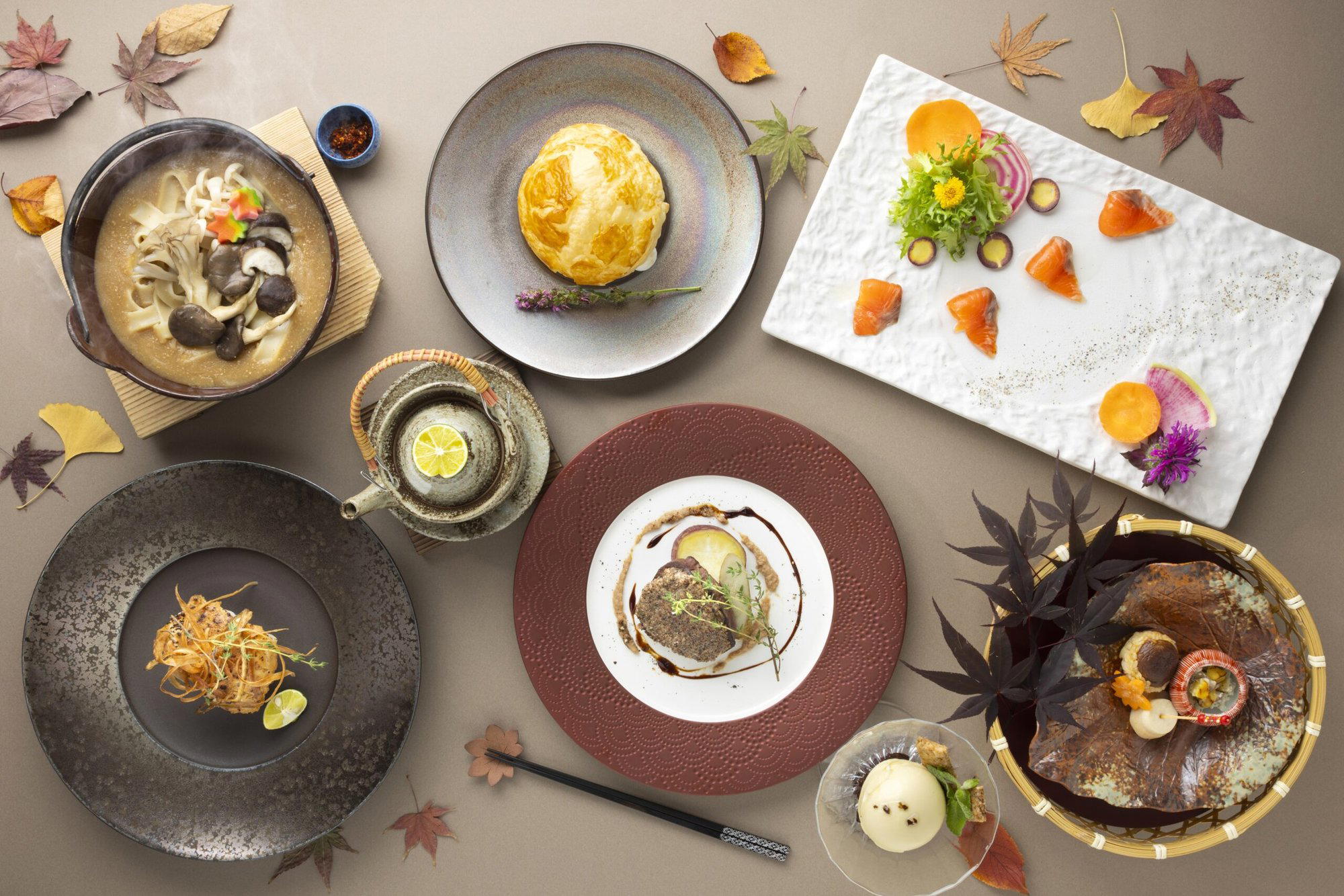
Terasawa
Kitakyushu, Japan
Oryori Terasawa is the clearest choice for private Japanese dining in Iwate Prefecture: 8 seats, fully private rooms for groups of 2 to 8, and a Tabelog Bronze Award every year from 2019 to 2026. Dinner runs JPY 20,000 to JPY 29,999 per person before tax and drinks. Book ahead; walk-ins are not accepted.
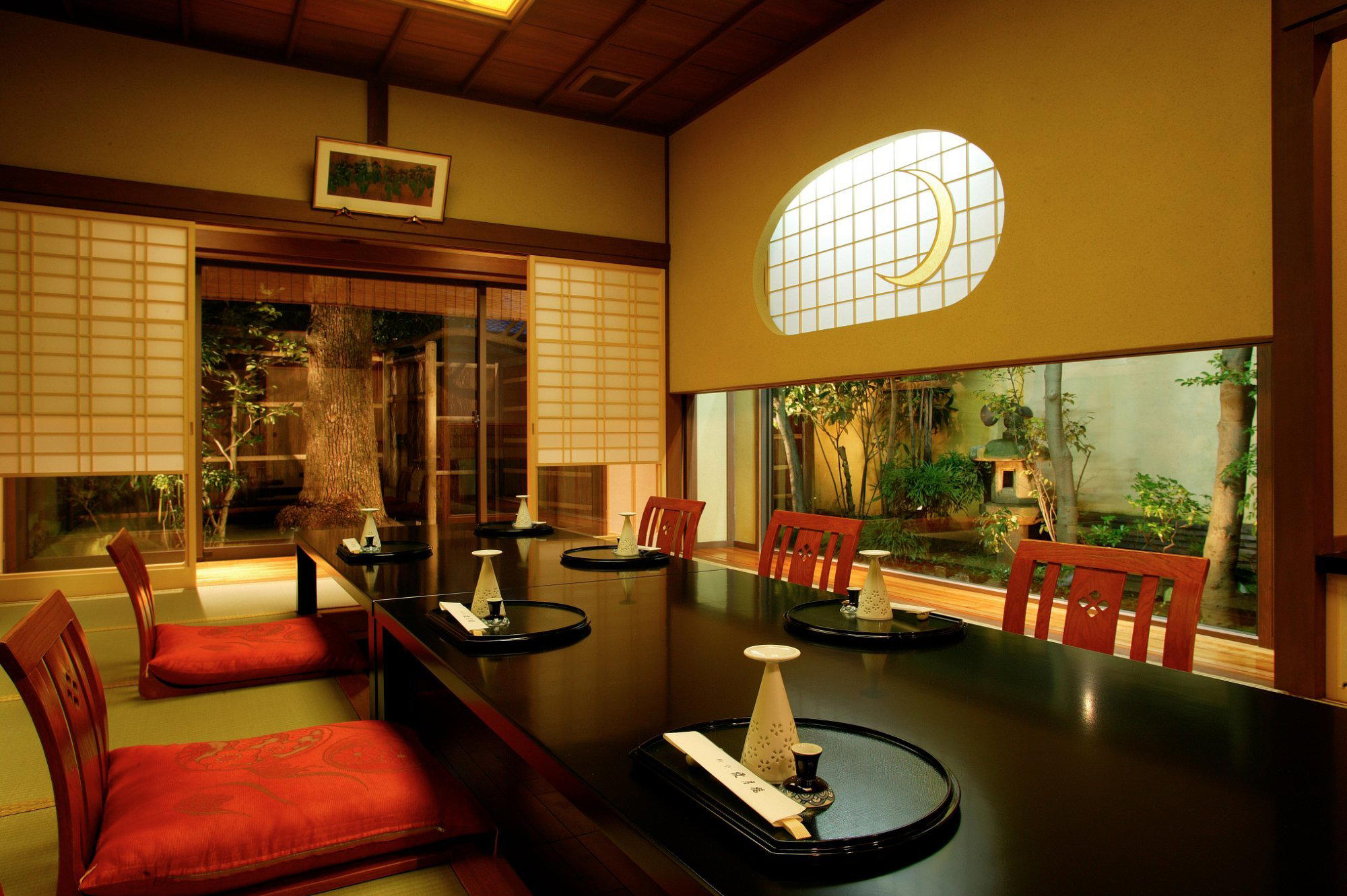
Yoshicho
Ibaraki, Japan
Yoshicho is a reservation-only Japanese kaiseki restaurant in Tsuchiura, Ibaraki, with a Tabelog Bronze Award (2025 and 2026) and back-to-back selection in the Tabelog Japanese Cuisine EAST Top 100. Built around Ibaraki's seasonal ingredients; monkfish, suppon, and regional fish; it runs JPY 16,500–22,000 per person (plus 10% service) with private rooms for groups up to 50. Book ahead and communicate dietary needs at reservation time.
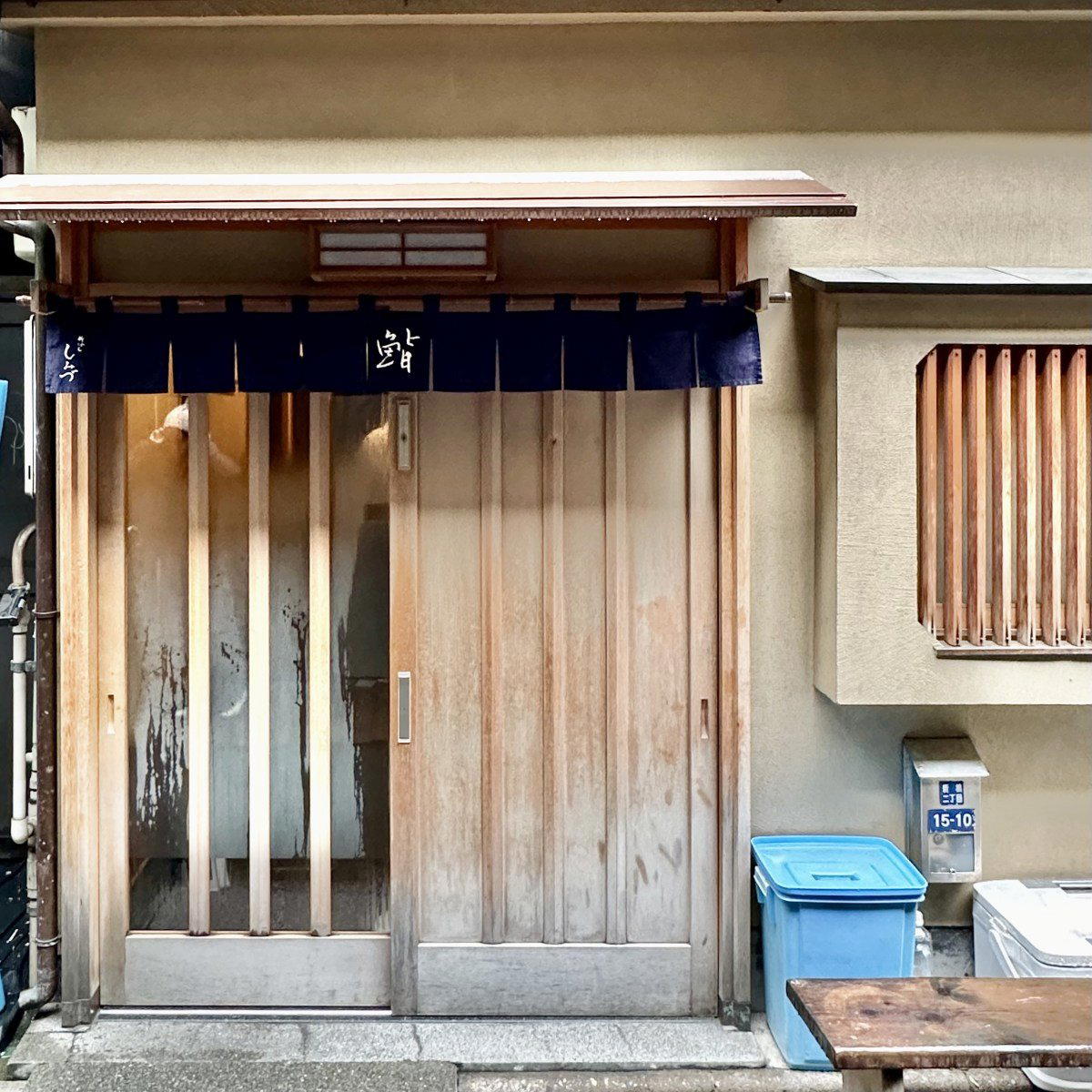
Shimizu
Nagoya, Japan
Shumoku Cho Shimizu holds a 4.59 Tabelog score and back-to-back Gold awards (2025, 2026); the strongest recognition trajectory of any Japanese cuisine restaurant in Nagoya in recent years. Dinner only, ¥50,000+ per person with service charge, online booking essential. The right call for a food-focused traveller who wants a serious kaiseki experience with a clear Gifu regional identity.
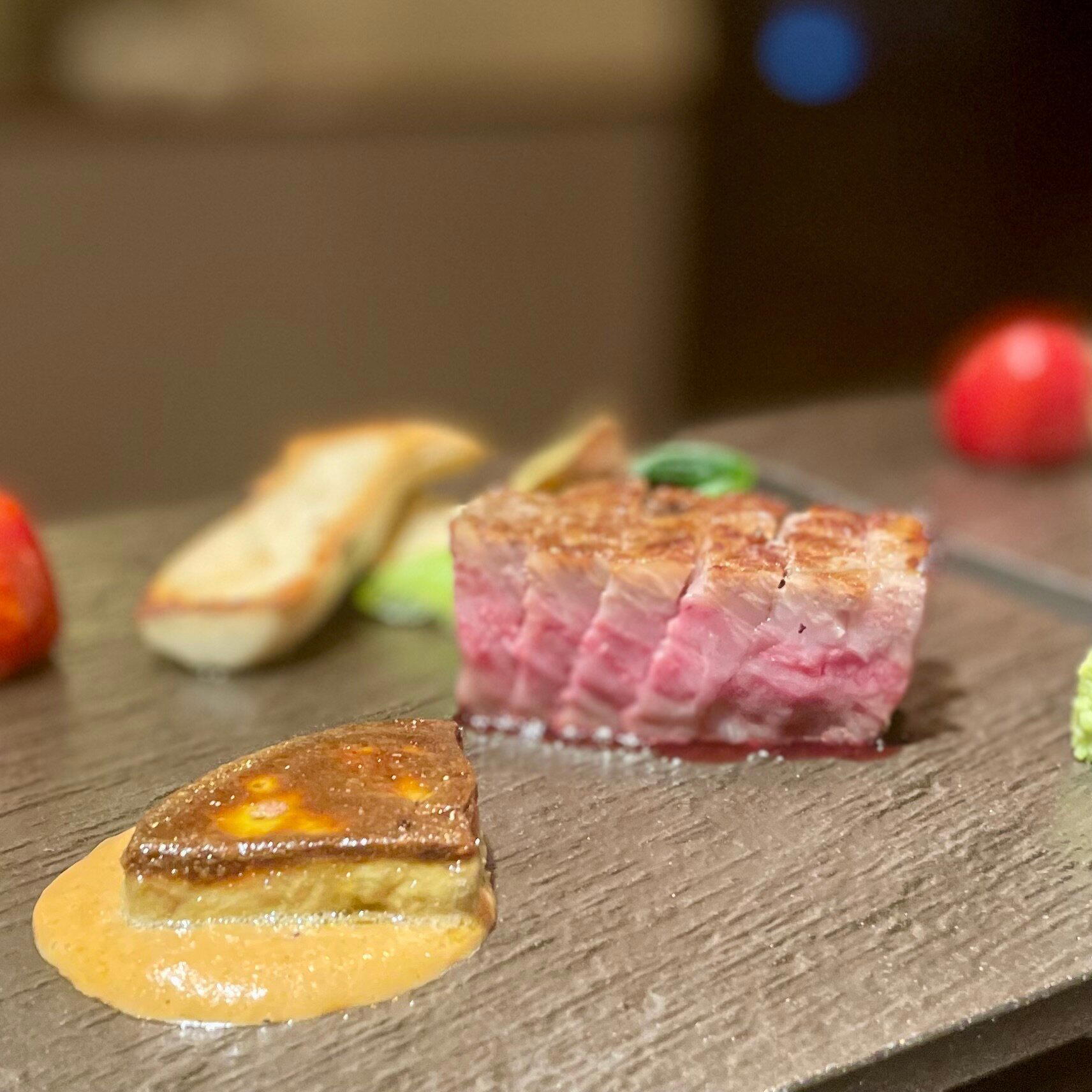
割烹渡辺
Niigata, Japan
Should you book 割烹渡辺 in Niigata? Yes, if Tabelog recognition matters and you are comfortable confirming details before committing. The case is quality over convenience: strong outside validation, but no published price range, hours, menu format, or direct booking details in the available venue profile.
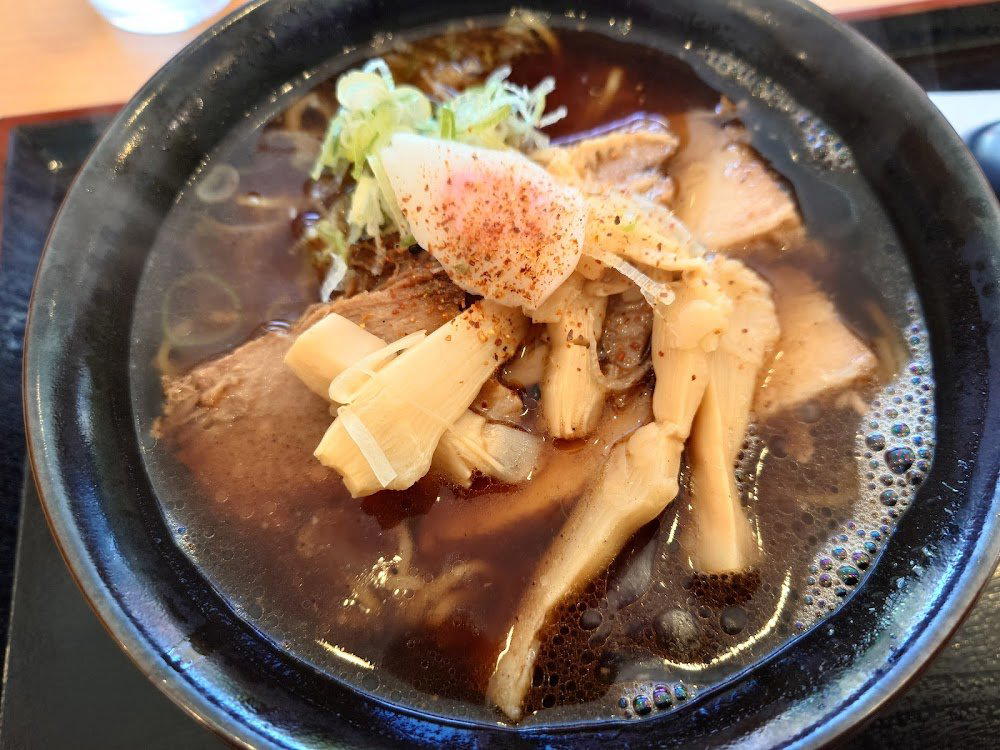
Yoshii
Aichi, Japan
Seven-seat counter kaiseki in Shinsakae, open since 2012, with a rotating sake program and solo-chef format. Tabelog Bronze winner through 2026. Reservations open monthly and close fast; budget JPY 20,000–29,999. Cash only, no English menu, quiet atmosphere. Worth the booking effort if sake pairings matter more than staff service.
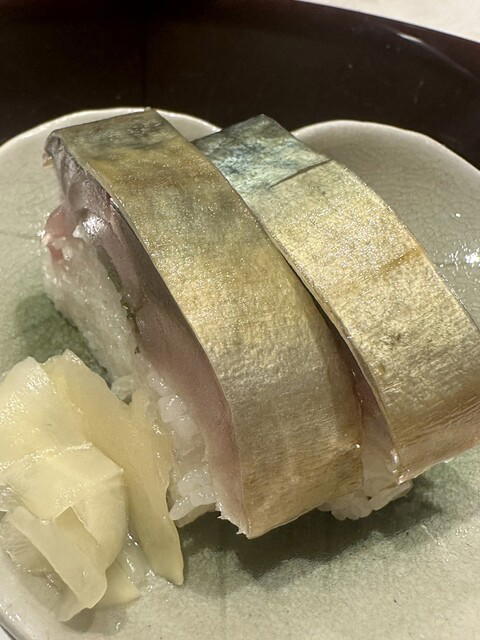
Kamisono
Nagoya, Japan
A 13-seat house-converted kaiseki restaurant in Nagoya's Izumi district, named to Tabelog 100 – Japanese cuisine EAST in 2023 and 2025. Counter seating offers the most direct view of meal assembly, while private rooms accommodate small groups. At JPY 8,000-9,999 per person with cash-only payment, this is one of Nagoya's more accessible nationally-recognized Japanese dining rooms. Book the counter two to three weeks ahead for Friday or Saturday; weekday evenings see lighter demand.
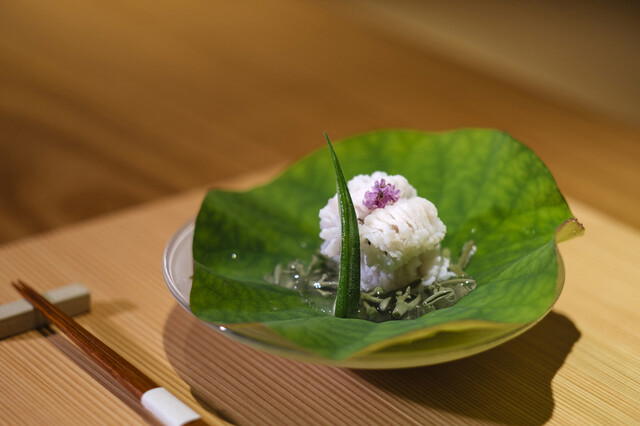
Kojitsu
Nagoya, Japan
Kojitsu is worth booking if you want a serious Japanese-cuisine meal in Nagoya and are comfortable with a higher spend. Lunch is the lower-risk first visit; dinner is better for a special occasion. Cross-shop Kyoaji Motoi for a similar price lane, Oryori Hisamatsu for value, and Higashiyama Ogata if you want to spend more.
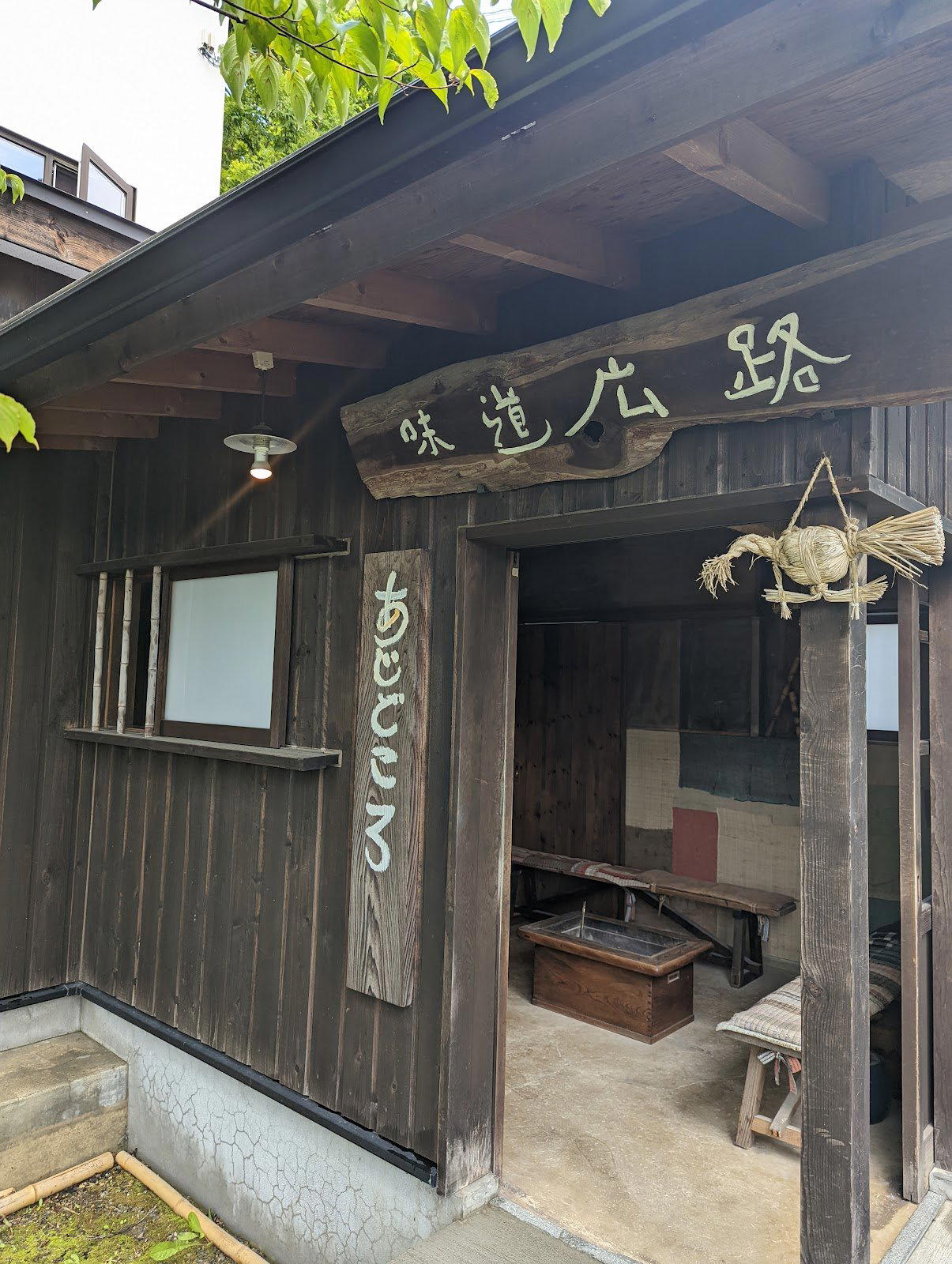
Ajidocoro
Yubari District, Japan
Ajidocoro is a 20-seat house restaurant in rural Kuriyama earning Tabelog Silver Awards and a 4.47 score for refined kaiseki at JPY 10,000–JPY 14,999. Reservations open monthly via phone and fill fast; expect seasonal Hokkaido produce, strong sake selection, and a quieter alternative to Sapporo's crowded scene.
Chimatsushima
Shiogama, Japan
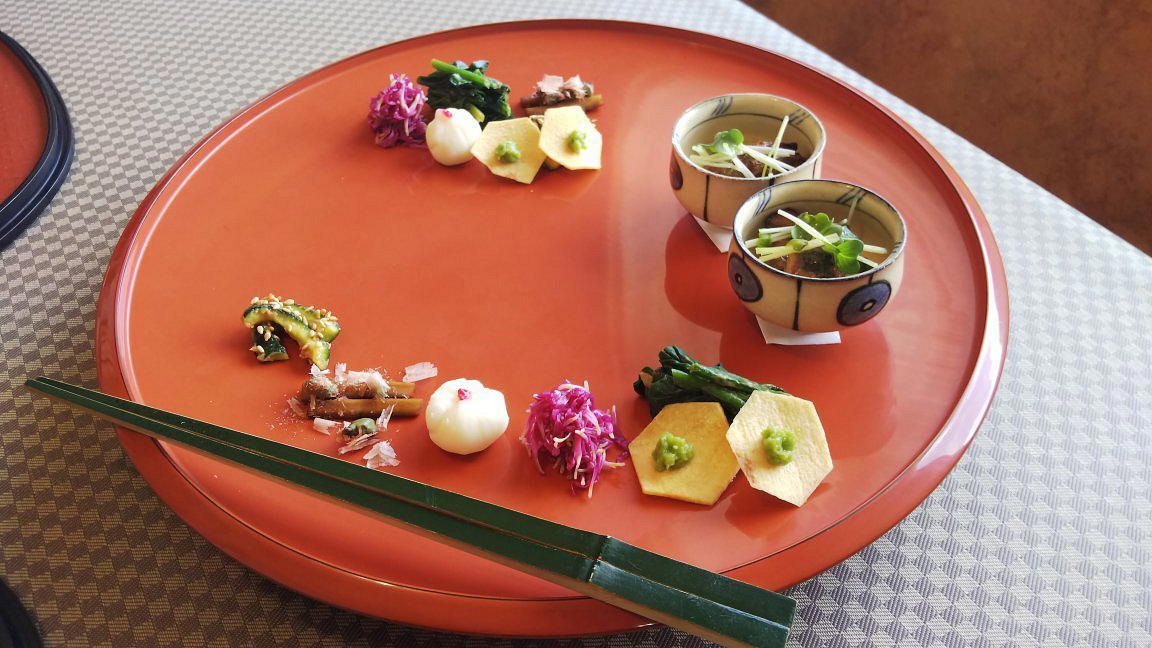
Book Chimatsushima if the priority is a recognized Shiogama restaurant with a strong Tabelog 100 signal, not if you need every menu, price, and drinks detail published before deciding. Sushi Tetsu Honten, Kameki Zushi, Chez Nous, and Sumibi Yakiniku Gura Shiogama honten are easier to compare on budget.
Mikan Kotohogi
Nagoya, Japan
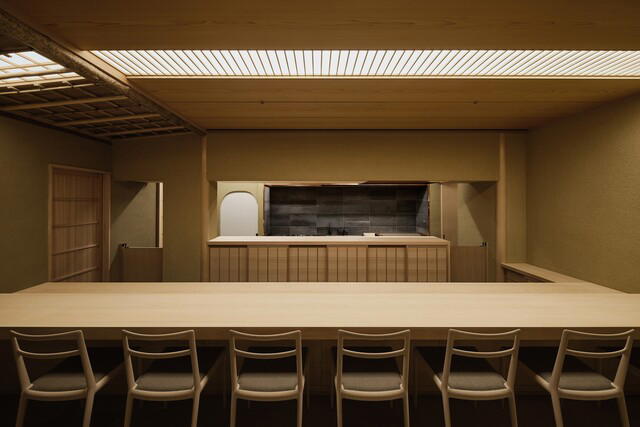
A nine-seat counter in Nagoya's Higashi Ward serving omakase courses at JPY 30,000–39,999, named to Tabelog 100 – Japanese cuisine – EAST in 2021, 2023, and 2025. The atmosphere is hushed and formal, with two nightly seatings and a husband-and-wife team running the kitchen. Book ahead by phone; no lunch service or walk-ins.
Nihon Ryori Takamura
Akita, Japan
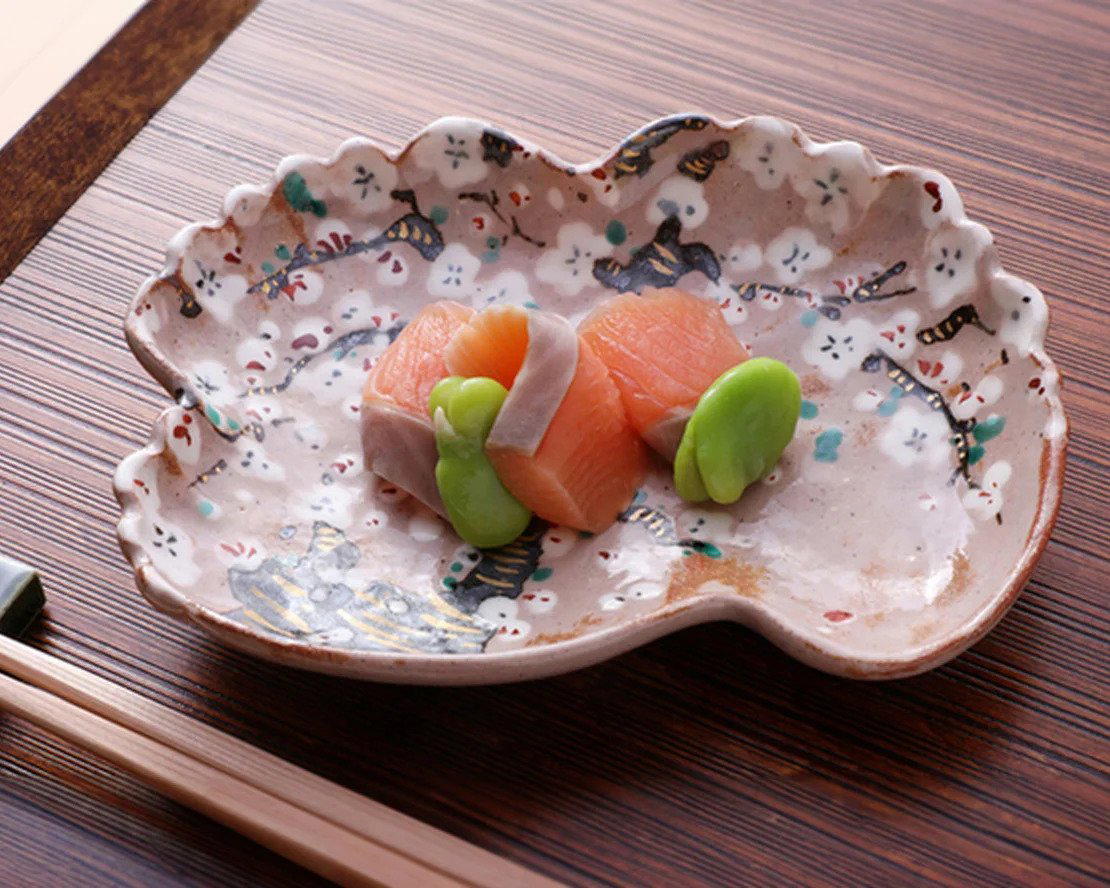
Nihon Ryori Takamura is Akita's most decorated kaiseki counter; Tabelog Gold three years running and ranked #61 in Japan by Opinionated About Dining in 2025. At JPY 20,000–29,999 per person, it delivers nationally competitive credentials at regional prices. The catch: membership is required. If you can get in, it is the strongest case for making a deliberate trip to Akita.
Bashamichi Okawa
Yokohama, Japan
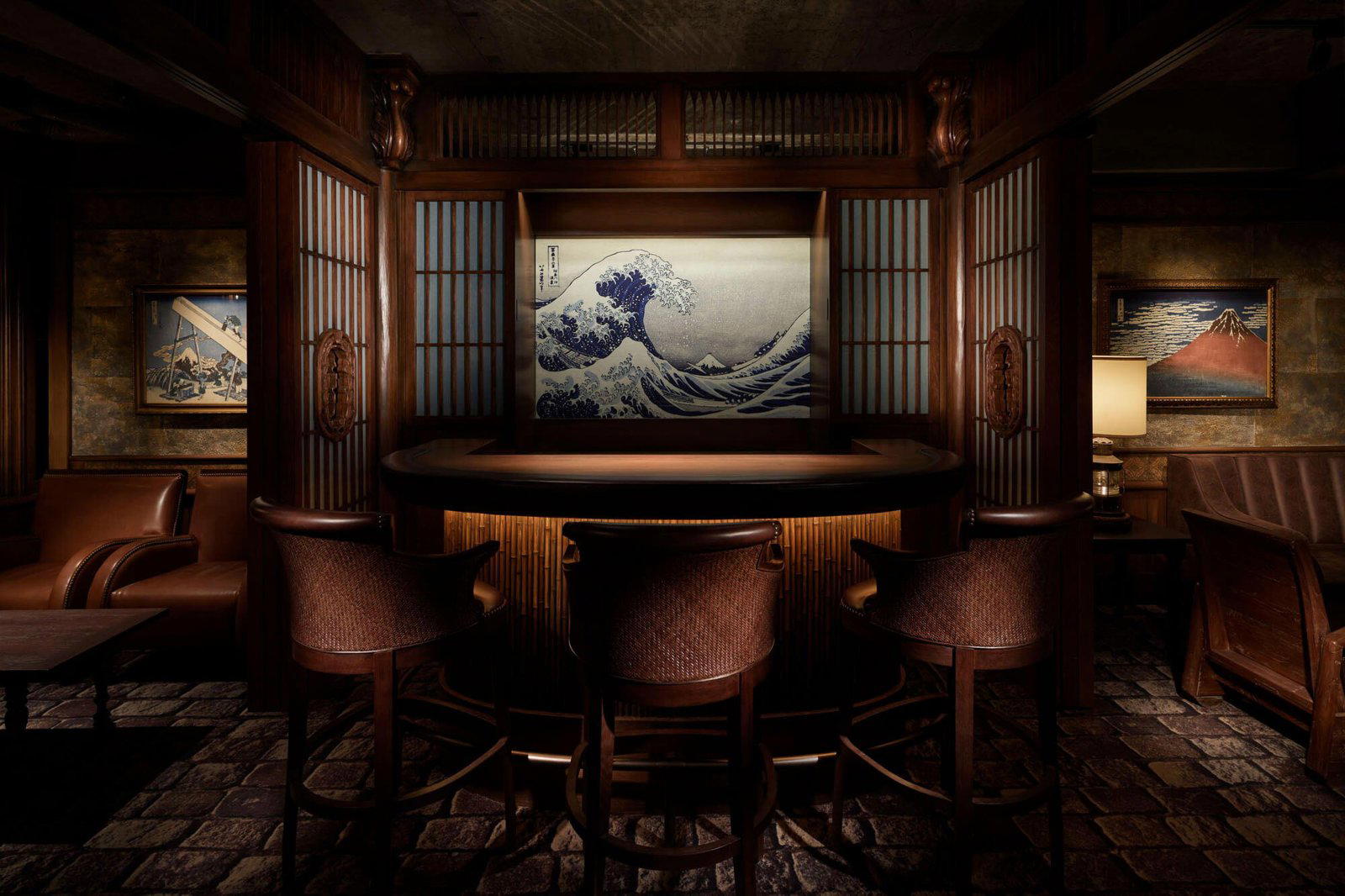
Bashamichi Okawa is worth shortlisting for a composed Yokohama meal with Tabelog 100 recognition and a relatively manageable booking profile. Choose it over cheaper Bashamichi options when the evening needs more polish, but do not book solely for a wine program or counter experience unless those details are confirmed when reserving.
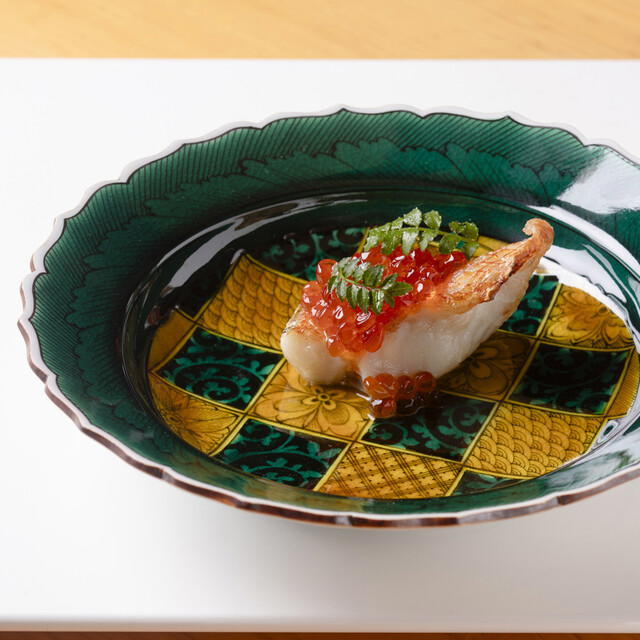
Mieda
Sapporo, Japan
An eight-seat counter in Susukino serving omakase-style Japanese cuisine with a focus on fugu and seasonal Hokkaido seafood. Tabelog Bronze 2026 winner. Expect JPY 30,000–39,999 before drinks and service, reservation-only, and a two-hour progression of sashimi, grilled, and simmered courses. The format is strict but the execution is disciplined.
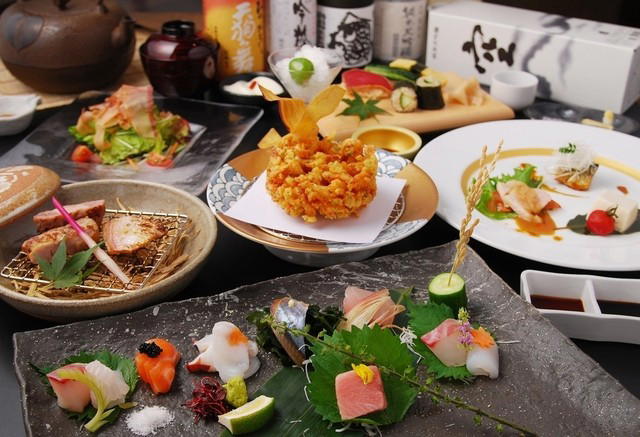
Tejaku Kappou Terada
Gifu, Japan
Five minutes from JR Gifu Station, this 19-seat Japanese restaurant delivers kaiseki-level fish and sake in a relaxed, self-pour atmosphere. Selected for Tabelog 100 – Japanese cuisine – EAST in 2021 and 2025, dinner runs JPY 5,000–5,999 and lunch JPY 1,000–1,999. Book the hinoki counter for solo meals or the private room for groups of eight; the chef's thirty years of training show in knife work rather than ceremony.
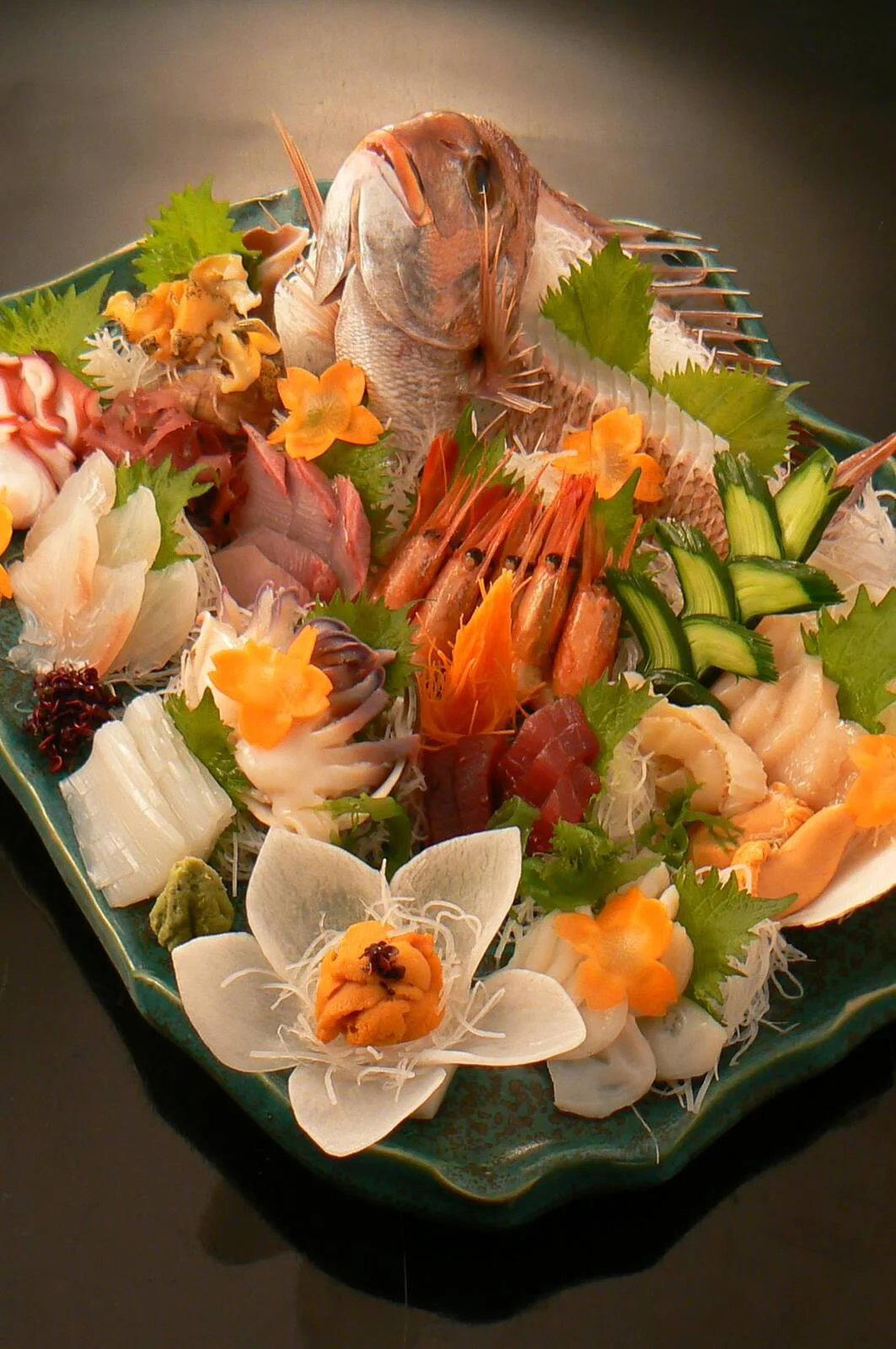
Marushin
Koriyama, Japan
Marushin is Koriyama's most consistently decorated Japanese restaurant, holding Tabelog Bronze awards in 2022, 2024, 2025, and 2026 alongside three Tabelog 100 selections for Japanese Cuisine EAST. Dinner runs JPY 10,000–14,999 with a serious sake and wine list; lunch is walk-in only and under JPY 3,000. Book for dinner if it's a special occasion; the private room seats six.
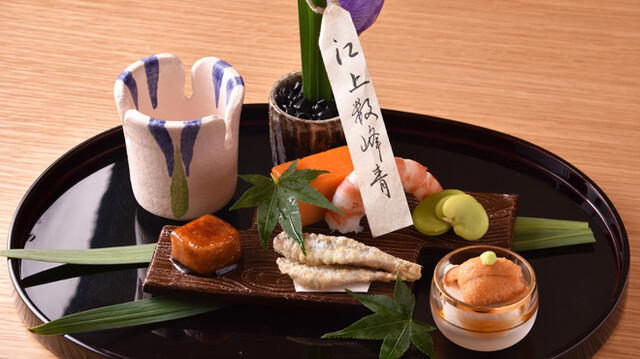
Tsutsui Seijaku
Nagoya, Japan
Reservation-only kaiseki in three private rooms, opened April 2024 and selected to Tabelog 100 within its first year. Seasonal omakase with sake focus runs JPY 18,000 before tax and service at dinner; Sunday lunch starts February 2026 at JPY 6,500. Family-friendly policies and private-room privacy make this a practical choice for groups and special occasions, though the single-menu format and limited hours reduce flexibility.
Chisou Ikadaya
Kiryu, Japan
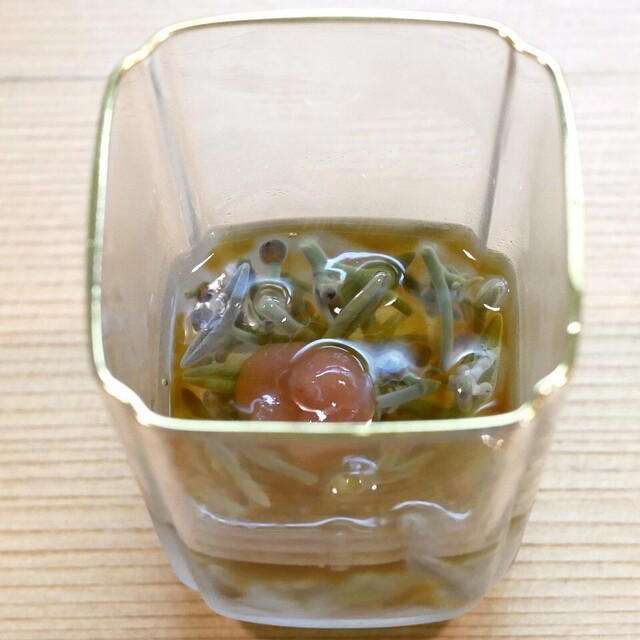
Chisou Ikadaya holds a Tabelog 100 (Japanese cuisine EAST 2025) seat in residential Kiryu, offering fish-focused kaiseki at JPY 15,000–19,999 lunch and JPY 20,000–29,999 dinner. Counter seats catch binchōtan-grilled scents early; tatami rooms suit groups of 4–8. Reservation-only, with parking for twelve and a 10% service charge. Book lunch first to test whether the sourcing justifies the tariff; walk-ins aren't part of the model.
Japanese cuisine Kashizuki
Nagoya, Japan
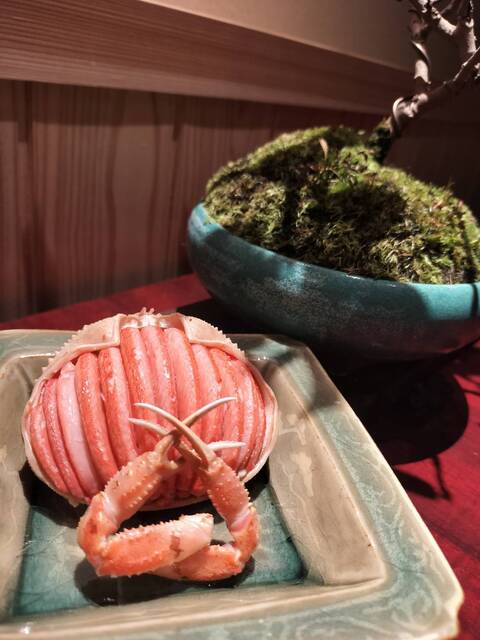
Seasonal kaiseki recognized in Tabelog 100 (Japanese cuisine EAST 2025), with dinner at ¥18,000 and lunch at ¥8,800 (cash only). The 16-seat room favors private dining and ingredient-driven menus that shift from spring wagyu to winter Matsuba crab. Booking via Instagram or LINE only; counter seats seven, private rooms accommodate four to six.
Koan
Fujisawa, Japan
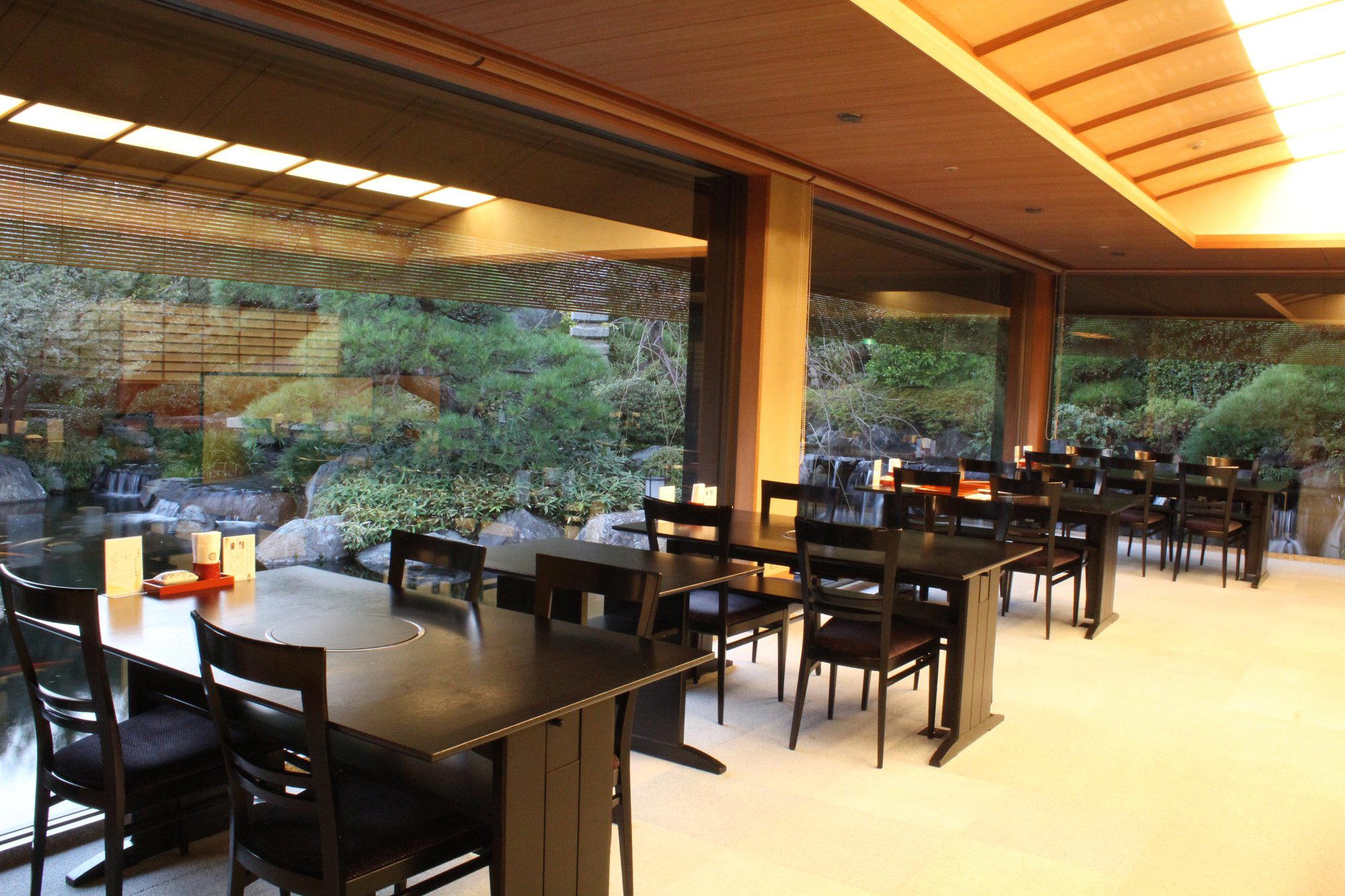
Koan is the Fujisawa choice for diners who want a more serious local meal anchored by credible recognition, especially its 2-Star World's Best Wine Lists 2023 listing. It is less clear on price and format than several nearby peers, so choose it for wine-led confidence and local credibility rather than a tightly pre-planned budget meal.
Hijikata (土方)
Nagoya, Japan
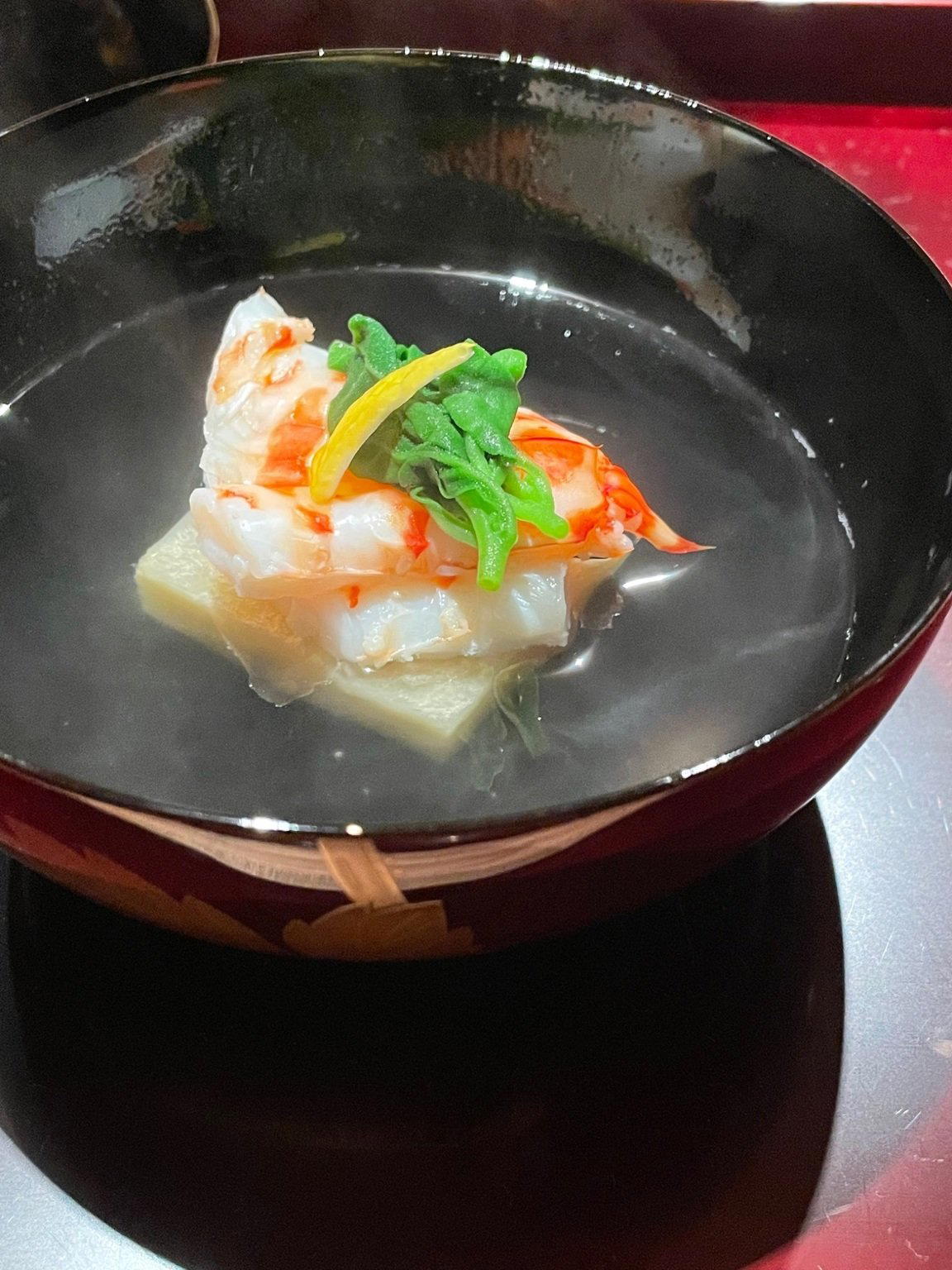
Hijikata (土方) is a sushi restaurant in Nagoya from chef-owner Akira Hijikata, serving dinner Monday through Saturday from 6–9 p.m. The smart-casual setting suits diners planning a focused evening sushi meal. Ask about the current menu, reservation process, pricing, seating, and dietary arrangements before booking. Seasonal depth can appeal to diners comparing Hijikata with Ueda or Hama Gen; Tabelog 100 EAST selections also make it a notable option for sushi in Nagoya.<p>For comparison, see <a href="https://joinpearl.co/restaurants/hama-gen-nagoya-restaurant">Hama Gen</a>.</p><p>For comparison, see <a href="https://joinpearl.co/restaurants/ueda-nagoya-restaurant">Ueda</a>.</p><p>Dual Tabelog Bronze sushi counter in Naka Ward running JPY 50,000–59,999 omakase with seasonal rotation and no à la carte flexibility.</p>
Keyaki En
Minamiuonuma, Japan
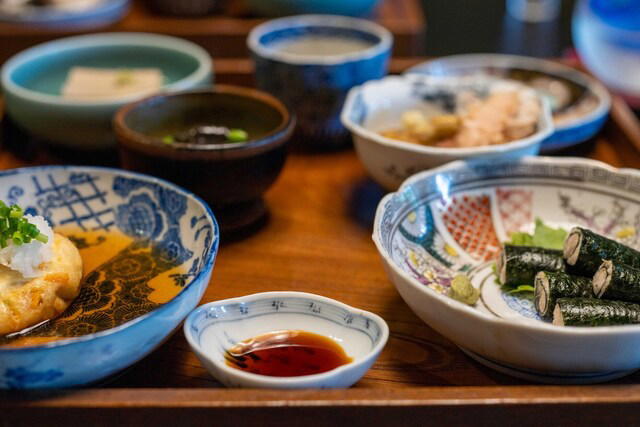
Book Keyaki En for Niigata regional kaiseki in a farmhouse auberge setting with private tatami rooms and mountain views. Tabelog 100 recognition across three years supports set menus at JPY 15,000-19,999 for dinner, with overnight stays available. Access requires a car or taxi from Itsukamachi Station.
Kotowari wo Hakarumise Bando
Nagoya, Japan
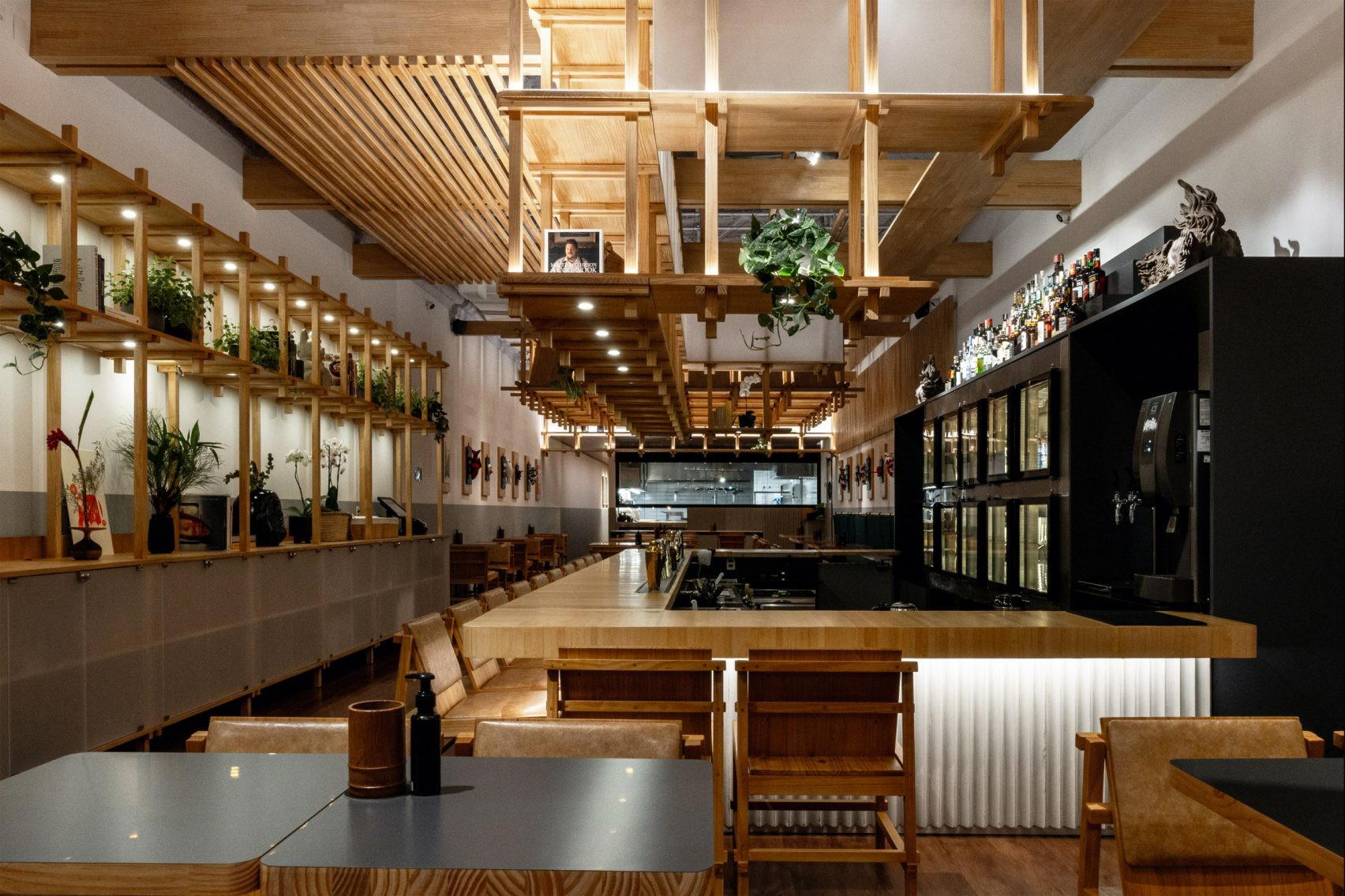
A counter-only Japanese restaurant in Nagoya that requires referral access and charges JPY 30,000–JPY 39,999 for dinner. Tabelog Bronze 2026 (4.05 score) confirms consistent execution, but the introduction-only policy and fixed omakase format mean the experience rewards those who value chef-driven pacing over a la carte flexibility. Worth the gatekeeping if you have the referral and prefer counter dining; Nagoya holds easier alternatives at similar quality levels.
Homura
Hachinohe, Japan
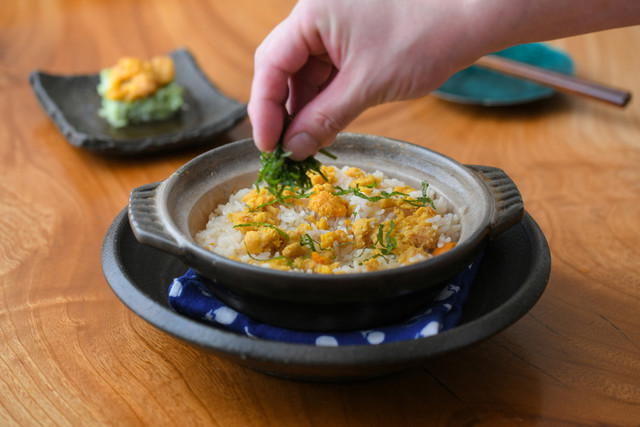
A Tabelog 100–recognized house restaurant three minutes from Hachinohe Station, offering counter seating and private rooms for seasonal kaiseki centered on Aomori seafood and charcoal-grilled dishes. At JPY 8,000–9,999 per head, it's a strong choice for celebratory dinners and an introduction to regional Japanese technique at a price well below Tokyo's counter-kaiseki tier.
Nozawa Bar
Los Angeles, United States
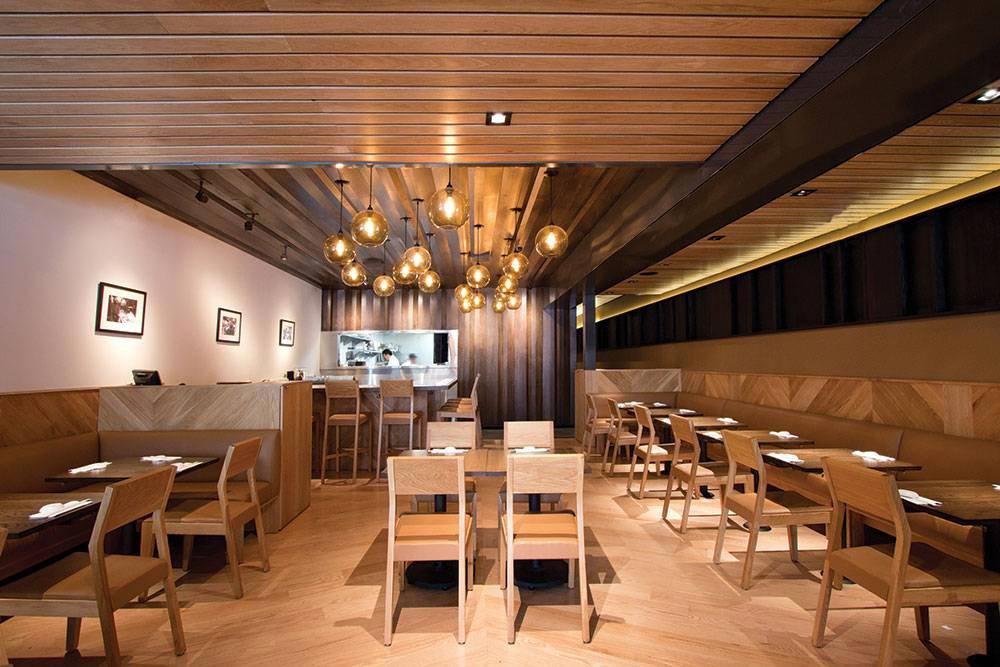
Nozawa Bar is a Michelin-starred omakase counter in Beverly Hills, ranked #121 in North America by Opinionated About Dining in 2025. It's the right call for returning omakase diners who want a focused, chef-led progression at the top of the LA sushi tier. Hard to book, $$$$ pricing, and best suited to parties of two or three.
Mumyo
Nagano, Japan
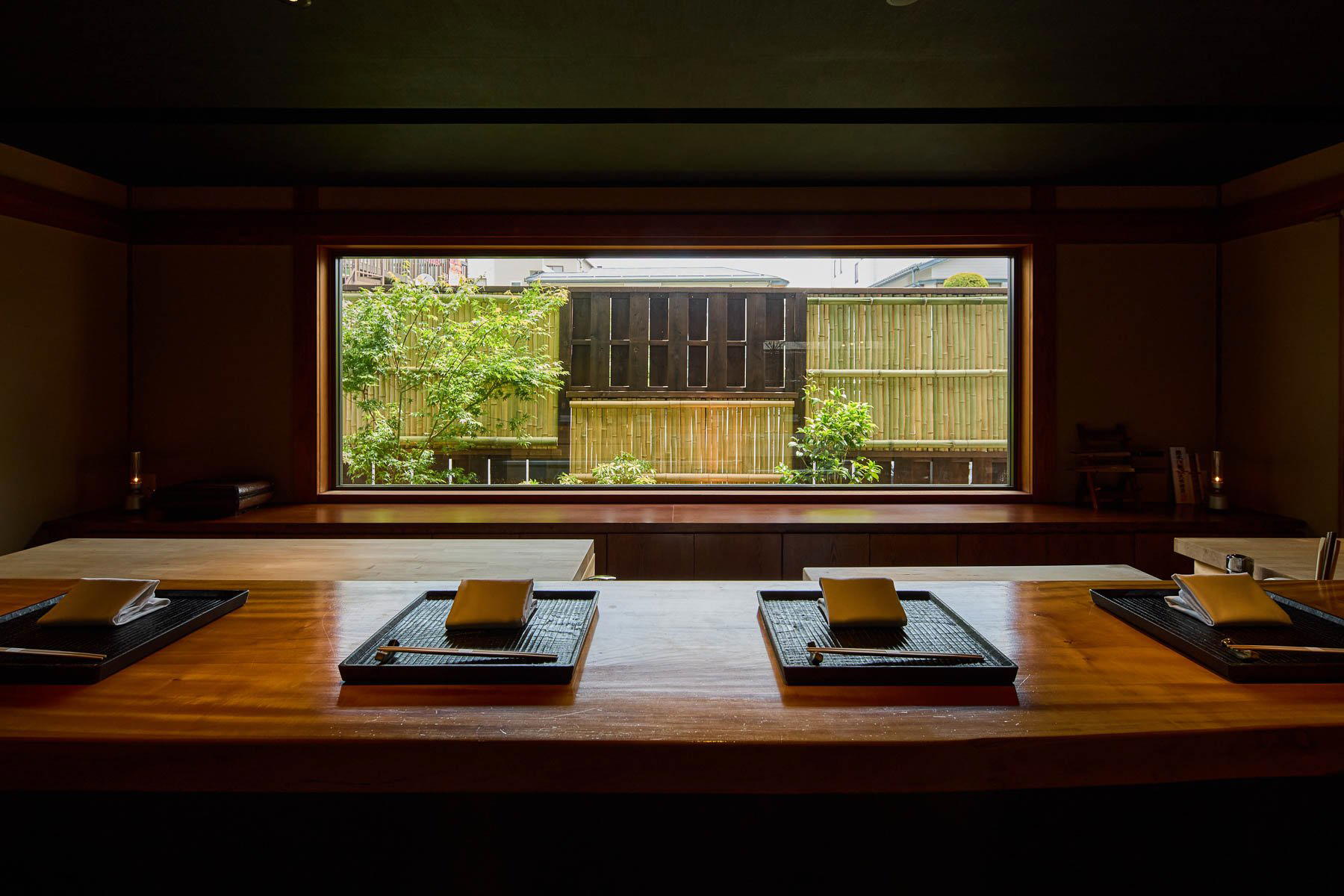
Mumyo holds four consecutive Tabelog Bronze Awards (2023–2026) and two Top 100 selections for Japanese Cuisine East; a consistent record that few regional restaurants in Nagano can match. At JPY 20,000–29,999 per head, the six-seat counter is reservation-only with a simultaneous start. Book via mumyo.jp and confirm dates before travel, as closed days are not fixed.
Konasu
Kariya, Japan
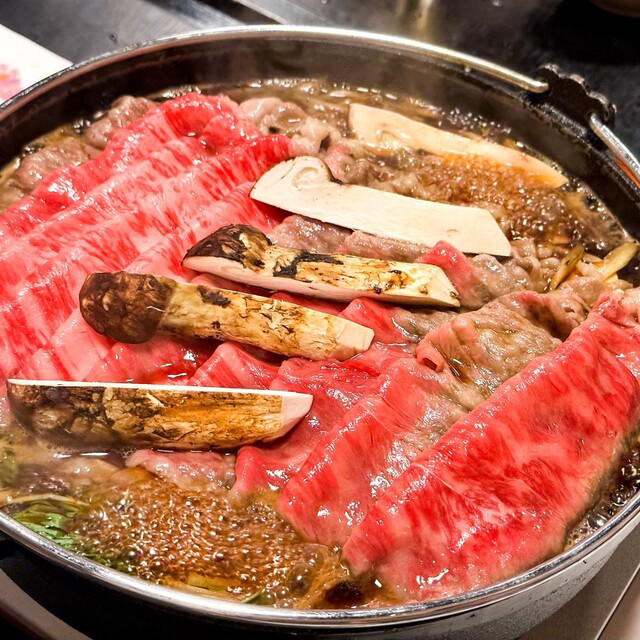
Konasu is the Kariya pick for a more deliberate dinner rather than a quick ramen stop. Its JPY 6,000 - JPY 7,999 range and Tabelog 100 #50 recognition make it a stronger fit for a small occasion or food-focused evening, while cheaper peers are better for speed and casual value.
Japanese cuisine Komatsu
Sapporo, Japan
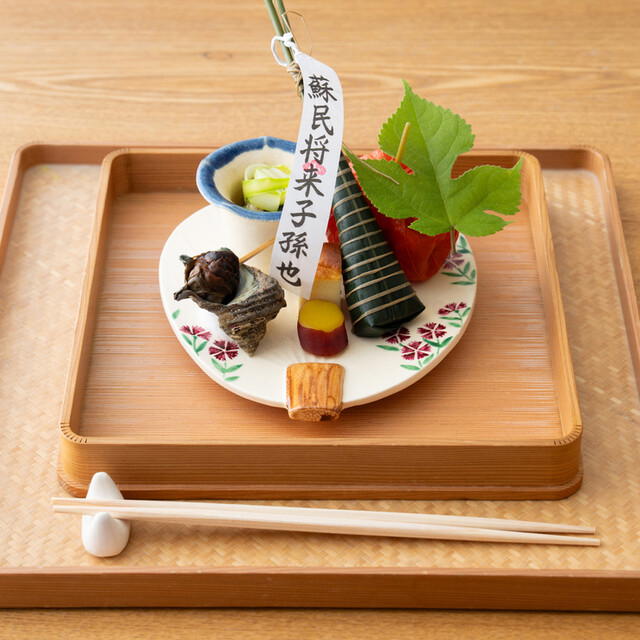
Japanese cuisine Komatsu works when Sapporo is the focus and the meal is meant to be a serious Japanese-cuisine splurge. Its Tabelog Bronze 2026 and Tabelog 100 2025 recognition support the price, but the fit is strongest for couples or small, aligned groups rather than casual parties.
Kyoto Kiccho Nagoya ten
Nagoya, Japan
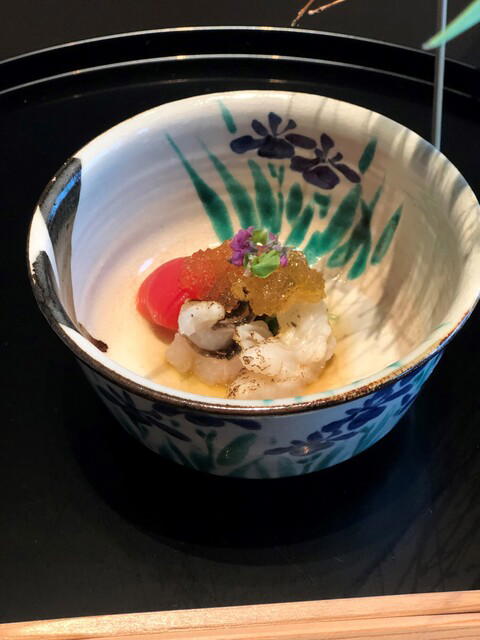
Kyoto Kiccho Nagoya ten occupies the 41st floor of Midland Square, delivering Kyoto-style kaiseki at JPY 20,000 to JPY 29,999 with a focus on fish sourcing and seasonal progression. The Tabelog 100 recognition (2021, 2023, 2025) confirms technical consistency, and the formal 54-seat dining room; split across counter, tatami, and private rooms; suits special occasions and corporate dinners where service polish and panoramic views matter more than intimacy.
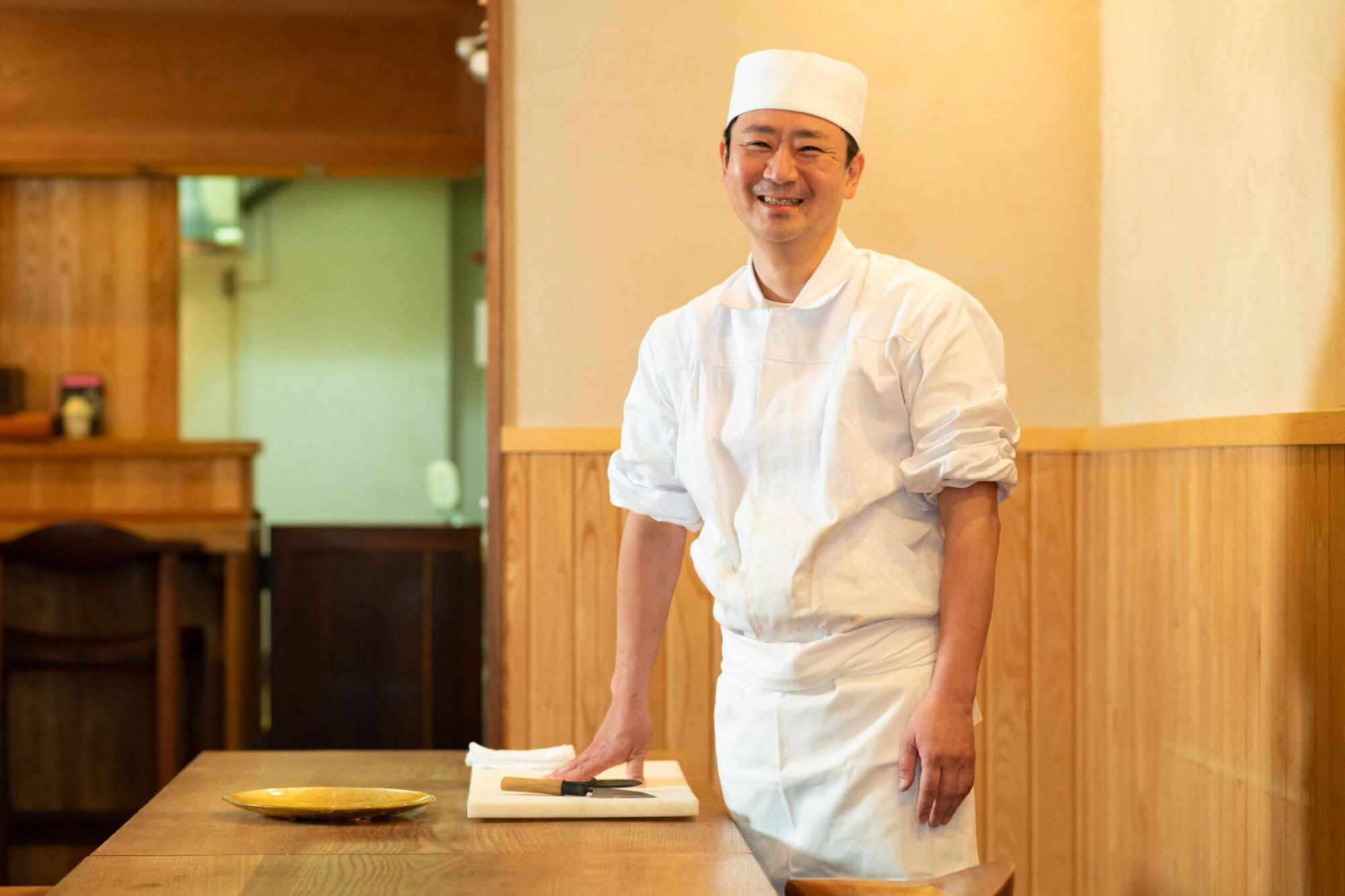
Ohtani
Nagoya, Japan
Ohtani is a thirteen-year-old Japanese restaurant in Nakamura-Ku with a Tabelog Bronze Award, serving seafood-forward omakase dinners (JPY 10,000–14,999) and lunches (JPY 6,000–7,999) at a ten-seat counter and horigotatsu seating. Reservations fill three weeks ahead, cash-only payment applies, and Thursday–Saturday lunch service offers the better value for the same ingredient quality.
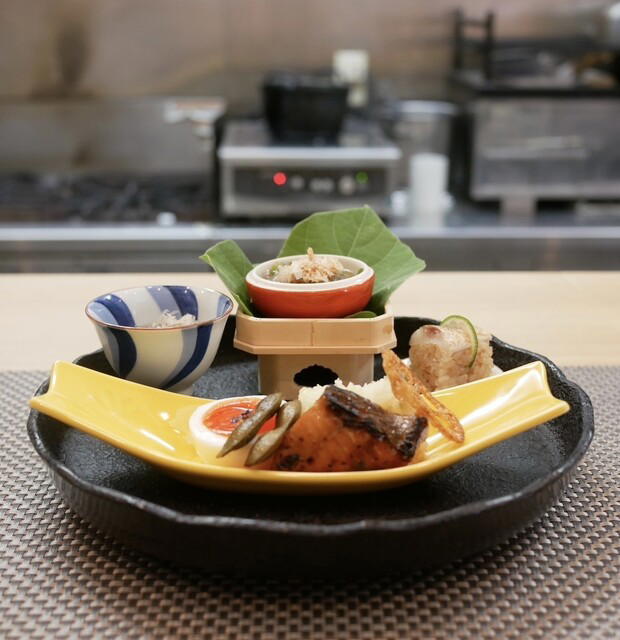
Oryori Hisamatsu
Nagoya, Japan
Oryori Hisamatsu is a strong first-timer choice in Nagoya if you want seasonal Japanese cuisine with credible recognition and a more controlled spend than several higher-priced peers. Book it for value and structure, not for a showy splurge; lunch is the sharper play when your schedule allows.
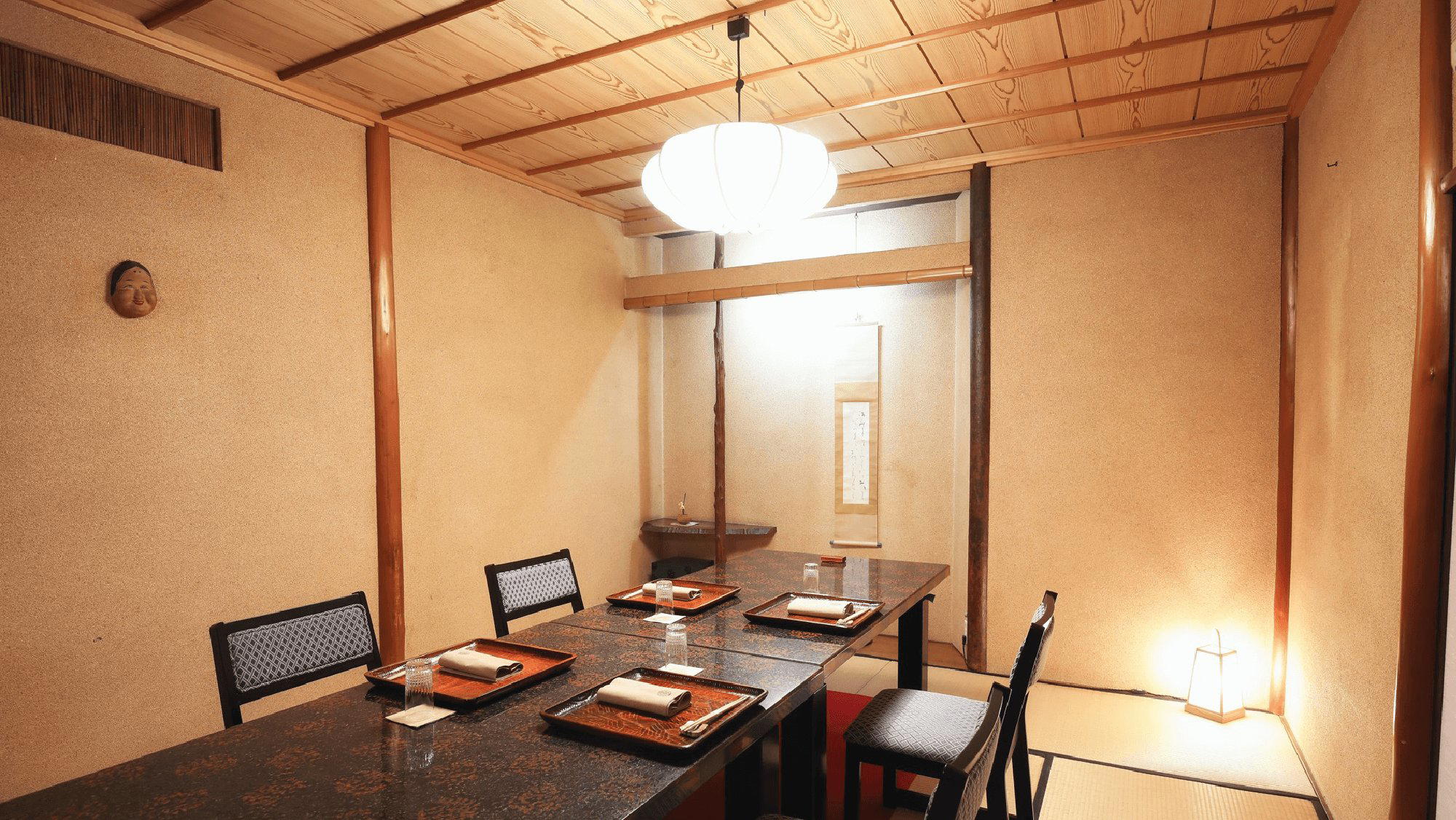
Shinchaya
Iwate, Japan
Shinchaya is Iwate's most consistently awarded Japanese cuisine and unagi restaurant, holding Tabelog Bronze in four straight years (2023–2026) and a 4.31 score. At JPY 20,000–29,999 per person, it delivers private-room dining for groups of 2 to 50-plus in a house restaurant setting in Oshu City. Book here for a special occasion or business dinner in the region.
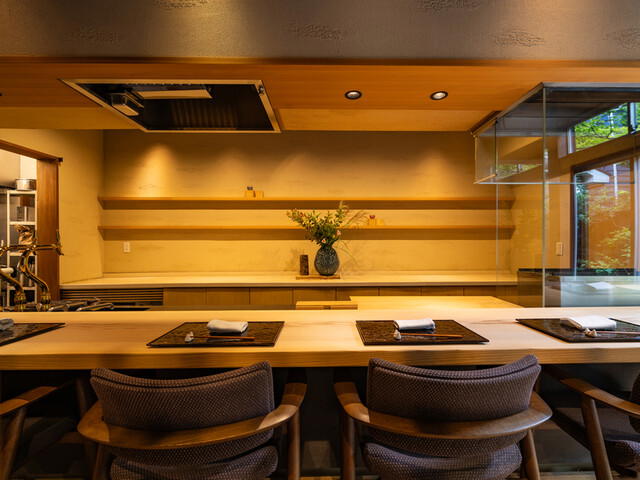
Kamakura Waku
Kamakura, Japan
This Tabelog 100 Japanese restaurant in Yuigahama runs a fish-forward menu at JPY 20,000–29,999, with counter and private-room seating for up to ten. Unlike stricter kaiseki venues, it welcomes families, allows BYO bottles, and accommodates longer parties; making it a practical choice when the occasion demands technical cooking but flexible service.
日本料理 魚幸
Tsubame, Japan
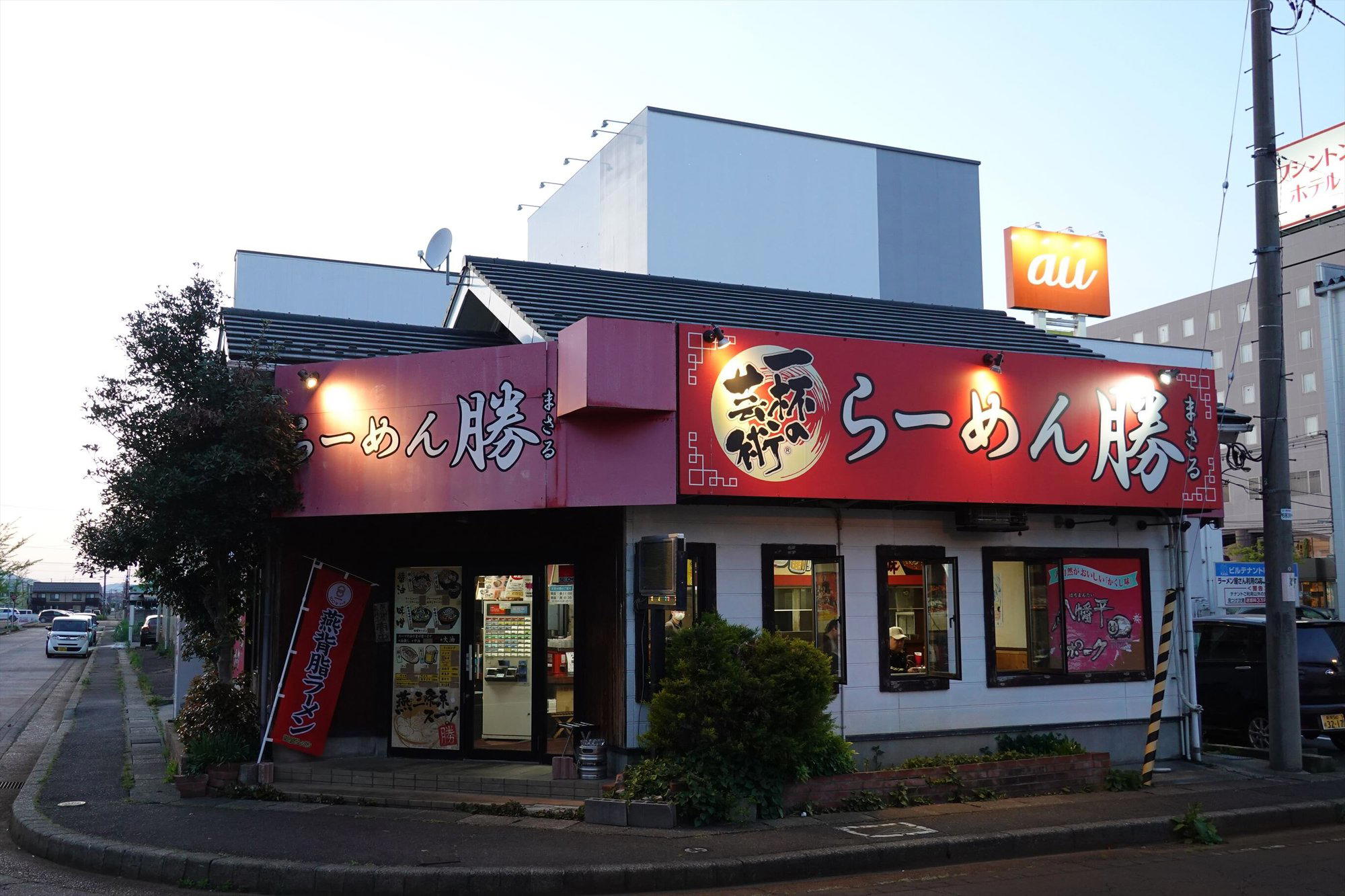
日本料理 魚幸 is an easily bookable Japanese dining room in Tsubame, Niigata; a region with serious sake and rice credentials that most visitors overlook. Low booking friction makes it a practical addition to a Niigata itinerary, though limited available data means it works best as part of a broader regional trip rather than a standalone destination from Tokyo.
Tsugaru Kappou Mirai
Aomori, Japan
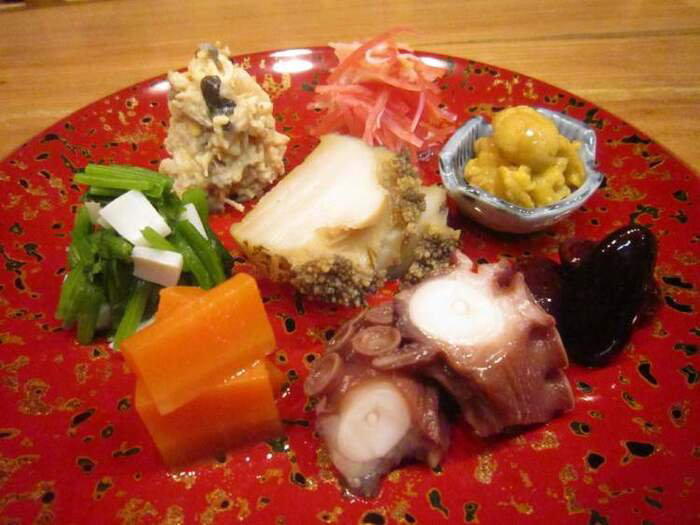
Tabelog 100-recognized kaiseki focusing on Aomori seafood, junmai sake, and natural Japanese wine. Lunch (¥10,000–14,999) mirrors the dinner menu but costs ¥5,000 less; the smarter booking for first-timers. Counter seating for 8, private tatami rooms for larger groups. Reservations required two days ahead.
Nukumi
Sapporo, Japan
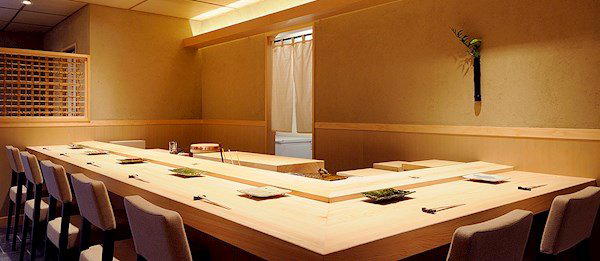
Nukumi is one of Sapporo's most consistently awarded Japanese dining rooms; a Tabelog Award 2026 Bronze winner and three-time Tabelog 100 selection. At JPY 30,000–39,999 per head, it applies Kyoto culinary technique to Hokkaido's northern ingredients across 14 seats near Nakajima Park. Reservation-only and strictly dinner; book at least two to three weeks ahead for weekends.
Kappo Yabushita
Nagoya, Japan
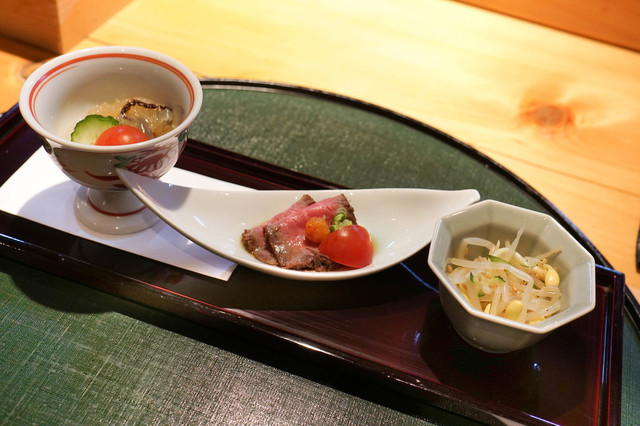
Three-time Tabelog 100 kappo in Marunouchi serving fish-focused seasonal courses at JPY 15,000–19,999. Counter and tatami seating suit solo diners and small groups; daily market sourcing drives the menu. Closed weekends, easiest to book Tuesday–Friday.
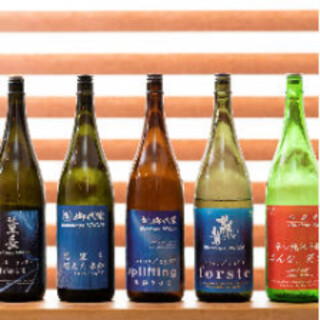
Shutei Nawa
Nagoya, Japan
Reservation-only, eight-seat seafood counter near Shinsakae Machi Station, recognized in the 2025 Tabelog Japanese Cuisine EAST 100. Fish-focused izakaya format at JPY 10,000–14,999 with a curated sake and wine program. Counter seating only, Tuesday through Saturday evenings, with strict advance booking required. No takeout or walk-in service.
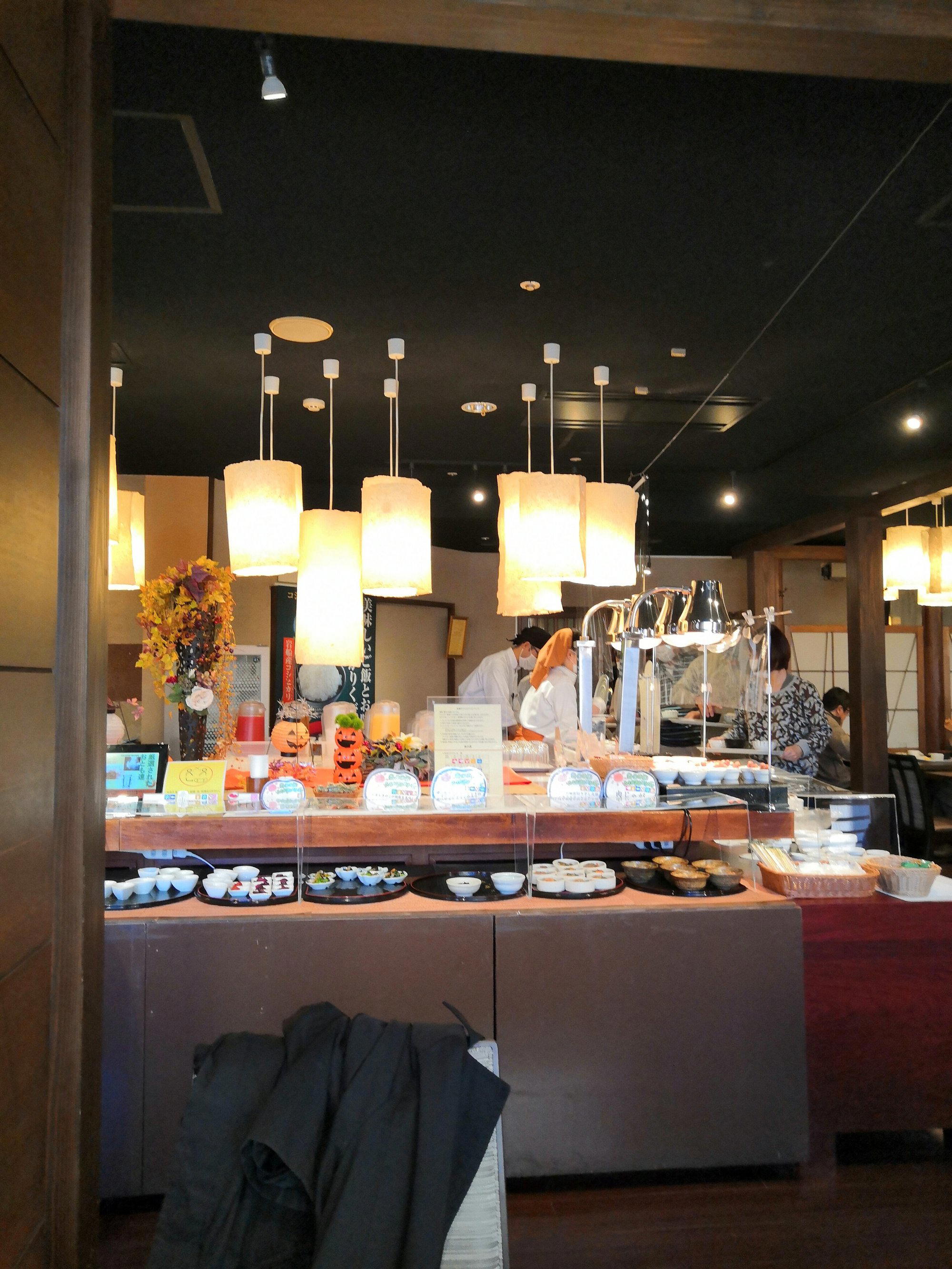
鍋茶屋光琳
Niigata, Japan
Book éè¶å± å ç³ if you want a serious Chuo Ward dinner with Tabelog 100 recognition and do not need every menu or pricing detail pre-mapped. For groups or tighter budgeting, Goro Furumachi ten and Yakiniku Hatchi are easier comparisons because their price ranges are clearer.
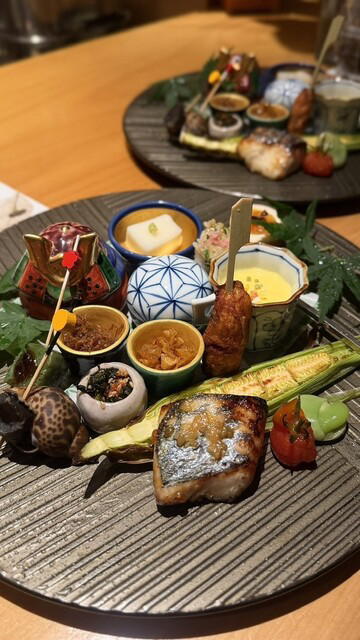
Hanamaru Kichijitsu
Nagoya, Japan
A fish-forward Japanese counter in Sakae, Nagoya, earning Tabelog 100 EAST recognition for ingredient-obsessed sourcing at JPY 15,000–19,999 (dinner) or JPY 5,000–5,999 (weekend lunch). The daily menu shifts with market availability, paired with a curated sake program, making it a midpoint between izakaya and kaiseki for diners who prioritize seafood precision over formal service.
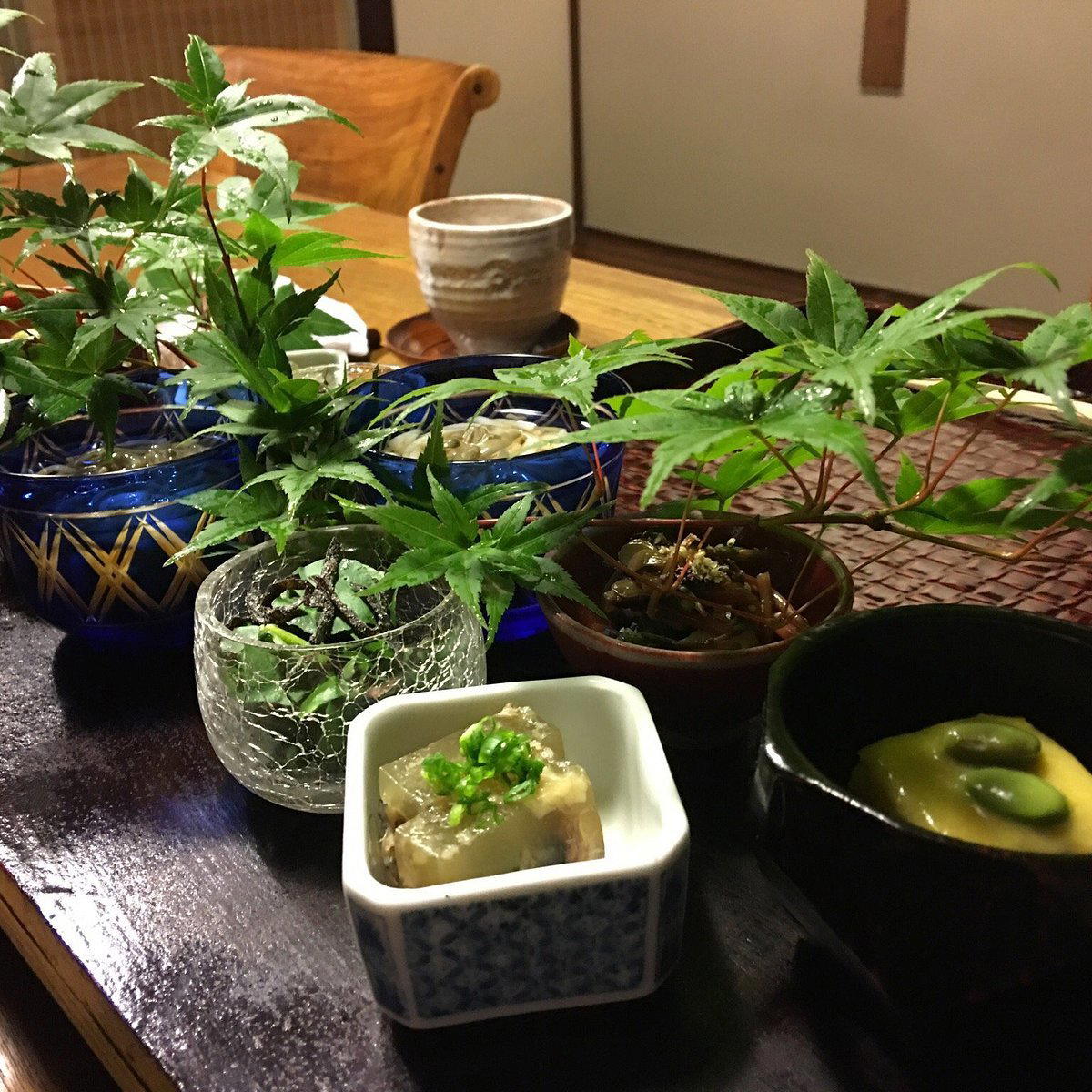
Soujoan
Tomi, Japan
A quiet Tomi pick with a 2025 Tabelog 100 #64 listing, Soujoan is strongest for couples, solo diners, or a small special-occasion meal. Book it when recognition and a calmer setting matter; cross-shop if the priority is clear pricing, casual value, or a confirmed group/private-dining setup.
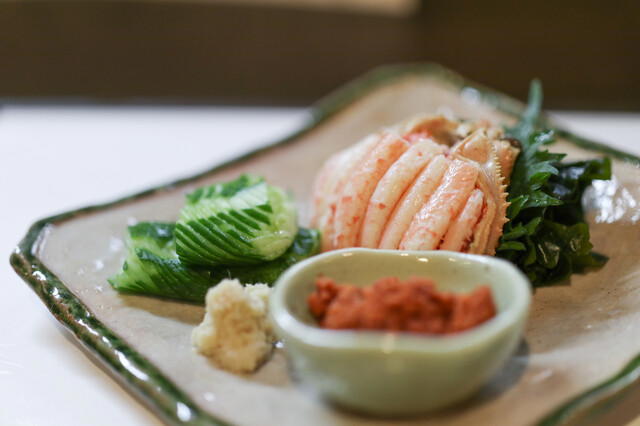
Kappo Hosono
Nagoya, Japan
Six-seat counter in Higashi-ku where Osaka-trained technique meets Nagoya accessibility. Tabelog 100 recognition in 2021, 2023, and 2025 for refined omakase at JPY 10,000–14,999; half the price of comparable kaiseki elsewhere. Fish-focused courses, house-made dashi, quiet atmosphere, and booking that rarely requires more than two weeks' notice.
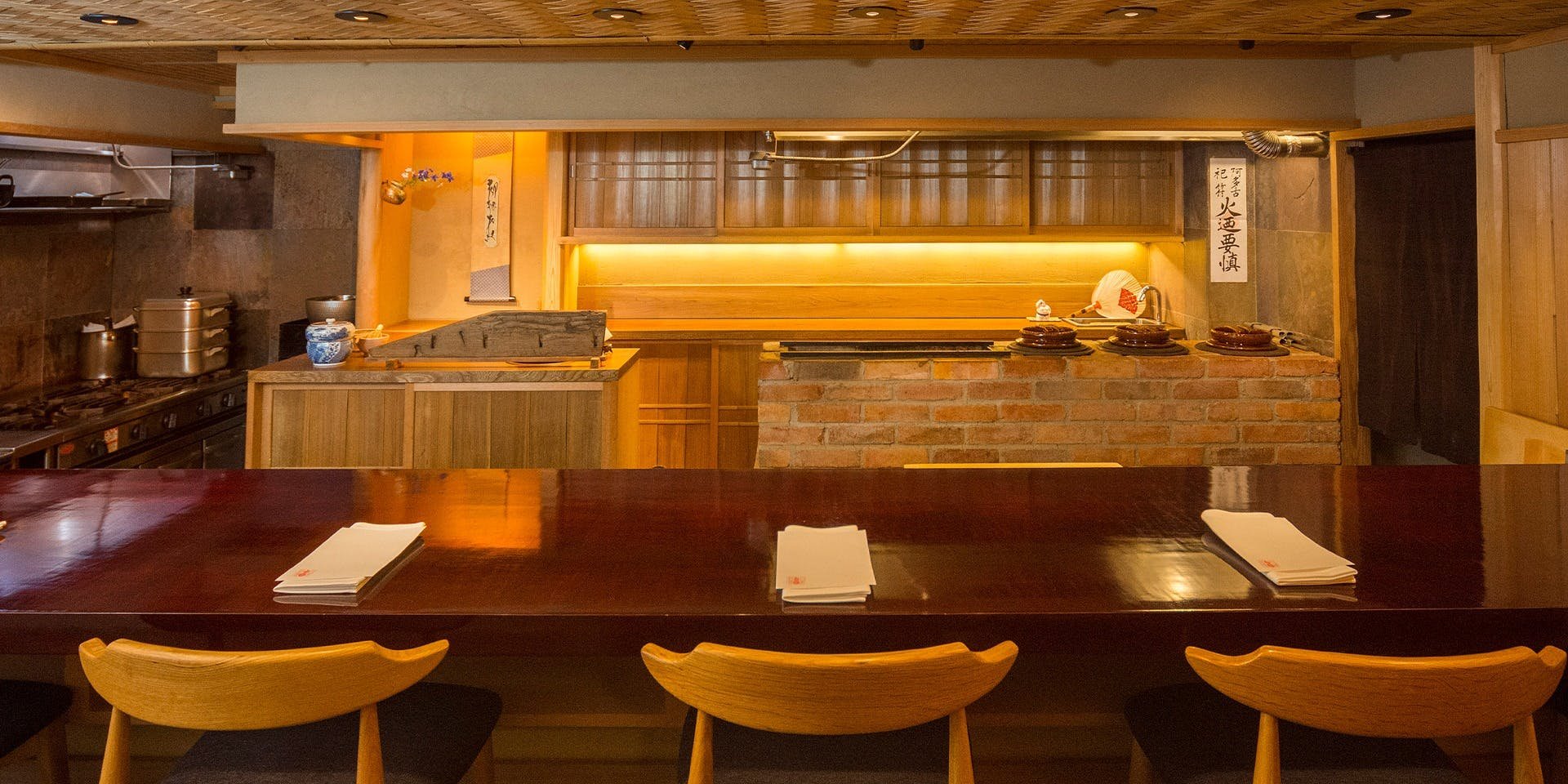
Suyama
Sapporo, Japan
Suyama is Sapporo's most consistently recognised kaiseki counter, holding a Tabelog Bronze Award every year from 2021 to 2026 and appearing in the Japanese Cuisine EAST Top 100 three times. Dinner runs JPY 30,000–39,999 per head plus a 10% service charge across 14 seats. Book by phone; no walk-ins accepted.
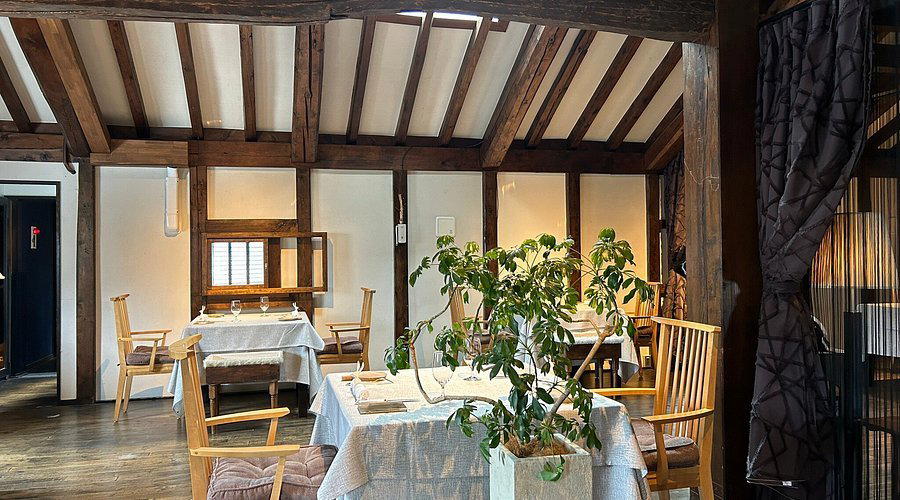
Hikariya-Nishi
Matsumoto, Japan
Franco-Japanese tasting menus in a 140-year-old Matsumoto merchant house, open for lunch Friday–Sunday and dinner most evenings. Relais & Châteaux and Tabelog Bronze (2026) signal consistent technique; JPY 10,000–29,999 depending on service. Best for travellers who want Western plating and wine focus in a historic timber setting near Matsumoto Castle.
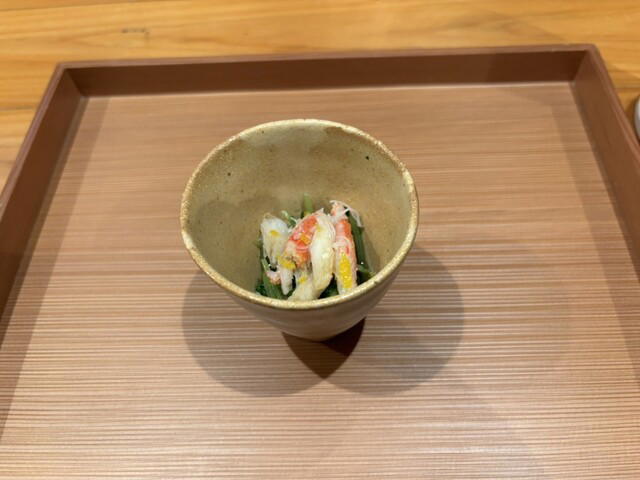
Go
Shizuoka, Japan
A 12-seat charcoal-grill izakaya with Ginza Koju training, Tabelog 100 recognition, and a flexible private room seating up to eight. Dinner runs JPY 6,000–7,999 (closer to JPY 8,000–9,999 with drinks), centered on daily fish from Shimizu port and binchotan technique. Counter seats offer front-row grill work; the private room suits groups who want quieter conversation. Book ahead for both.
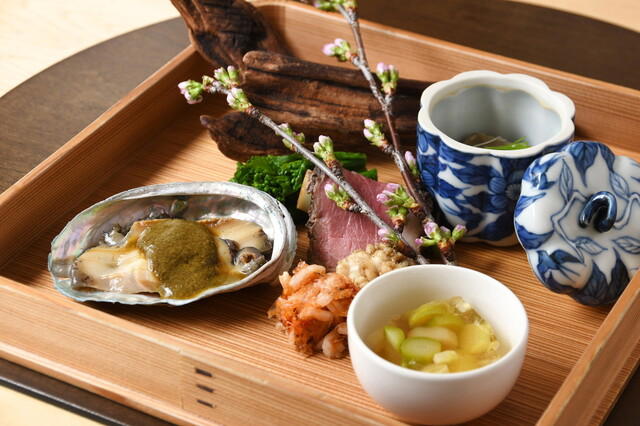
Otsuaji Asai
Nagoya, Japan
Eight-seat counter in Shin-Eimachi serving fish-focused Japanese cuisine, recognized three times on Tabelog 100 (EAST). Dinner JPY 10,000–14,999, lunch JPY 8,000–9,999; reservations required, with lunch available Tuesdays, Thursdays, Saturdays only. Booking is straightforward compared to Tokyo peers, but the limited seating and intimate format favor solo diners and pairs over larger groups.
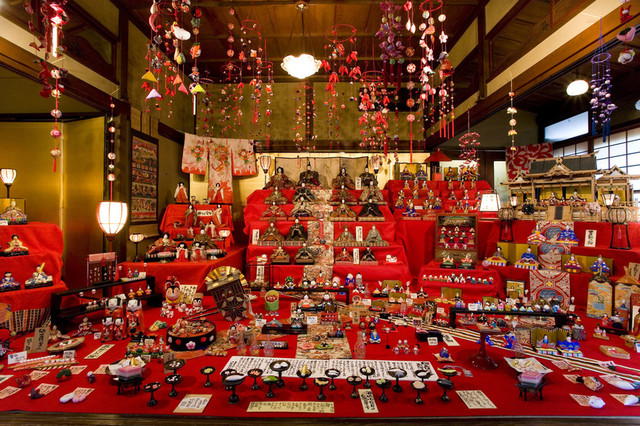
Kuni Toroku Bunkazai Nikiya
Saitama, Japan
Tabelog 100 Japanese cuisine East 2025 selection set in a registered cultural property, serving kaiseki with a focus on seasonal fish and premium beef. Dinner runs JPY 10,000–14,999, lunch JPY 4,000–4,999. Private tatami rooms accommodate groups up to 30+, with strict cancellation policies and advance booking required. Easier to secure than Tokyo peers at comparable quality, though service charges and private-room minimums add cost.
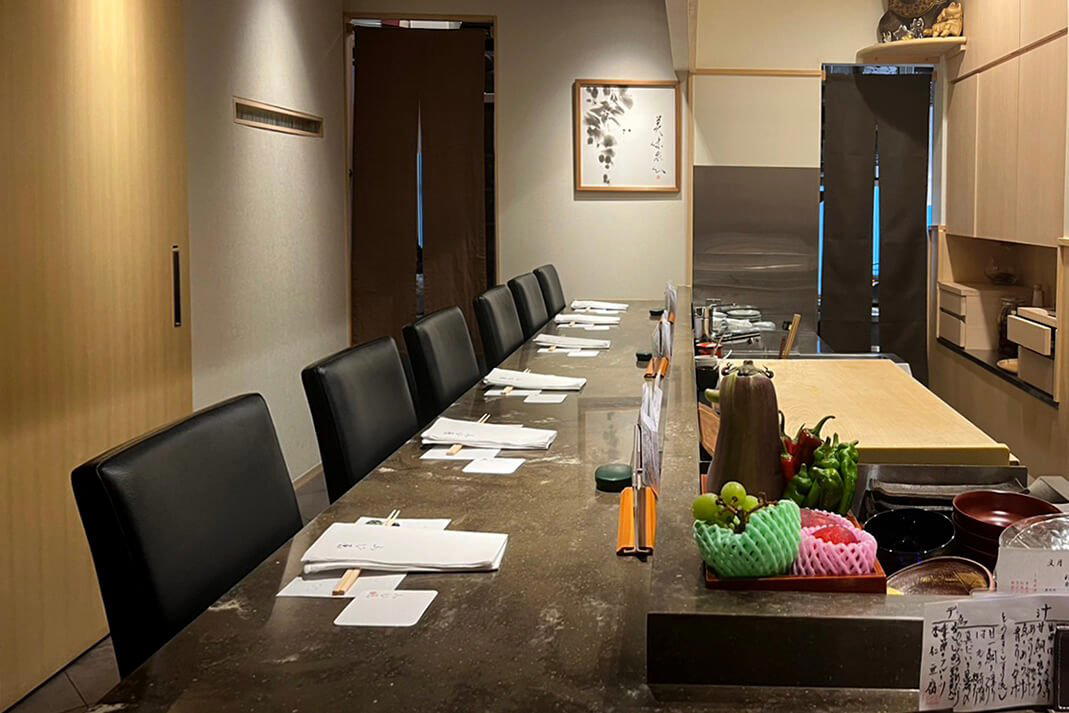
ふじ原
Nagoya, Japan
Book ふじ原 if you want a reputation-led dinner in Nagoya's Izumi area and are comfortable with fewer public details before you go. The Tabelog 100 recognition gives it a credible quality signal, but diners who need a published price range or cuisine format may find Lilla, L'atelier Izumi, or Lito easier to choose.
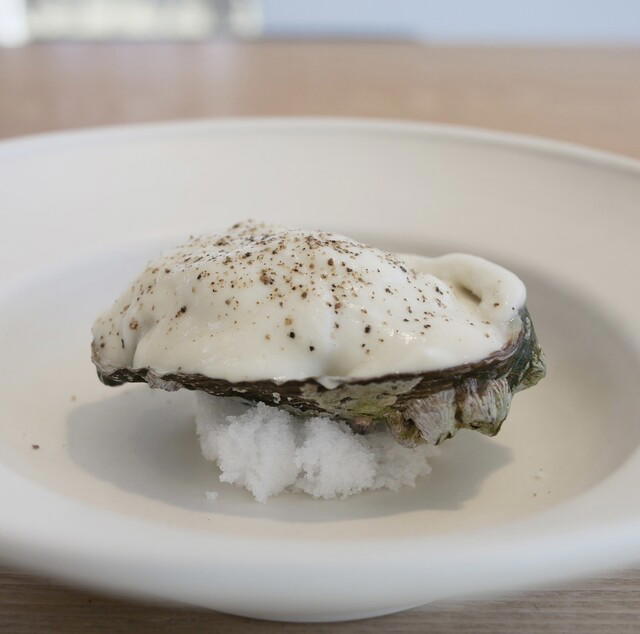
Yatsugatake Esaki
Hokuto, Japan
Yatsugatake Esaki is a strong Hokuto choice for diners who want a quiet, serious Japanese meal with Tabelog Bronze 2026 and Tabelog 100 2025 recognition behind it. Book it for a food-led lunch or dinner, especially if counter seating is available; skip it for groups wanting à la carte flexibility or a lively room.
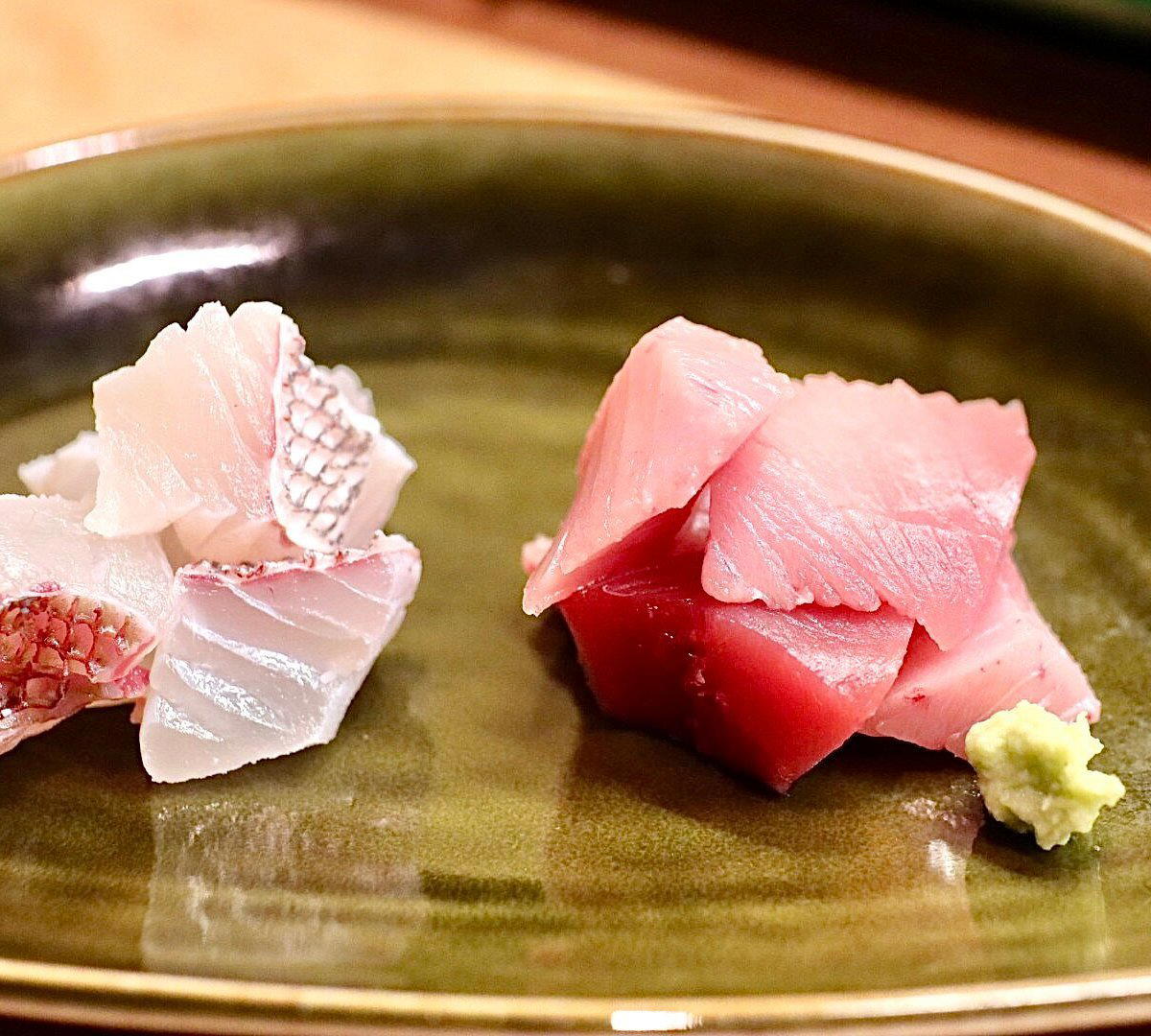
Hanaichi
Nagoya, Japan
Reservation-only kaiseki in Nishi Ward, holding six consecutive Tabelog bronze awards (2020–2026) for fish-forward seasonal cooking. Counter seating (six seats) and one tatami room (four seats); dinner only, closed Wednesdays. JPY 10,000–14,999, cash only.
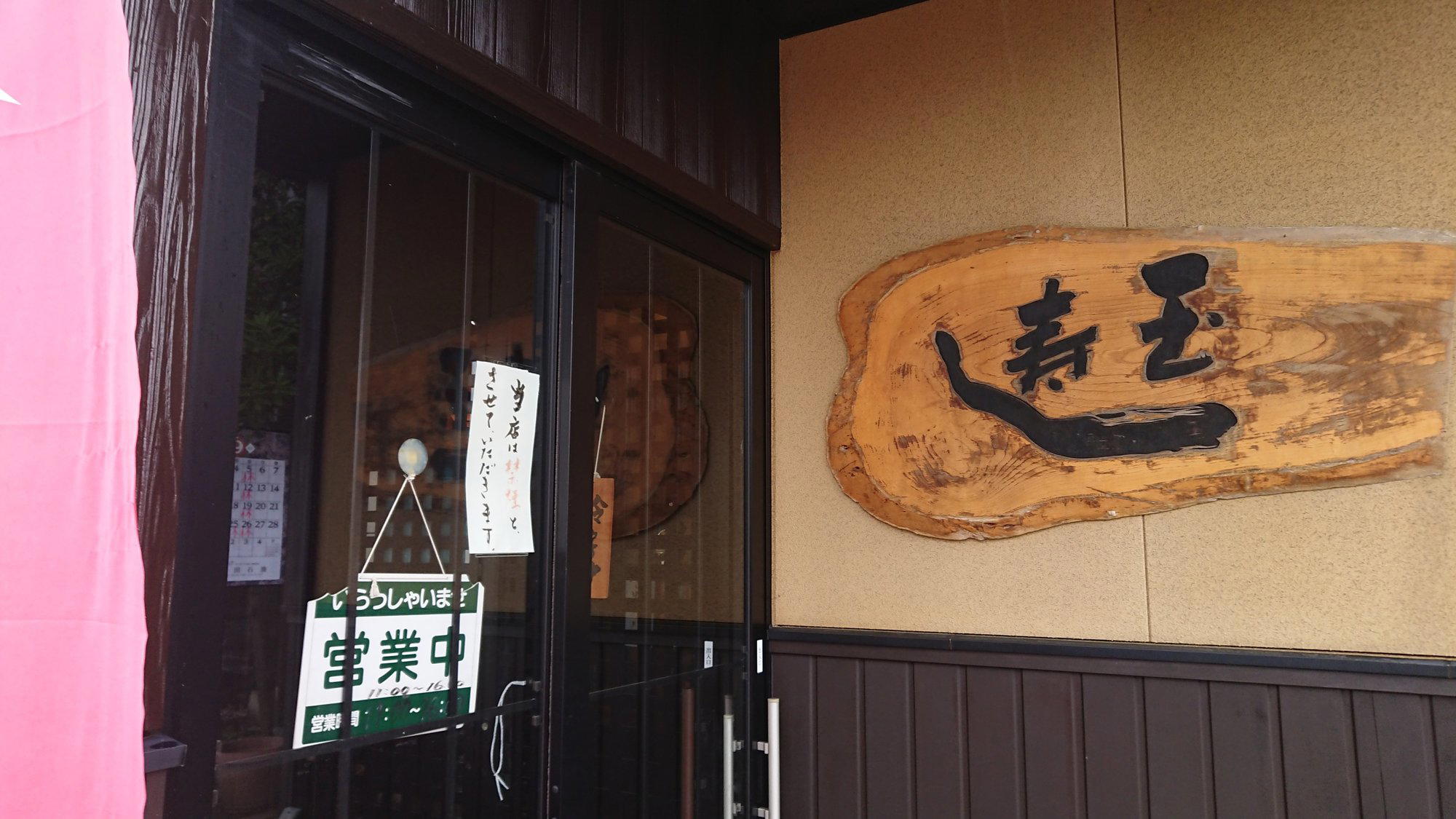
å²ç¹ æ°å¤ä¹
Murakami, Japan
A cautious yes for food-focused travelers already spending time in Murakami. The draw is seasonal Japanese dining in a local setting, but with no confirmed price, chef, menu, or booking details, it works better as an exploratory reservation than a high-stakes special-occasion plan.
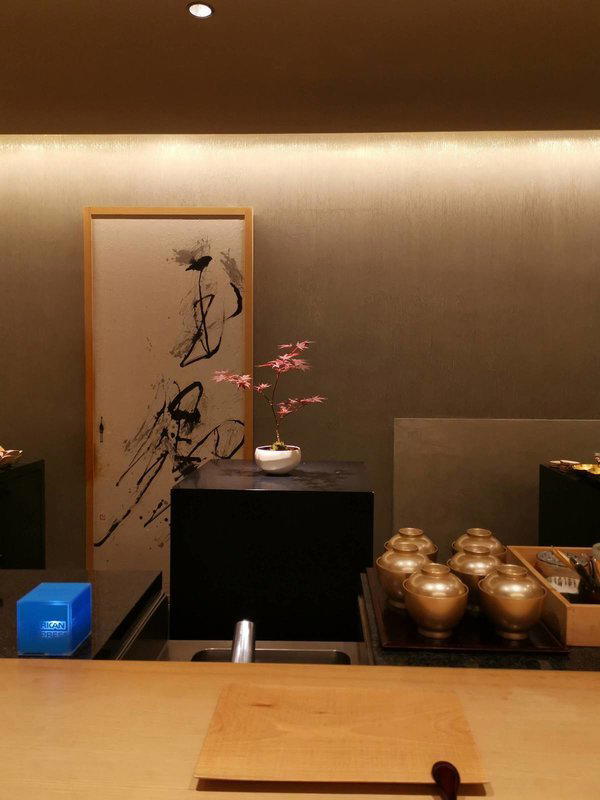
Kitajima-tei
Tokyo, Japan
Kitajima-tei has won the Tabelog Bronze Award every year since 2017 and holds a 4.25 score, making it one of Tokyo's most consistently recognised French counters at JPY 20,000–29,999. Twelve seats, a serious wine focus, and a direct, ingredient-led kitchen make this a strong booking for pairs and solo diners. Booking is easier than its track record suggests; two to three weeks out is usually sufficient.
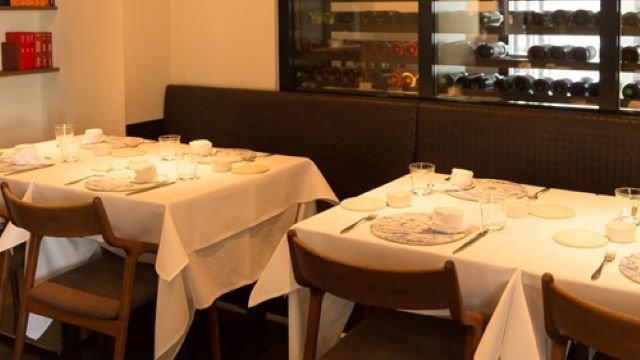
Hachisen
Nagoya, Japan
Kaiseki Hachisen is Nagoya's most consistently awarded Kyoto-cuisine counter, holding a Tabelog Bronze Award every year since 2017 and three Tabelog 100 selections through 2025. The 12-seat counter runs JPY 30,000–39,999 per person for both lunch and dinner, reservation-only. Book it for serious kaiseki in a quiet residential setting away from the city centre.
Matsukura
Sapporo, Japan
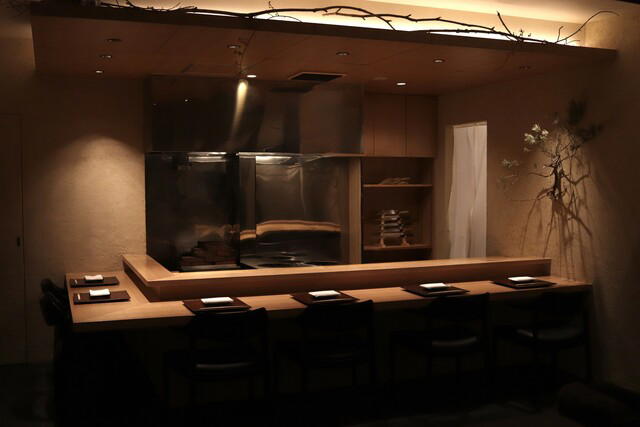
Seven-seat counter in Susukino delivering seafood-focused tasting menus at JPY 20,000–29,999, recognized by Tabelog 100 Japanese Cuisine EAST 2025. The fish-forward progression suits solo and duo diners seeking direct access to Hokkaido's catch without kaiseki formality, though the no-walk-in, reservation-only format and strict arrival policy limit flexibility.
Hiyama
Tokyo, Japan
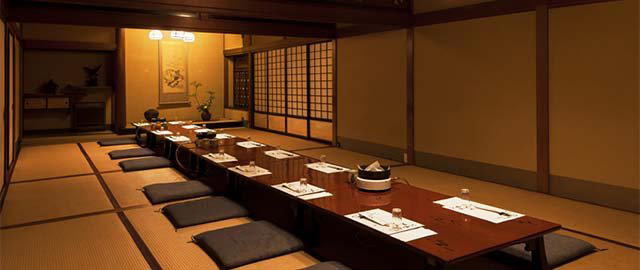
Hiyama is a Tabelog Silver Award winner (2025, 2026) with a 4.48 score, ranked 174th in Japan by Opinionated About Dining in 2025. Set in Higashi-Kawaguchi, Saitama; not central Tokyo; it is the most consistently decorated sukiyaki option in its Tabelog tier. Budget JPY 100,000 per head with drinks. Private tatami rooms for two to six make it a strong choice for celebratory dinners.
Ronin
Nagoya, Japan
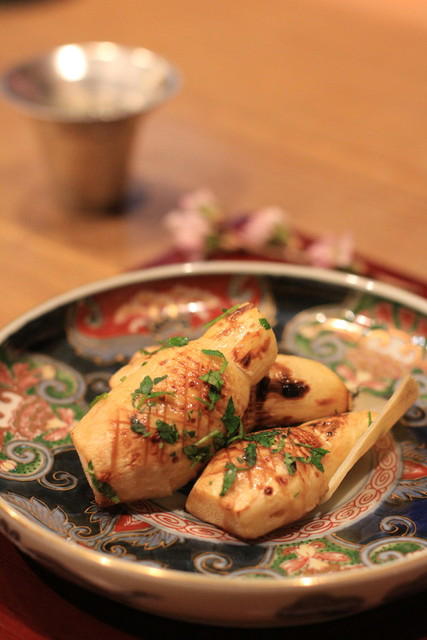
A 15-seat Higashisakura hideaway earning Tabelog 100 recognition through fish sourcing and sake depth rather than formal service. The L-shaped counter format prioritizes ingredient quality over atmosphere, with dinner running JPY 10,000 to JPY 14,999 and reservations filling three weeks ahead for weekend slots. Expect minimal-intervention preparations that shift with market availability, paired with a sake program focused on Nagoya-area breweries.
Myoan
Nagoya, Japan
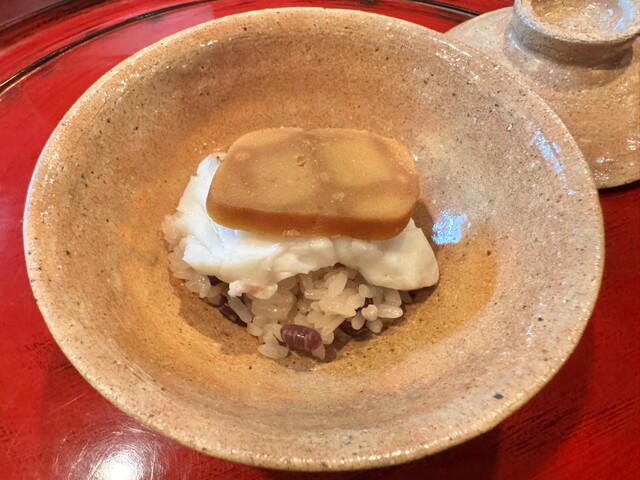
An 11-seat Japanese kaiseki counter in Nagoya's Tokugawacho district, recognized on Tabelog's 100 Japanese cuisine EAST list (2023, 2025). Dinner-only service runs JPY 30,000–39,999 per head, with close-quarters chef interaction and seasonal multi-course progression. Reserve three days ahead for a more conversational, less theatrical take on premium kaiseki.
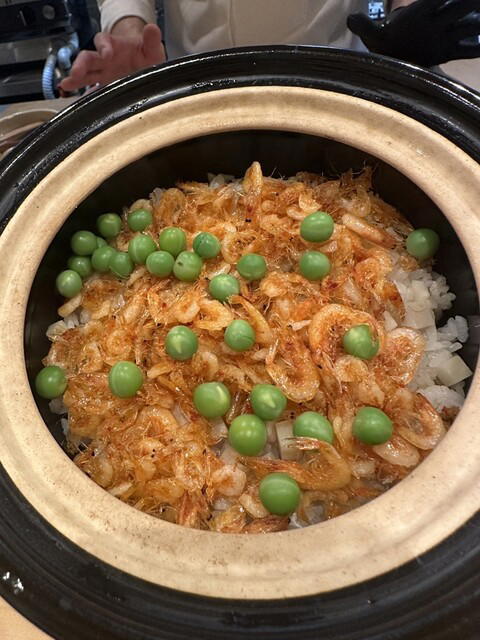
Japanese cuisine Nao
Nagoya, Japan
A six-seat Japanese counter in Nagoya's Nagono neighborhood, selected for Tabelog 100 (Japanese Cuisine EAST 2025), with ¥19,800 set menus served at both lunch and dinner. The three-hour service format, identical pricing across dayparts, and solo-dining-friendly counter make it a practical pick for travelers who want Tabelog-recognized precision without Michelin markup, though groups larger than two should book elsewhere.
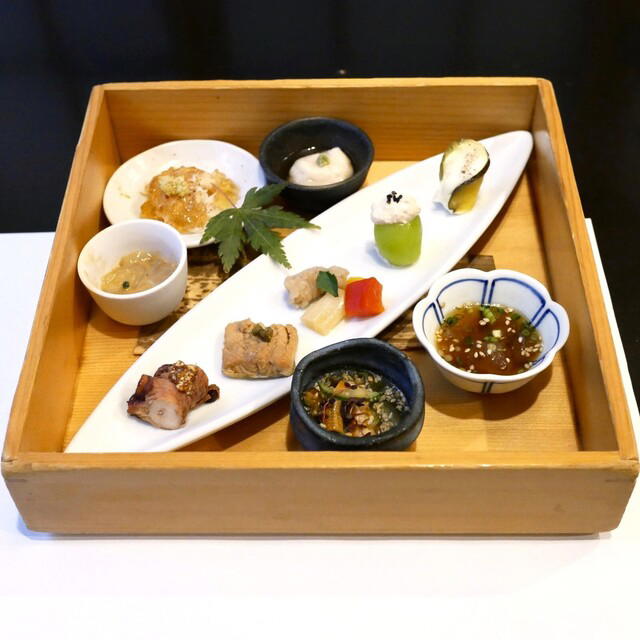
Washoku Sugawara
Akita, Japan
Tabelog 100-recognized kaiseki in Akita city, emphasizing coastal fish and regional sake pairings at JPY 15,000–20,000 per person. Counter and private-room seating for 4 to 30 guests; book 2–3 weeks ahead for special occasions. Families welcome, though evening-only hours and price tier suit celebrations better than casual meals.
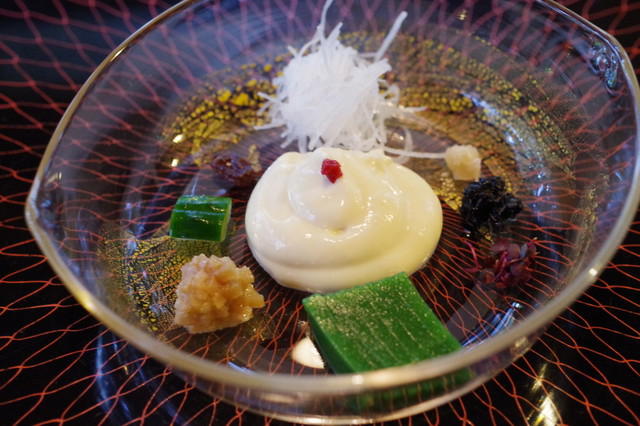
Hida Takayama Kakusho
Takayama, Japan
Reservation-only Japanese venue in Takayama with Tabelog 100 recognition, offering multi-course dining at JPY 10,000–14,999 across lunch and dinner services. The 80-seat layout includes private rooms and tea-room seating, with parking and English support. Consistent execution in a formal setting, though menu specifics require confirmation at booking.
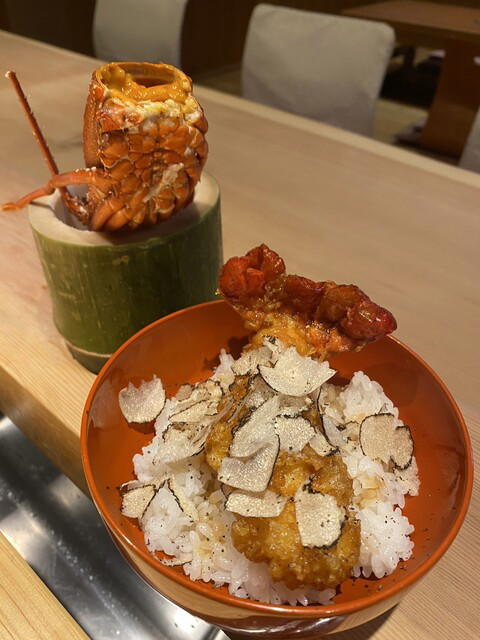
Shin Japanese cuisine Obune
Kikugawa, Japan
Shin Japanese cuisine Obune earns its Tabelog 100 Japanese cuisine EAST 2025 selection with creative kaiseki-influenced cooking at JPY 10,000–JPY 19,999, served in a house-restaurant format with private rooms for up to 18. The menu emphasizes fish and crab, and booking runs easy compared to Tokyo peers; but the Kikugawa location requires intentional travel. Worth it if you're touring Shizuoka and want formal Japanese dining without urban crowds.
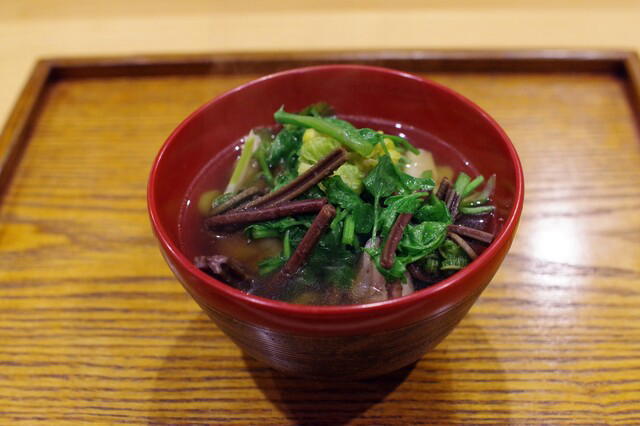
Goryouriya Ito
Yamagata, Japan
Reservation-only Japanese restaurant in Yamagata's Nanukamachi district, selected for the 2025 Tabelog 100 (EAST). The thirteen-seat venue specialises in fish-forward kaiseki across a clear two-tier model: JPY 3,500 lunch (Wednesday–Sunday, noon–1 PM only) and JPY 6,000–JPY 15,000 dinner (Tuesday–Sunday). Cash-only, semi-private rooms available, solo-dining friendly. Book three weeks ahead for weekend slots.
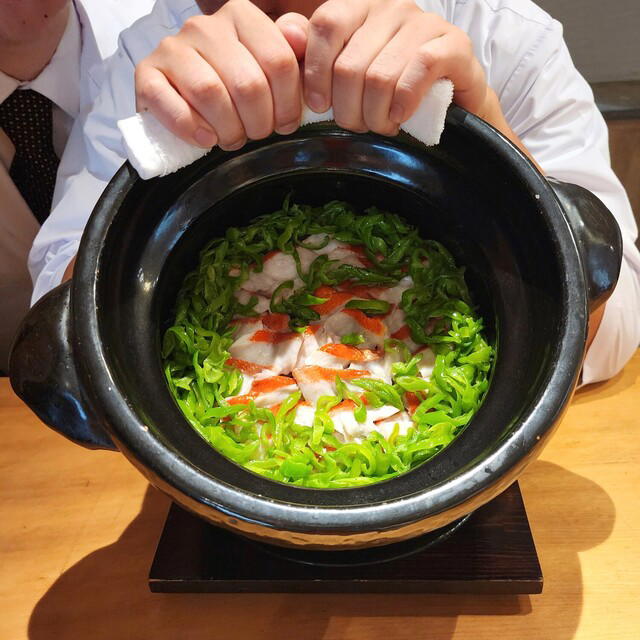
Oryori Fujita
Sapporo, Japan
This eight-seat counter in Chuo Ward earned <em>Tabelog 100 - Japanese cuisine - EAST</em> recognition in 2023 and 2025 for fish-forward kaiseki at JPY 18,700 (dinner) or JPY 12,100 (Sunday lunch). Reservation-only format suits couples and solo travelers comfortable with communal counter pacing; book one day ahead and request dietary adjustments by phone. Residential location requires a 15-minute walk from Nishi 18 Chome station but rewards with intimate, technically precise seafood service.
柚木元 - Yukimoto
Iida, Japan
Yukimoto is the strongest reason to route a Nagano itinerary through Iida. Chef Takayuki Hagiwara's kaiseki restaurant holds a Tabelog score of 4.61, three consecutive Gold Awards, and ranks #46 in Opinionated About Dining's Japan list for 2025. With 20 seats across four private rooms, it's a serious, seasonally-driven meal at JPY 30,000–39,999 per person; worth building a trip around.
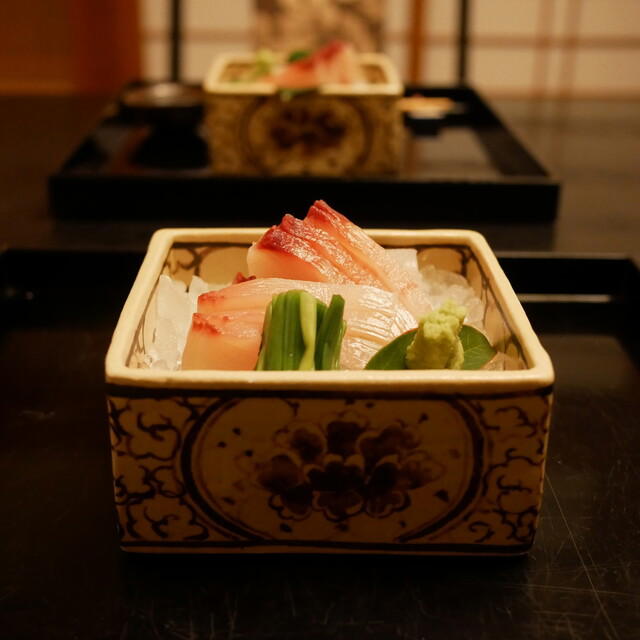
Shogetsu
Azumino, Japan
A reservations-only Japanese house restaurant in Azumino, recognized in Tabelog Hyakumeiten 2025, 2023, and 2021. Private tatami rooms seat up to 16 guests, with dinner and lunch both priced JPY 15,000–19,999. Remote location requires a car; cash-only, and the venue may close without prior bookings.
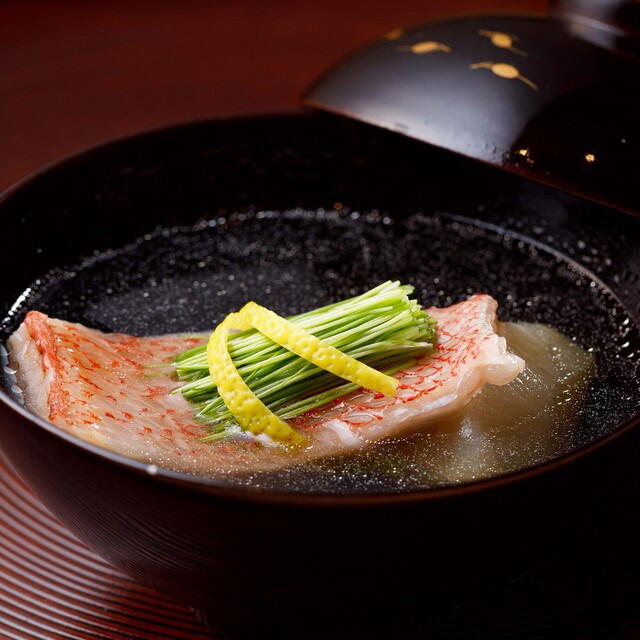
Kyoaji Motoi
Nagoya, Japan
Kyoaji Motoi is worth booking if you want recognized Japanese cuisine in Nagoya without moving into the higher spend of Higashiyama Ogata. Lunch is the sharper value play, while dinner suits a quieter special occasion. Choose Oryori Hisamatsu instead if budget matters more than recent awards momentum.
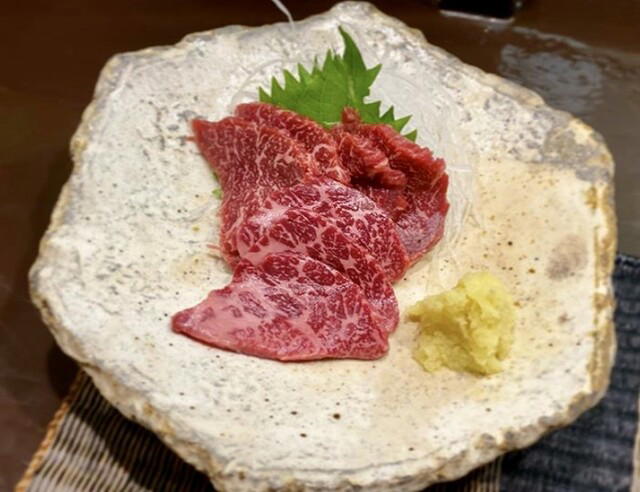
Kiku Zou
Matsumoto, Japan
Tabelog 100-recognized izakaya in Matsumoto focusing on seasonal fish and regional sake, with semi-private rooms for groups of four to twelve. At JPY 8,000–9,999, it delivers cleaner execution than neighborhood taverns without kaiseki formality, best for special occasions and group dinners near Matsumoto Castle.
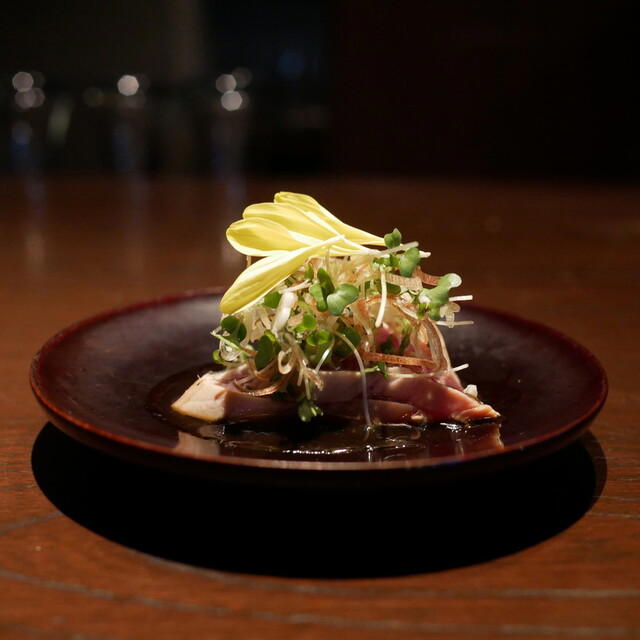
nagi
Maebashi, Japan
nagi works for a calm, quality-led Maebashi dinner in the JPY 5,000–5,999 range, especially if seasonal changes are the reason to return. It is a stronger pick than cheaper casual options when the meal matters, but not the obvious choice for a large group or a high-ceremony occasion.
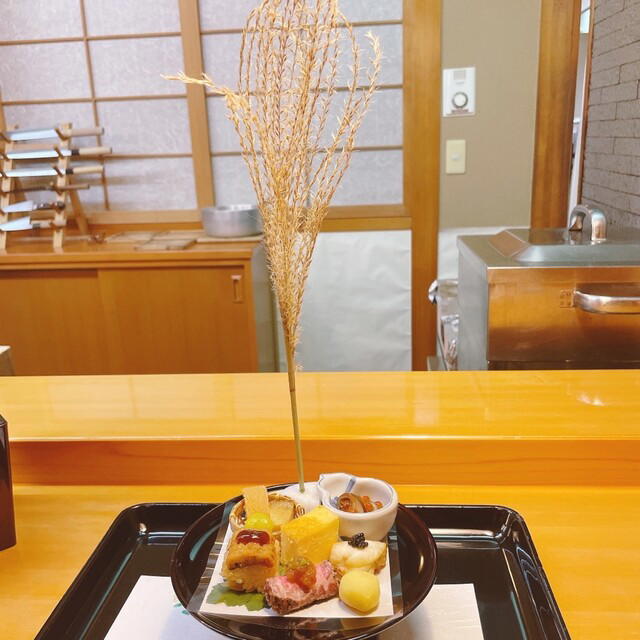
Sekine
Nagoya, Japan
A fish-focused Japanese restaurant in Kamiyamacho with a JPY 20,000–29,999 omakase format, six-seat counter, and small private rooms. Tabelog Japanese Cuisine EAST 100 recognition in 2023 and 2025 signals consistent technique, while the reservation-only policy and hideout classification keep the room intimate. Worth booking if you prioritize provenance and preparation over formal kaiseki ceremony.
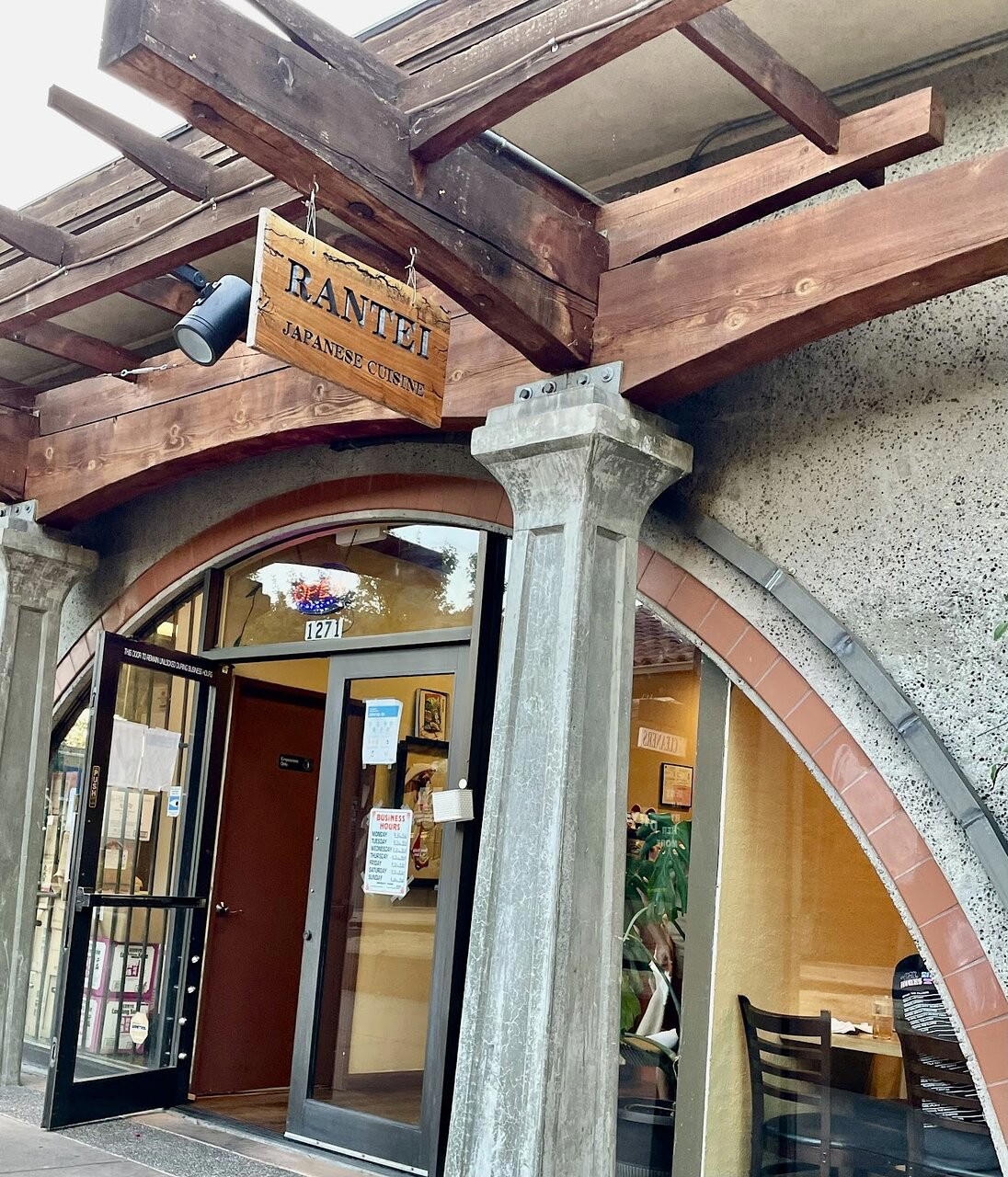
Rantei Vivian
Koriyama, Japan
Reservation-only Japanese omakase in Koriyama with eight consecutive Tabelog Bronze Awards and three Tabelog 100 selections. Seasonal kaiseki courses emphasize Fukushima fish and regional ingredients, running JPY 10,000–14,999 lunch (weekends only) and JPY 20,000–29,999 dinner. Counter and private tatami rooms for 2–20 guests; book three weeks ahead for weekend dinners.
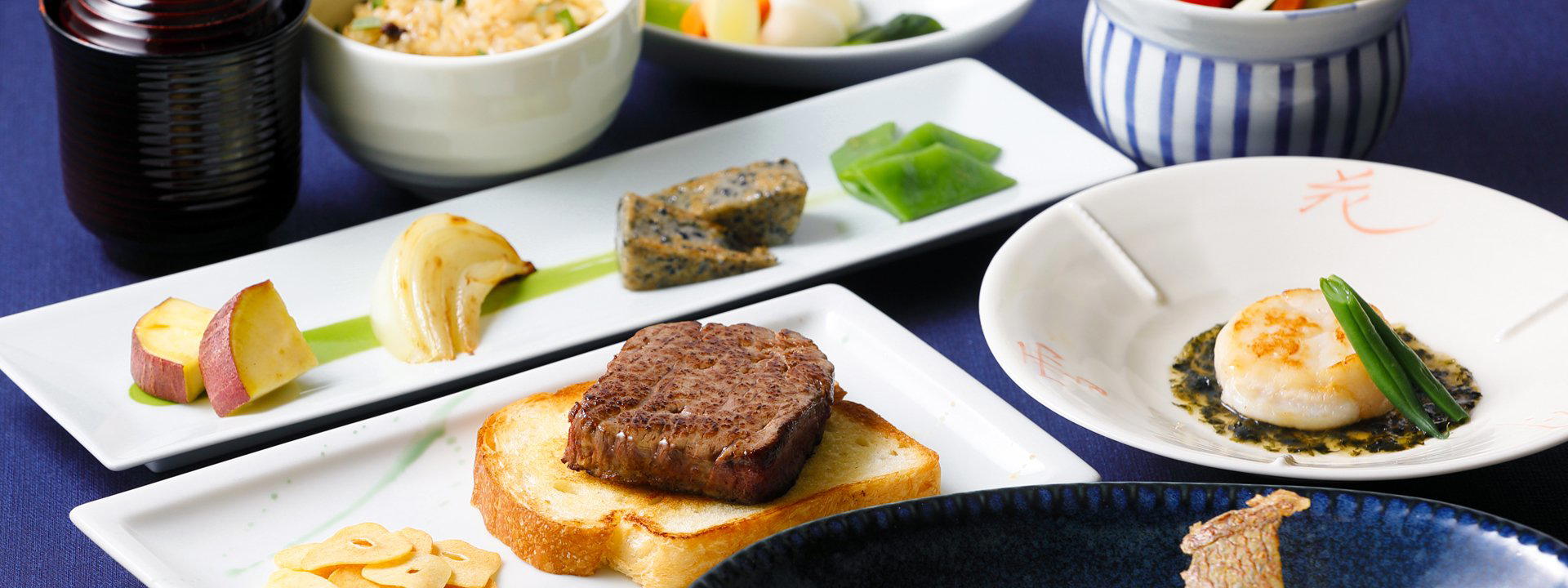
Izumo
Aichi, Japan
Izumo is one of Nagoya's most consistently decorated Japanese cuisine restaurants, holding Tabelog Bronze Awards from 2021 through 2026 and two Tabelog Top 100 EAST selections. Dinner runs JPY 30,000–49,999 per person and is reservation-only with cash payment required. Book well in advance; there is no walk-in option and no official website.
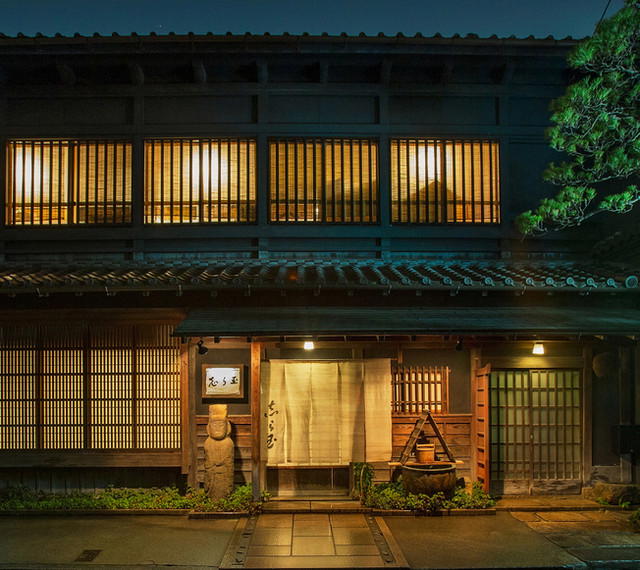
Onkaiseki Shiratama
Nagoya, Japan
Tabelog 100-selected kaiseki in an Edo-style house near Kamiiida Station, with seasonal vegetable focus and private rooms for two to fifty-plus. Dinner runs ¥20,000–29,999, lunch ¥15,000–19,999. Book ahead for special occasions; shamisen performances and a tea room add cultural depth.
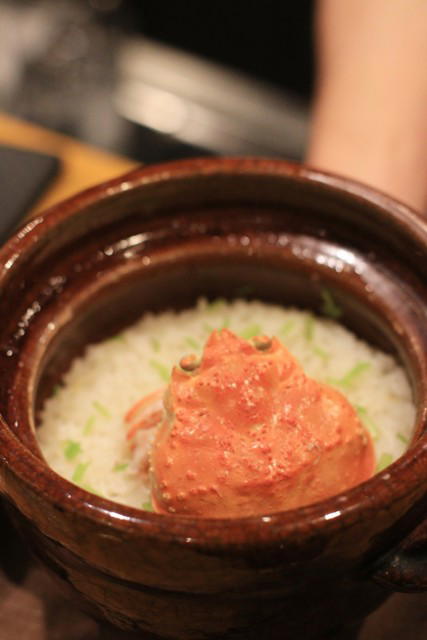
Chisouan Hijiri
Nagoya, Japan
A dinner-only Japanese restaurant in Nagoya's Higashi Ward earning three consecutive Tabelog 100 selections (2021, 2023, 2025) despite pricing in the JPY 10,000–14,999 range. The menu emphasizes seafood and soft-shell turtle with counter seating and semi-private room options, delivering award-level craft without kaiseki formality or cost.
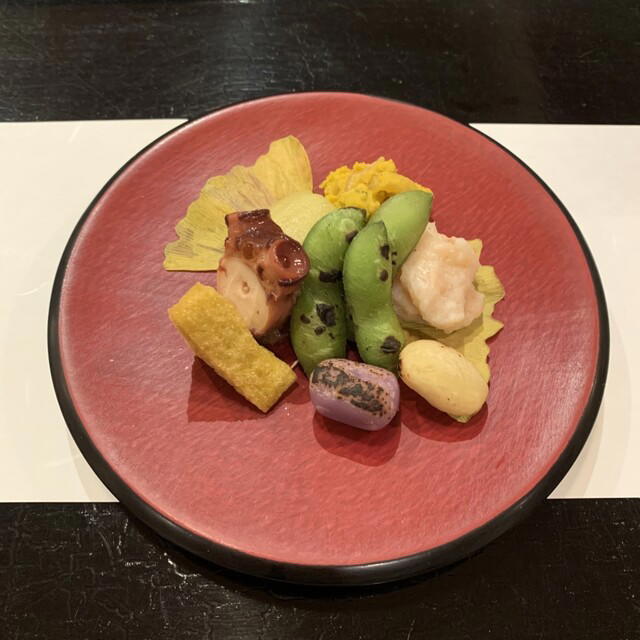
Japanese cuisine Ootake
Seto, Japan
Japanese cuisine Ootake is the Seto choice for a more deliberate Japanese meal rather than a casual stop. Book it for a quiet occasion or a return visit where pacing and recognition matter; choose Menza Katabutsu instead if value and speed are the priority.
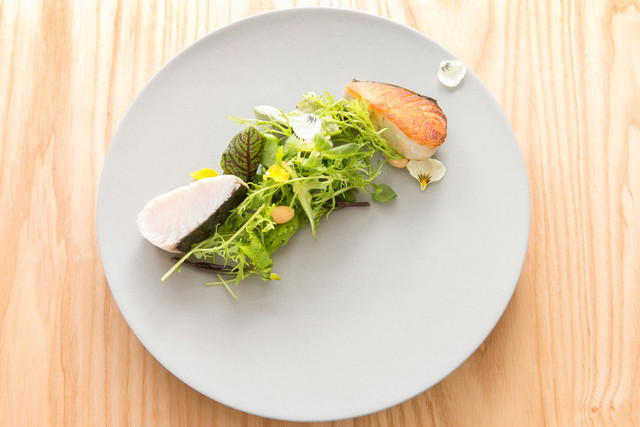
Japanese Ryori e.
Sendai, Japan
Japanese Ryori e. delivers fish-focused kaiseki with tight service windows and a Tabelog 100 track record. The seven-seat counter on the first floor offers the best vantage, though private rooms upstairs handle groups of four or more. Dinner runs ¥13,915 to ¥18,915 (tax and service included), positioning it between Sendai's sushi specialists and French fine dining. Reservation-only format, narrow last-order times, and a sake-and-wine pairing program define the experience.
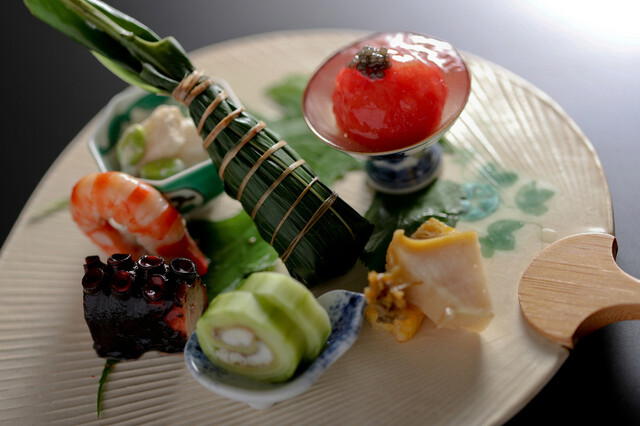
Takumi Hirano
Gifu, Japan
Reservation-only Japanese omakase counter in Gifu, recognized on Tabelog's 2025 Japanese cuisine EAST 100 list. Fixed courses run JPY 15,000–19,999, spanning roughly two and a half hours with a focus on seasonal ingredients and sake pairing. Eight counter seats plus three private rooms for two to six guests.
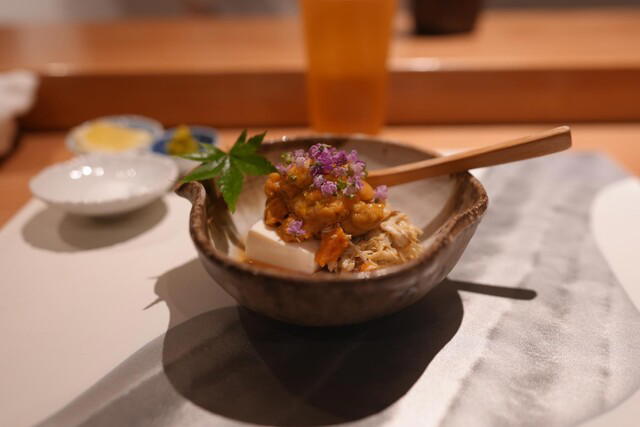
Shunzen Wada
Nagoya, Japan
Book Shunzen Wada for a quiet, food-led Nagoya dinner where ingredient quality is the main reason to pay. The value case is strongest for diners who are comfortable trusting the kitchen rather than choosing from a detailed public menu, with Tabelog 100 recognition adding useful confidence.
Overview
Tabelog 100 - Japanese cuisine - EAST - 2025 is an authoritative annual ranking of the 100 best Japanese restaurants across East Japan. Compiled by Tabelog, Japan’s largest and most trusted restaurant review platform, this list highlights culinary excellence from Tokyo to Tohoku, spotlighting chefs and venues that define Japanese gastronomy in the region.
Established by Tabelog, Japan’s leading restaurant review site, the Tabelog 100 list showcases the finest Japanese cuisine venues in East Japan, covering diverse prefectures including Tokyo, Kanagawa, Chiba, and the Tohoku region. Since its inception, the list has become a benchmark for culinary quality and innovation, reflecting both traditional and modern approaches to Japanese dining. It serves as a vital guide for locals and global travelers seeking authentic and exceptional gastronomic experiences within Japan’s vibrant eastern culinary landscape.
Pearl proudly presents the 2025 Tabelog 100 list for Japanese cuisine in East Japan, a definitive guide to the region’s most outstanding restaurants. From Michelin-starred kaiseki in Tokyo to rustic izakayas in Sendai, this collection celebrates the artistry and diversity of Japan’s culinary traditions. Ideal for discerning diners and travelers, it offers an insider’s look at where to savor authentic flavors and innovative techniques that define Japan’s eastern gastronomic scene.
Quick Facts
- Publisher
- Tabelog
- Year
- 2025
- Coverage
- East Japan (Tokyo, Kanagawa, Chiba, Tohoku, others)
- Items
- 100 Japanese cuisine restaurants
- Frequency
- Annual
About This Edition
The 2025 edition of the Tabelog 100 for East Japan highlights exciting trends such as the resurgence of regional specialties and the rise of sustainable dining practices. New entries include innovative sushi bars and contemporary kaiseki venues that blend tradition with modernity. This year’s list reflects a dynamic culinary landscape responding to shifting tastes and a renewed appreciation for craftsmanship across diverse prefectures.
Frequently Asked Questions
What is Tabelog 100 - Japanese cuisine - EAST - 2025?
How are honorees selected?
How often is this list updated?
How can I find these on Pearl?
How many of these have you visited?
Find out on Pearl and keep score across every place in Tabelog 100 - Japanese cuisine - EAST - 2025.