
Shin Japanese cuisine Kanya
Toki
Restaurant in Toki, Japan
 Book with Pearl
The Read
Price
JPY 8,000 - JPY 9,999 JPY 5,000 - JPY 5,999
Dress
Smart Casual
Why go
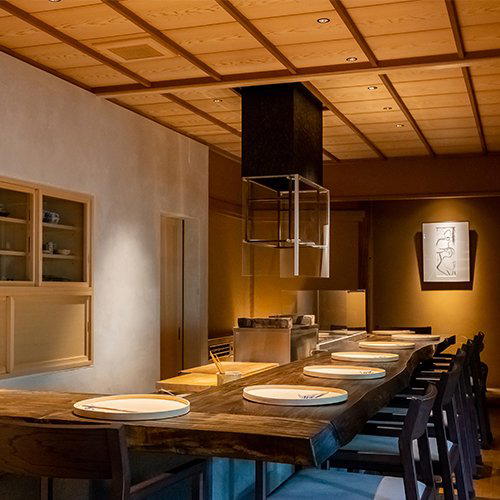
Reservation-only Japanese restaurant outside Tokishi Station, selected for Tabelog 100 – Japanese cuisine EAST 2025. Private tatami rooms (two to eight guests) and an eight-seat counter anchor a family-friendly, cash-only format at JPY 8,000 to JPY 9,999 dinner. The house-restaurant setting and flexible room configurations favor celebratory group bookings over solo visits. Lunch runs JPY 5,000 to JPY 5,999; closed Wednesdays.
About Shin Japanese cuisine Kanya
Shin Japanese cuisine Kanya is a Toki venue with recognition in Tabelog 100 – Japanese cuisine EAST 2025. Price bands are JPY 8,000 to JPY 9,999 and JPY 5,000 to JPY 5,999, and the restaurant is listed with both midday and evening hours on its open days. Dress code is smart casual.
Operating hours are Monday, Tuesday, Thursday, Friday, Saturday, and Sunday from 11:30 AM to 2:00 PM and 5:00 PM to 10:00 PM. Wednesday is closed. Beyond those basics, specific details such as seating layout, payment methods, booking rules, menu structure, and parking should be confirmed directly before planning a visit.
Private Dining and Room Flexibility
Specific private-room availability, seat counts, counter arrangements, and room configurations should be confirmed directly. For a group meal, the safest approach is to treat Shin Japanese cuisine Kanya as a smart-casual Toki restaurant with midday and evening operating windows on most days, then confirm the seating arrangement directly before booking.
Price information places Shin Japanese cuisine Kanya in the JPY 5,000 to JPY 5,999 and JPY 8,000 to JPY 9,999 bands. For comparison, comparable venue options such as Belle Equipe, Shinano Ya, Nobumi, Una Sen, and Niku no Higuchi Chokuei Yakiniku Yasufuku Honten may suit different preferences, but specific comparisons should be made on current published details rather than assumed formats.
Booking and Timing Considerations
The schedule gives diners two broad timing options on open days: 11:30 AM to 2:00 PM and 5:00 PM to 10:00 PM. Wednesday is the only closure. Any reservation requirements, special-occasion services, payment rules, or holiday exceptions should be checked directly with the venue.
For context within Toki's dining options, Shin Japanese cuisine Kanya is best understood from its Toki location, smart-casual dress, listed midday and evening hours on open days, the stated price bands, and Tabelog 100 – Japanese cuisine EAST 2025 recognition.
Planning details
- Location
- Tokiguchi-1-1 Tokitsucho, Toki, Gifu 509-5122, Japan
- Website
- j47.jp/kanya
- Phone
- +81 572-55-0500
Venue details
Ambiance
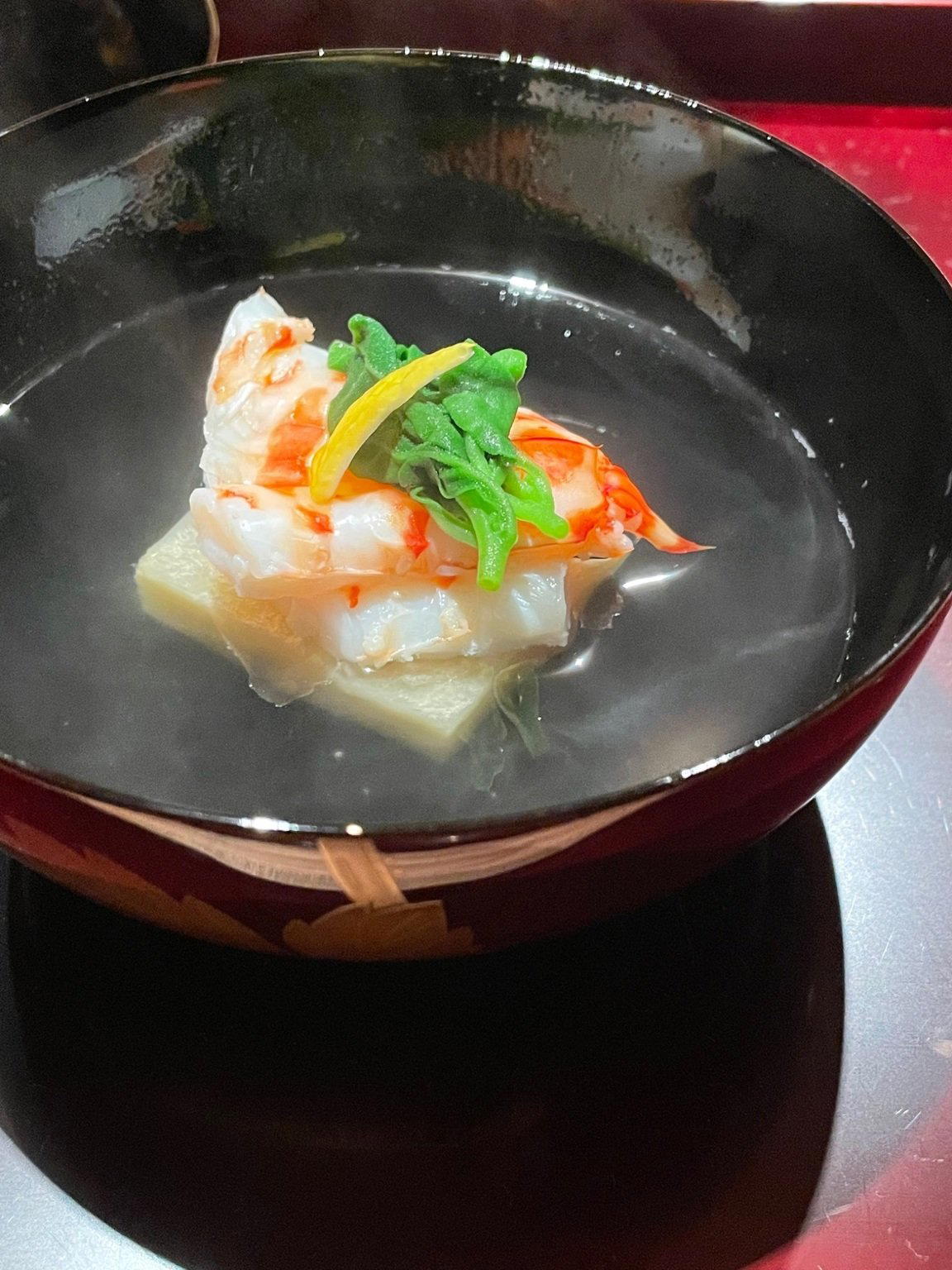
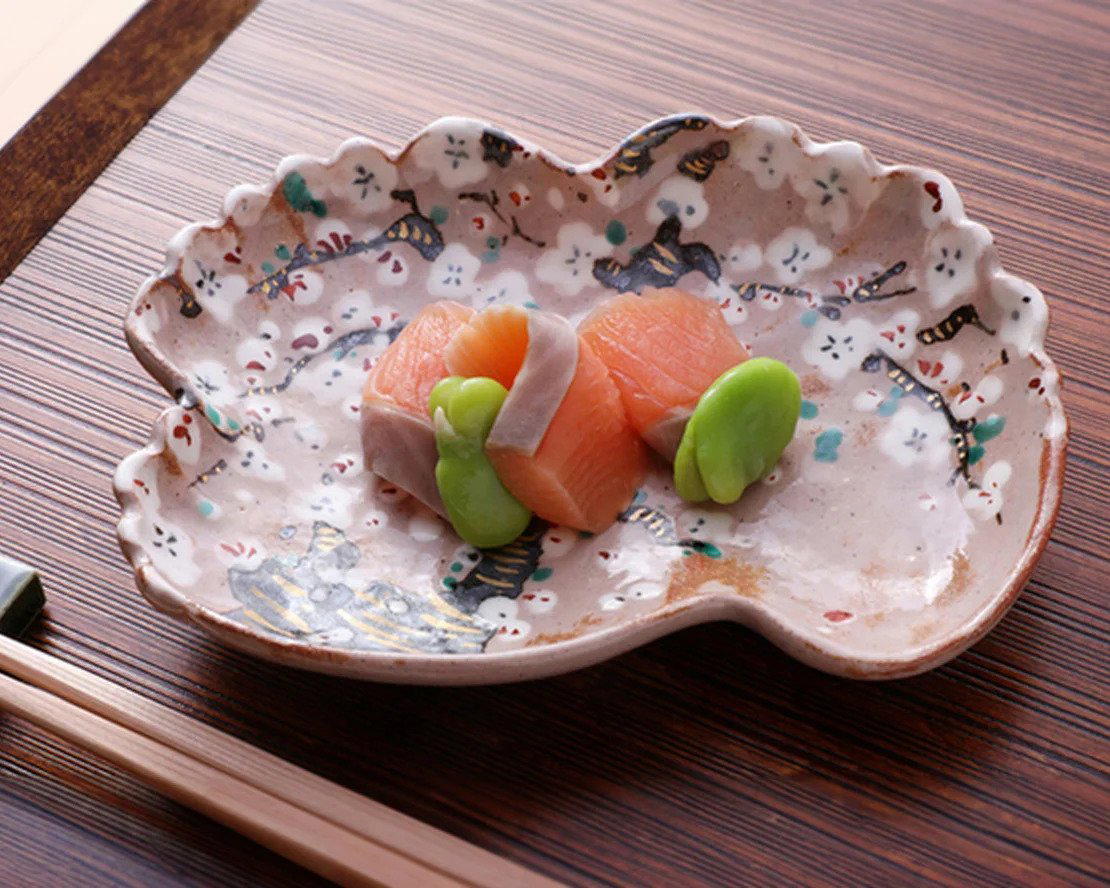
A calm, intimate Japanese dining room with a classic, understated design that focuses attention on carefully presented seasonal dishes rather than on flashy decor.
Tags
Vibe
Best For
Experience
Sourcing
At the Table
- Dress Code
- Smart Casual
- Noise Level
- Quiet
- Service Style
- Formal
- Meal Pacing
- Leisurely
- Capacity
- Small
Know before you go
Know Before You Go
- Getting there
- Tokiguchi-1-1 Tokitsucho, Toki, Gifu 509-5122, Japan
Planning details
Location
Recognition and awards
Also consider
Also Consider
- Nobumi, JPY 3,000 - JPY 3,999 View spending breakdown, JPY 3,000 - JPY 3,999 View spending breakdown
- Una Sen, JPY 3,000 - JPY 3,999 JPY 3,000 - JPY 3,999, JPY 3,000 - JPY 3,999 JPY 3,000 - JPY 3,999
- Shinano Ya, JPY 1,000 - JPY 1,999, JPY 1,000 - JPY 1,999
- Belle Equipe, French, JPY 10,000 - JPY 14,999 JPY 2,000 - JPY 2,999
- Niku no Higuchi Chokuei Yakiniku Yasufuku Honten, JPY 5,000 - JPY 5,999 JPY 1,000 - JPY 1,999, JPY 5,000 - JPY 5,999 JPY 1,000 - JPY 1,999
Restaurant context
Among Toki's dining options, Shin Japanese cuisine Kanya commands the highest dinner price at JPY 8,000 to JPY 9,999, with Belle Equipe matching that range through French technique rather than Japanese tradition. Niku no Higuchi Chokuei Yakiniku Yasufuku Honten (JPY 5,000 to JPY 5,999 dinner) delivers yakiniku at a more accessible tier, while Nobumi and Una Sen (both JPY 3,000 to JPY 3,999) offer casual meals without the reservation formality or private-room infrastructure. For groups of four or more seeking tatami seating and Japanese coursework, Kanya's room flexibility justifies the premium over counter-only formats.
Booking difficulty separates these options: Kanya operates reservation-only with limited weekly hours, Belle Equipe shares similar advance-request patterns, and the lower-priced spots accommodate walk-ins more readily. Shinano Ya (JPY 1,000 to JPY 1,999) serves as the easiest fallback for last-minute plans, though the format and ambiance won't match Kanya's occasion-driven positioning. If the private-room setup matters less than cuisine style, Belle Equipe provides French refinement at comparable cost; if budget flexibility allows, Kanya's Tabelog 100 recognition signals technical execution above neighborhood yakiniku or izakaya alternatives.
Explore Toki
Around this place
Discover more on Pearl
Unlock the full Shin Japanese cuisine Kanya guide in Pearl, including awards, comparisons, FAQs, planning details, and nearby places.
FAQ
Frequently Asked Questions
Is Shin Japanese cuisine Kanya good for solo dining?
Shin Japanese cuisine Kanya is in Toki, has smart-casual dress, and lists hours from 11:30 AM to 2:00 PM and 5:00 PM to 10:00 PM on Monday, Tuesday, Thursday, Friday, Saturday, and Sunday. It is closed Wednesday.
Does Shin Japanese cuisine Kanya handle dietary restrictions?
Is Shin Japanese cuisine Kanya worth it?
Price bands are JPY 5,000 to JPY 5,999 and JPY 8,000 to JPY 9,999. Shin Japanese cuisine Kanya also has Tabelog 100 – Japanese cuisine EAST 2025 recognition. Menu format and course details vary, so value will depend on what the venue is offering when you visit.
What are alternatives to Shin Japanese cuisine Kanya in Toki?
Other comparisons venues include Nobumi, Una Sen, Shinano Ya, Belle Equipe, and Niku no Higuchi Chokuei Yakiniku Yasufuku Honten. They may serve different dining needs, so compare current hours, prices, and formats before choosing.
What should a first-timer know about Shin Japanese cuisine Kanya?
Shin Japanese cuisine Kanya is in Toki. Hours are 11:30 AM to 2:00 PM and 5:00 PM to 10:00 PM on Monday, Tuesday, Thursday, Friday, Saturday, and Sunday; Wednesday is closed. Price bands are JPY 5,000 to JPY 5,999 and JPY 8,000 to JPY 9,999. Dress code is smart casual.