
Nano Hana
Honcho, Aomori
Restaurant in Aomori, Japan
 Book with Pearl
The Read
Price
JPY 15,000 - JPY 19,999 View spending breakdown
Dress
Smart Casual
Why go
Fish-focused kaiseki counter in Aomori with Tabelog 100 recognition and seasonal Tohoku sourcing. JPY 15,000–19,999 per head buys a quiet, ingredient-driven experience at a 10-seat counter plus private room. Best for solo diners and small groups who prioritize seafood quality over theatrical service. Reservations straightforward; spring and winter offer the strongest seasonal menus.
About Nano Hana
Sixteen seats and a Tabelog 100 nod put Nano Hana on the shortlist of Aomori's serious dining rooms, but the real scarcity signal here is seasonal: the counter-focused Japanese kaiseki format hinges entirely on northern Tohoku's spring and winter catch cycles, with seafood sourcing that changes faster than most restaurants in this price bracket. At JPY 15,000–19,999 per head, the room operates in a tier above most of the city's izakaya-adjacent kaiseki spots but below Tokyo's multi-starred omakase price bands. Reservations are direct (call ahead, no multi-week wait), and the 10-seat counter plus 6-seat private room configuration tilts the experience toward solo diners, couples, and small groups who value ingredient focus over theatrical service. If your benchmark is Tsugaru Kappou Mirai at the same price, Nano Hana reads quieter and more austere, less regional pageantry, more precision in fish handling.
Fish-Forward Kaiseki with Seasonal Discipline
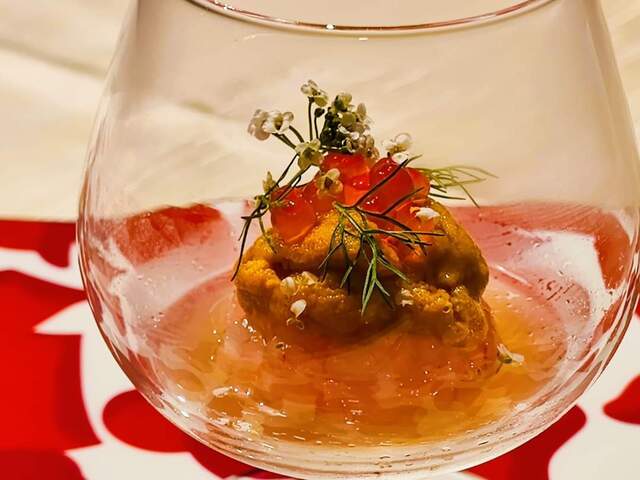
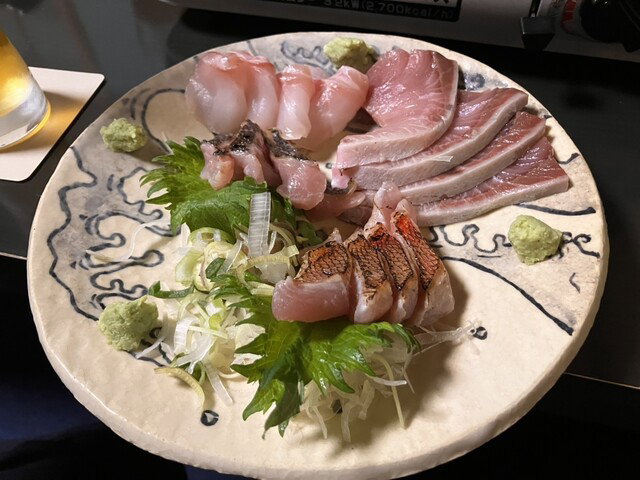
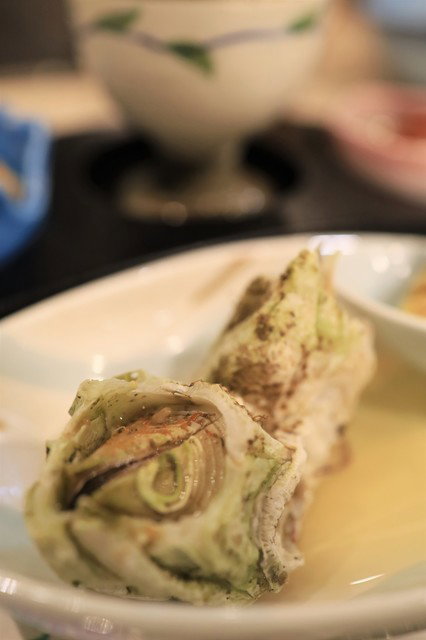
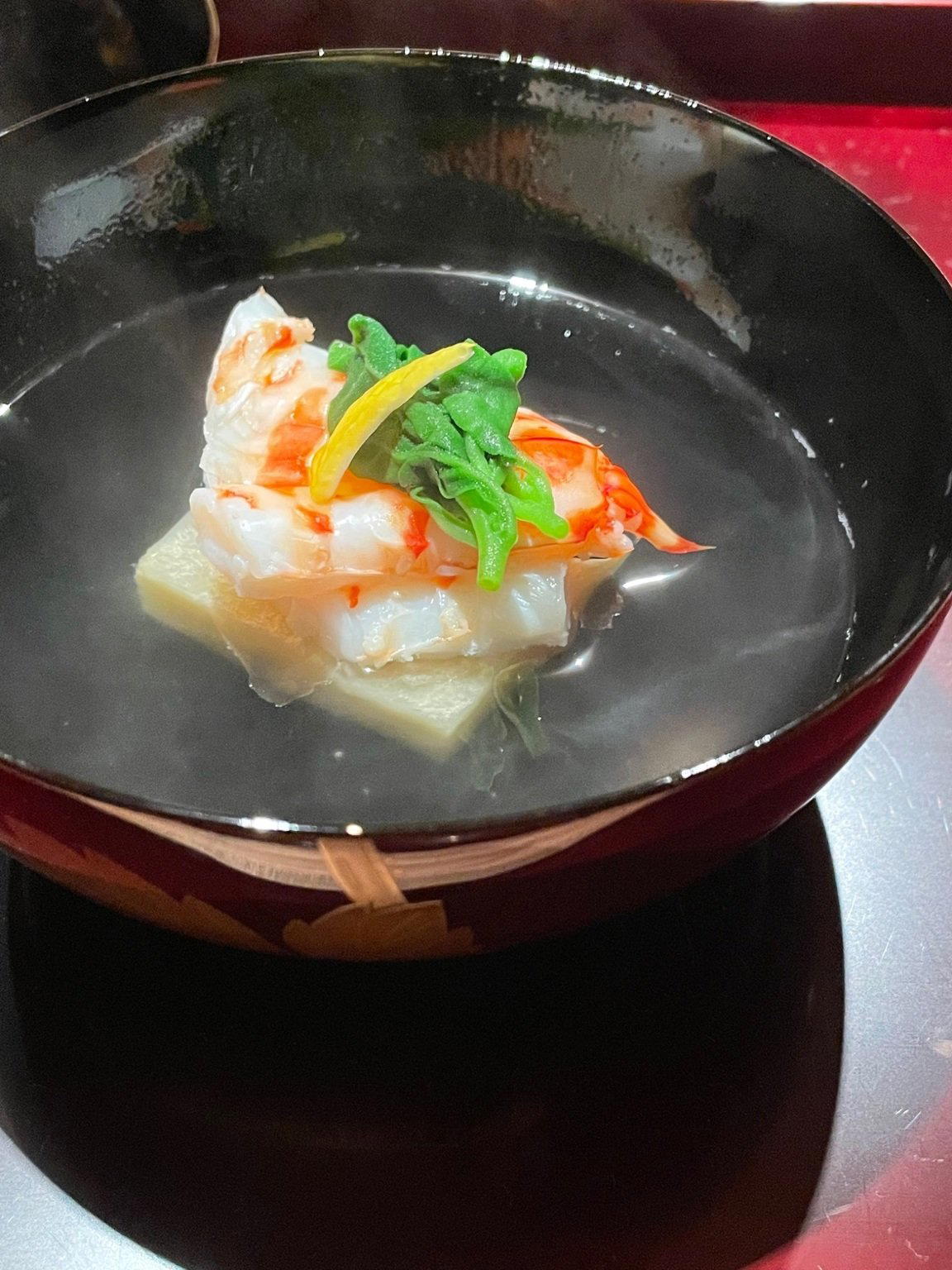
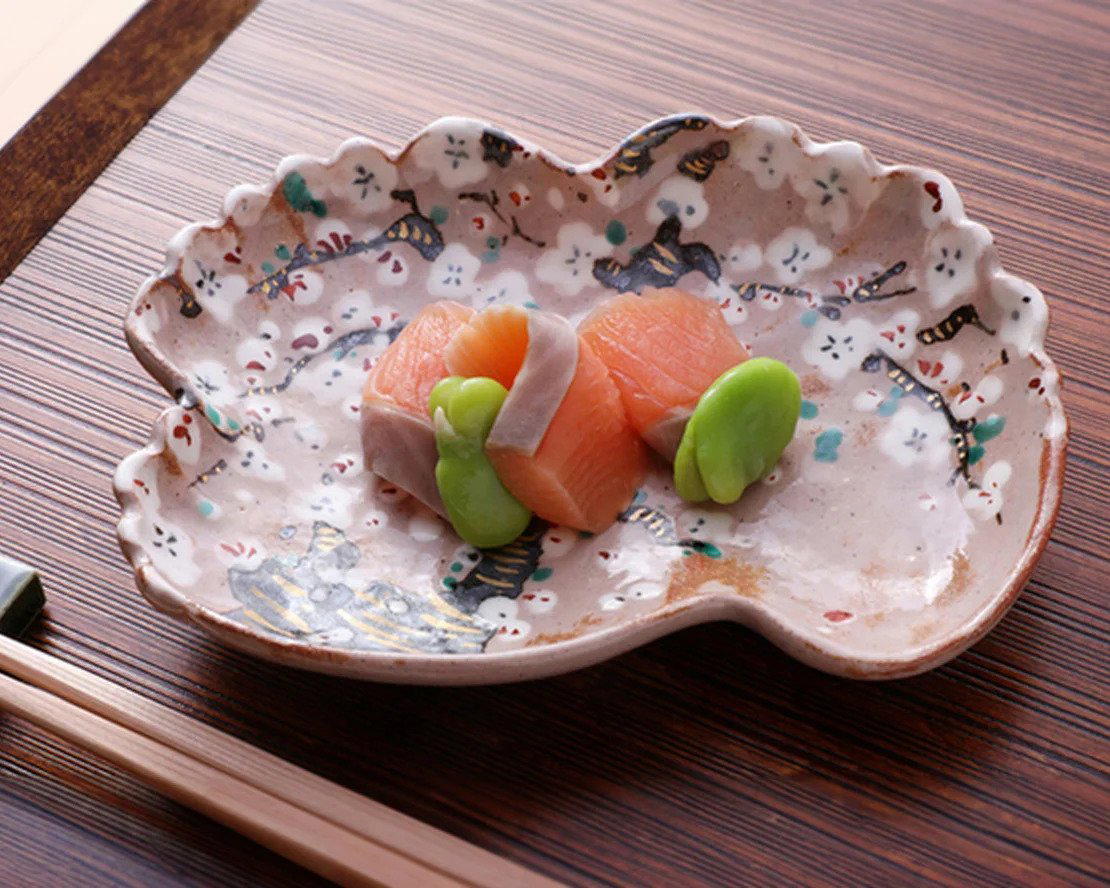
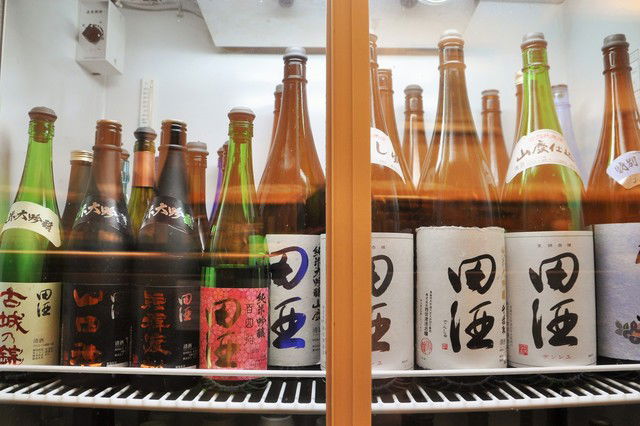
The menu follows a traditional Japanese kaiseki progression: appetizer, sashimi, grilled course, simmered dish, rice, soup. What sets this room apart from Aomori's broader kaiseki landscape is the explicit focus on fish sourcing, Tabelog's venue notes flag "particular about fish" as the primary draw, and the spring season brings wild vegetables, shrimp, thorny crab, and sakura masu (cherry salmon) into the rotation. The format is seasonal omakase, which means you're eating what the kitchen secured that day from local suppliers rather than selecting à la carte. This makes the experience dependent on timing: spring (April–May) delivers the most variety, while winter leans heavily on crab and local shellfish. The sake selection emphasizes Aomori prefecture labels, with shochu and nihonshu dominating the drinks menu. Expect a slower pace than sushi-counter dining, kaiseki courses unfold over two hours, and the small room size means the chef and one or two assistants handle everything in sight.
Counter Seating vs. Private Room Trade-offs
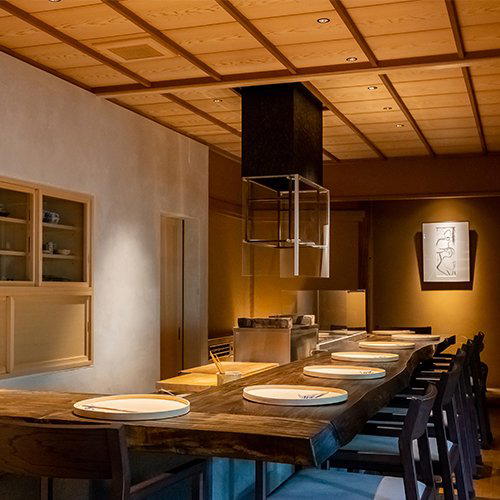
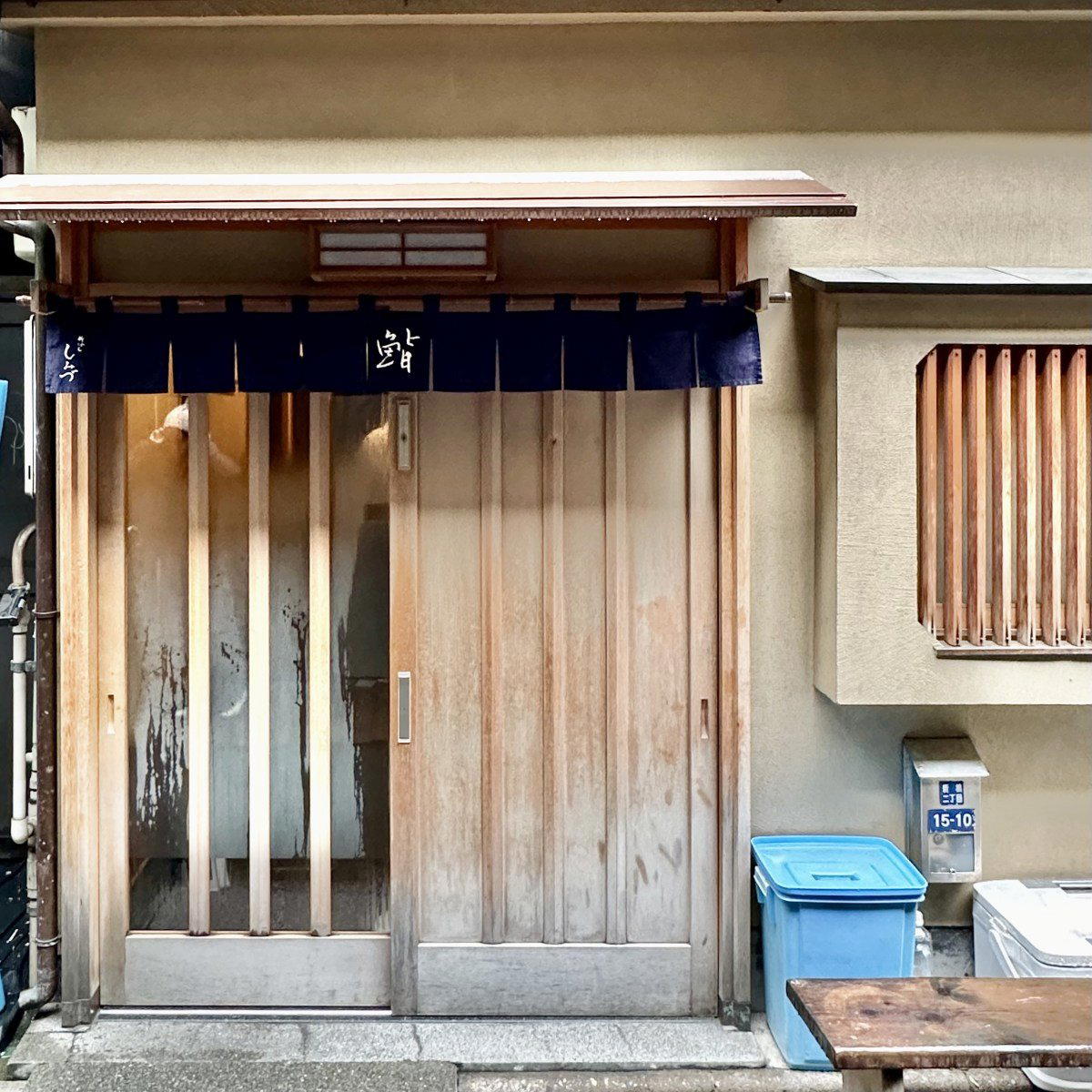
The 10-seat counter is the main attraction: direct sightlines to prep work, quiet interaction with the chef, and the option to ask questions about sourcing or technique. Solo diners and pairs should default to the counter unless they prefer more privacy. The 6-person private room (table seating) suits groups who want conversation without counter etiquette constraints, but you lose the visual theater of watching the chef work. Smoking is permitted at the counter but not in the private room, an unusual configuration that may matter if you're sensitive to ambient smoke. The room itself is described as "hideout" style: low-key entrance, minimal signage, deliberate under-the-radar positioning in Honcho district. Parking is paid lot across the street; budget an extra 10 minutes if you're driving in from Aomori Station (five minutes by car, walkable but not convenient with luggage).
Dress expectations skew business-casual to business-formal, this is a Tabelog 100 room in a regional capital, so most guests arrive in collared shirts or equivalent. Jeans are tolerated but not common. Credit cards accepted (Visa, Master, JCB, Amex, Diners), no service charge noted. The kitchen operates dinner-only, 6 PM–10 PM with last order at 9 PM; closed irregularly (no fixed weekly closure), so confirm availability when booking. For readers who can't secure a table here or want a lighter check, Hata Zen offers a similar regional-Japanese kaiseki approach at JPY 10,000–14,999, while Sushi Izakaya Taru drops to JPY 5,000–5,999 for more casual sushi and izakaya fare. Nano Hana justifies the premium if your priority is fish quality and seasonal sourcing discipline; it's less justifiable if you're after elaborate plating or extensive wine pairings, neither of which are strengths here. Worth booking if you're already in Aomori and want the city's most fish-centric kaiseki counter. Less essential if you're routing through Tohoku and comparing against higher-tier rooms in Sendai or Tokyo.
Planning details
- Location
- 青森県青森市本町5-4-20
- Website
- aomori-nanohana.sakura.ne.jp
- Phone
- +81177757265
The take
The Take
The Vibe
Nano Hana presents itself as a regional Japanese dining option in Aomori that leans into seasonal rhythms — the listing highlights the arrival of spring and the cherry blossom front. The restaurant is set up to host parties and offers private rooms, which suggests a discreet, group-oriented dining environment rather than an open, bar-driven scene. The overall impression is of a locally minded Japanese spot that caters to events and seasonal celebrations, with a focus on private, reservation-based dining experiences.
Best For
This spot is best for organized gatherings and celebratory meals. The listing explicitly notes that the restaurant is accepting reservations for welcome and farewell parties and that private rooms are available, so it suits groups who want a reserved space for a milestone or a formal get-together. Travelers or locals seeking a venue for a private event or a group dinner in Aomori will find the reservation-focused format useful; solo diners or casual walk-ins are not emphasized in the description.
Ordering Tips
Make reservations in advance, especially for parties, since the restaurant specifically calls out welcome and farewell party bookings and private rooms. Check the Tabelog listing for menu details, photos, and user reviews before booking to confirm menu options and pricing. Note that the venue mentions sectionalized smoking, so inquire about room allocation or smoking policies when you reserve to ensure the best fit for your party.
Venue details
Ambiance
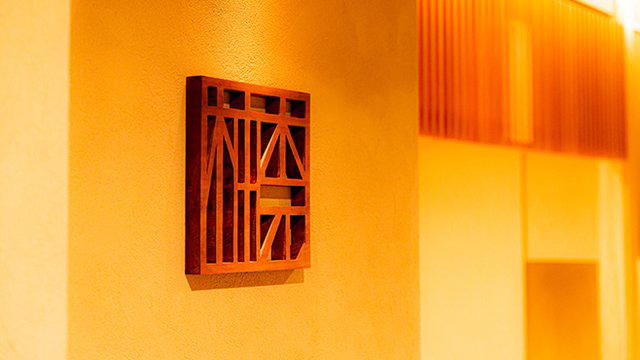
Quiet, intimate, and refined, with a small counter-driven dining room suited to a focused culinary experience.
Tags
Vibe
Best For
Experience
Sourcing
At the Table
- Dress Code
- Smart Casual
- Noise Level
- Quiet
- Service Style
- Upscale Casual
- Meal Pacing
- Extended Experience
- Capacity
- Intimate
Know before you go
Know Before You Go
- Getting there
- 青森県青森市本町5-4-20
Planning details
Location
Recognition and awards
Also consider
Also Consider
- Hata Zen, JPY 10,000 - JPY 14,999 View spending breakdown, JPY 10,000 - JPY 14,999 View spending breakdown
- Sumibi Yakiniku Daijun, JPY 6,000 - JPY 7,999, JPY 6,000 - JPY 7,999
- アルチェントロ, Notable alternative
- Tsugaru Kappou Mirai, JPY 15,000 - JPY 19,999 JPY 10,000 - JPY 14,999, JPY 15,000 - JPY 19,999 JPY 10,000 - JPY 14,999
- Sushi Izakaya Taru, JPY 5,000 - JPY 5,999, JPY 5,000 - JPY 5,999
Restaurant context
At JPY 15,000–19,999, Nano Hana sits at the top of Aomori's kaiseki price ladder alongside Tsugaru Kappou Mirai, which charges the same range but leans harder into regional Tsugaru presentations and theatrical plating. Nano Hana delivers more austere, fish-forward technique, better for diners who care about ingredient sourcing over elaborate garnishes. If JPY 15,000+ feels steep for a single dinner, Hata Zen offers a comparable Japanese kaiseki format at JPY 10,000–14,999 with easier walk-in availability and a slightly larger room. For readers prioritizing value over accolades, Sumibi Yakiniku Daijun drops to JPY 6,000–7,999 for yakiniku (grilled meat) in a more casual setting, while Sushi Izakaya Taru covers sushi and izakaya fare at JPY 5,000–5,999.
Nano Hana's Tabelog 100 (Japanese cuisine – EAST – 2025) badge gives it editorial credibility that the other rooms lack, but the trade-off is a quieter, more restrained experience. Tsugaru Kappou Mirai is louder, more celebratory, and better suited to groups of four or more who want a full regional showcase. Nano Hana works for solo travelers, serious fish enthusiasts, and anyone who prefers counter seating over table service. Booking difficulty is low across all five venues, none require multi-week advance reservations, but Nano Hana's seasonal menu makes spring (April–May) and winter (December–February) the highest-value windows. If your Aomori itinerary includes only one splurge dinner, Nano Hana is the safest bet for seafood quality; Hata Zen is the compromise if you want similar technique at a lower check.
Explore Aomori
Around this place
Discover more on Pearl
Unlock the full Nano Hana guide in Pearl, including awards, comparisons, FAQs, planning details, and nearby places.
FAQ
Frequently Asked Questions
Is Nano Hana good for solo dining?
The 10-seat counter is built for solo diners, direct sightlines to prep, quiet interaction with the chef, and no awkward table dynamics. Recognized in the 2025 Tabelog 100 for Japanese cuisine EAST, the kaiseki format moves at a steady pace without long waits between courses. Dinner runs ¥15,000–¥19,999, so solo value depends on whether you prioritize fish quality over variety.
What should I wear to Nano Hana?
No dress code is published, but the counter-focused format and ¥15,000+ price point suggest business casual or better. The private room is table seating and may feel more forgiving for casual attire, though the kaiseki progression still reads formal. Skip beachwear or gym clothes.
Can Nano Hana accommodate groups?
The private room seats up to 6 at a table and is the only group-friendly option, the 10-seat counter is better suited for solo diners or pairs. Total capacity is 16, so parties larger than 6 should confirm availability in advance. The counter offers better proximity to the kitchen, but the private room works for business dinners or quiet celebrations.
Is Nano Hana worth the price?
At ¥15,000–¥19,999, the fish-forward kaiseki justifies the cost if you value seasonal sourcing and technique over protein variety. The Tabelog 100 recognition validates the execution, and the counter format adds transparency. For broader ingredient range at similar prices, Tsugaru Kappou Mirai offers more diverse regional sourcing; for grilled focus, Sumibi Yakiniku Daijun shifts the value equation.
Is Nano Hana good for a special occasion?
The private room for 6 makes this a practical choice for celebrations that require conversation space, and the kaiseki format signals formality. The counter is better for food-focused occasions where prep visibility matters. Reservations are available but advance booking is advised given the 16-seat capacity and Tabelog 100 status.