

Tabelog 100 - Diner - 2026: Japan’s Top Casual Dining Spots
Tabelog 100 (Hyakumeiten) Diner selection for 2026. Tabelog publishes these as source-ordered lists of 100 restaurants.

Venues on this list
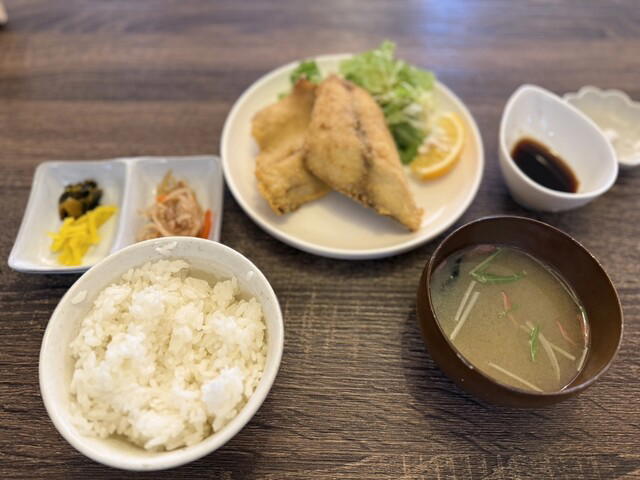
Aji Furai Shokudo Kaba
Fukuoka, Japan
A 10-seat Jonan Ward shokudo serving fried horse mackerel sets under JPY 1,000, named to the Tabelog 100 Diner list two years running. No reservations, cash only, and a single-dish focus that rewards regulars more than travelers. Takeout available but texture suffers; eat in if possible.
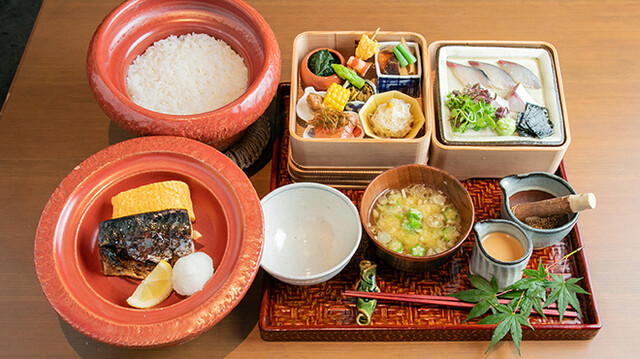
Sabatarou
Fukuoka, Japan
Sabatarou serves clay-pot rice cooked to order at breakfast and lunch in Akasaka, earning a spot on Tabelog 100 Diner 2026 within three years of opening. At JPY 3,000–3,999, it's a straightforward, technically sound meal paired with Kyushu sake. Reservations through TableCheck are mandatory; the 18-seat space fills quickly for its three morning and three midday seatings.
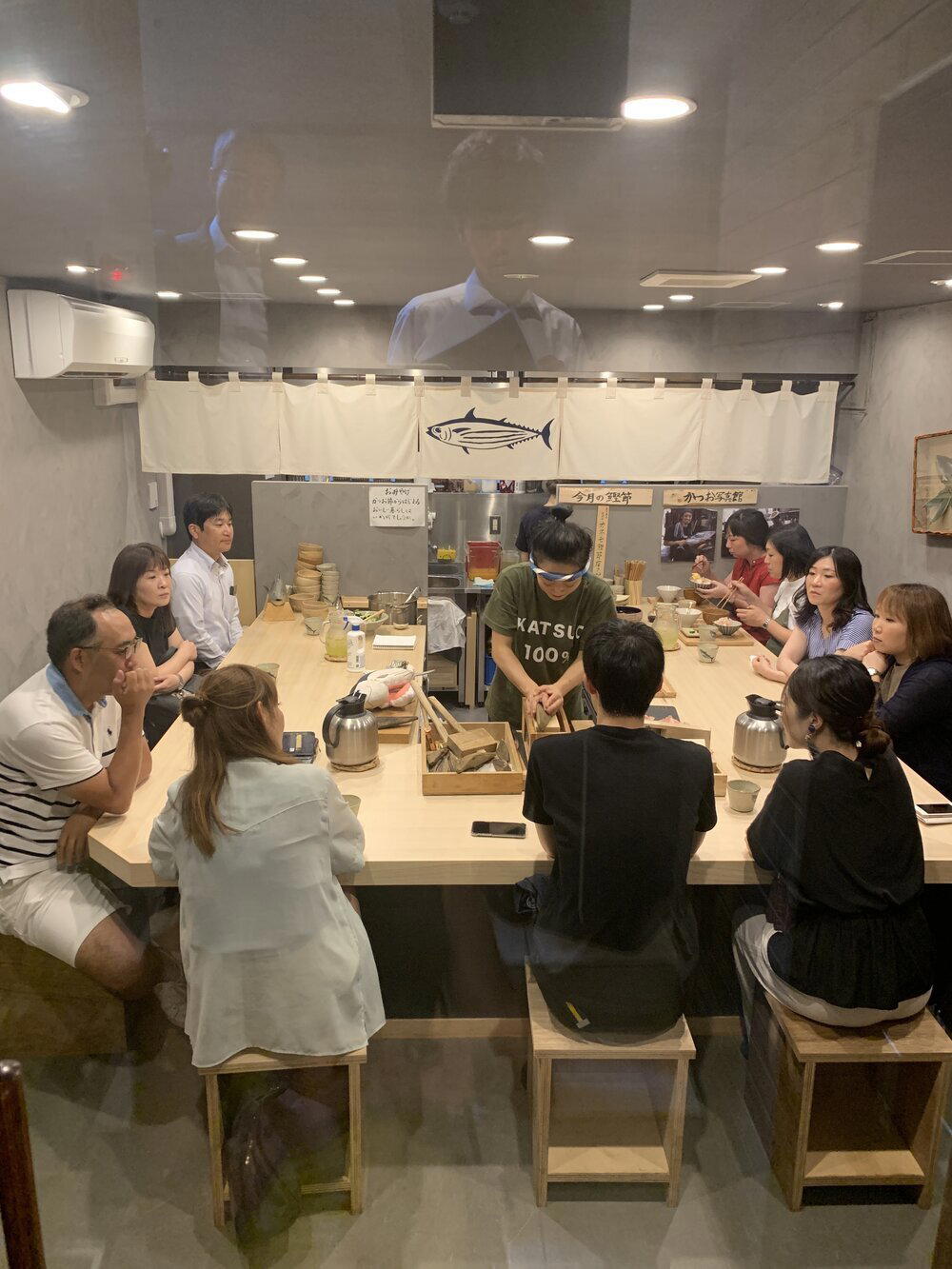
Katsuo Shokudo
Tokyo, Japan
A Michelin Bib Gourmand counter restaurant in Shibuya built entirely around katsuobushi, with a set menu covering grilled bonito, shaved bonito on rice, and bonito-broth miso soup. At the ¥ price tier, it delivers a focused, craft-led counter experience that outperforms its price point. Easy to book, and genuinely worth it for returning Tokyo visitors.
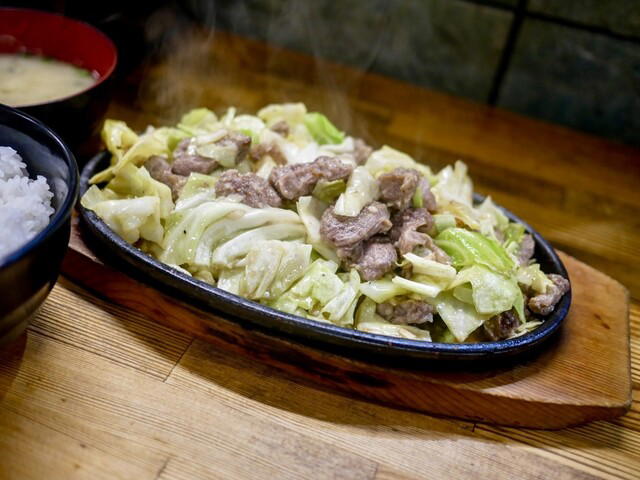
Bikkuri Tei Honke Honten
Fukuoka, Japan
A Tabelog Diner 100 cafeteria near Minami-Fukuoka Station, serving takeout-friendly comfort plates for ¥1,000–¥1,999 daily until 11:30 PM. Counter and table seating suit solo diners and small groups; cash-free QR payments work, credit cards don't. Book this for value and convenience, not atmosphere.
Tadokoro Foods Eat-in
Tokyo, Japan
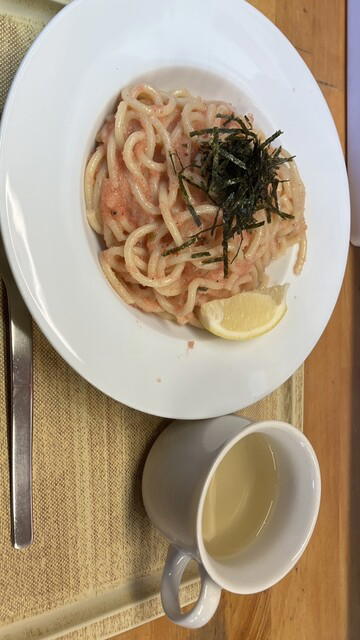
Tadokoro Foods Eat-in serves cafeteria-style breakfast and lunch at under ¥1,000 in Tsukiji, recognized on Tabelog's 100 Diners 2026 list. The 16-seat space; four counter seats, six standing tables; suits solo travelers and early risers who want a quick, no-reservations meal near the former market. Arrive before 8 AM to avoid lines.
Uomasa
Amakusa, Japan
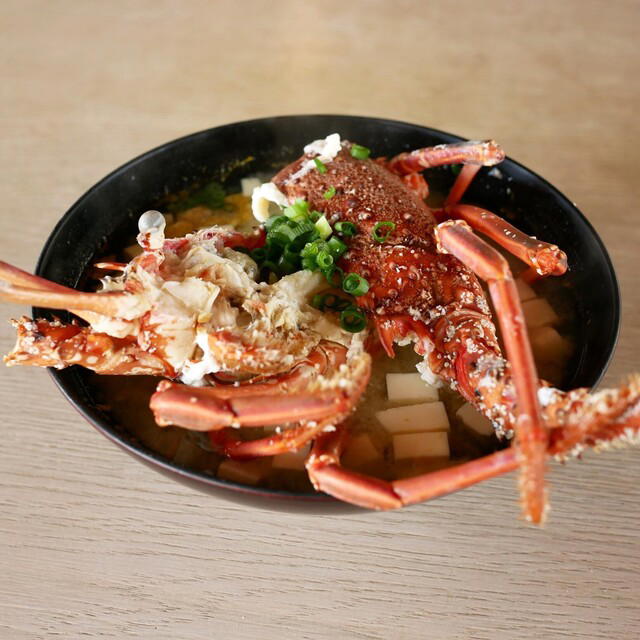
Tabelog 100 - Diner - 2026 cafeteria serving fresh seafood from Ushibuka Port at JPY 1,000–1,999 for lunch. The 62-seat dining room (split between tatami and table seating) accommodates groups, with ocean views and a walk-in-only policy. Cash-only, family-friendly, and accessible for travelers exploring Amakusa's southern coast without reservations.
Sumibi Yakisakana Bento Sumisawa
Tokyo, Japan
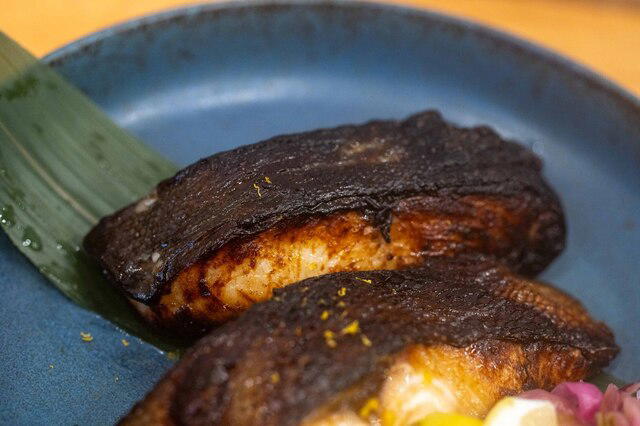
A five-seat Setagaya counter serving charcoal-grilled fish bento at JPY 1,000–1,999, recognized in Tabelog 100 Diner for 2024 and 2026. Open Tuesday through Sunday, 11:00 AM to 2:00 PM, with reservations accepted via phone or LINE. The format is takeaway-first, though counter seating allows in-house dining during the compressed lunch window.
Hachi no Ki
Fukushima, Japan
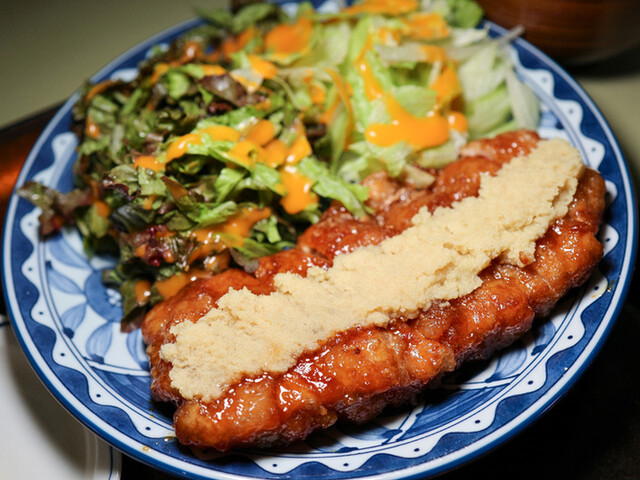
A Tabelog 100–recognized neighborhood cafeteria in Fukushima, open since 1970 and focused on a single dish: shōgayaki (ginger pork) set meals at JPY 1,000–JPY 1,999. No reservations, cash only, and sells out by early afternoon most days; arrive before 11:30 AM or risk missing the meal that locals queue for.
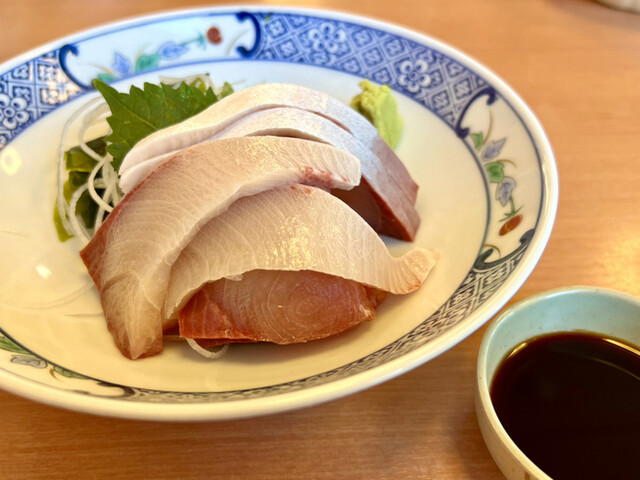
Katsugyo Ryori Binbiya
Naruto, Japan
This Tabelog 100 Diner 2026 pick offers ocean-view seafood at JPY 1,000–1,999, with cafeteria-style seating for 92 and walk-in-only access. The format works for families and budget-conscious travelers, but the no-reservation policy and weekend-only dinner hours limit flexibility for evening plans.

Tonkatsu Odayasu Jounai ten
Tokyo, Japan
Early-morning cafeteria inside Toyosu Market serving fried seafood and tonkatsu from 6 AM. Tabelog 100 Diner recognition since 2021, with most sets under JPY 2,000. Best for market visitors seeking quick, budget-friendly breakfast after tuna auctions.
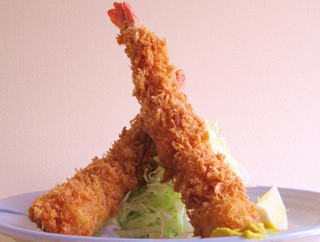
Sugamo Tokiwa Shokudo Honten
Tokyo, Japan
A Tabelog 100 diner (2021, 2024, 2026) serving fish-focused cafeteria meals from JPY 1,000–2,999, with breakfast from 10 AM and walk-in access. The 74-seat Sugamo flagship prioritizes consistent seafood prep and portion control at speed, with PayPay-only payment and takeout until 9:30 PM.
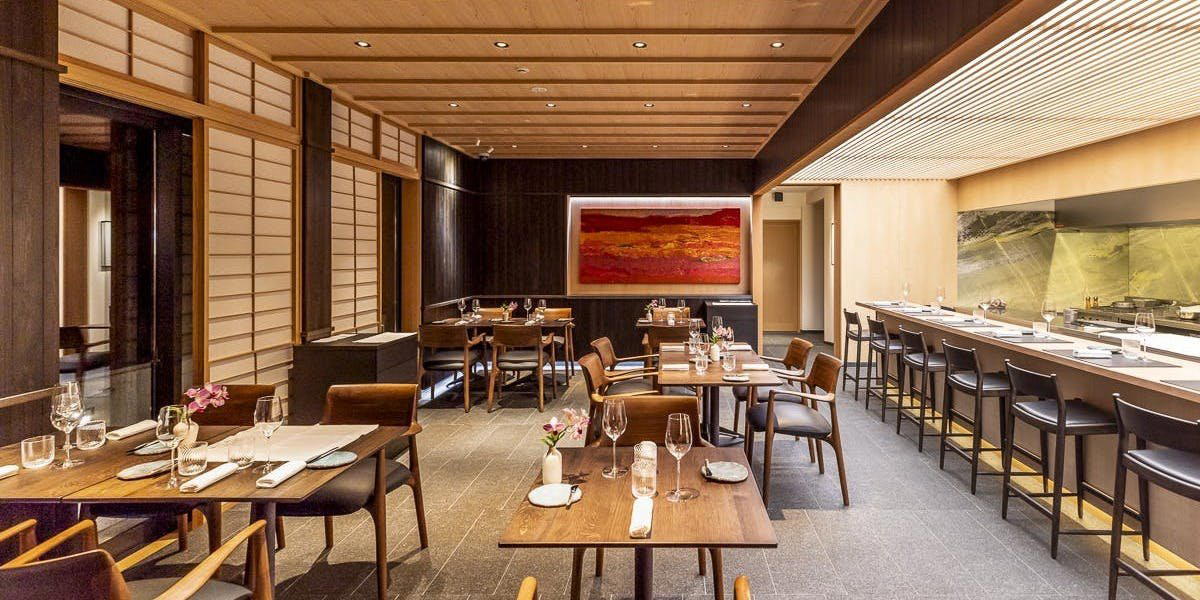
Nonkiya Mune
Kyoto, Japan
Book Nonkiya Mune for a serious Kyoto izakaya dinner that stays in the ¥¥ lane while carrying stronger recognition than a casual fallback. It suits two to four diners who want shared plates, drinks, and a food-first evening without the formality or spend of Kyoto's higher-tier izakaya options.
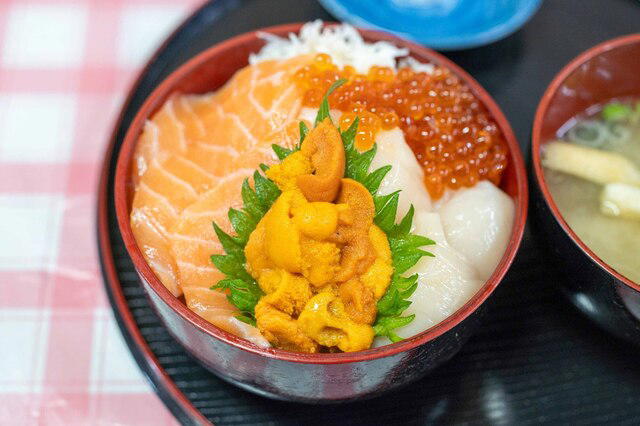
Teishoku Meshiya
Sapporo, Japan
A no-reservations market cafeteria inside Sapporo's wholesale complex, Teishoku Meshiya made Tabelog's 100 Best Diners list twice for straightforward Hokkaido seafood donburi at JPY 3,000-3,999. The 12-seat room fills fast between 7 AM and 1 PM; cash only, minimal service, ingredient quality over refinement.
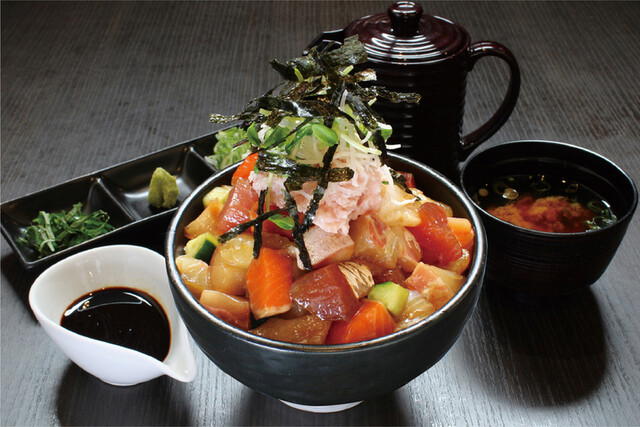
Kobe Onsen Sosaku Dining So
Kobe, Japan
A Tabelog 100 Diner honoree inside the Suzuran no Yu hot-spring complex, serving cafeteria-style udon, ramen, and fish-focused teishoku sets under JPY 3,000 for dinner. The 85-seat dining room trades formality for accessibility, with walk-in availability most days and private rooms for small groups. Lunch starts at JPY 1,000; parking and family seating are both on-site.
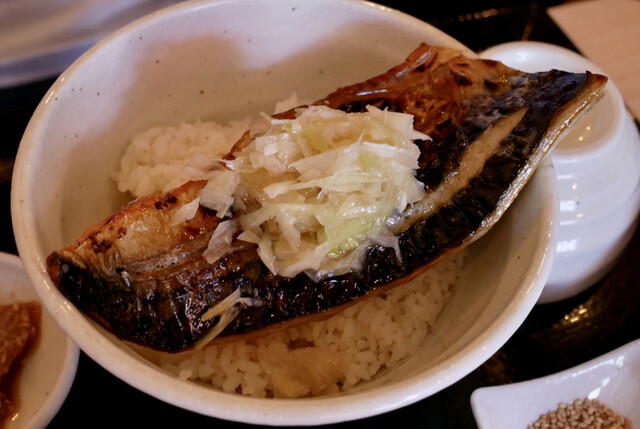
Sabameshi no Sabashou
Tokyo, Japan
Sabameshi no Sabashou earns its Tabelog 100 Diner distinction with mackerel-focused set meals under ¥1,000, served at a 15-seat counter near Suidobashi Station. Cash-only, no reservations, and lunch-hour crowds define the experience; ideal for budget-conscious explorers seeking reliable execution over ambiance.
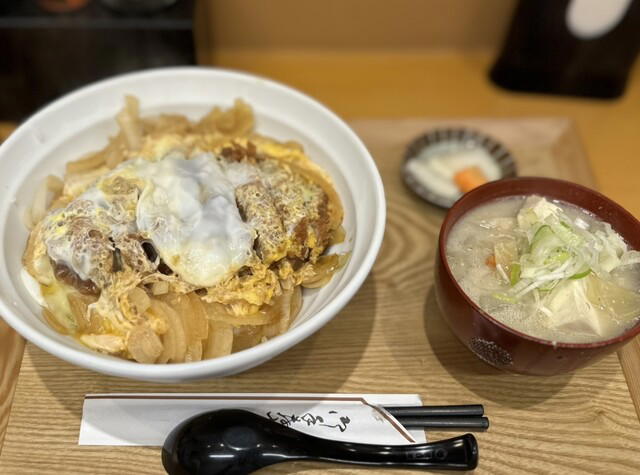
Tonjiru to Genmai no Mise Aoki Shokudo
Tokyo, Japan
A Tabelog 100 Diner 2026 cafeteria near Keikyu Kamata Station serving tonjiru and brown rice for JPY 1,000–1,999. The 10-seat counter operates lunch only, Wednesday through Saturday, with no reservations. Worth the walk-in wait if focused simplicity and award pedigree justify the narrow menu.
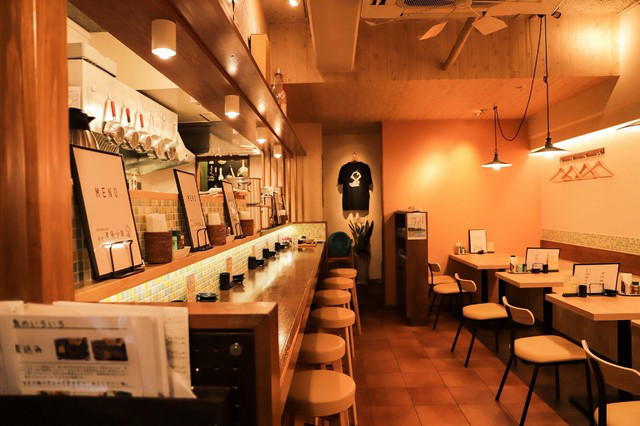
Shokudo Nizakana Shonen
Fukuoka, Japan
Walk-in-only Hakata diner serving simmered fish with technical care at under JPY 2,000 per meal. Tabelog 100 Diner recognition (2024, 2026) marks the value-to-quality ratio; counter seats offer the best view of daily catch prep, and the no-reservation policy rewards flexible timing over advance planning.
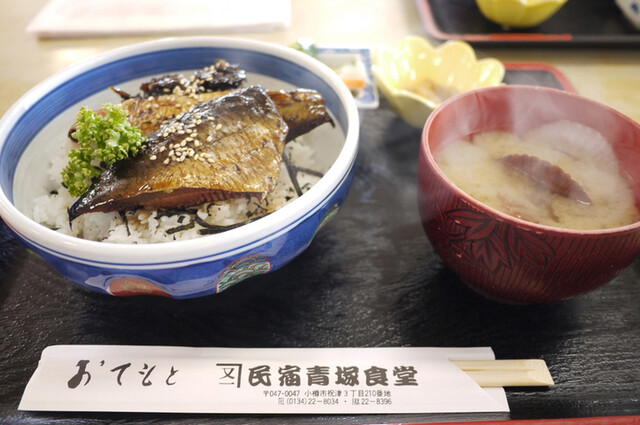
Minshuku Aotsuka Shokudo
Otaru, Japan
A 200-seat seafood cafeteria in Otaru's Shukutsu fishing district, recognized three times by Tabelog's Diner 100 list. The format is fast-turnover and family-friendly, with tatami seating, ocean views, and Hokkaido fish priced at JPY 2,000–3,999 depending on the meal. Bring cash; the venue does not accept cards.
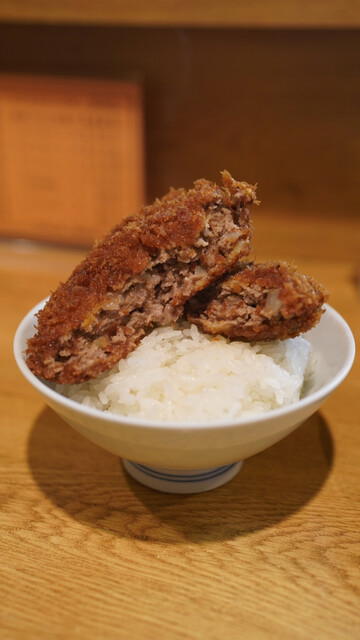
Swastika
Tokyo, Japan
A 10-seat yoshoku counter near Gotanda Station serving curry and cafeteria staples for ¥1,000-¥1,999, recognized on Tabelog Diner 100 lists in 2021, 2024, and 2026. Cash-only, no reservations, weekday-only operation with quick turnover and strong solo-dining appeal. Lower price tier than nearby standing-bar peers, with consistent execution that rewards regulars.
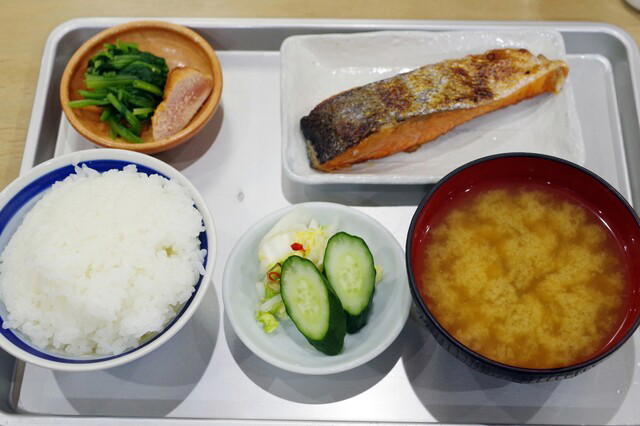
Ginshari en
Osaka, Japan
Tabelog 100 – Diner 2026 cafeteria in Sakai Ward serving precision rice dishes at under JPY 2,000. Walk-in only, cash only, open 8 AM–2 PM daily except Tuesday. Worth the early queue for value-driven diners willing to work around the daytime-only schedule.
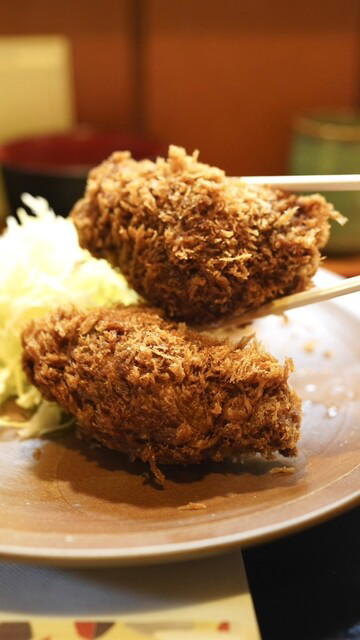
Kappou Sanyu
Tokyo, Japan
Kappou Sanyu is a 12-seat Ningyocho cafeteria serving technique-driven croquettes and tonkatsu for under JPY 2,000. Named to Tabelog 100 Diner lists three times, it delivers kaiseki-level precision at lunch-counter prices. Lunch slots fill fast; evening service is limited and phone-only. Solo diners and budget-conscious explorers chasing fried-food craft should book the counter early.
Tomoya
Uwajima, Japan
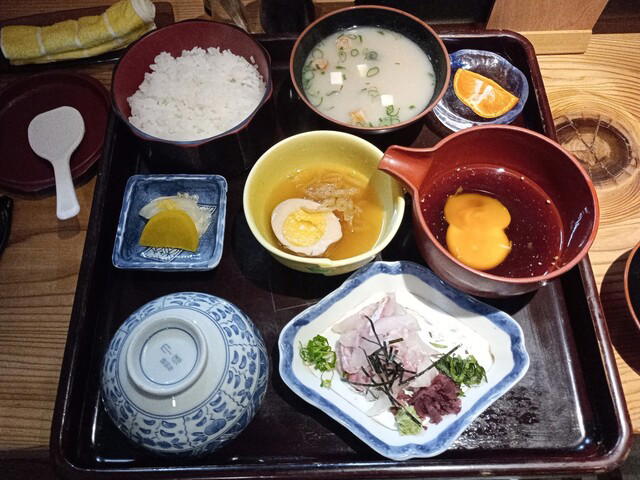
A 2026 Tabelog 100 – Diner pick serving Ehime coastal cuisine in a cafeteria format at JPY 1,000–JPY 1,999 lunch, JPY 5,000–JPY 5,999 dinner. Reservations available but walk-ins often work; open 11:00 AM–1:00 PM Monday, Thursday–Sunday only, 101 meters from Uwajima Station. Cash only, casual pace, regional seafood focus.
Kuni Hachi Shokudo
Takayama, Japan
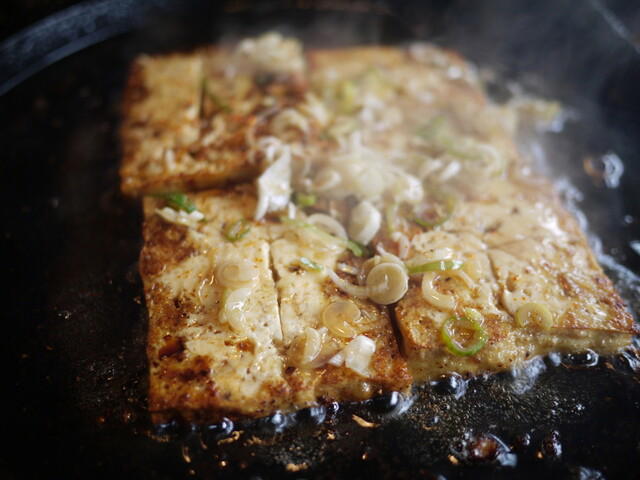
A three-time Tabelog 100 Diner honoree serving regional tofu dishes and cafeteria staples under JPY 1,000. Walk-in only, cash-only, and family-friendly, with 52 seats split between ground tables and raised tatami sections. Best at lunch when the full menu remains available; dinner sells out early on weekends.
Tonkatsu Hiroki Tokuan honten
Osaka, Japan
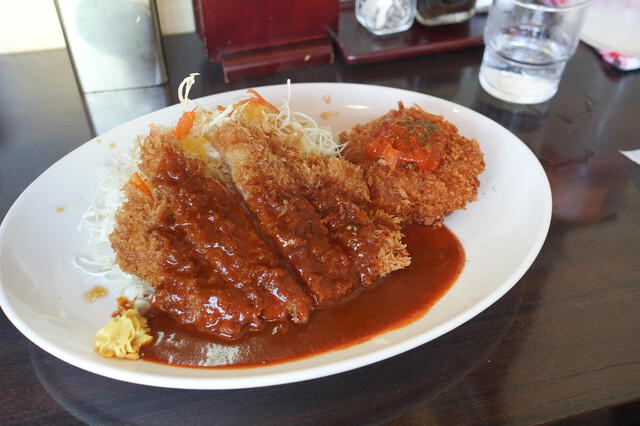
A 13-seat house restaurant in residential Tokuan serving oversized tonkatsu sets at under JPY 2,000, recognized in Tabelog 100 Diner 2026 for consistent execution and exceptional value. Reservations accepted but rarely needed; portions lean toward volume over refinement, with a cafeteria-style energy that suits families and solo diners seeking comfort over ceremony.
sumiyaki kadota or yourisu zuki
Tokyo, Japan
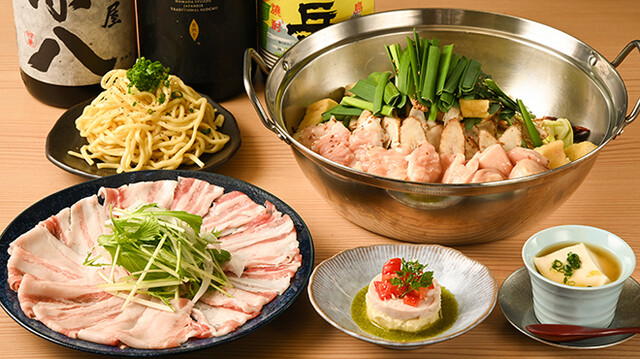
A Tabelog 100 Diner basement spot in Ebisu serving charcoal-grilled fish at lunch (JPY 1,000-1,999) and Naniwa Black Beef hotpot at dinner (JPY 8,000-9,999). The 20-seat counter-and-table layout and dual-menu format make it a practical repeat-visit option in Tokyo's west-side dining corridor.
Shokudo New Misa
Joetsu, Japan
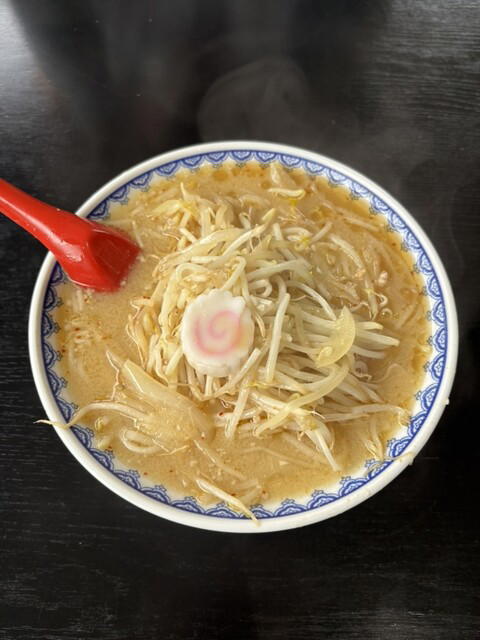
Tabelog 100 – Diner selection two years running (2024, 2026) for cafeteria and ramen priced at JPY 1,000–1,999. The 80-seat house-restaurant format, on-site parking, and seasonal menu rotation deliver midweek-friendly lunch and early dinner without the formality of pricier Joetsu specialists.
Sasuke Shokudo
Futtsu, Japan
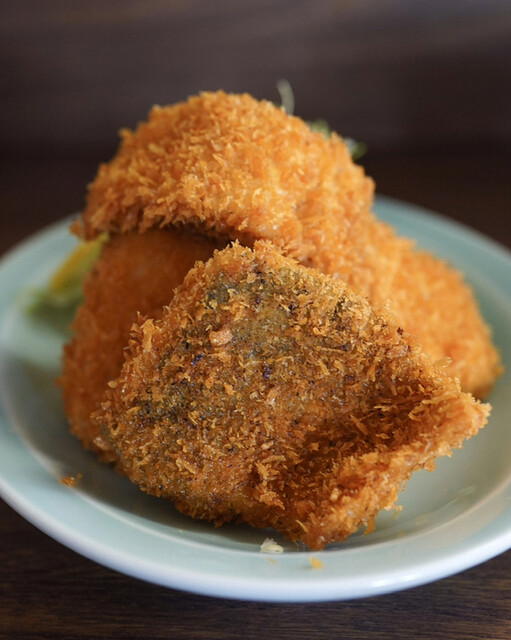
Tabelog 100 Diner 2026 honoree serving fish-focused teishoku at JPY 1,000–1,999, three minutes from Hamakanaya Station. Open Monday and Friday–Sunday, 9:30 AM until the day's catch runs out; walk-ins only. The counter and tatami seating suit solo diners and families seeking generous portions of grilled, sashimi, or simmered seafood from Tokyo Bay and Kanaya Port.
Noguchi Sengyo Ten
Tokyo, Japan
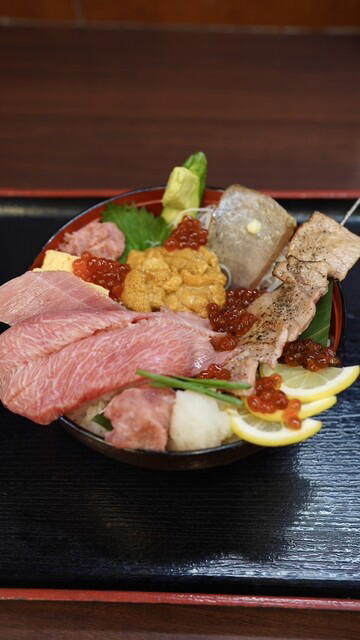
Fishmonger-operated diner in Sumida serving daily-landed kaisen-don for JPY 1,000–JPY 1,999, three minutes from Honjo Azumabashi Station. Tabelog 100 Diner 2026 recognition reflects direct-sourcing discipline and sashimi-grade fish at cafeteria pricing. Walk-ins only, closes when catch sells out, peak lunch queues by 11:45 AM.
Naochan
Nobeoka, Japan
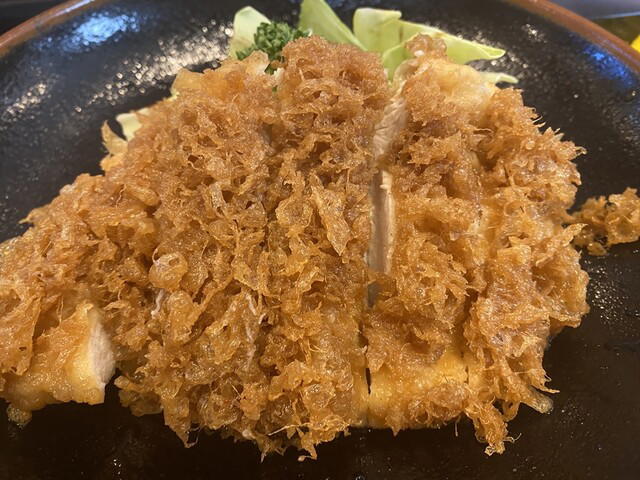
A Tabelog Diner 100 selection in Nobeoka since 2021, Naochan serves chicken-focused Miyazaki home cooking at under ¥1,000 per head. The 34-seat cafeteria operates on walk-ins only, with no reservations and cash-only payment. Lunch draws heavy crowds; dinner is quieter but closes at 7:45 PM.
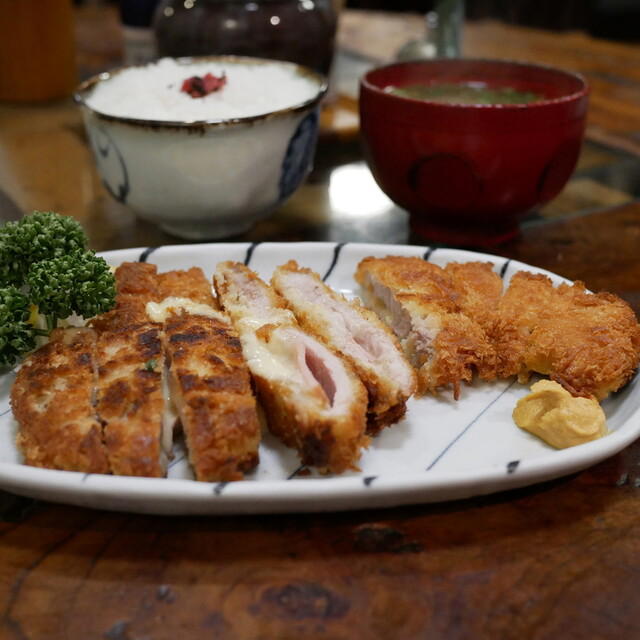
Jin Tei
Koriyama, Japan
Walk-in cafeteria in a residential house serving tonkatsu, yoshoku plates, and cafeteria staples at JPY 1,000–JPY 1,999. Named to Tabelog Diner 100 (2024, 2026) and Tabelog Tonkatsu 100 (2017–2021). Free rice and salad refills, 17 seats, cash only, no reservations.
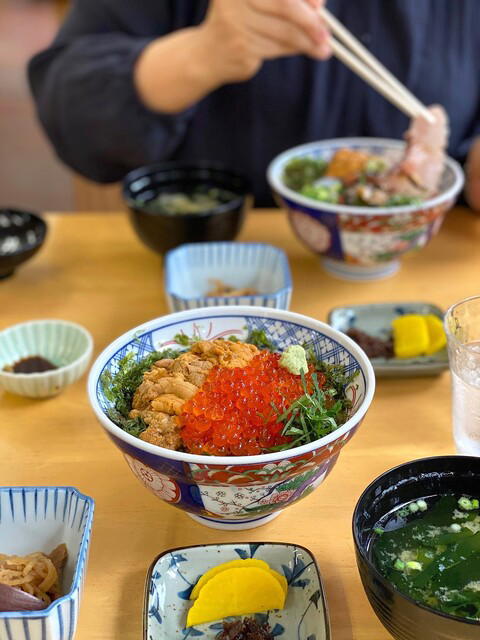
Hanafusa
Izumo, Japan
Tabelog 100 Diner (2024, 2026) serving kaisen-don and turban shell bowls at Hinomisaki cape. Walk-ins only, JPY 2,000–2,999, cash-only cafeteria format. Best combined with a lighthouse visit; for sit-down soba closer to Izumo Taisha, try Kenjo Soba Haneya Honten instead.
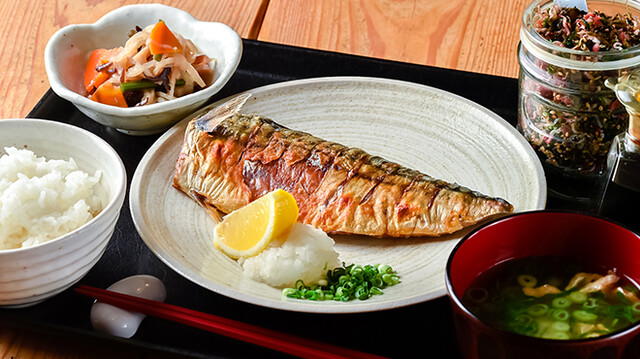
Umeyama Teppei Shokudo Honten
Fukuoka, Japan
A two-time Tabelog 100 Diner selection serving seafood rice bowls and Japanese set meals at JPY 1,000–1,999, two minutes from Watanabedori Station. No reservations, English menus available, and walk-in friendly six days a week; the accessible-excellence option in Fukuoka's shokudo tier.
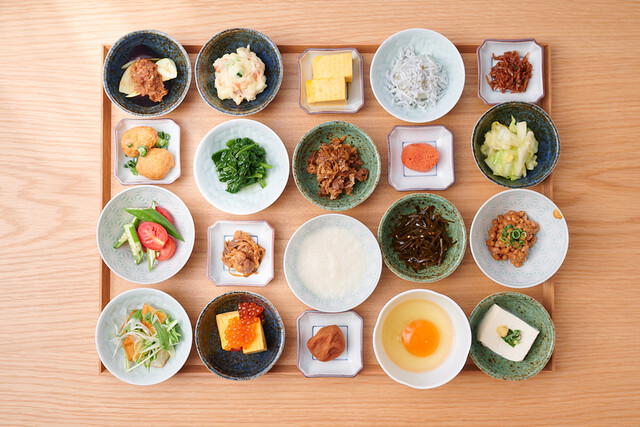
Charcoal-grilled Fish & Clay Pot-cooked Rice Ochawan — Japanese Set Meal Diner
Kagoshima, Japan
Tabelog Diner 100 2026 breakfast specialist serving charcoal-grilled fish and clay-pot rice from 6:30 AM daily at JPY 2,000–2,999. The 48-seat hotel restaurant offers counter seating with sightlines to the grill and accommodates walk-ins and groups up to 22, opening earlier than most Kagoshima dining options.
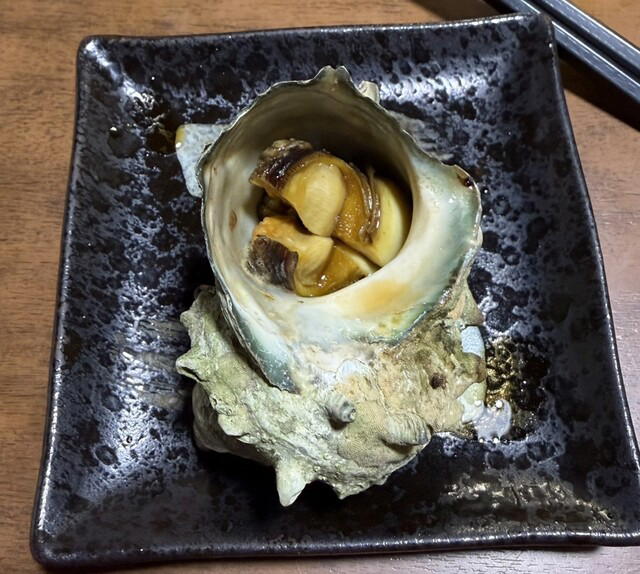
Nakanishi Shokudo
Fukuoka, Japan
A cash-only shokudo on Shikashima Island serving fish-driven donburi at ¥1,000–1,999, recognized in Tabelog's 100 Diner list for 2026. The 22-seat room overlooks the ocean, hours run 11 AM to 3 PM (or until sold out), and the kitchen prioritizes ingredient quality over plating. Book ahead for weekends; walk-ins work early in the week.
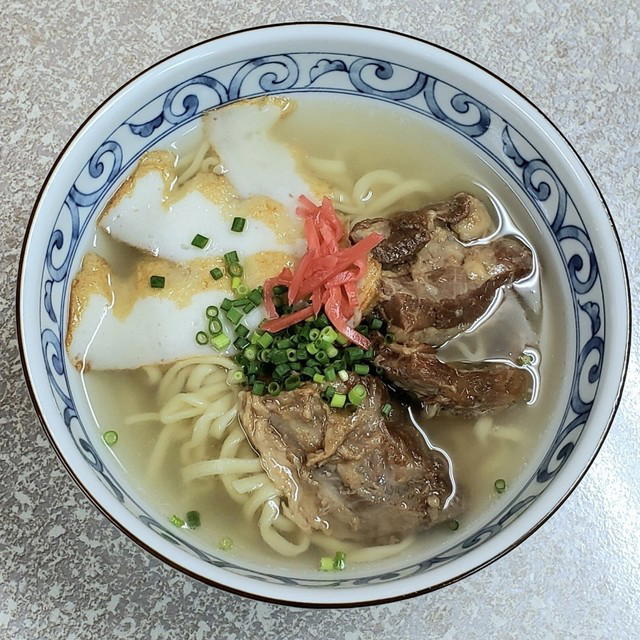
Minato Shokudo
Miyakojima, Japan
Tabelog 100 Diner (2024, 2026) serving aosa soba; Okinawan noodles made with Miyakojima sea lettuce and skipjack-tuna dashi; in a 24-seat cafeteria with ocean views. Lunch-only, under JPY 1,000, no reservations, cash-only. Ten minutes by car from Miyako Airport.
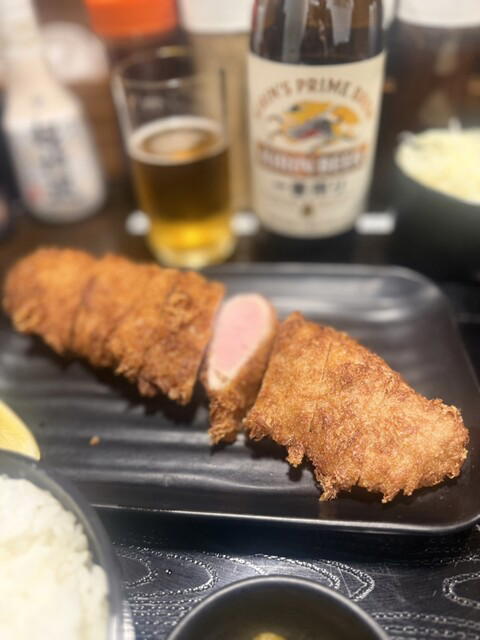
Kiseki Shokudo Ageo ten
Ageo, Japan
Kiseki Shokudo Ageo ten earned Tabelog 100 (Diner, 2026 and 2024) for tonkatsu and pork-focused cafeteria plates at JPY 1,000–2,999. Weekday-only lunch service (10 AM–2:30 PM), cash-only, 20 seats, and a 15-minute walk from Ageo Station.Seat-only reservations available; takeout orders accepted by phone 9 AM–2 PM.
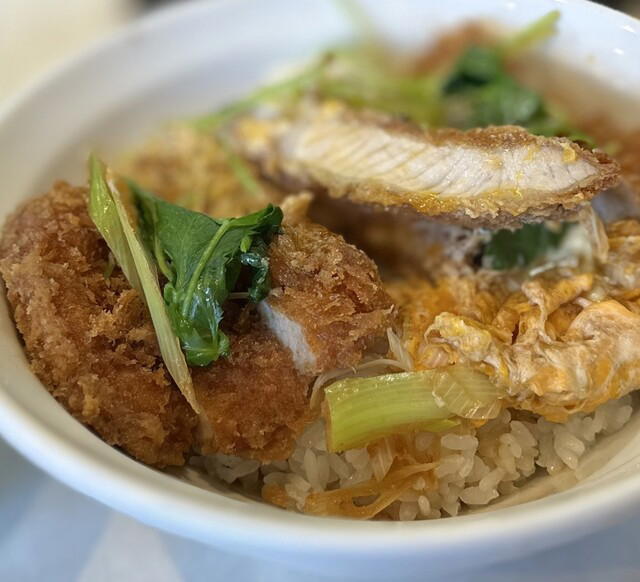
Maruyama Shokudo
Tokyo, Japan
A Tabelog 100 Diner selection in Kamata serving rare-cooked tonkatsu and curry at JPY 1,000–1,999. Walk-in only, counter-focused, and ingredient-driven at cafeteria prices. Expect kitchen smoke, cash-only payment, and a three-minute walk from Kamata Station. Worth it for technique, not polish.
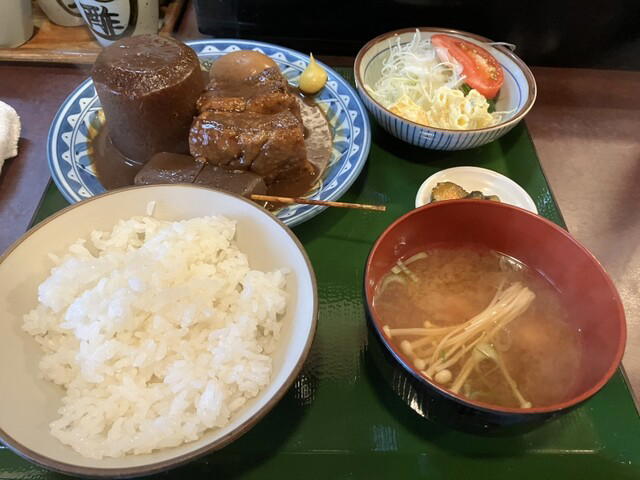
Nobumi
Tajimi, Japan
Nobumi is a 20-seat diner in Tajimi serving oden and home-style Japanese cooking, recognised on the 2026 Tabelog 100 Diner list. At JPY 3,000–3,999 for dinner (lunch suspended), it delivers neighbourhood quality with an unusually thoughtful wine and sake selection. Reservations accepted; cash only; closed Mondays.
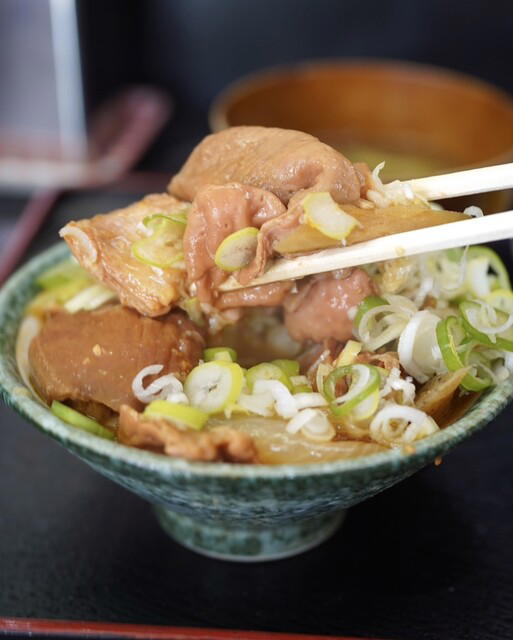
Motsuni Taro
Kashiwa, Japan
Cash-only diner serving Tabelog-recognized offal stew under JPY 2,000, open for lunch and takeout with table-sharing during peak hours. The 25-seat house restaurant operates with parking and no-frills efficiency along Route 16, drawing repeat local traffic for comfort food cooked with consistent skill.
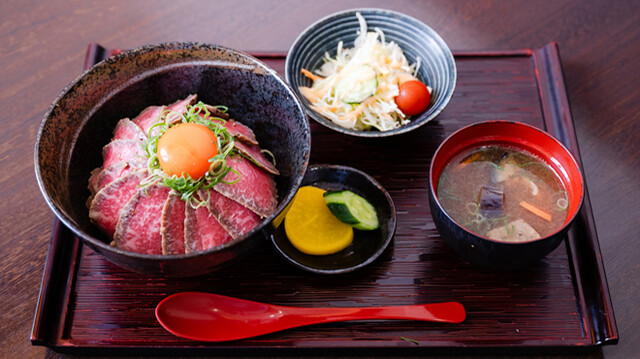
Koube Kitano Asahi Yaseinikuten
Kobe, Japan
A butcher-shop café in Kitano-chō serving deep-fried Kobe beef cutlets and croquettes at JPY 1,000–1,999. Tabelog Diner "Tabelog 100" 2026 selection, 10 seats, lunch-only format (11:00 AM–4:00 PM). Walk-ins feasible outside peak hours; take-out available. Practical stop between Sannomiya Station and the Ijinkan district.
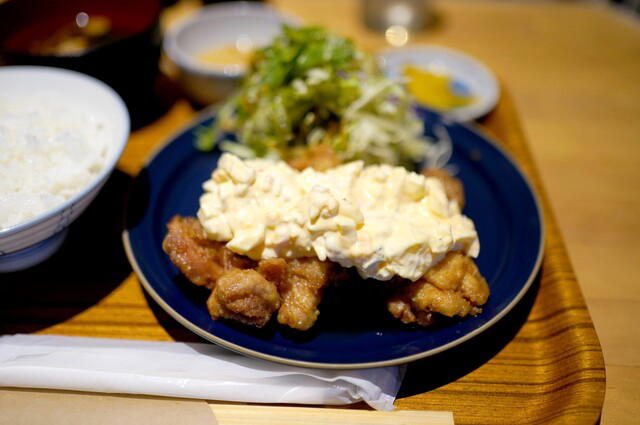
Tsudaya Shokudo
Kitakyushu, Japan
A Tabelog 100 Diner selection in 2024 and 2026, Tsudaya Shokudo bridges cafeteria pricing (JPY 1,000–1,999) with izakaya breadth; sake, shochu, wine, and cocktails alongside counter-and-table service in Bashaku. Walk-ins only, cash only, and worth the logistical trade-offs if value and neighborhood authenticity outweigh polish.
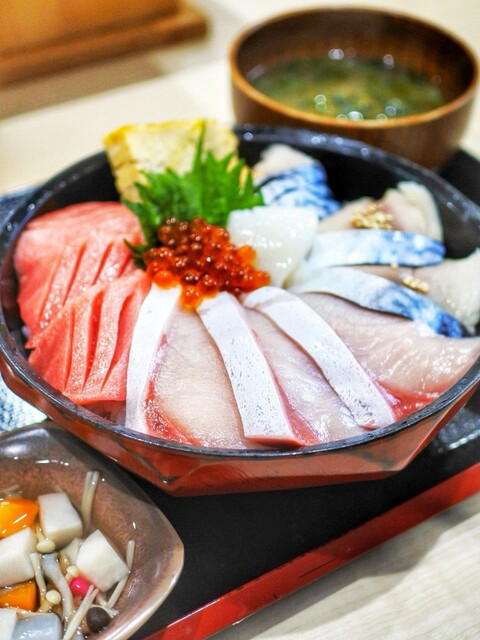
Seafood Shokudo Sabaya
kitayama, Japan
A walk-in seafood cafeteria in Niigata's Konan Ward, serving lunch Tuesday through Saturday at JPY 1,000–1,999 per head. Recognized in Tabelog 100 Diner 2026, it offers dependable execution at a price point that makes repeat visits practical. No reservations, no dinner service, and QR-code payments only.
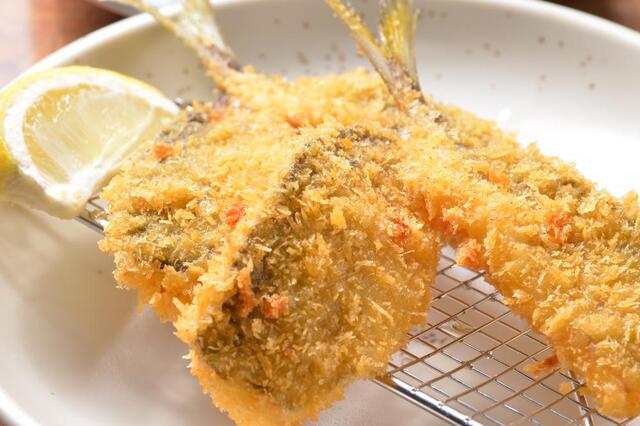
Hamabe
Futtsu, Japan
Tabelog 100 Diner recognition elevates this ocean-view seafood shokudo above Futtsu's budget tier. Fresh Tokyo Bay fish, house-restaurant ambiance, and post-hike convenience near Nokogiriyama justify the JPY 2,000–2,999 price point. Book dinner ahead; lunch sells out by mid-afternoon.
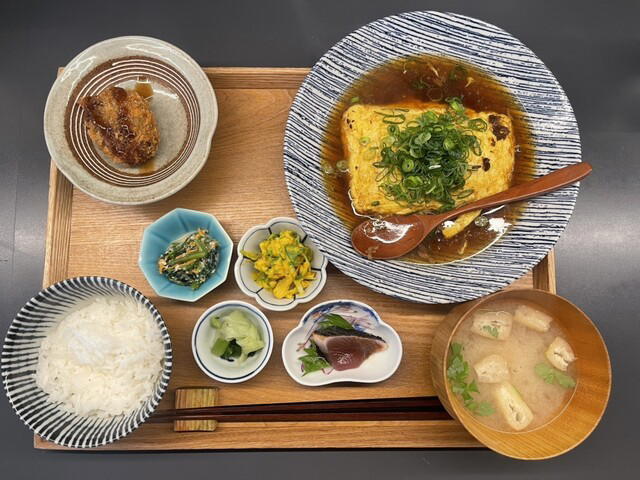
Fu-n@
Osaka, Japan
Tabelog 100-listed diner serving lunch and dinner at JPY 1,000–1,999, the lowest price tier in Osaka's recognized cafeteria category. Opened 2022 in Naniwacho with an eleven-seat counter-and-table setup, seasonal sourcing-driven menu, and cash-only payment. Best for solo diners or pairs who want award credentials without the JPY 10,000+ spend of formal kaiseki peers.
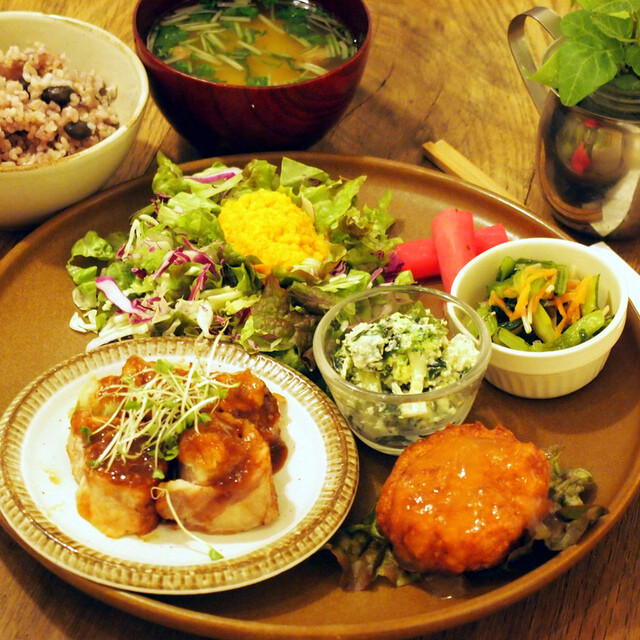
Komorebi Shokudo +
Saitama, Japan
Komorebi Shokudo + is the value pick in Urawa if you want a recognized Saitama meal without moving into splurge territory. Its 2026 Tabelog 100 #45 listing gives it more credibility than the price band suggests, but short dinner hours and limited public detail make it better for planned lunch or early dinner than a spontaneous late meal.
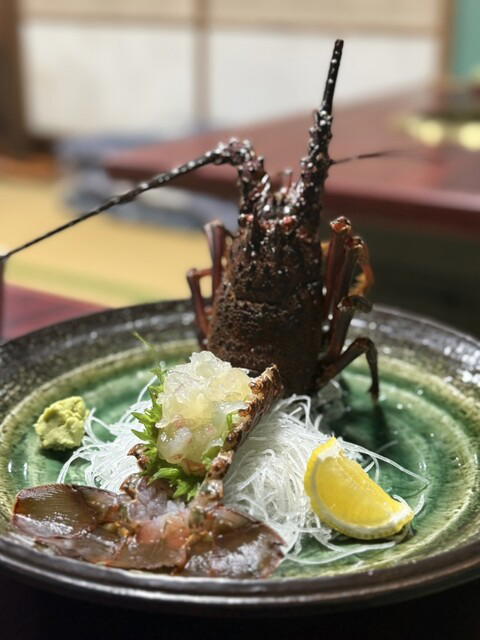
Hagi no Chaya
Tosa, Japan
Ocean-view diner in Usa Bay serving cafeteria-style seafood and grilled meats with tatami seating and coastal views. Tabelog 100 Diner 2026 recognition at mid-tier pricing (¥3,000–¥5,999). Best for weekend family lunches or weekday escapes; smoking allowed, cash only, reservations advised.
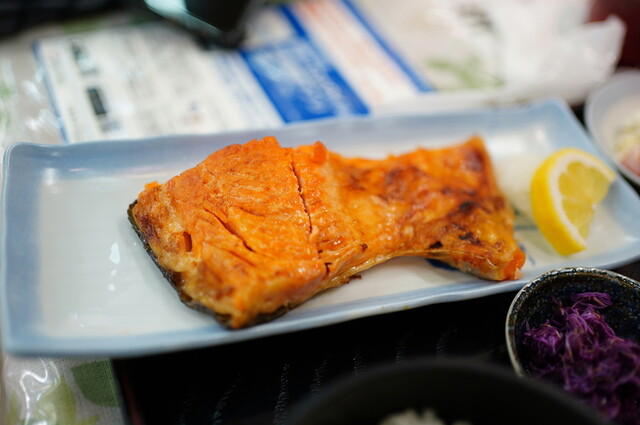
Niigata Honcho Suzuki Sengyo
Niigata, Japan
A 20-seat cafeteria-style seafood spot in central Niigata where the JPY 3,000–3,999 average check and twice-honored Tabelog 100 Diner status reflect a simple formula: fresh fish sourced directly, minimal fuss, and a focus on volume over ceremony. Walk-ins welcome, takeout available, and the room clears by 5 PM.
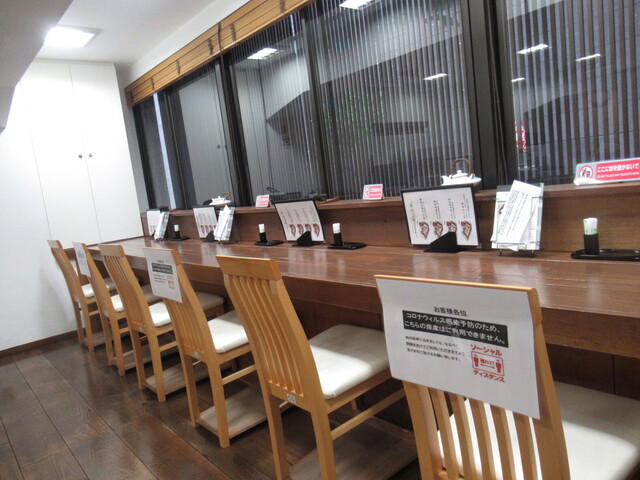
Kyokasuduke Uokyu Ginza ten
Tokyo, Japan
A Kyoto purveyor's Ginza lunch counter serving <em>kasuzuke</em> (sake-lees-marinated fish) grilled to order in the JPY 1,000–1,999 range. Tabelog 100 diner recognition, no reservations, 30 meals per day weekdays only. Arrive before noon or expect a wait; ingredient quality justifies the limited format if marinated fish is your focus.
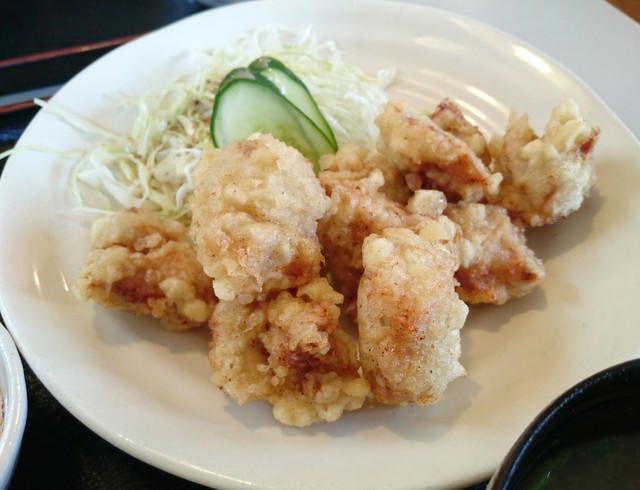
Bimi Nakayoshi
Oita, Japan
A weekday lunch-only cafeteria in Oita that earned Tabelog 100 Diner recognition in 2024 and 2026 despite sub-JPY 1,000 pricing. The 21-seat dining room serves straightforward regional teishoku sets; rice, miso, protein, pickles; with the kind of care that rewards repeat visits. Cash only, no reservations for first-timers, and closed every weekend.
Houraku
Shimabara, Japan
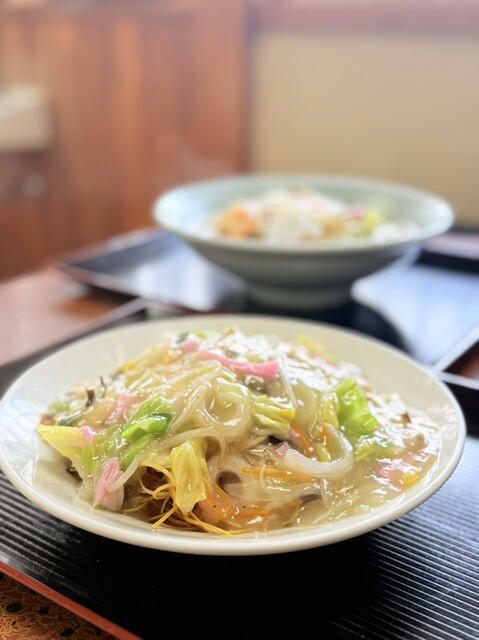
This 13-seat Shimabara shokudo earned a Tabelog 100 – Diner (2026) spot for cafeteria champon, ramen, and rice sets under JPY 2,000. Service runs 11 AM – 2 PM and 5 PM – 7 PM (closed Thursdays); reservations available, walk-ins welcome. Go for lunch if you want counter seating and faster turnover, skip if you need smoke-free dining or late-evening service.
Sato no Yado
Tokyo, Japan
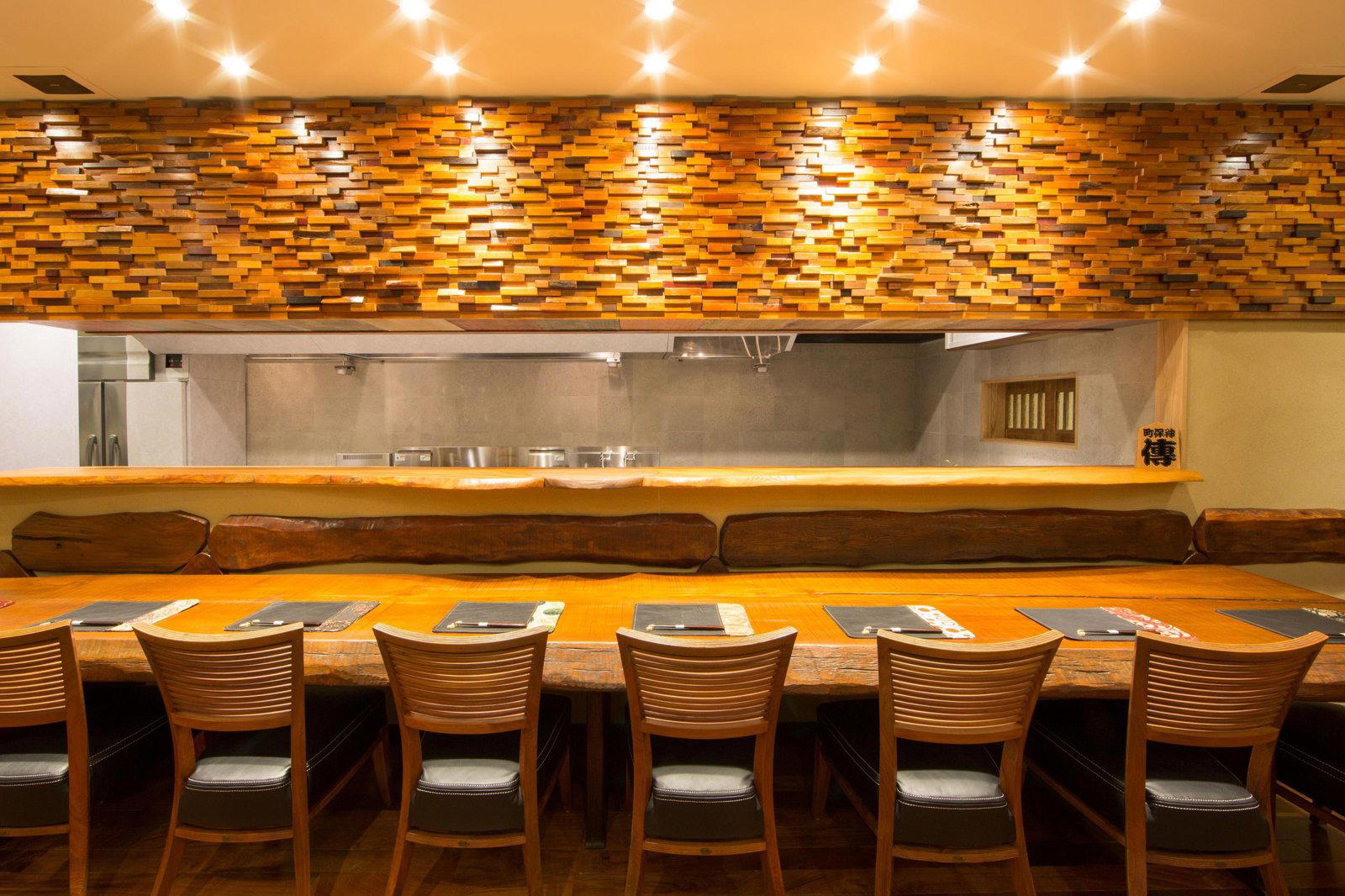
A 14-seat Kichijoji cafeteria with three Tabelog 100 awards and a fish-forward teishoku menu. No reservations, cash only, and a sake selection that anchors the evening service. Walk-ins move fastest at opening or between lunch and dinner.
Sengyo Ikeda
Kamogawa, Japan
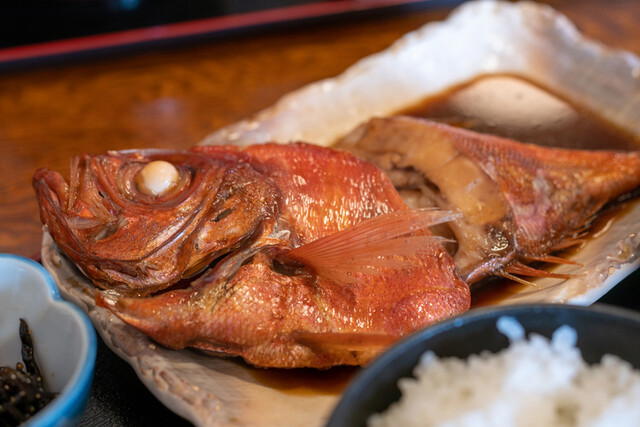
A house-style shokudo in Kamogawa serving fish-forward teishoku from the day's catch, Sengyo Ikeda earned Tabelog Diner 100 recognition for consistent execution at JPY 1,000–2,999. No reservations, closes when sold out (often by 4 PM), and tatami seating suits groups over quiet dates. Arrive by noon for the fullest menu.
Hamada Shoten
Rausu, Japan
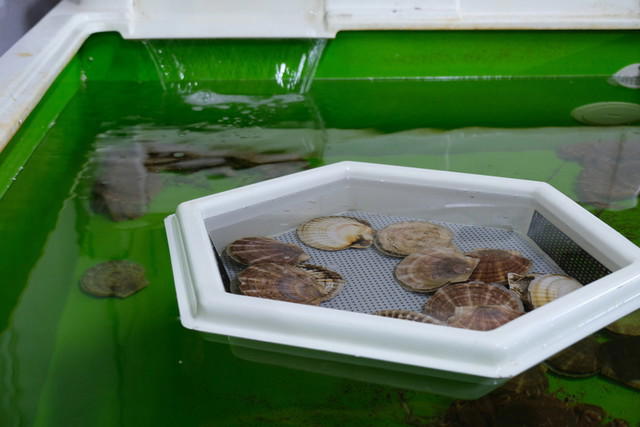
A Tabelog 100 Best Diner (2024, 2026) on Hokkaido's remote Shiretoko Peninsula, serving kaisen-don and uni bowls at JPY 2,000–2,999 with seafood landed hours before service. Open 10:30 AM–3:00 PM during tourist season (closed October–January), a four-hour drive from Sapporo but worth the trip for families and seafood pilgrims seeking peak freshness in a no-frills cafeteria setting.
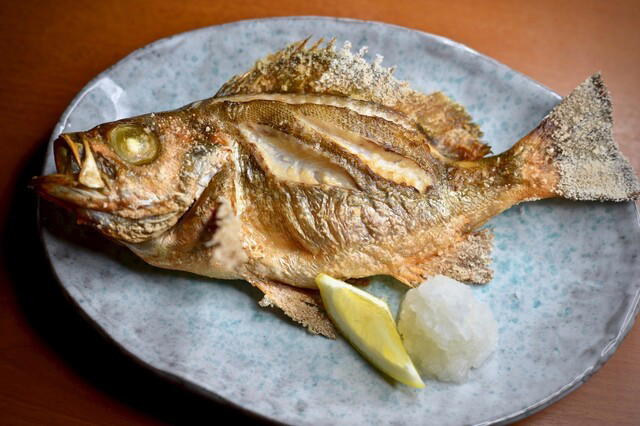
Himi Uoichiba Shokudo
Himi, Japan
A cafeteria-style dining hall on Himi Fishing Port's second floor, serving chirashi sushi sets and tsumire soup sourced from the morning auction downstairs. Recognized by Tabelog 100 (Diner) in 2024 and 2026, it offers ocean views, no-reservation access, and lunch at JPY 1,000–1,999; strong value for ingredient-focused seafood without formal service.
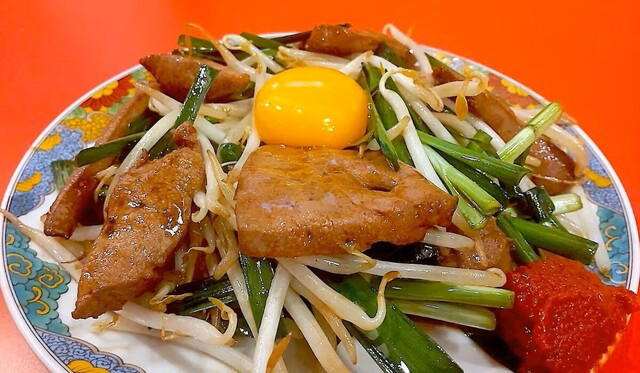
Rebanira ya Kintaro Toukyou shucchoujo
Tokyo, Japan
A six-seat Kitashinagawa cafeteria earning Tabelog 100 Diner 2026 recognition for liver and garlic chives at JPY 1,000–1,999. Open Fridays and Saturdays only, with numbered ticket distribution starting around 7 AM; no phone reservations, cash-only counter service near Shin-Baba Station.
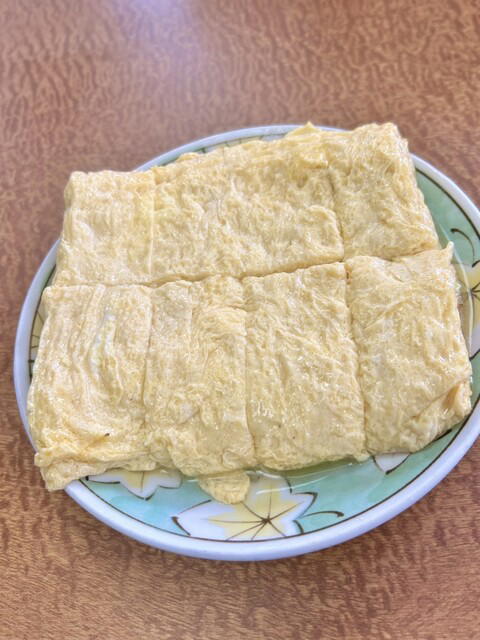
Ichifuji Shokudo
Osaka, Japan
This Tabelog 100 – Diner 2026 selection in Tenma serves cafeteria-style udon and oyako-don at under ¥1,000 per head, lunch only, walk-in only. The cash-only, self-service format and 32-seat room mean queues before noon, but the price-to-quality ratio justifies the wait. Best for budget-conscious diners prioritizing value over service polish.
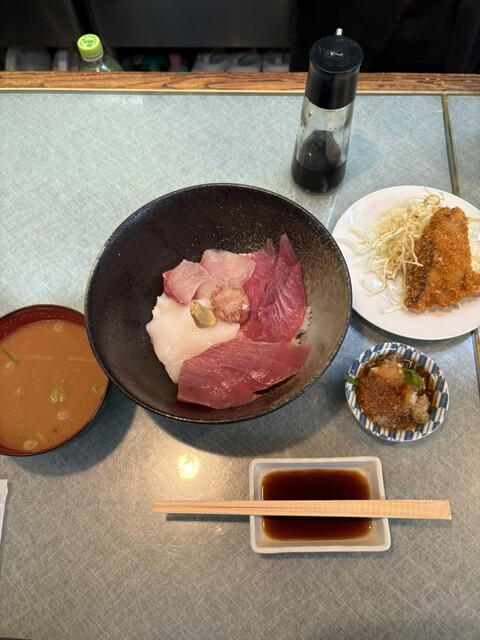
Nishimura Shokudo
Toba, Japan
Walk-in-only cafeteria diner in Ijikacho earning Tabelog 100 recognition (2024, 2026) for generous portions of fried and grilled local seafood at JPY 2,000–JPY 3,999. No reservations accepted; cash only. Best for appetite-driven lunches rather than conversation-focused meals, with parking available and Thursday closures to note.
Aozora
Shizuoka, Japan
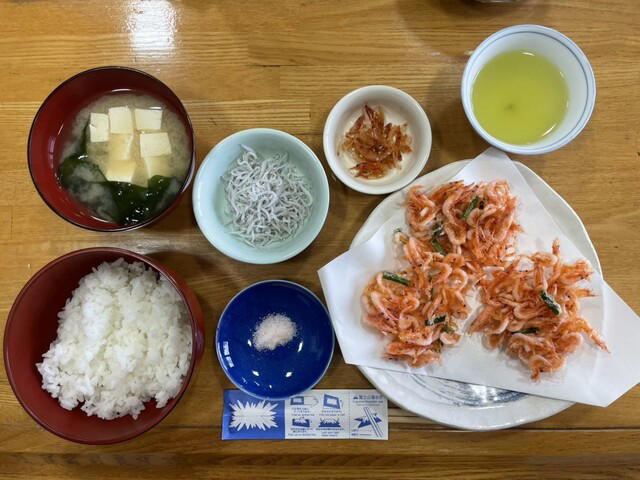
Aozora is an 8-seat cafeteria specializing in Yui-sourced sakura shrimp tempura, earning Tabelog 100 Diner recognition with a ¥1,500 set meal. The counter-only format delivers fried, boiled, and dried sakura shrimp alongside rice and miso soup, with walk-in availability most weekdays. It's a practical stop for travelers seeking regional seafood at cafeteria prices.
Katei Saien Sasaki
Tokyo, Japan
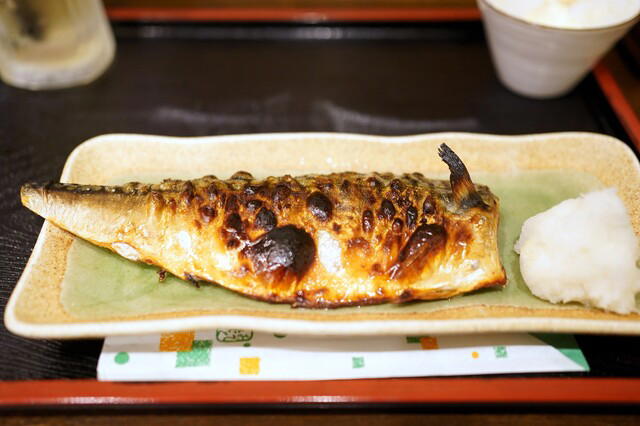
Katei Saien Sasaki delivers fish-focused cafeteria dining at JPY 1,000–1,999 per meal with walk-in-only access near Mejiro Station. A Tabelog 100 Diner selection, the 15-seat venue suits weekday lunch or early dinner when you want ingredient care without omakase pricing or reservation hassle.
Shake Kojima Honten
Tokyo, Japan
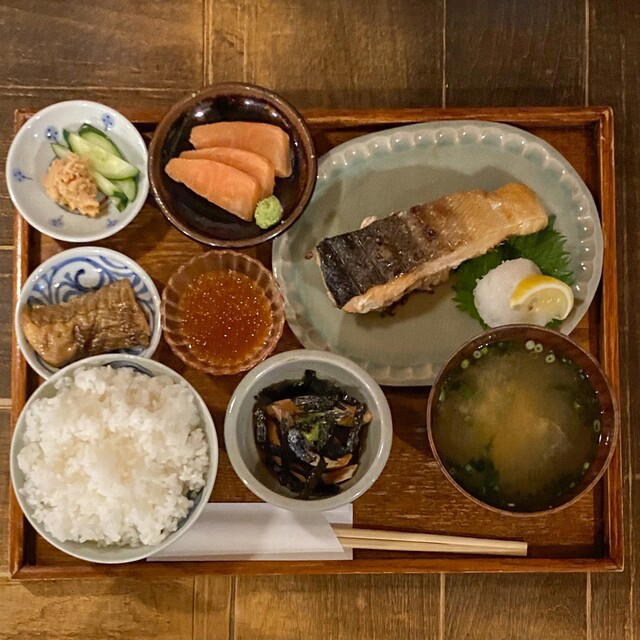
Salmon-specialist diner in Suginami's Izumi neighborhood, sourcing fresh fish from Kushiro Port and recognized in Tabelog's Diner 100 for 2021, 2024, and 2026. At JPY 2,000-2,999 per person, it delivers single-ingredient focus in a 19-seat market setting, with counter and table seating, sake pairings, and evening-only hours Wednesday through Sunday.
Ichiba Shokudo Jounan ten
Kagoshima, Japan
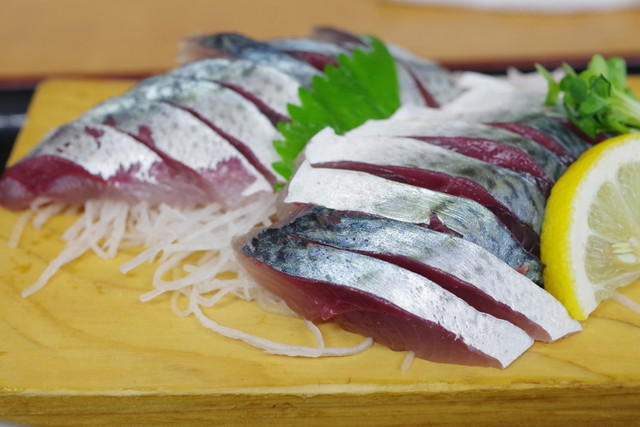
A cash-only cafeteria inside Kagoshima's fish market, this Tabelog 100 Diner serves auction-fresh sashimi and grilled seafood from 5 AM to 2:30 PM. At JPY 1,000–1,999 per meal, the 37-seat counter delivers market-worker value without the formality (or price tag) of omakase counters elsewhere in the city. Arrive before 7 AM to skip the line.
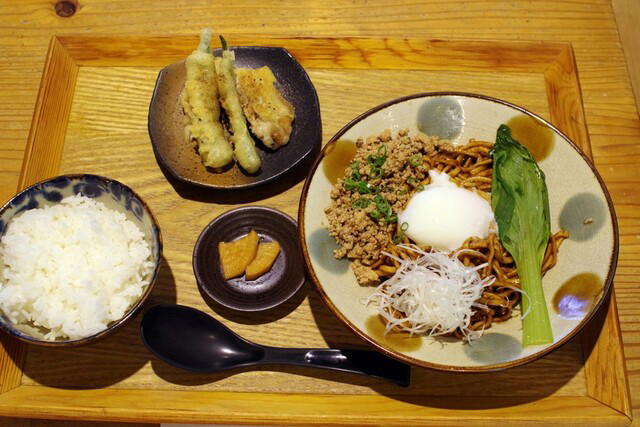
Itoman Gyomin Shokudo
Itoman, Japan
Tabelog 100-listed cafeteria in Itoman serving daily-catch fish at JPY 1,000–2,999, anchored by owner-chef Tamaki's wholesale connections and a no-reservations policy. Walk-in timing matters: early lunch or dinner avoids waits, and the menu reflects what sold at morning auction. The format is casual, the fish is fresh, and the price undercuts most award-recognized dining in Okinawa.
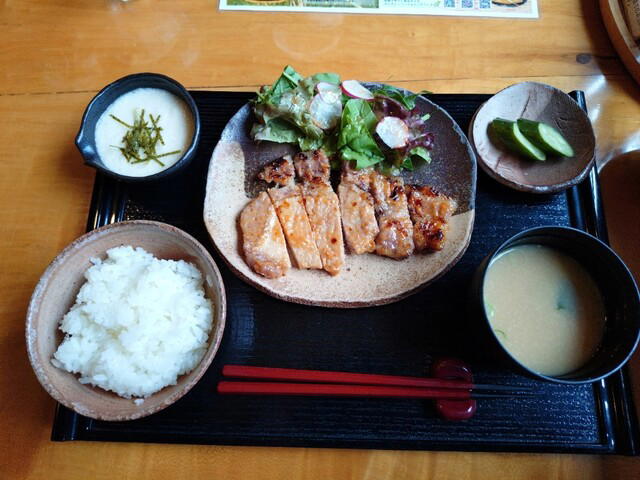
Tamaiya Restaurant
Hiki-gun, Japan
A sake brewery-run cafeteria in Hiki-gun that earned Tabelog 100 Diner recognition in 2026 for pairing home-style Japanese cooking with Seigumo Sake Brewery's on-site nihonshu. Lunch runs JPY 1,000–1,999, service is casual, and the tatami room overlooks production facilities. Reservations recommended for weekend lunch; evening service requires advance booking.
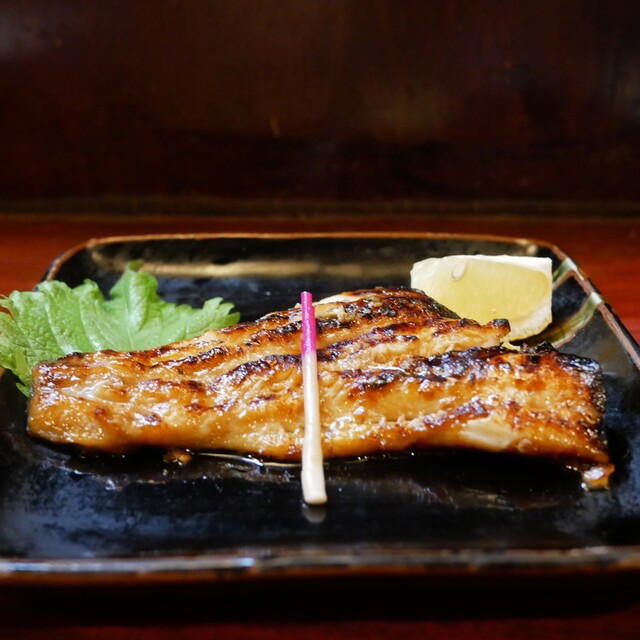
Aso
Naha, Japan
A weekday-lunch-only cafeteria in Matsuyama holding a Tabelog 100 Diner designation for 2024 and 2026, serving fish-focused teishoku sets at JPY 3,000–3,999. Open Monday through Friday 11:30 AM to 2 PM, cash only, no weekend service. Book if you want Hyakumeiten quality at a third of what kaiseki counters charge in the same city.
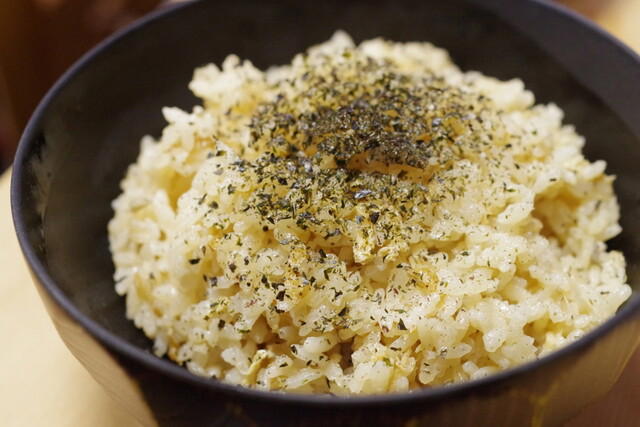
Daikoku
Osaka, Japan
A 14-seat Dotonbori cafeteria serving Japanese teishoku and regional dishes at JPY 1,000–1,999 per head, with three Tabelog 100 Diner appearances since 2021. Walk-in only, Tuesday–Saturday lunch service, and a practical midday option for travelers who want local food without formality or high prices. Best for quick, reliable meals between longer restaurant bookings.
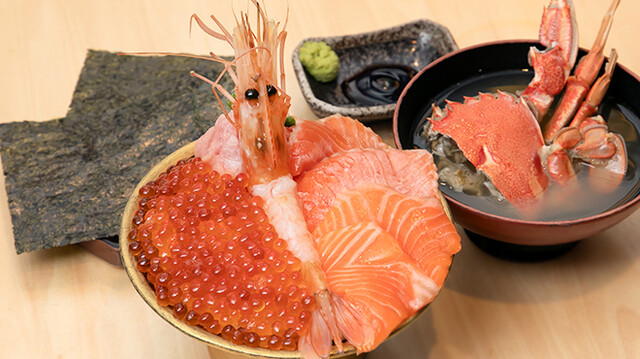
Uni Senmon Ten Yoichiya Hakodate asaichi ten
Hakodate, Japan
A casual, family-friendly sea urchin specialist near Hakodate Station, serving Hokkaido seafood bowls at JPY 6,000–7,999. Tabelog Diner 100 (2026) recognition confirms consistent quality in a cafeteria-style format; less ceremony than high-end sushi counters, but generous portions and multilingual menus make it a practical choice for travelers prioritizing volume and convenience over omakase polish.
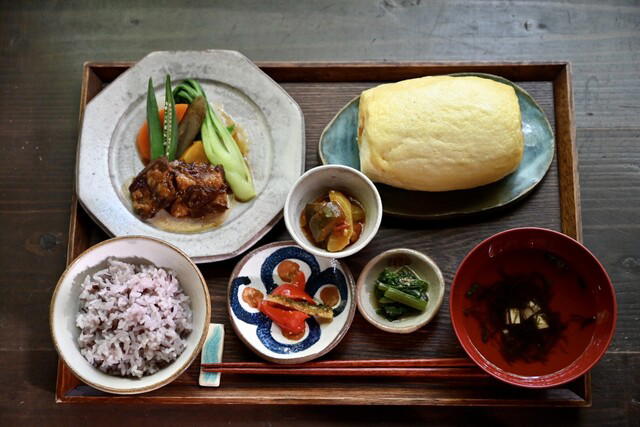
Shunya Ban Chan
Ishigaki, Japan
A home-style diner in Shiraho serving handmade island fish and seasonal dishes at JPY 2,000-2,999, with ocean views and a Tabelog 100 (Diner, 2026) award. Reservation-only, lunch service only, and family-friendly. Book ahead for a relaxed meal that balances local ingredients with careful preparation.
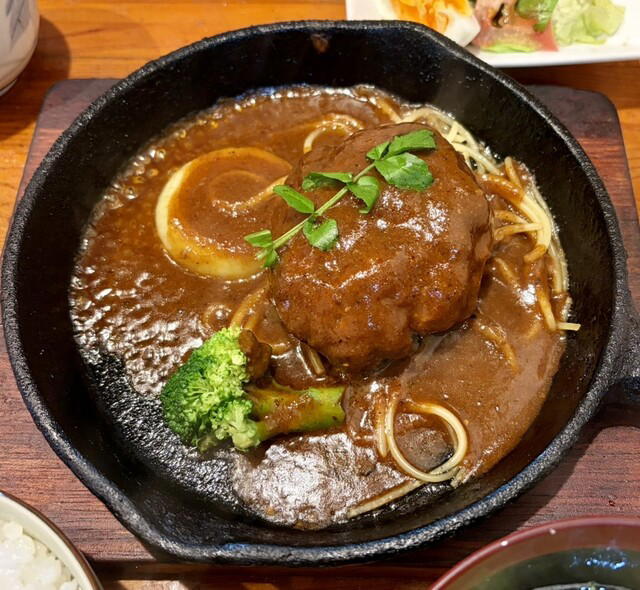
Washoku Tei
Kagoshima, Japan
Tabelog 100 Diner recognition at JPY 1,000-1,999 per meal, with lunch teishoku and dinner recommendations that emphasize seasonal seafood and a curated shochu selection. Counter and tatami seating near Kagoshima Chuo Station; reservations accepted, walk-ins possible. Book this for value-driven Japanese cooking with technical care.
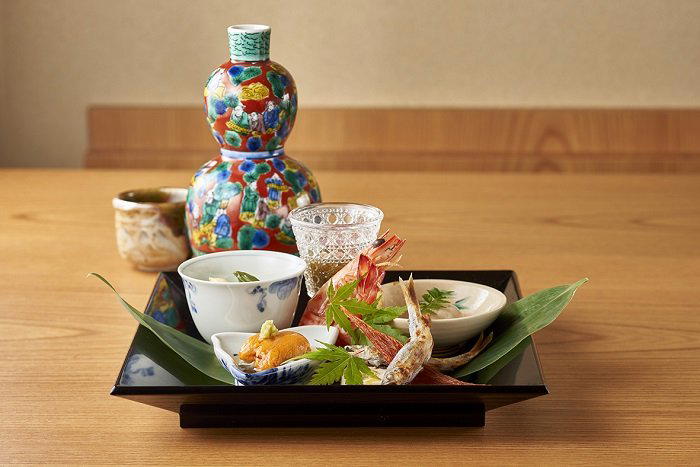
Shokudo Wata
Tokyo, Japan
A Michelin Bib Gourmand izakaya in Shinjuku where technically precise, everyday Japanese cooking earns its recognition at the ¥¥ price point. Easy to book, warm in atmosphere, and genuinely good value for Tokyo. The right choice for a relaxed special occasion dinner without climbing to the tasting-menu tier.
Takeo Gohan
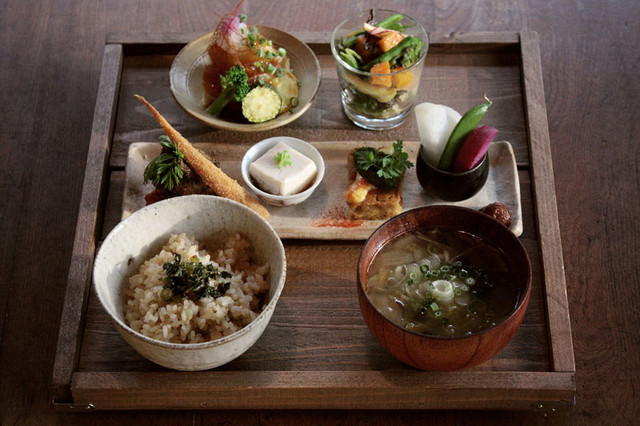
Sosa, Japan
Tabelog 2026 Diner–listed cafeteria in rural Sosa, open for lunch Monday–Thursday and Sunday, serving locally-sourced meals at JPY 1,000 to JPY 1,999 in a 16-seat tatami space with on-site parking. Reservations recommended due to limited capacity; cash-only payment and 1:30 PM last order require advance planning. Better value and easier booking than Sosa's pricier unagi specialists for straightforward, quality-driven lunch.
Tanakadashiki Seafood Shokudo Uochu
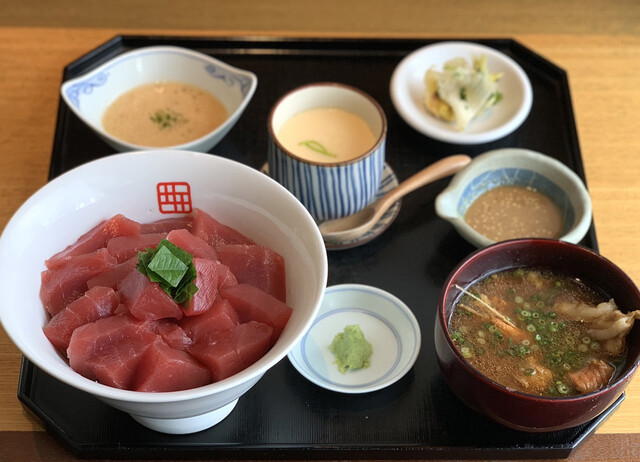
Fukuoka, Japan
A 40-seat Fukuoka shokudo with Tabelog 100 Diner recognition in 2024 and 2026, serving fish-focused teishoku sets at JPY 1,000–1,999. No reservations; the 18-seat counter is first-come for the best view of kitchen prep.
Kisetsu Ryori Ishii
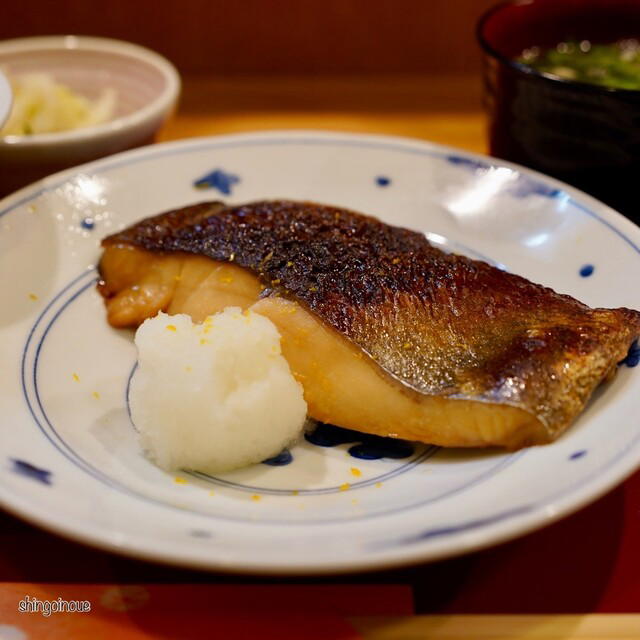
Tokyo, Japan
Nihonbashi basement counter earning Tabelog 100 Diner recognition (2024, 2026) for seasonal fish and sake pairings. Lunch runs JPY 1,000–1,999 as walk-in-only set menus; dinner shifts to JPY 8,000–9,999 selection courses requiring phone reservations. Strong for solo diners and weekday business meals, but closed weekends and poor for takeout.
Tonjiru Tachibana
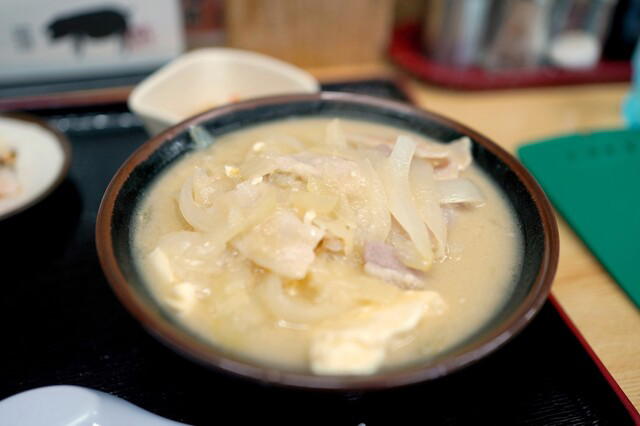
Myoko, Japan
A walk-in-only pork miso soup specialist in Myoko, Tonjiru Tachibana earned Tabelog Diner 100 recognition twice for its cafeteria-style trays served across 45 seats. At JPY 1,000–1,999 per person, it delivers reliable volume and regional flavor without reservation friction, best visited Sunday for continuous service or late spring to avoid ski-season queues.
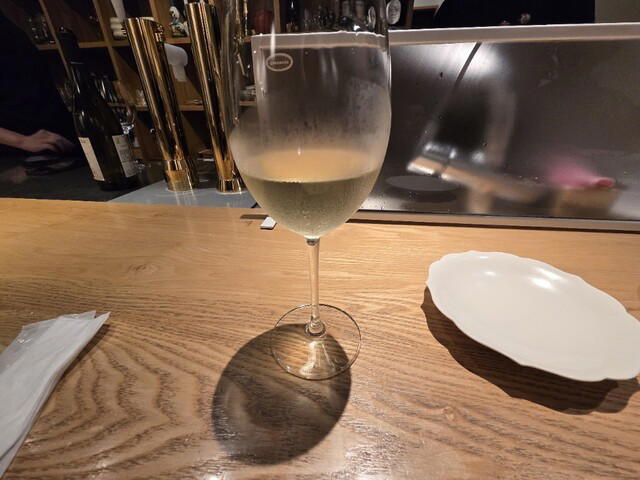
HAKKO Shokudo
Fukuoka, Japan
Six-seat fermented-foods-focused cafeteria two minutes from Ohorikoen Station, recognized in Tabelog 100 Diner 2026. Lunch sets run JPY 1,000–JPY 1,999, dinner JPY 3,000–JPY 3,999. Walk-in only, closed Monday and Sunday. Solo-dining-friendly counter format with health-and-wellness menu emphasis.
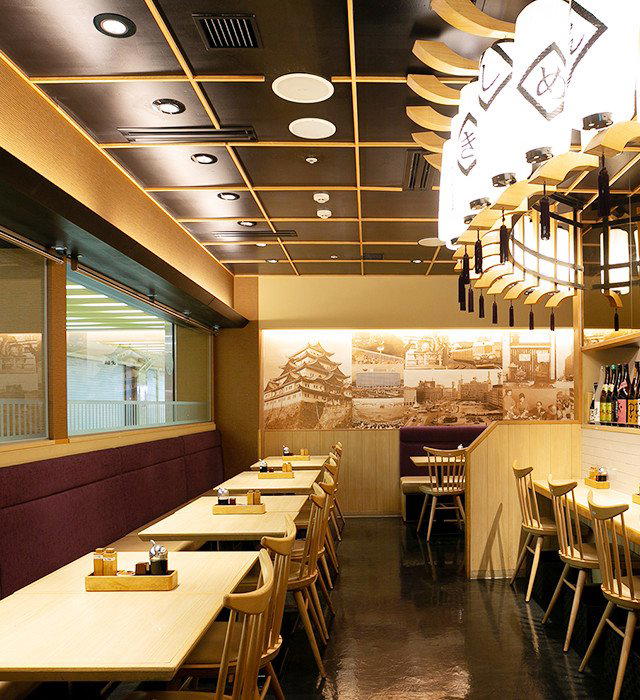
Suzunami Esuka ten
Nagoya, Japan
A 26-seat cafeteria in Nagoya Station's Esca mall, recognized by Tabelog 100 Diner 2026 for mirin-kasu-zuke fish at JPY 1,000–1,999. No reservations; arrive early during lunch (11 AM–2:30 PM) or dinner (4:30–9 PM) to secure a seat. Worth it for travelers prioritizing price, convenience, and fish-forward technique over ambiance or booking certainty.
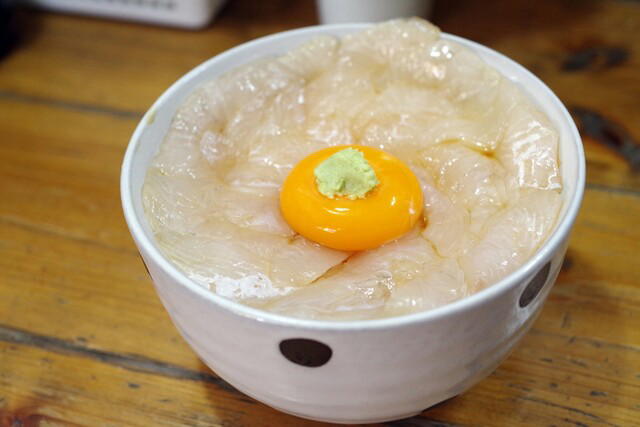
Minato Shokudo
Aomori, Japan
This early-morning cafeteria near Mutsu Minato Station serves Aomori's freshest kaisen-don at JPY 1,000–1,999, earning Tabelog 100 Diner recognition in 2024 and 2026. Arrive by 7 AM Tuesday through Saturday to catch the full selection before seafood sells out; the 11-seat room closes by 2 PM, often earlier when the day's catch is gone.
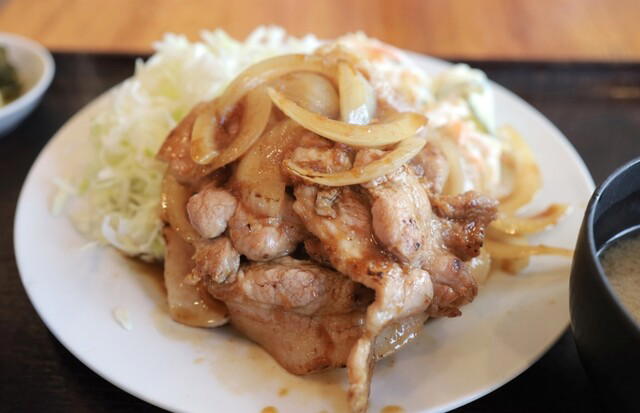
Hishida Ya
Tokyo, Japan
Fifth-generation shokudo near Tokyo University delivering Tabelog 100–recognized teishoku at JPY 1,000–JPY 1,999. Daily Toyosu fish, house-made pickles, and walk-in-only access make it a reliable choice for regulars who prioritize quality over ceremony.
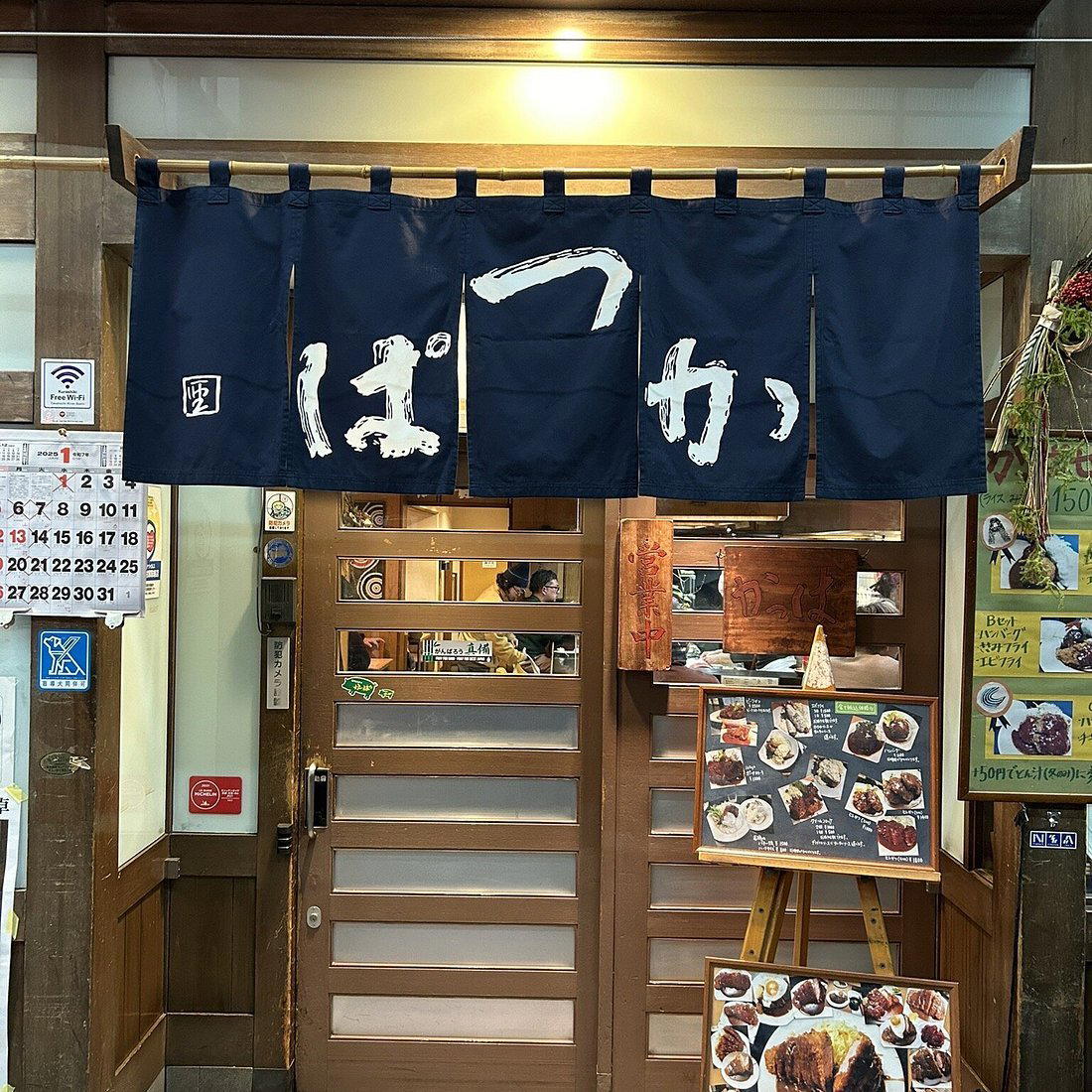
Kappa
Kurashiki, Japan
Kappa works for a serious Kurashiki meal if local recognition matters more than having every practical detail pre-confirmed. Its Tabelog 100 #78 placement in 2026 gives it a credible quality signal in a smaller restaurant market, making it a stronger fit for food-focused travelers than for diners who need full menu, price, and seating visibility before choosing.
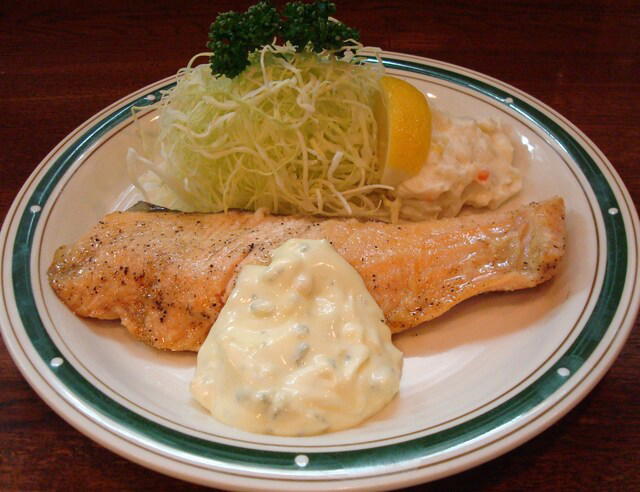
Katsuretsu Yotsuya Takeda
Tokyo, Japan
Tabelog Diner 100-listed cutlet counter in Yotsuya serving aged Mochibuta pork with rock salt and French-technique sauces at JPY 1,000–1,999. No reservations; lunch queues form early, but dinner walk-ins (5–8:30 PM weekdays) turn faster. Two tables seat four total; counter dominates the 13-seat room.
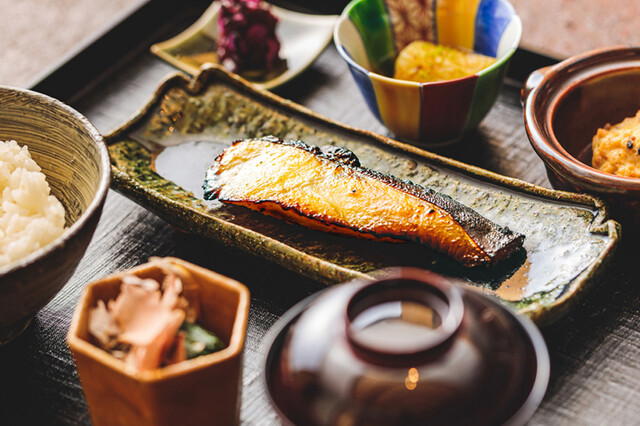
Saikyo Yaki Kyoto Yamaroku
Kyoto, Japan
A 21-seat restaurant inside JR Kyoto Isetan's B1 food hall serving charcoal-grilled saikyo-zuke (white-miso-marinated fish) at JPY 2,000–2,999 per set. Recognized in Tabelog 100 – Diner 2026, the venue operates without reservations and closes early when fish runs out. Best for travelers prioritizing convenience and traditional technique over dining-room atmosphere.
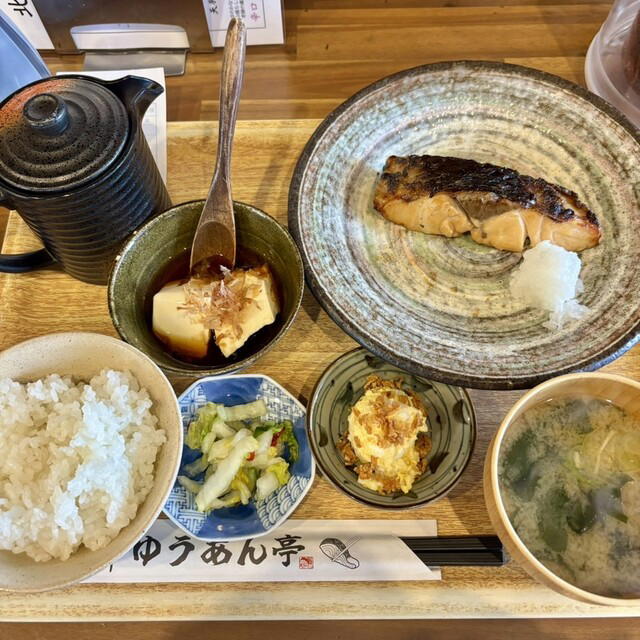
Kurokawa Yuuan Tei
Nagoya, Japan
A Tabelog 100 house restaurant in Kita Ward serving fish-focused Japanese home cooking at JPY 1,000–2,999. Counter seating, cash-only, family-friendly, and walk-in lunch on weekends. Serious neighborhood shokudo without the tourist markup.
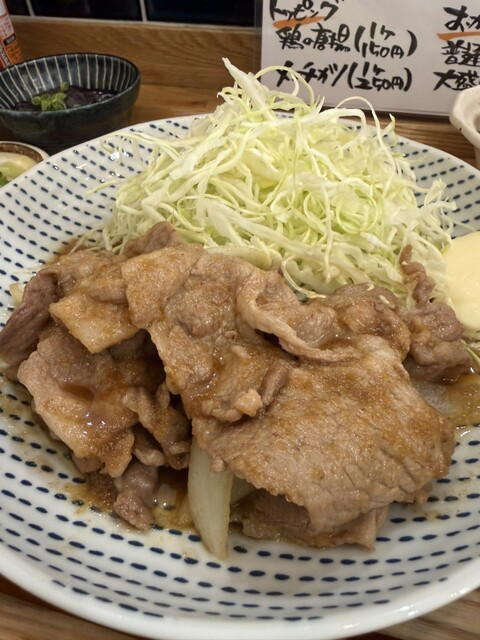
Shokudo Otsuka
Ichikawa, Japan
Named to Tabelog 100 Diner 2026, this March 2024 Fukuei cafeteria seats ten (six counter, four table) and runs JPY 1,000–1,999 per meal with no reservations accepted. Rice refills now cost extra (changed May 2025), and dinner starts at 6 PM as of January 2026. Worth the walk from Gyotoku Station if you value Tabelog validation over sub-JPY 999 ramen at nearby competitors.
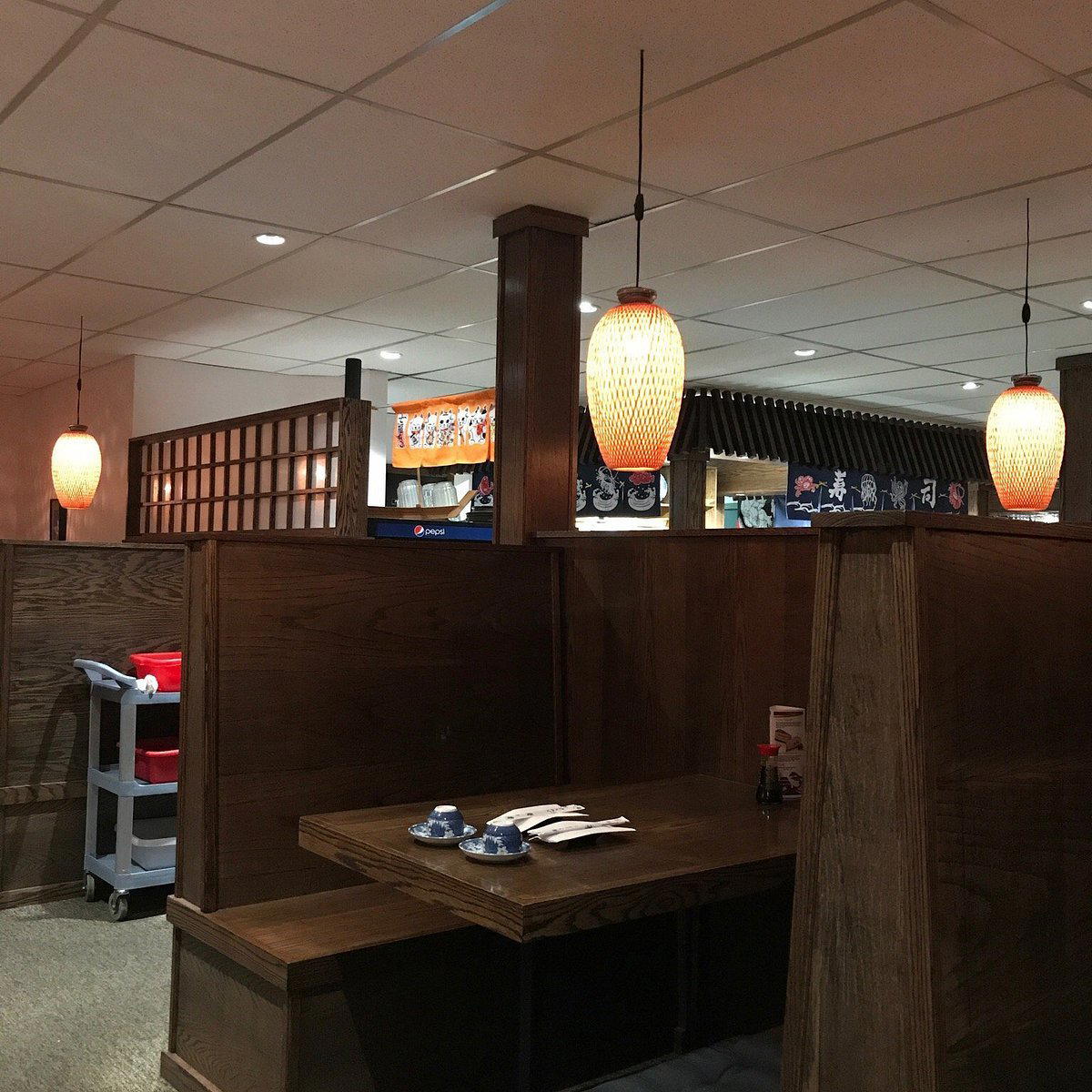
Asahiya
Ogaki, Japan
Asahiya works when you want an affordable Ogaki meal with a real quality signal, not a formal tasting-menu experience. It sits above the cheapest casual stops on credibility, below CUCINA on spend and occasion value, and works better as a planned daytime food stop than as a big-night-out booking.
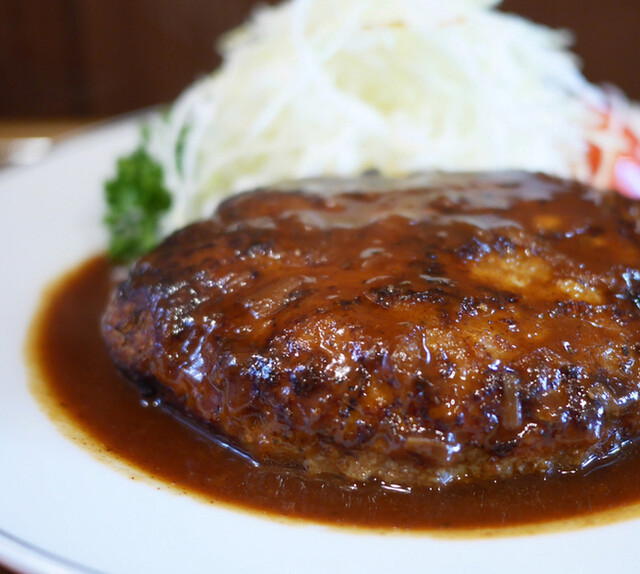
Sanfuku Tei
Tokyo, Japan
Tabelog Diner 100 (2026) cafeteria in Nihonbashi-Bakurocho serving tonkatsu and yoshoku at JPY 1,000–1,999. No reservations, cash only, weekday lunch and dinner. Eighteen seats, two-minute walk from Bakurocho Station. Recognition-backed comfort food for office workers and solo diners.
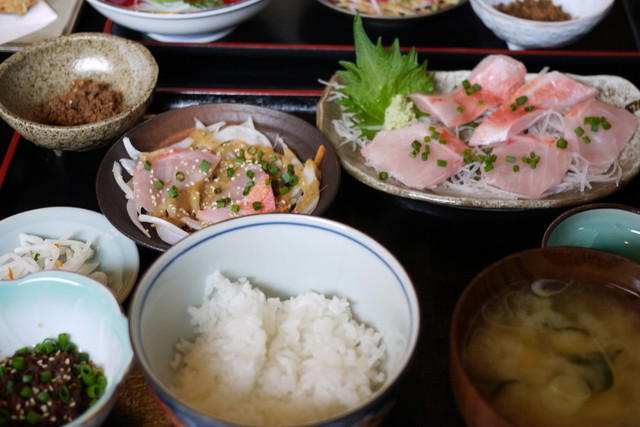
Kyuroku
Choshi, Japan
Choshi's tuna-specialist cafeteria (Tabelog 100 – Diner – 2026) serves seafood rice bowls and fresh bluefin cuts in an 18-seat, ocean-view space. Walk-in only, lunch hours 12–4 PM, closed Tuesdays. At JPY 3,000–4,999, it occupies the mid-tier between budget diners and formal sushi counters; worth the queue if you're willing to plan around the narrow service window and no-reservation policy.
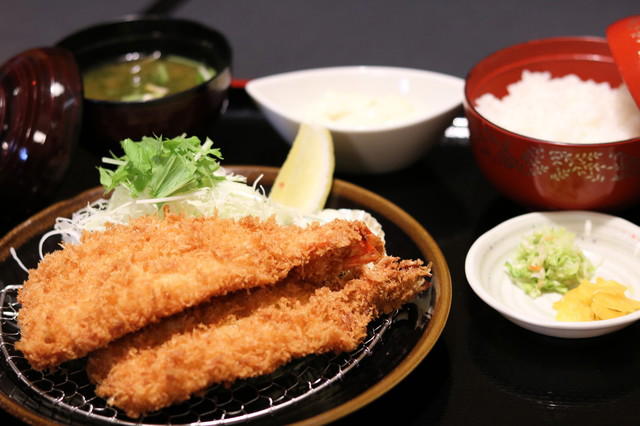
Sazanami Ise ten
Ise, Japan
A hotel cafeteria with a Tabelog 100 Diner 2026 listing, serving wild black tiger prawns from Papua New Guinea at JPY 3,000–3,999 per head. Functional atmosphere, careful sourcing, and efficient counter service make it a practical lunch stop near Ise Grand Shrine; especially if you arrive early to avoid the post-shrine rush.
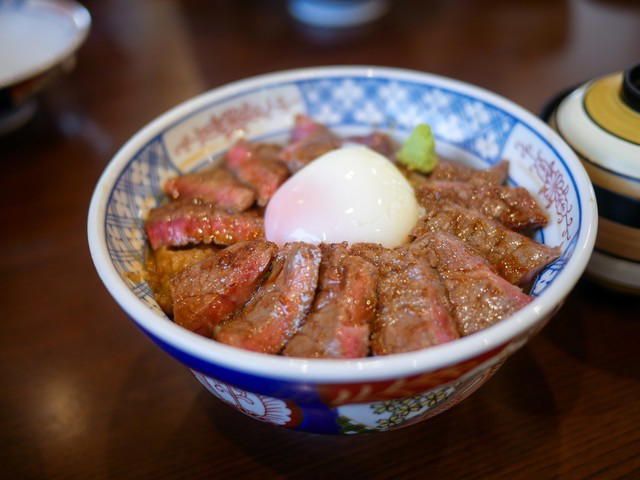
Imakin Shokudo
Aso, Japan
A Tabelog 100 diner in Aso's Uchinomaki Onsen district serving Kumamoto beef donburi in a no-frills tatami room. Walk-in friendly, cash-only, and open daily until 4 PM; best for lunch or late breakfast when you want quality regional ingredients without a reservation. At JPY 2,000–2,999, it's the most credentialed casual option in the area.
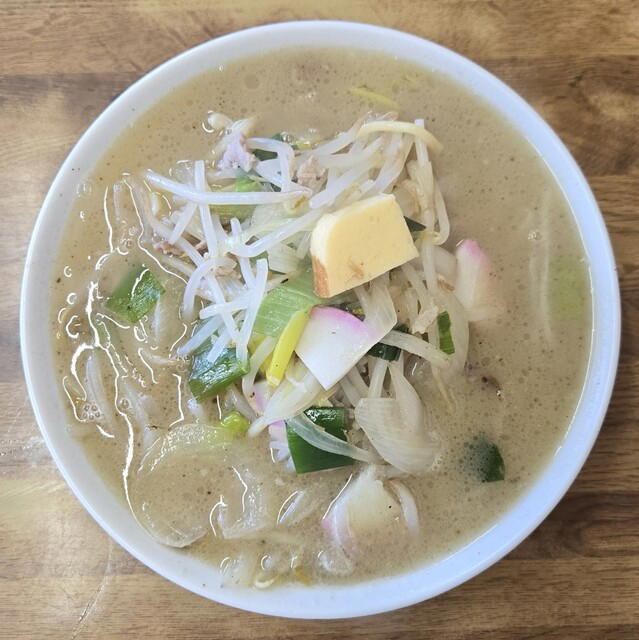
Wakayanagi Shokudo
Saga, Japan
A no-reservation Tabelog 100 – Diner serving champon noodle soup, udon, and rice bowls under JPY 999. Open weekdays until sold out, this Saga shokudo rewards early arrivals with generous portions and reliable regional cooking. Best for solo diners and pairs chasing a fast, local-approved lunch; skip it if you need booking certainty or evening service.
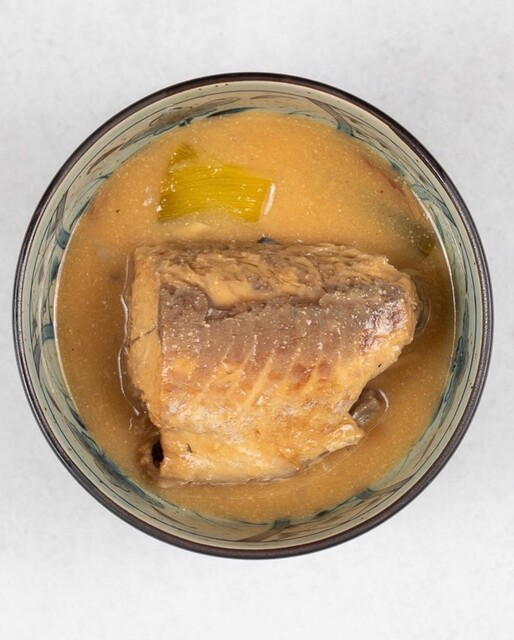
Uoriki
Tokyo, Japan
Cafeteria-izakaya in Kamiyamacho serving fresh seafood bowls and teishoku at under JPY 2,000, backed by a Meiji-era fish wholesaler. Tabelog 100 recognition twice over, family-friendly seating, and a 10-minute walk from Yoyogi-Koen Station keep the format practical and the pricing neighborhood-friendly.
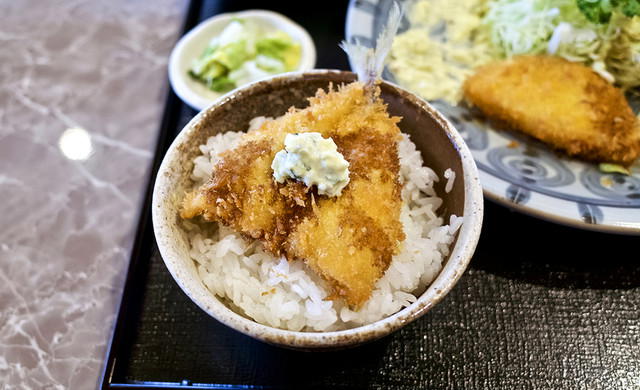
Shogetsu
Aichi-ken, Japan
Tabelog 100-recognized diner in Gamagori delivering fresh seafood lunches at JPY 1,000–1,999, with counter seating, private rooms, and parking. Lunch-only service (11 AM–2 PM, closed Sundays) makes this a practical midday stop for families and solo travelers seeking coastal catches without omakase pricing.
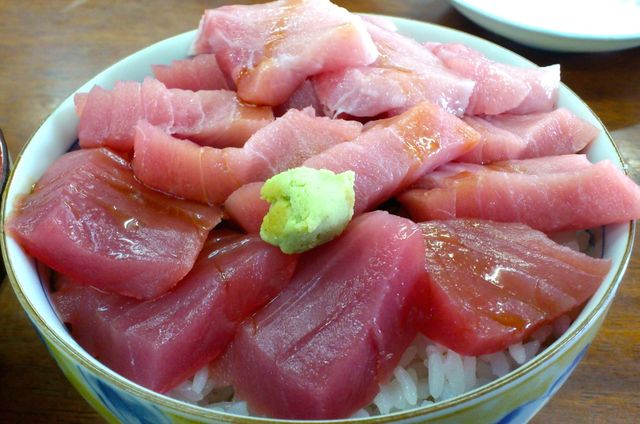
Kaikyo So
Aomori, Japan
A Tabelog 100 Diner in Ōma, Aomori, serving kaisendon and fresh bluefin tuna from October to May. No reservations, cash only, and closed during winter off-season. Worth the trip if you're chasing tuna at the source and willing to plan around the fishing calendar.
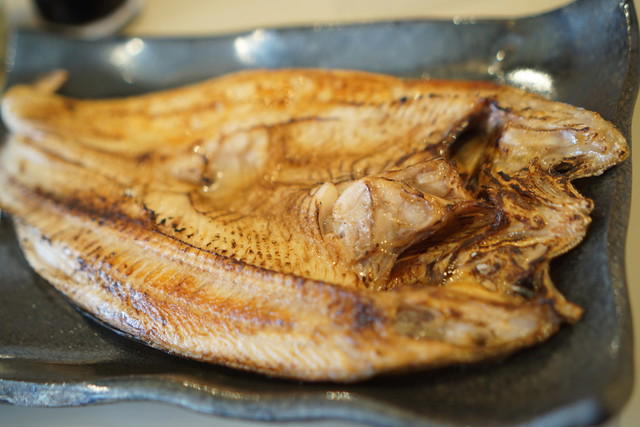
Shirokuma Shokudo
Otaru, Japan
A Tabelog 100 Diner since 2024, this nine-seat counter in Otaru's Ironai neighborhood applies izakaya technique to Hokkaido ingredients with solo-chef precision. Lunch runs under JPY 2,000 (no reservations); dinner (JPY 5,000–5,999, reservation-only) opens the sake program and grilled menu. Cash only, limited English, and the multi-year Tabelog recognition signals consistent execution over innovation.
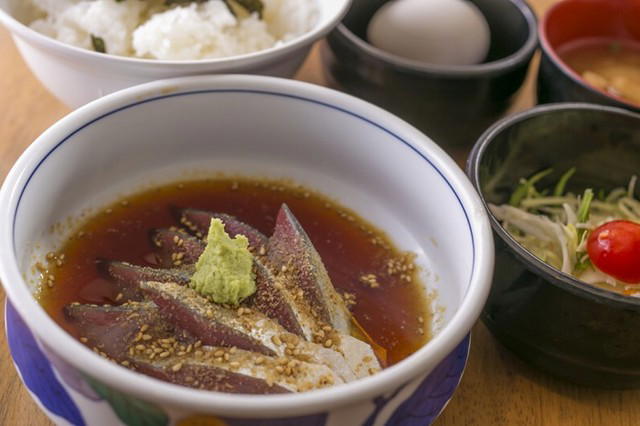
Hakata Gomasaba Ya
Fukuoka, Japan
Book Hakata Gomasaba Ya if you want a casual, focused Fukuoka meal that keeps cost and commitment low. It is stronger as a flexible lunch or late-leaning dinner than as a polished occasion booking, with Tabelog 100 recognition adding a useful trust signal for travelers choosing between budget-friendly local options.
Mendoriya
Asakura, Japan
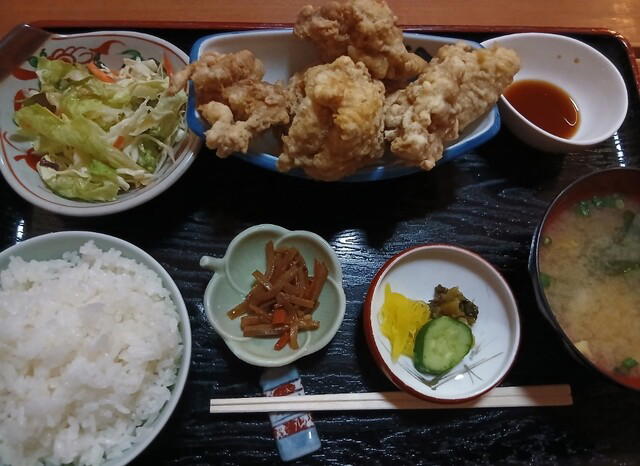
A Tabelog 100 Diner honoree serving kara-age, yakitori, and cafeteria-style lunch sets for under JPY 1,000. Open weekdays only until sold out, with reservations accepted; a rare feature at this price tier. Worth the trip if you're chasing fried chicken and grilled skewers in Asakura's no-frills dining scene.
Uokyu Eat-in Ajimise Honten
Tokyo, Japan
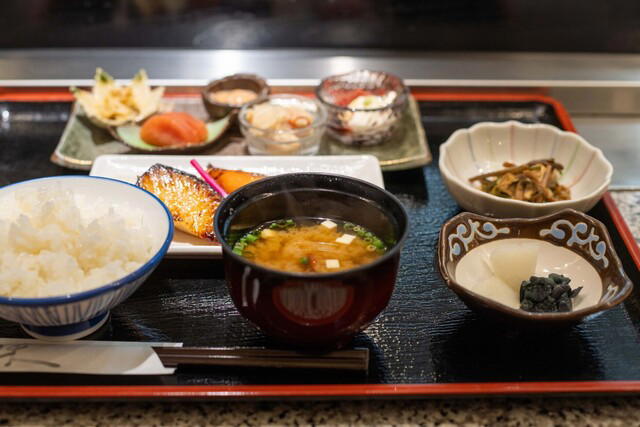
A walk-in lunch counter above a century-old pickled fish shop in Ningyocho, recognized three times in Tabelog's 100 Diner list. Teishoku sets at JPY 2,000 – JPY 2,999 focus on grilled fish and house-cured kasuzuke, with generous portions and rice refills. Open weekdays only, 11:00 AM – 2:00 PM, and closes weekends. Counter and table seating for 37; lunch-rush noise levels favor solo diners over long conversations.
Kura Zushi
Kitakata, Japan
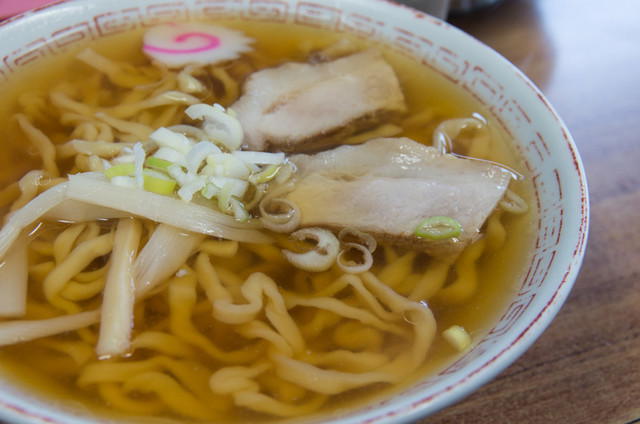
A 1972 family-run diner in a converted house, recognized on Tabelog's Diner 100 list four times for home-style ramen, oyako-don, and rotating daily specials under JPY 1,000. Tatami seating upstairs and delivery reservations only; cash-only operations keep prices low without sacrificing the execution that earned its multi-year awards streak.
Meatopia
Yonezawa, Japan
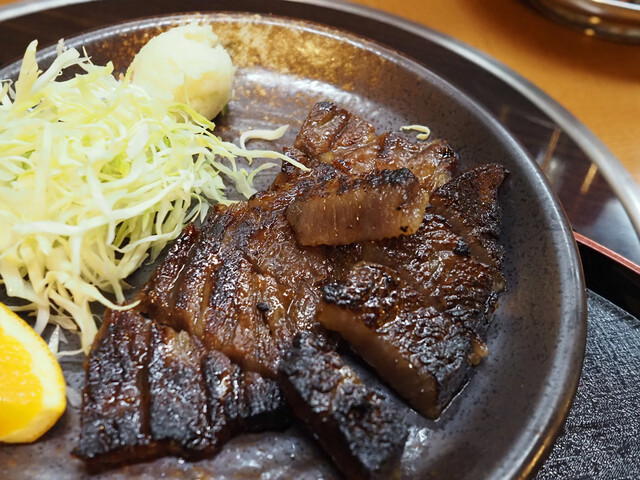
Meatopia is worth considering in Yonezawa if the goal is a recognized meal at a controlled spend. Its Tabelog 100 #97 placement for 2026 gives it a stronger signal than the price band suggests, but diners wanting a higher-spend beef showcase should compare Yonezawa Gyuu Tokiwa, Torikatsu Gyuniku Ten, or Yakiniku Miyoshi first.
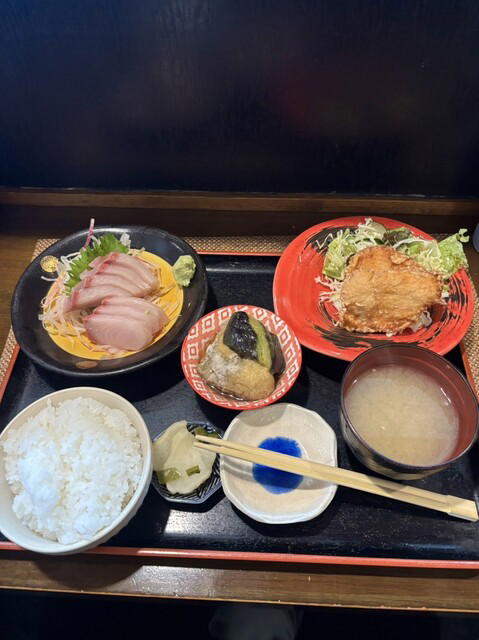
Shokujidokoro Tarafuku
Saitama, Japan
A 17-seat cafeteria in Saitama's Chuo Ward, named to the 2026 Tabelog 100 Diner list for fish-focused teishoku under JPY 1,000 at lunch and JPY 1,000 to JPY 1,999 at dinner. Cash only, no reservations needed, and parking available; ideal for straightforward, market-driven Japanese cooking without the usual award-venue markup.
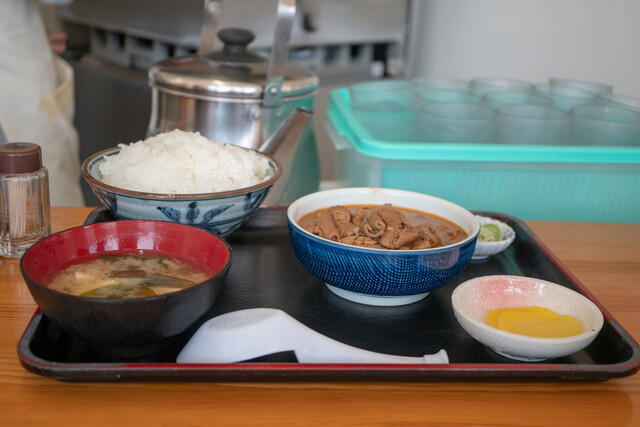
Nagai Shokudo
Shibukawa, Japan
Tabelog 100-recognized roadside cafeteria serving pork-offal set meals and ramen at under JPY 1,000. No reservations, counter seating only, and cash-only payment. Walk-ins move fast on weekdays; expect lines before noon. Best for drivers seeking no-frills comfort food on the Kan-etsu Expressway route through Gunma Prefecture.
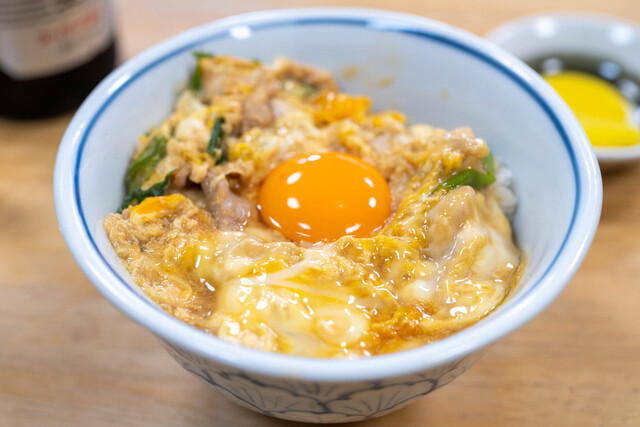
Torikita Honten
Nagahama, Japan
Walk-in diner three minutes from JR Nagahama Station, serving chicken-and-egg rice bowls and udon in the JPY 1,000–1,999 range. Tabelog 100 Diner (2024, 2026) recognition draws midday lines; the 18-seat room fills by 11:35 AM most days, and the kitchen closes when chicken stock runs out. Cash only, no reservations, family-friendly format.
Overview
Tabelog 100 - Diner - 2026 is an authoritative ranking of Japan’s top 100 diners as curated by Tabelog, Japan’s largest and most trusted restaurant review platform. It highlights the best casual eateries nationwide based on user reviews and expert evaluation, serving as a definitive guide for locals and travelers seeking authentic and high-quality diner experiences.
Since its inception, Tabelog has grown into Japan’s most influential restaurant review site, aggregating millions of user reviews to create comprehensive and trusted rankings. The Tabelog 100 series, including the 2026 Diner category, showcases the best eateries across Japan’s diverse culinary landscape. This list reflects evolving dining trends, regional specialties, and the enduring appeal of casual dining. It is respected both domestically and internationally as a reliable barometer of quality and popularity in Japan’s vibrant food scene.
For discerning diners and culinary travelers, the Tabelog 100 - Diner - 2026 list is an indispensable resource. It captures the heart of Japan’s diner culture; where tradition meets innovation in casual settings. From Tokyo’s bustling neighborhoods to hidden gems in regional towns, these 100 diners exemplify exceptional flavors, warm hospitality, and unique atmospheres. Explore Japan through its top-ranked diners, each offering authentic dishes that tell a story of local ingredients, history, and culinary craftsmanship.
Quick Facts
- Publisher
- Tabelog (Kakaku.com, Inc.)
- Year
- 2026
- Coverage
- Nationwide Japan
- Items
- 100 diners
- Frequency
- Annual
About This Edition
The 2026 edition spotlights a notable rise in diners integrating sustainable and locally sourced ingredients, reflecting growing consumer demand for responsible dining. New entries from emerging regional hotspots highlight Japan’s culinary decentralization beyond Tokyo and Osaka. Additionally, several long-standing favorites have innovated their menus, blending classic diner fare with contemporary twists. This edition demonstrates both reverence for tradition and dynamic evolution within Japan’s diner culture.
Frequently Asked Questions
What is Tabelog 100 - Diner - 2026?
How are honorees selected?
How often is this list updated?
How can I find these on Pearl?
How many of these have you visited?
Find out on Pearl and keep score across every place in Tabelog 100 - Diner - 2026.