
Kappa
Achi, Kurashiki
Restaurant in Kurashiki, Japan
 Book with Pearl
The Read
Price
$10–20per person
Dress
Casual
Why go
Kappa is worth considering for a serious Kurashiki meal if local recognition matters more than having every practical detail pre-confirmed. Its Tabelog 100 #78 placement in 2026 gives it a credible quality signal in a smaller restaurant market, making it a stronger fit for food-focused travelers than for diners who need full menu, price, and seating visibility before choosing.
About Kappa
Consider Kappa if Kurashiki itself is the point of the meal, not just a stop between larger food cities. The safest way to treat it is as a Kurashiki-focused restaurant choice with one clear recognition signal rather than a fully documented destination with menu, seating, price, or service details.
The appeal should not be built on claims about chef biography, cuisine, room layout, or a specific dining format. Plan around what is known: Kappa is in Kurashiki, the dress code is casual, and it has a Tabelog 100 #78 placement for 2026 with 3.6 points. Pair it with time in the city rather than treating it as a checklist-driven trophy booking.
Why it matters in Kurashiki
For planning, Kappa's Tabelog 100 #78 placement in 2026 gives travelers a clearer recognition signal than an otherwise thin set of details. Use that signal carefully: it confirms recognition, but it does not confirm cuisine, price, menu format, seating, or service style.
For a broader plan, use our full Kurashiki restaurants guide to build around it, then fill the rest of the day with other dining in Kurashiki according to your schedule and appetite. Treat those options as complements to Kappa rather than direct substitutes unless their details match what you need.
Who should put it on the itinerary
This is a good fit for a traveler who wants a recognized Kurashiki restaurant and is comfortable booking without confirmed details on cuisine, menu format, price, seat type, or service information. The dress code is casual.
The smarter approach is to place Kappa on a day already centered in Kurashiki, when staying local is part of the decision. Use our full Kurashiki hotels guide and broader city planning resources to anchor the rest of the visit. Quick reference: prioritize Kappa for a recognized local restaurant in Kurashiki; skip it if the decision requires confirmed price, cuisine, seating, or menu details in advance.
Planning details
- Location
- 阿知2-17-2, 倉敷市, 岡山県, 710-0055
The take
The Take
The Vibe
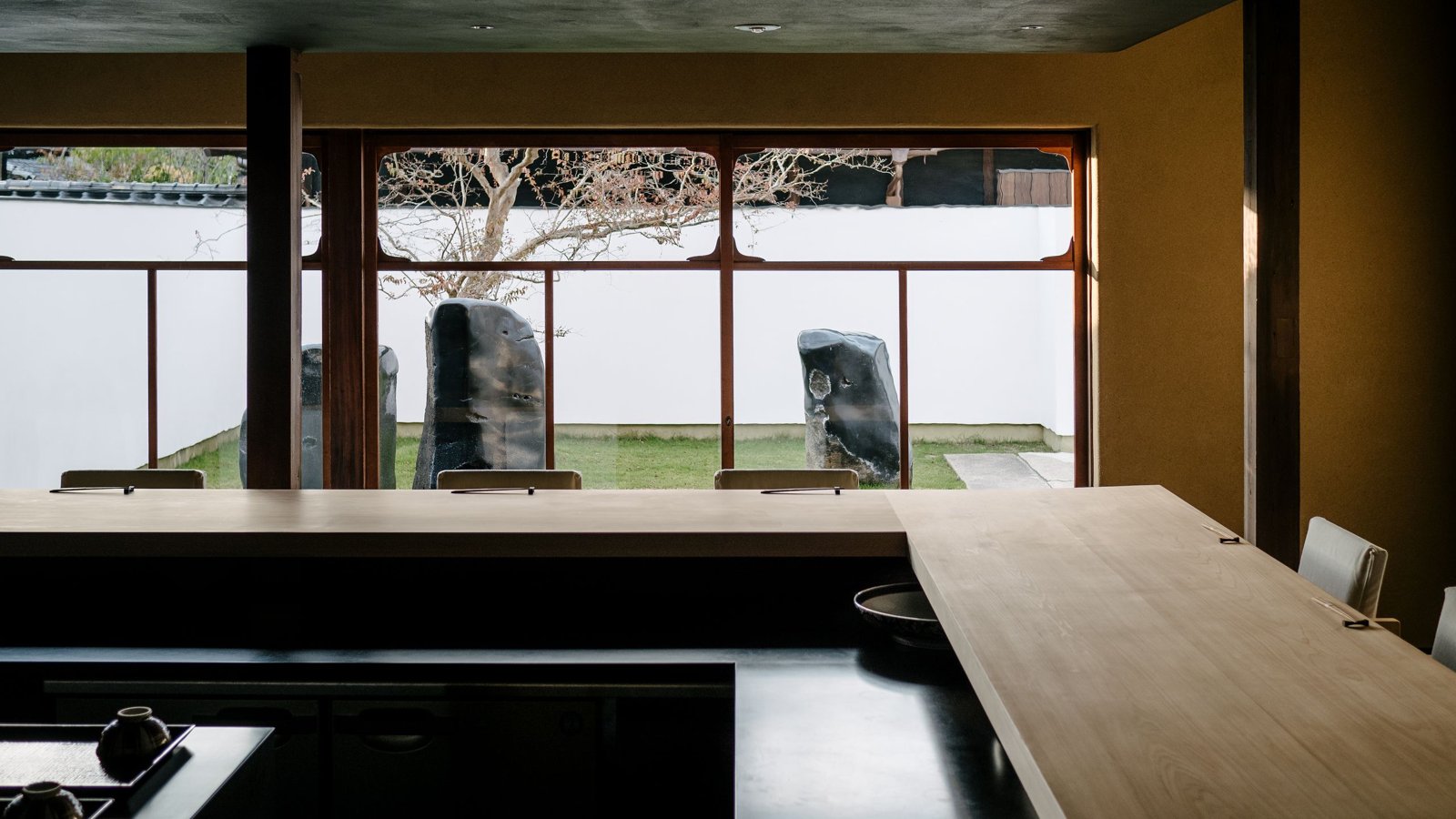
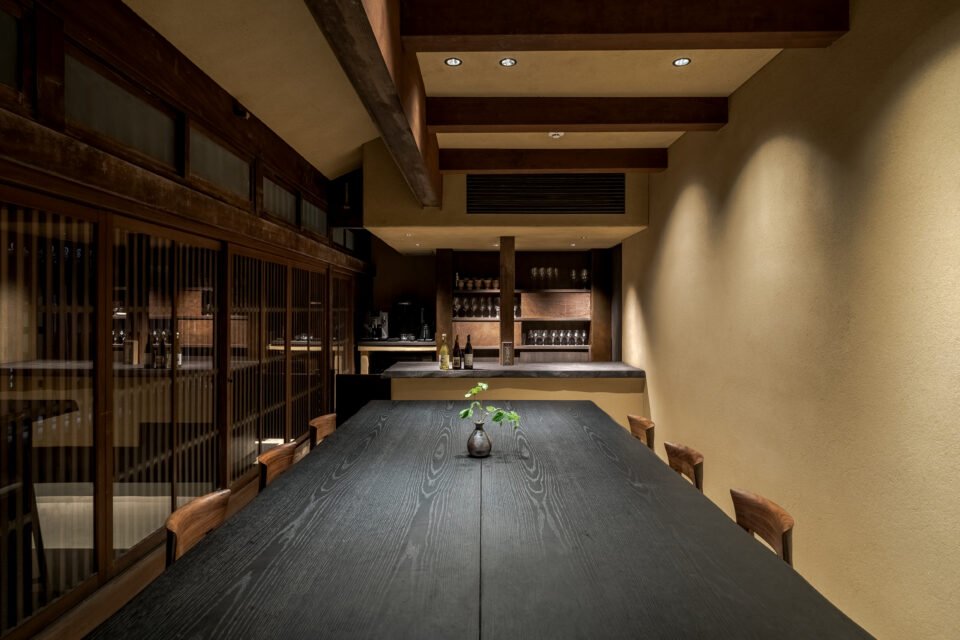
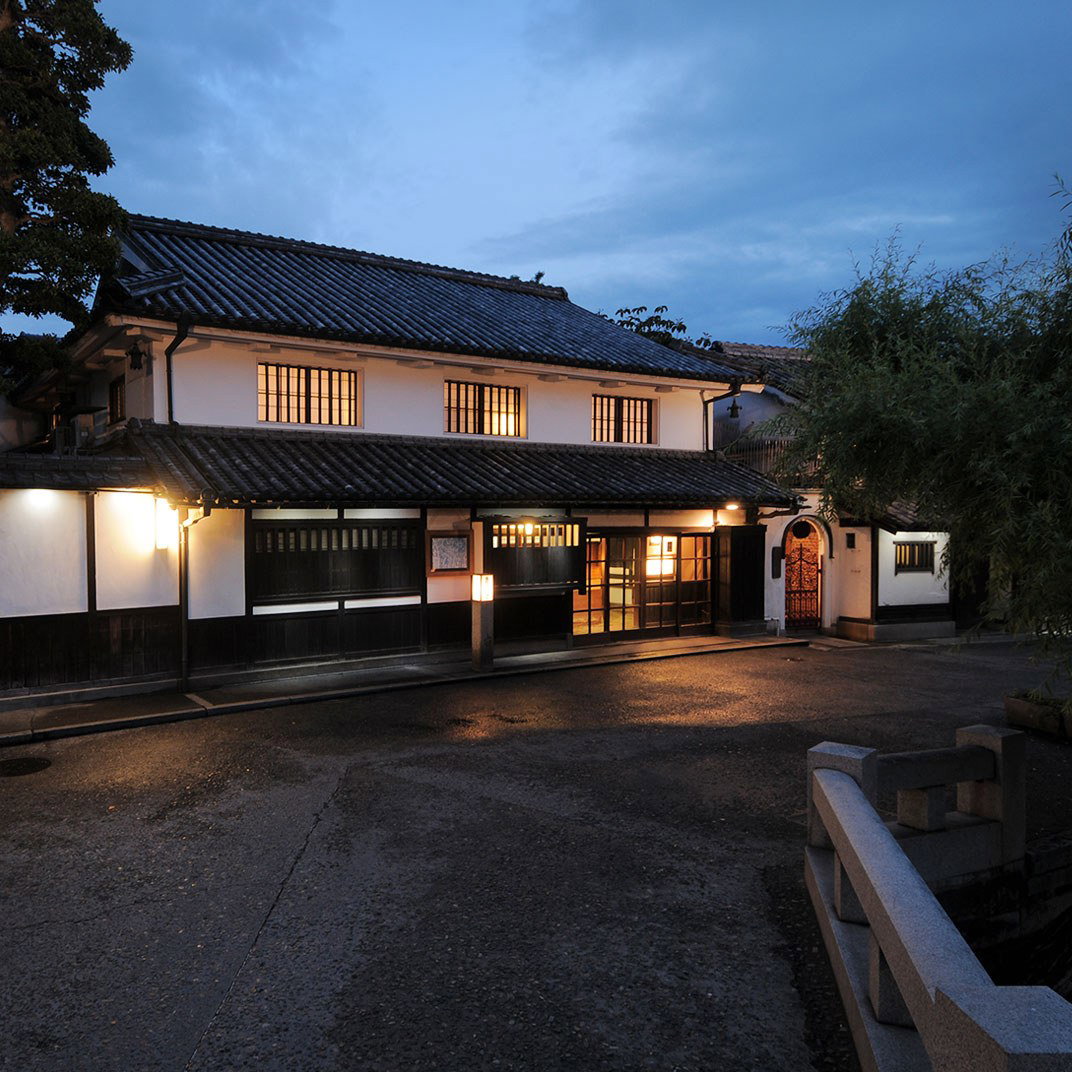
Kappa sits in Kurashiki’s Bikan district amid white-walled kura storehouses and a willow-lined canal, and its mood follows the neighborhood’s disciplined preservation. Approaches are through narrow stone streets and a low murmur of water; the kitchen mirrors that careful restraint. The dining room reads as historically anchored and quietly scenic, favoring thoughtful, intimate service and measured pacing over theatricality. The result is a serene, inward-focused experience where subtleties of texture and provenance matter as much as flavor. Expect an understated, contemplative dinner that rewards attention to seasonality and the regional larder.
Best For
Kappa suits diners who appreciate focused, locally rooted cooking rather than loud, social service. Families and solo diners find comfort in its composed atmosphere, and its disciplined approach makes it a sensible choice for business dinners where conversation and provenance matter. It also works for casual hangouts that favor good food over spectacle. Meals center on dinner service, when the kitchen’s attention to Okayama’s seafood, freshwater catches and agricultural produce is most evident. The compact streetscape and tranquil canal setting make for an intimate, reflective meal rather than a boisterous evening.
Ordering Tips
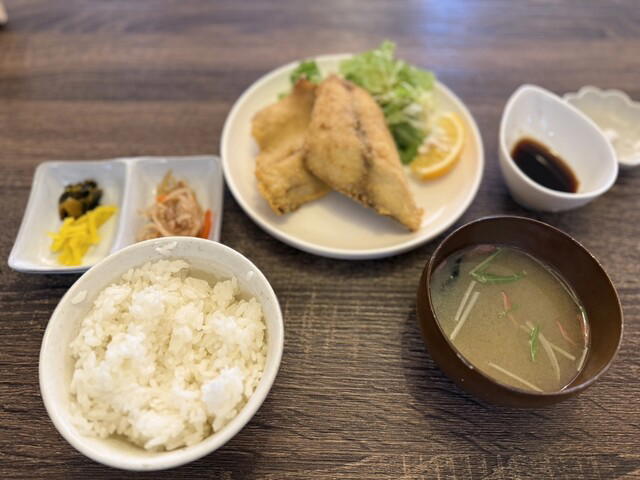
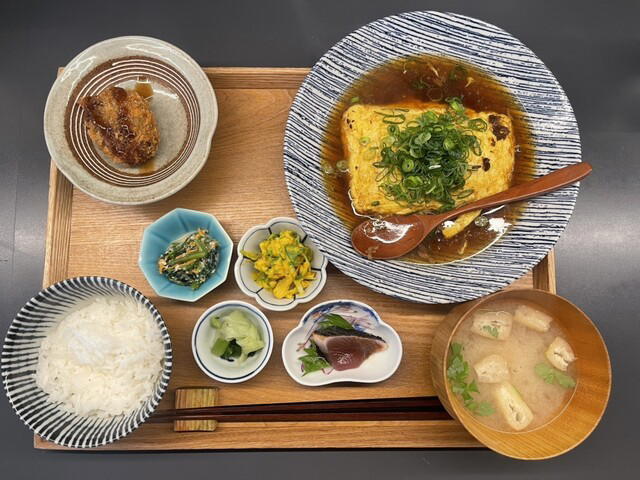
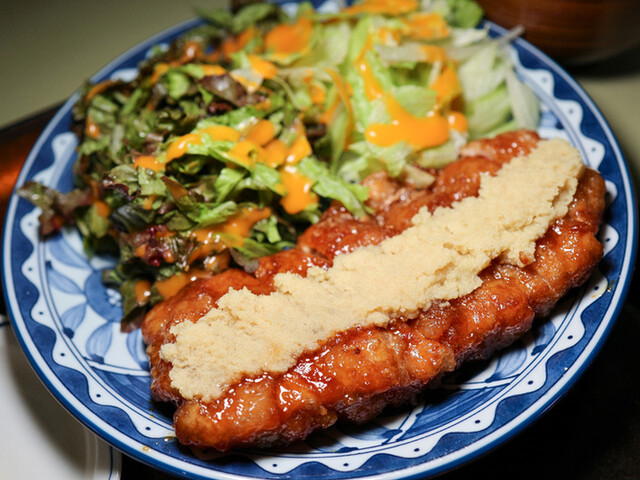
Order dishes that showcase Okayama’s larder: items built from Seto Inland Sea shellfish and white fish, freshwater catches, and rice from the Kibi Plain. Highlighted signatures include the Tonkatsu Set with Demi-Glace Sauce and the Meishiro Tontei, both of which signal the kitchen’s regional focus. Opt for seasonal plates that lean on texture and purity rather than heavy embellishment, and let the menu’s emphasis on locally sourced produce guide choices. The restrained approach rewards diners who prioritize freshness and provenance; choose seafood and simple, well-handled vegetables and rice.
Venue details
Ambiance
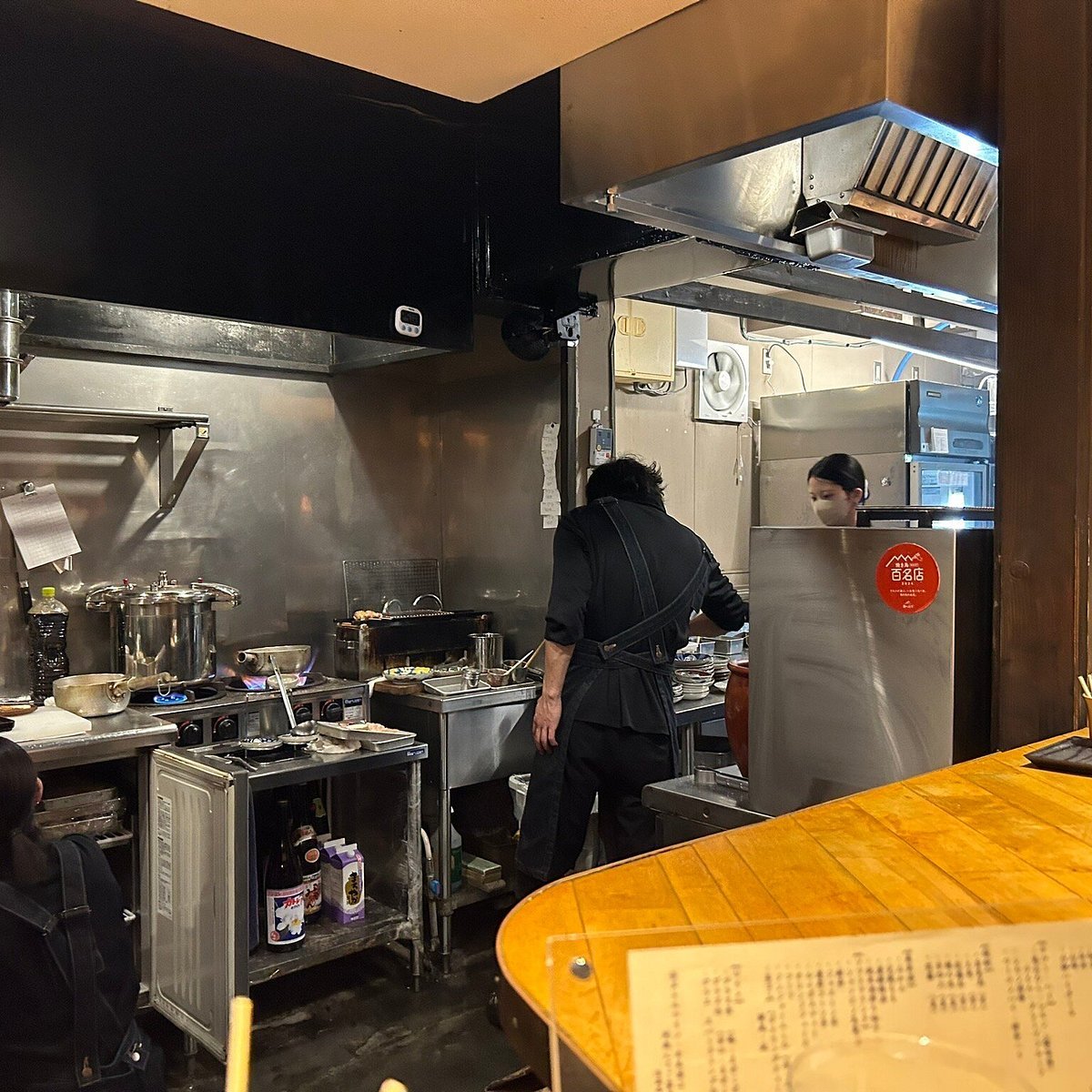
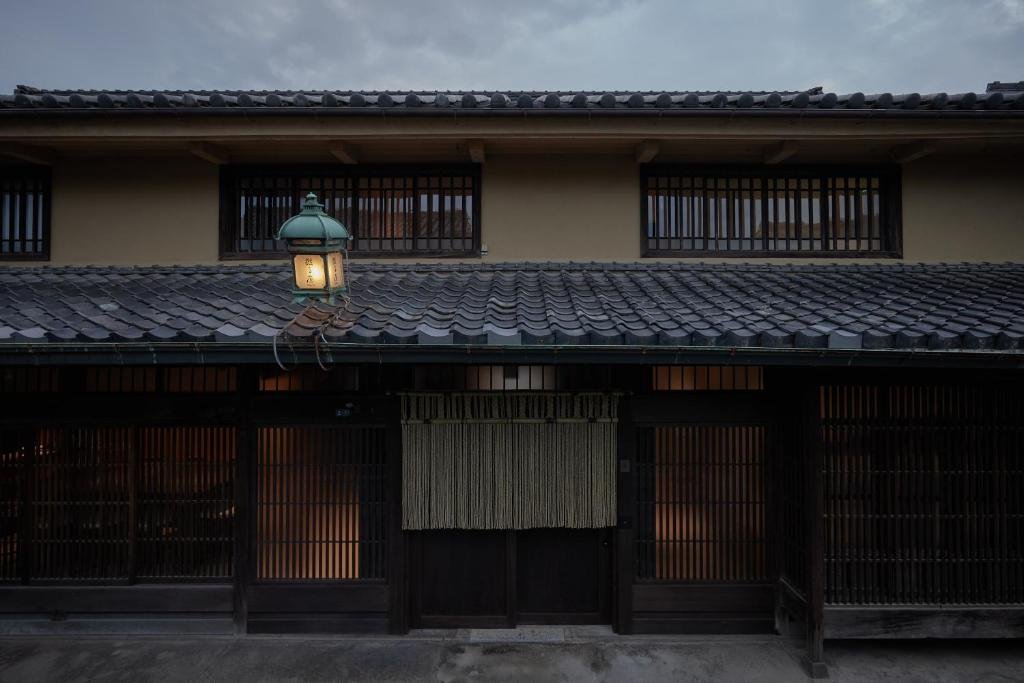
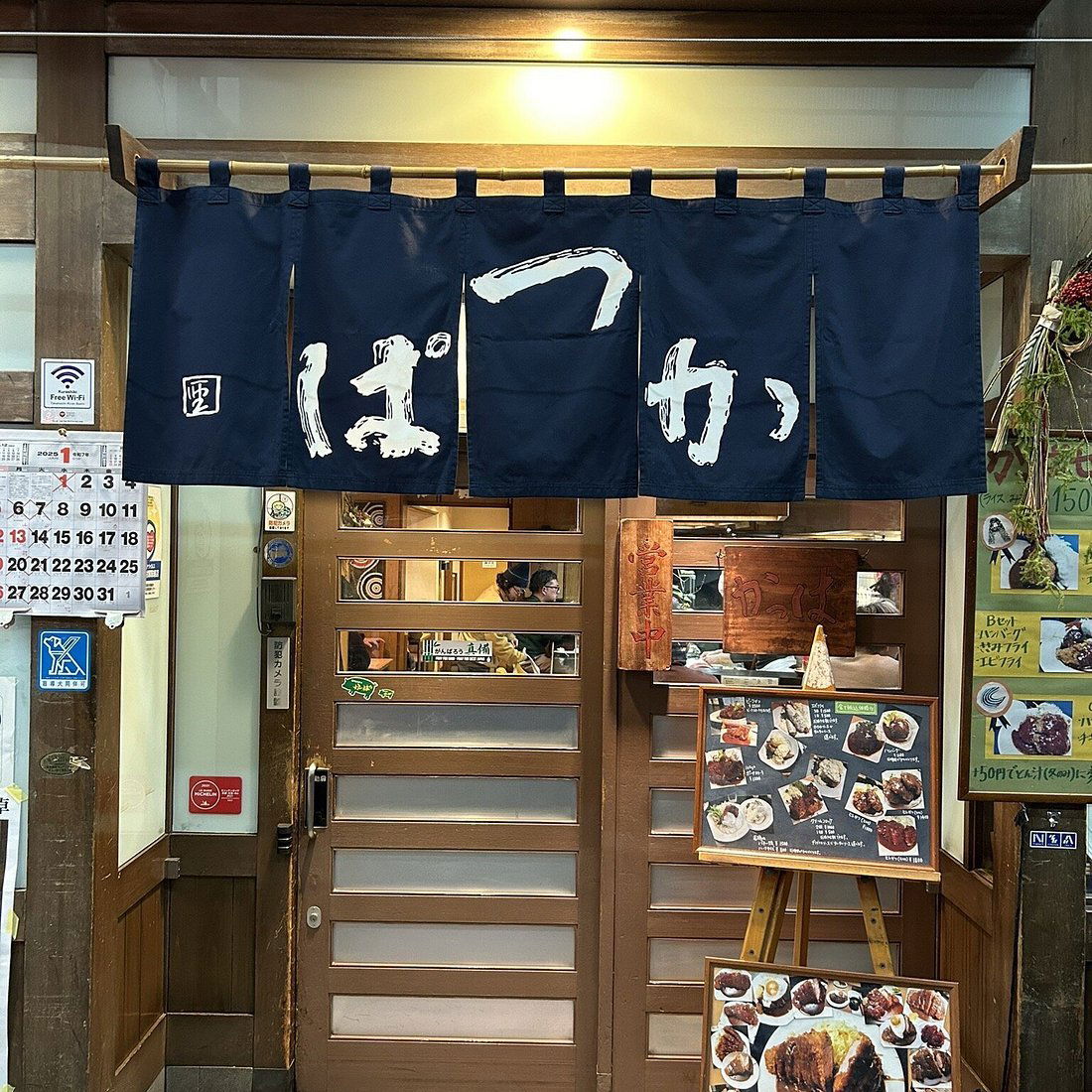
Comforting, down-to-earth atmosphere in a traditional Japanese exterior Western-style eatery with open kitchen and family warmth.
Tags
Vibe
Best For
Experience
At the Table
- Dress Code
- Casual
- Noise Level
- Conversational
- Service Style
- Casual
- Meal Pacing
- Standard
- Capacity
- Small
- Kitchen
- Traditional
- Menu Format
- A la carte
Signature Dishes
- Tonkatsu Set with Demi-Glace Sauce
- Meishiro Tontei
Know before you go
Know Before You Go
- Getting there
- 阿知2-17-2, 倉敷市, 岡山県, 710-0055
Planning details
Location
阿知2-17-2, 倉敷市, 岡山県, 710-0055 · Directions
Recognition and awards
Explore Kurashiki
Around this place
Discover more on Pearl
Unlock the full Kappa guide in Pearl, including awards, comparisons, FAQs, planning details, and nearby places.
FAQ
Frequently Asked Questions
What should I wear to Kappa?
The dress code for Kappa is casual. Neat casual restaurant attire is a safe choice.
What are alternatives to Kappa in Kurashiki?
If Kappa does not fit your timing, look for other Kurashiki restaurants that match your needs for cuisine, price, and availability. Kappa's Tabelog 100 #78 placement in 2026 is the clearest recognition signal.
How far ahead should I book Kappa?
Plan ahead if Kappa is important to your Kurashiki itinerary. Specific booking lead times and availability patterns should be confirmed directly before building a fixed schedule around it.
What should a first-timer know about Kappa?
Treat Kappa as a recognized Kurashiki restaurant with limited public detail. The confirmed facts are its Kurashiki location, casual dress code, and Tabelog 100 #78 placement in 2026 with 3.6 points.
Is Kappa good for a special occasion?
It can be a considered choice if your special occasion is about dining at a recognized Kurashiki restaurant. Do not assume a particular atmosphere, cuisine, price level, or service format without confirming those details directly.
Can I eat at the bar at Kappa?
What should I order at Kappa?
No specific cuisine, dish, chef, or menu format is established here. Check current information directly with Kappa and choose based on what the restaurant is offering when you book.