


Yoruya
Bikan Historical Quarter, Kurashiki
Hotel in Kurashiki, Japan
 Book with Pearl
Why go
Yoruya is worth booking for a design-led Kurashiki stay where atmosphere matters more than resort-style facilities. Its 2025 MICHELIN Guide hotel selection, 2025 National Geographic Hotel Awards runner-up recognition, and 2026 Design Hotels membership make it a strong fit for first-timers who want the hotel to feel connected to the city rather than generic.
About Yoruya
Kurashiki is not overloaded with design-led hotel information so the decision here should stay simple: Yoruya is best considered as a Kurashiki hotel with confirmed design-hotel recognition, rather than as a property to judge by details about facilities, room count, dining, or service format.
The main reason to consider booking is its recognition profile. Yoruya is listed as a 2026 Design Hotels member, a National Geographic Hotel Awards runner-up in 2025, and MICHELIN Guide Hotels Selected in 2025. Those signals make the strongest case for travelers who want the hotel itself to matter as part of a Kurashiki stay.
Design-first lodging in Kurashiki
Yoruya is in Kurashiki. It is best framed as a design-recognized hotel in the city, not as a property with specific claims about amenities, room layouts, dining formats, or wellness facilities.
The recognition profile supports that positioning. Its 2026 Design Hotels membership, National Geographic Hotel Awards runner-up placement in 2025, and MICHELIN Guide hotel selection in 2025 all point to a property with hotel recognition. That does not automatically make it the right choice for every trip, but it does make the case stronger for travelers seeking a design-recognized stay in Kurashiki.
Who should book, and who should cross-shop
Book if the goal is a Kurashiki stay with a strong design-hotel signal. The dress code is smart casual. Be more selective if the trip depends on spa time, a pool, a large gym, meeting facilities, loyalty benefits, specific dining, or detailed room features; those details should be checked directly before booking.
For broader planning, use Our full Kurashiki hotels guide alongside Our full Kurashiki restaurants guide. If you are comparing design-led or characterful stays beyond Kurashiki, consider Benesse House, Hotel Cycle, Naoshima Ryokan Roka, Ryokan Onomichi Nishiyama, and Uno Hotel as separate options rather than assuming they serve the same trip brief.
Planning details
- Location
- 2-7 Higashimachi, Kurashiki, Okayama, Kurashiki 710-0053, Japan
- Website
- marriott.com/en-us/hotels/okjyd-yoruya-a-member-of-design-hotels/overview
- Phone
- +81 50-5799-4721
The take
The Take
The Vibe
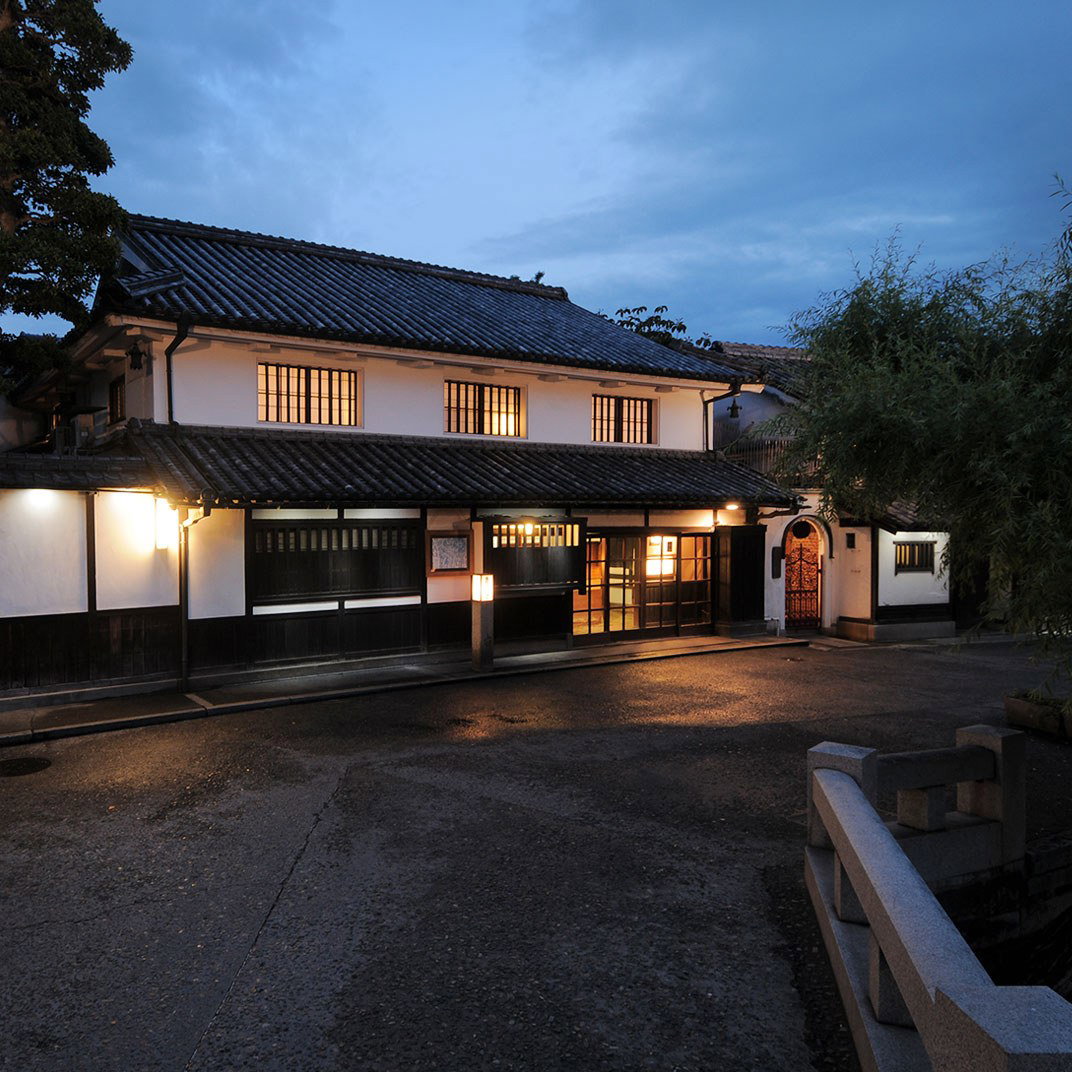
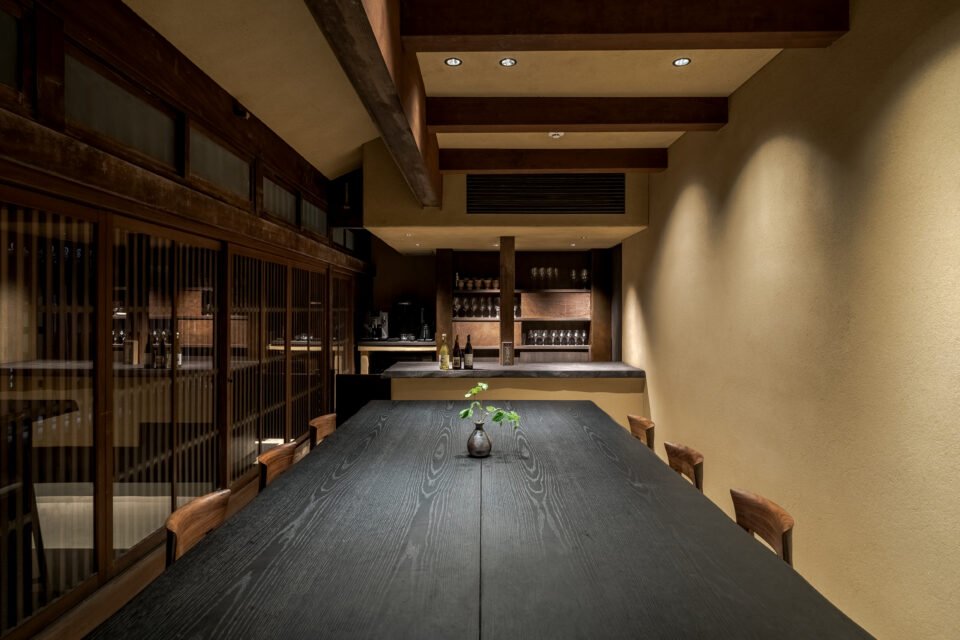
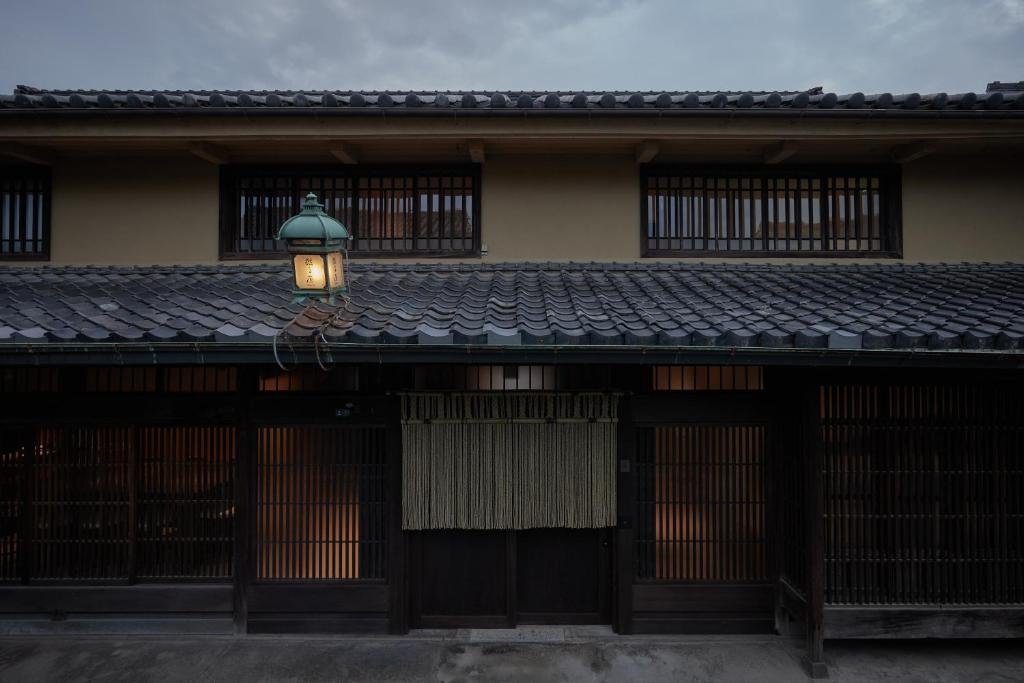
Yoruya reads as an authentic machiya rather than a pastiche: the hotel occupies an Edo-period townhouse whose structure remains intact. Low ceilings, exposed timber beams and tatami surfaces follow the original spatial logic, with a narrow street frontage that opens into layered interiors and an interior garden or light well. The neighbourhood—the canal, willows and white-walled kura storehouses—reinforces that sense of preservation, so the overall impression is quietly scenic and historically grounded. Guests encounter architecture as lived structure, not decorative staging, which gives the place a quietly charming, contemplative presence.
Best For
This is a hotel for travellers who prize cultural context and quiet immersion. It suits romantic getaways, anniversaries and weekend escapes where the appeal is exploring Kurashiki’s preserved streets and nearby museums on foot. Museum-goers, architecture fans and anyone seeking a tranquil base in a historic district find the location especially convenient: Yoruya sits within easy walking distance of the canal and the Ohara Museum of Art. The pace is reflective rather than social, making it ideal for low-key, restorative stays centered on place and history.
Venue details
Ambiance
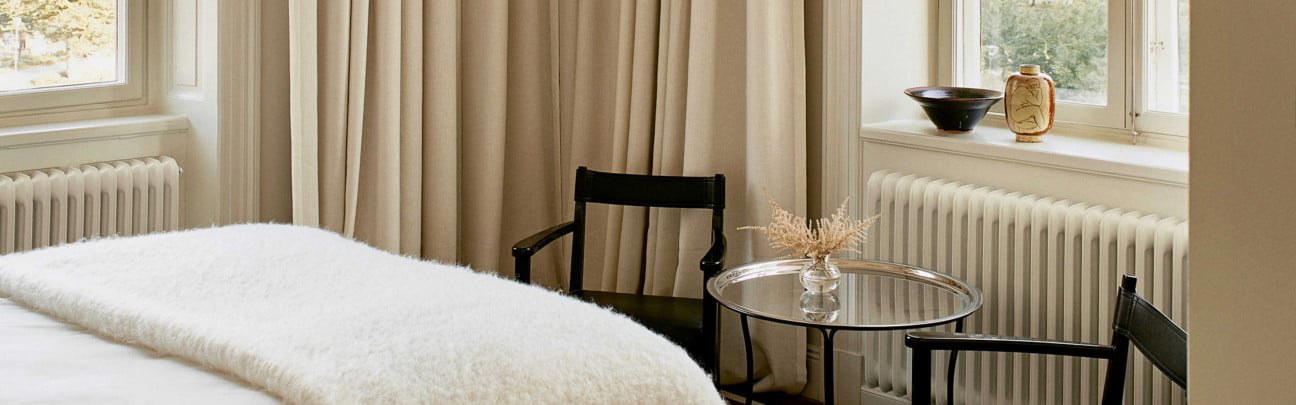
Tranquil and serene with soft natural light filtering through shoji screens, warm wooden elements, tatami flooring, and a minimalist aesthetic emphasizing stillness and authenticity.
Tags
Vibe
Best For
Experience
Amenities
View
About the Stay
- Rooms
- 13
- Check-in
- 15:00
- Check-out
- 11:00
- Property Type
- Boutique hotel
- Property Style
- Restored Historic Machiya Townhouse with Modern Extensions Preserving Edo Period Architecture.
- Design Style
- Minimalist Japanese with Exposed Wooden Beams, Tatami Floors, Shoji Screens, Hinoki Furnishings, and Local Bizen Ware.
Know before you go
Know Before You Go
- Getting there
- 2-7 Higashimachi, Kurashiki, Okayama, Kurashiki 710-0053, Japan
Planning details
Location
2-7 Higashimachi, Kurashiki, Okayama, Kurashiki 710-0053, Japan · Directions
marriott.com/en-us/hotels/okjyd-yoruya-a-member-of-design-hotels/overview
Recognition and awards
Also consider
Where to look if this is not the right fit
If Kurashiki is not the fixed base, cross-shop Benesse House for an art-led Naoshima itinerary or Hotel Cycle for a more casual Onomichi stop. If the goal is a ryokan-style stay rather than design-hotel atmosphere, start with Ryokan Onomichi Nishiyama.
Hotel context
How Yoruya compares in the Kurashiki and Setouchi hotel set
Choose Yoruya if Kurashiki itself is the focus and the hotel needs to feel calm, design-conscious, and close to the city's slower historic rhythm. Uno Hotel is the more practical cross-shop for travelers prioritizing access around Uno and the islands rather than a Kurashiki-centered stay.
Naoshima Ryokan Roka and Benesse House make more sense when the trip is built around Naoshima and the art-island circuit. They are better matches for travelers who want the accommodation to anchor an island itinerary; Yoruya is the cleaner choice when the base should be Kurashiki rather than the Setouchi ferry network.
Ryokan Onomichi Nishiyama and Hotel Cycle are stronger alternatives for an Onomichi-focused route. Pick Ryokan Onomichi Nishiyama for a more ryokan-led stay, Hotel Cycle for a more casual, route-oriented stop, and Yoruya for a quieter design-hotel read in Kurashiki.
Explore Kurashiki
Around this place
Discover more on Pearl
Unlock the full Yoruya guide in Pearl, including awards, comparisons, FAQs, planning details, and nearby places.
Compare Yoruya
| Venue | Location | Awards |
|---|---|---|
| Yoruya | Kurashiki | 2026 Design Hotels Collection2025 Michelin Selected HotelsNational Geographic Hotel Awards 2025 |
| Uno Hotel | Tamano | No published awards |
| Naoshima Ryokan Roka | Naoshima | 2026 Michelin 1 Key2025 Michelin 1 Key2024 Michelin 1 Key |
| Benesse House | Naoshima | 2026 Michelin 2 Keys2025 Michelin 2 Keys2024 Michelin 2 Keys |
| Ryokan Onomichi Nishiyama | Onomichi | 2026 Michelin 1 Key2025 Michelin 1 Key2024 Michelin 1 Key |
| Hotel Cycle | Onomichi | No published awards |



How Yoruya Kurashiki compares with similar nearby venues.
FAQ
Frequently Asked Questions
Which room category is best at Yoruya?
Choose the room that gives you the layout you need most, and confirm room-specific details directly before booking. The stronger case for Yoruya is the property-level recognition: 2026 Design Hotels membership, a 2025 National Geographic Hotel Awards runner-up finish, and MICHELIN Guide Hotels Selected recognition in 2025.
Do loyalty programs work at Yoruya?
Do not plan around loyalty perks unless you have confirmed them directly with the property. The signals are about design and recognition, not chain-style points. If loyalty benefits are essential, compare your options carefully before booking.
Is Yoruya good for business travel?
It may work for a Kurashiki business stay if the location and room setup fit your needs, but check directly for business-specific facilities. Confirm practical details directly before booking, especially if you need meeting space, work amenities, or loyalty benefits.
When is the best time to book Yoruya?
Book once your Kurashiki dates are firm if Yoruya is the hotel you want. The clearest draw is its design-hotel recognition, so availability and fit should be checked directly rather than inferred from amenities or service details.