

2026 Falstaff Winery Guide: The Ultimate Wine Authority — Page 9
Falstaff's 2026 Wineries guide.

Venues on this list
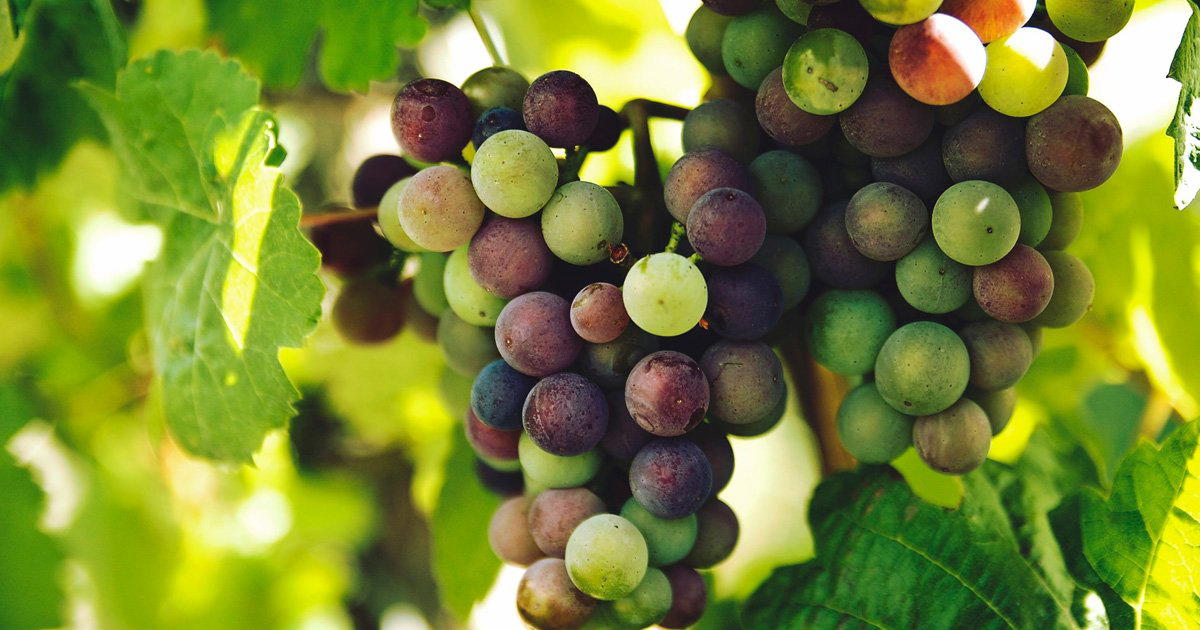
Bobulles Samuel Hacaj
Senkvice, Slovakia
Bobulles Samuel Hacaj works for a Senkvice wine itinerary if the goal is a focused local producer rather than a fully documented cellar-door experience. The 2026 Falstaff listing is the key trust signal; plan ahead, keep the schedule flexible, and pair it with other Senkvice winery research before building the trip around it.
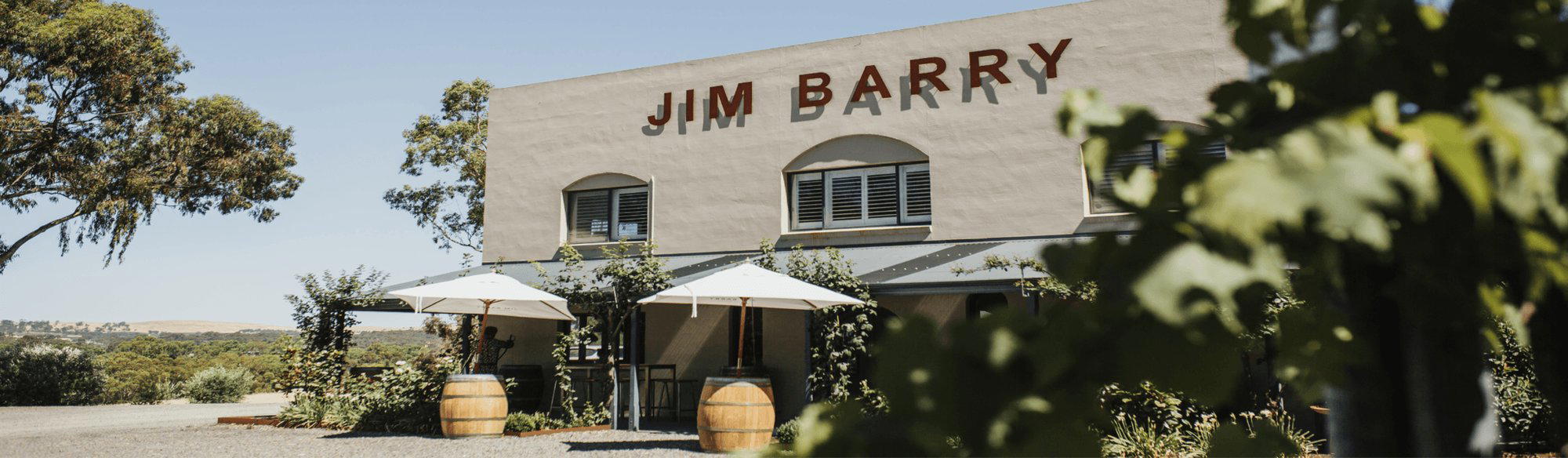
Jim Barry Wines
Clare Valley, Australia
Jim Barry Wines is a strong Clare Valley pick when the tasting is the main event, especially for couples or small groups planning a special-occasion wine day. Treat it as a wine-first cellar door rather than a meal stop, and book ahead rather than leaving it to chance.
Enjingi
Vetovo, Croatia
Book Enjingi if your Slavonian wine day is about Graševina, organic farming, native yeasts, and a rustic estate setting rather than polished tourism. It is a stronger fit for wine-focused travelers than for visitors seeking a full food program, but the flagship white has useful pairing range with seafood-style freshness and tangy cheeses.

Champagne Marie Copinet
Montgenost, France
A sensible Montgenost Champagne stop for visitors who want a quieter producer-focused visit rather than a scripted hospitality experience. Book with flexible expectations: verified detail is thin on tasting format, food, pricing, and flagship wines, so it works better as part of a wine-focused day than as the single anchor of a special-occasion itinerary.
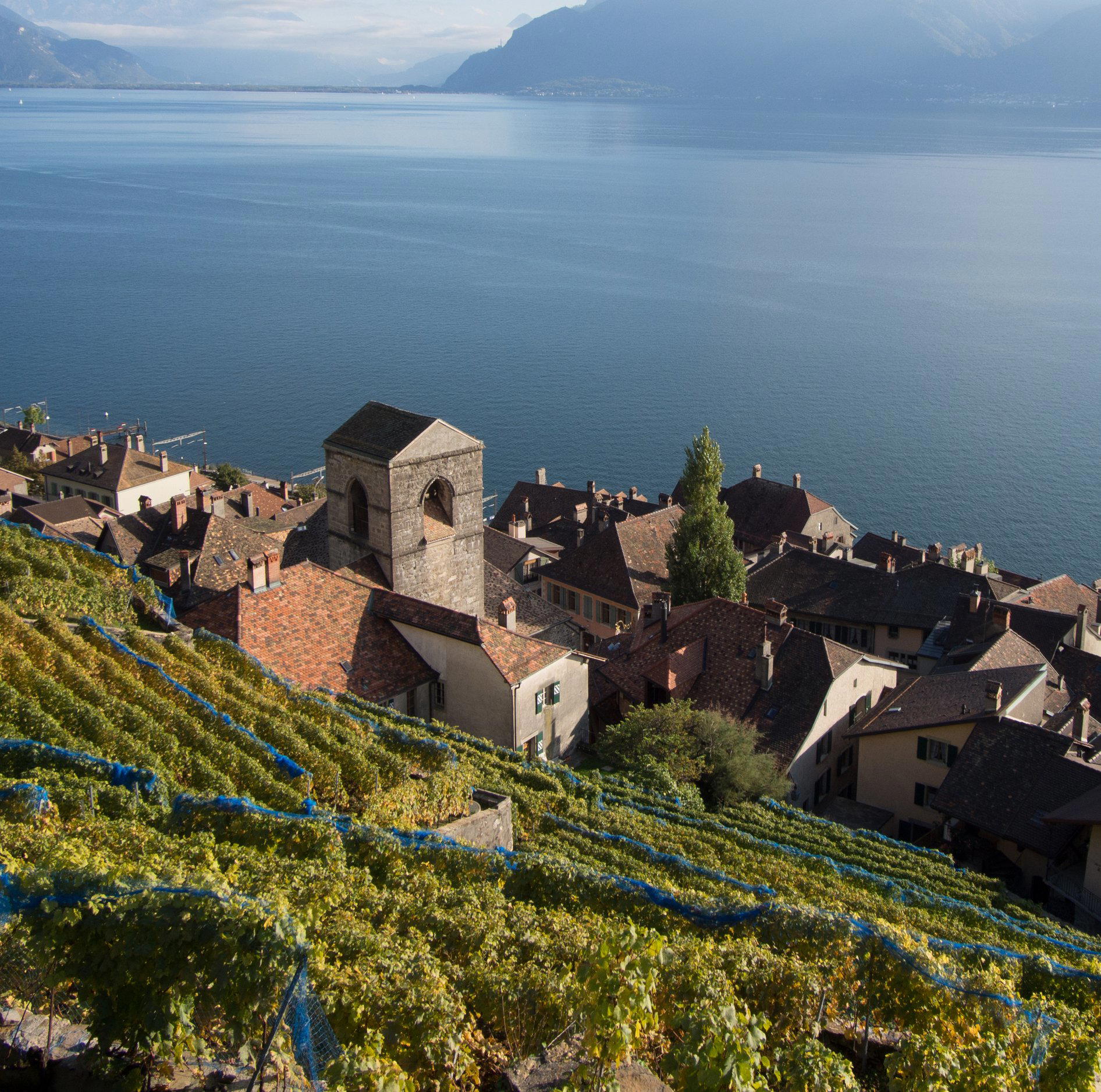
Cave Bernard Chevalley - Les Fosses
Saint-Saphorin (Lavaux), Switzerland
A quiet, traditional Saint-Saphorin cellar for travellers who want serious Lavaux Chasselas rather than a broad hospitality setup. Cave Bernard Chevalley - Les Fosses is strongest as a focused wine appointment, especially for drinkers interested in Grand Cru site expression, small-scale production and Falstaff-recognised bottles.
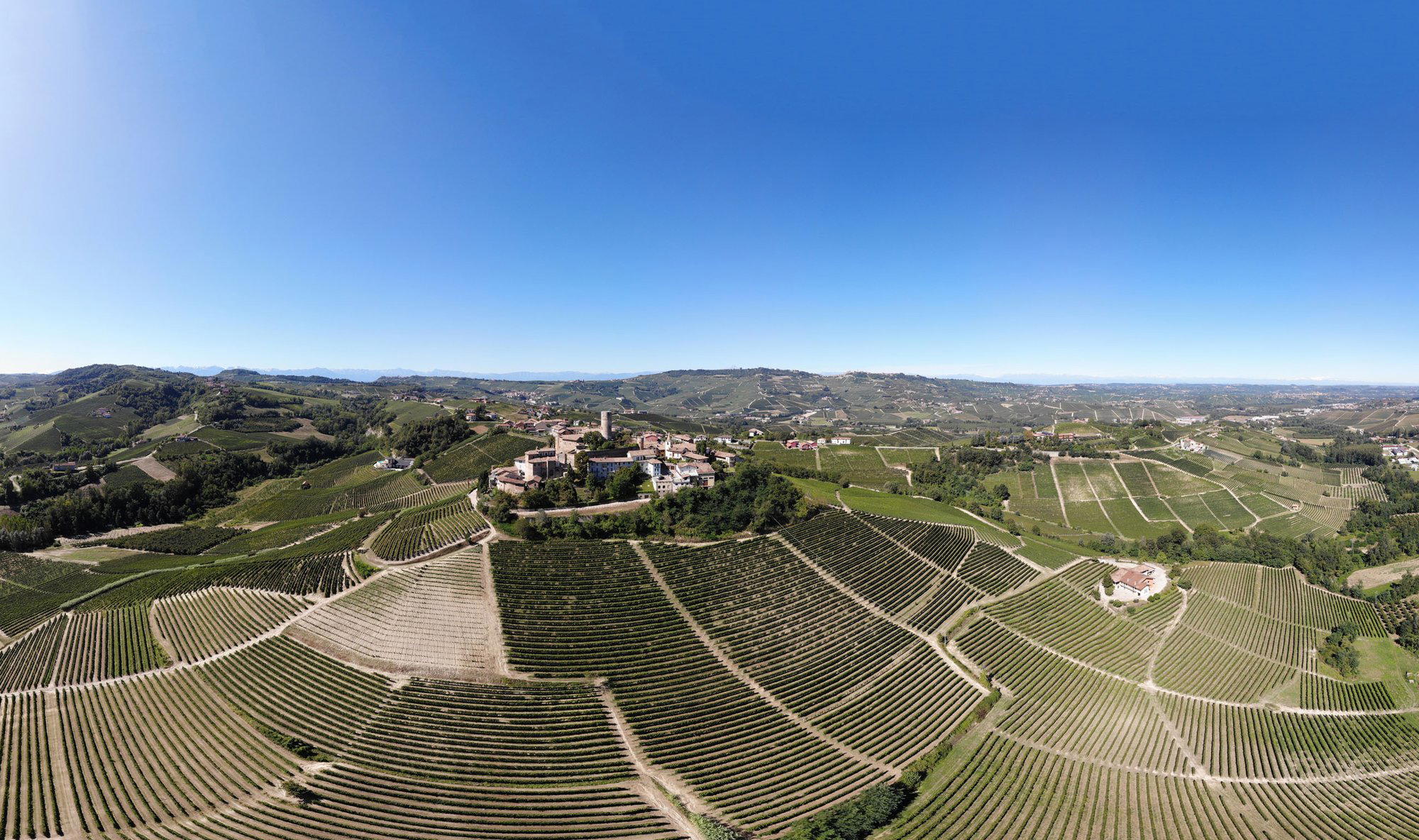
Azienda Agricola Raineri Gianmatteo
Farigliano, Italy
Worth booking if the priority is a compact, serious Langhe tasting centered on Nebbiolo and Barolo rather than polished hospitality extras. The draw is the small-scale, hand-worked production, with Barolo Perno DOCG as the bottle to assess and Falstaff listing adding a useful recognition signal.
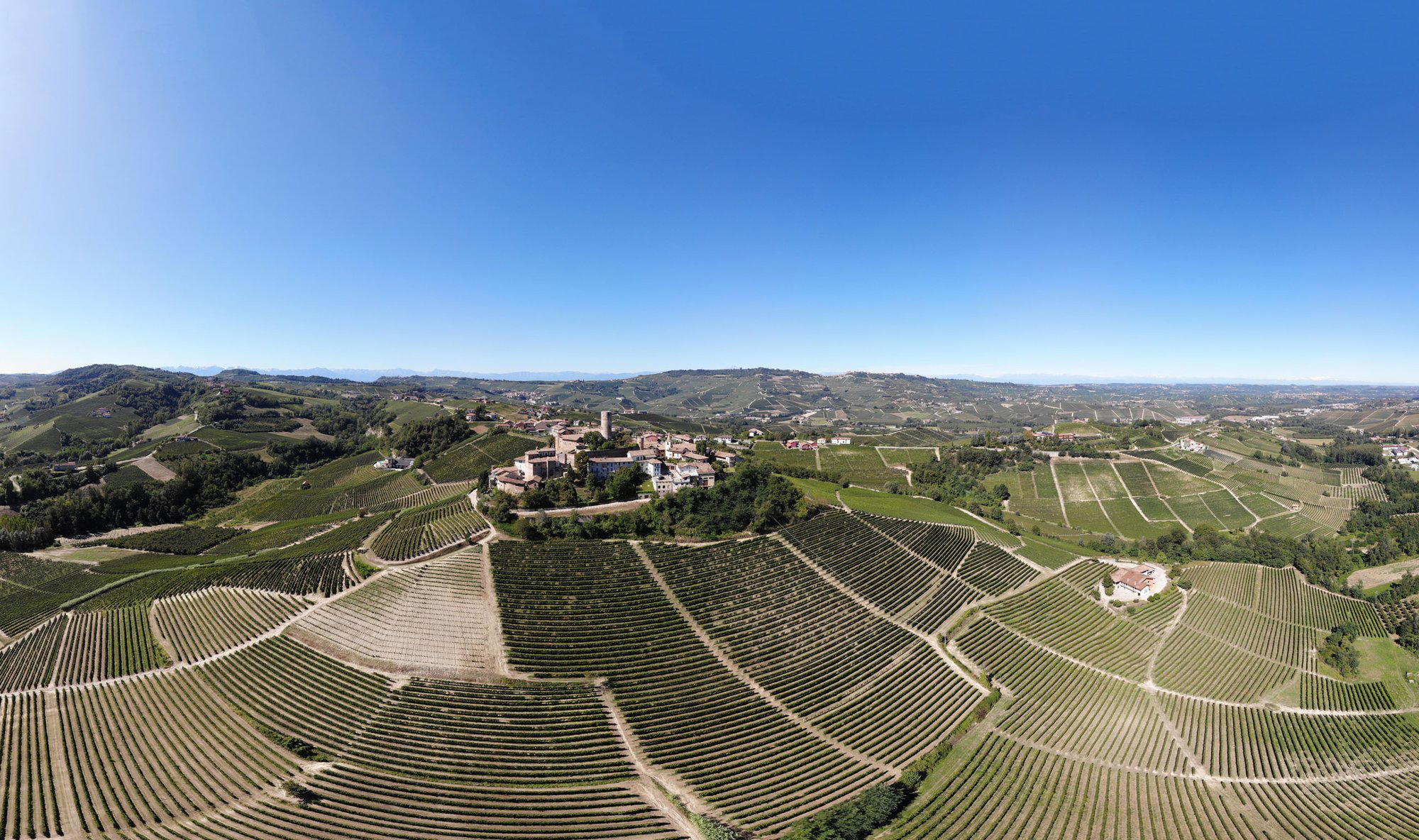
Azienda Agricola Cavalier Bartolomeo
Castiglione Falletto, Italy
Azienda Agricola Cavalier Bartolomeo works for a focused Castiglione Falletto winery stop, especially if the goal is to assess value in Barolo country rather than chase a glossy tasting-room experience. Plan it as part of a slower village wine day, with fewer appointments and enough time to compare styles thoughtfully.
Domaine de Rosiers
Ampuis, France
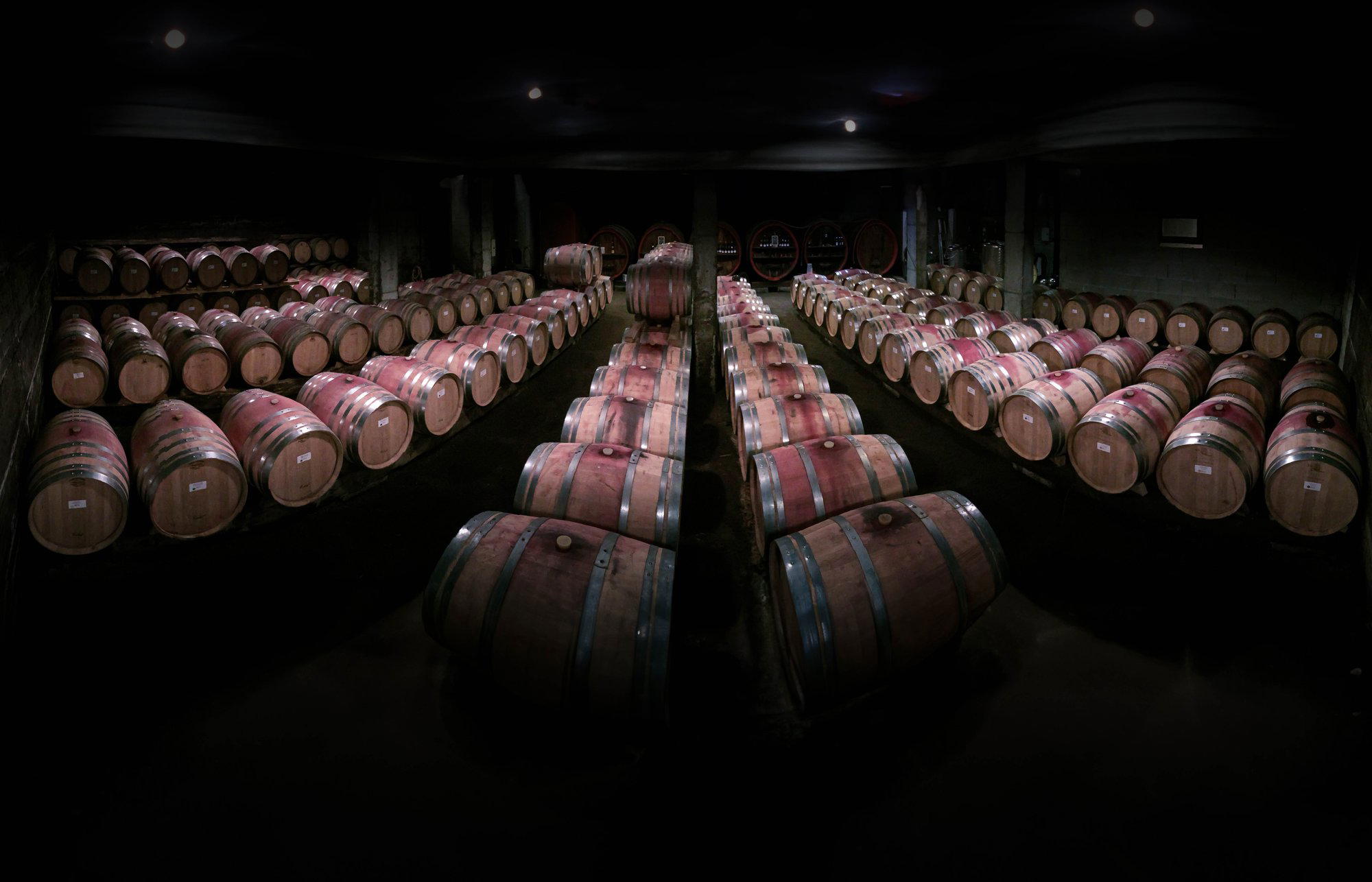
Domaine de Rosiers is worth booking if the priority is a quiet, working-winery tasting in Ampuis rather than a polished hospitality production. The draw is estate-grown Côte-Rôtie, a small Condrieu counterpoint, HVE3 certification, and an appointment-led format suited to couples or small wine-focused groups. Falstaff Listed in 2026, it is a practical pick for visitors who want vineyard context with moderate spend.
Domaine Cornulus - Stéphane Reynard & Dany Varone
Savièse, Switzerland
Prioritize Domaine Cornulus - Stéphane Reynard & Dany Varone if Chenin Blanc, organic farming, and serious Valais whites are the point of the trip. The vinothèque is better for focused tasting than casual group drinking, with the strongest pull coming from estate-grown whites shaped by Savièse’s gypsum and limestone soils.
Folias de Baco
Alijo, Portugal
Folias de Baco works as an easy Alijó winery stop, especially if the day already includes other Douro tastings. The strongest fit is a wine-focused traveler who wants depth and flexibility, not a guest who needs published tasting tiers, named flagship bottles, or a heavily structured hospitality format before planning.
Château de Ségriès
Lirac, France
A practical Lirac winery choice for a wine-led date, celebration, or flexible stop rather than a full dining plan. Château de Ségriès has a 2026 Falstaff listing and easy booking difficulty, so it works when current recognition and low planning friction matter more than published food, pricing, or hospitality extras.
Adegas D’Altamira, S.L.
Dena Santa Eulalia P, Spain
Adegas D’Altamira, S.L. works for wine-focused travelers already planning time in Rías Baixas, especially those interested in Albariño rather than polished visitor infrastructure. Book only with an appointment mindset: the value is in the regional context, rural cellar setting, and recognized Brandal Albariño track record, not a broad hospitality program.
STAGLIN Family Vineyard
Rutherford, United States
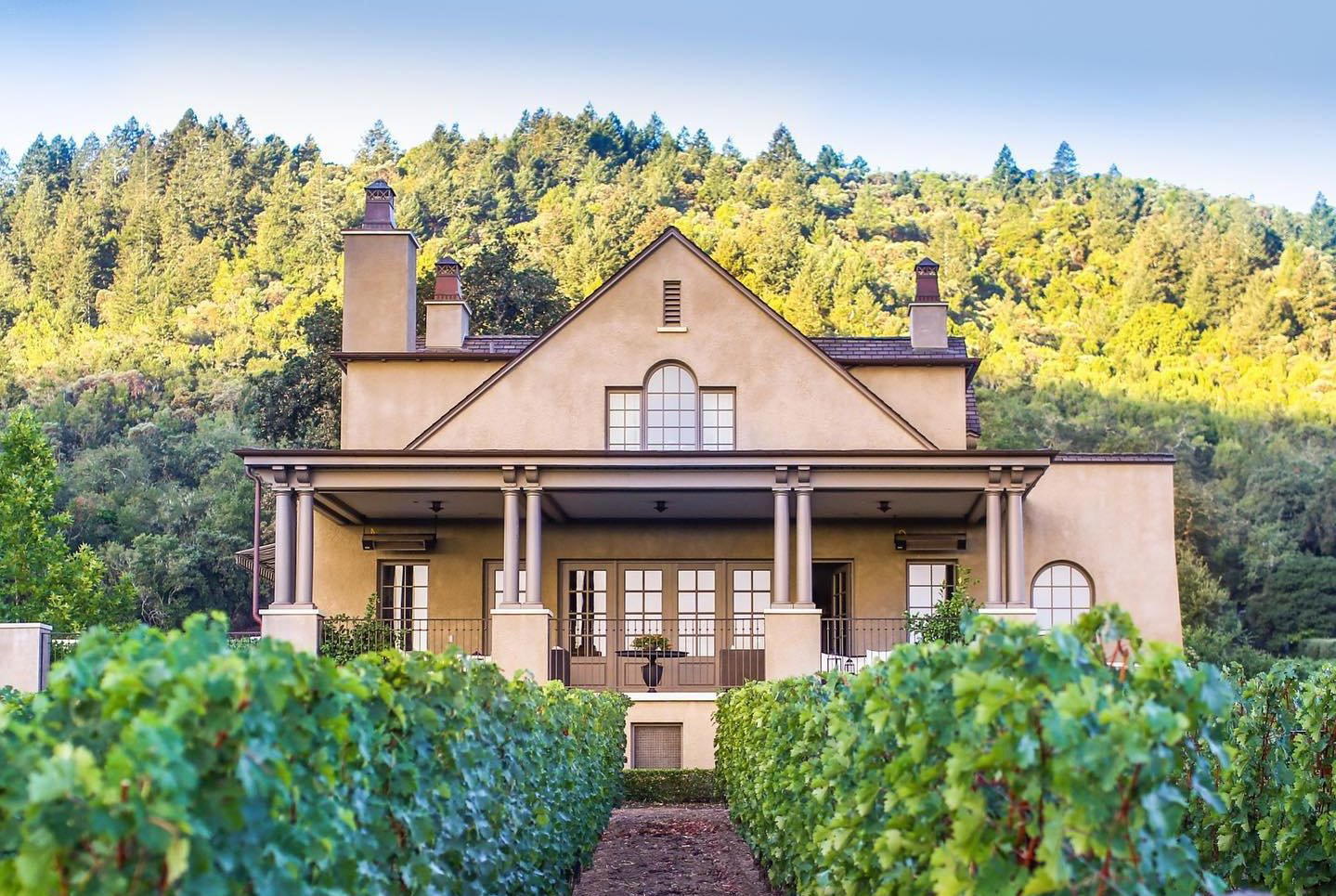
STAGLIN Family Vineyard is worth pursuing for serious Napa collectors, not for travelers who need an easy, fully transparent tasting plan. In Rutherford, it is a higher-friction choice than Cakebread Cellars or Inglenook, but more compelling if access and a focused vineyard visit matter more than convenience.
Bodegas y Viñedos Labastida
Labastida, Spain
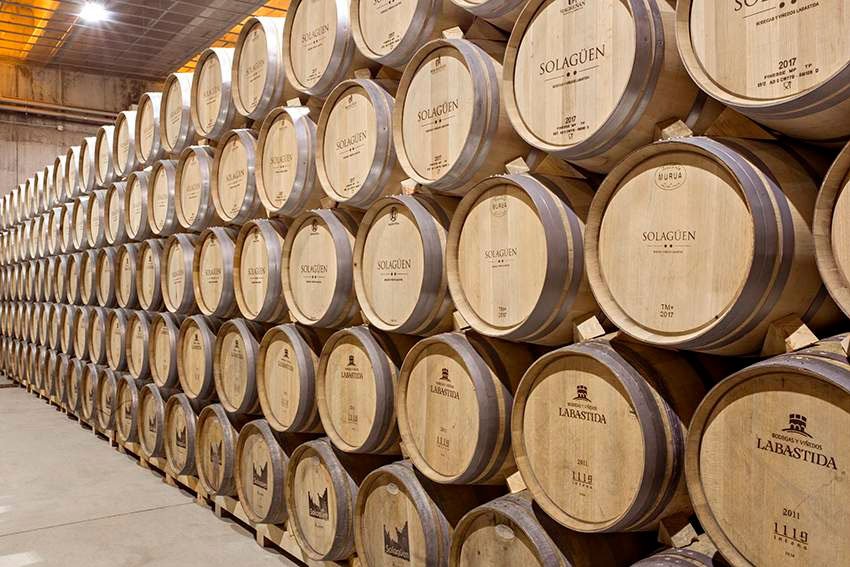
Book Bodegas y Viñedos Labastida if the goal is a serious Rioja Alavesa cellar visit rather than a polished tasting-room stop. The draw is cooperative scale, old-vine selection, recovered concrete tanks, and a portfolio that runs from €9.50 Solagüen Crianza to more selective Manuel Quintano bottlings.
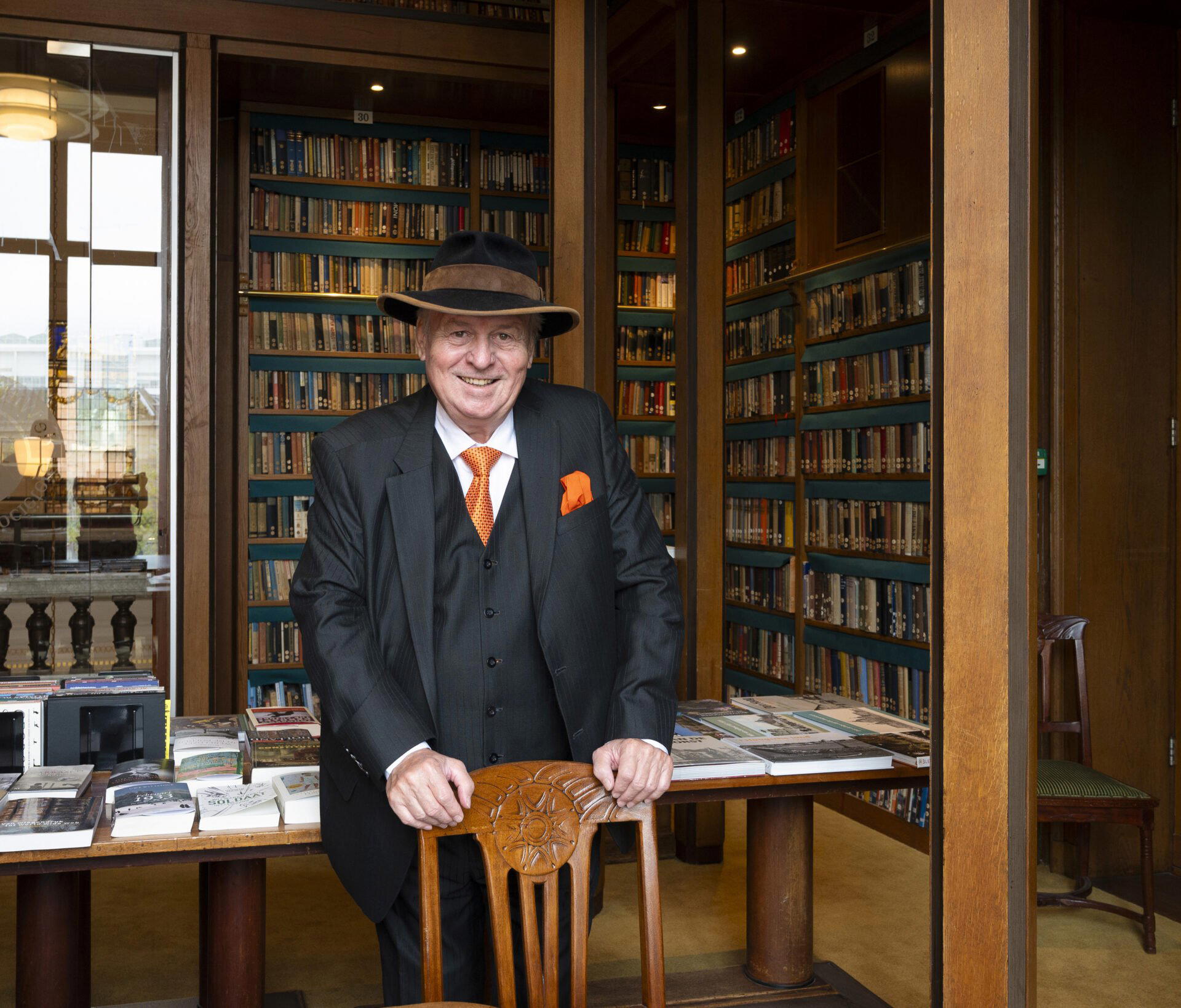
Alexander M. Heer
Brandis, Germany
Alexander M. Heer works if you are already near Thasos and want a low-pressure wine stop with Falstaff recognition. Do not treat it as a food-pairing destination unless a specific program is confirmed in advance; the safer plan is wine first, meal elsewhere.
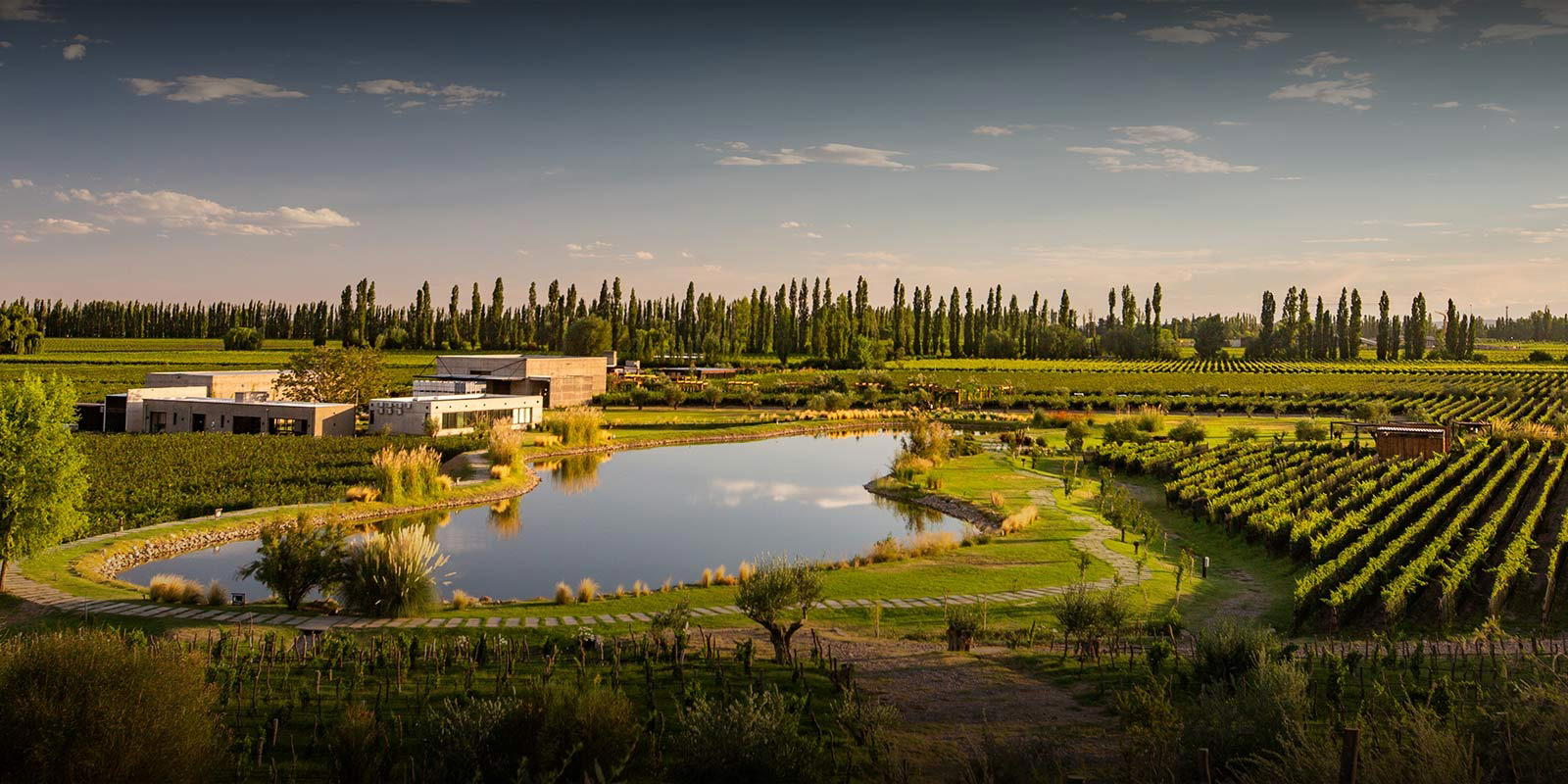
DURIGUTTI Family Winemakers
Luján de Cuyo, Argentina
Prioritize Durigutti Winemakers if the goal is a serious Luján de Cuyo winery visit with strong recognition, including World's 50 Best Vineyards #10 in 2024. It is better for travelers building a planned Mendoza wine day than for anyone looking for a casual, flexible drop-in tasting.
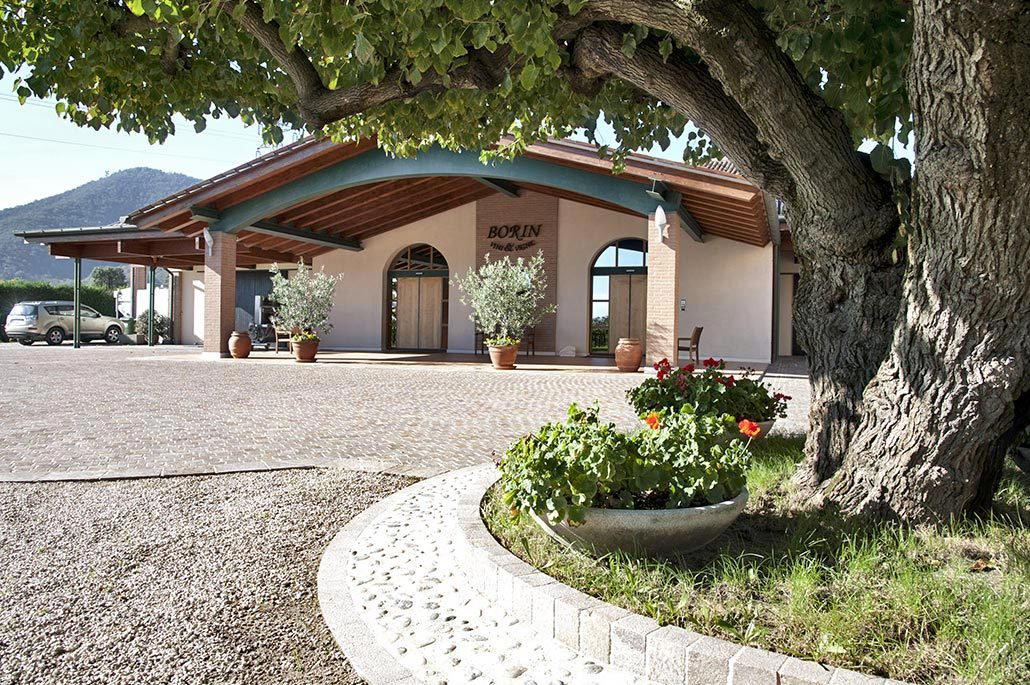
Borin Vini e Vigne
Monselice, Italy
Book Borin Vini e Vigne if you want a quiet, guided Euganean Hills tasting with a family-run feel and enough explanation to make the wines approachable. It suits couples and small groups better than anyone looking for a large cellar experience or restaurant-style meal.
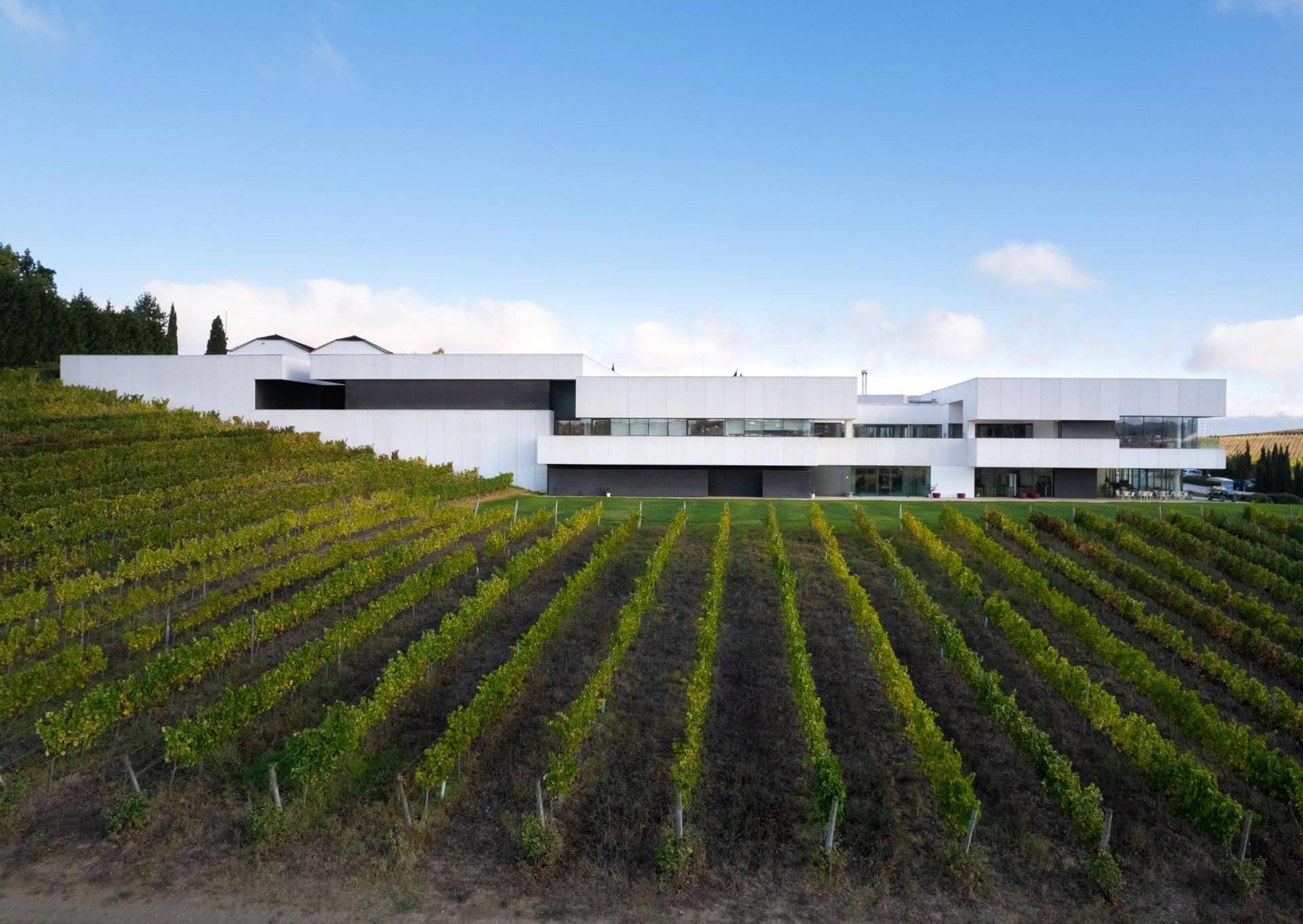
Casa Santos Lima
Aldeia Galega Da Merceana, Portugal
Casa Santos Lima is a sensible first wine-country stop near Lisbon if the priority is a recognized producer in the Alenquer area rather than a food-led winery lunch. Its Falstaff Listed status for 2026 gives it a useful credibility signal, but confirm tasting format, timing, and any food pairing options before shaping a full itinerary around it.
Château Petit Gravet Aîné
Saint-Émilion, France
Château Petit Gravet Aîné is a Saint-Émilion pick for wine travelers who care more about appellation context than a heavily packaged visitor experience. Its Falstaff Listed (2026) recognition gives it a useful credibility signal, but plan it as one stop within a wider Libournais itinerary rather than the centerpiece of the day.
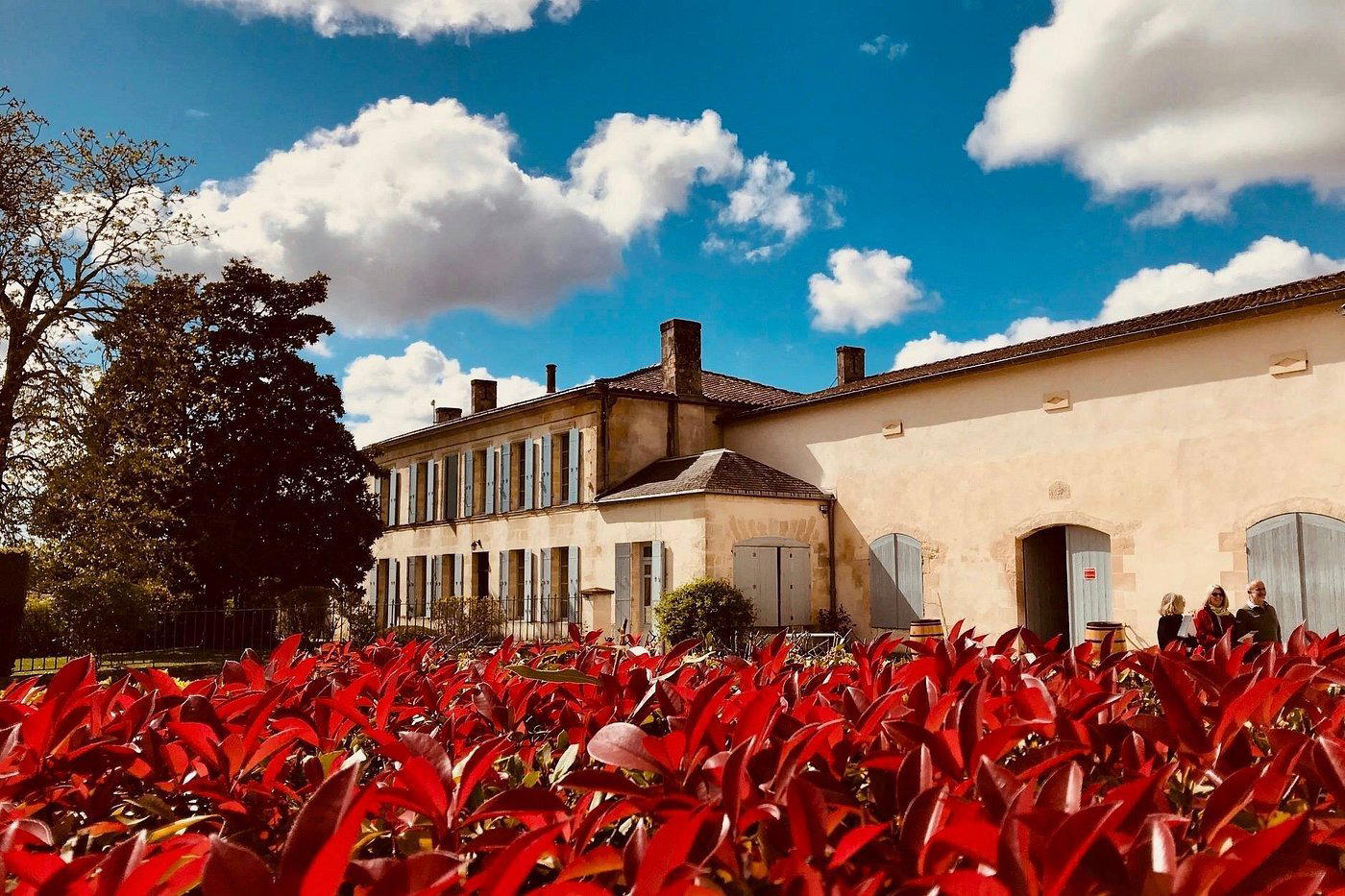
Château Anthonic
Moulis En Medoc, France
Château Anthonic is worth shortlisting for a Moulis-en-Médoc wine day if appellation context matters more than a polished tourism package. Its 2026 Falstaff listing gives it a credible quality signal, but any wine-club or allocation decision should wait until shipping terms, access, and pricing are clear.
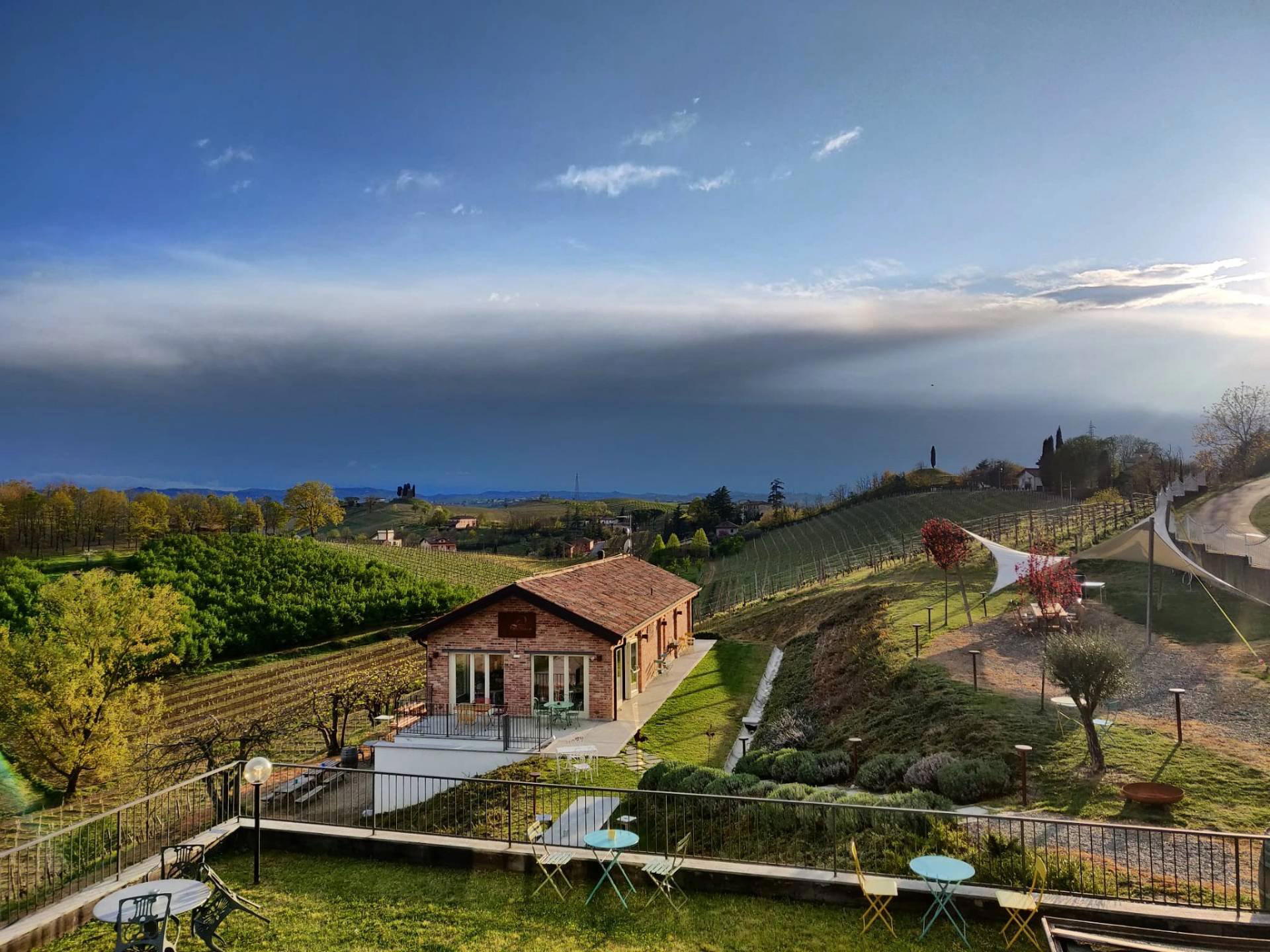
Cascina La Barbatella
Nizza Monferrato, Italy
Book Cascina La Barbatella if you want a small-estate Nizza Monferrato tasting with vineyard and cellar context rather than a polished luxury format. It suits first-timers, couples, and family groups who want Barbera-led Piedmont wines, a relaxed countryside setting, and enough guidance to make the visit feel useful.
Château La Fleur d'Arthus
Vignonet Saint Emilion, France
Château La Fleur d'Arthus is worth targeting if the priority is a serious, production-led Saint-Émilion Grand Cru rather than a hospitality-heavy château visit. The value is strongest for drinkers who like Merlot and Cabernet Sauvignon reds with full body, clear oak influence, and a track record of solid vintage scores.
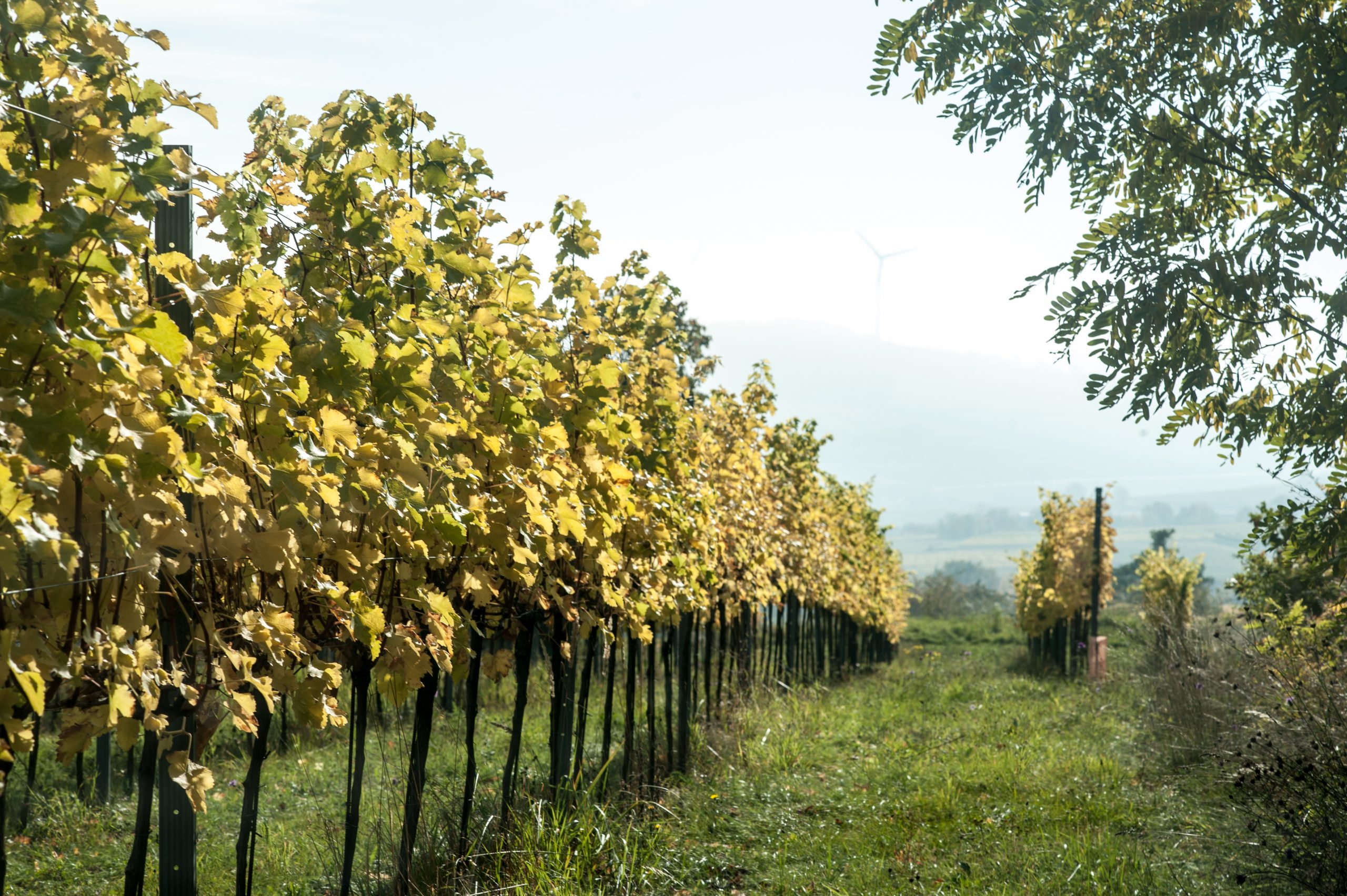
Weingut Ludwig Neumayer
Inzersdorf, Austria
A serious Inzersdorf-area winery choice for travelers who care more about producer credibility than casual tasting-room convenience. The Pearl 2 Star Prestige rating makes it worth prioritizing if availability lines up, but first-timers should plan around a fixed appointment and cross-shop Weingut Markus Huber, Winzerhof Dockner, or Weingut Malat if ease is the main concern.
Italian Wine Brands
Milan, Italy
Italian Wine Brands is worth pursuing for a trade-minded or education-focused appointment, not for a relaxed winery tasting. Its appeal is scale: a Milan-based group tied to multiple Italian regions, broad export distribution, and familiar categories such as Barolo, Amarone, Prosecco, and Primitivo di Manduria.
Jacaranda Wine Estate
Wellington, South Africa
A quiet, appointment-led Wellington wine estate for visitors who value micro-scale production over a large hospitality setup. Jacaranda Wine Estate is strongest as a small-production, direct-buy stop, with 3.2 hectares under vine, 20,000–25,000 bottles annually, and a $$ price signal that keeps it approachable for a low-key special occasion.
Château de Luins – Rémi Baechtold
Luins, Switzerland
Book Château de Luins – Rémi Baechtold for a calm Vaud wine stop with a historic château setting and traditional carnotzet atmosphere. It is strongest for couples or small groups who want regional context and a relaxed countryside feel, not a heavily produced tasting experience.
François Parent
Pommard, France
François Parent is a sensible Pommard winery pick when the goal is a focused Burgundy stop rather than a highly staged tasting. The 2026 Falstaff Winery listing gives it a useful trust signal, but confirmed details are limited, so it suits flexible wine-focused plans better than tightly choreographed celebrations.
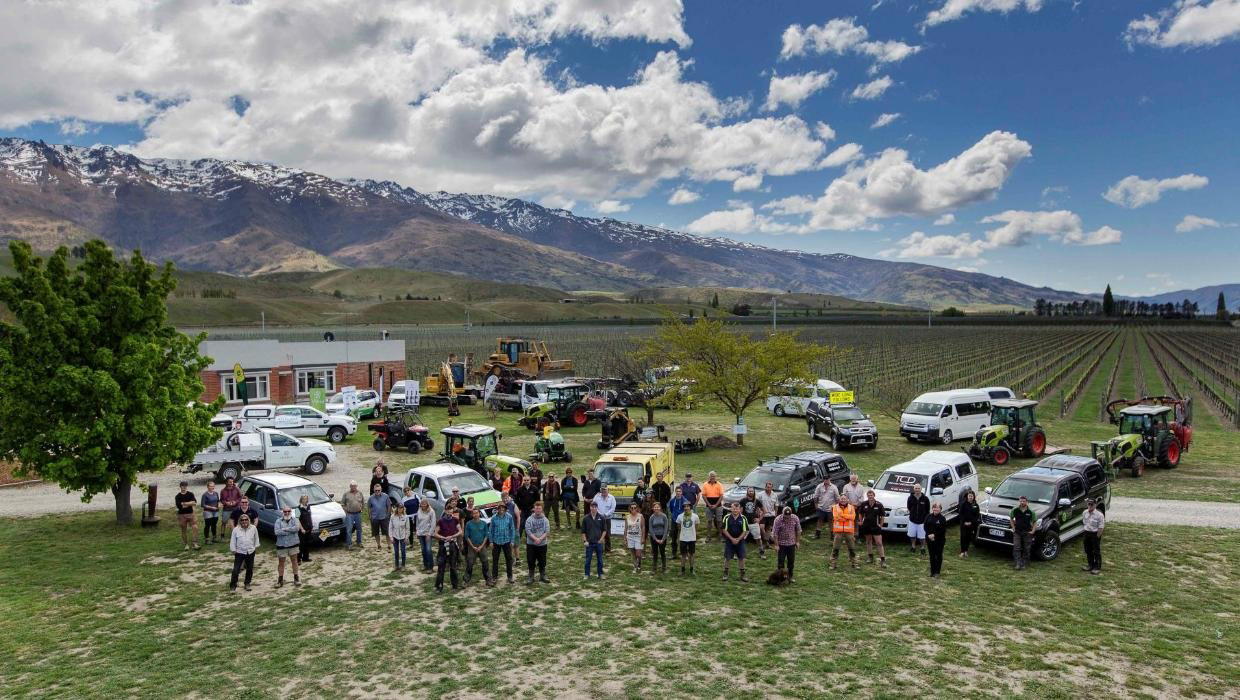
Akarua Winery
Nevis, New Zealand
Akarua Winery is worth booking for a quiet Central Otago cellar-door tasting focused on estate Pinot Noir, sparkling wine, and organic, regenerative farming. Go if you want production context and a slower conversation-led visit; skip it if you need a confirmed food-led stop or a high-energy tasting bar.
Quinta do Carmo
Estremoz, Portugal
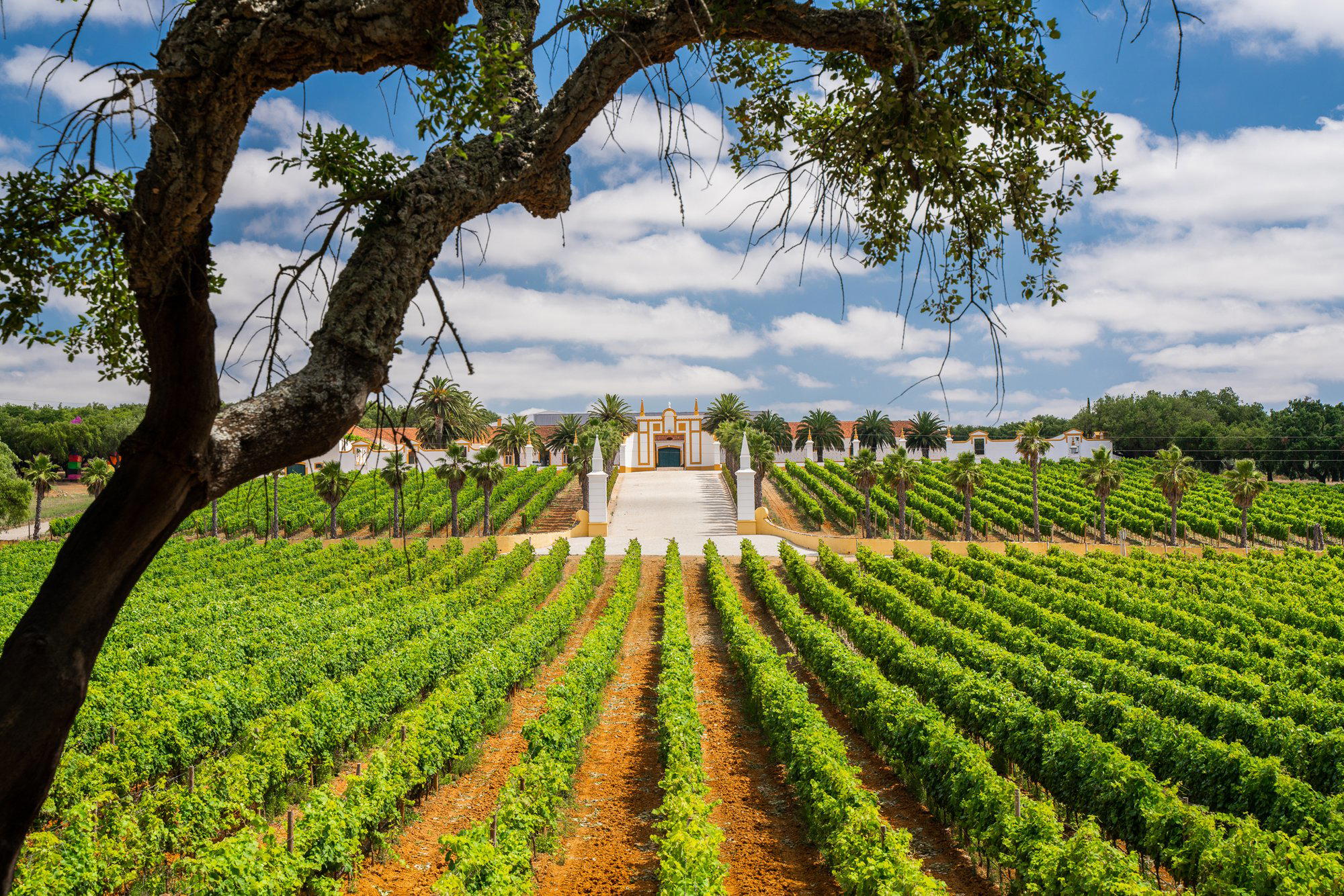
Quinta do Carmo is worth prioritizing for an Estremoz wine itinerary when the goal is a quieter estate-led stop rather than a high-volume tasting. It works better as the centerpiece of a special-occasion Alentejo day than as a casual walk-in plan, especially if the rest of the trip is built around nearby restaurants, hotels, and wineries.
Cantina il Cavaliere
Contone, Switzerland
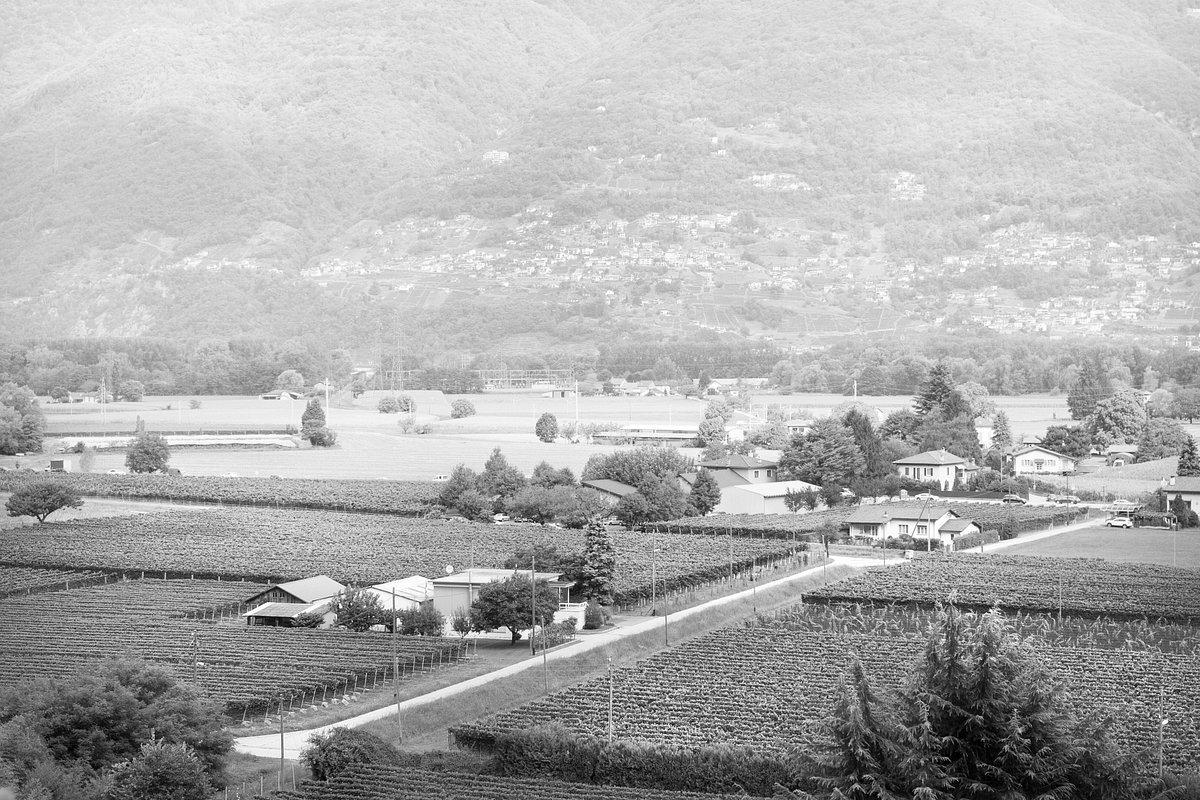
Cantina il Cavaliere is worth booking if the goal is a relaxed Ticino winery visit focused on Merlot, family continuity, and a modest working-cellar feel. It is not the right pick for luxury-estate polish, but at a $$ tier and with Falstaff recognition in 2026, it makes sense for wine travellers who want regional context in Contone.
Bruno Verdi
Canneto Pavese, Italy
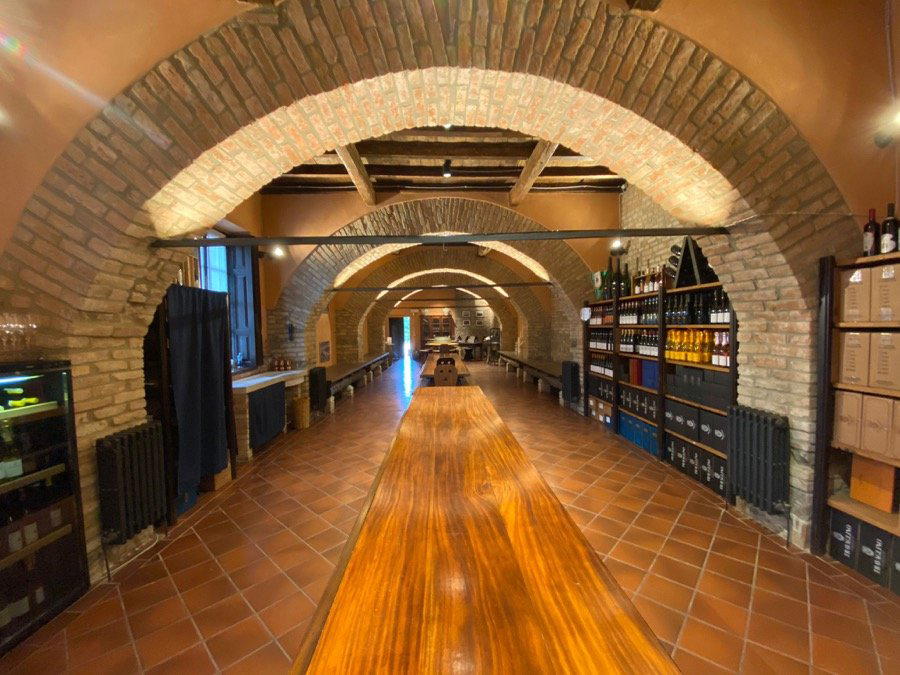
Bruno Verdi works if Canneto Pavese is already on the itinerary and the goal is a serious bottle decision rather than a polished hospitality outing. The 2026 Falstaff listing is the useful trust signal; sparse public practical detail means planners who need fixed timing and format should keep backup options nearby.
FairGrapes
Kleinheubach, Germany
FairGrapes works if you want a young, mission-led German wine brand with a sustainability focus and a documented dry Riesling anchor. It is not the right pick for travelers seeking a full food-pairing winery visit or classic estate hospitality; treat it as a focused wine stop within a broader Kleinheubach plan.
Bodegas Fernando Castro
Santa Cruz De Mudela, Spain
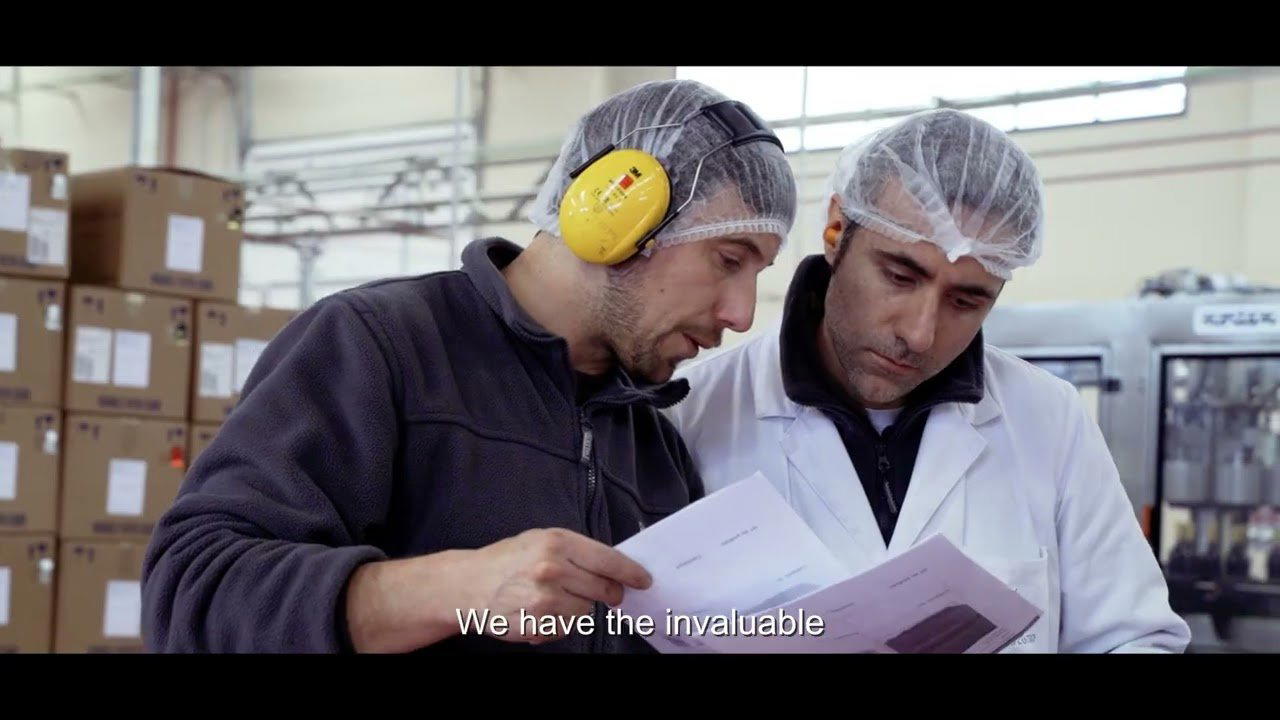
Appointment-only Bodegas Fernando Castro is worth planning around if you want a historic, production-led Valdepeñas winery rather than a boutique tasting room. The draw is family continuity since 1850, estate vineyards, modern working facilities, and Falstaff 1 Star recognition in 2026; the fit is strongest for structured wine itineraries, celebrations, or business guests who value context over casual drop-in ease.
Château Peymouton
Saint-Christophe-des-Bardes, France
Château Peymouton is worth booking for a focused Saint-Émilion Grand Cru tasting with serious Right Bank context and a calmer estate feel than the busier village circuit. It suits couples, small groups, and repeat Bordeaux visitors who want Merlot-led wines, Château Laroque association, and practical vineyard insight more than a long food-pairing format.
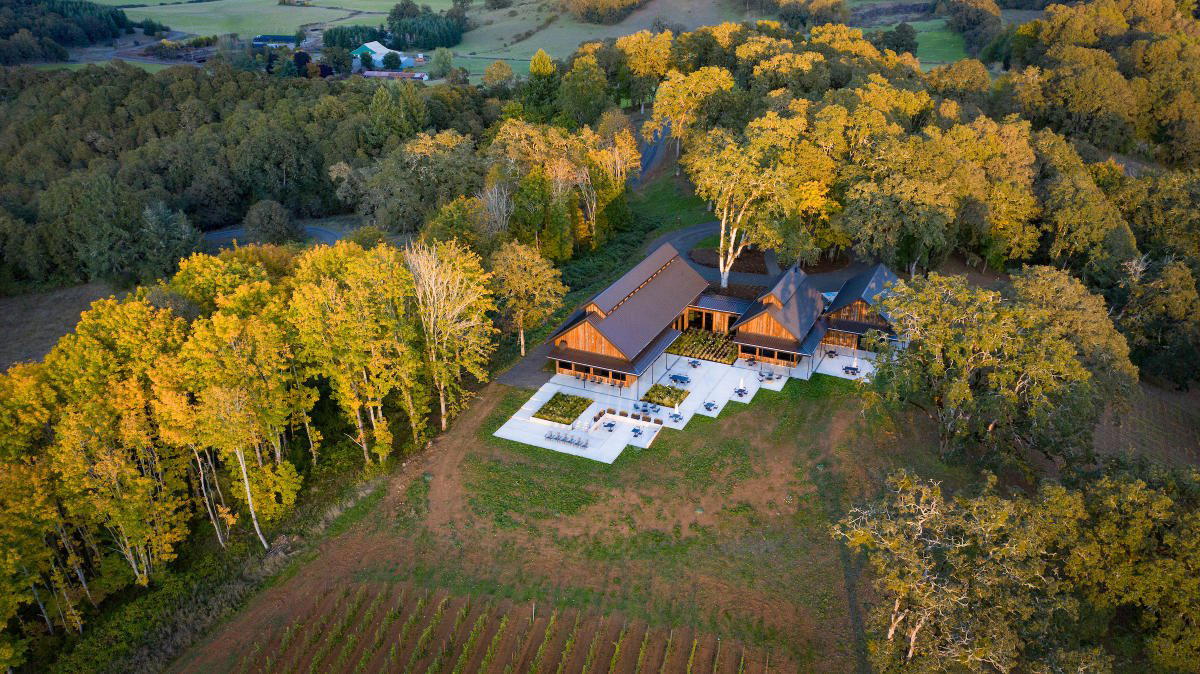
Résonance
Carlton, United States
Resonance (Jadot) is worth prioritizing for a serious Carlton wine itinerary, especially if producer credibility matters more than spontaneous access. Booking is difficult, so it works better as the anchor of a planned Willamette Valley day than as a casual add-on between meals.
Azienda Agraria Baccinetti
Montalcino, Italy
Azienda Agraria Baccinetti is a worthwhile Montalcino stop for travelers who want a quieter, estate-led read on Brunello and Rosso di Montalcino. It suits serious Sangiovese drinkers better than casual drop-in tasters, especially because the value comes from place, pacing, and regional context rather than broad hospitality extras.
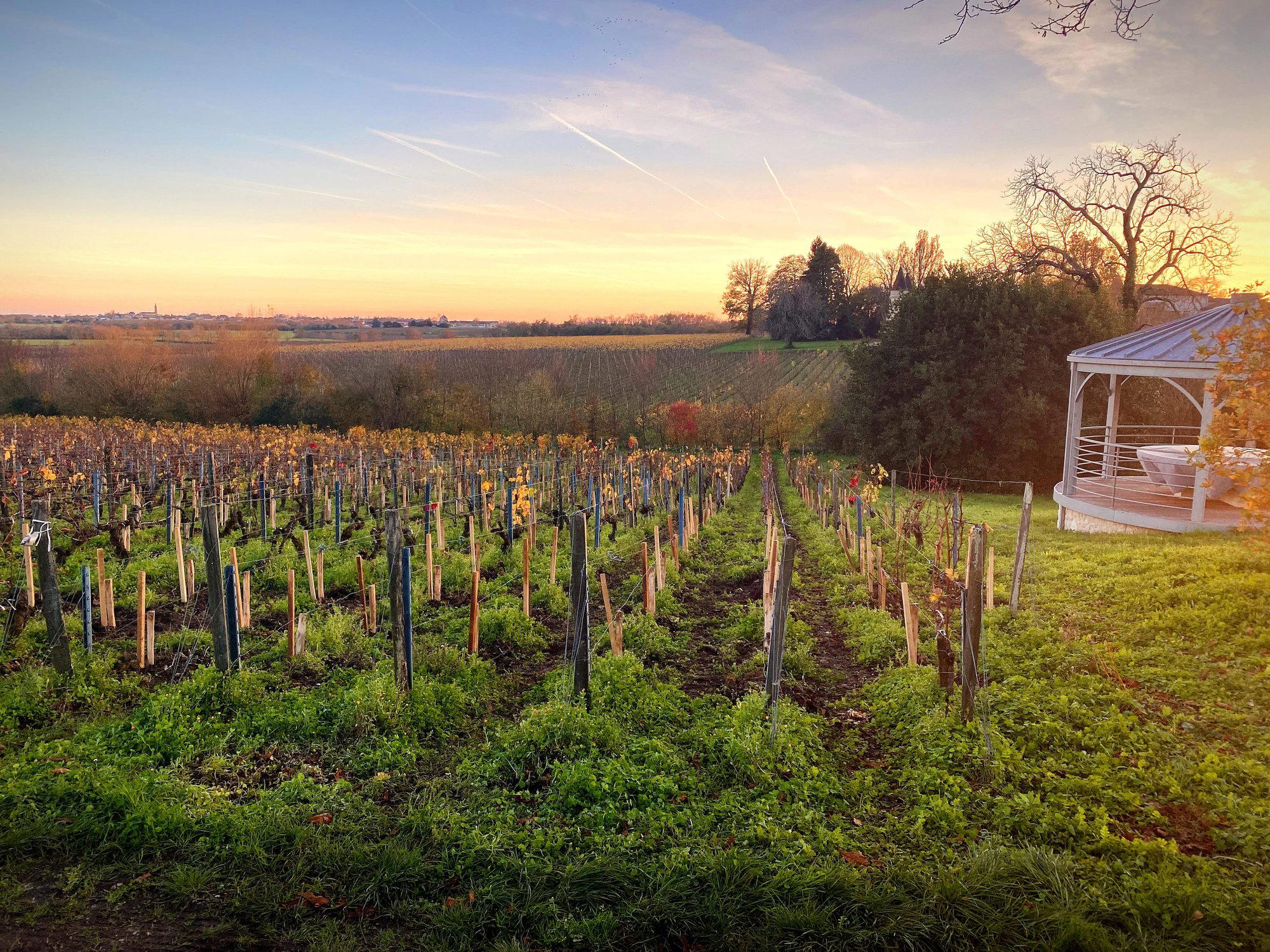
Domaine Andron
Saint Seurin De Cadourne, France
Domaine Andron is worth booking for a quiet Haut-Médoc tasting built around production choices rather than show. The case for going is strongest if the group cares about sustainable farming, parcel vinification, extended oak aging, and a focused Cabernet Sauvignon-Merlot expression in a calm pavilion setting.
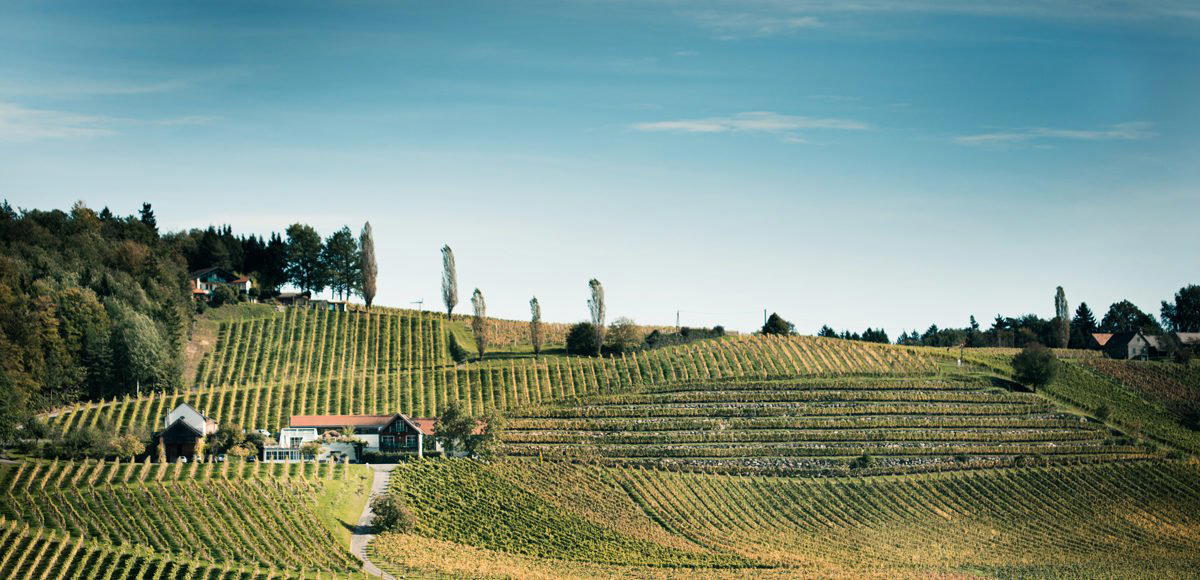
Weingut Gross
Ehrenhausen, Austria
Weingut Gross is worth prioritizing for a serious Ehrenhausen winery itinerary, especially if the visit is about focused tasting rather than a casual drop-in. Plan it as an anchor booking, keep the group small, and arrange meals separately rather than assuming food or flexible walk-in access.
Katich winery
Lovrec, Croatia
Katich winery is a qualified yes for a relaxed Lovreć tasting stop, especially on a second trip through the Dalmatian hinterland. Go for casual hospitality, a rustic intimate room, and local context rather than a highly documented collector-style tasting with published bottle detail.
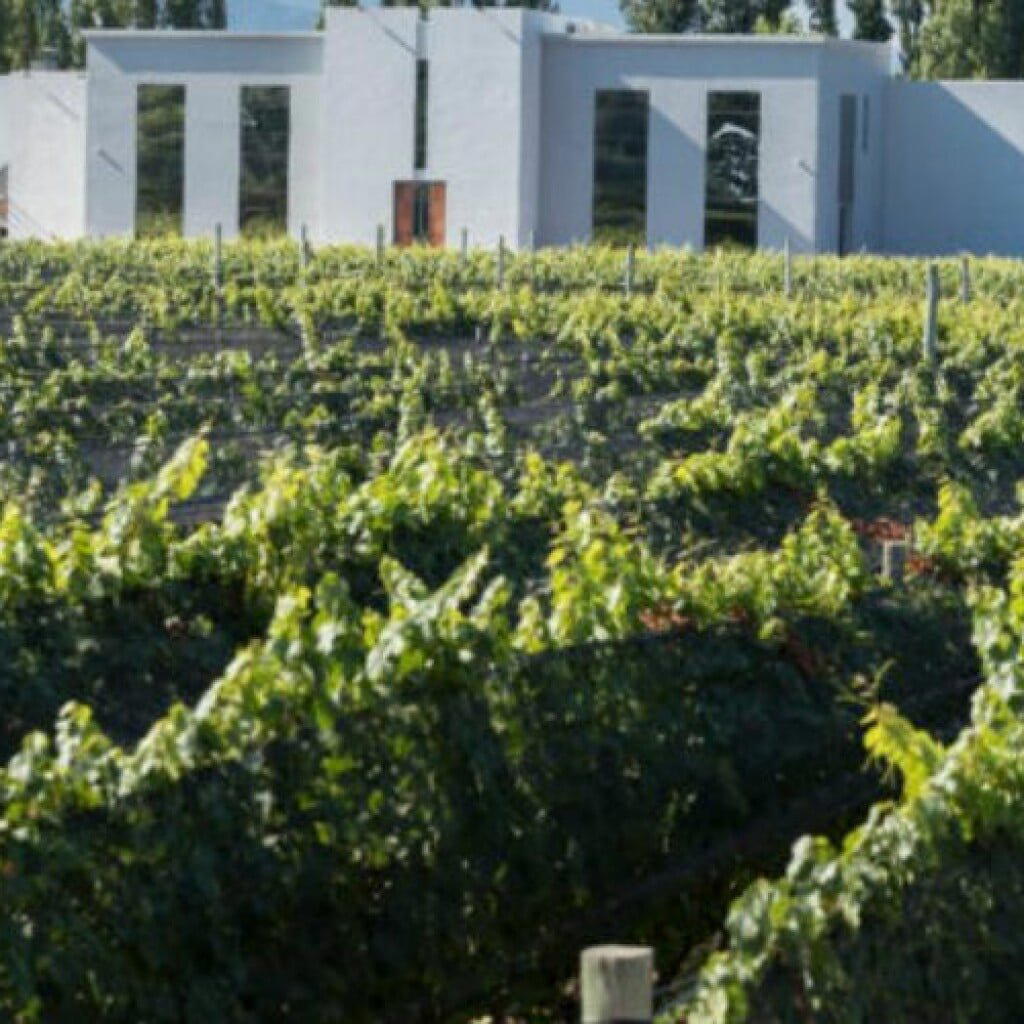
Bodega Foster Lorca
Luján de Cuyo, Argentina
Bodega Foster Lorca is a practical Luján de Cuyo pick for travelers who want a wine-first stop rather than a restaurant-led winery lunch. It suits a date, celebration, or small business outing when the group is happy to confirm the visit format in advance and keep the day focused on tasting rather than a documented food-pairing program.
Fuchs und Hase
Langenlois, Austria
Book this if Austrian pét-nat is the draw and the group wants a small, experimental Kamptal producer rather than a conventional estate visit. The appeal is certified organic fruit, native yeast, unfiltered bottling, and a clear “Volume” system for skin contact. It is a better fit for natural-wine drinkers than for guests seeking a broad still-wine tasting.
Gulino
Siracusa, Italy
Gulino is worth choosing for a quiet, heritage-led Siracusa winery visit, especially if Sicilian grape varieties and old winery atmosphere matter more than luxury polish. The $$ positioning and Falstaff Listed 2026 recognition make it a sensible special-occasion stop, but the value is in the guided place-based experience, not a published allocation or club structure.
de Ladoucette
Pouilly Sur Loire, France
A good pick for a polished Pouilly-sur-Loire wine stop, especially when the day is built around a celebration, date, or client-friendly itinerary. Treat it as a winery anchor rather than a restaurant plan, and arrange meals separately through local guides.

Azienda Agricola Marco Tessariol
Montebelluna, Italy
Azienda Agricola Marco Tessariol works if you want a focused Asolo Prosecco Superiore DOCG stop near Montebelluna, especially for organic sparkling wine rather than a heavily programmed winery visit. The decision is simple: go for appellation context, rural scenery, and Glera-focused Brut; look elsewhere if you need published food, group, or hospitality formats.
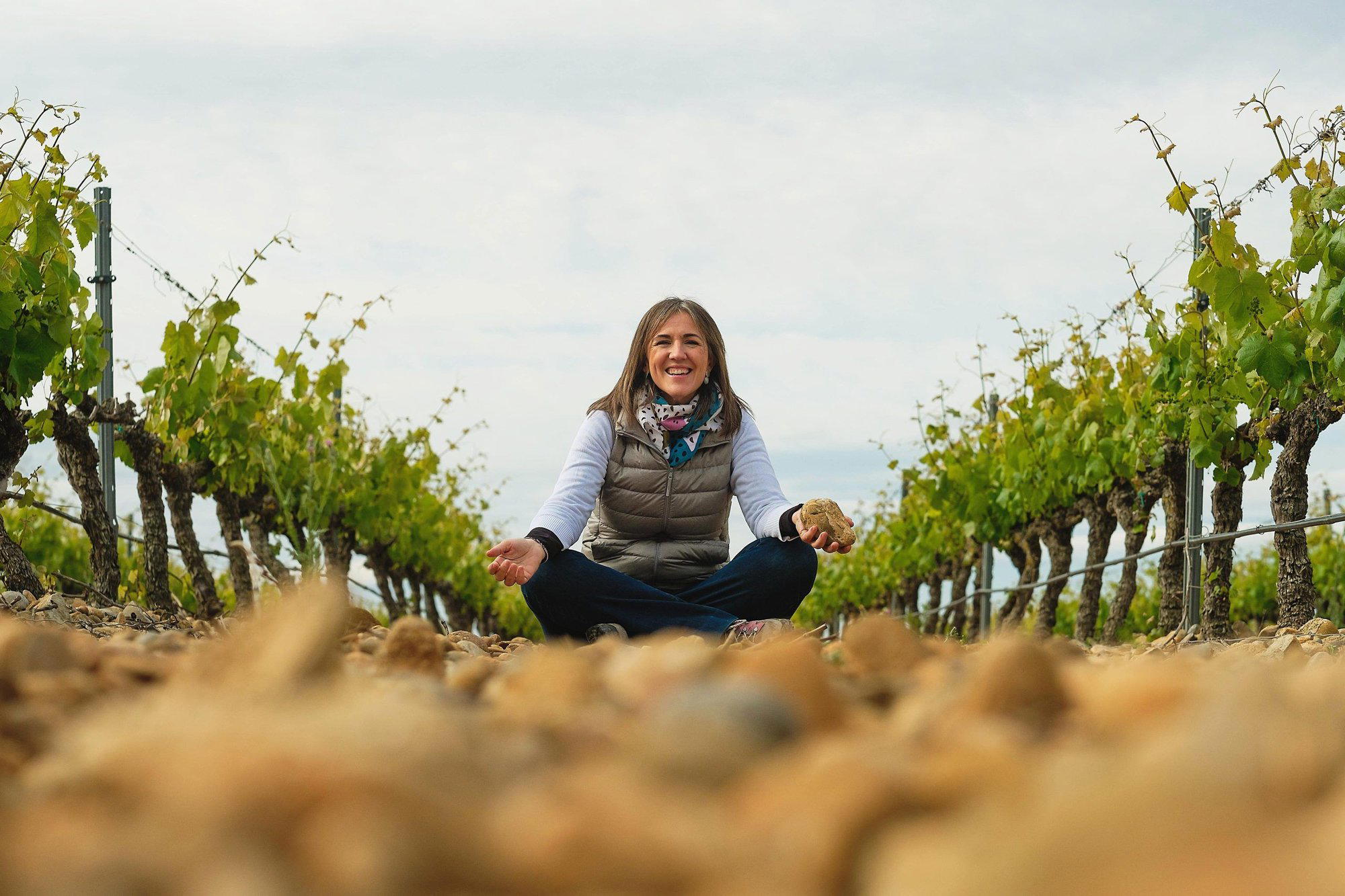
Bodegas Vega del Castillo
Olite, Spain
Plan ahead for Bodegas Vega del Castillo if the goal is a grounded Navarra wine stop with real cooperative history. It works well for a date or celebration that values heritage, rustic atmosphere, and regional context over a luxury tasting-room setup. The $$ positioning keeps it practical for an Olite wine day, with Falstaff 1 Star recognition in 2026 adding an external quality signal.
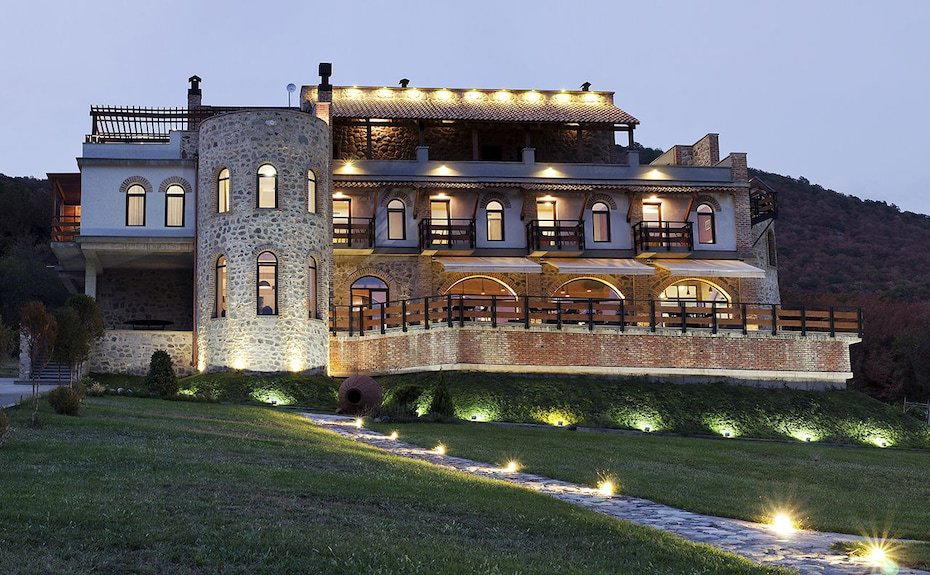
Babaneuris Marani
Akhmeta, Georgia
Babaneuris Marani is worth planning around if you want a Kakheti winery stay rather than a quick tasting stop. The $$$ positioning buys a boutique countryside setup with qvevri-focused wines, Georgian restaurant, pool, terrace, gardens, and vineyard-and-mountain views; book ahead, keep dress casual, and give it time.
How many of these have you visited?
Find out on Pearl and keep score across every place in 2026 Falstaff Winery Guide.