

2026 Falstaff Winery Guide: The Ultimate Wine Authority — Page 10
Falstaff's 2026 Wineries guide.

Venues on this list
Greywacke Vineyards
Hawkesbury, New Zealand
Greywacke Vineyards is a better choice for serious Marlborough wine buyers than casual cellar-door hopping. Its quiet Hawkesbury setting, appointment-only format, $$$ positioning, and Falstaff 5 Stars recognition for 2026 make it worth prioritizing if the goal is to assess bottles for shipping or cellaring, not just fill an afternoon tasting slot.
Gut Steyerberg
Weiler Bei Bingen, Germany
Gut Steyerberg works for a quiet Nahe winery visit where the vineyard setting matters as much as the tasting. It suits small groups and wine travelers who prefer personal, appointment-based estate visits over polished public tasting rooms; look elsewhere if convenience or a large-format hospitality setup is the priority.
Botticella
Marsala, Italy
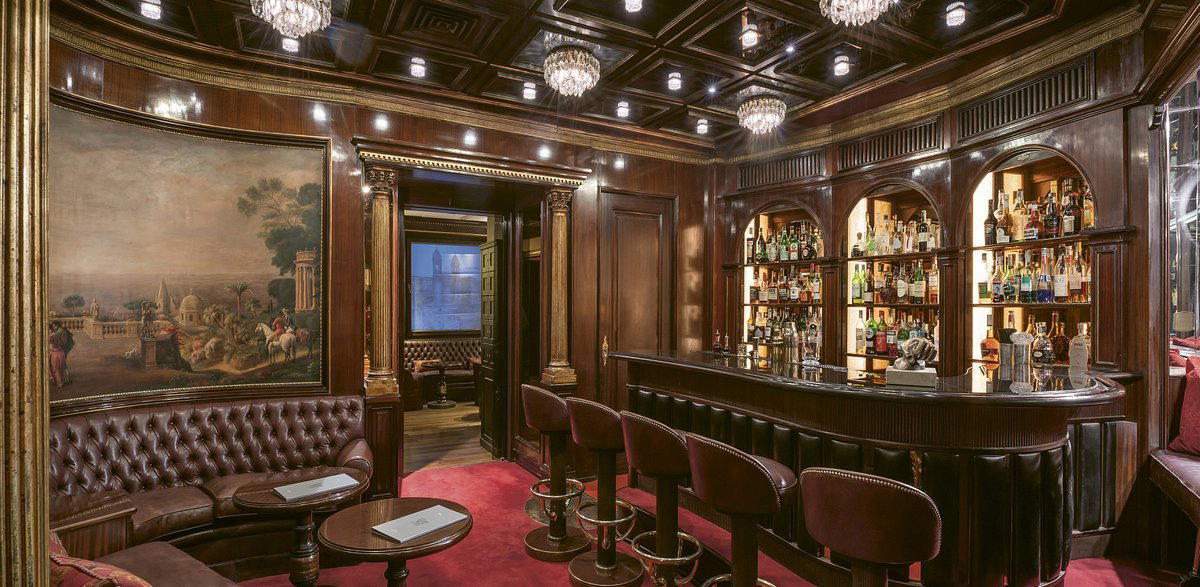
Botticella is worth booking for a smaller organic Marsala wine visit with a family-run feel rather than a large cellar experience. Go for the handcrafted BIO focus, the Gilea Rosso story, and a quieter tasting rhythm; skip it if the group needs broad facilities or a highly structured hospitality setup.
Bayer – Erbhof
Donnerskirchen, Austria
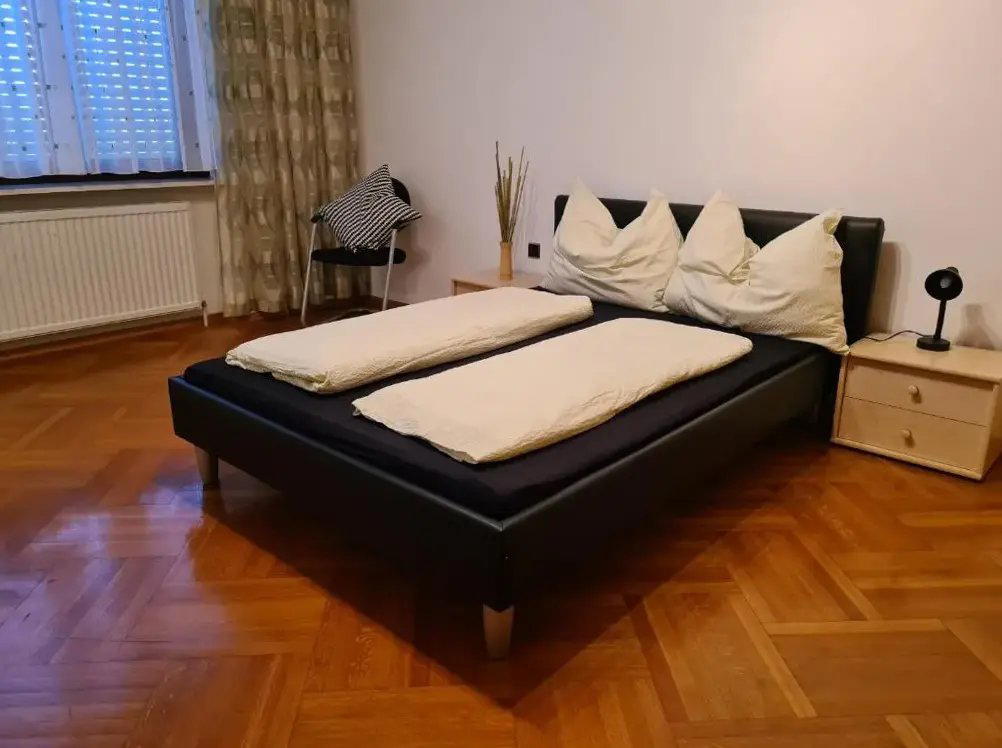
Is Bayer – Erbhof worth planning around? Yes, if the goal is a focused Donnerskirchen winery visit with Falstaff 3 Stars recognition in 2026. Keep expectations tight: use it as the wine anchor, then plan food, hotels, and timing separately rather than assuming a full hospitality program.
Château Clos de Sarpe
Saint-Christophe-des-Bardes, France
Worth shortlisting for a focused Saint-Christophe-des-Bardes wine stop, especially if the decision is driven by bottle quality rather than hospitality extras. Falstaff Listed recognition in 2026 gives it a useful credibility signal, but visitors who need confirmed food, hours, or a packaged tour format should plan carefully before building a day around it.
Domaine Chappaz
Fully, Switzerland
Domaine Chappaz is worth booking for serious Valais wine context: biodynamic farming, native Swiss varieties, and collector-minded sweet wines rather than a casual tasting-room experience. The wine club or allocation value makes sense if Petite Arvine, Cornalin, and age-worthy Grain Noble styles already matter to your cellar; otherwise, visit first before committing.
Finca Torremilanos
Aranda de Duero, Spain
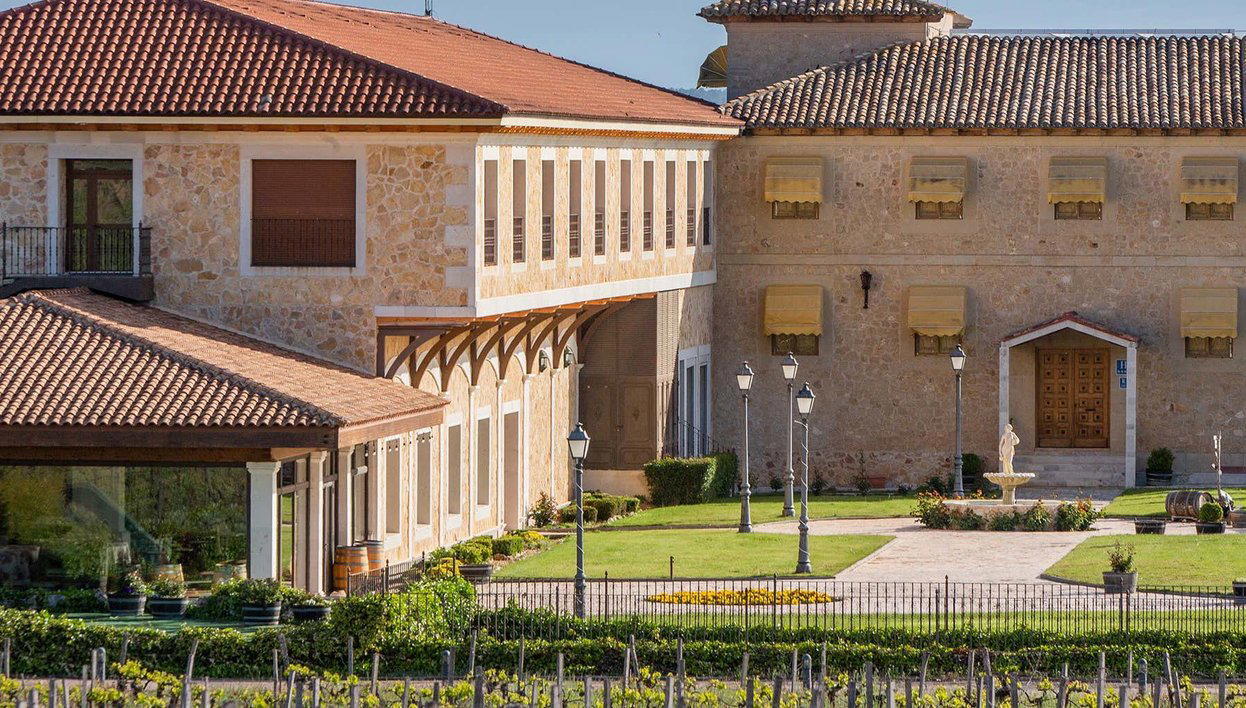
Finca Torremilanos works for a Ribera del Duero wine stop when producer credibility matters more than a fully scripted visitor setup. The clearest trust signal is Falstaff 4 Stars in 2026, which makes it a stronger fit for wine-focused travellers than for visitors who need published pricing, set hours, or a confirmed flagship pour before planning.
Casello Bondoni
Desenzano del Garda, Italy
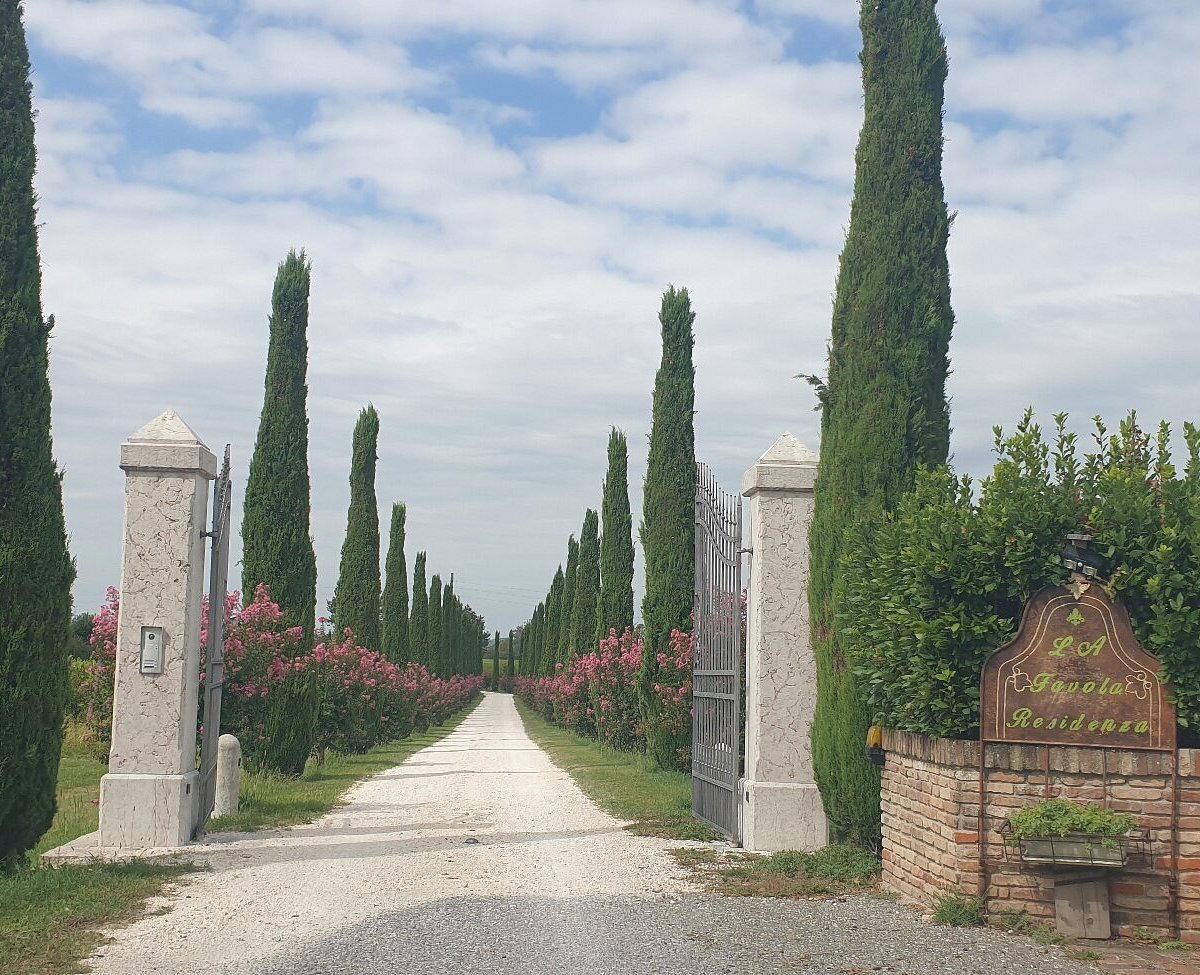
Casello Bondoni works as a flexible Desenzano del Garda wine stop rather than a high-commitment destination. Its Falstaff Listed recognition in 2026 gives it a useful credibility signal, but with no verified tasting format or pricing, value-minded visitors should keep the plan compact and compare it against the wider local winery scene.
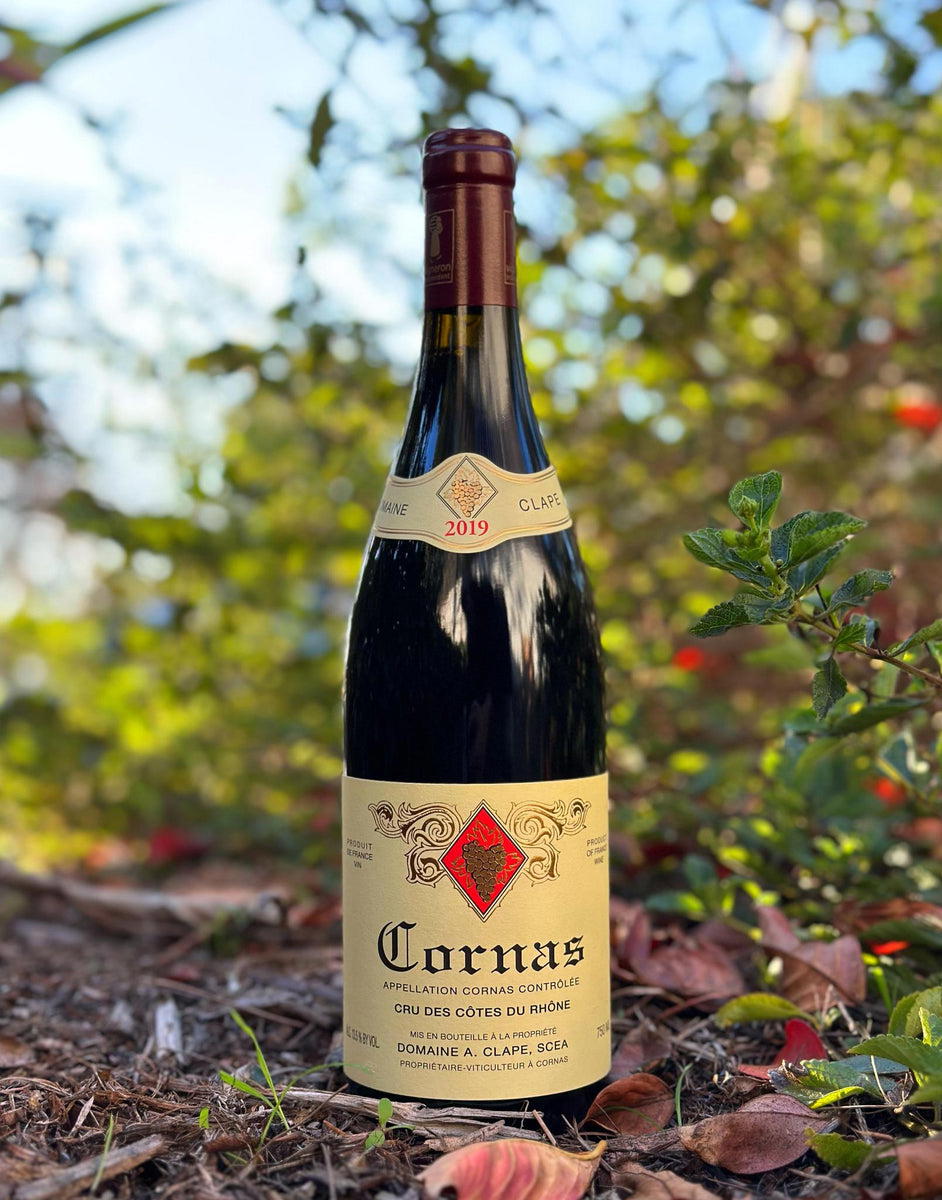
Domaine Auguste Clape
Cornas, France
A high-priority Cornas stop for serious northern Rhône drinkers, not a casual drop-in tasting. Plan it as the anchor of the day, with backup options in place, because access is difficult and the reward is strongest for travelers already focused on Syrah and producer context.
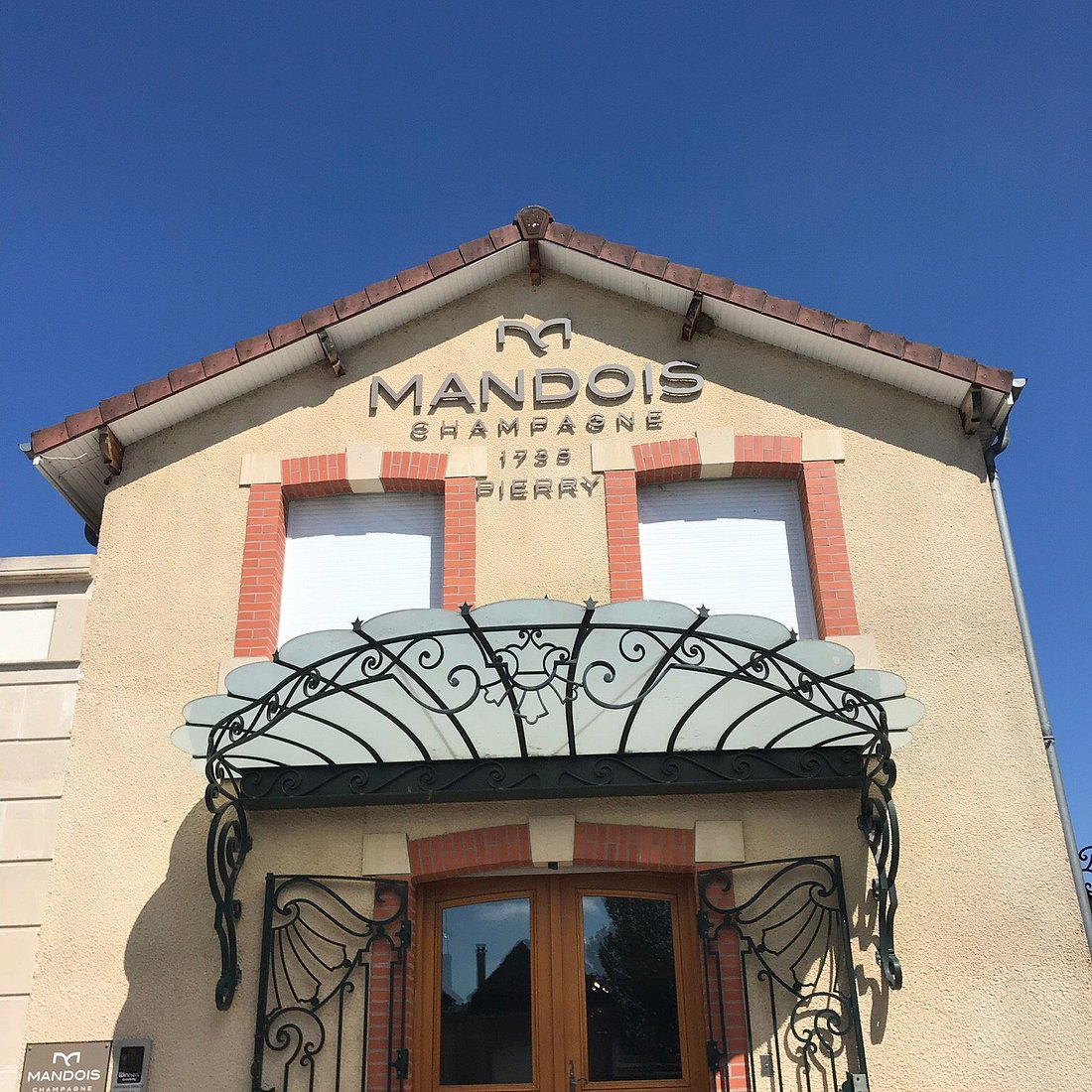
Champagne Mandois
Pierry, France
Champagne Mandois is a sensible Pierry stop for travelers who already know the bigger Champagne circuit and want a recognized producer in a compact village setting. Treat it as part of a wider winery route rather than the sole anchor of the day; confirm tasting, food, and shipping details before planning around it.
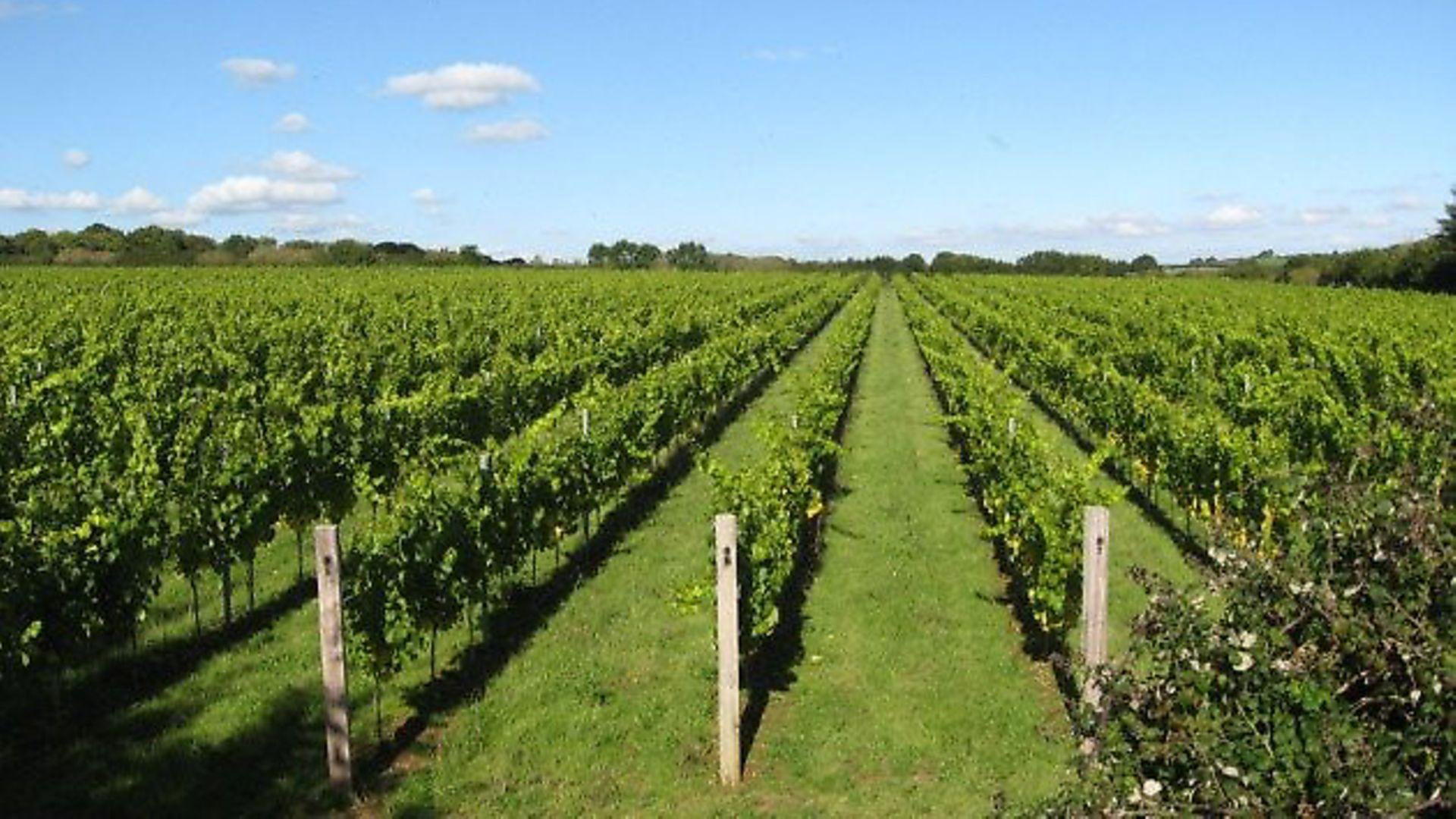
Bride Valley Vineyard Ltd
Dorset, United Kingdom
Worth planning ahead for if you want a quiet, hosted Dorset vineyard visit rather than a drop-in tasting. Bride Valley Vineyard Ltd is strongest for first-timers to English sparkling wine: small groups, vines, four wines, and local cheese and charcuterie. Join any wine club only after tasting, since published membership value is not clear.
Equinox
Olanesti, Moldova
Equinox is a sensible Olanesti wine stop if the day already points toward the village, but it is not the place to plan around a verified flagship bottle or published tasting structure. Use it as a discovery appointment within a wider Moldova route, and confirm the visit format before committing the schedule.
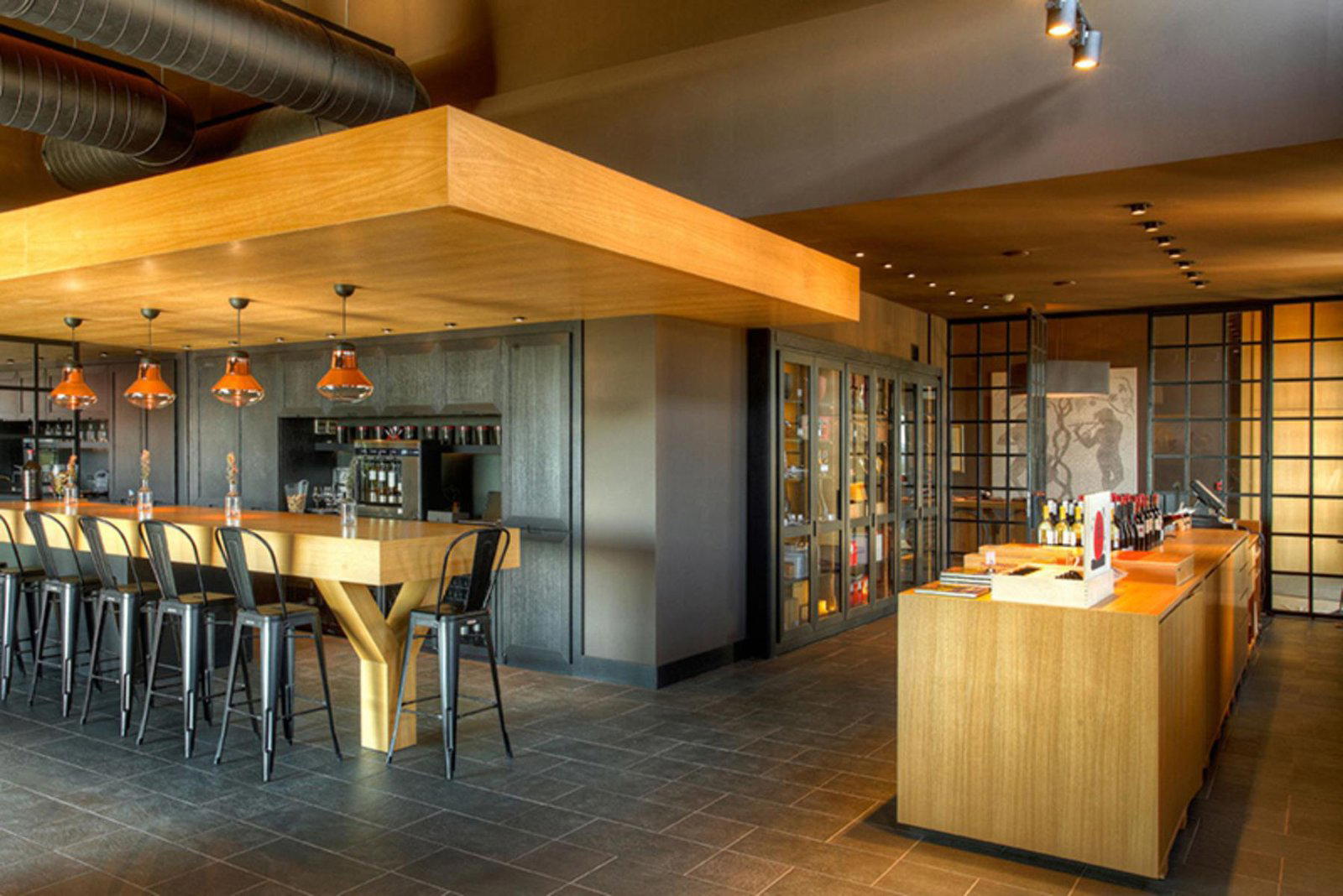
Domaine Skouras
Argos, Greece
Domaine Skouras is worth prioritizing for a first Argos wine visit if the plan is a serious tasting rather than a casual stop. Build the day around the appointment, confirm the tasting format in advance, and treat any food pairing as support for the wines rather than a substitute for lunch.
Domaine Labruyère
Romanèche-Thorins, France
Book Domaine Labruyère if the priority is serious Moulin-à-Vent Gamay, not a casual tasting-room circuit. The estate’s seven-generation history, monopole holding, manual vineyard work, and focused parcel range make it a strong special-occasion appointment for wine-minded couples or small groups.
Botanica Wines
Stellenbosch, South Africa
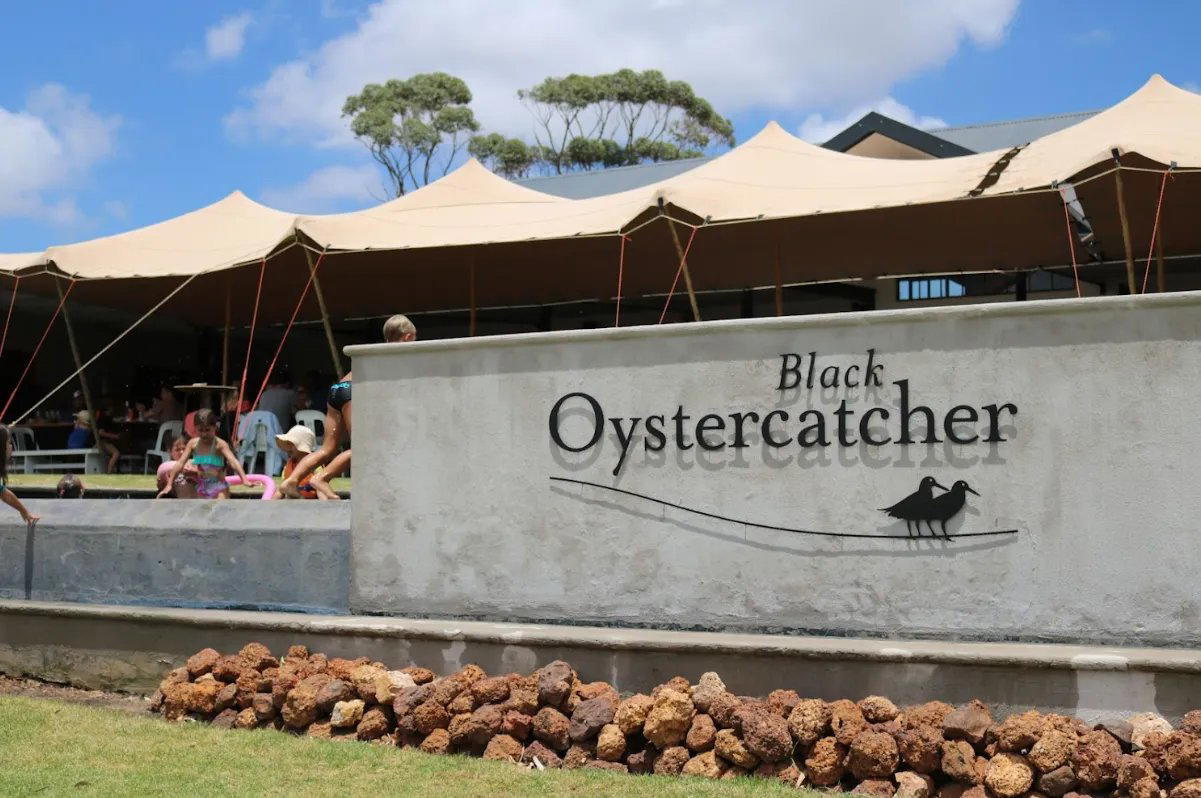
Botanica Wines works as a focused Stellenbosch winery stop, especially if the trip is about regional depth rather than a restaurant-style estate day. The current Falstaff listing gives it a useful credibility signal, but visitors should keep logistics flexible because detailed public-facing visit information is thin.
Enzo Bartoli
Priocca, Italy
A better fit for wine-curious travelers than for guests chasing a classic estate visit, Enzo Bartoli works as a focused Piedmont primer built around familiar regional grapes and accessible positioning. Consider it for a structured tasting stop in Priocca, especially if the day also includes food planning around Roero or Alba.
Del Rèbene
Zovencedo, Italy
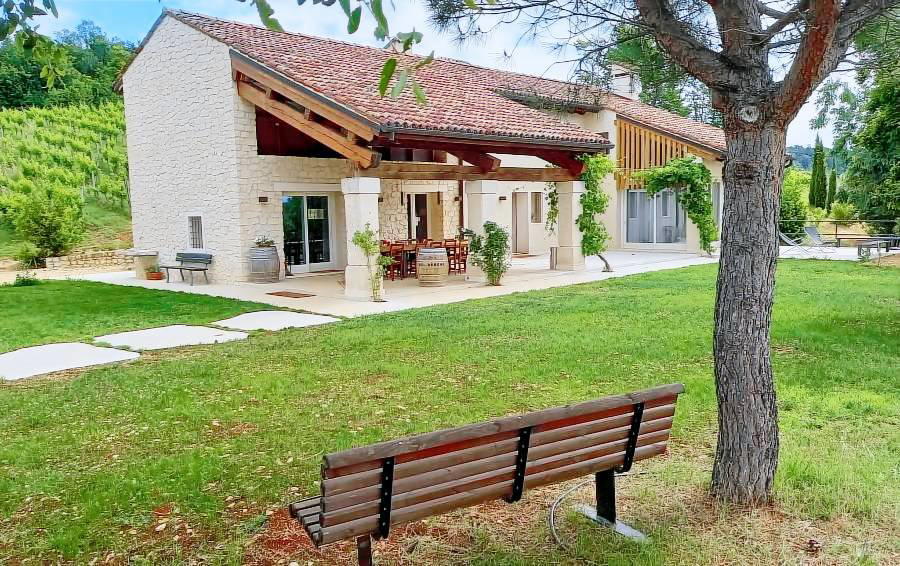
Del Rèbene is worth booking if the point of the trip is Colli Berici red wine rather than a polished winery-tour setup. The draw is a small organic estate feel, volcanic-hill setting, Carmenère focus, and farm context with olive oil alongside wine. Treat any membership decision as a post-tasting call, based on release access and shipping fit.
Colle delle 100 Bottiglie
Lucca, Italy
Colle delle 100 Bottiglie is worth booking if you want a small organic Lucca winery focused on local crus, heritage grapes, and olive oil rather than a polished visitor center. It suits couples and small groups who care about vineyard context; it is less suited to large parties or travelers looking for a food-led estate experience.
Turnbull Wine Cellars
Oakville, United States
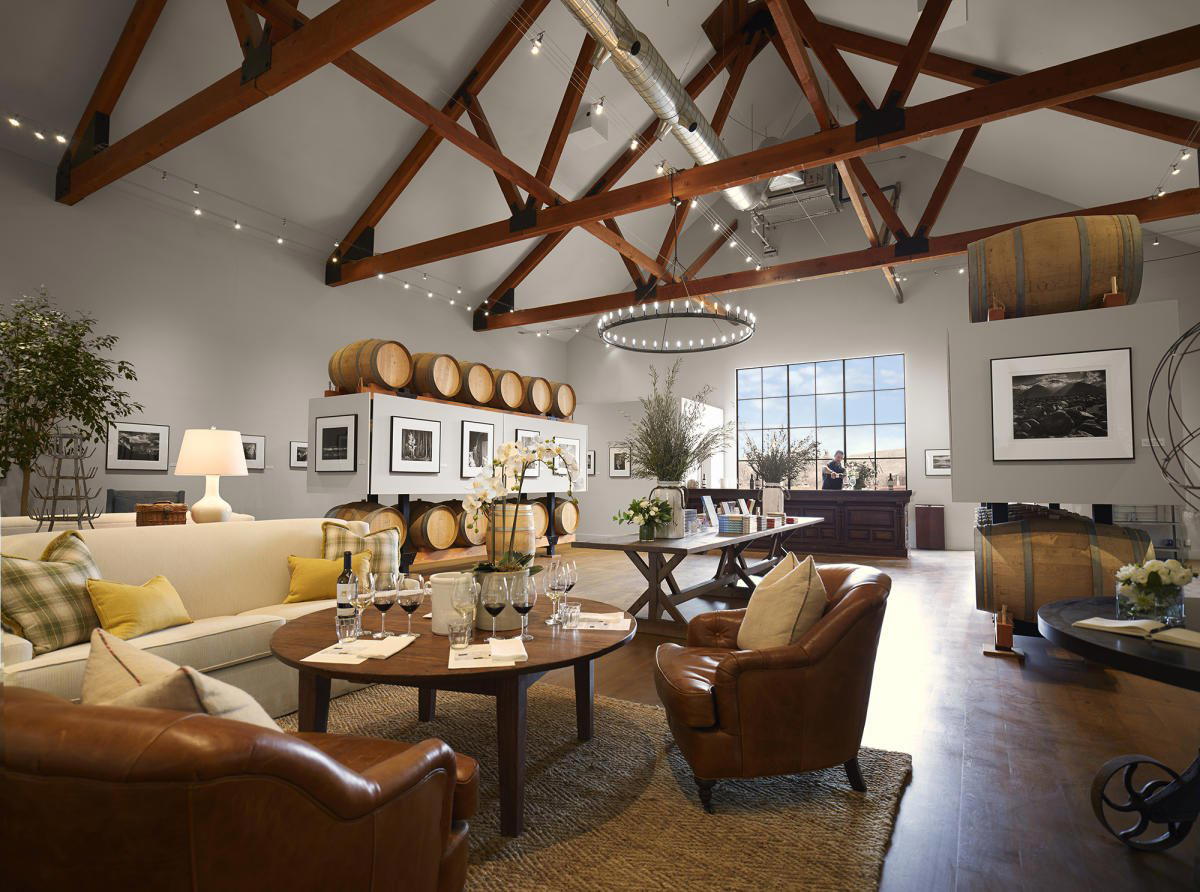
Turnbull Wine Cellars is worth prioritizing for a polished Oakville tasting day, especially if the goal is a serious Cabernet-leaning stop for a date, celebration, or client outing. Treat any club decision as a collector's move, not an impulse add-on: it makes sense if repeat access and cellar building matter more than a one-off tasting.
Hvar Hills
Vrbanj, Croatia
Hvar Hills works as a Hvar wine-country stop if the goal is an estate-style setting in Vrbanj rather than a fully documented flagship-bottle tasting. The $$ positioning keeps the risk reasonable, booking is recommended, and Falstaff listing in 2026 adds a useful trust signal for travelers comparing Croatian winery stops.
Fioravanti Onesti
San Biagio Di Callalta, Italy
Fioravanti Onesti is worth booking for a quiet Veneto winery visit built around villa heritage, vineyards, family history, and an accessible Prosecco DOC context. It is a stronger fit for curious travelers than for guests seeking a confirmed food-pairing program or a luxury tasting-room format.
Sadie Family Wines
Swartland, South Africa
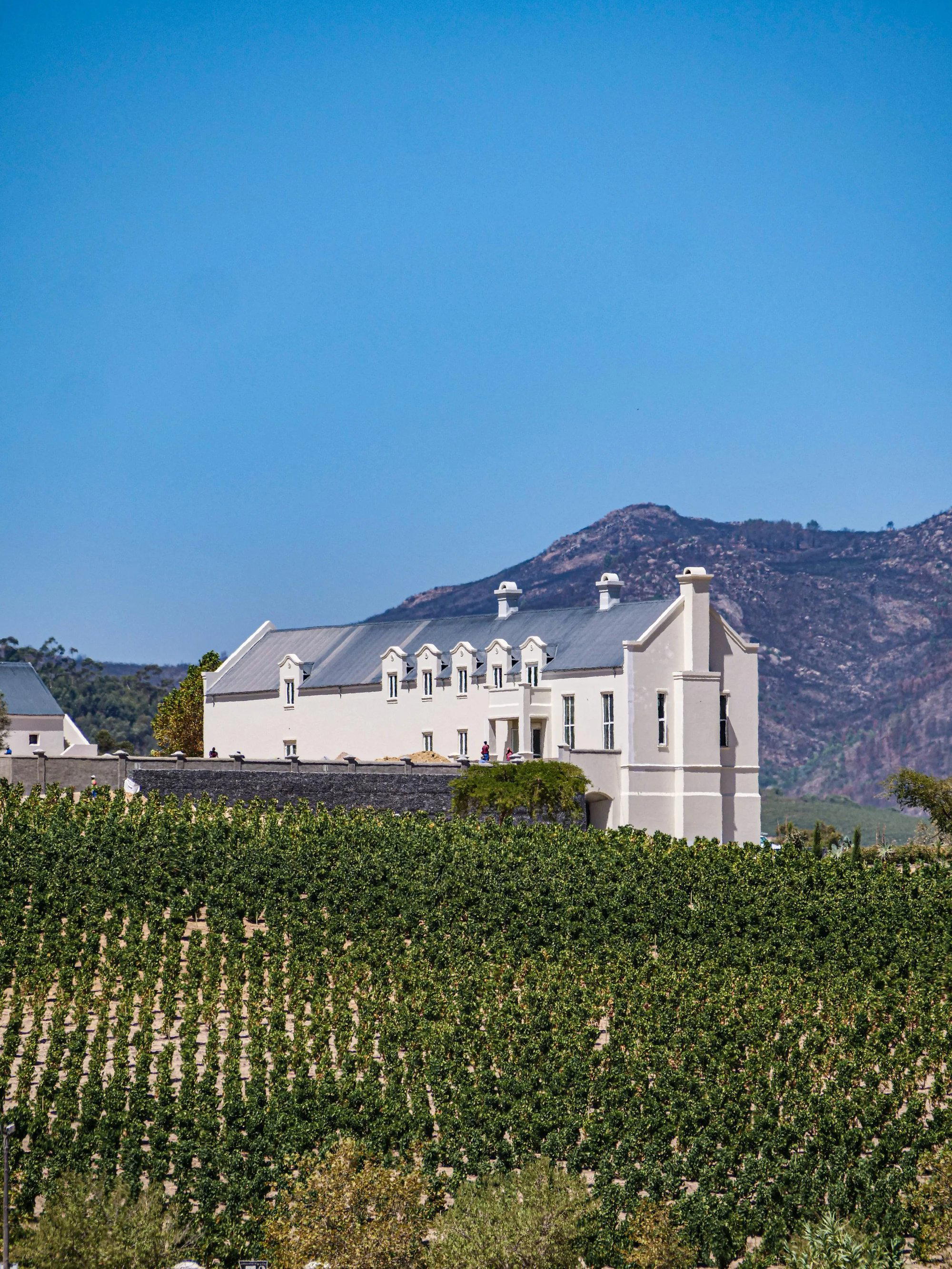
Book Sadie Family Wines only if the trip is built around serious Swartland wine rather than casual estate hopping. It is a high-effort, high-context choice for collectors and wine-focused travelers; Kloovenburg is easier for a flexible day, while David & Nadia is the closer peer for regional depth.
Darioush Winery
Napa, United States
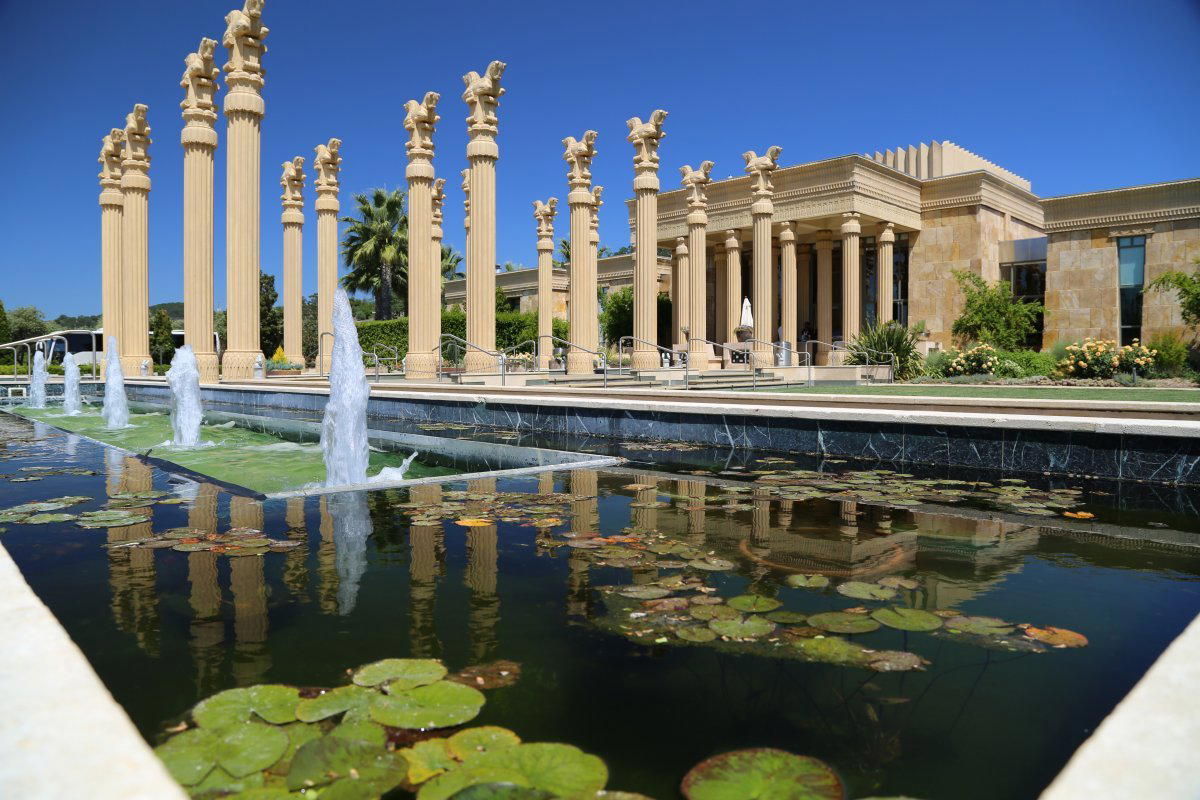
Darioush Winery is the Napa pick for travelers who want a polished, visually formal estate tasting on Silverado Trail and are willing to plan around difficult availability. Choose it for atmosphere and a high-commitment wine stop; if a detailed food-pairing format is the priority, confirm the experience type before building the day around it.
Domaine Clavel
Assas, France
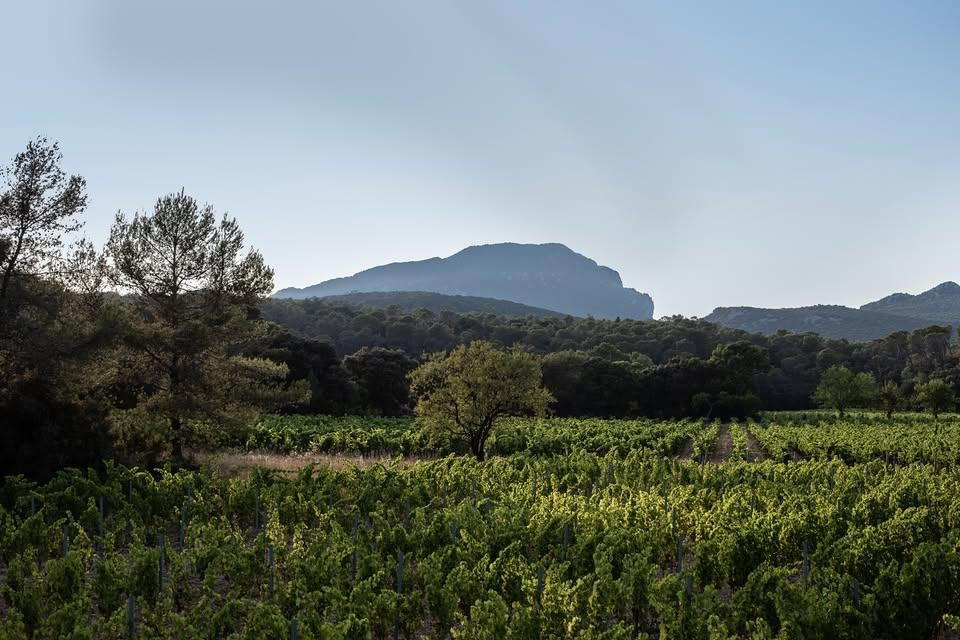
Choose Domaine Clavel if you want a relaxed organic Pic Saint-Loup tasting that explains the region rather than a polished destination-château experience. The value is in the family-run setting, 28 hectares of organic vineyards, and the Assas location north of Montpellier, especially for travelers trying to understand modern Languedoc through one accessible estate visit.
Gini
Monteforte d'Alpone, Italy
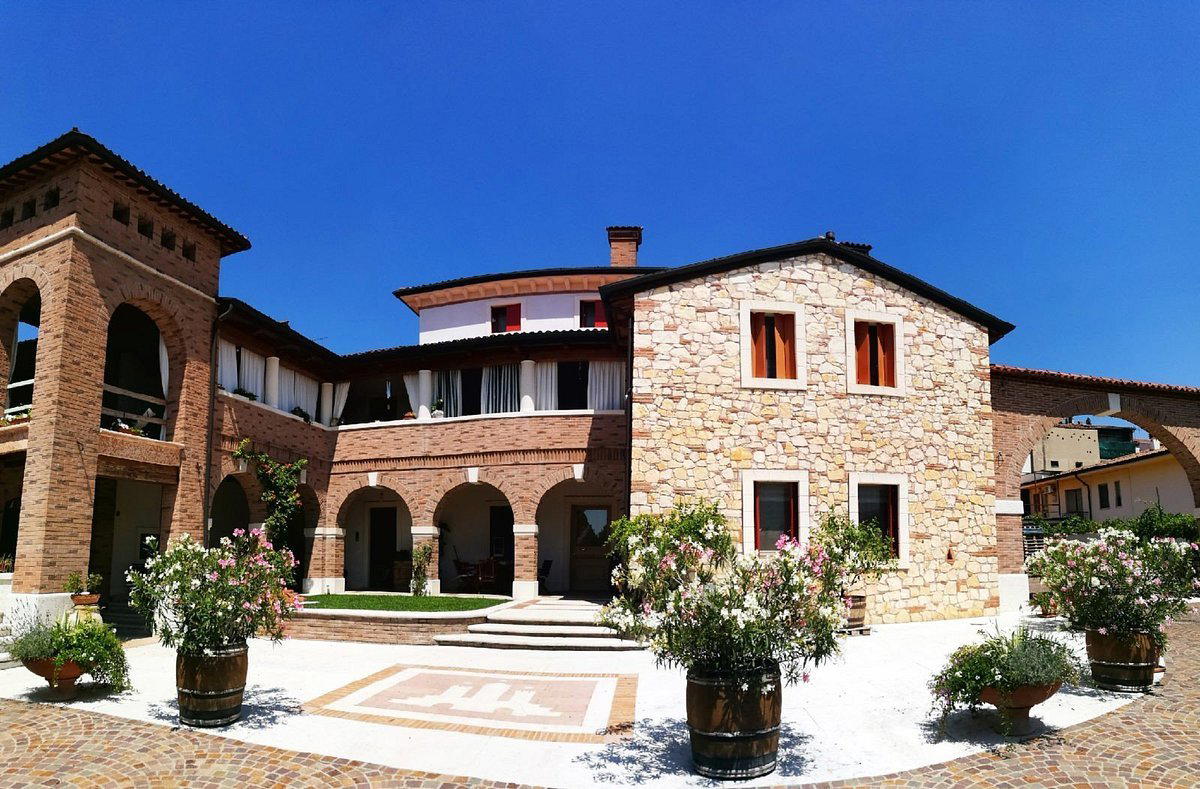
Gini works for a wine-focused stop in Monteforte d'Alpone, especially for travelers who care more about cellar context than packaged hospitality. Confirm the visit format before building a day around it; Prà is the easier same-town cross-shop if the group wants a more straightforward planning target.
St. Andrea Winery
Egerszalók, Hungary
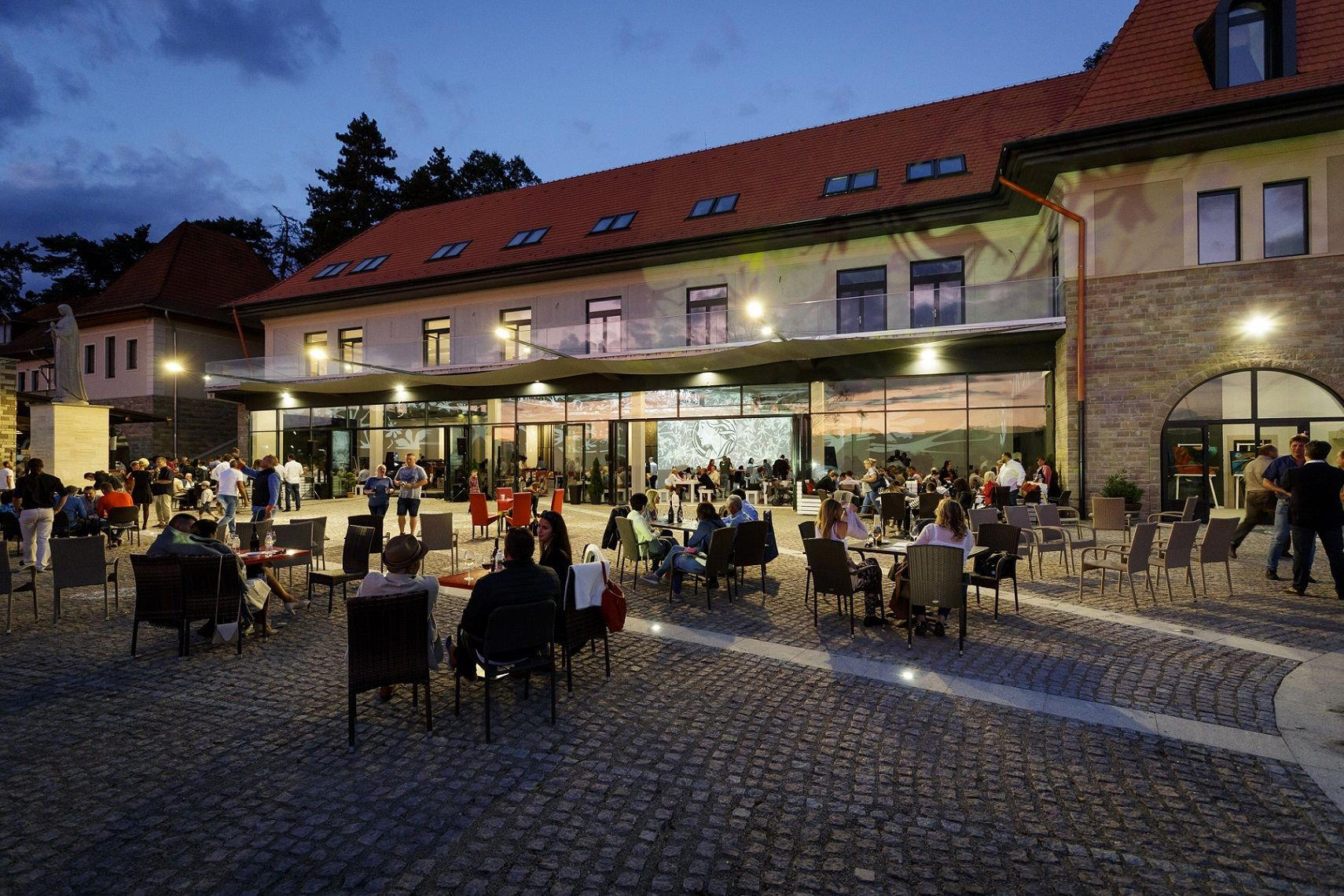
St. Andrea Winery is worth prioritising if the Egerszalók stop is built around wine rather than casual sightseeing. Treat it as a planned, higher-intent winery visit, especially if a private or more focused tasting format is available. For easier fallback options, compare it with other Eger-area producers before fixing the day.
Château Clos Manou
Saint Christoly De Medoc, France
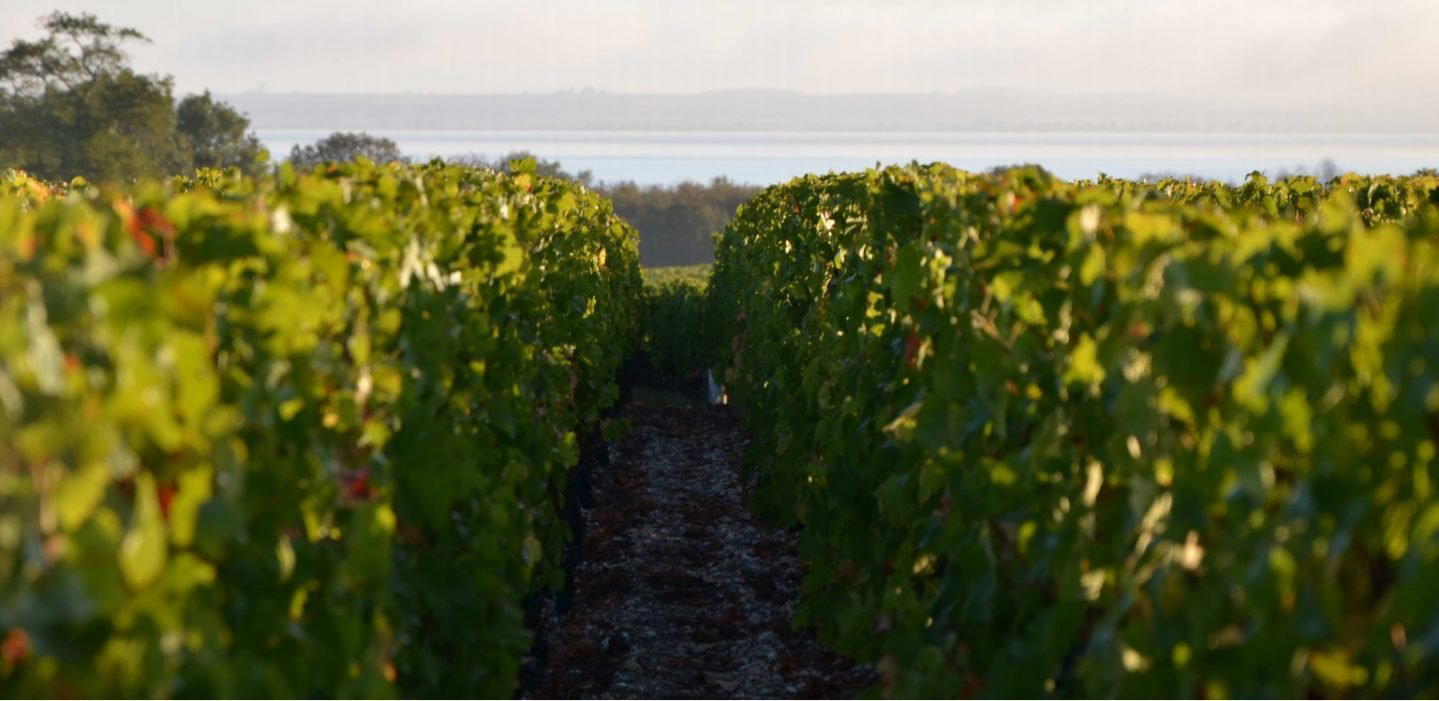
Book Château Clos Manou if the priority is serious northern Médoc wine over grand-estate ceremony. Its small-scale, two-wine focus, old-vine material, and careful cellar work make it a strong special-occasion stop for collectors or Bordeaux drinkers who want depth without the usual classified-growth script.
Domaine de Bel-Air
Culoz, France
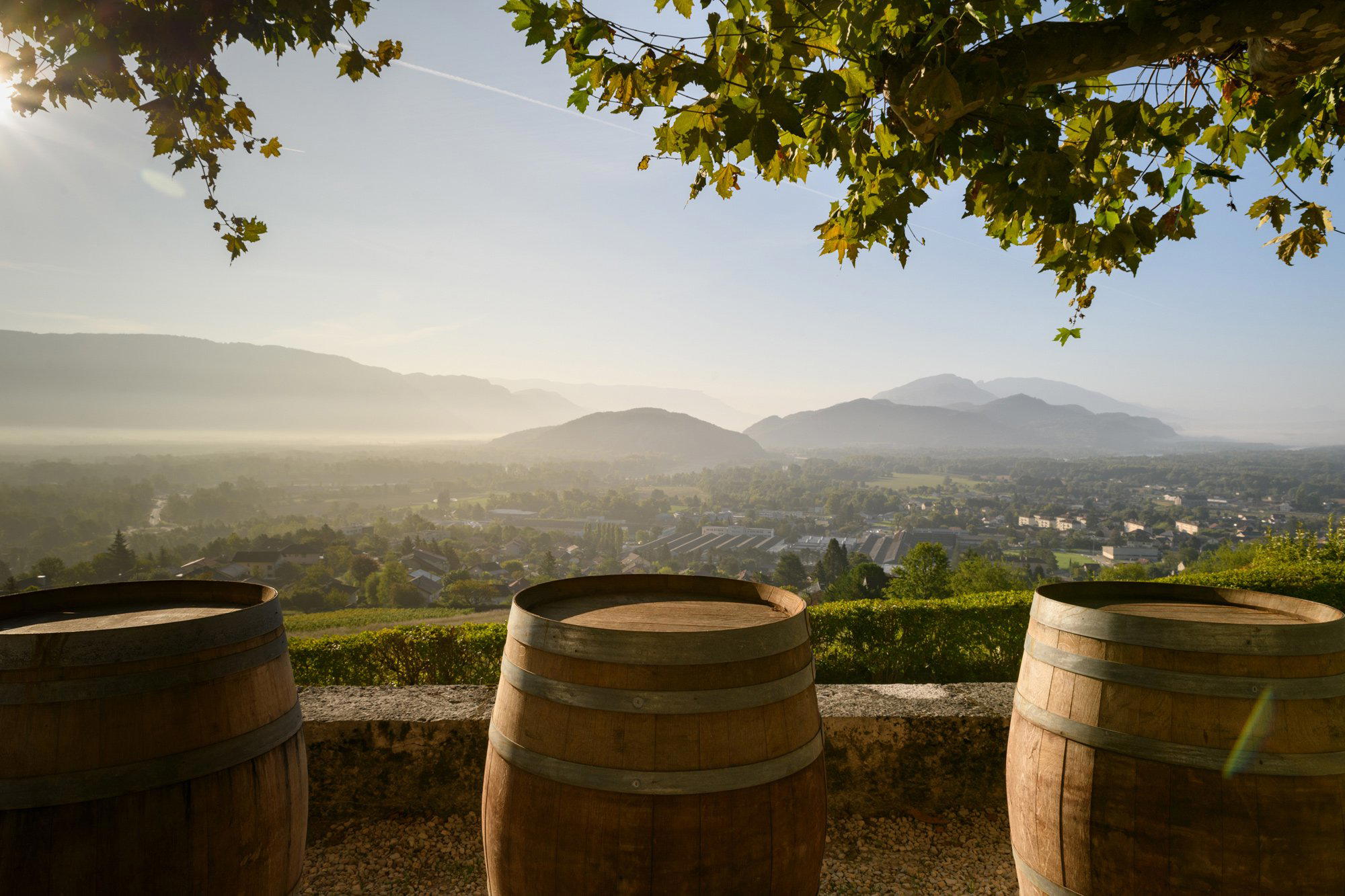
A quiet, small-scale Culoz winery suited to visitors who want estate-grown white and red wines from the Grand Colombier slopes. Book it for a calm, site-focused tasting rather than a polished destination experience; couples and small groups are the cleanest fit.
Il Sogno
Nizza Monferrato, Italy
Il Sogno works for a quieter Nizza Monferrato winery appointment with a Villa Vinory connection and Falstaff Listed recognition in 2026. It suits couples or small special-occasion plans better than groups needing a fully published tasting structure, food program, or named flagship bottle before committing.
Château Domeyne
Saint-Estèphe, France
Château Domeyne is worth arranging if the goal is a focused Saint-Estèphe stop built around classic cru bourgeois red Bordeaux: fresh acidity, firm tannins and black-fruit character. It is appointment only, so treat it as a planned wine visit rather than a casual drop-in, and choose it for appellation depth rather than broad hospitality extras.
Bodega Inurrieta
Falces, Spain
A good Navarra pick for wine travelers who care more about estate production than hospitality gloss. Bodega Inurrieta is strongest as a modern Falces winery with its own vineyards, a broad white-rosé-red portfolio, and Falstaff 2 Stars in 2026; confirm the visitor format before anchoring a day around it.
Fakin Winery
Motovun, Croatia
Fakin Winery is a sensible Motovun pick when the plan is wine-first and the group wants a producer with external recognition, including a Falstaff listing for 2026. It is less suitable if the decision depends on a confirmed food pairing, published menu, or visible full-service hospitality details before planning the day.
Gradis'ciutta
San Floriano Del Collio, Italy
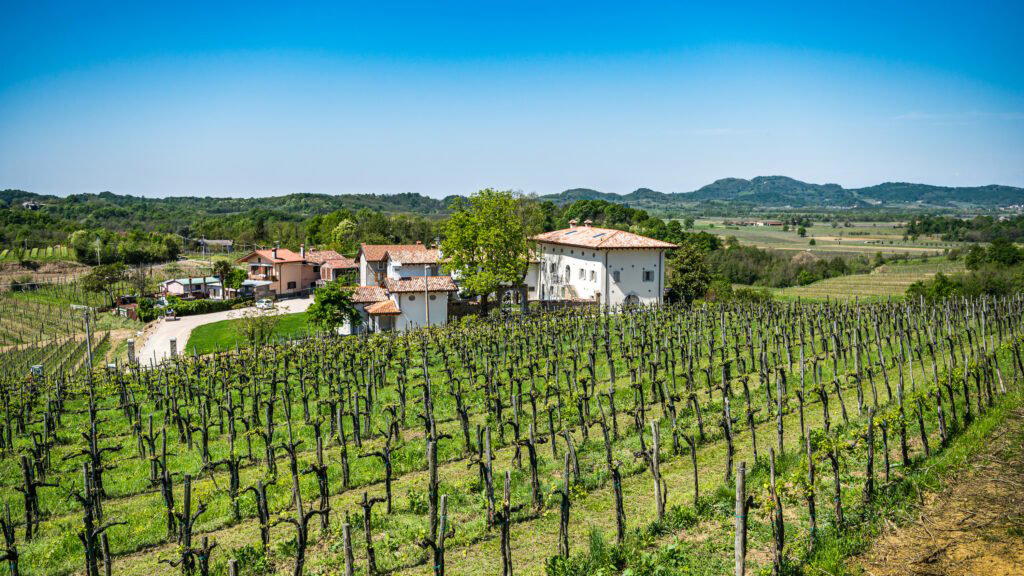
Gradis'ciutta is worth booking if Collio wine context matters more than resort-style polish. At $50 per person, it offers strong value for a vineyard-based stay with organic-certified farming, nine rooms, three apartments, tastings, and a historic borgo setting. It is less suited to travelers who want a formal restaurant or a high-service hotel experience.
Cantina Kaltern
Kaltern, Italy
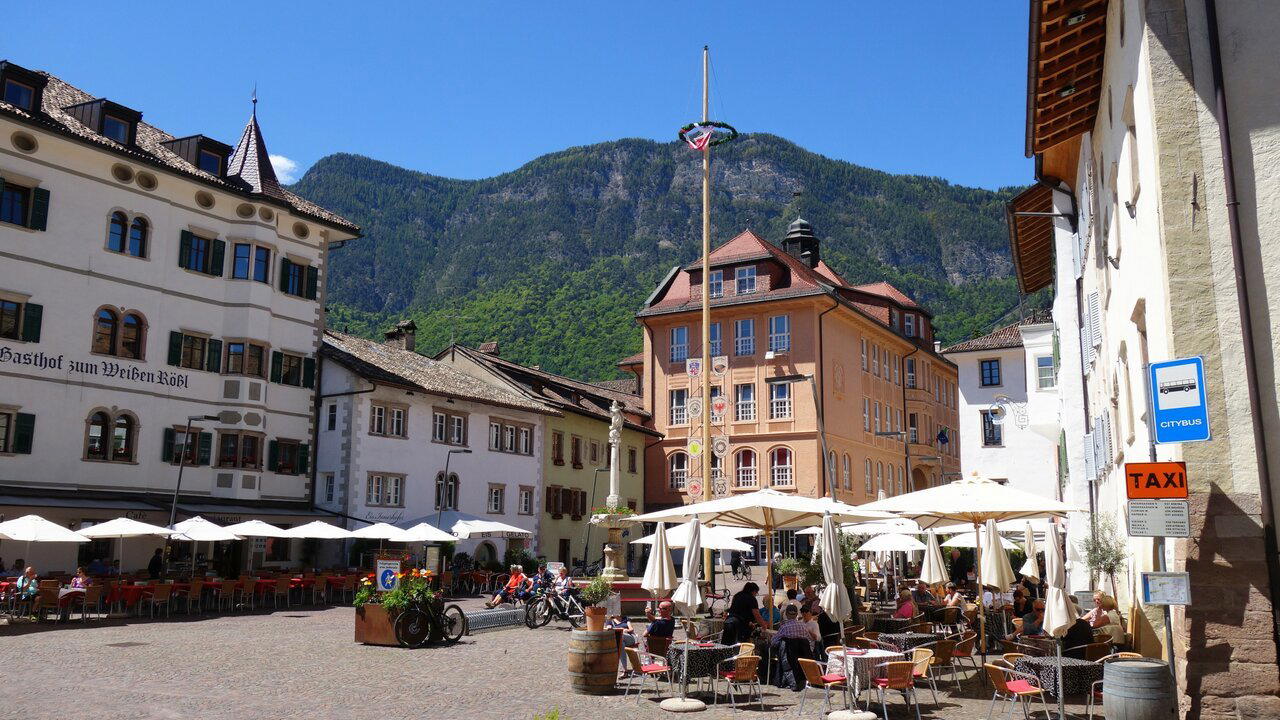
Cantina Kaltern is worth planning if you want a broad, structured introduction to Kaltern and Alto Adige wines in one stop. The draw is the cooperative scale, sustainability credentials, and wine-center format; skip it if you want a tiny, grower-led cellar appointment.
Château Gigault
Mazion, France
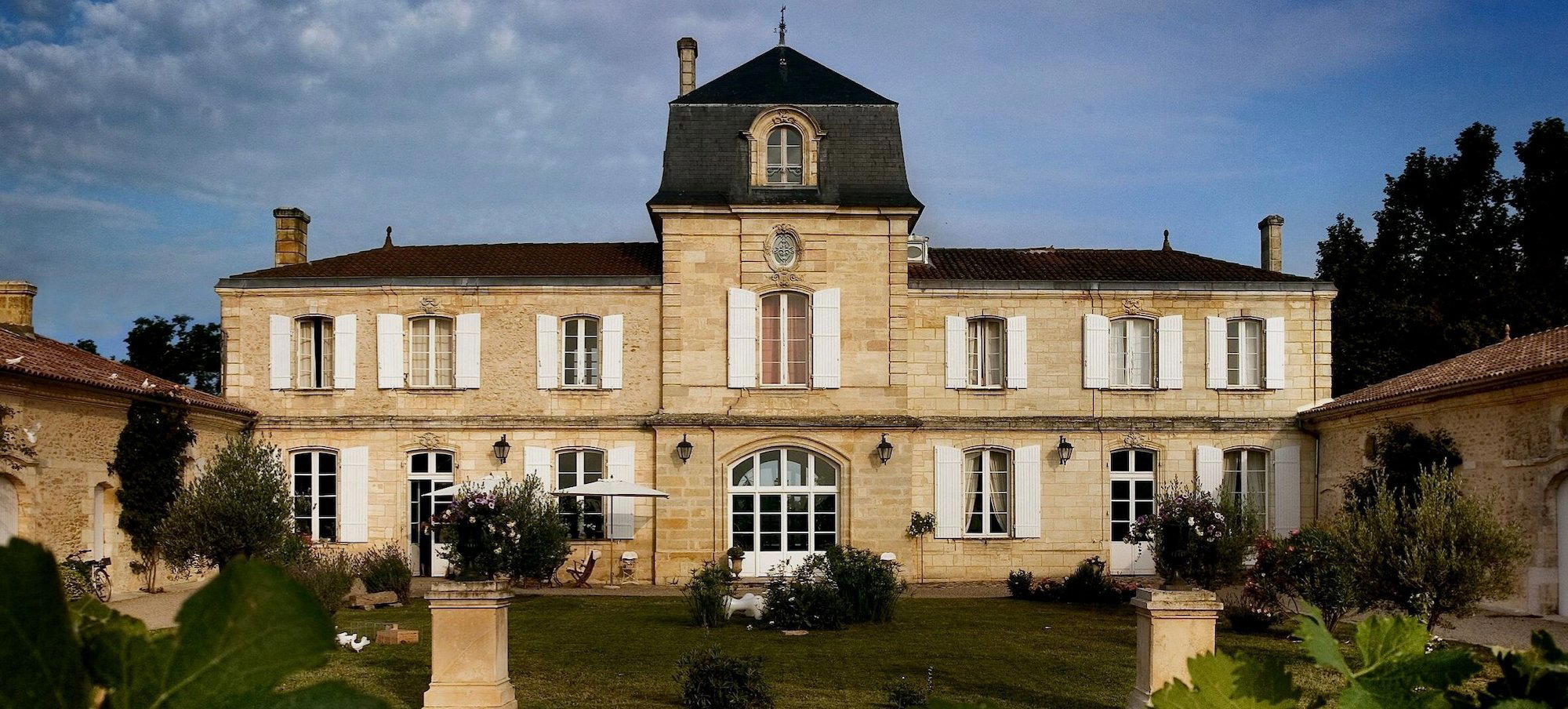
A practical Blaye Côtes de Bordeaux stop for travelers who want vineyard context, Merlot-led wines, and a rural estate setting without a formal grand-château feel. Château Gigault is strongest for curious Bordeaux repeat visitors and groups considering the on-site gîte; book it as a scheduled tasting, not a spontaneous drop-in.
Charles Heidsieck
Reims, France
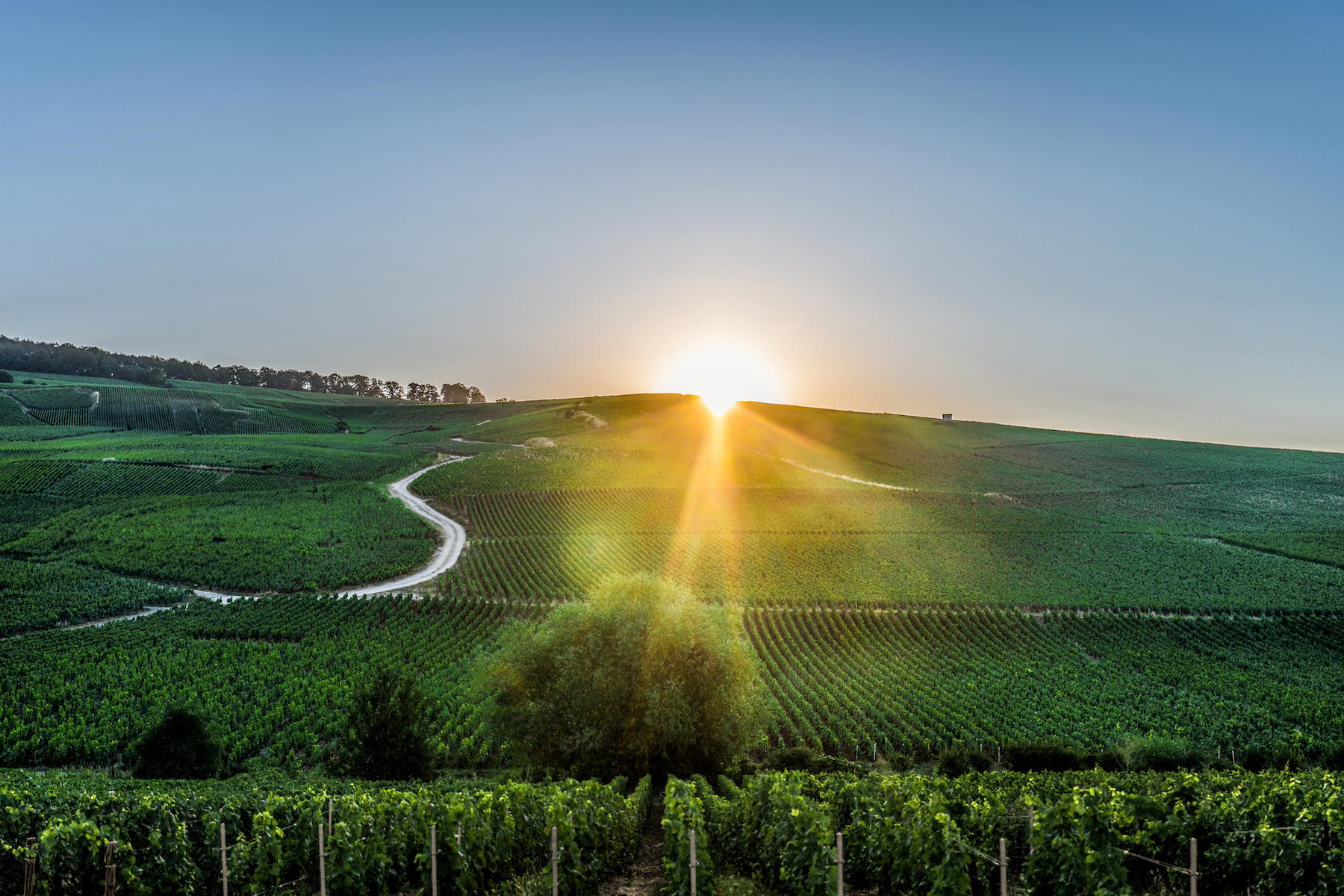
Charles Heidsieck is worth prioritizing for serious Champagne buyers and repeat Reims visitors, especially if allocation access matters more than convenience. First-timers or loose groups may find Piper-Heidsieck or Taittinger easier to plan, while collectors should compare the value of any club or shipment terms before committing.
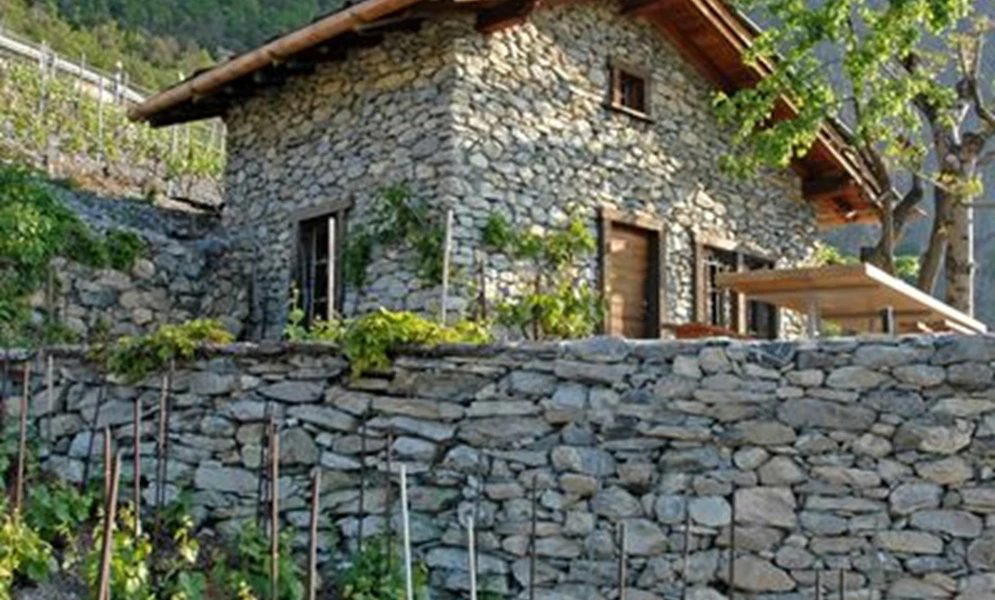
Cave La Tornale
Chamoson, Switzerland
Book Cave La Tornale if you want a grounded Valais winery visit centered on local grapes rather than luxury staging. The strongest case is for Petite Arvine, Fendant, Cornalin, Humagne Rouge, and other Alpine varieties, backed by Falstaff 3 Stars in 2026 and a moderate Swiss price tier.
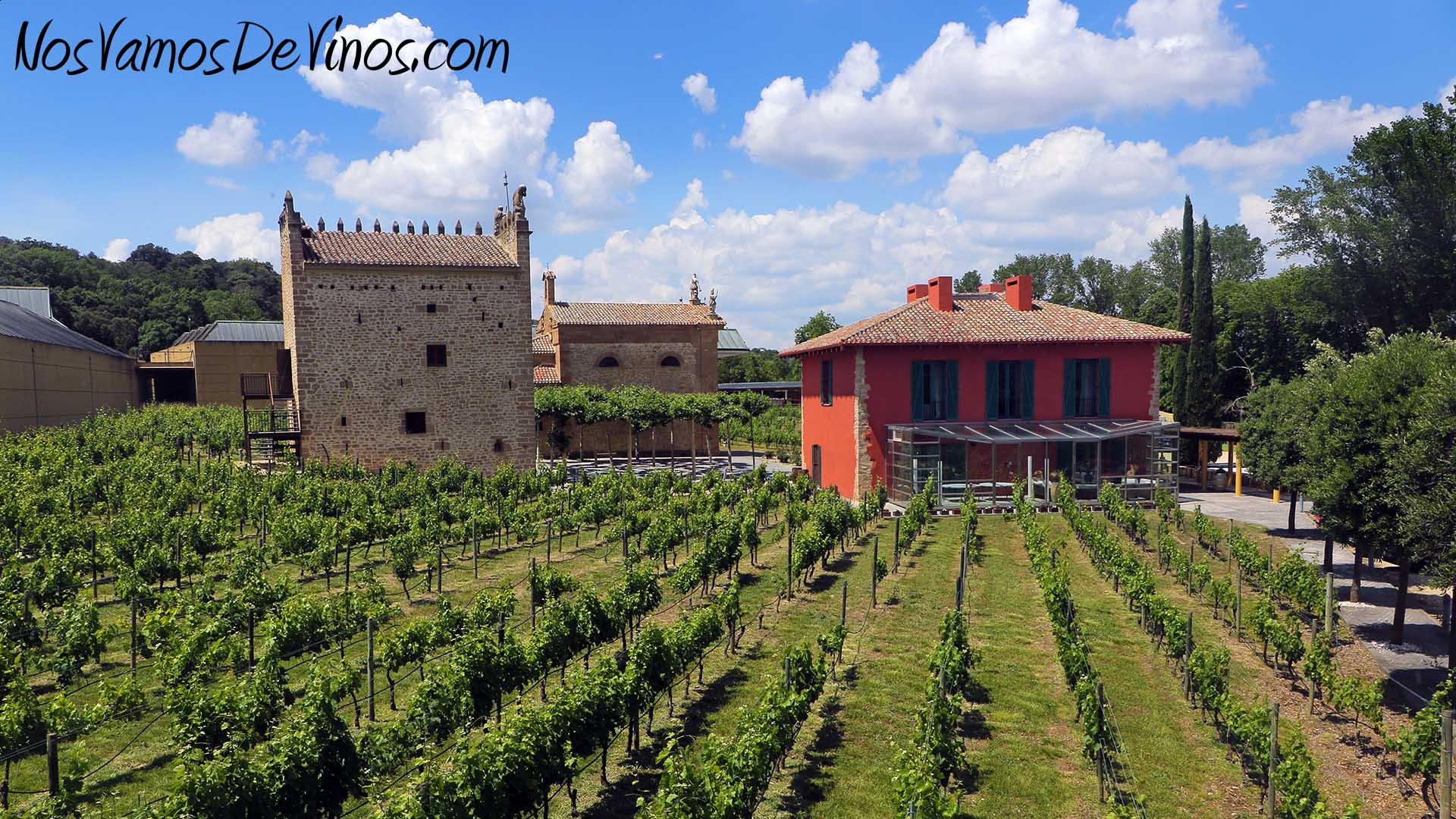
Bodegas Campos Reales
Madrid, Spain
A good pick if you want a practical, wine-first look at La Mancha through a large cooperative producer with serious Tempranillo depth. Go for vineyard and production context, especially the contrast between young, Crianza, and old-vine styles; skip it if you want a highly staged tasting room or food-led winery experience.
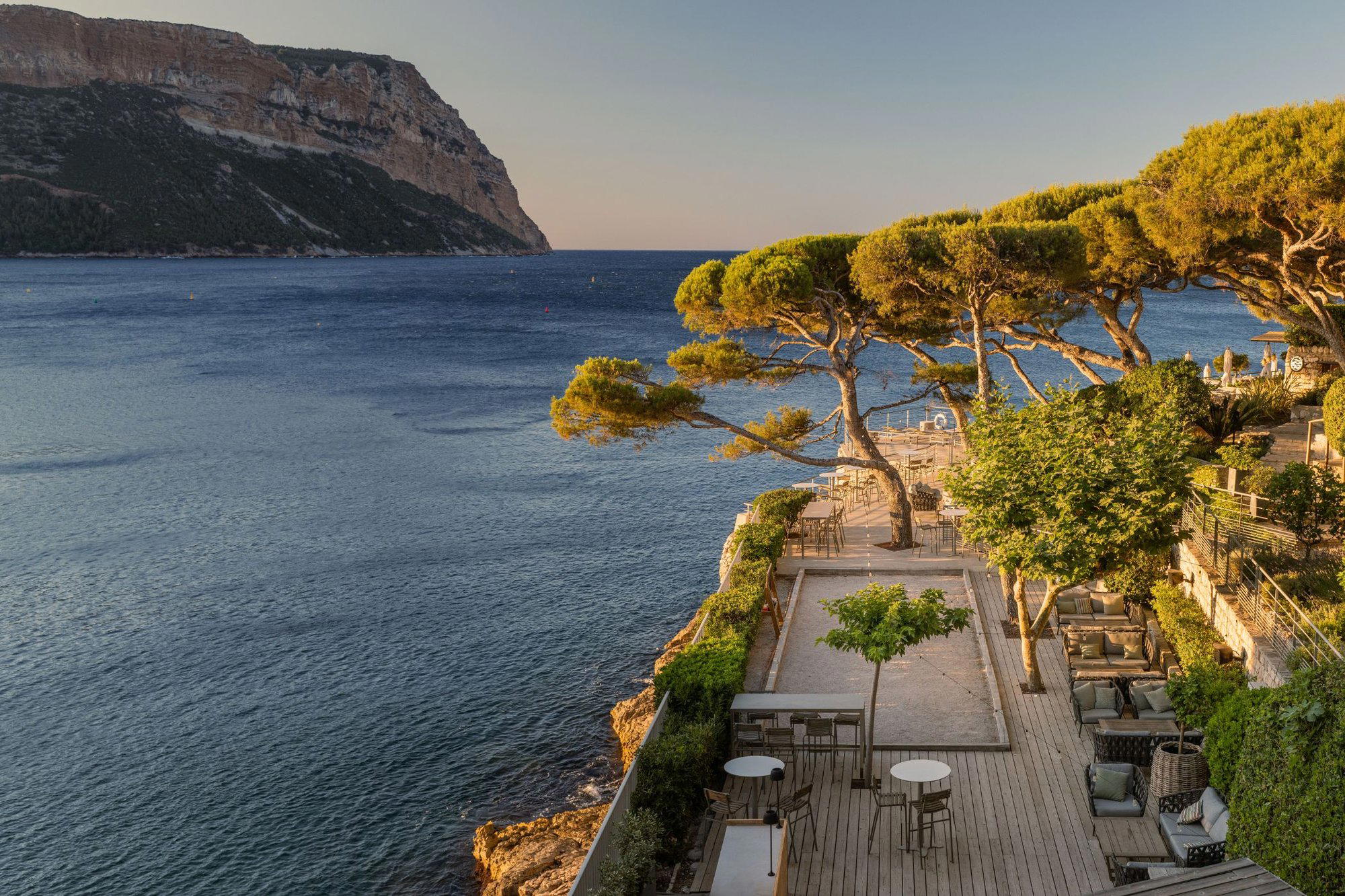
Champagne Les Roches Blanches
Oiry, France
Champagne Les Roches Blanches works if you want a quiet Oiry winery stop rather than a large-house Champagne visit. Treat it as part of a broader village wine route, especially if you value setting and producer context over a heavily programmed hospitality experience.
Fossa Mala
Fiume Veneto, Italy
Book Fossa Mala if you want a relaxed Friuli Grave agriturismo-winery with rooms, breakfast, dining, and a countryside villa setting. It is a better fit for first-time regional wine travelers than for collectors seeking named flagship bottles, technical cellar detail, or critic-led buying cues.
Domaine Christian Moreau Père et Fils
Chablis, France
A serious Chablis stop for travelers who care more about vineyard hierarchy and cellar decisions than a decorative tasting room. Domaine Christian Moreau Père et Fils is strongest for Grand Cru context, organic farming credentials, and a focused look at how stainless steel, restrained barrel use, and estate fruit shape the wines.
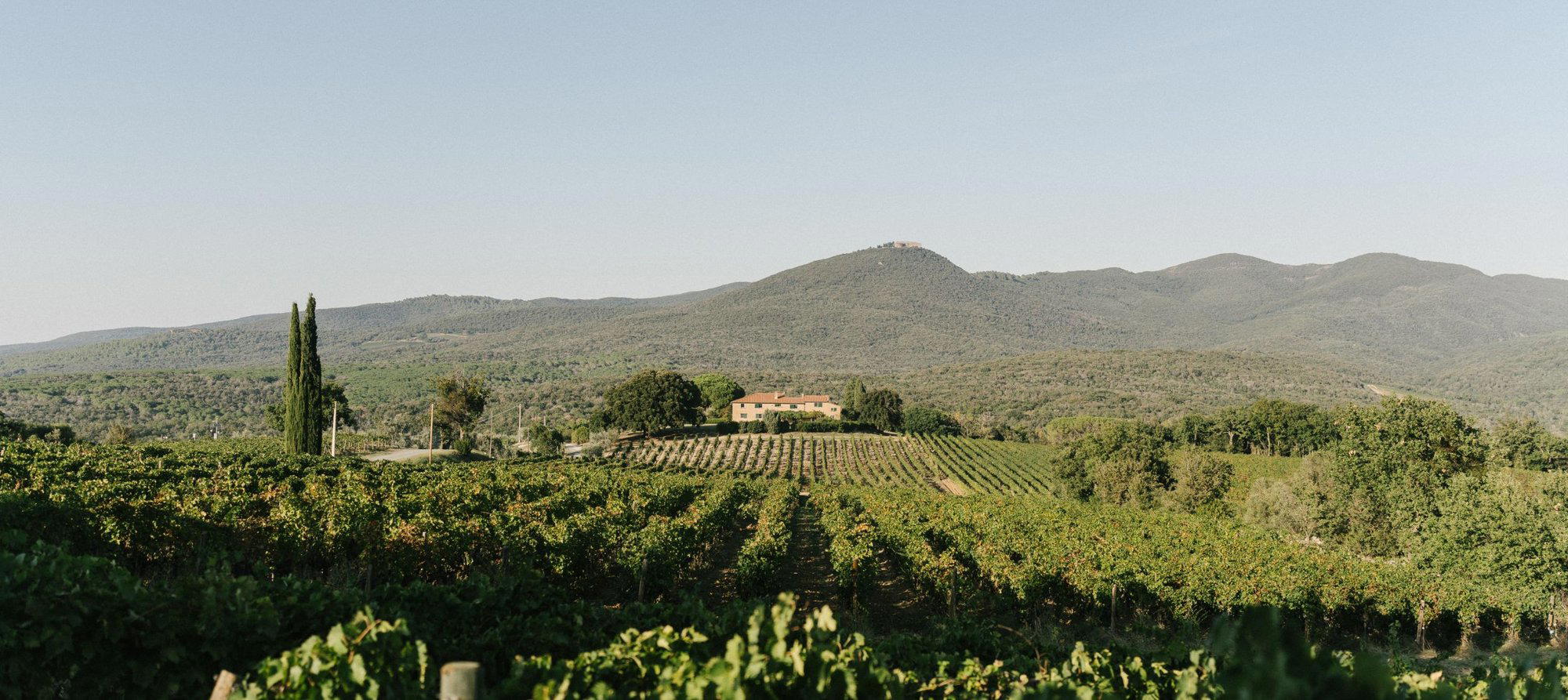
Grattamacco
Castagneto Carducci, Italy
Prioritize Grattamacco if you want a serious Bolgheri winery visit with history, hillside terroir and a quieter tasting format. The draw is not food or spectacle; it is the estate’s pioneer status, its Bolgheri Superiore story, and a setting that helps explain the wines.
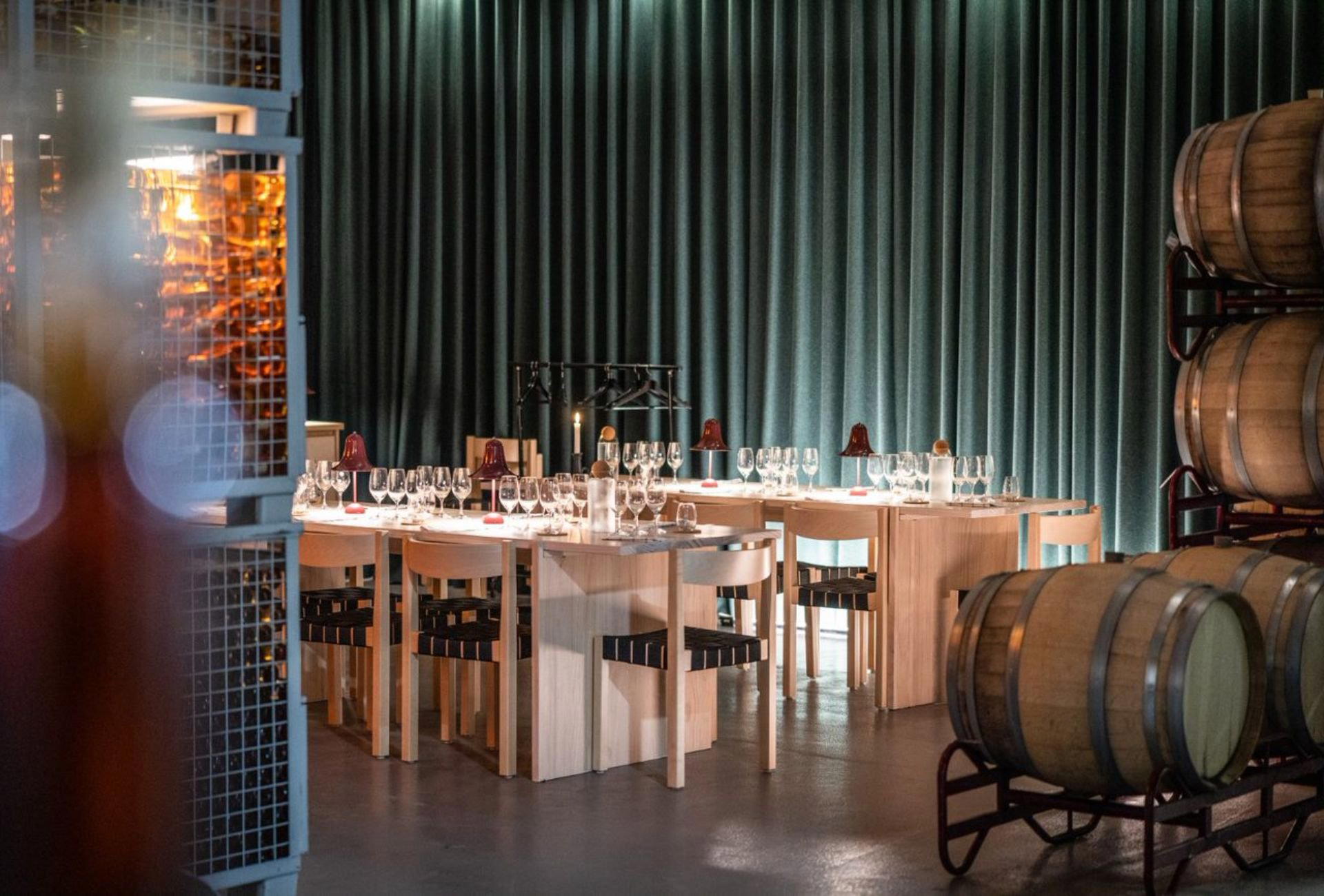
Brännland Cider
Vannas, Sweden
Brännland Cider works if the goal is a focused northern Sweden cider visit rather than a full winery-day itinerary. Its Falstaff Listed 2026 recognition gives it a credible reason to be on the shortlist, but confirm the tasting format before traveling, especially for groups or anyone expecting a longer hosted experience.
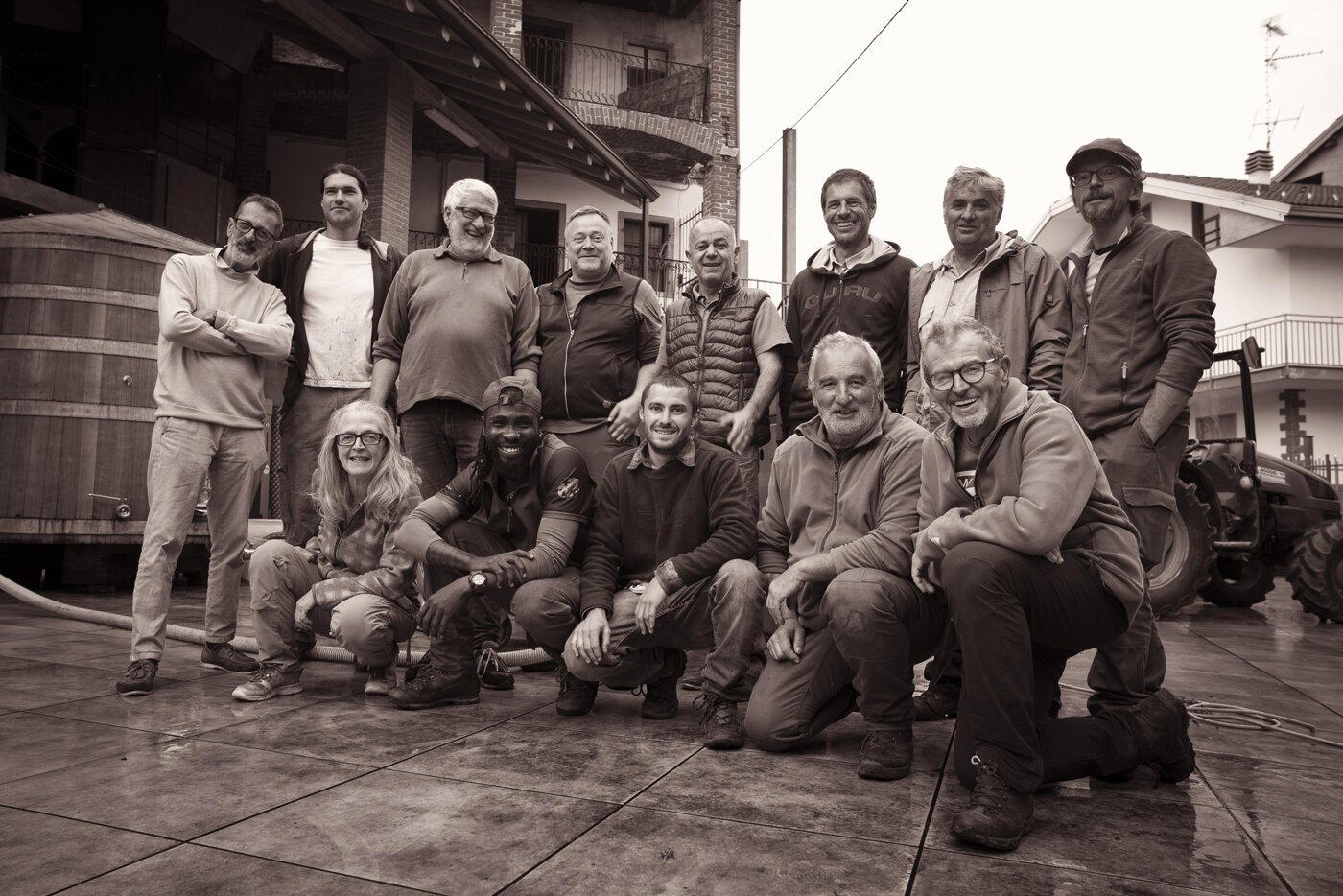
Azienda Agricola Le Piane
Boca, Italy
Plan Azienda Agricola Le Piane as a focused Boca wine stop, not a casual drop-in. It suits travellers building a deeper Piedmont itinerary and has the credibility of a Falstaff listing for 2026, but visitors needing published tasting details or large-group certainty should plan carefully before routing the day around it.
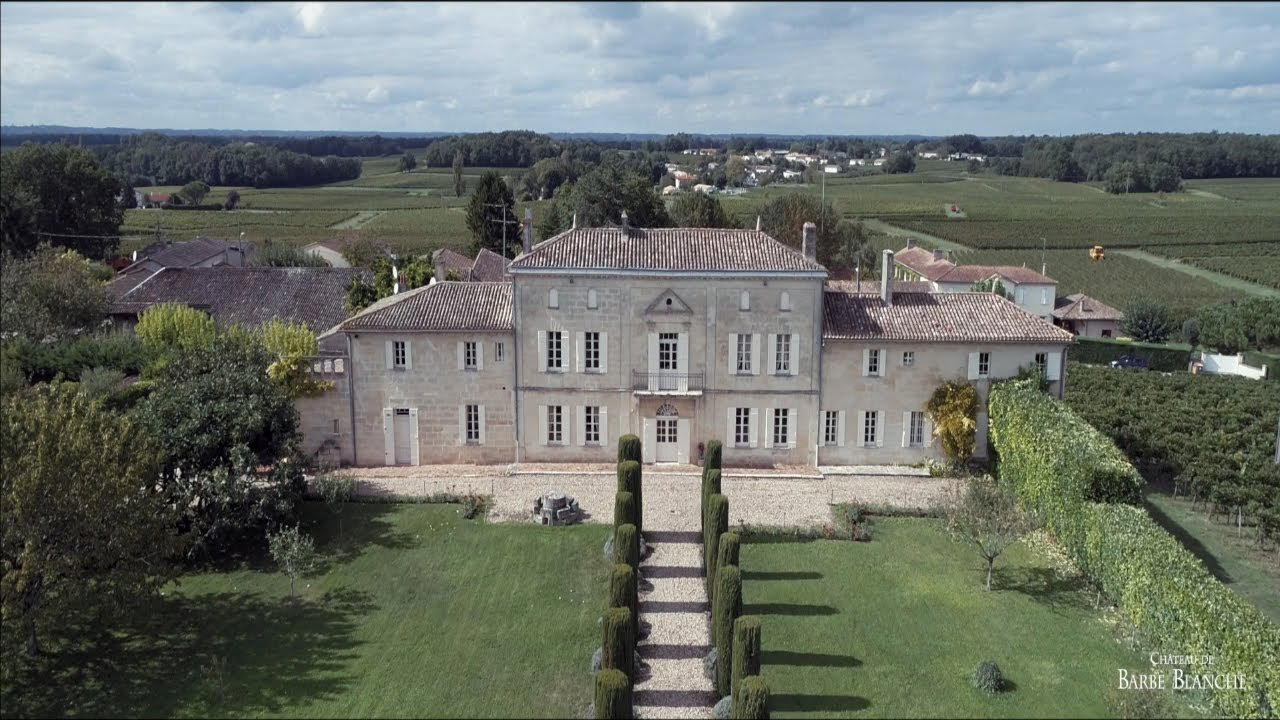
Château de Barbe Blanche
Lussac, France
Book Château de Barbe Blanche if you want a quieter Lussac-Saint-Émilion tasting with real historical texture, not just another Bordeaux pour. The $$ value is strongest for travelers interested in Merlot-led right-bank reds, limestone terroir, the Lurton family connection, and the estate’s 19th-century quarry history.
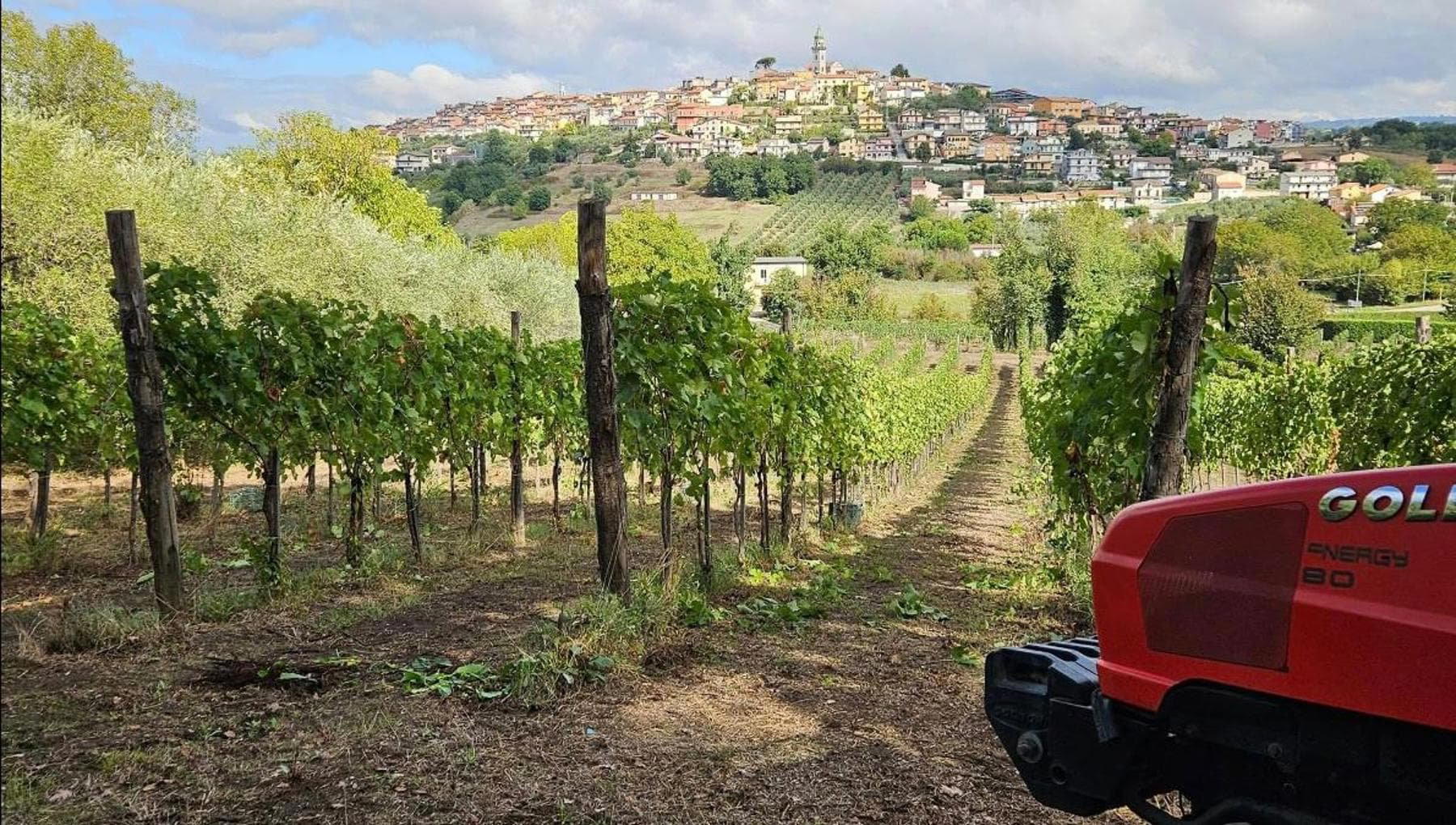
Borgodangelo
Sant'Angelo All'Esca, Italy
Borgodangelo is a good Irpinia pick for travellers who care more about native Campanian grapes than polished wine tourism. Go for Aglianico, Fiano, and Greco in a rural family-owned setting; skip it if the group needs a restaurant-style visit or fully predictable tasting-room structure.
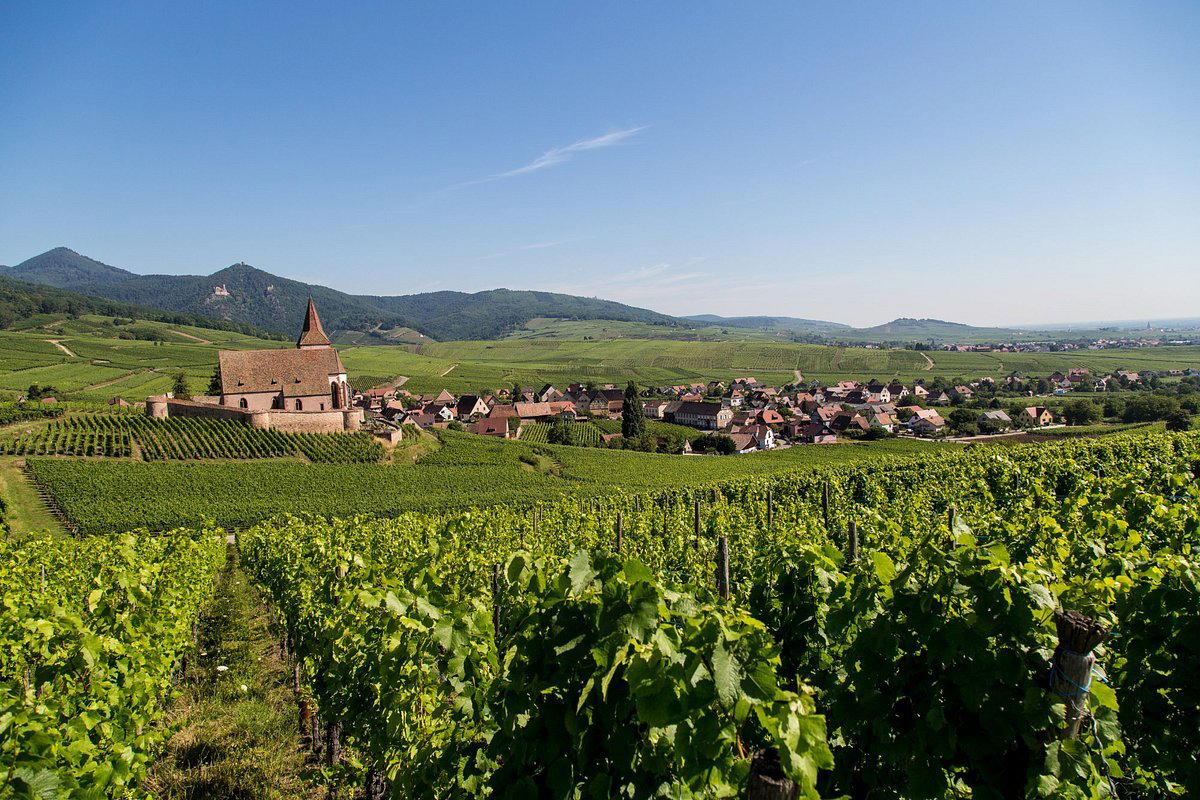
Cave Vinicole de Hunawihr
Hunawihr, France
Book Cave Vinicole de Hunawihr if the goal is a practical Alsace tasting with range and strong value rather than a luxury cellar experience. The cooperative format makes it especially useful for comparing Riesling, Gewurztraminer, Pinot Gris, Crémant, Grands Crus, and late-harvest styles before buying.
Crama Roy & Damboviceanu
Corcova, Romania
A focused Corcova winery pick for guests who care more about the wine stop than a full restaurant-style experience. Crama Roy & Damboviceanu works better for couples or small celebrations than for large groups, especially because visitor logistics and food service details are not clearly published.
How many of these have you visited?
Find out on Pearl and keep score across every place in 2026 Falstaff Winery Guide.