
Gini
Monteforte d'Alpone
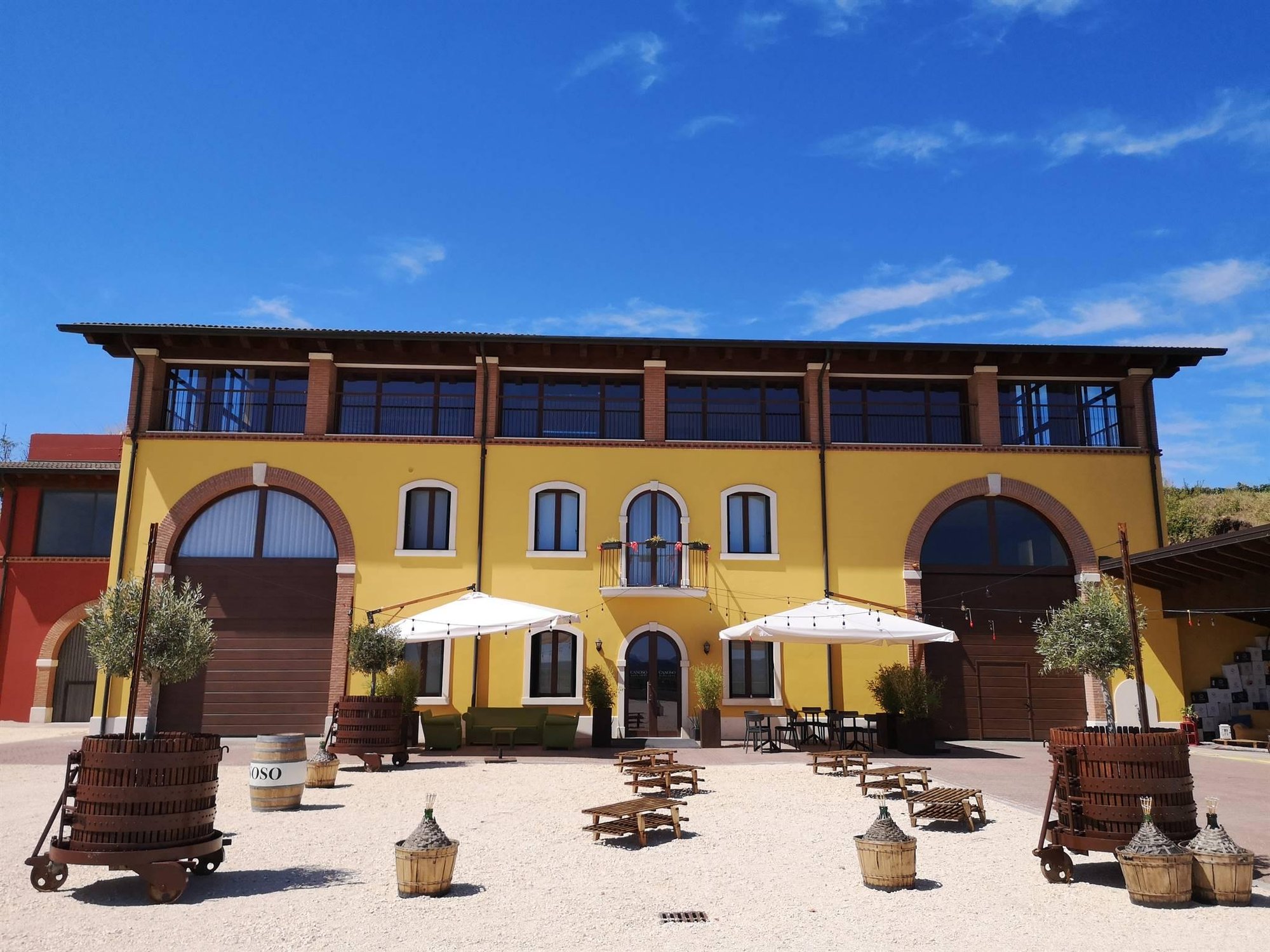
Winery in Monteforte d'Alpone, Italy
 Book with Pearl
The Read
Volcanic Basalt Soave
Price
$50–100tasting
Why go
Gini is worth considering for a wine-focused stop in Monteforte d'Alpone, especially for travelers who care more about cellar context than packaged hospitality. Confirm the visit format before building a day around it; Prà is the easier same-town cross-shop if the group wants a more straightforward planning target.
About Gini
Is Gini worth planning around in Monteforte d'Alpone? It can be, and its clearest signals are a Pearl 2 Star Prestige recognition for 2025 and a smart casual dress code. It is a Monteforte d'Alpone venue to research directly before building a day around specific services, formats, or availability.
Book this with confirmed details, not assumptions
The decision is simple: prioritize Gini if the recognition and Monteforte d'Alpone location match your plans. Confirm the visit details through the venue's official channels before committing.
That makes advance planning important. Gini may be a worthwhile stop for travelers already focusing on Monteforte d'Alpone, and a smart casual dress code is confirmed, so plan attire accordingly while checking the practical details directly.
Use Monteforte d'Alpone as the anchor, then cross-shop relevant names
For readers building an itinerary around Monteforte d'Alpone, compare Gini with Prà where a direct decision is useful. Gini's Pearl 2 Star Prestige recognition for 2025 gives it a clear reason to be on the shortlist, while any final choice should depend on currently confirmed availability and the kind of visit each venue can provide.
If the day needs more than one stop, use local guides and current official information rather than expecting Gini to cover every part of the plan. For broader comparison, Bertani, Distilleria Schiavo, Pieropan, Prà, and Romano Dal Forno can be considered as separate itinerary references without assuming they offer the same format or are all in Monteforte d'Alpone.
The practical verdict: consider Gini if Monteforte d'Alpone is already part of the plan and the Pearl 2 Star Prestige recognition matters to you. Confirm logistics before arrival, dress smart casual, and avoid building the day around service format, food, hours, group capacity, or other services.
Planning details
- Location
- Via Giacomo Matteotti, 42, 37032 Monteforte d'Alpone VR
- Website
- ginivini.com
- Phone
- +39 045 761 1908
The take
The Take
The Vibe
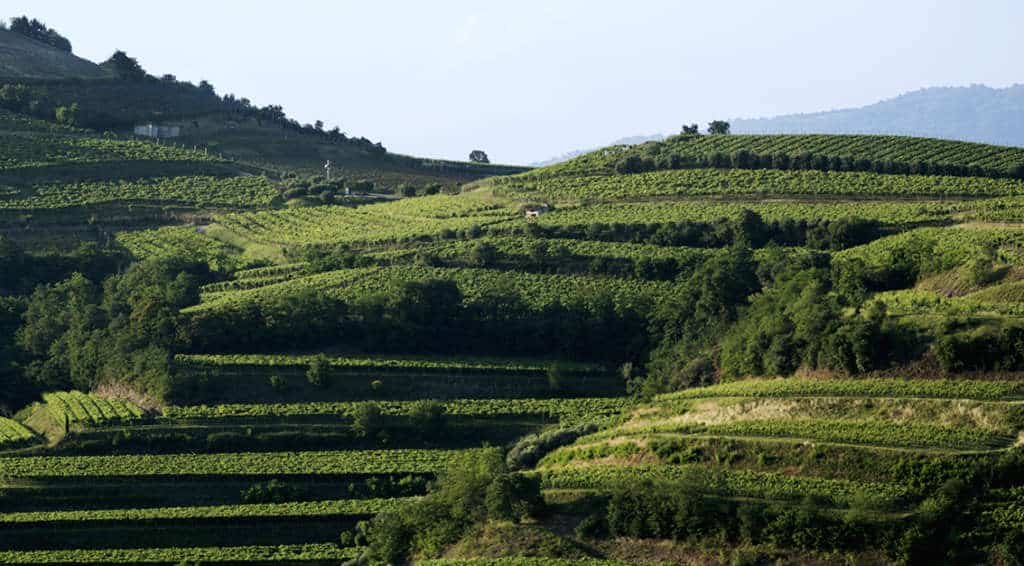
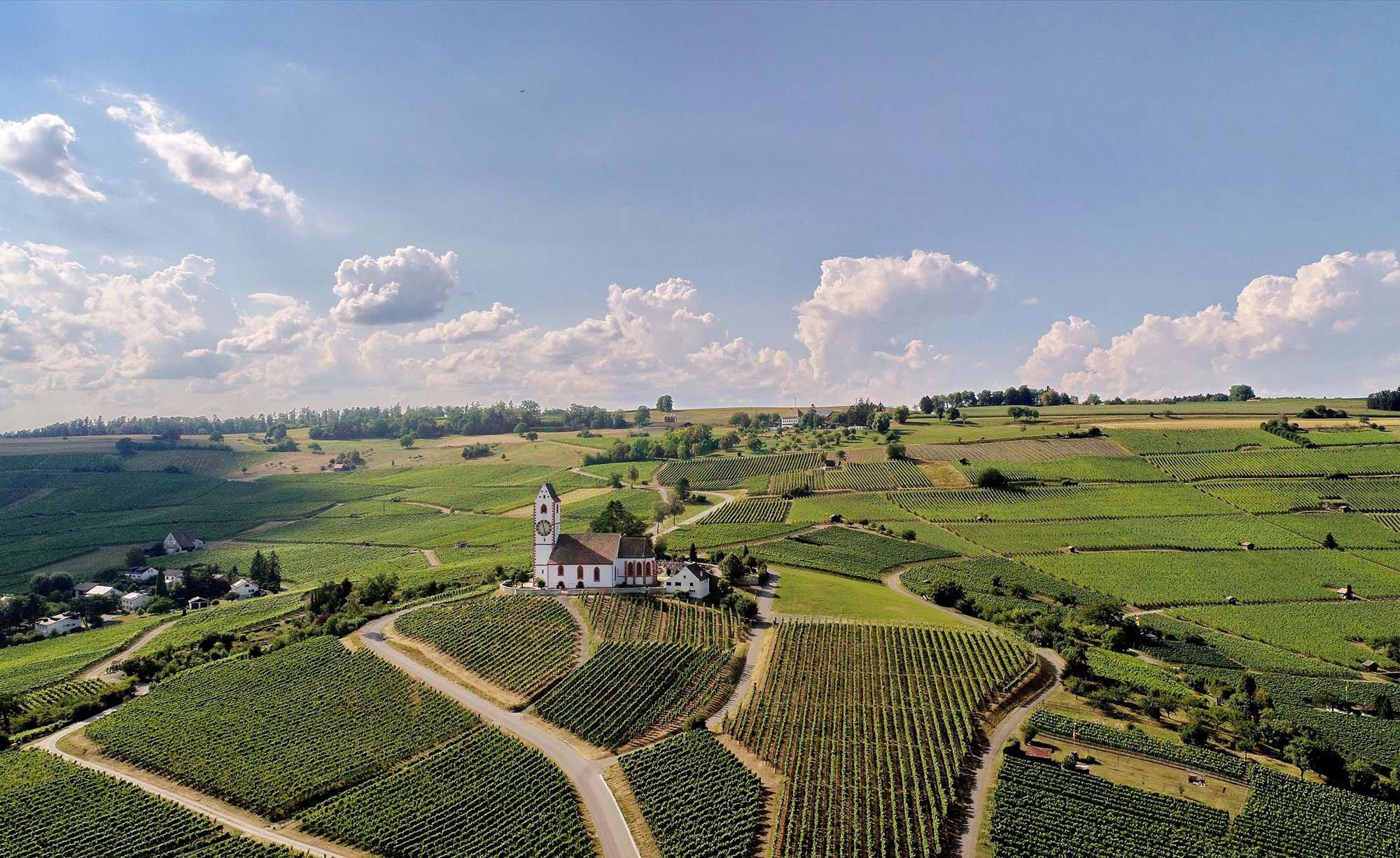
Gini presents as a composed, terroir-focused estate where geological specificity shapes character. The copy emphasizes volcanic basalt in the Lessini foothills and the distinct tensile freshness that results in wines with mineral sharpness and concentration. The producer’s Pearl 2 Star Prestige rating and the discussion of Soave Classico’s reputational reassertion frame Gini as a refined, serious maker—one that values site expression and restraint rather than mass production. Visitors and readers encounter a measured, sophisticated voice that privileges place, age-worthiness and stylistic clarity over flash or trendiness.
Best For
This winery is best for people who want to study place-driven white wine—students, collectors and committed enthusiasts seeking clarity on Soave Classico’s terroir differences. The narrative centers on volcanic hillside fruit and the stylistic consequences of basaltic soils, so it suits those planning focused tastings or comparative flights that reveal mid-palate mineral tension and persistent acidity. Given the estate’s recognized prestige, it also makes sense as a stop or purchase for milestone moments when a more serious, site-specific Soave is appropriate.
Tasting Tips
When choosing bottles from this producer or from Soave Classico broadly, look for explicit references to the Classico subzone or volcanic/lessini-basalt soils on the label or producer notes; those markers signal the sharper mineral profile and firmer acidity discussed in the description. Seek vintages and bottlings that emphasize terroir rather than neutral, high-yield fruit, and watch for critical designations such as the Pearl 2 Star Prestige mention cited here as an indicator of higher-tier, carefully farmed lots. Expect wines that reward attention to origin and structure.
Venue details
Ambiance
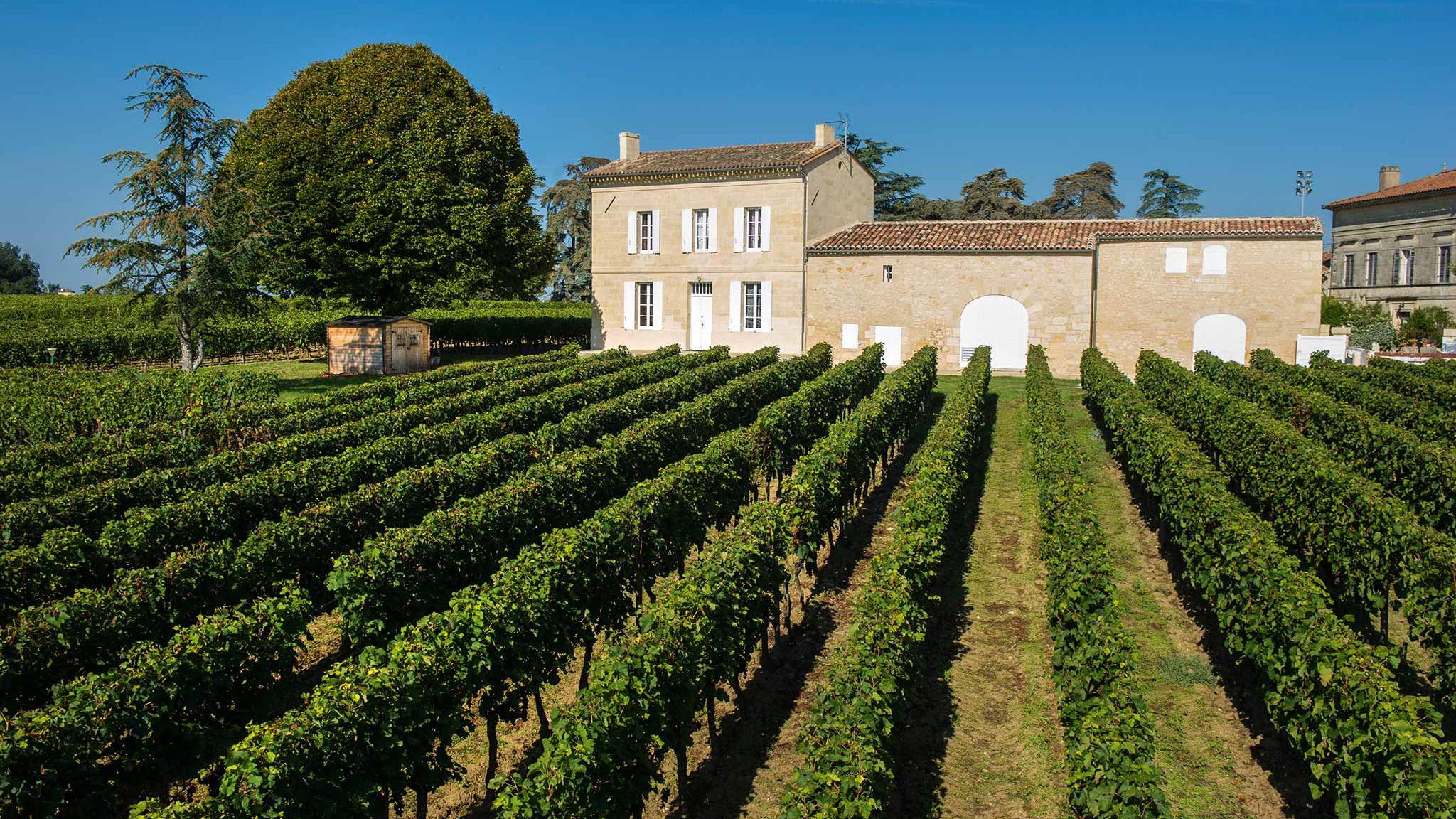
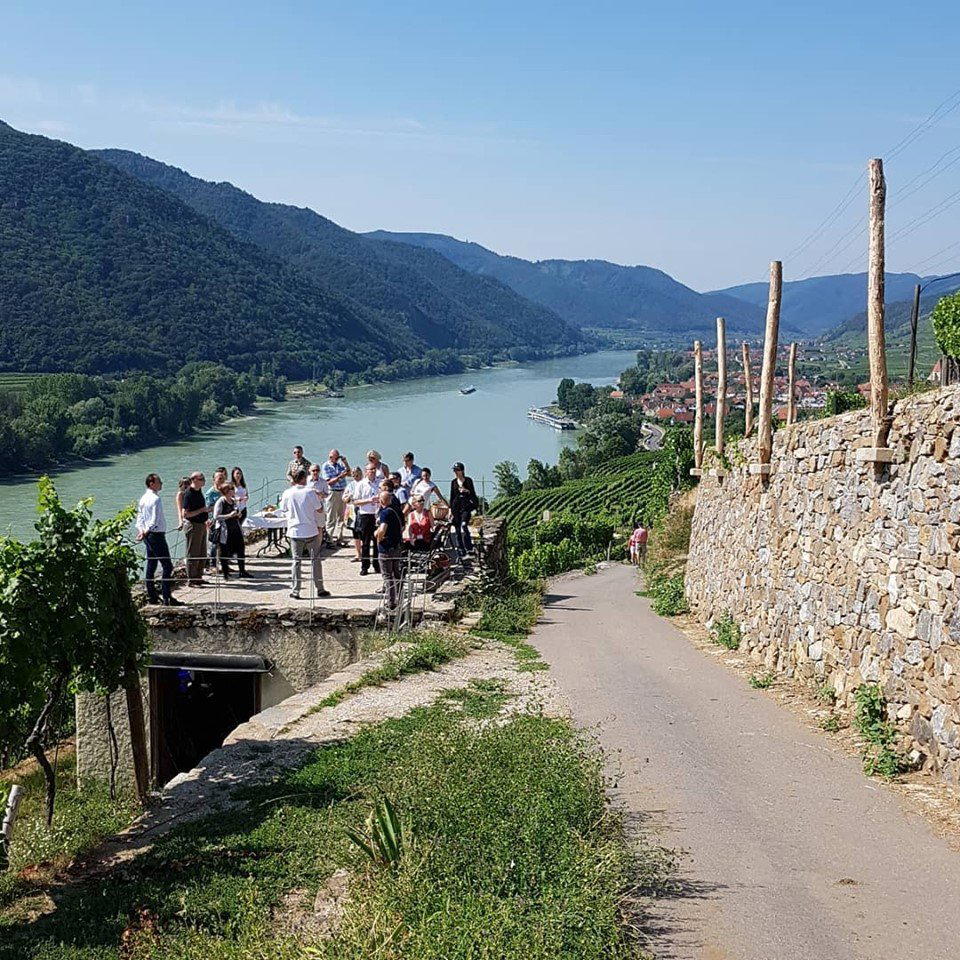
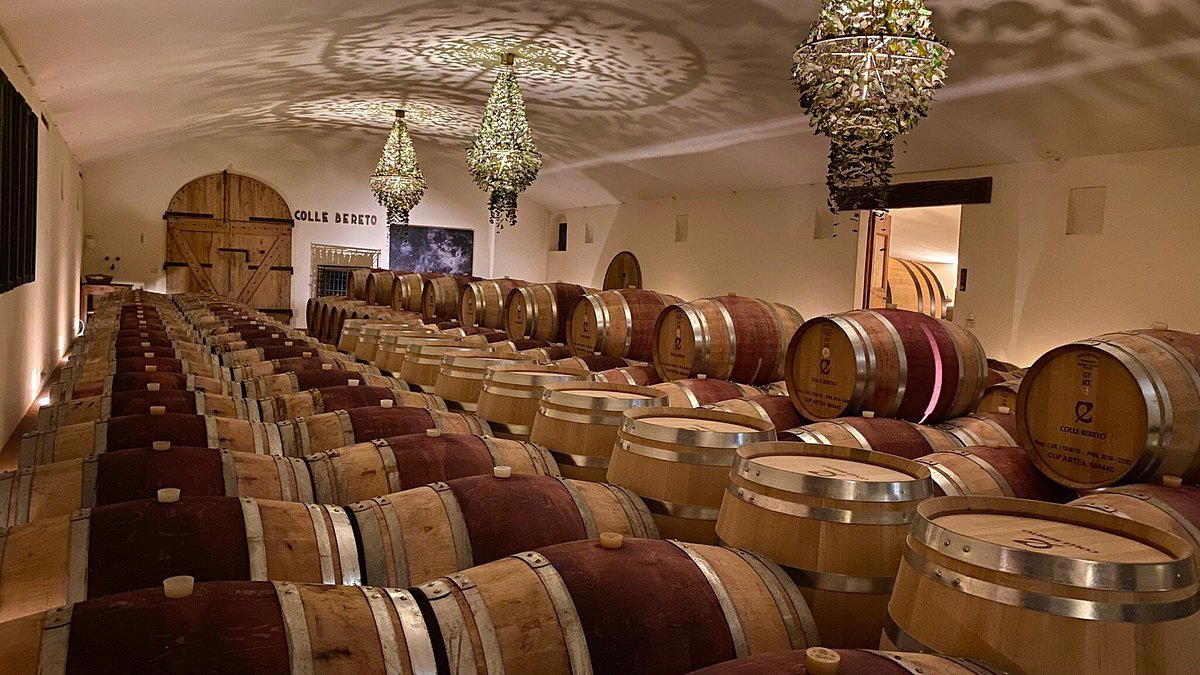
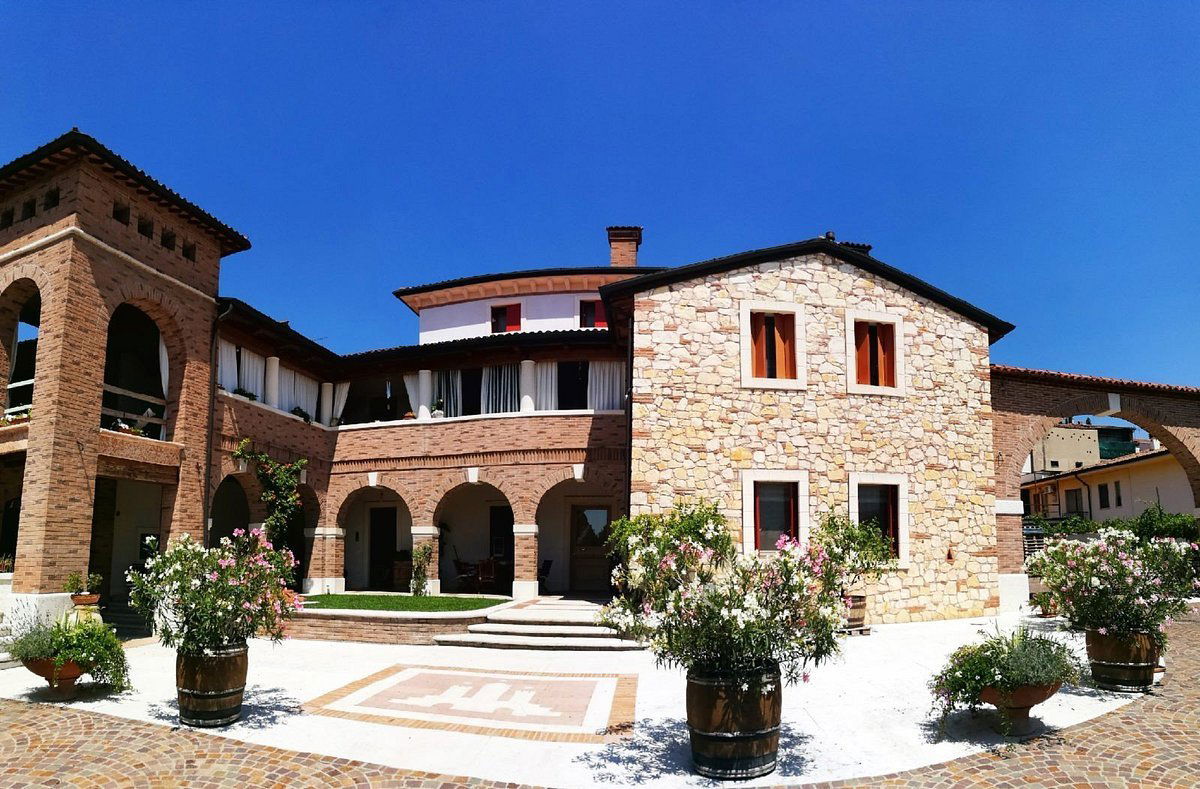
Historic and atmospheric, with elegant stone-lined underground cellars creating a sensational and unique environment that blends tradition with refined winemaking.
Tags
Vibe
Best For
Experience
Sourcing
View
At the Vineyard
- Appellation
- Soave Classico, Valpolicella
- Varietals
- Garganega, Corvina, Corvinone, Pinot Noir, Chardonnay
- Tour Duration
- 90-120 minutes
- Tour Languages
- Italian, English
- Visits
- By appointment only
- Farming
- Organic
- Wine Styles
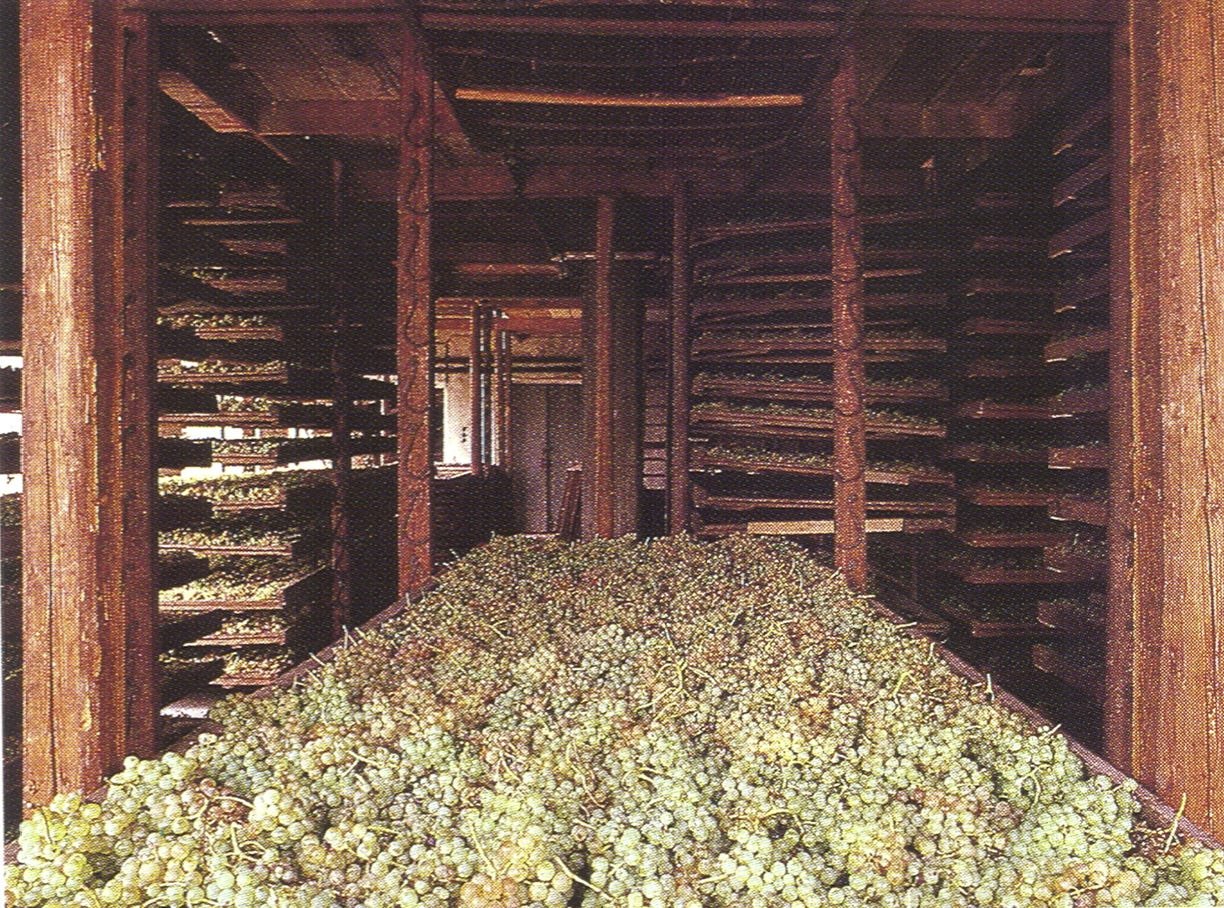
- Still White, Still Red, Sparkling, Dessert
- Wine Club
- Not available
Know before you go
Know Before You Go
- Getting there
- Via Giacomo Matteotti, 42, 37032 Monteforte d'Alpone VR
Planning details
Location
Recognition and awards

Also consider
Where to look if this does not fit
If the visit format does not line up, try Prà for another Monteforte d'Alpone winery option. If the group is willing to travel outside town, Pieropan is the next logical Soave-area comparison.
Winery context
How it compares in and around Monteforte d'Alpone
Choose Gini if the priority is a focused winery stop in Monteforte d'Alpone and the group is comfortable confirming details before committing. Prà is the cleaner same-town alternative for travelers who want an easier comparison point in the immediate area.
Pieropan is the stronger cross-shop for readers who want a broader Soave reference point outside Monteforte, while Romano Dal Forno and Bertani make more sense for a wider Veneto wine itinerary with bigger-name pull. Those are better choices if the day is about prestige breadth rather than staying local.
Distilleria Schiavo belongs on a different kind of route: spirits over wine. For a Monteforte-centered wine day, Gini and Prà are the practical pair to compare first; for a regional day with more driving, add Pieropan, Romano Dal Forno, and Bertani.
Explore Monteforte d'Alpone
Around this place
Discover more on Pearl
Unlock the full Gini guide in Pearl, including awards, comparisons, FAQs, planning details, and nearby places.
Compare Gini
| Venue | Location | Awards |
|---|---|---|
| Gini | Monteforte d'Alpone | 2026 Falstaff Winery Guide |
| Prà | Monteforte d'Alpone | 2026 Falstaff Winery Guide |
| Pieropan | Soave | 2026 Falstaff Winery Guide |
| Romano Dal Forno | Cellore d'Illasi | 2026 Falstaff Winery Guide |
| Bertani | Grezzana | 2026 Falstaff Winery Guide |
| Distilleria Schiavo | Costabissara | No published awards |
How Gini Monteforte d'Alpone compares with similar nearby venues.
FAQ
Frequently Asked Questions
Does Gini serve food?
Do not plan on it as a meal stop unless the venue confirms that directly. For dining, look separately at current options in Monteforte d'Alpone.
Does Gini have a membership program?
Pearl 2 Star Prestige recognition for 2025 supports Gini as a notable Monteforte d'Alpone venue, but any membership decision should be based on details confirmed directly by the venue.
When is the best time to visit Gini?
Plan around confirmed availability from the venue's official channels. Gini has Pearl 2 Star Prestige recognition for 2025, and the confirmed dress code is smart casual.
What other venues should I compare with Gini?
Prà and Pieropan are useful names to compare when considering Gini. Bertani, Romano Dal Forno, and Distilleria Schiavo can also be used as broader itinerary references. Start with Gini in Monteforte d'Alpone, then choose any additional stops based on location, availability, and visit details.