
Darioush Winery
Napa
Winery in Napa, United States
 Book with Pearl
The Read
Persian-Inflected Napa Cabernet
Price
$50–100tasting
Why go
Darioush Winery is the Napa pick for travelers who want a polished, visually formal estate tasting on Silverado Trail and are willing to plan around difficult availability. Choose it for atmosphere and a high-commitment wine stop; if a detailed food-pairing format is the priority, confirm the experience type before building the day around it.
About Darioush Winery
Darioush Winery is a Napa winery with a smart casual dress code and Pearl 3 Star Prestige recognition for 2025. Beyond these details, planning should stay cautious: specific visit formats, menus, pricing, hours, reservation rules, and on-site services should be confirmed directly with the winery before building an itinerary around them.
The practical verdict: consider Darioush Winery when you want a Napa winery stop with recognition. Visitors should treat the official winery channels as the source for availability, timing, experience options, and any policies that may affect your visit.
Choose it for a Napa winery stop, then confirm visit details
The strongest grounded reason to prioritize Darioush Winery is simple: it is a Napa winery with Pearl 3 Star Prestige recognition in 2025. The dress code is smart casual, so visitors should plan attire accordingly. Any more specific expectations, including tasting format, food service, private experiences, or booking requirements, should be checked before committing.
That makes Darioush Winery best approached as one part of a broader Napa plan rather than as a stop with assumed services. For dining and trip planning around the visit, use Pearl's Napa restaurants guide, Napa hotels guide, Napa bars guide, Napa wineries guide, and Napa experiences guide while confirming current winery details directly.
Who should prioritize it this season
The right guest is a planner who wants to include a recognized Napa winery and is comfortable confirming practical details before the visit. If you are comparing winery stops, consider Darioush Winery alongside Signorello Estate, Black Stallion Estate Winery, Seven Apart, Materra, Cunat Family Vineyards, and Robert Biale Vineyards before locking the route.
For wider Napa planning, Darioush Winery is in Napa, carries Pearl 3 Star Prestige recognition for 2025, and has a smart casual dress code. Visitors should confirm other specifics with the venue.
Planning details
- Location
- 4240 Silverado Trail, Napa, CA 94558
- Website
- darioush.com
- Phone
- +1 707-257-2345
The take
The Take
The Vibe
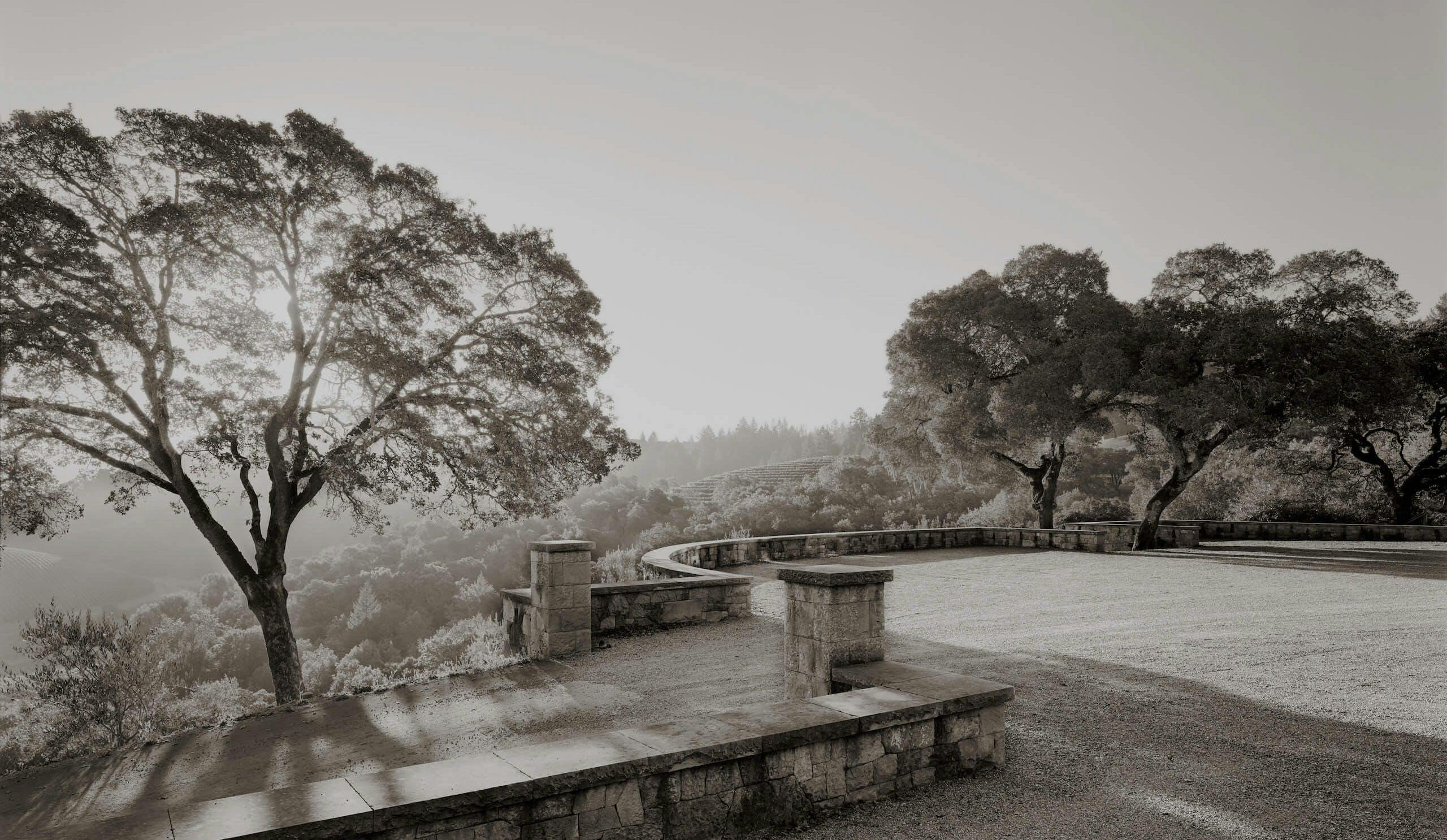
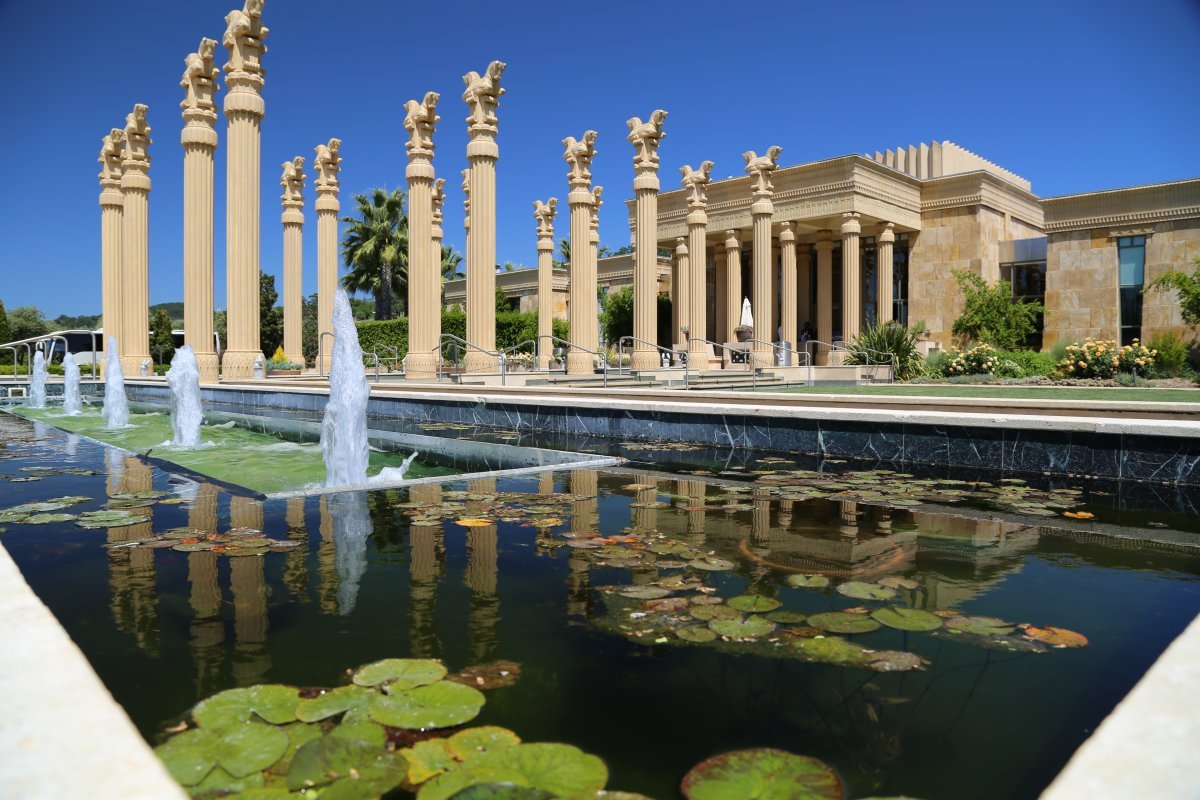
Darioush reads as an architectural anchor on the Silverado Trail, where Persian-influenced columns and a stone facade make the building itself part of the tasting. The estate treats hospitality as an extension of its wine program, so design and setting are deliberately integrated with what’s poured in the glass. Situated on Napa’s quieter secondary corridor, the property projects a composed, classic sensibility: serious about winemaking but equally invested in the visitor encounter. Recognition like the EP Club Pearl 3 Star Prestige underscores that the experience is judged on the totality of place as much as on varietal quality.
Best For
This is a destination for visitors who value architecture and a crafted tasting as much as bottle pedigree. Darioush sits in Napa’s middle-to-premium tier, balancing genuine wine seriousness with investment in the visitor experience, so it naturally suits special-occasion and romantic-getaway visits as well as wine-education–minded guests. The estate’s recent EP Club recognition signals a consistent, integrated quality across hospitality and wine, making it a reliable stop when you want a thoughtfully staged, substantive tasting on the Silverado Trail.
Venue details
Ambiance
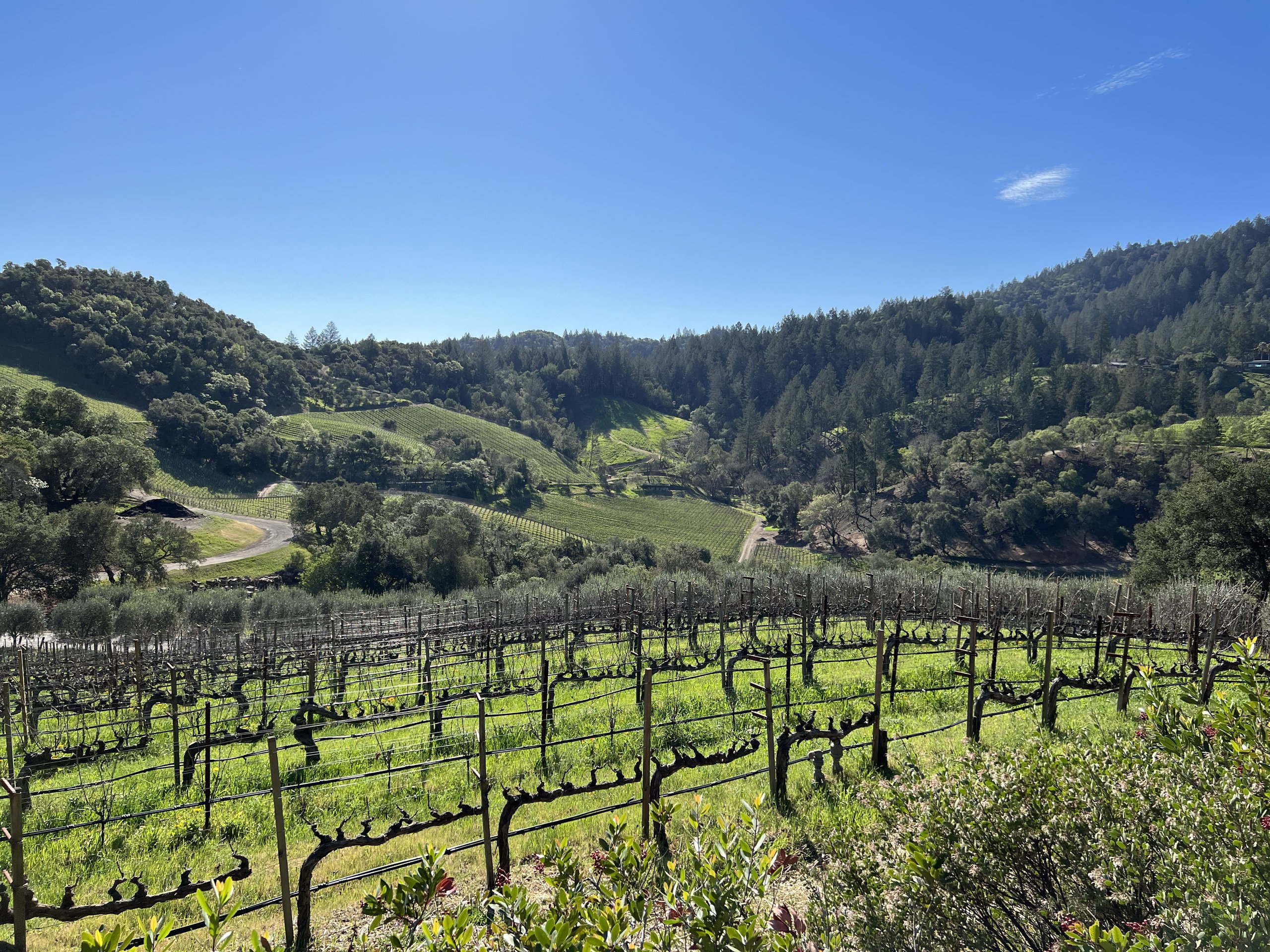
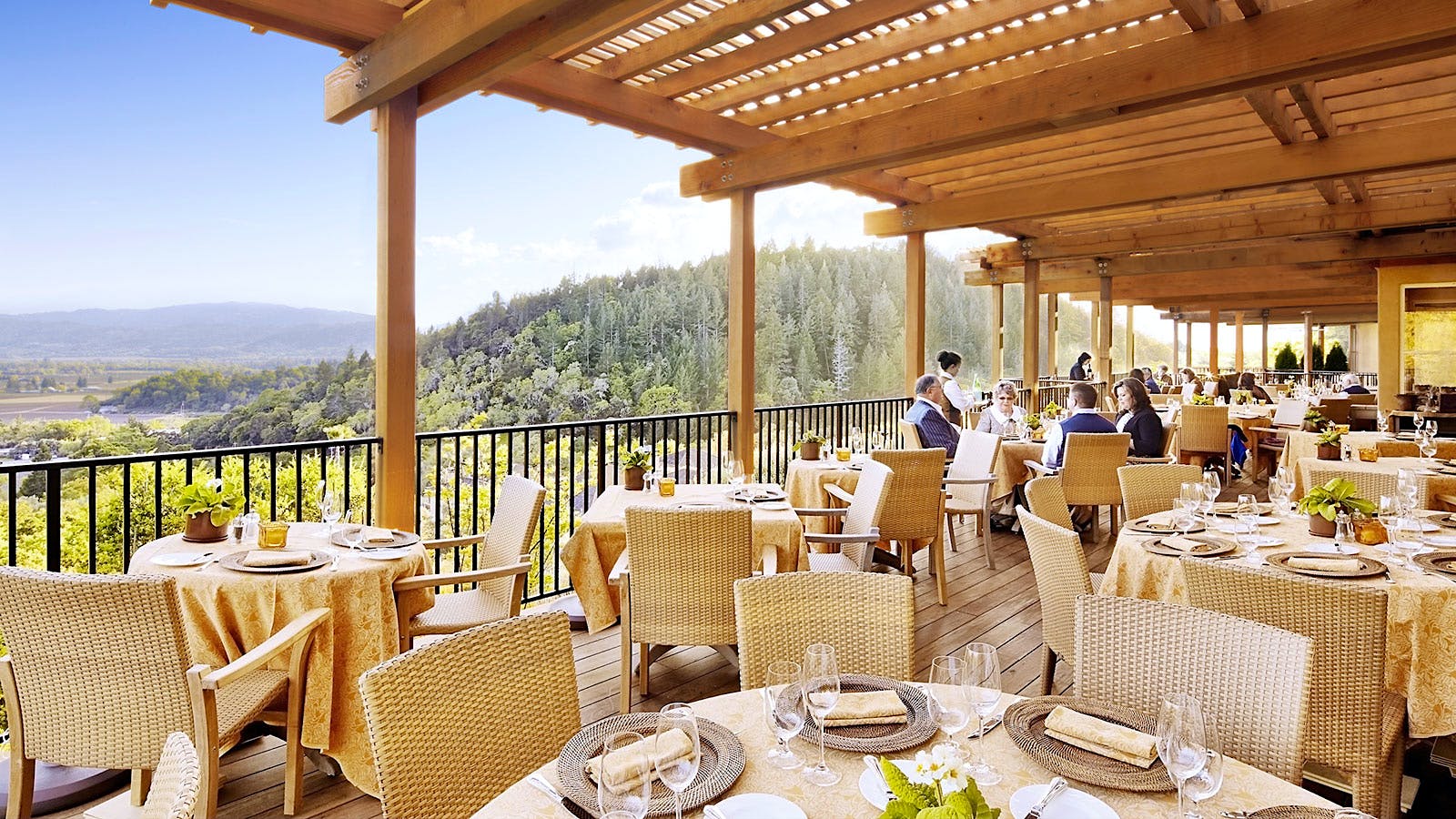
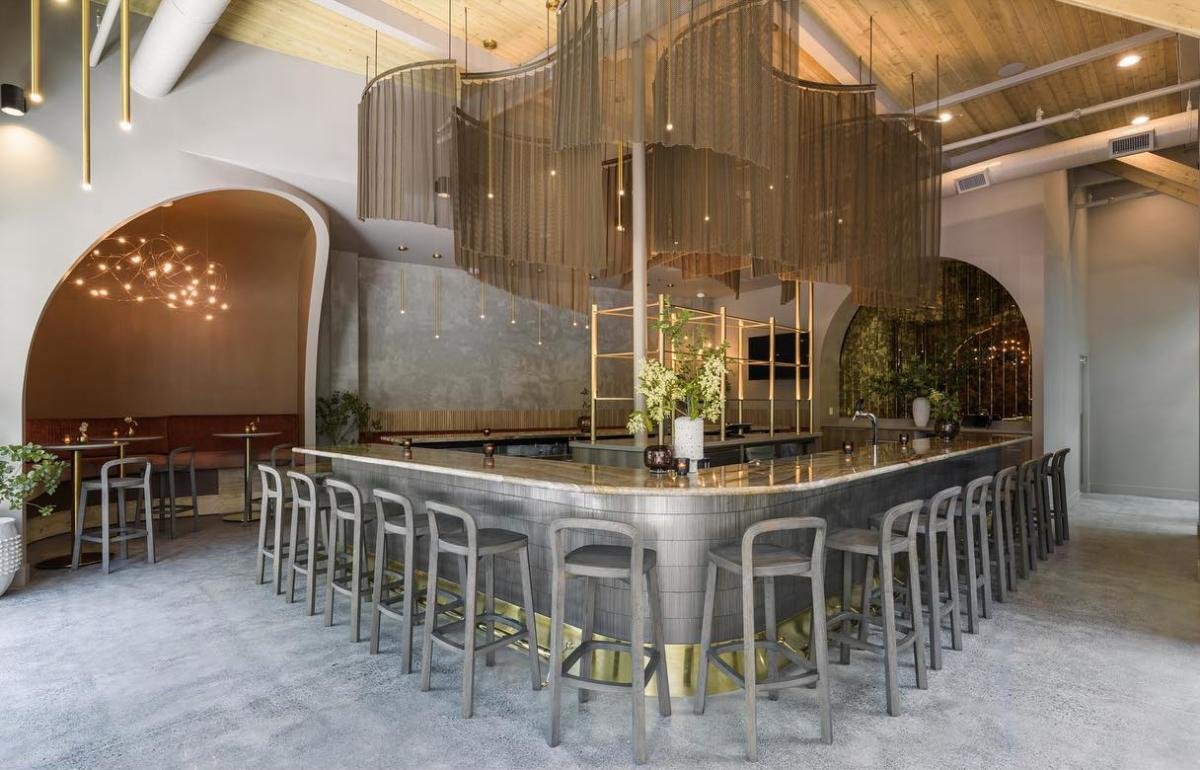
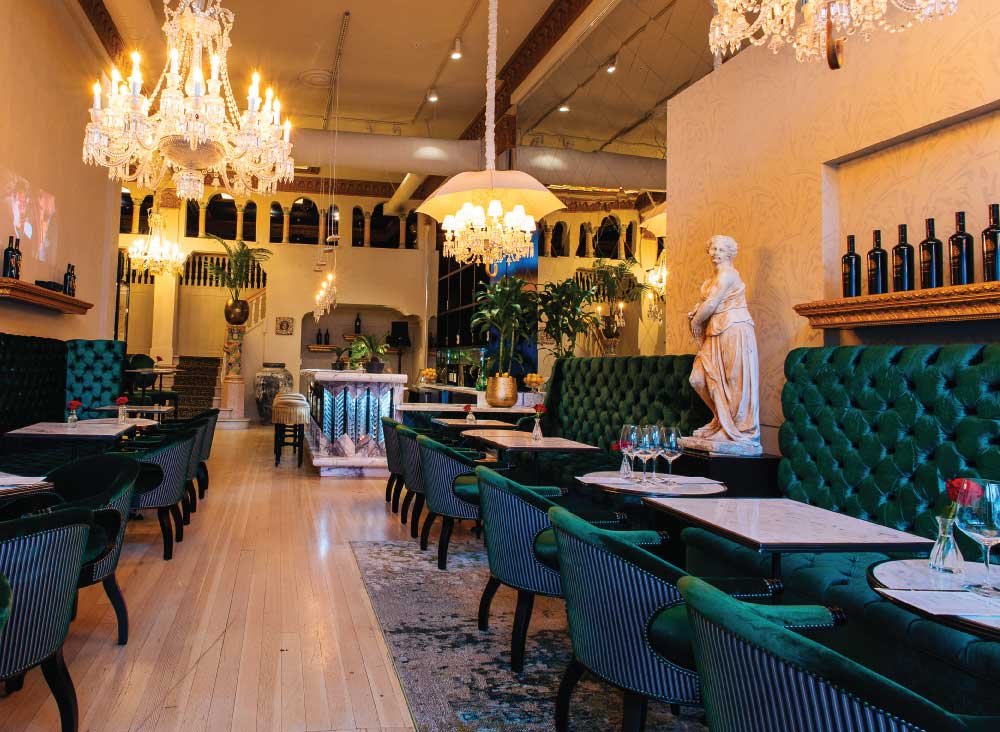
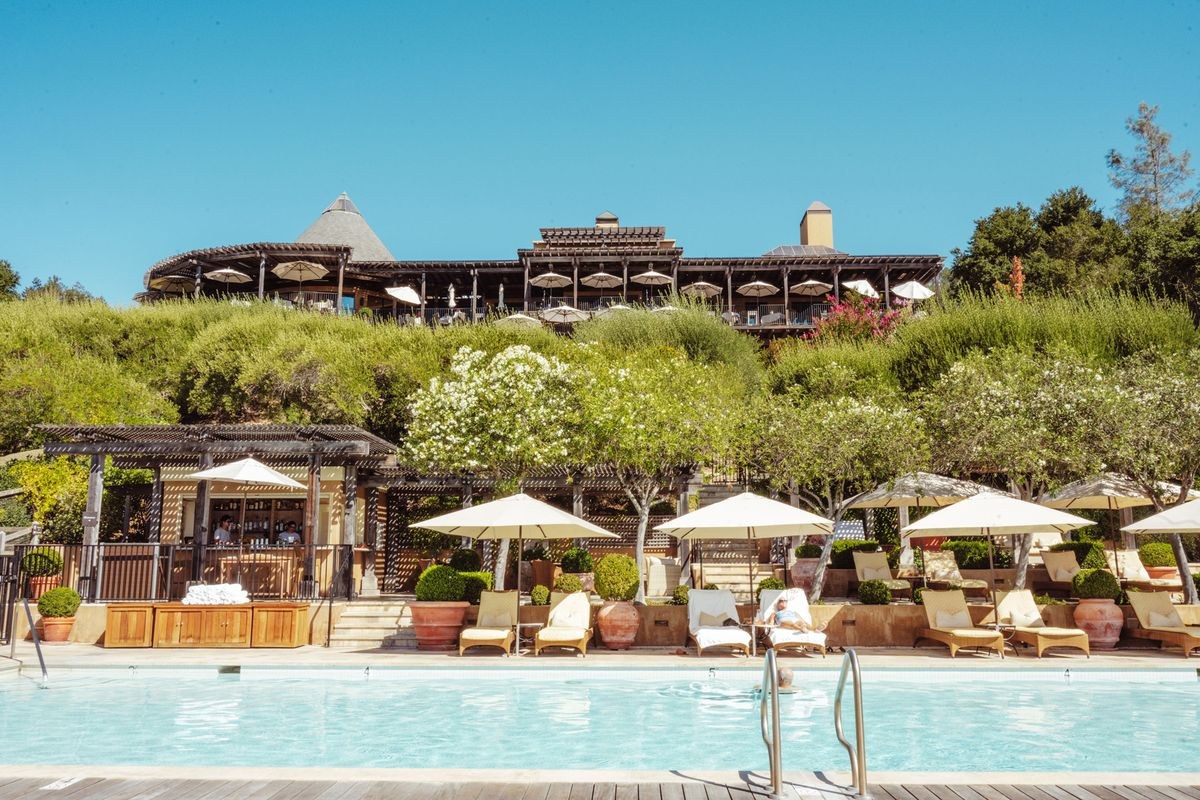
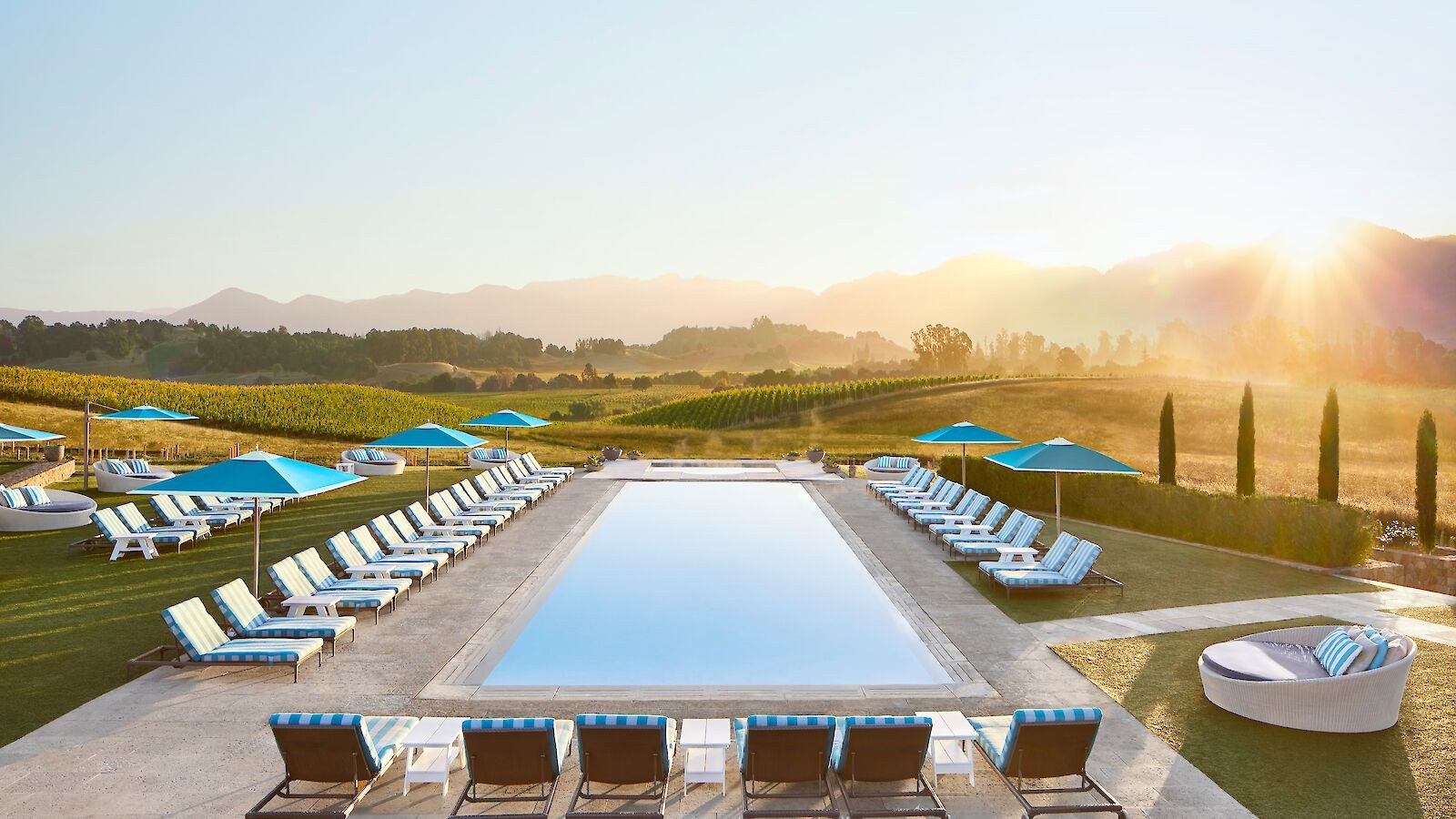
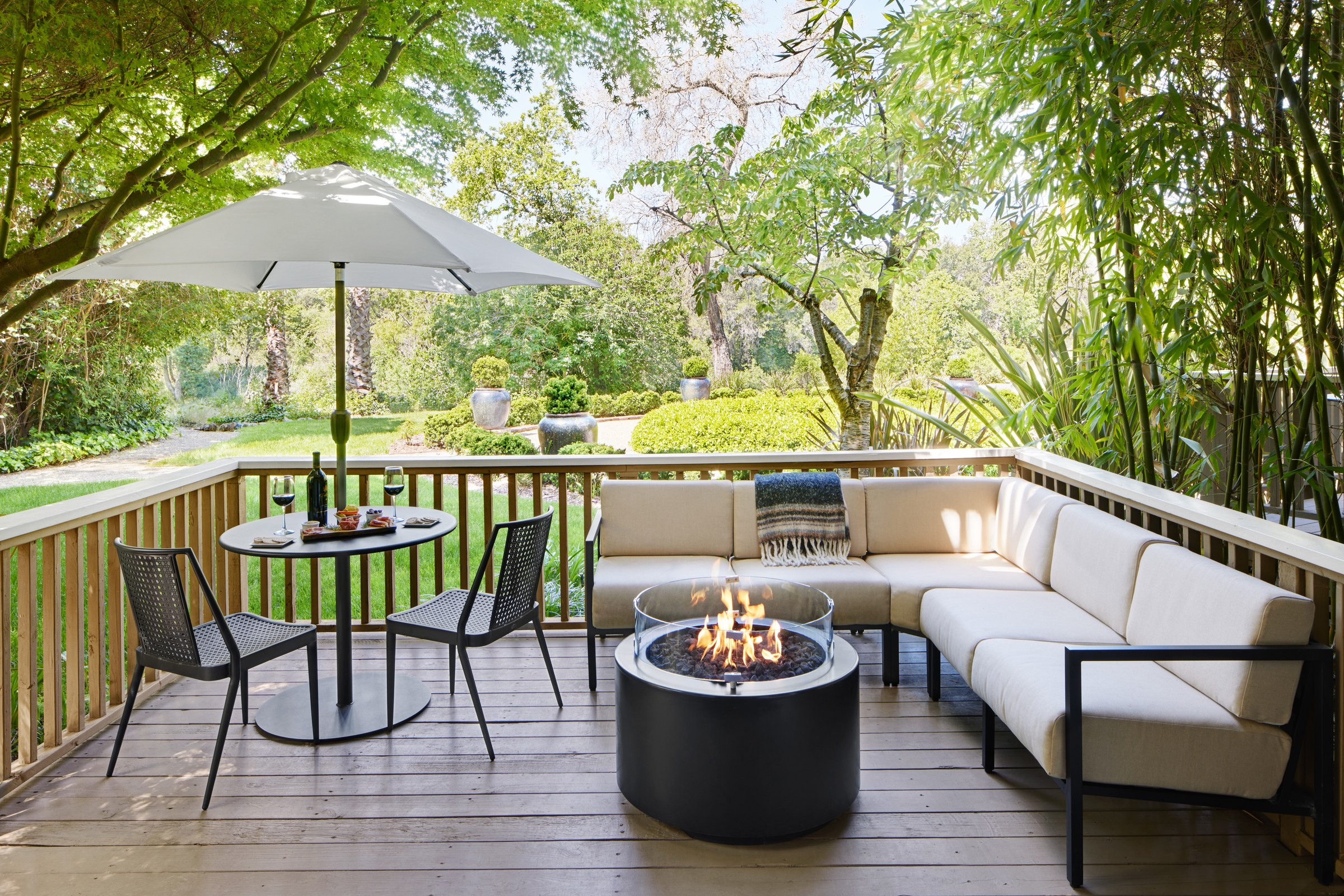
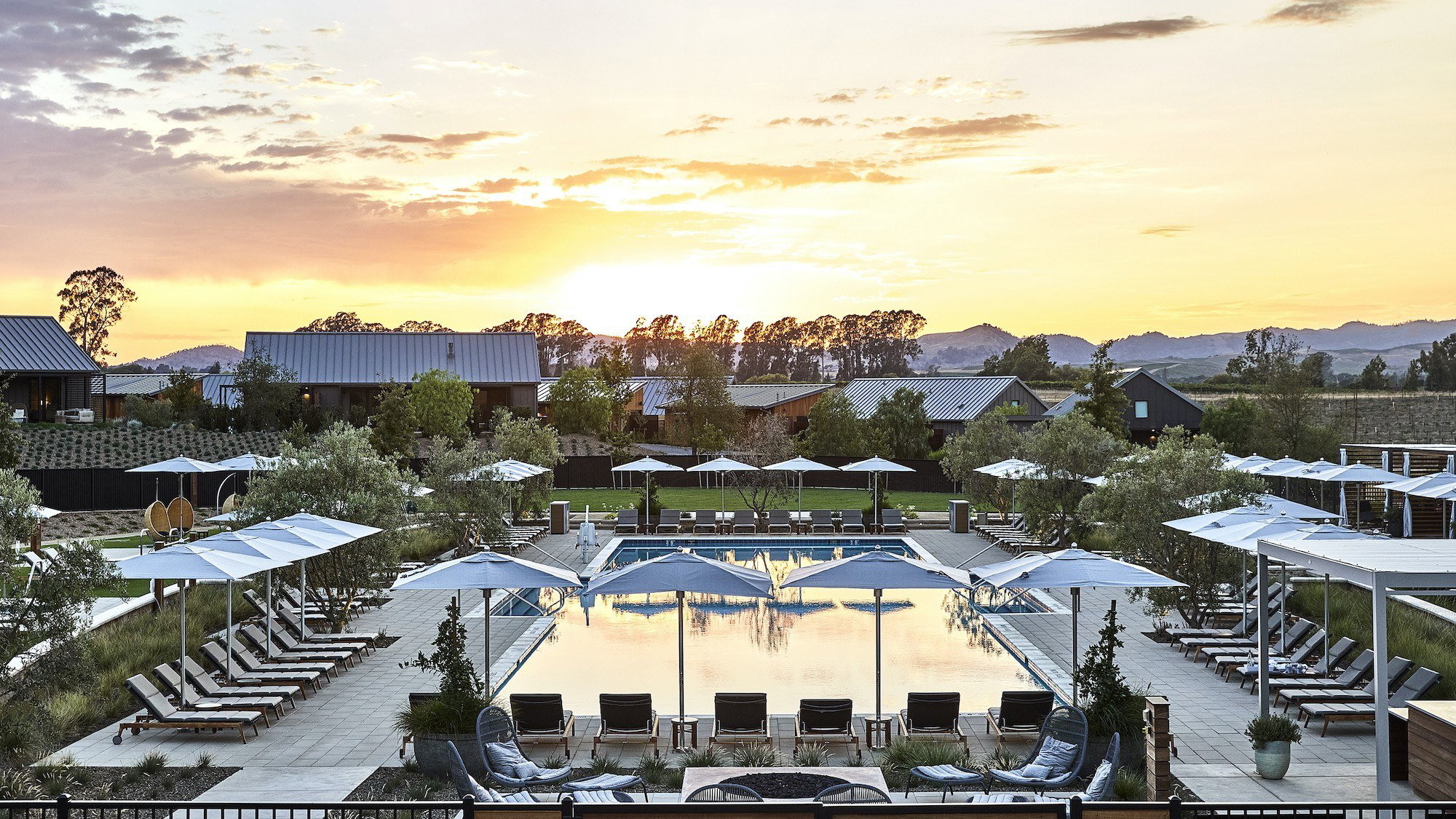
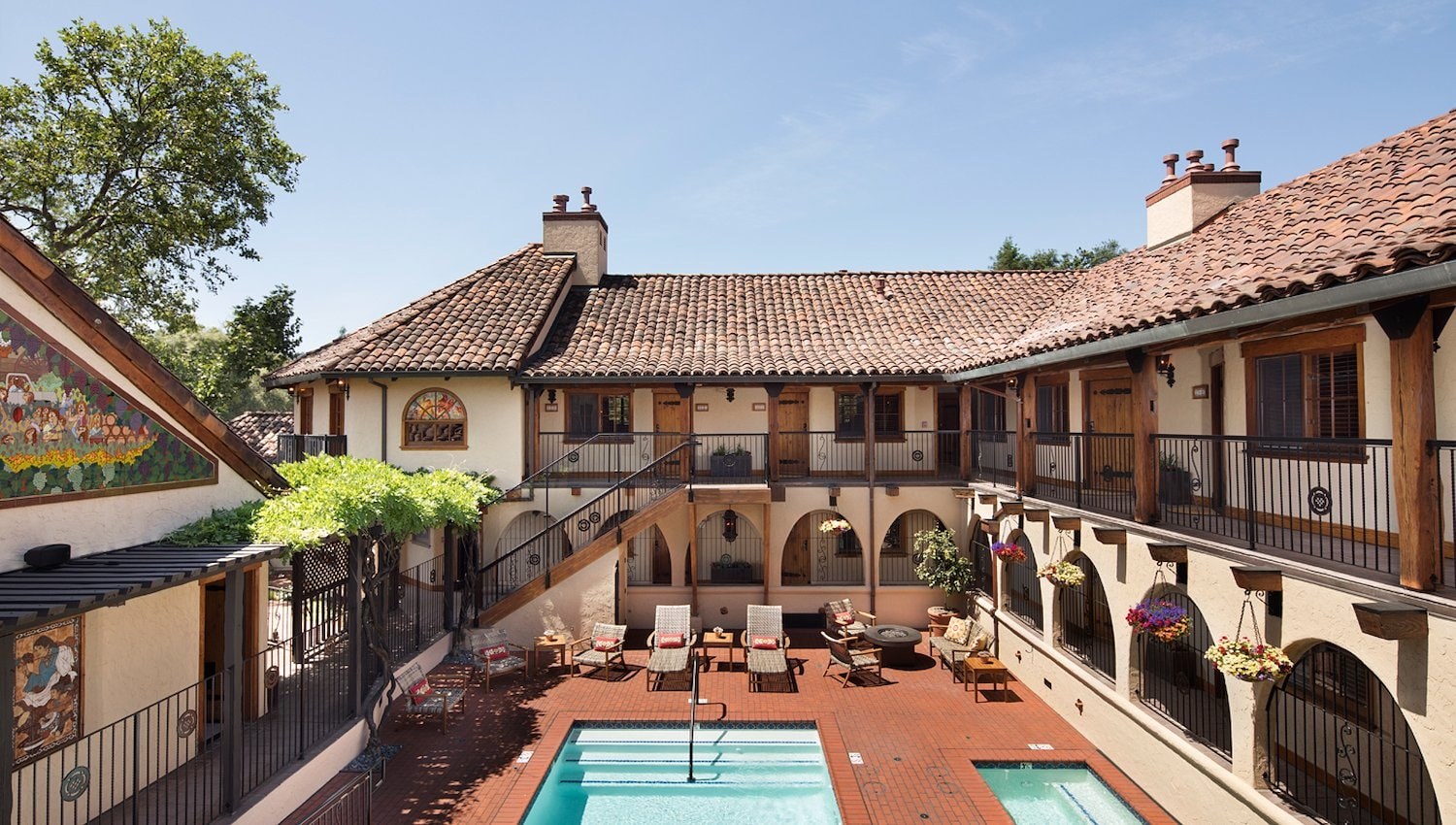
Opulent and elegant with stunning decor, private tasting rooms, and serene outdoor areas featuring reflective pools and ivy-covered seating.
Tags
Vibe
Best For
Experience
View
At the Vineyard
- Appellation
- Napa Valley AVA
- Varietals
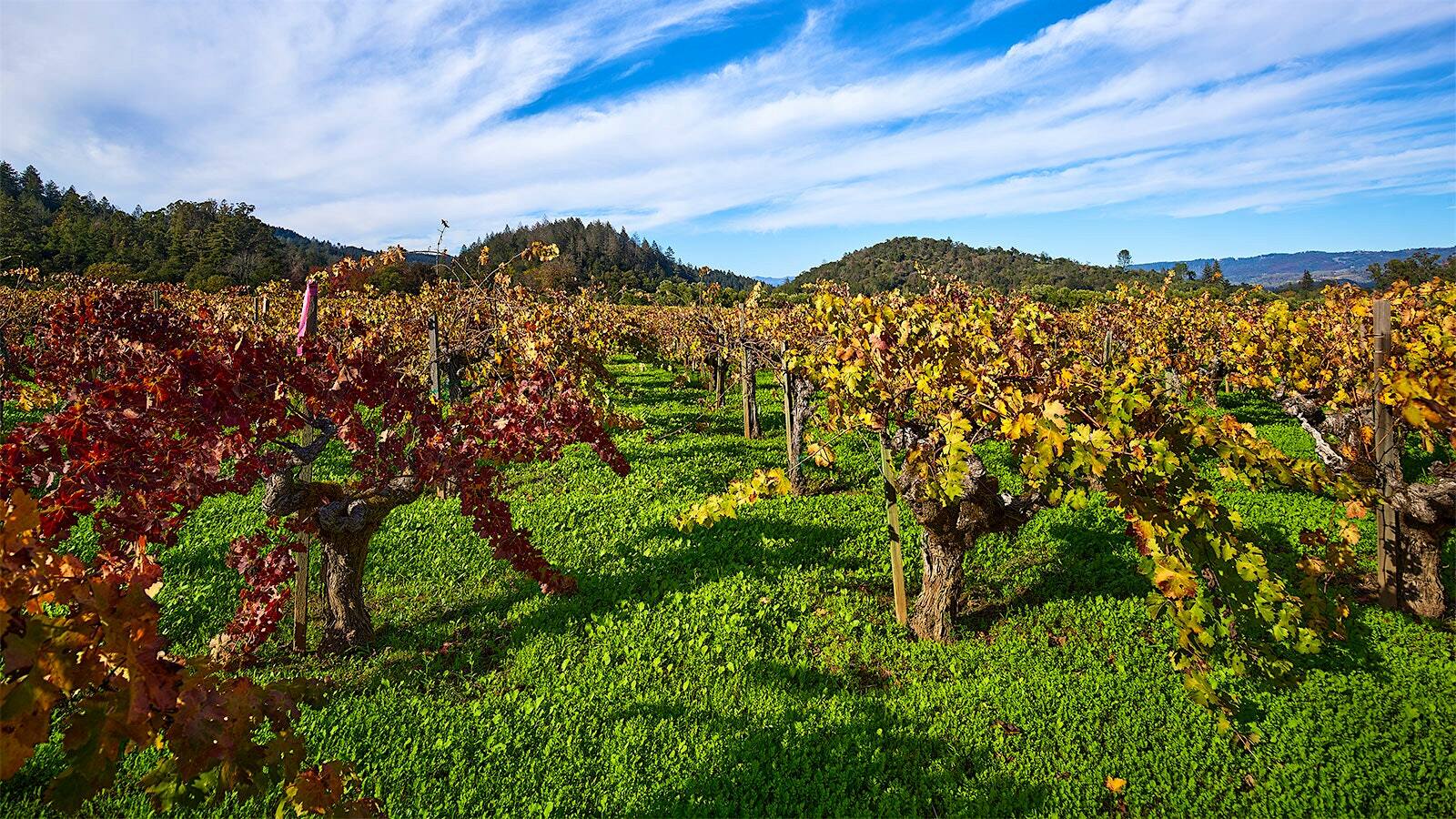
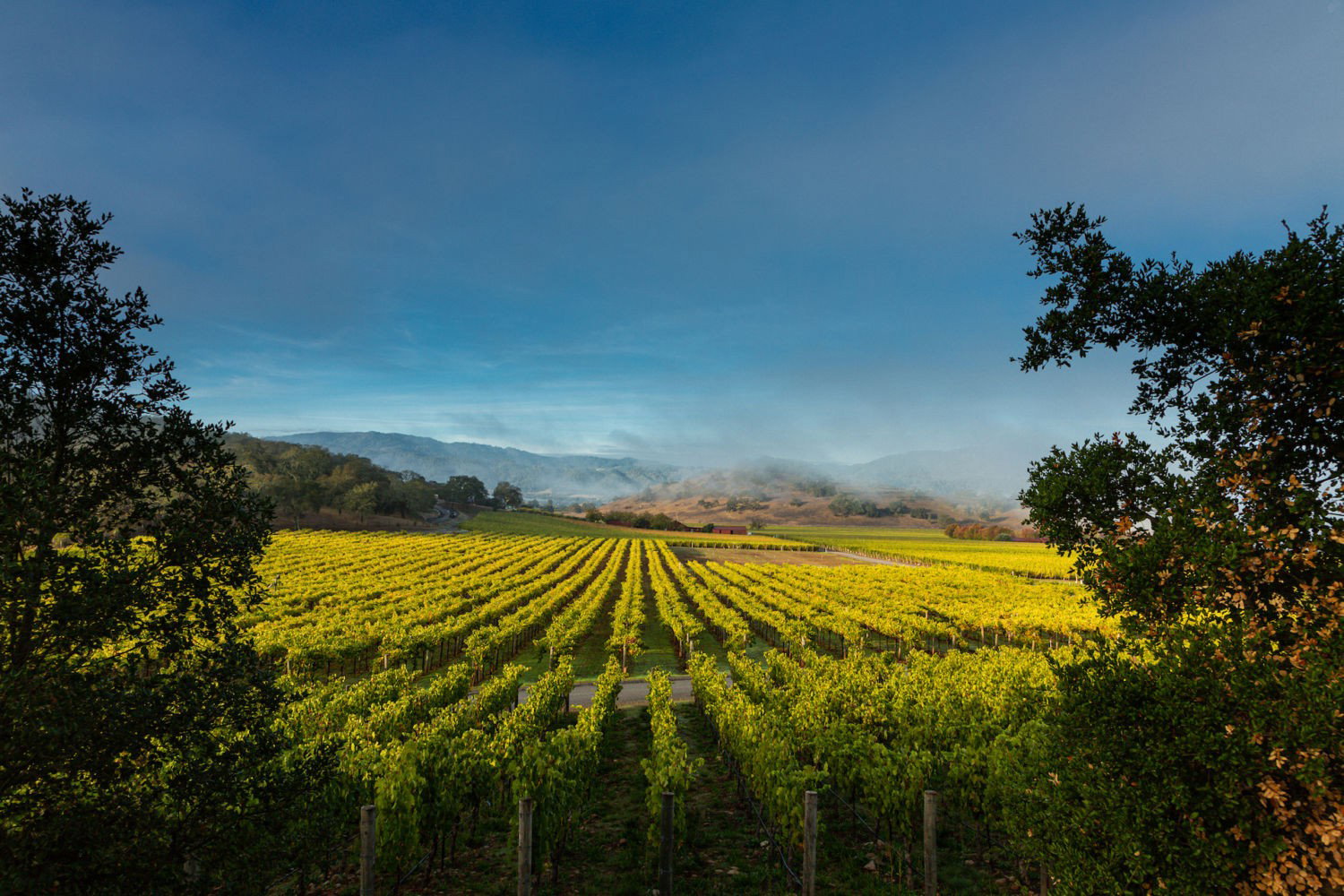
- Cabernet Sauvignon, Chardonnay, Merlot, Shiraz, Pinot Noir
- Tour Duration
- 60-90 minutes
- Visits
- By reservation
- Farming
- Sustainable
- Production
- Boutique
- Wine Styles
- Still Red, Still White
- Food Pairing
- Offered
- Wine Club
- Available
Know before you go
Know Before You Go
- Getting there
- 4240 Silverado Trail, Napa, CA 94558
Planning details
Location
Recognition and awards

Also consider
Also Consider
- Signorello Estate, Notable alternative
- Black Stallion Estate Winery, Notable alternative
- Seven Apart, Notable alternative
- Materra, Cunat Family Vineyards, Notable alternative
- Robert Biale Vineyards, Notable alternative
Winery context
Darioush Winery is the higher-ceremony choice in this set: pick it when ambiance and a formal estate setting matter. Black Stallion Estate Winery is the more practical Napa alternative for visitors who want a less precious stop, while Materra, Cunat Family Vineyards is better suited to travelers comparing Napa producers without making the room the main event.
If access is the problem, cross-shop first. Darioush carries booking difficulty, so Robert Biale Vineyards and Black Stallion Estate Winery are the smarter backups for a Napa day that cannot hinge on one reservation. For a more serious, destination-style wine itinerary, compare it with Seven Apart and Signorello Estate before deciding where the splurge of time belongs.
Value depends on what the visit needs to deliver. Darioush makes sense when the estate experience is part of the value calculation; it is less compelling if the priority is an easygoing tasting or a clearly food-driven format. For those scenarios, Black Stallion Estate Winery or Materra, Cunat Family Vineyards will usually be the safer plan.
Around this place
Discover more on Pearl
Unlock the full Darioush Winery guide in Pearl, including awards, comparisons, FAQs, planning details, and nearby places.
Compare Darioush Winery
| Venue | Location | Awards |
|---|---|---|
| Darioush Winery | Napa | 2026 Falstaff Winery Guide |
| Signorello Estate | St. Helena | 2025 Pearl 3 Star Prestige |
| Black Stallion Estate Winery | Napa | 2026 Falstaff Winery Guide |
| Seven Apart | Napa | No published awards |
| Materra, Cunat Family Vineyards | Napa | 2026 Falstaff Winery Guide |
| Robert Biale Vineyards | Napa | 2026 Falstaff Winery Guide |

How Darioush Winery Napa compares with similar nearby venues.
FAQ
Frequently Asked Questions
What is Darioush Winery known for?
Darioush Winery is a Napa winery with Pearl 3 Star Prestige recognition for 2025.