
Weingut Ludwig Neumayer
Inzersdorf ob der Traisen, Inzersdorf
Winery in Inzersdorf, Austria
 Book with Pearl
The Read
Traisental Prestige Viticulture
Price
$30–50tasting
Why go
A serious Inzersdorf-area winery choice for travelers who care more about producer credibility than casual tasting-room convenience. The Pearl 2 Star Prestige rating makes it worth prioritizing if availability lines up, but first-timers should plan around a fixed appointment and cross-shop Weingut Markus Huber, Winzerhof Dockner, or Weingut Malat if ease is the main concern.
About Weingut Ludwig Neumayer
Weingut Ludwig Neumayer is a venue in Inzersdorf with confirmed Pearl 2 Star Prestige recognition for 2025. Information available is limited, so this guide serves as a starting point rather than a complete planning resource. Readers should check directly for details on services, hours, pricing, visitor formats, or specific offerings, as these practical elements are not established.
The confirmed dress code is smart casual, which gives visitors at least one useful planning anchor. Beyond the Inzersdorf location and the 2025 Pearl 2 Star Prestige recognition, practical details should be checked directly with the venue before making plans. For broader trip planning, use general Inzersdorf guides and confirm any time-sensitive arrangements through official channels, especially if a visit depends on a particular schedule, format, or expectation.
Planning Your Visit
The strongest reason to keep Weingut Ludwig Neumayer on a shortlist is its Pearl 2 Star Prestige recognition for 2025. That recognition is the core signal, and it is the clearest reason a reader might want to investigate further. Public-facing details such as visit formats, hours, pricing, or appointment requirements are not available, so avoid building an itinerary around assumptions or treating the absence of detail as confirmation of flexibility.
For a first visit, confirm the current arrangements directly with the venue and keep plans flexible until those details are clear. This is especially important if you are coordinating travel around other stops in or near Inzersdorf, because a single assumption can affect the shape of the day. If you are comparing other premium options, Weingut Hutter Distillery, Weingut Malat, Weingut Markus Huber, Weingut Petra Unger, and Winzerhof Dockner are natural cross-shops, while Weingut Ludwig Neumayer remains the Inzersdorf reference point. Those comparisons are most useful as a way to frame your research, not as a substitute for confirming what the venue currently offers.
Who should prioritize it, and who should cross-shop
Prioritize Weingut Ludwig Neumayer if the Pearl 2 Star Prestige recognition for 2025 and the Inzersdorf setting are enough to justify further inquiry. In other words, it is best suited to readers who are comfortable beginning with a strong recognition signal and then doing the necessary research before committing. Cross-shop if you need more practical detail before choosing a stop, or if your decision depends on specific arrangements not detailed here. Weingut Markus Huber, Winzerhof Dockner, Weingut Petra Unger, Weingut Malat, and Weingut Hutter Distillery are useful comparison venues for readers weighing similar names before deciding where to focus.
If the details you need are not available, keep the day productive by checking official channels before committing. That approach preserves flexibility and avoids turning a brief guide into a set of unsupported expectations. Other options in Inzersdorf can be considered generically, but no specific service details for Weingut Ludwig Neumayer should be assumed. The most accurate way to use this information is as a recognition-led reference: note the confirmed status, note the location, note the smart casual dress code, and then check everything else before making concrete plans.
Quick reference: best for readers seeking a Pearl 2 Star Prestige venue in Inzersdorf; check all practical arrangements directly with the venue. Dress code: smart casual.
Planning details
- Location
- Dorfstraße 37, 3131 Getzersdorf
- Website
- weinvomstein.at
- Phone
- +43 2782 82985
The take
The Take
The Vibe
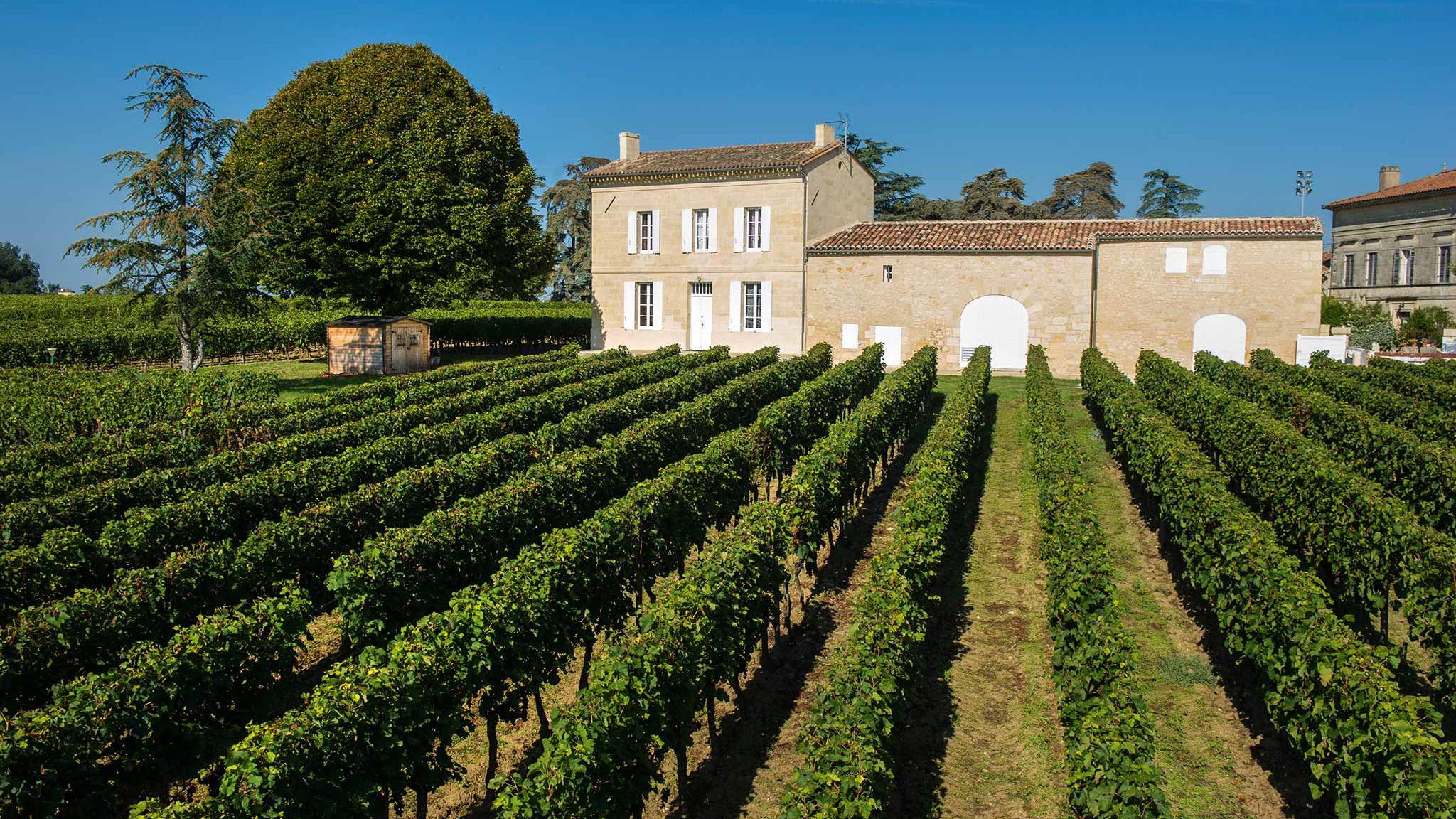
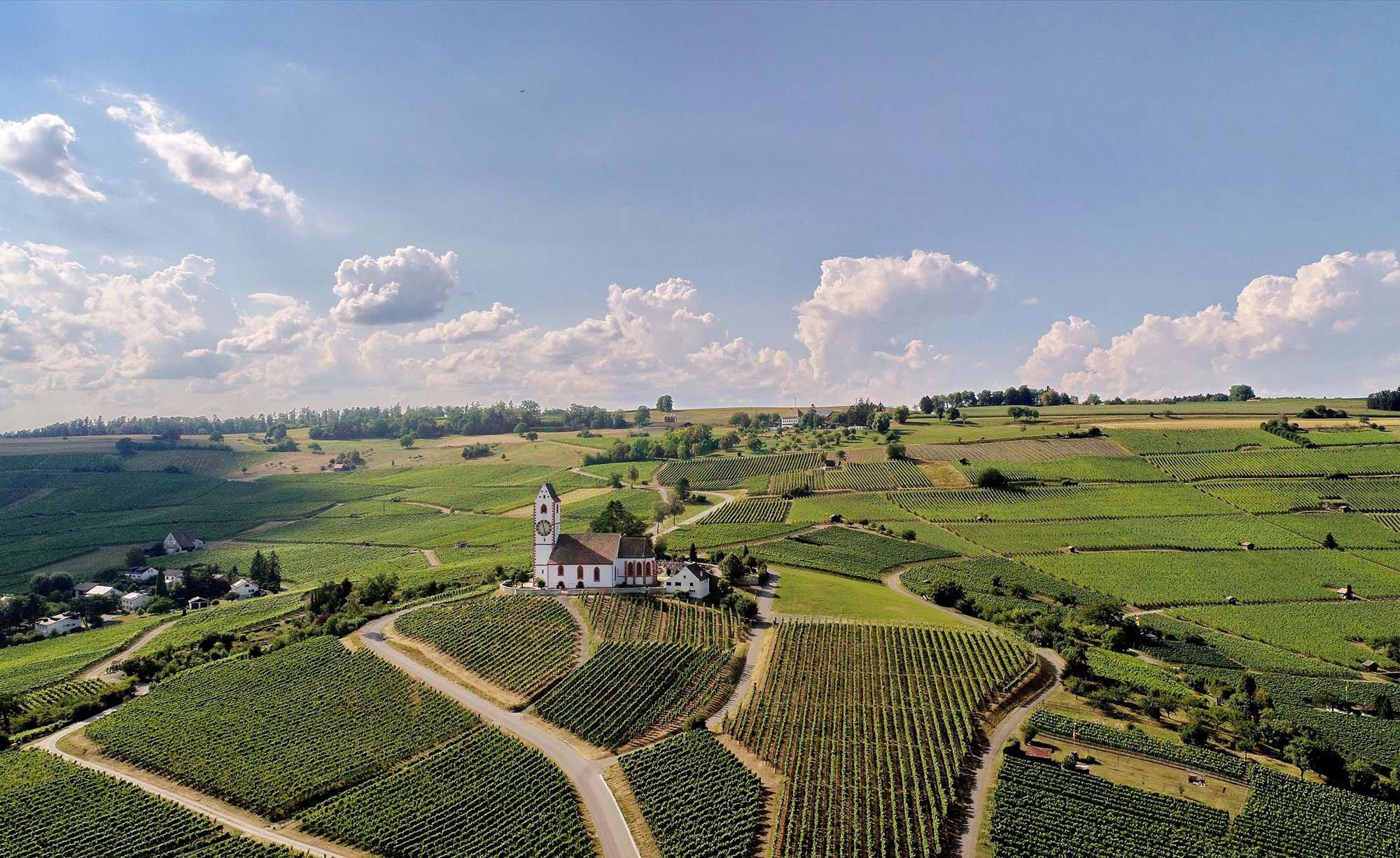
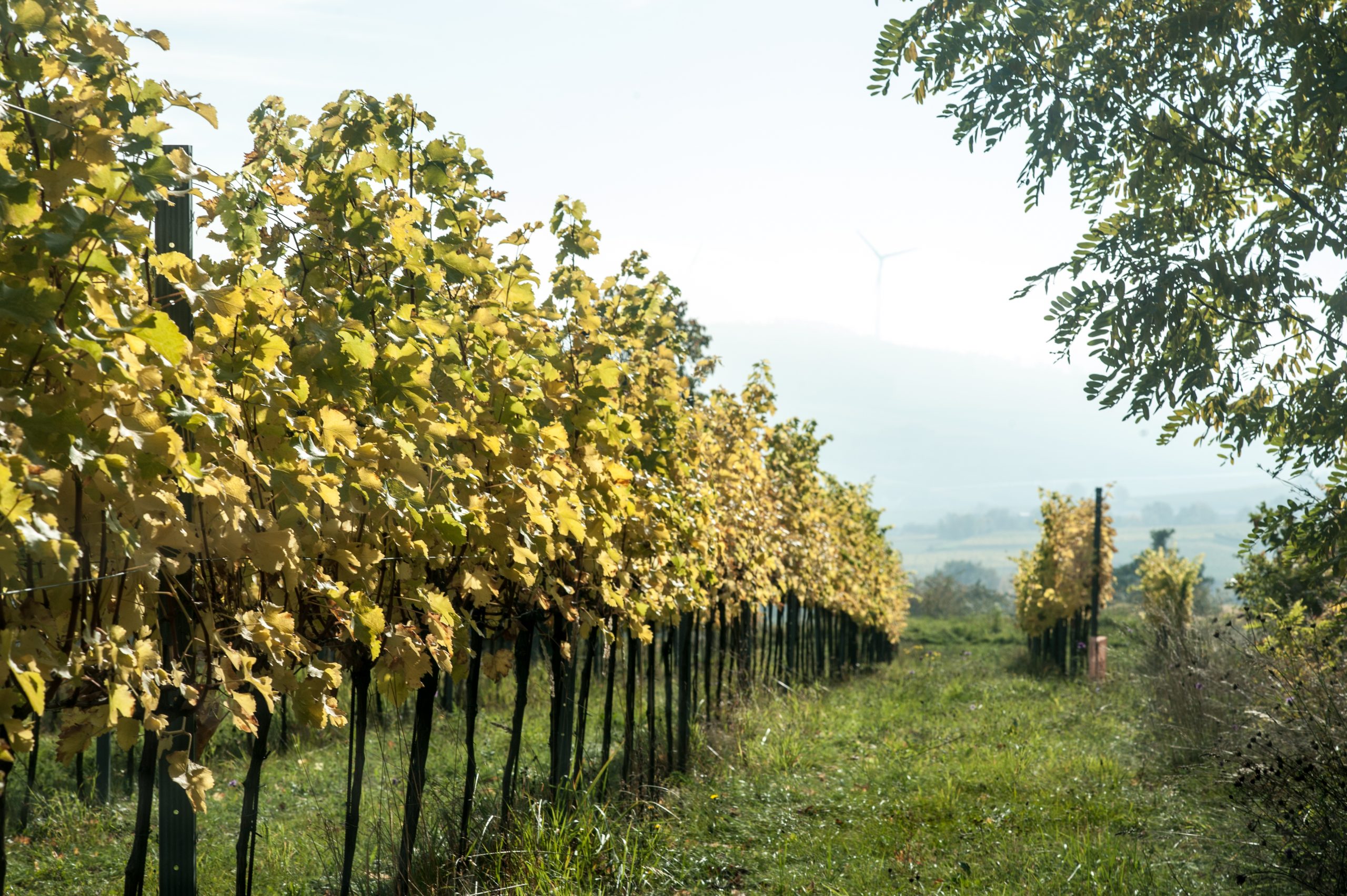
Weingut Ludwig Neumayer reads as an understated, terroir‑first estate tucked into the Traisen valley. It occupies a quietly scenic position in small local settlements, a producer that operates apart from the more frequented tourist circuits. The writing emphasizes geology over showmanship: deep loess soils are the driving idea, and that soil influence yields Grüner Veltliner and Riesling with palpable textural weight and mineral focus. The overall impression is calm and attentive to place — a serene, vineyard‑rooted setting where visitors encounter wines defined by soil and structure rather than overt fruit or flash.
Best For
Neumayer is best for visitors who come primed to study terroir and varietal expression. The profile centers on Traisental’s loess soils and the region’s canonical varieties, so it rewards those interested in wine education, solo exploration, and deliberate tasting. It suits travelers who prefer quieter, regionally anchored producers to busy, high‑traffic benchmarks; the estate appeals to people who want to compare how soil and site shape Grüner Veltliner and Riesling. It is less oriented toward loud group outings or high‑volume tourist experiences and more toward close, thoughtful engagement with place.
Tasting Tips
When tasting wines associated with this estate, prioritize the region’s signature grapes and listen for soil‑driven differences. Focus on Grüner Veltliner and Riesling expressions that reference Traisental’s deep loess — these tend to show greater texture and mineral lift than lighter regional styles. If you can, inquire about site or parcel origin and loess depth; those particulars often explain differences in weight and structure. Compare multiple bottlings from the producer to discern how geology governs style, and look for wines labeled with the Traisental DAC if you want canonical examples of the appellation.
Venue details
Ambiance
Austere, precision-focused winery emphasizing terroir expression and wine quality over hospitality amenities; intimate, serious tasting environment.
Tags
Vibe
Best For
Experience
Sourcing
View
At the Vineyard
- Appellation
- Traisental DAC
- Varietals
- Grüner Veltliner, Riesling, Weißburgunder, Sauvignon Blanc, Chardonnay
- Tour Languages
- German, English
- Visits
- By appointment only
- Farming
- Sustainable
- Wine Styles
- Still White
- Shipping
- Available
- Wine Club
- Not available
Know before you go
Know Before You Go
- Getting there
- Dorfstraße 37, 3131 Getzersdorf
Planning details
Location
Recognition and awards

Also consider
If this booking does not work
Start with Weingut Markus Huber for the closest like-for-like winery alternative. If the group wants flexibility rather than a single serious appointment, look at Winzerhof Dockner or Weingut Petra Unger.
Winery context
How it compares with nearby winery choices
Weingut Ludwig Neumayer is the pick when prestige and producer focus matter more than convenience. Compared with Weingut Markus Huber, it reads as the more appointment-led choice, while Huber is the safer cross-shop for travelers building a broader Traisental wine day around a better-known peer name.
Winzerhof Dockner and Weingut Petra Unger are the practical alternatives if the priority is comparing producer styles without anchoring the whole itinerary around one hard booking. Choose Ludwig Neumayer for a focused, higher-stakes stop; choose Dockner or Unger when the group wants more flexibility.
Weingut Malat is the better cross-shop for a wider Lower Austrian wine itinerary, while Weingut Hutter Distillery makes more sense if the day should include spirits as well as wine. For ambiance, Ludwig Neumayer suits quieter, wine-led planning rather than a mixed-format drinks crawl.
Explore Inzersdorf
Around this place
Discover more on Pearl
Unlock the full Weingut Ludwig Neumayer guide in Pearl, including awards, comparisons, FAQs, planning details, and nearby places.
Compare Weingut Ludwig Neumayer
| Venue | Location | Awards |
|---|---|---|
| Weingut Ludwig Neumayer | Inzersdorf | 2026 Falstaff Winery Guide |
| Weingut Markus Huber | Reichersdorf | 2026 Falstaff Winery Guide |
| Winzerhof Dockner | Höbenbach | 2026 Falstaff Winery Guide |
| Weingut Malat | Furth Bei Göttweig | 2026 Falstaff Winery Guide |
| Weingut Petra Unger | Furth | 2026 Falstaff Winery Guide |
| Weingut Hutter Distillery | Mautern an der Donau | No published awards |
How Weingut Ludwig Neumayer compares with similar nearby venues.
FAQ
Frequently Asked Questions
How long should I plan for a visit to Weingut Ludwig Neumayer?
No visit length is available. If you plan to visit Weingut Ludwig Neumayer in Inzersdorf, confirm timing directly with the venue before arranging the rest of your day.
When is the best time to visit Weingut Ludwig Neumayer?
No best time to visit is listed. Confirm current arrangements directly with Weingut Ludwig Neumayer in Inzersdorf before planning around a specific day or time.
Where is Weingut Ludwig Neumayer located?
Weingut Ludwig Neumayer is located in Inzersdorf. No more specific location detail is listed.