
Weingut Gross
Ratsch, Ehrenhausen
Winery in Ehrenhausen, Austria
 Book with Pearl
The Read
Südsteiermark Slope Viticulture
Price
$20–30tasting
Why go
Weingut Gross is worth prioritizing for a serious Ehrenhausen winery itinerary, especially if the visit is about focused tasting rather than a casual drop-in. Plan it as an anchor booking, keep the group small, and arrange meals separately rather than assuming food or flexible walk-in access.
About Weingut Gross
Weingut Gross is a venue in Ehrenhausen with a casual dress code and Pearl 2 Star Prestige recognition for 2025. Plan with simple expectations and check practical details directly before making the trip. The listing supports interest in the venue, but it should not be stretched into assumptions about how a visit will work on a particular day.
Do not assume visit format, food service, prices, group capacity, shipping, membership benefits, or walk-in availability. If those points matter to your itinerary, check with the venue before you build the day around them. That step is especially important if you are coordinating with other stops, traveling with a group, or trying to fit the venue into a tightly timed schedule. A direct confirmation can turn a general idea into a workable plan without relying on guesswork.
Plan this as a stop in Ehrenhausen
The practical recommendation is to avoid building the visit around assumptions. Do not rely on unspecified food, pricing, visit structure, shipping, or group arrangements unless Weingut Gross confirms them directly. A simple plan, with enough flexibility around the visit, is the most reliable approach. Think of Weingut Gross first as a recognized venue in Ehrenhausen, not as a guaranteed answer to every piece of a travel day. That means keeping surrounding plans adaptable and checking the details that matter to your visit.
For travelers comparing nearby names, Weingut Gross can be considered alongside Familienweingut Tement, Familienweingut Sattlerhof, Weingut Erich & Walter Polz, Weingut Lackner-Tinnacher, and Weingut Walter Skoff. Keep the comparison focused on what applies to your own date rather than assuming that each venue offers the same format or visitor experience. The useful comparison is not simply which names appear in a guide, but which specific details fit the visit you actually want to make. If format, timing, or group suitability is important, those questions should be asked of each venue on your list rather than inferred from category.
Who should choose it over other comparison options
Choose Weingut Gross if you want a stop in Ehrenhausen and are comfortable confirming the details that matter to your visit. It is a good fit for planners who can work with the essentials and then make direct contact to fill in the practical gaps. If your day also needs meals or overnight logistics, use broader planning resources such as Ehrenhausen restaurants and other Ehrenhausen travel pages rather than assuming those needs are handled by Weingut Gross. Keeping those pieces separate will make the itinerary clearer: venue questions go to the venue, while dining and lodging questions should be planned through the appropriate Ehrenhausen resources.
The verdict: Weingut Gross is a recognized Ehrenhausen venue with a casual dress code and 2025 Pearl 2 Star Prestige. Plan around those essentials, and check the rest directly before you go. That approach keeps expectations accurate while still leaving room to include the venue in a thoughtful Ehrenhausen itinerary. The less you assume in advance, the easier it is to decide whether the visit fits your date, your group, and the shape of the day you are trying to build.
Planning details
- Location
- Ratsch 26, 8461 Ehrenhausen
- Website
- gross.at
- Phone
- +43 3453 2527
The take
The Take
The Vibe
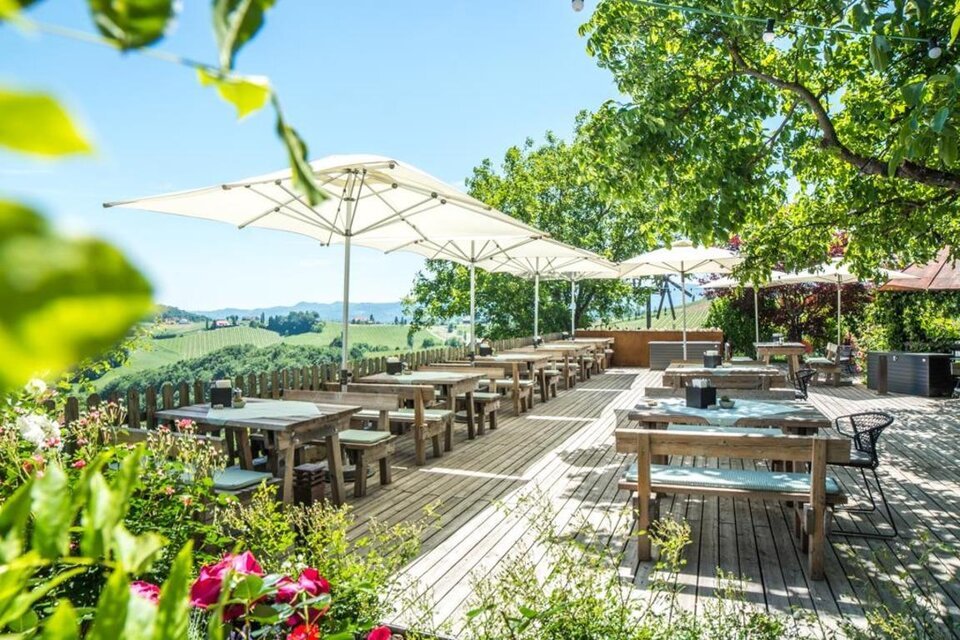
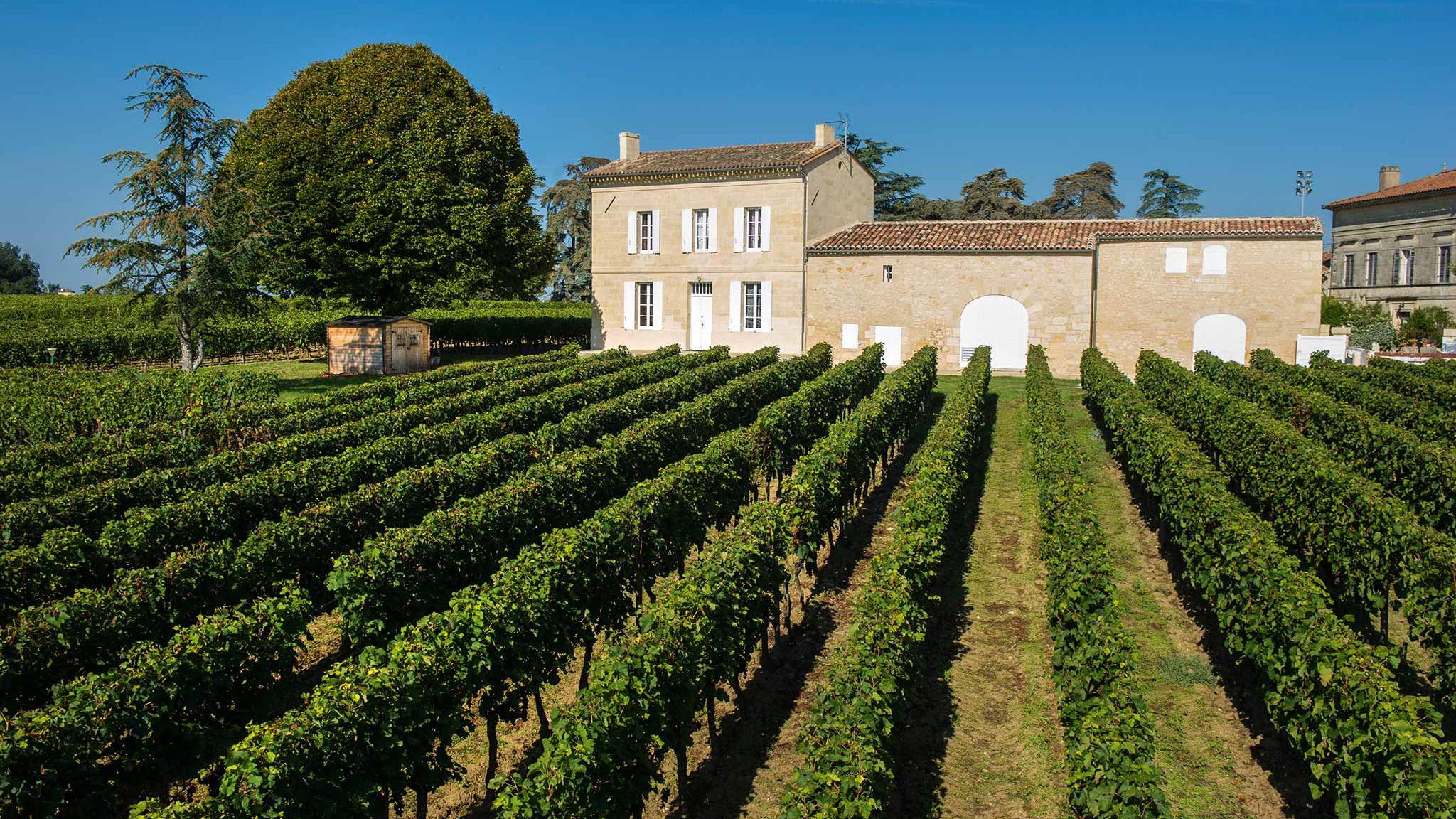
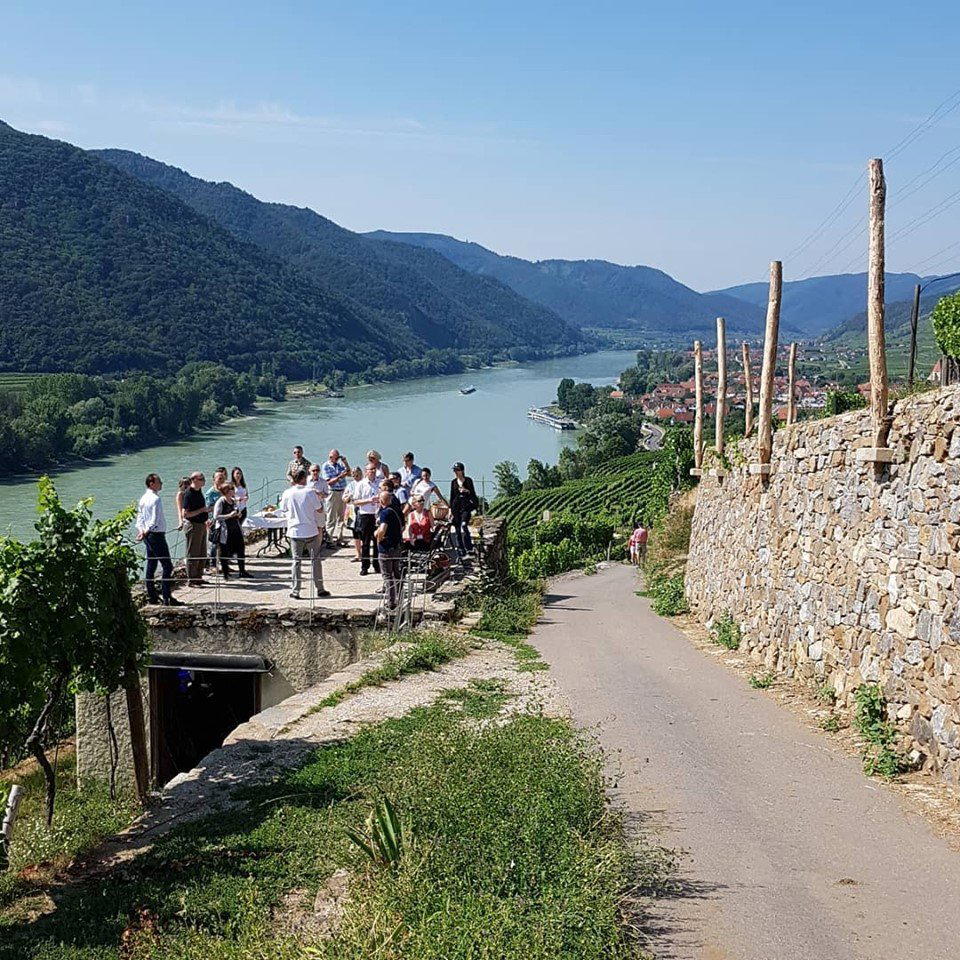
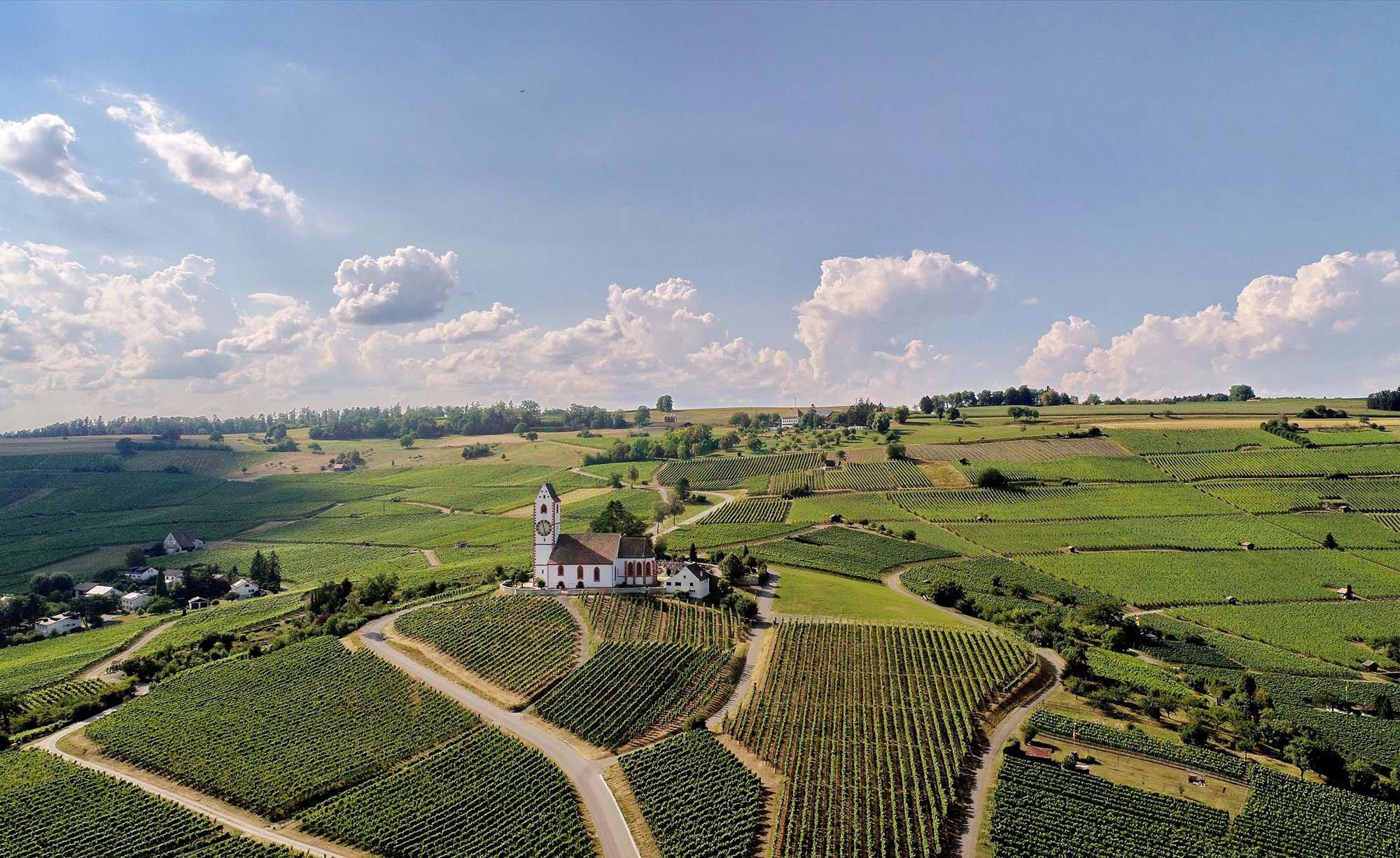
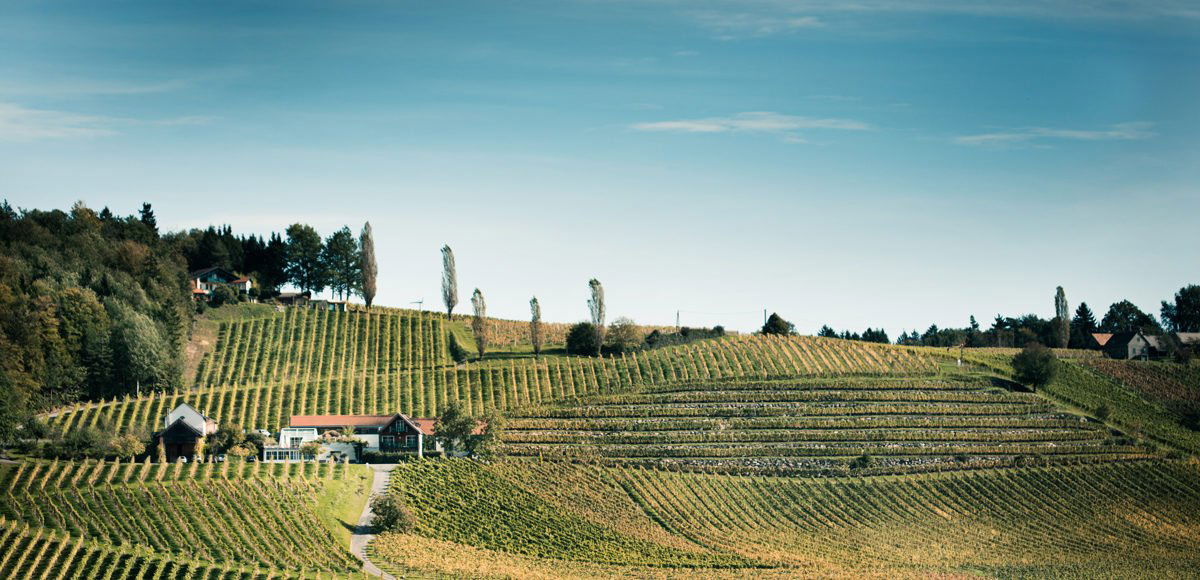
Weingut Gross is anchored in its hillside setting, where the landscape reads like an argument about how these wines are made. Approaching through a narrow lane past farmhouses and vine rows, visitors encounter steep, south-facing slopes and thin, slate-flecked soils that push vines toward concentrated, aromatic expression. The estate’s Pearl 2 Star Prestige recognition positions it among producers taken seriously at home and abroad, giving the place a quietly assured, sophisticated air. The experience is grounded in terroir first—this is a producer where geology, exposure and microclimate feel as important as any tasting note.
Best For
This place is best for wine-focused visitors who want to understand how Südsteiermark’s hillside terroir shapes aromatic whites. It suits people seeking a focused, educational visit—those interested in Sauvignon Blanc, Welschriesling and Morillon and in how cool Alpine air and Adriatic influence combine to preserve acidity and aromatics. The setting lends itself to solo exploration or small, attentive groups rather than loud social gatherings; the emphasis throughout is on vineyard-driven wines and the reasoning behind the bottles rather than on bright, buzzy hospitality.
Tasting Tips
Prioritize the region’s signature whites when tasting: Sauvignon Blanc is highlighted as the primary variety, followed by Welschriesling and Morillon (local Chardonnay). Taste across the range rather than fixating on a single standout bottle—the description notes the Pearl 2 Star Prestige designation signals consistent quality depth across a producer’s lineup. Pay attention to the tension the write-up describes—fruited but taut, mineral yet not austere—to compare how different vineyard sites and exposures express acidity and aromatics.
Venue details
Ambiance
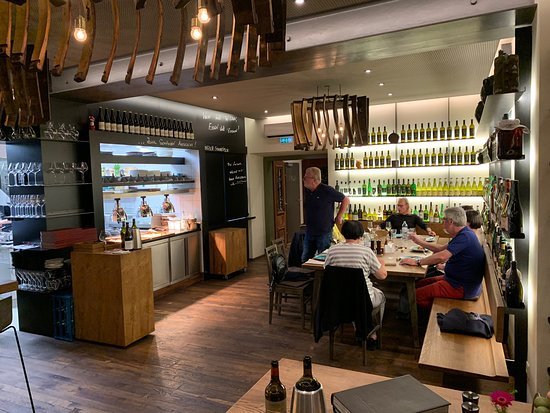
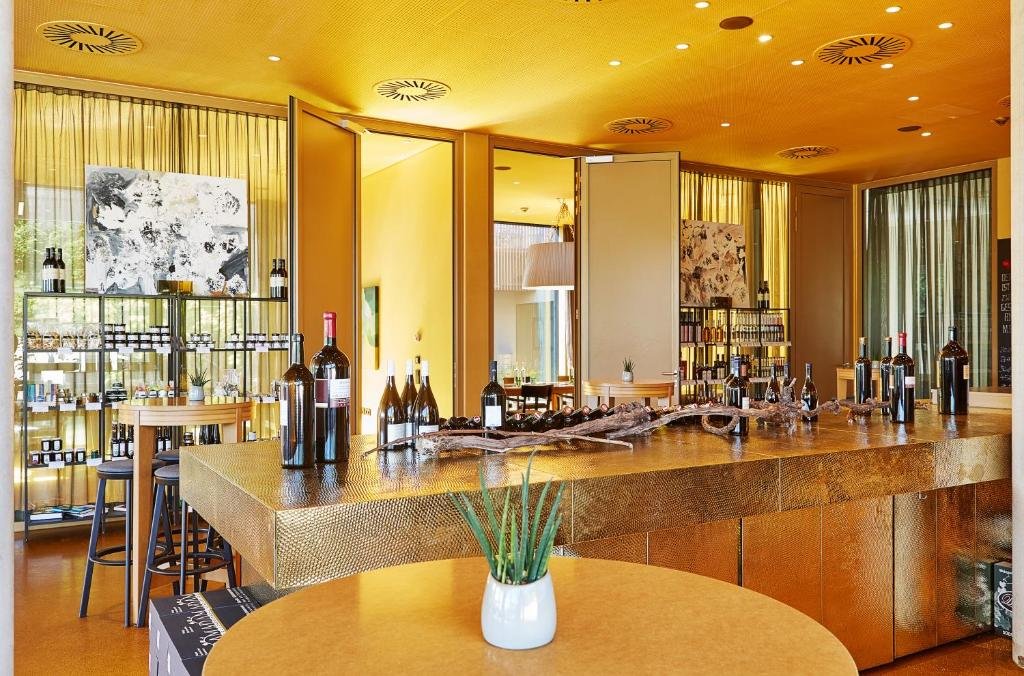
Serene and elegant atmosphere amid vineyards, emphasizing clarity, balance, and natural freshness in a rustic, family-run setting.
Tags
Vibe
Best For
Experience
Sourcing
View
At the Vineyard
- Appellation
- Südsteiermark DAC Ehrenhausen
- Varietals
- Sauvignon Blanc, Gelber Muskateller, Weißburgunder, Welschriesling, Morillon
- Tour Duration
- 60-90 minutes
- Tour Languages
- German
- Visits
- By reservation
- Farming
- Organic
- Production
- Mid-size producer
- Wine Styles
- Still White
- Wine Club
- Not available
Know before you go
Know Before You Go
- Getting there
- Ratsch 26, 8461 Ehrenhausen
Planning details
Location
Recognition and awards

Also consider
Also Consider
- Weingut Walter Skoff, Notable alternative
- Weingut Lackner-Tinnacher, Notable alternative
- Familienweingut Tement, Notable alternative
- Familienweingut Sattlerhof, Notable alternative
- Weingut Erich & Walter Polz, Notable alternative
Winery context
How it compares in and around Ehrenhausen
Pick Weingut Gross when the tasting itself is the main reason for the stop and the group can work around a harder booking. Familienweingut Tement is the closest direct cross-shop in Ehrenhausen, and it is the smarter backup if the day needs to stay centered in town with less routing risk.
Weingut Walter Skoff, Weingut Lackner-Tinnacher, Familienweingut Sattlerhof, and Weingut Erich & Walter Polz make more sense as planned alternatives than casual add-ons. Without confirmed public price or format details across the set, the better comparison is logistical: choose one primary winery, then add a second only if timing is confirmed.
For value, avoid measuring the choice by volume of stops. A tighter two-winery day around Weingut Gross and Familienweingut Tement is the cleaner plan for most visitors; broader routing across the out-of-metro peers is better for travelers with a driver and a full day reserved for wine.
Explore Ehrenhausen
Around this place
Discover more on Pearl
Unlock the full Weingut Gross guide in Pearl, including awards, comparisons, FAQs, planning details, and nearby places.
Compare Weingut Gross
| Venue | Location | Awards |
|---|---|---|
| Weingut Gross | Ehrenhausen | 2026 Falstaff Winery Guide |
| Weingut Walter Skoff | Gamlitz | 2026 Falstaff Winery Guide |
| Weingut Lackner-Tinnacher | Gamlitz | 2026 Falstaff Winery Guide |
| Familienweingut Tement | Ehrenhausen | 2026 Falstaff Winery Guide2025 World's 50 Best Vineyards · #822019 World's 50 Best Vineyards · #15 |
| Familienweingut Sattlerhof | Gamlitz | 2026 Falstaff Winery Guide |
| Weingut Erich & Walter Polz | Spielfeld | 2026 Falstaff Winery Guide |

How Weingut Gross Ehrenhausen compares with similar nearby venues.
FAQ
Frequently Asked Questions
Do I need a reservation at Weingut Gross?
Does Weingut Gross serve food?
If you need a meal as part of the plan, pair the visit with a restaurant in Ehrenhausen rather than assuming food is available at Weingut Gross.
How long should I plan for a visit to Weingut Gross?
Does Weingut Gross offer a membership program?
If membership, allocations, or buying access matter to you, ask Weingut Gross directly before treating a program as part of the visit plan.
What other venues can I compare with Weingut Gross?
Useful comparisons include Familienweingut Sattlerhof, Familienweingut Tement, Weingut Erich & Walter Polz, Weingut Lackner-Tinnacher, and Weingut Walter Skoff. Confirm each venue's current visitor details directly before making plans.
Can Weingut Gross handle large groups?
Large parties should contact Weingut Gross directly before planning a visit, especially if timing, seating, or a particular format is important.