

2026 Falstaff Winery Guide: The Ultimate Wine Authority — Page 132
Falstaff's 2026 Wineries guide.

Venues on this list
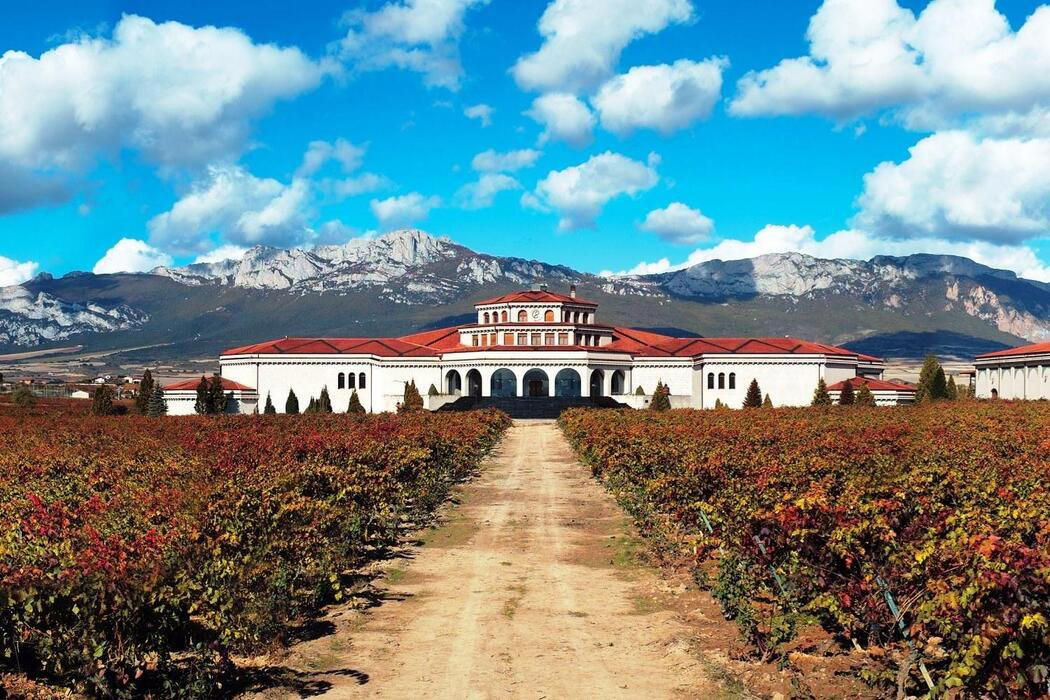
Bodegas Campillo
Laguardia, Spain
Book Bodegas Campillo if you want a Rioja Alavesa visit with architecture, art, vineyards, and classic ageing categories in one polished stop. It is better suited to travellers seeking context than to anyone looking for a quick casual tasting. The $44-per-person signal and Falstaff 2 Stars recognition make it a serious option for a structured Laguardia wine day.
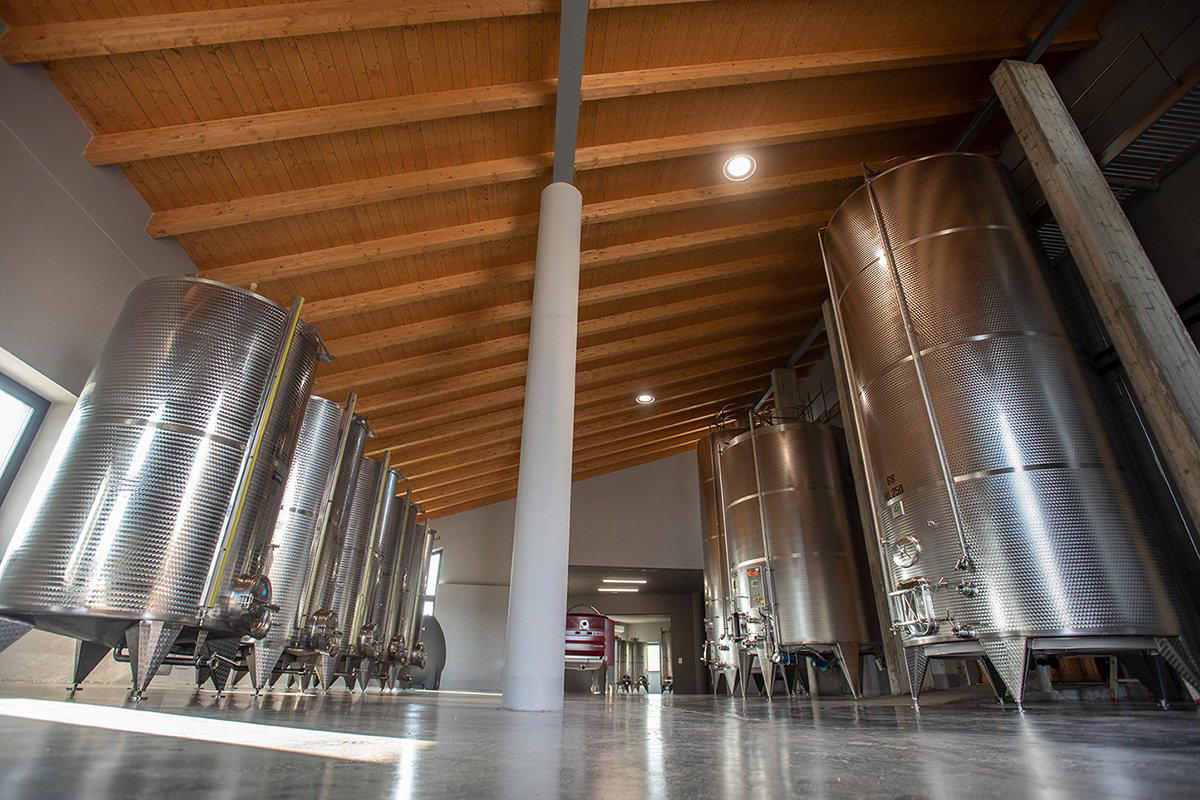
Mauro Molino
La Morra, Italy
A sensible La Morra winery pick for travelers who want producer context rather than a restaurant-style visit. Mauro Molino is Falstaff Listed for 2026, so it carries current wine-media recognition, but the experience should be planned as a wine-led stop with expectations kept practical.
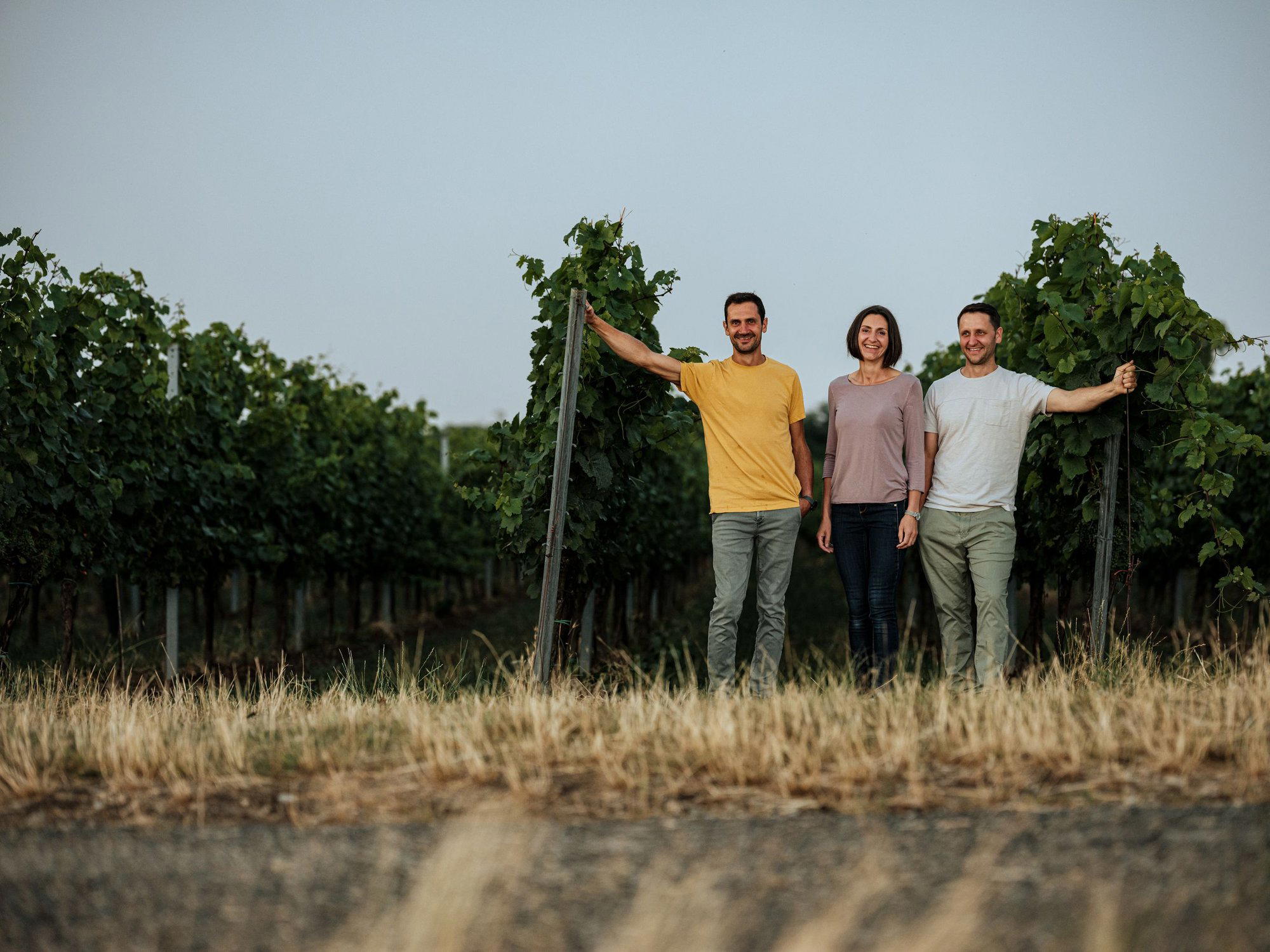
BIO Weingut Gruber Röschitz
Röschitz, Austria
BIO Weingut Gruber Röschitz is a smart pick for wine travellers who value organic credentials and external recognition over a heavily packaged visit. Falstaff 3 Stars in 2026 gives it a clear quality signal, but plan ahead and confirm access before anchoring a Röschitz itinerary around it.
Domaine Mas des Étoiles
Pescadoires, France
Domaine Mas des Étoiles is a sensible Pescadoires pick for travelers building a wine-led day in Occitanie rather than chasing a fully packaged tasting experience. Go if you want a quieter producer stop with regional context; confirm practical details before planning around food, groups, shipping, or a specific cuvée.
In Vino Weix – Weingut Weixelbaum
Straß im Straßertale, Austria
A quiet Kamptal winery stop with a rural farmstay feel, better suited to a wider Straß im Straßertale wine day than a standalone trip. Book if you want a low-key, down-to-earth Austrian winery setting; confirm tasting details before building the day around it.
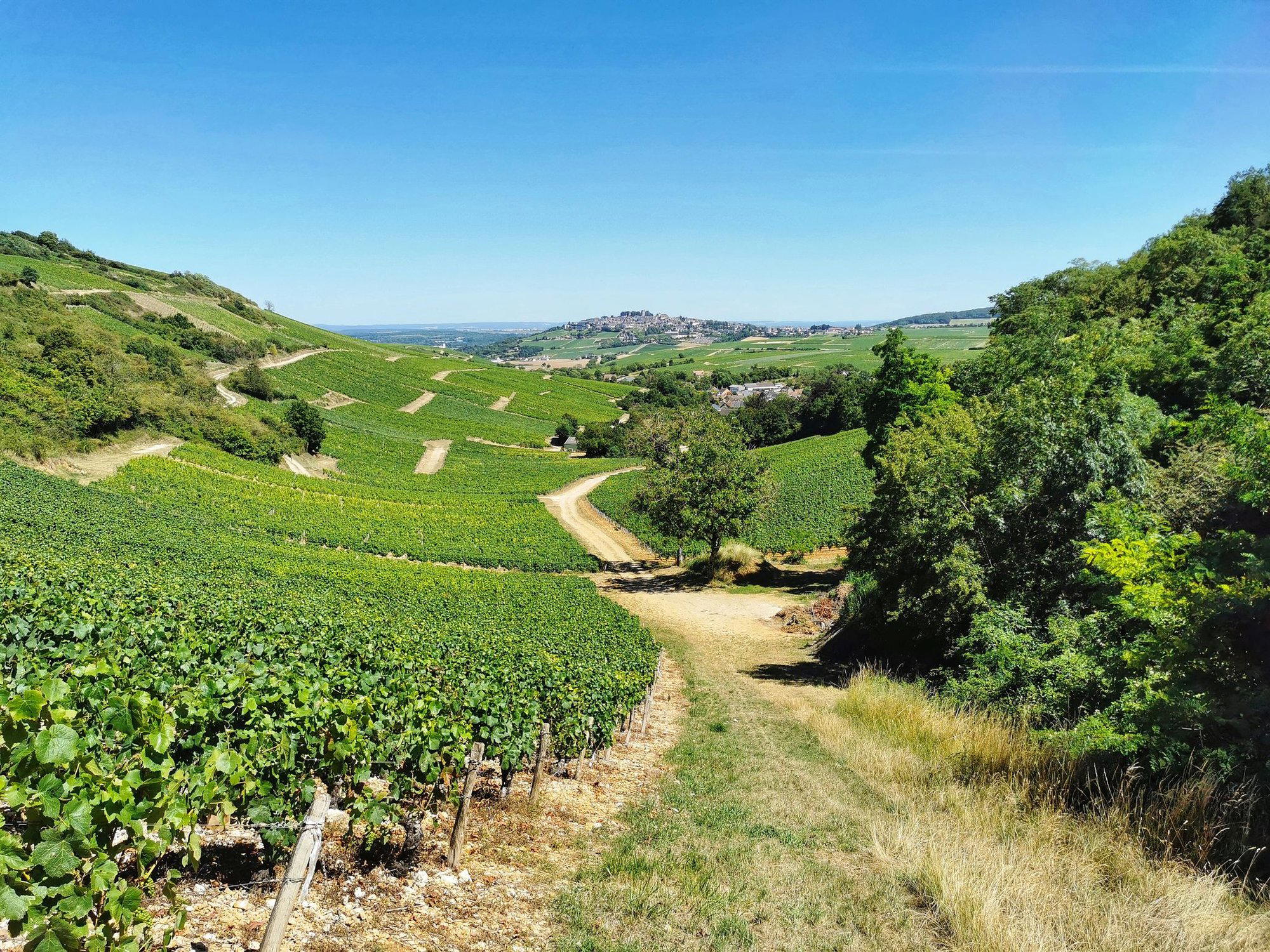
Château de Crézancy
Crezancy En Sancerre, France
Book Château de Crézancy if you want a small, informal Sancerre tasting focused on the wines rather than a polished visitor circuit. The strongest case is for Sauvignon Blanc and Pinot Noir drinkers who care about grower context, biodynamic farming, and a relaxed cellar setting at a $$ price level.
Castello il Palagio
Mercatale Val Di Pesa, Italy
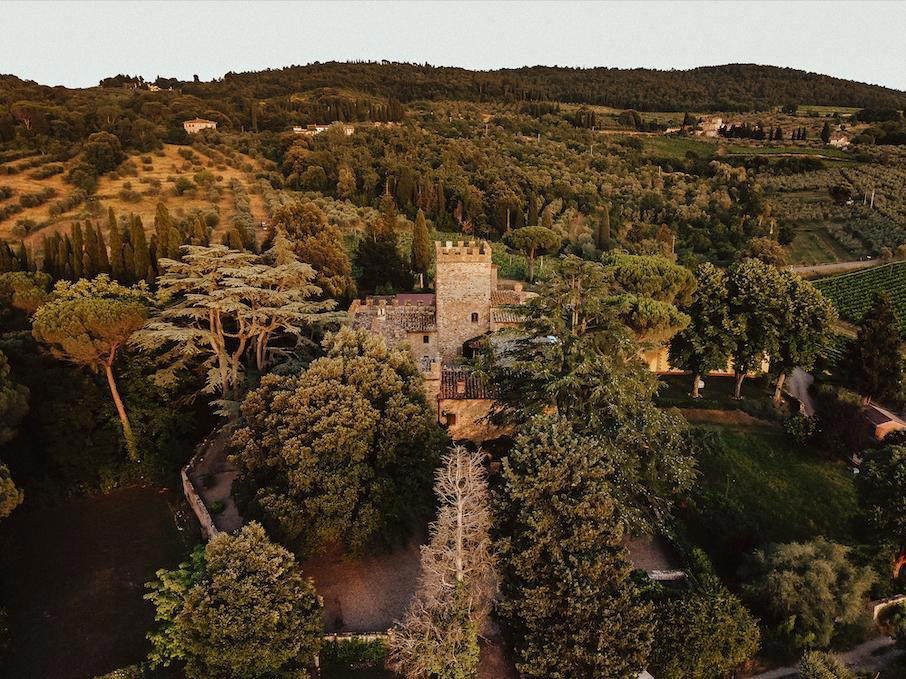
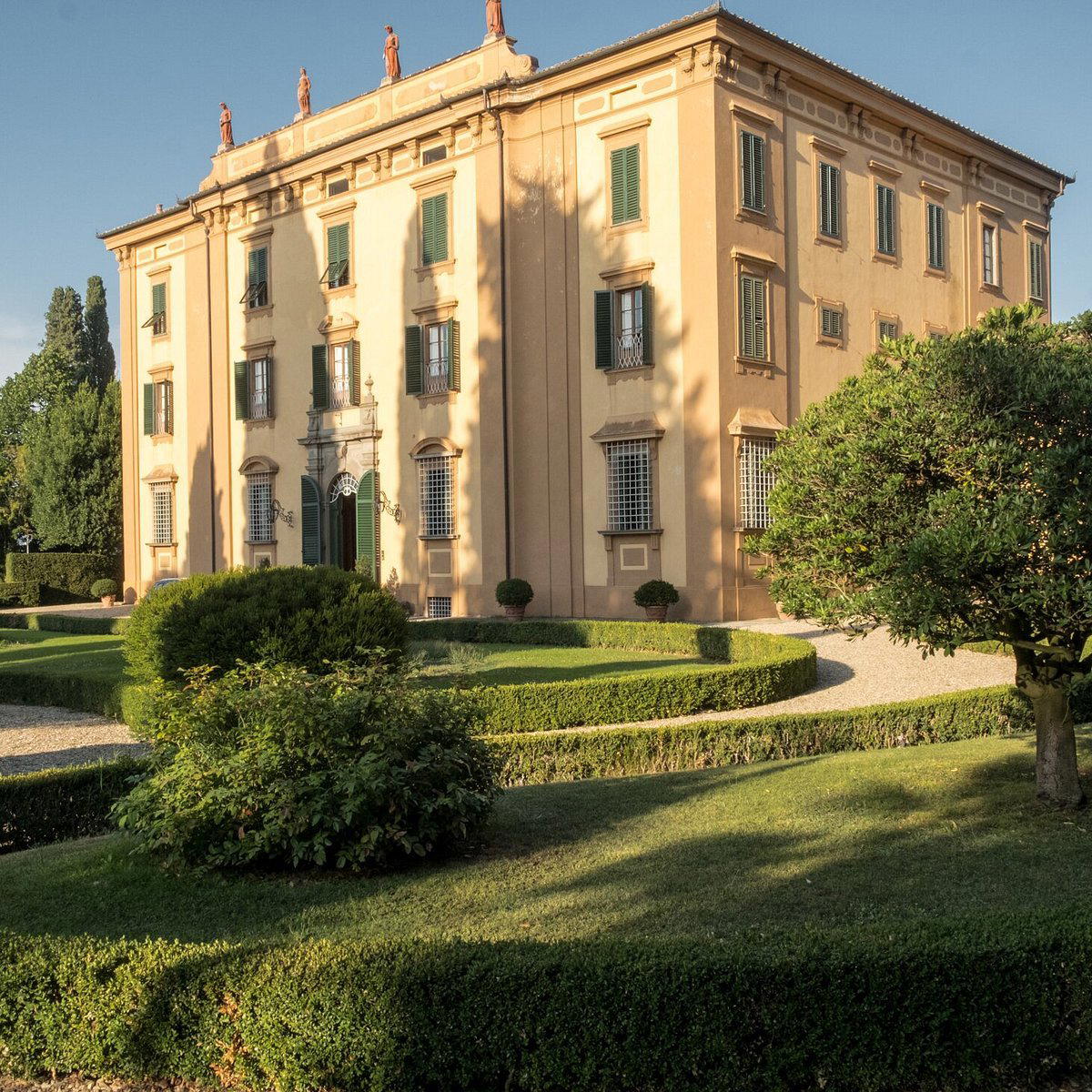
Book Castello il Palagio if the priority is a formal Chianti castle setting with private-event polish, not a routine winery tasting room. It is strongest for weddings, hosted groups, and travelers who want medieval Tuscan context between Florence and Siena; casual drop-ins and label-by-label wine comparisons are better planned elsewhere.
Bioweingut Carina & Christian Kattner
Reichersdorf, Austria
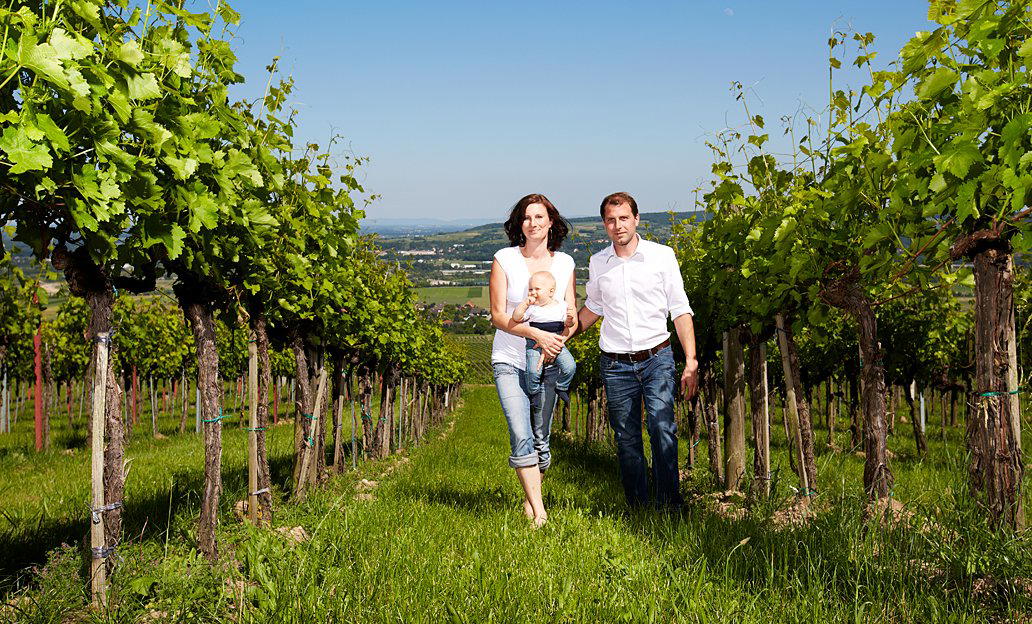
A good pick for a relaxed Traisental wine stop, especially if organic farming, Grüner Veltliner, and family-run Heuriger hospitality matter more than a polished tasting-room production. The value is in the rural setting and regional context, backed by Falstaff listing in 2026, not in formal luxury trappings.
Akitu
Wānaka, New Zealand
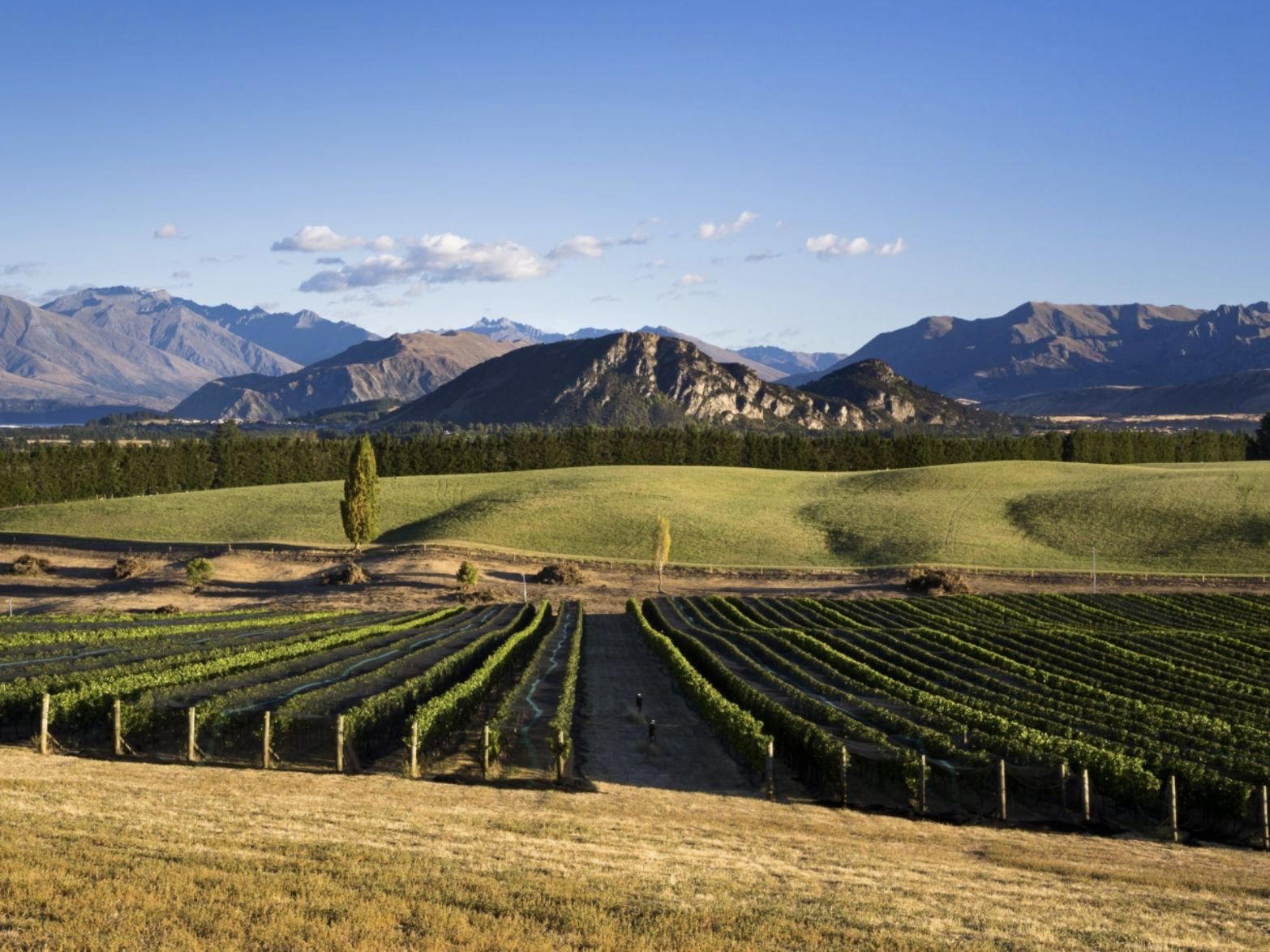
Akitu is worth planning around if Central Otago Pinot Noir is the point of the day, not just a casual add-on. The $$$ price signal and unspecified cellar-door hours make it a poor fit for spontaneous groups, but Falstaff 4 Stars (2026), a high-altitude 12-hectare estate, and a tightly focused Pinot program give serious wine travellers a clear reason to book.
Capurso
Verona, Italy
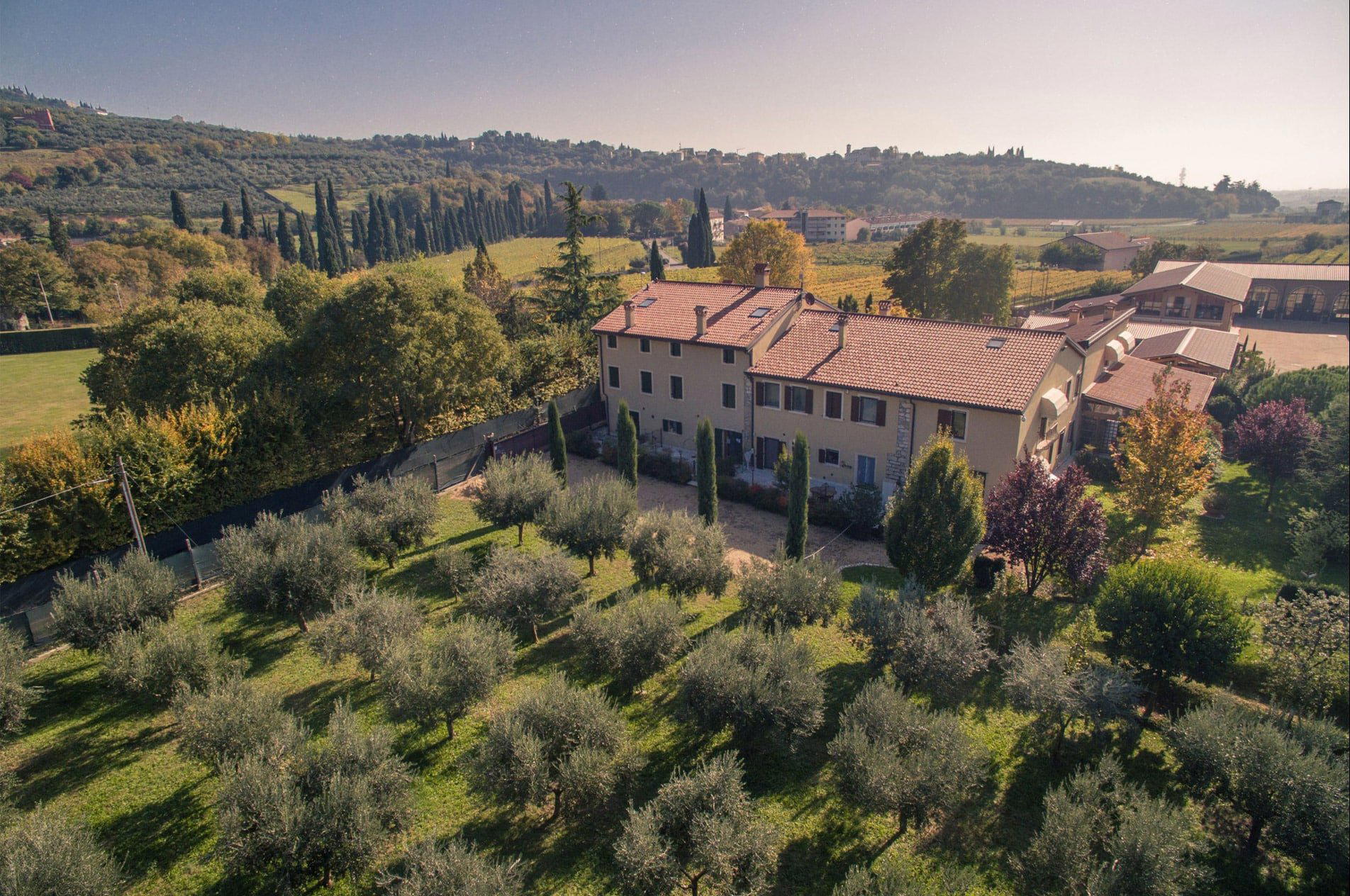
Capurso is a strong choice for a quiet Valpantena winery visit near Verona, especially if the focus is Valpolicella, Amarone, and a family-scale estate rather than a large tasting circuit. The 2026 Falstaff listing adds credibility, while the format suits couples and small groups looking for a guided countryside tasting with local food pairing.
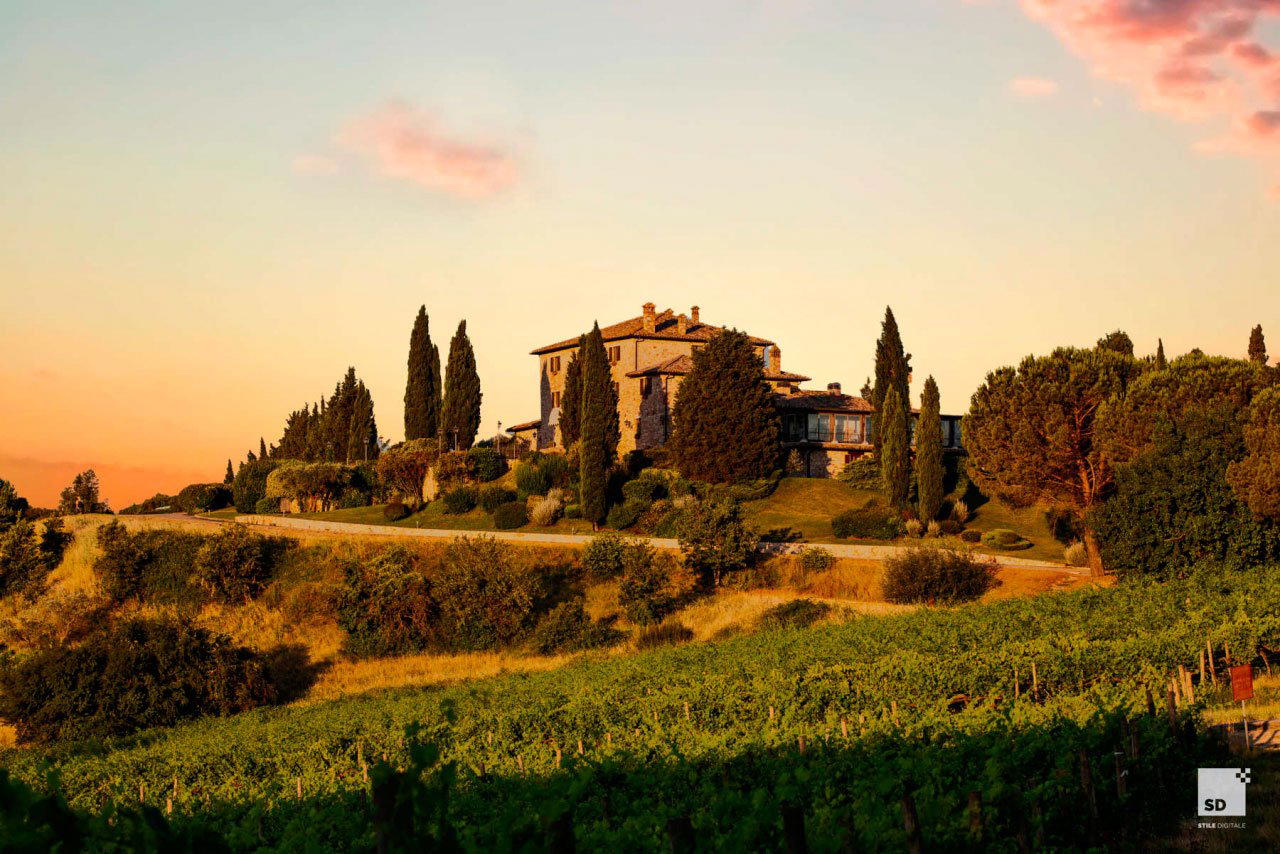
Cantina Todini
Todi, Italy
Cantina Todini is worth booking if the goal is a calm Todi countryside tasting built around Grechetto di Todi, Sangiovese, and vineyard views. The standard tasting is the better first move; consider a private visit only if food pairing or estate context matters more than a quick wine stop.
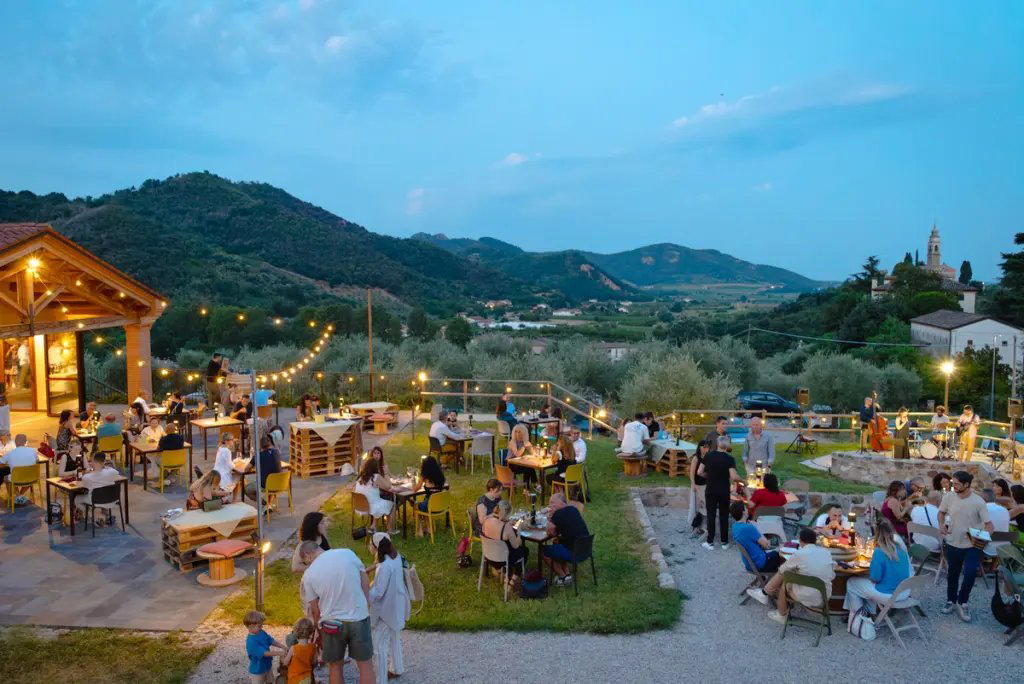
Centopassi
San Giuseppe Jato, Italy
Centopassi is worth booking for travellers who want a Sicilian winery visit with real context: organic native-grape wines, high-altitude vineyards, and land reclaimed through the Libera Terra cooperative network. It is a better fit for curious wine explorers than for anyone seeking a glossy tasting-room experience or a casual drop-in stop.
Château Laroque
Saint-Christophe-des-Bardes, France
Book Château Laroque if the goal is a serious Saint-Émilion tasting built around limestone terroir, Grand Cru Classé credentials and a calm historic château setting. It is better for collectors, couples and small celebration groups than for casual walk-in tasting plans, since visits are appointment only and the value is in the vineyard and cellar context.
Il Colle 1978
San Pietro Di Feletto, Italy
Worth booking for a calm, Prosecco-focused tasting in the Conegliano-Valdobbiadene hills, especially for couples or small celebration groups who want structure without formality. The draw is the renovated hilltop setting, underground cellar, organic certification, and range across Spumante, Frizzante, Tranquillo, Rive, and Cartizze styles. Treat the food as light tasting support, not a meal replacement.
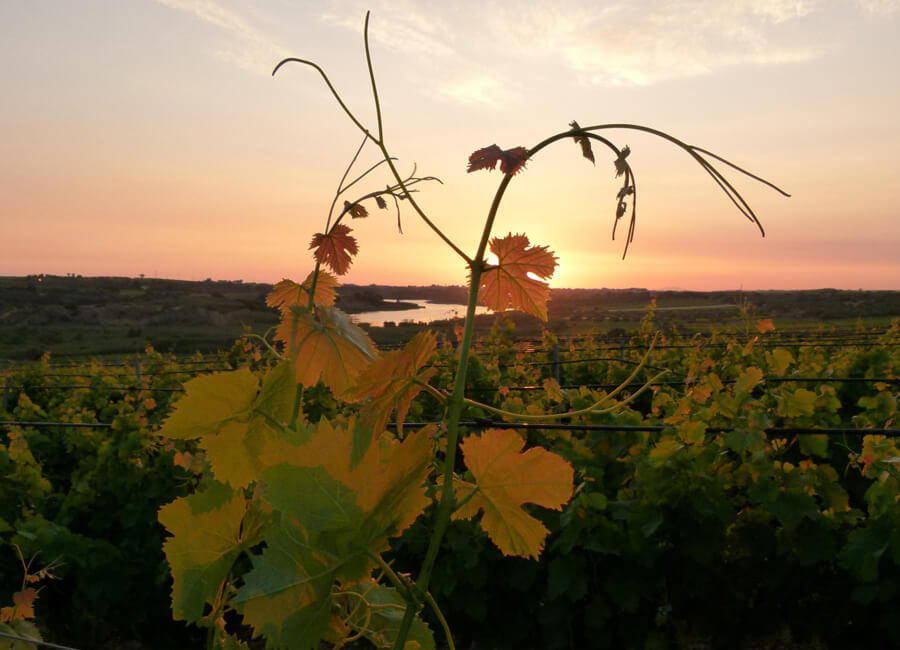
Baglio Aimone
Petrosino, Italy
Aromatic Grillo, Catarratto, Zibibbo, and Nerello Mascalese make Baglio Aimone a strong-value $$ winery stop for a quiet Sicilian celebration. Book it for the restored 18th-century baglio, WWF-reserve setting, and native-grape focus, especially if a two-hour guided tasting fits the day.
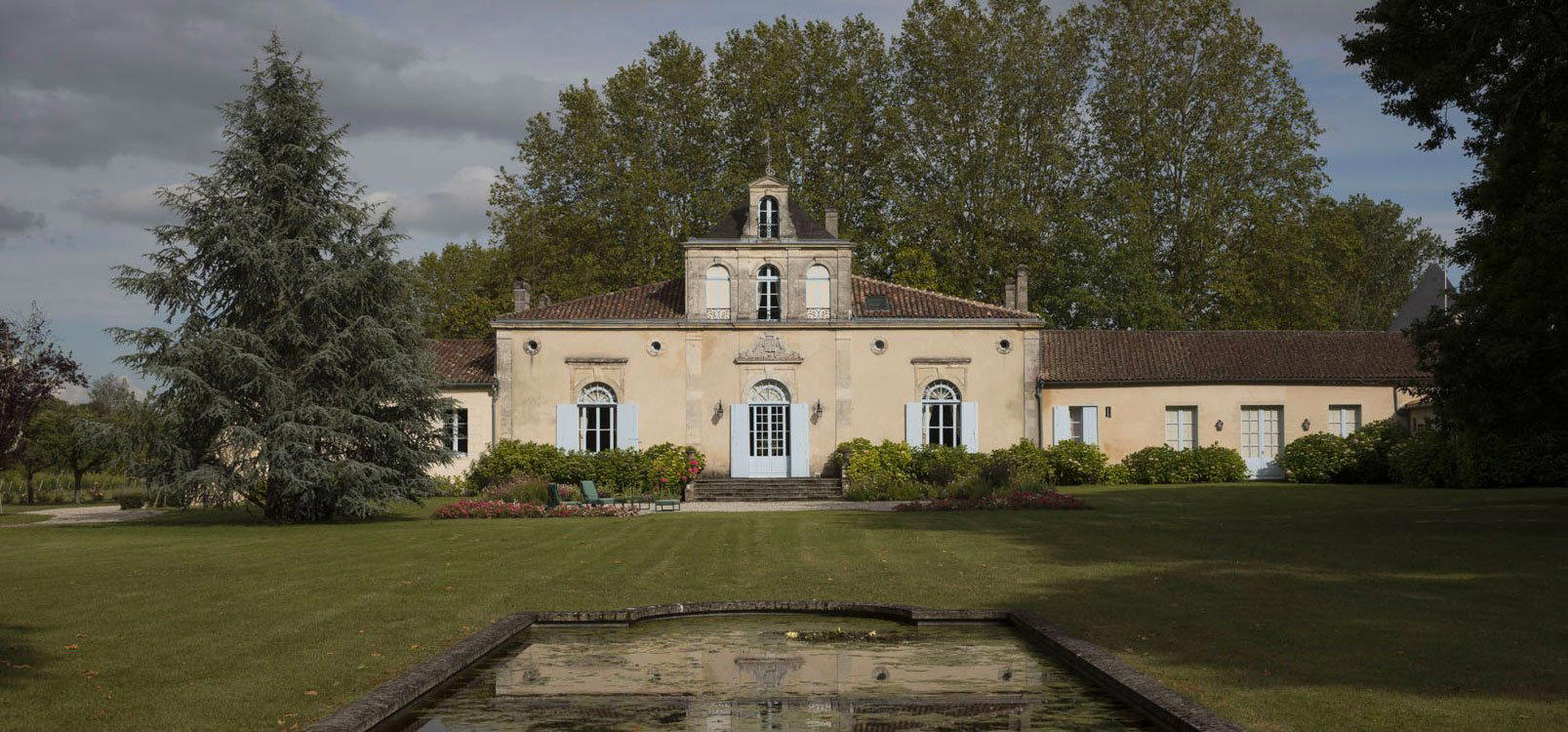
Château Siran
Labarde, France
Book Château Siran if you want a Margaux visit with more context than a standard tasting. The appeal is the combination of six-generation family ownership, HVE3-certified sustainability, a small museum element, and a clear three-wine portfolio led by Château Siran Margaux. Best for a special-occasion wine day where education matters as much as the tasting itself.
Familia Fernandez Rivera
Valladolid, Spain
Worth booking for a serious Ribera del Duero wine visit built around family heritage, Tempranillo, organic vineyard work, and estate-to-bottle production. It suits couples, celebration trips, and wine-focused groups better than casual drop-ins, especially if the goal is to understand how the family’s different estates shape the wines.
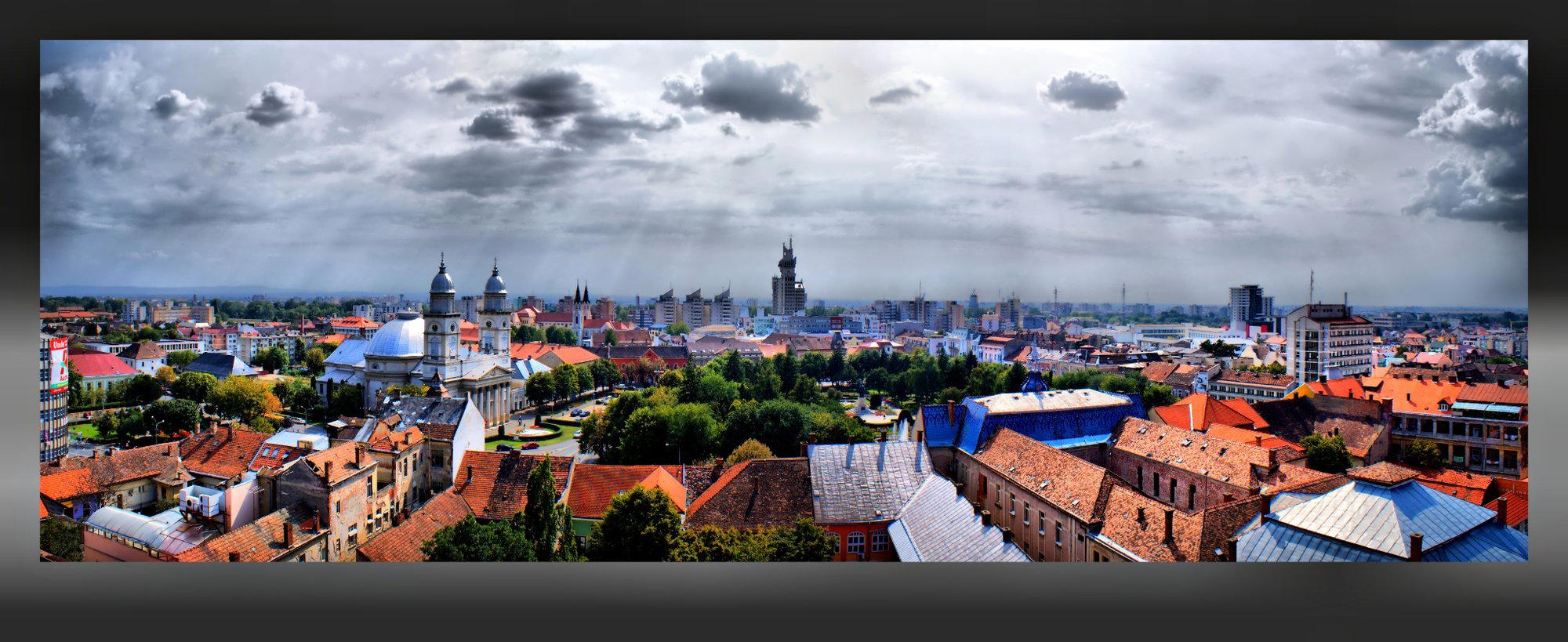
Brutler & Lieb
Satu Mare, Romania
Brutler & Lieb is a cautious yes for wine travelers already spending time in Satu Mare. The useful signal is its Falstaff Listed recognition for 2026; the tradeoff is that pricing, tasting format, food, shipping, and flagship-bottle details are not specified here, so it suits flexible explorers more than tightly planned wine-tour itineraries.
Christos Kokkalis
Skafidia, Greece
Book Christos Kokkalis if scarce, collector-leaning Greek reds are the point of the trip. The $$$$ value case comes from low-volume estate wines, especially Trilogia, not from a conventional visitor-center experience. Appointment-only access makes it a strong choice for serious wine travelers who can plan ahead and a weaker fit for casual drop-in tasting.
Domaines Rouvinez Sierre
Sierre, Switzerland
Book this if you want an easy, polished Valais winery visit without heavy planning. Domaines Rouvinez Sierre is strongest for groups, dates, and celebration afternoons that benefit from a self-guided cellar route, a contemporary tasting area, and credible regional wine depth rather than a formal destination tasting.
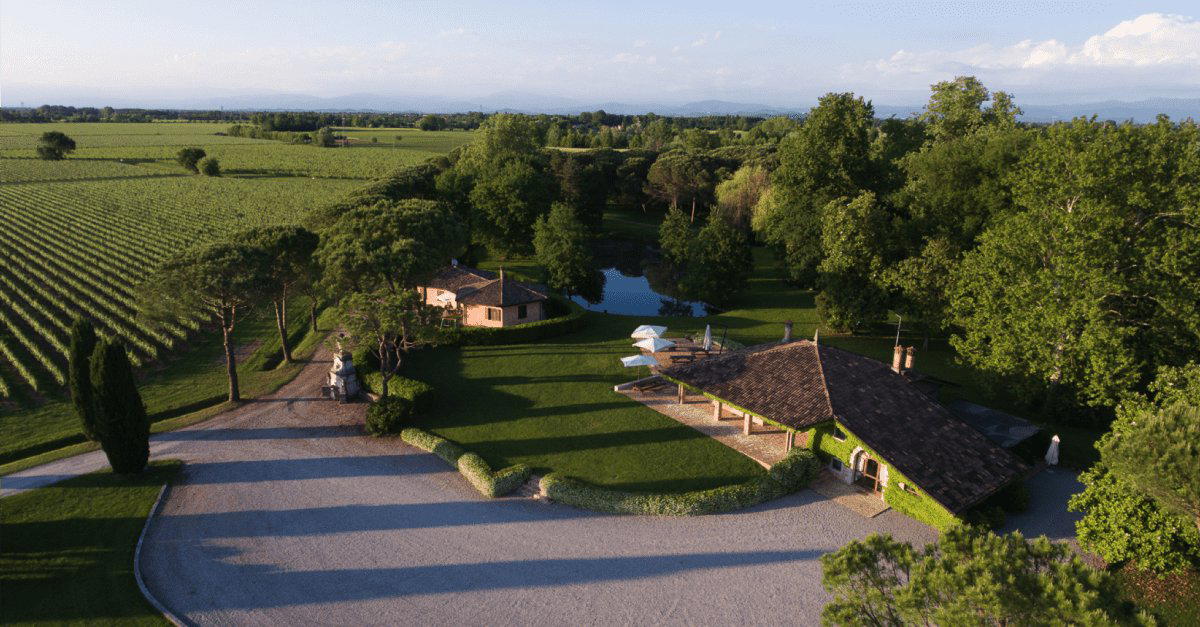
Ca' Bolani
Cervignano Del Friuli, Italy
Ca' Bolani is worth planning around if the goal is a calm, scenic Friuli winery visit with a clear Aquileia DOC angle. The estate is strongest for travellers interested in Ribolla Gialla, Friulano, Sauvignon, and Traminer Aromatico in a large vineyard setting, less so for anyone looking for a restaurant-style food experience.
H. E. Weine
Landau, Germany
Book H. E. Weine if the goal is serious, scarce German Pinot Noir rather than a casual tasting-room circuit. The appeal is its tiny Landau footprint, hand-selected fruit, Burgundy-influenced barrique ageing, and critical recognition; the tradeoff is a high-end, low-volume format that suits collectors and focused wine travelers more than mixed-interest groups.
Domaine de Montmollin
Auvernier, Switzerland
Domaine de Montmollin is a strong Auvernier choice for wine travellers who want regional depth: historic family roots, 50 hectares across eight Lake Neuchâtel villages, and Bio-Switzerland organic certification from the 2019 vintage. Prioritise it for Pinot Noir, Chasselas, Oeil de Perdrix and a grounded view of Neuchâtel rather than for a clearly packaged luxury tasting setup.
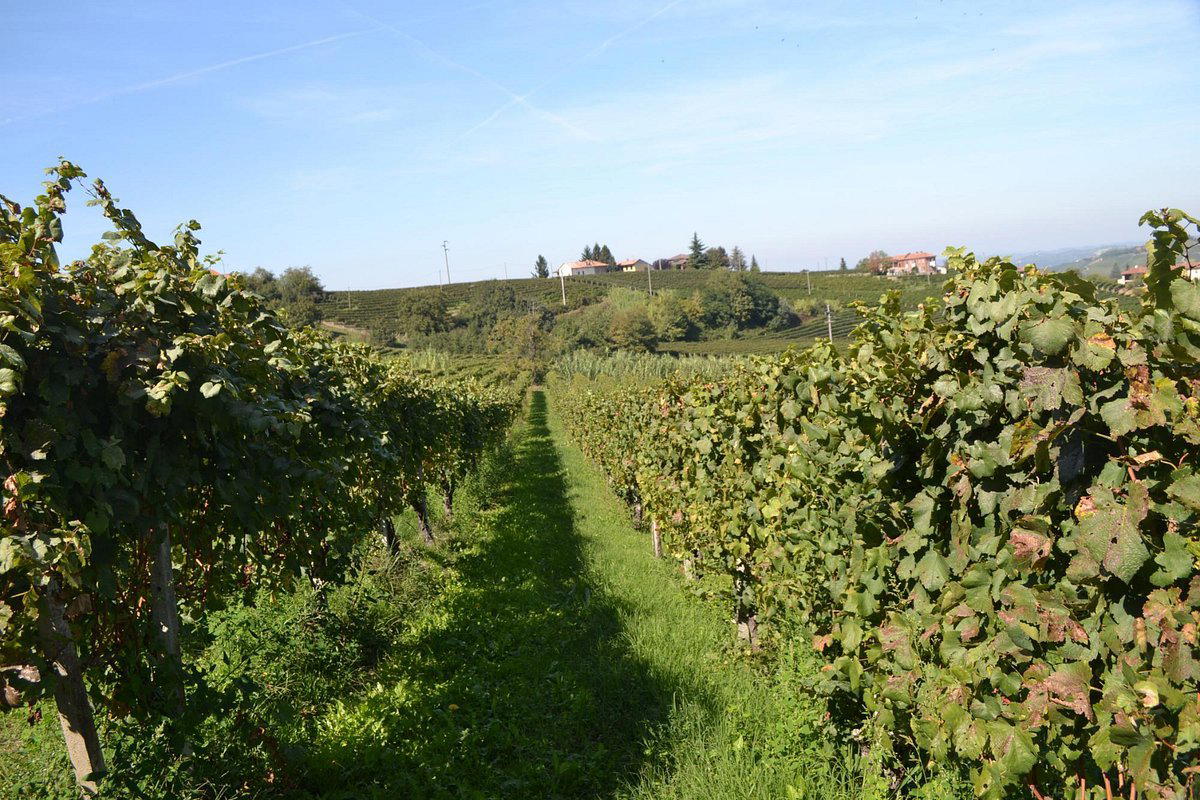
Azienda Agricola Ressia
Neive, Italy
A focused Neive appointment for Barbaresco drinkers who want Canova Nebbiolo, family-scale hospitality, and a quieter estate visit over a large tasting-room format. Worth prioritizing for a special occasion or collector-minded stop, especially if vineyard specificity matters more than food service or broad portfolio variety.
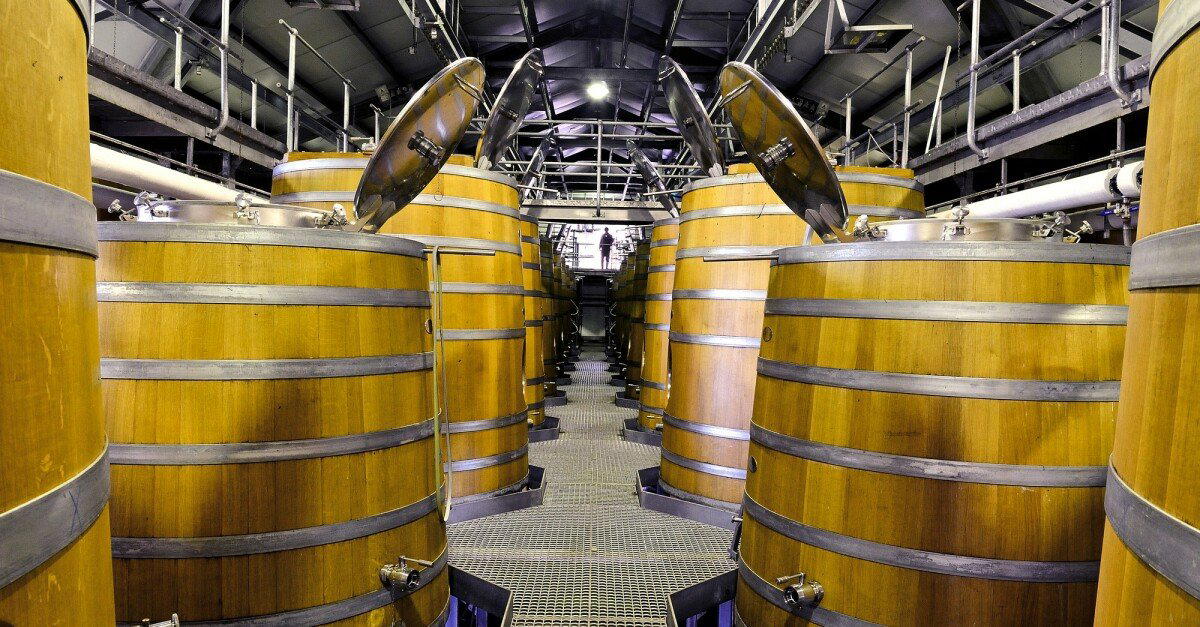
Capaia Wines
Philadelphia, South Africa
Book Capaia Wines if you want a calm South African estate visit with wine, countryside views, and a farmhouse restaurant rather than a quick tasting-room stop. It is strongest for relaxed groups, couples, and wine travelers who care about estate-grown production and a slower food-and-wine format.
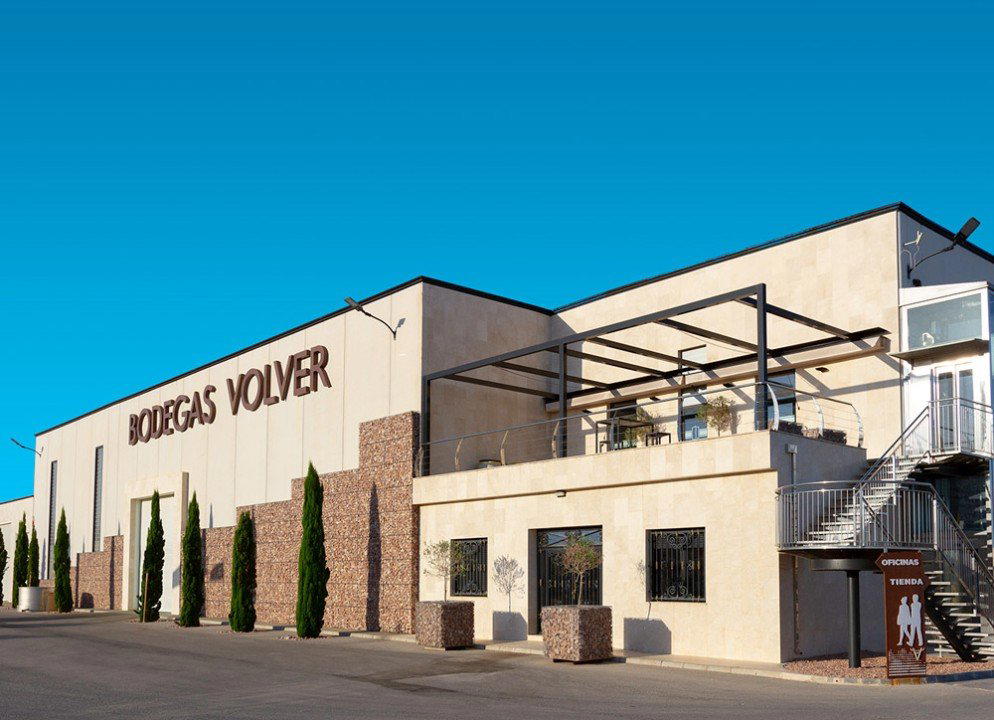
Bodegas Volver
Pinoso, Spain
Bodegas Volver is a practical shortlist pick in Pinoso for wine buyers, especially if the goal is deciding what merits purchase or shipping rather than planning a broad hospitality day. Its Falstaff 1 Star recognition in 2026 gives it a useful quality signal, but first-timers should treat the visit as focused and appointment-minded.
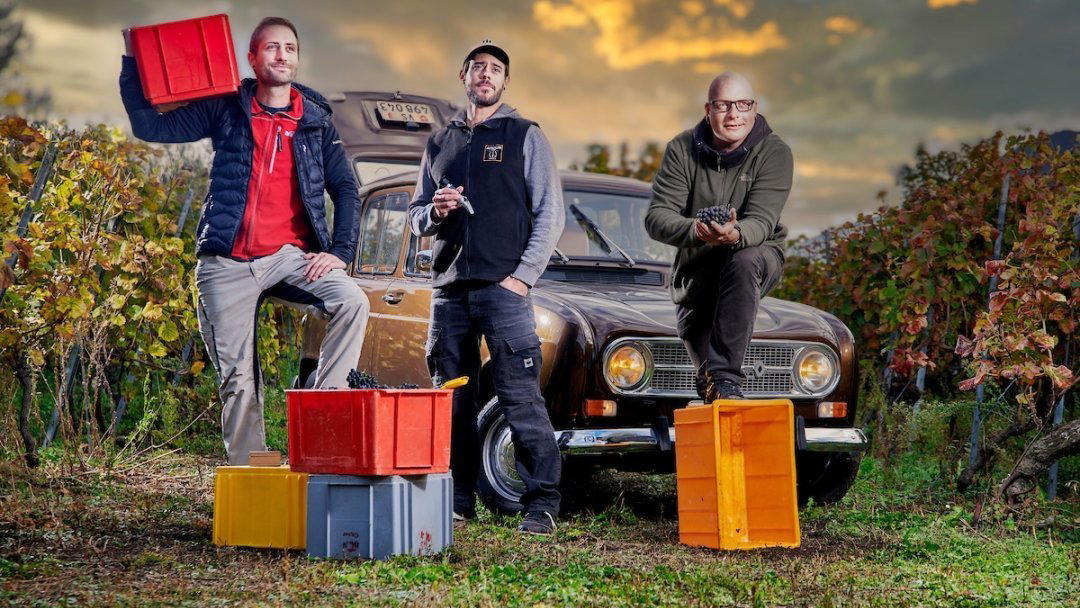
Cave de Bovanche
Ardon, Switzerland
Cave de Bovanche works as a focused Ardon wine stop if the goal is bottle assessment rather than a long hosted experience. Its Falstaff Listed 2026 recognition gives useful confidence, but plan group size, timing, purchases, and shipping directly before making it the centerpiece of a Valais itinerary.
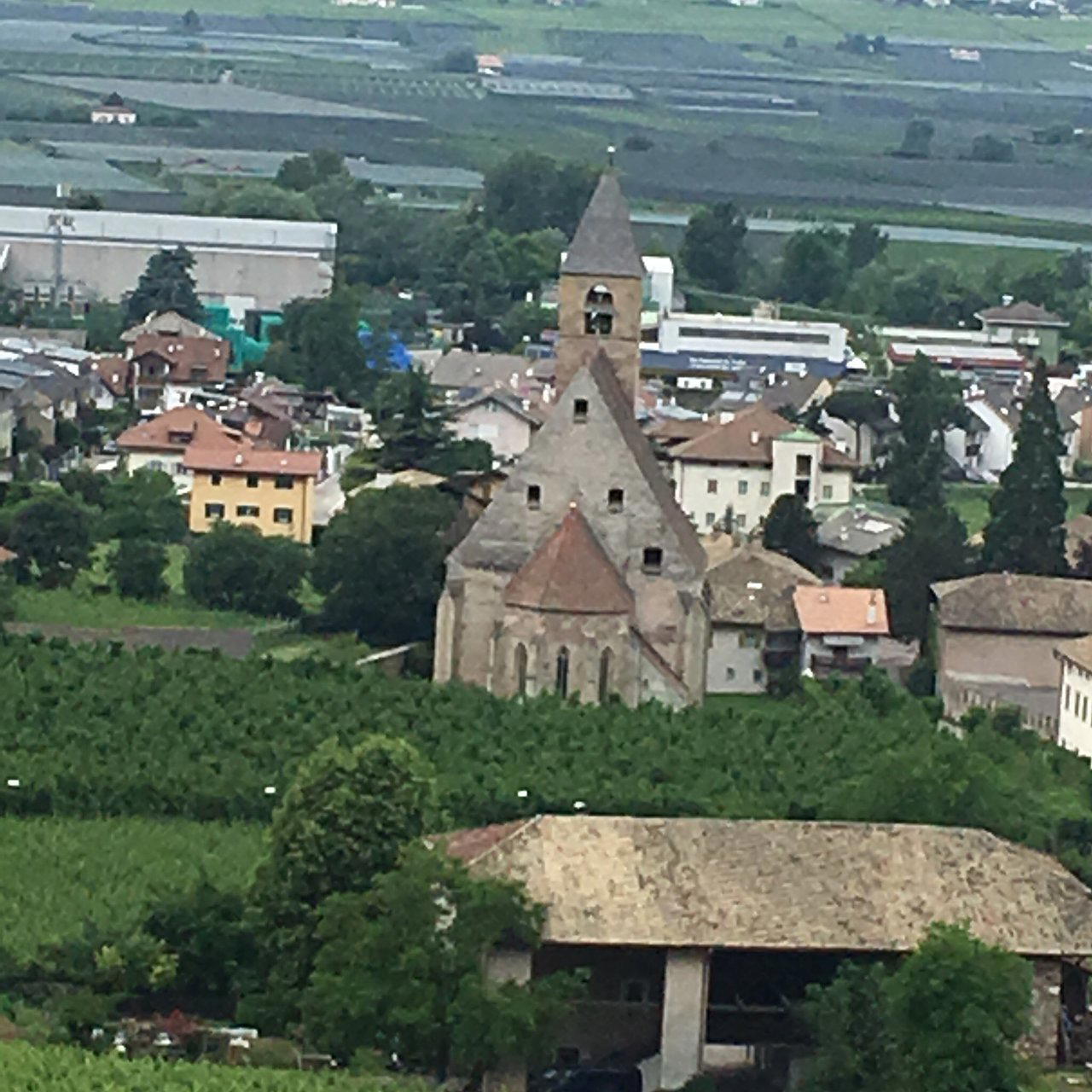
Baron Longo
Neumarkt, Italy
Baron Longo is a serious Neumarkt wine stop with Falstaff 3 Stars in 2026, better suited to a focused tasting plan than an improvised food-and-wine outing. Prioritise it for a special occasion or collector-led Alto Adige itinerary, but confirm logistics before building the day around it.
Cantine di A.VI.P. SPA Milano
Cossano Belbo, Italy
Book Cantine di A.VI.P. SPA Milano if the aim is a quiet Piedmont wine stop with more production substance than hospitality theatre. It works better for couples, collectors or business-minded wine travelers than for groups wanting a scenic, leisurely tasting day.
Clos des Fous
Coquimbo, Chile
Clos des Fous is worth shortlisting if the goal is evaluating Chilean bottles with an external recognition signal: it is Falstaff Listed for 2026. Treat it as a wine-focused stop, not a fully documented visitor experience, and confirm tasting logistics before planning a Coquimbo itinerary around it.
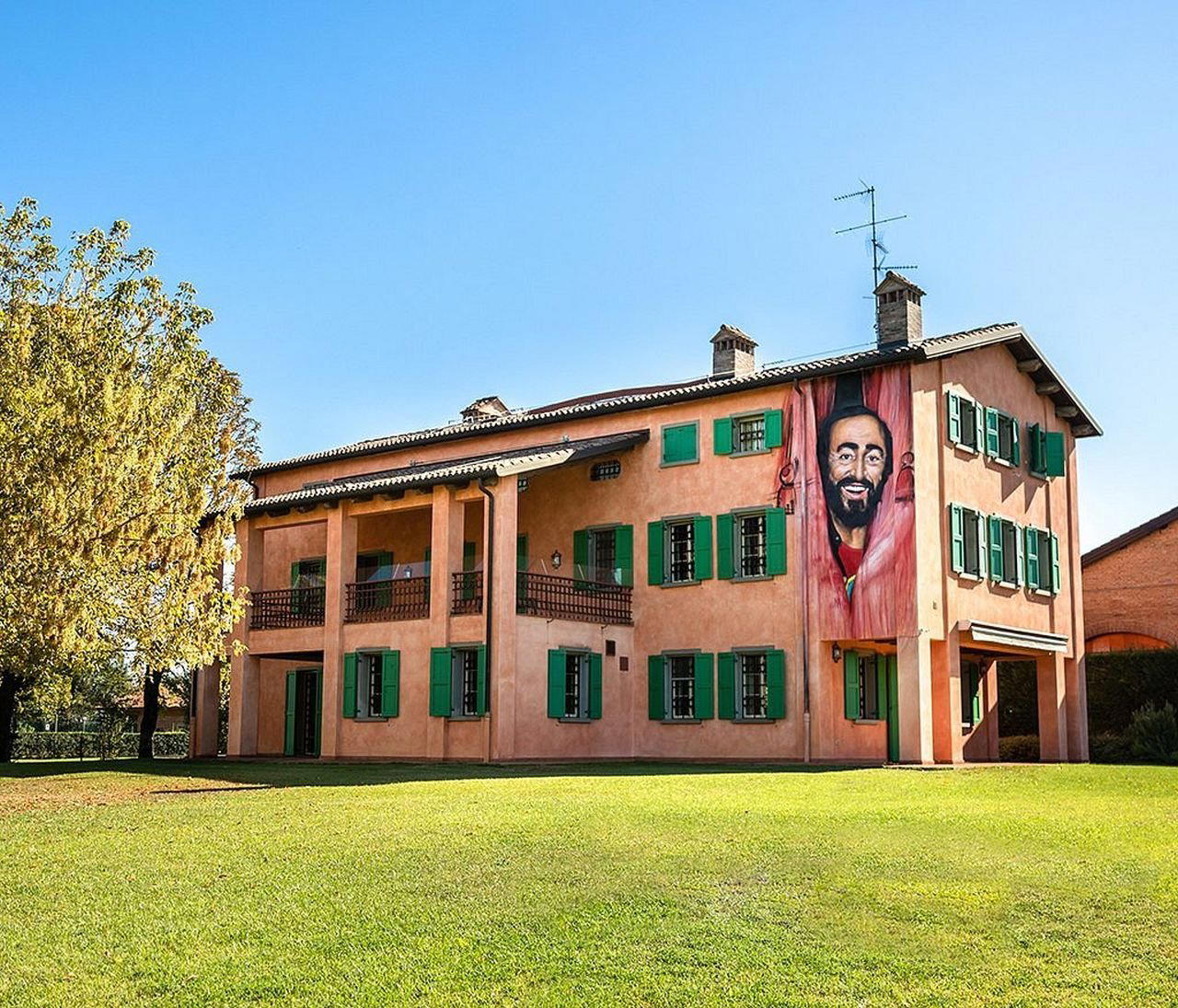
Azienda Agricola San Valentino
Rimini, Italy
Azienda Agricola San Valentino is worth booking for a quiet Rimini wine-country tasting with a clear Romagna identity. The draw is the intimate countryside setting, guided cellar feel, organic viticulture story, and small-group suitability; it is better for couples and celebrations than for travelers looking for a flexible walk-in tasting room.
Castello del Poggio
Asti, Italy
A relaxed Monferrato estate for Moscato drinkers, casual groups, and anyone who wants an easy Asti wine stop with castle atmosphere. Castello del Poggio is strongest when treated as a sweet, sparkling, pleasure-led tasting rather than a serious Piedmont red-wine benchmark.
Château La Croix de Roche
Galgon, France
Château La Croix de Roche works for a quiet, value-minded Bordeaux producer stop rather than a polished private tasting experience. The draw is accessible red wine from the Galgon area, a 2026 Falstaff listing, and a working-estate feel. Choose it for small groups and practical buying; skip it if the occasion needs formal hosting or a structured luxury tasting.
Fitapreta Vinhos
Lisbon, Portugal
Fitapreta Vinhos works if the goal is a focused Portuguese wine stop in Lisbon rather than a full hospitality-driven winery outing. The Falstaff 2026 listing gives it a credible quality signal, but first-timers should confirm access and treat the visit as a bottle-assessment stop, especially if planning purchases or shipping.
Alira
Comuna Aliman, Romania
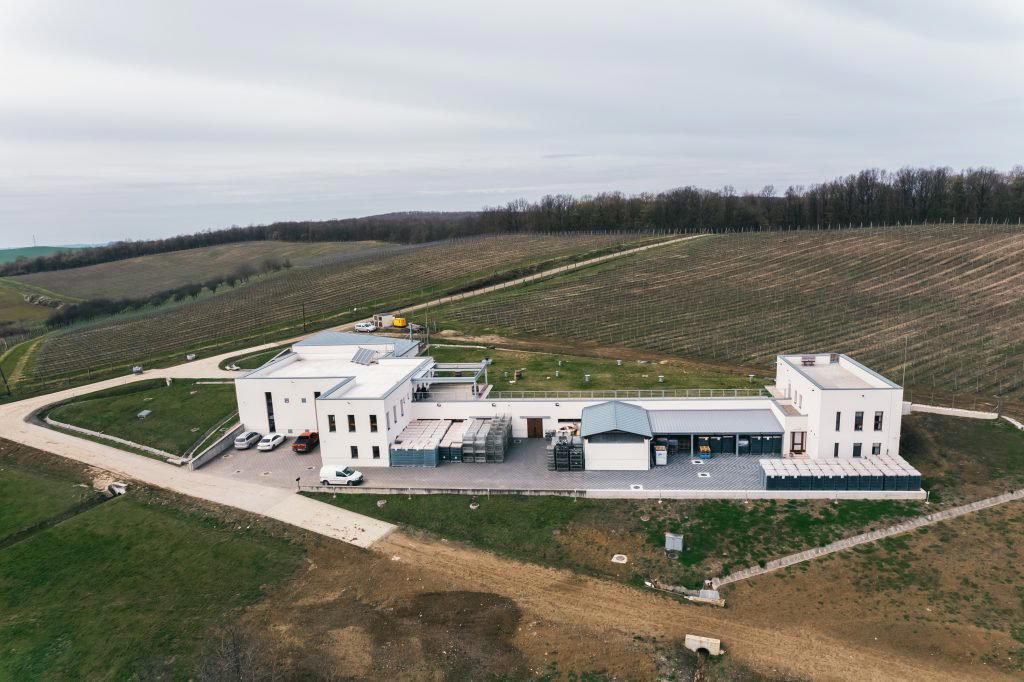
Alira works as a wine-focused stop in Comuna Aliman, especially for travelers interested in Romanian producers with external recognition. Keep expectations practical: this is a better fit for wine discovery than for a fully planned restaurant-style outing, so confirm visit logistics before building a route around it.
Domaine de Capelanel
Luzech, France
Domaine de Capelanel is a good fit for flexible wine travelers already exploring Luzech and the Lot/Cahors area. Treat it as a quiet countryside add-on rather than a fully documented tasting-room destination, especially if your group needs confirmed food, formal tour structure, or detailed bottle information in advance.
Dow's Port
Vila Nova de Gaia, Portugal
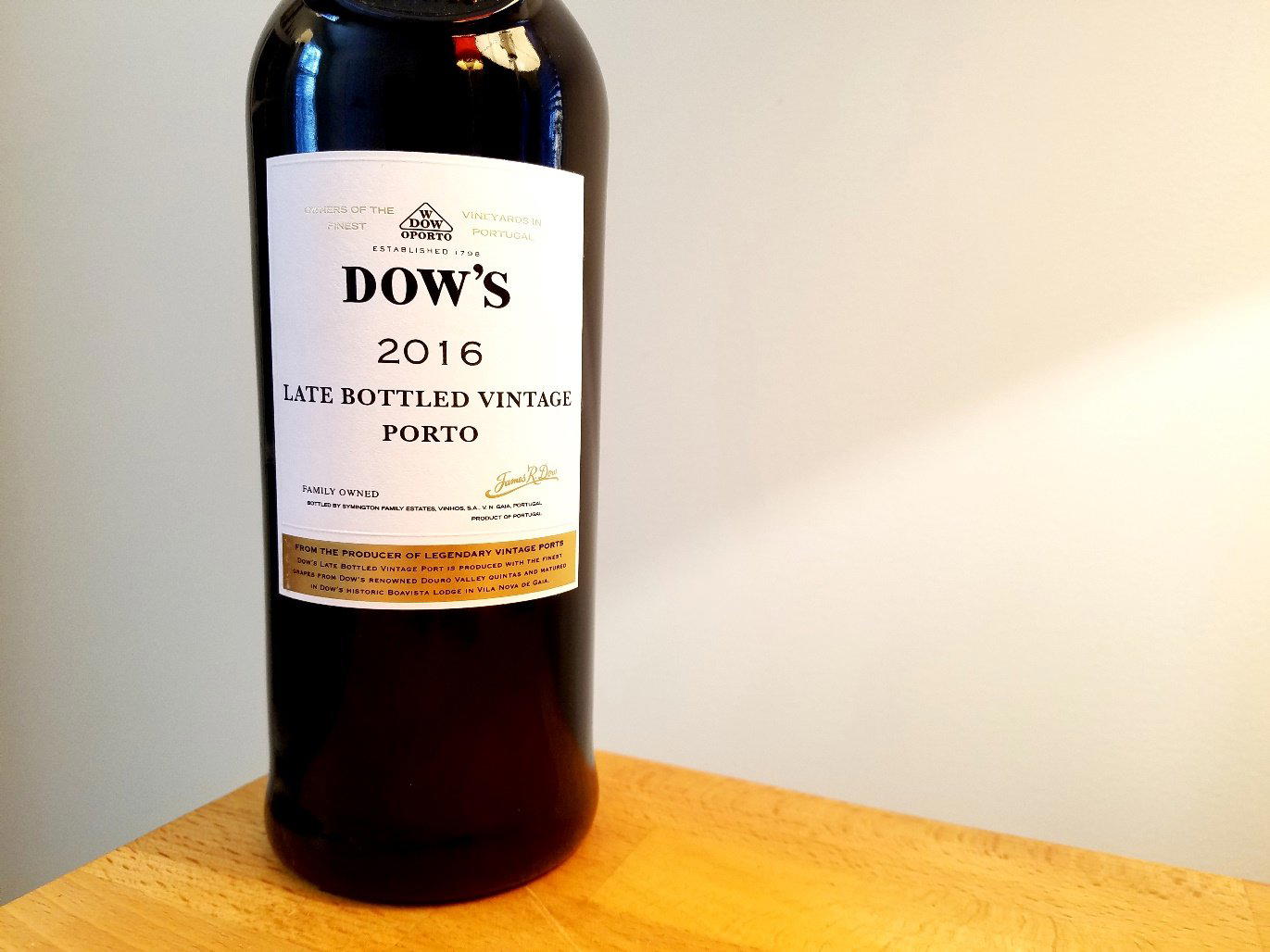
Dow's Port is worth prioritizing if your Gaia plan is producer-led rather than built around an easy tasting stop. Serious port drinkers should try for it, but casual visitors may find Taylor's Port, Ramos Pinto, or Cockburn's Port simpler to fit into a first Vila Nova de Gaia itinerary.
Weingut Franz Weninger
Horitschon, Austria
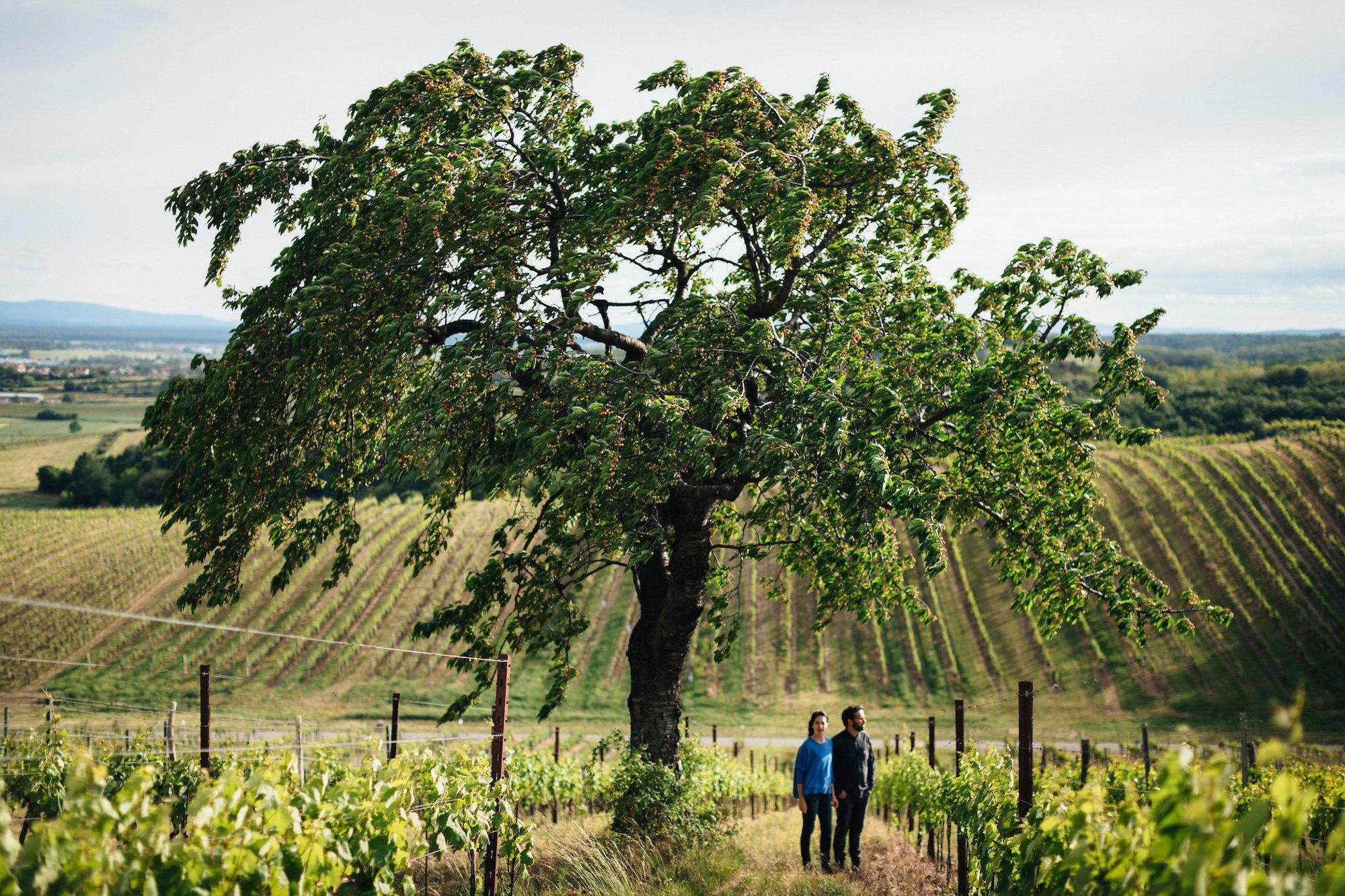
A strong pick for serious wine-focused visitors in Horitschon, but not the easiest choice for casual walk-in planning. Book it into a tighter winery route if quality matters more than published visitor amenities; cross-shop Weingut Kerschbaum, Weingut Gager, Weingut Gesellmann, Weingut Strehn, and Pfneiszl Winery if logistics are the deciding factor.
Henri Champliau
Mercurey, France
Henri Champliau is worth prioritizing if you want Pinot Noir-led Crémant de Bourgogne with a serious food-pairing angle, not a casual drop-in winery stop. The strongest case is the producer’s focused sparkling-wine identity, 15-month lees aging on documented cuvées, and external recognition for the Brut Rosé.
Clos Saint-Vincent
Saint-Sulpice-de-Faleyrens, France
Book Clos Saint-Vincent if you want a focused right-bank Bordeaux estate visit near Saint-Émilion, with sustainability credentials and a compact three-wine portfolio. It is better for terroir context than for a food-pairing meal, so plan lunch separately and treat the tasting as a wine-first stop.
Collaboration Wines
Hastings, New Zealand
Collaboration Wines is worth booking for a focused Hastings tasting built around Hawke’s Bay Cabernet Franc and Cabernet Sauvignon. It is a better fit for curious wine drinkers and small groups than for casual drop-ins or visitors looking for food-led cellar-door hospitality.
Troupis Winery
Mantinia, Greece
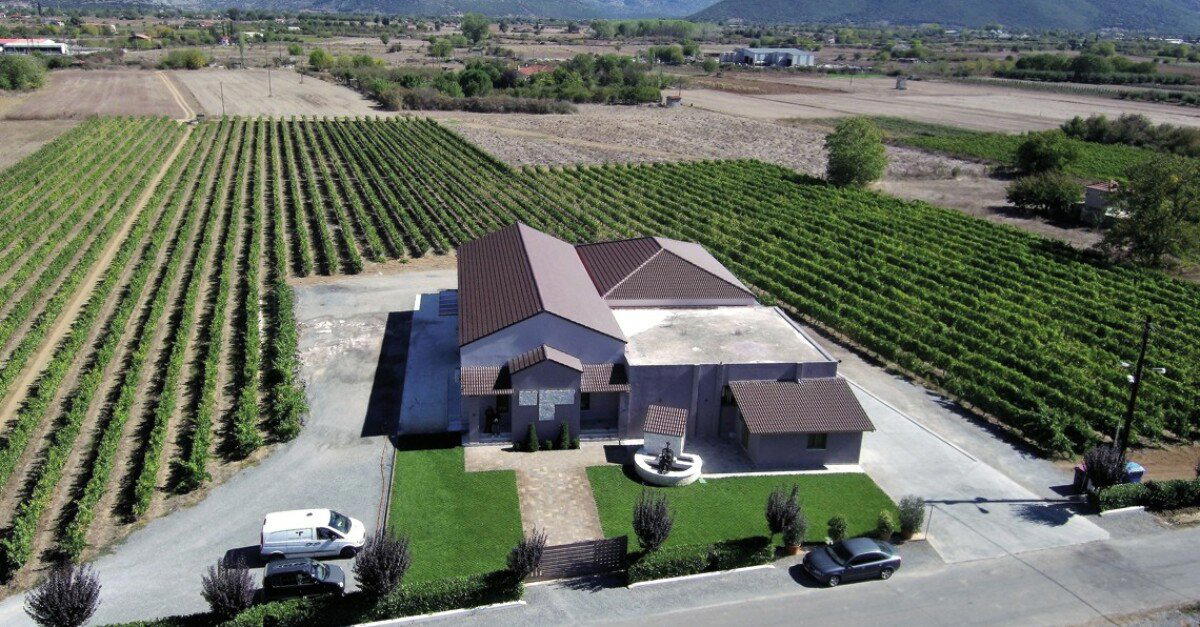
Prioritize Troupis Winery if the goal is a serious Mantinia wine stop built around bottle decisions, not a casual walk-in tasting. Booking is difficult, so plan early and compare it with Boutari Winery (Mantinia) or Ktima Tselepos if the itinerary needs a more predictable regional fallback.
Jacquesson
Dizy, France
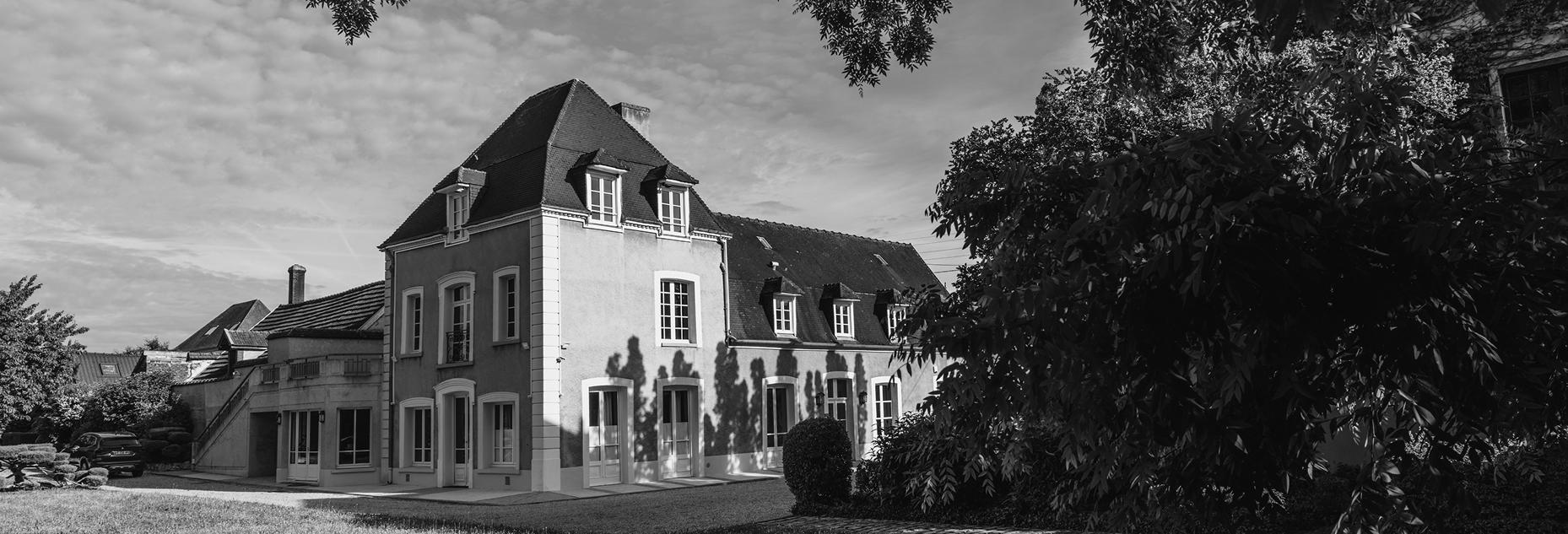
Jacquesson’s numbered Cuvée 700 Champagnes make it a Dizy name to seek by the bottle. Its 2026 range lists Cuvée 749, late-disgorged Cuvée 744 and Avize Champ Caïn 2015; check availability before planning a tasting.
Domaine La Louviére
Malvies, France
Book Domaine La Louviére if you want a quiet Malepère wine stop with vineyard context rather than a glossy tasting-room experience. The draw is the rural hill setting, estate-grown production, manual harvesting, and a seasonal vineyard walk that makes the visit feel grounded in place.
Monteverro
Capalbio, Italy
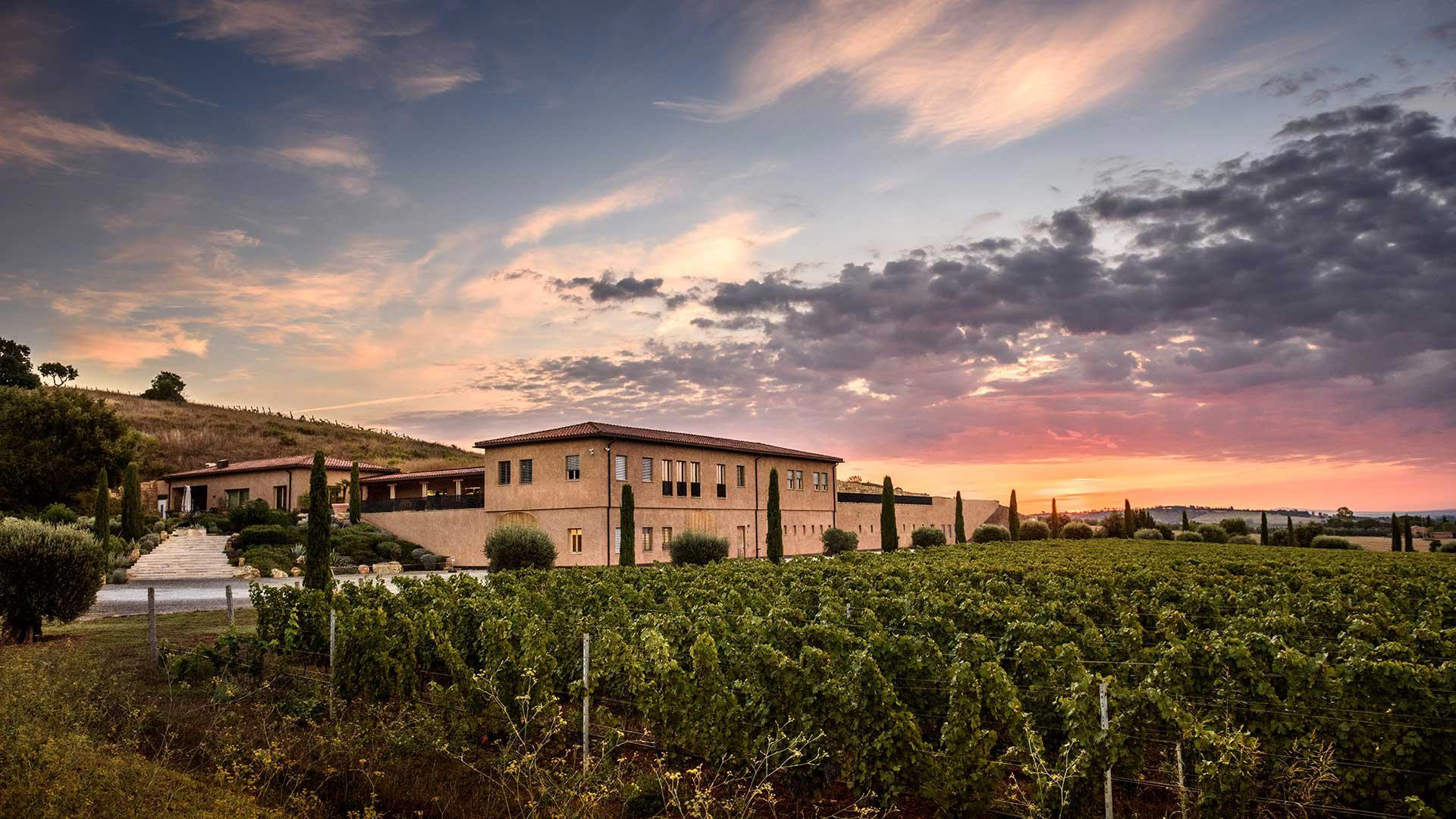
Monteverro is the Capalbio pick for serious wine travellers who want a focused Maremma tasting rather than a casual drop-in. It works better as the anchor of a planned wine day than as a flexible add-on, especially for groups comparing coastal Tuscany with the more established Montalcino circuit.
Enzo Boglietti
La Morra, Italy
Enzo Boglietti is a serious La Morra winery pick for travelers building a Barolo-country itinerary around producer visits, not casual drop-ins. The useful signal is Falstaff 3 Stars (2026); plan ahead, keep the schedule flexible, and treat it as a depth-focused stop within a broader Piedmont wine day.
Kenwood Vineyards
Kenwood, United States
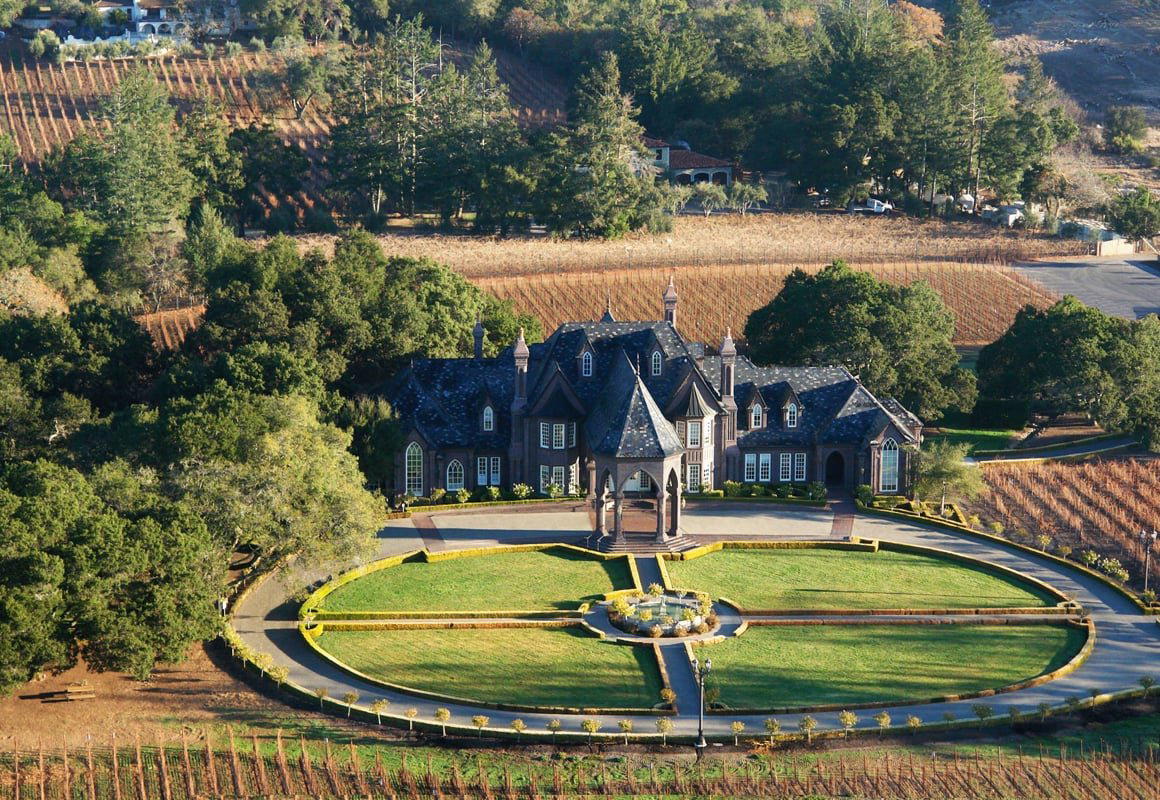
Kenwood Vineyards works for a focused Sonoma Valley tasting, especially if the plan is a date, anniversary, or small celebration built around the Kenwood corridor. Choose it for a manageable wine-country stop; cross-shop Chateau St. Jean or Ledson Winery & Vineyards if the occasion needs a grander estate setting.
Champagne Fleury
Courteron, France
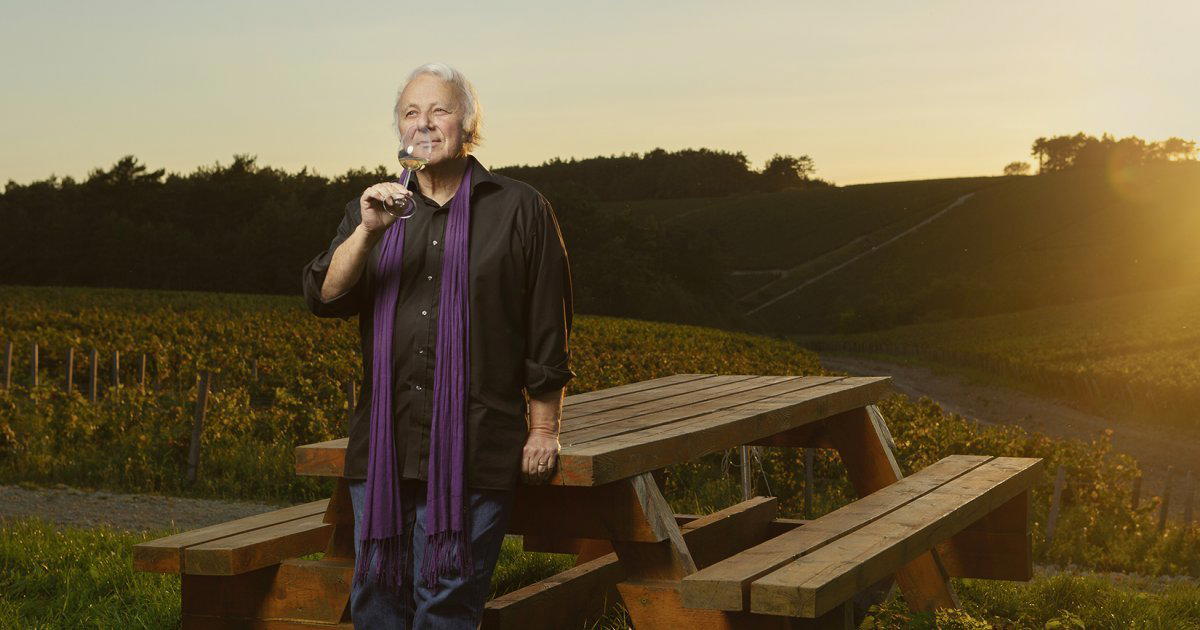
Book Champagne Fleury if biodynamic grower Champagne is the reason for the detour, not if you want a high-gloss tasting circuit. The value sits in the estate’s farming history, Côte des Bar Pinot Noir focus, family continuity, and 2026 Falstaff 3 Stars signal. First-timers should treat it as a focused wine appointment in quiet Courteron.
Château La Connivence
Saint-Émilion, France
Château La Connivence works as a focused Saint-Émilion wine stop rather than a full-day destination. Its Falstaff Listed recognition for 2026 gives it a useful trust signal, but travelers who need published detail on flagship bottles, pricing, or visit format should treat it as one part of a wider Saint-Émilion itinerary.
Bodegas Trenza
Fuengirola, Spain
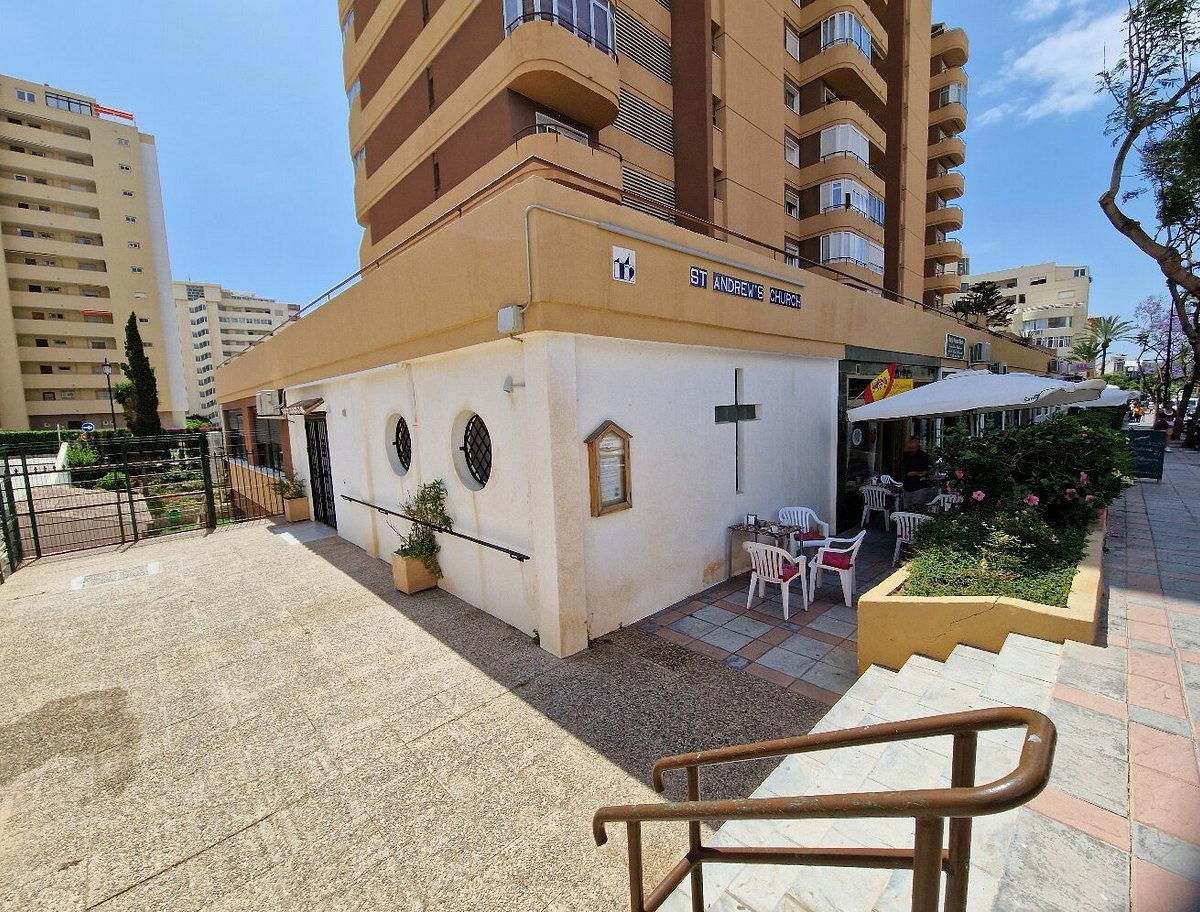
Bodegas Trenza works for a wine-first celebration or collector-minded stop in Fuengirola, mainly because its current recognition gives the bottles a credible quality signal. It is a weaker fit for casual visitors who need clear public details on tastings, food, hours, or group logistics before planning the day.
Agostinetto Bruno
Valdobbiadene, Italy
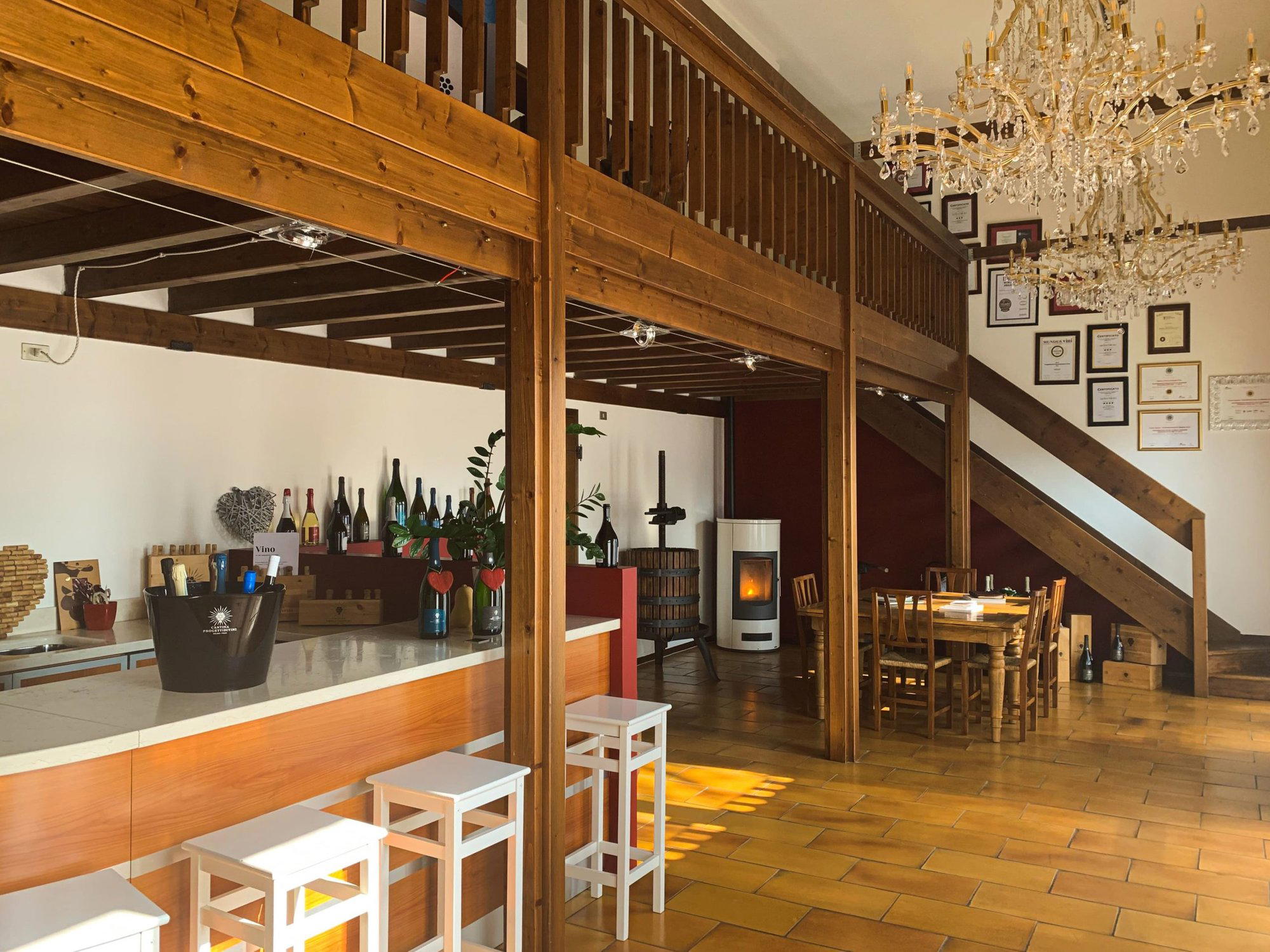
Agostinetto Bruno is worth booking if you want a quiet, family-run Prosecco Superiore tasting in Valdobbiadene rather than a polished visitor-centre experience. The draw is its DOCG focus, Cartizze connection, $$ price signal, and Falstaff Listed recognition for 2026; plan ahead, keep the group small, and treat it as a wine-first stop rather than a food-led outing.
Weingut Josef Schmelz
Joching, Austria
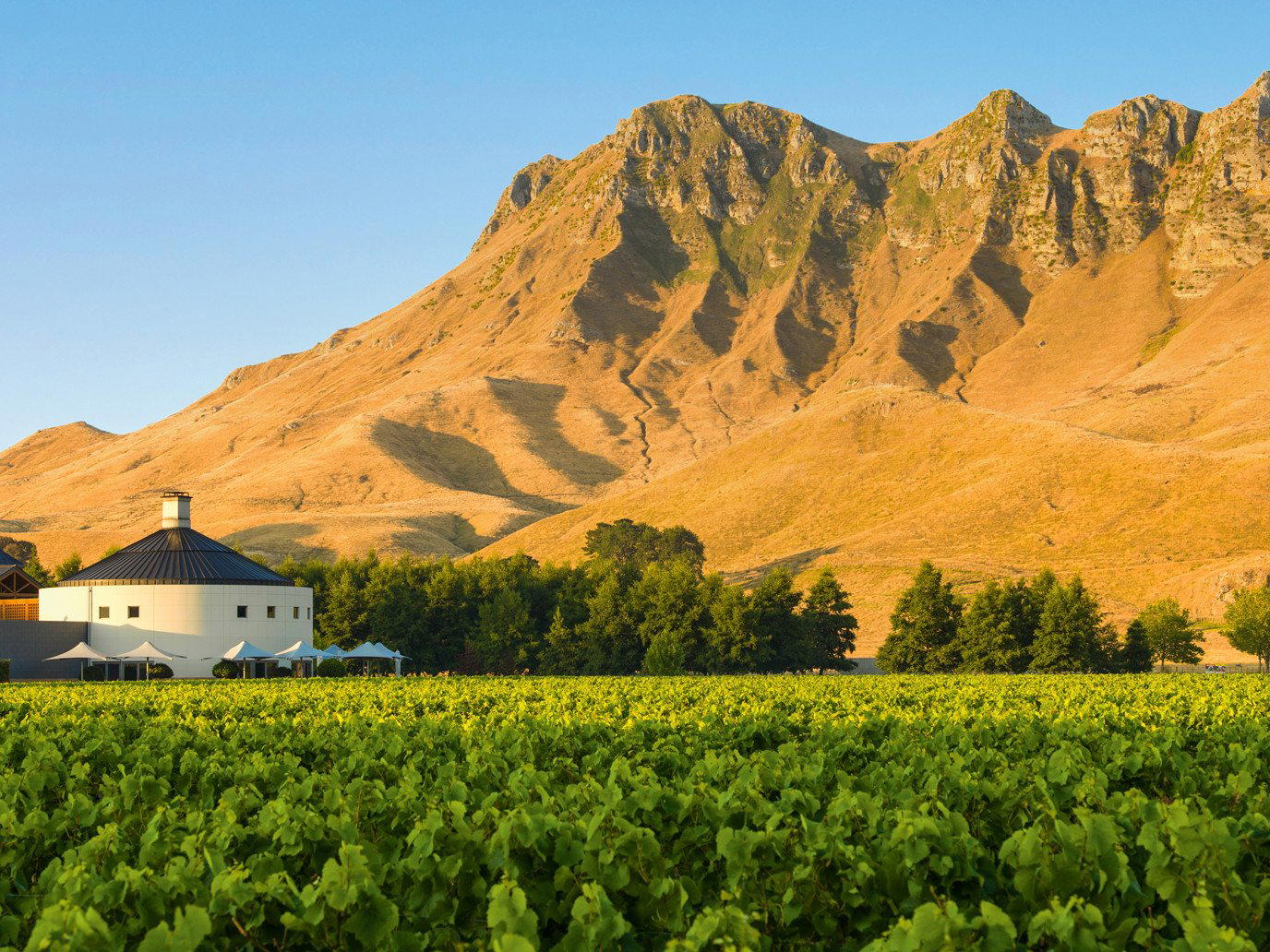
Prioritise Weingut Josef Schmelz if the trip is built around serious Wachau wine and Joching is already on the route. This is a focused producer visit, not a casual food-and-view stop, so plan ahead and compare it with nearby Joching peers if tasting depth matters more than convenience.
How many of these have you visited?
Find out on Pearl and keep score across every place in 2026 Falstaff Winery Guide.