
Monteverro
Capalbio
Winery in Capalbio, Italy
 Book with Pearl
The Read
Coastal Maremma Terroir Precision
Price
$50–100tasting
Why go
Monteverro is the Capalbio pick for serious wine travellers who want a focused Maremma tasting rather than a casual drop-in. It works better as the anchor of a planned wine day than as a flexible add-on, especially for groups comparing coastal Tuscany with the more established Montalcino circuit.
About Monteverro
Monteverro is a venue in Capalbio with a smart casual dress code and 2 Star Prestige recognition for 2025. Use those details to anchor any plan around it: the place is in Capalbio, the expected style of dress is smart casual, and the venue carries that 2025 Prestige designation. For service format, hours, pricing, menu details, booking requirements, group capacity, or specific on-site features, check directly before relying on them.
Use Monteverro as a concise planning note rather than a full operational guide. It is useful for placing Monteverro on a shortlist, but not for making assumptions about how a visit works once you arrive. If you need exact visit details, confirm them directly before arranging your Capalbio itinerary, particularly if timing, availability, dress expectations, or the structure of the experience matters to your plans.
Book it as a Capalbio reference point
Monteverro can be considered as part of a Capalbio plan, especially for travellers comparing it with other named venues and looking for a clearly identified reference in the area. The 2 Star Prestige (2025) designation is the clearest reason to keep it on the shortlist. In practical terms, that recognition gives the venue a defined editorial marker, while the smart casual dress code gives travellers a basic cue for how to present themselves if they decide to pursue a visit.
For planning, keep the location simple: Monteverro is in Capalbio. Street address, opening schedule, visit format, and on-site services should be checked directly. The venue can be used confidently as a Capalbio name to research further, but not as a basis for fine-grained logistics. Avoid building a day around presumed opening times, presumed availability, or presumed services unless those details have been checked directly. The safest reading is narrow but useful: Monteverro belongs in the Capalbio portion of an itinerary, and its Prestige recognition explains why it may deserve attention.
Who should choose Monteverro
Choose Monteverro if you are specifically interested in a Capalbio venue with 2 Star Prestige recognition and a smart casual dress code. It is best suited to travellers who are already narrowing options by place and recognition level, rather than those who need every practical detail at the first stage of planning. If your priority is certainty around the mechanics of a visit, use it as a starting point and check the practical details directly before committing.
Do not assume details about tastings, dining, group handling, or walk-in availability without checking directly. The same caution applies to pricing, booking requirements, and capacity. Monteverro may remain relevant to your plans, but the decision should be made with a clear distinction between its core appeal and the practical details that need direct confirmation.
Among comparison venues, Castello Banfi, L'Enoteca Banfi, Argiano, Il Poggione, and Poggio di Sotto are useful names to consider for a broader itinerary. They can help frame Monteverro within a wider set of named options, especially if you are mapping several possibilities before deciding what to contact or prioritize. Monteverro remains the Capalbio reference point in this set: a recognized venue in Capalbio with a smart casual dress code.
Planning details
- Location
- Strada Aurelia Capalbio, 11, 58011 Capalbio GR
- Website
- monteverro.com/it
- Phone
- +39 0564 890937
The take
The Take
The Vibe
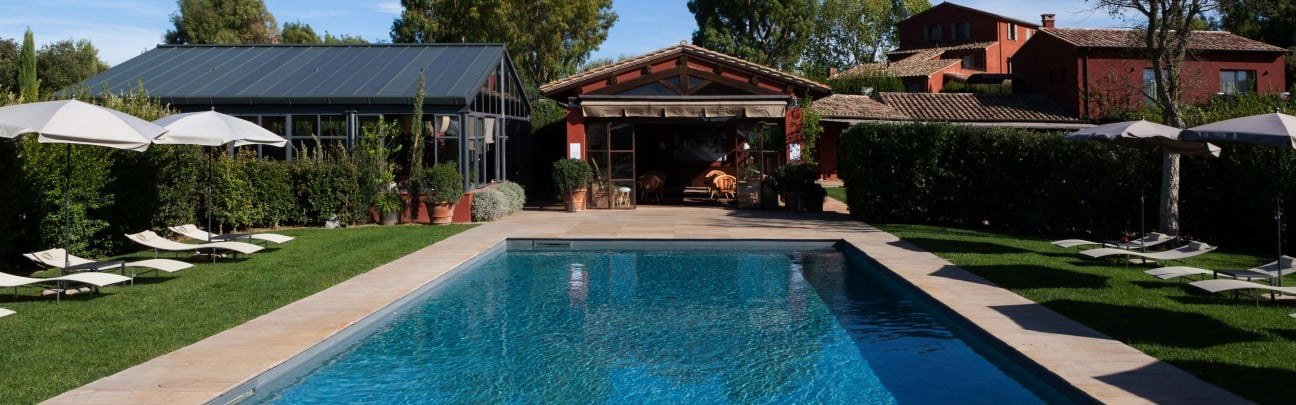
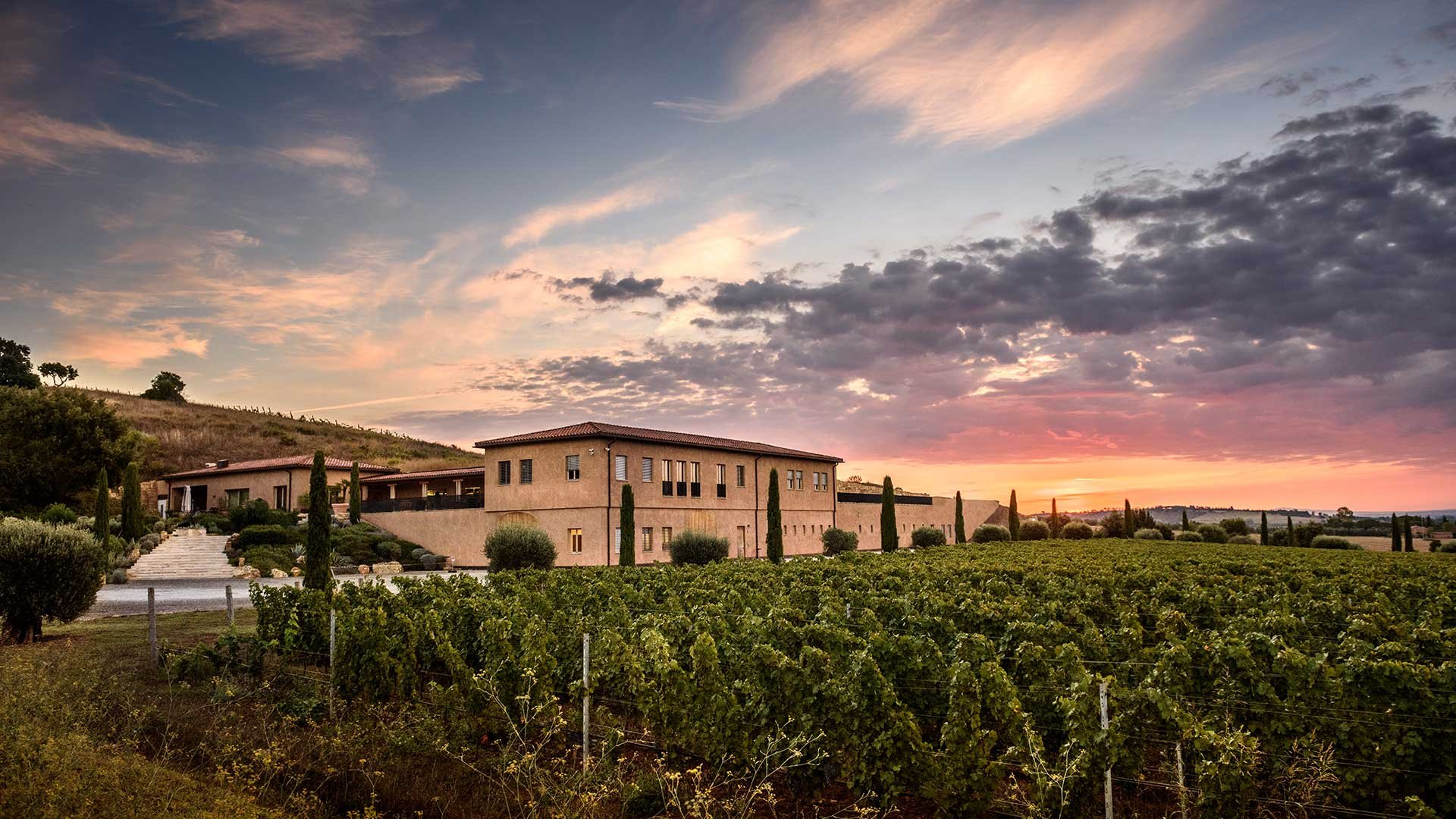
Monteverro reads as an earnest, terroir-first estate tucked into the southern Maremma. The approach across maritime scrubland, umbrella pines and shifting volcanic soils sets a contemplative tone: this is a place where geology and microclimate do most of the talking. The writing implies restrained luxury rather than spectacle—an understated, serious winery that rewards focused attention rather than casual passing trade. Expect a landscape-driven experience and a cellar-door atmosphere geared toward tasting and understanding place rather than loud hospitality theatrics.
Best For
Monteverro suits visitors who come for the wine rather than the bells and whistles: serious tasters, students of terroir and couples seeking a quiet, romantic escape in a less-charted corner of Tuscany. It also works well for small groups or special-occasion visits where the point is to explore soil, parcel differences and maritime influence on the wines. Travelers who appreciate landscape and geology alongside tasting notes will get the most from a visit to this estate.
Tasting Tips
Plan to experience the estate through tasting and conversation: the description centres on soil types, parcels and maritime influence, so ask the staff to guide you through wines that illustrate those themes. Treat the cellar door as the primary point of contact—book ahead if possible—and request explanations of individual parcels and the role of volcanic and clay-limestone soils. Allow extra time to walk the grounds if that option is available; the setting and geology are integral to understanding what you taste.
Venue details
Ambiance
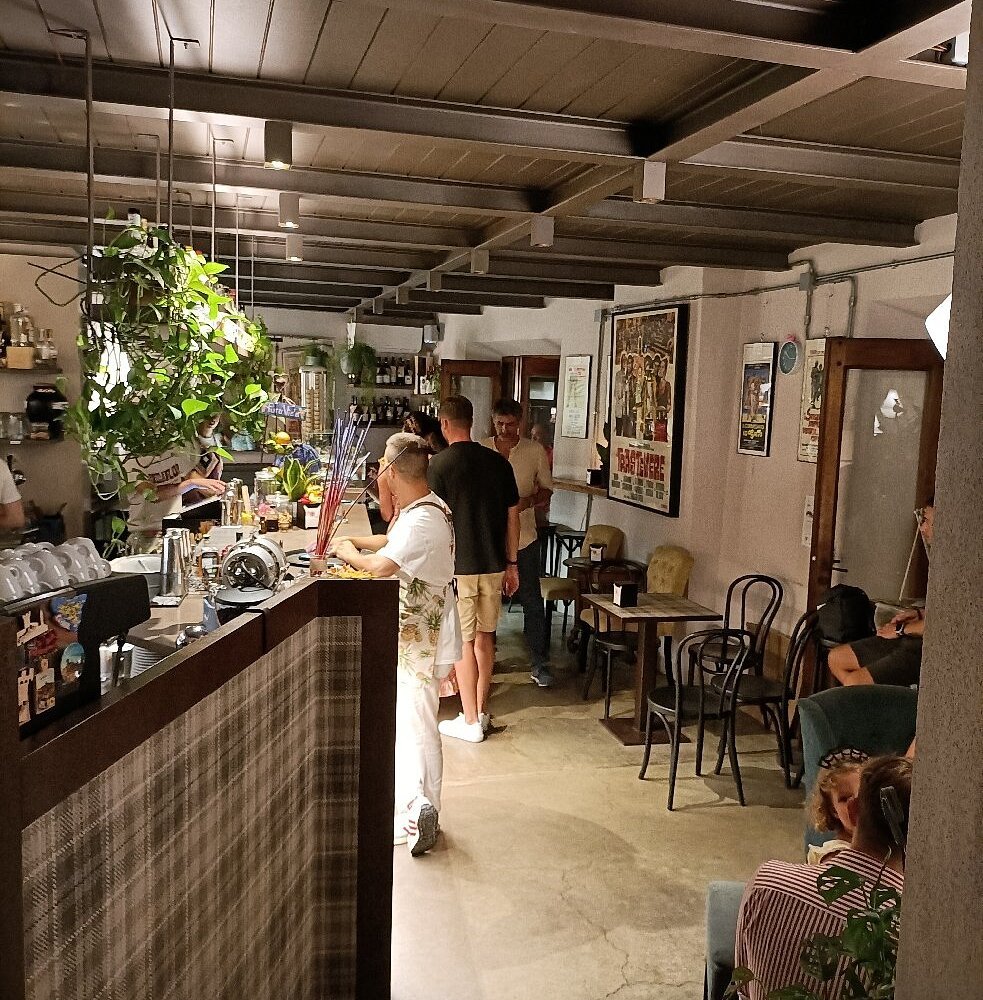
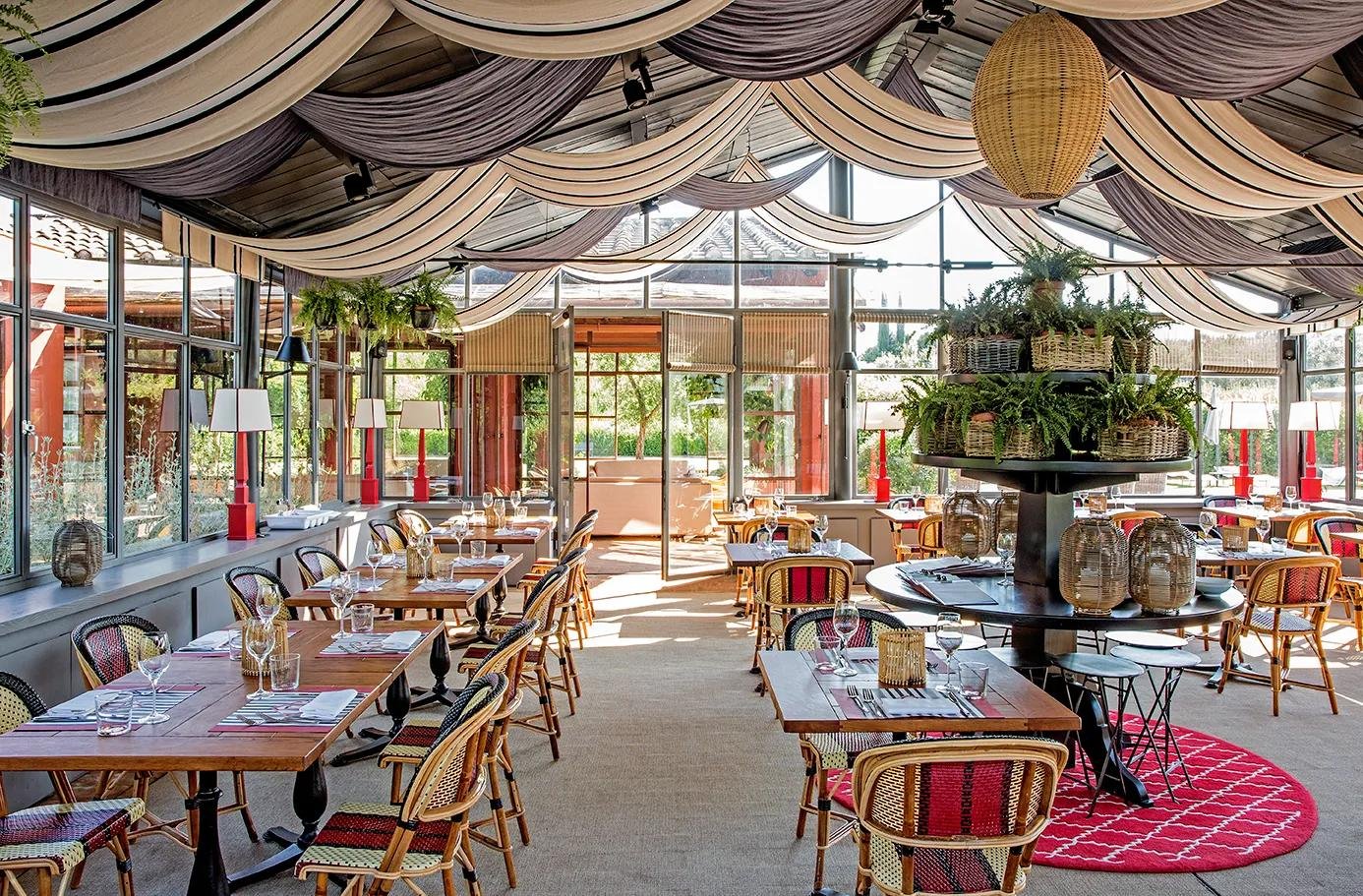
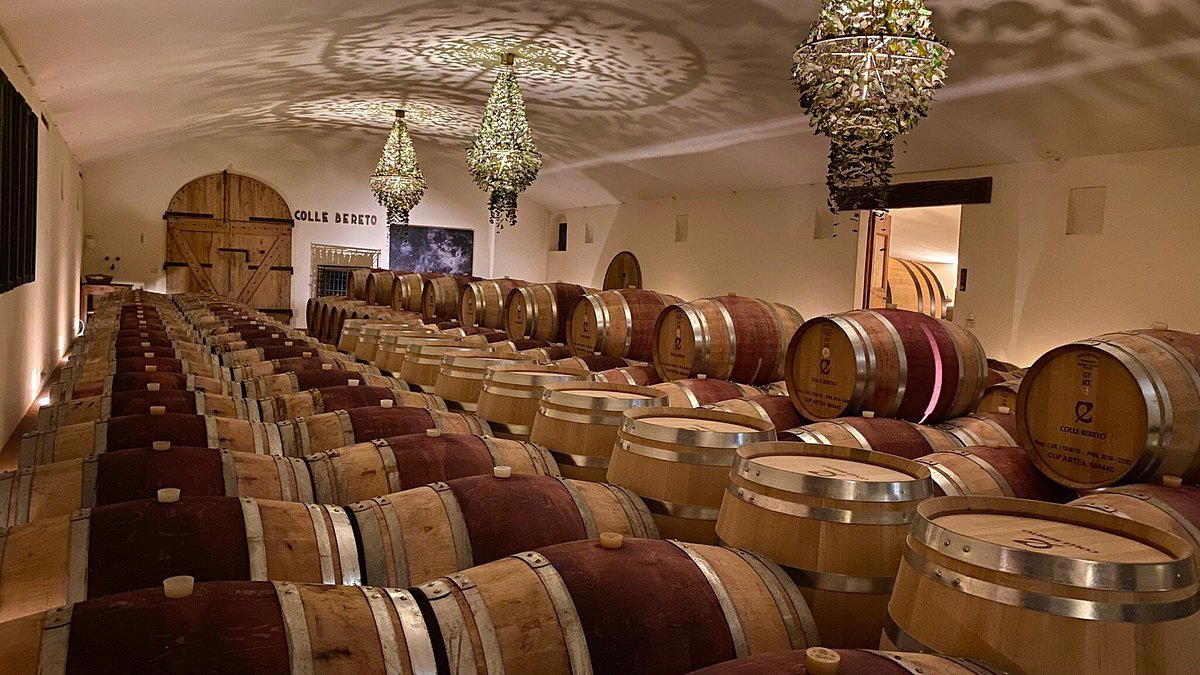
Bright, contemporary facility with warm hospitality; guests describe the experience as peaceful and immersive, with knowledgeable guides creating an educational yet relaxed atmosphere amid natural surroundings.
Tags
Vibe
Best For
Experience
Sourcing
View
At the Vineyard
- Appellation
- IGT Toscana Rosso
- Varietals
- Cabernet Sauvignon, Cabernet Franc, Merlot, Petit Verdot, Syrah
- Tour Duration
- 1-2 hours
- Tour Languages
- English, Italian
- Visits
- By appointment only
- Farming
- Organic
- Wine Styles
- Still Red, Still White
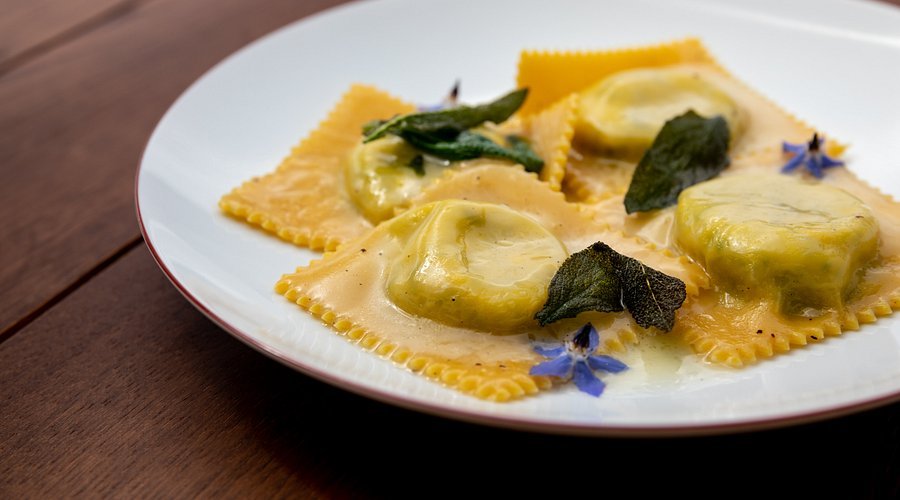
- Food Pairing
- Offered
- Shipping
- Available
- Wine Club
- Not available
Know before you go
Know Before You Go
- Getting there
- Strada Aurelia Capalbio, 11, 58011 Capalbio GR
Planning details
Location
Recognition and awards

Also consider
Also Consider
- Castello Banfi, Notable alternative
- L'Enoteca Banfi, Notable alternative
- Argiano, Notable alternative
- Il Poggione, Notable alternative
- Poggio di Sotto, Notable alternative
Winery context
How Monteverro compares in southern Tuscany
Monteverro is the stronger choice for travellers staying in or around Capalbio who want a focused Maremma wine experience without turning the day into a long inland tasting route. Castello Banfi and L'Enoteca Banfi are better for visitors who want a broader hospitality setup and a more flexible wine-and-food day, while Monteverro is better when the priority is a quieter, wine-led appointment.
If the trip is built around Brunello, Argiano, Il Poggione, and Poggio di Sotto are the more natural cross-shops. They make sense for travellers already committing to the Montalcino area. Monteverro is the better value in time and logistics when the base is Capalbio or the coast, because the experience stays tied to the local itinerary instead of demanding a separate wine-region day.
For ambiance, choose Monteverro for a calmer, more deliberate visit. Choose Castello Banfi or L'Enoteca Banfi for easier group planning and a fuller visitor infrastructure. Choose Argiano, Il Poggione, or Poggio di Sotto when the goal is to compare classic Montalcino producers rather than understand Capalbio's wine scene.
Around this place
Discover more on Pearl
Unlock the full Monteverro guide in Pearl, including awards, comparisons, FAQs, planning details, and nearby places.
Compare Monteverro
| Venue | Location | Awards |
|---|---|---|
| Monteverro | Capalbio | 2026 Falstaff Winery Guide |
| Castello Banfi | Montalcino | 2025 World's 50 Best Vineyards · #612025 Relais Chateaux Award2024 World's 50 Best Vineyards · #22 |
| L'Enoteca Banfi | Montalcino | 2025 Pearl 3 Star Prestige |
| Argiano | Montalcino | 2026 Falstaff Winery Guide2025 Pearl 4 Star Prestige |
| Il Poggione | Montalcino | 2026 Falstaff Winery Guide |
| Poggio di Sotto | Montalcino | 2025 Pearl 4 Star Prestige |



How Monteverro Capalbio compares with similar nearby venues.
FAQ
Frequently Asked Questions
What should I know about Monteverro?
Monteverro is in Capalbio, has a smart casual dress code, and carries 2 Star Prestige recognition for 2025.
What other venues can I compare with Monteverro?
The useful comparison names for a wider plan are Castello Banfi, L'Enoteca Banfi, Argiano, Il Poggione, and Poggio di Sotto. Monteverro is the Capalbio venue in this set.
Do I need a reservation at Monteverro?
What is Monteverro's signature offering?
Check directly for any signature offering. Monteverro is best anchored by its Capalbio location, smart casual dress code, and 2 Star Prestige (2025) recognition.
Can Monteverro handle large groups?
When is the best time to visit Monteverro?
Check current hours, seasons, and ideal timing directly. Use the Capalbio location and 2 Star Prestige (2025) recognition as planning context.
How long should I plan for a visit to Monteverro?
Confirm visit length and format directly. If you are comparing it with Argiano, Castello Banfi, L'Enoteca Banfi, Il Poggione, or Poggio di Sotto, check current arrangements before setting an itinerary.