

2026 Falstaff Winery Guide: The Ultimate Wine Authority — Page 133
Falstaff's 2026 Wineries guide.

Venues on this list
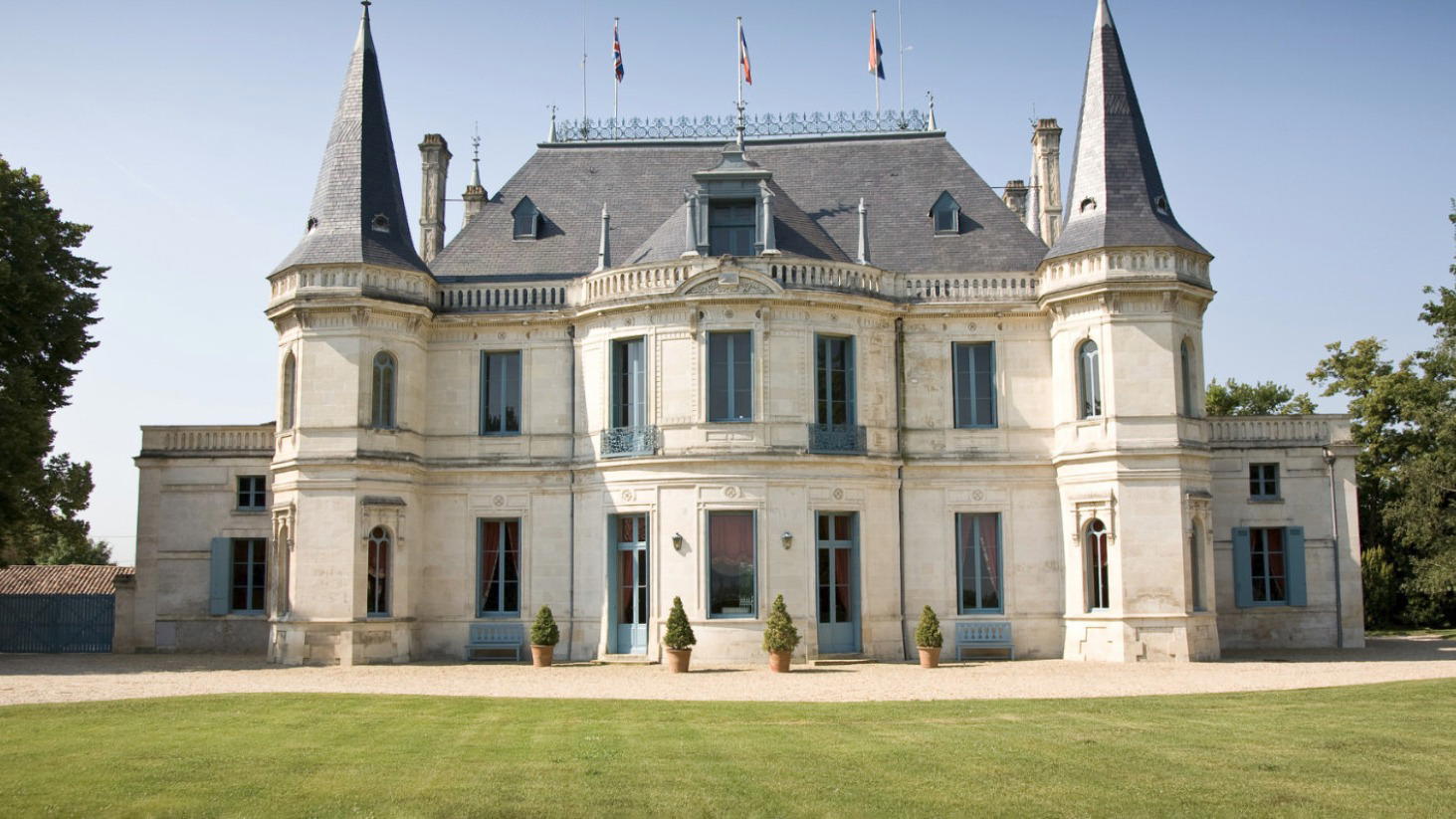
Château Palmer
Margaux, France
Pursue Château Palmer if Margaux is the focus and the estate setting matters to the trip. It is a high-friction choice, better for serious Bordeaux travelers than casual tasting groups. If availability is the priority, cross-shop Château Marquis-de-Terme or Chateau Malescot St. Exupery instead.
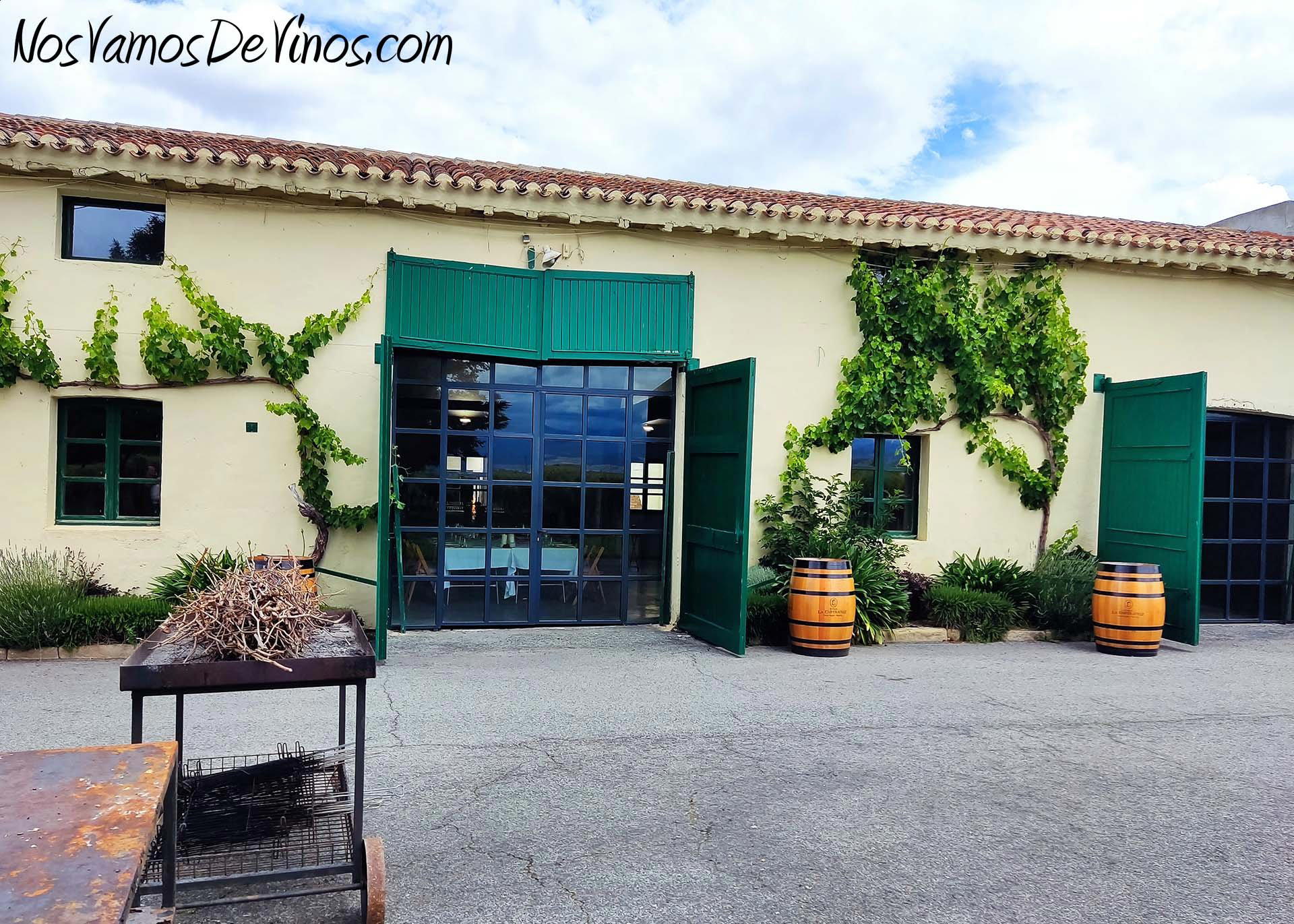
Bodegas Más que Vinos
Toledo, Spain
Book Bodegas Más que Vinos if you want a focused Toledo winery stop with a credible 2026 Falstaff listing behind it. It suits travelers building a slower wine day around context and conversation more than those looking for a large hospitality setup or a quick drop-in between sightseeing plans.
Domaine Mas Saint Louis
Châteauneuf-du-Pape, France
Domaine Mas Saint Louis is worth prioritizing for structured, fresher-edged Châteauneuf-du-Pape rather than a big hospitality production. The Tradition is the practical bottle to understand first, while Grande Réserve makes more sense for cellar-minded gifting or milestone dinners. Walk-in friendly access helps, but the strongest reason to care is the century-long family stewardship and Sorgues vineyard focus.
Karl Haller
Oberrieden, Switzerland
Karl Haller is worth shortlisting if the appeal is a small Oberrieden producer with a winegrowing-and-beekeeping identity, not a polished winery visit. The Falstaff 2026 listing adds credibility, but confirmed visitor details are sparse, so treat it as an exploratory local stop rather than the anchor of a wine itinerary.
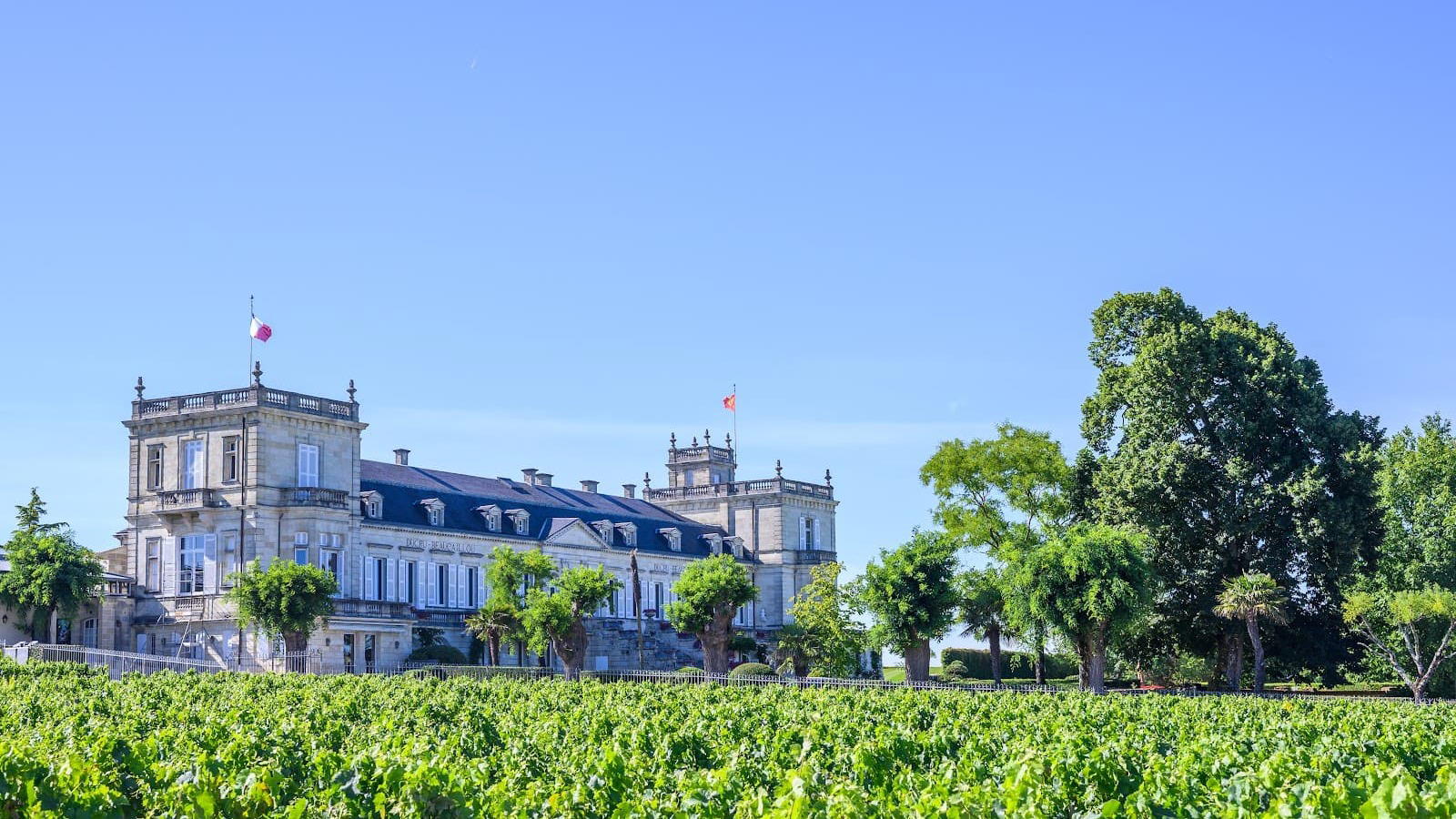
Château Ducru-Beaucaillou
Pauillac, France
Book Château Ducru-Beaucaillou if you want a serious Saint-Julien reference point rather than a casual tasting stop. The $$$$ positioning, appointment-only format, 1855 Second Growth status and Falstaff 4 Stars (2026) make it strongest for collectors, repeat Bordeaux visitors and Cabernet-focused Left Bank drinkers.
Inverso Vini
Ortona, Italy
Inverso Vini works if you want a $$, appointment-only Abruzzo winery visit focused on still wine production rather than hospitality polish. It suits wine travelers who are already in Ortona and want a newer producer in a rural, working-winery context; it is less useful if you need a confirmed food-pairing format or a full tasting-room afternoon.
Domaine des Graves
Athenaz Avusy, Switzerland
Domaine des Graves is a practical shortlist pick for a first winery stop in Athenaz Avusy, especially if the day is already focused on Geneva canton’s countryside. The 2026 Falstaff listing adds credibility, but confirm tasting access, food availability, and any wine-club terms before building a trip around it.
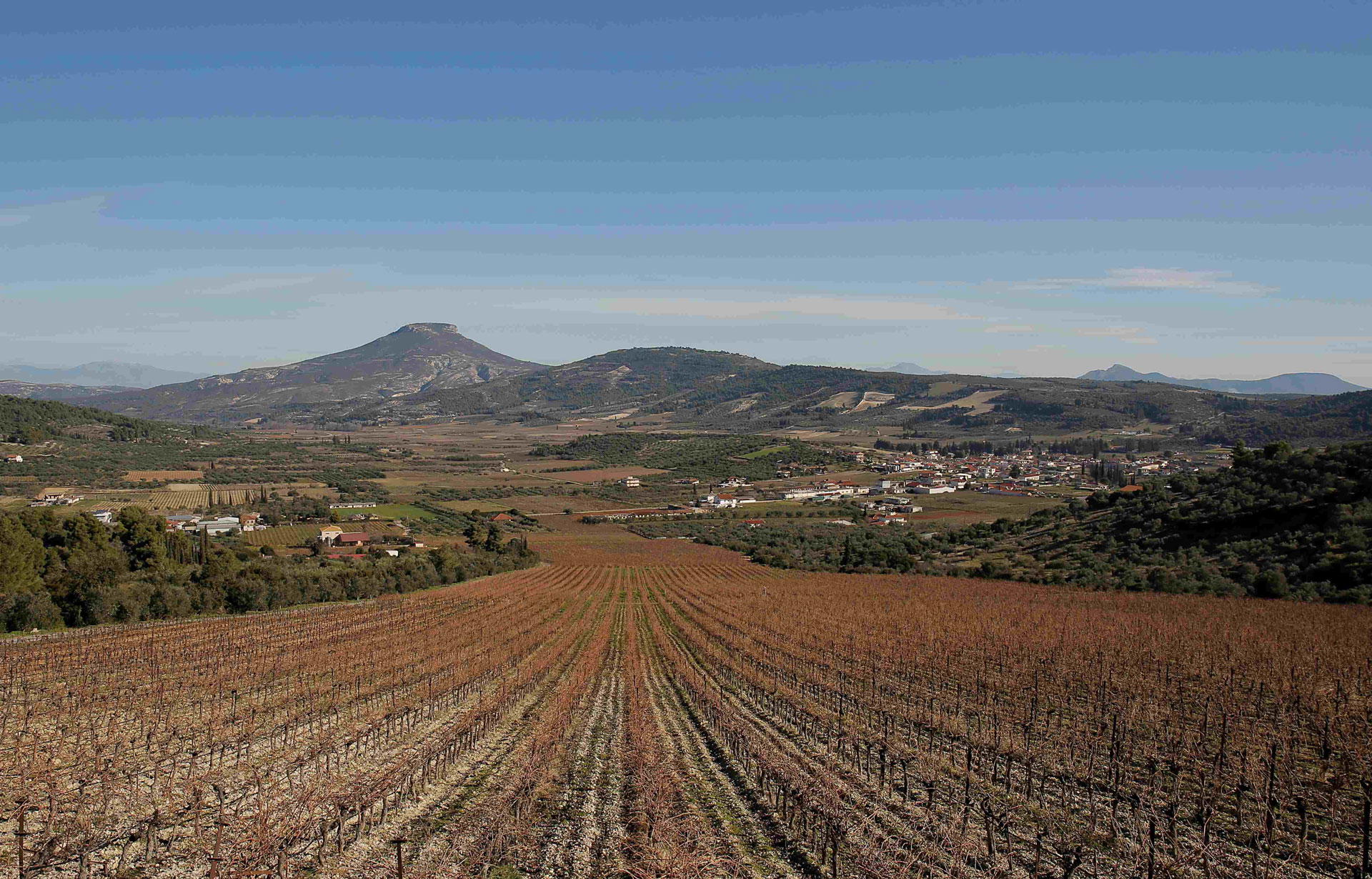
Palivou Estate
Nemea, Greece
Palivou Estate is worth prioritizing if the goal is a serious Nemea winery visit built around regional context rather than a casual drop-in. Its Pearl 2 Star Prestige recognition makes it a strong anchor for a day of tastings, especially when paired with nearby Nemea peers such as Papaioannou Vineyards, Barafakas Winery, or Acra Winery.
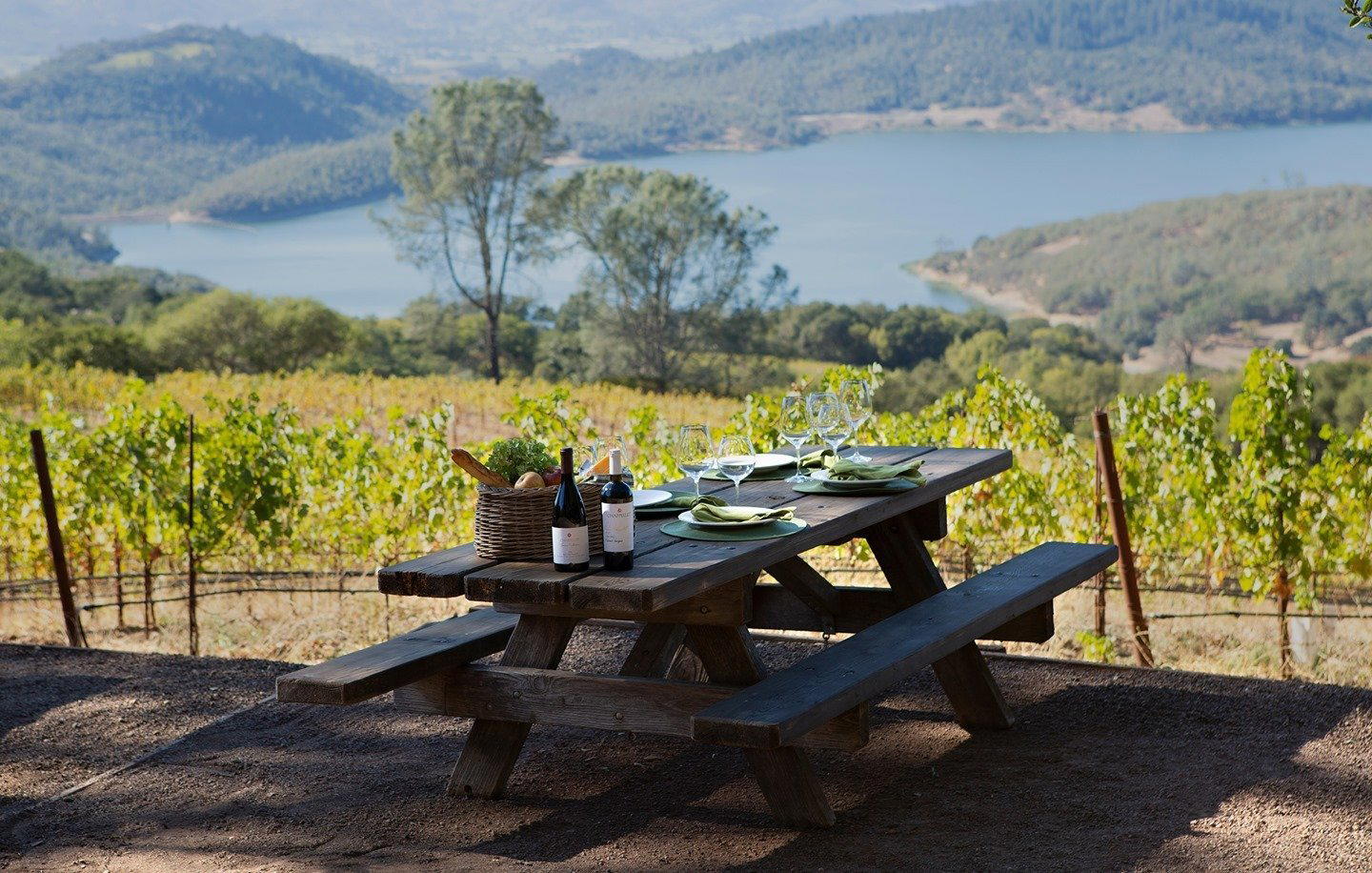
Chappellet Winery
St. Helena, United States
Chappellet Winery is a strong St. Helena choice for serious Napa collectors deciding whether an allocation or club relationship is worth pursuing. It is better for a focused, appointment-led wine day than for visitors trying to sample as many wineries as possible.
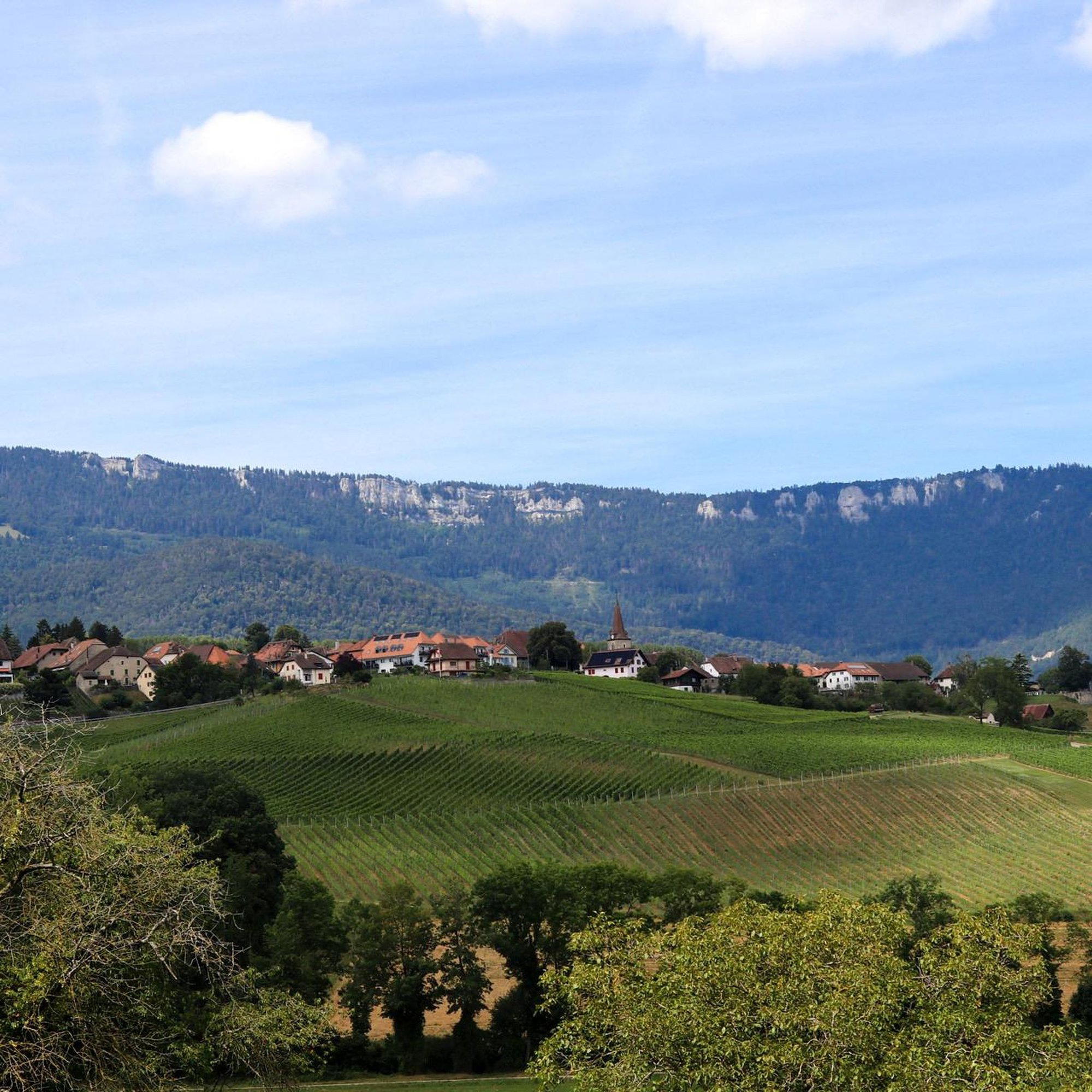
Château de Valeyres
Valeyres Sous Rances, Switzerland
Château de Valeyres is worth shortlisting if the goal is a quieter Vaud wine-country stop rather than a fully specified tasting experience. With no published pricing, food format, or named flagship wine supplied here, it is better for flexible visitors than for groups who need confirmed logistics before planning a celebration.
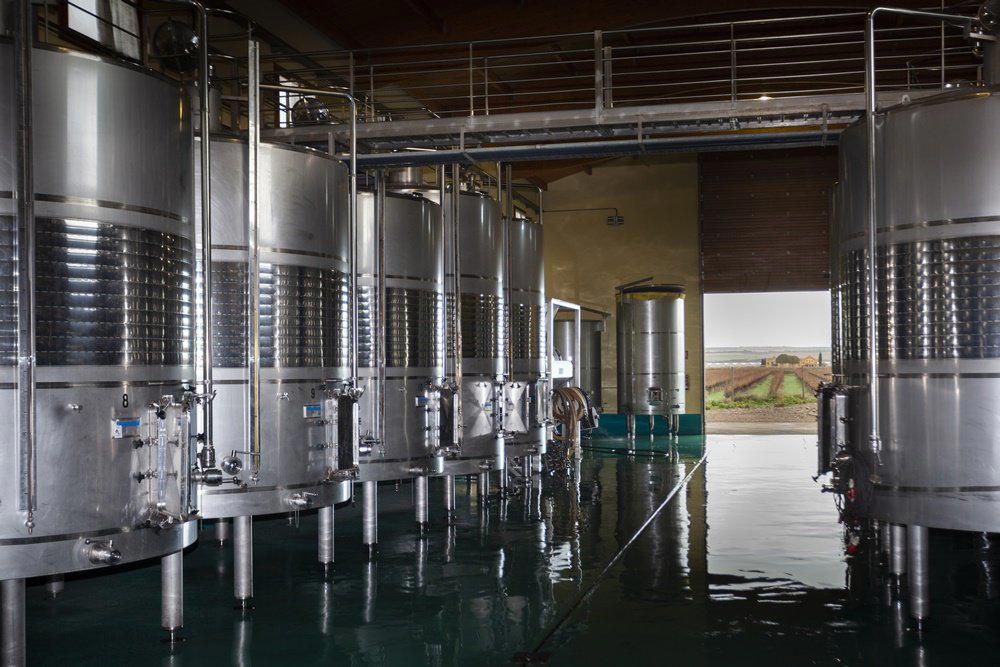
Bodegas Navarrostillo
Calahorra, Spain
Bodegas Navarrsotillo is a strong pick for visitors who want organic, family-run Rioja with a quieter Calahorra setting and a restrained-oak style. At $$ and with Falstaff 3 Stars in 2026, it reads as a value-minded winery choice for serious tasting rather than a lavish hospitality stop.
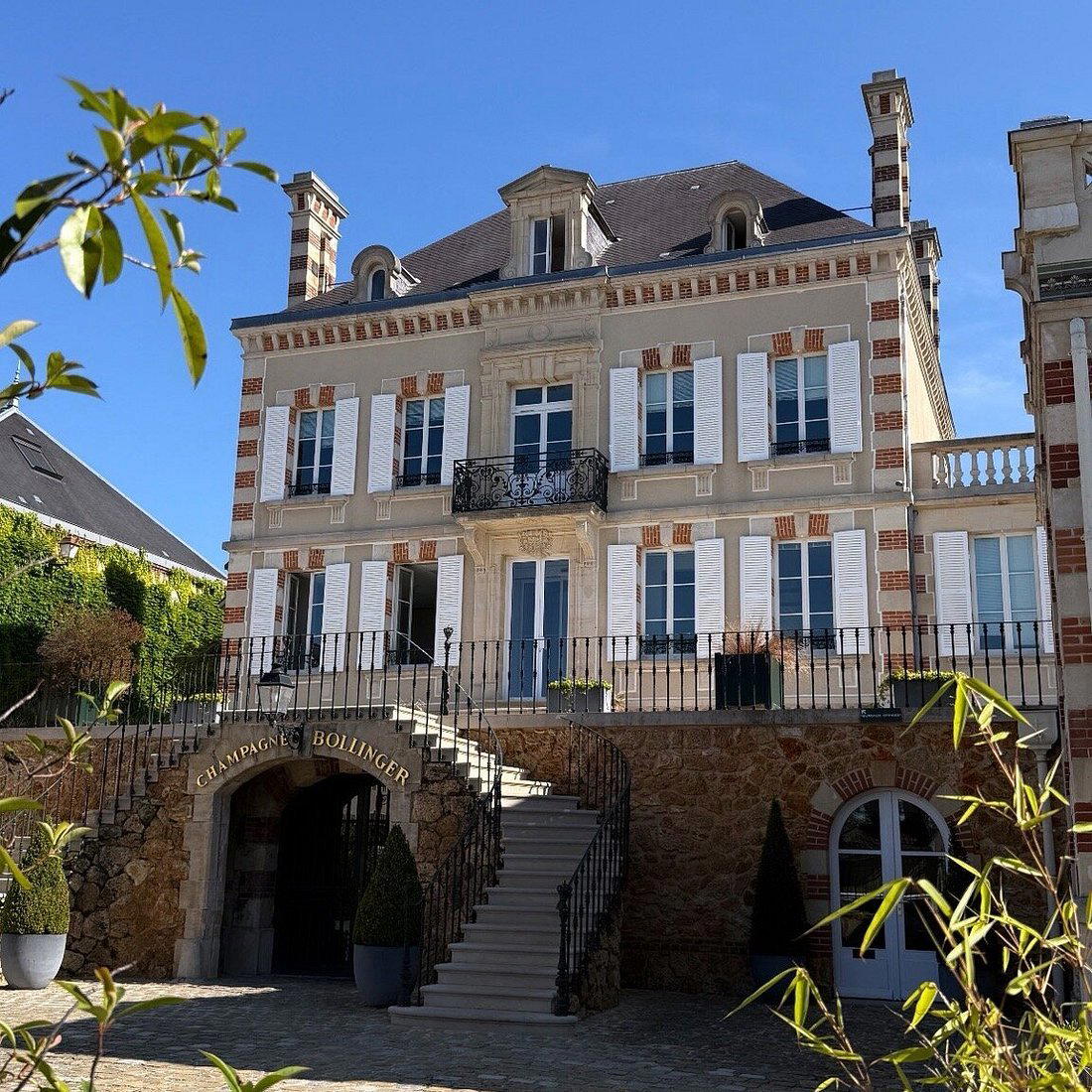
Champagne Boll & Cie
Reims, France
Book Champagne Boll & Cie if the occasion calls for a polished Reims tasting built around Blanc de Blancs rather than a broad Champagne survey. The premium positioning is easiest to justify for Chardonnay-focused drinkers, collectors, and special-occasion visits, with Falstaff Listed recognition in 2026 adding a useful trust signal.
Criolin
Castagnole Delle Lanze, Italy
Criolin is a sensible add-on for a Castagnole delle Lanze wine day, especially for travelers who like smaller local producers and flexible planning. The 2026 Falstaff listing gives it a useful credibility signal, but do not build a private tasting plan around it without confirming details first.
Weingut Battenfeld-Spanier
Hohen-Sülzen, Germany
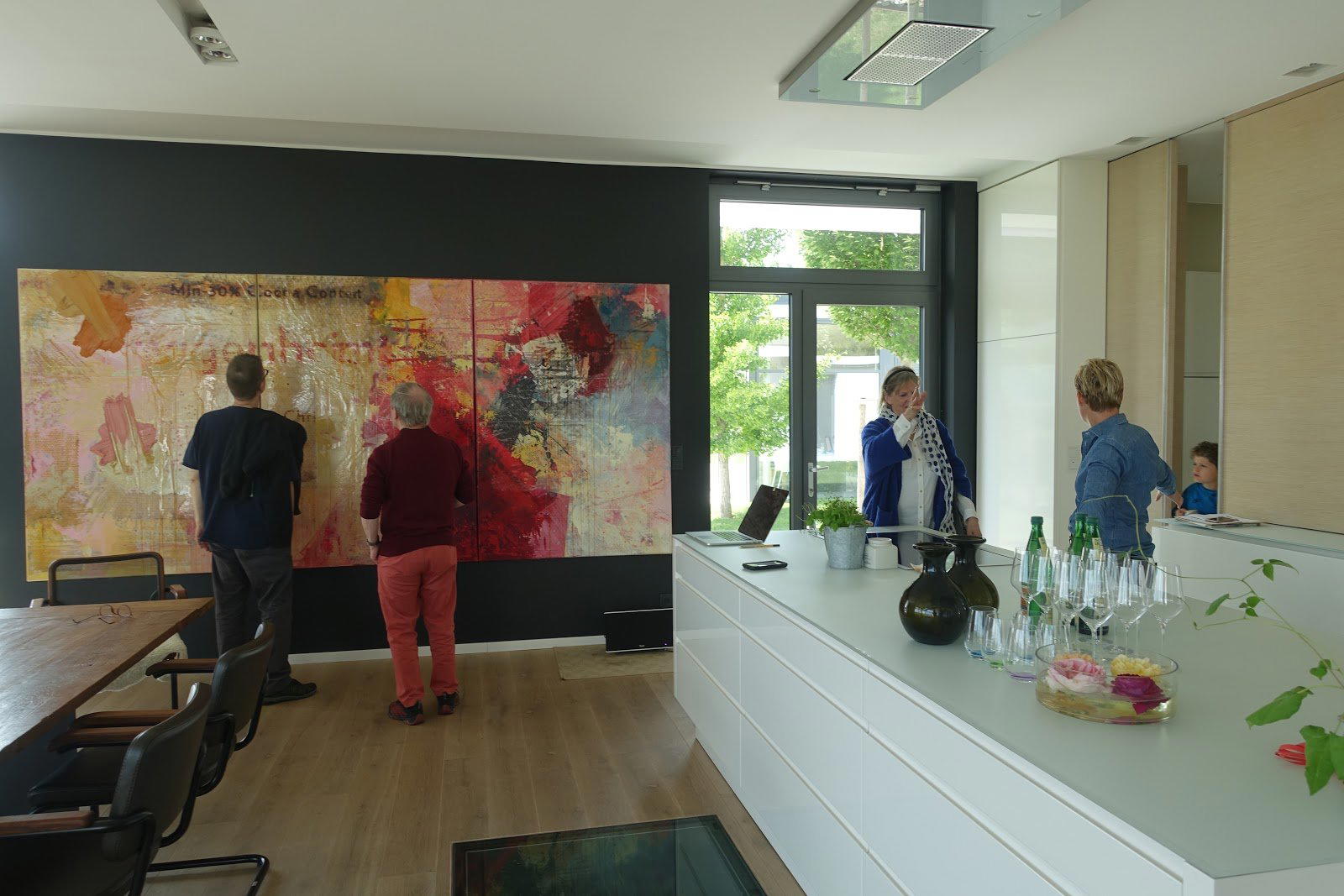
Prioritise Weingut Battenfeld-Spanier if the goal is serious producer access in Hohen-Sülzen, especially for buyers weighing future allocation value. It is less suited to casual drop-in tasting plans, so build the day with flexible nearby dining, lodging, and transport rather than relying on a long visitor format.
Cricova
Republic Of Moldova, Moldova
Cricova is worth booking if the goal is Moldova’s underground wine heritage rather than a simple tasting-room stop. The draw is the cellar city: limestone tunnels, guided access, sparkling-wine production context and a heritage setting that gives the visit more substance than a standard flight.
Franco Terpin
San Floriano Del Collio, Italy
Franco Terpin is worth prioritizing if the trip is about Collio natural wine, skin-contact whites, and a rural producer setting rather than polished tasting-room hospitality. It is an appointment-led, higher-commitment stop for drinkers who want farming context, ponka soils, and borderland character to matter as much as the glass.
Carini
Perugia, Italy
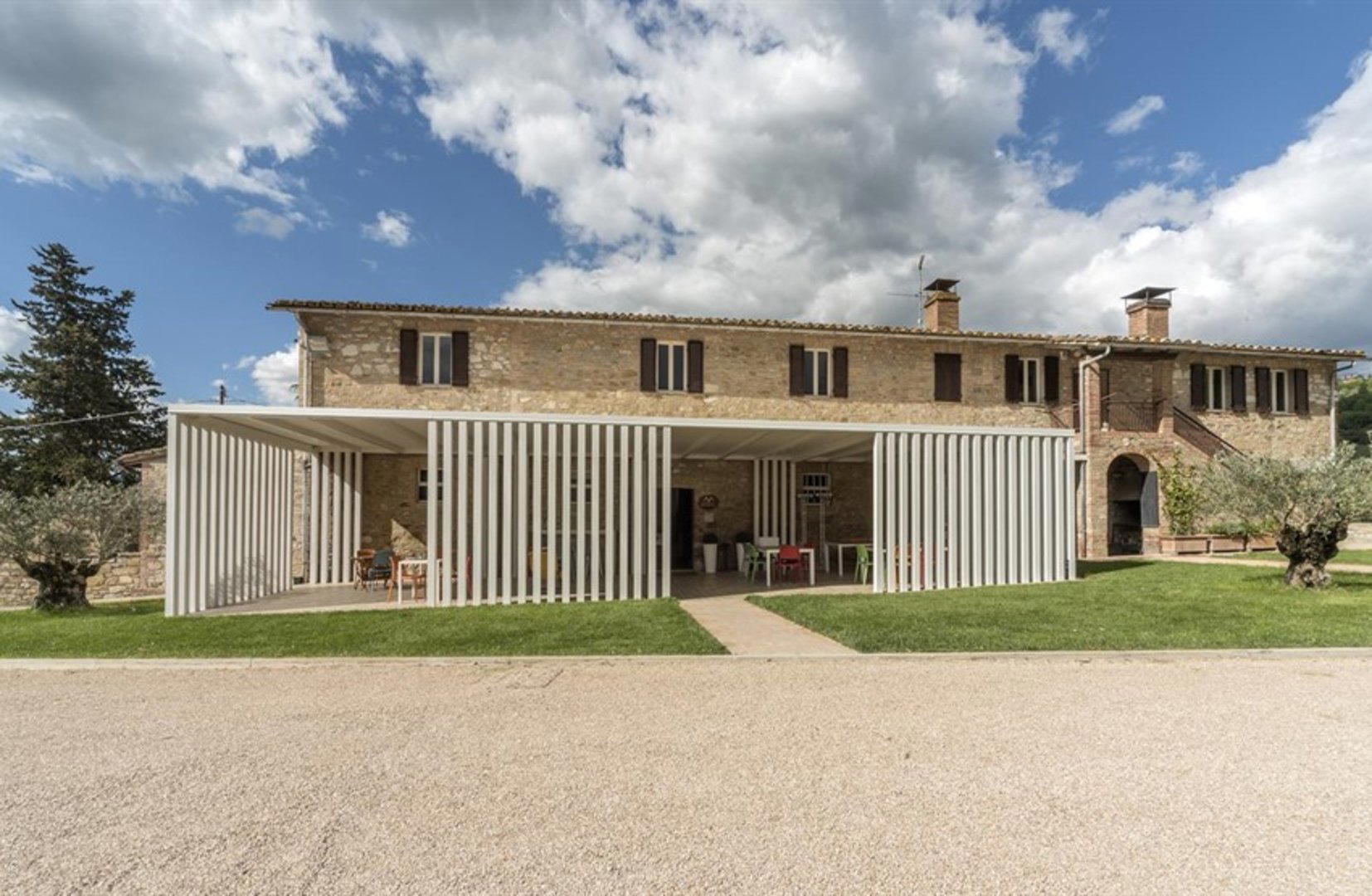
Carini is worth booking if the priority is a calm Umbrian farm-estate tasting with wine, olive oil, and local food context rather than a formal cellar-only visit. The strongest fit is for travelers who want Colli del Trasimeno regional depth, organic farming credentials, and an easygoing rural setting near Perugia.
Davies Vineyards
Calistoga, United States
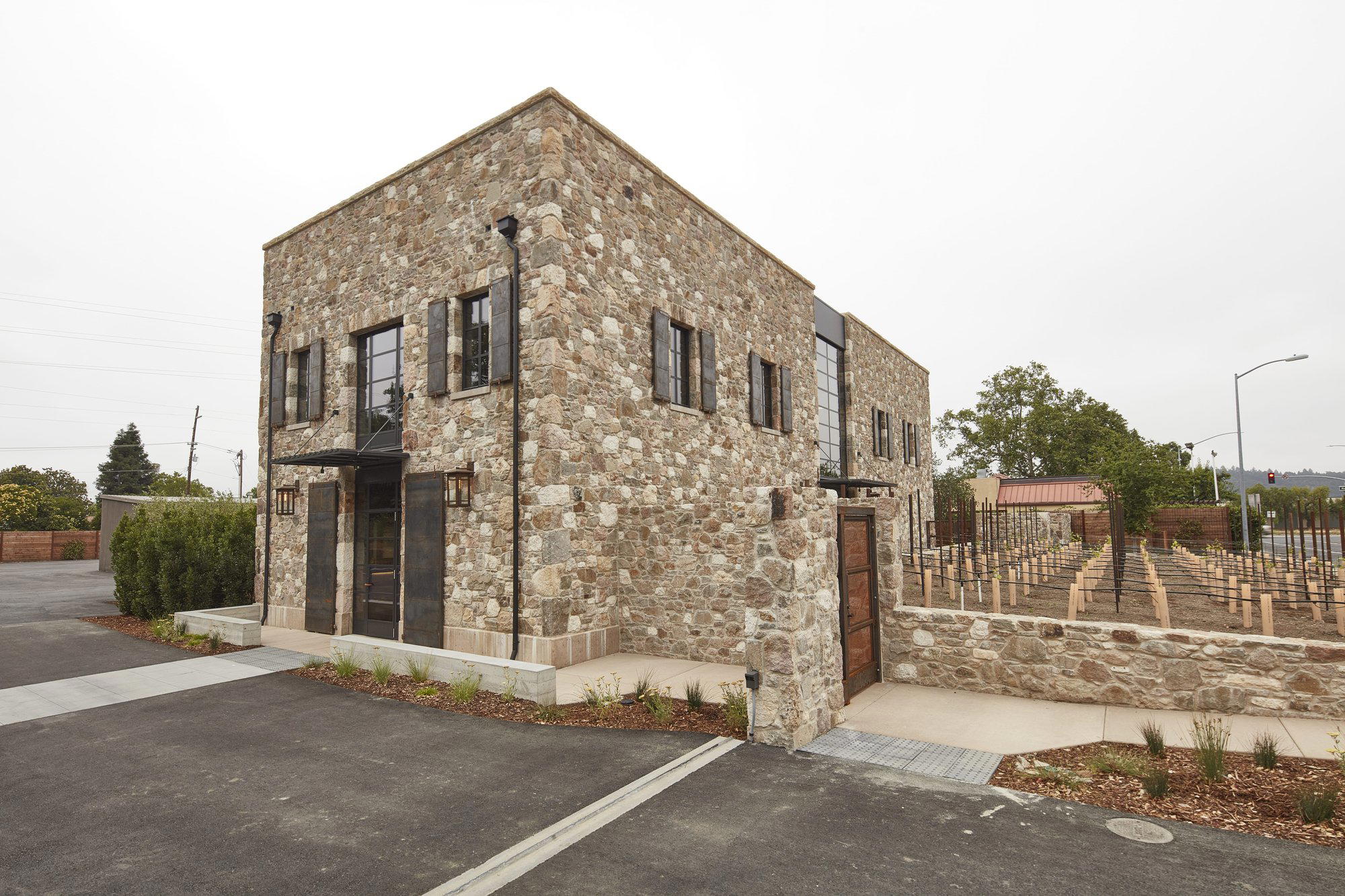
Davies Vineyards is worth targeting for a serious, appointment-led Napa tasting, especially for couples, collectors, or a special-occasion stop near Calistoga and St. Helena. It is less useful for large groups or visitors who need food, flexible timing, or a casual drop-in plan.
Weingut Setzer
Hohenwarth, Austria
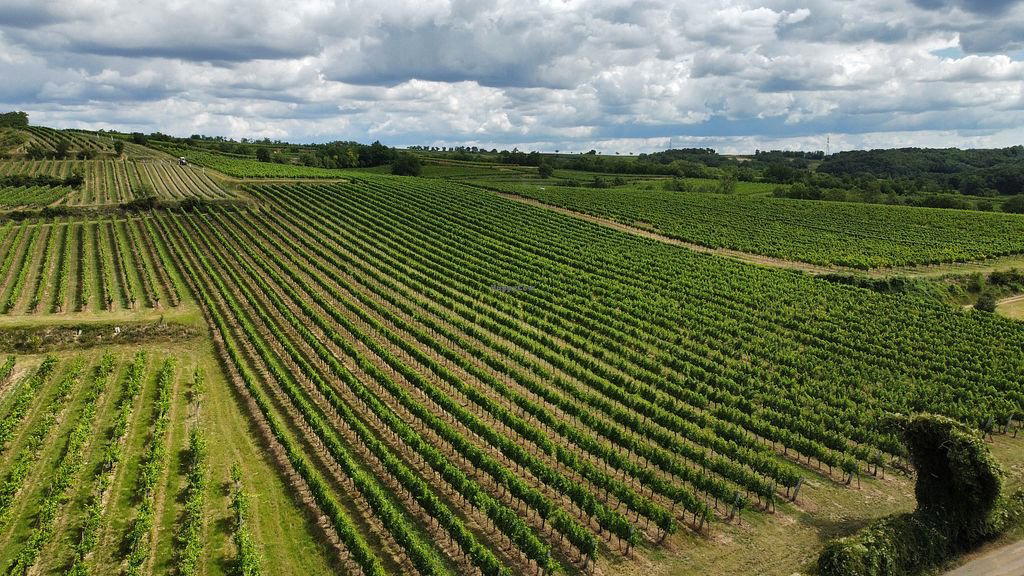
Book Weingut Setzer only if it is a planned anchor for a Hohenwarth wine day, not a casual fallback. Availability is marked near impossible, and public visitor details are thin, so it suits travelers who can plan ahead and keep backup winery options nearby.
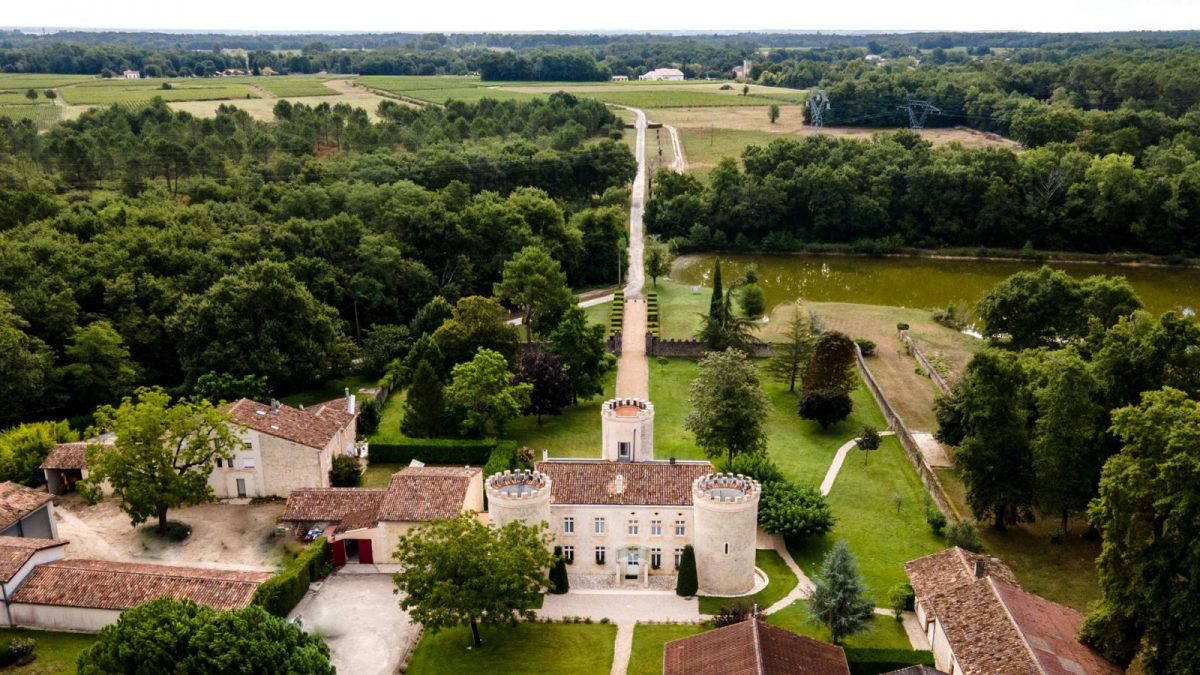
Château Fontesteau
Saint Sauveur, France
Choose Château Fontesteau if you want a quieter Haut-Médoc château visit with organic farming, medieval estate character, and a stronger sense of place than a standard tasting-room stop. It is better for couples and small groups who care about vineyard context, biodiversity, and Bordeaux structure than for travellers trying to rush through several appointments.
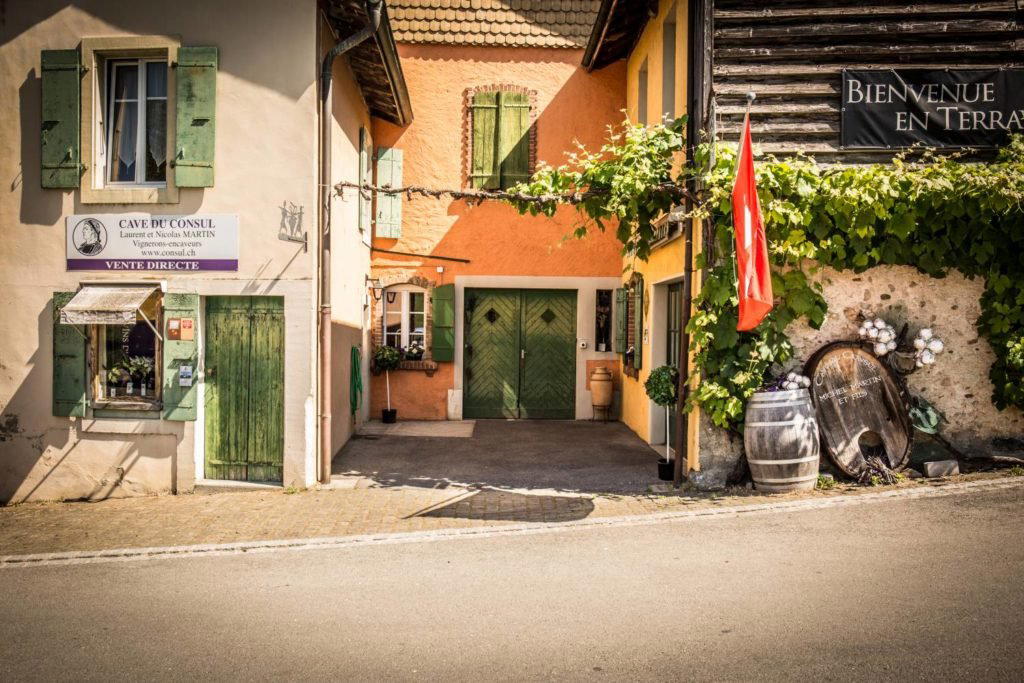
Cave de Lilas
Rolle, Switzerland
Should you plan around Cave de Lilas? Yes, if the goal is a focused Rolle stop for Vaud Chasselas rather than a full hospitality-led winery day. Its Falstaff Listed 2026 recognition gives it a useful quality signal, but the visit works better as part of a clustered Mont-sur-Rolle itinerary than as the only stop.
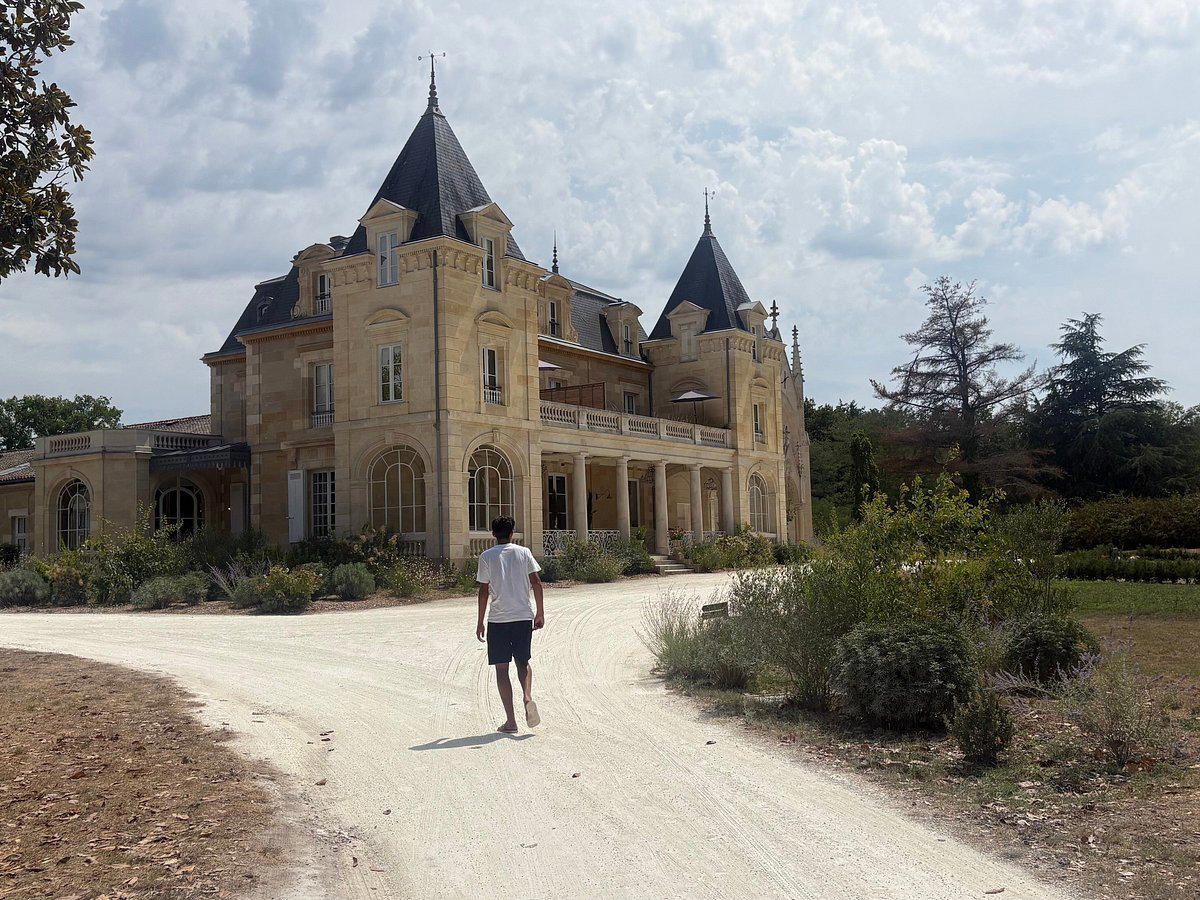
Château de Fieuzal
Léognan, France
A strong pick for wine travelers who want Graves production detail, not a casual drop-in tasting. The draw is the classified Pessac-Léognan context, red and white grand vin range, sustainable vineyard work, and a modern winery setup that makes the visit feel more technical than decorative.
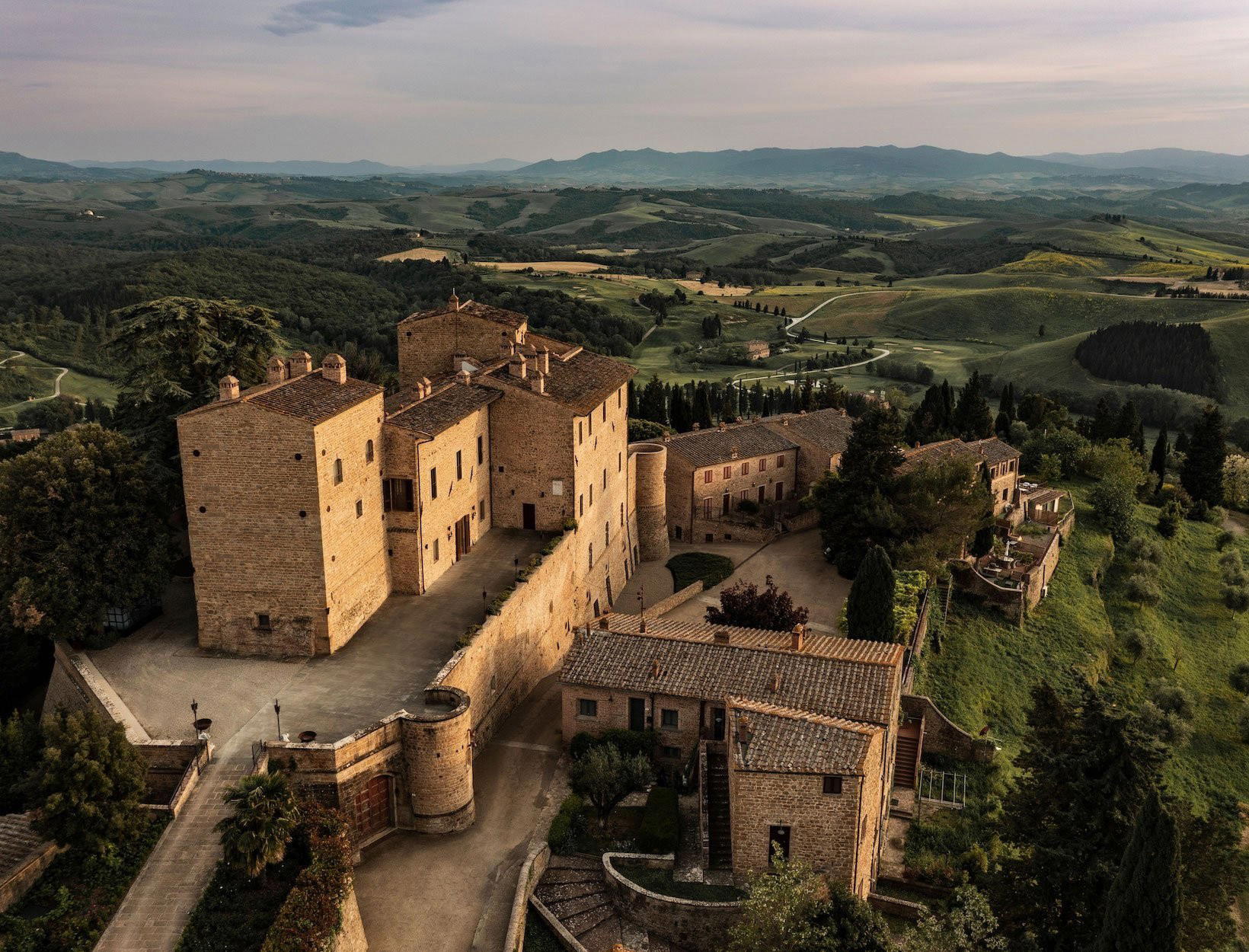
Castelfalfi
Montaione, Italy
Book Castelfalfi for a special-occasion Tuscan estate day, not a quick tasting stop. Its strongest case is the combination of organic wine, olive oil, medieval borgo atmosphere, and resort-level pacing, which suits couples and small celebration groups who want the visit to anchor the day.
Judith und Werner Pölz
Unterretzbach, Austria
Book Judith und Werner Pölz if you want a focused Weinviertel white-wine stop with clear regional context near the South Moravian border. The draw is fresh, fruit-driven Grüner Veltliner and sustainable vineyard management, not a large hospitality production. Best for curious wine travelers who prefer direct, rural cellar-door experiences.
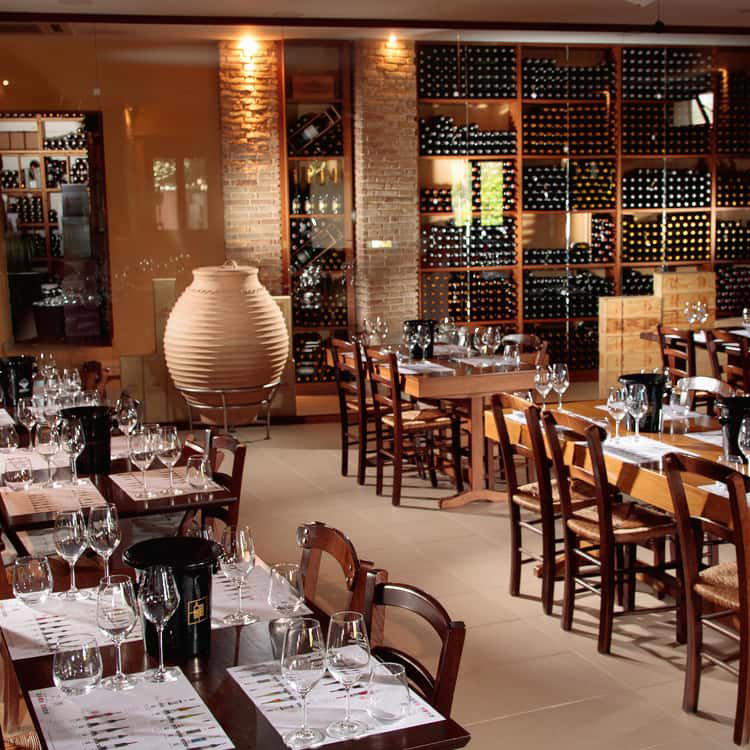
Douloufakis Winery
Dafnes, Greece
Douloufakis Winery is the Dafnes pick for travelers planning a serious Crete wine day rather than a casual drop-in. Book it when the goal is depth, vineyard context, and a route that can include nearby producers; choose a distillery instead if the group is more spirits-led or wants a looser stop.
Domaine Bouvet-Jabloir
Auvernier, Switzerland
Domaine Bouvet-Jabloir is worth booking for a small, conversation-led cellar tasting focused on barrel-aged, food-oriented wines from Auvernier. The strongest fit is a date, anniversary, or serious wine stop where Pinot Noir, Chardonnay, parcel work, and family cellar history matter more than a large tasting-room format.
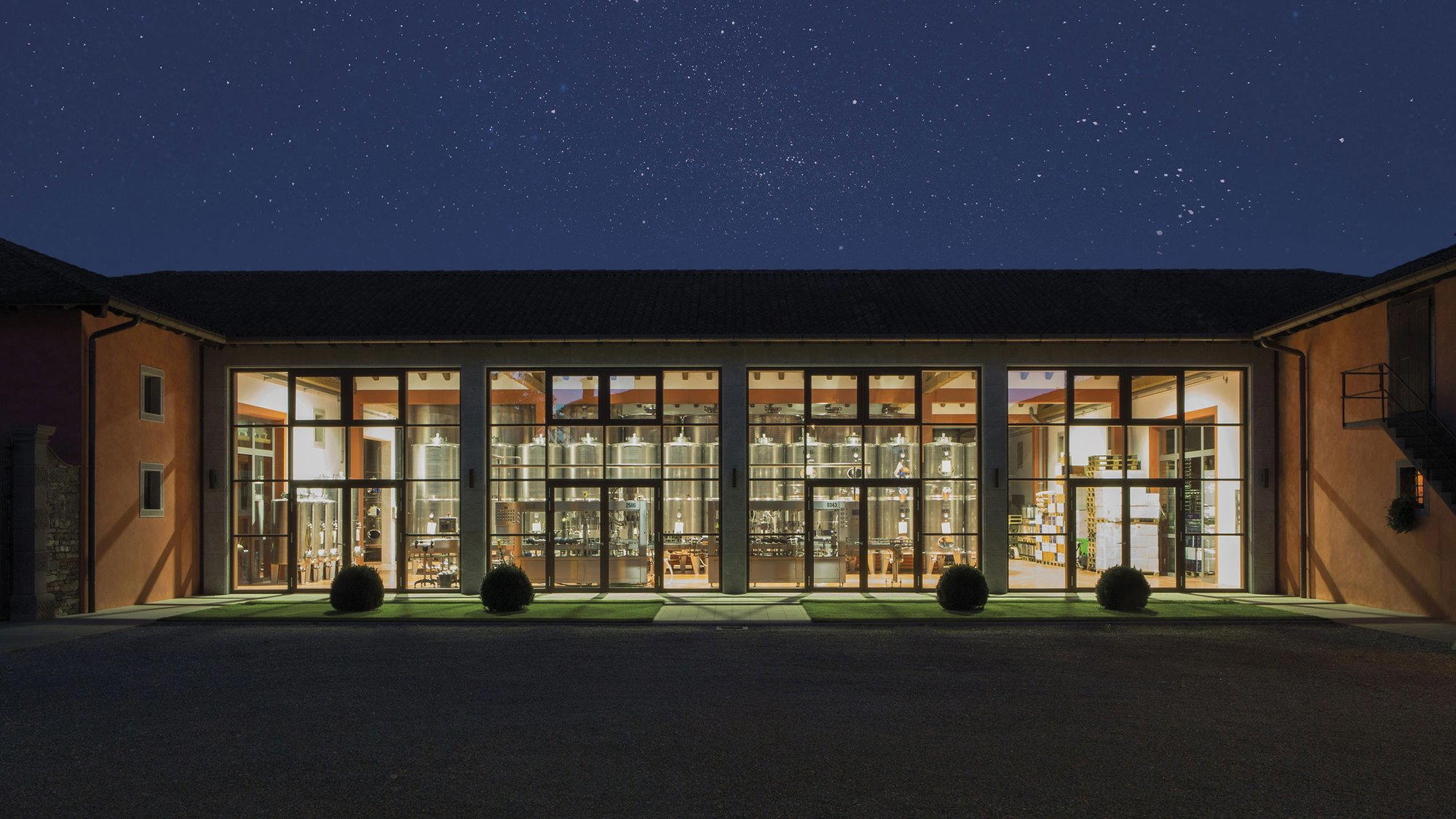
Azienda Agricola La Magnolia
Spessa Di Cividale, Italy
Book Azienda Agricola La Magnolia if you want an appointment-only Friuli tasting with family-estate character, native grapes, and a quieter agritourism setting. It is better for couples or small groups seeking context than for travelers who need drop-in convenience or a large tasting-room format.
freiweine, Käthi & Ruedi Frei
Unterstammheim, Switzerland
A good choice for a planned private wine visit in Unterstammheim, especially if the occasion needs local Stammheimer wines, producer involvement, and a group-friendly setting. It is less suited to guests who want a published tasting lineup, food pairing details, or a walk-in bar-style experience.
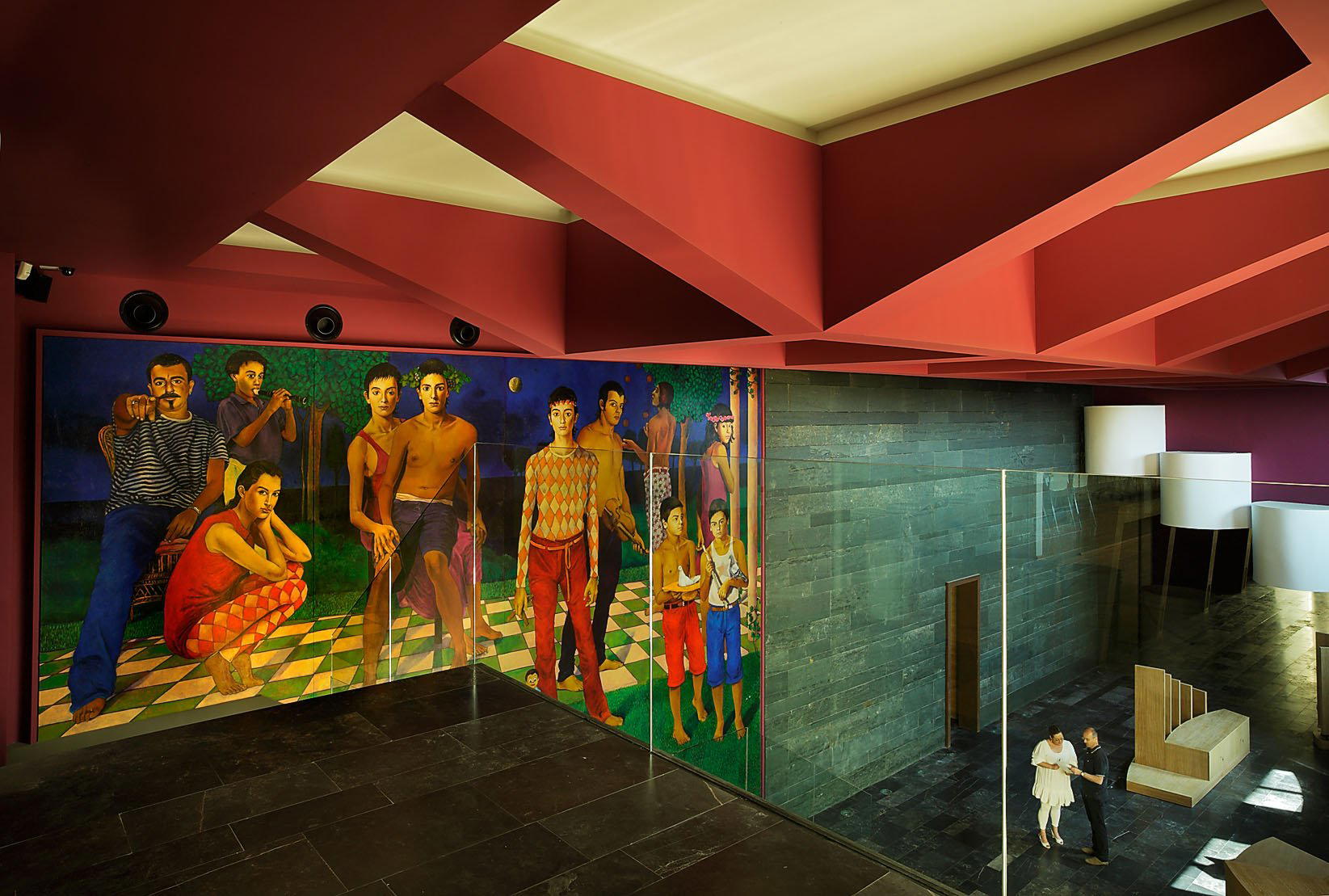
Bodegas Carlos Serres
Haro, Spain
A strong Haro pick for a quiet, heritage-led Rioja tasting rather than a high-drama hospitality experience. Book it for classic oak-aged styles, estate-linked context, and a polished setting; skip it if food pairings or a lively social room are the main priority.
Drostdy-Hof
Stellenbosch, South Africa
Drostdy-Hof works for a casual, value-led wine stop, especially if the goal is to understand accessible South African production rather than chase rare allocations. It suits flexible visitors and mixed-experience groups, but collectors and wine-club hunters will likely want a more boutique-led itinerary.
Domaine Lalande
Pennautier, France
Vine rows beside the Canal du Midi give Domaine Lalande more context than the average Languedoc tasting stop. It is a smart pick for travelers who want an accessible Pennautier estate with red and white wines, Falstaff Listed recognition in 2026, and a calm rural setting rather than a rare-bottle hunt.
Artiga & Fustel
Vilafranca del Penedès, Spain
Artiga & Fustel is a $$, appointment-only winery choice in Vilafranca del Penedès with Falstaff 1 Stars recognition for 2026. Book it if the priority is Spanish wine value, producer context, and a trade-focused tasting rather than a showpiece cellar-door visit; casual dress fits the tone.
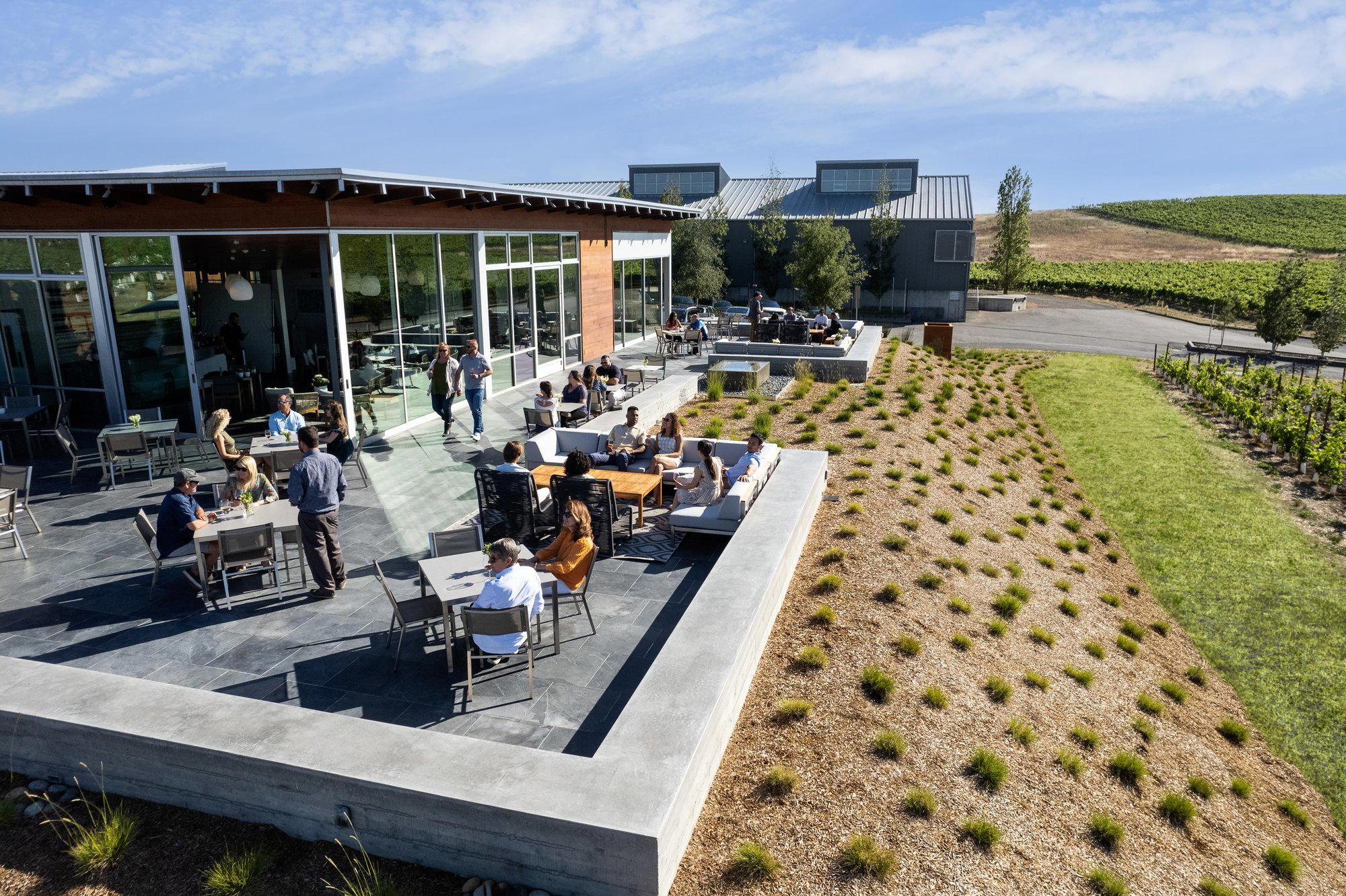
Cuvaison Estate Wines
Napa, United States
Cuvaison Estate Wines is worth targeting for a polished Napa winery visit built around a date, celebration, or client outing. It suits travelers who want one considered estate stop rather than a fast tasting crawl, especially when the winery experience is meant to anchor the day.
Corte Allodola
Monteforte d'Alpone, Italy
Corte Allodola works if you are already building a wine-focused itinerary around Monteforte d’Alpone and want a Falstaff-listed 2026 producer on the route. It is less convincing as a standalone destination because published visitor details, pricing, food service, and flagship-bottle guidance are not established here.
Josef Gottschuly
Hoflein, Austria
Book Josef Gottschuly if you want a relaxed Carnuntum winery visit with Heuriger atmosphere rather than a formal tasting-room production. The former farm setting adds real value, and the 2023 Carnuntum DAC Zweigelt “Rubin Carnuntum” gives the visit a clear wine focus backed by SALON recognition.
Hofgut von Hünersdorff
Woerth Am Main, Germany
Book Hofgut von Hünersdorff if the priority is an exclusive-use Franconian estate for a wedding, corporate event, concert, or private wine-centered gathering. Skip it for a casual drop-in tasting or wine-club-style allocation decision; its value is the restored farmstead setting, flexible rooms, and event infrastructure.
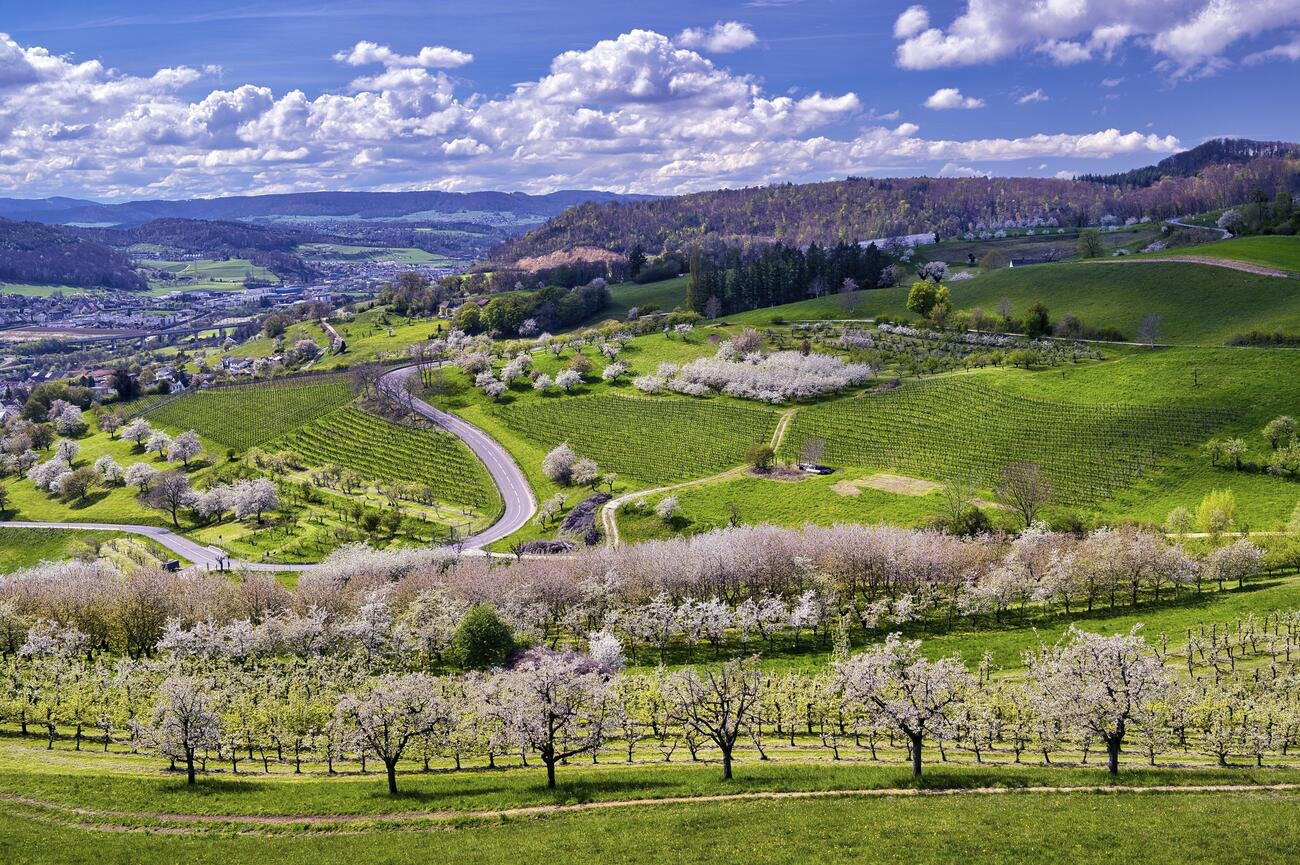
Bio Hof Alpbad
Sissach, Switzerland
Book Bio Hof Alpbad if the goal is a quiet organic farm stop above Sissach, not a formal winery tasting. The draw is its Bio Suisse farming context, orchards, regional fruit spirits and rural setting; it is less suitable for groups needing a structured hospitality program, named wine flights or restaurant-style service.
Feudi Salentini
Leporano, Italy
Feudi Salentini is a good Leporano pick for travellers who want a grounded Salento winery visit rather than a luxury tasting-room production. Go for the regional grape focus, especially old-vine Primitivo di Manduria, with Negroamaro, Susumaniello, Verdeca, and Malvasia bianca adding context. It suits casual, wine-curious visitors who value producer detail over ceremony.
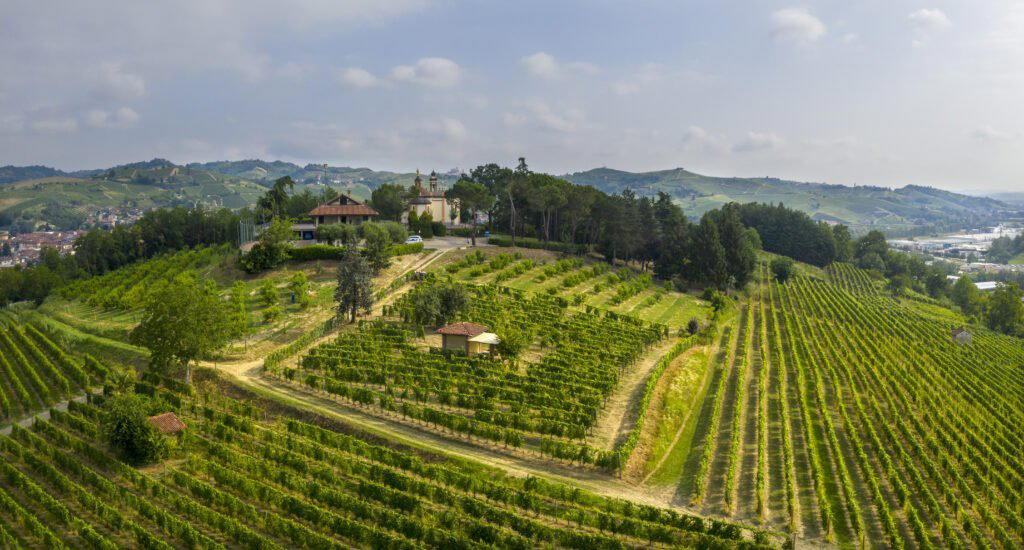
Carlo Casetta
Montà, Italy
Carlo Casetta is a Montà winery to prioritize if you already know the area and want to assess whether its wines merit repeat buying. Falstaff listing gives it a useful credibility signal, but the better move is to taste before committing to any club or allocation model.
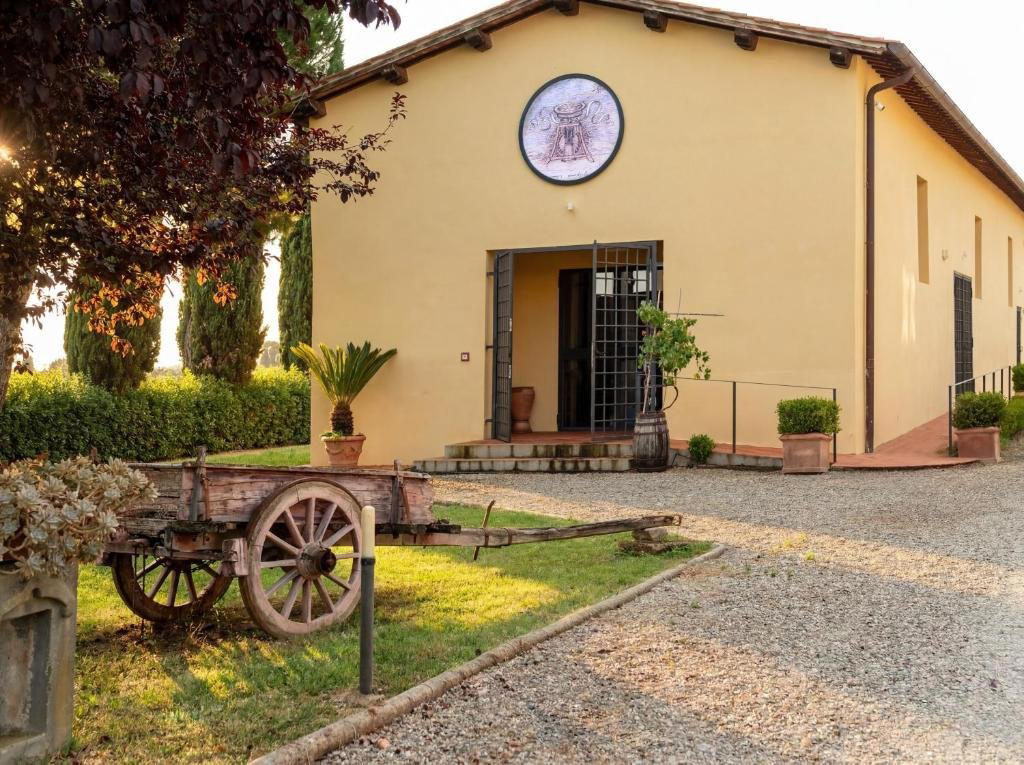
Casale di Valle
Vinci, Italy
Casale di Valle is the Vinci winery to choose when the estate setting matters as much as the tasting. The restored Tuscan farmhouse atmosphere, vineyard outlook, and Falstaff listing make it a strong fit for couples and special occasions, especially if the goal is a calm countryside stop rather than a technical, bottle-by-bottle cellar visit.
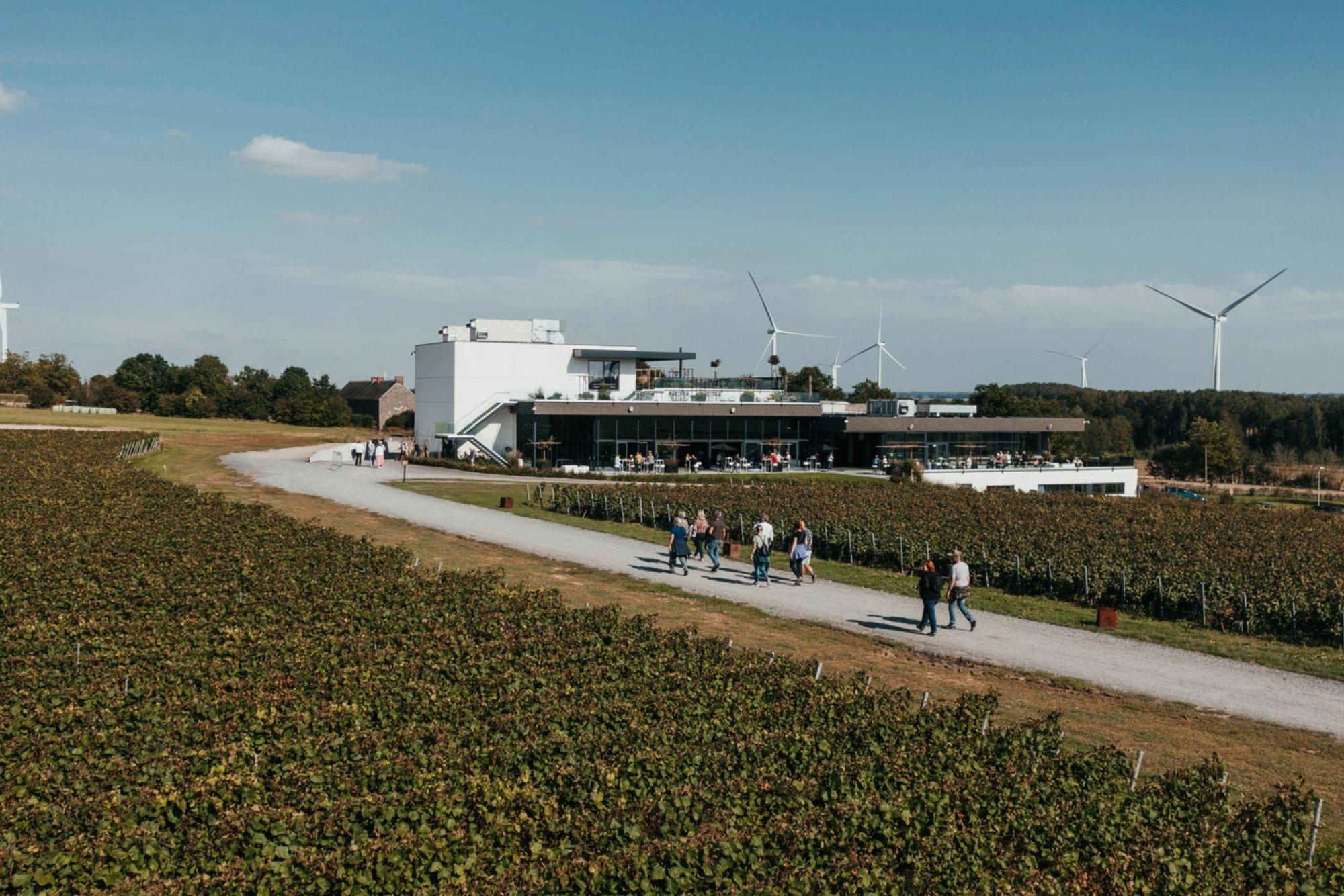
Domaine du Chant d'Èole
Quévy, Belgium
Worth booking for a polished Belgian sparkling-wine estate visit near Mons, especially for a date, celebration, or relaxed group outing. The fee makes sense if the goal is guided context and a scenic vineyard experience rather than a quick tasting counter. Falstaff Listed in 2026, it is a credible pick for seeing Belgium’s modern wine scene at source.
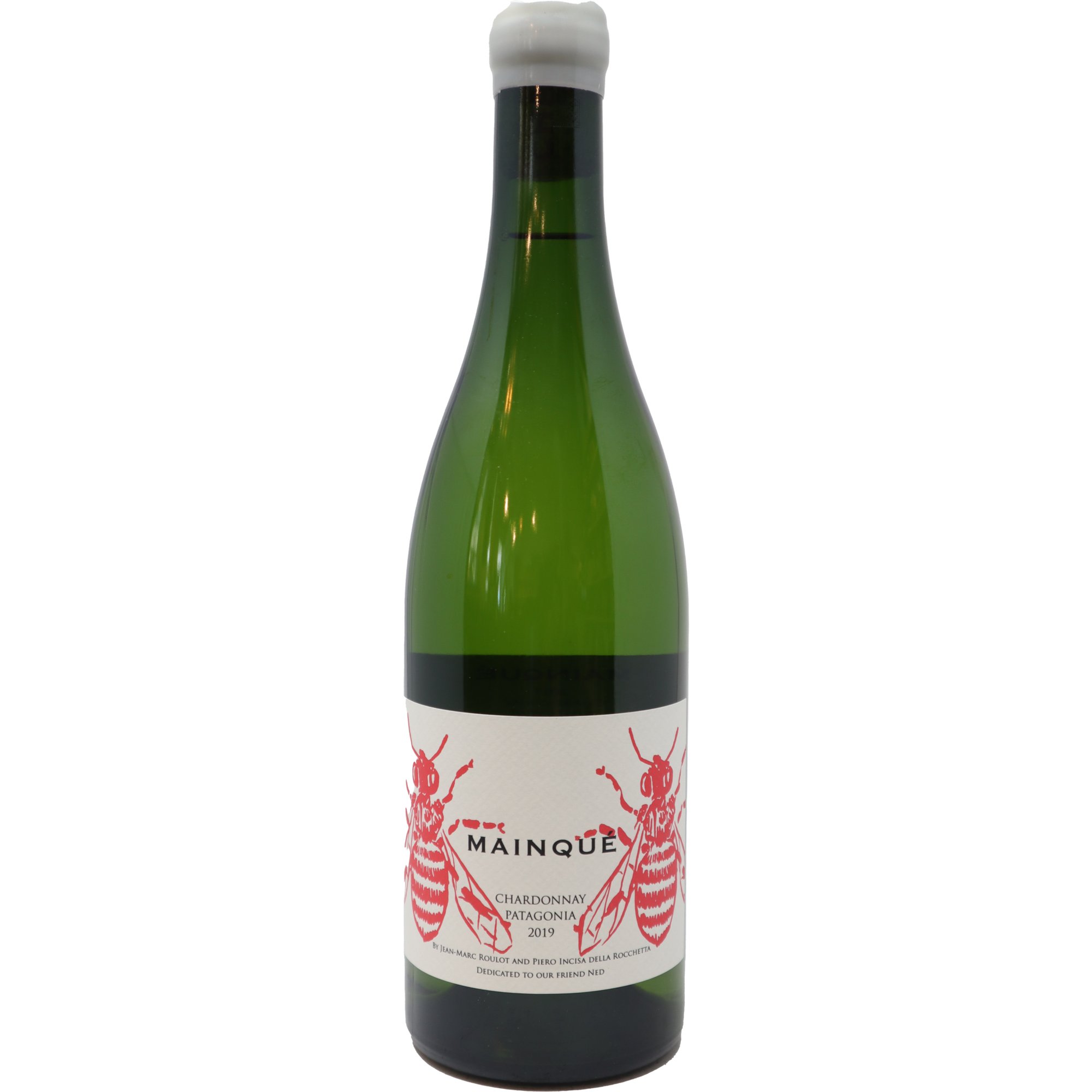
Bodega Chacra
Mainqué, Argentina
Bodega Chacra is the Mainqué pick for travellers who want a serious Patagonia wine stop and are willing to plan around difficult access. The value is strongest if producer reputation matters more than hospitality extras, and it pairs well with Bodega Noemía de Patagonia for a focused regional itinerary.
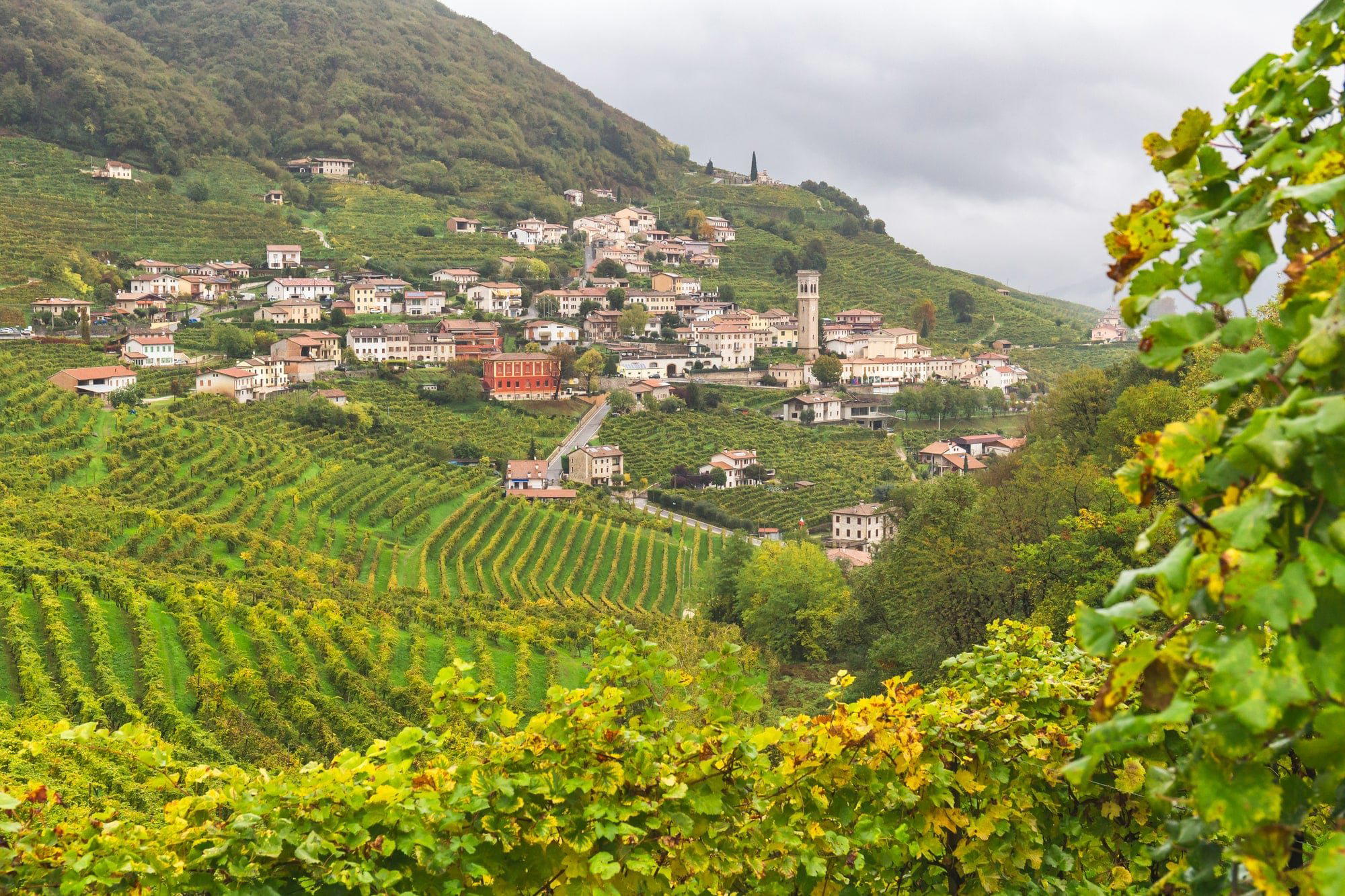
Aldo Degani
Marano di Valpolicella, Italy
Aldo Degani works for a focused Valpolicella winery visit, especially if the occasion calls for a quieter wine-led stop rather than a restaurant-style experience. Its Falstaff Listed 2026 recognition gives it a useful trust signal; treat any wine-club decision as something to make after tasting, not the reason to go.
Champagne Dauby Mere & Fille
Aÿ, France
Book Champagne Dauby Mère & Fille if you want a small grower-producer tasting in Aÿ with Grand Cru context and a clear Pinot Noir-led estate story. The €20–€30 group tasting is good value for first-timers, while the private format is better for guests who want to discuss vintage Champagne and lees aging in more depth.
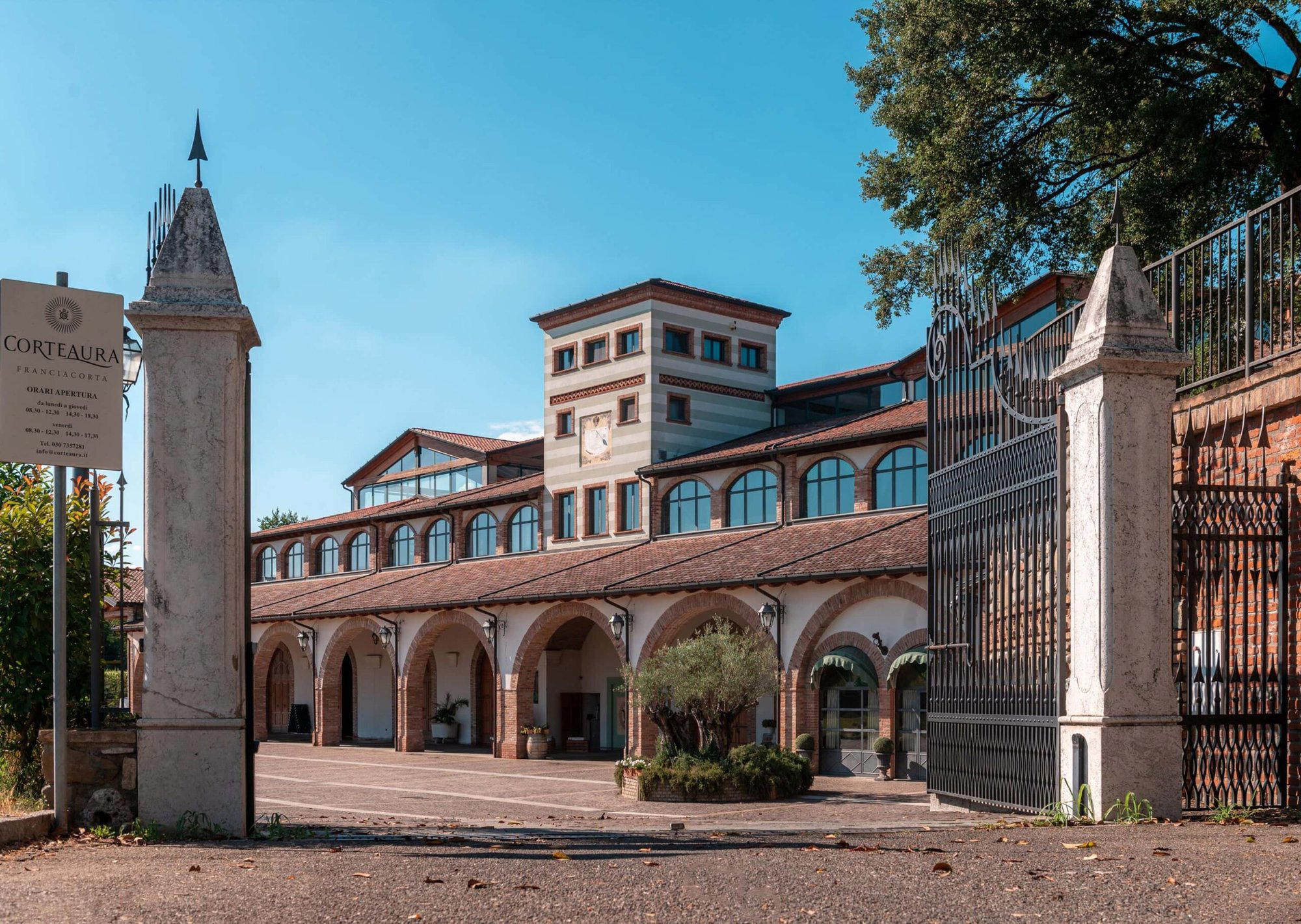
Corte Aura
Adro, Italy
Corte Aura works for a focused Franciacorta tasting in Adro, especially if wine depth matters more than a fully published hospitality setup. Its Falstaff 3 Stars rating for 2026 is the clearest quality signal; plan ahead and keep backup options if group size, food, or fixed logistics matter.
Die Weinmacher
Niederkirchen Bei Deidesheim, Germany
Die Weinmacher works as an easy, practical Pfalz tasting stop rather than a special-occasion winery appointment. Its cooperative scale makes it useful for sampling regional breadth, especially Riesling and other Palatinate varieties, while the vinothek-style setting suits travelers who want a relaxed visit and buying opportunity without a formal restaurant-style experience.
Maison Philippe Pacalet
Beaune, France
Worth considering if the priority is Burgundy producer credibility rather than a fully built-out visitor experience. The 2026 Falstaff listing gives Maison Philippe Pacalet a useful trust signal, but with no confirmed food, hours, pricing, or visit format, it works better as a targeted wine stop than as the anchor of a Beaune day.
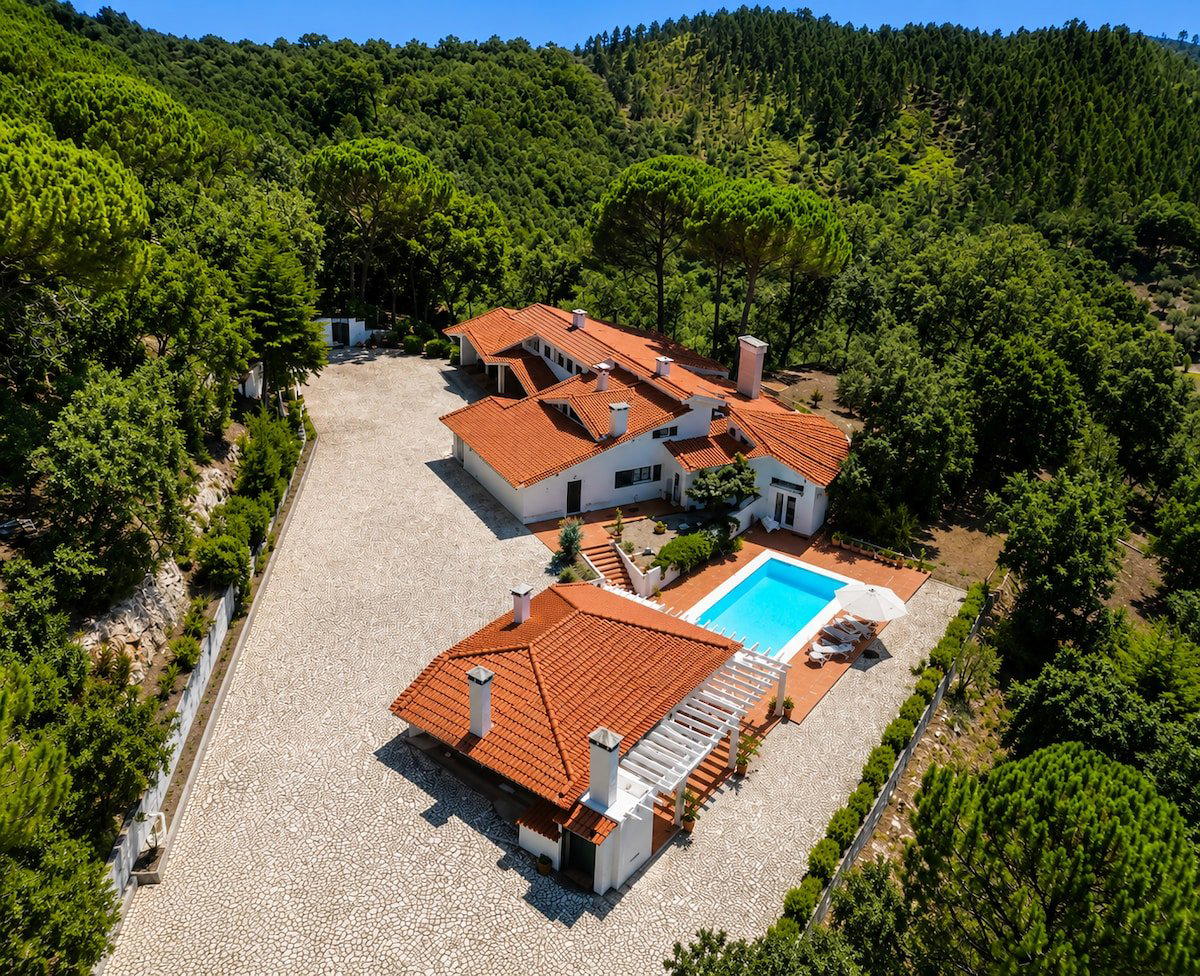
Casal Figueira
Lisbon, Portugal
A fit for Lisbon wine travellers who want a concise, bottle-led stop rather than a fully choreographed estate visit. Casal Figueira makes sense as part of a broader city itinerary, especially for explorers comfortable planning around limited public detail on tastings, food, and flagship bottles.
Heslach Heights
Stuttgart, Germany
Book Heslach Heights if the draw is small-scale Württemberg natural wine rather than a polished estate setup. The case rests on tiny parcels, manual vineyard work, a compact still-wine lineup, and a cellar style that favors patience over technology; it is better for curious wine drinkers than for groups seeking a broad tasting program.
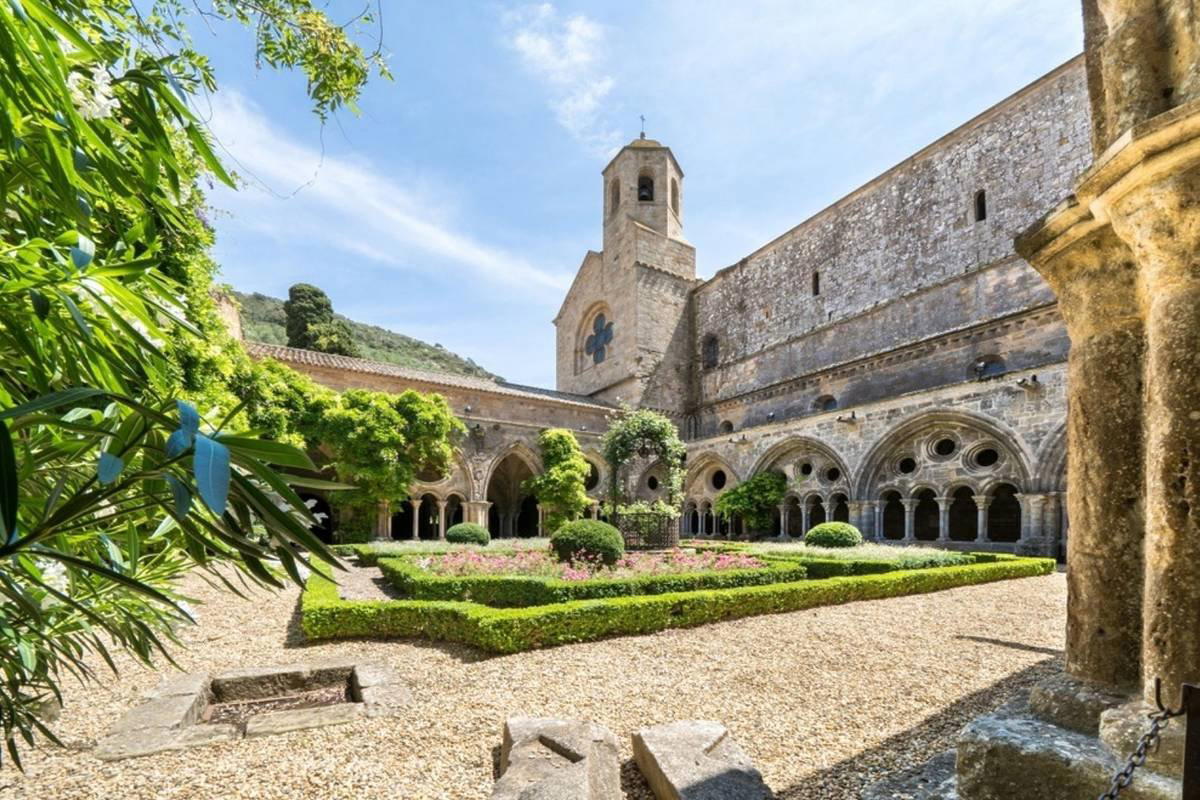
Abbaye de Fontfroide
Narbonne, France
Choose Abbaye de Fontfroide if the goal is a Narbonne wine stop with serious heritage attached, not just a tasting flight. At $40 per person, the value is strongest for visitors who will use the abbey, gardens, cellar context, and Corbières setting as a longer visit rather than a quick pour-and-go stop.
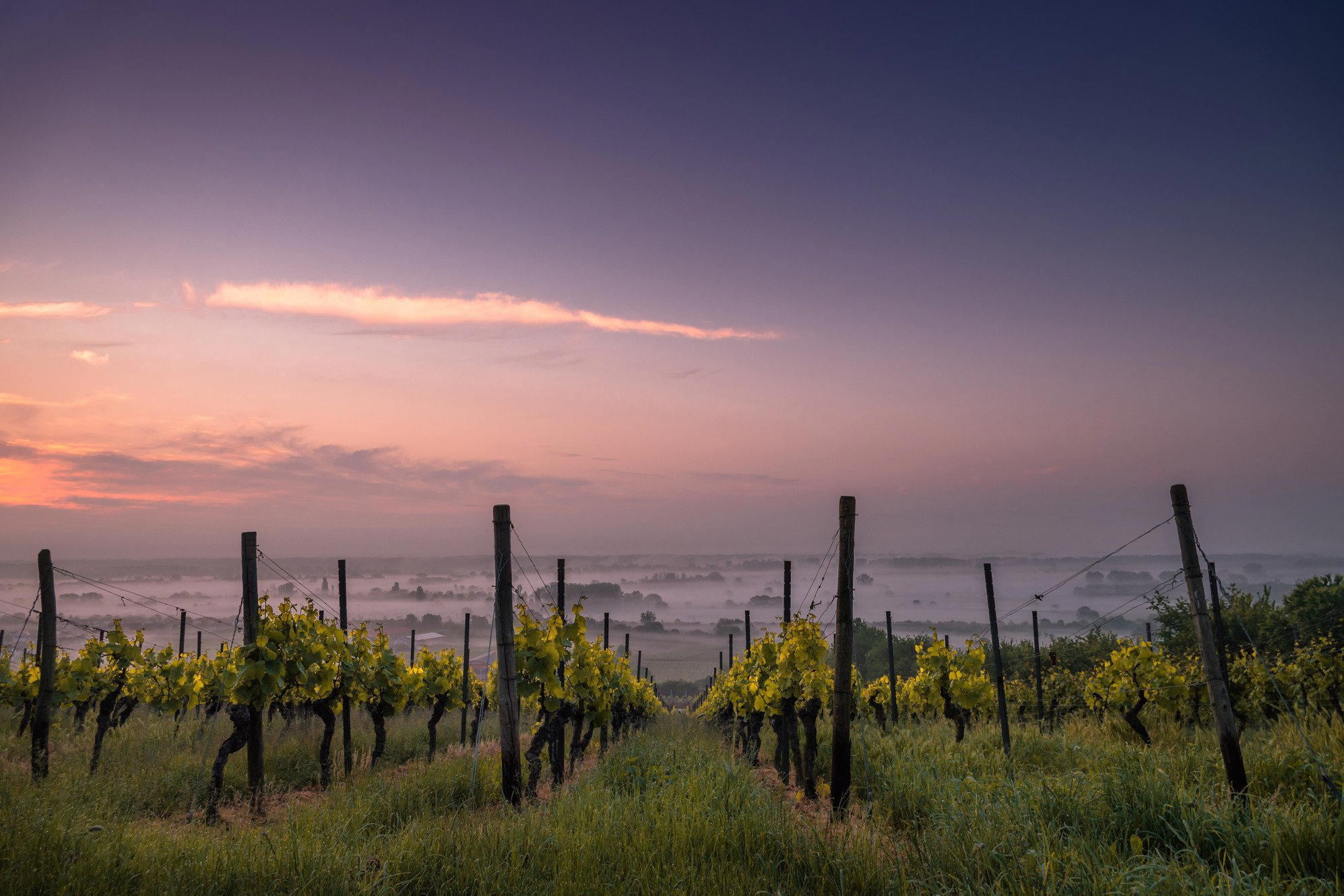
Domaine André Mathieu
Châteauneuf-du-Pape, France
Domaine André Mathieu is a practical shortlist pick for a focused Châteauneuf-du-Pape winery stop, especially on a return visit when the goal is context rather than a packed tasting schedule. Falstaff listing for 2026 is the main trust signal; confirm timing and group details before planning around it.
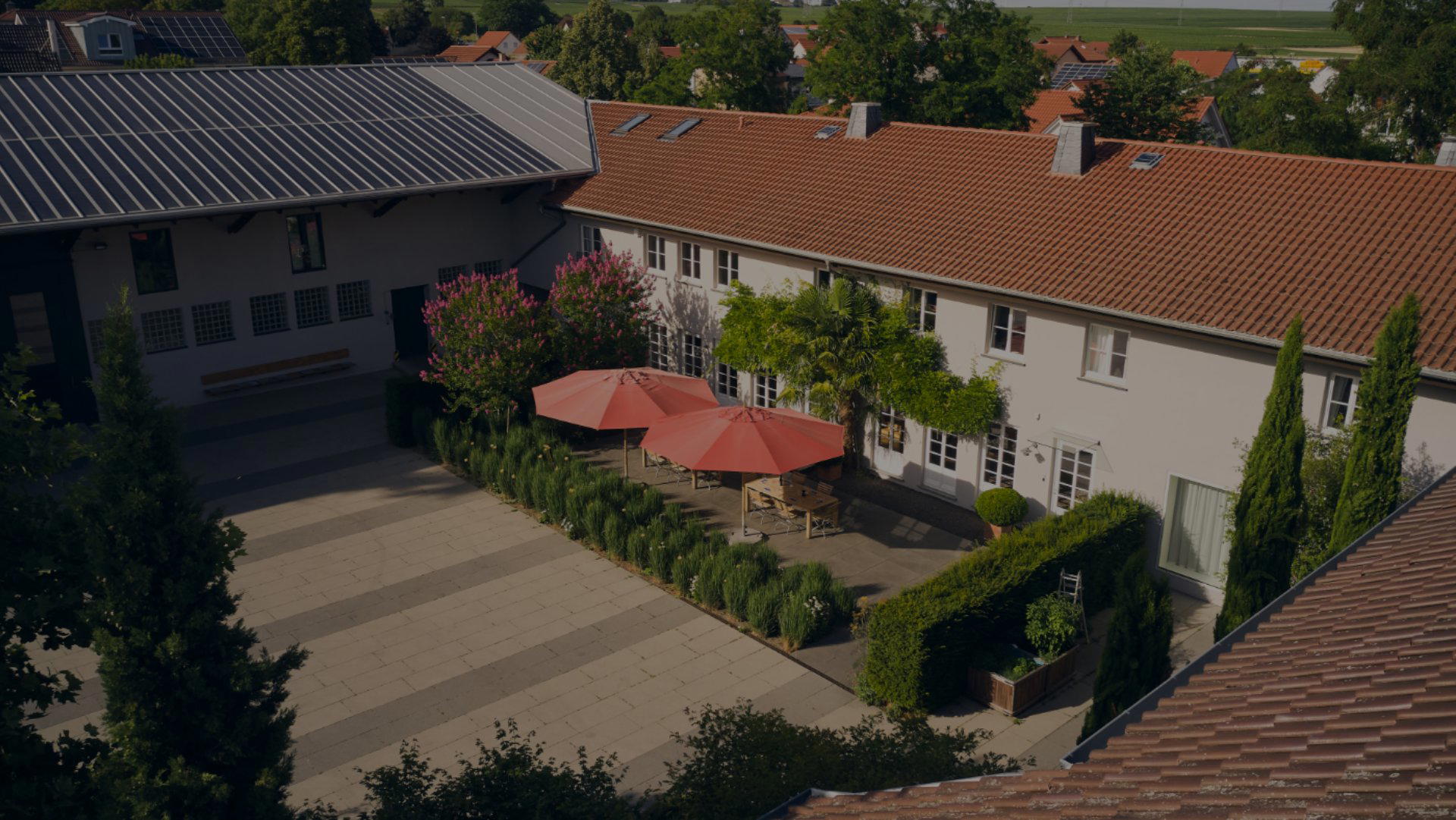
Weingut Wittmann
Westhofen, Germany
Prioritize Weingut Wittmann if the Westhofen trip is built around serious wine and a hard-to-secure appointment feels worth planning for. It is better for collectors, celebrations, and wine-led business hosting than for casual drop-in tasting days or large groups needing flexible logistics.
Hewitson
Nuriootpa, Australia
Hewitson works if the priority is a focused Barossa Valley wine stop rather than a long dining or hospitality-led outing. The strongest use case is bottle evaluation: go when the group wants to taste, compare, and decide what is worth buying or shipping, then build food and accommodation around the wider Nuriootpa plan.
How many of these have you visited?
Find out on Pearl and keep score across every place in 2026 Falstaff Winery Guide.