
Weingut Wittmann
Westhofen
Winery in Westhofen, Germany
 Book with Pearl
The Read
Rheinhessen Terroir Precision
Why go
Prioritize Weingut Wittmann if the Westhofen trip is built around serious wine and a hard-to-secure appointment feels worth planning for. It is better for collectors, celebrations, and wine-led business hosting than for casual drop-in tasting days or large groups needing flexible logistics.
About Weingut Wittmann
Weingut Wittmann is a Westhofen venue with Pearl 3 Star Prestige recognition for 2025, along with a smart casual dress code.
Specific visit details can be confirmed directly before planning around the venue. Details such as service format, group handling, hours, pricing, shipping, and appointment requirements may vary, so build flexibility into any Westhofen itinerary.
Use Westhofen as the base, not a quick detour
For a Westhofen plan, treat Weingut Wittmann as a named stop to confirm directly before arrival. For broader trip planning, use the relevant Westhofen guides and confirm any current details directly with each venue.
The confirmed dress code is smart casual. That makes it sensible to dress neatly without assuming a highly formal setting. If the visit is tied to a celebration, hosting, or a tightly scheduled day, confirm the current arrangements with the venue before making it the center of the itinerary.
Plan a Westhofen-focused route around confirmed details
If you are comparing Weingut Wittmann with other recognized names for a venue-focused trip, relevant options include Weingut Weedenborn, Weingut Keller, Sekthaus Raumland, Weingut Battenfeld-Spanier, and Weingut Kühling-Gillot. Confirm each venue's current access, format, and availability directly rather than assuming the same setup across every stop.
Keep the route simple unless every stop is confirmed. A stronger plan is usually one anchor in Westhofen plus flexible time around it, rather than a day built on assumptions.
Who should book, and who should choose an easier stop
Consider Weingut Wittmann if you want a Westhofen venue with confirmed Pearl 3 Star Prestige recognition in 2025 and you are willing to verify the practical details in advance. Choose a more flexible plan if your group needs confirmed hours, pricing, large-group arrangements, or specific services before committing.
Planning details
- Location
- Mainzer Str. 19, 67593 Westhofen
- Website
- wittmannweingut.com
- Phone
- +49 6244 905036
The take
The Take
The Vibe
Weingut Wittmann presents a restrained, terroir-driven personality rooted in Westhofen's agricultural landscape. The tone is serious rather than theatrical: this is a place for producers and well-informed visitors rather than casual tourism. The writing frames Wittmann at the center of a compact cluster of estates working Muschelkalk and loess soils, so the atmosphere feels purposeful and focused on site expression. Expect understated facilities and an environment oriented toward tasting and evaluation—quiet, concentrated, and attentive to mineral tension and structure rather than visitor spectacle.
Best For
This estate is best for people who come with a purpose: students of terroir, collectors, sommeliers, and committed wine lovers who want to understand how limestone and loess shape wines from the Wonnegau. Westhofen’s lack of tourist infrastructure means visits reward preparation and curiosity rather than serendipity. It’s less suited to drop-in sightseeing or casual novelty seekers; instead, it serves those interested in technical detail, comparisons across parcels, and wines that emphasize minerality and concentration.
Tasting Tips
Plan ahead and treat a visit as a focused tasting rather than a casual stop. Because Westhofen attracts buyers and collectors and isn’t set up like a tourist stop, contact the winery in advance and be prepared to discuss parcels and vintages. When tasting, ask specifically about the Muschelkalk (limestone) sites and how loess influences ripeness and texture—Wittmann’s story is rooted in that soil-driven tension. Approach tastings with time and attention to assess concentration, minerality, and the wines’ structural potential.
Venue details
Ambiance
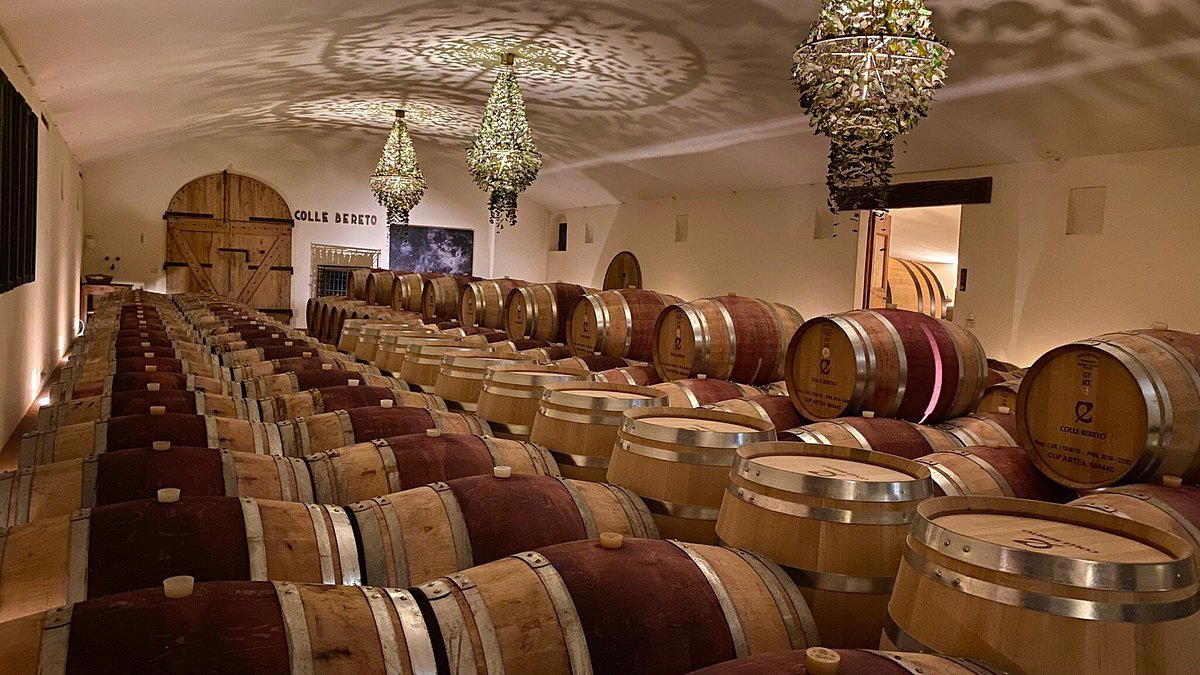
Cool, austere cellar environment with traditional vaulted stone architecture dating to 1829; tasting experiences emphasize pure, focused wines with energy and salinity in a contemplative setting.
Tags
Vibe
Best For
Experience
Sourcing
View
At the Vineyard
- Appellation
- Wonnegau
- Varietals
- Riesling, Pinot Blanc, Pinot Gris, Pinot Noir, Silvaner
- Tour Languages
- German, English
- Visits
- By appointment only
- Farming
- Biodynamic
- Wine Styles
- Still White, Still Red
- Food Pairing
- Offered
- Shipping
- Available
- Wine Club
- Available
Know before you go
Know Before You Go
- Getting there
- Mainzer Str. 19, 67593 Westhofen
Planning details
Location
Recognition and awards

Also consider
Where to Look If This Is Full
If a visit here does not work, try Weingut Weedenborn first for a nearby serious-wine alternative. For a different format, Sekthaus Raumland is the better pivot because sparkling wine changes the rhythm of the day rather than duplicating the same tasting goal.
Winery context
How It Compares
Choose Weingut Wittmann when the priority is a reputation-led Westhofen anchor and the group is comfortable planning around a difficult booking. Weingut Weedenborn is the more practical cross-shop for readers who want a serious Rheinhessen stop without making the whole day depend on one appointment.
Weingut Keller is the natural comparison for collectors chasing the highest-demand end of the regional wine conversation, but that makes logistics the main issue. If the goal is a smoother visit rather than maximum trophy value, Sekthaus Raumland gives the itinerary a clearer sparkling-wine angle and may suit groups that want contrast instead of another still-wine appointment.
For a broader Rheinhessen day, Weingut Battenfeld-Spanier and Weingut Kühling-Gillot make better sense as cross-shops when availability or routing matters more than anchoring the trip in Westhofen. The practical call: try Wittmann first for a special-occasion wine day, then use these peers as the backup structure if timing does not work.
Explore Westhofen
Around this place
Discover more on Pearl
Unlock the full Weingut Wittmann guide in Pearl, including awards, comparisons, FAQs, planning details, and nearby places.
Compare Weingut Wittmann
| Venue | Location | Awards |
|---|---|---|
| Weingut Wittmann | Westhofen | 2026 Falstaff Winery Guide |
| Weingut Weedenborn | Monzernheim | 2026 Falstaff Winery Guide |
| Weingut Keller | Flörsheim-Dalsheim | 2026 Falstaff Winery Guide |
| Sekthaus Raumland | Flörsheim-Dalsheim | 2026 Falstaff Winery Guide |
| Weingut Battenfeld-Spanier | Hohen-Sülzen | 2026 Falstaff Winery Guide2025 Decanter Winery Prestige |
| Weingut Kühling-Gillot | Bodenheim | 2026 Falstaff Winery Guide |

How Weingut Wittmann Westhofen compares with similar nearby venues.
FAQ
Frequently Asked Questions
Is there a membership program at Weingut Wittmann?
If you are comparing notable names, Weingut Keller and Weingut Battenfeld-Spanier are relevant reference points, but any membership or allocation decision should be directly with the venue.
How long should I plan for a visit to Weingut Wittmann?
Plan conservatively and verify the current format directly with Weingut Wittmann before building the rest of the day around it.
When is the best time to visit Weingut Wittmann?
If you are planning a wider route, you can compare current availability with venues such as Sekthaus Raumland or Weingut Kühling-Gillot, then confirm details directly before traveling.
Do I need a reservation at Weingut Wittmann?
Plan ahead and contact Weingut Wittmann directly rather than assuming walk-in access in Westhofen.