
Douloufakis Winery
Dafnes
Winery in Dafnes, Greece
 Book with Pearl
The Read
Cretan PDO Viticulture
Why go
Douloufakis Winery is the Dafnes pick for travelers planning a serious Crete wine day rather than a casual drop-in. Book it when the goal is depth, vineyard context, and a route that can include nearby producers; choose a distillery instead if the group is more spirits-led or wants a looser stop.
About Douloufakis Winery
Douloufakis Winery is a Dafnes venue with a casual dress code and 2 Star Prestige recognition for 2025. Information on specific visit formats, tasting details, food service, hours, prices, shipping, or reservation requirements is not available. Plan around these basics rather than assuming a particular hospitality setup.
For travelers considering a stop in Dafnes, the safest framing is simple: Douloufakis Winery belongs on a wine-focused shortlist for the area, but any practical details should be confirmed before the day is built around the visit. Treat the listing as a starting point, not a complete logistics sheet.
Use Dafnes as a wine-day base, not a single-stop detour
If you are planning around Dafnes, compare Douloufakis Winery with other relevant wine or spirits venues rather than relying on one stop to define the day. Paterianakis Winery, Boutari Winery (Crete), and Lyrarakis Winery are natural wine comparisons, while Zargianakis Distillery and Kritis Distillery are better framed as spirits-focused alternatives. Other dining in Dafnes can be considered generically if you need to plan meals around the route.
Because a specific address beyond Dafnes, detailed hours, a tasting format, or food information are not available, avoid over-planning around assumptions. If the visit matters to the itinerary, confirm the current arrangements directly before comparing it with Boutari Winery (Crete), Lyrarakis Winery, Paterianakis Winery, Kritis Distillery, or Zargianakis Distillery.
Consider it for a Dafnes winery stop, skip if the group wants a loose walk-in day
The practical verdict is cautious: Douloufakis Winery is worth considering for travelers specifically interested in wine in Dafnes, especially given its 2025 2 Star Prestige recognition. It is less useful as a fully documented logistics pick, because information on walk-in availability, appointment requirements, food service, shipping, pricing, or detailed hours is not available.
Choose it when a Dafnes winery stop fits the trip and you are willing to confirm the missing practical details in advance. Skip building the day around it if your group needs every service detail settled before arrival.
Planning details
- Location
- Dafnes 700 11
- Website
- douloufakis.wine
- Phone
- +30 281 079 2017
The take
The Take
The Vibe
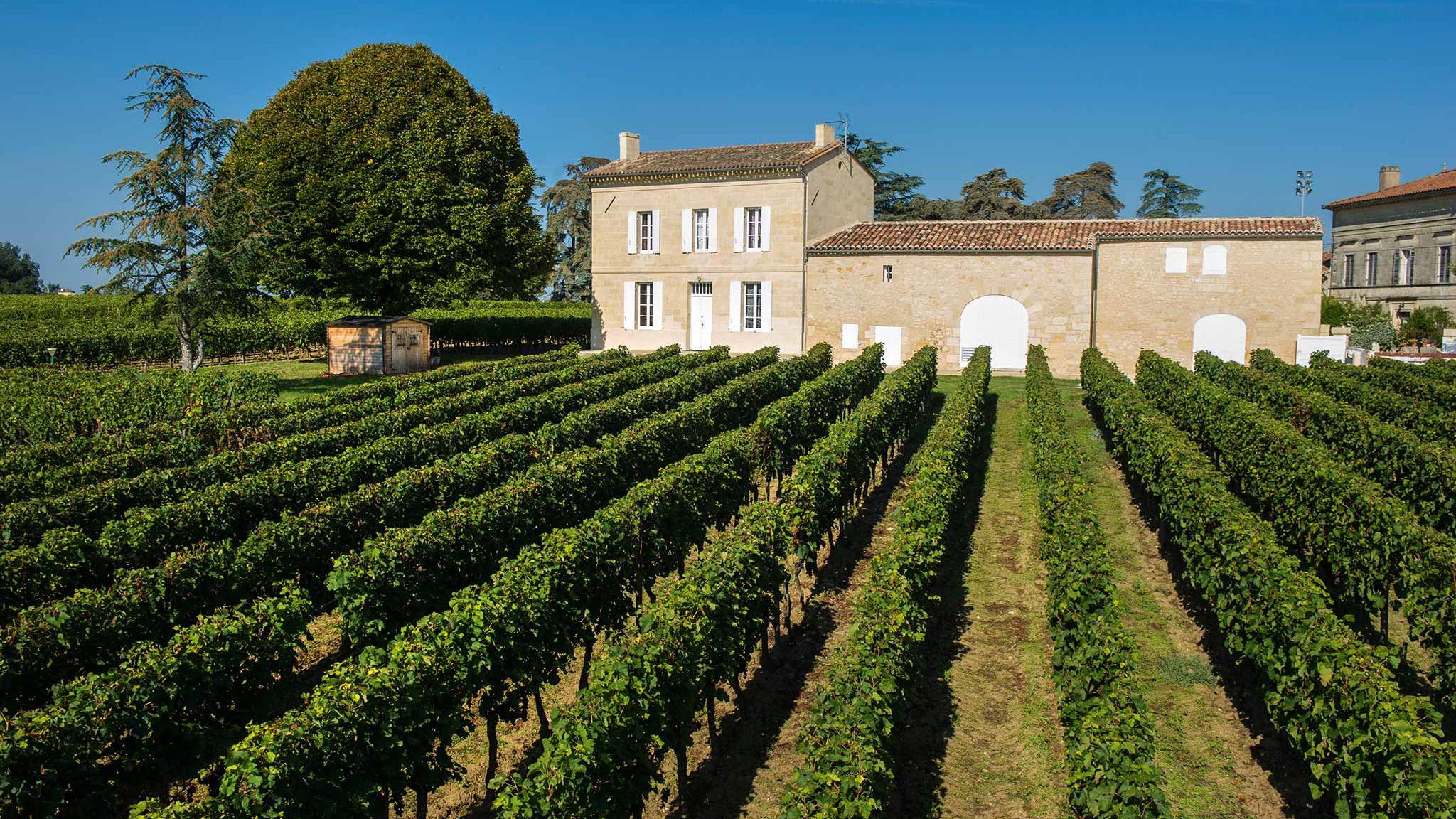
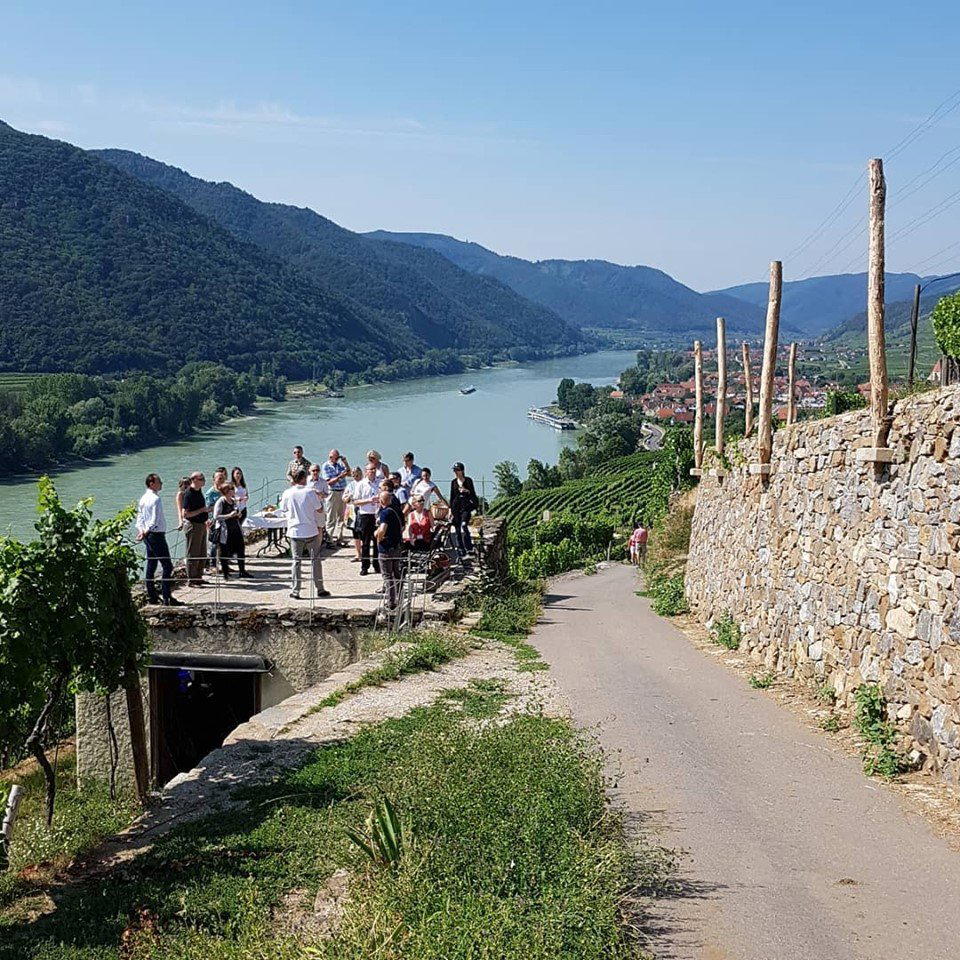
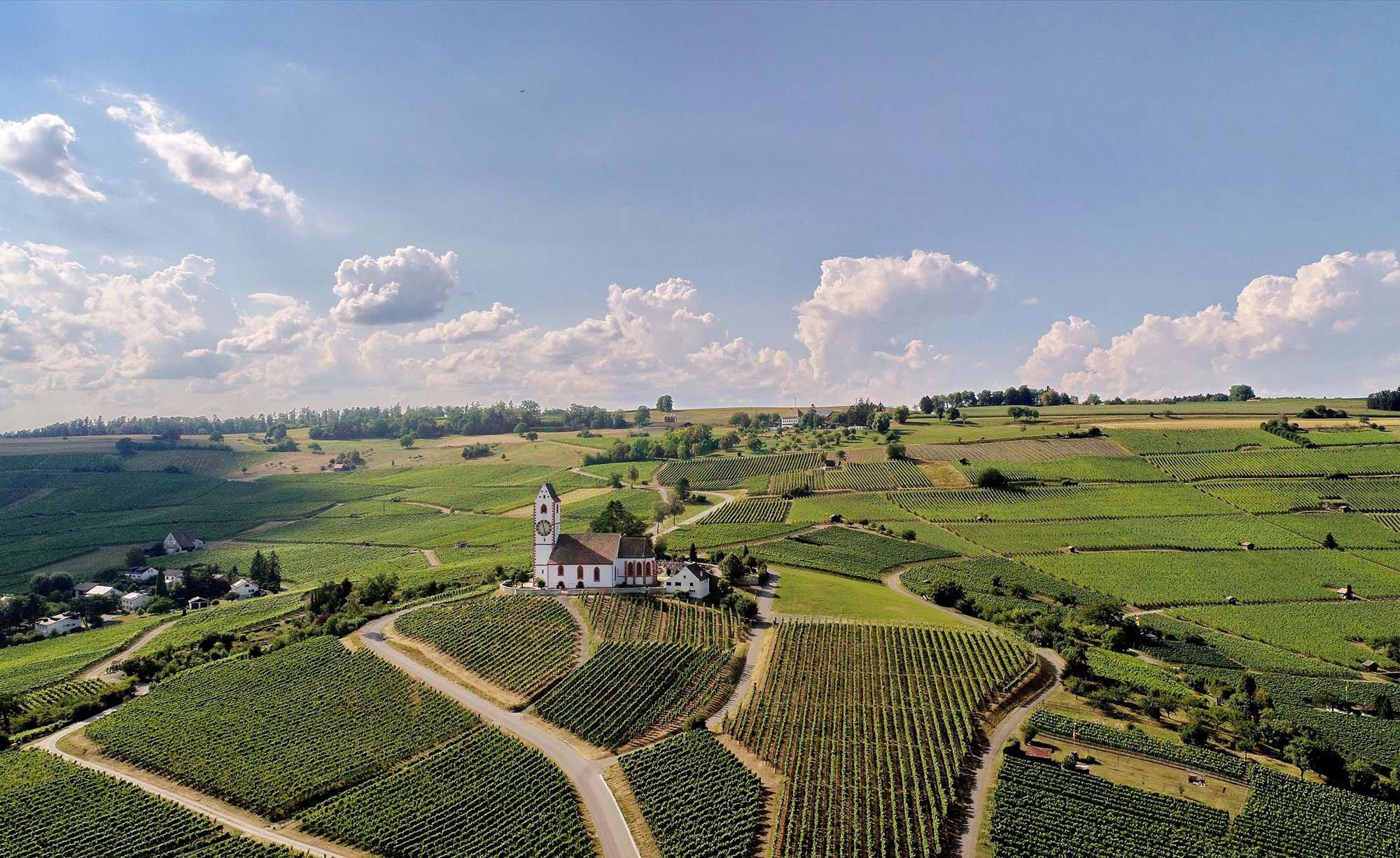
Douloufakis sits in the interior wine country of Crete, anchored in Dafnes village at the geographic heart of a small PDO. The setting reads as quietly serious rather than touristy: plateau vineyards at altitude beneath the Psiloritis foothills and grape varieties documented on the island since antiquity lend the place a rooted, historical presence. The producer’s recent Pearl 2 Star Prestige recognition signals a measured, modern craftsmanship layered on top of that heritage. The result is a composed, refined estate that rewards attention from visitors who care about terroir, indigenous grapes and thoughtful winemaking.
Best For
This is a destination for people focused on wine and place rather than resort-style visits. Douloufakis is especially well suited to curious drinkers, small groups of enthusiasts and solo visitors who want to explore an appellation defined by the Liatiko grape. Because the PDO Dafnes zone is compact and largely uncommodified, visits feel exploratory: you’re encountering a producer working with an ancient, site-expressive varietal rather than a mass-tourism showcase. The winery’s industry recognition also makes it a useful stop for anyone mapping Crete’s higher-end producers.
Tasting Tips
When you encounter Douloufakis wines, look for the PDO Dafnes Liatiko-driven bottlings: the varietal is central to the appellation and typically shows translucent ruby color, low tannins and an aromatic profile that ranges from dried red fruit to earthy or saline notes. Elevation and site matter here; higher sites tend to emphasize minerality, while lower spots bring riper, dried-fruit character. Prefer examples that balance delicate fruit with limestone-influenced minerality, and ask for vintage- or site-specific labels if available—those often reveal the most about Dafnes’s particular soils and microclimates.
Venue details
Ambiance
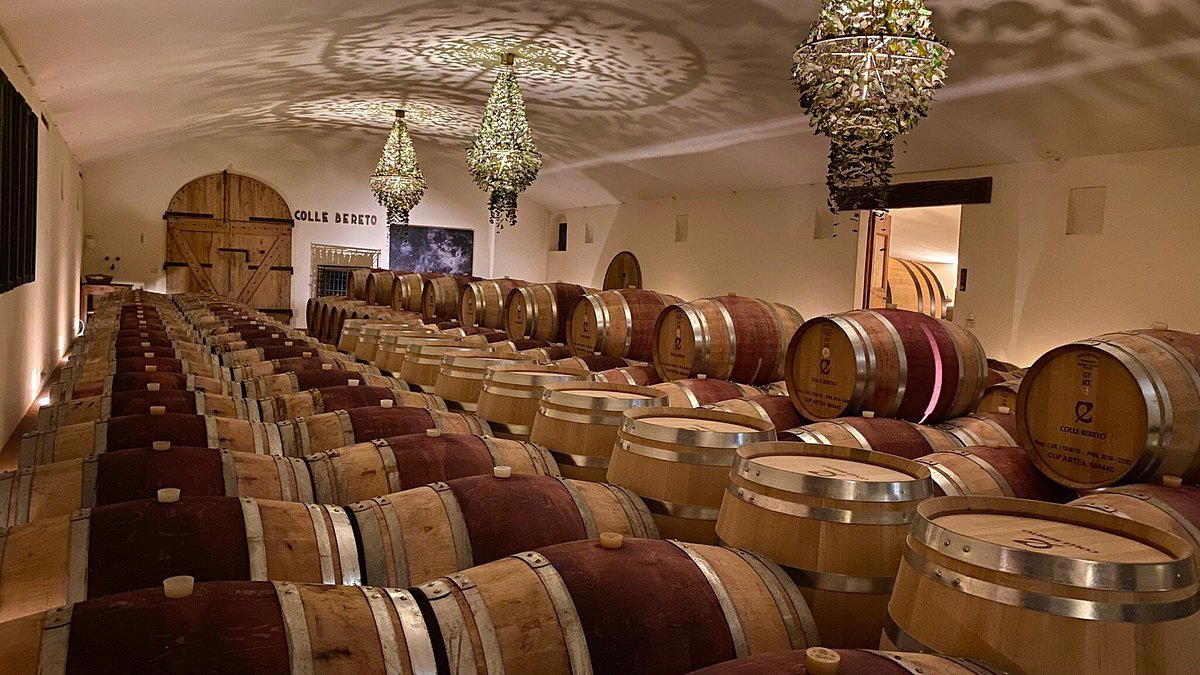
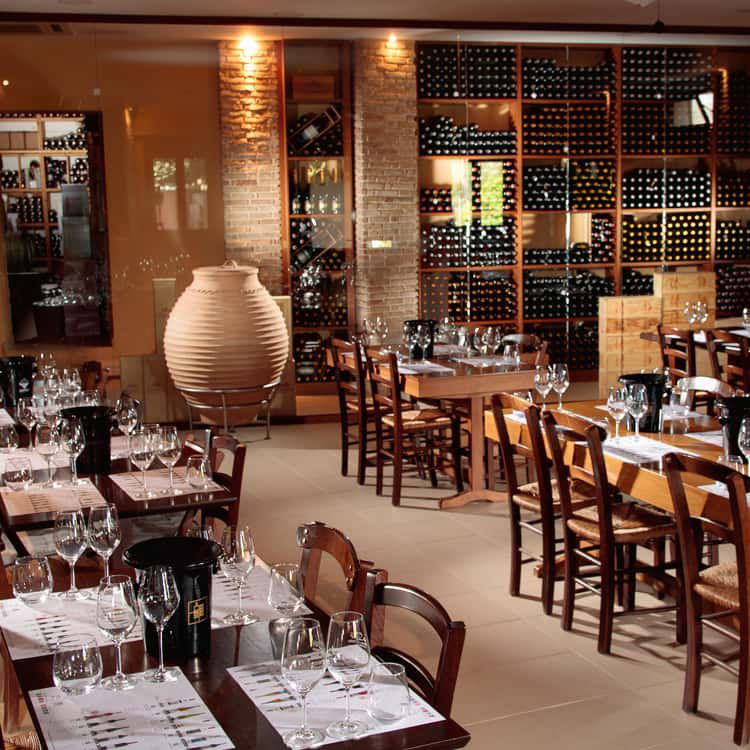
Rustic charm featuring stone walls and wooden beams in a serene, harmonious tasting room with vineyard views.
Tags
Vibe
Best For
Experience
Sourcing
View
At the Vineyard
- Appellation
- Dafnes PDO
- Varietals
- Vidiano, Liatiko, Vilana, Kotsifali, Syrah
- Tour Duration
- 60-90 minutes
- Wine Club
- Not available
Know before you go
Know Before You Go
- Getting there
- Dafnes 700 11
Planning details
Location
Recognition and awards

Also consider
Also Consider
- Zargianakis Distillery, Notable alternative
- Paterianakis Winery, Notable alternative
- Boutari Winery (Crete), Notable alternative
- Lyrarakis Winery, Notable alternative
- Kritis Distillery, Notable alternative
Winery context
For a Dafnes wine-focused day, Douloufakis Winery is the stronger anchor than Zargianakis Distillery or Kritis Distillery, because those are better suited to spirits-led groups. Choose the distilleries when the group wants variety beyond wine or a shorter tasting format; choose Douloufakis when Crete wine is the point of the outing.
Against Paterianakis Winery, Boutari Winery (Crete), and Lyrarakis Winery, the decision should come down to availability and route design rather than chasing a single winner. If one appointment is hard to secure, cross-shop the others immediately and build the day around confirmed times.
Value depends less on published pricing and more on how much time the group has for a proper Dafnes circuit. Douloufakis is the better pick for wine enthusiasts who want the village context; Paterianakis, Boutari Winery (Crete), or Lyrarakis are sensible backups if they fit the day's timing more cleanly.
Explore Dafnes
Around this place
Discover more on Pearl
Unlock the full Douloufakis Winery guide in Pearl, including awards, comparisons, FAQs, planning details, and nearby places.
Compare Douloufakis Winery
| Venue | Location | Awards |
|---|---|---|
| Douloufakis Winery | Dafnes | 2026 Falstaff Winery Guide |
| Zargianakis Distillery | Heraklion | No published awards |
| Paterianakis Winery | Heraklion | No published awards |
| Boutari Winery (Crete) | Heraklion | No published awards |
| Lyrarakis Winery | Alagni | 2026 Falstaff Winery Guide |
| Kritis Distillery | Rethymno | No published awards |
How Douloufakis Winery, Dafnes compares with similar nearby venues.
FAQ
Frequently Asked Questions
What is the flagship wine at Douloufakis Winery?
A flagship wine is not named. Douloufakis Winery is in Dafnes, has a casual dress code, and holds 2 Star Prestige recognition for 2025.
When is the best time to visit Douloufakis Winery?
Hours or a best season to visit are not available. If you are planning a Dafnes wine stop, confirm current timing directly before making it the anchor of the day.
Does Douloufakis Winery ship wine?
Is the wine club at Douloufakis Winery worth joining?
Information on a wine club or membership terms is not available. Treat any wine-club decision as unconfirmed until you have current information from Douloufakis Winery.
Does Douloufakis Winery serve food?
Food service is not available. Plan Douloufakis Winery as a Dafnes wine venue first, and make separate meal plans unless current information confirms otherwise.
Do I need a reservation at Douloufakis Winery?
Whether reservations are required is not available. If the visit is important to your Dafnes itinerary, confirm the current arrangement before going.