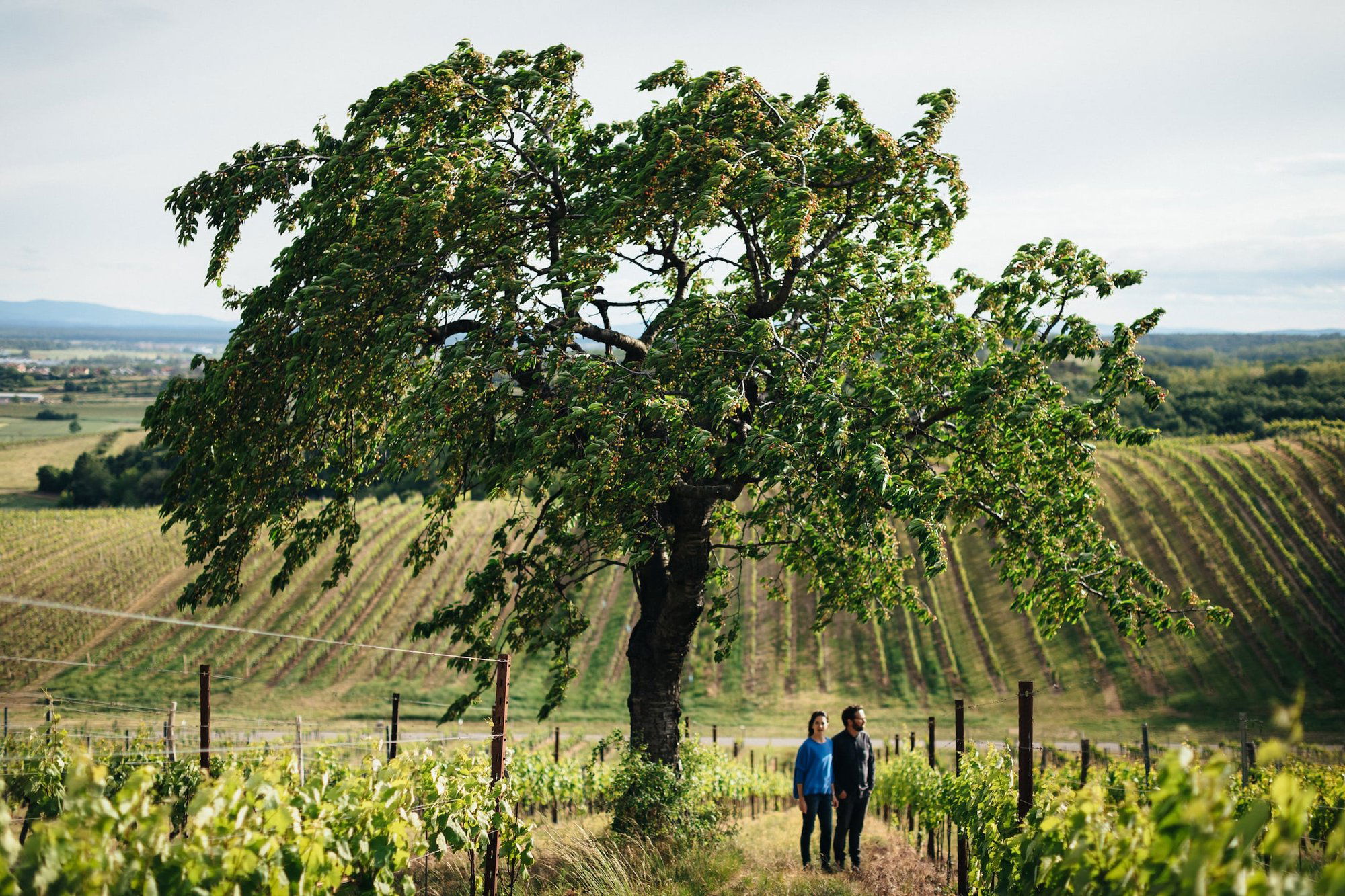

Weingut Franz Weninger
Horitschon
Winery in Horitschon, Austria
 Book with Pearl
The Read
Mittelburgenland Iron-Soil Blaufränkisch
Why go
A strong pick for serious wine-focused visitors in Horitschon, but not the easiest choice for casual walk-in planning. Book it into a tighter winery route if quality matters more than published visitor amenities; cross-shop Weingut Kerschbaum, Weingut Gager, Weingut Gesellmann, Weingut Strehn, and Pfneiszl Winery if logistics are the deciding factor.
About Weingut Franz Weninger
Weingut Franz Weninger is a Horitschon venue with a casual dress code and Pearl 2 Star Prestige recognition for 2025. Together, those points set the basic frame for how to think about the venue: a Horitschon stop with recognition noted for 2025. For planning, confirm visitor formats, food service, prices, opening hours, group capacity, and booking details directly with the venue.
The practical read is simple: treat this as a Horitschon venue that requires direct confirmation before you plan around it. That matters because visit details can vary widely in how venues handle availability and visitor flow. If you are comparing venues for the same trip, the relevant named references in this guide are Pfneiszl Winery, Weingut Franz Weninger, Weingut Gager, Weingut Gesellmann, Weingut Kerschbaum, and Weingut Strehn. Use that group as a short list for orientation, then check each venue on its own terms rather than assuming the same experience across the route.
Worth it if you want a focused Horitschon venue reference
The strongest signal is Pearl 2 Star Prestige (2025). In the context of this listing, that recognition is the clearest reason to keep Weingut Franz Weninger on a Horitschon-focused itinerary, especially if you are trying to narrow a larger field of possible venues into a more manageable plan. Before assuming a packaged hospitality experience, confirm the price range, menu, food programme, tasting format, visitor capacity, and formal booking method directly with the venue.
For a first visit, keep expectations simple: Horitschon location, casual dress code, and a recognised venue listing. That combination makes the venue easy to understand at a high level, but not detailed enough to lock in the finer points of a visit without follow-up. Couples, groups, and itinerary planners should confirm the current visit process through the venue before relying on any specific timing, service format, or amenities. This is especially important if your day depends on precise sequencing, because opening hours, capacity, and booking requirements can affect how comfortably a stop fits into a broader schedule.
How to build a smarter Horitschon route
If you are building a route around Horitschon, compare Weingut Franz Weninger with other named references such as Weingut Kerschbaum, Weingut Gager, Weingut Gesellmann, Weingut Strehn, and Pfneiszl Winery. The value of that comparison is mainly structural: it helps you think about the area as a cluster of possible stops rather than a single isolated listing. Do not assume those venues share the same visitor setup; use them as planning references rather than assumptions about identical services. Each should be checked individually for the practical details that matter to your trip.
A smarter route starts with the fixed points and then adds only what each venue confirms directly. For Weingut Franz Weninger, that means beginning with Horitschon, a casual dress code, and Pearl 2 Star Prestige recognition for 2025, then confirming the logistics that matter to your visit. The bottom line: choose Weingut Franz Weninger when you want a Horitschon venue with Pearl 2 Star Prestige recognition in 2025, and confirm practical details before committing the itinerary.
Planning details
- Location
- Florianigasse 11, 7312 Horitschon
- Website
- weninger.com
- Phone
- +43 2610 42165
The take
The Take
The Vibe
Weingut Franz Weninger reads as a sophisticated, classic Mittelburgenland producer that prioritizes terroir and restraint. The estate's Pearl 2 Star Prestige rating and emphasis on patient cellaring signal a measured, provenance-driven approach rather than flash. Discussions of canopy management, yield control and iron-rich loam point to rigorous viticulture underpinning structured, ageworthy Blaufränkisch. The overall tone is deliberate and scholarly: wines show tannic density and textural depth, rewarding tasting with attention to nuance and regional identity. This is a place for drinkers who value craft, structure and the sense of place in a cellar-focused producer.
Best For
This winery is best when approached as an educational stop or a focused solo visit. The write-up functions like a case study in Blaufränkisch and the Mittelburgenland DAC, making it useful for students, collectors and curious visitors who want to understand how soil, climate and viticultural choices shape a regional style. The Pearl 2 Star Prestige designation suggests bottlings that benefit from deliberate tasting and consideration rather than casual sampling. Expect a tasting experience geared toward learning about terroir, structure and the effects of patient cellaring.
Tasting Tips
When choosing wines from this producer, prioritize Blaufränkisch bottlings and any terroir-designate or prestige-label releases—these are the expressions that the text highlights. Look for Mittelburgenland DAC statements or the Pearl 2 Star Prestige designation as signals of focusing on site and ageability. The description notes tannic density and phenolic development in warm vintages, so consider seeking older vintages or wines recommended for cellaring if you prefer resolved structure; cooler-vintage examples will show sharper tension. Pay attention to mentions of soil types (clay, iron-rich loam) to find the style you prefer.
Venue details
Ambiance
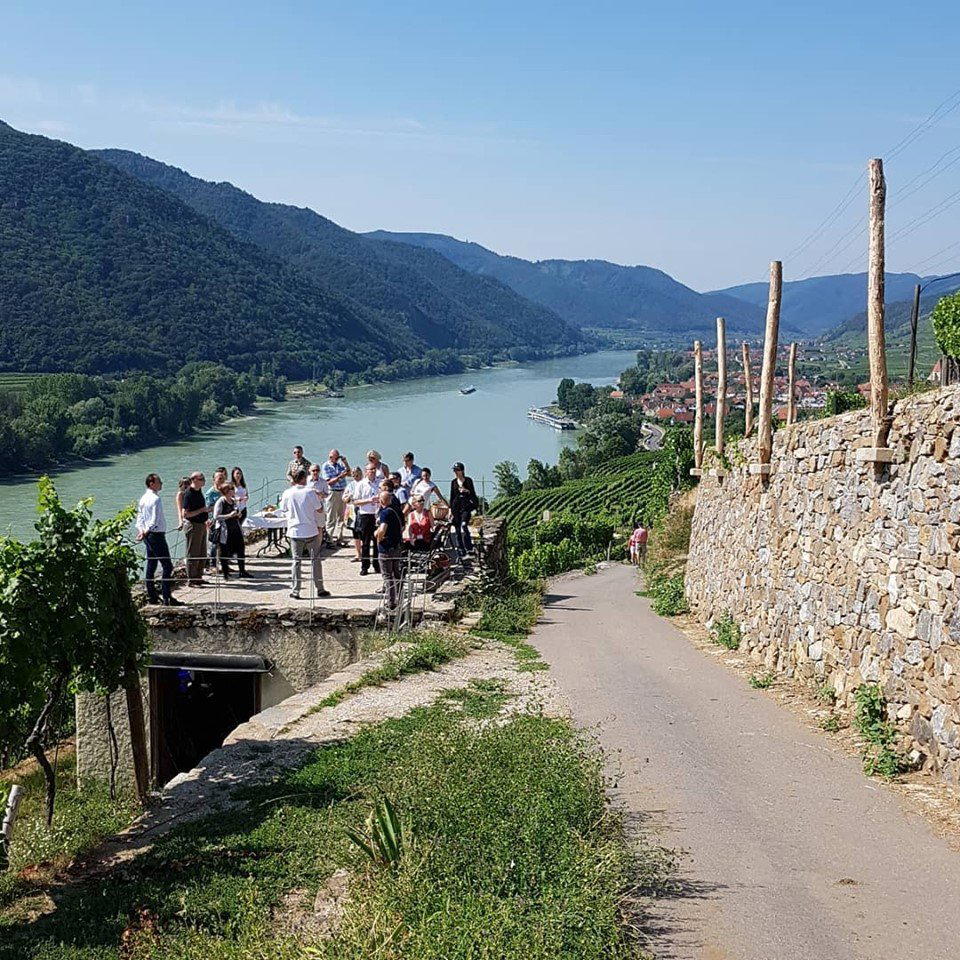
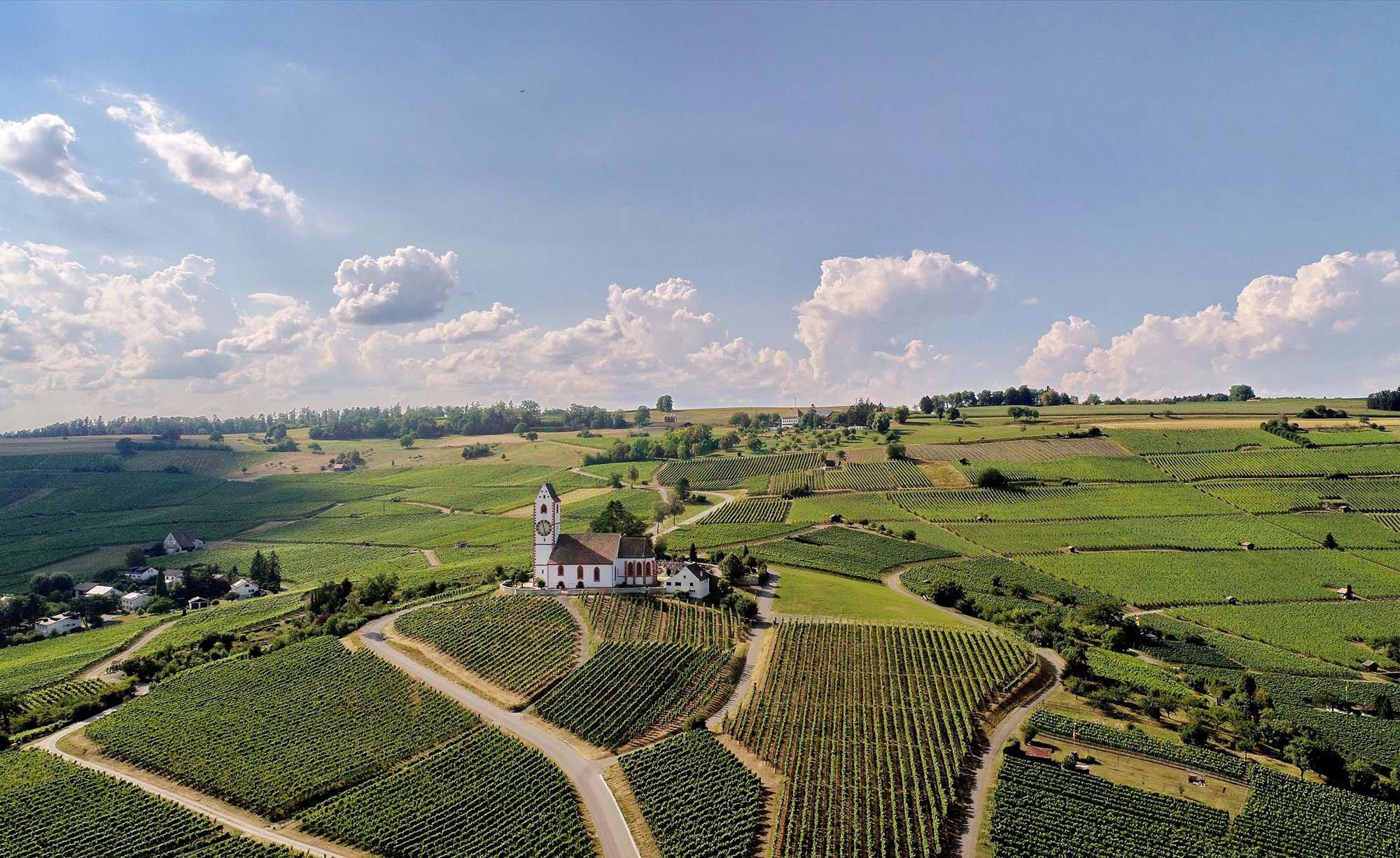
Rustic and authentic atmosphere focused on traditional winemaking in historic vineyard settings.
Tags
Vibe
Best For
Experience
Sourcing
View
At the Vineyard
- Appellation
- Mittelburgenland
- Varietals
- Blaufränkisch, Furmint, Pinot Noir, Zweigelt, Pinot Blanc
- Tour Duration
- 60-90 minutes
- Tour Languages
- German, English
- Visits
- By appointment only
- Farming
- Biodynamic
- Production
- Small producer
- Wine Styles
- Still Red, Still White
- Wine Club
- Not available
Know before you go
Know Before You Go
- Getting there
- Florianigasse 11, 7312 Horitschon
Planning details
Location
Recognition and awards

Also consider
Also Consider
- Weingut Kerschbaum, Notable alternative
- Weingut Gager, Notable alternative
- Weingut Gesellmann, Notable alternative
- Weingut Strehn, Notable alternative
- Pfneiszl Winery, Notable alternative
Winery context
Weingut Franz Weninger is the right first choice if the trip is built around serious wine rather than a broad hospitality package. Compared with Weingut Kerschbaum, it reads as the more targeted stop for travellers who are comfortable planning ahead, while Kerschbaum is the safer cross-shop if the group wants another Horitschon option in reserve.
Against Weingut Gager, Weingut Gesellmann, and Weingut Strehn, the decision should come down to itinerary shape: choose Weninger if Horitschon is the anchor, and use the others when the day can stretch beyond town. With no public price detail across this set, value is less about headline cost and more about avoiding wasted travel time.
Pfneiszl Winery is the useful alternative for readers who want another producer in the same broader wine-country conversation. If booking certainty and group logistics matter more than producer specificity, keep two or three of these names active rather than building the day around a single hard-to-secure stop.
Explore Horitschon
Around this place
Discover more on Pearl
Unlock the full Weingut Franz Weninger guide in Pearl, including awards, comparisons, FAQs, planning details, and nearby places.
Compare Weingut Franz Weninger
| Venue | Location | Awards |
|---|---|---|
| Weingut Franz Weninger | Horitschon | 2026 Falstaff Winery Guide |
| Weingut Kerschbaum | Horitschon | 2026 Falstaff Winery Guide |
| Weingut Gager | Deutschkreutz | 2026 Falstaff Winery Guide |
| Weingut Gesellmann | Deutschkreutz | 2026 Falstaff Winery Guide |
| Weingut Strehn | Deutschkreutz | 2026 Falstaff Winery Guide |
| Pfneiszl Winery | Sopron | No published awards |
How Weingut Franz Weninger Horitschon compares with similar nearby venues.
FAQ
Frequently Asked Questions
Can Weingut Franz Weninger handle large groups?
If you are planning for a group, confirm capacity and group-oriented visitor facilities directly with Weingut Franz Weninger before arranging the visit. You can also compare planning needs with Weingut Gager or Weingut Gesellmann.
Does Weingut Franz Weninger serve food?
Confirm directly with Weingut Franz Weninger before assuming food, pairings, or any specific tasting format. If you are comparing options, Weingut Gesellmann and Weingut Strehn are useful named references.
Is the wine club at Weingut Franz Weninger worth joining?
What other venues can I compare with Weingut Franz Weninger?
Relevant named references for comparison include Weingut Kerschbaum, Weingut Gager, Weingut Gesellmann, Weingut Strehn, and Pfneiszl Winery. Confirm locations and visit details directly before building a route around them.
When is the best time to visit Weingut Franz Weninger?
Check current opening hours, seasonal timing, and appointment requirements directly with Weingut Franz Weninger, especially if your Horitschon itinerary depends on a specific time slot.
Does Weingut Franz Weninger ship wine?
If shipping matters, confirm the current process directly with Weingut Franz Weninger and compare practical details with other references such as Weingut Gesellmann or Pfneiszl Winery.