

2026 Falstaff Winery Guide: The Ultimate Wine Authority — Page 131
Falstaff's 2026 Wineries guide.

Venues on this list
Domaine Mee Godard
Villié-Morgon, France
Domaine Mee Godard is worth prioritising if the trip is built around Morgon and producer-led wine discovery, especially given its Falstaff listing for 2026. Treat it as an appointment-led winery stop rather than a casual tasting-room visit, and plan meals, lodging, and backup winery options separately in Villié-Morgon.
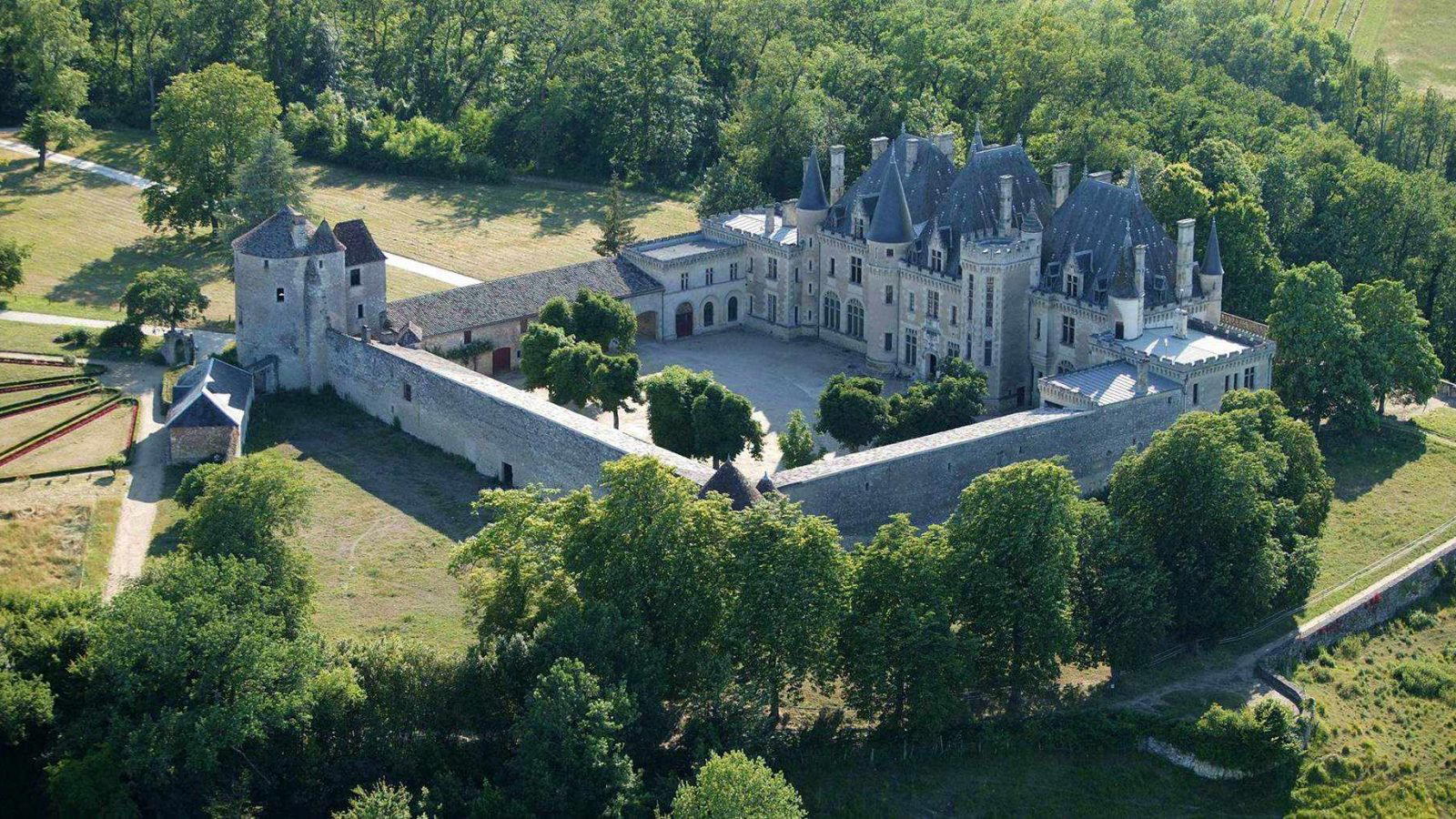
Chateau d'Arce
Castillon La Bataille, France
Chateau d'Arce works as an easy Castillon-la-Bataille wine stop if the goal is regional context rather than a highly documented tasting program. Its 2026 Falstaff Winery listing gives it a recognition signal, but plan flexibly: confirm tasting details, food availability, and group arrangements before shaping a day around it.
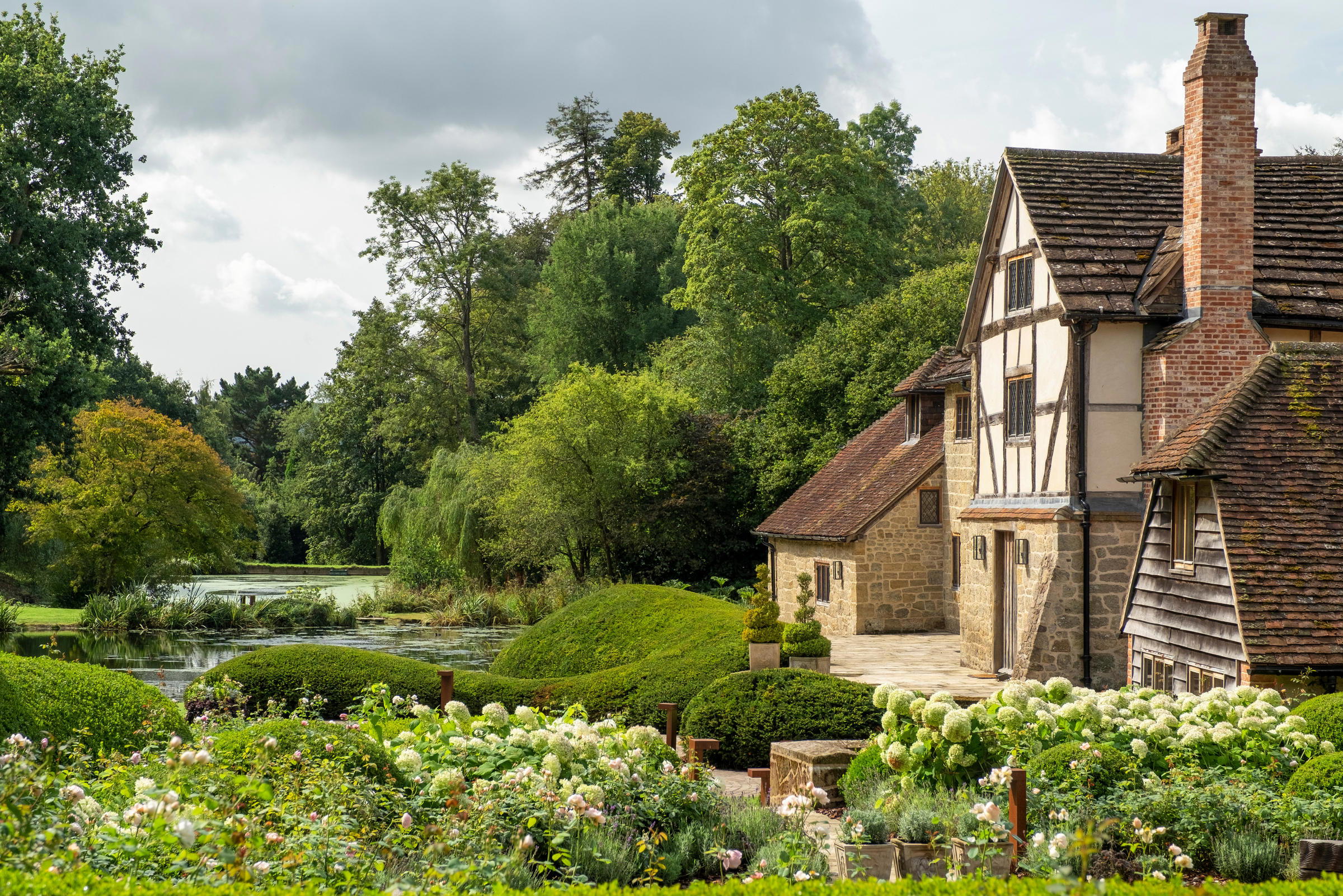
Nyetimber
Horsham, United Kingdom
Nyetimber is a winery in West Chiltington near Horsham.
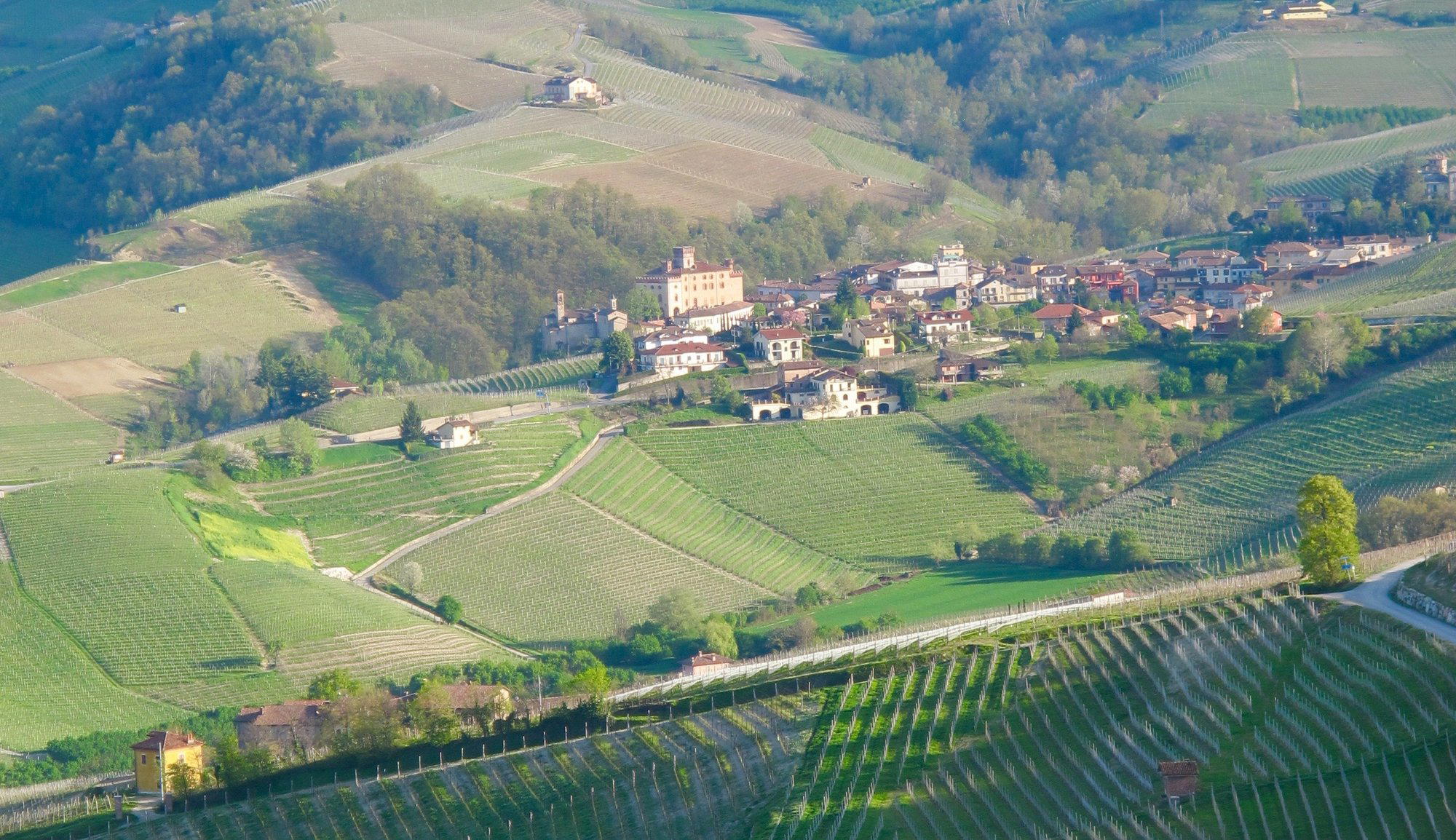
Bartolo Mascarello
Barolo, Italy
A high-effort Barolo pick for serious Nebbiolo buyers and special-occasion wine trips, not a casual tasting-room stop. Prioritise Bartolo Mascarello if the bottle decision matters; skip it for large groups, food service expectations, or flexible walk-in planning.
Château Roc de Calon
Montagne, France
Château Roc de Calon is a good Montagne-Saint-Émilion pick for visitors who want an approachable, educational Bordeaux estate tasting rather than a luxury production. Go for the family-run context, Merlot-led flagship wine, and Right Bank terroir explanation; skip it if the day requires a full food program or a highly formal hospitality setup.
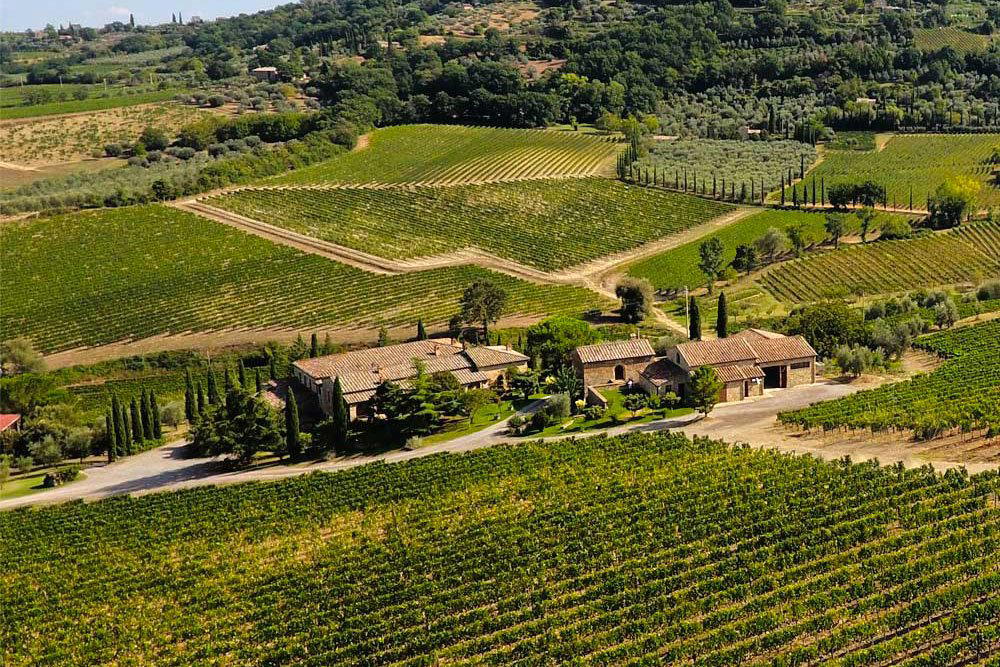
Capanna
Montalcino, Italy
Stone cellars, traditional oak casks, and Montosoli vineyard views make Capanna a strong Montalcino choice for a slower Brunello-focused tasting. Prioritise it for a special occasion or food-pairing format, especially if the goal is regional context and family-run cellar atmosphere rather than a quick tasting-room stop.
Domaine François Carillon
Puligny-Montrachet, France
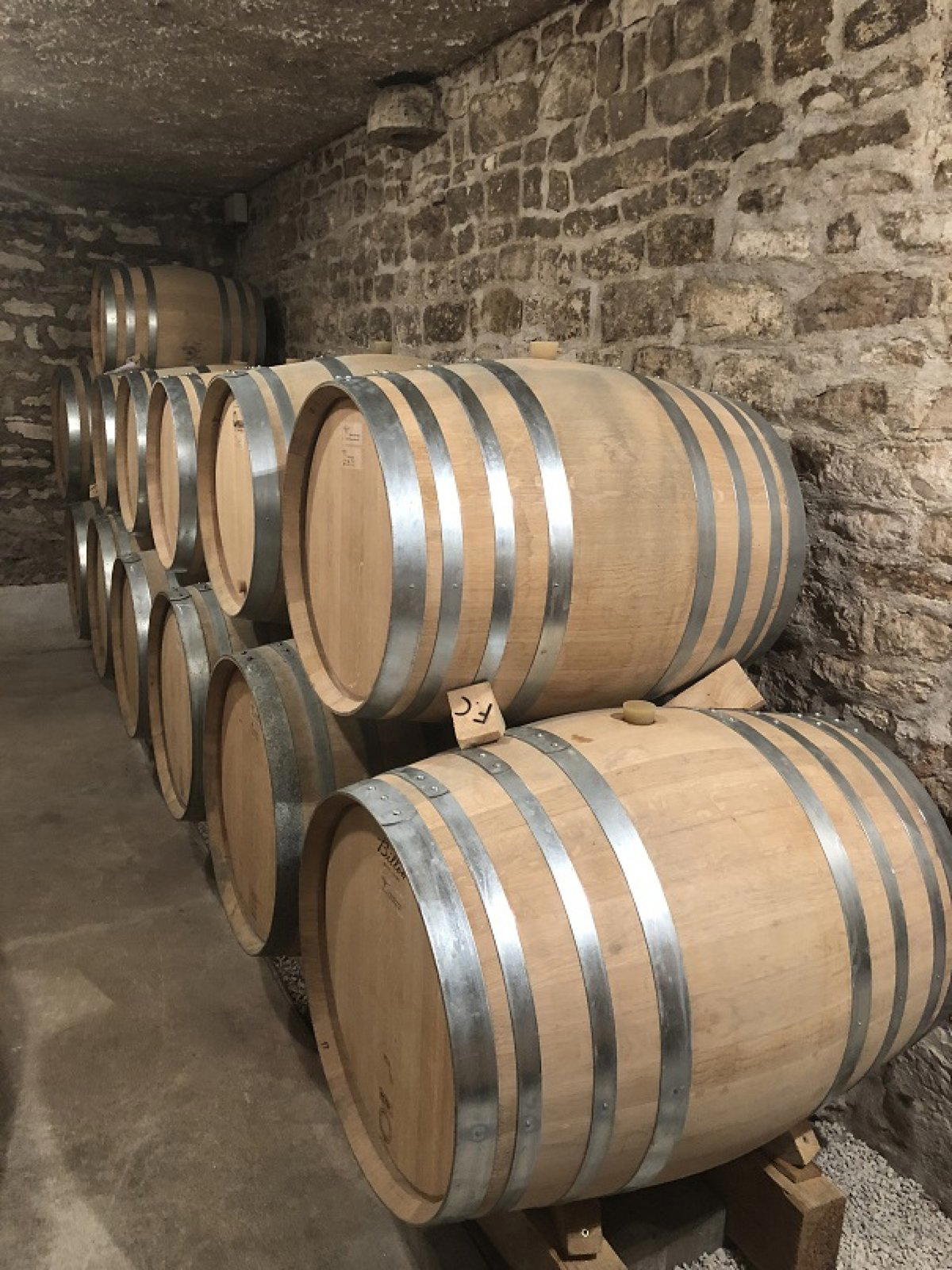
Domaine François Carillon is a strong target for travellers who want serious Puligny-Montrachet context rather than a casual tasting stop. Book only if the trip can handle difficult access and a producer-focused experience; cross-shop Domaine Jacques Carillon, Domaine Etienne Sauzet, and Domaine Paul Pernot et ses Fils if flexibility or broader comparison matters more.
49Point9
Geisenheim, Germany
49Point9 is a worthwhile Geisenheim appointment for travellers who want a small, modern Rheingau project rather than another grand estate stop. Go for dry Riesling, Pinot Noir, and cool-climate context; skip it if the priority is broad hospitality infrastructure or a large cellar range.
Baglio Diar
Marsala, Italy
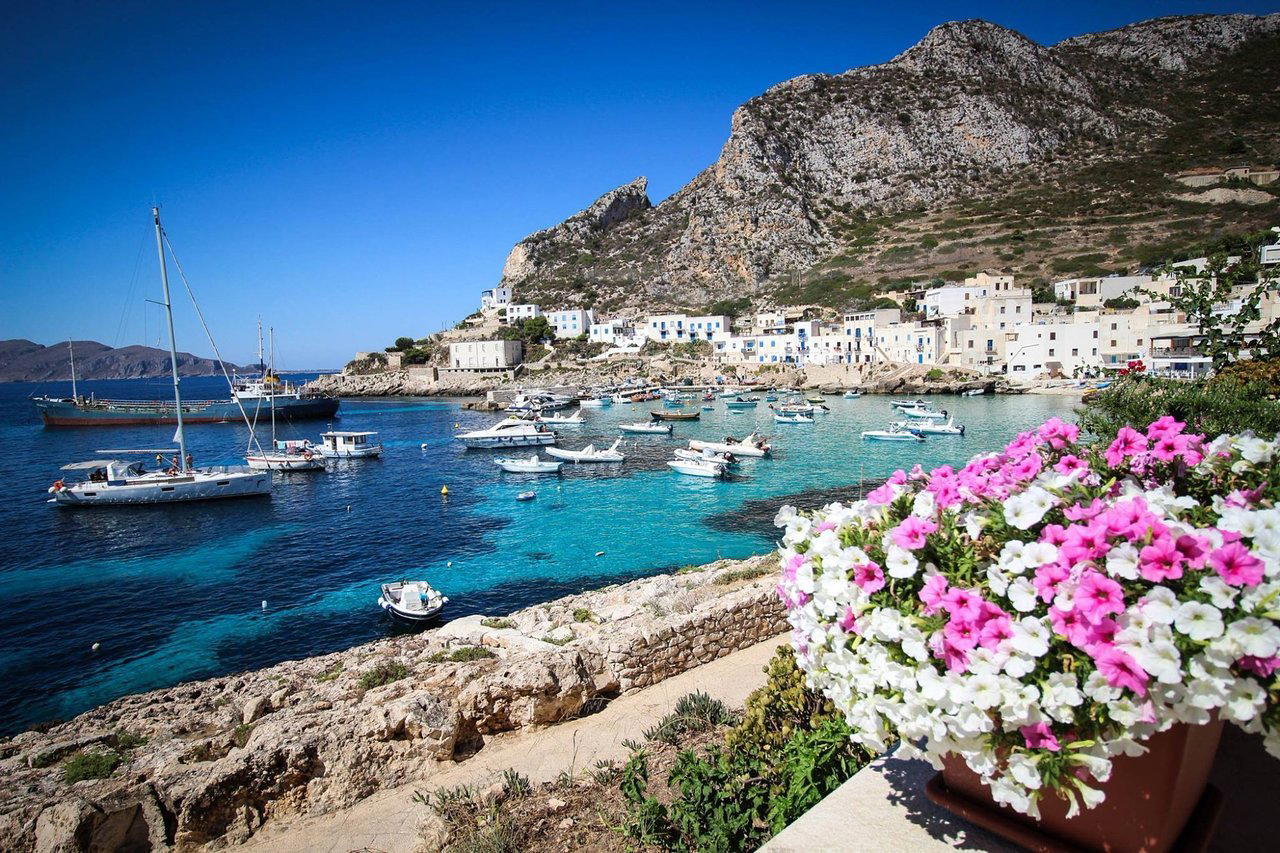
Baglio Diar is a smart Marsala pick for travelers who want a calm, guided organic winery tasting with a small food-pairing element rather than a full winery meal. The appeal is native Sicilian grapes, olive oil with bread, family continuity, and a restrained atmosphere suited to couples or small groups.
Fogarty Wine Group
West Perth, Australia
Fogarty Wine Group is worth shortlisting for serious wine research in West Perth, especially given its Falstaff listing for 2026. Treat it as an urban wine-group address rather than a guaranteed cellar-door experience: useful for portfolio context and purchase planning, less useful for travellers who want a clearly published tasting visit.
Château Musar
Ghazir, Lebanon
Château Musar is worth prioritizing if the decision is about Lebanese wine depth, cellar access, and allocation value rather than a casual food-and-wine outing. Its 2026 Falstaff listing gives a real trust signal, but any club decision should come down to bottle access, pricing, and shipping terms before committing.
Domaine Robert-Denogent
Fuissé, France
Book Domaine Robert-Denogent if the goal is serious Mâconnais Chardonnay with old-vine depth and natural-leaning cellar work. It is better suited to collectors and focused wine travelers than casual tasting-room visitors, with the draw centered on Pouilly-Fuissé, long élevage, and a quiet working-domaine setting.
Al Mulinetto
Gordola, Switzerland
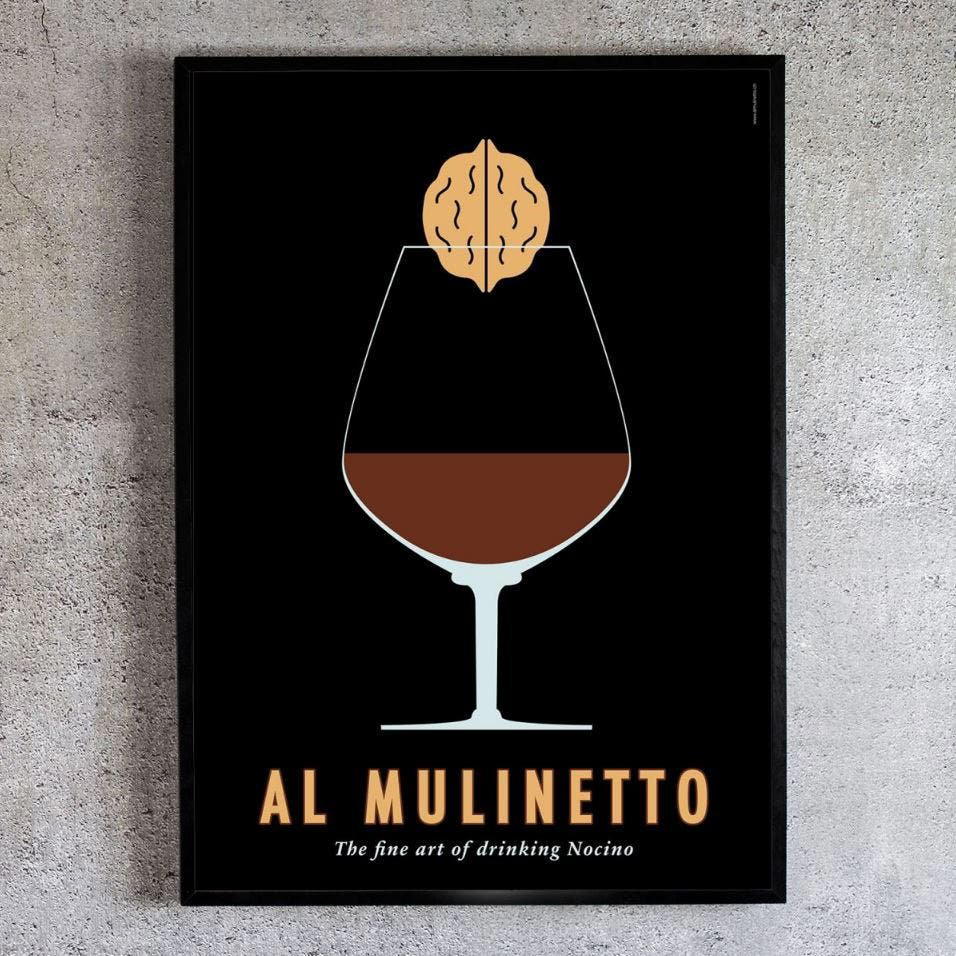
Al Mulinetto is worth booking if you want a small, appointment-led Ticino wine visit focused on Merlot rather than a broad regional sampler. The appeal is the combination of lake-country setting, artistic bottle-and-label identity, and Falstaff-listed recognition; skip it if you need walk-in flexibility or a food-led winery experience.
Domaine Jacques Prieur
Meursault, France
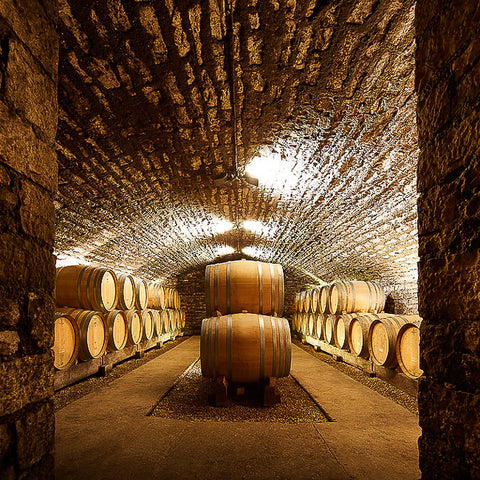
A serious Meursault choice for Burgundy-focused travelers, not a casual drop-in stop. Domaine Jacques Prieur is worth pursuing if a private, appointment-led tasting is the main point of the day; visitors who need easy access or a flexible schedule should cross-shop more public-facing Meursault options first.
De Tomi Cristian
Sirmione, Italy
De Tomi Cristian is worth booking if the goal is a focused Lugana DOC tasting rather than a polished winery production. The 16-month lees-aged Lugana DOC Selection is the bottle to pay attention to, while the small family-run format suits couples or small groups better than large celebrations.
Château La Gurgue
Margaux, France
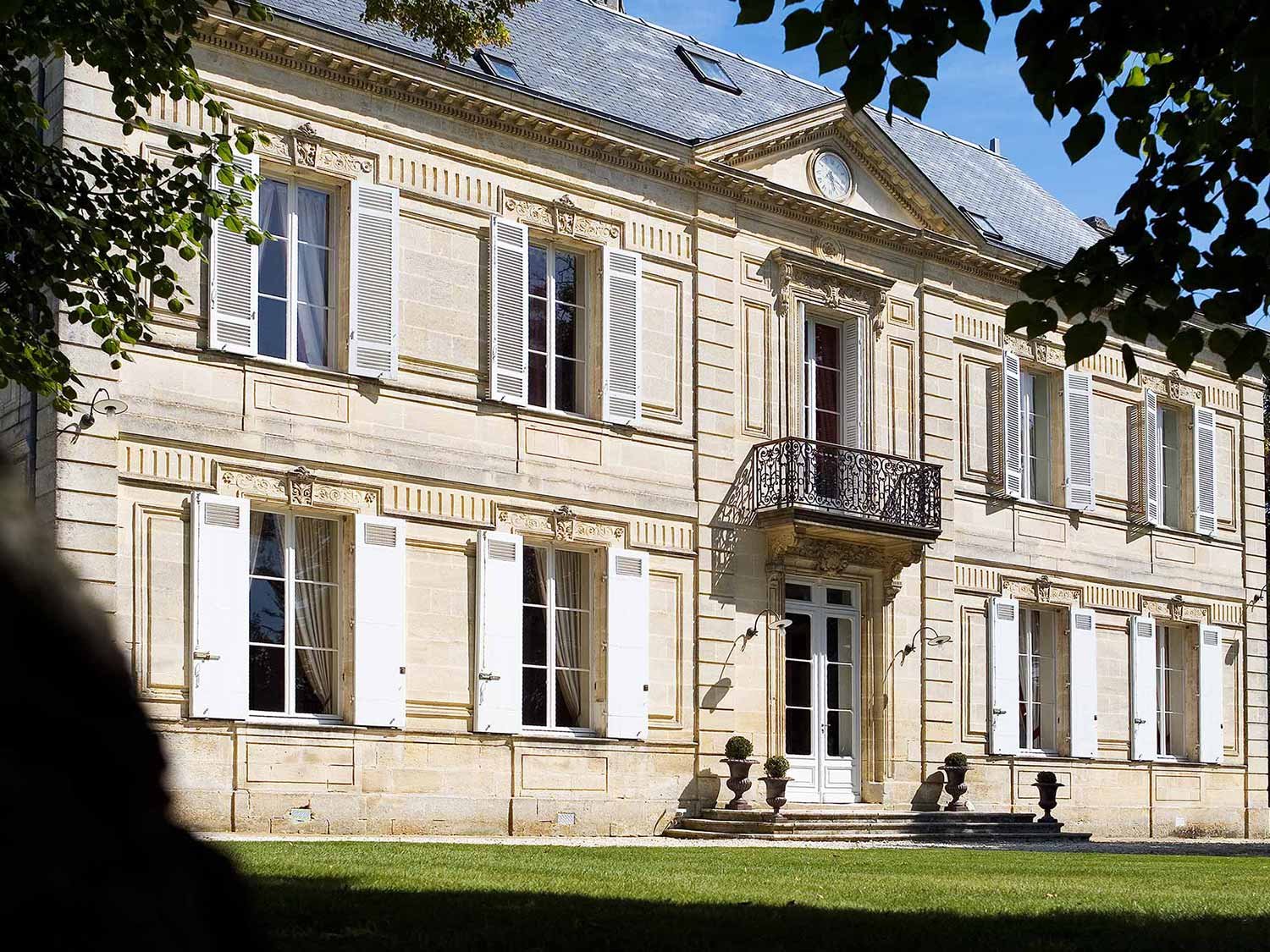
A small, serious Margaux estate for drinkers who care more about bottle quality than hospitality theatre. Book Château La Gurgue for a quiet, appointment-led visit focused on Cabernet-led Margaux style, organic and biodynamic farming, and flagship red wine value; skip it for large groups or a highly structured visitor circuit.
Becksteiner Winzer
Beckstein, Germany
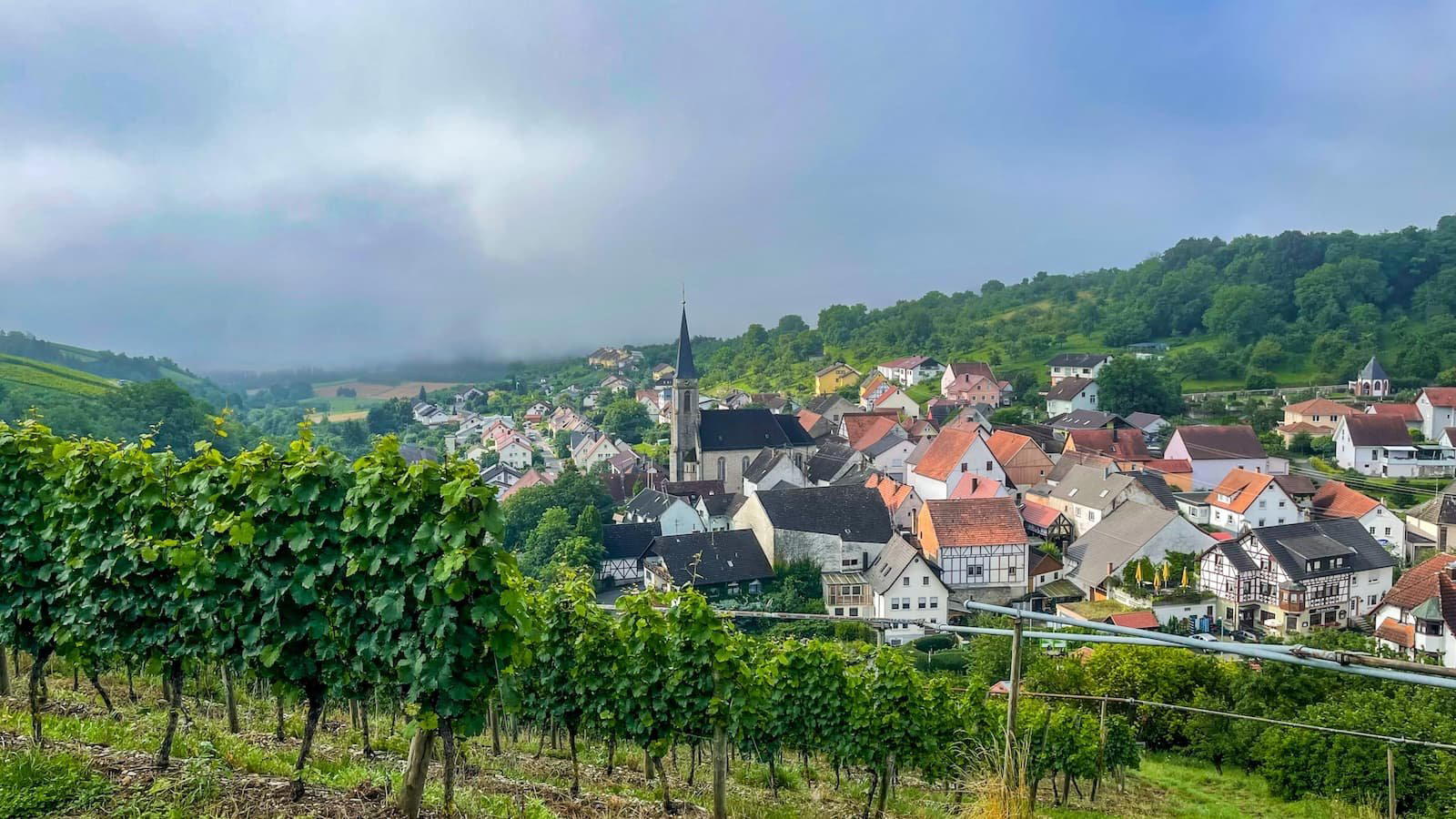
Book Becksteiner Winzer if the appeal is understanding Tauberfranken through a serious cooperative rather than chasing a tiny estate tasting. The strongest draw is scale with credibility: 354 member growers, roughly 250 hectares, a broad regional portfolio, Falstaff 3 Stars for 2026, and a 91.5-point Schwarzriesling in the Wine Guide Germany 2025.
Hautes Terres de Comberousse
Cournonterral, France
Hautes Terres de Comberousse is worth seeking out for limestone-driven Languedoc whites and GRIGRI, its rare aramon gris bottling, rather than for a polished tasting-room experience. The draw is practical and bottle-led: organic farming, vegan-friendly cellar work, manual harvest, and a quiet garrigue setting that suits serious wine buyers more than casual drop-ins.
Château La Rose Perrière
Lussac, France
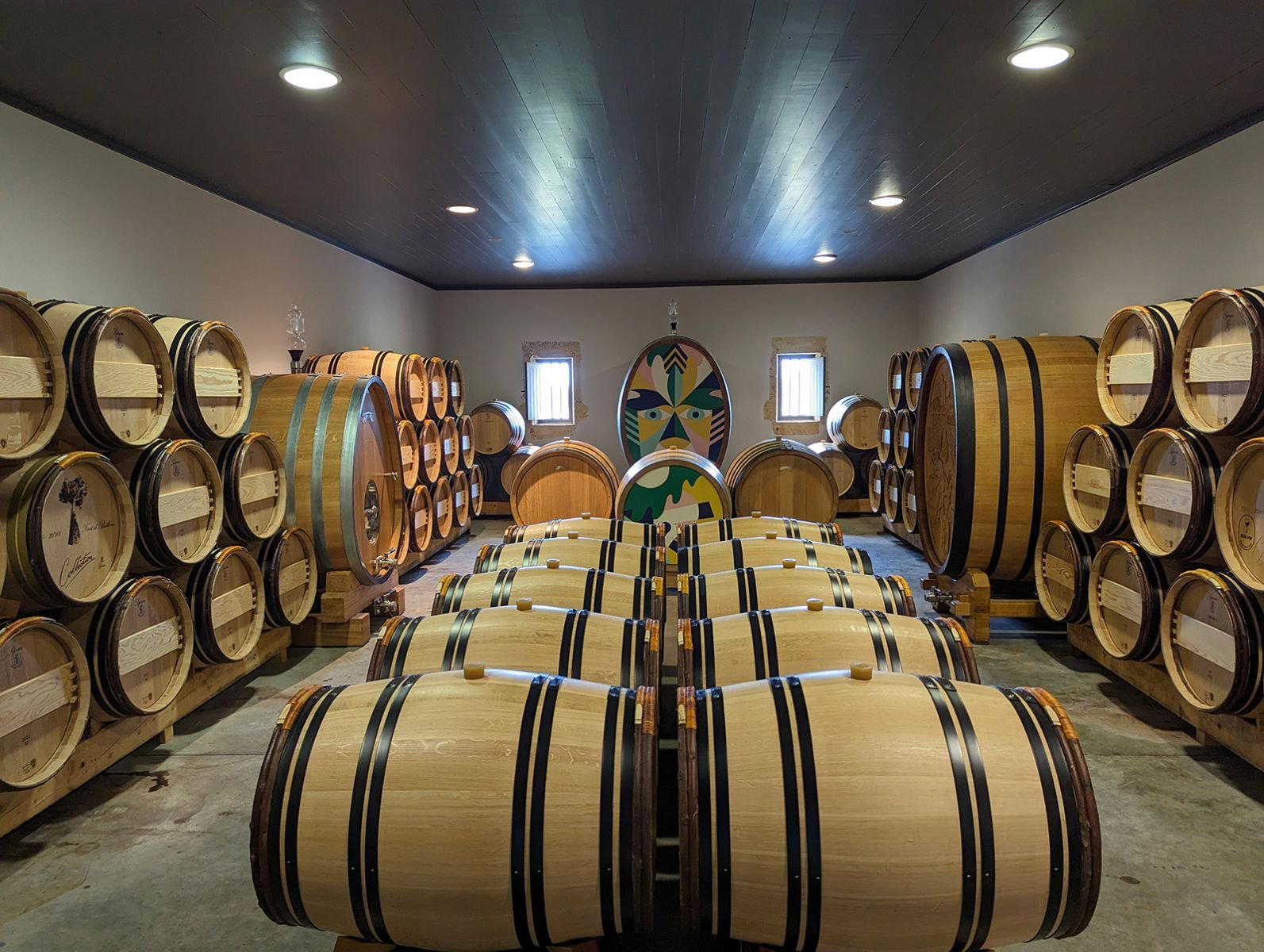
Book Château La Rose Perrière if you want a calm, good-value Lussac-Saint-Émilion tasting with vineyard context rather than a polished château spectacle. The draw is Merlot-led Right Bank wine, organic certification from the 2023 vintage, and a small-estate setting that works well for travelers building a deeper Lussac wine day.
Domaine de la Baume
Saint Hilaire, France
Domaine de la Baume is a sensible pick for a compact Languedoc tasting if you want varietal range without a long hospitality production. Go for an efficient small-group visit focused on IGP Pays d’Oc wines; skip it if you need food pairings, a weekend-friendly schedule, or a more elaborate private experience.
Domaine Francois Villard
Saint Michel Sur Rhone, France
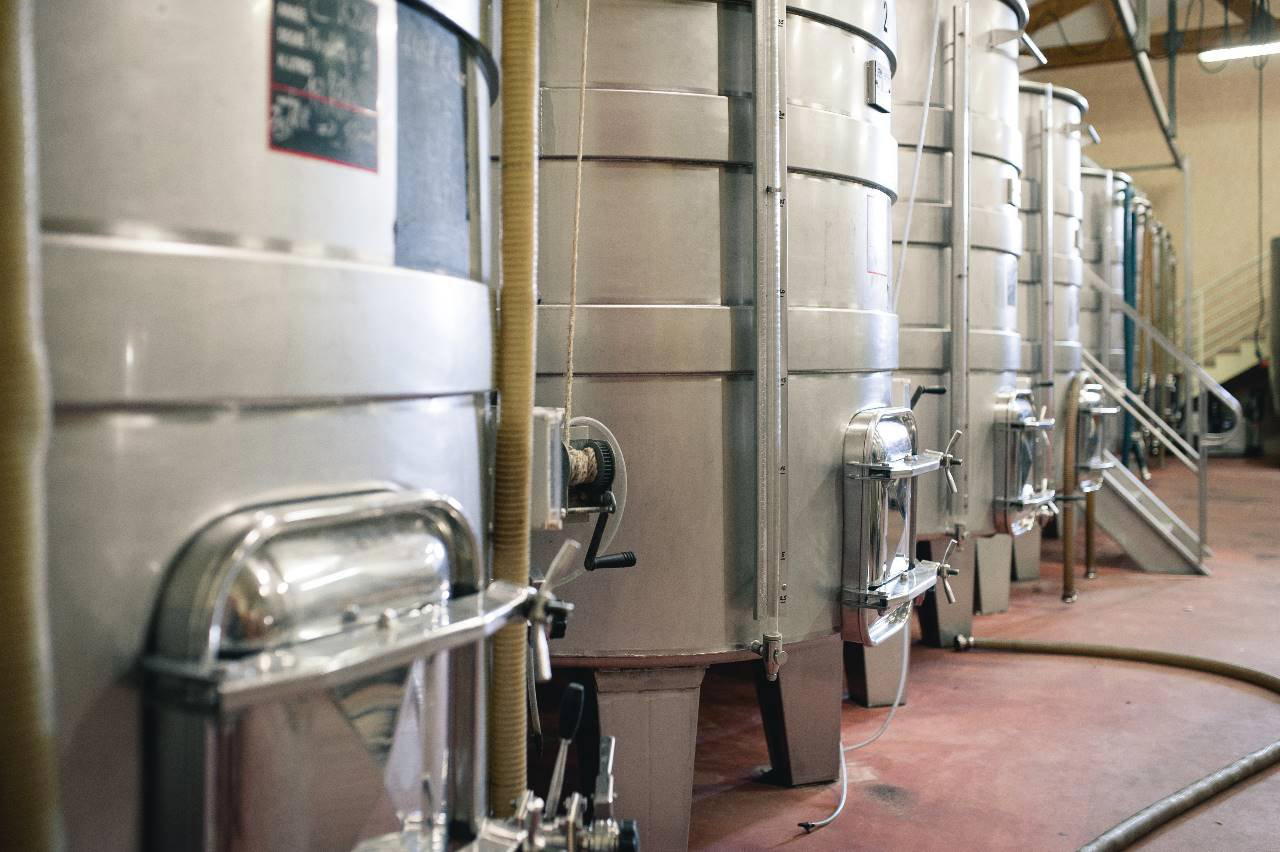
A sensible Condrieu-area winery stop for readers who care more about producer credibility than hospitality extras. Best used as part of a wider Saint Michel Sur Rhone wine itinerary, with meal and hotel plans handled separately. Falstaff listing adds a useful trust signal, but confirm visit logistics before making it the anchor for a celebration.
Pheasant's Tears Winery
Signagi, Georgia
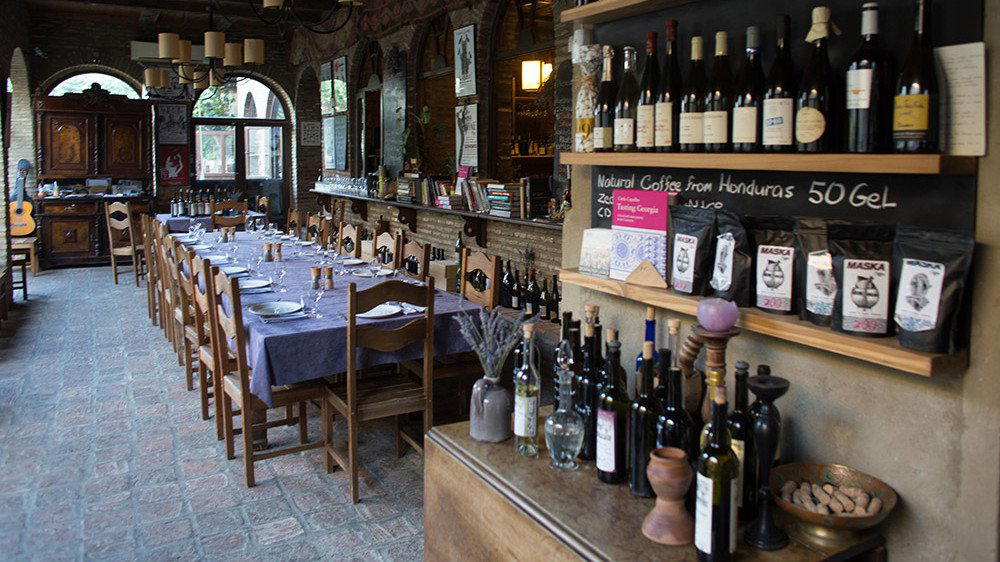
A good Signagi choice when the plan is wine-first rather than chef-first. Pheasant's Tears Winery is easier to fit into a Kakheti itinerary than more structured estate dining, but readers seeking a documented tasting-menu or special-occasion restaurant should compare Vazisubani Estate Restaurant, Natella, Prince Alexander, Schuchman Wines Chateau, and Doli before committing.
Bodega y Viñedos Milénico
San Martin De Rubiales, Spain
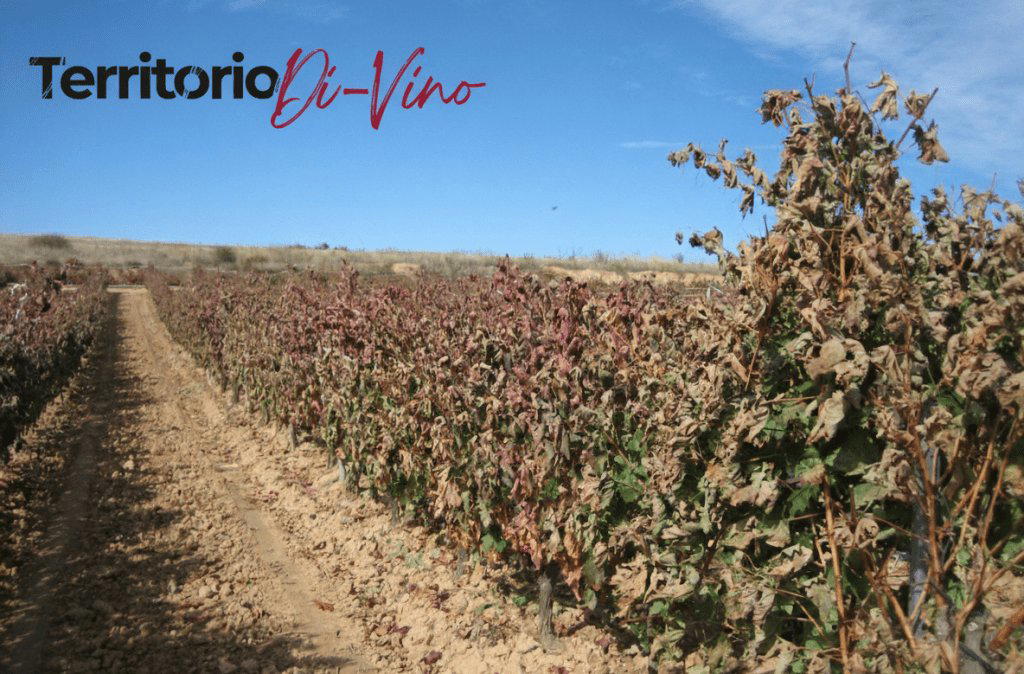
A strong pick for Ribera del Duero travellers who care about organic Tempranillo, small production, and family-run farming over polished cellar-door theatre. Bodega y Viñedos Milénico is a premium, appointment-led choice that makes the most sense for couples or small groups seeking context, not casual visitors looking for an easy drop-in tasting.
Kakhuri
Telavi, Georgia
Kakhuri is a practical Telavi winery pick for travelers who want a structured Kakheti introduction rather than a tiny cellar-door visit. The setting leans larger and more organized, with a Falstaff Listed signal in 2026 and an easy booking profile, so it works well as a daytime anchor on a broader wine route.
Adega Cooperativa de Ponte de Lima
Ponte de Lima, Portugal
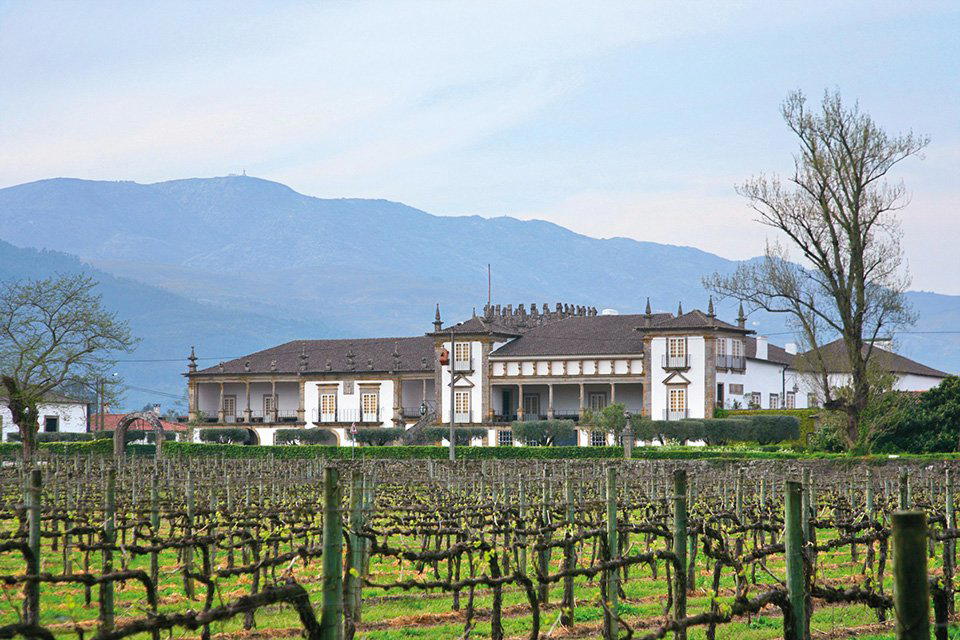
Adega Cooperativa de Ponte de Lima works if the goal is an affordable, low-friction Vinho Verde stop focused on Loureiro and local cooperative production. It is better for curious wine travelers than for groups seeking a polished special-occasion estate experience, and it fits well as a daytime stop within a broader Ponte de Lima itinerary.
gustl & franz - Weingut Schuster
Sankt Anna Am Aigen, Austria
gustl & franz - Weingut Schuster is a low-key Styrian Vulkanland winery for visitors who care more about local wine than polished tourism infrastructure. The $$ price tier and Falstaff Listed recognition make it worth considering for a quieter Sankt Anna am Aigen stop, especially if plans can stay flexible and the visit is arranged by appointment.
Karolinger Weinbau
Moosburg, Austria
Karolinger Weinbau is worth planning for if PIWI wines and small-scale Carinthian production are the point of the trip. Go for the south-slope vineyard setting, direct producer feel, and recognized Helios “Arnulf” and “Luitwinde” bottlings; skip it if you need a full-service tasting room or food-led winery visit.
Familia Deicas
Progreso, Uruguay
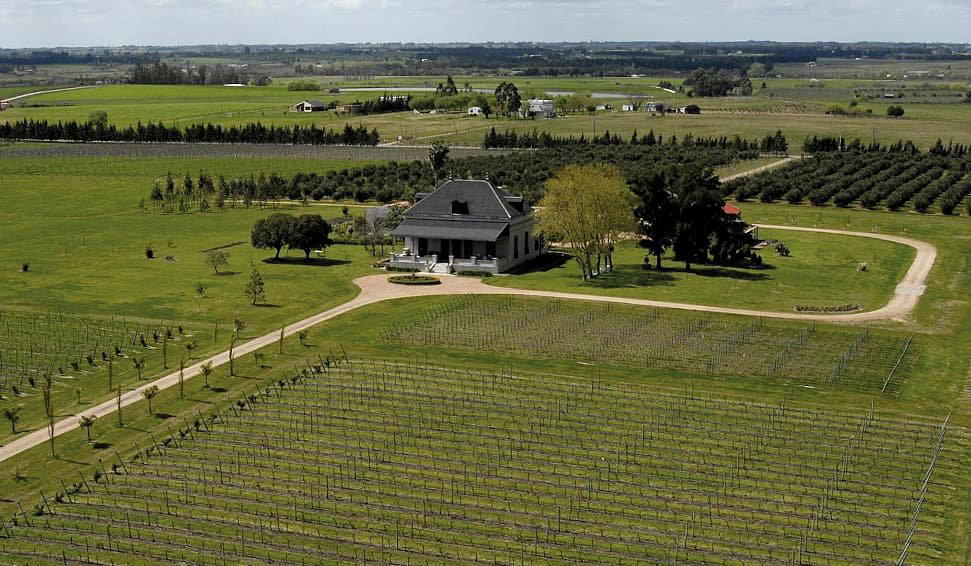
Familia Deicas works for a wine-first visit in Progreso, especially if the goal is to assess bottles rather than plan a full dining outing. Confirm tasting format, food availability, shipping, and group logistics before committing, since the strongest reason to prioritize it is winery recognition rather than published hospitality detail.
Cantine Lunae Bosoni
Luni, Italy
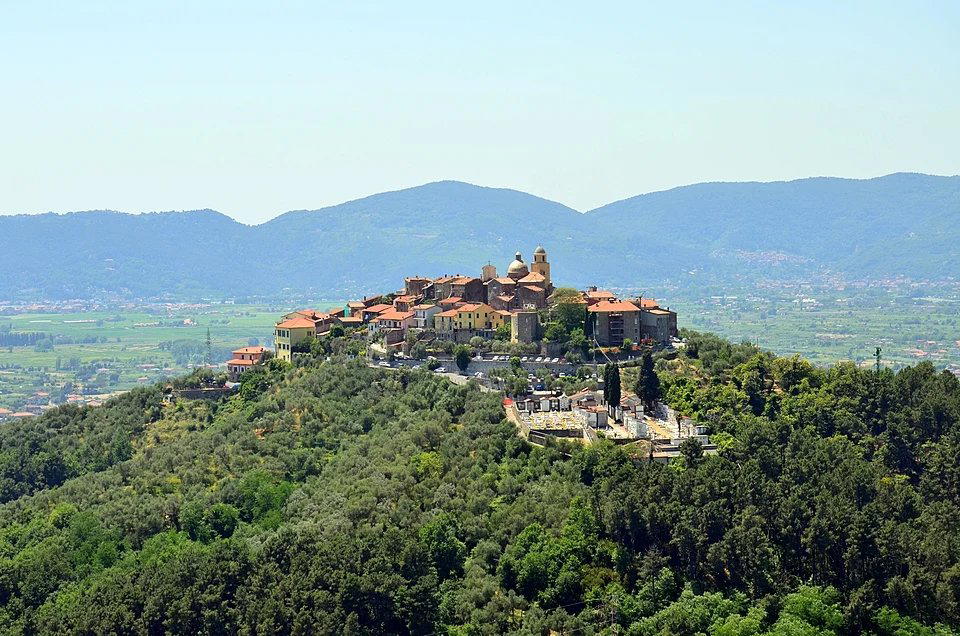
Cantine Lunae Bosoni works as a wine-first Luni stop, especially for a celebration itinerary built around the Liguria–Tuscany border. Falstaff 4 Stars (2026) gives it a clear quality signal, but plan the surrounding meals and timing before committing, because the visit works better as an anchored day than a quick add-on.
Bosco Albano
Pasiano Di Pordenone, Italy
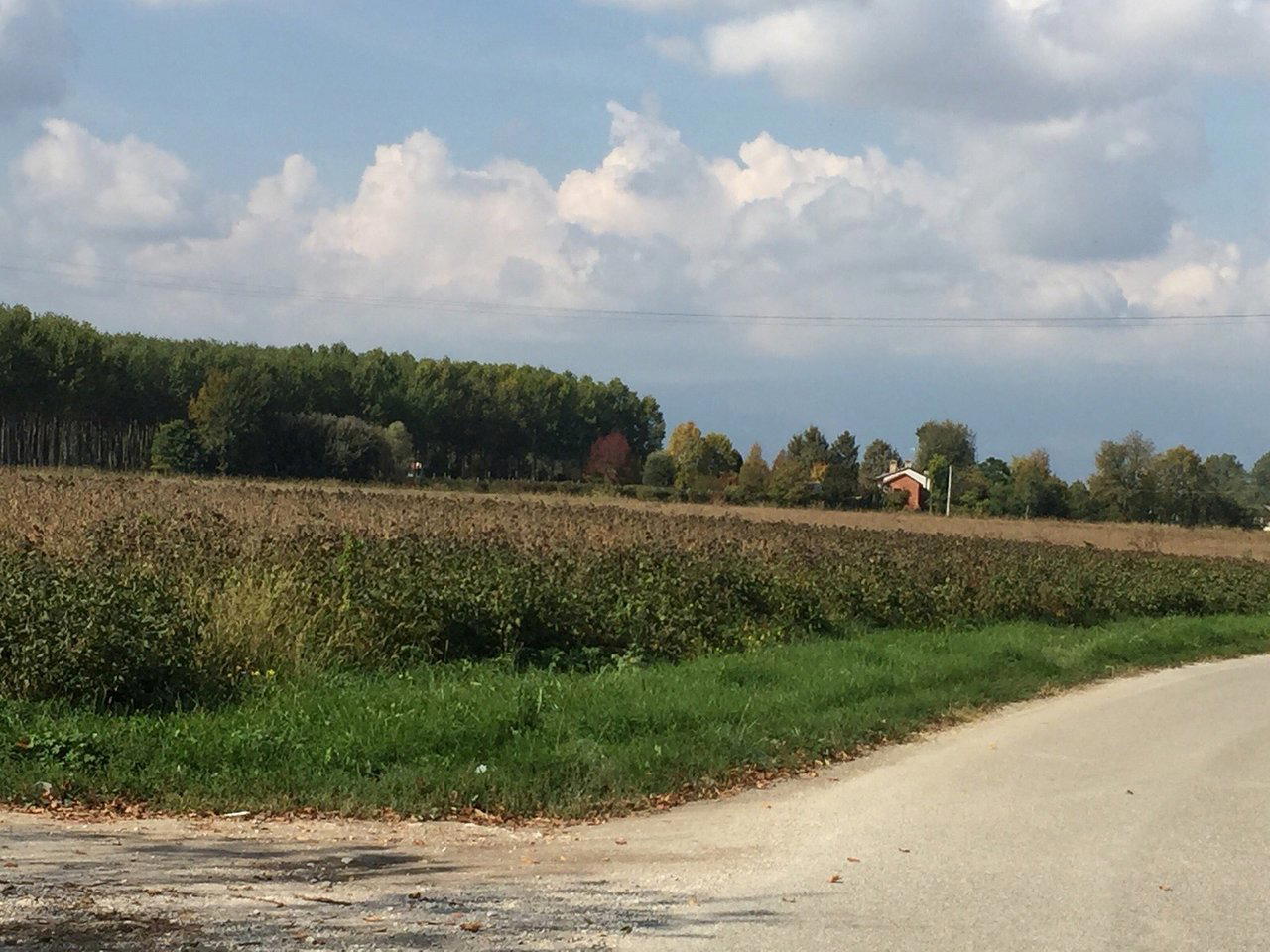
Book Bosco Albano if the goal is a focused Friuli winery visit built around regional whites, sparkling wines, and a calm estate setting. It is better for couples, small celebration groups, and serious wine drinkers than for anyone expecting a restaurant-led experience or a large hospitality production.
Castello Vicchiomaggio
Greve in Chianti, Italy
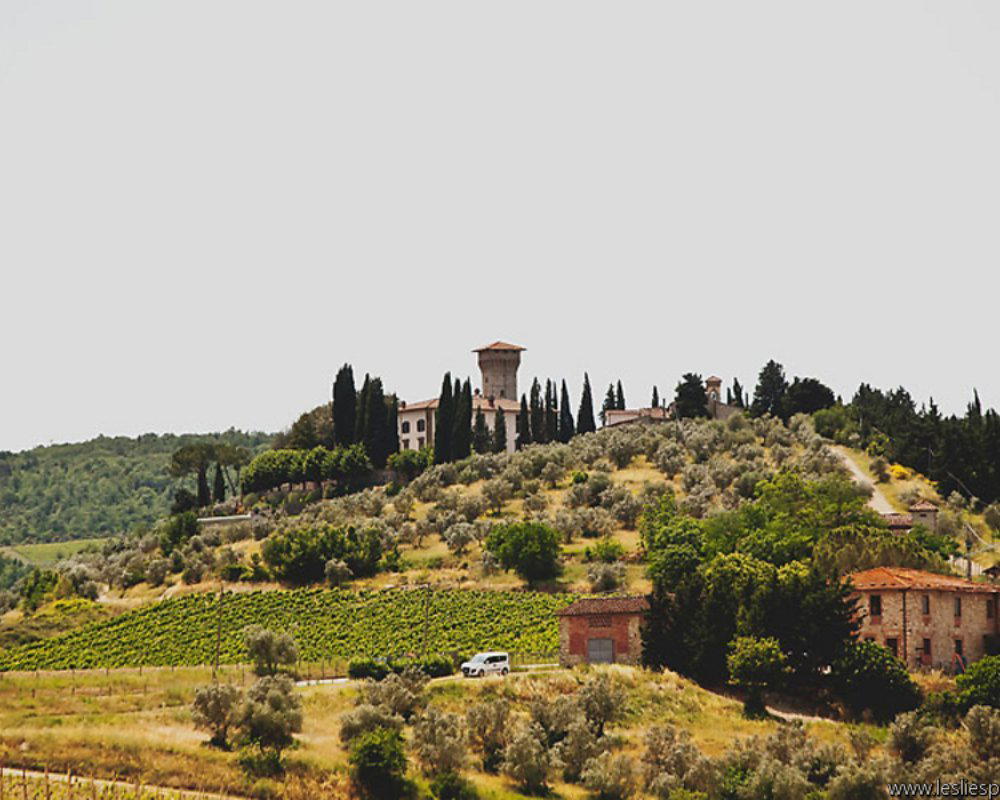
Castello Vicchiomaggio is worth targeting for a planned Chianti winery visit, especially in busier wine-travel seasons when stronger estates need advance thought. The appeal is the castle-format setting and Falstaff 4 Stars recognition, but treat it as a structured anchor rather than a casual drop-in stop.
Perissos Vineyard and Winery
Burnet, United States
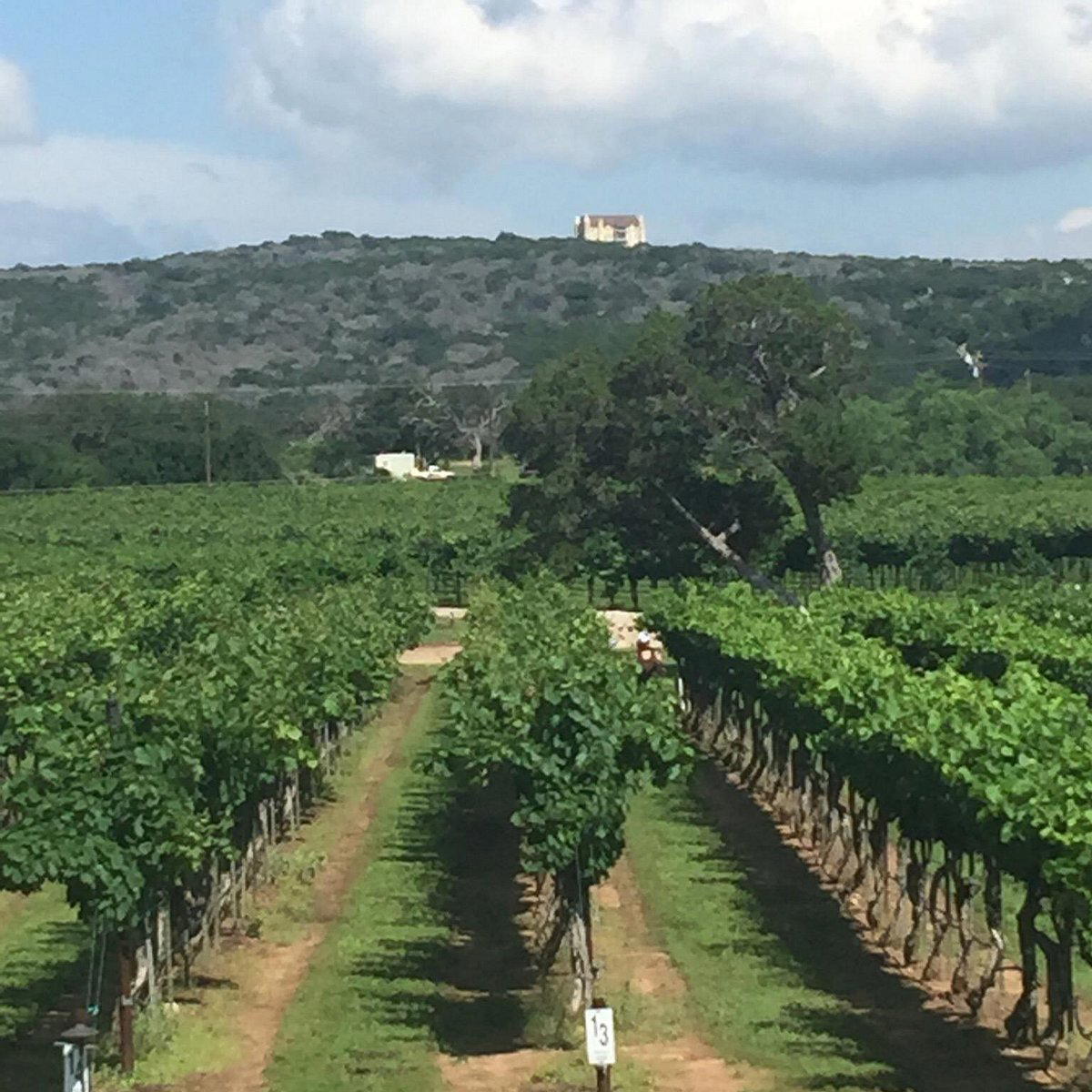
A strong Burnet pick when the day is built around wine rather than a casual drinks stop. Perissos Vineyard and Winery is better suited to a focused tasting visit than a loose group itinerary, with nearby winery and distillery peers worth cross-shopping if availability or group priorities point elsewhere.
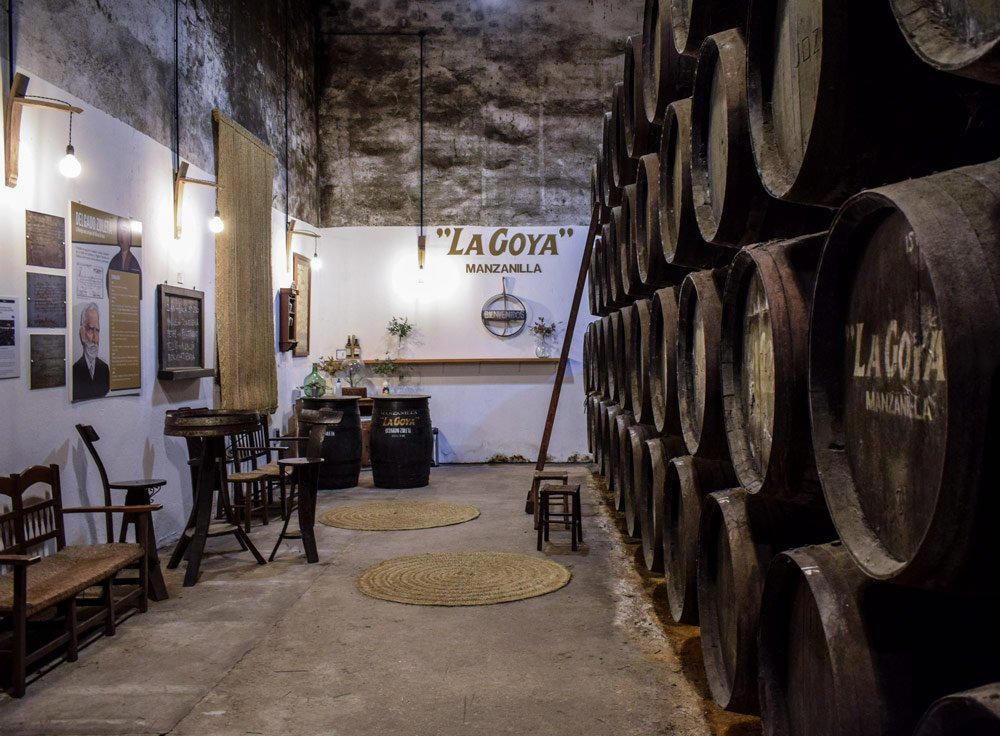
Delgado Zuleta
Sanlúcar de Barrameda, Spain
A focused Sanlúcar de Barrameda winery choice for first-timers who want the visit centred on manzanilla and local bodega culture. Delgado Zuleta is worth prioritising if wine is the point of the day, with Falstaff 3 Stars (2026) adding a clear external trust signal. Confirm visit logistics before anchoring a larger group plan around it.
Domaine Barraud
Vergisson, France
Domaine Barraud works if Vergisson and the Mâconnais are already the focus of the trip, especially for wine travelers who care about local context over a packaged visitor experience. Falstaff Listed in 2026, it has a credible recognition signal, but plan flexibly because visitor details are sparse.
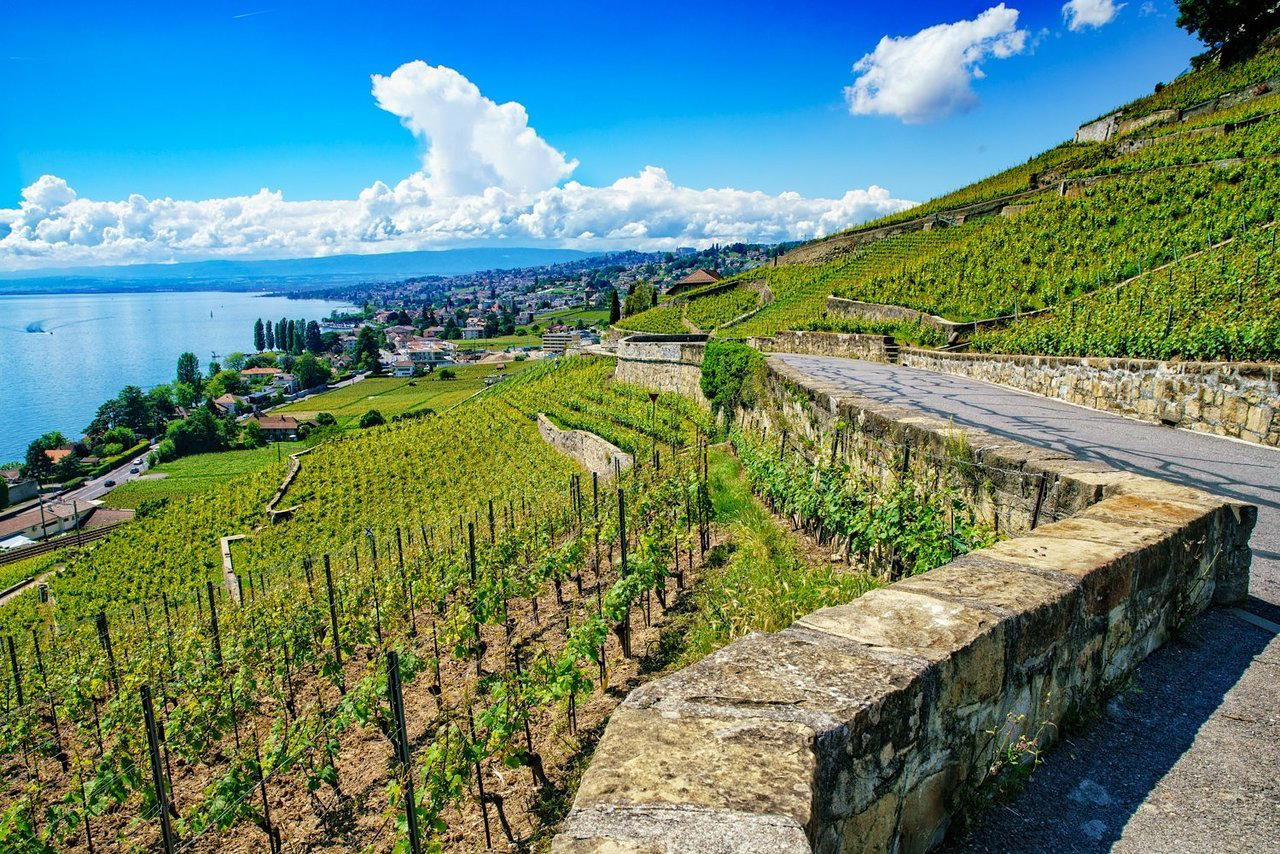
A. & C. Chevalley
Lutry, Switzerland
Book A. & C. Chevalley if you want a focused, traditional Lavaux tasting without design theatrics. The value is strongest for small groups and first-timers who want to understand Chasselas, Pinot Noir, and the Lutry, Villette, and Epesses appellations in a family-run cellar setting.
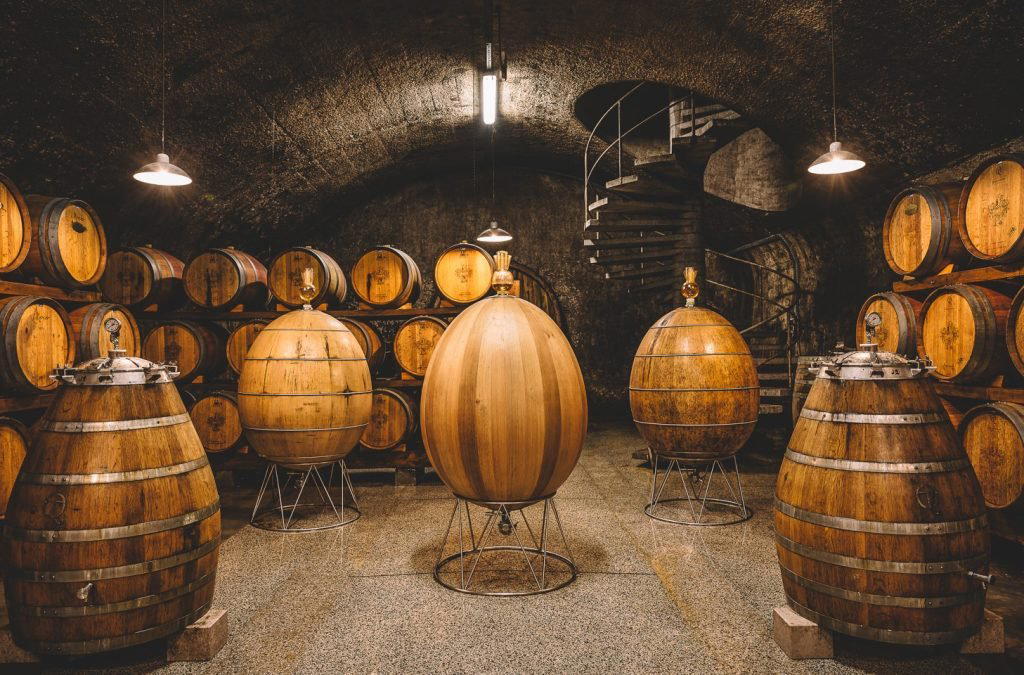
Klet Brda
Brda, Slovenia
Klet Brda is a sensible Brda anchor for travelers who want regional wine context before choosing smaller stops. The 2026 Falstaff 3 Stars recognition gives it credibility, but the smarter play is to use it as part of a wider Brda itinerary rather than expecting a fully detailed food or flagship-bottle experience from the available information.
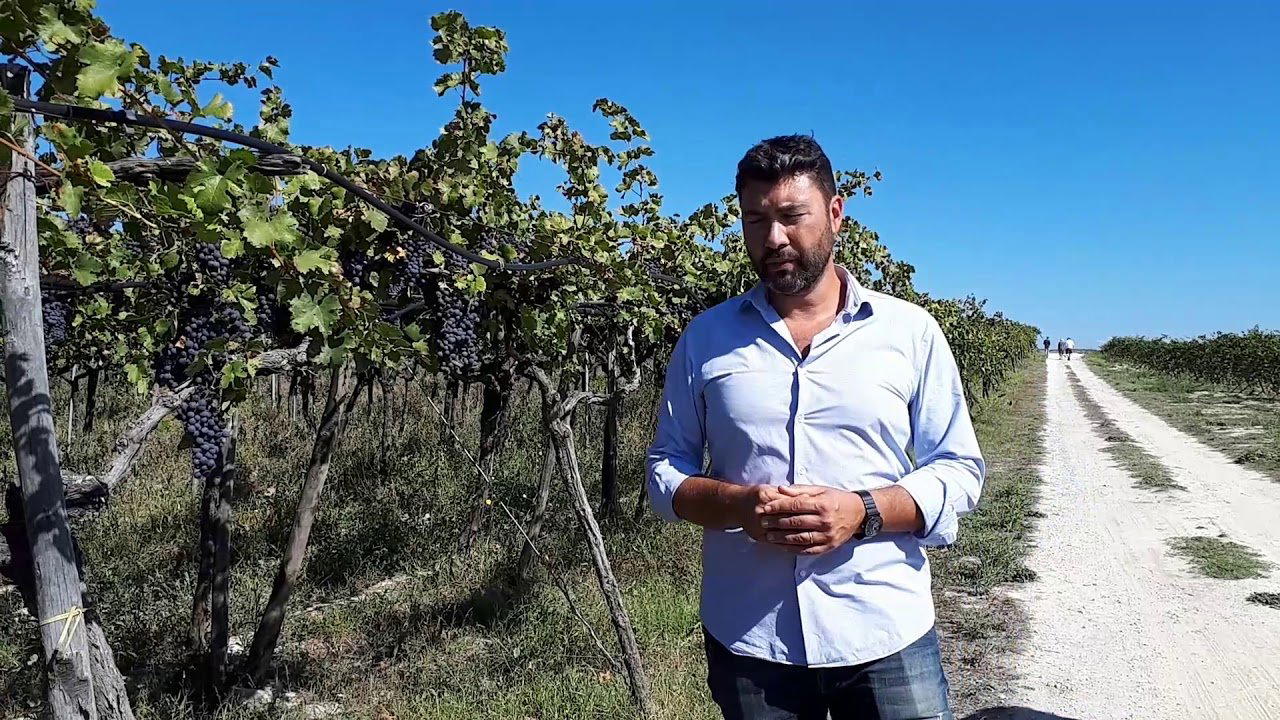
Azienda Agricola Cefalicchio Sarl
Canosa Di Puglia, Italy
Azienda Agricola Cefalicchio Sarl is worth booking if biodynamic farming, Apulian countryside, and a quiet family-run estate are the draw. The value sits in Demeter-certified viticulture, Nero di Troia-led regional identity, and a $$ price signal rather than luxury polish or elaborate tasting-room theatrics.
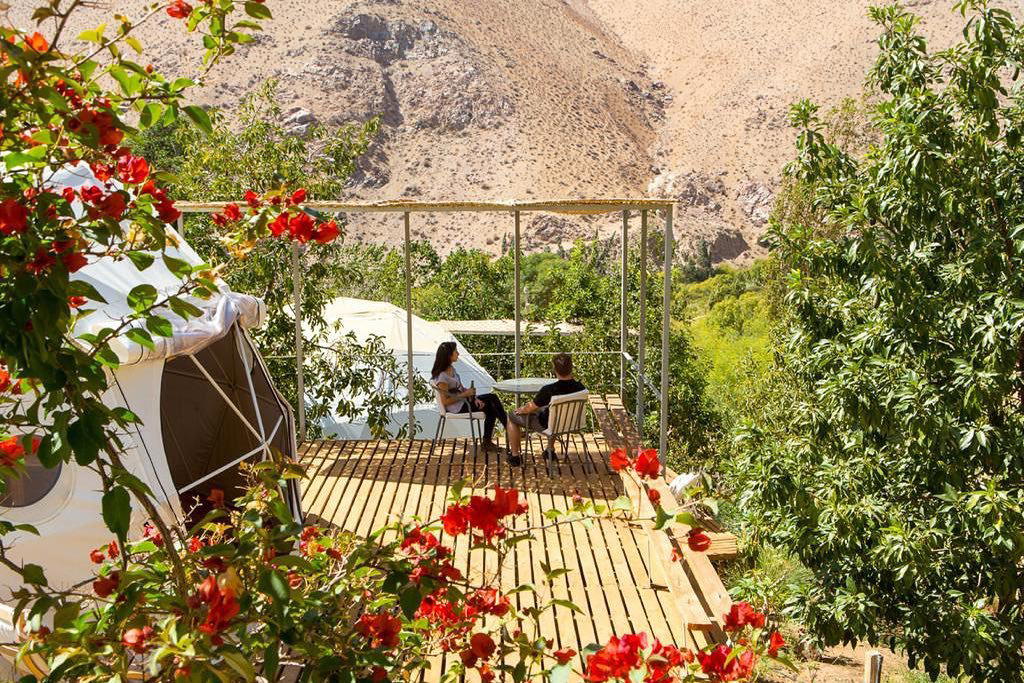
Viñedos de Alcohuaz
Santiago, Chile
Prioritise Viñedos de Alcohuaz if the trip is wine-led and the Elqui Valley detour is part of the appeal. Its recognition, including World's 50 Best Vineyards #25 in 2023, makes it a stronger choice for serious wine travellers than for groups seeking an easy, food-first day out.
Domaine de la Grange des Pères
Aniane, France
Domaine de la Grange des Pères is worth pursuing if the goal is serious Languedoc cellar access rather than a relaxed tasting-room visit. The case for booking rests on two tightly controlled cuvées, low-yield farming, long élevage, and collector demand; casual visitors should plan backup wineries around Aniane instead.
How many of these have you visited?
Find out on Pearl and keep score across every place in 2026 Falstaff Winery Guide.