

Domaine Jacques Prieur
Meursault
Winery in Meursault, France
 Book with Pearl
The Read
Côte de Beaune Precision
Why go
A serious Meursault choice for Burgundy-focused travelers, not a casual drop-in stop. Domaine Jacques Prieur is worth pursuing if a private, appointment-led tasting is the main point of the day; visitors who need easy access or a flexible schedule should cross-shop more public-facing Meursault options first.
About Domaine Jacques Prieur
Domaine Jacques Prieur is a Meursault venue. Details include: Nadine Gublin is oenologist, the dress code is smart casual, and the venue holds Pearl 3 Star Prestige (2025). Plan around these details rather than assuming a particular tasting format, menu, schedule, or walk-in policy.
For a first-timer, the most useful context is that this is a Pearl-recognized Meursault stop. If you are building a wider Meursault plan, use broader local research for context, then confirm details directly with the venue before making the rest of the day depend on a specific experience.
Worth the effort if Domaine Jacques Prieur is the point of the trip
This is a strong candidate for travelers who specifically want to include Domaine Jacques Prieur in a Meursault itinerary. As hours, tasting format, pricing, group capacity, or food service are not available, avoid planning around assumptions. The safest approach is to confirm the current visit options directly and keep the schedule flexible enough to match what the venue confirms.
For context, compare the research with other names such as Domaine Antoine Jobard, Domaine Génot-Boulanger, Domaine Marthe Henry, Domaine Roulot, and Domaine des Comtes Lafon. These are useful reference points for shaping a plan, while Domaine Jacques Prieur remains the venue to confirm directly if it is the priority stop.
Plan Meursault around confirmed details, not assumptions
Guidance is simple: dress smart casual, recognize the Pearl 3 Star Prestige (2025) distinction, and confirm practical details before you go. Do not assume a particular tasting length, service style, menu, or availability unless the venue confirms it. For the non-venue parts of the stay, use Our full Meursault restaurants guide and other current Meursault research to plan accordingly.
If Domaine Jacques Prieur does not fit the schedule, broaden the plan with other research rather than forcing the day around unconfirmed details. Domaine Antoine Jobard, Domaine Génot-Boulanger, Domaine Marthe Henry, Domaine Roulot, and Domaine des Comtes Lafon are natural names to compare when building an itinerary.
Quick reference: plan Domaine Jacques Prieur as a Pearl 3 Star Prestige (2025) Meursault venue, dress smart casual, and confirm all visit details directly before building the day around it.
Planning details
- Location
- 6 Rue des Santenots, 21190 Meursault
- Website
- prieur.com
- Phone
- +33 3 80 21 23 85
The take
The Take
The Vibe
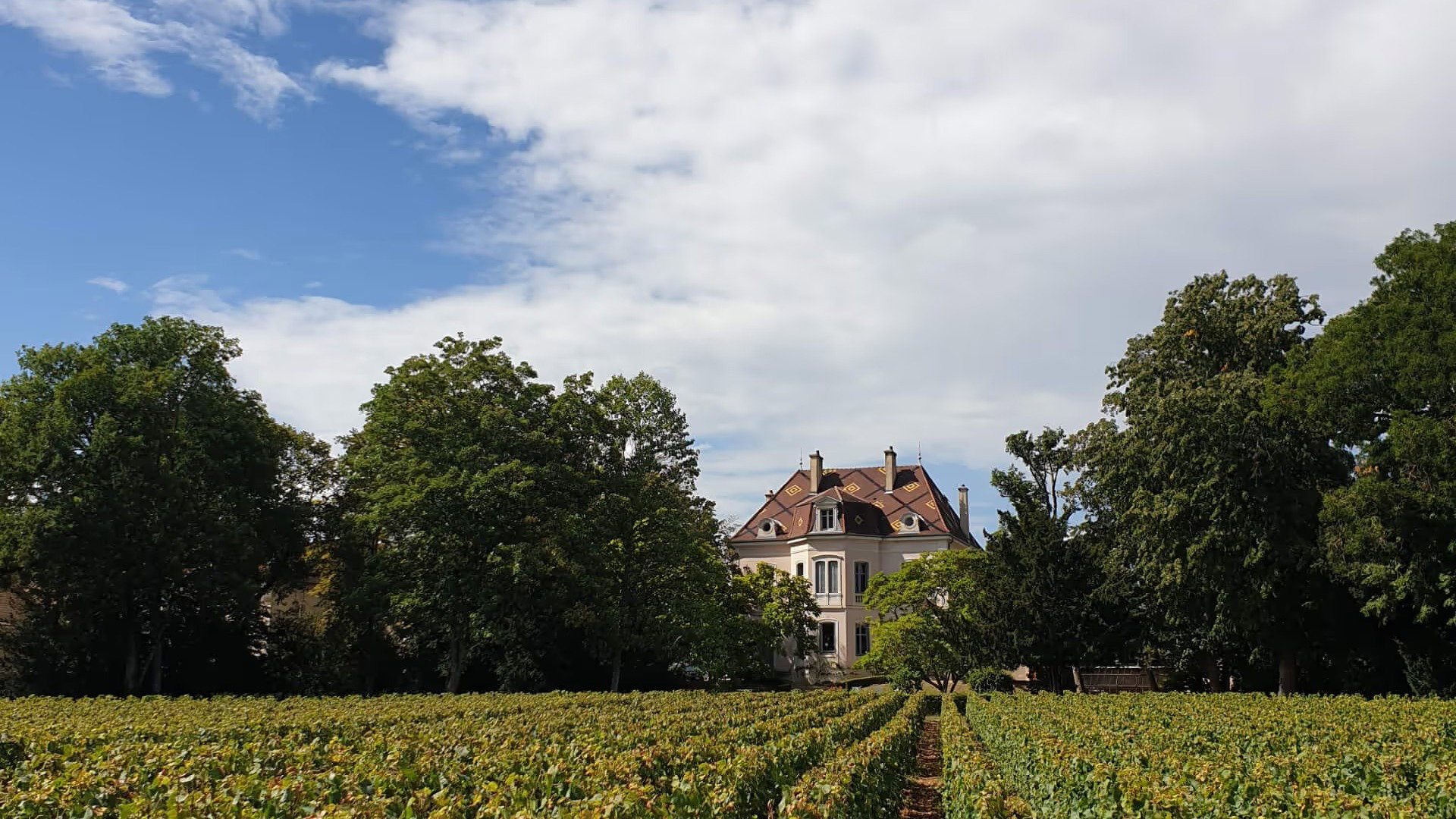
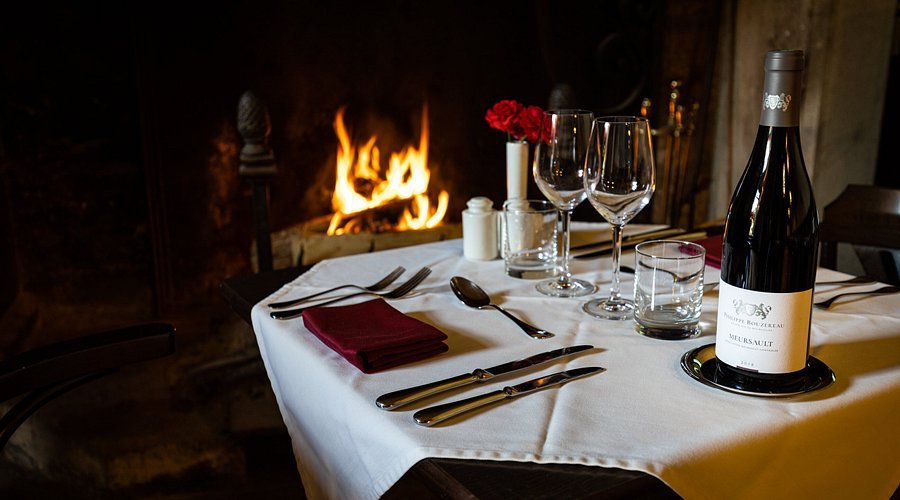
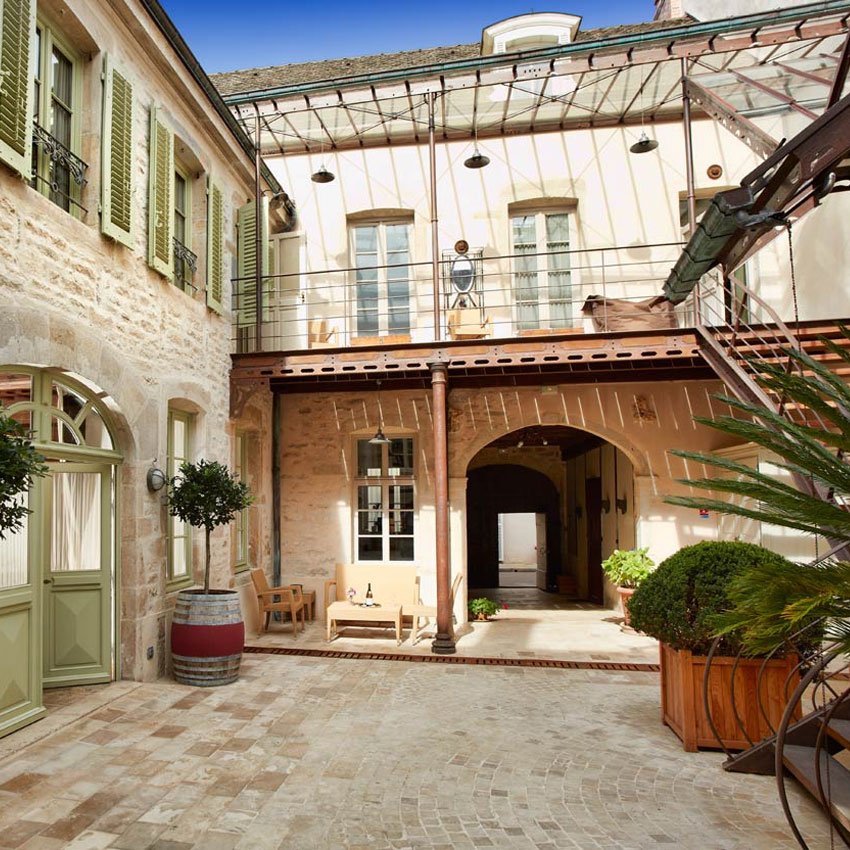
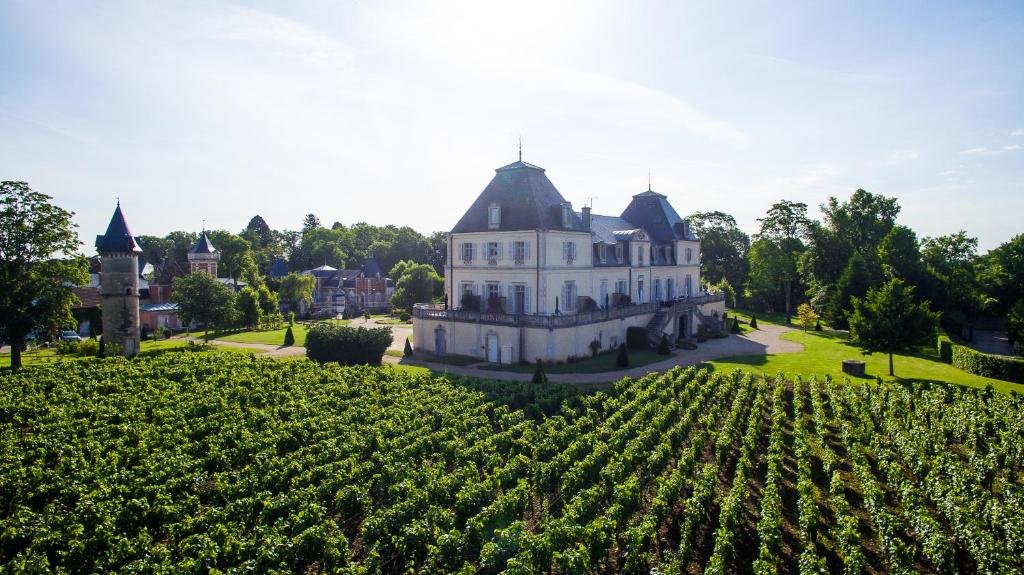
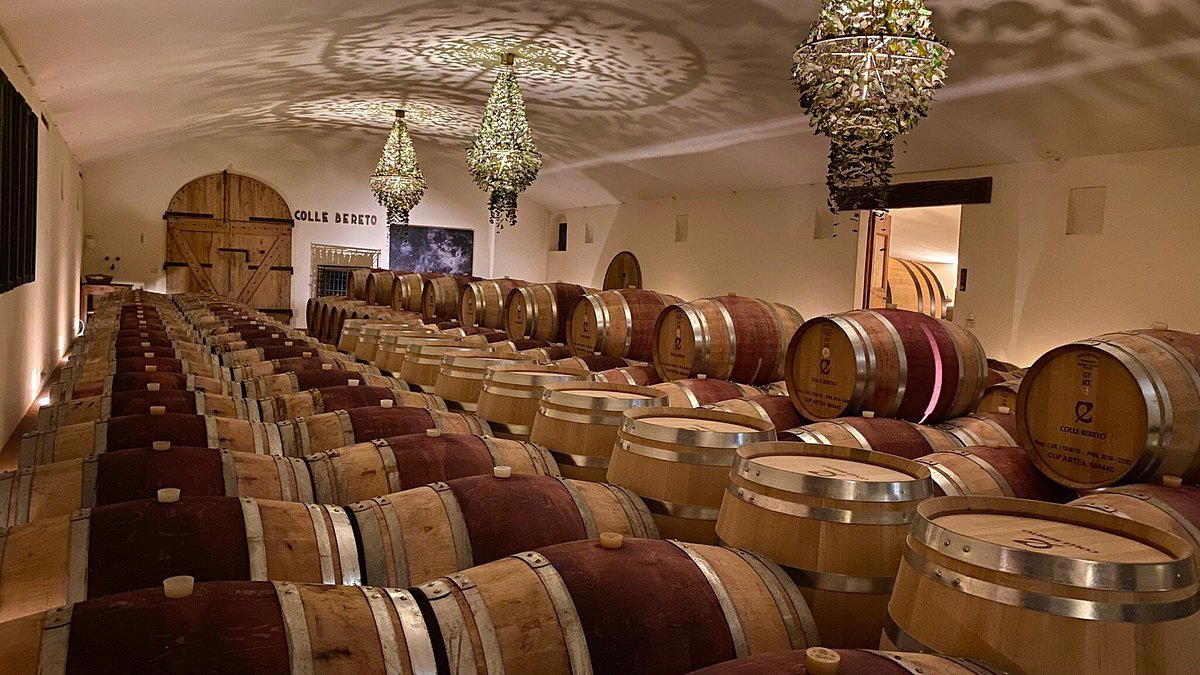
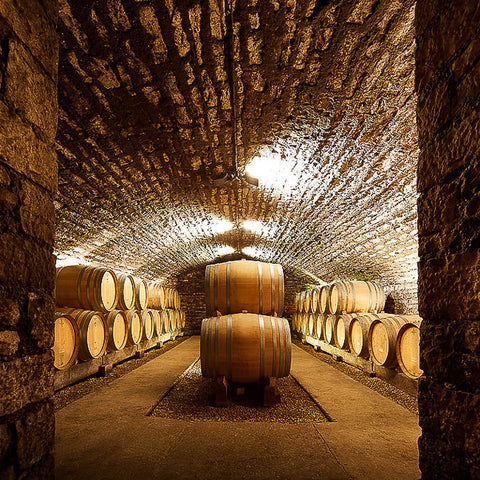
Domaine Jacques Prieur registers as one of Meursault’s quietly authoritative addresses. With uninterrupted production since 1870 and cellars layered with decades of provenance, the domaine reads as distinctly historic and measured rather than flashy. It occupies a discreet place in the village—reputation conveyed by allocation lists and cellar notes rather than signage—which gives visits a hidden‑gem quality. Tastings here feel contemplative: the focus is on lineage, texture and terroir rather than spectacle. The overall impression is sober and refined, appealing to visitors who value depth, history and a hushed, attentive tasting environment.
Best For
This domaine is best for guests seeking serious wine education and for marking special occasions with bottles of provenance. Its holdings across multiple appellations make it fertile ground for comparative tastings, while the deep cellars and long track record reward inquiries about aging potential and cellar notes. Collectors and curious oenophiles come to parse distinctions between Meursault plots and the domaine’s broader portfolio, and groups looking for a meaningful, focused tasting experience will find the setting suited to attentive discussion rather than casual socializing.
Tasting Tips
When visiting Jacques Prieur, approach tastings as a deliberate, focused experience. Allow time to taste multiple expressions of Meursault and the domaine’s broader appellations—the value is in comparing provenance and cellar‑age characteristics. Ask questions about vineyard sources, vinification and older vintages referenced in cellar notes; close attention to these details is rewarded. Keep the visit measured and attentive: this is a place where reputation is accumulated in barrels and allocations, so listening and careful observation will yield the most insight. Prioritize structured tastings that illuminate terroir and ageworthiness over casual pours.
Venue details
Ambiance
Refined and traditional winery atmosphere focused on terroir expression through biodynamic practices and precise winemaking.
Tags
Vibe
Best For
Experience
Sourcing
View
At the Vineyard
- Appellation
- Côte de Beaune AOC / Côte de Nuits AOC
- Varietals
- Pinot Noir, Chardonnay
- Visits
- By appointment only
- Farming
- Biodynamic
- Wine Styles
- Still Red, Still White
- Wine Club
- Not available
Know before you go
Know Before You Go
- Getting there
- 6 Rue des Santenots, 21190 Meursault
Planning details
Location
Recognition and awards

Also consider
Also Consider
- Domaine Génot-Boulanger, Notable alternative
- Domaine Antoine Jobard, Notable alternative
- Domaine des Comtes Lafon, Notable alternative
- Domaine Marthe Henry, Notable alternative
- Domaine Roulot, Notable alternative
Winery context
How it compares in Meursault
Choose Domaine Jacques Prieur when the priority is a formal, heritage-led Burgundy visit and the schedule can flex around a difficult appointment. Domaine Génot-Boulanger is the more sensible cross-shop if the goal is a serious Meursault producer without making the whole day hinge on one request, while Domaine Antoine Jobard fits travelers who want a quieter, wine-first comparison in the same village.
For prestige-driven visitors, Domaine des Comtes Lafon and Domaine Roulot are the obvious parallel targets, but neither should be treated as an easy fallback. If access matters more than name recognition, Domaine Marthe Henry is the practical alternative to consider, especially for a Meursault day that needs less pressure and more breathing room.
Value here is about the quality of the appointment, not a low-cost tasting. If a private format is available, Domaine Jacques Prieur is the right pick for a collector or first-timer who wants one serious anchor; if the trip needs multiple relaxed stops, start with Domaine Génot-Boulanger or Domaine Marthe Henry instead.
Explore Meursault
Around this place
Discover more on Pearl
Unlock the full Domaine Jacques Prieur guide in Pearl, including awards, comparisons, FAQs, planning details, and nearby places.
Compare Domaine Jacques Prieur
| Venue | Location | Awards |
|---|---|---|
| Domaine Jacques Prieur | Meursault | 2026 Falstaff Winery Guide2025 Pearl 3 Star Prestige |
| Domaine Génot-Boulanger | Meursault | 2026 Falstaff Winery Guide |
| Domaine Antoine Jobard | Meursault | 2026 Falstaff Winery Guide |
| Domaine des Comtes Lafon | Meursault | 2026 Michelin 2 Grapes - Burgundy2026 Falstaff Winery Guide2025 Pearl 5 Star Prestige |
| Domaine Marthe Henry | Meursault | No published awards |
| Domaine Roulot | Meursault | 2026 Falstaff Winery Guide2026 Michelin 1 Grape - Burgundy2025 Pearl 5 Star Prestige |


How Domaine Jacques Prieur Meursault compares with similar nearby venues.
FAQ
Frequently Asked Questions
Who is listed as chef/owner at Domaine Jacques Prieur?
Nadine Gublin is the chef/owner for Domaine Jacques Prieur.
How long should I plan for a visit to Domaine Jacques Prieur?
A specific visit length is not available. Plan only after confirming the current format and timing directly with Domaine Jacques Prieur in Meursault.
Do I need a reservation at Domaine Jacques Prieur?
A reservation policy is not available. Contact Domaine Jacques Prieur directly before making plans, especially if the visit is central to your Meursault itinerary.
When is the best time to visit Domaine Jacques Prieur?
Specific hours and seasonal visit guidance are not available. The safest approach is to confirm current availability directly with Domaine Jacques Prieur before choosing a time.
Does Domaine Jacques Prieur serve food?
Food service is not available. Plan meals separately unless Domaine Jacques Prieur directly confirms a food component for your visit.