Book with Pearl
New York City$395
New York City Apéro au Champagne
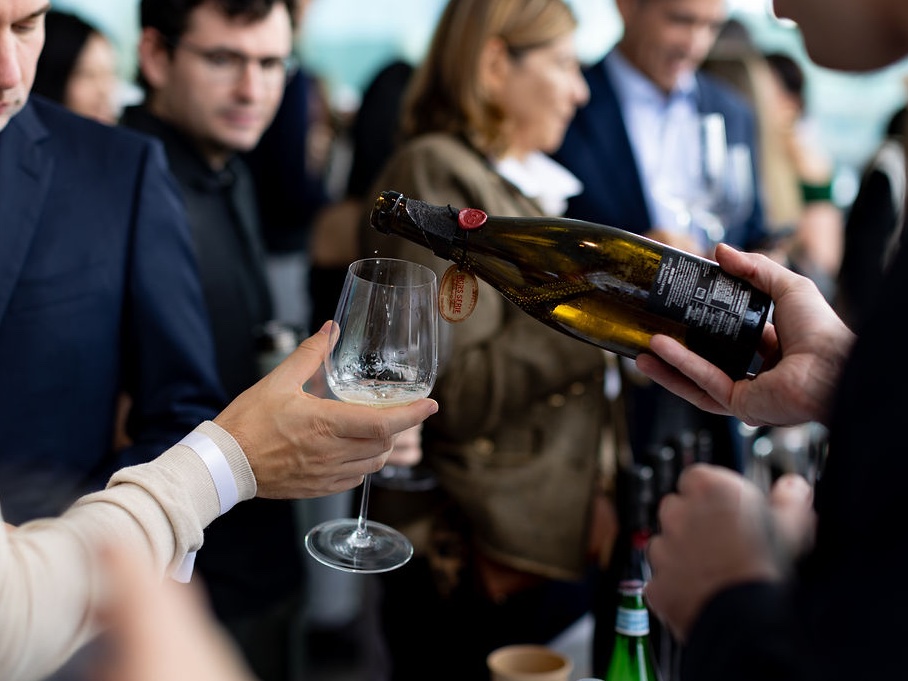
La Fête du Champagne opens its New York City weekend with a walk-around Champagne party at Nine Orchard.
Full La Fête du Champagne program →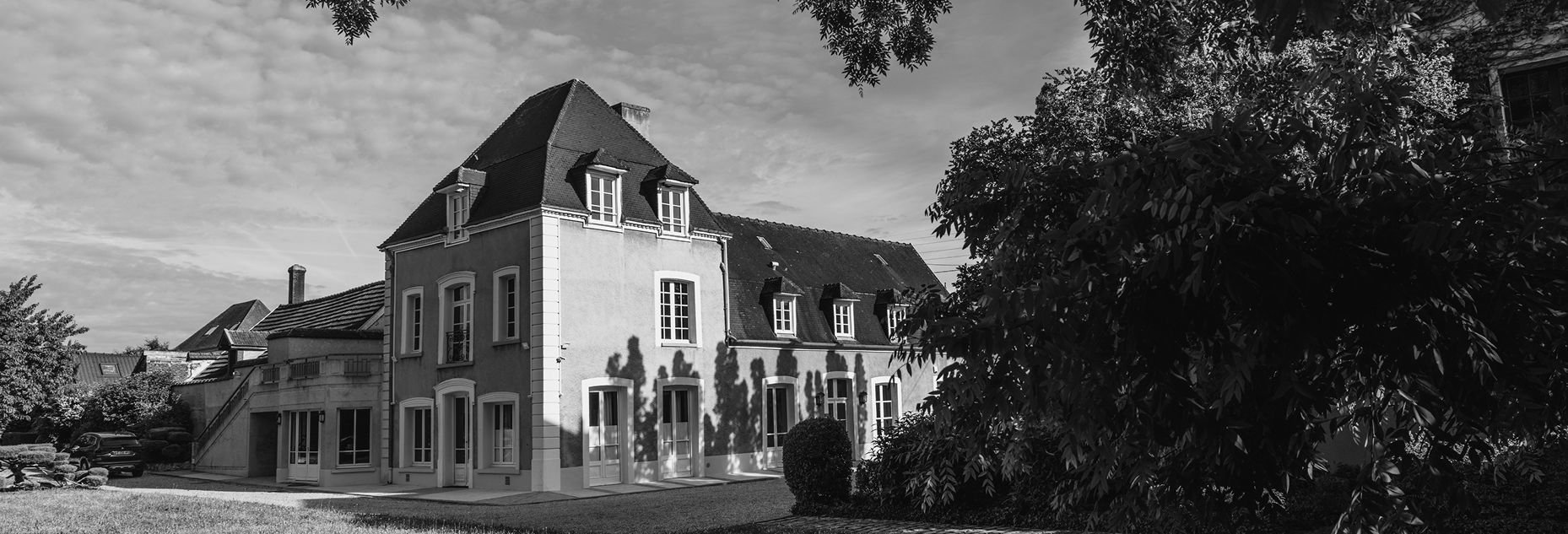


Dizy
Winery in Dizy, France
Single-Vineyard House
Why go
Jacquesson’s numbered Cuvée 700 Champagnes make it a Dizy name to seek by the bottle. Its 2026 range lists Cuvée 749, late-disgorged Cuvée 744 and Avize Champ Caïn 2015; check availability before planning a tasting.
Jacquesson’s bottle number tells you which Cuvée 700 blend you have. The house builds each edition around a leading harvest and reserve wine. Cuvée 728, based on the 2000 harvest, began the series.
Its 2026 programme lists Cuvée 749 alongside a late-disgorged 744 and the parcel wine Avize Champ Caïn 2015. A Dégorgement Tardif bottle spends longer ageing under cork than the regular numbered release; the interval varies in the house’s published descriptions, so use the details for the bottle at hand.
Check with a merchant or the producer for the current bottle selection. The published programme explains the wines but does not establish a walk-in tasting offer at the Dizy address. Confirm any visit directly before travelling.
Jacquesson presents a quietly authoritative presence in Dizy: a historic house whose founding in 1798 anchors every bottle in long-term observation and technical continuity. The setting — the Marne valley’s river corridor, chalky slopes and clay-influenced plots — is foregrounded over postal prestige, so the visitor encounters workmanlike refinement more than ostentation. Conversations here revolve around soil, mesoclimate and the evolving reputation of Pinot Meunier, giving the house a scholarly, scenic character. The overall impression is of an understated, deeply grounded Champagne house where history and terroir shape a restrained, elegant expression.
Jacquesson suits drinkers interested in comparing a harvest-led numbered blend with a later-disgorged version or a wine from one named parcel. Ask for the release number and check current availability before planning a tasting.
Compare the number and base harvest of a Cuvée 700 release with a Dégorgement Tardif bottle, then consider an Avize Champ Caïn parcel wine if available. The producer’s 2026 programme identifies the releases; contact it to confirm any visit.
Historic and atmospheric with beautiful grounds, cobbled courtyards, and a deeply peaceful feel evoking timeless elegance.
Unlock the full Jacquesson guide in Pearl, including awards, comparisons, FAQs, planning details, and nearby places.
It is a numbered Champagne blend led by one harvest and supplemented by reserve wine. Cuvée 728, based on the 2000 harvest, began the series.
It is a Cuvée 700 held for longer ageing under cork before disgorgement. Check the particular release for its exact ageing interval.
Jacquesson lists Cuvée 749, Cuvée 744 Dégorgement Tardif and Avize Champ Caïn 2015 among its 2026 releases.
Pearl events
Public events currently associated with this Pearl venue.
La Fête du Champagne opens its New York City weekend with a walk-around Champagne party at Nine Orchard.
Full La Fête du Champagne program →
La Fête du Champagne’s New York City Grand Tasting brings more than 100 Champagnes, small plates, and attending winemakers to Pier Sixty.
Full La Fête du Champagne program →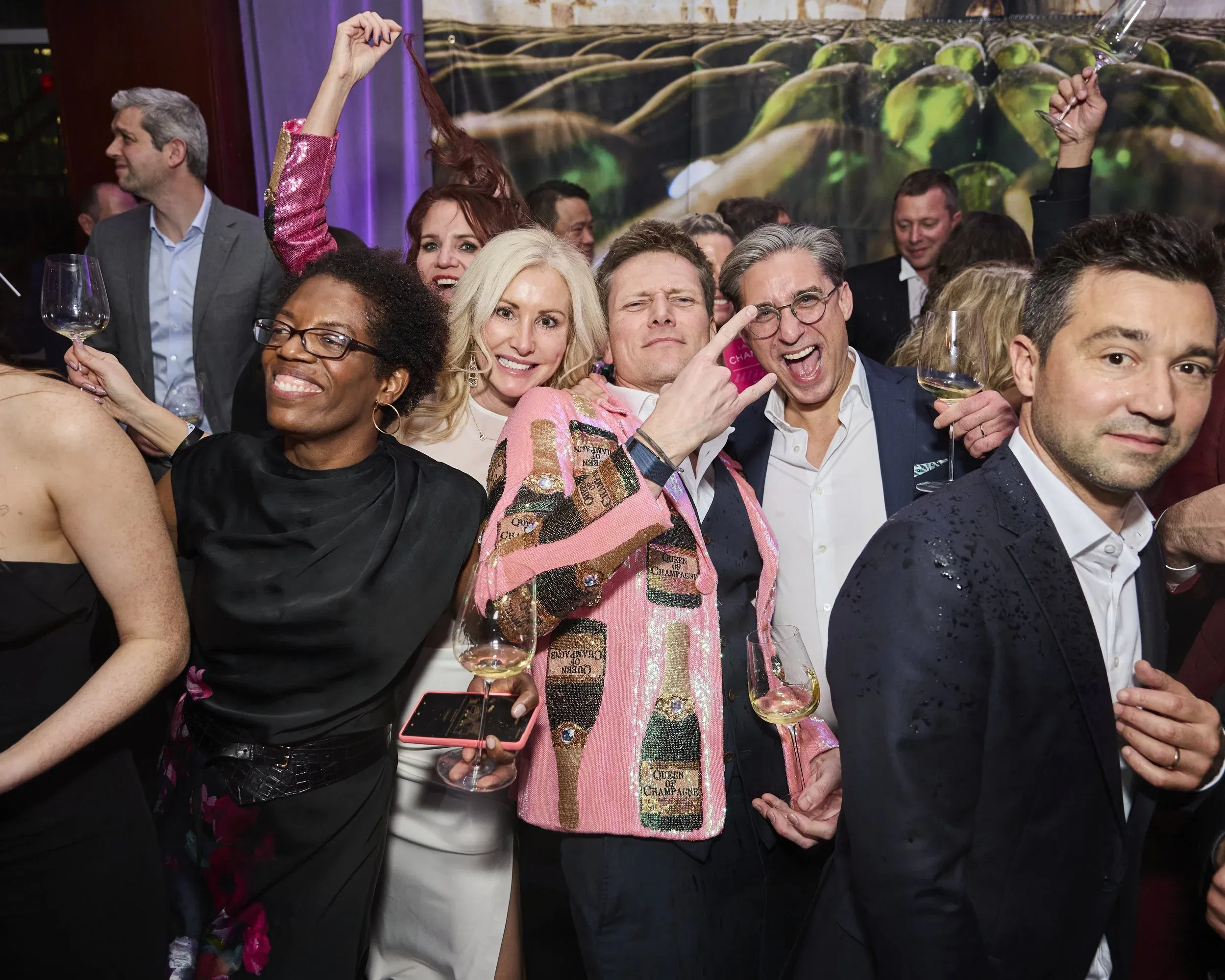
La Fête du Champagne’s New York City Gala Dinner pairs a Domaine William Fèvre Chablis reception with a Champagne-friendly multi-course chef collaboration.
Full La Fête du Champagne program →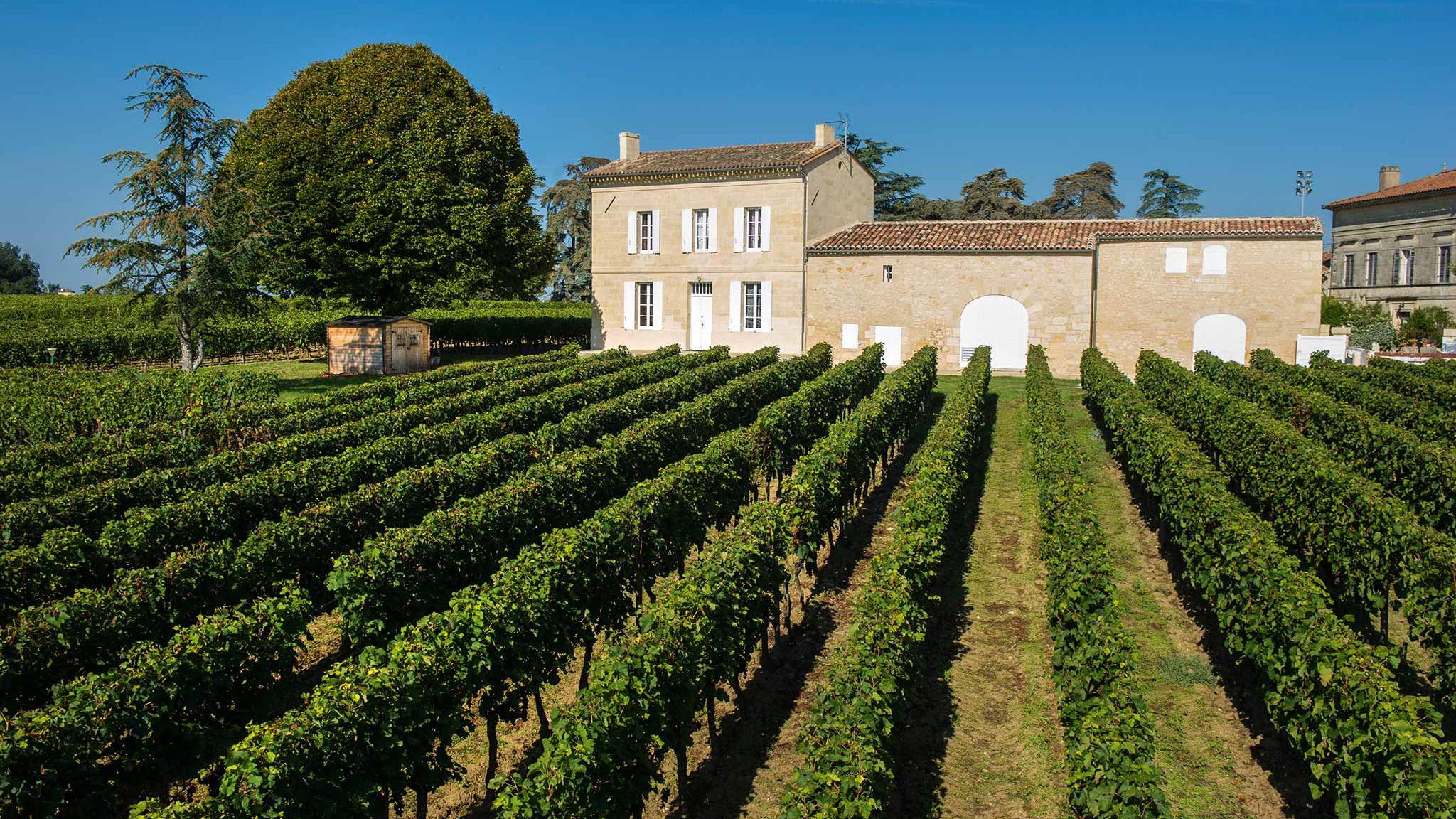 PingusRibera del DueroPingus is for serious Ribera del Duero collectors, not casual winery browsing. Book the pursuit if Peter Sisseck's producer name is the point of the trip; otherwise, use Arzuaga Navarro, Abadía Retuerta, or Vega Sicilia for a more rounded wine-day experience.
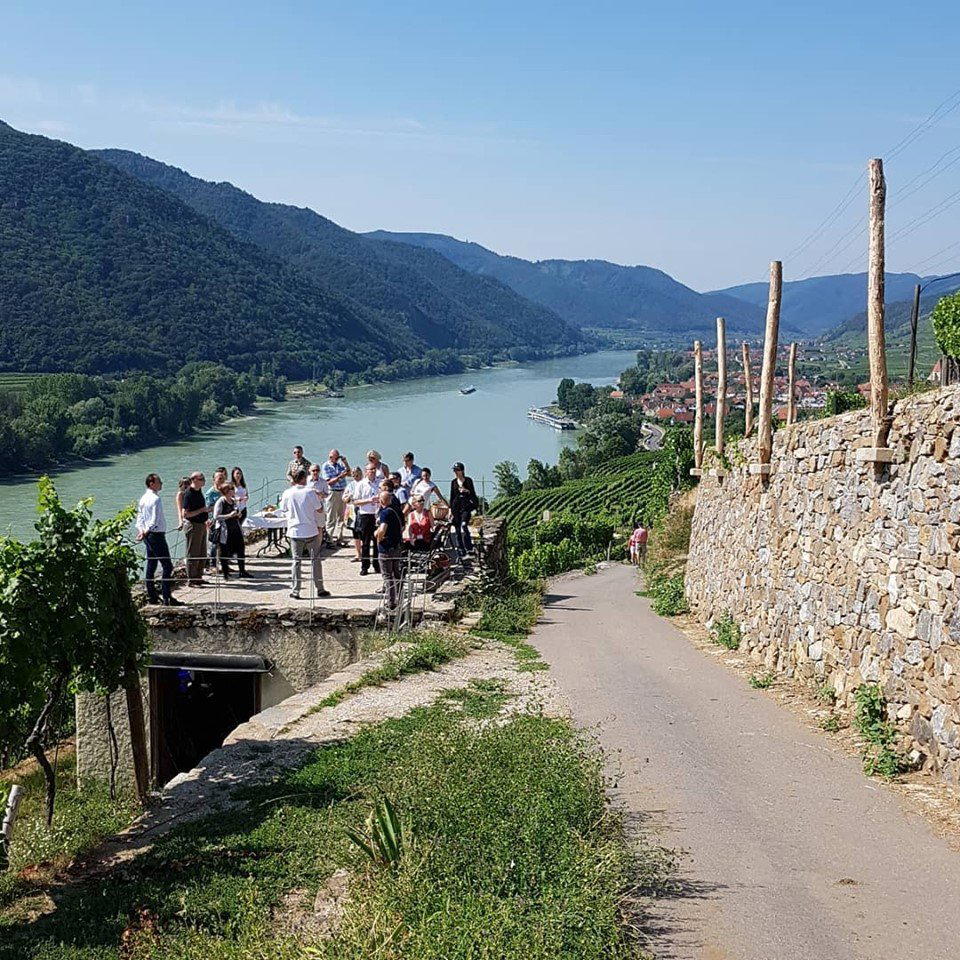 Weingut JamekJochingPrioritise Weingut Jamek if the trip is built around serious Wachau wine and selective bottle buying, not a casual tasting stop. Booking pressure makes it a risky anchor without a backup, but the value case is strong for visitors who want a quieter, credibility-led Joching winery experience.
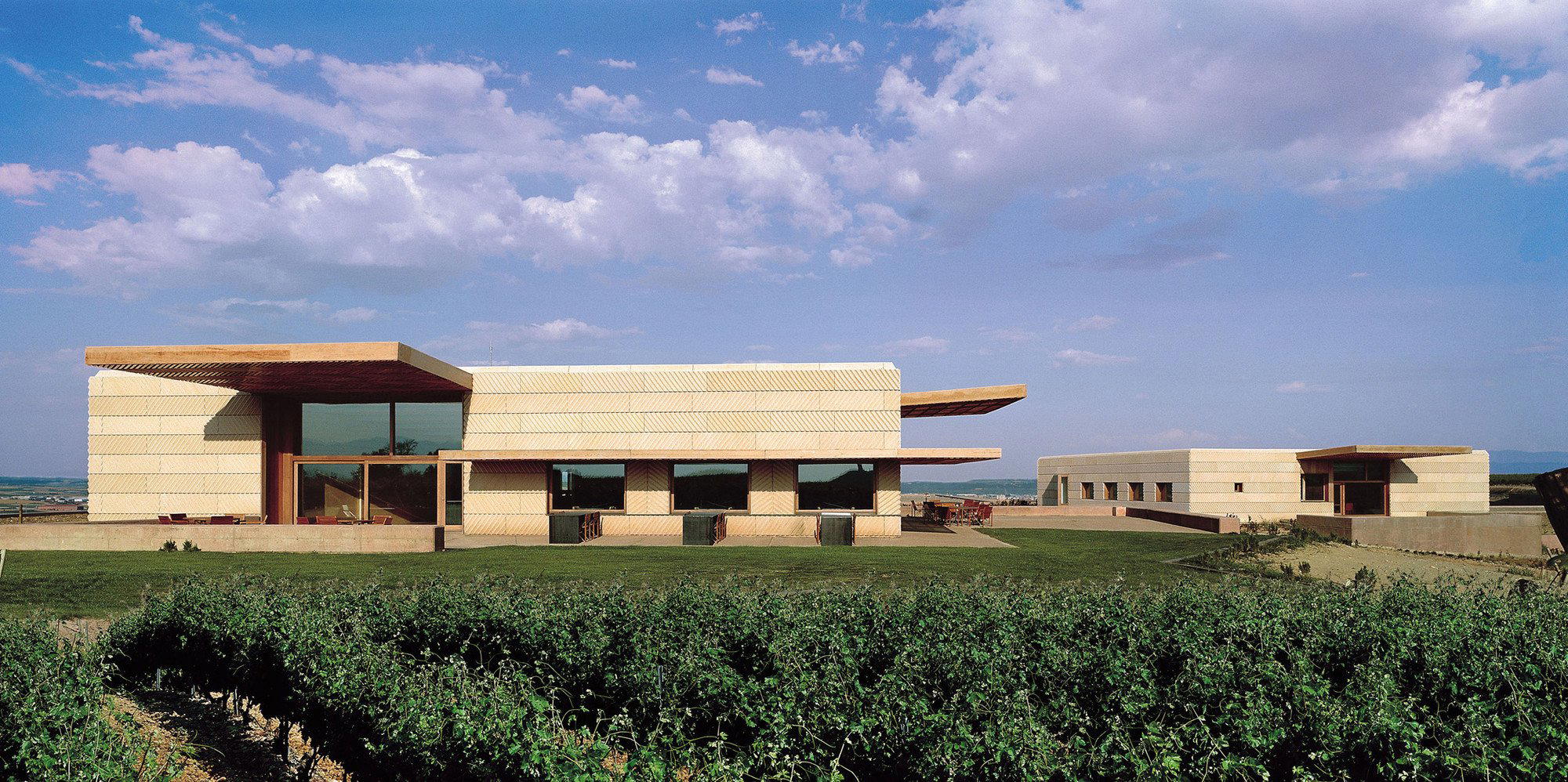 Campo ViejoLogroñoCampo Viejo is worth prioritizing if the aim is a structured Rioja winery stop in Logroño, especially as part of a food-and-wine weekend rather than a standalone meal plan. Treat the wine visit as the anchor and arrange restaurants, bars, and hotels around it; travelers wanting easier spontaneity should cross-shop Bodegas Franco-Españolas or Marqués de Murrieta.
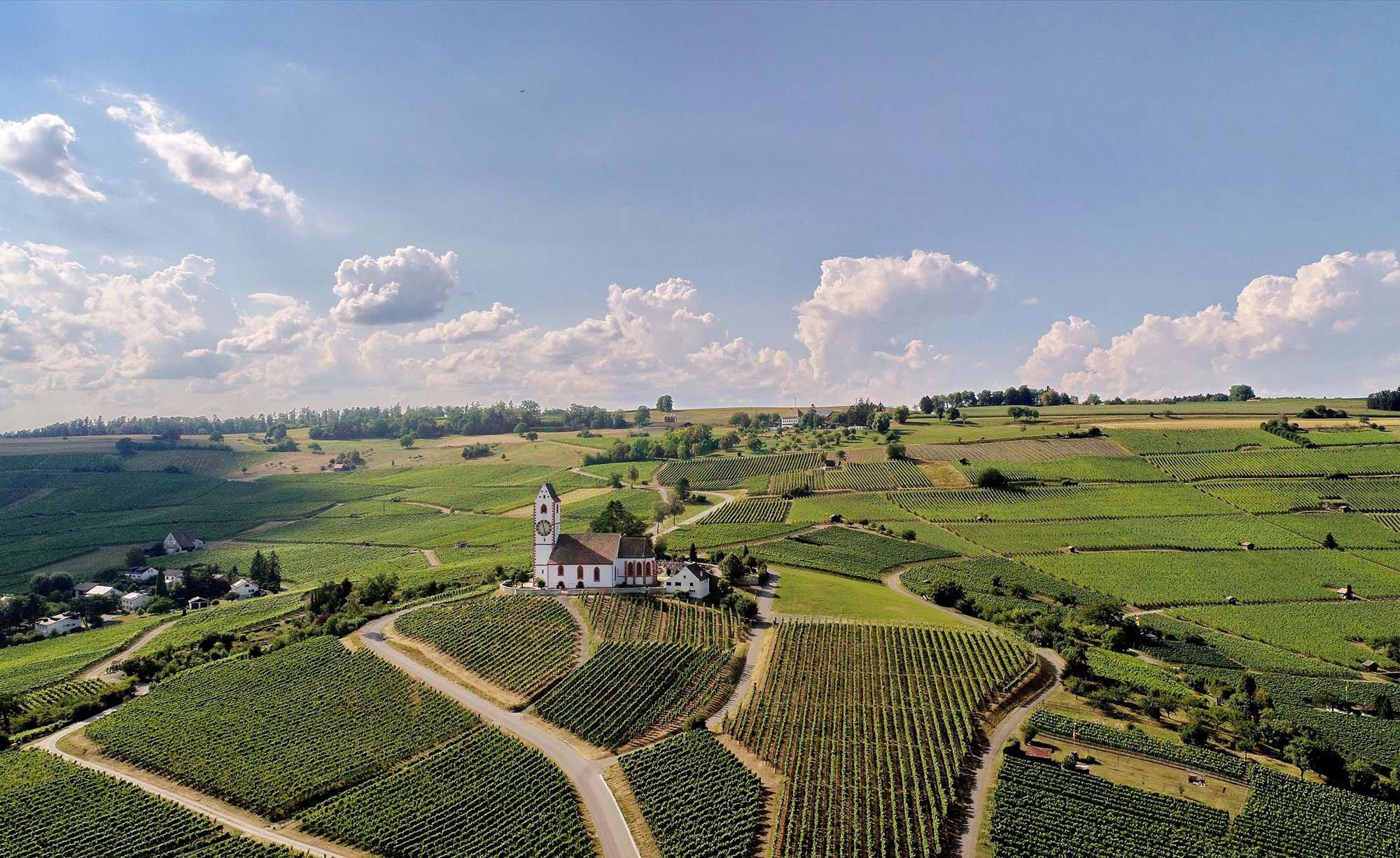 aagne weingutHallauBook aagne weingut only if wine is the main reason for the Hallau stop. The case for visiting is strongest for serious Swiss-wine buyers and celebration trips built around a focused tasting, with Falstaff 3 Stars in 2026 giving it a clear quality signal. Confirm logistics before planning around food, groups, or shipping.
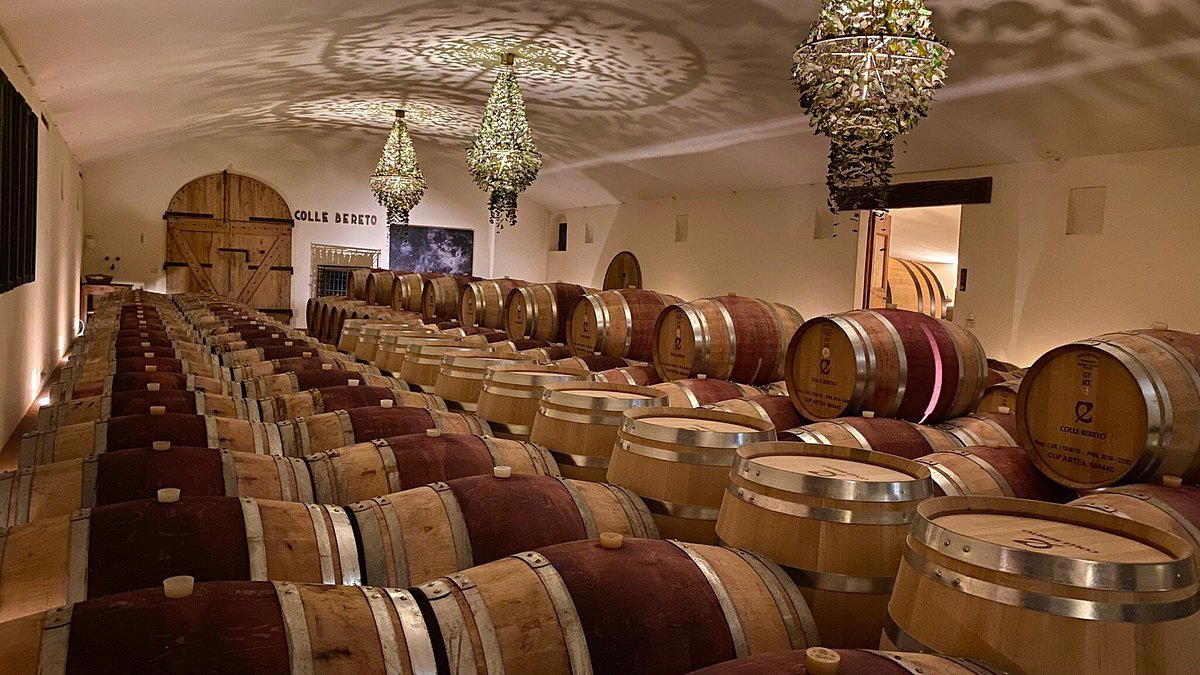 Azienda Agricola Colle BeretoRadda in ChiantiAzienda Agricola Colle Bereto is worth prioritizing in Radda if the goal is a polished Chianti Classico tasting rather than a quick cellar stop. The draw is the full portfolio, from Sangiovese-led labels to Pinot Noir, Merlot, Brut rosé, and white wine, plus historic brick cellars and quiet vineyard views that suit a special-occasion afternoon.