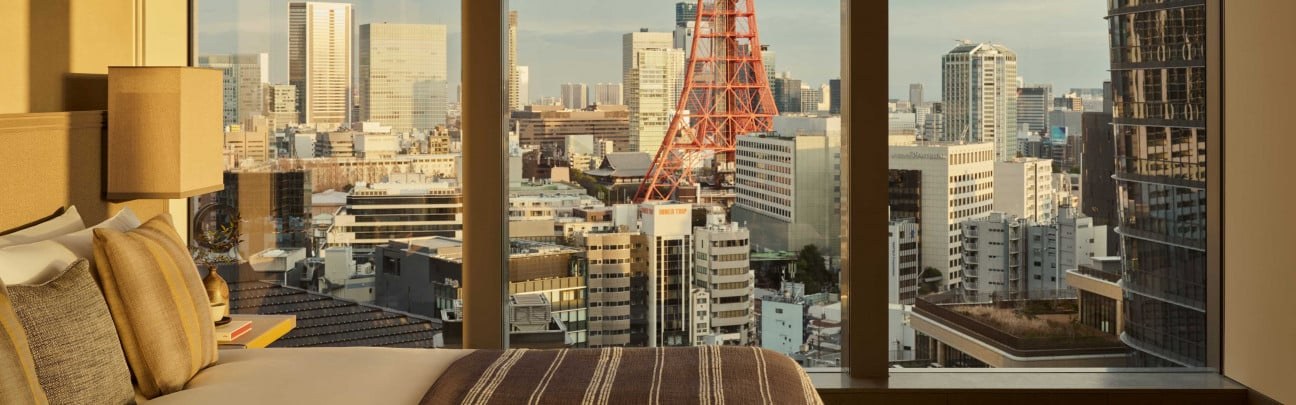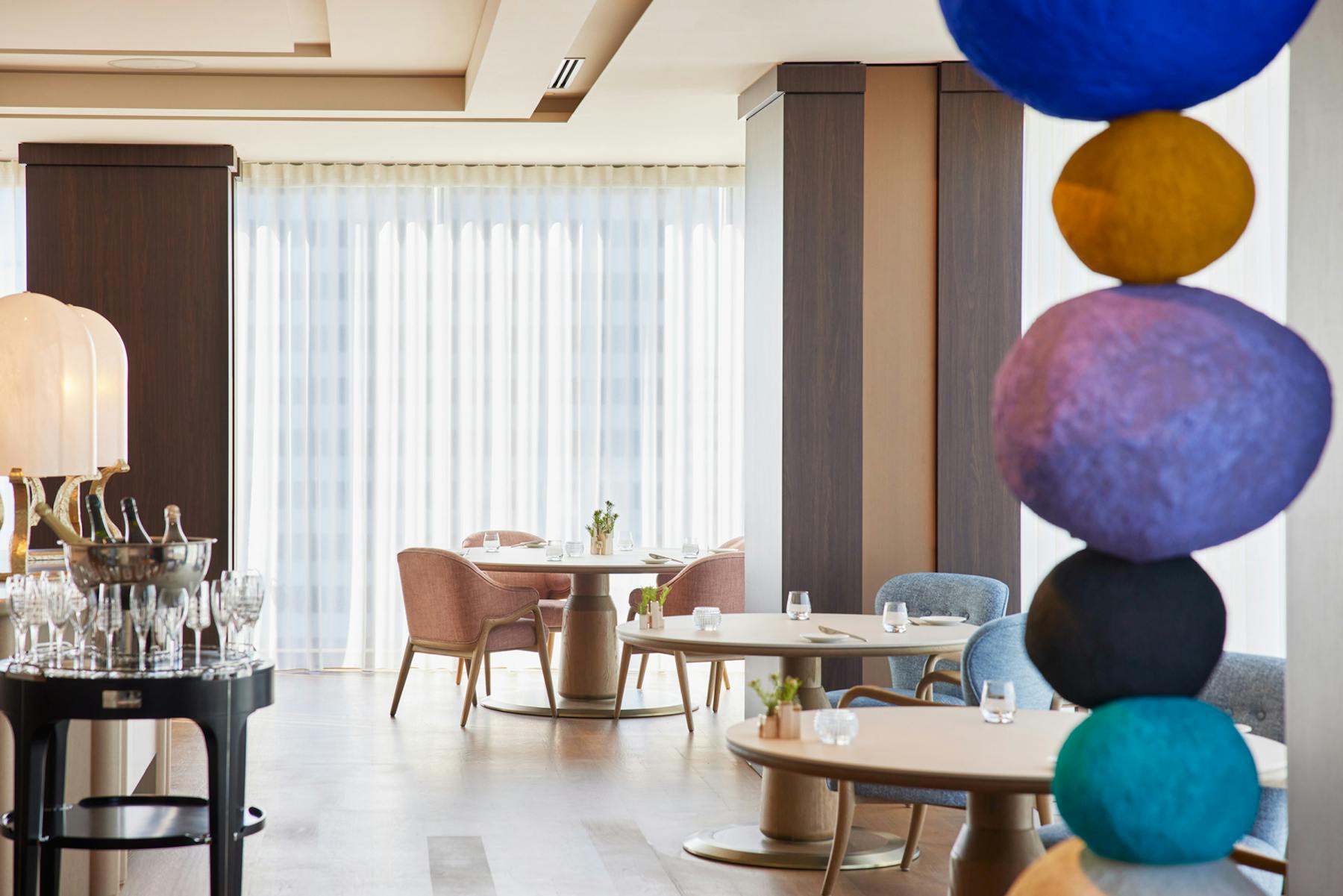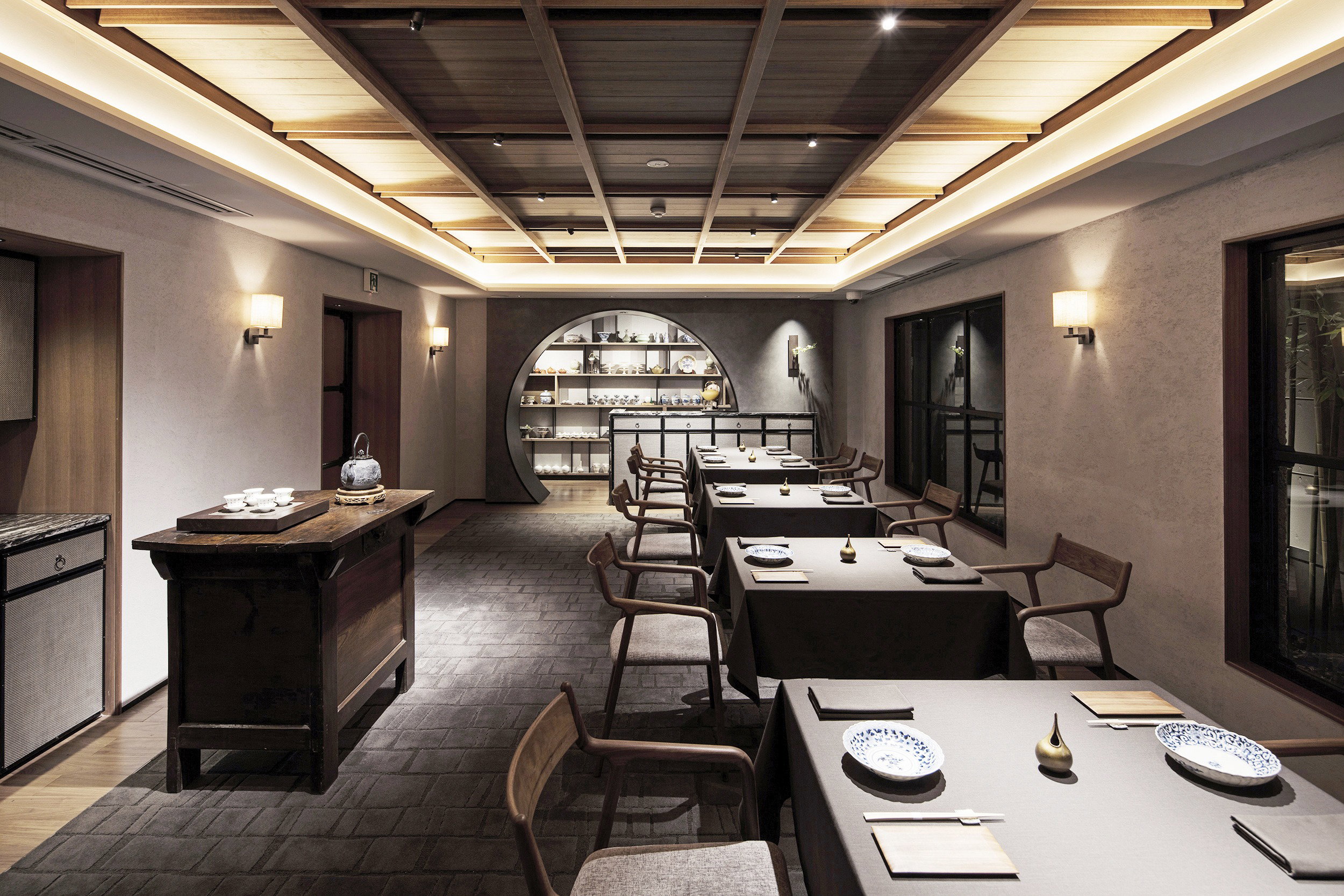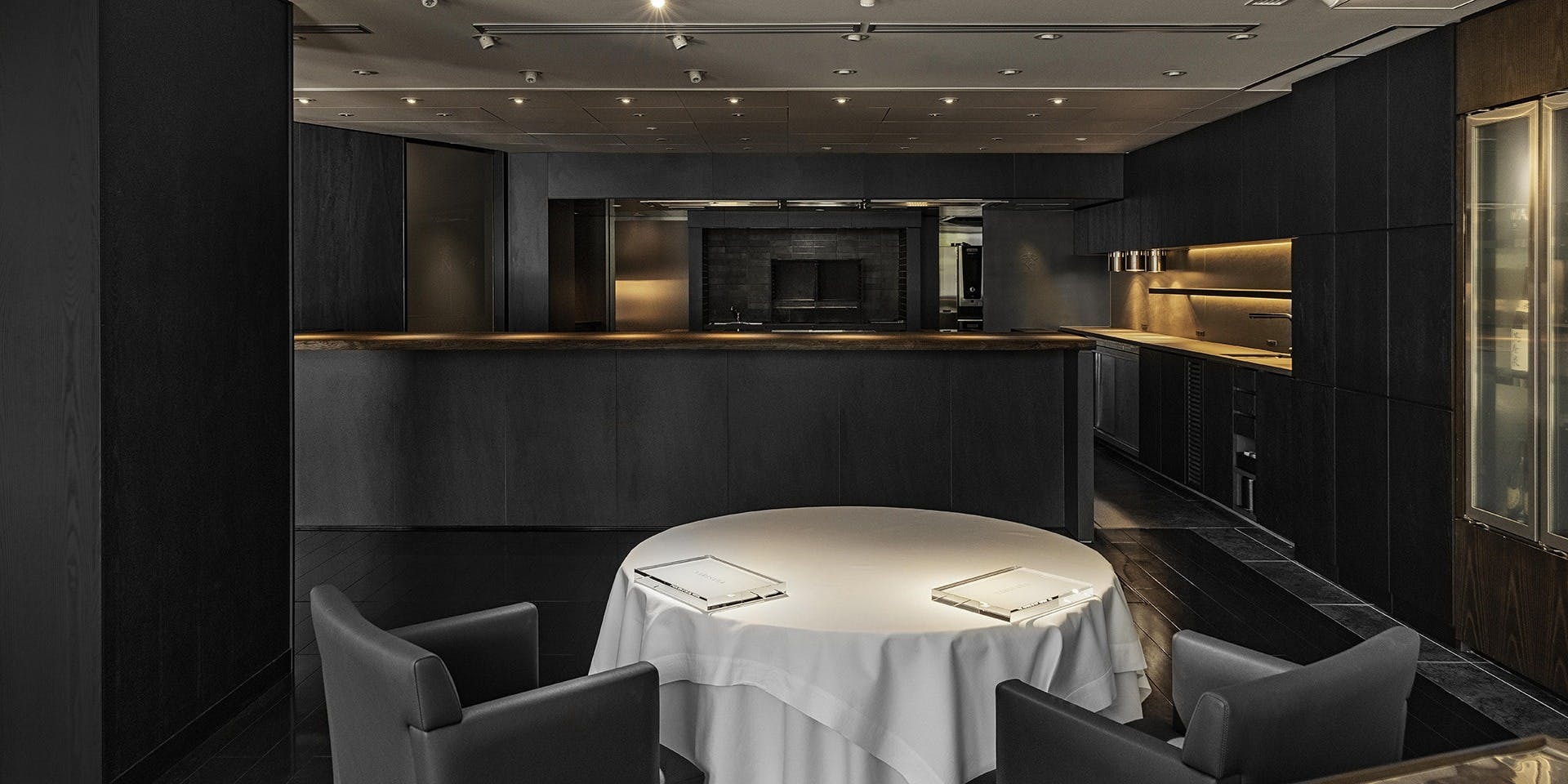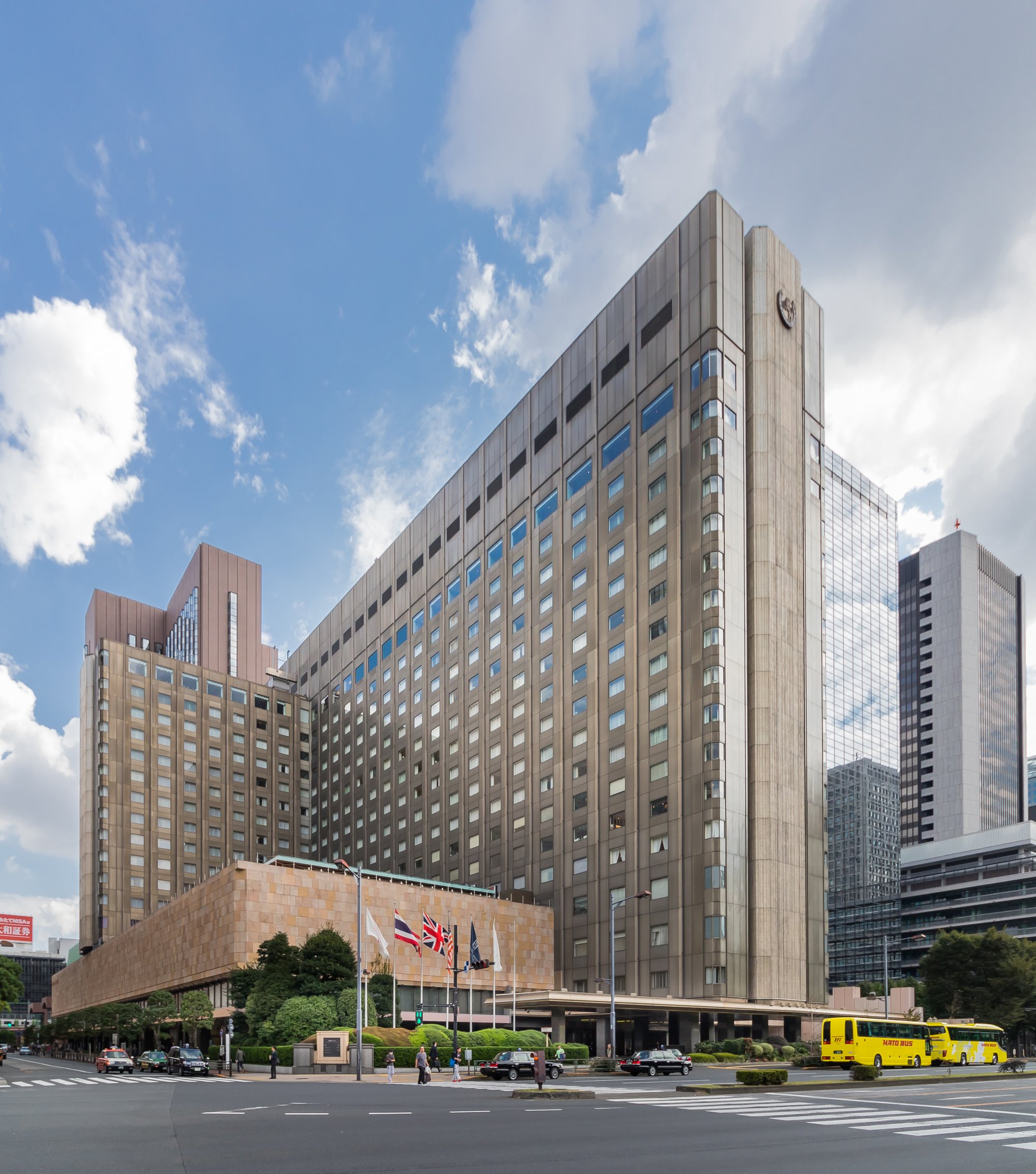



Imperial Hotel Tokyo
Chiyoda, Tokyo
Hotel in Tokyo, Japan
 Book with Pearl
The Read
Diplomatic-Era Continuity
Why go
Imperial Hotel Tokyo is the right choice for a polished Chiyoda stay where location, formal service tone, and recognized hotel credentials matter. Book it for special occasions, business trips, and return visits to Tokyo; compare Ginza lifestyle hotels if a newer-feeling room or lighter atmosphere matters more.
About Imperial Hotel Tokyo
For a Tokyo stay, Imperial Hotel Tokyo is a recognized Tokyo hotel with a smart-casual dress code and several documented credentials.
The recommendation is a qualified yes for travelers who value established hotel recognition. Imperial Hotel Tokyo is a Leading Hotels of the World member for 2025, has a La Liste Top Hotels 2026 score of 90.5 points, and holds Forbes 4-Star recognition for 2026. It is worth considering seriously, though details such as exact location within Tokyo, room category strategy, dining specifics, and facilities should be confirmed directly before booking.
Choose it for recognition, not unconfirmed specifics
The strongest reason to consider Imperial Hotel Tokyo is its recognition profile in Tokyo. Travelers comparing broader Tokyo options should also scan the Tokyo hotels guide, especially if they are weighing different styles of hotel stay.
Value depends on what the stay needs to accomplish. If the priority is a different Tokyo hotel experience, GINZA HOTEL by GRANBELL, Hotel The Celestine Ginza, Hyatt Centric Ginza Tokyo, The Blossom Hibiya, and The Peninsula Tokyo are natural comparison points. Imperial Hotel Tokyo is best framed around its own credentials rather than unsupported claims about design, facilities, dining, or neighborhood convenience.
Booking value depends on terms
Because the hotel is listed as a Leading Hotels of the World member, travelers who care about that recognition should treat the booking channel and current reservation terms as details to confirm before committing. Confirm the terms for the specific stay rather than assuming any particular benefit or inclusion.
For food planning around a Tokyo stay, use the Tokyo restaurants guide; for after-dinner options, the Tokyo bars guide can help with broader city planning. Imperial Hotel Tokyo does not establish a specific dining or bar program, so those choices should be planned separately unless confirmed with the hotel.
The bottom line: book Imperial Hotel Tokyo when the trip calls for a Tokyo hotel with recognition and a smart-casual dress code. Skip it if your decision depends on unconfirmed specifics such as a particular neighborhood setting, amenity, restaurant concept, or room style.
Inside Imperial Hotel Tokyo
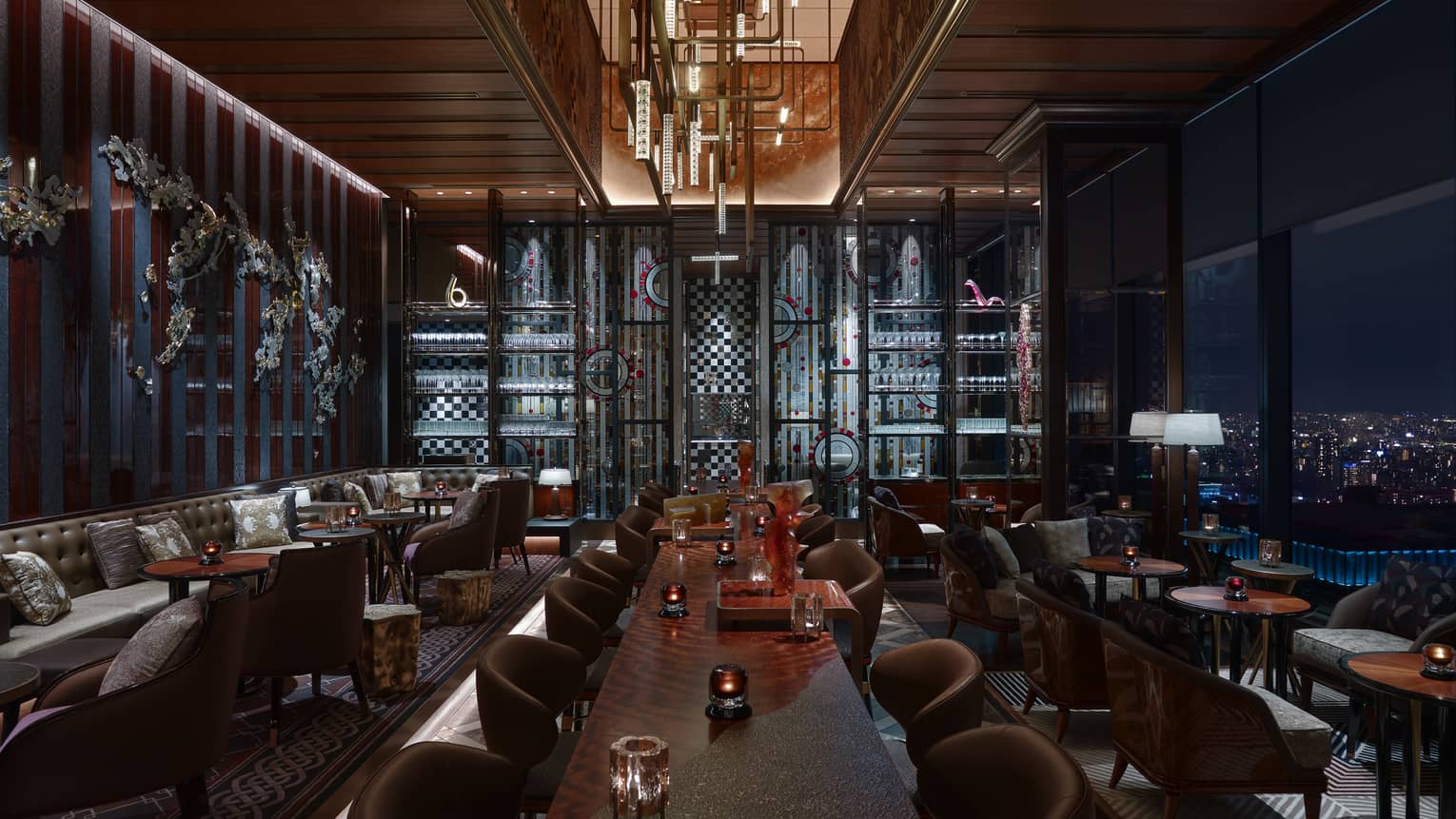
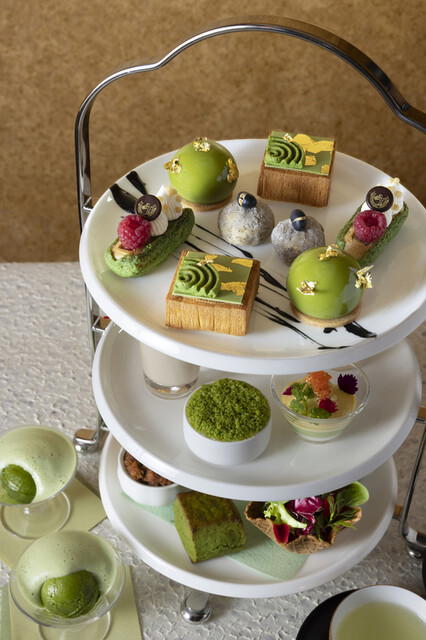 loungeTHE IMPERIAL LOUNGE AQUAA hotel lounge and cafe-bar in Tokyo’s Hibiya corridor, THE IMPERIAL LOUNGE AQUA belongs to the city’s formal hotel-drinking tradition rather than the quick-turn cafe circuit. Its Tabelog 100 Cafe EAST 2025 selection, 201-seat scale, private rooms, live music, cocktails and wine make it a polished choice for afternoon-to-late-evening plans.
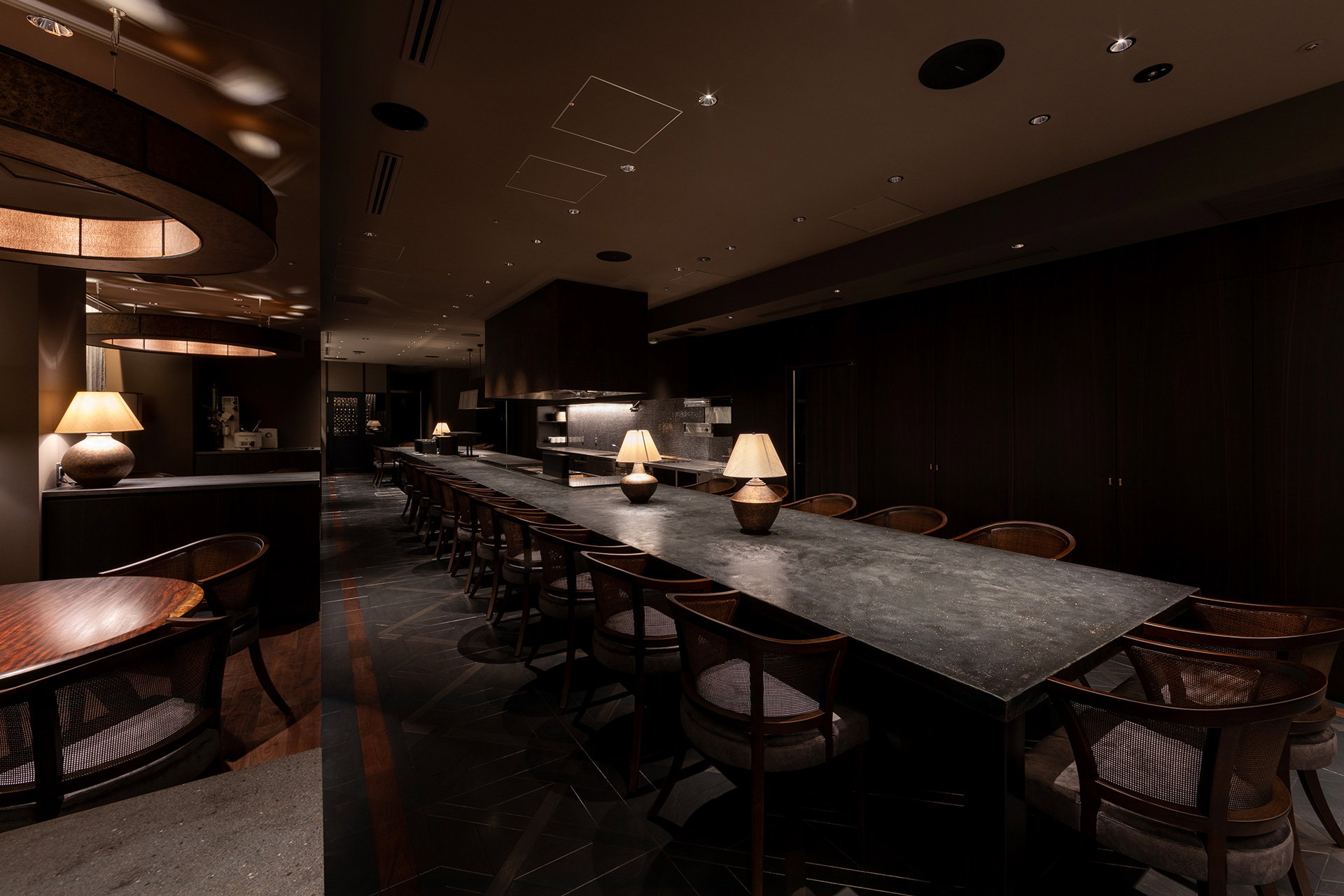
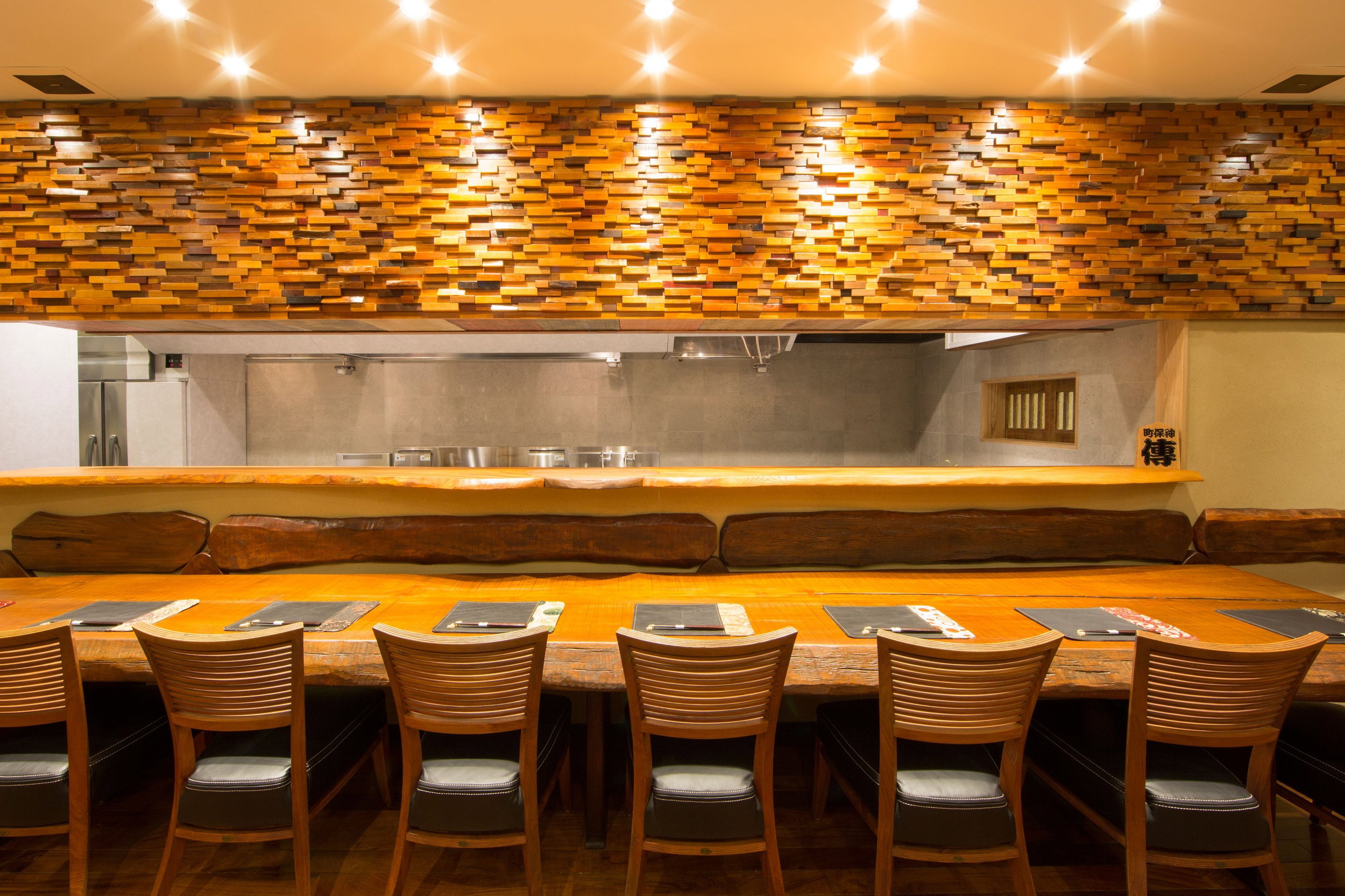
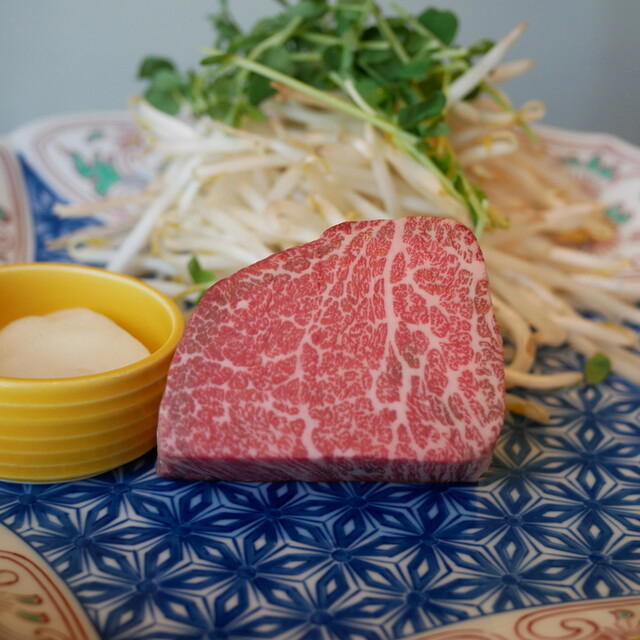 restaurantKamonKamon places Tokyo teppanyaki in a hotel dining frame: measured service, counter cooking, wine support, and a room high above Hibiya. Its Tabelog 100 selection for Steak / Teppanyaki EAST in 2025 signals a serious address for travelers comparing daytime value against a more formal evening spend.
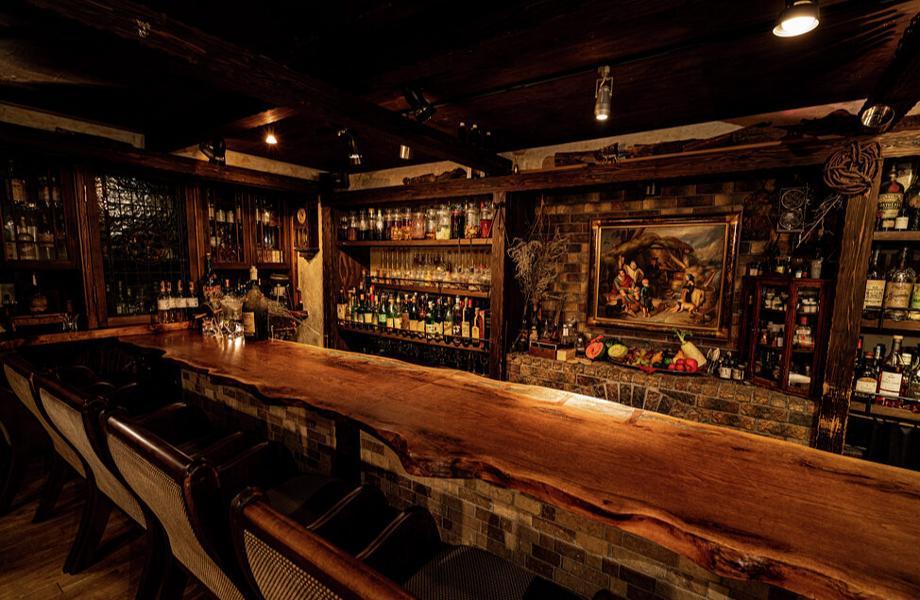
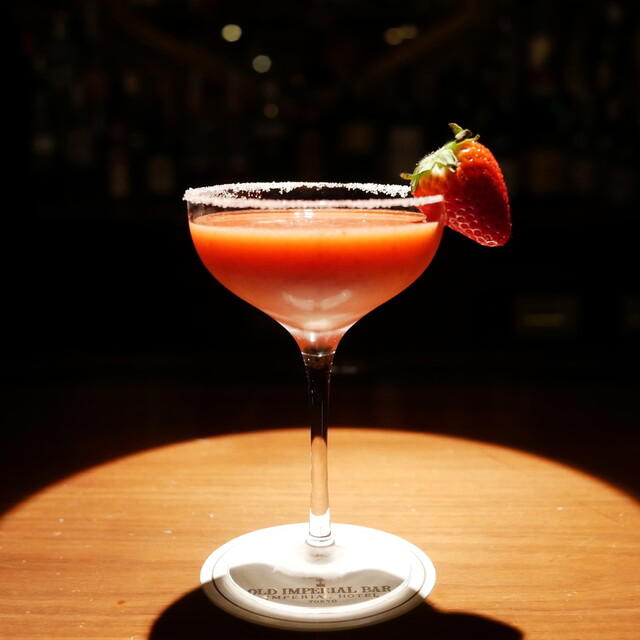 lobby_barOld Imperial BarOld Imperial Bar belongs to Tokyo’s grand-hotel drinking tradition rather than the city’s newer hidden-door cocktail mode. Inside the Imperial Hotel Tokyo, it offers a formal, seated bar experience with cocktails, wine, and sake, backed by Tabelog Bar 100 selection in 2022 and a 72-seat room that includes 20 counter seats.
Planning details
- Location
- 1-chōme-1-1 Uchisaiwaichō, Chiyoda City, Tokyo 100-8558
- Website
- imperialhotel.co.jp/tokyo?cid=gmap_tokyo
- Phone
- +81 3-3504-1111
The take
The Take
The Vibe
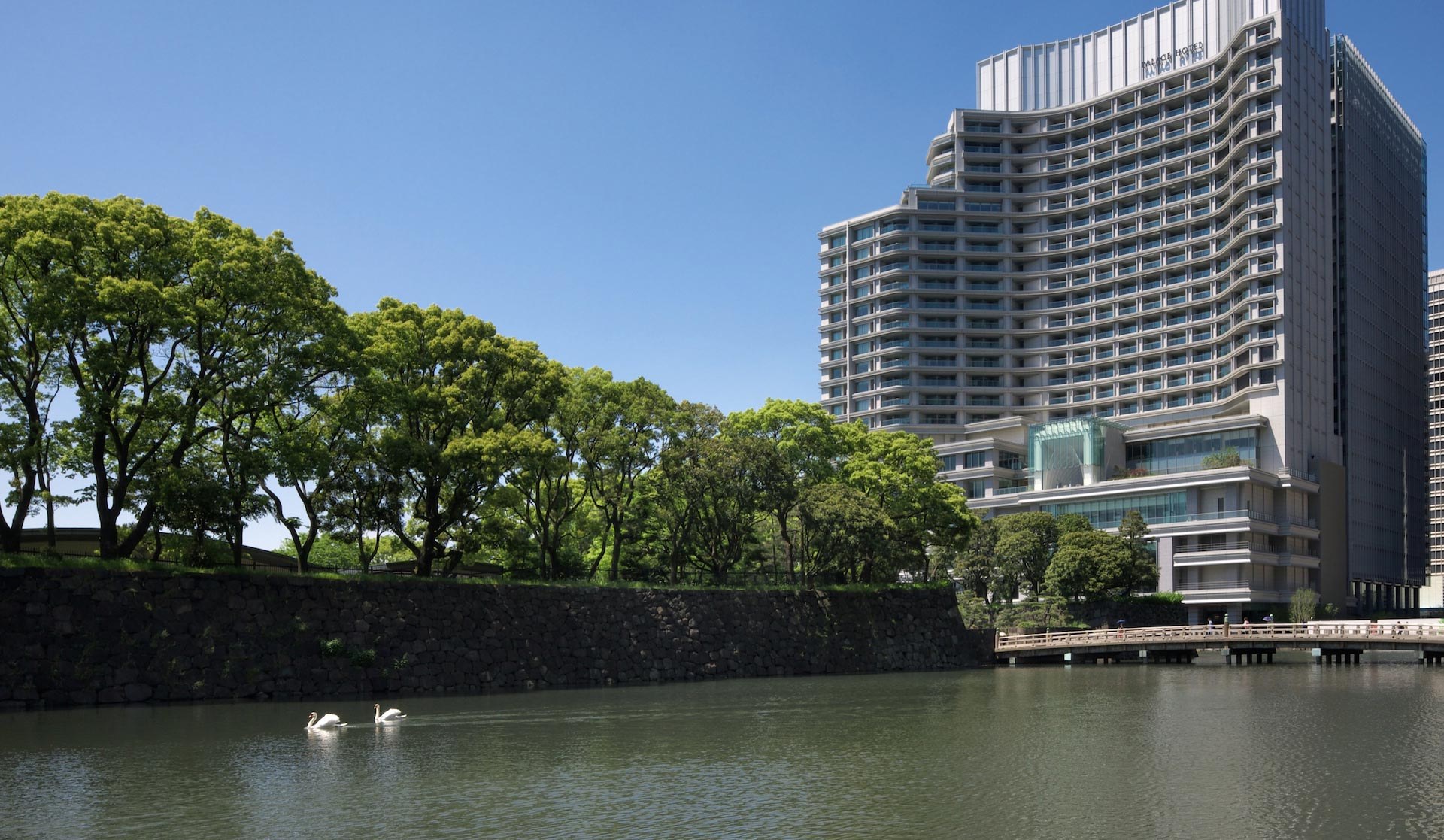
Imperial Hotel Tokyo reads as a civic institution as much as a luxury property. Its pedigree — tracing back to 1890 — anchors a calm, measured hospitality that privileges continuity over novelty. The hotel’s service is deliberately formal and meticulous, delivered at an unhurried lobby pace that feels composed rather than staged. Situated between the Imperial Palace grounds and Ginza, the property balances dignified restraint with central Tokyo energy, offering a serene, historic base for travelers who value ceremony, discretion, and a quiet sense of occasion.
Best For
This is a natural choice for business travelers and dignified special occasions. Its address places guests within walking distance of Marunouchi’s financial corridors and the shops of Ginza, making it convenient for meetings and after-work engagements. The hotel’s history and formal service also suit anniversary stays, official visits, and family trips where consistent, attentive hospitality matters. Travelers seeking a polished, traditional Tokyo experience — rather than cutting-edge design trends — will find the hotel’s reputation and steady service especially reassuring.
Stay Tips
Plan arrivals to savor the property’s presence: the description highlights arriving by car in the early evening, when the hotel frontage reads like a civic institution. Expect a deliberate, formal pace at check-in and in public spaces; allow extra time rather than anticipating rapid, minimalist interactions. Use the hotel as a base for short walks into Ginza or Marunouchi and lean on staff for local orientation — the high staff-to-guest ratio and institutional approach to service are recurring themes in the property’s description.
Venue details
Ambiance
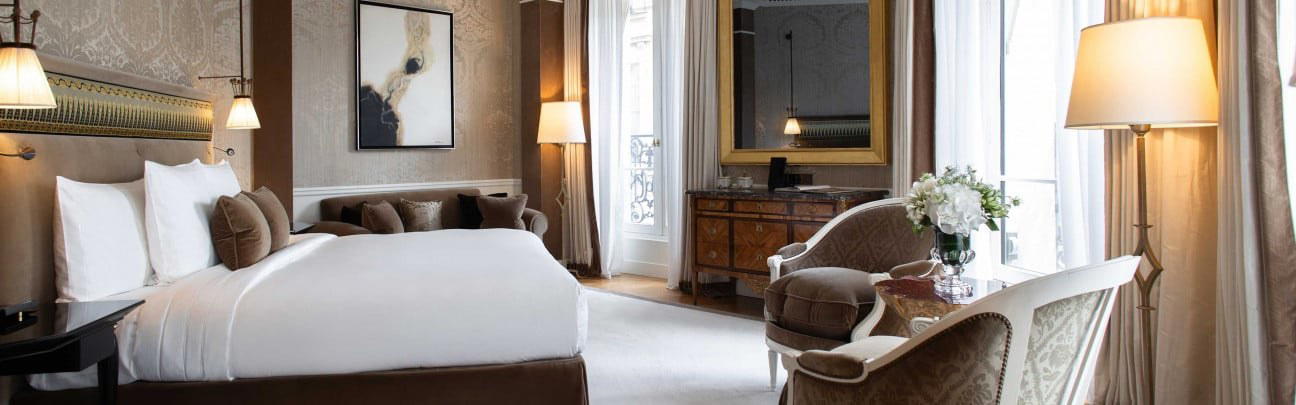
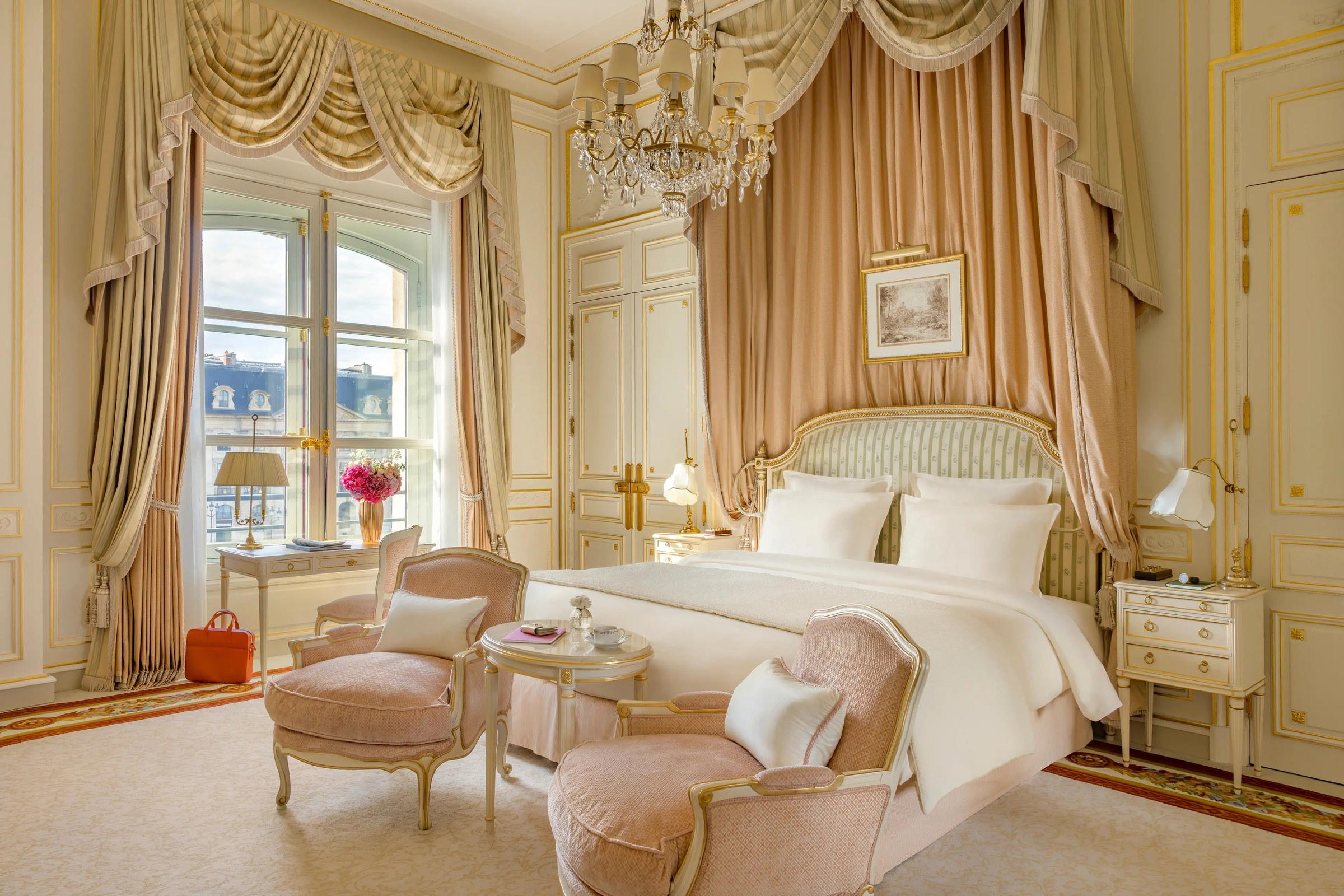
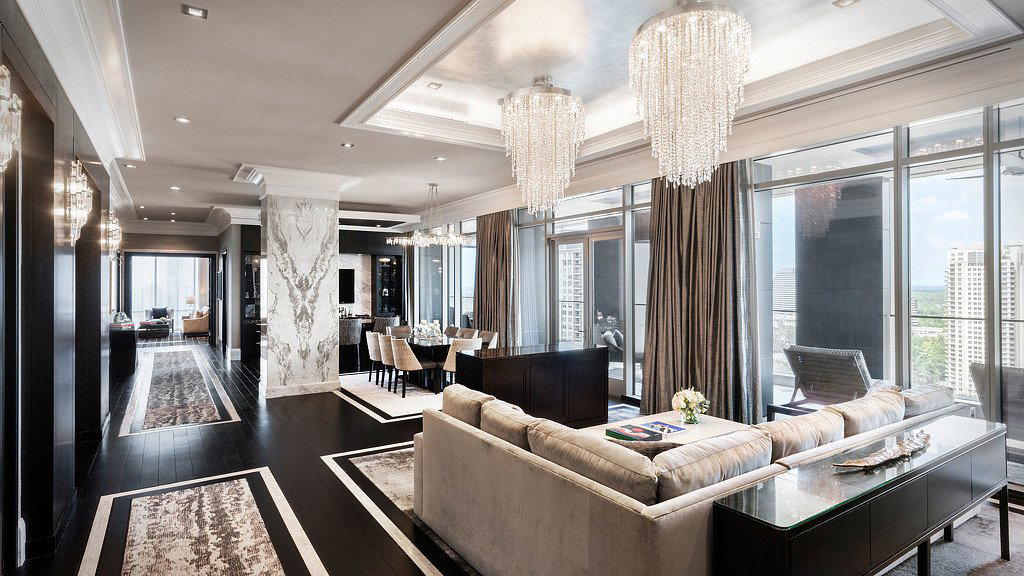
Comfortable nostalgic atmosphere with spotless rooms, excellent lighting, and attentive service creating a home-like yet distinctly luxurious Tokyo experience.
Tags
Vibe
Best For
Experience
Amenities
View
Accessibility
About the Stay
- Rooms
- 918
- Property Style
- Classic Luxury Heritage Property with Modern Amenities
- Design Style
- Elegant Traditional Japanese with Nostalgic Dated Charm
Know before you go
Know Before You Go
- Getting there
- 1-chōme-1-1 Uchisaiwaichō, Chiyoda City, Tokyo 100-8558
Planning details
Location
1-chōme-1-1 Uchisaiwaichō, Chiyoda City, Tokyo 100-8558 · Directions
Recognition and awards



Also consider
If it is not available
Try The Peninsula Tokyo first if the trip still calls for a luxury hotel near the same central axis. For a more casual Ginza stay, Hyatt Centric Ginza Tokyo is the cleaner substitute.
Hotel context
How it compares in Tokyo
Imperial Hotel Tokyo is the safer choice for travelers who want a formal, established hotel near Hibiya, Ginza, and Marunouchi. The Peninsula Tokyo is the closest luxury cross-shop for a more explicitly high-touch stay nearby, while Imperial is better if heritage and institutional polish matter more than a flashier luxury statement.
For Ginza-focused trips, Hyatt Centric Ginza Tokyo, GINZA HOTEL by GRANBELL, and Hotel The Celestine Ginza make more sense if the priority is being embedded in the shopping and dining grid with a lighter mood. They are better cross-shops for travelers who will spend little time in the hotel and want the neighborhood to do more of the work.
The Blossom Hibiya is the practical alternative for visitors who want the same broader area without committing to a grand-hotel feel. Choose Imperial Hotel Tokyo for celebrations, client trips, and polished repeat stays; choose the Ginza and Hibiya peers when value, ease, or a less formal atmosphere is the bigger priority.
Explore Tokyo
Around this place
Discover more on Pearl
Unlock the full Imperial Hotel Tokyo guide in Pearl, including awards, comparisons, FAQs, planning details, and nearby places.
Compare Imperial Hotel Tokyo
| Venue | Location | Awards |
|---|---|---|
| Imperial Hotel Tokyo | Tokyo | 2026 Forbes 4-Star2026 La Liste Top HotelsLeading Hotels of the World 2026 |
| GINZA HOTEL by GRANBELL | Tokyo | No published awards |
| The Peninsula Tokyo | Tokyo | 2026 Forbes 5-Star2026 Virtuoso Luxury Hotel Collection2026 Robb Report Best Luxury Hotels in Tokyo2026 La Liste Top HotelsWorld Travel Awards 20252025 Michelin 1 Key |
| The Blossom Hibiya | Tokyo | No published awards |
| Hotel The Celestine Ginza | Tokyo | No published awards |
| Hyatt Centric Ginza Tokyo | Tokyo | No published awards |





How Imperial Hotel Tokyo compares with similar nearby venues.
FAQ
Frequently Asked Questions
How does Imperial Hotel Tokyo compare to other Tokyo hotels?
Choose it if you want a Tokyo hotel with recognition, including Leading Hotels of the World membership, a 2026 La Liste Top Hotels score, and Forbes 4-Star recognition. For comparison, GINZA HOTEL by GRANBELL, Hotel The Celestine Ginza, Hyatt Centric Ginza Tokyo, The Blossom Hibiya, and The Peninsula Tokyo may suit travelers weighing other Tokyo hotel styles.
How is the dining at Imperial Hotel Tokyo?
Imperial Hotel Tokyo does not establish a specific dining concept, cuisine, menu format, or bar program. Treat dining as something to confirm directly with the hotel, and plan other Tokyo meals separately if food is a major priority.
When is the best time to book Imperial Hotel Tokyo?
Booking difficulty, seasonal demand patterns, or rate guidance are not included. Because Imperial Hotel Tokyo has recognition, including a 2026 La Liste Top Hotels score of 90.5 points and Forbes 4-Star status, it is sensible to compare rates and availability for any important Tokyo trip.