

Hotel Chinzanso Tokyo
Bunkyō, Tokyo
Hotel in Tokyo, Japan
 Book with Pearl
The Read
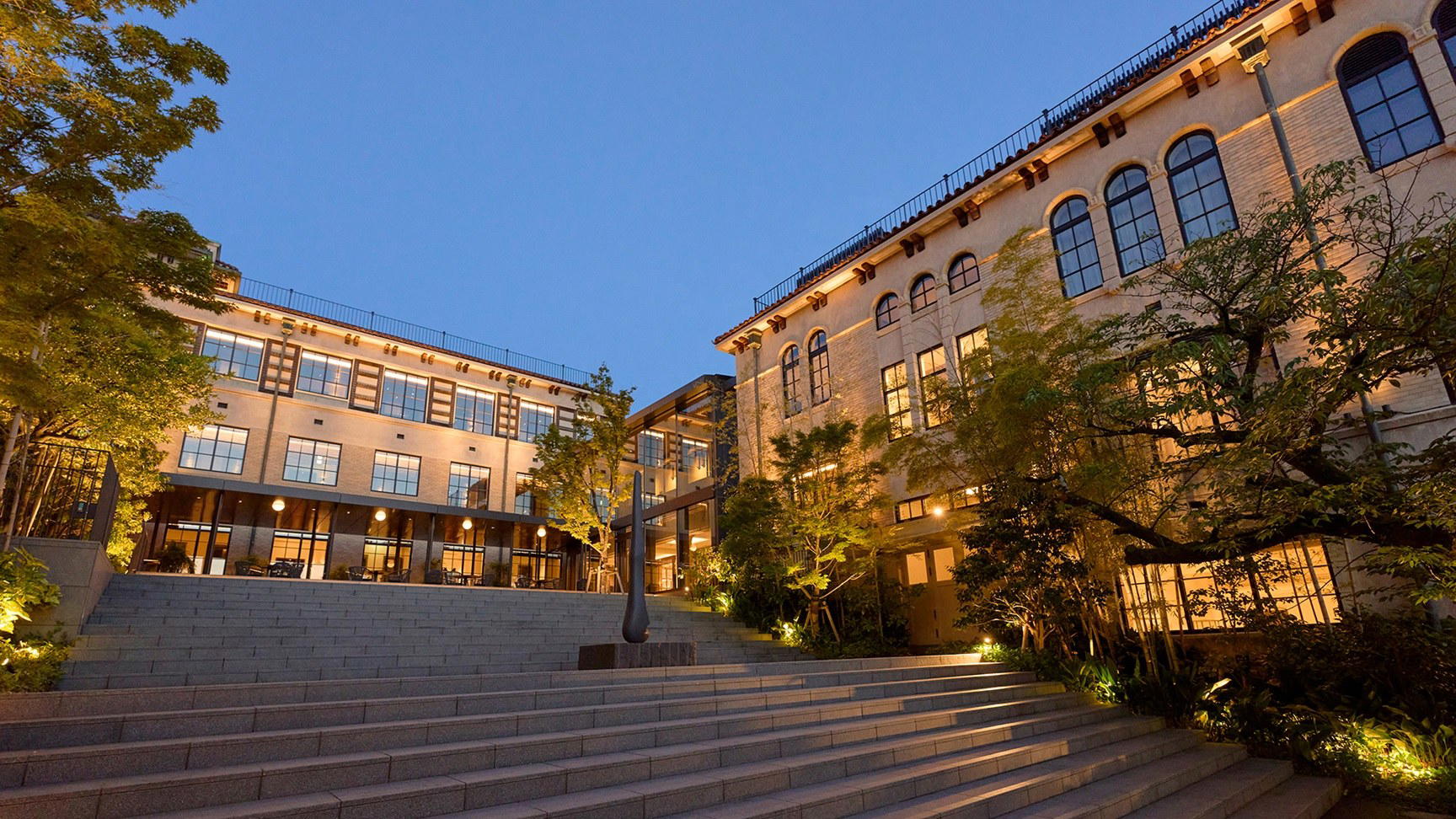
700-Year Garden Estate
Why go
Hotel Chinzanso Tokyo is worth booking if the hotel itself is part of the trip: quieter pacing, on-site dining convenience, and a more retreat-like Tokyo base. It is less compelling for travelers who want Shinjuku nightlife, quick district-hopping, or a room used only for sleep. Forbes 4-Star recognition in 2026 supports the luxury positioning.
About Hotel Chinzanso Tokyo
Hotel Chinzanso Tokyo is a Tokyo hotel with a smart-casual dress code, recognition from Preferred Hotels L.V.X. Collection in 2025, and Forbes 4-Star recognition in 2026. Treat the decision as a hotel-choice question first: whether this Tokyo property fits the style and pace of trip you are planning.
The verdict: consider it if you want Hotel Chinzanso Tokyo specifically and are comparing it with other Tokyo hotel options. If you are weighing different Tokyo stays, compare it against Granbell Hotel Shinjuku or HOTEL GROOVE SHINJUKU, A PARKROYAL Hotel. Keep final plans flexible until you confirm the current room, service, dining, and transport details directly with the hotel.
Choose it for a Tokyo hotel stay, with details confirmed before booking
Hotel Chinzanso Tokyo is in Tokyo. If location precision matters for meetings, restaurants, or late-night plans, confirm the current address and travel times before booking.
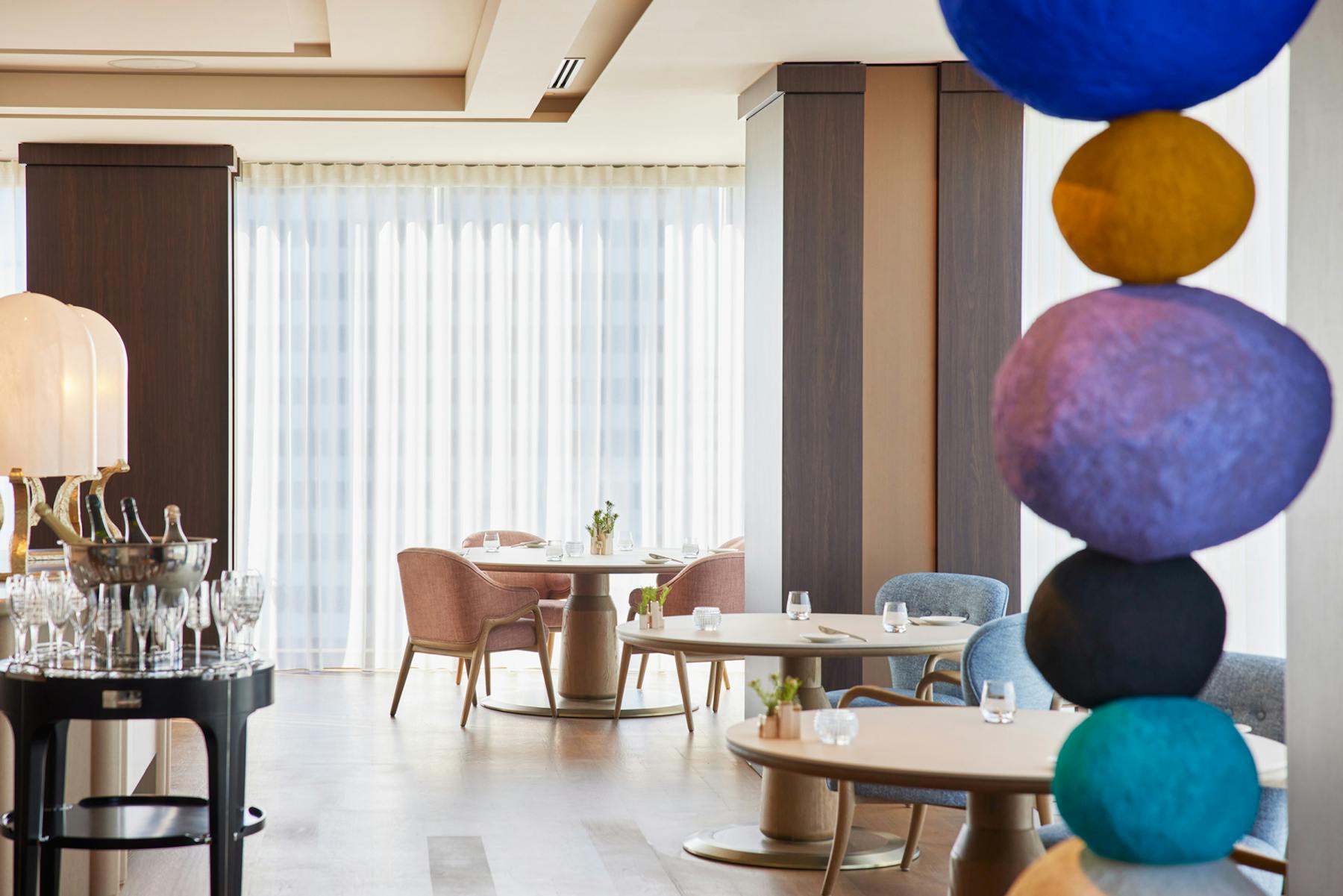
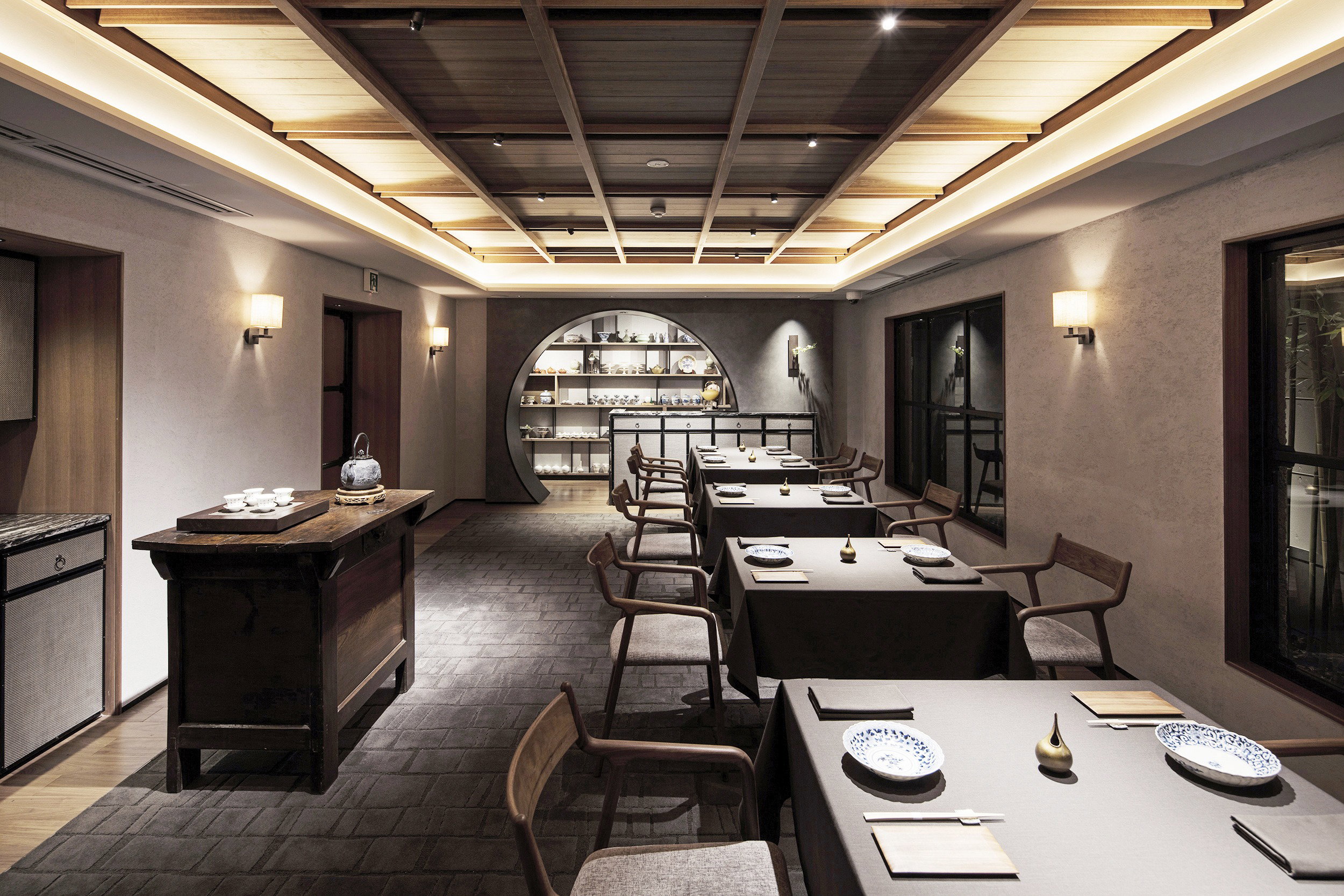
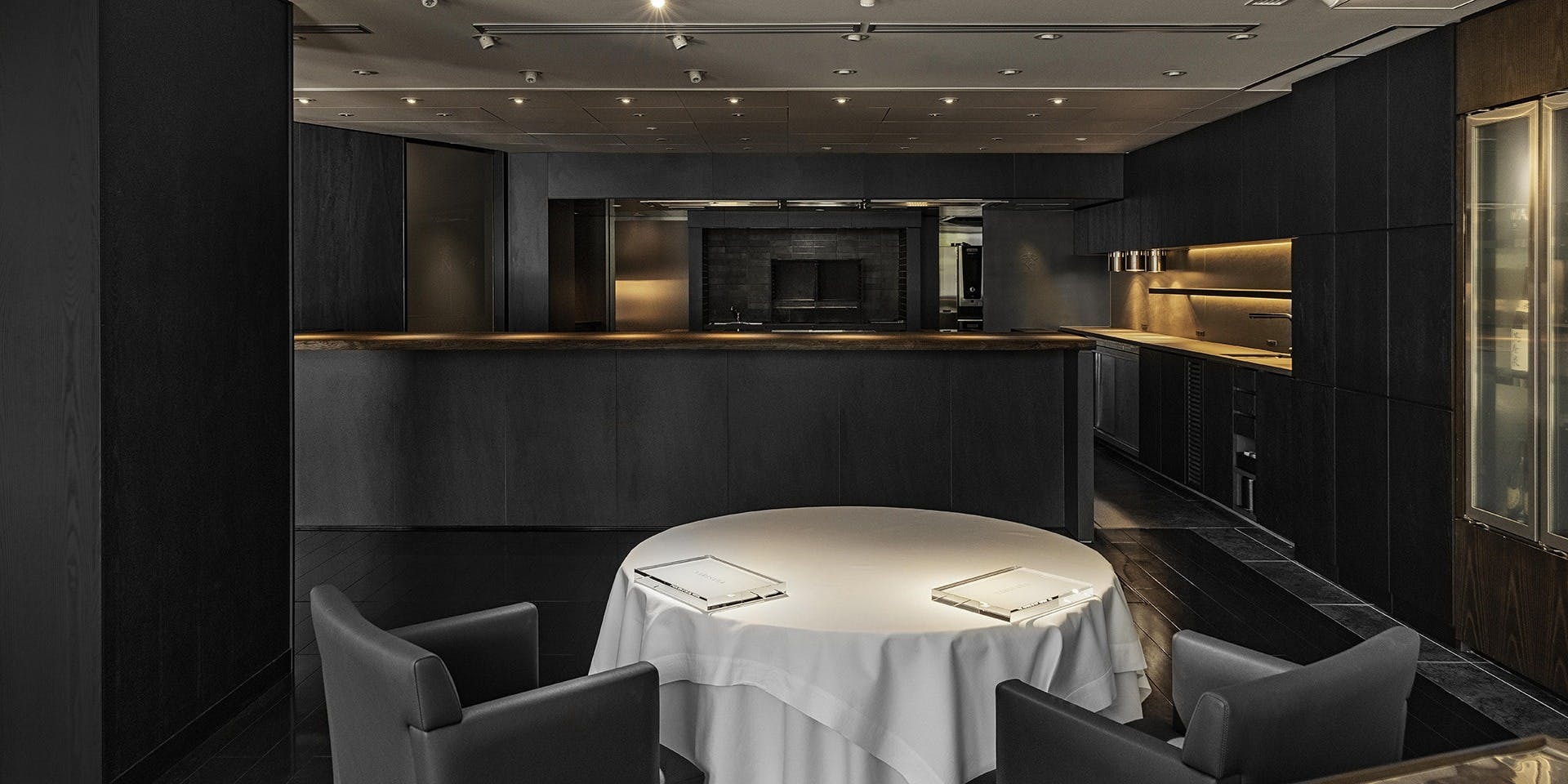
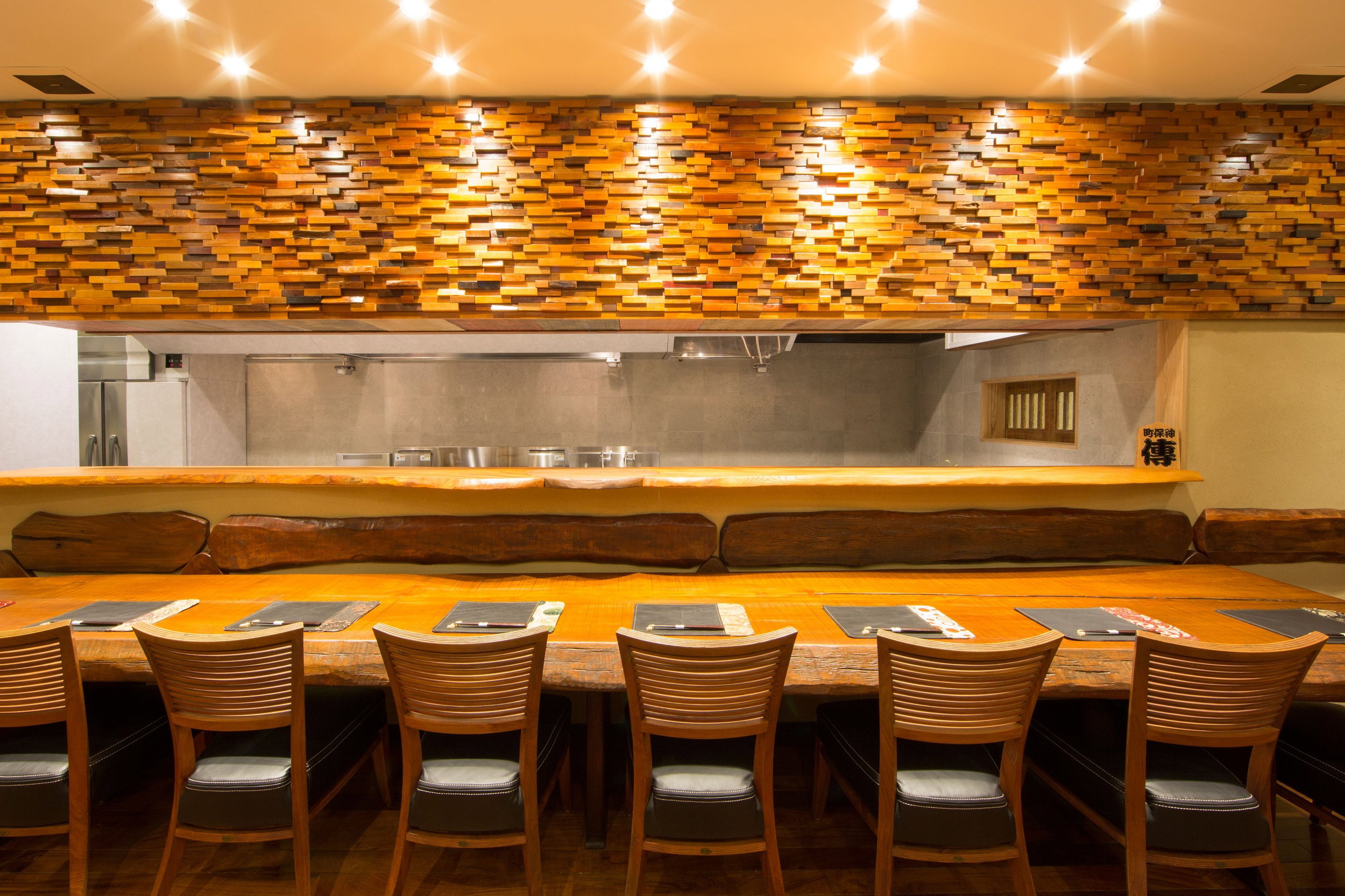
For meal planning, check the hotel's current cuisine, chef, menu, hours, service format, and pricing directly before treating dining as a reason to book. For wider research, use Our full Tokyo restaurants guide alongside Our full Tokyo hotels guide.
The smarter comparison is fit versus assumptions
Against other Tokyo hotel choices, Hotel Chinzanso Tokyo should be evaluated on fit rather than assumed setting, service style, or amenities. Bellustar Tokyo, A Pan Pacific Hotel; Granbell Hotel Shinjuku; HOTEL GROOVE SHINJUKU, A PARKROYAL Hotel; and Trunk House are natural comparison points if you are deciding among different types of Tokyo stays.
For business travel, the answer depends on your itinerary. The Forbes 4-Star recognition supports considering the hotel, but if your schedule depends on fast movement around Tokyo, confirm logistics before committing.
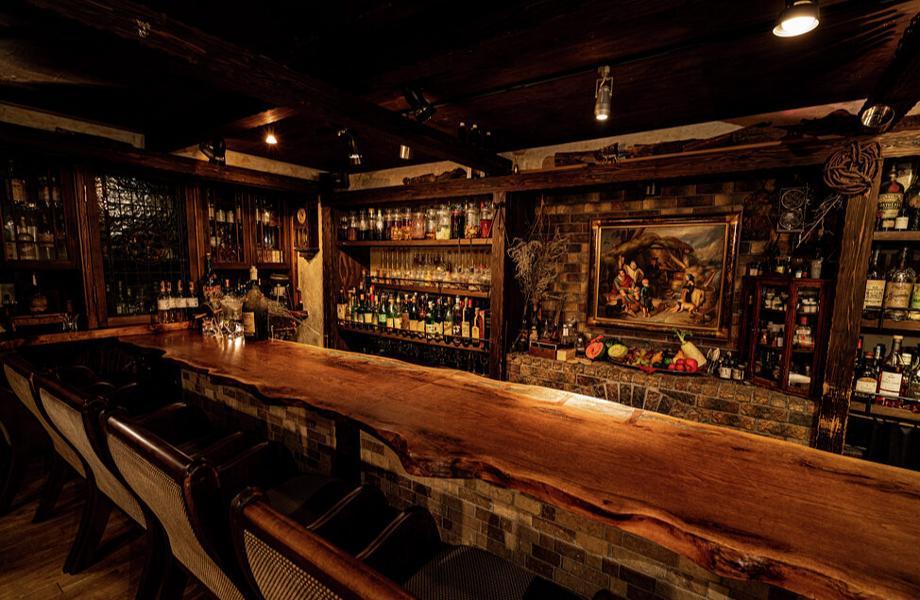
Bottom line: Hotel Chinzanso Tokyo is worth considering as a recognized Tokyo hotel with a smart-casual dress code, Preferred Hotels L.V.X. Collection recognition in 2025, and Forbes 4-Star recognition in 2026. If you need specifics on rooms, dining, services, or exact location, verify them directly before booking, and continue broader planning with Our full Tokyo bars guide and Our full Tokyo experiences guide.
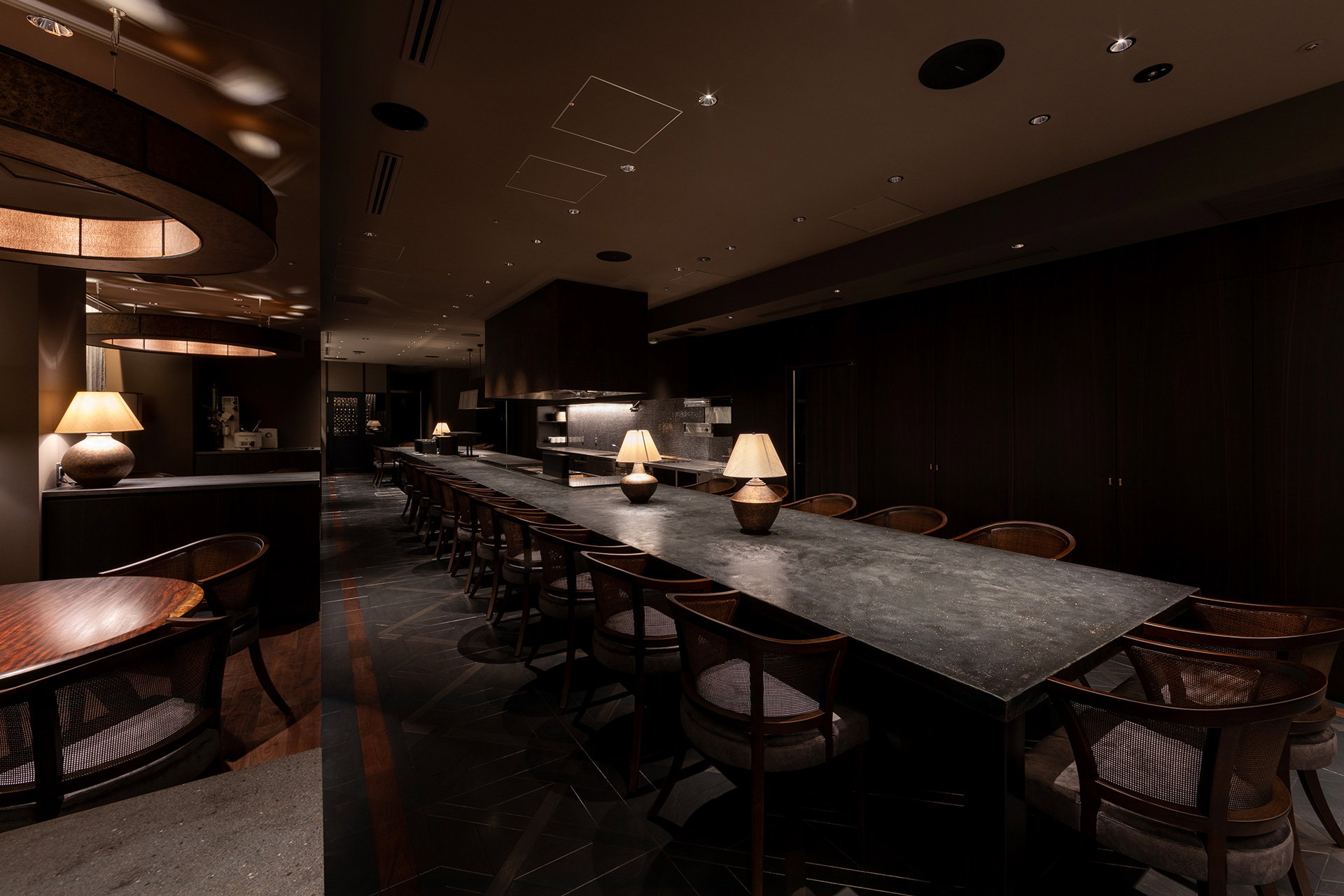
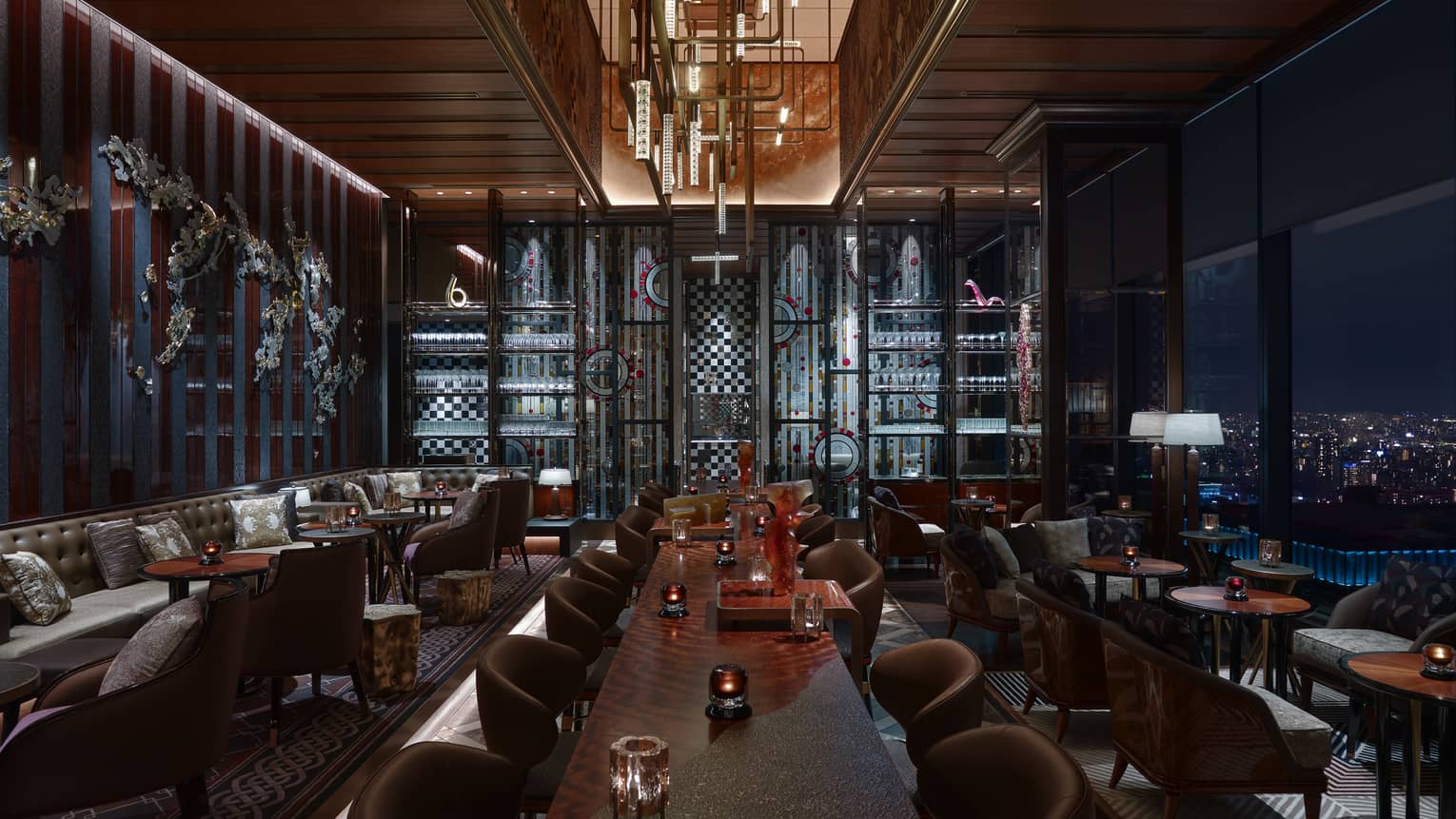
Inside Hotel Chinzanso Tokyo
Planning details
- Location
- 2-chōme-10-8 Sekiguchi, Bunkyo City, Tokyo 112-8680
- Website
- hotel-chinzanso-tokyo.jp
- Phone
- +81 3-3943-1111
The take
The Take
The Vibe
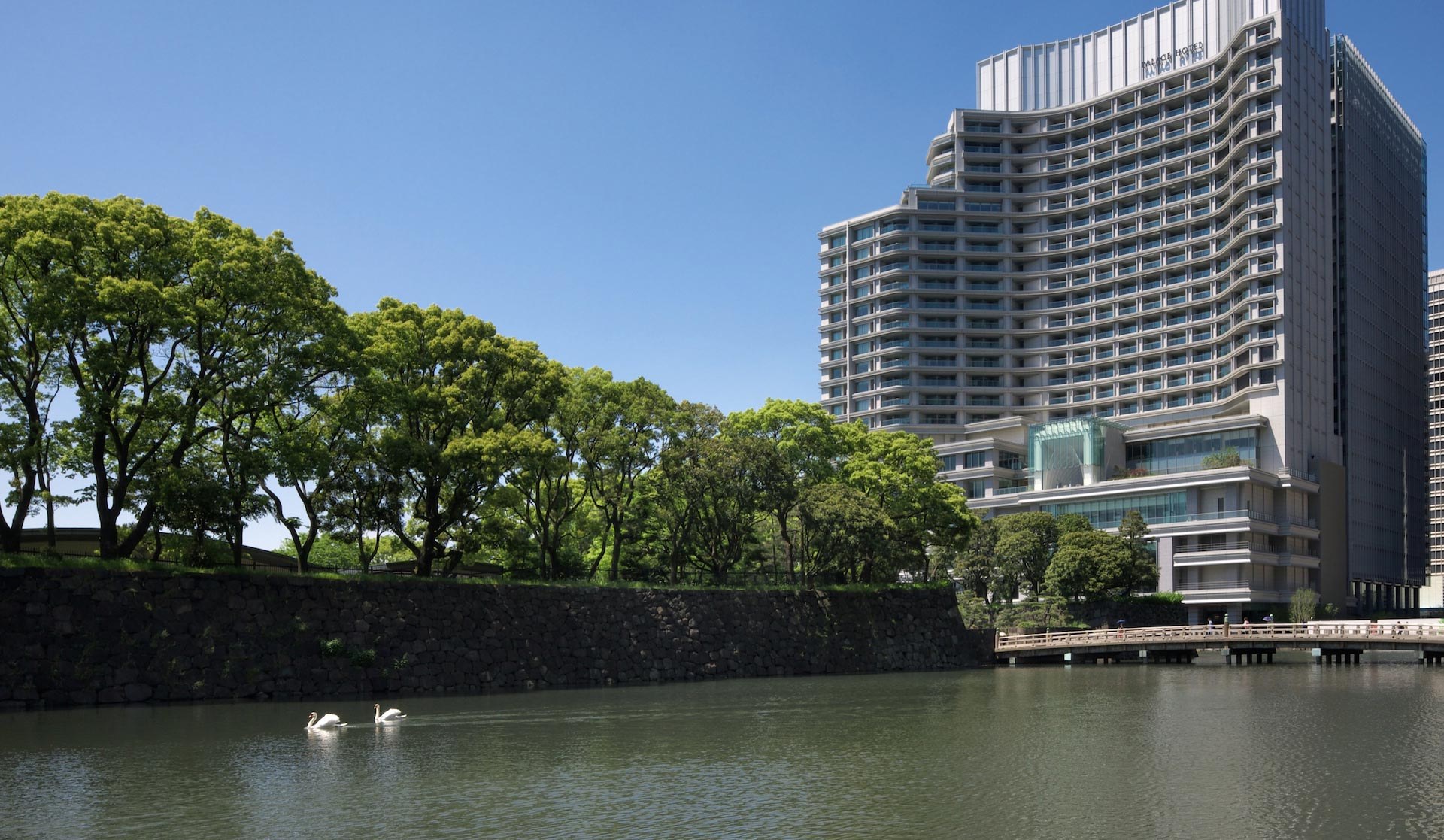
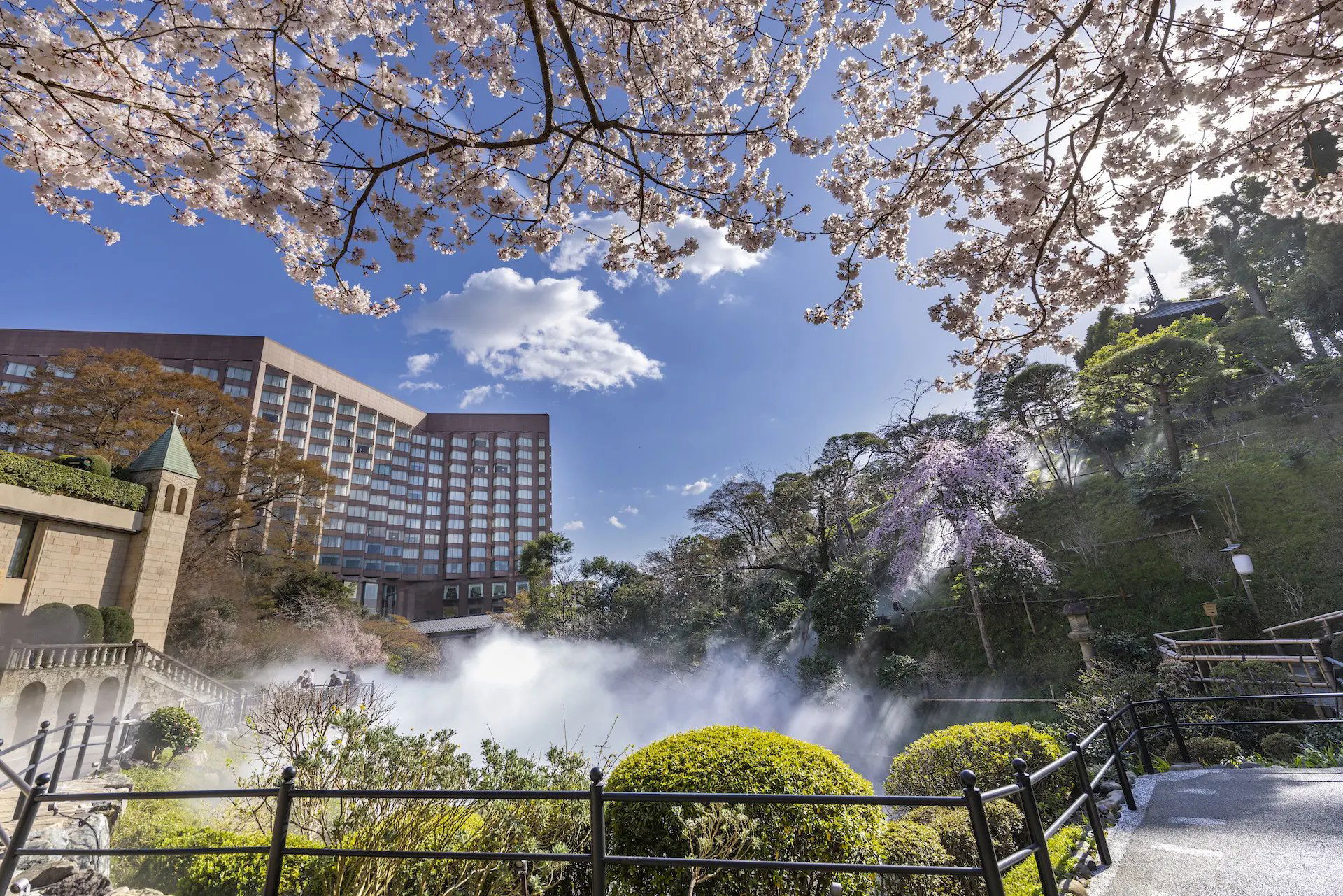
Hotel Chinzanso Tokyo centers its identity on a living, centuries-old Japanese garden, giving the property a quietly historic and contemplative presence in central Tokyo. Rather than competing for skyline views, the hotel unfolds horizontally across estate grounds that include a working Shinto shrine and a traditional tea room. The juxtaposition of carefully maintained heritage landscaping and updated guest accommodations produces a serene, charming retreat that reads as both polished and timeless. Guests feel removed from the city’s vertical hustle; the emphasis is on strolling pathways, seasonal blooms and the layered history embedded in the grounds.
Best For
Chinzanso is ideally suited to travelers seeking a tranquil, garden-centered stay in Tokyo: couples on a romantic getaway, families wanting space to roam, and visitors booking special events or ceremonies on the estate. The property’s history and broad grounds also make it a natural choice for private events and ceremonies that benefit from scenic, heritage-minded settings. At the same time, the hotel’s full complement of rooms and restaurants supports business travelers who need comfortable accommodations with refined service while remaining close to the city.
Stay Tips
Book garden-facing rooms and check availability during peak cherry-blossom and autumn-color windows to experience the property at its most atmospheric. If you’re planning an event, inquire early about the estate’s event offerings—its development as an event venue is part of the site’s history. Ask the hotel about access to the traditional tea room and any seasonal garden activities or guided walks; these are the elements that distinguish a stay here and are tied directly to the property’s long cultural arc.
Venue details
Ambiance
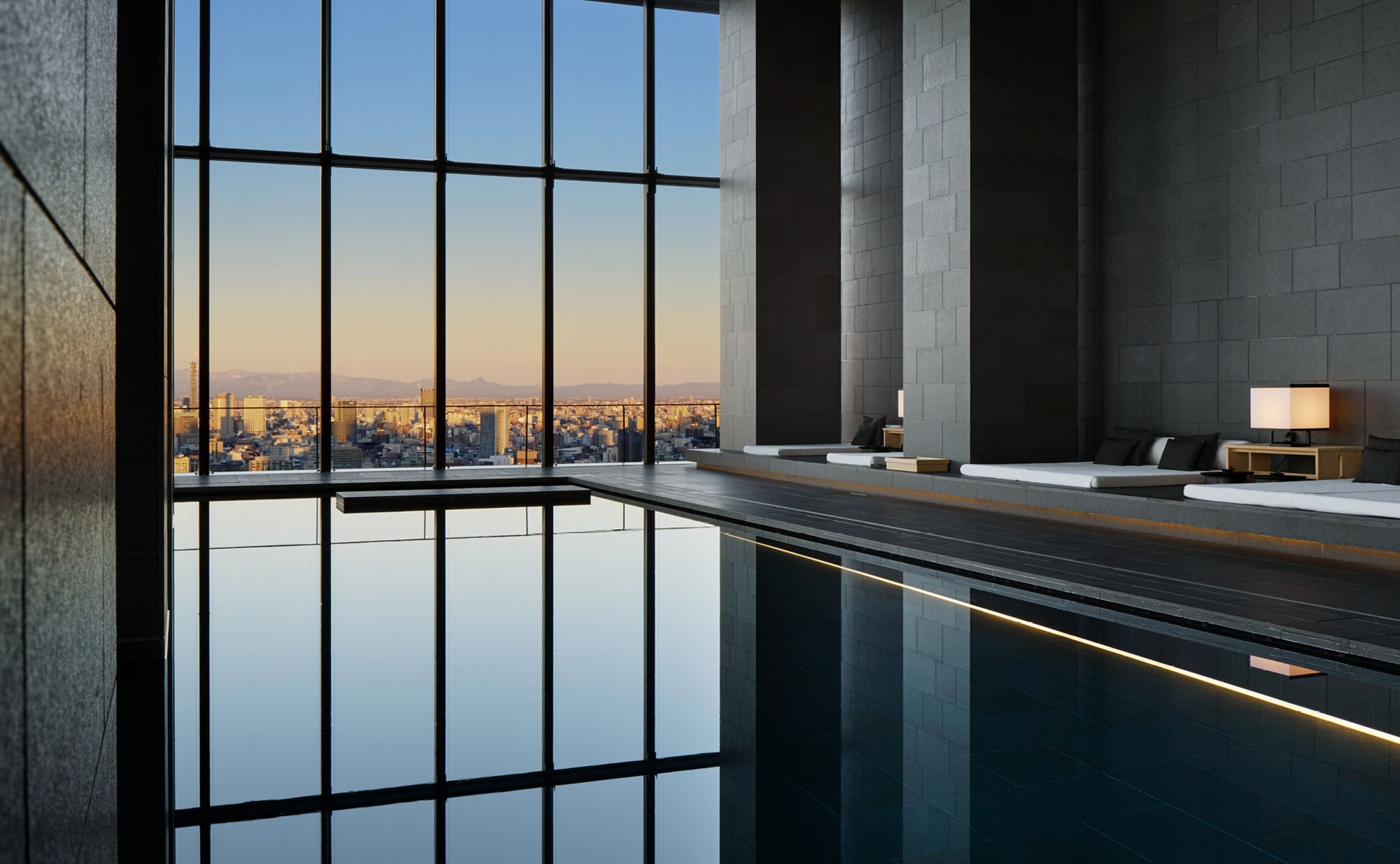
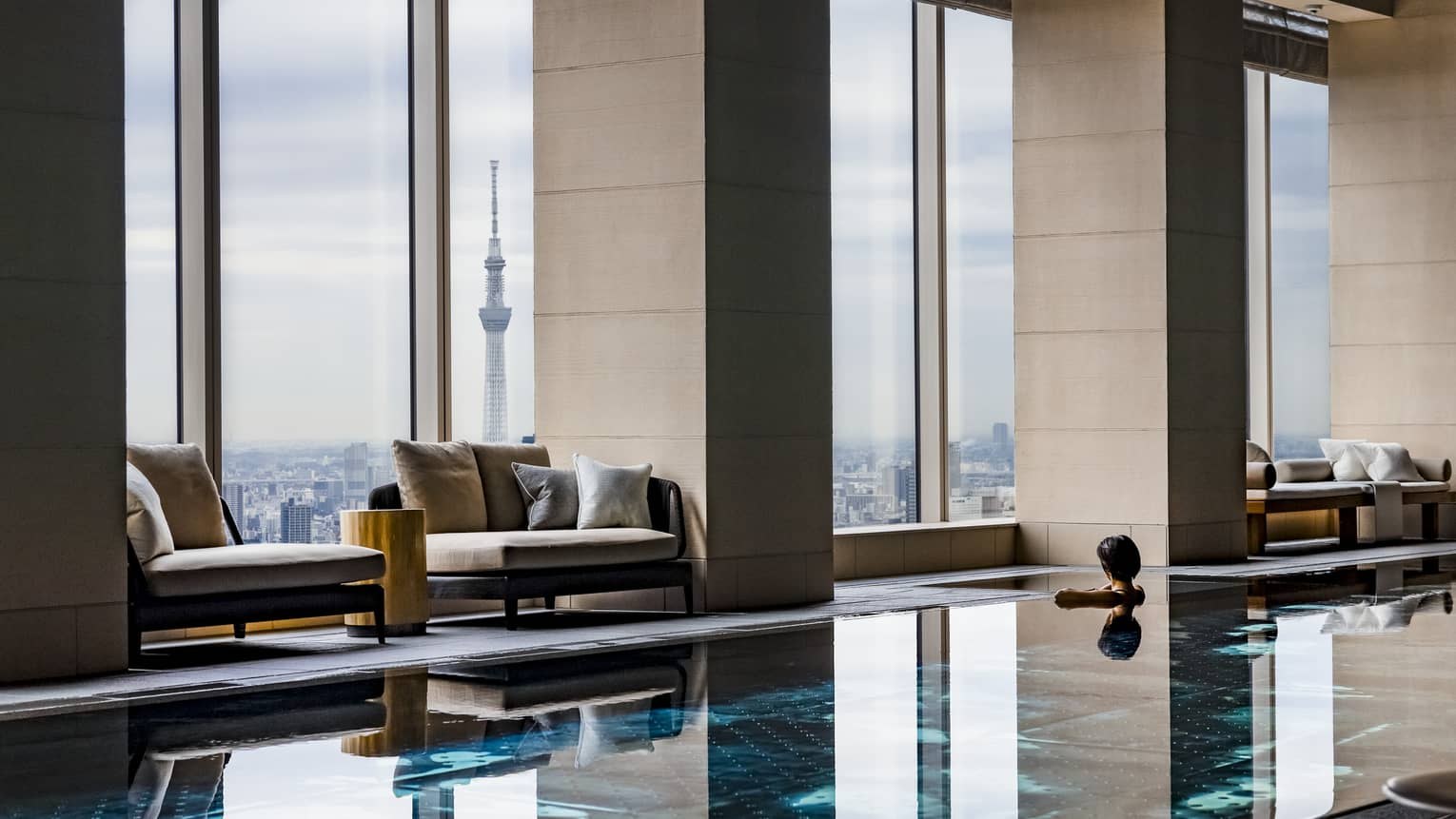
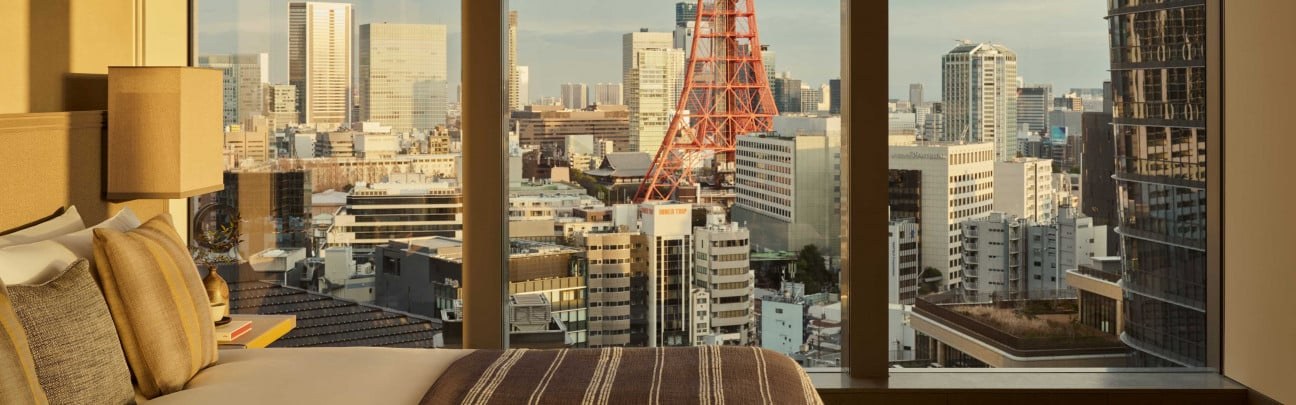
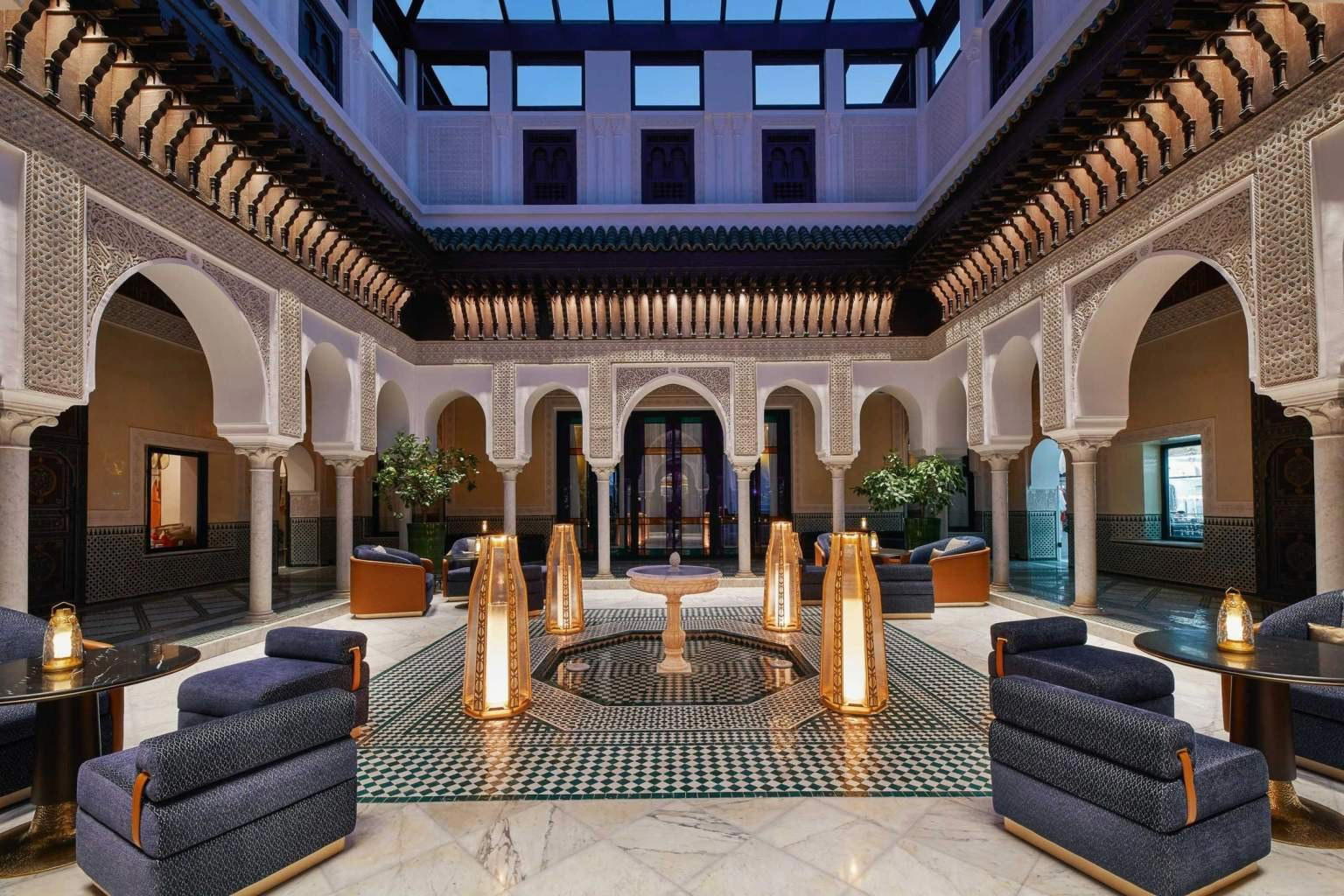
Serene and refined with natural light throughout spa facilities, elegant European-Japanese design blending, warm wooden accents in treatment rooms, and panoramic views of manicured gardens and Tokyo skyline.
Tags
Vibe
Best For
Experience
Amenities
View
Accessibility
About the Stay
- Rooms
- 265
- Property Type
- Boutique hotel
- Property Style
- Luxury Urban Sanctuary Combining Japanese Botanical Heritage with Contemporary Hospitality, Formerly a Four Seasons Property.
- Design Style
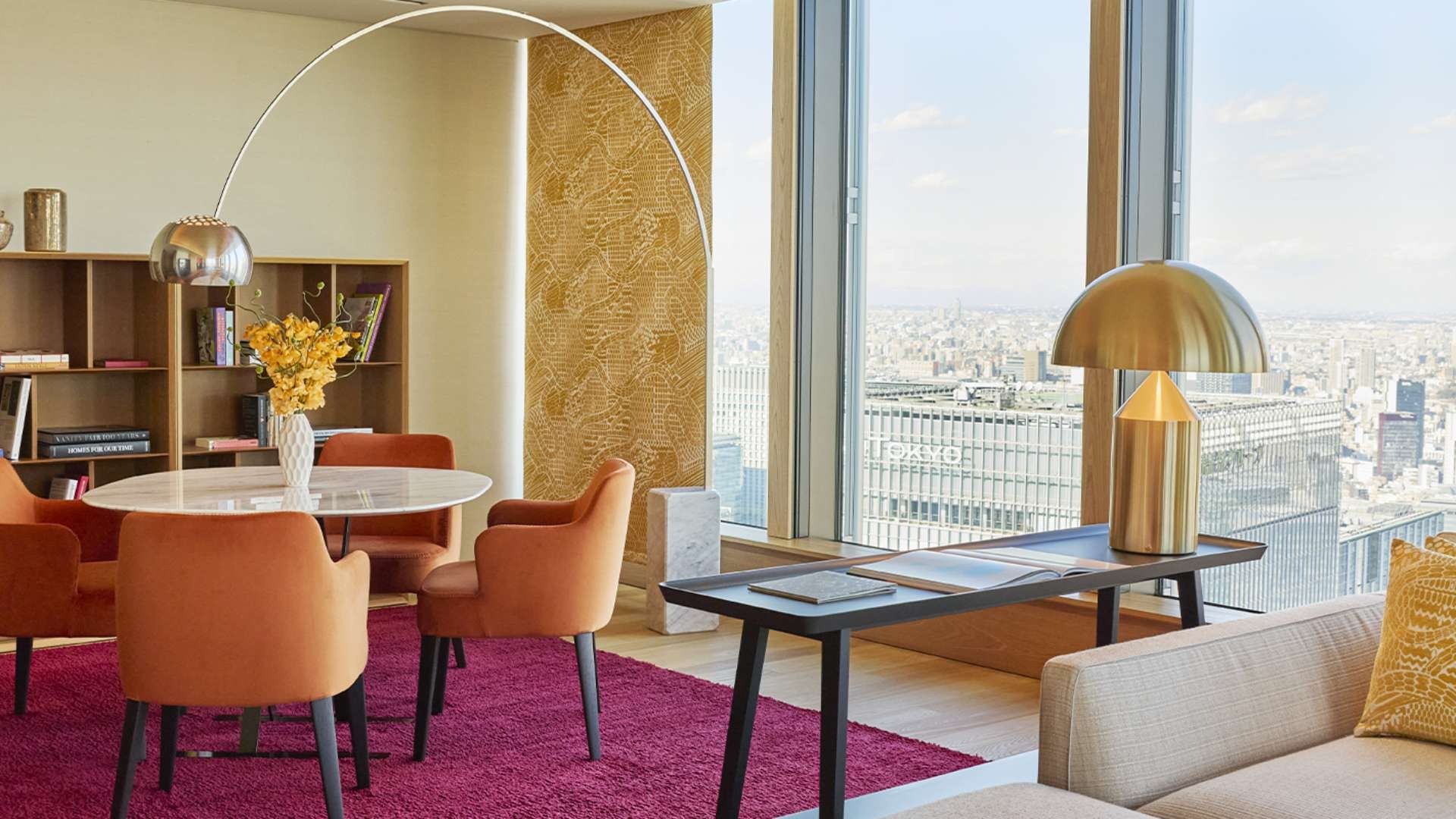
- Elegant Blend of European Sophistication and Japanese Grace with Traditional Arita Yaki Porcelain Accents, Marble Bathrooms, and Contemporary Minimalist Spa Design.
- Airport Transfer
- Available
- Pool
- Yes
- Spa
- Yes
- Pets
- Allowed
- Families
- Welcome
- Cancellation
- Moderate
Know before you go
Know Before You Go
- Getting there
- 2-chōme-10-8 Sekiguchi, Bunkyo City, Tokyo 112-8680
Planning details
Location
2-chōme-10-8 Sekiguchi, Bunkyo City, Tokyo 112-8680 · Directions
Recognition and awards

Also consider
Also Consider
- Trunk House, Notable alternative
- Granbell Hotel Shinjuku, Notable alternative
- Bellustar Tokyo, A Pan Pacific Hotel, Notable alternative
- HOTEL GROOVE SHINJUKU, A PARKROYAL Hotel, Notable alternative
- Tonkatsu Maisen, Notable alternative
Hotel context
How It Compares
Choose Hotel Chinzanso Tokyo over Granbell Hotel Shinjuku if the priority is a calmer, more service-led stay with dining built into the plan. Granbell is the more practical call for travelers who want Shinjuku access and a simpler city base; Chinzanso is the better fit when the property experience matters as much as the neighborhood.
Bellustar Tokyo, A Pan Pacific Hotel and HOTEL GROOVE SHINJUKU, A PARKROYAL Hotel make more sense for travelers who want height, nightlife proximity, and a busier Tokyo rhythm. Chinzanso is the slower choice: better for couples, quiet leisure trips, and guests who want to keep at least some meals on property rather than building every night around external reservations.
Trunk House is the sharper pick for a private-house feel and design-led entertaining, while Chinzanso is stronger for a traditional luxury-hotel stay with broader facilities. If the decision is mainly about one meal rather than a hotel stay, Tonkatsu Maisen belongs in the cross-shop set as a dining stop, not as a substitute lodging choice.
Explore Tokyo
Around this place
Discover more on Pearl
Unlock the full Hotel Chinzanso Tokyo guide in Pearl, including awards, comparisons, FAQs, planning details, and nearby places.
Compare Hotel Chinzanso Tokyo
| Venue | Location | Awards |
|---|---|---|
| Hotel Chinzanso Tokyo | Tokyo | 2026 Forbes 4-StarPreferred Hotels L.V.X. Collection 2025 |
| Trunk House | Tokyo | No published awards |
| Granbell Hotel Shinjuku | Tokyo | No published awards |
| Bellustar Tokyo, A Pan Pacific Hotel | Tokyo | 2026 Michelin 1 KeyWorld Luxury Hotel Awards 20252025 Michelin 1 Key2024 Michelin 1 Key |
| HOTEL GROOVE SHINJUKU, A PARKROYAL Hotel | Tokyo | No published awards |
| Tonkatsu Maisen | Tokyo | No published awards |



How Hotel Chinzanso Tokyo compares with similar nearby venues.
FAQ
Frequently Asked Questions
What is check-in like at Hotel Chinzanso Tokyo?
Hotel Chinzanso Tokyo is in the Preferred Hotels L.V.X. Collection. Confirm the current arrival time, check-in process, and service details directly with the hotel before travel.
Is Hotel Chinzanso Tokyo good for business travel?
It can be considered for a Tokyo business stay, especially if the Forbes 4-Star recognition matters to you. Compare business facilities, room workspaces, meeting services, and travel times with options such as Granbell Hotel Shinjuku based on your actual schedule.
How is the location of Hotel Chinzanso Tokyo?
Hotel Chinzanso Tokyo is in Tokyo. Use the hotel's current official information when judging convenience against another Tokyo option such as Bellustar Tokyo, A Pan Pacific Hotel.
Which room category is best at Hotel Chinzanso Tokyo?
Choose only after checking the hotel's current room descriptions, rates, and cancellation terms, especially if you are deciding between a short Tokyo stay and a longer trip.
How is the dining at Hotel Chinzanso Tokyo?
If food is the main priority, compare with another Tokyo option such as Tonkatsu Maisen, and confirm any Hotel Chinzanso Tokyo dining plans directly before booking.